
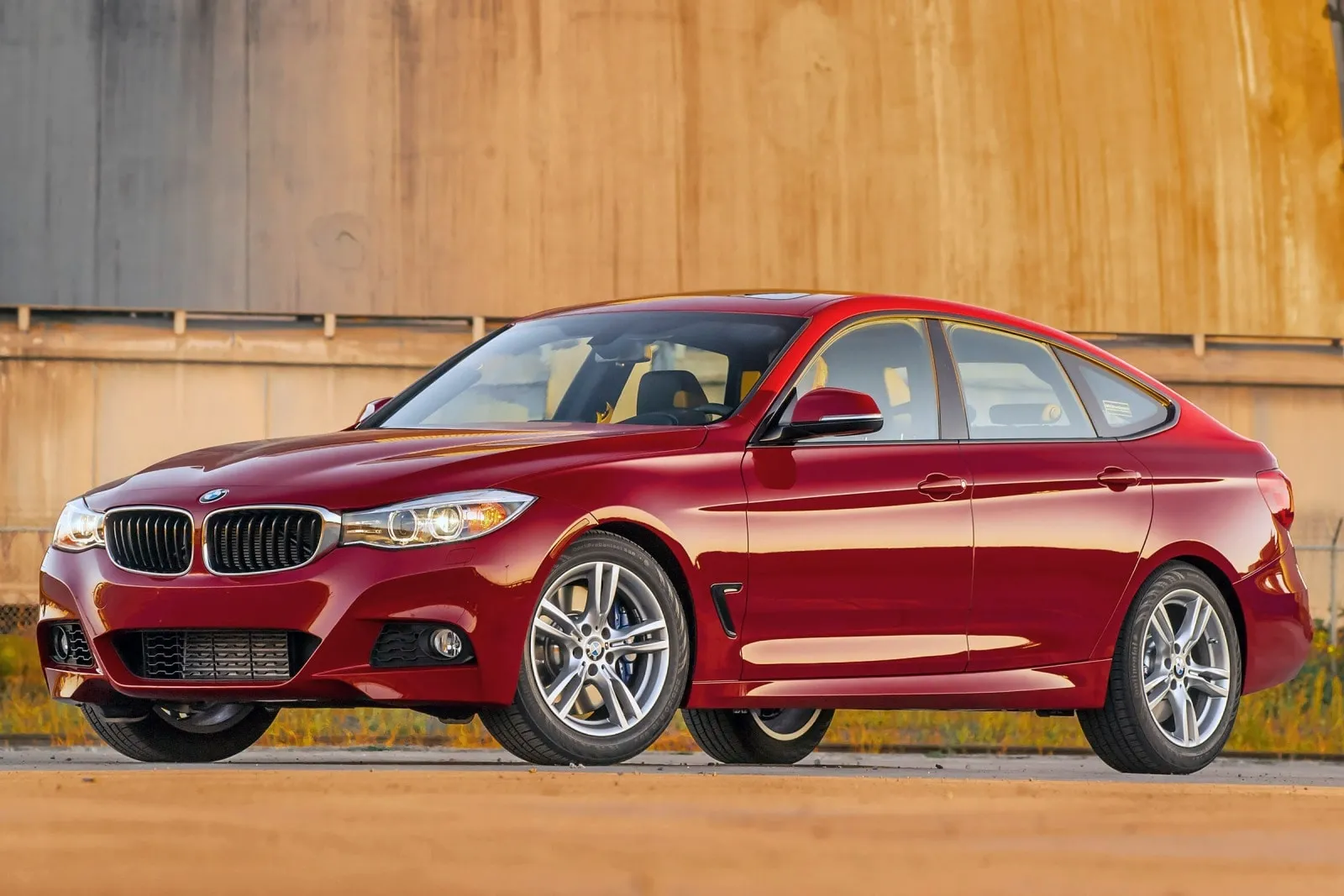
Looking rich doesn’t require spending your entire savings account. Smart shoppers know that certain used luxury vehicles depreciate faster than milk left on a summer dashboard, creating opportunities to own prestigious brands for Honda Civic money.
Your neighbors will see a Mercedes badge and assume you’re making six figures, never suspecting you paid less than $20,000 for a car that originally stickered at $60,000 new.
Depreciation hits luxury vehicles hardest because wealthy buyers prefer new models with current technology and full warranties. Once these cars hit 5 to 7 years old, values plummet despite having plenty of life remaining.
You can find well-maintained examples with reasonable mileage for prices that shock people unfamiliar with luxury car depreciation curves. Your coworkers will wonder how you afford that BMW on your salary, and you’ll smile knowing the secret.
Perception matters more than reality when projecting success. Pull up to a restaurant in a Lexus, and valets assume you’re a generous tipper. Park a Porsche at the office, and colleagues treat you differently despite your unchanged salary.
These psychological effects happen whether you paid $80,000 or $18,000 for the vehicle. Nobody checks Carfax receipts before forming opinions about your financial status.
Smart buyers balance prestige with practicality. Some luxury brands cost fortunes to maintain, while others remain surprisingly affordable.
Reliability varies wildly, with certain models providing years of trouble-free driving while others drain bank accounts through constant repairs. Insurance costs fluctuate based on brand and model. Fuel economy ranges from reasonable to absolutely terrible.
This guide identifies ten vehicles under $20,000 that project wealth without destroying your budget through maintenance nightmares. These cars make you look successful while keeping enough money in your account to actually enjoy life.
Cars That Project Wealth Without Breaking Your Budget
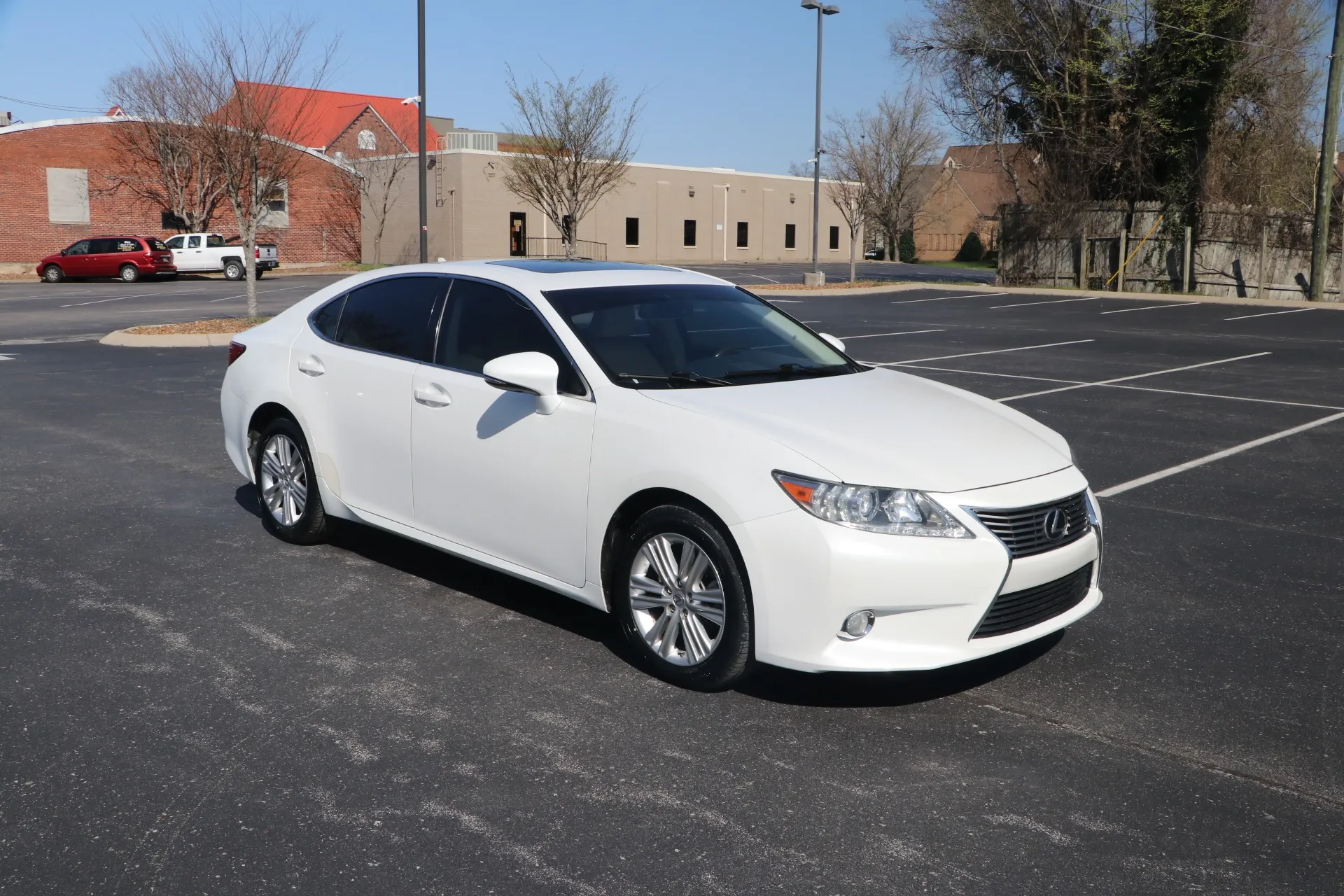
1. Lexus ES 350 2013-2016
Japanese luxury meets Toyota reliability in a sedan that screams success without requiring constant repair visits. Originally priced around $40,000 new, these models now sell for $15,000 to $19,000 with typical mileage between 60,000 and 100,000 miles. That Lexus badge carries serious prestige, immediately signaling to observers that you’ve achieved professional success worthy of a premium vehicle.
Styling aged gracefully with clean lines and understated elegance that doesn’t look dated. Chrome grille and LED lighting create an upscale appearance, and proportions suggest an executive sedan rather than an economy car. Nobody will guess that this Lexus costs less than a new Corolla. Paint quality holds up well, and body panels maintain tight gaps that communicate quality construction.
Interior appointments justify the luxury positioning with genuine leather upholstery, real wood trim, and soft-touch materials throughout. Seats provide exceptional comfort during long drives with proper support and plush cushioning. Back seats accommodate adults easily with generous legroom. Build quality reflects Toyota’s legendary attention to detail, with no squeaks or rattles even after years of use.
Powertrain durability stands out as the ES 350’s greatest strength. That 3.5-liter V6 produces 268 horsepower through a smooth six-speed automatic transmission. This engine regularly exceeds 200,000 miles with only routine maintenance like oil changes and timing belt replacement. Transmission reliability matches engine durability, avoiding the expensive failures plaguing European competitors.
Fuel economy delivers respectable numbers with mid-20s combined ratings. Premium fuel isn’t required despite the V6 engine, saving money at every fill-up. Insurance costs stay reasonable because Lexus models don’t attract the theft rates or repair costs that spike premiums on German luxury cars. Parts availability stays excellent through Toyota’s parts network.
Expected maintenance includes routine oil changes, brake service, and tire replacement. Major services at 60,000 and 90,000 miles involve spark plugs, transmission fluid, and coolant replacement. These costs stay manageable compared to European competitors, requiring dealer-only service. Independent mechanics can handle most repairs, unlike German cars, which demand specialized tools and software.
Resale values hold better than competitors, meaning your $18,000 purchase might sell for $12,000 after three years of use. This strong residual value reduces true ownership cost. For buyers wanting luxury brand prestige with Honda reliability, the ES 350 delivers impressively. You’ll look successful pulling up anywhere while spending less on maintenance than friends driving Toyota Camrys.
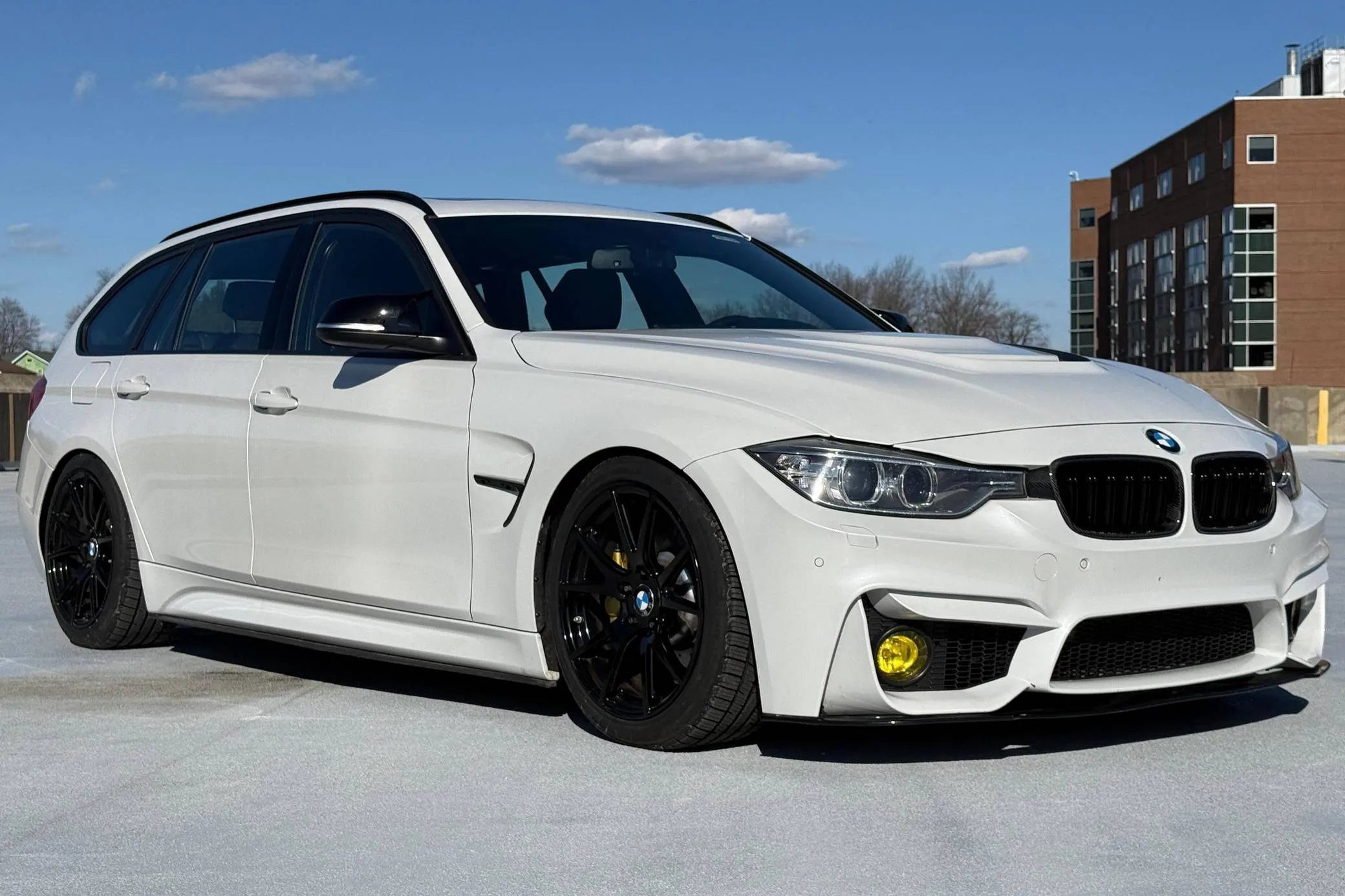
2. BMW 328i xDrive 2014-2016
German engineering meets all-wheel drive in a sedan that projects serious wealth despite affordable used pricing. Originally stickered at around $45,000, these models now sell between $14,000 and $19,000, depending on mileage and condition.
That iconic BMW kidney grille and roundel badge communicate success instantly, and most people have no idea these cars depreciated so dramatically. Driving dynamics justify BMW’s sporting reputation with precise steering, balanced handling, and responsive throttle.
This car feels alive in ways most sedans don’t, rewarding skilled drivers while remaining comfortable during daily commutes. Suspension tuning strikes an excellent balance between sport and comfort, absorbing rough pavement while maintaining control through corners.
Interior quality meets German luxury standards with premium materials, excellent build quality, and intuitive controls. The iDrive infotainment system operates smoothly with clear graphics and logical menus. Seats provide good support, though some find them too firm. Rear legroom accommodates adults comfortably. Trunk space handles luggage and cargo adequately.
Reliability concerns require honest assessment. These BMWs need proper maintenance to avoid expensive problems. Oil changes must happen every 7,500 miles using synthetic oil. Cooling system components, including the water pump and thermostat, require replacement around 80,000 miles. Valve cover gaskets leak oil, requiring replacement costing $800 to $1,200 at independent shops.
Expected annual maintenance costs average $1,500 to $2,000, including routine services and occasional repairs. Premium fuel requirements add expense at every fill-up. Insurance rates run higher than those of mainstream brands due to repair costs and theft rates. Parts cost more than Japanese competitors but less than other German brands.
Smart buyers find examples with complete service records showing proper maintenance. Avoid cars with neglected service histories because deferred maintenance creates expensive problems. Budget $2,000 annually for maintenance and repairs beyond the purchase price.
Despite higher operating costs, the 328i xDrive provides genuine driving pleasure and a prestigious badge that makes you look successful.
Also Read: 9 EVs That Make Sense Without Home Charging
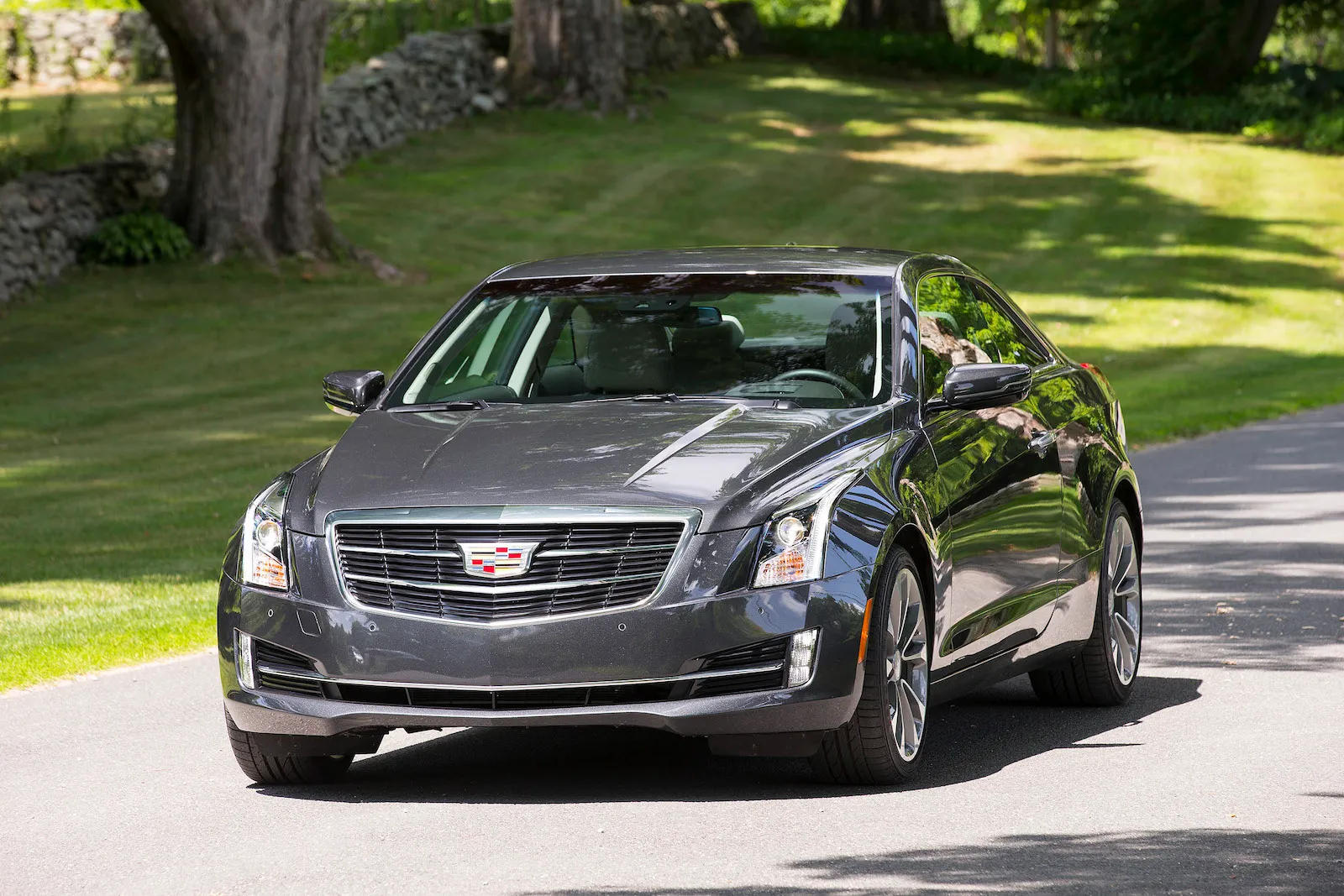
3. Cadillac ATS 2.0T Luxury 2015-2017
American luxury attempted the German sport sedan formula with surprising success. Original prices around $42,000 mean these Cadillacs now sell for $13,000 to $18,000, making them incredible value propositions. That distinctive Cadillac crest and Art & Science design language communicate wealth effectively, and most observers won’t realize you paid Civic money for luxury brand prestige.
Handling rivals German competitors with sharp steering, minimal body roll, and balanced chassis dynamics. Engineers tuned this Cadillac for enthusiast drivers, creating an engaging experience that rewards skill. Ride quality sacrifices some comfort for sporting character, transmitting road feel that some buyers love while others find harsh.
Interior design looks modern and upscale with attractive materials and logical layouts. CUE infotainment system frustrates some users with touchscreen controls that require precise inputs. The Bose audio system sounds excellent with clear highs and substantial bass. Seats provide good support during spirited driving. Back seats feel tight for taller passengers with limited legroom.
Build quality concerns emerge as miles accumulate. Interior trim pieces develop squeaks and rattles. Electrical issues appear randomly, from malfunctioning sensors to glitchy infotainment screens. Door handles break frequently, requiring replacements costing several hundred dollars. Water leaks through the sunroof drains and causes interior damage if not addressed promptly.
Expected reliability ranks below Japanese competitors but better than European alternatives. Routine maintenance costs stay reasonable with $100 oil changes and affordable brake service. Major repairs can get expensive, particularly for transmission or turbocharger problems. Warranty coverage ended years ago, leaving buyers responsible for all repair costs.
Fuel economy delivers mid-20s, combined with premium fuel required for optimal performance. Insurance costs run moderately, higher than mainstream brands but less than German competitors. Parts availability stays good through the GM dealer network. For buyers wanting sport sedan dynamics with luxury brand prestige at bargain prices, the ATS delivers despite quality concerns.
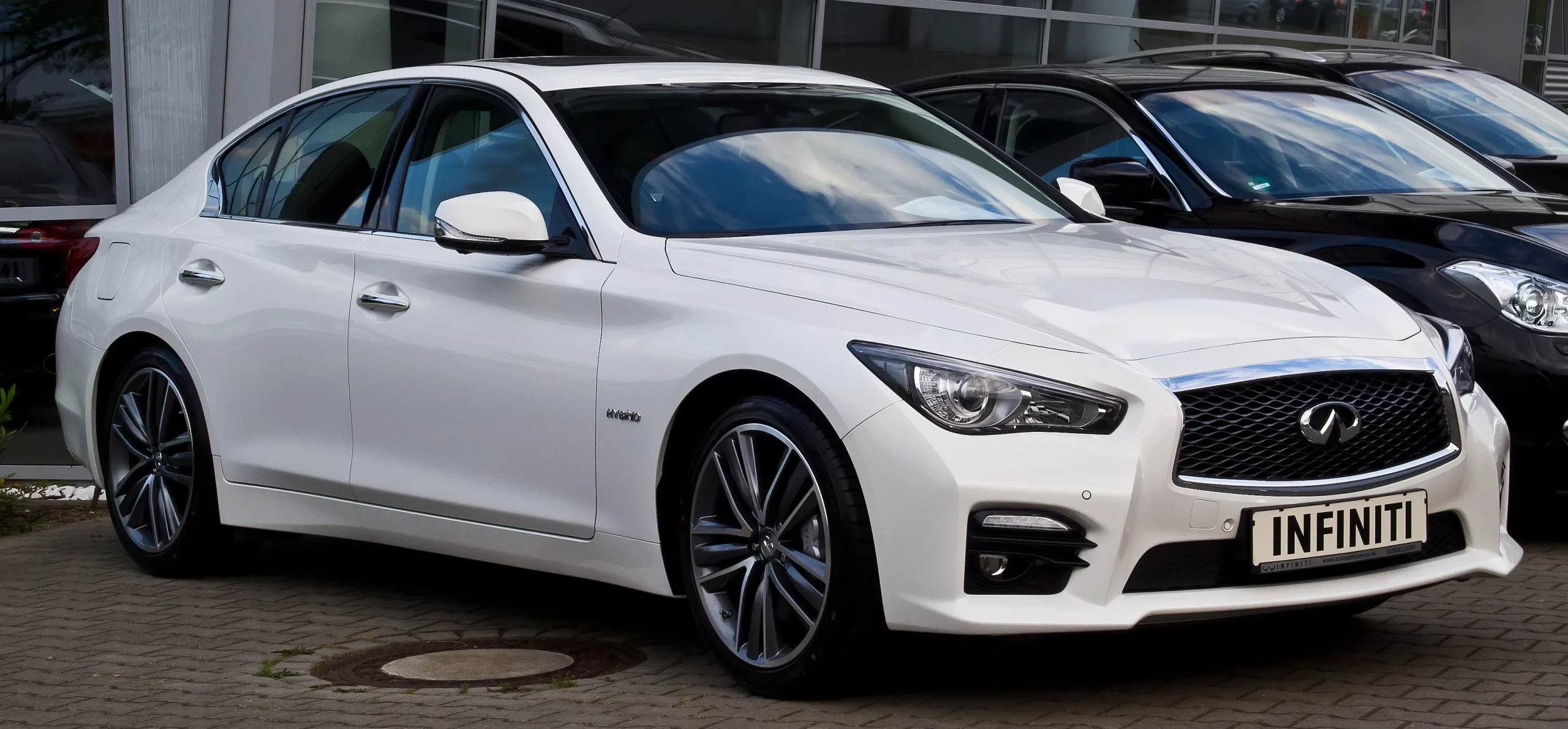
4. Infiniti Q50 3.0t Luxe 2016-2018
Japanese luxury with sporting pretensions creates a sedan projecting serious wealth. Original pricing around $48,000 means these Infinitis now sell between $16,000 and $20,000, incredible depreciation that smart buyers exploit.
That Infiniti badge carries less prestige than German competitors but still communicates success, and sleek styling looks expensive regardless of actual purchase price. Steering-by-wire system eliminates the mechanical connection between the steering wheel and the front wheels, replacing it with electronic signals.
This controversial technology feels artificial and disconnected, providing minimal feedback about road conditions or tire grip. Some drivers adapt while others never accept the unnatural feel. Handling stays composed through corners with minimal drama.
Interior quality meets near-luxury standards with leather upholstery, attractive trim, and decent build quality. Dual-screen infotainment setup looks impressive, but it requires a learning curve to operate efficiently. Upper screen displays navigation while lower touchscreen controls audio and climate. Seats provide adequate comfort and support. Rear passengers enjoy generous legroom.
Expected reliability concerns include electrical issues, transmission problems, and turbocharger failures. Routine maintenance costs stay moderate with reasonable parts prices. Major repairs get expensive quickly, particularly for complicated electronic systems. Warranty coverage expired years ago, leaving buyers responsible for repair bills.
Fuel economy achieves mid-20s, combined with premium fuel required. Insurance costs run moderately, higher than mainstream Japanese brands but less than German competitors. Parts availability stays decent through the Nissan dealer network.
For buyers wanting powerful V6 performance with a luxury brand badge at affordable prices, the Q50 provides value despite steering quirks and reliability concerns.
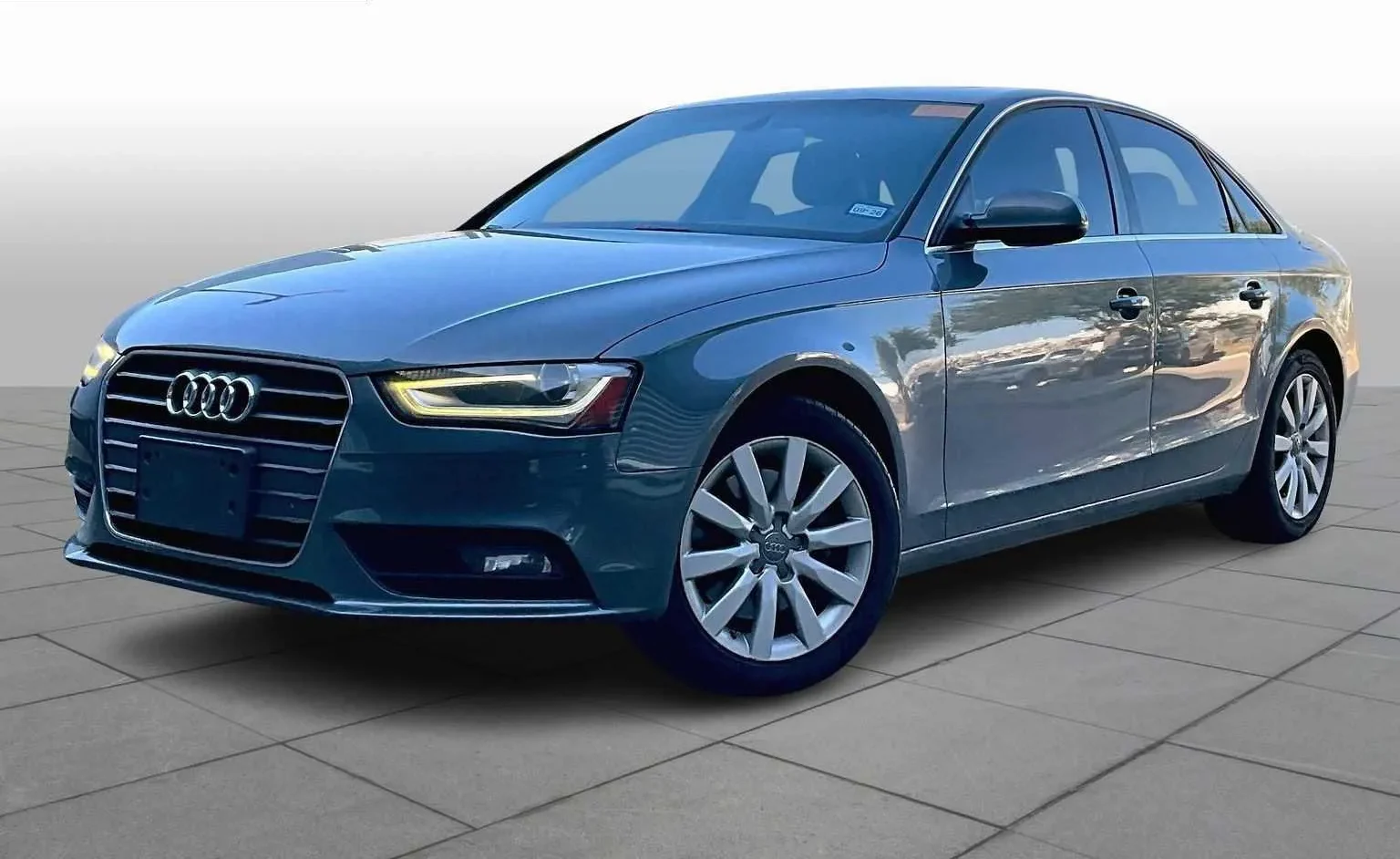
5. Audi A4 2.0T Premium Plus 2013-2016
Four-ring badge communicates European sophistication instantly. Originally priced around $42,000, these Audis now sell between $12,000 and $18,000, depending on mileage and condition. That understated German styling projects quiet wealth rather than flashy opulence, suggesting old money rather than a lottery winner. Nobody needs to know you paid less than a new Mazda3.
Quattro all-wheel drive provides confident traction during rain and snow, distributing power intelligently between axles. This system improves handling during dry conditions while maintaining grip when the weather deteriorates. Winter capability impresses with predictable behavior on slippery surfaces.
The turbocharged 2.0-liter four-cylinder produces 220 horsepower and 258 pound-feet of torque, providing adequate acceleration without feeling particularly exciting. CVT-like automatic transmission operates smoothly during gentle driving but lacks the quick responses of traditional automatics. Fuel economy delivers high-20s combined with premium fuel required.
Interior quality showcases German attention to detail with premium materials, excellent build quality, and intuitive controls. The MMI infotainment system operates logically with clear graphics. Seats provide good support and comfort. Rear legroom accommodates adults adequately. Trunk space handles luggage and cargo reasonably well.
Reliability issues require honest discussion. Carbon buildup on intake valves causes rough idle, hesitation, and reduced power around 60,000 to 80,000 miles. Cleaning costs $500 to $800 at independent shops. Water pump failures occur between 60,000 and 100,000 miles, requiring replacement costing $800 to $1,200. Timing chain tensioner problems can cause catastrophic engine damage if not addressed.
Expected annual maintenance costs average $1,500 to $2,500, including routine services and common repairs. Oil changes cost $100 to $150. Brake service runs expensive, with parts and labor reaching $600 per axle. Insurance rates exceed mainstream brands due to higher repair costs.
Smart buyers find examples with complete service records showing carbon cleaning and water pump replacement. Budget appropriately for German car maintenance costs. Despite higher operating expenses, the A4 provides a prestigious badge and solid build quality that makes you look financially successful.
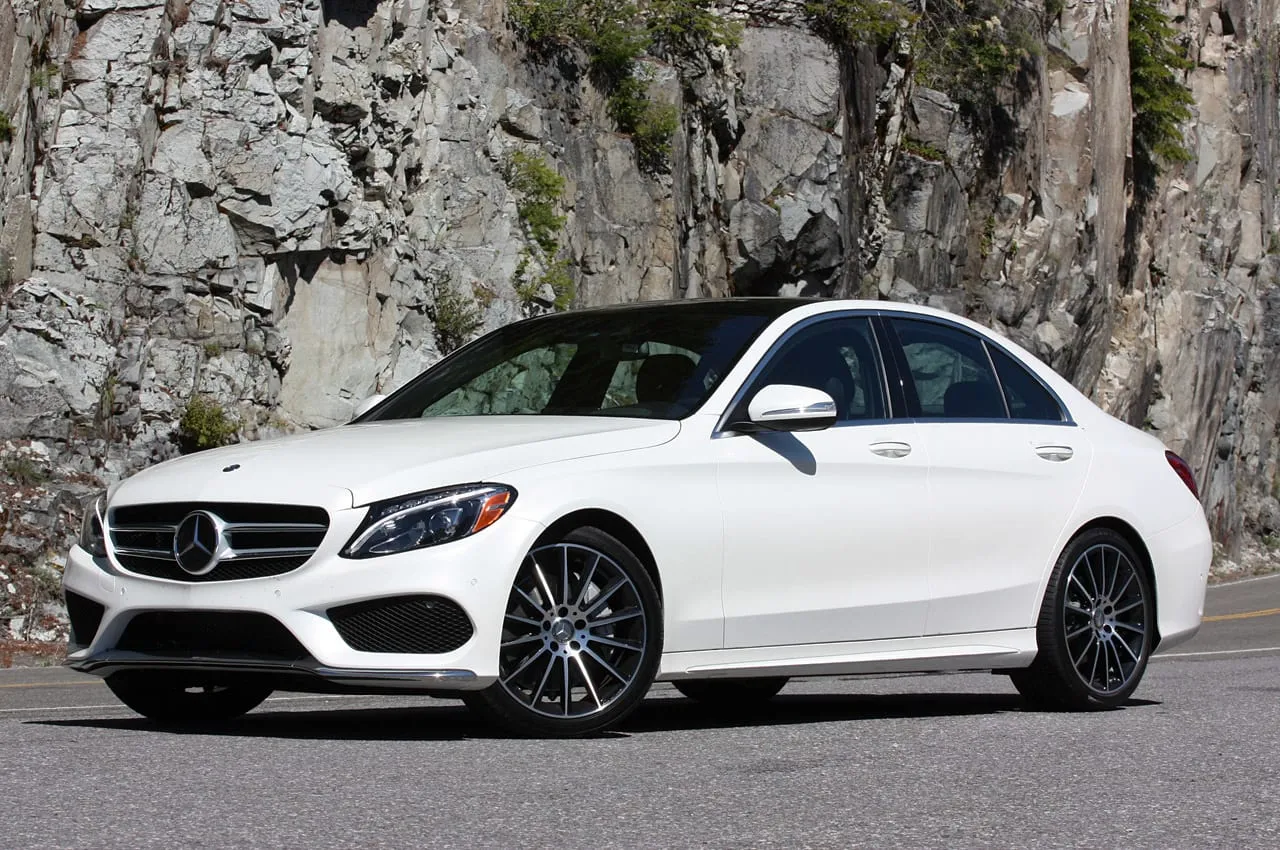
6. Mercedes-Benz C300 4MATIC 2015-2018
Three-pointed star remains automotive luxury’s ultimate status symbol. Originally stickered at $45,000 or more, these Mercedes sedans now trade between $16,000 and $20,000, representing shocking depreciation that benefits savvy buyers.
That illuminated star on the grille announces your arrival anywhere, and nobody questions whether you’re successful when driving a Mercedes. Valet attendants treat you differently, dates seem more impressed, and business associates take you seriously.
Styling exudes timeless elegance with clean lines and proportions suggesting an executive sedan rather than an entry-luxury compromise. LED lighting, chrome accents, and distinctive Mercedes design language create an upscale appearance that photographs beautifully. Paint quality holds up well even after years of use. Body panel gaps stay tight, communicating German engineering precision.
Interior appointments justify luxury positioning with genuine leather, real wood, or aluminum trim, depending on package, and soft-touch materials covering most surfaces. Seats provide excellent support with multiple adjustments, including lumbar.
The COMAND infotainment system operates intuitively with clear displays and logical menu structures. Burmester audio system available on upper trims delivers exceptional sound quality. Ride quality emphasizes comfort with suspension tuning that absorbs imperfections smoothly.
Handling stays composed during spirited driving without feeling particularly sporty. Steering provides adequate feedback, though not matching BMW precision. Cabin noise isolation creates a quiet environment at highway speeds.
Reliability concerns require careful consideration before purchase. Air suspension on Sport models fails frequently, costing $2,500 per corner at dealers or $800 at independent shops. Balance shaft problems affect some engines around 100,000 miles, requiring expensive repairs. Electrical gremlins appear randomly, from malfunctioning window switches to glitchy infotainment screens that freeze or reboot unpredictably.
Expected maintenance costs run high with $150 oil changes using synthetic Mercedes-approved lubricants. Brake service reaches $800 per axle with genuine parts. Annual inspections reveal worn suspension bushings, leaking seals, and failing sensors that add up quickly. Budget $2,000 to $3,000 annually for maintenance and repairs.
Premium fuel requirements add expense at every fill-up. Insurance rates exceed mainstream brands due to expensive repair costs and higher theft rates for luxury vehicles. Parts prices shock buyers accustomed to Japanese car economics, with simple components costing multiples of Honda equivalents.
Smart buyers seek examples with complete service records from Mercedes dealers or reputable independent specialists. Avoid cars with deferred maintenance because catching up on neglected service items destroys budgets. Pre-purchase inspections by Mercedes-familiar mechanics identify expensive problems before purchase.
Despite higher operating costs, the C300 provides genuine luxury brand prestige that makes you appear wealthy. Just budget appropriately for German car maintenance realities.
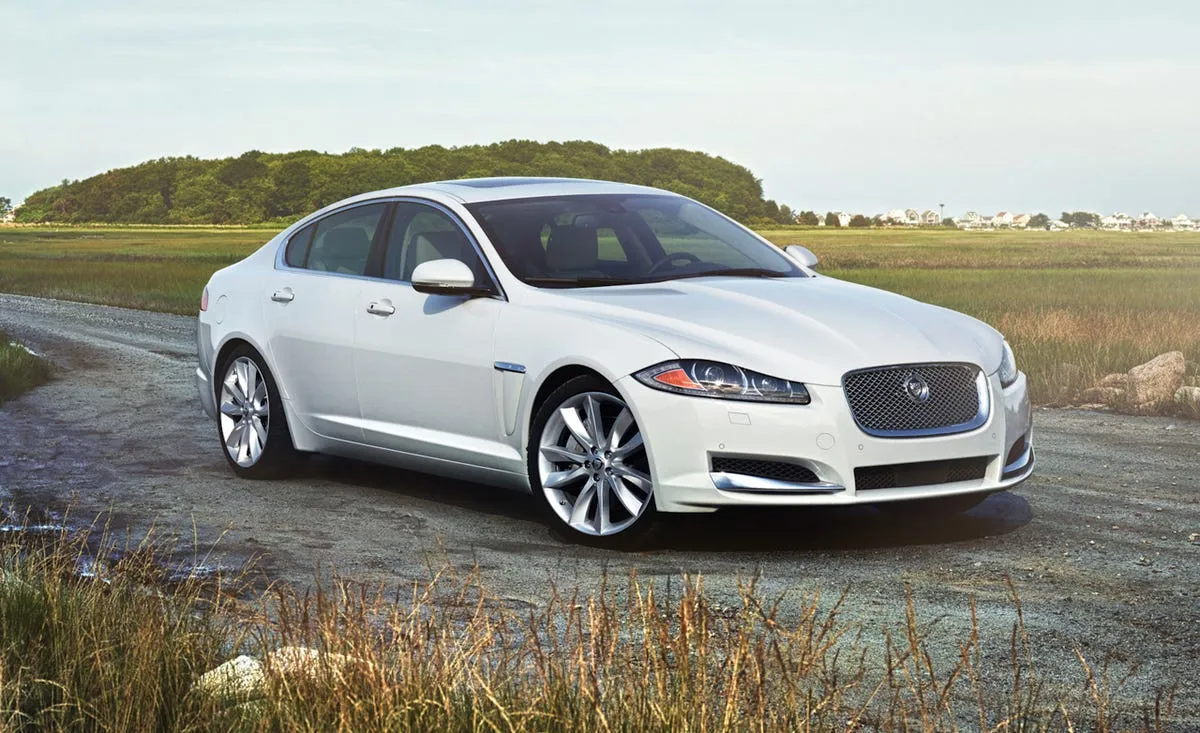
7. Jaguar XF 3.0 AWD 2013-2015
British luxury offers a distinctive alternative to German sedan dominance. Original prices exceeding $55,000 mean these Jaguars now sell for $14,000 to $19,000, remarkable depreciation creating opportunities for buyers wanting something different.
That leaping cat hood ornament communicates exotic luxury, and most people associate Jaguar with wealth and sophistication. Your neighbors will assume you’re doing better financially than reality suggests. Styling stands out with sleek lines and dramatic proportions unlike any competitor.
Jaguar designers created a distinctive appearance that turns heads without being ostentatious. LED lighting, chrome grille, and flowing body panels create an elegant presence. Paint quality impresses with deep, lustrous finishes. This car photographs beautifully and attracts compliments wherever parked.
Handling impresses with sharp steering, minimal body roll, and playful character, encouraging spirited driving. Suspension tuning balances sport and comfort effectively, absorbing rough pavement while maintaining control through corners. Brakes provide strong, fade-free stopping power. This Jaguar rewards skilled drivers with engaging dynamics.
Interior design showcases British luxury with unique styling and quality materials. Leather upholstery feels supple, and trim pieces use real wood and metal rather than plastic imitations. Seats provide excellent support and comfort. Touch-screen infotainment system responds quickly with attractive graphics. Meridian audio system delivers excellent sound quality.
Reliability concerns dominate ownership discussions. Electrical problems plague these Jaguars with failures affecting everything from window regulators to navigation systems. Water pumps fail frequently around 60,000 miles, costing $1,200 to replace. Timing chain guides wear prematurely, creating rattling noises and requiring expensive repairs. Suspension components need replacement earlier than competitors’.
Expected annual maintenance costs reach $2,500 to $3,50,0, including routine services and common repairs. Finding qualified mechanics presents challenges because Jaguar specialists are rare and expensive. Parts prices shock buyers, with simple components costing far more than German equivalents. Premium fuel requirements add expense. Insurance rates run high due to repair costs and limited parts availability.
Fuel economy disappoints with low-20s combined despite modern engine technology. Supercharged V6 drinks fuel enthusiastically during spirited driving. For buyers wanting distinctive luxury with thrilling performance, the XF delivers drama and prestige at bargain prices. Just budget generously for British car maintenance realities and occasional reliability adventures.
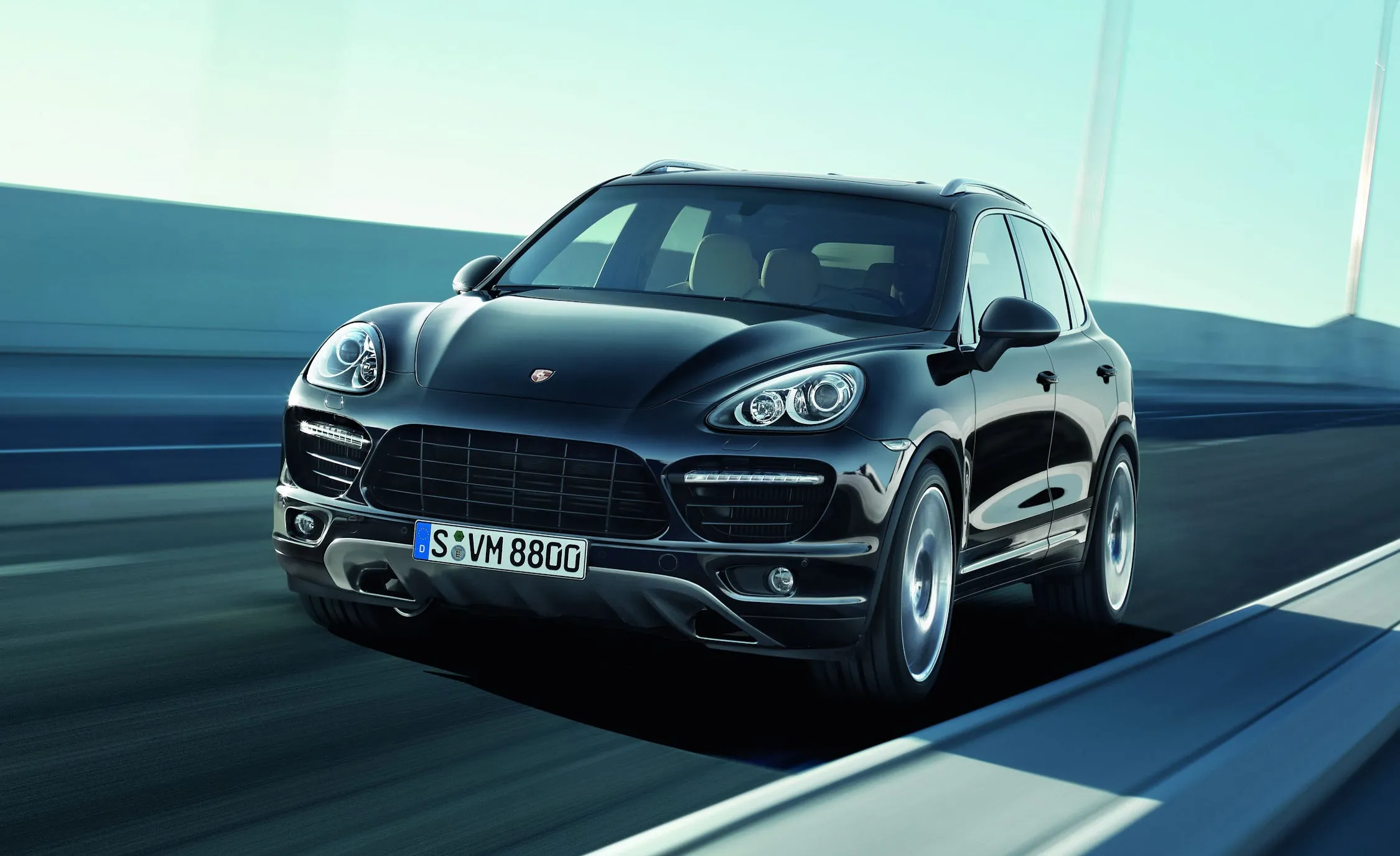
8. Porsche Cayenne S 2011-2014
Stuttgart’s crest carries serious automotive prestige. Originally priced around $70,000, these performance SUVs now sell between $18,000 and $22,000, an incredible depreciation that places Porsche ownership within reach. That badge transforms perceptions instantly, signaling serious wealth and automotive enthusiasm. Colleagues will wonder how you afford a Porsche while you smile, knowing the secret.
Styling aged remarkably well with timeless proportions and distinctive Porsche design language. This generation Cayenne looks expensive and purposeful rather than dated. Body lines flow smoothly, and the stance suggests performance despite the SUV configuration. Park anywhere, and people notice, assuming you’re financially successful enough to own Stuttgart’s finest.
Handling defies SUV expectations with sharp steering, minimal body roll, and playful character, encouraging spirited driving. Air suspension adjusts ride height and damping rates automatically, providing comfortable cruising and track-ready handling. Brakes stop 5,000 pounds confidently with fade-free performance. This Cayenne handles more like a sports sedan than an SUV.
Interior quality meets Porsche standards with premium materials, excellent build quality, and intuitive controls. Seats provide exceptional support during aggressive driving. The PCM infotainment system operates logically, though graphics look dated. The Bose audio system sounds excellent. Rear passengers enjoy adequate space, though not class-leading. Cargo capacity handles luggage and gear reasonably well.
Reliability concerns require serious consideration. Air suspension compressors fail around 80,000 miles, costing $3,000 to replace all four corners. Coolant pipes crack, causing expensive leaks. Timing chain guides wear, creating rattling and requiring $4,000 in repairs. Transfer case issues affect some examples. These problems aren’t common but devastate budgets when they occur.
Expected maintenance costs shock buyers unfamiliar with Porsche economics. Oil changes cost $250 at dealers using Porsche-approved synthetic oil. Brake service reaches $2,000 per axle with genuine parts. Annual services average $1,500 to $2,000. Major services at 60,000 and 90,000 miles exceed $3,000 each.
Premium fuel requirements add expense. Fuel economy stays in mid-teens combined, terrible by modern standards. Insurance rates run very high due to expensive repairs and the Porsche badge theft appeal. Parts prices approach exotic car levels with simple components costing multiples of mainstream equivalents.
Smart buyers seek examples with complete Porsche dealer service records. Pre-purchase inspections by Porsche specialists identify expensive problems before purchase. Budget $4,000 to $5,000 annually for maintenance and repairs. Despite brutal operating costs, the Cayenne S provides genuine Porsche prestige and thrilling performance that makes you look wealthy.
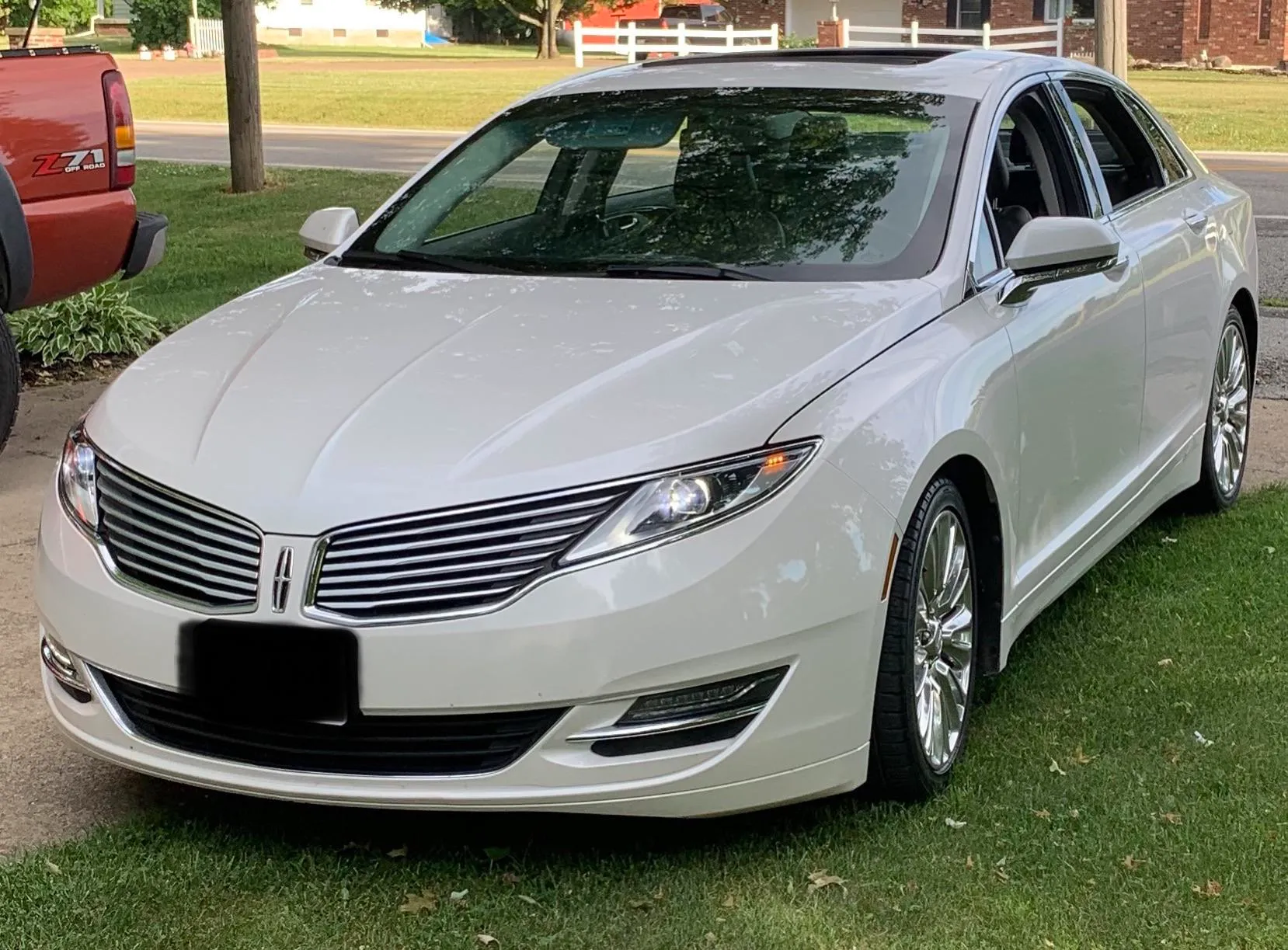
9. Lincoln MKZ 3.7L AWD 2014-2016
American luxury offers a compelling value alternative to import competitors. Originally priced around $45,000, these Lincolns now sell between $13,000 and $17,000, representing dramatic depreciation. That distinctive Lincoln grille and continental styling communicate luxury, and the badge carries more prestige than Ford despite the corporate relationship. Most people respect Lincoln as a legitimate luxury brand.
Styling showcases contemporary American luxury design with flowing lines and dramatic proportions. Split-wing grille creates a distinctive face unlike any competitor. LED lighting, chrome accents, and sculpted body panels communicate upscale positioning. Retractable panoramic sunroof available on upper trims adds a wow factor, impressing passengers when the entire roof slides back.
Interior design emphasizes comfort with soft leather, real wood trim, and premium materials throughout. Seats provide excellent support and plush cushioning. SYNC infotainment system operates adequately, though the interface feels dated. Premium audio system delivers clear sound with substantial bass. Rear passengers enjoy generous legroom. Trunk capacity handles luggage easily.
Ride quality prioritizes comfort with suspension tuning that absorbs imperfections smoothly. Handling feels competent but not sporty, with numb steering and noticeable body roll through corners. This Lincoln excels at comfortable highway cruising rather than spirited driving.
Reliability stands out as the MKZ’s greatest strength. Ford’s mechanicals underneath prove durable with proper maintenance. Expected problems stay minor, like door handle failures and worn suspension bushings. Major mechanical issues remain rare. Oil changes cost $60, brake service runs $300 per axle, and routine maintenance stays affordable.
Annual maintenance costs average $800 to $1,200, far less than German competitors. Regular unleaded fuel keeps operating costs low. Insurance rates stay moderate. Parts availability stays excellent through the Ford dealer network. Independent mechanics handle repairs easily using common Ford tools and procedures.
Fuel economy delivers low-20s combined, respectable for V6 power. Resale values continue dropping but have stabilized compared to initial depreciation. For buyers wanting luxury brand prestige with Ford reliability and operating costs, the MKZ provides excellent value. You’ll look successful without spending European car money on maintenance.
Also Read: Top 8 EVs That Are Comfortable in Stop-and-Go Traffic
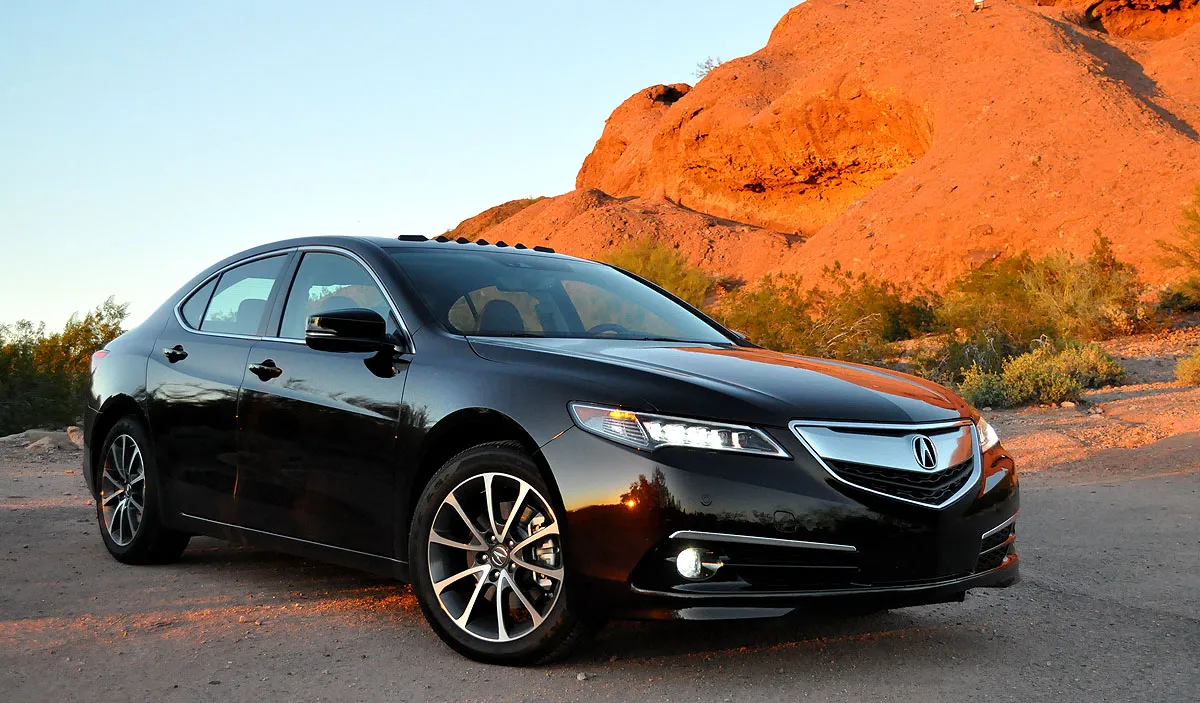
10. Acura TLX V6 SH-AWD 2015-2017
Honda’s luxury division offers Japanese reliability with sporting pretensions. Originally priced around $45,000, these Acuras now sell between $16,000 and $20,000. While Acura lacks German prestige, the brand still communicates success, and the vehicles deliver impressive value. That distinctive shield grille and LED lighting create an upscale appearance, suggesting you’re doing well financially.
Driving dynamics impress with sharp steering, minimal body roll, and engaging character, encouraging spirited driving. Suspension tuning balances sport and comfort effectively. Handling feels more alive than mainstream competitors while maintaining daily drivability. This Acura rewards skilled drivers without punishing passengers.
Interior quality meets near-luxury standards with leather upholstery, attractive trim, and decent build quality. Dual-screen infotainment system frustrates some users with the upper screen displaying information while the lower touchscreen requires precise inputs. Seats provide good support, though some find the cushioning too firm. Rear passengers enjoy adequate legroom. Trunk capacity handles luggage reasonably well.
Expected reliability matches Honda’s legendary reputation. Regular maintenance includes oil changes, brake service, and tire rotation. Major services at 60,000 and 90,000 miles stay affordable. These Acuras regularly exceed 200,000 miles with proper care. Transmission issues remain rare, unlike competitors.
Annual maintenance costs average $800 to $1,200, far less than European alternatives. Regular unleaded fuel keeps operating costs low despite V6 power. Insurance rates stay moderate. Parts availability stays excellent through the Honda dealer network. Independent mechanics handle repairs easily.
Fuel economy delivers mid-20s combined, decent for V6 performance. Resale values hold better than competitors, reducing ownership cost. For buyers wanting reliable luxury with sporting character at affordable prices, the TLX V6 SH-AWD delivers impressively. You’ll project success while spending less on maintenance than friends driving German cars.
