
Summer in Phoenix is not gentle. Pavement shimmers, steering wheels burn to the touch, and even your phone feels tired after a few minutes in the sun. For electric vehicles, heat brings a special challenge. Batteries prefer mild weather, and extreme temperatures can drain the range faster than expected, slow charging speeds, and wear down long-term health.
That does not mean EV ownership in Arizona is a bad idea. It simply means choosing the right car matters more than almost anywhere else. Some electric vehicles are built with advanced cooling systems, smart battery management software, and climate controls that protect performance when the thermometer climbs past 110 degrees.
Others struggle when exposed to long stretches of blazing sun and hot asphalt. Phoenix drivers need an EV that stays steady when the heat is relentless, not one that feels exhausted by mid-afternoon. This guide focuses on two types of electric vehicles.
The first group includes models that keep their range stable, manage battery temperatures well, and deliver dependable performance during Arizona summers. The second group includes EVs that show clear signs of stress when exposed to extreme heat, losing range faster and demanding more attention from their owners.
If your daily commute includes long freeway drives, outdoor parking, and quick charging stops under cloudless skies, your choice of EV can make a real difference. Let us start with five electric vehicles that stand up well to Phoenix heat and keep moving when the desert turns into an oven.
5 EVs That Handle Phoenix Heat
1. Tesla Model Y Long Range
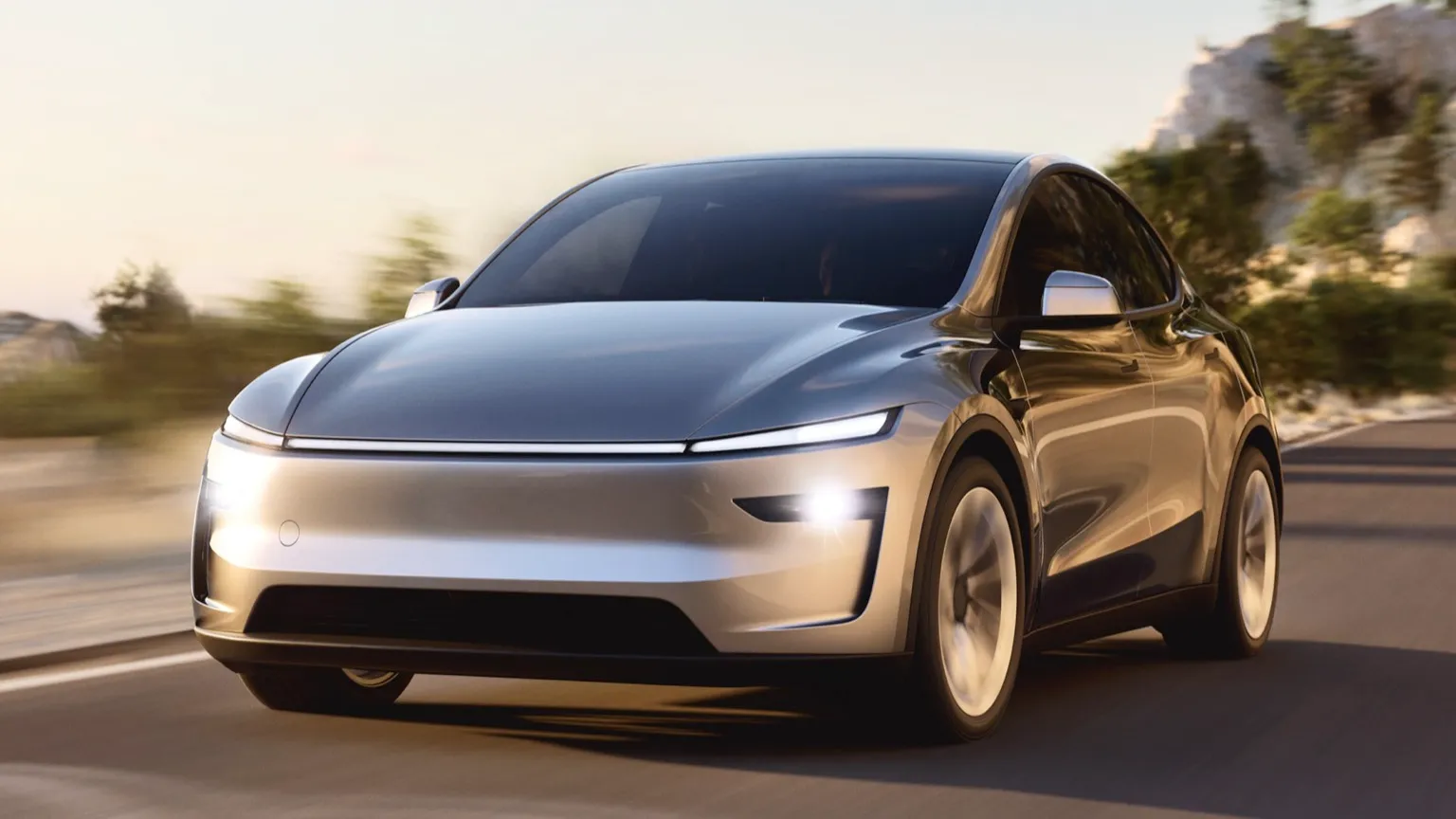
Heat pushes electric vehicles to their limits, yet the Tesla Model Y Long Range continues to perform with calm consistency even when Phoenix temperatures climb past triple digits. This compact electric SUV benefits from Tesla’s mature battery management system, which actively cools the battery pack during driving and charging.
That cooling system keeps cells within a safe temperature range, protecting both range and long-term durability. Drivers in Arizona often report that real-world range remains stable even during long summer drives. While all EVs lose some efficiency when air conditioning runs constantly, Model Y handles that demand better than most.
The heat pump system manages cabin cooling without draining the battery too quickly, which helps preserve driving distance during the hottest months. Charging in extreme heat can slow many electric vehicles, yet Tesla’s software adjusts charging curves to protect the battery while still delivering strong charging speeds.
At Supercharger stations around Phoenix, Model Y Long Range continues to add miles quickly, even when the ground radiates heat well into the evening. Preconditioning before arrival further improves charging performance by preparing the battery for high power input.
Interior comfort also matters in desert conditions. Cabin Overheat Protection prevents the interior from turning into a furnace while parked. That feature keeps electronics and upholstery cooler, while making it more comfortable to return to the car after a few hours outside. Remote climate control through the Tesla app allows owners to cool the cabin before stepping inside.
Driving dynamics remain consistent in hot weather. Acceleration does not fade, and power delivery stays smooth. Suspension tuning works well on long stretches of highway, where surface temperatures can rise far above the air temperature. Even in traffic, the cooling system keeps power delivery steady.
Energy use remains efficient for a vehicle of this size. That means fewer charging stops and less worry about losing range during the hottest part of the day. For drivers who park outdoors at work or at home, this reliability becomes especially valuable.
Tesla Model Y Long Range combines smart thermal control, efficient power use, and strong charging support across Arizona. For Phoenix residents who want an EV that shrugs off summer heat and keeps moving, it stands as one of the most dependable choices on the road.
2. Hyundai Ioniq 5 Long Range
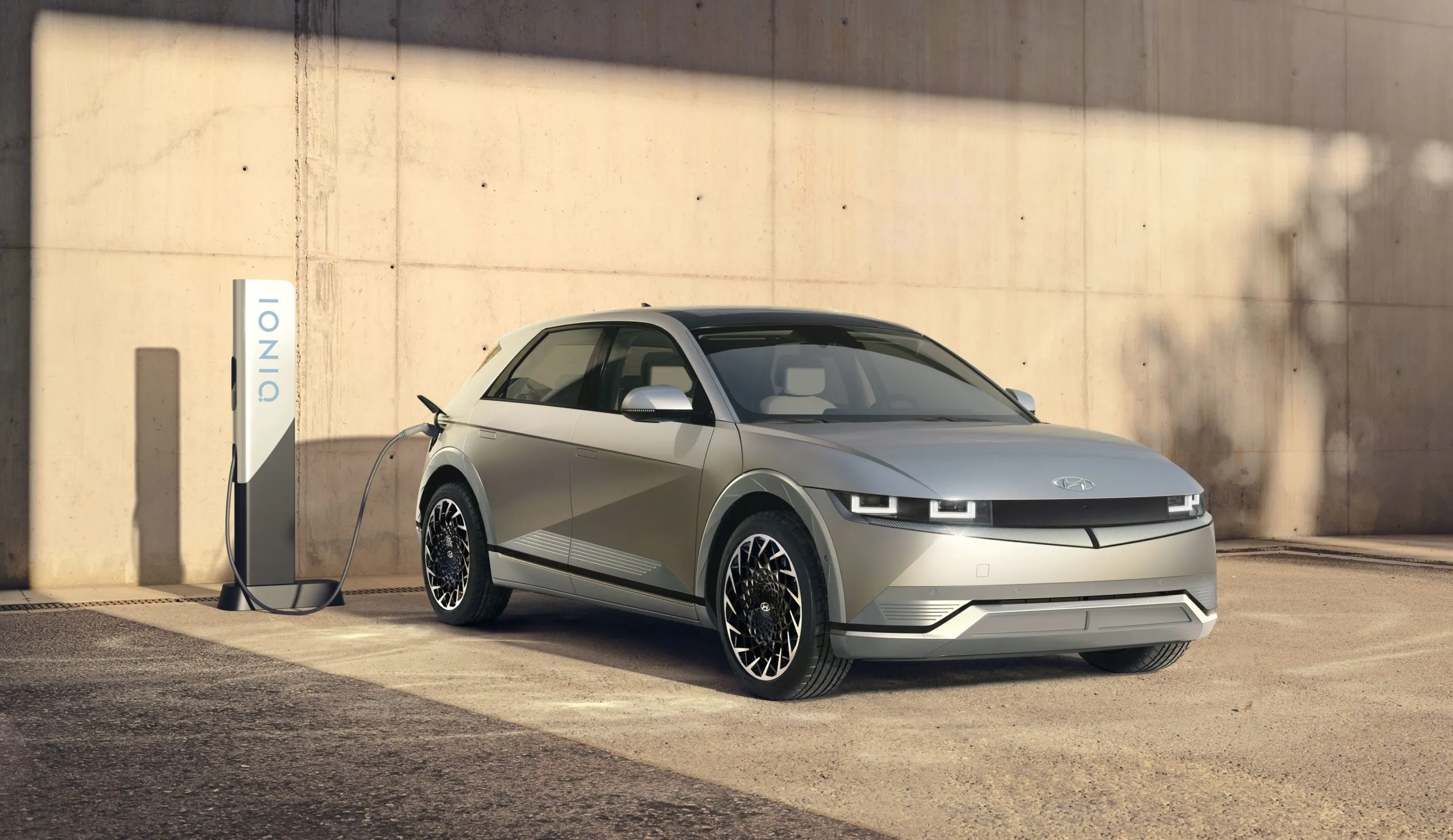
Sleek design meets desert durability in the Hyundai Ioniq 5 Long Range. This electric crossover has earned praise for its futuristic look, yet its real strength in Phoenix comes from its advanced cooling hardware and smart energy management. Built on Hyundai’s E-GMP platform, the Ioniq 5 was designed from the start to handle demanding climates.
Battery cooling plays a central role in its heat resistance. Liquid cooling keeps temperatures steady during long drives and high-speed charging. Even when the outside temperature pushes past 110 degrees, the battery remains within its optimal operating window. That helps preserve range and slows long-term degradation.
Charging speed remains one of the Ioniq 5’s strongest advantages. At fast charging stations, it can jump from low charge to about eighty percent in well under twenty minutes.
In hot conditions, the car preconditions its battery before arriving at the charger, reducing heat-related slowdowns. That feature proves useful during summer road trips or daily commutes that depend on public chargers.
Cabin comfort matches the technical strength. Air conditioning cools the interior quickly, and the system does not strain the battery as heavily as older EV designs.
Ventilated front seats help drivers stay comfortable even during peak afternoon heat. Large windows and a wide windshield let sunlight in, yet effective tinting and insulation keep interior temperatures under control.
Driving through Phoenix traffic feels relaxed. The Ioniq 5 delivers smooth acceleration and quiet operation, even when road temperatures soar. Regenerative braking works well in stop-and-go traffic, helping recover energy that would otherwise be lost to heat.
Efficiency remains impressive for a crossover of this size. Real-world summer range stays close to official estimates, which builds confidence for longer trips across Arizona. Owners report fewer surprises and more predictable energy use during the hottest months.
Hyundai Ioniq 5 Long Range blends fast charging, strong thermal control, and everyday comfort into a package that thrives in desert conditions. For drivers who want a stylish EV that stays cool under pressure, it offers a well-balanced solution for Phoenix living.
Also Read: 8 Best EVs That Are Easy to Own in Urban Areas
3. Ford Mustang Mach-E Extended Range
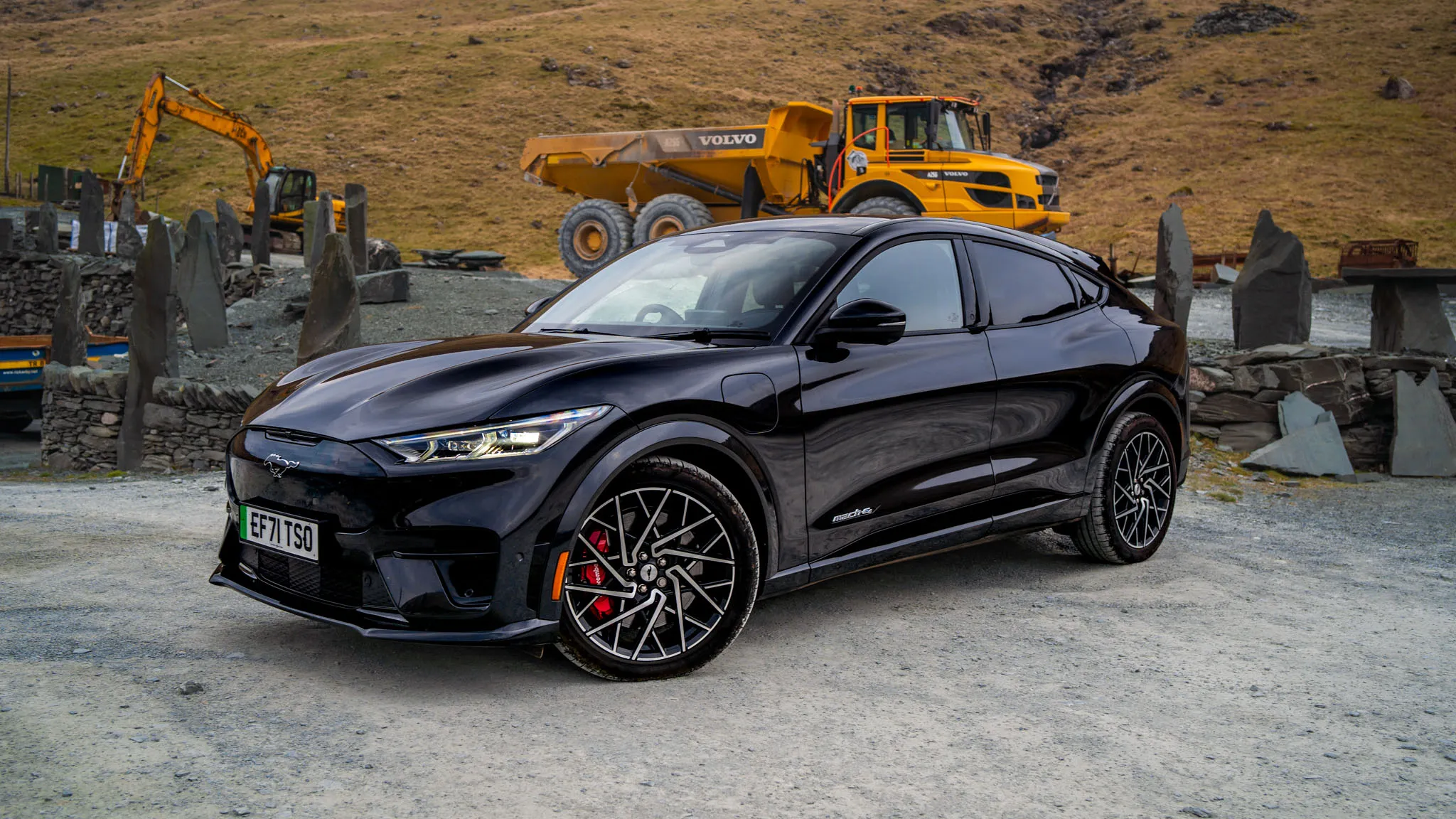
Power and practicality meet desert endurance in the Ford Mustang Mach-E Extended Range. This electric SUV brings strong performance and long range together with a battery system built to handle demanding climates. In Phoenix’s heat, that engineering makes a real difference.
Liquid-cooled battery modules regulate temperature during driving and charging. Even on long freeway runs under intense sun, the system keeps cells within a safe range. That protection helps preserve range and prevents sudden drops in performance that some EVs experience when heat builds up.
Charging remains reliable in extreme conditions. The Mach E uses battery preconditioning to prepare for fast charging stops, which helps maintain steady charging speeds even when the surrounding air feels like a furnace. Public charging stations around Phoenix see strong results with this system, especially during afternoon and evening hours.
Interior comfort adds another layer of appeal. Dual zone climate control cools the cabin quickly, and the system does not draw excessive power while running at full blast. Remote start through the Ford app allows owners to cool the car before entering, which saves energy during the drive.
Driving dynamics feel confident in hot weather. Acceleration remains strong, and the suspension handles Arizona highways with ease. Even when road surfaces radiate heat, the Mach E stays planted and stable.
Range remains one of its strongest assets. The extended range battery gives drivers the freedom to travel long distances without constant charging stops. That becomes especially valuable in Arizona, where long stretches of highway connect cities and towns.
Energy use remains predictable, even during summer. While air conditioning does reduce efficiency slightly, the impact stays manageable. Drivers report consistent real-world range throughout the hottest months.
Build quality and materials also handle heat well. Interior surfaces resist fading and cracking better than many competitors, which helps the cabin look new even after years of desert sun.
Ford Mustang Mach-E Extended Range combines long-distance capability, smart thermal control, and everyday usability. For Phoenix drivers who want an electric SUV that delivers muscle car spirit without melting under the sun, it stands as a strong and reliable choice.
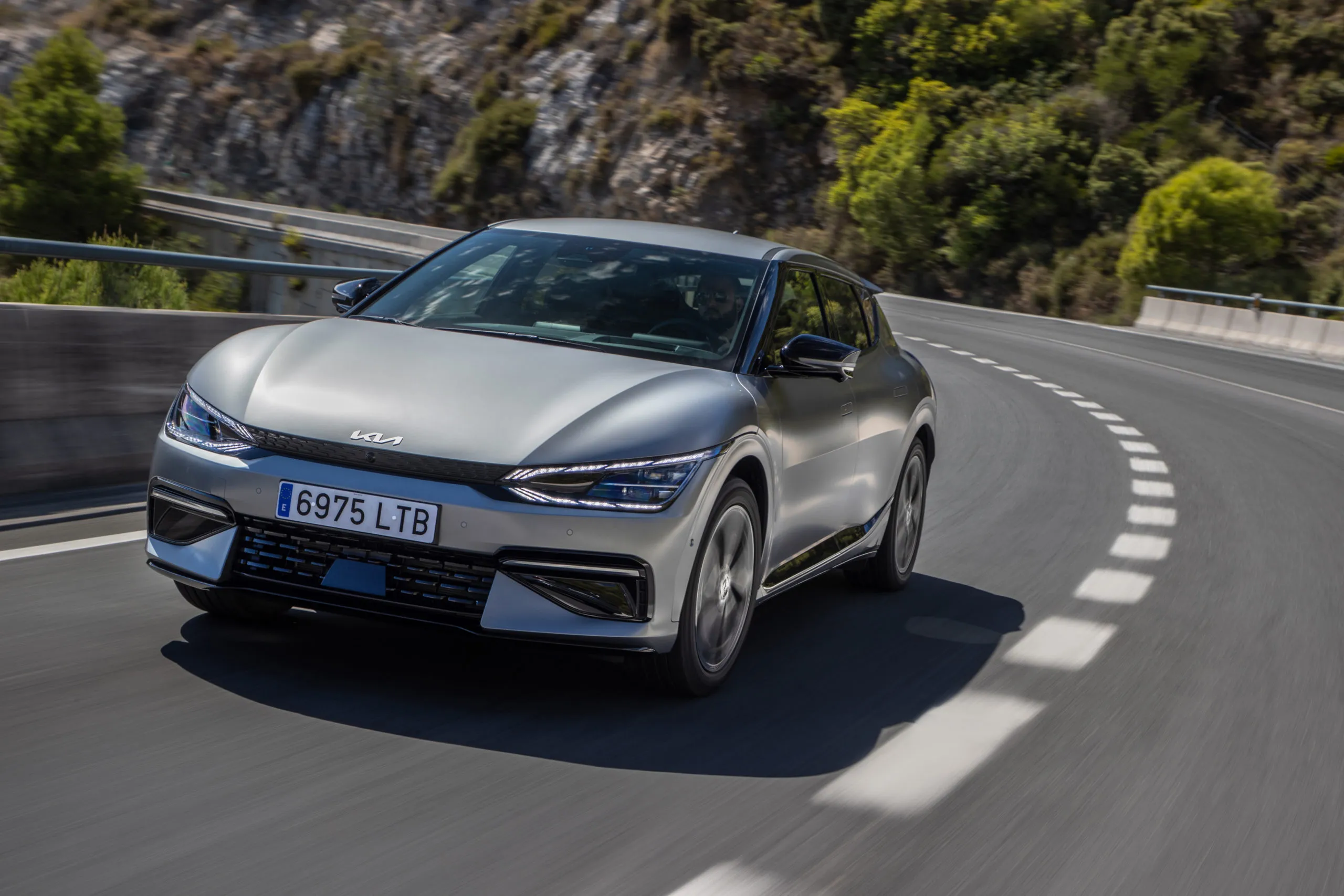
4. Kia EV6 Long Range
Sharp styling and desert resilience come together in the Kia EV6 Long Range. This electric crossover shares its advanced platform with the Hyundai Ioniq 5, which means it benefits from the same high-performance cooling systems and fast charging technology. In Phoenix heat, those features work together to keep the EV6 running strong.
Battery temperature control remains steady during long summer drives. Liquid cooling manages heat buildup and prevents sudden drops in performance. Even after hours on hot highways, the EV6 maintains stable power delivery and predictable range.
Charging speed stands out as one of its biggest strengths. At high-power charging stations, the EV6 adds miles rapidly, even in extreme temperatures. Preconditioning prepares the battery before arrival, which helps avoid heat-related charging slowdowns. That makes quick stops practical during busy summer days.
Cabin comfort supports daily usability. The air conditioning system cools the interior quickly, and the design of the vents spreads airflow evenly across the cabin. Optional ventilated seats add another layer of comfort during peak heat.
Driving through city traffic feels smooth and responsive. Acceleration remains quick, and regenerative braking helps recover energy while slowing down. That efficiency becomes useful in stop-and-go traffic, where heat builds up on asphalt and surrounding vehicles.
Range remains strong for a vehicle of this size. Real-world summer numbers stay close to official estimates, which helps drivers plan trips without anxiety. Even with constant air conditioning, the EV6 delivers dependable distance between charges.
Interior materials resist heat-related wear. Dash surfaces, seats, and trim hold up well under constant sun exposure. That durability helps preserve resale value in a climate where interiors often suffer. Exterior paint quality also performs well under the desert sun. The EV6’s finish resists fading better than many older EV designs, keeping the car looking sharp year after year.
Kia EV6 Long Range offers a blend of performance, efficiency, and thermal stability that suits Phoenix life well. For drivers who want a sporty electric crossover that handles extreme heat without complaint, it delivers confidence mile after mile.
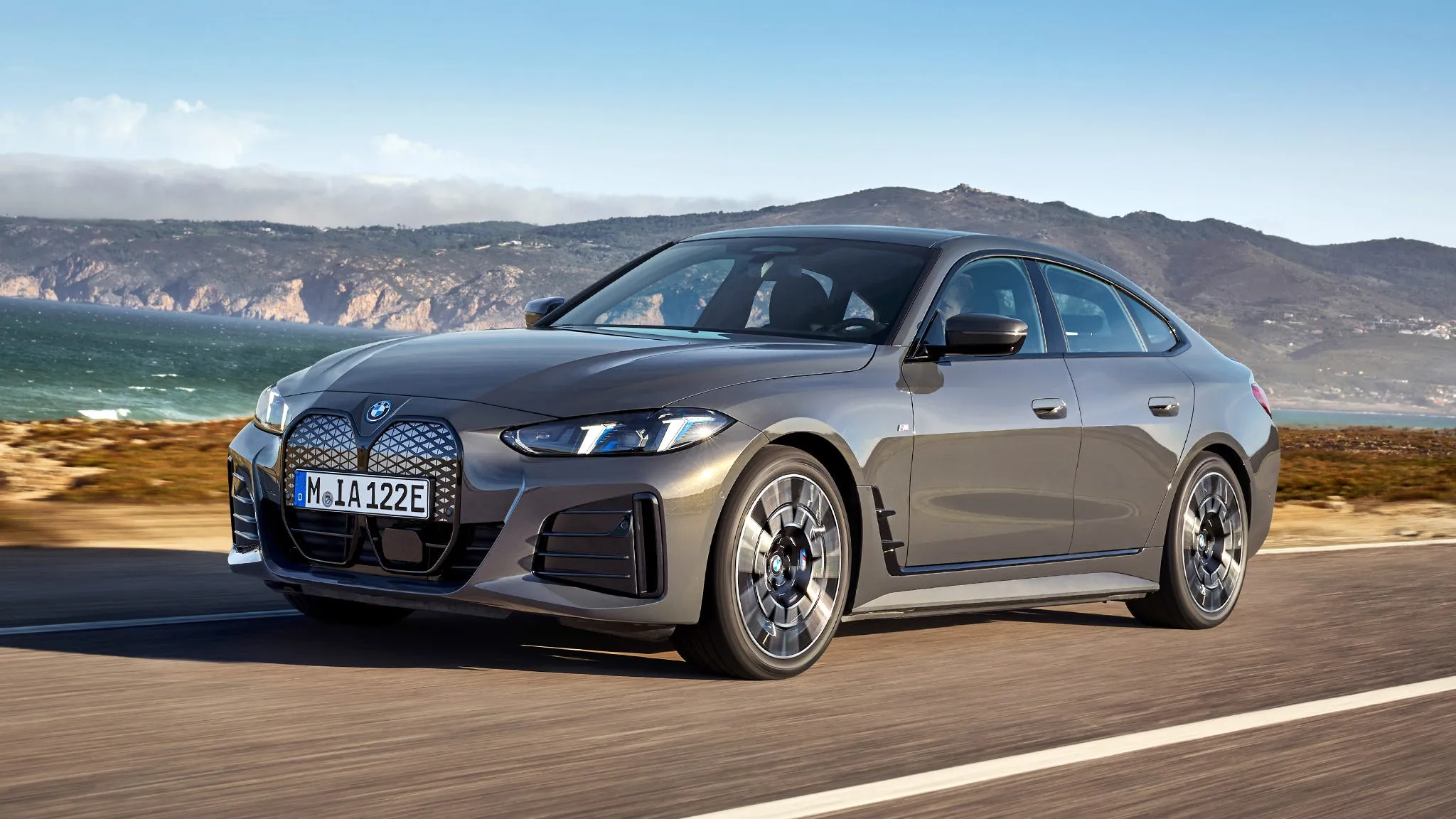
5. BMW i4 eDrive40
Refined driving meets desert endurance in the BMW i4 eDrive40. This electric sport sedan brings classic BMW handling together with modern battery technology designed for demanding climates. In Phoenix, that balance becomes clear during daily commutes and long summer drives.
Battery cooling keeps temperatures in check during both driving and charging. Liquid-cooled cells manage heat buildup even when parked outdoors for hours. That protection helps preserve range and supports long-term battery health.
Charging performance remains steady in extreme heat. The i4 uses intelligent thermal management to prepare the battery before fast charging stops. That reduces slowdowns and keeps charging sessions efficient, even when the sun refuses to let up.
Cabin comfort reflects BMW’s focus on premium driving. The climate control system cools the interior quickly and maintains a stable temperature without excessive energy use.
High-quality insulation keeps heat out and cool air in. Driving dynamics remain sharp in hot weather. Steering stays precise, and acceleration feels smooth and immediate. Even on scorching pavement, the i4 feels composed and confident.
Range suits daily driving and longer trips alike. Real-world summer performance remains close to official estimates, which makes planning easier. For commuters who drive long distances across Arizona, that consistency becomes essential.
Interior materials resist sun damage well. Leather and trim maintain their look and feel after long exposure to heat. That durability adds to the car’s premium appeal. Energy efficiency stands out for a performance-oriented sedan. The i4 delivers strong acceleration without draining the battery quickly, even with constant air conditioning.
BMW i4 eDrive40 offers a refined electric driving experience that holds up under extreme desert conditions. For Phoenix drivers who want a sporty EV that stays cool, efficient, and comfortable when summer takes over, it proves that performance and durability can live side by side.
5 EVs That Struggle in Phoenix Heat
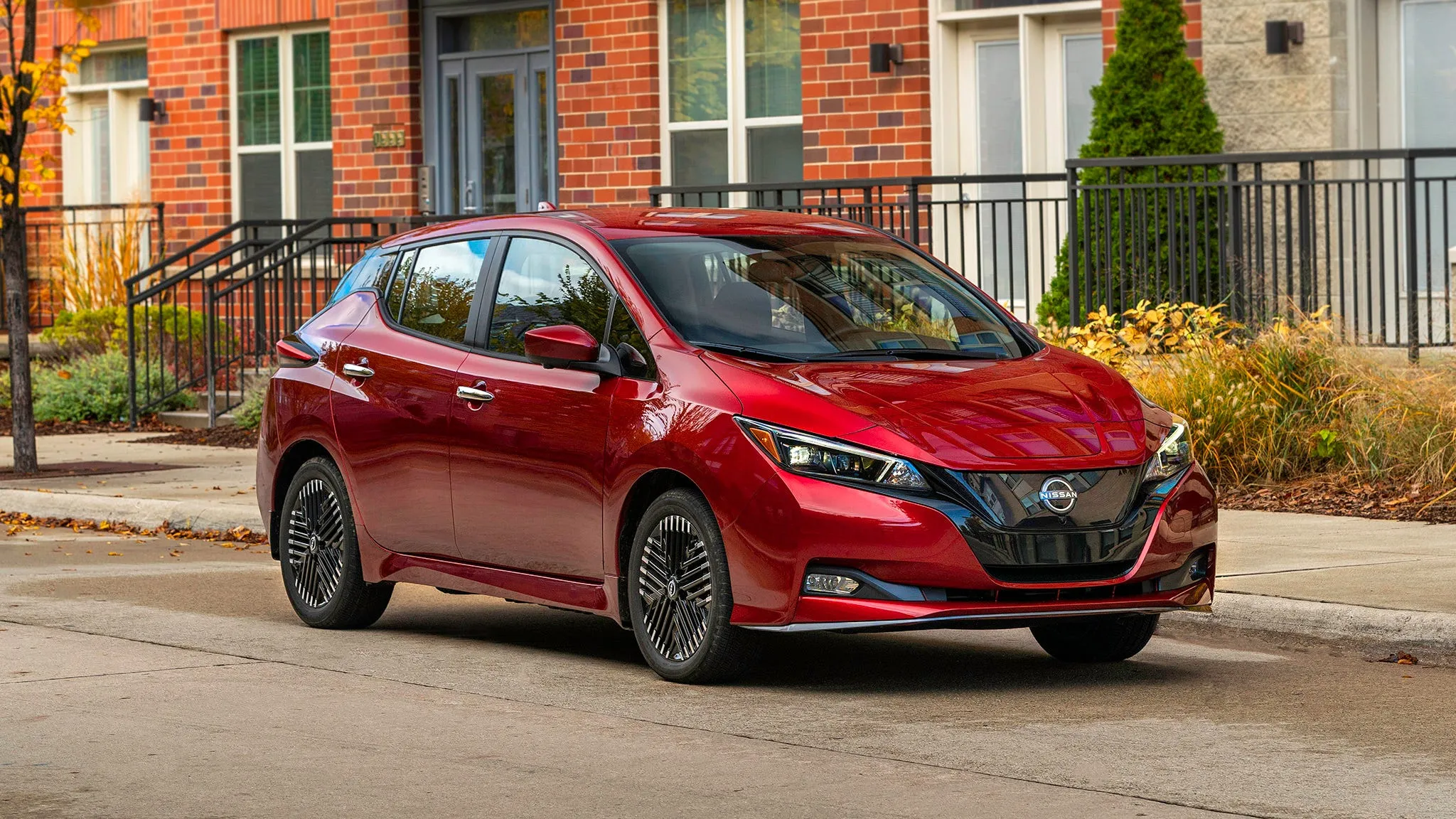
1. Nissan Leaf Plus
City and suburban drivers once embraced the Nissan Leaf Plus for its affordability and practicality, yet Arizona summers expose its limitations. The Leaf Plus uses an older battery architecture that lacks aggressive thermal management, which means extended exposure to heat can reduce range noticeably.
On a 110-degree afternoon, drivers often report real-world range falling well below advertised figures, especially when air conditioning runs continuously. Interior comfort suffers as well. Air conditioning competes with the battery for energy, and the cooling system does not feel as efficient as in more modern EVs.
Cabin Overheat Protection exists, but it cannot compensate fully when the car sits under direct sunlight for hours. Leatherette seats and dash materials tend to retain heat, making short trips uncomfortable without preconditioning the vehicle.
Driving dynamics are consistent but lack the robustness needed for harsh desert conditions. Regenerative braking remains active, but efficiency decreases as the battery temperature rises. Acceleration is adequate, yet drivers notice a gradual drop in performance during long stretches of freeway driving in extreme heat.
Despite these shortcomings, the Leaf Plus retains some appeal for short errands or shaded urban parking. For extended highway trips in Phoenix, however, it demands more attention and planning. Charging stops must be scheduled carefully, and constant monitoring of the range becomes necessary.
The vehicle functions, but heat exposes the limitations of its older battery and cooling design, which may frustrate drivers expecting consistent summer performance.
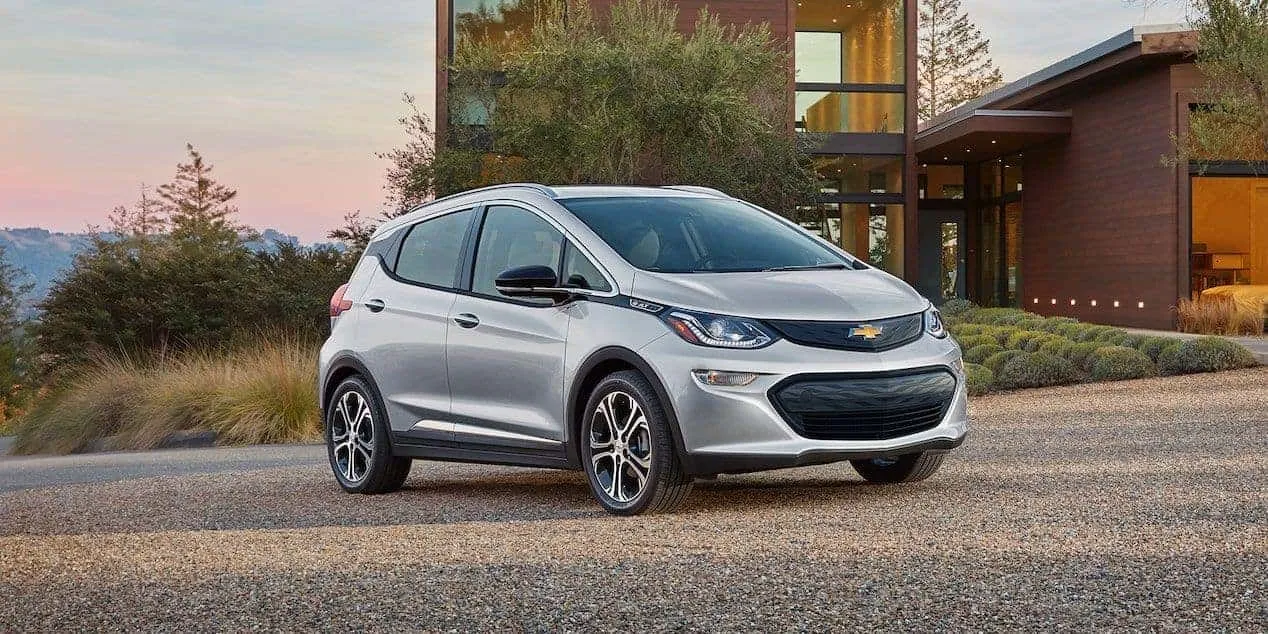
2. Chevrolet Bolt EV
Chevrolet’s Bolt EV revolutionized affordable electric mobility, yet the model exhibits challenges when exposed to Arizona heat. Its battery architecture was designed for moderate climates, and the thermal management system can struggle during high ambient temperatures.
Prolonged exposure to extreme heat leads to noticeable range reduction, with real-world efficiency dropping as much as fifteen percent on longer drives.
Fast charging is affected by the same heat stress. The Bolt EV employs a liquid-cooled battery, but the system prioritizes longevity over charging speed in extreme conditions.
Drivers experience slower charging at public DC fast chargers during midday summer hours. That can complicate road trips or errands that require frequent top-ups, forcing owners to adjust schedules around temperature and station availability.
Cabin comfort is another factor that suffers. Standard climate control systems draw more energy from the battery during prolonged use, further reducing range.
Seats and interior surfaces heat up quickly, requiring preconditioning or leaving the car under shade whenever possible. Passive ventilation helps, yet cannot fully mitigate discomfort during Phoenix’s peak summer temperatures.
Performance remains steady in stop-and-go traffic, but extended freeway travel exposes weaknesses. Acceleration is adequate, yet noticeable battery power taper occurs when temperature protection modes engage. Regenerative braking continues to function, but energy recovery is less efficient under extreme heat conditions.
Daily usability remains reasonable in shaded or short trips. However, when considering long drives across desert highways or continuous sun exposure, the Chevrolet Bolt EV requires careful planning. Owners must accept slower charging, reduced range, and higher cabin discomfort.
Despite its affordability and innovative design, it struggles to maintain peak performance in Phoenix’s desert climate, revealing the challenges older battery systems face under extreme summer conditions.
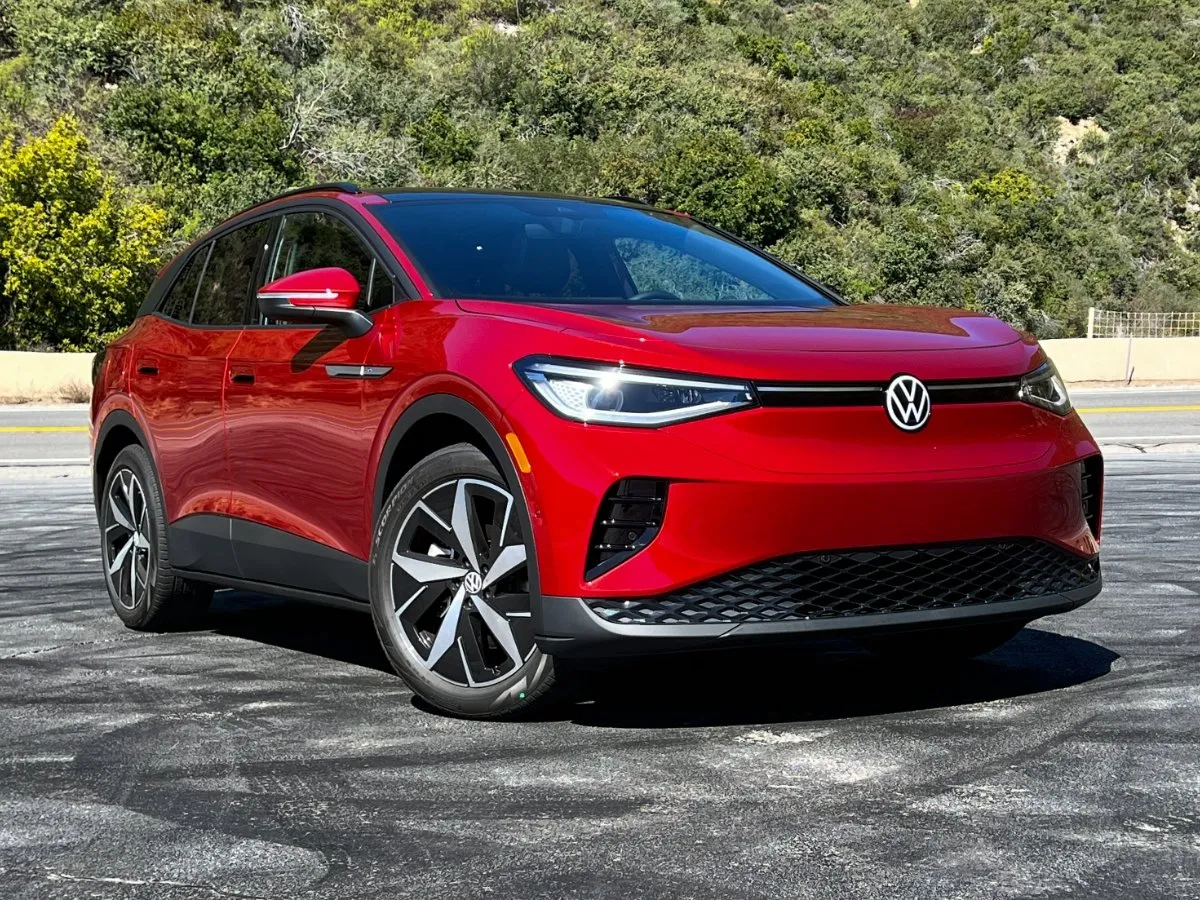
3. Volkswagen ID.4 Pro
Volkswagen introduced the ID.4 Pro as a competitive electric crossover, yet the heat in Phoenix exposes vulnerabilities in its thermal management strategy.
Battery efficiency declines noticeably during sustained exposure to high temperatures, and air conditioning use accelerates range depletion. A vehicle that might cover 250 miles in mild weather may see real-world summer range fall by 20 percent or more.
Fast charging is impacted as the ID.4 reduces input to prevent overheating. That slowdown can be frustrating on long drives, as the car takes longer to reach eighty percent charge. Preconditioning helps, but it only partially compensates for battery stress under desert sun.
Interior cooling is adequate, yet energy use for AC competes directly with battery output, further reducing effective range. Cabin materials absorb heat, making seats and dash surfaces uncomfortable until the system has had time to bring temperatures down. Ventilated seating is optional and often necessary for prolonged comfort.
Driving dynamics remain predictable, but the car’s energy management can reduce power output under extreme heat to protect the battery. Acceleration remains competent for city traffic, yet extended freeway performance suffers. Range anxiety increases as drivers notice variations between expected and actual mileage.
Even with modern infotainment and driver assistance systems, practical summer usability is affected. Energy consumption climbs unexpectedly when climate control runs consistently, forcing more frequent charging stops. For drivers commuting long distances or relying on highway charging stations in Phoenix, this can complicate planning.
Volkswagen ID.4 Pro performs reliably under moderate conditions but struggles when confronted with desert heat for prolonged periods.
Temperature management and AC energy draw limit the vehicle’s ability to sustain the advertised range. Drivers must plan more carefully and accept that hot weather will influence both efficiency and comfort, making this EV less suited for Phoenix extremes than some competitors.
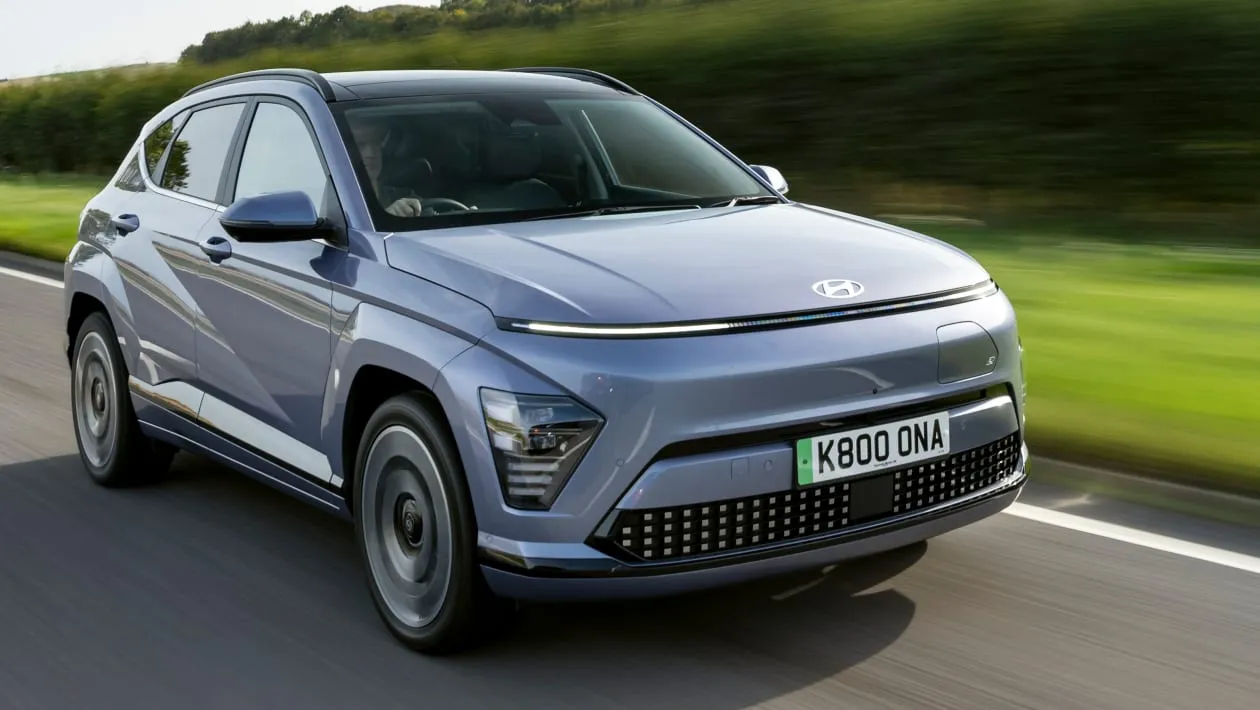
4. Hyundai Kona Electric
Compact, nimble, and efficient under temperate conditions, the Hyundai Kona Electric experiences clear drawbacks under intense desert heat.
Its thermal management system was designed for city use, and prolonged exposure to temperatures above 110 degrees can trigger battery protection protocols that reduce acceleration and the whole performance.
Charging in extreme heat slows considerably. DC fast charging triggers thermal cutbacks, and topping up can take longer than expected. Home charging is less affected, but summer temperatures still increase AC use, decreasing the effective range on longer drives.
Cabin comfort is adequate for brief trips, yet the system draws heavily on battery energy during extended summer operation. Front and rear passengers can feel heat accumulation despite AC use. Interior materials also absorb warmth, making the cabin less comfortable after hours of parking in the sun.
Acceleration and energy efficiency drop in response to rising battery temperatures. The Kona Electric remains reliable in short trips or shaded parking, but freeway performance and longer journeys become more taxing on battery life. Regenerative braking helps, but it is less efficient under extreme heat.
While still a practical choice for temperate climates, the Hyundai Kona Electric demands attention in Phoenix. Range and charging become less predictable, and comfort levels drop without careful preconditioning. For drivers requiring reliable summer performance in desert conditions, this model requires extra planning and caution.
Also Read: 6 EVs That Handle Daily City Driving Well
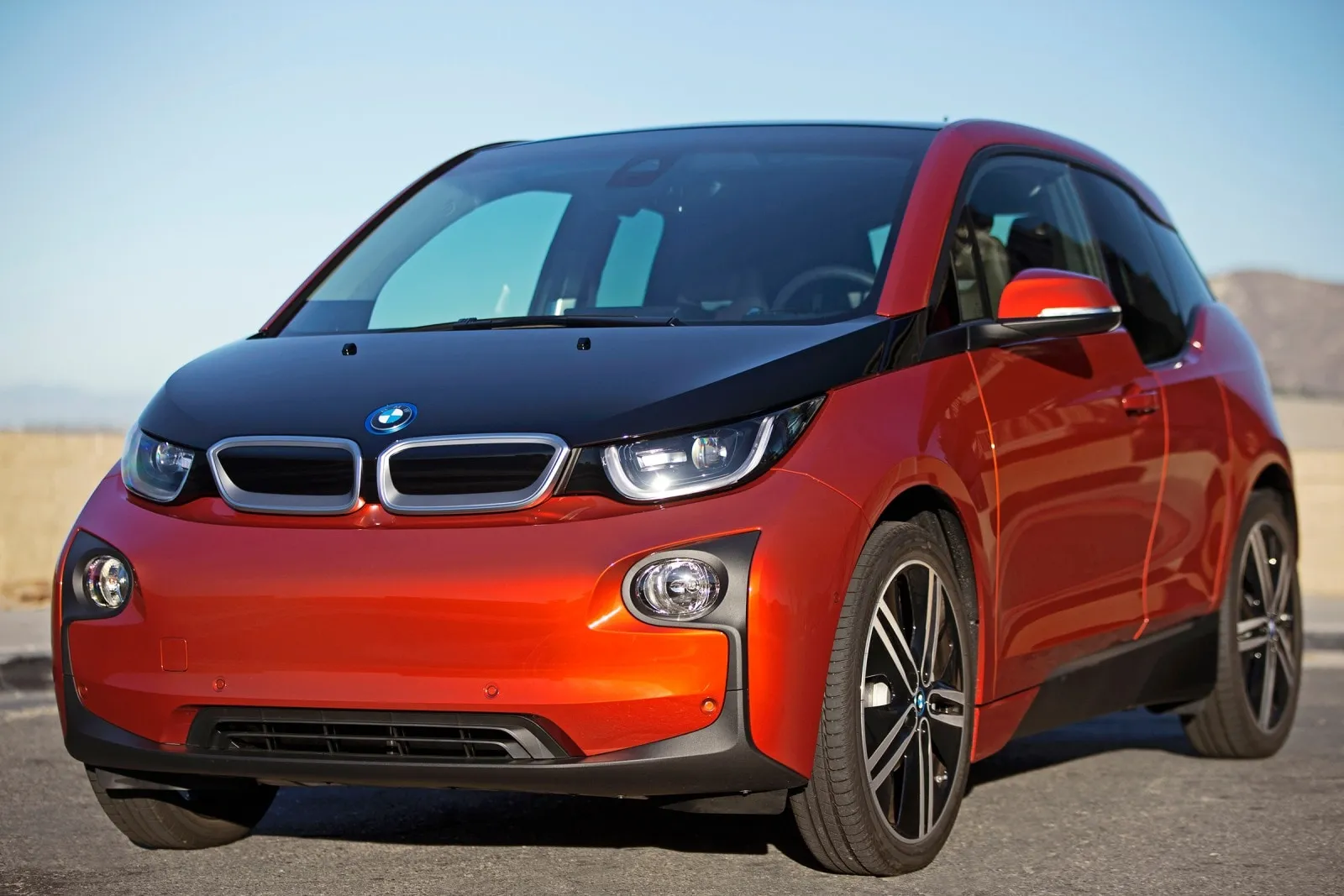
5. BMW i3
Innovative design and lightweight construction cannot protect the BMW i3 from heat stress. Its small battery capacity limits summer range severely, and the older thermal management system struggles under sustained high temperatures.
Drivers frequently report real-world range well below EPA estimates during Phoenix summer commutes. Charging speed declines during heat events. Fast charging triggers thermal protection, slowing input to prevent long-term battery damage. Even short stops can require unexpected waiting times at public chargers.
Cabin comfort suffers noticeably in extreme heat. Interior surfaces, despite premium finishes, become uncomfortable without the use of AC. Energy consumption rises sharply during extended operation in full sun, further reducing effective driving range.
Driving performance tapers as the system manages battery temperature. Acceleration becomes less responsive during long freeway stretches, and regenerative braking efficiency drops. The i3 is most suitable for short urban trips under shade or air-conditioned conditions.
While its unique design and compact size remain appealing, the BMW i3 reveals the limitations of early EV architecture under extreme summer temperatures. Phoenix drivers quickly notice diminished range, slower charging, and increased energy use for cooling, making it challenging to rely on it for consistent desert performance.
