
Electric vehicles promise zero emissions and lower operating costs, but not every EV fits New York City’s unique demands. You’re dealing with cramped parking garages, limited home charging options, expensive street parking, and daily driving distances that rarely exceed 30 miles.
Your EV needs to handle tight spaces, charge quickly at public stations, and provide enough range for weekend trips to Long Island or upstate without constant charging anxiety. Apartment dwellers face the biggest challenge: charging access.
Without a dedicated parking spot with electrical access, you’re relying entirely on public charging infrastructure. This reality makes fast-charging capability essential rather than optional. You need an EV that adds substantial range during 30-minute grocery runs or coffee shop visits, not one requiring four-hour Level 2 sessions.
Charging network density matters enormously because you’ll become intimately familiar with every station location within walking distance of your apartment. Some EVs handle city living gracefully. Compact dimensions fit tight parking spaces and narrow streets. Fast-charging capability adds hundreds of miles during brief stops.
Excellent efficiency maximizes the range from every charge. Extensive charging networks provide reliable access without requiring multiple apps and memberships. These vehicles adapt to urban constraints without making you regret choosing electric.
Others create constant frustration. Limited range requires frequent charging sessions that consume time you don’t have. Slow charging speeds turn every session into hour-long ordeals. Poor efficiency drains batteries quickly during city driving.
Sparse charging networks leave you hunting for available stations. If you’re considering an EV in New York City, understanding which models work with apartment living and urban driving versus which ones assume suburban houses with garage chargers can prevent you from buying a vehicle that makes daily life harder. Let’s examine five EVs perfect for Manhattan and five that really need a driveway.
EVs Perfect for New York City Living
1. Chevrolet Bolt EUV 2023-2024
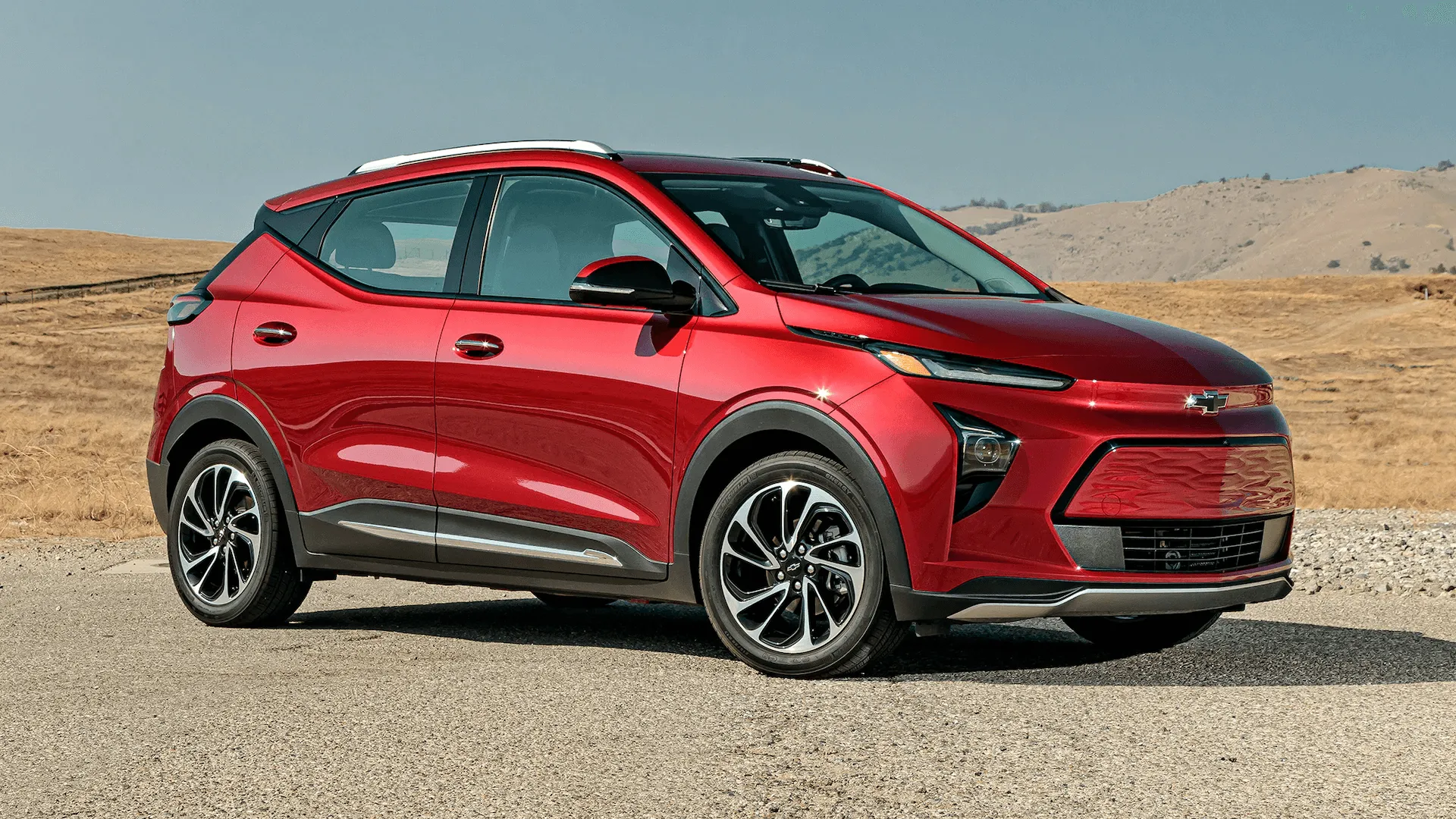
Affordable pricing makes electric vehicle ownership accessible without luxury car budgets. Starting around $28,000 after federal incentives, the Bolt EUV costs less than most gas-powered compact SUVs while providing all-electric driving. This value proposition matters when you’re already spending hundreds monthly on NYC parking instead of charging at home overnight.
The range reaches 247 miles, EPA rating is adequate for city dwellers with modest daily driving needs. Commutes under 30 miles daily allow once-weekly charging sessions rather than constant station visits. Weekend trips to Brooklyn or Queens happen confidently without range anxiety. You’ll charge perhaps twice weekly, depending on usage patterns, manageable with public infrastructure.
DC fast-charging supports up to 55 kW, slower than the newest competitors but acceptable for adding range during 30 to 45-minute errands. Stop at a fast charger while grabbing dinner in East Village, and you’ll return with 100-plus miles added. Level 2 charging at slower public stations works during longer activities like movies or shopping trips lasting several hours.
Crossover configuration provides a raised seating position and easier entry compared to sedan alternatives. Compact dimensions measuring 169.5 inches long and 69.7 inches wide fit tight parking spaces easily. The height of 63.4 inches clears parking garage restrictions comfortably. Turning radius allows maneuvering through congested streets without difficulty.
Interior space accommodates four adults comfortably with adequate legroom front and rear. Cargo area handles grocery runs and luggage for weekend getaways. Materials feel basic but durable with straightforward controls and logical layouts. Climate control maintains comfortable temperatures efficiently without dramatically reducing range.
GM’s Ultium Charge 360 program provides access to multiple charging networks through a single app, simplifying finding and paying for charging compared to juggling separate accounts. Expected reliability improved after the battery recall addressed the fire risk in earlier models.
Build quality feels solid if unexciting. For NYC apartment dwellers on budgets, the Bolt EUV provides practical electric transportation at accessible prices.
2. Hyundai Kona Electric Limited 2022-2023
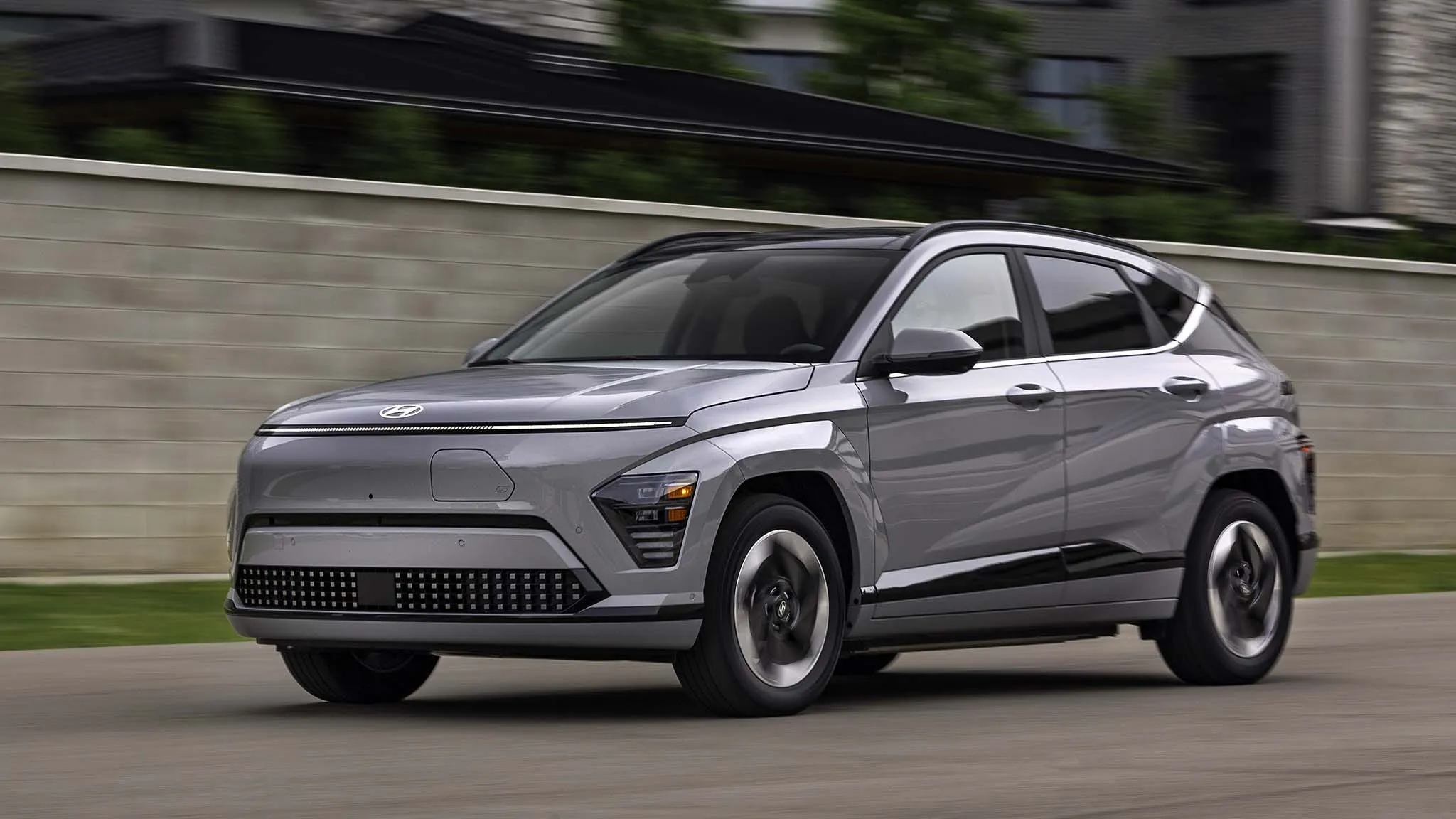
Korean engineering delivers a strong electric range in a compact package sized for daily city driving. An EPA rating of up to 258 miles provides a comfortable buffer for weekly routines, allowing most drivers to charge every five to seven days with typical urban use.
This reduces reliance on frequent public charging sessions, which can be inconvenient for apartment residents and street parkers. With smart energy management and efficient power delivery, the vehicle keeps range anxiety low while supporting busy schedules.
Fast charging capability supports speeds up to 75 kW, adding a substantial amount of range within a reasonable window. About thirty minutes at a compatible station can add close to 140 miles, enough to cover most weekly errands in a single visit.
This makes public infrastructure practical, since sessions do not consume an entire afternoon. Home Level 2 charging also works well for overnight top-ups, ensuring the battery is ready for the next day. Compact dimensions make tight parking spaces easier to handle.
Measuring about 164 inches long and 70.9 inches wide, the vehicle slips into narrow curbside spots and small garage stalls with less stress. A height of roughly 61.6 inches clears common garage restrictions with room to spare. A tight turning circle supports confident U-turns and smooth entries into crowded parking structures, cutting down on multi-point maneuvers.
Interior quality exceeds expectations for the class. Materials feel solid and well-finished, and the cabin layout favors clarity and ease of use. Dual 10.25-inch displays handle instruments and infotainment duties with sharp graphics and quick responses. Wireless phone charging keeps devices powered during commutes, while a premium audio system delivers clear, full sound for podcasts and playlists.
Driver assistance technology adds everyday convenience. Highway Driving Assist provides semi-automated support during longer trips, while blind-spot monitoring and rear cross-traffic alert help during lane changes and backing out of busy parking lots.
Adaptive cruise control manages stop-and-go traffic smoothly, easing fatigue during rush hour. Independent safety testing awards top scores, reflecting strong crash protection and effective active systems. Expected reliability aligns with Hyundai’s improving track record.
Warranty coverage includes ten years or 100,000 miles for the battery and electric components, offering long-term reassurance. Operating costs remain low with no oil changes, fewer wear items, and reduced routine service. For urban drivers seeking a practical electric vehicle with strong range and workable charging speeds, the Kona Electric delivers a balanced and dependable solution.
Also Read: 5 Cars for Dover Commuters and 5 Highway-Ready Vehicles
3. Nissan Leaf Plus S 2019-2023
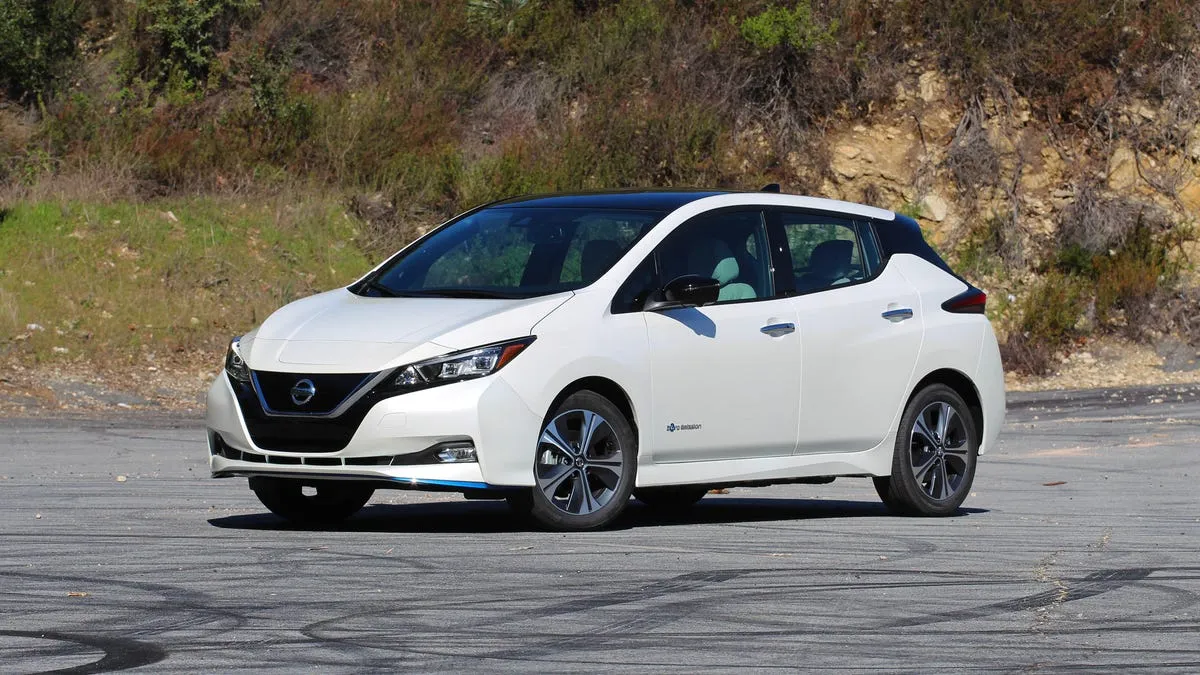
Affordable electric transportation meets proven reliability in Nissan’s pioneering EV. Pricing starts around $35,000 new, with used examples available under $25,000, making electric ownership accessible. Leaf pioneered mass-market EVs, and this Plus version addresses earlier range limitations while maintaining affordability.
Range reaches 226 miles, EPA rating with Plus battery pack, adequate for NYC driving where daily distances stay modest. Weekly charging sessions handle typical usage patterns without constant station visits. You’ll developa routine of charging during weekly grocery trips or laundromat visits, integrating charging into existing schedules rather than creating new obligations.
CHAdeMO fast-charging supports up to 100 kW, though this standard is declining in favor of CCS connectors. Finding CHAdeMO stations requires more effort than CCS alternatives, though coverage remains adequate in NYC. Charging sessions add substantial range in reasonable timeframes when you locate compatible stations.
ProPILOT Assist provides semi-autonomous capability with adaptive cruise and lane-centering. This feature reduces fatigue during highway driving outside the city. Safety ratings earn respectable marks. e-Pedal one-pedal driving mode allows accelerating and stopping using only the accelerator pedal, eliminating constant brake use during city traffic.
Expected reliability ranks decent based on Leaf’s long production history. Earlier models suffered battery degradation in hot climates, though NYC’s moderate temperatures reduce concerns. Warranty coverage includes eight years or 100,000 miles on the battery. For budget-conscious NYC drivers wanting proven EV technology, the Leaf Plus provides practical transportation at accessible prices despite charging standard limitations.
4. Volkswagen ID.4 Pro S 2021-2024
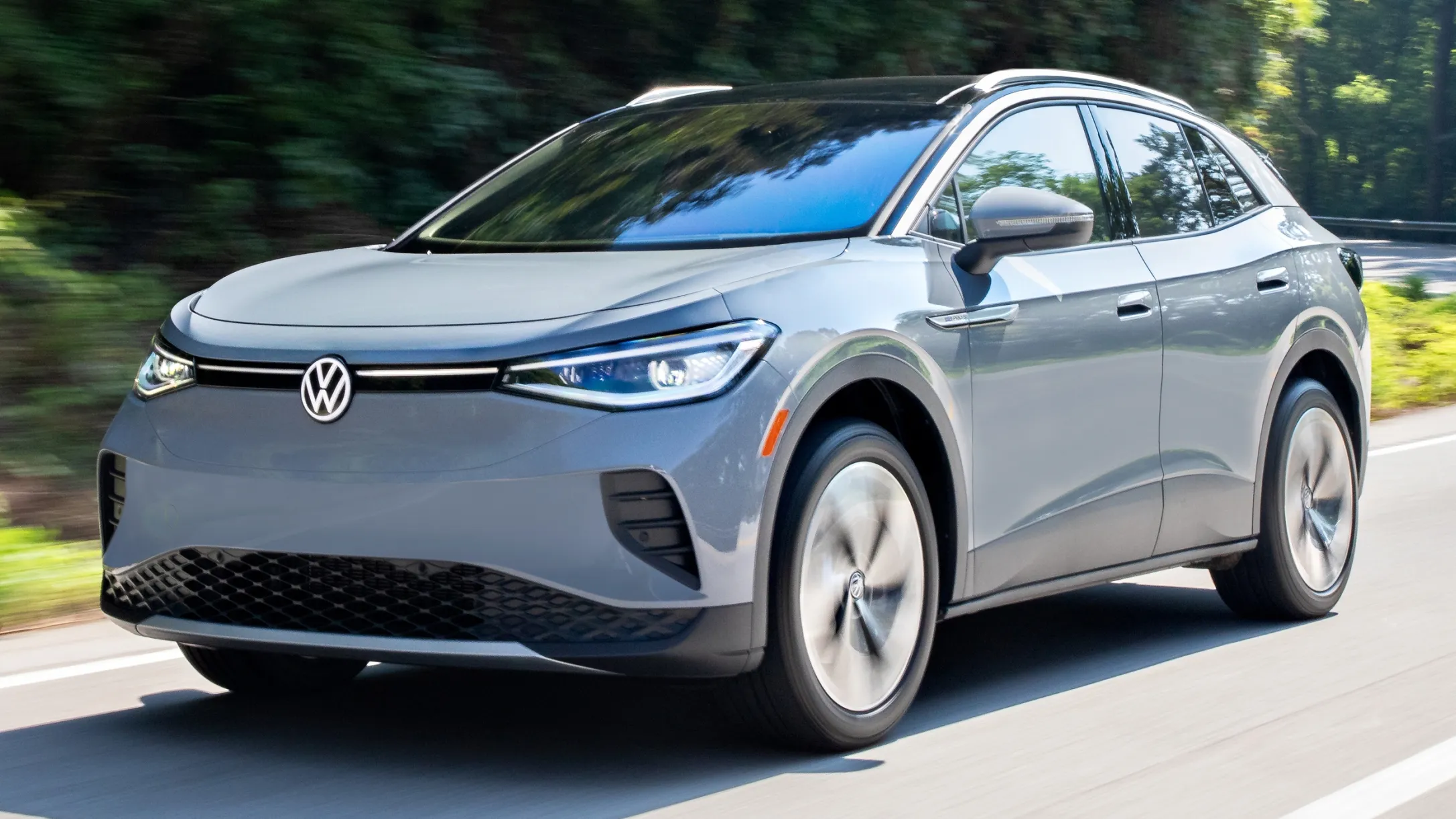
German engineering pairs with electric efficiency in a well-rounded crossover designed for everyday urban life. Volkswagen ID.4 enters the market with pricing that begins near forty-two thousand dollars before incentives, placing it within reach of buyers who want a premium feel without luxury-brand pricing.
Fit and finish show careful attention to detail, while ride comfort and road manners reflect years of experience building refined daily drivers. The result is an electric SUV that feels polished without becoming intimidating or difficult to live with.
Driving range reaches an EPA estimate of up to 275 miles, which suits city routines and weekend getaways without constant charging stops. For most urban drivers, a full charge easily covers an entire week of commuting, errands, and social trips.
Energy consumption remains efficient even in stop-and-go traffic, allowing drivers to stretch each charge farther than many competing models. This efficiency reduces reliance on public chargers and keeps ownership simple for apartment dwellers. Fast charging supports speeds up to 135 kW, allowing rapid energy recovery during short breaks.
At compatible stations, the battery can move from five to eighty percent in about thirty-eight minutes, making it easy to top up while shopping or eating. Buyers also receive complimentary access to the Electrify America charging network for three years, removing early charging costs and encouraging stress-free electric ownership during the first phase of use.
Cabin design reflects Volkswagen’s reputation for thoughtful interiors. Materials feel solid and well assembled, and the layout favors clean lines and simple operation.
A digital instrument cluster presents speed, range, and navigation clearly, while a large center touchscreen manages media, climate, and vehicle settings. Seating offers strong support for long drives, and rear passengers enjoy comfortable legroom for daily commuting or short trips.
Driver assistance features add another layer of comfort. Travel Assist combines adaptive cruise control and lane-centering for relaxed highway driving. Intelligent lighting automatically manages high beams for improved visibility at night. Safety testing awards high ratings, reflecting strong crash protection and effective active systems.
For city drivers who want an electric SUV with European refinement, useful range, and workable charging speeds, the Volkswagen ID.4 presents a well-balanced option. Complimentary charging during early ownership adds strong value, while its size and comfort make it easy to live with every day.
5. Mini Cooper SE Hardtop 2021-2024
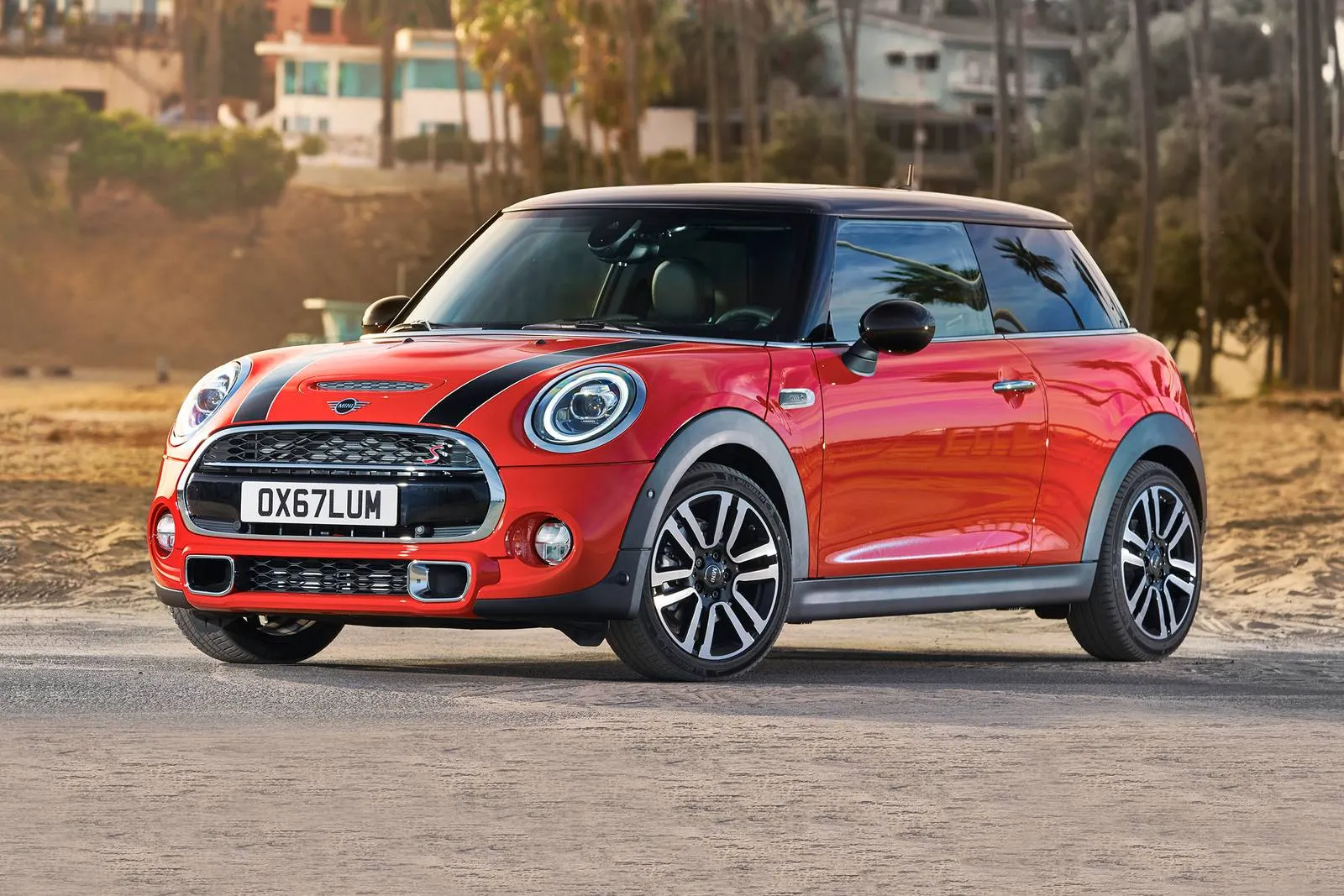
British charm meets electric efficiency in Mini’s urban-focused EV. Compact dimensions measuring just 151.1 inches long and 68.3 inches wide create the ultimate city car. This tiny footprint fits parking spaces that larger EVs can’t attempt, and parallel parking becomes almost fun because you can squeeze into impossibly tight spots.
Range limitation requires an honest assessment at 114 miles EPA rating. This short range works only for drivers with very modest daily needs and convenient charging access. You’ll charge every two to three days minimum, making this Mini practical only if public charging stations sit within walking distance of your apartment. Weekend trips outside the city require planning around charging stops.
Interior design balances retro styling with modern technology. Circular central display handles infotainment duties with attractive graphics. Comfortable front seats provide good support. Rear seats fit only children or very short adults for brief trips. Cargo space is limited but adequate for groceries and small luggage.
Premium positioning means pricing starts around $30,000, expensive considering the limited range. Build quality feels solid with quality materials throughout. Expected reliability should match BMW corporate standards. For NYC drivers with very limited daily driving needs and convenient charging access, the Mini SE provides entertaining urban transportation in an adorably compact package.
EVs That Don’t Work for NYC Living
6. Ford F-150 Lightning Pro 2022-2024
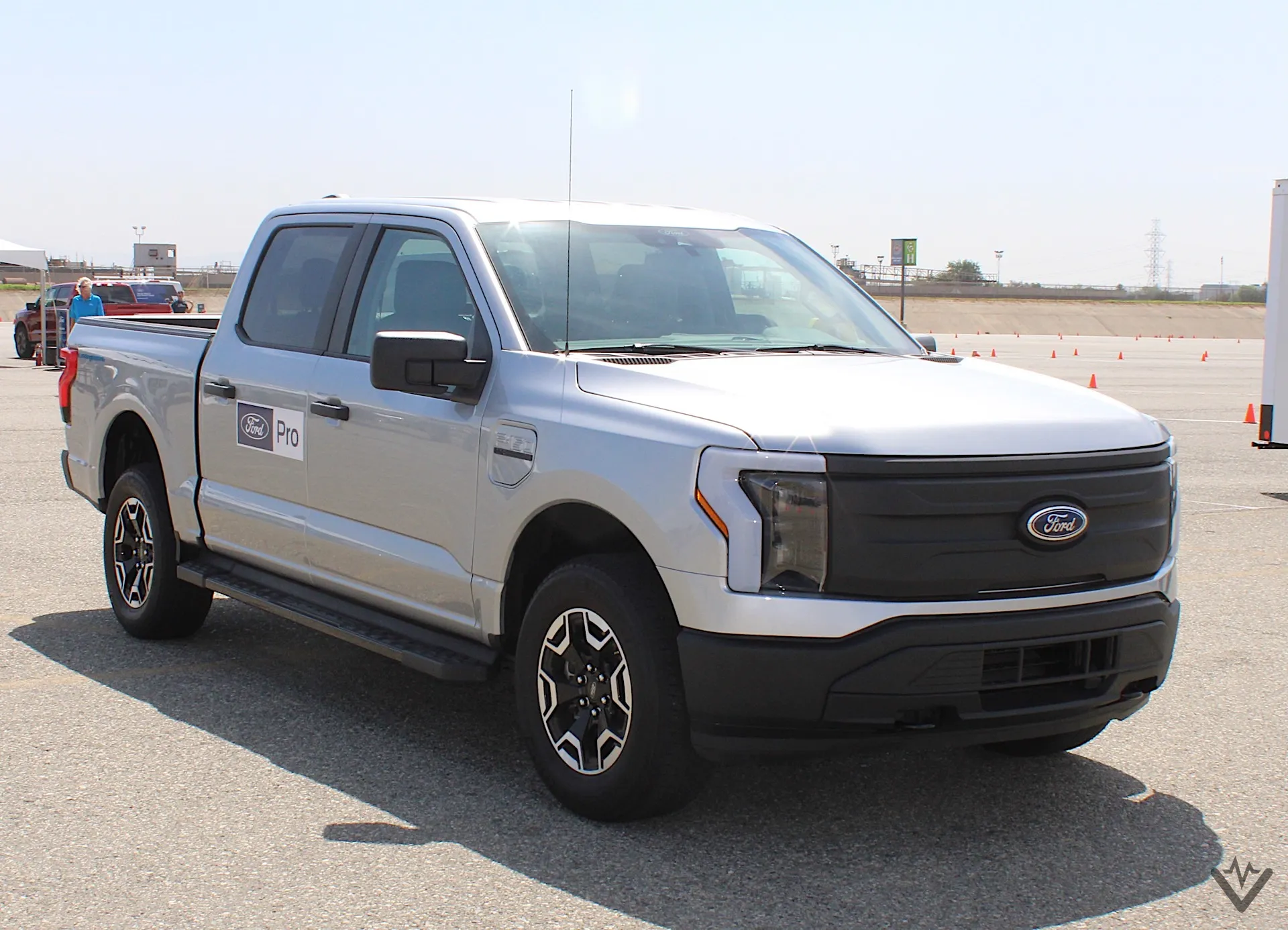
Electric pickup dimensions create immediate city parking problems, and the Ford F-150 Lightning stands as a clear example of why full-size electric trucks struggle in dense urban areas. With a length of 232.7 inches, the vehicle approaches twenty feet from bumper to bumper, exceeding the size of most parking spaces designed for sedans and compact SUVs.
Street parking becomes a daily challenge, as the truck often extends beyond painted boundaries, inviting tickets and drawing unwanted attention. Tight curbside gaps that compact vehicles slide into with ease become unusable, forcing drivers to circle blocks in search of rare oversized spots.
Width adds another layer of difficulty. Measuring 79.9 inches across, the Lightning eliminates nearly every narrow parking option. Side mirrors sit close to adjacent vehicles, raising the risk of door impacts from careless neighbors.
Maneuvering through narrow lanes or construction zones requires constant attention, and turning into small side streets demands patience and space that city traffic rarely offers. Height presents even greater limitations. At 78.3 inches tall, the Lightning approaches or exceeds clearance bars at many parking garages.
Facilities with height limits between seventy-two and seventy-six inches become inaccessible, sharply reducing available options. Drivers must search for specialty garages that accept oversized vehicles, often at premium rates. Daily routines quickly turn into logistical exercises, centered around where the truck can physically fit.
Fast charging supports up to 150 kW, a respectable figure, yet charging sessions remain lengthy due to the large battery. Reaching eighty percent takes roughly forty-four minutes under ideal conditions. Finding fast chargers with enough space for a full-size truck adds another hurdle, especially in crowded charging locations.
Truck capability goes largely unused in city environments. Towing, hauling construction materials, and transporting heavy equipment serve little purpose in downtown life. Owners pay for rugged capability that sits idle while dealing with daily inconvenience from excessive size. The open bed collects parking tickets more often than cargo.
Technology includes Ford Co-Pilot360 assistance features and available BlueCruise hands-free driving. Interior quality is comfortable and modern, with supportive seating and smart storage solutions. Reliability expectations align with Ford’s improving standards.
For dense city living, the Ford F-150 Lightning proves impractical. Its massive size, limited urban range, and truck-focused design make it better suited to wide suburban roads than crowded downtown streets.
7. Rivian R1T Adventure 2022-2024
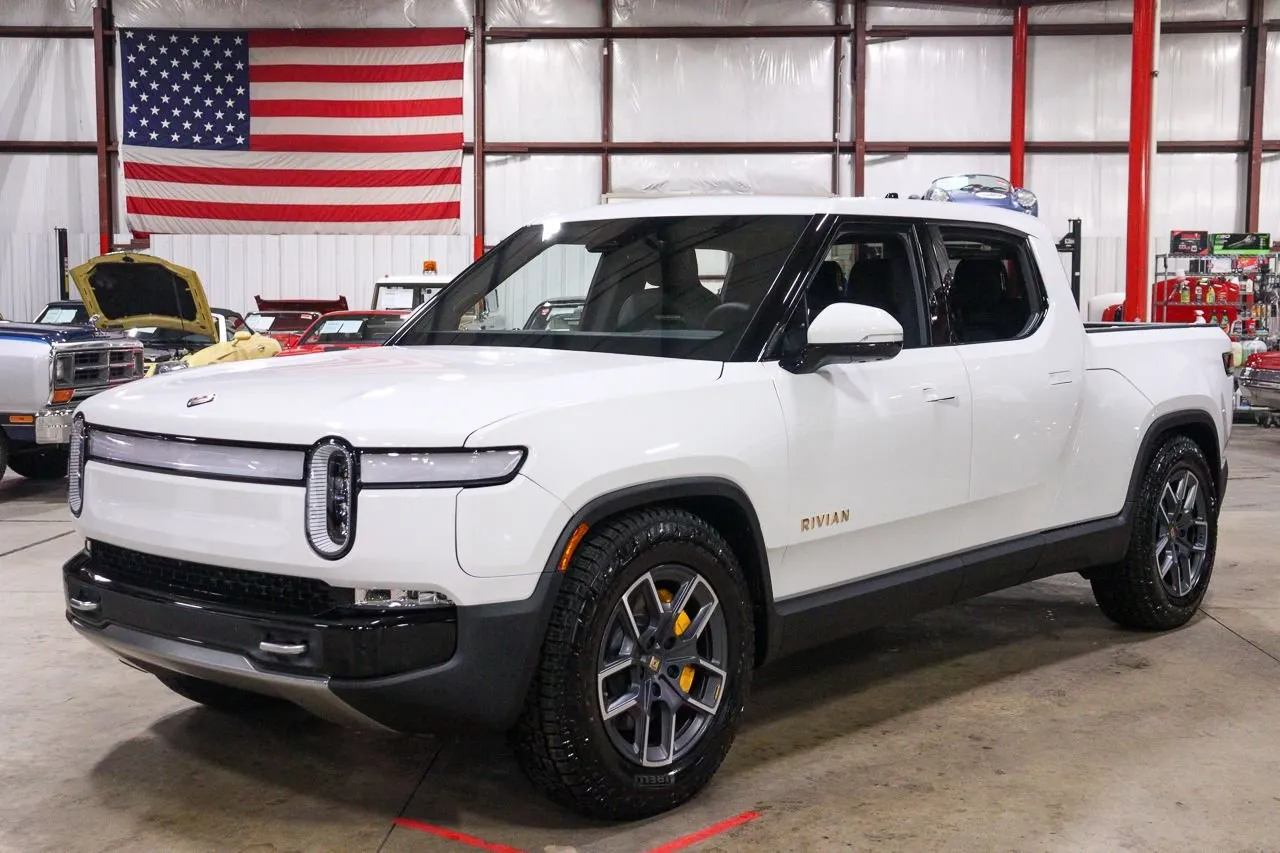
Startup electric truck brings innovative features but terrible city practicality. Length measures 217.1 inches, over 18 feet, which exceeds standard parking space dimensions dramatically. The width of 81.8 inches makes this Rivian one of the widest vehicles on roads, eliminating tight parking and creating constant door-ding anxiety. You’ll struggle to find spaces that accommodate this massive truck.
Height reaches 79.3 inches with standard suspension, exceeding clearance limits at many NYC garages. Air suspension can lower ride height somewhat, but not enough to solve fundamental clearance problems. You’ll be hunting for rare facilities with sufficient height while paying premium parking rates.
Innovative features like gear tunnel storage, camp kitchen, and built-in air compressor serve no purpose in Manhattan. You’re paying $75,000-plus for adventure capabilities you’ll never use while suffering daily from impractical dimensions. Quad-motor all-wheel drive providing 835 horsepower and 3-second 0-60 times goes completely wasted sitting in gridlock traffic.
Turning radius creates nightmarish maneuvering challenges. Narrow NYC streets require multi-point turns constantly. Parking garage spiral ramps become obstacles rather than simple transitions between levels. Attempting parallel parking on typical city streets borders on impossible.
Technology showcases startup innovation with large touchscreen displays and over-the-air updates. Build quality impresses for a new company. Expected reliability remains uncertain given Rivian’s limited production history and startup status. Service network density leaves gaps, particularly in urban areas.
For NYC residents, the R1T’s massive dimensions and adventure focus make it thoroughly impractical despite impressive technology and performance.
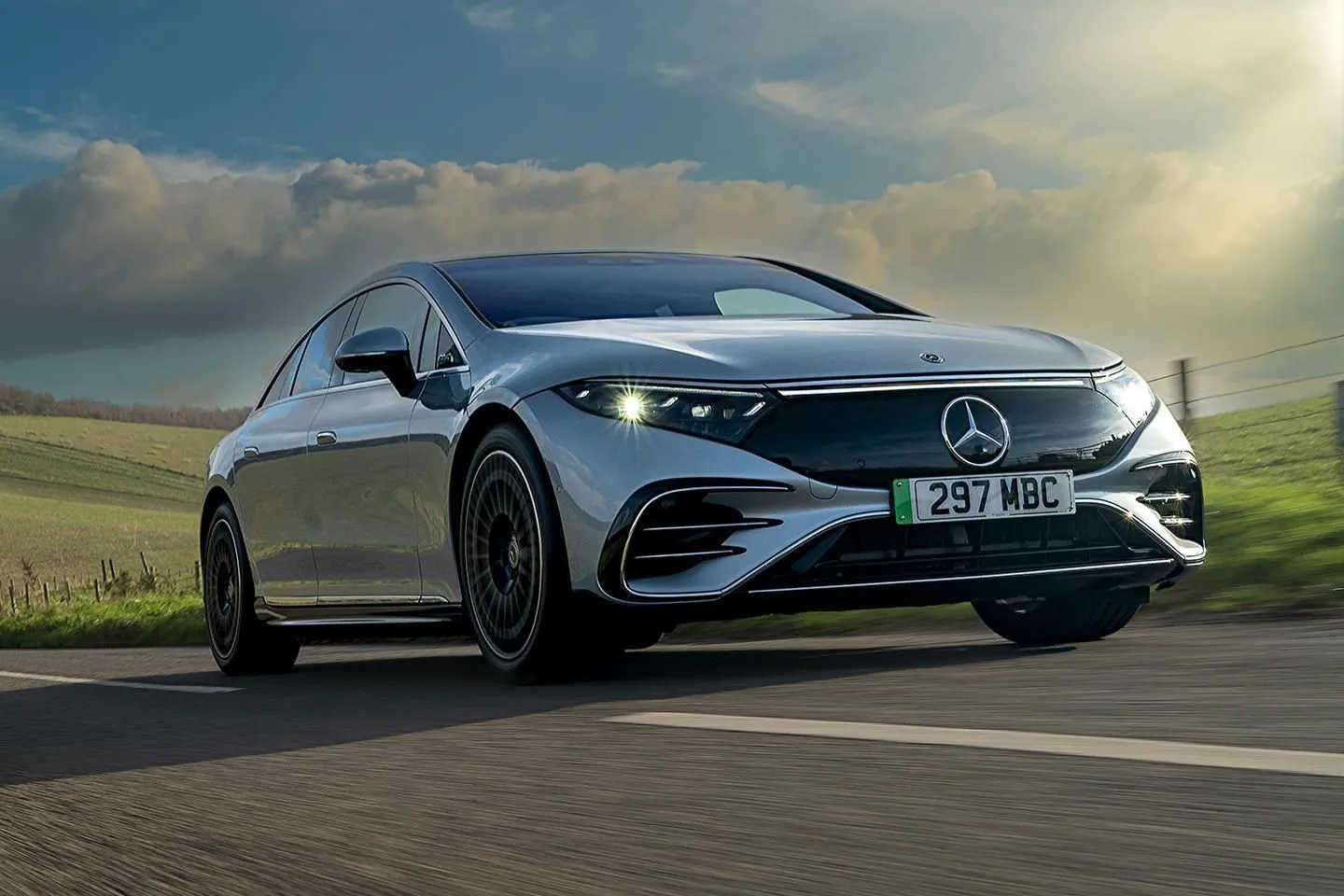
8. Mercedes-Benz EQS 450+ 2022-2024
Flagship luxury sedans are built to impress, and the Mercedes-Benz EQS delivers comfort and technology at a level few vehicles can match. Yet that same size and sophistication create real challenges for city living. With a length of 196.8 inches, the EQS stretches beyond the limits of many standard parking spaces.
Street parking becomes an exercise in patience, as bumpers hover near painted lines and tight gaps demand slow, careful maneuvering. A width of 75.8 inches leaves little room for error in crowded garages, turning every parking attempt into a tense moment.
Height presents fewer clearance problems, measuring about 59.4 inches and fitting easily beneath most garage restrictions. Ground clearance, however, introduces another concern. The low stance places expensive underbody components closer to the pavement, making steep ramps, speed bumps, and broken asphalt potential hazards.
Air suspension helps raise the car when needed, yet it cannot eliminate the risk of damage from potholes that define many city streets. Repairs on a vehicle at this price level can be costly and time-consuming. Driving range reaches an EPA estimate of roughly 350 miles, which appears generous on paper.
Real-world conditions tell a different story. Cold weather, frequent acceleration, and higher highway speeds reduce usable range by a noticeable margin. Many drivers see reductions of twenty to thirty percent during the winter months.
Weekly charging sessions remain necessary, and locating available high-power stations in busy areas adds another layer of frustration. Charging convenience does not match the expectations set by a six-figure price tag.
Interior craftsmanship justifies the price from a luxury standpoint. Nappa leather, real wood trim, and flawless assembly create a refined environment. The optional Hyperscreen spans the dashboard with an impressive wall of digital displays.
A Burmester 3D audio system delivers exceptional sound quality, though much of its detail is lost in stop-and-go traffic. Seats provide heating, cooling, and massage functions, while the cabin remains whisper quiet even on rough pavement.
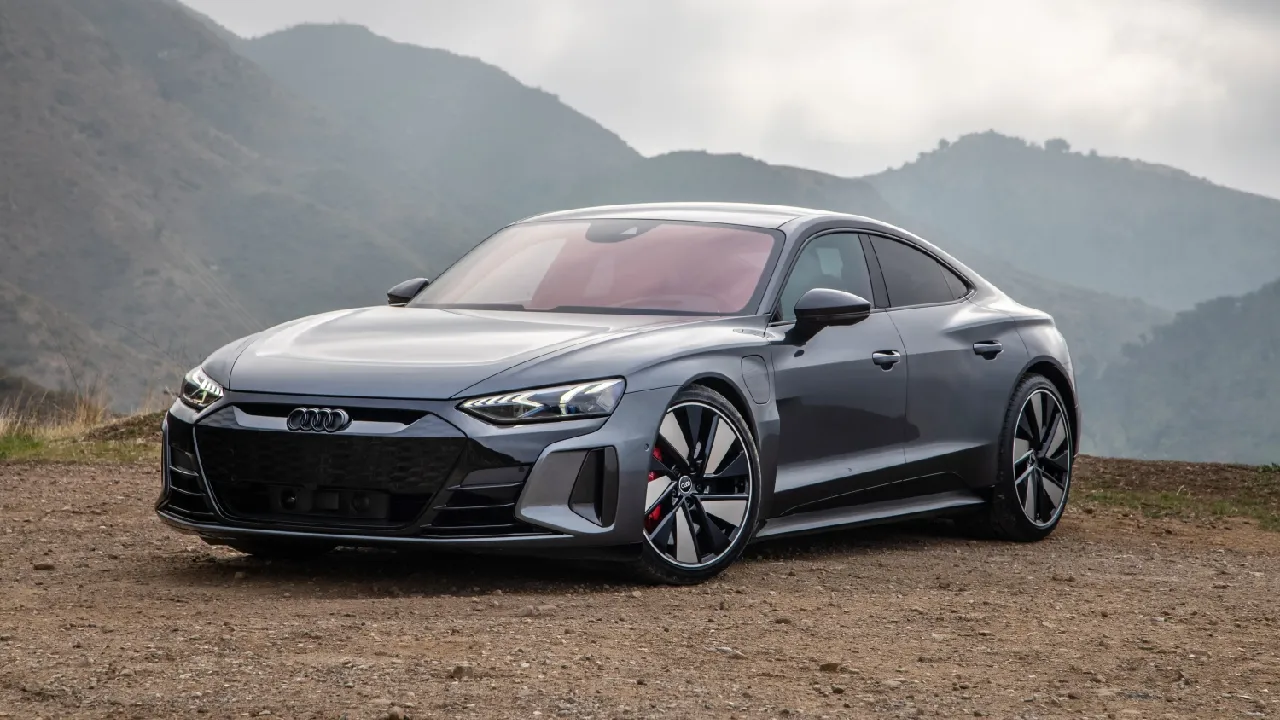
9. Audi e-tron GT Premium Plus 2022-2024
German performance meets electric propulsion in a sedan, creating urban parking problems. Length measures 196.4 inches, requiring oversized parking spaces that cost premium rates in NYC. The width of 77 inches leaves minimal clearance between pillars and adjacent vehicles, guaranteeing stress during every parking session.
Height at 55.5 inches provides the lowest profile in this article, creating ground clearance concerns. Speed bumps, potholes, and parking garage ramps become obstacles threatening expensive underbody damage. Air suspension adjusts ride height but can’t eliminate concerns about scraping on rough city streets that would destroy this low-slung sedan.
The range reaches only 238 miles EPA rating, inadequate for a vehicle requiring frequent charging sessions. You’ll visit fast chargers twice weekly minimum, a time commitment that becomes exhausting when relying on public infrastructure. Cold weather reduces range further, making winter charging sessions even more frequent.
Fast-charging supports up to 270 kW at compatible 800-volt stations, adding range quickly when everything works perfectly. Reality involves hunting for functioning high-power chargers, waiting for occupied stations, and dealing with software glitches. Even optimal sessions require 25 to 30 minutes, and you’ll make them constantly.
Interior luxury meets Audi standards with premium materials throughout. Virtual Cockpit displays provide clear information. Bang & Olufsen audio sounds exceptional. Seats offer heating, cooling, and massage functions. Build quality impresses with precise assembly.
Expected reliability should match Audi standards, though repair costs rival exotic cars. For NYC apartment dwellers, the e-tron GT creates constant frustrations. Limited range requires frequent charging, low stance threatens damage, and massive dimensions make parking stressful. This performance sedan belongs on German autobahns, not Manhattan streets.
Also Read: 5 Cars for Diamond Bar City Driving and 5 Compact Daily Choices
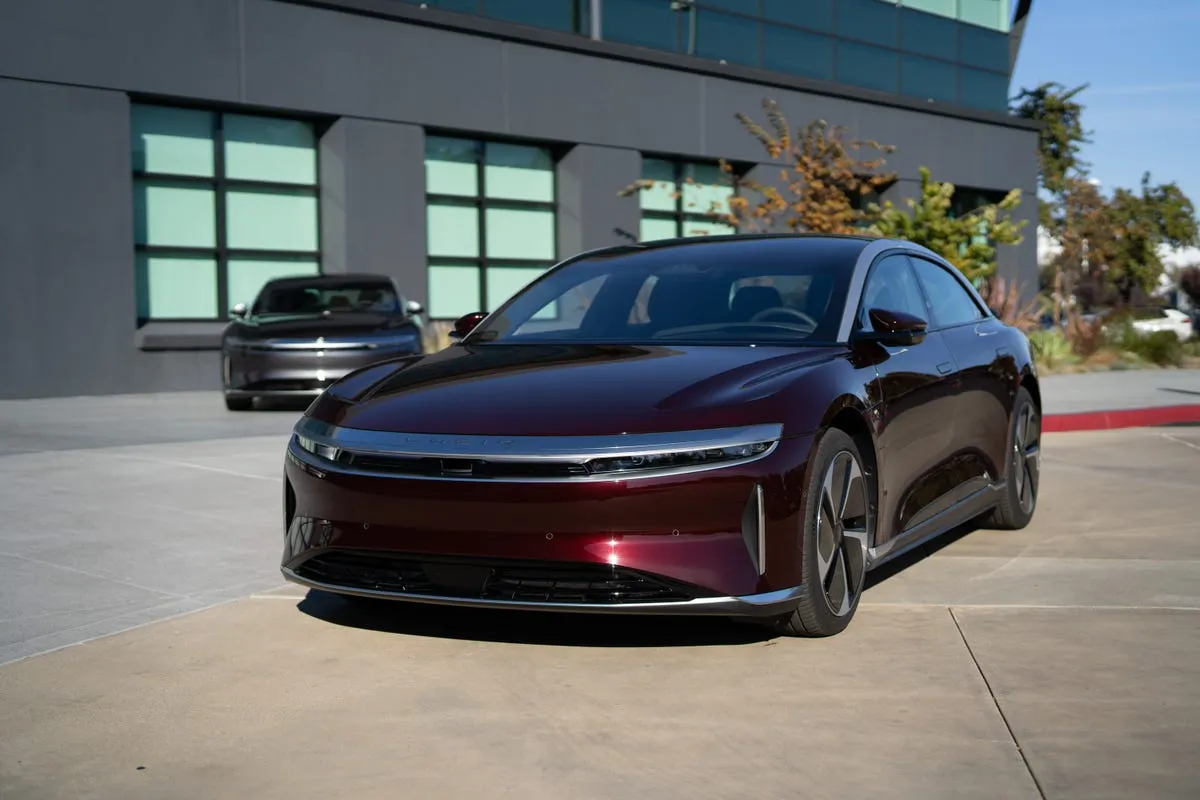
10. Lucid Air Pure 2023-2024
A California startup has delivered an electric sedan with eye-catching numbers and futuristic design, yet daily city use exposes its weaknesses quickly. The Lucid Air Pure stretches 195.9 inches from bumper to bumper, placing it beyond the comfort zone of many standard street and garage parking spaces.
Squeezing into curbside spots becomes a careful exercise in precision, with little room to spare on either end. Width measures 76.3 inches, which leaves narrow clearance in crowded garages and almost guarantees tense moments when opening doors beside neighboring vehicles.
Low height adds another layer of concern. At only 55.5 inches tall, the Air Pure rides closer to the pavement than most sedans. Potholes, uneven asphalt, steep garage ramps, and aggressive speed bumps all become threats to expensive underbody components.
Air suspension can raise the car slightly, yet that feature does not eliminate anxiety when driving through streets that resemble obstacle courses. Every scrape or thump reminds you that this sleek sedan was not shaped with rough urban pavement in mind.
Range numbers look incredible on paper. An EPA estimate of 419 miles suggests freedom from constant charging, but real ownership tells a different story. Lucid does not operate a proprietary charging network, so drivers rely on third-party stations with varying reliability.
That means juggling multiple apps, memberships, and payment systems while searching for an available charger. Even with long-range, apartment dwellers without home charging still need regular public sessions, turning charging into a weekly chore rather than a simple overnight routine.
Fast charging reaches up to 300 kW at compatible stations, allowing rapid range recovery when conditions line up. In ideal situations, large chunks of range return quickly. Reality often involves broken chargers, long lines, or stations delivering far less power than advertised. Time spent waiting quickly erodes the advantage of impressive peak charging speeds.
