
When most people think of fast German cars, their minds immediately drift to sleek sports cars and two-door coupes that dominated racetracks and autobahns. However, some of the most impressive automotive engineering feats came wrapped in four-door sedan packages that looked deceptively ordinary at first glance.
These were the wolves in sheep’s clothing, the business suits hiding racing hearts, and they represented the pinnacle of German automotive philosophy: combining practicality with performance in ways that seemed almost contradictory.
German automakers have long understood that speed and luxury need not be mutually exclusive. Throughout automotive history, manufacturers like Mercedes-Benz, BMW, and Audi have crafted sedans that could comfortably transport families and business executives during the week, then transform into formidable performance machines on the weekend.
These weren’t just fast cars they were engineering marvels that redefined what a sedan could be, pushing boundaries and setting benchmarks that competitors struggled to match.
The classic German sedans we’re exploring today weren’t created by accident. They emerged from a culture that valued engineering excellence, where the autobahn’s unlimited speed zones demanded cars that could sustain high velocities safely and reliably.
These vehicles had to excel in multiple dimensions simultaneously: they needed refined interiors for executive comfort, advanced safety features for family protection, practical space for everyday usability, and enough performance to satisfy driving enthusiasts. This unique combination created some of the most iconic four-door vehicles ever produced.
From the 1980s through the early 2000s, these sedans shocked the automotive world by delivering supercar-rivaling acceleration while maintaining sedan practicality.
They featured innovative technologies like turbocharging, advanced aerodynamics, and sophisticated all-wheel-drive systems years before such features became mainstream.
Many achieved legendary status, commanding premium prices in today’s collector market. These aren’t just cars; they’re automotive icons that proved you could have your cake and eat it too enjoying blistering performance without sacrificing the comfort and practicality that makes sedans so appealing for daily life.
1. Mercedes-Benz 190E 2.5-16 Evolution II
The Mercedes-Benz 190E 2.5-16 Evolution II stands as one of the most iconic homologation specials ever created, representing Mercedes-Benz’s serious commitment to DTM (Deutsche Tourenwagen Masters) racing in the early 1990s.
This wasn’t just a sporty version of the compact 190E it was a road-going race car that happened to have four doors and could theoretically be used for grocery runs, though few owners would dare use it for such mundane tasks.
Under the dramatically flared bodywork sat a 2.5-liter four-cylinder engine that produced 235 horsepower, which might not sound extraordinary by modern standards, but in 1990, this was staggering output from a naturally aspirated four-cylinder.
The engine could rev to an astonishing 7,200 rpm, producing a mechanical symphony that few sedans could match. This powerplant pushed the Evolution II from 0 to 60 mph in just 7.1 seconds, with a top speed limited to 155 mph impressive figures that put it in supercar territory for the era.
What truly set the Evolution II apart was its aggressive aerodynamic package. The massive adjustable rear wing became instantly recognizable, while the widened fenders, deeper front spoiler, and completely redesigned body panels weren’t just for show, they generated significant downforce and reduced drag.
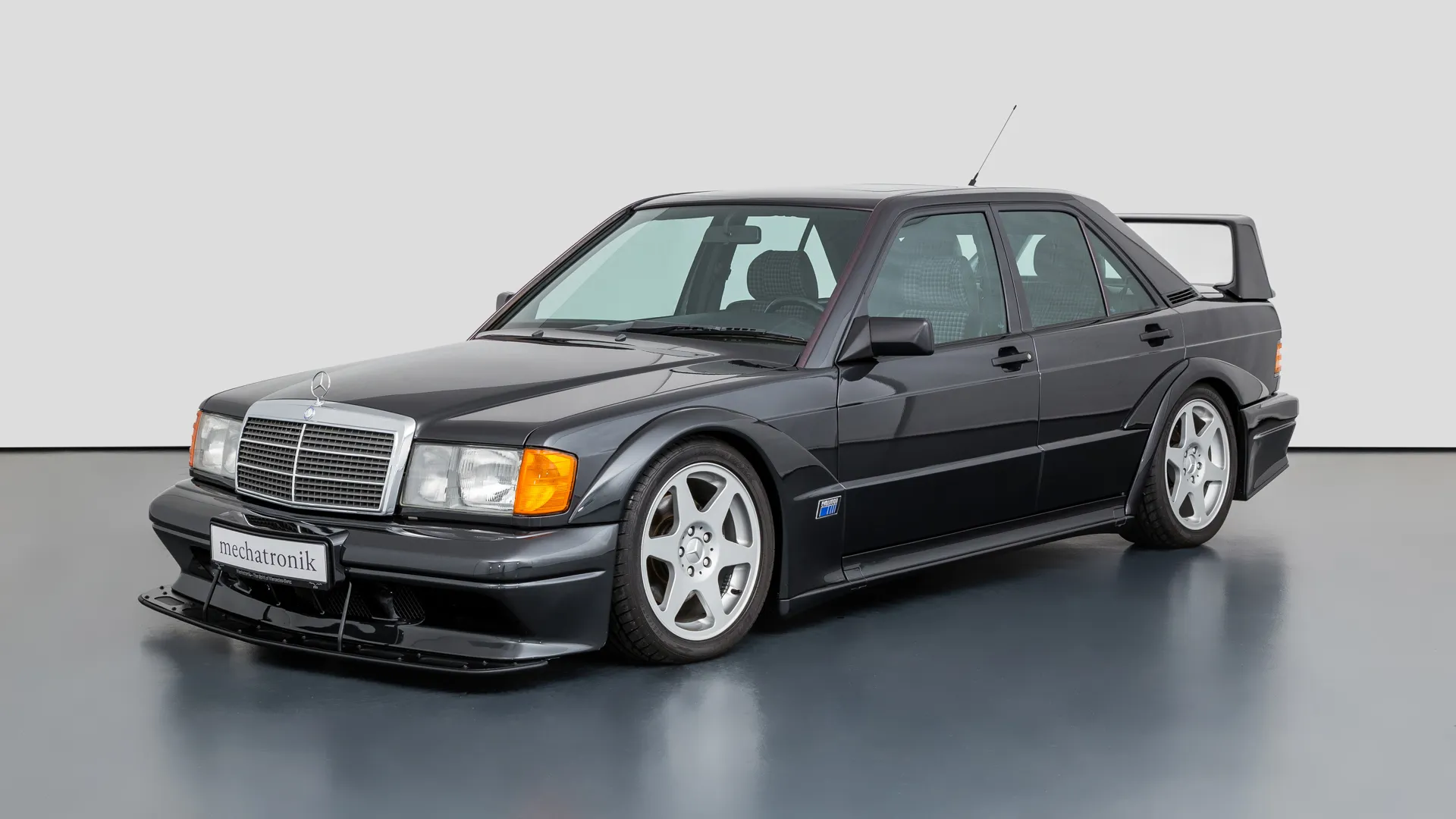
Mercedes engineers even designed a radical rear window spoiler lip that became a signature element. Only 502 units were produced to meet homologation requirements, making it extremely rare and highly sought after today.
The handling characteristics were equally impressive. Mercedes fitted the Evolution II with stiffer springs, upgraded dampers, a limited-slip differential, and wider wheels.
The result was a sedan that could carve through corners with precision that embarrassed many dedicated sports cars. The interior remained relatively spartan by Mercedes standards, featuring Recaro sport seats and minimal luxury amenities, reminding drivers this was a purpose-built performance machine.
Today, the 190E 2.5-16 Evolution II is considered one of the most collectible modern Mercedes-Benz vehicles, with pristine examples commanding six-figure prices at auctions.
It represented an era when manufacturers built homologation specials with minimal concern for mass-market appeal, creating focused, uncompromising machines that prioritized performance above all else.
This sedan shocked the automotive world by proving Mercedes could build a car that rivaled BMW M cars while maintaining the three-pointed star’s reputation for engineering excellence.
2. BMW M5 (E34)
The second-generation BMW M5, known by its chassis code E34, refined the concept of the super sedan when it debuted in 1988. While the original E28 M5 had established the template, the E34 perfected it, creating what many enthusiasts still consider the greatest sports sedan ever built.
This was the car that proved you could have a practical family vehicle that also delivered thrilling performance, wrapped in a sophisticated package that appealed to both drivers and passengers.
At the heart of the E34 M5 sat BMW’s magnificent 3.5-liter inline-six engine, later expanded to 3.8 liters in 1992. The initial version produced 311 horsepower, while the later S38B38 engine bumped output to 340 horsepower.
These hand-built powerplants featured individual throttle bodies, a feature usually reserved for exotic supercars, and could propel the M5 from 0 to 60 mph in just 5.9 seconds. The top speed was electronically limited to 155 mph, though the car was easily capable of more given enough road.
What made the E34 M5 truly shocking wasn’t just its straight-line speed but its sophisticated balance. BMW’s engineers created a sedan that handled with remarkable agility despite weighing over 3,800 pounds.
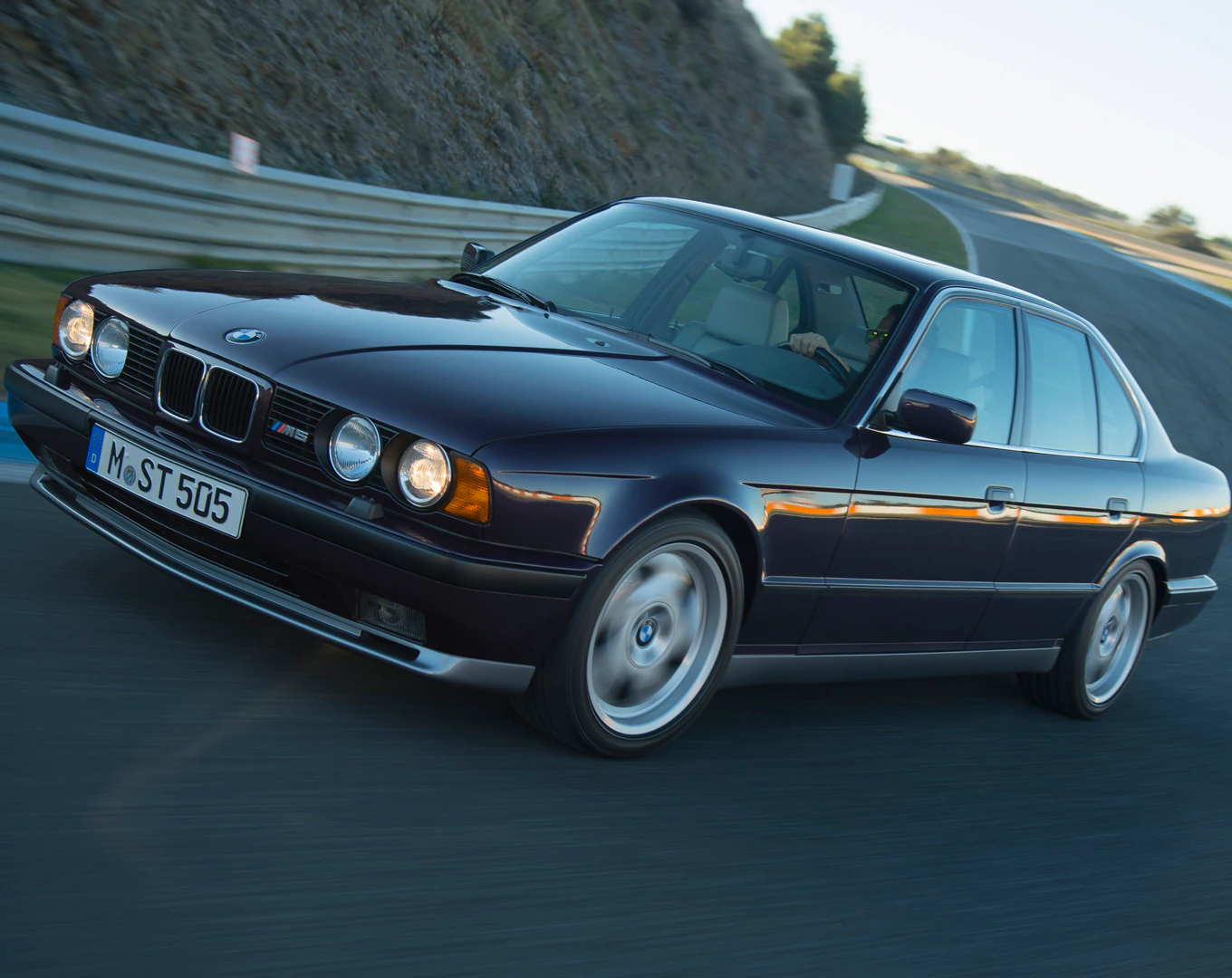
The suspension setup, featuring specially tuned springs, dampers, and anti-roll bars, allowed the M5 to maintain composure through challenging corners while still providing acceptable ride quality for daily driving.
The power was delivered to the rear wheels through a smooth-shifting Getrag six-speed manual transmission that became legendary for its precision.
The exterior design showcased typical BMW restraint only subtle badges, slightly more aggressive bumpers, and unique wheels distinguished the M5 from regular 5 Series models.
This understated appearance became part of the M5’s appeal, allowing owners to enjoy supercar performance without attracting unwanted attention.
Inside, buyers received luxurious leather upholstery, power-adjustable sport seats, and all the amenities expected in a premium sedan, proving that performance didn’t require sacrificing comfort.
The E34 M5’s legacy extends far beyond its production run, which ended in 1995 after approximately 12,000 units were built. It established the template for all subsequent M5 generations and influenced the entire super sedan segment.
Contemporary reviews praised its ability to be civilized during commutes yet transform into a formidable performance machine when desired.
Today, well-maintained examples are highly prized by collectors who recognize the E34 M5 as representing the purest expression of BMW’s Motorsport division philosophy before complexity and weight became inevitable.
3. Audi RS2 Avant
The Audi RS2 Avant holds a special place in automotive history as the vehicle that launched Audi’s legendary RS (RennSport) performance division and proved that station wagons could be genuinely exciting performance vehicles.
Developed in collaboration with Porsche at their Rossle-Bau facility in Zuffenhausen, this 1994 creation combined Audi’s quattro all-wheel-drive expertise with Porsche’s performance engineering knowledge, creating something truly unprecedented in the automotive marketplace.
Under the hood resided a turbocharged 2.2-liter inline-five engine producing 311 horsepower and 302 lb-ft of torque staggering figures for the early 1990s, especially in a wagon body style.
The performance statistics were genuinely shocking: 0 to 60 mph came in just 4.8 seconds, making it quicker than contemporary supercars like the Ferrari 348.
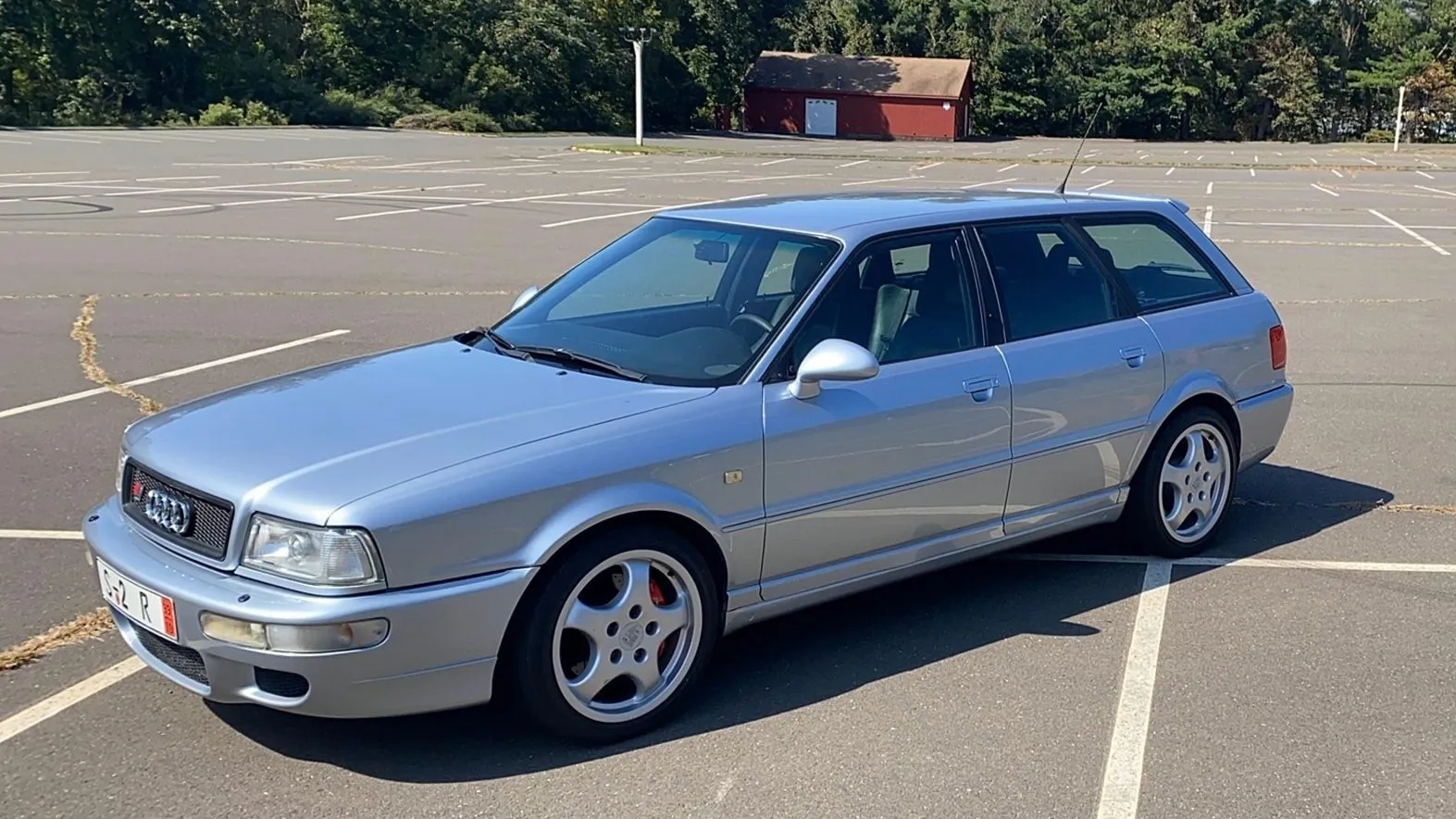
Even more impressive, the RS2 could accelerate from 30 to 50 mph in just 1.5 seconds, making it faster than a McLaren F1 in that specific metric. The top speed reached 163 mph, phenomenal for any vehicle, let alone a practical family hauler.
The RS2 Avant’s legacy extends far beyond its modest production run of approximately 2,900 units. It established Audi as a serious performance manufacturer, paving the way for future RS models that would continue pushing boundaries.
The wagon body style proved particularly appealing to enthusiasts who wanted supercar performance without sacrificing practicality the RS2 could carry a family of five plus luggage while embarrassing Porsches at traffic lights.
Today, pristine RS2 Avants command premium prices among collectors who recognize this vehicle as the beginning of Audi’s modern performance heritage.
4. Mercedes-Benz 500E (W124)
The Mercedes-Benz 500E represents one of the most fascinating collaborations in automotive history a luxurious Mercedes sedan hand-assembled by Porsche to create the ultimate high-performance four-door.
Born from Mercedes’ desire to compete with BMW’s M5, the 500E combined Mercedes’ mid-size W124 platform with a powerful V8 engine, but the project required Porsche’s expertise and production facilities because Mercedes’ own assembly lines couldn’t accommodate the necessary modifications.
The heart of the 500E was Mercedes’ 5.0-liter V8 engine producing 322 horsepower and 354 lb-ft of torque. This powerplant, borrowed from the flagship SL sports car, transformed the otherwise dignified E-Class into a genuine performance machine.
The 500E could accelerate from 0 to 60 mph in just 5.5 seconds and reach a top speed of 155 mph figures that shocked competitors and established new benchmarks for executive sedans.
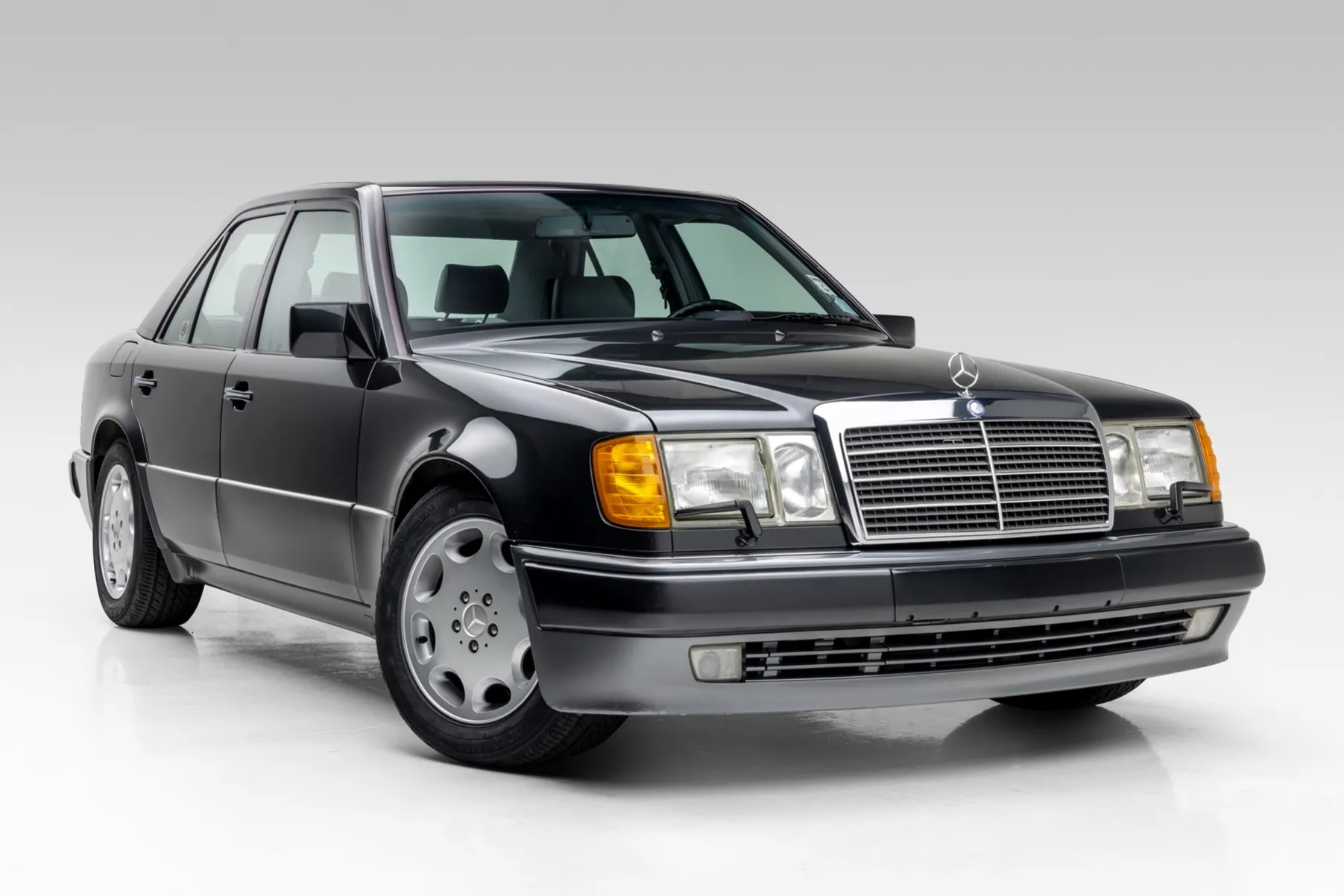
The engine’s broad torque curve provided effortless acceleration at any speed, making highway overtaking maneuvers feel almost instantaneous.
The 500E’s understated exterior became one of its most appealing characteristics. Aside from subtle badging, slightly flared fenders, and distinctive cross-spoke wheels, the car looked remarkably similar to standard W124 E-Class sedans.
This sleeper appeal attracted buyers who appreciated having supercar performance without flashy styling. Inside, the 500E featured luxurious leather upholstery, power-adjustable front seats, and comprehensive instrumentation, maintaining Mercedes’ reputation for premium interiors.
Today, the 500E (later renamed E500) is recognized as one of the finest sedans ever produced, combining Mercedes luxury with Porsche-enhanced performance in a package that remains desirable decades after production ended.
Also Read: 7 Luxury Cars That Handle City Driving Comfortably
5. BMW M3 (E36) Sedan
While the BMW M3 is typically associated with coupes, the E36-generation M3 sedan represented something different a practical four-door that delivered genuine M Division performance without the compromises associated with two-door body styles.
Introduced in 1995, this sedan version brought M3 capabilities to buyers who needed rear-door access but refused to sacrifice driving excitement, creating a template that would influence future sports sedans.
The North American E36 M3 sedan featured a 3.2-liter inline-six engine producing 240 horsepower, while European versions received the more powerful 286-horsepower variant.
Though these figures might seem modest compared to some contemporaries, the M3’s relatively light weight of around 3,200 pounds meant the power-to-weight ratio delivered genuinely engaging performance.
The engine could rev freely to redline, producing BMW’s characteristic inline-six soundtrack that enthusiasts cherish. Acceleration from 0 to 60 mph took approximately 6.0 seconds, with a limited top speed of 155 mph.
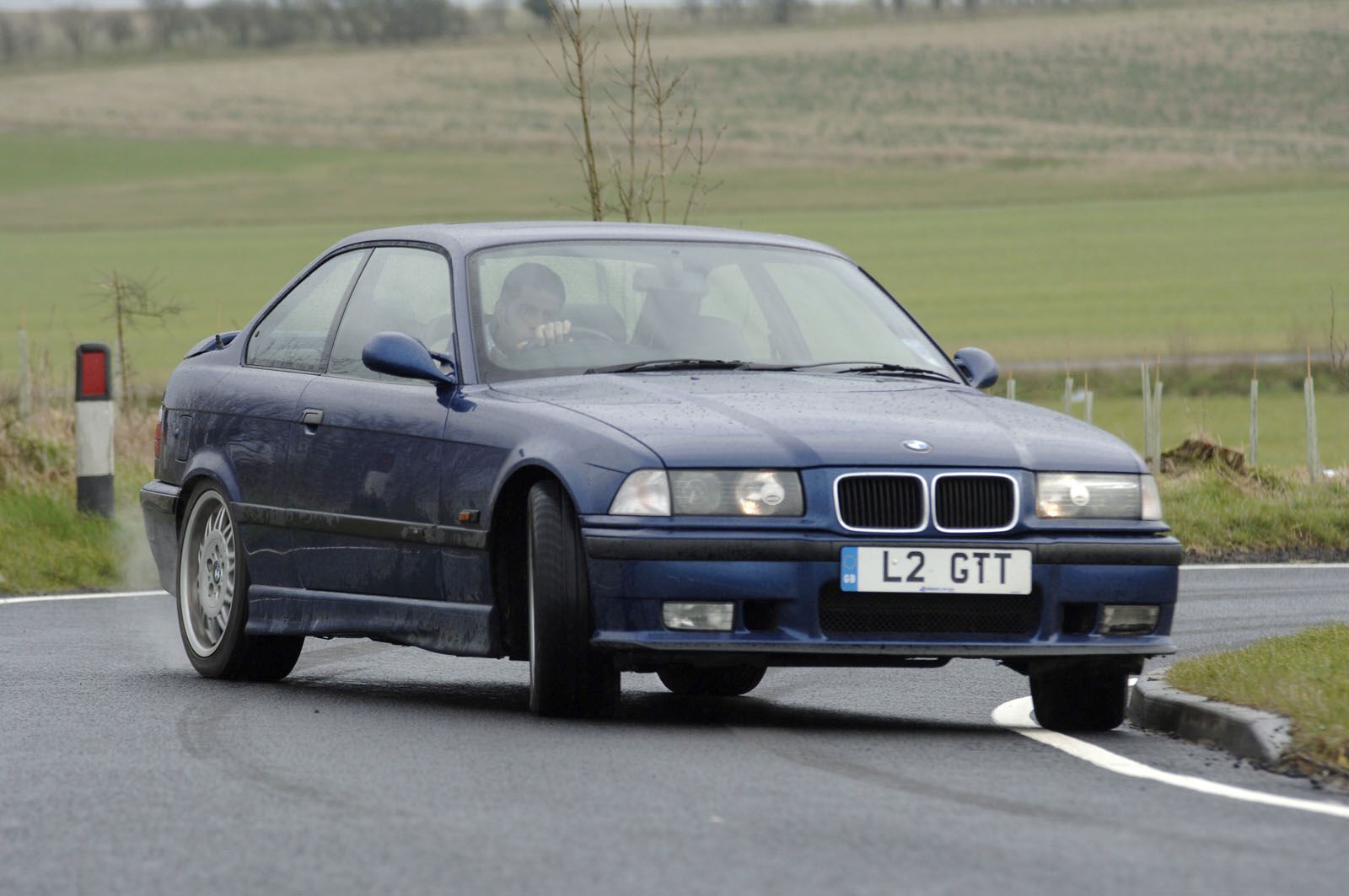
What truly made the E36 M3 sedan shocking wasn’t just engine output but its comprehensive engineering approach. BMW’s engineers created a perfectly balanced chassis with a near-perfect 50/50 weight distribution, precise steering that provided excellent feedback, and suspension tuning that allowed spirited driving without punishing ride quality.
The result was a sedan that could be driven enthusiastically on winding roads, providing thrills typically associated with dedicated sports cars, then transform into a comfortable daily driver for mundane commutes.
The E36 M3 sedan’s production run was relatively limited, particularly in North America, where it was only available for the 1997 and 1998 model years.
This rarity has made well-maintained examples increasingly collectible, as enthusiasts recognize these sedans represent a sweet spot in BMW M Division history before electronics became overwhelming, yet refined enough to be genuinely usable.
The E36 M3 sedan proved that practical four-door vehicles could deliver authentic driving excitement, influencing every subsequent generation of sports sedans.
6. Audi S8 (D2)
The first-generation Audi S8, based on the D2 platform and introduced in 1996, represented Audi’s entry into the ultra-high-performance luxury sedan segment.
This was Audi’s answer to the BMW M5 and Mercedes E55 AMG, but with a distinctly different approach: combining a powerful V8 engine with quattro all-wheel drive in a flagship sedan package that prioritized refined speed over raw aggression.
The result was a sophisticated machine that could cover ground at astonishing rates while maintaining composure that impressed even the most discerning drivers.
Under the aluminum hood sat a 4.2-liter V8 engine producing 340 horsepower and 302 lb-ft of torque, hand-built at Audi’s Neckarsulm facility where craftsmanship standards rivaled exotic car production.
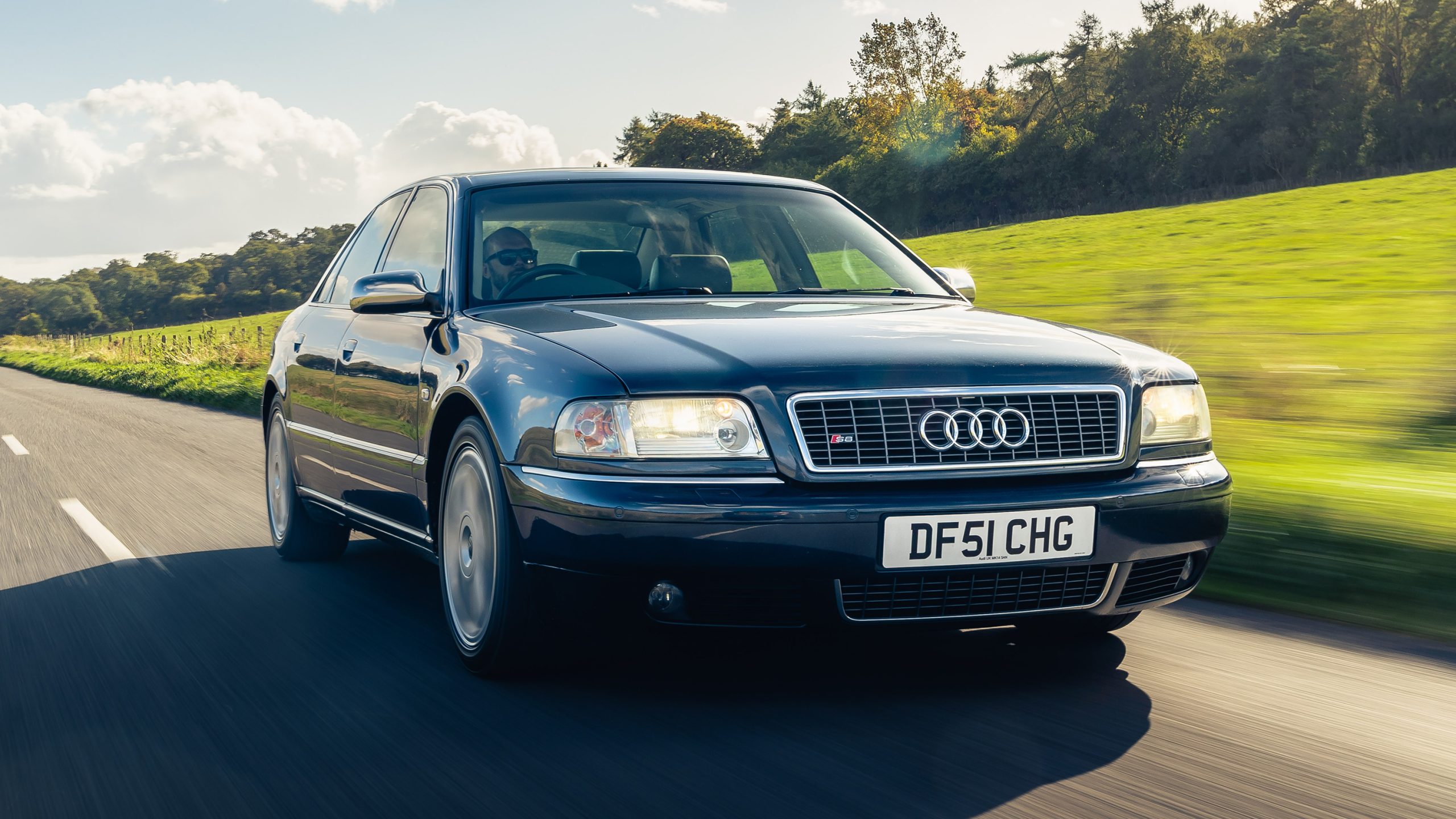
This powerplant could propel the substantial S8 from 0 to 60 mph in just 5.6 seconds, with an electronically limited top speed of 155 mph though unrestricted examples could exceed 170 mph.
The engine delivered power with remarkable smoothness, producing a sophisticated exhaust note that emphasized refinement over rawness, perfectly matching the S8’s executive character.
The S8’s exterior design showcased typical Audi restraint only subtle S8 badging, unique wheel designs, and quad exhaust outlets distinguished it from standard A8 models. This understated appearance appealed to buyers who appreciated having tremendous performance capability without advertising it conspicuously.
The interior featured premium leather upholstery, real wood trim, advanced climate control systems, and comprehensive instrumentation, providing an environment befitting a flagship sedan.
The S8 proved that extreme performance and luxurious comfort weren’t mutually exclusive, establishing a formula that Audi would refine with subsequent generations.
7. Mercedes-AMG E55 (W210)
The W210-generation Mercedes-AMG E55 marked a significant evolution in AMG’s approach to performance sedans, introducing supercharging technology that would define AMG products for years to come.
Launched in 1998, this E-Class variant combined Mercedes’ mid-size executive sedan platform with AMG’s increasingly sophisticated performance enhancements, creating a vehicle that delivered shocking straight-line performance wrapped in a sophisticated, business-appropriate package that belied its capabilities.
AMG’s 5.4-liter V8 engine produced 349 horsepower in naturally aspirated form initially, but the real transformation came in 2003 when AMG added a supercharger, boosting output to 469 horsepower and 516 lb-ft of torque.

This supercharged version could accelerate from 0 to 60 mph in just 4.5 seconds supercar territory while maintaining the refined character expected from Mercedes.
The supercharger provided instant throttle response with minimal lag, delivering a wave of torque that pinned occupants to their seats whenever the accelerator was pressed enthusiastically.
Inside, the E55 provided luxurious accommodations befitting Mercedes’ premium positioning. Nappa leather upholstery, AMG sport seats with excellent support, carbon fiber or wood trim options, and comprehensive equipment levels ensured comfort matched performance.
The driving position was excellent, with well-placed controls and clear instrumentation that kept drivers informed without overwhelming them.
The E55 proved particularly popular with enthusiasts who appreciated its combination of genuine performance capability and luxury amenities, establishing AMG as a serious competitor in the super sedan segment.
Today, well-maintained examples, particularly the supercharged versions, are increasingly sought after by collectors recognizing these vehicles as representing AMG’s golden era before turbocharged engines became universal.
8. BMW Alpina B10 V8 (E39)
The Alpina B10 V8, based on BMW’s E39 5 Series platform, represented the ultimate evolution of the refined sports sedan concept. Alpina, though often mistaken for BMW’s tuning division, is actually an independent manufacturer that has collaborated with BMW for decades, creating limited-production vehicles that emphasize sophisticated performance and luxury.
The B10 V8 took this philosophy to its zenith, combining a powerful V8 engine with meticulous chassis refinement and luxurious appointments to create a sedan that excelled at high-speed grand touring.
Under the hood sat a 4.6-liter V8 engine that Alpina modified extensively, increasing output to 347 horsepower and 354 lb-ft of torque impressive figures for the late 1990s. Later versions received displacement increases to 4.8 liters, producing even more power.
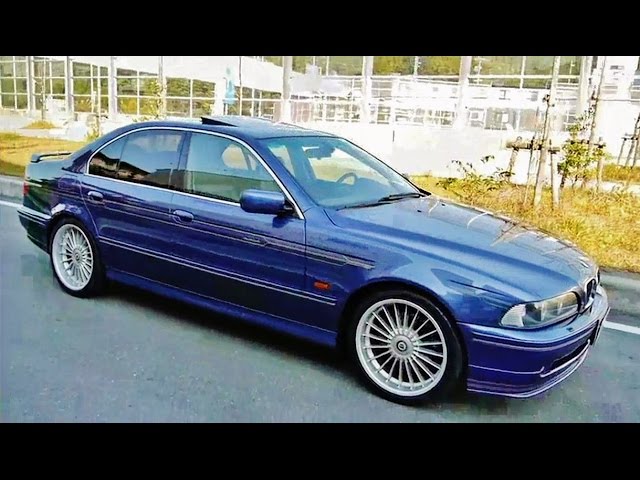
This engine could propel the B10 V8 from 0 to 60 mph in approximately 5.7 seconds, with a top speed approaching 180 mph when fitted with Alpina’s optional high-speed specification.
The powerplant delivered thrust with remarkable smoothness and refinement, emphasizing sophisticated delivery over raw aggression.
The interior reflected Alpina’s attention to detail and luxury. Hand-stitched leather upholstery, unique Alpina instrumentation with speedometers reading beyond 300 km/h, ergonomically designed controls, and comprehensive equipment packages created an environment befitting a grand touring sedan.
Each B10 V8 received a numbered plaque indicating its position in the limited production run, emphasizing exclusivity. Alpina’s commitment to quality meant production numbers remained low only a few hundred B10 V8s were built annually ensuring rarity that enhanced desirability.
Today, these Alpinas are recognized as representing the pinnacle of refined performance, offering capabilities that rivaled M5s while providing superior comfort and exclusivity.
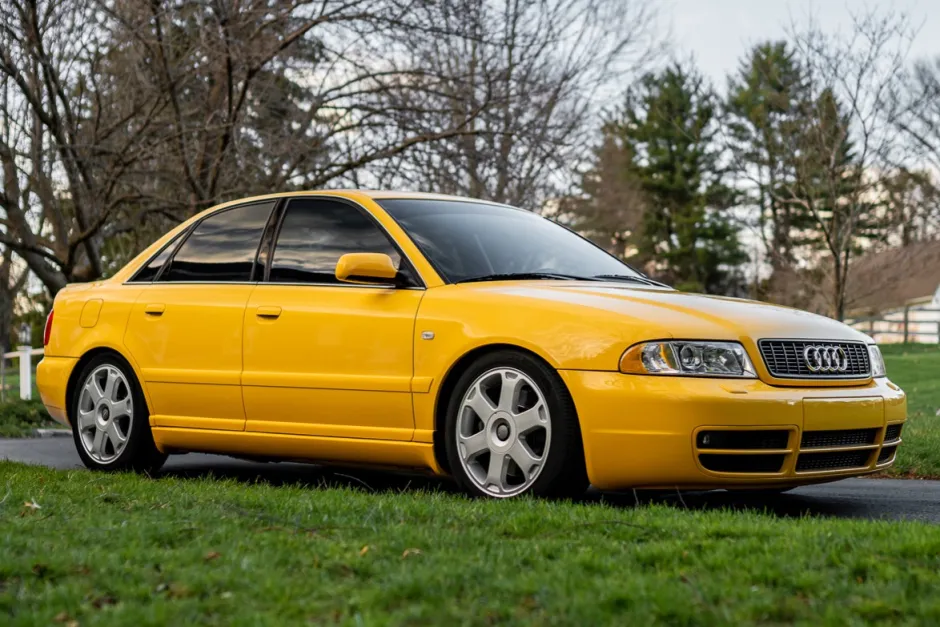
9. Audi S4 (B5)
The first-generation Audi S4, based on the B5 platform and introduced in 1997, created a new category: the compact sports sedan that combined everyday practicality with genuine performance credentials.
This wasn’t just a warmed-over A4 it was a comprehensively re-engineered machine that showcased Audi’s growing performance expertise and established the S4 nameplate as a serious alternative to BMW’s M3, offering comparable performance with the added benefit of quattro all-wheel drive.
At the heart of the B5 S4 sat a 2.7-liter twin-turbocharged V6 engine producing 250 horsepower and 258 lb-ft of torque figures that seem modest today but were impressive for the late 1990s, especially from a relatively small displacement.
The twin-turbo configuration provided smooth power delivery across the rev range, with minimal turbo lag thanks to the use of smaller turbochargers.
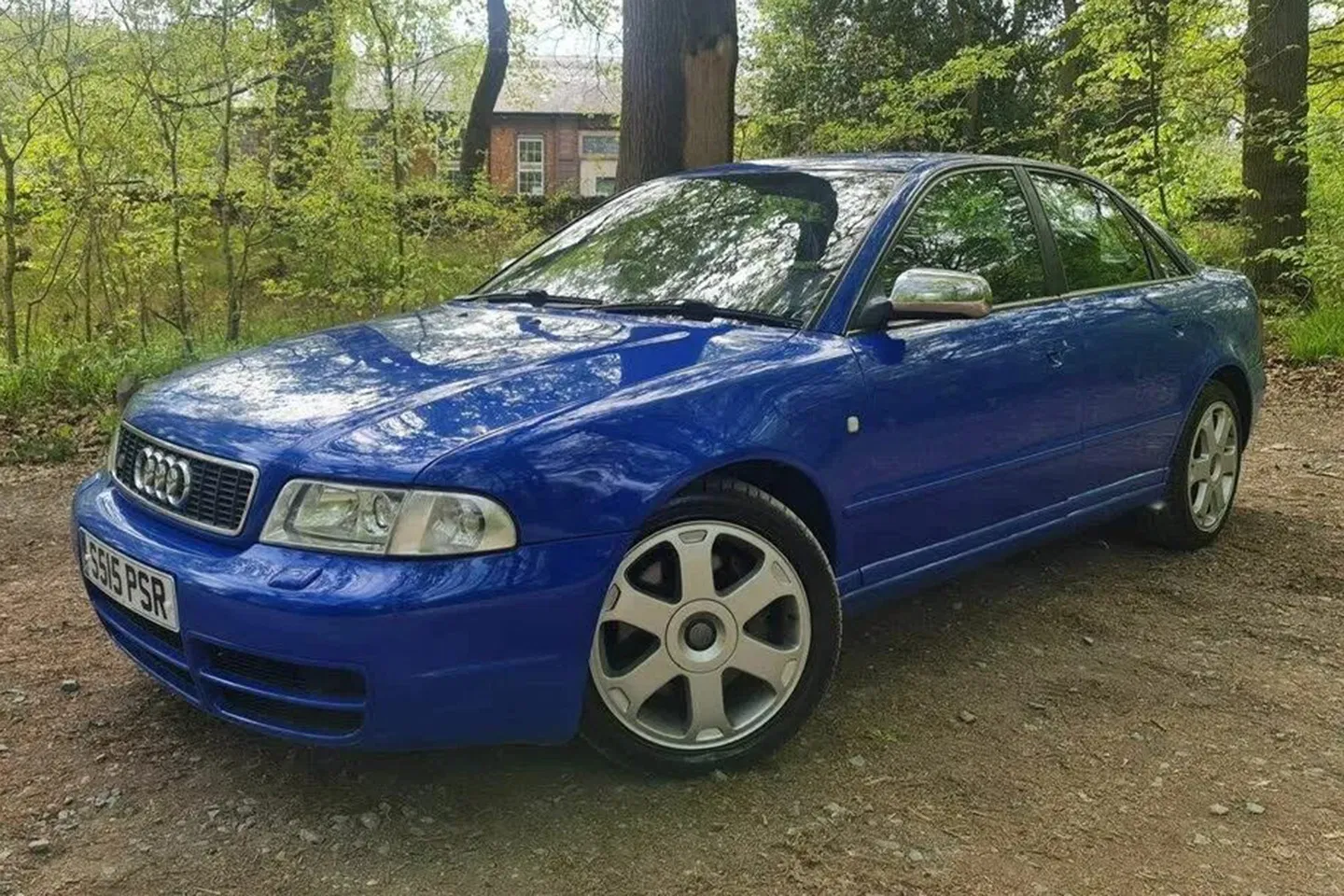
This engine could propel the S4 from 0 to 60 mph in approximately 5.6 seconds, with a top speed limited to 155 mph, making it competitive with considerably more expensive sports sedans.
Inside, the S4 provided sport seats with excellent lateral support, unique gauge faces, aluminum trim accents, and comprehensive equipment levels. The available Avant wagon body style added practicality that competitors couldn’t match, allowing buyers to have genuine performance without sacrificing cargo capacity.
This versatility made the S4 particularly appealing to enthusiasts with families or active lifestyles who needed utility alongside performance.
The B5 S4 developed an enthusiastic following among tuners as well, as the twin-turbo engine responded exceptionally well to modifications, with relatively simple upgrades yielding substantial power increases.
Today, well-maintained examples are prized by enthusiasts who recognize the B5 S4 as representing Audi’s emergence as a genuine performance manufacturer.
10. Mercedes-Benz W140 S600
The Mercedes-Benz W140 S600, produced from 1992 to 1998, represented the absolute pinnacle of flagship sedan engineering, combining a magnificent V12 engine with unprecedented luxury and advanced technology.
While not a sports sedan in the traditional sense, the S600’s performance capabilities were genuinely shocking given its massive size, substantial weight, and luxury-oriented mission.
This was Mercedes’ ultimate statement of engineering prowess, a vehicle that prioritized effortless power and supreme comfort over raw speed.
The heart of the S600 was Mercedes’ magnificent 6.0-liter V12 engine producing 389 horsepower and 420 lb-ft of torque staggering figures for the early 1990s.
This smooth, sophisticated powerplant could propel the 5,000-pound S600 from 0 to 60 mph in just 6.3 seconds, with a top speed electronically limited to 155 mph, though the car was easily capable of exceeding 180 mph unrestricted.
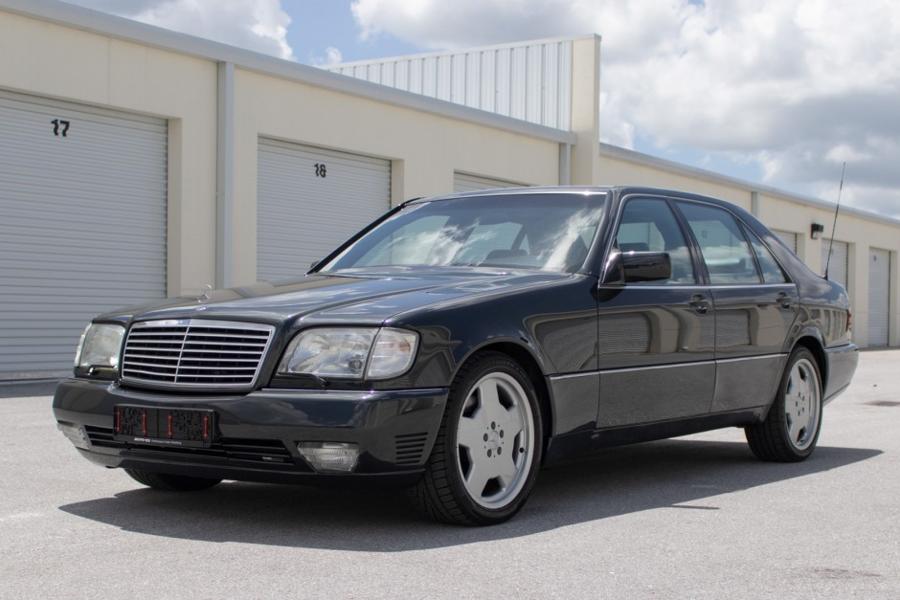
The V12’s abundant torque provided effortless acceleration at any speed, making highway overtaking maneuvers feel almost instantaneous despite the car’s considerable mass.
Despite weighing over two and a half tons, the S600 handled with surprising competence thanks to sophisticated chassis engineering and advanced suspension technology.
The ride quality was superlative, isolating occupants from road imperfections while maintaining sufficient control for confident high-speed cruising.
The S600 was developed with unlimited-speed autobahn driving in mind, capable of maintaining 155+ mph for extended periods without strain, showcasing German engineering at its finest.
Today, the W140 S600 is recognized as one of the last truly over-engineered flagship sedans, representing an era when Mercedes-Benz built vehicles with minimal concern for cost constraints, creating machines that prioritized excellence above all else.
Also Read: 9 Vehicles That Are Easy to Maneuver on City Streets
