Vintage convertibles hold a special place in automotive history because they combine open air freedom with timeless design, mechanical honesty, and a sense of craftsmanship that feels increasingly rare.
While some classic drop tops have become financial trophies commanding extreme prices, many beautiful models remain surprisingly accessible for collectors and enthusiasts who value experience over speculation.
These cars represent an era when style mattered just as much as performance, and when driving was a tactile, emotional activity rather than a filtered digital one. Their curves, proportions, and interiors speak a visual language that modern vehicles often struggle to replicate, especially at attainable price points.
A key reason some vintage convertibles have not skyrocketed in value is balance. They may lack racing pedigree, extreme rarity, or celebrity ownership histories, yet they still offer charm, reliability, and strong road presence. Many were produced in healthy numbers, making parts availability reasonable and ownership less intimidating.
Others were overshadowed by hardtop siblings or higher performance trims, even though the convertible versions deliver a richer driving experience. This creates a sweet spot where beauty and usability coexist without extreme market pressure.
Another factor keeping prices grounded is practicality. Some of these cars were designed as grand tourers or relaxed cruisers rather than raw sports machines. They reward smooth driving, scenic roads, and weekend enjoyment rather than aggressive competition.
That personality does not always excite speculators, but it deeply satisfies owners who care about comfort, sound, and style. Maintenance requirements are also often manageable, especially for models built by manufacturers known for engineering discipline rather than experimentation.
These convertibles also benefit from cultural consistency. They have never gone out of style, but they have also never been treated as short term trends.
Their appeal grows slowly and steadily, driven by genuine appreciation rather than hype. This means buyers can still enter the market without fear of sudden collapse or artificial inflation. Ownership becomes about connection rather than calculation.
What follows is a look at ten vintage convertibles that remain beautiful, usable, and reasonably valued. Each one tells a distinct story, offers a unique driving feel, and proves that classic open top motoring does not have to be reserved for the ultra wealthy. These cars remind us that value is not always measured by price alone.
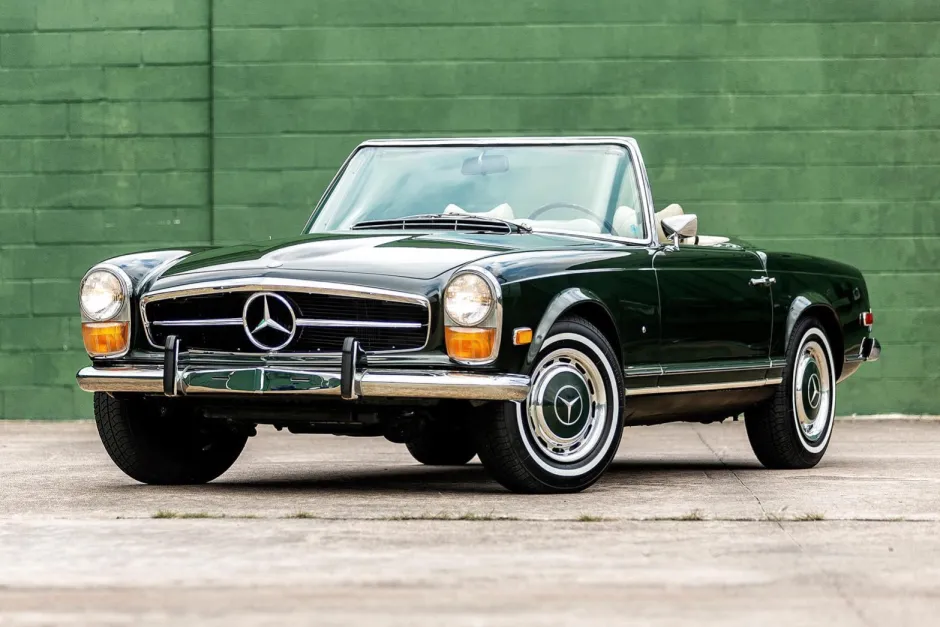
Mercedes Benz 280 SL
The Mercedes Benz 280 SL represents a refined approach to classic convertible motoring, blending understated luxury with mechanical integrity and timeless elegance. Its clean, flowing lines and balanced proportions give it a dignified presence that feels elegant without being loud, and its classic chrome accents enhance the visual appeal.
The 280 SL’s design communicates sophistication and restraint, reflecting an era when cars were built with both style and engineering excellence. This combination ensures that it remains one of the most visually appealing models from the late 1960s and early 1970s, even among newer collectors.
Under the hood, the inline six engine delivers smooth and predictable power, offering a driving experience that emphasizes composure over brute force. Acceleration is steady, and the engine responds effortlessly to throttle inputs, making it ideal for relaxed cruising on open roads.
This powertrain is paired with a well-engineered suspension that balances comfort and handling, providing a supple ride that absorbs bumps without sacrificing control. Even after decades, the 280 SL remains mechanically reliable and mechanically intuitive, a trait that has contributed to its enduring popularity.
Inside, the cabin emphasizes comfort and clarity, with ergonomically placed controls and high-quality materials that have aged gracefully over time. Leather seats provide support and luxury, while the wood-trimmed dashboard communicates refinement and precision.
Visibility is excellent, and the cockpit layout feels purposeful yet inviting, making long drives a pleasure rather than a chore. Every element, from the switchgear to the gauge cluster, reflects a commitment to both form and function, a hallmark of Mercedes-Benz design during this era.
One reason the 280 SL remains reasonably priced compared to other classic convertibles is production volume. Mercedes produced enough units to satisfy demand without creating artificial scarcity, ensuring that these cars are still attainable for collectors and enthusiasts.
Parts are relatively available, and the existence of a knowledgeable community of specialists makes maintenance less intimidating. This combination of rarity and practicality allows buyers to enjoy a classic car without worrying about exorbitant upkeep costs or market volatility.
The 280 SL appeals to buyers who value balance over extremes, offering prestige without excess, beauty without fragility, and history without intimidation. Its strong yet approachable personality allows drivers to enjoy both everyday outings and special occasions with equal confidence.
For those seeking a timeless convertible that combines elegance, engineering, and accessibility, the Mercedes Benz 280 SL stands as a shining example of classic European design that has not been subject to extreme market inflation.
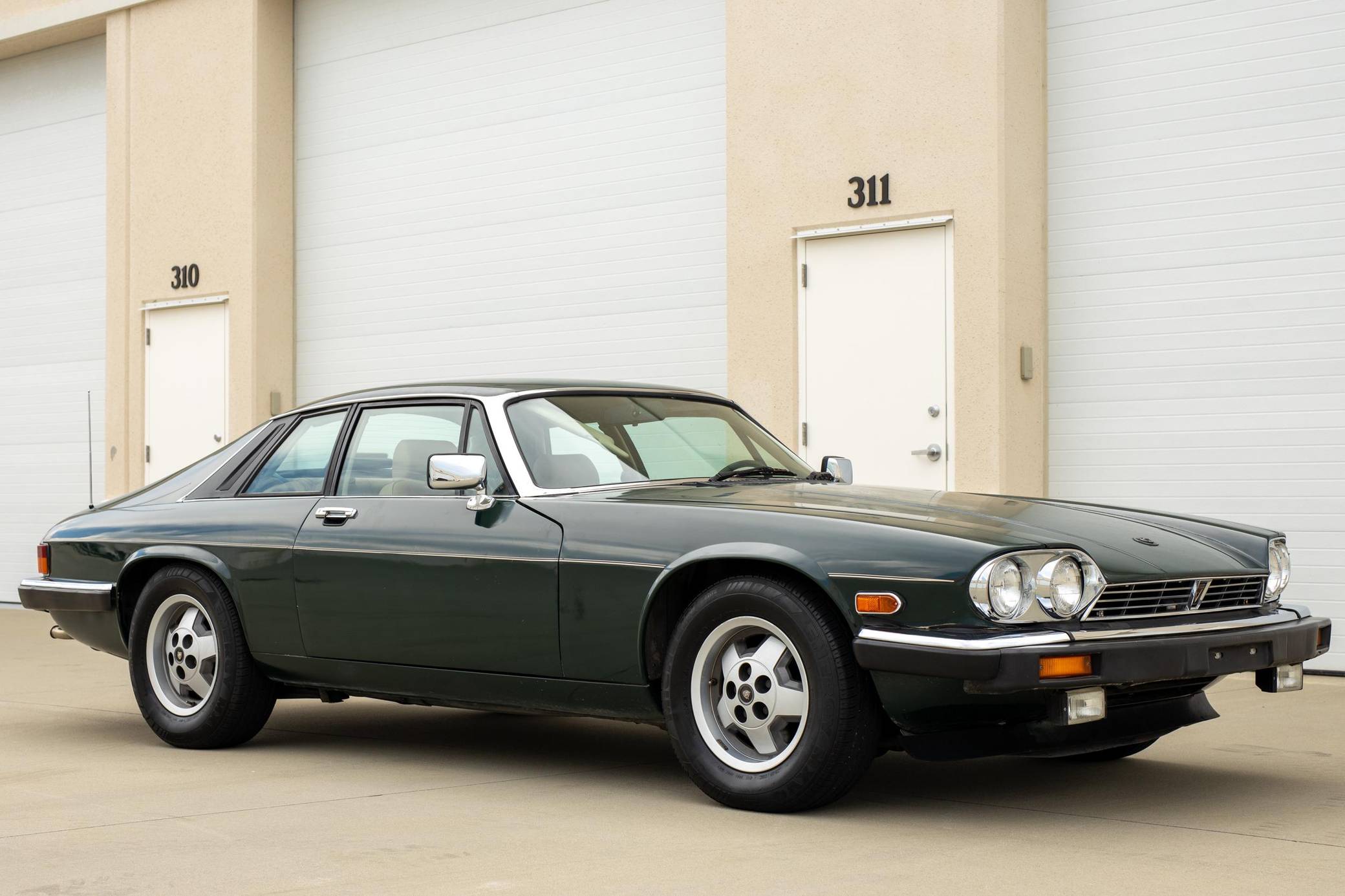
Jaguar XJS Convertible
The Jaguar XJS Convertible is often misunderstood, which has contributed to its surprisingly attainable market value. Its long, low body and flowing proportions distinguish it from earlier Jaguar sports cars, giving it a distinct grand touring personality rather than outright sportscar aggression.
With the roof down, the car exudes presence and sophistication, drawing attention without relying on flamboyance or gimmicks. Over time, enthusiasts have come to appreciate its combination of size, style, and refinement, recognizing it as an understated classic.
Powered by smooth six or twelve-cylinder engines, the XJS prioritizes effortless motion over raw speed, allowing drivers to enjoy a relaxed cruising experience on highways and country roads alike.
Acceleration is confident, and the engine delivers a satisfying growl under load without overwhelming the senses. Its weighty chassis, while not nimble by modern standards, provides stability and composure, encouraging a calm and confident driving style that is especially suited to open-top motoring.
The interior reflects a philosophy of British luxury, emphasizing comfort, warmth, and a tactile connection to the car. Wood trim, supple leather seats, and chrome details combine to create an inviting space that feels personal and classic.
The cabin is designed for relaxation and enjoyment, offering a low-slung driving position that enhances road feel while preserving comfort. Every element communicates a sense of care and craftsmanship, demonstrating Jaguar’s dedication to producing a convertible that balances performance and elegance.
Market perception has often held the XJS back more than reality, as early criticisms of weight and perceived lack of agility lingered for decades. Enthusiasts who maintain these cars properly find them surprisingly reliable and capable, with smooth engines and manageable mechanical systems. This has kept prices more reasonable than comparable convertibles, while still offering a rich ownership experience for those willing to engage with the car and appreciate its character.
For drivers seeking a refined, elegant convertible with understated presence and historical significance, the XJS offers remarkable value.
It combines the pleasure of open-top cruising with the prestige of Jaguar heritage, proving that style and sophistication can coexist with affordability. For collectors and drivers alike, the XJS Convertible remains a compelling choice that has not yet experienced extreme price escalation.
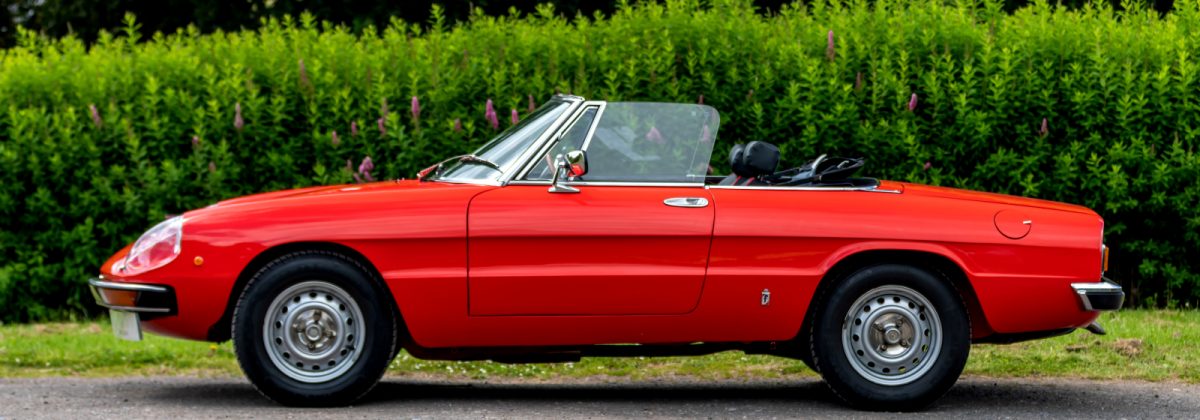
Alfa Romeo Spider Series 2
The Alfa Romeo Spider Series 2 is one of the most visually engaging and emotionally resonant vintage convertibles, combining compact proportions with fluid, organic design. Its sculpted body panels and curved lines give it a sense of motion even when standing still, and the car’s distinctive front grille and round headlamps convey personality and charm.
Its elegant but playful appearance has made it a symbol of Italian automotive design from the late 1960s and early 1970s, appealing to both collectors and drivers seeking style with character.
Driving the Spider is an immersive experience, where every input produces immediate feedback. The engine is lively, responsive, and accompanied by a distinctive Italian exhaust note, while the steering communicates road conditions with precision.
Suspension tuning encourages engagement rather than comfort alone, rewarding drivers who enjoy rhythm, finesse, and connection to the road. It is a car that encourages attentiveness, making even simple drives feel like a performance-oriented journey.
Inside, the cabin remains simple yet purposeful, reflecting Alfa Romeo’s focus on driver engagement. The gauges are clear and well-positioned, seats are supportive without being overly rigid, and the layout promotes a sense of connection with the car.
Unlike more luxurious contemporaries, the Spider focuses on tactile experience, emphasizing control and interaction over comfort alone. Every drive becomes a combination of visual, auditory, and tactile pleasure.
Values for the Series 2 Spider remain relatively accessible, partly because production numbers were healthy and partly because earlier versions commanded higher prices, leaving this iteration more attainable.
Spare parts are widely available, and the enthusiast community provides resources for restoration and maintenance. These factors make ownership less daunting, allowing buyers to enjoy Italian flair without overpaying or compromising reliability.
For those who prioritize emotion over numbers, the Spider delivers an authentic motoring experience. It demonstrates that vintage convertibles can combine aesthetic appeal, driver involvement, and mechanical honesty while remaining reasonably priced. Its charm is enduring, and it continues to attract owners who appreciate personality, style, and engagement.
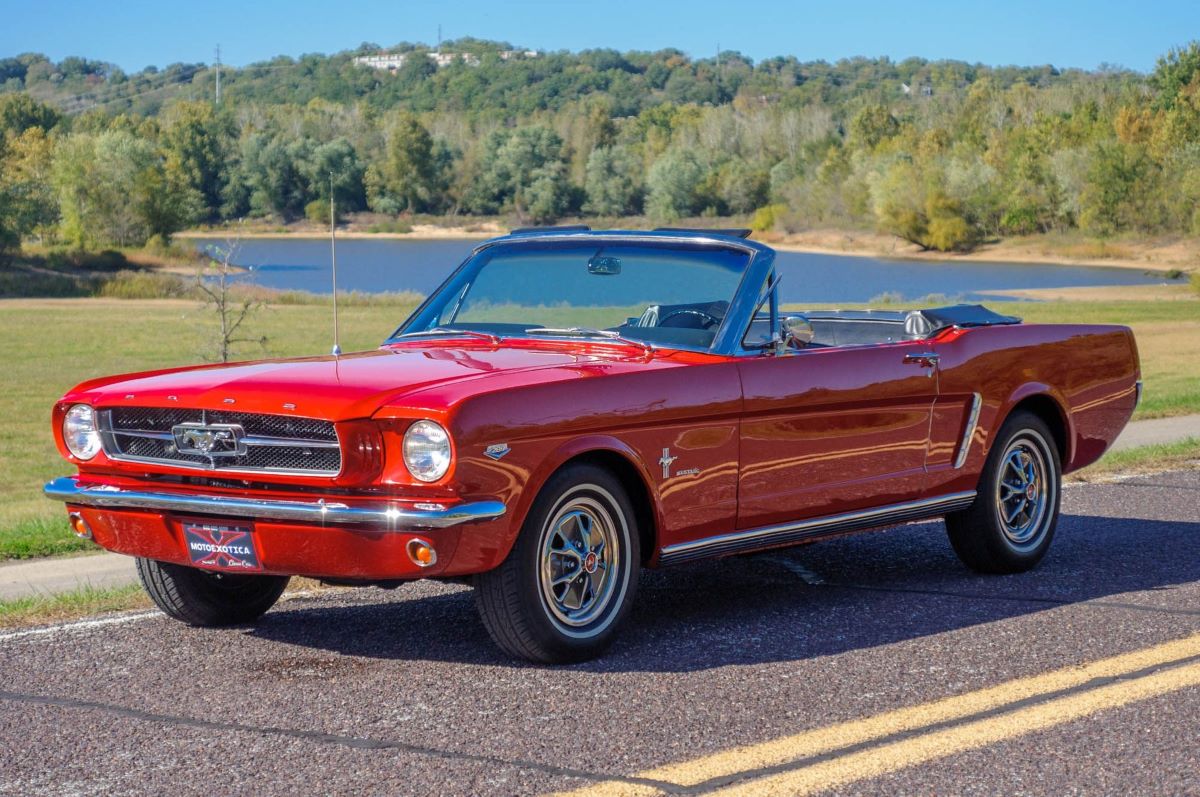
Ford Mustang Convertible First Generation
The first-generation Ford Mustang Convertible represents freedom, style, and the spirit of American automotive culture. Its aggressive yet elegant design blends sweeping lines with bold front fascia details, making it one of the most recognizable cars of the 1960s.
With the top down, the Mustang delivers a feeling of openness and excitement, turning heads while preserving a friendly and approachable personality. Its design has become iconic, capturing the essence of classic American motoring.
Engine options ranged from modest inline sixes to powerful V8s, offering buyers flexibility in personality and performance. Even the lower-powered variants provide satisfying acceleration and responsive throttle, making them enjoyable for both city driving and long-distance cruising.
The V8 options deliver an unmistakable soundtrack and thrilling straight-line performance, creating a convertible that feels alive and expressive under driver command.
The interior emphasizes simplicity and functionality, with spacious seating and straightforward control layouts. Visibility is generous, and ergonomics focus on intuitive use, making the Mustang approachable for all levels of drivers. The open cabin enhances the sense of freedom, providing a connection to the surrounding environment that few modern cars can replicate. Comfort is present without excess, reflecting Ford’s balanced approach to style and usability.
High production numbers contribute to the Mustang Convertible’s affordability and widespread availability. While rare special trims or performance variants have appreciated significantly, standard versions remain accessible to new collectors and first-time classic owners. Parts are plentiful, and a strong enthusiast community ensures knowledge and maintenance support, reducing the barriers to ownership.
The Mustang Convertible remains a gateway into vintage car ownership, delivering style, sound, and history in a package that is engaging yet approachable. It demonstrates that classic appeal does not always require extreme expense or exclusivity, allowing drivers to enjoy one of the most iconic convertibles in automotive history without breaking the bank.
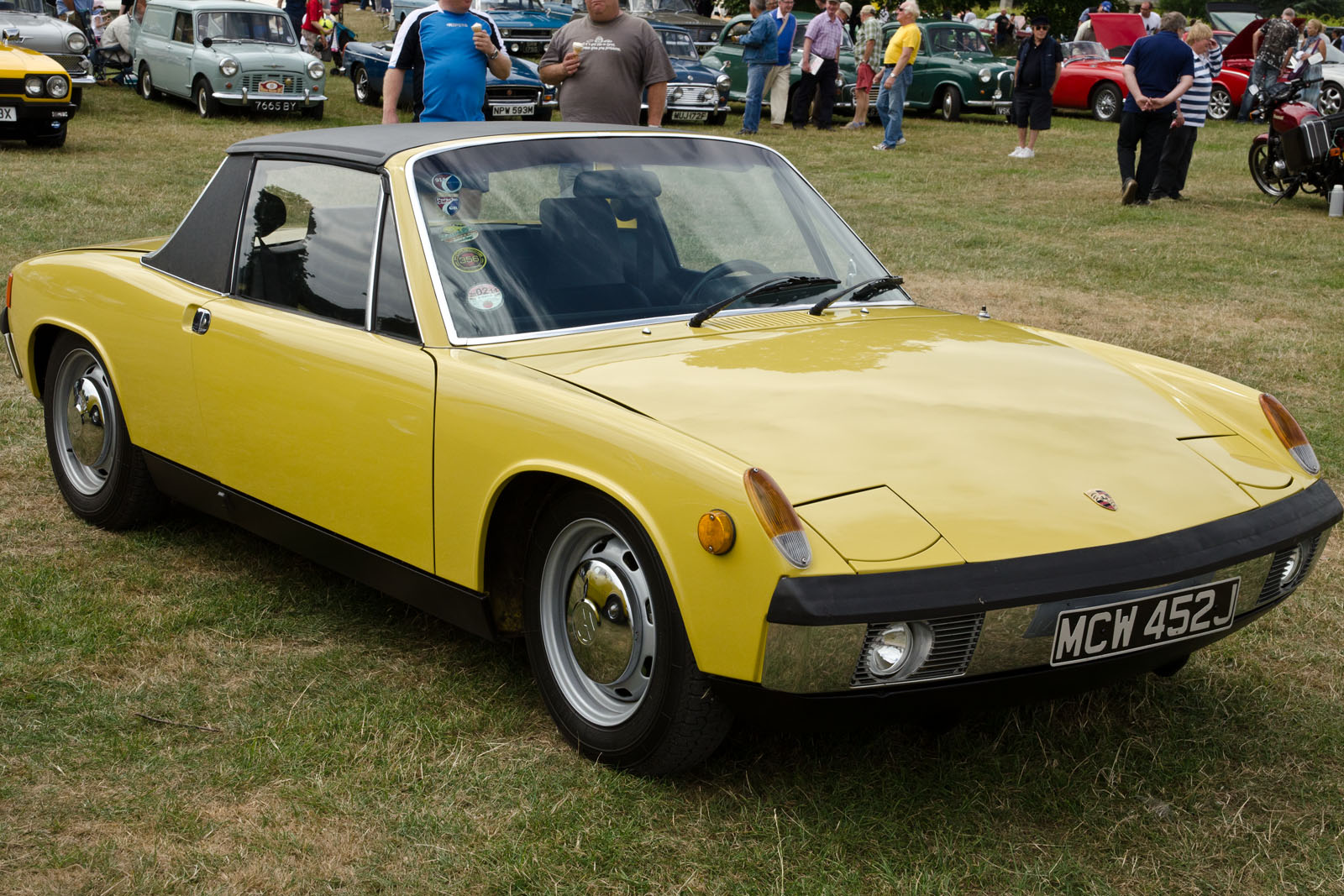
Porsche 914
The Porsche 914 stands out as a unique, honest approach to classic sports car design, combining compact proportions with a mid-engine layout for exceptional balance. Its angular, minimalist design was polarizing when new but has gained admiration over time for its purposeful aesthetic and functional simplicity.
With the removable roof panel, it provides a direct open-air experience while maintaining structural rigidity and precise handling, offering a distinct alternative to more traditional convertibles.
On the road, the 914 feels nimble, communicative, and engaging, with steering that provides excellent feedback and a chassis that rewards smooth, deliberate inputs. Acceleration is modest but sufficient, emphasizing driving finesse rather than raw power. The mid-engine configuration contributes to predictable cornering behavior and confident handling, creating a sense of control that appeals to enthusiasts who value precision and driver involvement.
The interior is straightforward, driver-focused, and uncluttered, with controls within easy reach and seating that encourages engagement. With the roof removed, wind and engine sounds enhance the sensory experience, amplifying the feeling of connection between driver and machine. The 914 prioritizes pure motoring pleasure over luxury or excess, creating a minimalist environment that fosters attention to detail and road feel.
Values for the 914 have risen steadily but remain reasonable compared to other Porsche models, particularly the 911. Its unconventional design and historical positioning as a joint Porsche-Volkswagen project kept early prices moderate, while mechanical simplicity and enthusiast support maintain affordability. Parts are available, and specialist knowledge is widespread, making ownership practical for committed drivers.
For those who prioritize driving engagement and originality over prestige or status, the 914 provides an accessible yet authentic Porsche experience. It blends balance, responsiveness, and open-top enjoyment, offering a classic convertible that rewards skill, patience, and appreciation for thoughtful engineering.
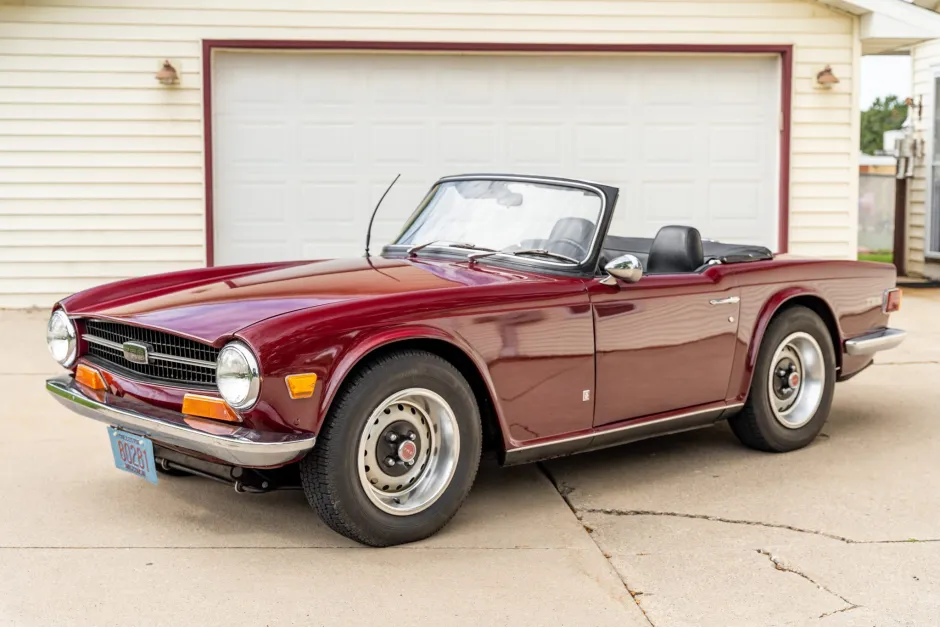
Triumph TR6
The Triumph TR6 is a quintessential British sports car that embodies raw mechanical character and classic design simplicity. Its squared-off styling, long hood, and purposeful stance create a confident and athletic presence, while the combination of chrome trim and subtle body contours emphasizes elegance over flashiness. Its timeless aesthetic appeals to enthusiasts who value authenticity and mechanical honesty, capturing the essence of 1970s open-top motoring with charm and personality.
Driving the TR6 is a direct, engaging experience that rewards attention and skill. The robust inline six engine delivers strong torque at low rpm, providing satisfying acceleration without overwhelming the driver. Steering is communicative and precise, requiring a firm yet controlled hand, while the suspension offers a balance between sportiness and ride quality. This connection between input and response makes every drive feel rewarding, whether navigating twisty roads or cruising on the highway.
Inside, the cabin reflects the British approach of combining function with modest comfort. The dashboard is simple yet purposeful, with clearly arranged gauges and minimal distractions. Seats provide support but retain the firmness typical of sports cars of the era, enhancing the sense of driver involvement. Controls are tactile and responsive, reinforcing the TR6’s focus on mechanical engagement over luxury.
Ownership remains practical and relatively affordable due to the car’s straightforward engineering and production numbers. Parts are widely available, and a strong community of enthusiasts provides valuable resources for maintenance, restoration, and troubleshooting. The TR6 strikes a balance between accessibility and collectible appeal, allowing owners to enjoy classic British motoring without undue financial stress.
For those who appreciate authenticity, simplicity, and spirited driving, the TR6 delivers a rewarding open-top experience. It offers a strong personality, mechanical honesty, and distinctive style, making it a standout choice for enthusiasts seeking a convertible that feels alive and connected without inflated market prices.
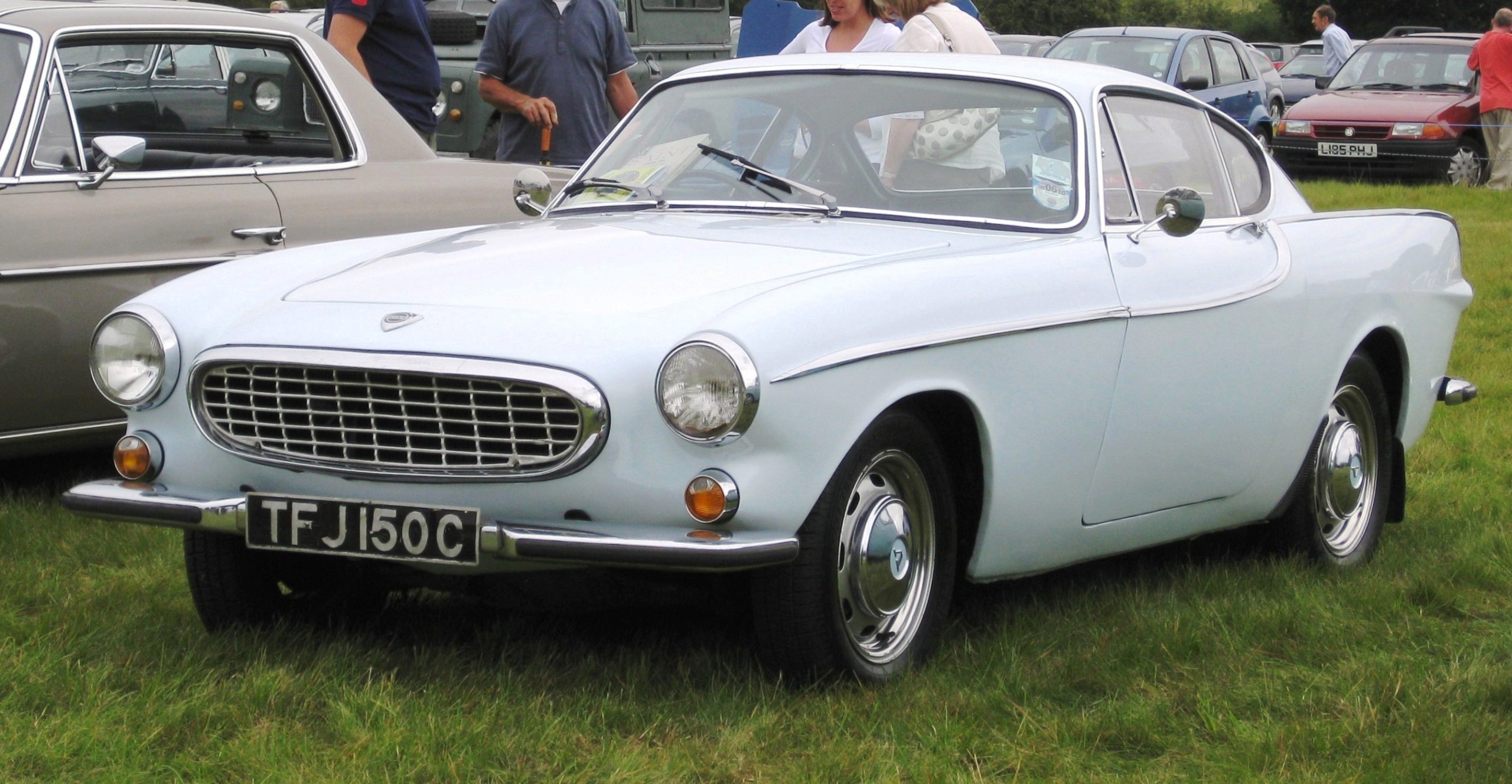
Volvo P1800 Convertible Conversion
The Volvo P1800, primarily known as a coupe, becomes a striking and unique open-top classic through convertible conversions. Its clean Scandinavian design, flowing lines, and subtle chrome accents convey elegance without ostentation.
Even without a factory roof, the car retains its balanced proportions and distinctive character, making it a rare yet accessible choice for collectors seeking individuality. The P1800 convertible embodies understated sophistication that appeals to enthusiasts looking for something different.
Under the hood, the P1800 emphasizes durability and reliability, with engines designed for consistent performance rather than extreme output. Smooth and steady power delivery complements the car’s relaxed, refined personality, making it ideal for scenic drives and extended cruising.
The chassis offers a comfortable ride while remaining engaging, and the convertible modification does not compromise handling or structural integrity, preserving the original driving experience.
Inside, the cabin prioritizes quality and ergonomics, reflecting Volvo’s reputation for thoughtful design. The dashboard and controls are clean and intuitive, while seating provides comfort and support for long journeys. The driving environment feels calm and reassuring, and the open-top conversion enhances visibility and connection to the road. Unlike flashier convertibles, the P1800 encourages serene enjoyment over showmanship.
Values remain reasonable because convertible conversions were less common, and purists often overlook them. Parts are relatively accessible due to shared components with the coupe, and knowledgeable specialists exist to support maintenance and restoration. This makes the P1800 convertible an attainable classic with distinctive style and solid reliability.
For buyers who value individuality, quality, and practicality, the P1800 convertible conversion delivers charm without excessive competition or market pressure. It combines Swedish engineering with open-top pleasure, creating a classic that is both unusual and attainable.
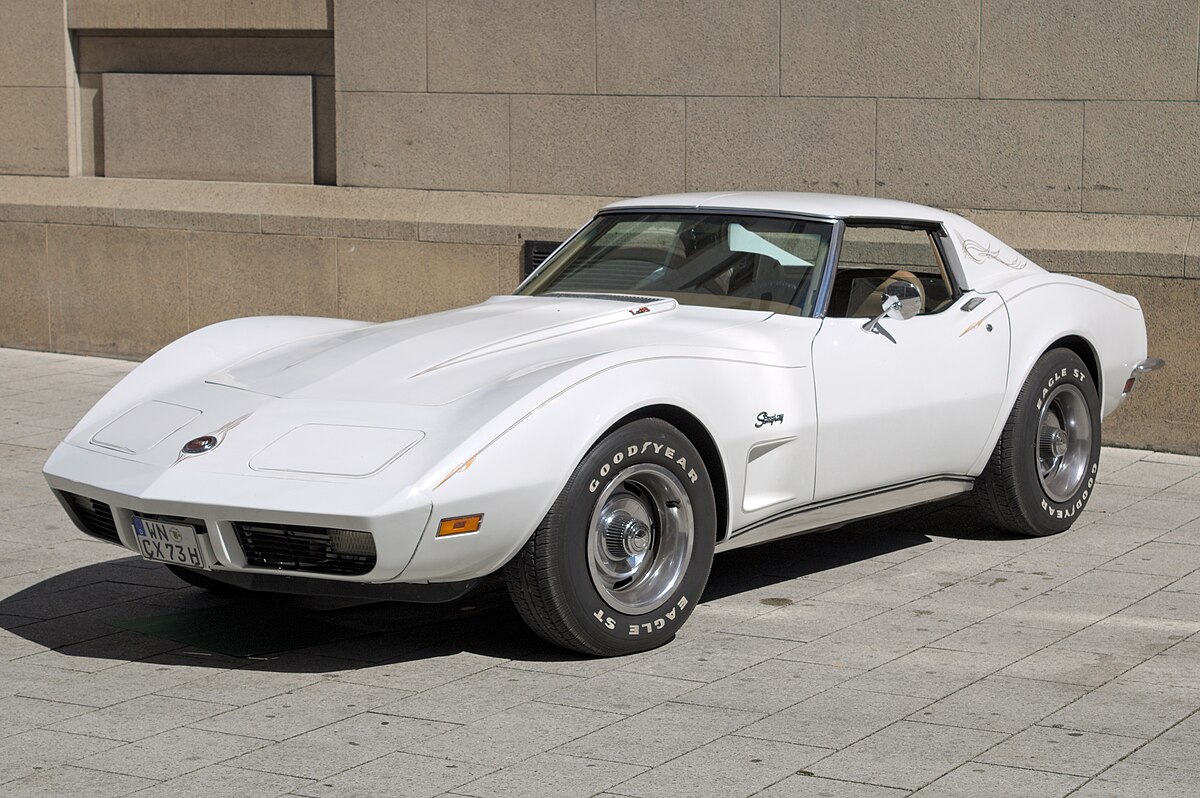
Chevrolet Corvette C3 Convertible
The Chevrolet Corvette C3 Convertible is a bold and dramatic representation of American automotive style from the late 1960s through the 1970s. Its sweeping fenders, low profile, and sharply defined curves create an instantly recognizable presence that communicates power and confidence. The convertible top enhances the car’s theatrical flair, allowing drivers to fully appreciate its aggressive design while enjoying open-air motoring.
Performance ranges from smooth and capable small-block V8s to more powerful iterations that deliver a thrilling straight-line experience. The engine note is deep and resonant, enhancing the visceral connection between driver and machine. While handling reflects the era’s design priorities rather than modern precision, the C3 remains engaging in corners and provides a satisfying balance between stability and responsiveness. Driving the car is both expressive and commanding.
The interior is focused on driver immersion, with a cockpit-like layout that emphasizes ergonomics and accessibility. Gauges are prominently positioned, seats are low and supportive, and the steering wheel reinforces connection and control. With the top down, the sensory experience is amplified, allowing the driver to feel the engine, wind, and road simultaneously. Comfort and style are present but secondary to involvement.
High production numbers and widespread enthusiast support keep the Corvette C3 Convertible attainable. Parts are plentiful, and specialized knowledge is well documented, which lowers the barrier for ownership and restoration. While rare, early, or high-performance variants command higher prices, standard models remain accessible to collectors and casual enthusiasts alike.
For drivers seeking a combination of visual drama, classic American performance, and open-air excitement, the C3 Convertible delivers an iconic experience without requiring an extraordinary budget. Its bold design and confident presence make it a standout in any collection.
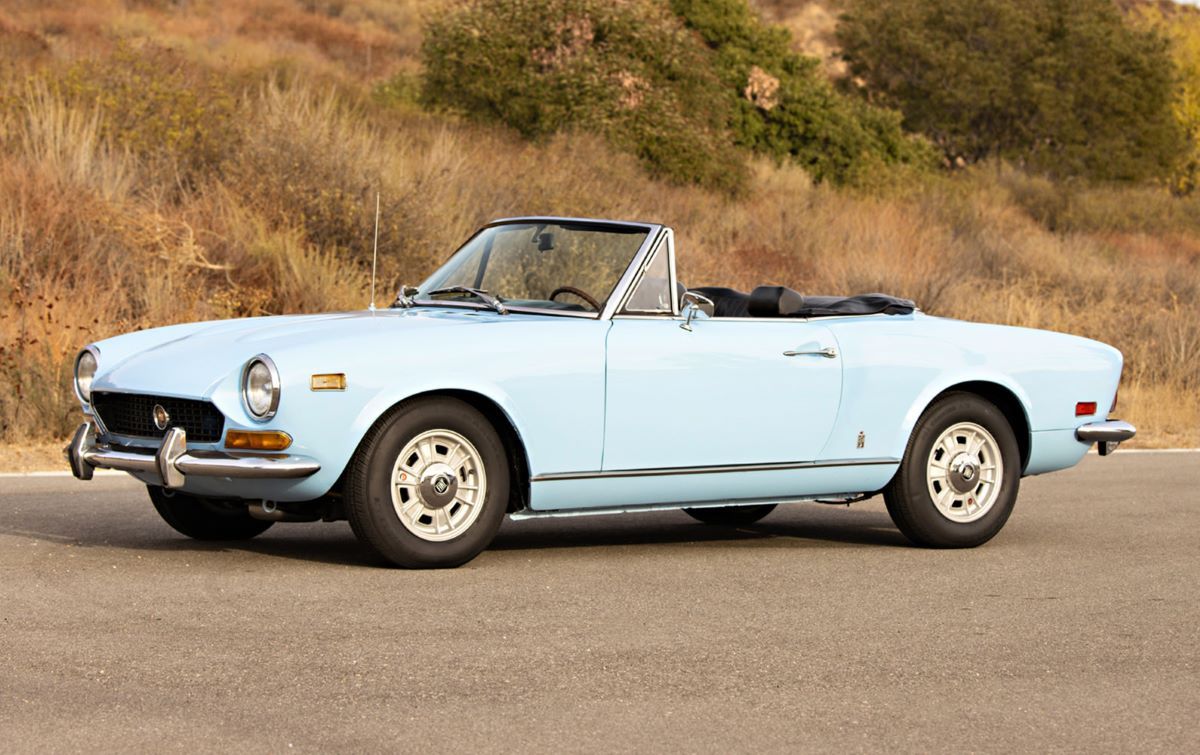
Fiat 124 Spider
The Fiat 124 Spider is a small, elegant, and approachable convertible that embodies Italian charm without pretense. Its graceful lines, compact proportions, and subtle detailing create a sense of refinement and agility. Unlike larger or more aggressive sports cars, the 124 Spider feels friendly and accessible, encouraging drivers to enjoy the journey rather than the image. Its balanced design ensures it remains attractive and usable decades after production.
On the road, the 124 Spider emphasizes lightness, responsiveness, and driver engagement. The engine is lively and eager, providing sufficient power for spirited drives without overwhelming the chassis. Steering is communicative and precise, and the car’s nimble handling rewards careful inputs and rhythmic driving. This combination makes the 124 Spider a joy on winding roads, allowing the driver to feel connected to the pavement and the environment.
The interior is compact but thoughtfully arranged, with controls placed within easy reach and seating designed to support a confident driving posture. The cockpit reinforces the sense of connection with the car, and the simplicity of the layout allows the driver to focus on motion and sensation. Comfort is present for daily or weekend driving, but the car’s true appeal lies in its purity and responsiveness.
Values remain accessible due to wide production numbers and straightforward mechanics. Parts are generally available, and an active enthusiast community provides support and resources for maintenance and restoration. These factors make ownership practical and rewarding, particularly for those new to vintage European convertibles.
For buyers who appreciate elegance, responsiveness, and manageable ownership, the Fiat 124 Spider delivers lasting appeal. It demonstrates that classic Italian styling and engaging dynamics can coexist with affordability and practicality, creating a convertible that is both charming and attainable.
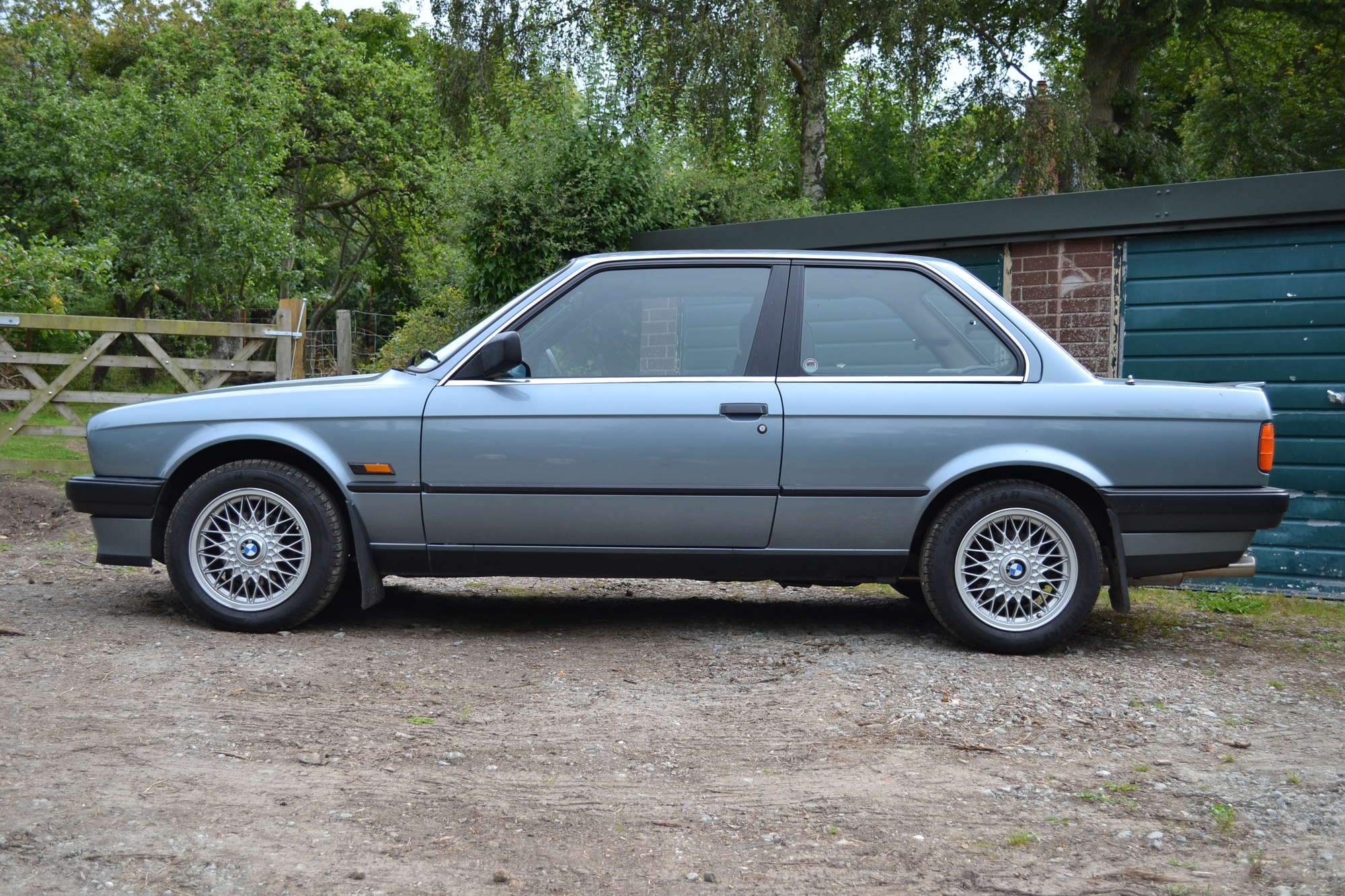
BMW E30 325i Convertible
The BMW E30 325i Convertible combines timeless design, driver-focused engineering, and practical usability, making it one of the most respected vintage convertibles from the 1980s. Its clean, angular lines, balanced proportions, and minimalist aesthetic create an enduring visual appeal that has aged gracefully. With the top down, the car exudes understated elegance, drawing attention for its poise rather than flamboyance.
Driving the E30 325i is precise and engaging, thanks to the smooth inline six engine and finely tuned chassis. Acceleration is confident and linear, while steering is responsive and communicative, providing strong feedback at all speeds. Suspension geometry balances comfort with control, allowing the car to navigate corners and highways with composure. It feels agile without being intimidating, making it suitable for drivers of varying experience levels.
Inside, the cabin reflects BMW’s driver-first philosophy, with ergonomically placed controls, supportive seating, and an uncluttered dashboard. Visibility is excellent, and the environment feels purposeful without being austere. The convertible layout enhances the sensory experience, allowing occupants to enjoy the sounds, wind, and motion in a way that complements the car’s engaging dynamics.
Values remain reasonable compared to other classic BMW models, as the convertible variant has appreciated steadily but not excessively. Availability of parts, widespread enthusiast knowledge, and general reliability make ownership approachable. Maintenance is straightforward, and support networks exist for both casual and dedicated owners, keeping the car practical for long-term enjoyment.
The E30 325i Convertible delivers a combination of driving pleasure, classic style, and everyday usability, making it an ideal choice for collectors and enthusiasts alike. It proves that a thoughtfully engineered convertible can remain desirable without extreme price inflation, offering balance, elegance, and mechanical integrity.