Driving in Dearborn brings a unique mix of challenges and expectations. City streets demand vehicles that are easy to handle, efficient in stop-and-go traffic, and comfortable during short daily trips. Seasonal changes add another layer, with snow, ice, rain, and rough pavement testing traction, visibility, and safety systems.
Modern drivers also expect smart technology, strong fuel economy, and interiors that feel comfortable without being complicated. The five city-focused vehicles highlighted here were chosen with these needs in mind. They combine compact or manageable dimensions with advanced safety features, hybrid efficiency, or All Wheel Drive capability.
Each model fits naturally into urban life, whether the goal is commuting to work, running errands, or parking in tight spaces. Together, they represent practical solutions for Dearborn drivers who want dependable performance, comfort, and confidence during every season without sacrificing everyday usability.
5 Cars for Dearborn City Driving
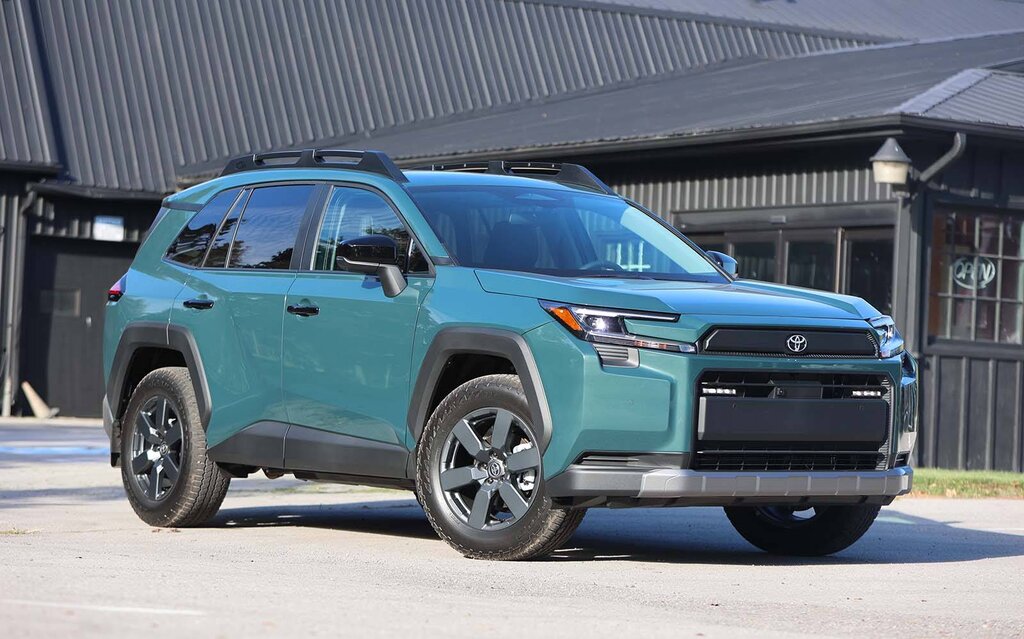
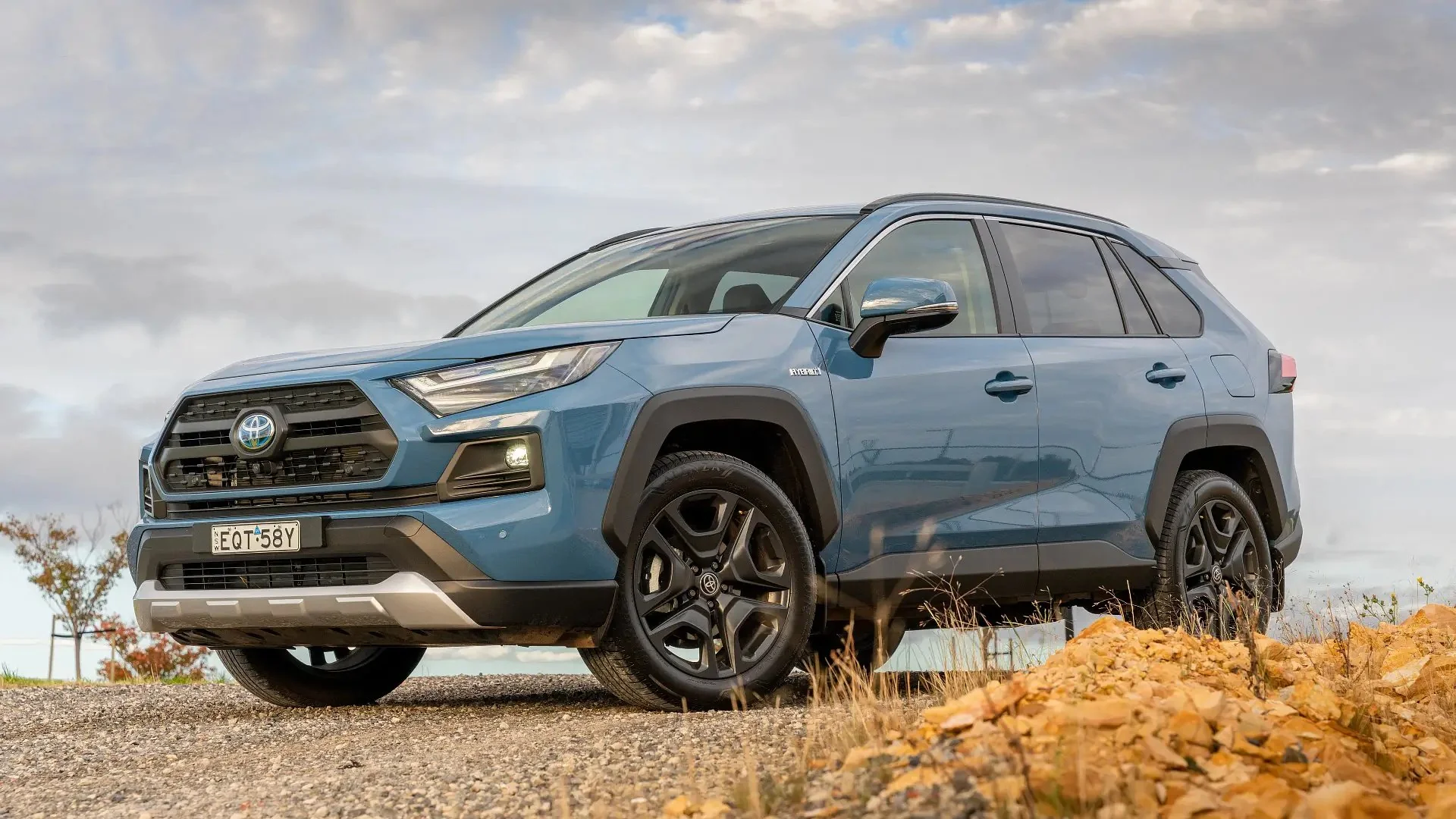
1. 2026 Toyota RAV4 Hybrid: Efficiency-Focused Redesign With Everyday Versatility
The 2026 Toyota RAV4 Hybrid marks a significant step forward in Toyota’s electrification strategy, transitioning the popular compact SUV to a hybrid-only lineup. This shift reflects growing consumer demand, with hybrids already accounting for a large portion of RAV4 sales in recent years.
Designed to prioritize efficiency, practicality, and everyday usability, the updated RAV4 Hybrid positions itself as an ideal choice for commuters and small families seeking lower running costs without sacrificing capability.
The lineup includes a front-wheel-drive hybrid producing 226 horsepower and an all-wheel-drive version with 236 horsepower, while the plug-in hybrid variant delivers a much more robust 324 horsepower. Performance is smooth and refined for daily driving, with the all-wheel-drive Limited trim reaching 60 mph in approximately 7.1 seconds.
Fuel economy remains a major strength, with preliminary figures indicating up to 44 mpg combined for front-wheel-drive models. Real-world highway testing of all-wheel-drive versions has shown results around 36 mpg, reinforcing the RAV4 Hybrid’s reputation for efficiency.
Ride quality is tuned for comfort, featuring soft suspension damping that handles rough pavement well. Under heavier acceleration, the four-cylinder engine can become noisy, and minor vibrations may be felt through the steering wheel. Handling is stable and predictable, though body roll and the elevated seating position limit sporty driving dynamics.
Interior space is a clear advantage. The RAV4 Hybrid offers generous rear-seat legroom and ample cargo capacity, making it practical for daily errands and longer trips.
Technology upgrades include a large 12.9-inch touchscreen on higher trims, along with modern driver-assistance systems. The vehicle also stands out with a towing capacity of up to 3,500 pounds, adding versatility rarely seen in compact hybrid SUVs.
Interior materials remain a weak point, with noticeable hard plastics and some fit-and-finish concerns. Pricing is expected to begin in the low $30,000 range, with fully equipped trims exceeding $45,000. Despite these drawbacks, the 2026 RAV4 Hybrid delivers strong value through efficiency, space, and reliability.
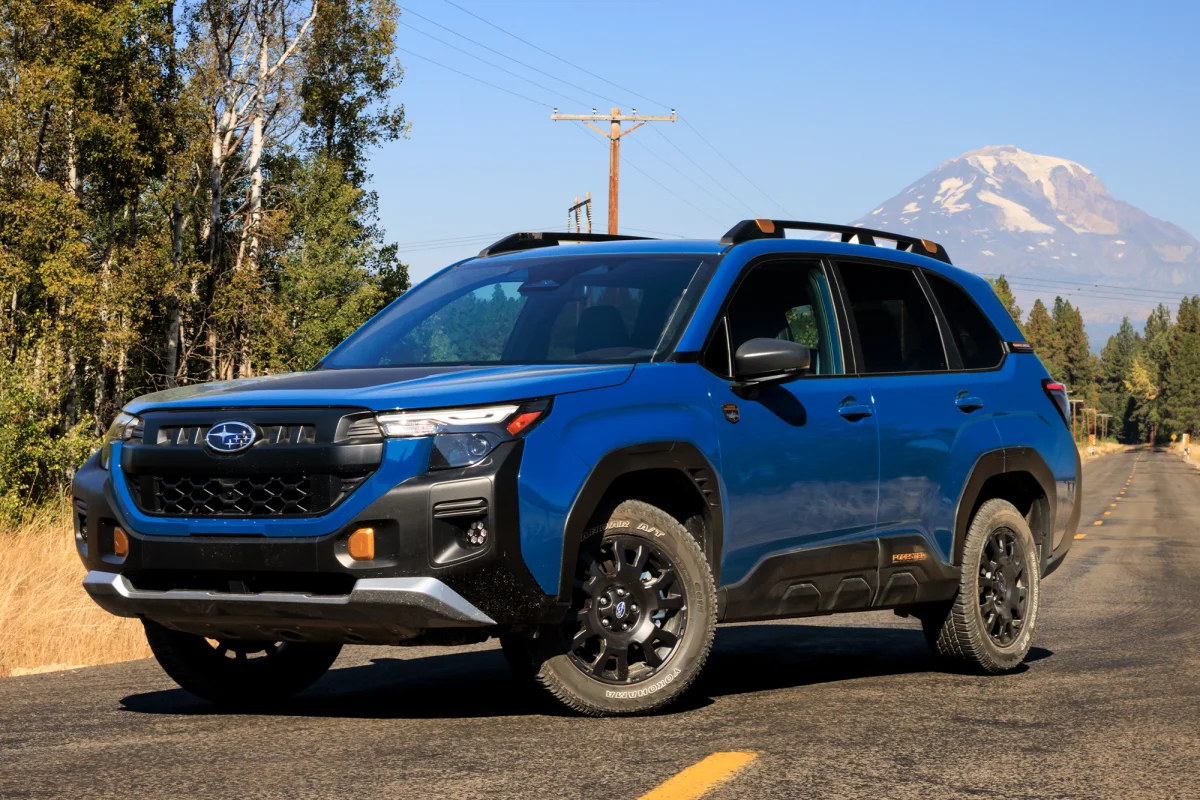
2. 2026 Subaru Forester: Reliable, Comfortable, and All-Weather Ready
The 2026 Subaru Forester is designed to handle Dearborn’s unpredictable weather and city driving with confidence. Standard Symmetrical All-Wheel Drive and 8.7 inches of ground clearance provide stability on snowy, wet, or icy roads. Its tall, upright design with large windows offers excellent visibility, reducing driver fatigue in dense traffic or while parking.
Advanced EyeSight safety features such as Adaptive Cruise Control, Lane Centering, and Automatic Emergency Steering enhance safety in stop-and-go traffic. Additional driver-assistance systems like Blind-Spot Monitoring, Rear Cross-Traffic Alert, and Reverse Automatic Braking further improve city driving convenience.
Under the hood, the Forester uses a 2.5-liter flat-four engine paired with a continuously variable transmission and all-wheel drive, producing 180 horsepower and 178 pound-feet of torque. Acceleration is modest, with 0 to 60 mph times around 8.3 to 8.4 seconds depending on the trim.
Steering feedback is minimal, and the suspension prioritizes comfort over sporty handling. The upcoming Forester Hybrid is expected to deliver stronger performance for those seeking more power. The Wilderness trim provides enhanced off-road capability while maintaining a smooth ride on paved roads.
Fuel economy is rated at 26 mpg city and 33 mpg highway for most trims, with slightly lower numbers for Sport, Touring, and Wilderness models due to larger tires and gearing. On real-world highway testing, the Sport trim achieved 31 mpg, while the Wilderness managed 27 mpg.
The Forester’s interior is spacious and practical. Large windows and a panoramic sunroof create a bright cabin. Seating is comfortable with cloth, leather, or water-repellent leatherette depending on the trim, and the back seat offers ample head, hip, and legroom.
Cargo capacity reaches 30 cubic feet behind the rear seats and 75 cubic feet with the seats folded down, exceeding competitors like the Nissan Rogue and Mazda CX-50. Infotainment includes an 11.6-inch touchscreen with wireless Apple CarPlay and Android Auto, with smaller dual 7.0-inch displays on base models.
Subaru’s EyeSight suite comes standard on all trims, offering automated emergency braking, lane-keeping assist, and adaptive cruise control.
Warranty coverage is limited to three years or 36,000 miles for basic coverage and five years or 60,000 miles for the powertrain. The Forester is a safe, practical, and capable SUV for city and winter driving, although rivals offer longer warranties and complimentary maintenance.
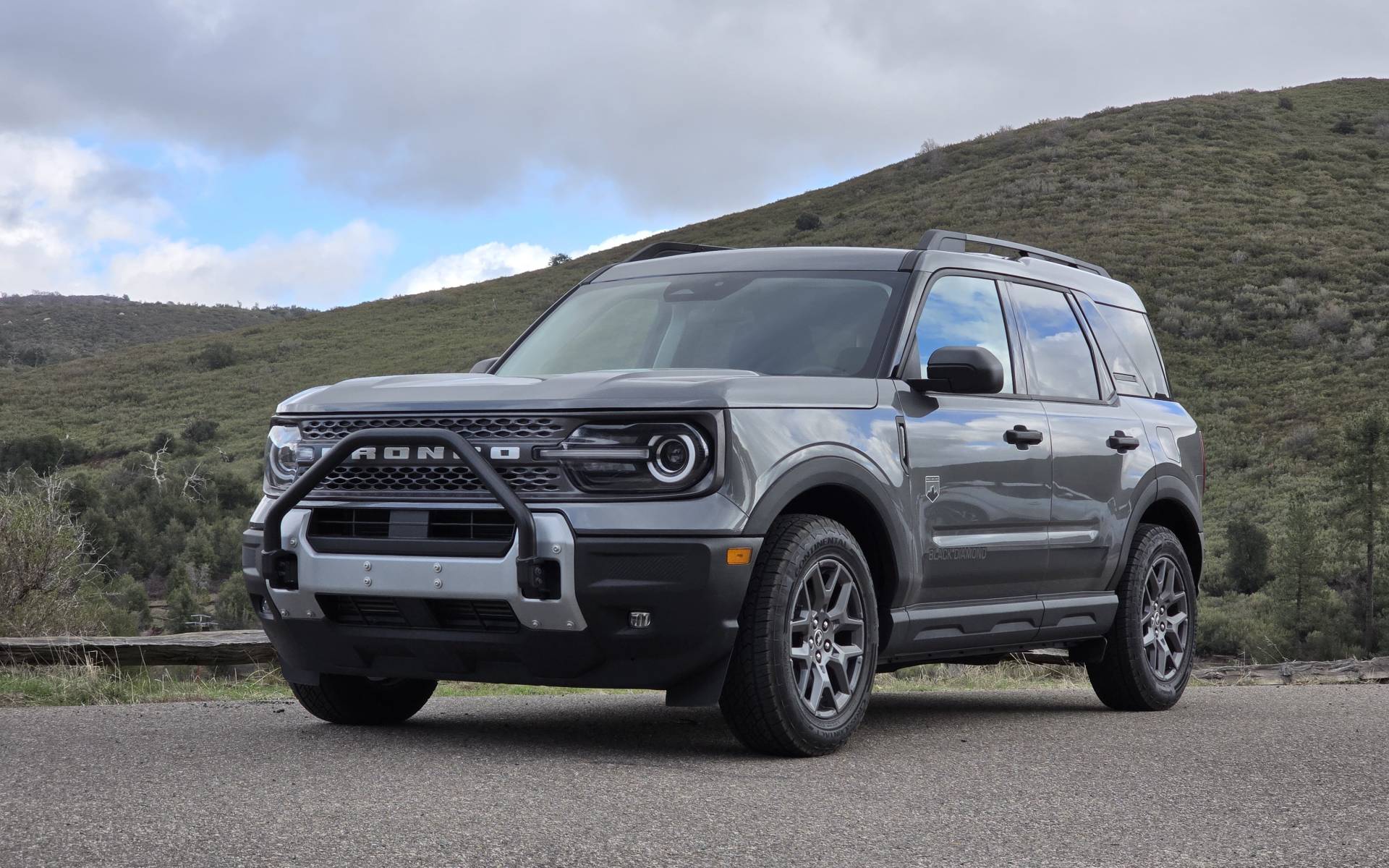
3. 2026 Ford Bronco Sport: Compact, Capable, and Urban-Ready
The 2026 Ford Bronco Sport is a versatile compact SUV well-suited for Dearborn city driving. Its upright design provides a commanding view of the road while remaining smaller and more maneuverable than full-size SUVs. Standard all-wheel drive and available G.O.A.T. Modes, such as Slippery and Sand, help handle Michigan’s variable snow and slush.
The Bronco Sport also offers a comfortable, car-like ride, making it ideal for daily commutes. Advanced safety features like Blind Spot Monitoring, Pre-Collision Assist, and available Adaptive Cruise Control with Lane Centering improve confidence in heavy traffic and intersections.
Under the hood, the Bronco Sport comes with a base 180-hp turbocharged 1.5-liter three-cylinder engine and an optional 250-hp turbocharged 2.0-liter four-cylinder, both paired with an eight-speed automatic transmission.
The more powerful 2.0-liter engine provides brisk acceleration, reaching 60 mph in 5.9 seconds in the Badlands trim, while the base 1.5-liter completes the sprint in 8.2 seconds. Towing capacity ranges from 2,200 pounds with the three-cylinder engine to 2,700 pounds with the four-cylinder. Fuel economy is decent, with the smaller engine achieving 33 mpg on the highway during real-world testing.
The interior features an upright seating position, improved infotainment with a 13.2-inch touchscreen, wireless Apple CarPlay and Android Auto, and an optional 10-speaker B&O stereo. Cabin materials are a mix of soft-touch surfaces and hard plastics, but thoughtful storage solutions and washable surfaces in trims like Badlands improve practicality.
Rear-seat legroom is adequate but less generous than some competitors, and cargo space accommodates two mountain bikes with the seats folded. Optional features include a slide-out cargo table, built-in lighting, and tie-downs for rooftop gear.
The Bronco Sport comes standard with Ford Co-Pilot360 safety technology, including forward-collision warning, automated emergency braking, and lane-keeping assist. Co-Pilot360 Assist 2.0, which adds adaptive cruise control with lane-centering, is optional. Warranty coverage includes three years or 36,000 miles for basic coverage and five years or 60,000 miles for the powertrain, with no complimentary maintenance.
The 2026 Bronco Sport balances urban maneuverability, off-road capability, and a comfortable daily-driving experience, making it a strong choice for drivers who need a compact SUV that can handle both city streets and light adventure.
4. 2026 Honda CR-V Hybrid: Efficient, Comfortable, and City-Ready
The 2026 Honda CR-V Hybrid is designed for city and suburban driving, making it well-suited for Dearborn streets. Its hybrid powertrain provides smooth and responsive performance, ideal for stop-and-go traffic. The CR-V Hybrid pairs a 2.0-liter four-cylinder engine with two electric motors to produce 204 horsepower. The system offers instant torque for quick acceleration from stops and allows low-speed electric-only driving, which helps save fuel.
Front-wheel-drive models achieve 43 mpg city and 36 mpg highway, while all-wheel-drive versions reach 40 mpg city and 34 mpg highway. Real-world highway testing showed slightly better efficiency, with an AWD Sport Touring model achieving 35 mpg.
The SUV features user-friendly technology that makes driving convenient. A standard 9.0-inch infotainment touchscreen supports wireless Apple CarPlay and Android Auto, while higher trims include larger screens, built-in Google navigation, and a premium Bose audio system.
Features like Traffic Jam Assist and one-pedal driving reduce stress in stop-and-go traffic, giving a near-electric vehicle feel. The cabin is spacious, with large doors for easy entry and exit, excellent visibility, and logical control layouts, including physical knobs for climate control that are easy to use with gloves. Cargo space holds 11 carry-on suitcases with seats upright and expands to 29 with the second row folded.
Safety is a key focus with the Honda Sensing suite, which includes forward-collision warning, automated emergency braking, lane-keeping assist, and blind-spot monitoring. Higher trims add parking sensors and advanced adaptive cruise control.
Available all-wheel drive adds traction and stability on snowy or slippery roads, and an enhanced low-speed traction-management system helps in tight or slick conditions.
Acceleration is sufficient for the class, with 0–60 mph times around 7.1 seconds for Sport Touring and 7.3 seconds for TrailSport. Towing capacity is 1,000 pounds with optional accessories. Warranty coverage includes three years or 36,000 miles for basic coverage and five years or 60,000 miles for the powertrain, with one year or 12,000 miles of complimentary scheduled maintenance.
The 2026 Honda CR-V Hybrid combines fuel efficiency, smooth performance, spacious comfort, and practical technology, making it a strong choice for drivers who want a compact SUV that is efficient, capable, and easy to use in city traffic and variable Michigan weather.
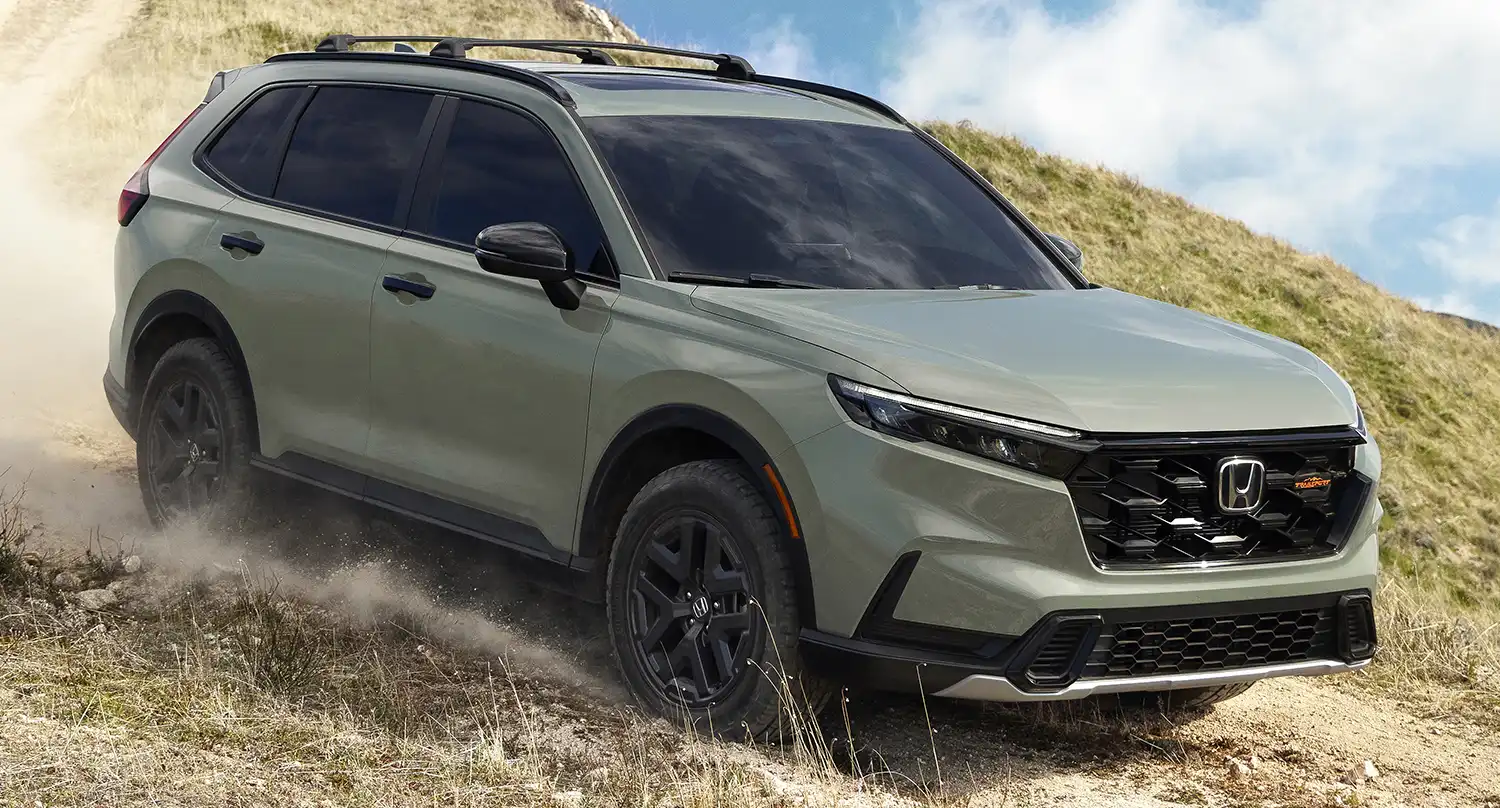
5. 2026 Hyundai Kona AWD: Compact, Nimble, and Winter-Ready
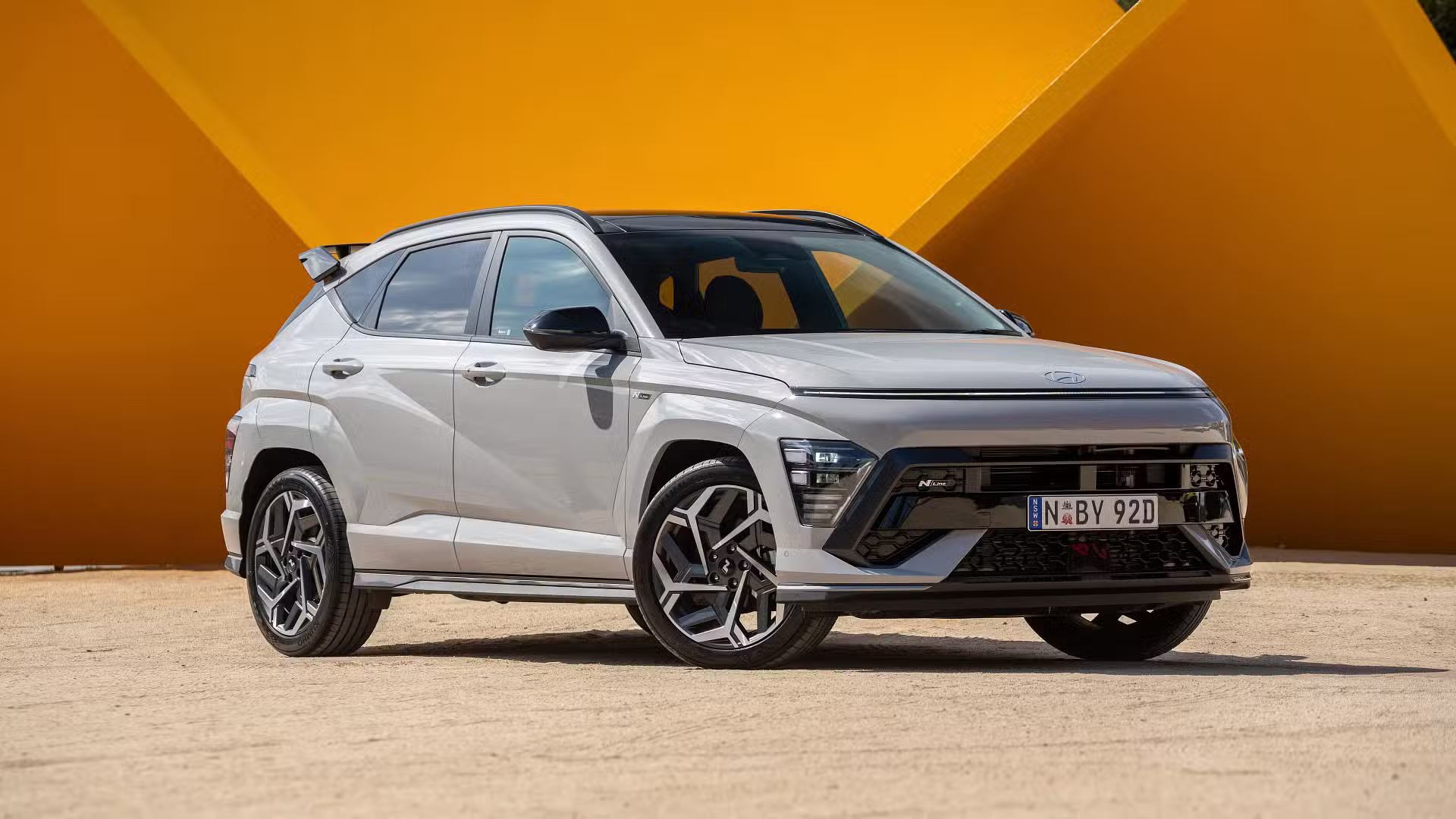
The 2026 Hyundai Kona AWD is a subcompact SUV designed for city driving while handling Michigan winters. Its compact size and tight turning radius make parking and maneuvering in traffic easier. The available HTRAC all-wheel drive provides stability on snow, ice, and slush.
The Kona also comes with Hyundai SmartSense safety features, including Forward Collision-Avoidance Assist, Lane Keeping Assist, blind-spot monitoring, and rear cross-traffic alert, helping drivers stay confident in busy urban streets.
The Kona comes standard with a 2.0-liter naturally aspirated engine producing 147 horsepower, while the optional 1.6-liter turbocharged four-cylinder delivers 190 horsepower for quicker acceleration and highway merging. Both engines use an eight-speed automatic transmission, and all-wheel drive is available.
Testing shows the turbo engine reaches 0–60 mph in 8.5 seconds. Fuel economy for the base engine ranges from 26–29 mpg city and 29–35 mpg highway, with slightly lower efficiency for the turbocharged unit.
The cabin features a modern, high-tech interior with dual touchscreens for infotainment and instrument displays. Wireless Apple CarPlay and Android Auto are standard on higher trims. Optional features include a Surround View Monitor, Bose premium audio, digital key, and ambient interior lighting.
Rear-seat legroom and cargo capacity have improved over previous models, offering 25.5 cubic feet behind the seats and expanding to 63.7 cubic feet with the seats folded. Storage solutions and a well-designed center console enhance daily convenience.
Higher trims like the N Line and N Line S provide sportier styling, multilink rear suspension, Snow driving mode, power sunroof, advanced adaptive cruise control, navigation, and an eight-speaker Bose audio system. Highway Driving Assist and Hyundai’s Digital Key 2 technology are also available for enhanced convenience.
Safety ratings are strong, with the Kona earning IIHS Top Safety Pick+ recognition and a four-star NHTSA rating. Standard safety equipment includes automatic emergency braking, lane keep assist, driver attention monitoring, and automatic high beams.
The 2026 Hyundai Kona AWD blends compact size, winter-ready traction, responsive power, and modern technology, making it a versatile choice for city drivers who need a small SUV that performs well in tight spaces and variable Michigan weather.
Also Read: 5 Cars for Davis College Commuting and 5 Student-Budget Options
5 Proven Long-Term Models
1. 2026 Honda Passport: Reliable, Spacious, and Capable
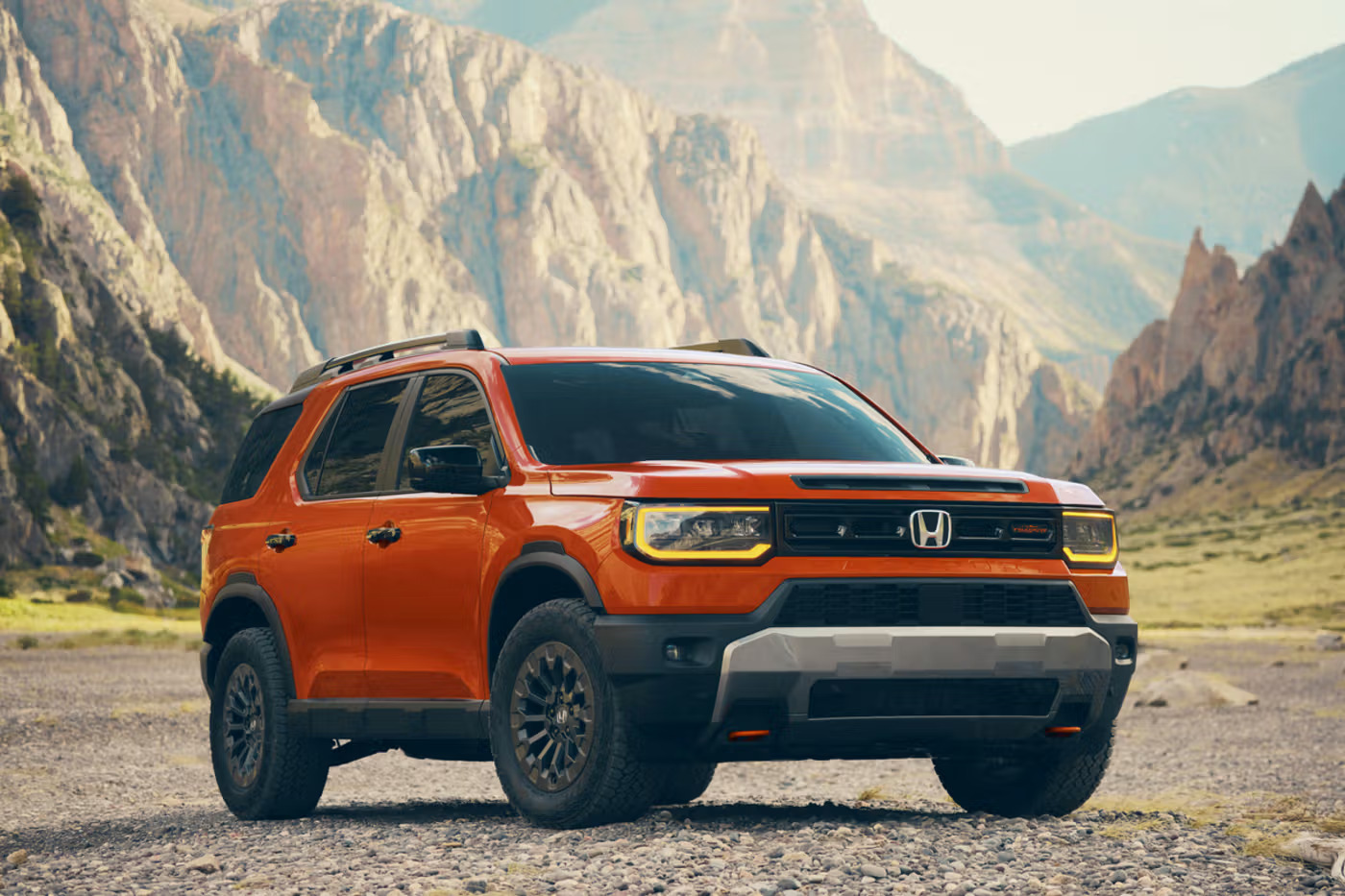
The 2026 Honda Passport is a midsize SUV built for long-term reliability and versatile driving. Consumer Reports gave it a 97/100 predicted reliability score, reflecting its proven V6 powertrain shared with the Honda Pilot. The 3.5-liter naturally aspirated V6 paired with a 10-speed automatic transmission provides smooth, dependable power for daily driving, highway cruising, and light off-roading.
While its 0–60 mph time of 7.9 seconds is average, the Passport delivers stable handling and confidence in cornering and emergency braking. Some drivers note occasional first-gear hesitation, but the engine and transmission are durable and expected to last 200,000 miles or more with proper maintenance.
The Passport features i-VTM4 all-wheel drive and off-road aids such as Trail Info and Hill Descent Control, enhancing traction on slippery roads or rough trails.
Fuel economy is competitive for the class, with RTL models rated at 21 mpg combined and TrailSport trims slightly lower at 20 mpg combined. Real-world driving confirmed that these figures are achievable, even with all-terrain tires on TrailSport versions.
Inside, the Passport provides a spacious and practical cabin. Front and rear seats are comfortable with good support, while rear doors and wide openings make child seat installation easy. The dashboard emphasizes usability, with numerous physical controls for climate and drive modes.
Cargo space is generous, offering 44 cubic feet behind the rear seats and 83.8 cubic feet with seats folded. Smart storage solutions include underfloor bins, side pockets, and a walkaway-close power liftgate.
Technology is well-integrated, with a 12.3-inch touchscreen, 10.2-inch digital instrument cluster, wireless Apple CarPlay and Android Auto, wireless charging, and four USB-C ports standard across all trims. Google Maps and voice assistant functionality are incorporated into the infotainment system for added convenience.
Safety features include blind-spot monitoring, lane departure warning, pre-collision systems, adaptive cruise control, and a backup camera, supported by Honda Sensing. NHTSA ratings include 4 out of 5 stars for frontal crash and a rollover risk of 16.4 percent.
The Passport’s value comes from its combination of reliability, spacious interior, advanced technology, and standard all-wheel drive. With strong safety, off-road capability, and Honda’s reputation for durability, it is a practical and long-lasting choice for families and active drivers.
Basic warranty coverage is 3 years/36,000 miles, powertrain coverage is 5 years/60,000 miles, and one year/12,000 miles of complimentary maintenance is included.
2. 2026 Toyota 4Runner: Rugged, Reliable, and Adventure-Ready
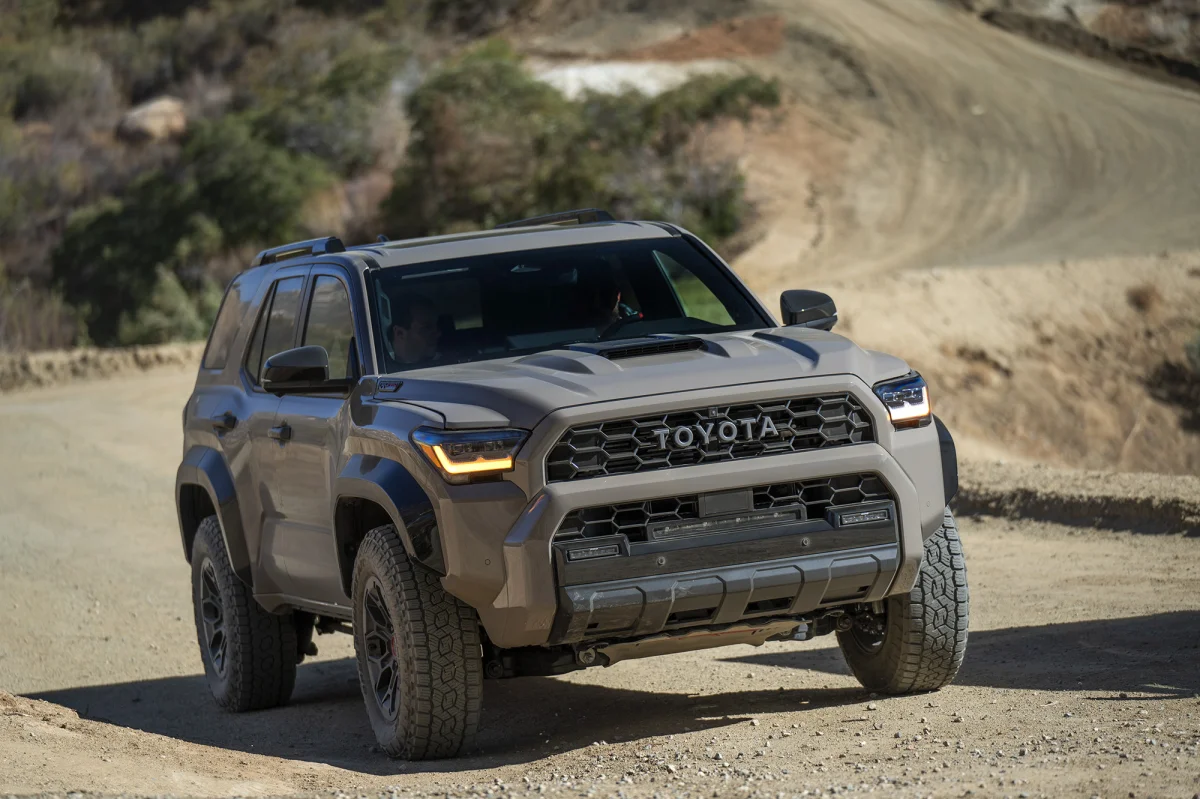
The 2026 Toyota 4Runner continues its reputation as a durable and long-lasting SUV, earning a 95/100 predicted reliability score. Its body-on-frame construction provides exceptional toughness for heavy use, off-road adventures, and harsh weather, making it particularly well-suited for Michigan conditions with salted roads, though annual rust-proofing is recommended.
The 4Runner’s proven powertrains, including a 278-hp turbocharged 2.4-liter four-cylinder paired with an eight-speed automatic, offer dependable performance. Rear-wheel drive comes standard, with full-time four-wheel drive and a two-speed transfer case available for more challenging terrain. Hybrid models bring additional off-road features, including adjustable dampers and advanced traction aids.
The 4Runner accelerates to 60 mph in 7.5 seconds in four-wheel-drive form, delivering stable handling and visibility for confident off-road and on-road driving. Its towing capacity reaches 6,000 pounds, making it competitive with other midsize adventure SUVs. Fuel economy is estimated at 20 mpg city, 26 mpg highway, and 22 mpg combined, based on 2025 figures.
Inside, the cabin combines utility with comfort. Storage bins are strategically placed, controls are within reach, and seating is spacious. Optional third-row seating accommodates occasional passengers or children.
The SUV offers open-air experiences via a sliding sunroof and power-operated rear window. Cargo capacity is generous, and thoughtful solutions like underfloor bins and side pockets enhance functionality.
Technology is modern and user-friendly, with 8.0- to 14.0-inch infotainment displays, wireless Apple CarPlay and Android Auto, an optional digital gauge cluster, USB-C ports, and an optional wireless charging pad. The digital key system allows locking, unlocking, and starting via smartphone.
Safety is comprehensive through Toyota Safety Sense 3.0, which includes automated emergency braking with pedestrian detection, lane-departure warning with lane-keeping assist, adaptive cruise control with lane centering, and driver non-responsiveness detection.
The 4Runner’s value comes from its blend of legendary durability, off-road capability, spacious and practical interior, modern technology, and strong safety features. Warranty coverage includes three years/36,000 miles basic, five years/60,000 miles powertrain, and two years/25,000 miles of complimentary scheduled maintenance, a rare benefit in its segment.
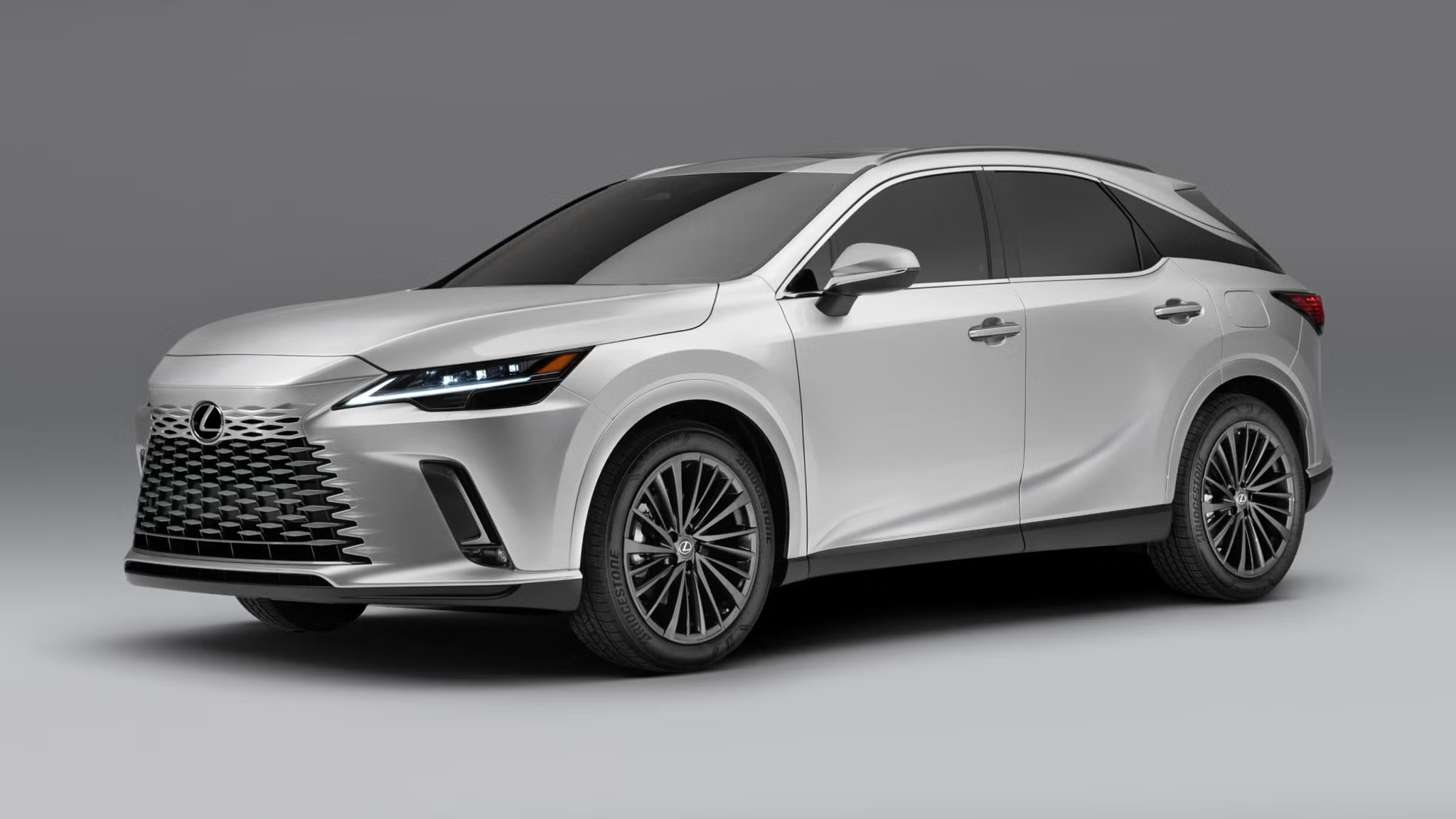
3. 2026 Lexus RX: Luxury Meets Reliability
The 2026 Lexus RX is a luxury SUV built to deliver comfort, dependability, and long-term value. With a reputation for exceptional reliability, the RX benefits from Toyota’s proven engineering, giving owners confidence in low maintenance costs and minimal unexpected repairs.
Consumer experiences show that the RX retains high resale value, making it a strong investment for buyers who plan to keep the vehicle for many years.
Power comes from a 275-hp turbocharged 2.5-liter four-cylinder engine paired with an eight-speed automatic transmission. Front-wheel drive is standard, with all-wheel drive available. Acceleration is measured at around 7.0 seconds to 60 mph, offering smooth, comfortable performance rather than sporty excitement.
The RX is softly sprung, emphasizing a quiet, composed ride that prioritizes comfort over sharp handling. Towing capacity reaches 3,500 pounds with the optional package, sufficient for light trailers or recreational gear. Fuel economy for front-wheel-drive models is 22 mpg city and 29 mpg highway, while all-wheel-drive versions achieve 21/28 mpg, aligning with other luxury compact SUVs.
The RX cabin combines luxury and practicality. The interior is quiet and well-crafted, featuring ambient lighting, open-pore wood trim, and high-quality materials.
Second-row seating is adequate for adults, with a 40/20/40 split-folding rear bench that accommodates longer items in the cargo area. Cargo space is generous for a compact luxury SUV, capable of handling groceries, luggage, or weekend gear.
Technology is intuitive and user-friendly, including a standard 9.8-inch touchscreen, an optional 14-inch display, wireless Apple CarPlay and Android Auto, a 12-speaker premium audio system, and optional navigation and head-up display.
Advanced safety comes standard through Lexus Safety System+ 3.0, including automated emergency braking with pedestrian and cyclist detection, lane-departure warning with lane-keeping assist, and adaptive cruise control with lane-centering.
Warranty coverage supports long-term ownership with a four-year/50,000-mile limited warranty, a six-year/70,000-mile powertrain warranty, and one year/10,000 miles of complimentary maintenance.
The 2026 Lexus RX combines refined luxury, dependable engineering, advanced technology, and strong safety features, making it a smart choice for buyers who value comfort, long-term reliability, and premium ownership in a compact luxury SUV.
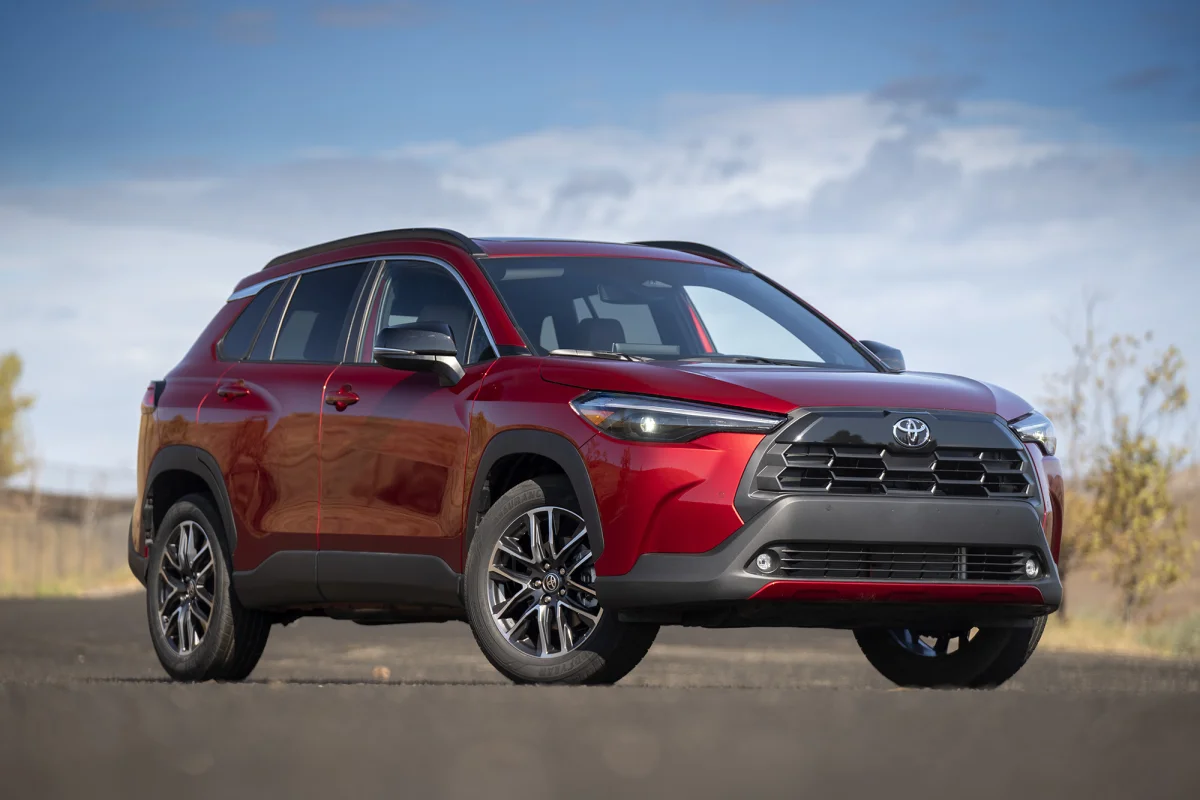
4. 2026 Toyota Corolla: Practical, Reliable, and Economical
The 2026 Toyota Corolla continues its legacy as a sensible, long-term choice for budget-conscious drivers. With a 76/100 reliability rating, its simple mechanical design, extensive parts availability, and Toyota’s reputation for durability make it affordable to maintain for 15 years or more.
The Corolla combines efficiency, low ownership costs, and strong resale value, making it a practical vehicle for drivers who prioritize reliability and economy.
Power comes from a 169-hp 2.0-liter four-cylinder engine paired with a continuously variable automatic transmission (CVT). Hybrid options provide even higher fuel efficiency, though acceleration is leisurely, with 0–60 mph times of 8.3 seconds for the hatchback and 9.0 seconds for the all-wheel-drive hybrid.
The suspension delivers a pleasant ride that smooths out most bumps, while body motions remain controlled for better handling in daily driving. Brakes respond naturally, though stopping distances from highway speeds are slightly longer than some sporty rivals.
Fuel economy is a key strength. Nonhybrid models achieve up to 32 mpg city and 41 mpg highway, while hybrid variants can reach 53 mpg city and 46 mpg highway. Real-world testing showed AWD hybrids achieving about 40 mpg on highways, confirming the Corolla’s efficiency in everyday driving.
The interior is functional and modern. Both sedan and hatchback offer soft-touch surfaces, a streamlined dashboard, and comfortable seating.
The sedan provides more rear legroom, while the hatchback offers 18 cubic feet of cargo space, expandable to 23 with the spare-tire option. The trunk of the sedan holds 13 cubic feet. Thoughtful storage solutions include a front console tray and an under-armrest bin.
Technology includes a standard 8.0-inch touchscreen with wireless Apple CarPlay and Android Auto, an optional 10.5-inch display, a digital gauge cluster up to 12.3 inches, four USB-C ports, wireless charging, and an optional JBL audio system.
Safety is comprehensive through Toyota Safety Sense 3.0, including forward-collision warning, automated emergency braking, lane-departure warning, lane-keeping assist, adaptive cruise control, and automatic high beams.
Warranty coverage supports long-term ownership with three years/36,000 miles limited, five years/60,000 miles powertrain, and ten years/150,000 miles for hybrid components, along with two years/25,000 miles of complimentary maintenance.
The 2026 Toyota Corolla is a reliable, efficient, and practical compact car that combines proven engineering with modern tech and safety features, making it a smart choice for drivers seeking low running costs and long-term value.
5. 2026 Subaru Crosstrek: Durable, Capable, and Built to Last
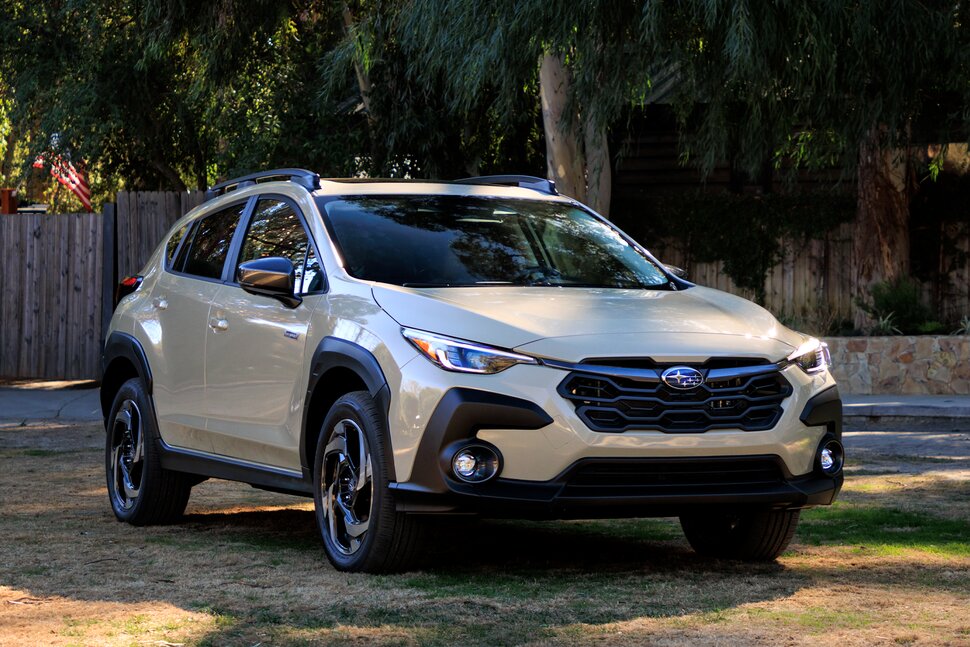
The 2026 Subaru Crosstrek stands out as a dependable long-term vehicle, earning a 78/100 reliability score and placing among the top-ranked subcompact crossovers for durability.
An impressive 97 percent of Crosstreks sold in the past decade remain on the road, reinforcing Subaru’s reputation for building vehicles that endure. Strong resale value further strengthens its appeal for buyers planning to keep their vehicle for many years.
Every Crosstrek comes standard with Subaru’s Symmetrical All-Wheel Drive, a major advantage for drivers facing varied weather and road conditions. Power is supplied by a 180-hp 2.5-liter four-cylinder boxer engine paired with a continuously variable automatic transmission.
Acceleration is modest, reaching 60 mph in 8.1 seconds for the Limited trim and 8.6 seconds for the Wilderness model, but the Crosstrek prioritizes smoothness and stability over speed. Its relaxed ride quality suits daily commuting, while generous ground clearance of 8.7 inches, or 9.3 inches in Wilderness trim, allows confident travel on rough roads and light trails.
Fuel efficiency remains competitive, with EPA estimates reaching up to 27 mpg city and 33 mpg highway, and real-world highway testing showing 36 mpg. Towing capacity is rated at 1,500 pounds for most trims, while the Wilderness version increases the capability to 3,500 pounds, adding versatility for outdoor enthusiasts.
Inside, the Crosstrek offers a functional and comfortable cabin. Front-seat space is generous, while the rear seats provide adequate legroom for passengers. Cargo capacity measures 20 cubic feet behind the rear seats and 55 cubic feet with them folded, outperforming several rivals in the segment.
Technology ranges from a standard 7-inch touchscreen to an available 11.6-inch display, with Apple CarPlay and Android Auto included across the lineup. Higher trims add wireless connectivity, additional USB ports, and premium audio options. Safety is a major strength, with Subaru EyeSight standard on every model, delivering adaptive cruise control, lane-keeping assist, and automated braking.
Backed by a 5-year/60,000-mile powertrain warranty, the 2026 Crosstrek blends reliability, safety, and all-weather capability into a vehicle that holds its value and serves owners well over the long haul.
Selecting the right vehicle is not only about how it feels today, but how well it performs year after year. The city-friendly models discussed earlier address immediate driving needs, while the proven long-term vehicles focus on durability, reliability, and ownership value.
These cars and SUVs have earned strong reputations through dependable powertrains, consistent safety records, and interiors designed for daily use. For Dearborn drivers, this combination matters. A vehicle must handle winter roads, crowded streets, and long ownership without excessive repair costs or declining comfort.
The long-term models featured here are known for lasting well beyond typical mileage expectations when properly maintained. Together, both groups of vehicles create a complete picture of smart automotive choices.
Whether the priority is daily city convenience or years of reliable service, these options offer peace of mind, practical performance, and lasting value for drivers who plan carefully and drive with confidence.
Also Read: 10 Cars That Created Entirely New Automotive Segments