

Downtown driving is one thing, but downtown parking is the real battle. It is where patience disappears, tempers rise, and even confident drivers start questioning their decisions.
Tight spaces, narrow lanes, one-way streets, confusing signs, busy pedestrians, cyclists weaving through traffic, delivery trucks blocking lanes, and drivers waiting behind you while you attempt a difficult reverse, all of it combines into a pressure-filled experience.
In many cities, a commute feels manageable until it ends with the hunt for parking. That is why the type of vehicle you drive matters more than most people realize.
Some vehicles feel naturally built for downtown life. They are compact, easy to turn, and quick to slip into tight spots. Their steering feels light, visibility is good, and parking assistance features actually help instead of confusing.
They may not look huge, but they are intelligently designed for dense environments. The best downtown parking vehicles are the ones that reduce stress. You do not feel like you are wrestling the car into position, and you do not spend ten minutes searching for a space that fits.
Then there are the vehicles that turn parking into a constant headache. These can be large SUVs, long sedans, oversized trucks, or even vehicles that are not physically huge but have poor visibility and wide turning circles.
The problem is not just the size. It is how the vehicle behaves in tight spaces. Some cars have heavy steering, slow response, and big blind spots that make every downtown maneuver feel risky. Even worse, in crowded areas you are not only parking, you are doing it under pressure with people watching and traffic piling up behind you.
This article compares both categories. First, five vehicles that are easy to park downtown, chosen for their size, maneuverability, visibility, and real-world convenience.
Then, five vehicles that often become constant downtown headaches, either due to size, poor visibility, turning limitations, or practicality issues. The goal is simple: help you choose a vehicle that fits city life instead of fighting it every day.
Also Read: 5 Cars That Fit Philadelphia Rowhouse Parking vs 5 That Rarely Do
5 Vehicles That Are Easy to Park Downtown
Parking downtown is not just about skill. It is about geometry, convenience, and stress management. Downtown areas are designed to pack as many people and businesses as possible into limited space.
That means limited parking, tight corners, compact garages, narrow curbside spots, and awkward angles.
You may have to parallel park on busy roads, squeeze into basement garages with sharp turns, or reverse into a tight spot between two cars that are parked too close. In this environment, the wrong vehicle makes everything harder. The right vehicle makes life smoother.
Vehicles that are easy to park downtown share certain traits. The first is compact size, especially overall length. The shorter the vehicle, the easier it is to fit into spaces that longer vehicles simply cannot use. The second trait is a tight turning radius.
This matters in cramped parking garages, narrow lanes, and sharp turns. Third is visibility. A vehicle with a large glass area and good sightlines reduces risk. You can see obstacles clearly, judge distances more accurately, and avoid scraping wheels or bumpers.
Technology can also help, but only if it is properly done. Rear cameras, parking sensors, 360-degree views, and smart steering guidance can make parking easier, but they work best when combined with good design. A huge vehicle with sensors may still be stressful because it is physically too large for the space.
Another often-forgotten factor is driver confidence. Some vehicles make drivers feel nervous because they are wide, heavy, or slow to respond.
Downtown parking is a mental game. When you feel nervous, you hesitate and make mistakes. Vehicles designed for city maneuvering reduce that hesitation. They feel light, responsive, and easy to place.
The five vehicles below are included because they consistently reduce downtown parking stress. These models have proven to be practical in crowded city conditions. They slip into spaces easily, handle garages without drama, and make tight maneuvers feel normal.
Now let us get into the five downtown parking-friendly vehicles that make city life easier.
1) Honda Fit
Honda Fit is one of the smartest city vehicles ever made, and downtown parking is where it truly shines. The Fit’s biggest advantage is how much interior space it offers without being physically large. That design philosophy makes it perfect for urban life.
Its short length allows it to squeeze into tight curbside spots that larger hatchbacks cannot use. In downtown areas, this often means the difference between parking immediately and circling the block for twenty minutes.
The Fit is also easy to place on the road. It has excellent visibility compared to many modern cars. The upright design gives the driver a clear view of corners and curbs, which helps with parallel parking and tight garage turns.
Many vehicles suffer from thick pillars and small rear windows that reduce confidence. Fit avoids much of that. It feels like you can actually see what you are doing.
Another advantage is turning radius. The Fit is agile and responsive, which matters in downtown garages where ramps are narrow and turns are sharp.
You can maneuver without doing repeated three-point turns, saving time and stress. Light steering also helps. Downtown parking requires constant wheel movement, and heavy steering makes it tiring. Fit stays easy.
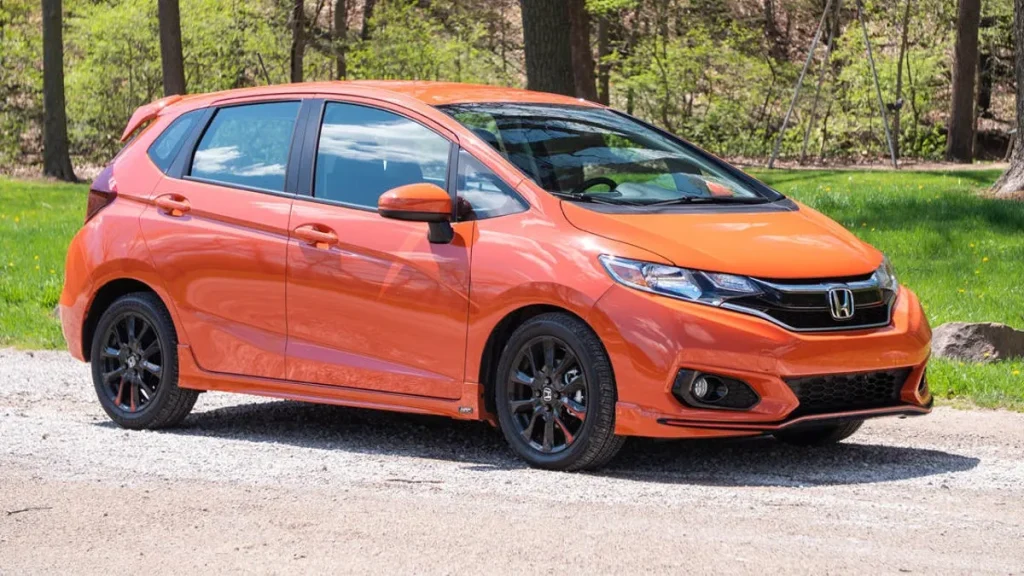
I am writing about Honda Fit because it represents the ideal downtown tool: compact outside, spacious inside, simple to drive, and extremely easy to park.
It is the kind of vehicle that makes urban living feel less like a struggle. Even experienced drivers appreciate Fit because it reduces the daily friction of parking. It does not try to impress. It tries to be useful, and in downtown life that is exactly what matters.
2) Mini Cooper (Newer Models)
Mini Cooper is a downtown parking champion. Its compact size feels like it was designed for crowded streets, and its short length makes it incredibly easy to fit into tight spaces. In areas where every inch matters, Mini becomes a practical advantage.
Many downtown spots are too short for sedans and SUVs. Mini slips in with ease, turning impossible spaces into possible ones.
Mini also feels agile in city conditions. Its steering is quick, and its turning behavior is sharp. That helps in cramped garages and narrow lanes where slow, wide vehicles feel clumsy. Mini feels like it can rotate into a spot rather than slowly crawl into it. That sense of control matters when pedestrians, cyclists, and impatient drivers surround you.
Visibility is another plus. While some compact cars still have thick pillars, Mini generally offers a solid parking view because you sit upright and can judge corners more easily.
When combined with parking sensors and cameras in many newer models, parking becomes almost effortless. You can detect curbs, prevent bumper taps, and reduce the risk of scraping wheels.
I am including Mini Cooper (newer models) because it shows that a stylish car can also be extremely practical downtown. It is not just about being small.
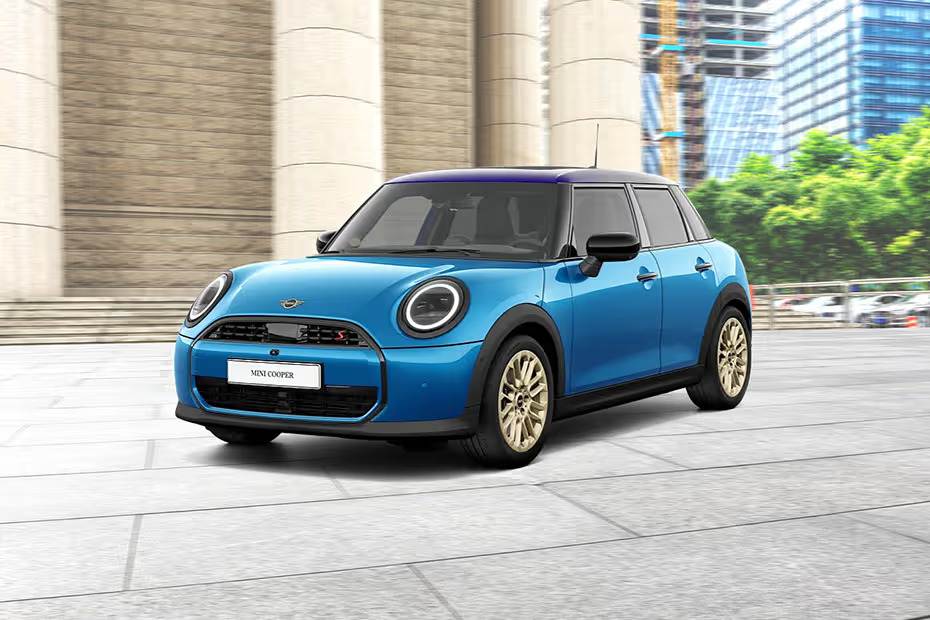
It is about being responsive and easy to place accurately. Mini also carries personality, which is a bonus for people who want downtown practicality without driving something bland.
In downtown life, the Mini feels like it belongs. It fits the space, moves confidently through narrow streets, and turns parking into a quick action rather than a stressful event. That is why it deserves a place in the “easy to park” category.
3) Toyota Yaris Hatchback
Toyota Yaris Hatchback is another excellent downtown parking vehicle because it combines compact dimensions with Toyota’s straightforward usability. Downtown parking requires simplicity.
You need a car that is easy to maneuver, easy to judge in tight spaces, and not stressful to place near curbs. Yaris fits that environment well, especially in busy city centers where parking spots are narrow and short.
The biggest advantage is length. A hatchback design allows Yaris to remain short without sacrificing practicality. That makes parallel parking easier because you have more margin. Even if the cars around you park too close, you can still squeeze in.
In a downtown setting, where people park aggressively and leave minimal space, that small size becomes your best feature.
Yaris is also light and easy to control. That matters because parking requires small precise movements. Heavy vehicles or vehicles with slow throttle response feel awkward in tight spots. Yaris responds smoothly, making it easy to creep into spaces without sudden jumps. Steering is light, which makes constant wheel movement easier.
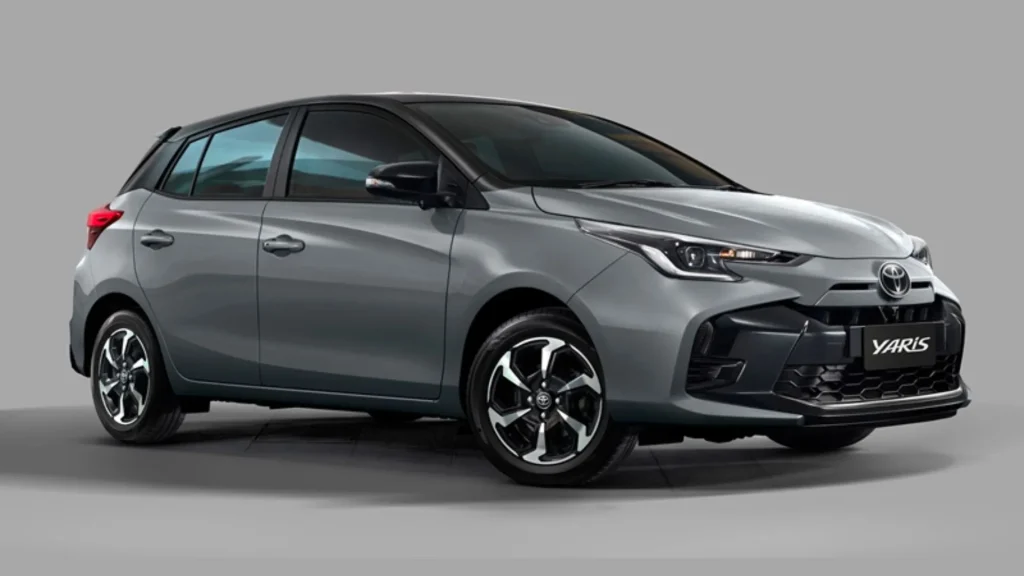
I included Toyota Yaris Hatchback because it represents reliability plus city practicality. Downtown parking is stressful enough, so you want a vehicle that will not add mechanical stress on top of it. Yaris keeps everything simple. You park easily, you drive easily, and you do not have to worry about expensive repair anxiety.
In dense urban life, the Yaris is a tool that quietly solves a daily problem. It may not look luxurious, but it makes downtown life smoother. And for many drivers, that is worth more than image.
4) Kia Soul
Kia Soul is interesting because it is boxy, not tiny, yet still extremely downtown-friendly. The Soul’s shape actually helps parking. It has a compact footprint, but the upright design gives excellent visibility and makes it easy to judge corners.
Many cars today are designed with sloped roofs and aggressive styling that reduces sightlines. Soul is more honest in its design, and downtown drivers benefit from that honesty.
The short length helps parallel parking, while the tall cabin makes it easier to see traffic and pedestrians around you. When backing out of spots, visibility is often the difference between smooth departure and stressful guessing. Soul reduces that guessing. You can see better, position better, and park more confidently.
Turning radius is also good for its class, making it easier to handle parking garages. It does not feel like you need endless space to rotate. It responds quickly, and that matters when downtown lanes are narrow.
I am writing about Kia Soul because many people underestimate how much design influences parking comfort. Soul is not the smallest car on the road, but it is one of the easiest to park because it is shaped in a driver-friendly way. It feels like a city machine. You can place it precisely without fear.

Soul also provides practicality. You get a useful cabin and cargo space without needing a large SUV. That makes it a perfect compromise for people who want urban parking ease but still need daily usability.
5) Fiat 500
Fiat 500 is one of the most naturally downtown-friendly vehicles ever made. Its size is the main advantage. When downtown parking is tight, the Fiat 500 feels like a cheat code. It can fit into spaces other vehicles simply cannot use, especially short curbside spots that would be useless for sedans or crossovers.
Beyond size, the Fiat 500 has light steering and a playful driving character that suits downtown streets. Parking requires constant low-speed maneuvering. Fiat feels easy to steer, easy to angle into spaces, and easy to adjust when your first attempt is not perfect. You can correct quickly without stress.
Fiat’s small footprint also reduces fear. In downtown areas, scraping a wheel or tapping a bumper is a real risk. Smaller cars reduce that risk because they leave more margin. When you have more margin, you park with confidence, and confidence makes every parking job faster.
I am including Fiat 500 because it is a pure city vehicle. It is not built for long highway comfort, and it is not designed for off-road strength. It is designed for dense urban spaces where parking is a daily struggle. In that role, it performs brilliantly.
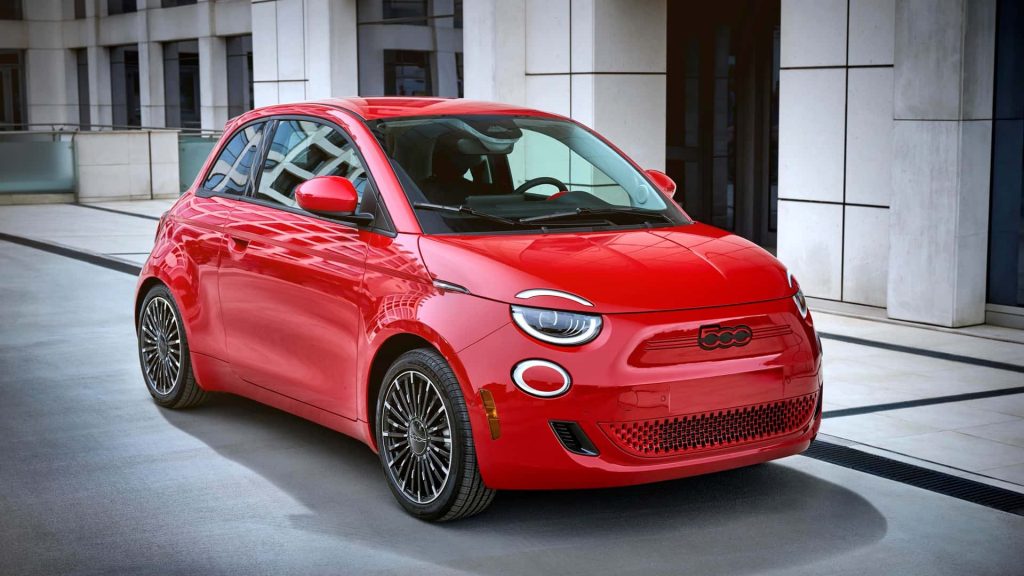
For someone who lives or works downtown and values parking ease above everything else, Fiat 500 belongs in the top category. It makes downtown parking feel simple, and that simplicity is priceless in busy city life.
5 Vehicles That Are Constant Headaches
Downtown parking does not punish everyone equally. It punishes size, poor visibility, wide turning circles, and vehicles that demand too much space to operate. In dense city centers, parking is often designed for compact cars and regular sedans, not oversized trucks or long luxury vehicles.
That means the wrong vehicle can turn every outing into frustration. You may spend more time searching for a spot than driving to your destination. Even when you find a spot, you might struggle to fit.
And if you do fit, you may worry the entire time that someone will scrape your bumper, hit your mirror, or squeeze too close for you to exit smoothly.
Vehicles that become downtown headaches usually share certain traits. They are long, wide, tall, or all three. Many have large blind spots. Some have heavy steering and slow response.
Others have bumpers that stick out awkwardly, making them difficult to judge during parking. Even if they include parking cameras and sensors, the physical size still makes the situation stressful. Technology helps, but it cannot shrink a large vehicle.
Downtown parking headaches also come from practicality issues. Some vehicles need wide turning space to enter garages. Some scrape on steep ramps. Others physically cannot fit into older parking structures with low ceilings and narrow spaces.
Drivers might also avoid certain areas because they fear parking there. That changes lifestyle. Suddenly you are not visiting certain streets or neighborhoods because parking feels impossible.
I am writing this section because people often choose vehicles based on comfort, power, and appearance, then later realize the city does not care about those things. Downtown rewards compactness and control, not dominance.
A vehicle that looks impressive in the suburbs can become miserable in the city. This list is not about blaming these vehicles. Many of them are fantastic in other environments.
But downtown parking reveals a harsh truth: some vehicles simply do not belong in tight, crowded urban cores. Now let us get into five that are commonly experienced as constant parking headaches.
1) Ford F-150 (Full-Size Pickup)
Ford F-150 is one of the most useful vehicles in America, but in downtown parking it often becomes a nightmare. The problem starts with size. The F-150 is long, wide, and tall, and many downtown parking spaces are not built for vehicles this big.
Even if you manage to fit into a space, you may be taking up multiple inches beyond the lines, risking complaints, tickets, or damage.
Parallel parking is where the pain becomes obvious. Downtown curbside spaces are usually tight. A long pickup needs a large gap, and those gaps are rare in busy areas. Even if you find one, you must maneuver the truck carefully, which takes time and invites pressure from traffic behind you.
Tight turning radius is not a pickup strength, so you may need repeated adjustments. That increases stress, especially when pedestrians and cyclists are moving around you.
Parking garages can be worse. Many downtown garages have sharp turns and narrow ramps. A full-size pickup may struggle to navigate without scraping wheels or hitting corners. Height can also become an issue.
Some garages have low ceilings, and accessories like roof racks make it even riskier. Even if you fit, you might not want to enter because the exit lanes are narrow and stressful.
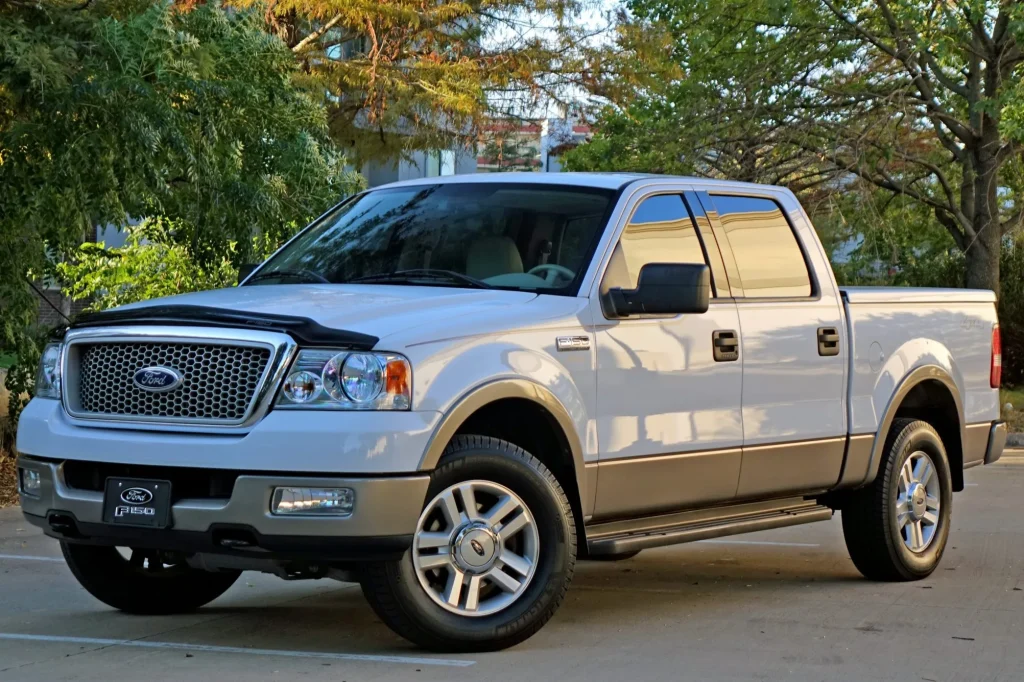
I included Ford F-150 because it represents the classic downtown mismatch. It is excellent for hauling, work, and open-road driving.
But in downtown life, it demands too much space. It turns parking into a strategic mission instead of a simple task. For people who live and work in city centers daily, this kind of vehicle can quickly feel like a constant headache.
2) Chevrolet Suburban
Chevrolet Suburban is legendary for space, comfort, and road presence. But in downtown parking, those strengths become weaknesses. Suburban is extremely long and wide, and that makes it one of the hardest mainstream vehicles to park in dense city centers.
The biggest issue is length. Many downtown spots, especially curbside spaces, are simply not long enough. If you manage to park, the vehicle may stick out, increasing the risk of damage.
Suburban also creates stress because of its size relative to other cars. Downtown lanes are narrow and filled with unpredictable movement. Parking requires precise placement, but Suburban takes up so much space that even small mistakes feel expensive.
The wider the vehicle, the less margin you have between curbs, poles, and other cars. You may end up relying heavily on sensors and cameras, but even then the physical bulk remains intimidating.
Garages can become nearly unusable. Older downtown structures often have tight turns that Suburban cannot make comfortably. Even if you manage, parking spaces might be narrow, forcing you to squeeze in while hoping the next car does not park too close. Exiting later can become a nightmare, especially if people park aggressively next to you.
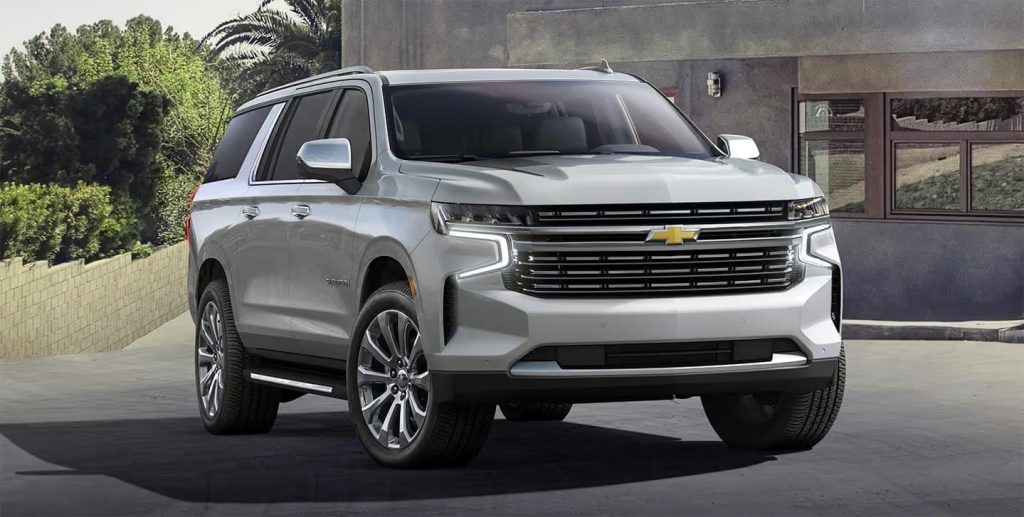
I am writing about Suburban because it is one of the most common “wrong downtown choices.” Families love it for good reasons, and on highways it is brilliant.
But downtown parking turns it into a constant conflict with space. Suburban demands the kind of room that city centers do not offer. In an urban core, it transforms from a luxury family SUV into a daily stress machine, and that is why it belongs on this list.
3) Ram 2500 Heavy Duty
Ram 2500 Heavy Duty is built to tow and haul serious loads, not to dance around downtown parking spots. In a city center, it is often worse than a normal pickup because it is bigger, heavier, and less forgiving.
The sheer size makes it difficult to fit into standard spaces. Many downtown spots are tight even for crossovers. A heavy-duty truck like this often feels like it belongs in an entirely different world.
The turning behavior is a major challenge. Downtown parking requires sharp maneuvering and precise wheel placement. Heavy-duty trucks often have wider turning circles and feel less agile.
That means more reversing, more adjustments, and more stress, especially when traffic is waiting behind you. People may honk, cyclists may pass close, and pedestrians may appear suddenly. All of that makes parking feel like a high-pressure situation.
Garages are also a problem. Many downtown garages have narrow ramps, low ceilings, and sharp corners. A Ram 2500 can scrape, struggle, or feel too tight to even attempt entry. And once inside, fitting into spaces becomes another issue.
Doors are heavy and wide. You may park and then realize you cannot open the door properly because the space is too narrow.
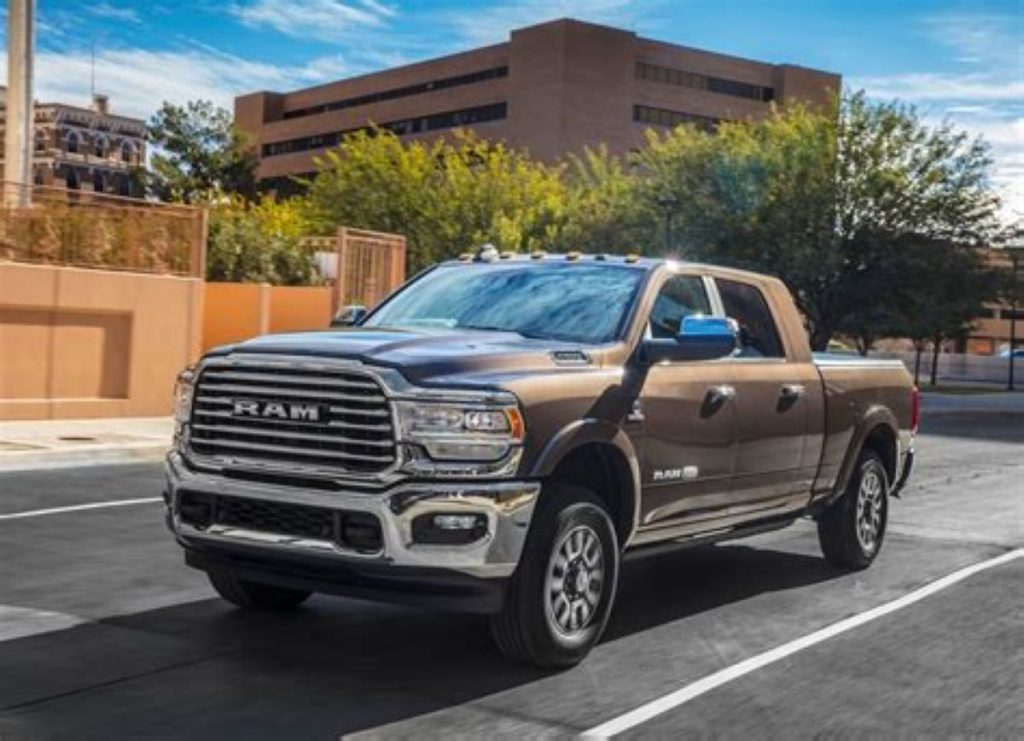
I included Ram 2500 because it represents the extreme case of the downtown mismatch. It is not a “bad vehicle.” It is actually excellent for work, towing, and rural or suburban driving.
But downtown parking turns it into a constant headache. It demands more space than the environment can provide, and it forces the driver into stressful maneuvers every single time.
4) BMW 7 Series (Long Wheelbase)
BMW 7 Series long wheelbase is the definition of luxury, but downtown parking turns luxury into anxiety. The biggest issue is not only length, but the combination of length and value. In crowded downtown areas, a large expensive sedan becomes a constant worry.
Even when parked, you worry about door dings, bumper taps, scratches, and people brushing past the car in tight garages.
The long wheelbase makes maneuvering difficult in tight spaces. Downtown garages often have sharp corners and narrow entry ramps. A long sedan can scrape, struggle to turn, and require multiple adjustments. Parallel parking also becomes difficult because of length. The spaces required are larger than what is commonly available.
Visibility can also be an issue. Many large luxury sedans have design choices that reduce sightlines. They may have thick pillars and a low, long hood. Even with cameras and sensors, the physical shape makes it harder to judge corners quickly. It becomes a parking situation where the driver feels cautious, slow, and unsure.
I am writing about the BMW 7 Series long wheelbase because it highlights another kind of downtown headache: even when a car has technology and power, its size and value make parking stressful. Drivers do not want to risk damage.
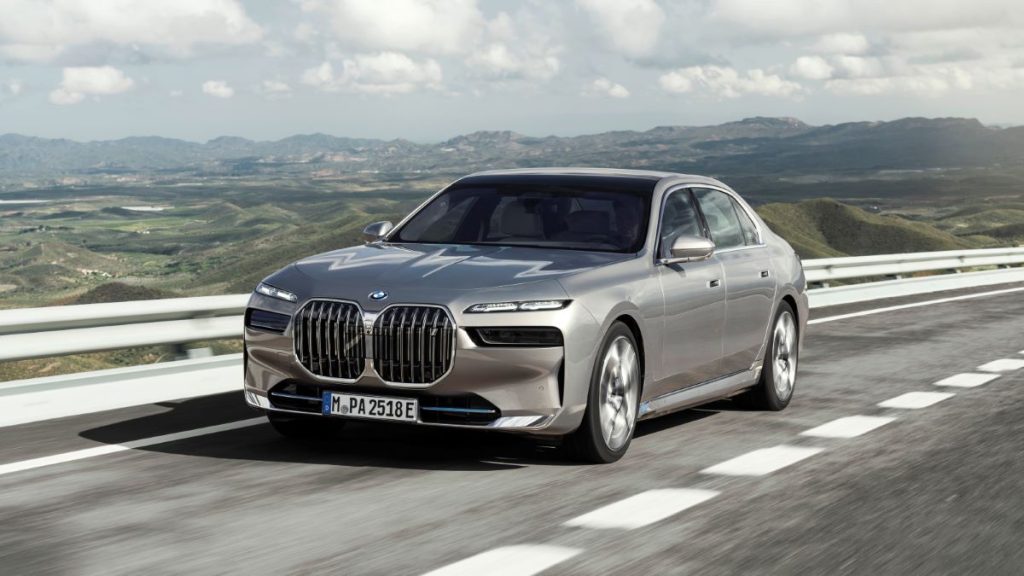
So they park far away, avoid crowded streets, and spend time searching for “safe spots.” That changes lifestyle. Downtown parking becomes a daily mental burden, which is why this vehicle belongs on the headache list.
5) Mercedes-Benz Sprinter Van
Mercedes-Benz Sprinter is incredibly useful for businesses, travel builds, and cargo hauling. But in a downtown setting, parking becomes one of its biggest challenges. The vehicle is long, tall, and often wide, depending on configuration.
That makes it incompatible with many downtown garages, especially those with low ceilings. Even if you find a garage you can enter, the turning ramps inside may be too tight to navigate.
Street parking is even more difficult. Sprinter needs a large space, and those spaces are rare downtown. Parallel parking such a long vehicle often feels unrealistic. Even if you find a long curbside space, you may still struggle with positioning, and the vehicle can block visibility for others, increasing the risk of conflict or tickets.
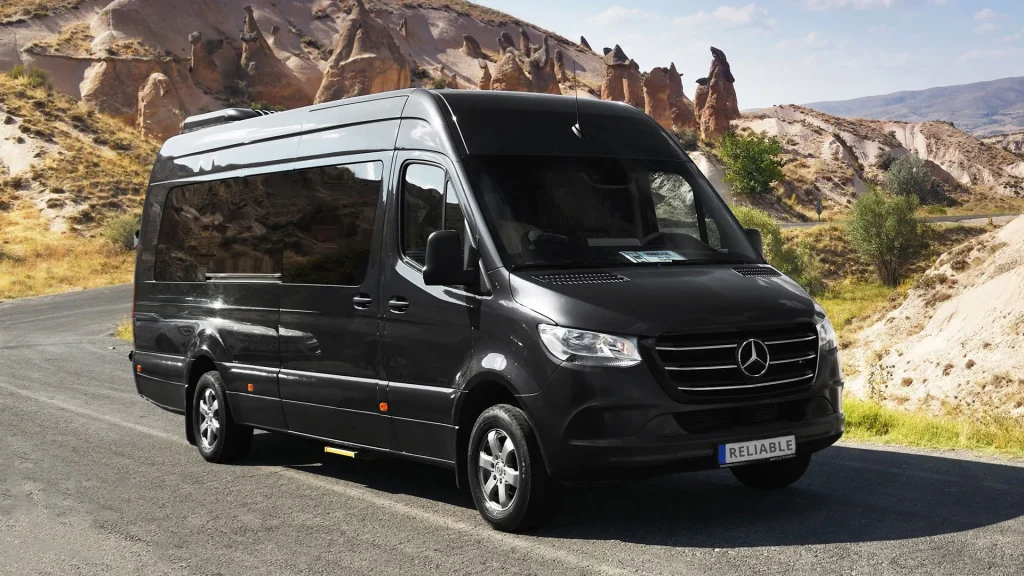
Sprinter is also difficult because of the stress of damage. Large vehicles stick out, and downtown drivers or delivery vehicles can clip mirrors or bump corners. Tight streets increase the risk. A Sprinter driver often feels like the vehicle is always “too big” for the environment.
I included Sprinter because it represents the ultimate downtown parking headache: a vehicle designed for capacity, not compact maneuvering. It is excellent at what it does, but downtown parking is not one of those things.
In a dense city center, a Sprinter forces constant planning, constant searching for oversized spaces, and frequent compromises. That turns every downtown trip into a logistical problem rather than a normal drive.
Also Read: 5 Cars That Work for Las Vegas Daily Driving vs 5 That Struggle in Heat
