
Philadelphia rowhouse neighborhoods have a charm that feels timeless: brick facades, narrow streets, tight corners, and cars squeezed into every possible space. But anyone who has lived there knows the hidden daily challenge. Parking.
Rowhouse parking is not like suburban parking. It is street parking in spaces that feel half a foot too short, with fire hydrants, trash pickup days, corner restrictions, double-parked delivery vans, and streets that suddenly narrow because everyone parks slightly crooked.
It is a place where your car choice matters as much as your rent. A vehicle that looks perfect on a dealership lot can become a daily headache when it needs to fit between two bumpers on a South Philly block.
That is why the “right” car for Philadelphia rowhouse parking is not necessarily the one with the nicest interior or the strongest engine. It is the one that makes you feel relaxed when you come home at night and spot a spot that looks barely possible.
The best rowhouse cars are short in length, easy to see out of, and quick to maneuver. A tight turning radius becomes a superpower.
Light steering and good visibility make parallel parking less stressful. Helpful features like rear cameras, parking sensors, and strong low-speed control become more valuable than fancy performance features.
On the other side, some vehicles rarely fit rowhouse life. It is not just because they are “big.” It is because their size and shape make them harder to place precisely. Long wheelbases, wide bodies, big turning circles, and high repair anxiety turn parking into a battle.
Even if you can technically fit in some spots, it is not worth the stress. In rowhouse neighborhoods, you park in crowded conditions every day. A bulky vehicle turns daily living into a constant compromise.
This article compares both sides clearly. First, five cars that fit Philadelphia rowhouse parking well because they are short, manageable, and designed for city life.
Then, five vehicles that rarely fit because their size and parking demands clash with narrow Philly streets. The goal is to help you choose a car that makes rowhouse life easier, not harder.
Also Read: 5 Cars for Dunedin Coastal Driving and 5 Rust-Resistant Vehicles
5 Cars That Fit Philadelphia Rowhouse Parking
Rowhouse parking rewards a certain kind of vehicle. You want something compact, easy to maneuver, and forgiving in tight street conditions. Length matters most. A few inches can decide whether you park in a convenient spot or circle for thirty minutes.
Width matters too, because narrow streets leave little room for door swings and mirror clearance. The best rowhouse cars also have strong visibility, because you need to judge distance precisely. Parking aids help, but being able to see your surroundings naturally is still a huge advantage.
Another key point is daily stress. A car that fits well makes you calmer. You don’t dread coming home late. You don’t panic when you see a tight spot. Instead, you know your car can handle it. That quality of life matters more than people think.
In this section, the five cars are chosen because they match the physical reality of Philly neighborhoods. They have compact footprints, easy steering, and city-friendly design. They are also practical enough for daily life, because even in rowhouse living, you still need cargo space for groceries, laundry, and weekend trips.
These cars are included because they make parking easier and ownership less stressful. They are not just “small cars.” They are city cars that feel natural in a place like Philadelphia.
1) Honda Fit (Jazz)
The Honda Fit is almost made for Philadelphia rowhouse parking because it combines compact exterior size with surprisingly big practicality inside. Length is the first advantage. The Fit is short enough to slip into spaces that would reject many sedans.
When you’re trying to park between two bumpers on a narrow block, that shorter body makes a huge difference. You need less room to angle in, and you spend less time doing the “back and forth” shuffle.
Turning radius is another reason the Fit works so well. Philly streets often force you into tight turns around double-parked cars and narrow corners. A car that can pivot easily reduces stress before you even start parking. The Fit’s steering is light and predictable, which matters when you’re making tiny adjustments in a tight space.
Visibility is a major win too. The Fit gives you a clear view out of the cabin, which makes parallel parking less scary. You can see the curb, you can see the edges of nearby cars, and you can judge distance better than in many modern vehicles with chunky design.
Practicality is what elevates the Fit beyond a “small car.” Rowhouse living still needs flexibility. The Fit’s cargo space and clever interior folding give you room for groceries, laundry baskets, and even small furniture runs. It’s a city car that doesn’t feel like a compromise.

The Fit is included because it solves the Philly problem: it parks like a tiny car but lives like a bigger one. That combination is rare, and it makes rowhouse parking life much easier.
2) Mini Cooper (Hardtop)
The Mini Cooper is a natural rowhouse car because it’s short, nimble, and built for tight urban spaces. In Philadelphia neighborhoods, you often park in spaces that feel impossible, and the Mini turns those spaces into realistic opportunities.
The car’s short length is its biggest advantage. You can squeeze into spots that would never work for mid-size sedans.
The Mini’s steering response and tight turning circle also match Philly streets. When you need to swing into a narrow gap quickly, a responsive car helps you park with fewer corrections. You can place the Mini precisely, which reduces the time and stress involved in parallel parking.
Another advantage is that Minis generally have good low-speed control. That matters when you’re creeping into a tight space. You need the car to respond smoothly, not jump forward aggressively. The Mini’s city-friendly nature helps it stay controlled.
However, the Mini is included not just because it’s small. It’s also because it fits the Philly lifestyle vibe. Rowhouse areas are full of personality, and the Mini matches that style while still being practical enough for daily use. It offers enough space for groceries and everyday items.
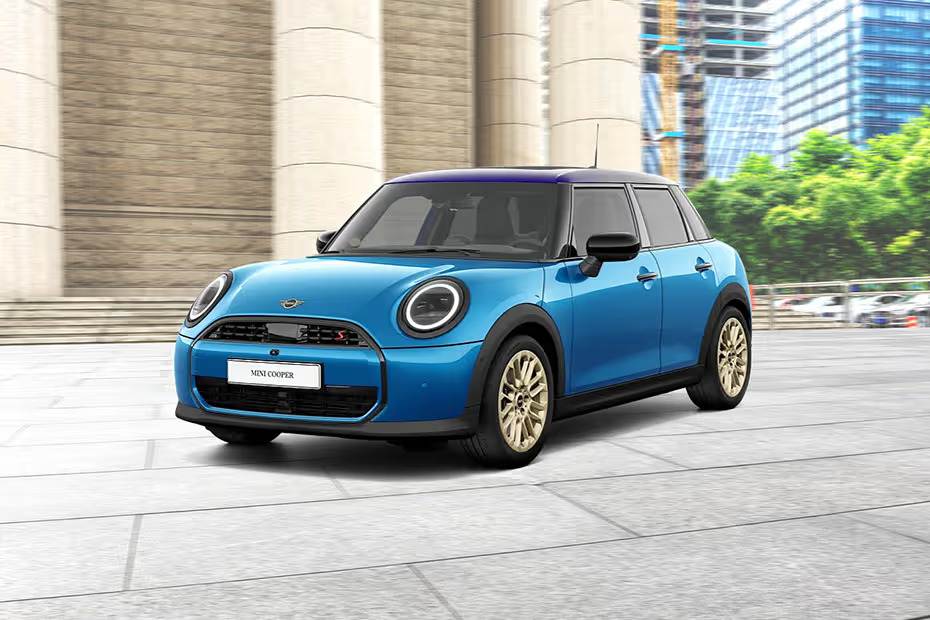
The Mini Cooper is included because it’s one of the easiest cars to park in a rowhouse environment. It’s compact, agile, and made for the exact kind of tight parking Philadelphia demands.
3) Toyota Corolla Hatchback
The Toyota Corolla Hatchback is a great middle ground for Philly parking. It’s compact enough to handle rowhouse blocks, but it feels more grown-up and stable than ultra-small cars. Its shorter hatchback body helps in parallel parking.
Compared to a longer sedan, the hatchback shape makes it easier to judge where the car ends. That’s important in tight spaces.
The Corolla Hatchback also has predictable handling. Steering is light enough for parking, but the car feels stable in daily driving. That balance matters because Philly life isn’t only about parking. You still drive highways, bridges, and rough city roads. The Corolla Hatchback handles all of that without drama.
Visibility is decent, and the hatchback design gives you a useful rear view compared to some modern sedans with tiny rear windows. Many trims also include modern parking aids like cameras, which help in tight spots.
The practicality advantage is big. With a hatchback, loading groceries, moving bags, and handling daily errands becomes easier. Rowhouse living often involves quick trips for supplies, and having a useful rear cargo area makes life smoother.
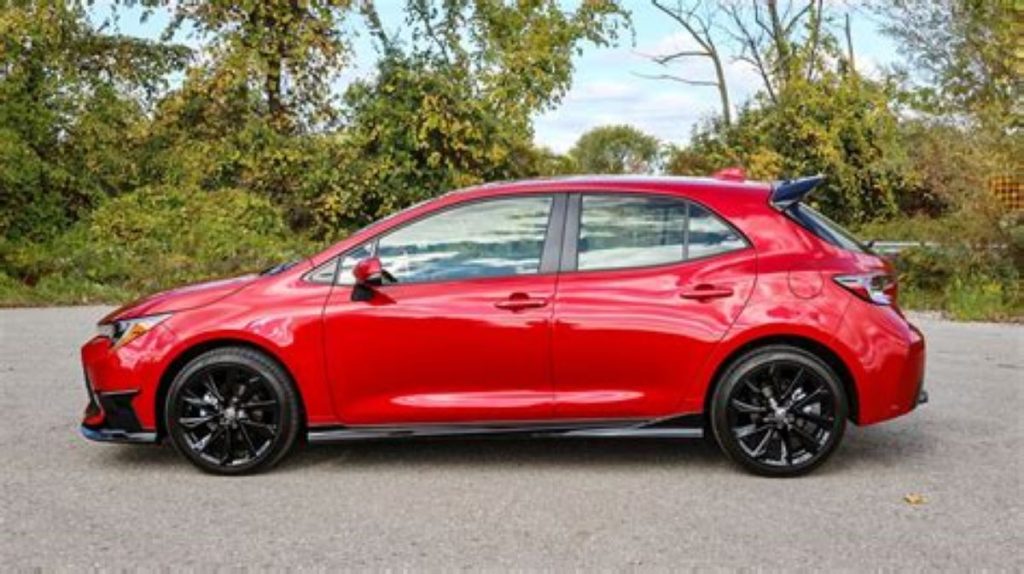
The Corolla Hatchback is included because it offers the “Philly friendly” footprint without feeling too tiny. It parks easily, handles daily life reliably, and avoids the stress of oversized cars in narrow streets.
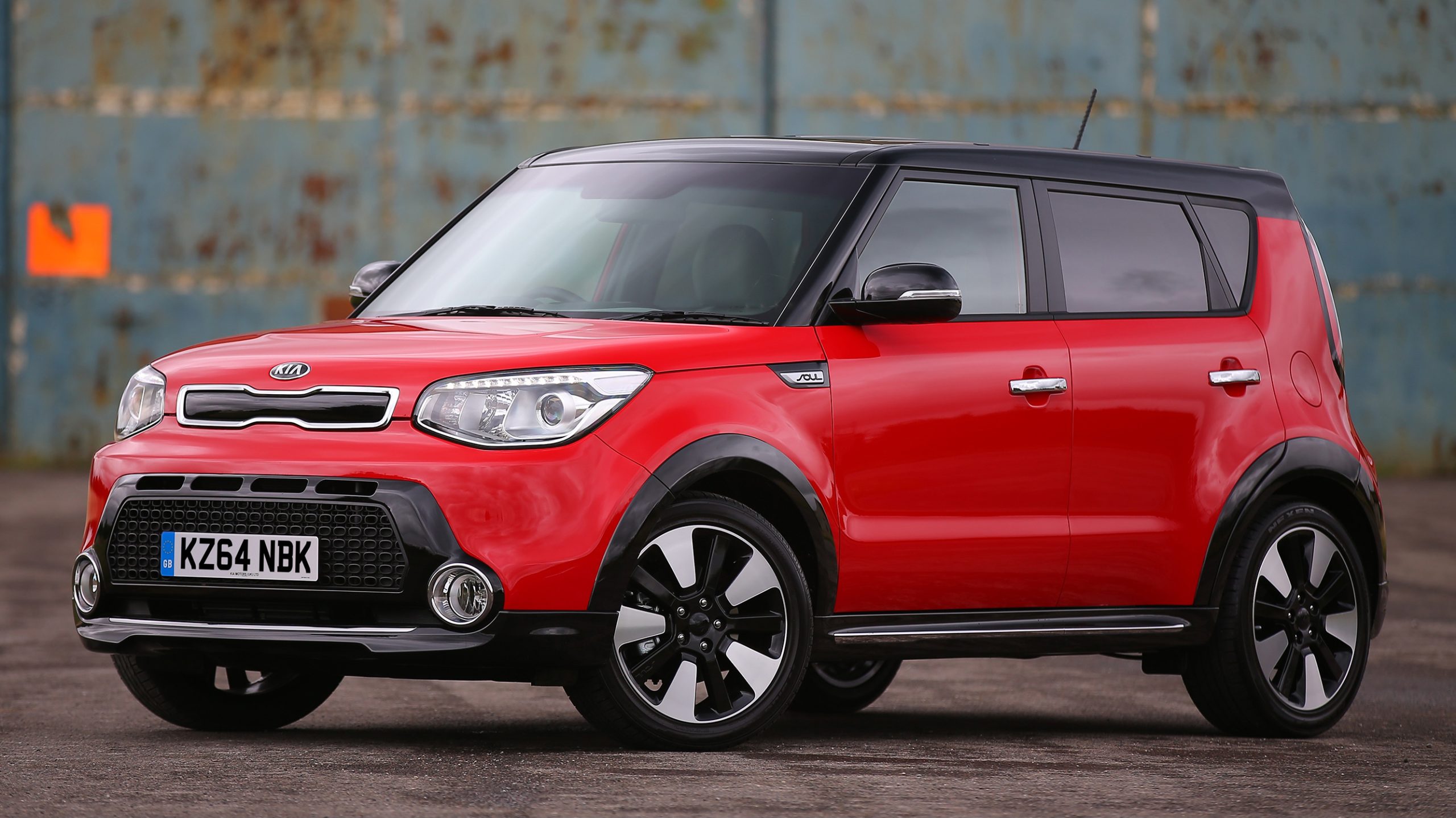
4) Kia Soul
The Kia Soul fits Philadelphia rowhouse parking because it offers a compact footprint while maximizing interior space. This is a very useful rowhouse combination.
Many people want a vehicle that feels roomy inside but doesn’t take up huge street space. The Soul achieves that with its boxy design. It’s not long, which makes parking easier, but it provides excellent headroom and cargo practicality.
The Soul’s upright seating position gives you better visibility than many small cars. In Philly, visibility matters not only for parking but also for navigating narrow streets with pedestrians, bikes, and double-parked vehicles. The Soul gives you a city-friendly perspective without needing a large SUV.
Steering is light and low-speed handling is simple. That makes parallel parking less stressful. The boxy shape also helps you judge corners more easily. You can understand where the car begins and ends, which helps in tight spots.
Cargo space is another strength. Grocery runs, laundry trips, and daily errands are easier because the Soul’s rear area is tall and practical. It works like a mini urban utility vehicle without being huge.

The Soul is included because it fits the reality of rowhouse life. You get the practicality of a larger car, but the footprint of a small one. In Philadelphia parking culture, that’s a winning formula.
5) Chevrolet Spark
The Chevrolet Spark is one of the easiest vehicles to park in rowhouse neighborhoods because it is truly small. When a spot looks too short for most cars, the Spark can often fit. That alone makes it valuable in Philadelphia. Rowhouse streets reward short cars. The Spark’s compact length gives you more options, which means less circling and less stress.
The Spark’s lightweight design also makes low-speed maneuvers easy. Steering is light, and the car responds quickly to small inputs. Parking becomes less physical effort, which matters when you’re doing it every day.
Visibility is generally good because the Spark is a simple, upright small car. You can see curbs and judge distance more easily than in many larger cars with thick pillars. In tight Philly spots, that clarity is a major advantage.
The Spark is not a luxury vehicle, but it is practical enough for daily use. It handles errands, groceries, and commuting well. It’s also affordable to maintain, which matters because tight street parking often leads to bumper scrapes and small dings over time.
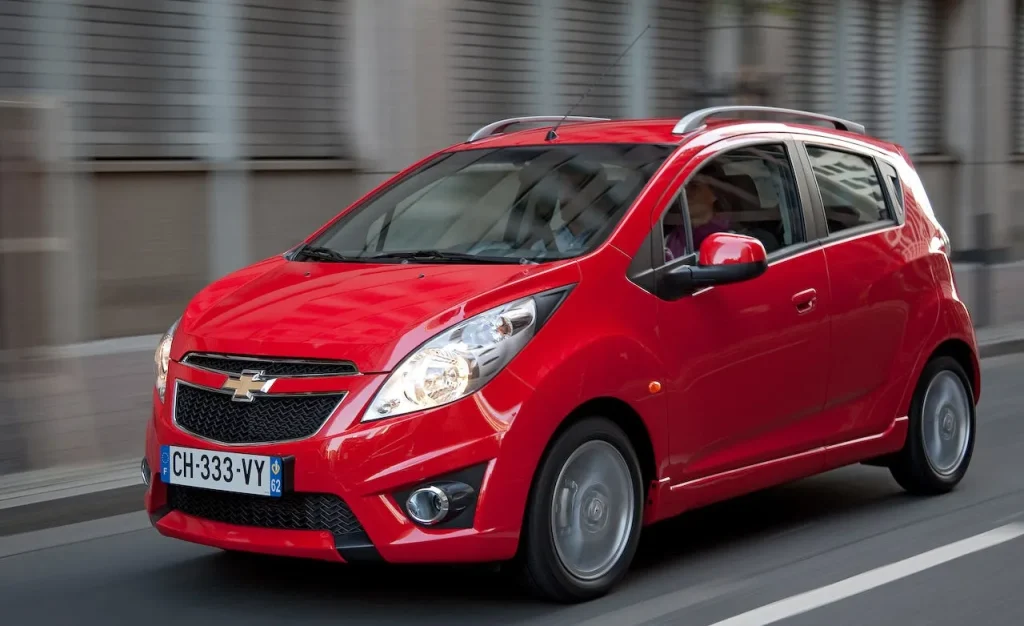
The Spark is included because it represents the pure rowhouse parking solution: be small, be easy, be stress-free. For a person whose biggest daily battle is finding a spot, the Spark can make life dramatically easier.
5 That Rarely Do
Philadelphia rowhouse parking is not only tight, it is unpredictable. You might find a space that looks perfect, then realize it ends right at a driveway cut. Or the curb slopes awkwardly. Or there is a hydrant just ahead.
That means a vehicle that is even slightly too long often becomes “not practical,” even if you can technically wedge it in sometimes. Rowhouse parking is a daily routine, not a one-time test. If your vehicle makes you sweat every time you come home, the car is not a good match for the neighborhood.
The hardest vehicles in rowhouse areas usually share the same problems: long length, wide bodies, poor turning circles, and shapes that are difficult to place precisely. Some SUVs are tall but not necessarily terrible, yet the ones that are oversized become exhausting because they reduce your parking options.
Many rowhouse streets were designed long before modern vehicle sizes increased. That means the curb space is short, the streets are narrow, and the turning angles are tight. A bulky vehicle makes every move heavier and more stressful.
Another hidden issue is repair anxiety. In rowhouse neighborhoods, parking scrapes are part of life. Your bumpers will get tapped. Mirrors can get clipped. If the vehicle is large and expensive, that reality becomes stressful.
Owners become overly protective and cautious. A car that rarely fits also becomes a car you rarely enjoy, because city living forces daily compromises.
This section highlights five vehicles that rarely fit Philly rowhouse parking well. Again, they are not “bad vehicles.” Some are excellent for families, road trips, and suburban life.
But their size and parking demands clash with the rowhouse environment. These vehicles reduce your parking options, increase stress, and often turn normal city parking into a constant struggle.
1) Chevrolet Suburban
The Chevrolet Suburban is one of the least practical vehicles for Philadelphia rowhouse parking because it is extremely long. Rowhouse parking spaces are often short, and even when a long gap appears, the Suburban may still not fit.
Length is the biggest enemy in Philly parking, and the Suburban is built like a rolling hallway. That makes it an instant mismatch for neighborhoods where space is limited.
Turning and maneuvering are also difficult. Many rowhouse blocks include narrow corners and tight intersections. A Suburban requires more room to turn cleanly.
When streets are packed with parked cars, you often end up making wide turns and careful adjustments. That is stressful not only for the driver but also for surrounding traffic. The vehicle becomes a constant negotiation with the city.
Parking itself is often the breaking point. Even if you find a long enough spot, it will rarely be wide enough to allow an easy maneuver.
Many Philadelphia parking situations require a quick, precise parallel park. The Suburban demands more room to angle in. This means a spot that a small car could take easily becomes a frustrating mission for a Suburban driver.
Another major factor is everyday anxiety. The Suburban is large and expensive to repair. In rowhouse neighborhoods, bumper taps and scratches happen often. That makes daily street parking mentally exhausting because you are constantly worried about damage.
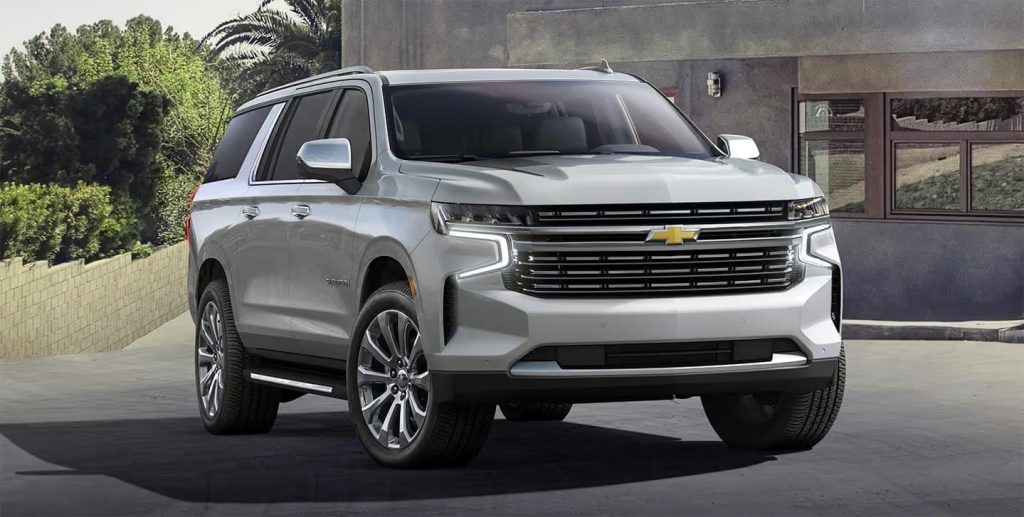
The Suburban is included because it represents the ultimate “wrong scale” vehicle for rowhouse parking. It can be a fantastic family road trip machine, but in Philadelphia street parking reality, it rarely fits smoothly.
2) Ford F-150 (Crew Cab)
The Ford F-150 Crew Cab rarely fits Philly rowhouse parking well because pickups are long and wide, especially in crew cab form. The truck’s length makes it difficult to park in spaces that fit most cars.
Many rowhouse blocks are full of compact sedans and small SUVs, and the F-150 takes up too much curb space. You might find spots occasionally, but consistency is the problem. A vehicle that only fits “sometimes” is a daily parking headache in Philadelphia.
The turning radius is also a challenge. Rowhouse streets often require quick turns, and the F-150 needs more room. Tight corners feel more complicated. You have to be careful not to clip parked cars, especially when the street narrows due to bad parking angles.
Visibility can be mixed. You sit high, which helps, but the truck’s length makes it harder to judge the rear and bed area during parallel parking. Parking sensors and cameras help, but the physical size still limits your options.
Another issue is the emotional burden of city parking. A pickup truck is exposed in the rear, and in crowded street parking, bumps and scrapes happen easily. That makes ownership more stressful. Also, trucks feel less convenient for quick parking because the driver must be extra careful.
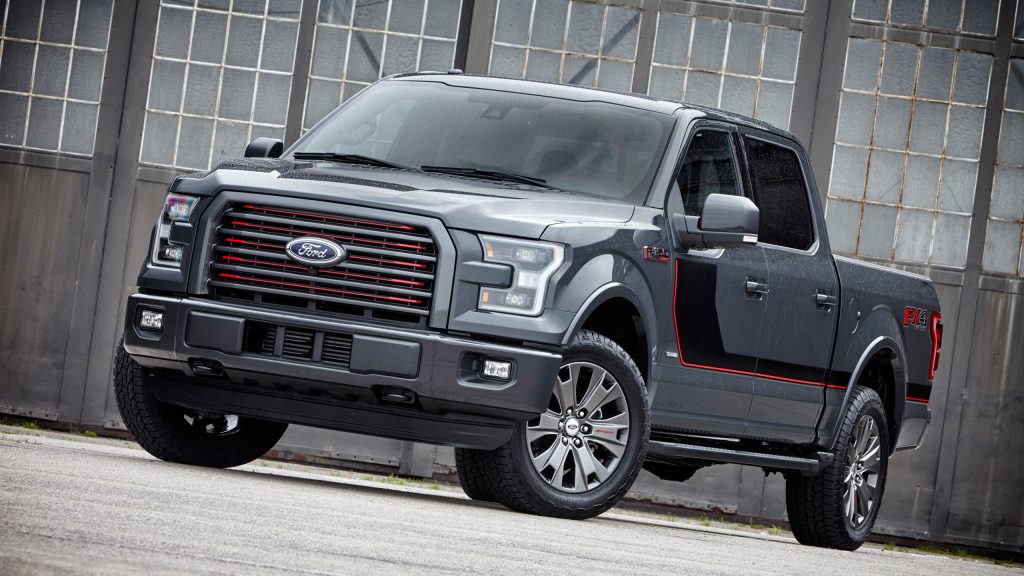
The F-150 is included because it is a common vehicle people want, but in rowhouse neighborhoods, it becomes a daily inconvenience. Unless you have dedicated parking or a driveway, a crew cab pickup often turns parking into a constant battle.
3) Cadillac Escalade
The Cadillac Escalade is stylish and luxurious, but it rarely fits Philly rowhouse parking because it is too large in every way. Length is one issue, but width is often even worse.
Rowhouse streets can be narrow, and wide SUVs leave less room for error. When you try to parallel park, you need extra space not only to fit the vehicle but to maneuver it smoothly. The Escalade makes that process far more difficult.
Even when you find a spot that is long enough, the Escalade’s size makes it hard to angle in without constant correction. The vehicle’s large turning circle and long wheelbase reduce agility. Many Philly parking spots require quick decisions and fast maneuvers. The Escalade demands time and space.
The biggest problem, however, is that city street parking and luxury don’t mix easily. Escalades are expensive to fix. Scratches, bumper marks, and wheel scuffs are inevitable in rowhouse life. That reality makes Escalade ownership stressful. Many owners become overly cautious, which slows parking even more and increases pressure.
Daily driving in narrow streets is also more tiring. You constantly manage the SUV’s width, especially when delivery vans and double-parked cars squeeze the lane. That makes every trip feel heavier.
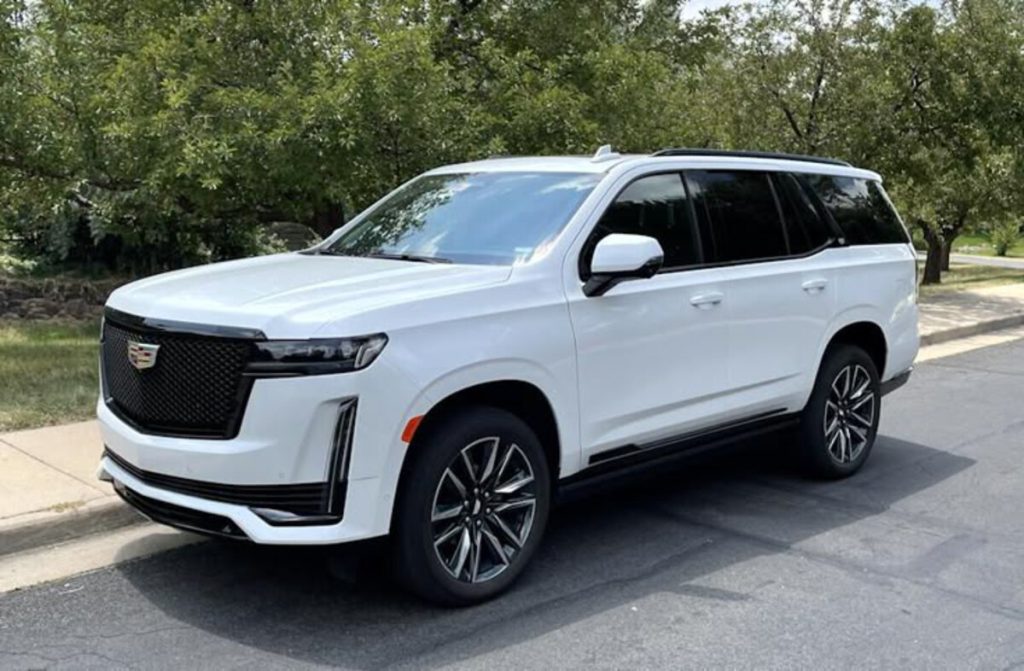
The Escalade is included because it represents a mismatch between lifestyle and environment. It is built for wide suburban streets and highway comfort. In Philadelphia rowhouse parking reality, it rarely feels convenient, and daily ownership becomes a stressful compromise.
4) Jeep Grand Wagoneer
The Jeep Grand Wagoneer is a luxury full-size SUV with huge presence, but Philadelphia rowhouse parking is not designed for vehicles like this. The Wagoneer is long, tall, and wide. It’s impressive, but that size reduces parking options dramatically.
In rowhouse neighborhoods, finding a spot is already hard. A Wagoneer makes it even harder because many spaces that look possible for other cars simply don’t work.
Turning and maneuvering are difficult. A large SUV like this needs more street space to swing into a parking spot. But Philly streets often have cars parked tight on both sides, leaving narrow driving lanes.
That means the Wagoneer driver has to do slow, careful maneuvers, often with multiple adjustments. It turns parking into a time-consuming routine.
The Wagoneer also increases stress due to repair anxiety. In rowhouse areas, street damage is unavoidable. Someone will scrape your bumper eventually. When the vehicle is premium and expensive, that becomes painful. Many owners feel like they are protecting the car more than enjoying it.
Another issue is daily city usability. Even if you manage to park, getting out of the vehicle can be difficult in narrow spots. Door clearance becomes a problem. That sounds small, but in rowhouse life it matters daily.

The Grand Wagoneer is included because it is the kind of SUV that can be amazing for highway comfort, family travel, and luxury presence. But in tight Philly streets, it rarely fits smoothly, and it makes daily parking feel like work.
5) Mercedes-Benz Sprinter Van
The Mercedes-Benz Sprinter van is one of the least rowhouse-friendly vehicles you could choose. Its length and height make it extremely difficult to park in standard street spaces, and Philly rowhouse blocks usually do not have room for vans of this size.
A Sprinter can dominate a curb, and finding a spot becomes extremely difficult unless you have a dedicated loading zone or private parking.
Even if you spot a long gap, maneuvering a Sprinter into it is not easy. Turning radius is large, and narrow streets make it difficult to angle properly. Parallel parking is a serious challenge because the vehicle is long and often wider than normal cars.
Another problem is daily living. Rowhouse streets are packed. You might deal with low hanging wires, tight alley entrances, and narrow intersections. A Sprinter makes all of this harder. It becomes a vehicle that demands constant attention.
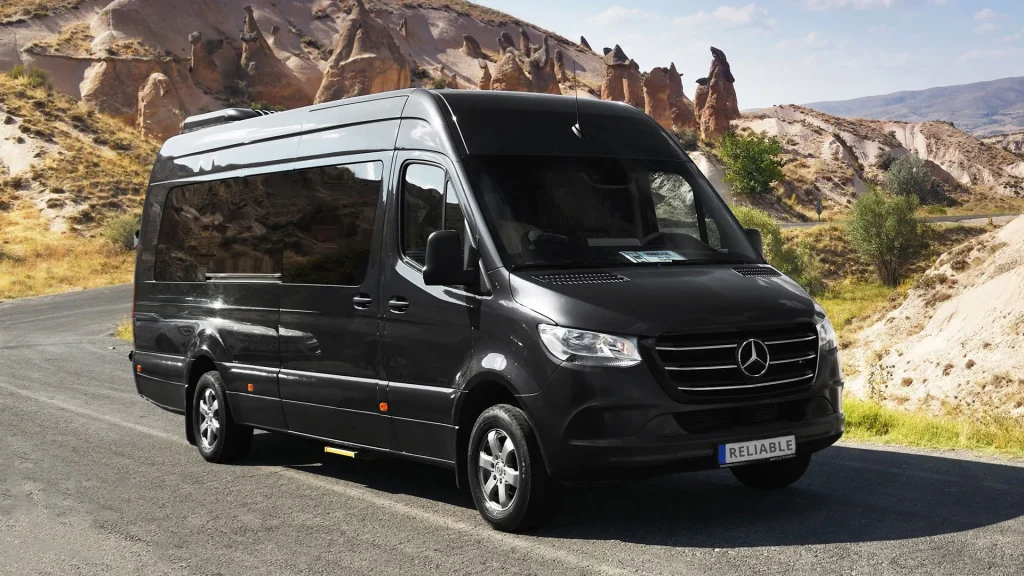
Sprinters are included because they show the extreme of the rowhouse mismatch. The vehicle might make sense for business deliveries or commercial use, but as a personal daily vehicle in rowhouse neighborhoods, it is often impractical.
The Sprinter is included because it highlights the key Philly lesson: parking is the lifestyle. A vehicle that rarely fits ruins daily routines, and the Sprinter is one of the clearest examples of that.
