
Denver is famous for two things: beautiful mountain scenery and thin air. That thin air is not just a fun trivia fact, it actually affects how your car performs every day.
Denver sits around 5,280 feet above sea level, and as you go higher into the Rockies, elevation climbs quickly. At these altitudes, there is less oxygen available in the air. That matters because engines need oxygen to burn fuel.
When oxygen is reduced, engines can produce less power, especially older or naturally aspirated models that depend heavily on dense air. This is why some cars feel “normal” at sea level but suddenly feel lazy, sluggish, or strained around Denver, especially when climbing hills with passengers or cargo.
The impact is most noticeable in naturally aspirated gasoline engines, where reduced oxygen means reduced combustion efficiency. The car will still run, but acceleration becomes weaker, and the engine may feel like it requires more effort to perform the same task.
Drivers often notice slower response when merging onto highways, climbing steep grades, or overtaking. In contrast, turbocharged engines and electric vehicles handle altitude far better. Turbochargers compress incoming air, reducing the power loss caused by thin air.
Electric motors do not rely on oxygen at all, meaning their power delivery stays consistent regardless of elevation. This is why some vehicles feel perfectly strong in Denver, while others feel like they lost a chunk of their personality.
This article compares both sides clearly. First, five cars that work well at Denver altitude, meaning they maintain strong performance and confidence even in thinner air.
Then, five cars that tend to lose power noticeably, meaning altitude affects them enough that drivers can feel the difference in everyday driving.
The goal is not to scare you away from any car, but to help you choose smartly if you live in Denver or frequently drive into higher mountain areas. Because at altitude, engine design matters more than most people think.
Also Read: 5 Cars for Doylestown Suburban Runs and 5 Reliable Ownership Models
5 Cars That Work at Denver Altitude
Cars that perform well at altitude usually share one of two strengths. Either they use forced induction, such as turbocharging, which helps compensate for thin air by pushing more compressed air into the engine.
Or they use electric powertrains, where power delivery is not tied to oxygen levels. Some modern engines also use clever tuning and efficient design that reduces the “lazy” feeling at higher elevation. In Denver, where many drives involve steep highway ramps or mountain climbs, these factors make a big difference.
This section focuses on five cars that remain confident at Denver altitude. They are included because they maintain responsive acceleration and stable performance even when oxygen levels are lower. These are not random picks.
They represent technologies that naturally handle altitude better, such as turbocharged engines, hybrids with strong low-end torque, and fully electric models.
Another reason these cars matter is safety and stress reduction. When you are merging onto I-70, overtaking trucks uphill, or climbing into mountain passes, you want predictable power.
A car that feels weak at altitude forces you to plan moves earlier, gives less margin for error, and adds fatigue to driving. A car that holds power well keeps you relaxed.
The five vehicles below are written about because they deliver that confidence. They make Denver driving feel normal, not strained, and they help you enjoy mountain life without constantly thinking about power loss.
1) Subaru Outback (Turbo)
The turbocharged Subaru Outback is one of the best altitude-friendly choices for Denver drivers. The reason is simple: turbocharging reduces the power loss that naturally occurs at higher elevation.
In thin air, naturally aspirated engines struggle because they cannot inhale as much oxygen. A turbo engine compresses the air, pushing more oxygen into the cylinders, which helps maintain performance. This is why the Outback Turbo feels much stronger climbing hills than many regular engines.
The Outback also fits Colorado life perfectly. Beyond just power, it offers all-wheel drive confidence, which matters in winter conditions and on mountain roads. But the powertrain is what makes it stand out here.
In Denver traffic and on mountain passes, it keeps acceleration responsive. That means highway merges feel safer, and passing slower vehicles uphill feels less stressful.
The Outback’s driving personality also suits altitude conditions. It has good low-end torque, so you do not need to rev it aggressively to move confidently. That is important at altitude because engines often feel strained when pushed. The turbo Outback stays calmer while still delivering usable strength.
Comfort and practicality also matter in Colorado driving. Many trips involve ski gear, camping supplies, or weekend travel. The Outback carries cargo well, has a stable ride, and offers good visibility. Even at higher passes, it remains composed and predictable.
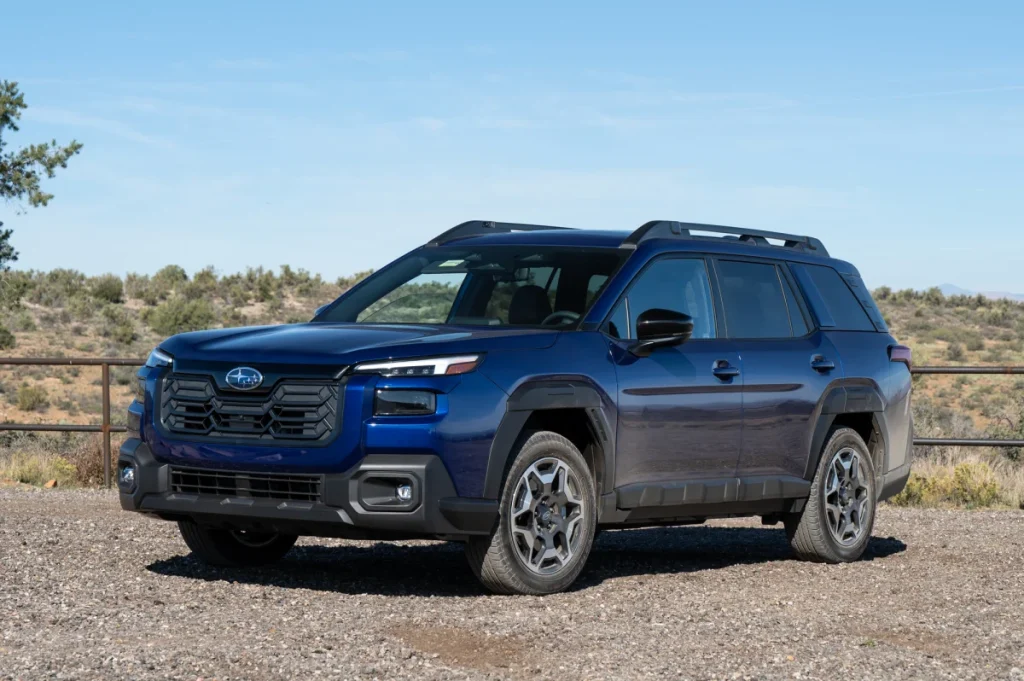
The Outback Turbo is included because it combines altitude-friendly turbo performance with real mountain practicality. It is not just a car that survives Denver altitude. It feels like it belongs there, making daily life and weekend escapes equally easy.
2) Volkswagen Golf GTI
The Volkswagen Golf GTI is another excellent altitude performer because it uses a turbocharged engine that stays strong in thin air.
In fact, turbo hot hatches often feel great at altitude because they deliver quick torque and responsive acceleration without needing massive displacement. At Denver elevation, the GTI still feels lively and energetic, which many naturally aspirated sporty cars fail to do.
The GTI’s turbo system helps maintain power output even when oxygen levels drop. That means in everyday driving, it does not feel like it is “missing” a portion of its performance.
For city commuting in Denver, that responsiveness is a big advantage. You can merge smoothly, overtake easily, and climb hills without feeling like the car is working too hard.
Another reason the GTI works well is its gearing and torque delivery. It has strong low- and mid-range pull, so it feels confident even when climbing. Altitude reduces engine output, but torque is what you feel most in real driving. The GTI provides that torque early, which helps a lot when roads rise.
The GTI also has a practical advantage for Denver drivers: compact size. Parking in city areas is easier, yet it still offers enough hatchback cargo space for grocery runs and weekend gear. It is not a mountain crawler like an SUV, but for urban and highway driving at altitude, it remains strong and enjoyable.
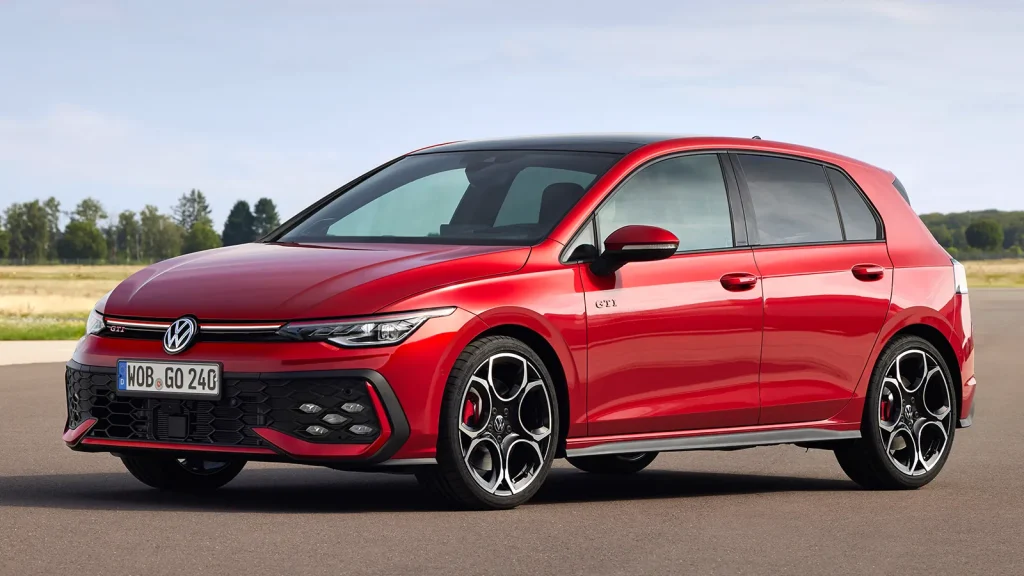
The GTI is included because it proves that you can have performance in Denver without needing a big engine. Turbo technology makes the difference, and the GTI is one of the clearest examples of that.
3) Tesla Model Y
Electric vehicles are naturally altitude-proof in terms of power. That is why the Tesla Model Y is a standout for Denver drivers. An electric motor does not rely on oxygen to create power, so it does not suffer the same performance loss as gasoline engines.
Whether you are in downtown Denver or climbing high into the Rockies, the acceleration feels consistent and immediate.
This matters more than people realize. At altitude, naturally aspirated engines feel weaker when you push them. Turbo engines compensate well, but EVs simply avoid the problem entirely. The Model Y delivers instant torque, which is especially useful on steep mountain roads. Passing, merging, and climbing hills all feel effortless.
Another benefit is how the Model Y handles mountain driving in general. Regenerative braking is helpful when coming downhill, reducing brake wear and giving better control. The vehicle also offers strong stability and traction, especially with dual-motor all-wheel drive configurations.
Comfort is another big point. Denver traffic can be frustrating, and the Model Y’s quiet cabin helps reduce stress. EV smoothness also makes stop-and-go driving easier. The cabin space is practical, with good room for passengers and cargo. For Colorado lifestyles involving skis, bikes, or camping equipment, that cargo flexibility matters.
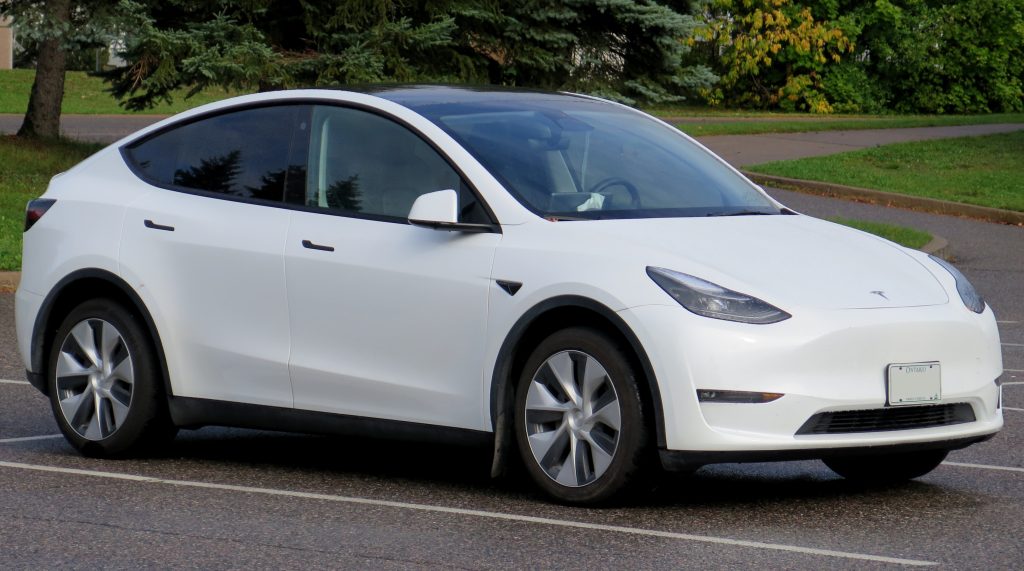
The Model Y is included because it is one of the clearest solutions to altitude performance. It does not just work at Denver elevation, it feels strong everywhere. For drivers who want consistent power and modern comfort, it is one of the best altitude-friendly vehicles available.
4) Ford F-150 EcoBoost
Pickup trucks are popular in Colorado, but not all trucks handle altitude equally. The Ford F-150 with EcoBoost turbo engines performs especially well at Denver altitude. The key is again turbocharging. Turbocharged engines help maintain power in thin air, making the truck feel strong even when towing or hauling up steep grades.
This is important because trucks often carry weight. At altitude, a naturally aspirated truck engine may feel sluggish when loaded. The EcoBoost engine delivers strong torque and maintains confidence during climbs. That means towing trailers into mountain areas feels less strained and safer.
Another reason the F-150 EcoBoost works well is its low-end torque delivery. In real driving, especially with loads, torque matters more than horsepower numbers. The EcoBoost engine produces strong pull early, helping the truck climb without constantly hunting for gears.
The cabin comfort also makes it a good Colorado companion. Long drives into the mountains are common, and the F-150 offers a comfortable seating position and practical interior storage. Visibility is good, and the truck feels stable.
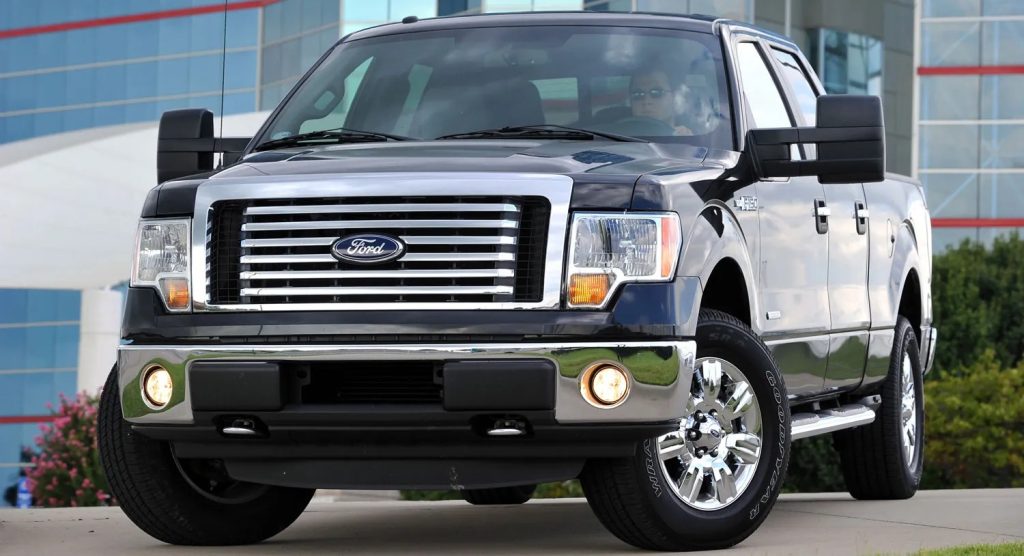
The F-150 EcoBoost is included because it shows the advantage of turbocharging in a heavy vehicle category. It provides the kind of consistent power Denver drivers appreciate, especially when steep grades and thin air combine with towing demands.
5) Toyota RAV4 Hybrid
Not all altitude-friendly vehicles need turbocharging. The Toyota RAV4 Hybrid performs well at Denver altitude because of how hybrids deliver torque.
The electric motor provides strong low-end response, which helps compensate for the slight power loss that the gasoline engine might experience at elevation. This gives the RAV4 Hybrid a more confident feel than many naturally aspirated SUVs.
In Denver city traffic, the hybrid system feels smooth and responsive. You get instant electric assistance during acceleration, which reduces the sluggish feeling some cars develop at altitude. This makes merging and climbing more relaxed.
Efficiency is another major advantage. Denver drivers often deal with traffic and stop-and-go commuting. The hybrid system keeps fuel consumption lower, which is a financial advantage over time. In mountain driving, the system also supports smoother power delivery.
Comfort and practicality matter too. The RAV4 Hybrid is spacious enough for families and gear, and the cabin feels well suited for daily commuting. It also has the ground clearance and stability many Colorado drivers appreciate.
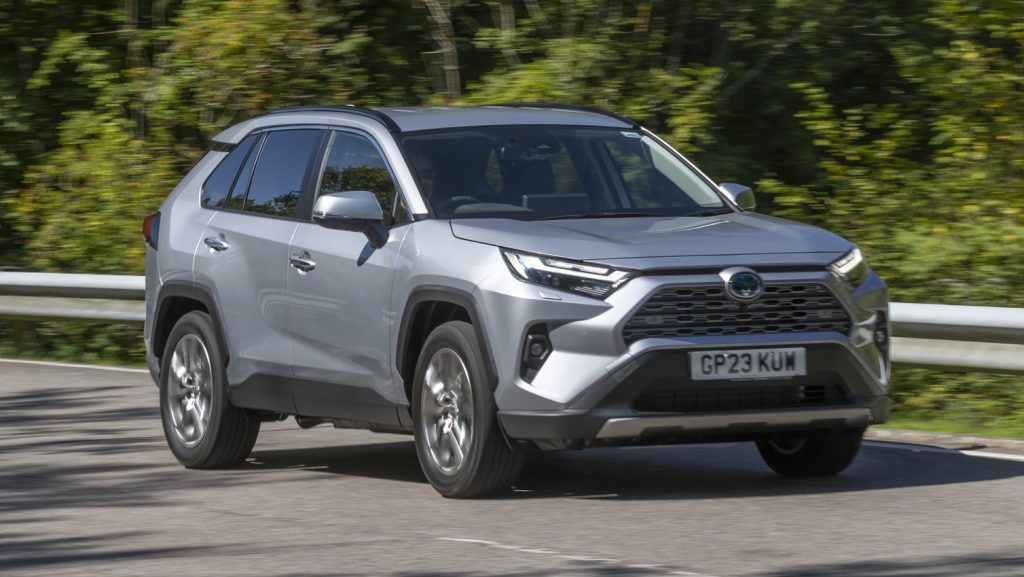
The RAV4 Hybrid is included because it demonstrates a different kind of altitude advantage. It is not turbocharged, but it uses electric assistance to maintain real-world response and confidence. That makes it a smart choice for Denver drivers who want comfort, reliability, and predictable power.
5 That Lose Power Noticeably
Altitude is a reality check for many engines. When you move from sea level to Denver, the air becomes thinner, meaning there is less oxygen available for combustion. That reduced oxygen directly affects how much power an engine can produce, especially if it relies only on natural air intake.
In other words, naturally aspirated gasoline engines are the most likely to feel weaker at Denver altitude. The car will still function normally, but performance becomes noticeably softer, particularly in situations where you demand power quickly.
The effect becomes even stronger when you climb above Denver into the mountains, where elevation rises dramatically and the oxygen drop becomes more serious.
Drivers notice power loss most during merging, overtaking, and climbing. A car that feels quick at sea level may feel lazy when you ask it to accelerate on an uphill ramp.
The engine might rev more, the transmission might downshift more often, and the car might still feel like it is working harder than it should. When you load the car with passengers, luggage, or camping gear, the effect becomes even clearer.
It is not just about speed. It is about effort. Vehicles that lose power at altitude tend to feel strained, and that strain can reduce driving confidence.
Another reason some cars feel worse is gearing and weight. If the car is heavy and has a naturally aspirated engine that already works hard at sea level, altitude makes it feel even more sluggish. Some engines also deliver peak torque at higher RPM, which means you have to rev them more to get movement. In traffic and on hills, that is tiring.
This section highlights five cars that often lose power noticeably at Denver altitude. These are mostly naturally aspirated models that may still be good cars overall, but they can feel underpowered in Colorado conditions compared to turbocharged vehicles or EVs.
The goal is to help drivers understand which types of cars may feel weaker at altitude so they can choose with realistic expectations.
1) Toyota 4Runner (Naturally Aspirated V6)
The Toyota 4Runner is one of the most beloved rugged SUVs in America, but at Denver altitude its naturally aspirated V6 can feel noticeably less energetic.
The 4Runner is heavy, built on a truck-style body-on-frame structure, and designed more for durability than quick acceleration. At sea level, it already feels “steady” rather than fast. At 5,280 feet, the power loss becomes clearer, especially during uphill merges or mountain climbs.
The main problem is that the engine depends on natural air intake. With less oxygen available, combustion efficiency drops and output reduces. In daily driving around Denver, you might notice the 4Runner needing more throttle just to maintain the same speed on inclines.
The transmission also tends to downshift more frequently to keep the engine in the power band. That constant downshifting can make the vehicle feel busy, even when you are not trying to drive aggressively.
This becomes more obvious when the vehicle is loaded. Many Colorado owners use the 4Runner for camping, skiing, and road trips, which often means passengers and gear.
Add that weight to the reduced oxygen, and the SUV feels like it is working harder. Passing slower traffic on uphill stretches can require more planning, which reduces confidence.
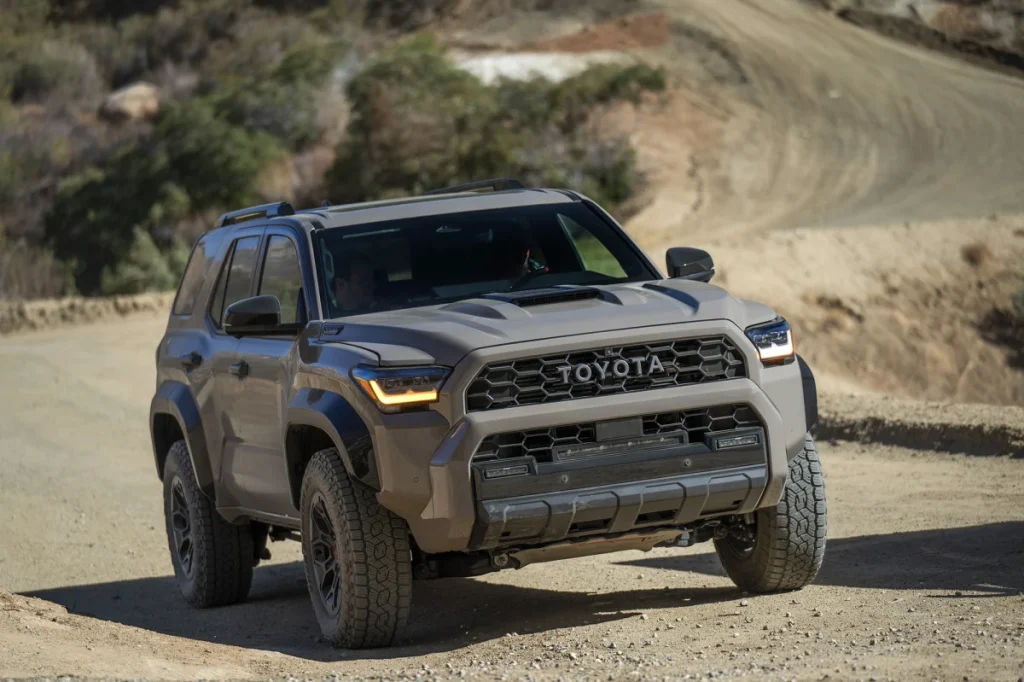
The 4Runner still excels in durability and off-road capability, and it remains a strong choice for people prioritizing toughness.
But it is included here because it shows a typical altitude weakness: a heavy vehicle with a naturally aspirated engine. In Denver and higher elevations, the 4Runner can feel noticeably less lively than turbocharged rivals.
2) Mazda CX-5 (2.5 Naturally Aspirated)
The Mazda CX-5 is praised for refinement and driving feel, but when equipped with the naturally aspirated 2.5-litre engine, it can lose noticeable punch at Denver altitude.
The CX-5 is not extremely heavy, but it is not lightweight either, and the naturally aspirated engine depends on air density for strong response. At elevation, acceleration feels softer, especially when the vehicle is loaded with passengers or when climbing.
The CX-5’s naturally aspirated engine delivers its best power higher in the rev range. At sea level, that can still feel responsive because Mazda tunes the throttle and transmission to stay alert. At altitude, the same tuning can make the engine feel like it needs more effort.
You press the throttle, the engine revs up, and the vehicle moves forward, but the response is less strong than you expect. This is especially noticeable when merging onto highways or passing uphill. The car will do it, but it feels less relaxed.
In traffic and city driving, this is usually manageable. But many Denver drivers frequently deal with uphill roads, and that is where the engine feels like it is working. The transmission might downshift more often to maintain pace, which increases noise and reduces the calm feeling.
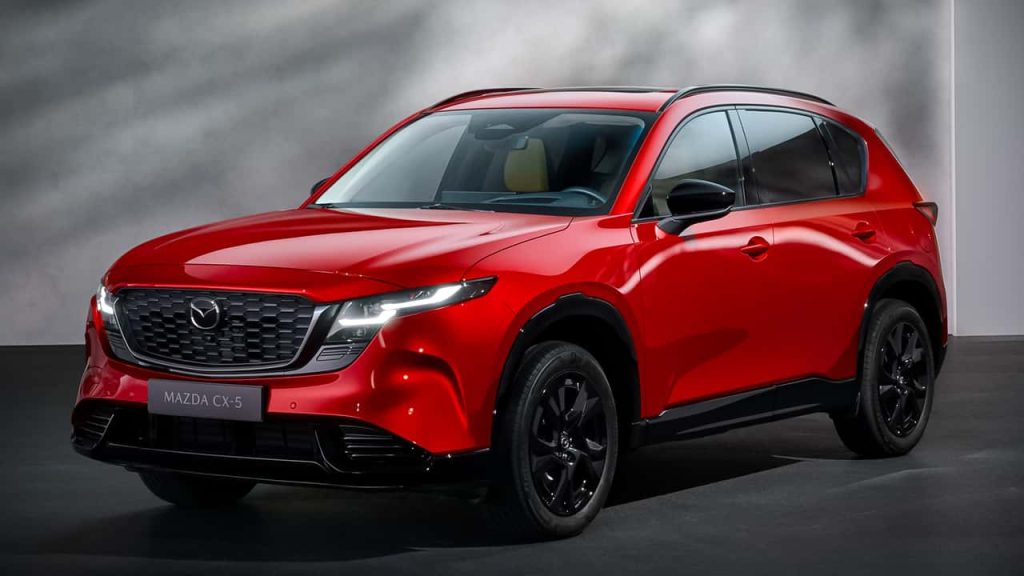
The CX-5 is included because it highlights how altitude changes the personality of a car that otherwise feels lively. The turbo version of the CX-5 performs much better at elevation, but the naturally aspirated version can feel noticeably weaker in Denver conditions compared to turbocharged compact SUV competitors.
3) Subaru Crosstrek (2.0 Naturally Aspirated)
The Subaru Crosstrek is a Colorado favorite because of its practicality and all-wheel drive, but the base naturally aspirated 2.0-litre engine can feel underpowered at Denver altitude.
Even at sea level, the Crosstrek is known more for reliability and capability than for fast acceleration. At elevation, that softness becomes more obvious, especially in highway merging and mountain climbs.
The Crosstrek’s issue is not that it cannot handle altitude at all. It can. The problem is that the engine already works hard to move the vehicle with enthusiasm. When oxygen is reduced, the power drop becomes noticeable.
Drivers often describe the Crosstrek at altitude as needing “more planning.” You must start accelerating earlier, you must give more throttle, and overtaking becomes slower. That reduces confidence in busy traffic, especially on uphill highway ramps.
The CVT transmission can add to the feeling. In some situations, the engine revs higher while speed builds slowly. In thin air, that revving feels more pronounced because output is reduced, making the car sound like it is working harder than it should.
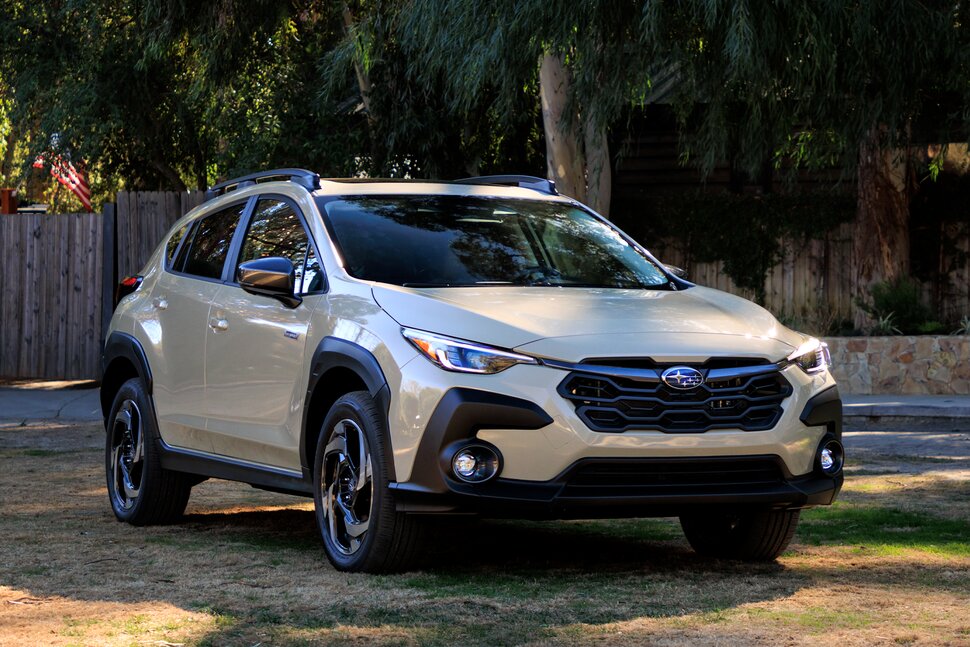
The Crosstrek remains excellent in many areas: winter traction, daily practicality, and light adventure ability. But it is included here because it represents a common Denver reality: small naturally aspirated engines can feel noticeably weaker.
The larger engine option performs better, but the base Crosstrek is a clear example of altitude affecting everyday performance.
4) Honda Civic (2.0 Naturally Aspirated)
The Honda Civic is generally a smart, reliable car, but when equipped with the naturally aspirated 2.0-litre engine, it can lose noticeable power at Denver altitude.
Civics are often driven in busy urban and suburban environments where quick acceleration for merging and lane changes matters. At elevation, the naturally aspirated engine feels slightly less eager, especially compared to turbo versions.
The Civic’s naturally aspirated engine is smooth and efficient, but it relies on revs for stronger acceleration. In Denver, you may find yourself pressing the throttle more often and hearing the engine work harder on uphill stretches. The car will still be practical and dependable, but the “easy punch” many drivers want for passing becomes weaker.
This is most obvious on highway ramps and when climbing with multiple passengers. The Civic is not very heavy, which helps, but thin air still affects combustion. Drivers who move from lower altitudes often notice the change quickly. Acceleration feels less sharp, and the engine seems to take longer to build speed.
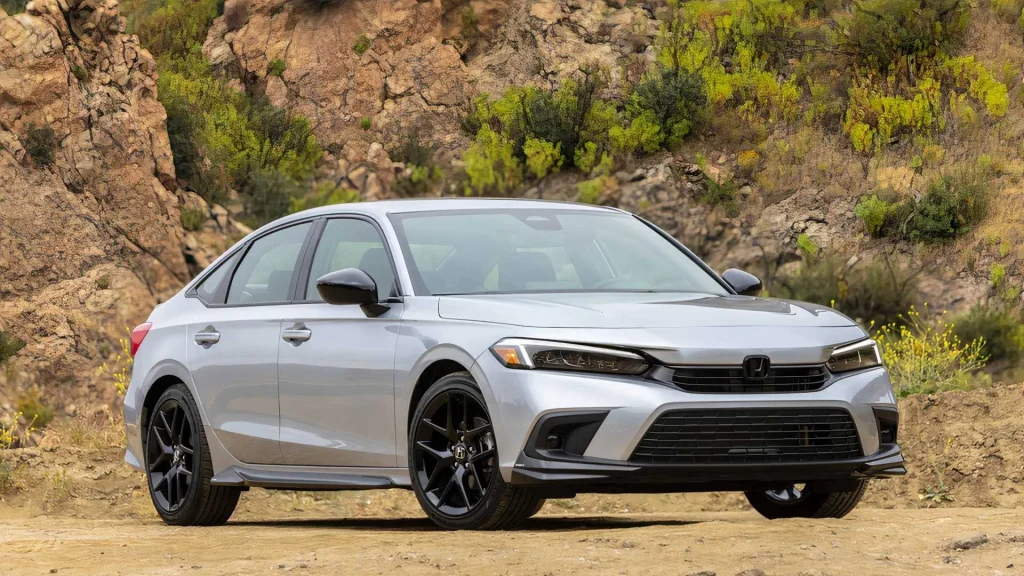
The Civic is included because it is a common everyday car, and altitude is a real factor for buyers in Denver. The turbocharged Civic trims typically handle altitude better, but the naturally aspirated version can feel noticeably less lively. For people who value quick response, this matters.
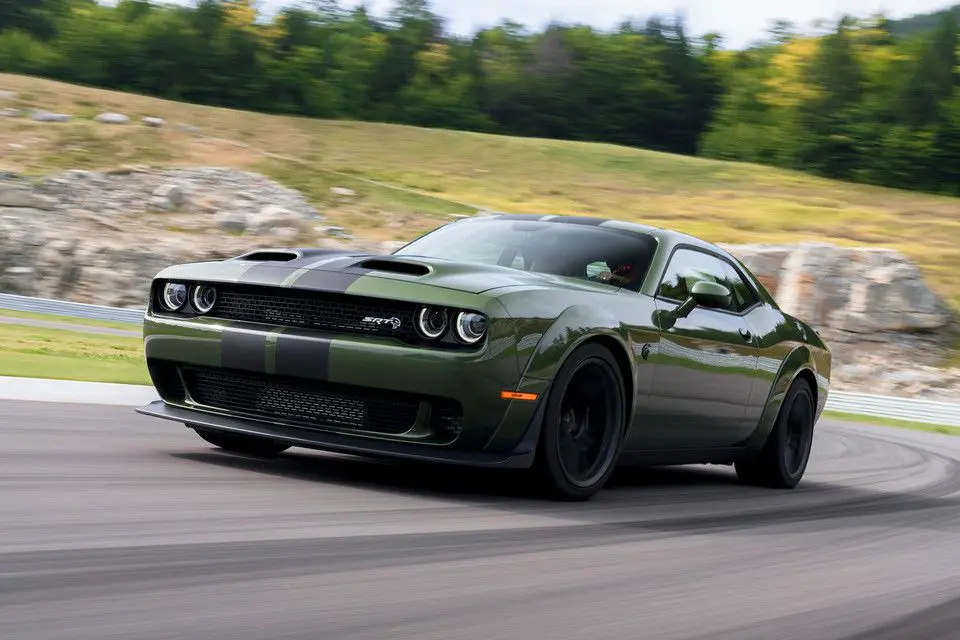
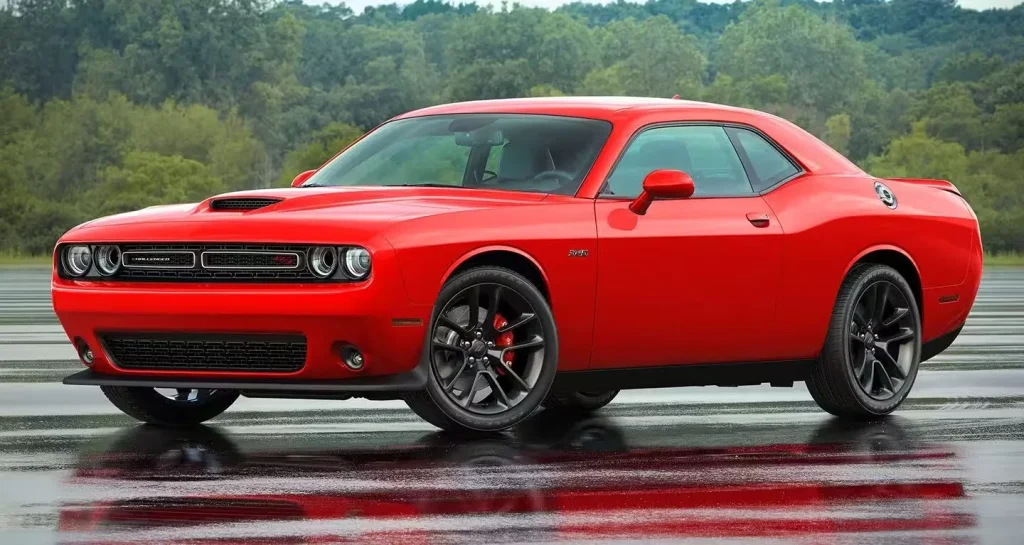
5) Dodge Challenger (Naturally Aspirated V6)
The Dodge Challenger is known for muscle-car style, but the naturally aspirated V6 version can lose noticeable power at Denver altitude. The reason is a combination of weight and engine type.
The Challenger is heavy, and when you combine that weight with naturally aspirated power in thin air, performance feels softer than expected. The car still looks aggressive, but at altitude it may not feel as strong in real-world acceleration.
The V6 engine relies on natural intake air. At elevation, oxygen reduction lowers output. Drivers notice this most when accelerating uphill or merging quickly.
The Challenger’s size also makes it less agile in building speed. The car feels like it needs time to gather momentum, and at altitude that process slows further.
Another factor is the driving style many owners expect. People buy a Challenger expecting punch. At sea level, even the V6 can feel decently strong.
In Denver, the V6 version can feel noticeably less lively compared to turbocharged performance cars or V8 versions. That gap becomes more obvious if you travel into higher mountain elevations.
The Challenger is included because it shows that altitude affects even larger engines when they are naturally aspirated and paired with heavy vehicles. It is still a comfortable cruiser, but if performance is a priority, the Denver environment makes its power loss more noticeable than many buyers expect.
This article explains how Denver’s high altitude (around 5,280 feet) reduces engine power because thinner air contains less oxygen for combustion.
Vehicles that perform well at altitude usually have turbocharging, hybrid electric assistance, or full electric power, which helps maintain strong acceleration in thin air.
Cars like the turbo Subaru Outback and Volkswagen Golf GTI stay responsive because their turbo systems compress air and reduce power loss. The Tesla Model Y avoids the issue entirely since electric motors do not rely on oxygen.
The Ford F-150 EcoBoost also benefits from turbo torque, especially when hauling or climbing. The Toyota RAV4 Hybrid performs confidently because its electric motor helps low-speed and uphill response.
The power-loss group highlights how naturally aspirated engines often feel weaker in Denver and the mountains. Heavy SUVs like the Toyota 4Runner and Dodge Challenger V6 feel more sluggish on climbs.
Naturally aspirated versions of the Mazda CX-5, Subaru Crosstrek, and Honda Civic can also feel noticeably less eager during merges, passing, and uphill driving.
Also Read: 5 Cars That Balance Cost and Comfort vs 5 That Miss the Mark
