
Miami coastal living is a dream for many people, but for vehicles, it can be a harsh environment. The beauty of sea air comes with an invisible enemy: salt. Coastal humidity mixed with salty mist can speed up corrosion, especially on metal parts underneath the vehicle.
Even if you never drive directly on the beach, the moisture in the air and frequent rain can slowly attack bolts, brake lines, exhaust components, suspension parts, and exposed underbody areas.
Over time, rust can become more than a cosmetic issue. It can create safety problems, increase repair costs, and shorten the life of a vehicle that might otherwise last many years.
That is why the “right” vehicle for Miami is not just about looks or performance. It is about practicality in heat, humidity, heavy rain, and corrosion risk.
A Miami-friendly vehicle needs strong air conditioning, good water sealing, durable interior materials that can handle sweat and sand, and an underbody that resists rust better than average.
Vehicles with good rustproofing, corrosion-resistant coatings, and quality materials can make ownership far easier. Choosing the right model can save you thousands of dollars in the long run because coastal corrosion often shows up on the parts you cannot see until something breaks.
At the same time, some vehicles have a reputation for rust-prone parts or weaker corrosion protection. In coastal areas, those weaknesses become amplified.
A vehicle that might survive fine inland can show early corrosion near the ocean, especially if it has exposed steel components, poor paint protection, low-quality fasteners, or designs that trap moisture. Rust-prone vehicles also tend to suffer more in places like Miami where rain is frequent and humidity stays high year-round.
This article compares both sides. First, five vehicles that make sense for Miami coastal living because they combine comfort in heat with smart durability against moisture and salt exposure.
Then, five vehicles known for rust-prone parts or corrosion weaknesses that can create headaches in coastal environments. The goal is not to scare anyone, but to help you make a smart coastal choice that protects your money and reduces long-term stress.
Also Read: 5 Cars for Doylestown Suburban Runs and 5 Reliable Ownership Models
5 Vehicles That Make Sense for Miami Coastal Living
Miami driving has its own character. You deal with heat, intense sun, sudden heavy rain, humid air, and salty coastal conditions.
The best vehicles for this lifestyle do two things well: they keep you comfortable in Florida weather, and they protect themselves against corrosion and moisture-related wear. It is not just about power or style. It is about durability and daily ease.
In this section, the vehicles are chosen because they virtually fit coastal living. They typically offer strong air conditioning, good cabin materials that do not degrade quickly in humidity, and solid build quality that holds up well.
Many of these vehicles also have reputations for good long-term reliability, which matters because coastal environments can accelerate wear on weaker designs.
Another key factor is corrosion resistance. Vehicles that do well near the coast usually have better underbody coatings, higher-quality fasteners, and designs that shed water rather than trapping it.
Even small details like wheel arch liners, drainage channels, and underbody protection make a difference. A Miami-friendly car should not feel fragile. It should feel like it can handle wet storms, salty air, and daily heat without falling apart.
The five vehicles below are included because they represent smart choices for people living in Miami or other coastal Florida areas. They are not chosen for hype.
They are chosen because they reduce the typical coastal problems: rust risk, AC struggle, and interior aging. These vehicles make coastal ownership easier, and that is exactly what most Miami drivers need.
1) Toyota RAV4
The Toyota RAV4 makes strong sense for Miami coastal living because it is practical, durable, and widely proven in long-term ownership.
Miami conditions are tough, but the RAV4 tends to hold up well because Toyota vehicles are generally built with reliability and durability in mind. This matters because in coastal areas, minor weaknesses grow into major repairs faster than expected.
The RAV4’s air conditioning performance is typically strong, which is essential in Miami heat. When humidity is high, AC must work harder to keep the cabin comfortable, and vehicles that struggle with cooling become frustrating quickly.
The RAV4’s cabin also tends to be designed for daily life, with materials that can handle frequent use, sweat, and sand without looking destroyed after a few years.
On the corrosion side, Toyota’s overall build quality and rust protection tend to be better than many budget models.
No vehicle is rust-proof in coastal Florida, but a well-built SUV with solid coatings and good parts quality resists corrosion longer. The RAV4’s popularity also helps: repairs are easy, parts are available, and mechanics know the platform well.
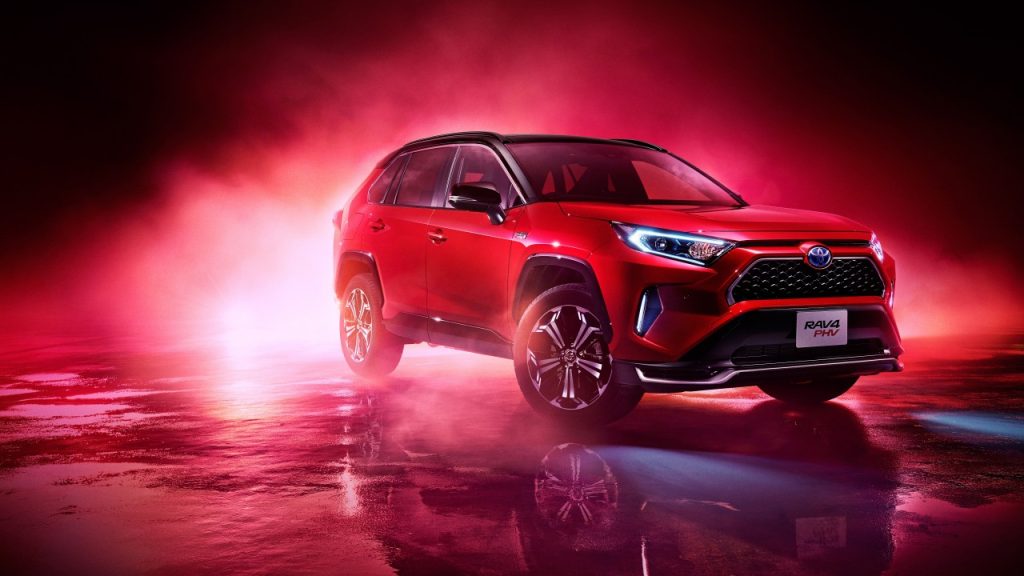
Practicality matters too. Miami drivers often deal with heavy rain and flooded roads during storms. The RAV4’s ride height adds confidence in those conditions, while still remaining compact enough for city driving and parking. The cargo space is perfect for groceries, beach gear, and everyday errands.
The RAV4 is included because it is an ownership-friendly SUV that reduces Miami stress. It balances comfort, durability, and long-term practicality, which makes it one of the smartest coastal choices.
2) Honda CR-V
The Honda CR-V fits Miami coastal living because it delivers comfort in heat, smooth daily usability, and strong long-term reliability. Miami driving is not just about rust risk. It is also about surviving constant humidity and traffic while keeping the cabin comfortable.
The CR-V does this well because it has strong cooling performance, and its cabin layout is designed for real life, not showroom gimmicks.
The CR-V’s interior materials often age well. In hot coastal conditions, cheap plastics can crack or fade, and upholstery can degrade quickly.
The CR-V typically holds up better than many rivals, which matters if you plan to keep the vehicle for years. It also offers a practical cabin with good storage spaces for daily items, which fits Miami’s busy, errand-heavy lifestyle.
Corrosion resistance is another reason it makes sense. Honda vehicles generally have decent build quality and strong durability records.
Coastal humidity still requires care, but the CR-V does not have a reputation for rapidly rusting out under normal maintenance. The platform is well proven, and parts availability is strong, making it easier to maintain and repair.
Driving in Miami also means dealing with sudden storms and wet roads. The CR-V handles these conditions confidently, with stable road manners and good visibility. It is not oversized, so parking is manageable, which matters in dense city areas.
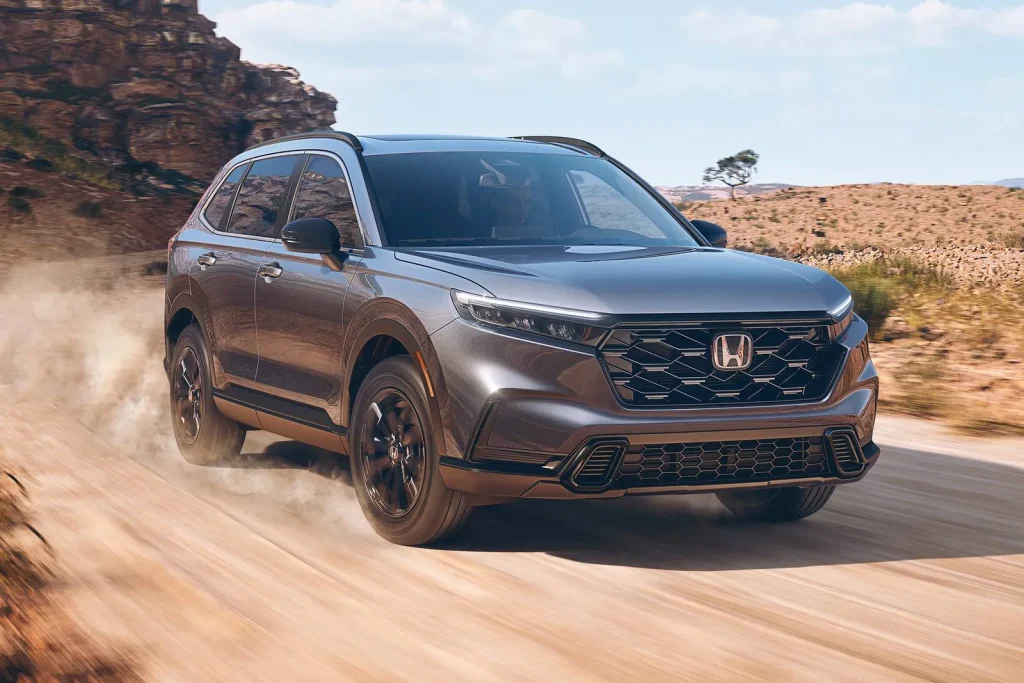
The CR-V is included because it balances comfort and durability. It is a vehicle that feels easy in daily coastal living, giving owners fewer long-term surprises compared to models with weaker reliability or corrosion weakness.
3) Subaru Outback
The Subaru Outback makes sense for Miami coastal living because it combines durable practicality with strong all-weather confidence. While Miami is not known for snow, it is known for intense rain.
Coastal storms and sudden downpours can create dangerous road conditions. The Outback’s all-wheel drive system provides stability and confidence in wet weather, which is one of the best safety benefits you can have in Florida conditions.
The Outback also offers strong practicality. Miami life often involves carrying beach gear, groceries, and weekend luggage, and the Outback’s cargo space is generous without becoming bulky. It also has a comfortable ride that handles rough patches and potholes well. That matters in cities where roads can be uneven.
Corrosion resistance is not perfect in any car, but the Outback tends to be durable over long ownership. Subaru owners often keep their vehicles for many years, and that long-term durability matters more in coastal environments. The Outback’s design also helps keep it functional even when exposed to frequent moisture.
Interior comfort is another advantage. The cabin feels spacious, visibility is excellent, and the seating is supportive. In Miami heat, comfort matters even more because every drive feels more draining. A relaxed cabin makes daily life easier.
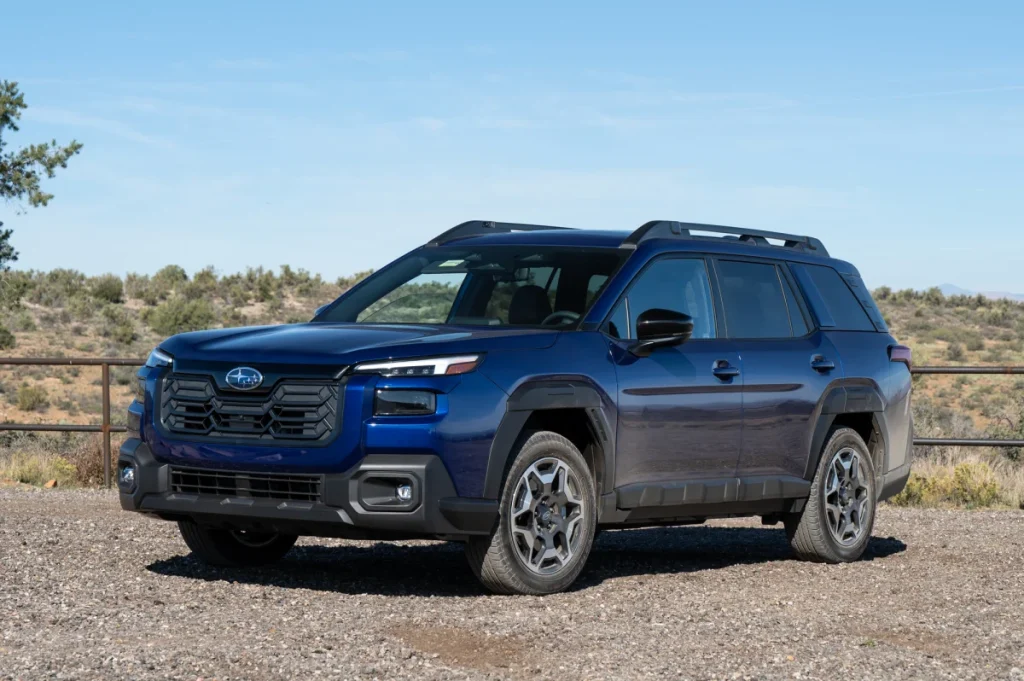
The Outback is included because it is a practical coastal vehicle that focuses on real-world stability and durability.
It may not be the most glamorous choice in Miami’s style-driven culture, but it is an intelligent one for people who want a reliable vehicle that handles storms and daily errands without constant worry.
4) Tesla Model 3
The Tesla Model 3 is a strong coastal option for Miami for one major reason: it avoids many corrosion-prone components found in traditional gasoline cars.
An EV does not have an exhaust system, and that matters because exhaust parts are often among the first things to rust in coastal environments. Reducing the number of underbody metal components exposed to heat and moisture can reduce long-term corrosion headaches.
Miami heat also makes EV ownership attractive because electric driving is smooth and quiet, reducing fatigue in traffic.
The Model 3’s cabin cooling is strong, and the car feels easy in stop-and-go routines. Charging convenience can also fit well into an urban coastal lifestyle, especially for people who can charge at home or at work.
Corrosion is still a factor for any vehicle, especially around brakes and suspension parts, but the Model 3’s simplified drivetrain reduces some typical rust problem areas.
Also, because the vehicle does not rely on engine airflow for cooling in the same way, it stays calm and efficient even in heavy traffic with high humidity.
Practicality is better than many expect. The Model 3 offers storage in both the trunk and front trunk area. It can handle daily errands easily, and the driving experience is relaxed.
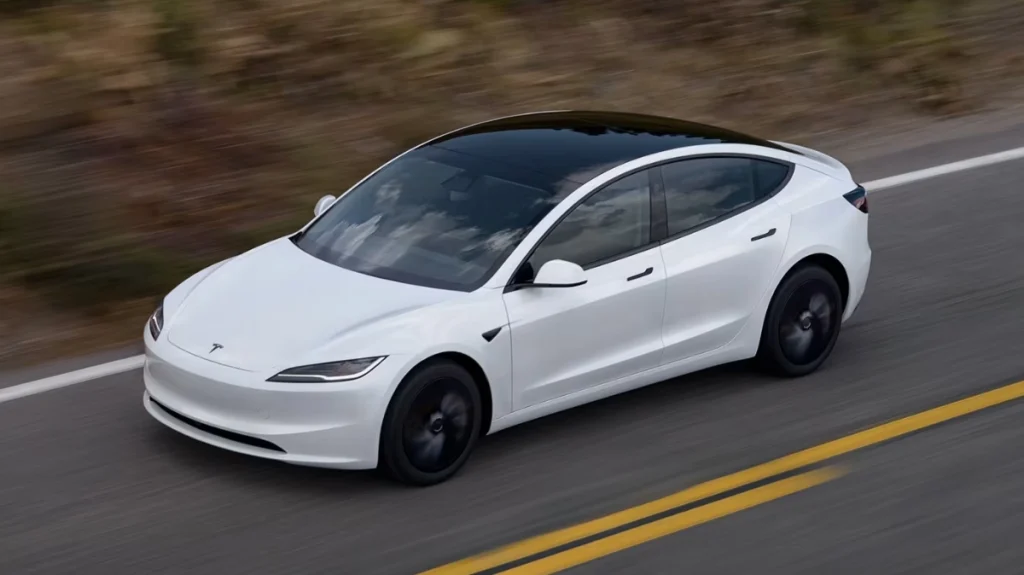
The Model 3 is included because it represents a different approach to coastal durability. It reduces certain rust risks by design, while offering strong daily comfort and modern convenience for Miami life.
5) Mazda CX-5
The Mazda CX-5 makes sense for Miami coastal living because it offers a good mix of comfort, durability, and premium feel without being oversized. Miami drivers often want something that looks stylish, and the CX-5 delivers strong design while still being practical for daily routines.
Comfort is a big advantage. The CX-5 has a refined cabin, supportive seats, and a ride that feels calm even on rough city roads.
In Miami, where heat can make driving tiring, a comfortable interior helps you stay relaxed. Air conditioning performance is generally strong, and the cabin insulation is decent, reducing outside noise during traffic.
From a durability perspective, the CX-5 has built a solid reputation. Mazda vehicles in recent years have shown strong reliability and improved build quality.
Corrosion resistance is still something coastal owners must manage, but the CX-5 does not carry the same rust-prone reputation as some other brands. Underbody design and material quality help it age more gracefully.
The CX-5 also has the practical height advantage for heavy rain. During storms, shallow flooded roads are common, and extra clearance adds confidence without needing a massive SUV. At the same time, its compact size keeps it easy to park.
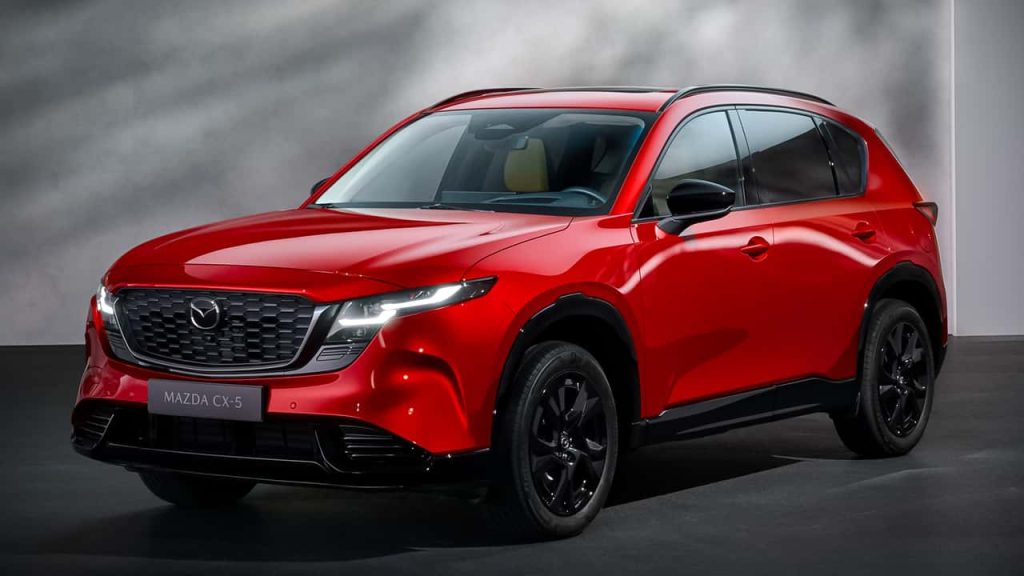
The CX-5 is included because it suits Miami’s combination of style and practicality. It feels premium, stays comfortable in heat, and offers durable ownership qualities that make coastal life easier.
5 With Rust-Prone Parts
Living near the ocean changes how you should judge a vehicle. In inland areas, rust might take many years to become serious. In coastal cities like Miami, corrosion can begin much sooner because salt is constantly present in the air, mixed with humidity and rain.
Even if you wash your car, salt particles still find their way into tiny gaps, underbody seams, and exposed metal parts. Over time, corrosion spreads from small surface rust into deeper structural or mechanical problems.
The worst part is that rust often forms where you cannot easily see it: underneath the car, inside wheel wells, around suspension mounts, brake lines, exhaust systems, and frame sections.
This is why some vehicles become headaches in coastal regions. A rust-prone vehicle is not always “bad” mechanically. It might run well and drive well.
But if it has weaker factory corrosion protection, exposed steel components, lower-quality fasteners, or designs that trap moisture, Miami conditions can accelerate damage.
Owners often notice rust first on bolts, brackets, and underbody parts. Later, the rust can affect suspension arms, brake hardware, exhaust pipes, and even structural sections in extreme cases. These repairs are not only expensive, they can also become safety issues.
Another factor is past history. Some vehicles have reputations for corrosion because of older designs, cost-cutting in protective coatings, or weaker underbody paint. In many cases, the biggest vulnerability is not the body panels you see, but the hidden parts beneath.
Once those parts corrode, the car becomes harder to maintain. Rusted bolts snap during repairs, brake lines weaken, and suspension work becomes complicated. Coastal corrosion turns routine maintenance into a frustrating job.
This section highlights five vehicles that are often associated with rust-prone parts or corrosion issues, especially when exposed to coastal environments.
The goal is not to attack these vehicles. It is to show that Miami ownership demands extra caution, and some models require more effort and rust prevention to remain trouble-free long term.
1) Jeep Wrangler
The Jeep Wrangler is a vehicle many people love for lifestyle reasons, but it has long been associated with rust concerns, especially in coastal or humid environments.
Miami conditions can expose the Wrangler’s weaknesses quickly because it is designed more for rugged adventure than sealed, corrosion-resistant urban living.
One major issue is that Wranglers often have many exposed underbody components, bolts, brackets, and suspension parts. Those metal surfaces are vulnerable to salt air, and surface rust can begin sooner than owners expect.
Wranglers are also frequently driven with open tops or removable panels, which makes moisture exposure more common.
Humid coastal air can enter and linger inside, especially if the vehicle is parked outdoors. Water intrusion is not always dramatic, but small repeated exposure can create long-term corrosion problems in hidden areas.
The underbody can be the biggest concern. Parts like exhaust components, frame areas, suspension mounts, and fasteners can develop rust in coastal climates. Even when the rust is not structural, it can create maintenance headaches.
Bolts seize, brackets weaken, and routine repairs become more expensive because rust complicates labour. Many Wrangler owners in coastal regions eventually invest in extra undercoating or rust prevention because factory protection is not always enough against salt exposure.
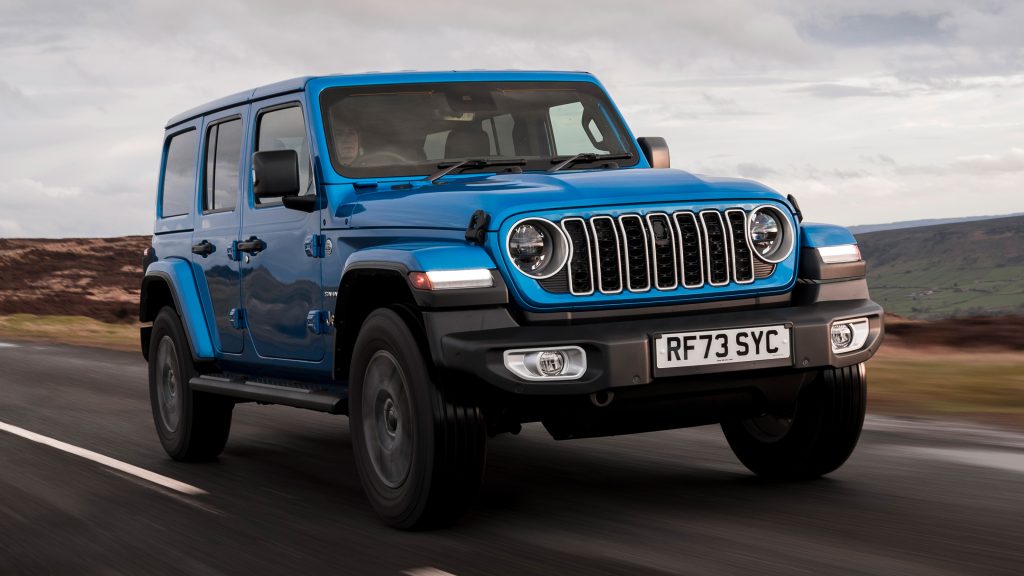
Another reason the Wrangler is included is the emotional trap. People buy Wranglers for identity, and they may overlook rust risk until it becomes visible.
In Miami, that visibility can come sooner. A Wrangler can still be a great vehicle if maintained carefully, but it requires consistent washing, underbody cleaning, and rust protection.
The Wrangler is included here because it is a classic example of a vehicle that can develop rust-prone parts faster in coastal environments. It is not about whether it is a “bad car.”
It is about the fact that Miami air rewards corrosion-resistant design, and the Wrangler’s rugged nature often means higher rust vulnerability.
2) Ford F-150 (Older Generations)
The Ford F-150 is one of the most common trucks in America, and many older generations have been associated with rust problems, particularly around underbody parts and certain structural areas.
In Miami coastal conditions, these vulnerabilities become more noticeable. Trucks often spend time outdoors, and their frames, suspension components, and underbody hardware are constantly exposed. When salt air and humidity mix, corrosion can accelerate.
Older F-150 models often show rust on frame sections, suspension mounts, brake lines, and exhaust components. Even if body panels look fine, rust underneath can build quietly.
This is important because the underbody is where serious safety issues can form. Rusted brake lines, weakened mounts, and corroded brackets can turn into expensive repairs or inspection failures.
Another issue is maintenance difficulty. When rust becomes significant, repairing anything becomes harder. Bolts seize and snap. Mechanic labour increases.
Parts that should be easy to replace become time-consuming because rust holds everything together in the worst way. Coastal owners often learn this the hard way when a simple suspension job becomes a major bill.
The F-150 is included because it is a realistic Miami purchase. Many people want trucks for practical reasons, and the F-150 offers huge utility.
But in coastal climates, older trucks need more preventative care. Washing the underbody, especially after rainstorms or beach-area drives, becomes essential. Undercoating and rust prevention sprays can help extend life.
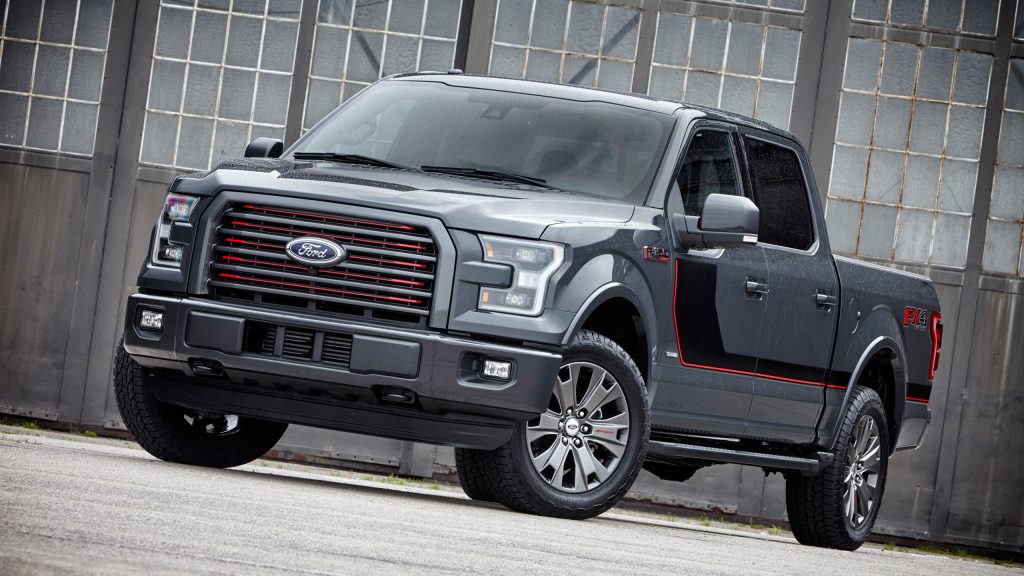
Modern F-150s improved in various ways, including body material changes in some generations, but the older rust reputation still matters because used trucks are common.
The F-150 is included here to highlight that a powerful and reliable truck can still become a corrosion headache if coastal conditions attack its underbody and frame parts.
3) Chevrolet Silverado / GMC Sierra (Older Generations)
Older Chevrolet Silverado and GMC Sierra trucks have also been associated with rust-prone underbody components and body corrosion in certain areas.
In coastal climates, trucks like these can develop rust sooner because their frames and exposed hardware face constant moisture. Miami conditions accelerate this because the air itself carries salt, and humidity keeps metal surfaces damp longer.
Many owners of older Silverados and Sierras have noticed corrosion around wheel arches, rocker panels, and underbody mounts. Even if the vehicle runs perfectly, rust can reduce resale value dramatically and create expensive body repairs.
More importantly, underbody corrosion can affect brake lines, suspension brackets, and structural frame areas. For trucks that haul loads, frame health matters a lot.
Like the F-150, repair costs rise once corrosion sets in. Rusted fasteners make labour harder. Exhaust work becomes common because exhaust systems tend to rust quickly near the coast. The truck may remain usable, but it becomes more costly to keep it safe and strong.
These trucks are included because they are common in Florida and often purchased used. Many buyers focus on engine strength and interior comfort, but rust risk is just as important near the coast. In Miami, you can buy a used truck that looks clean above, but underneath it may already be corroding.
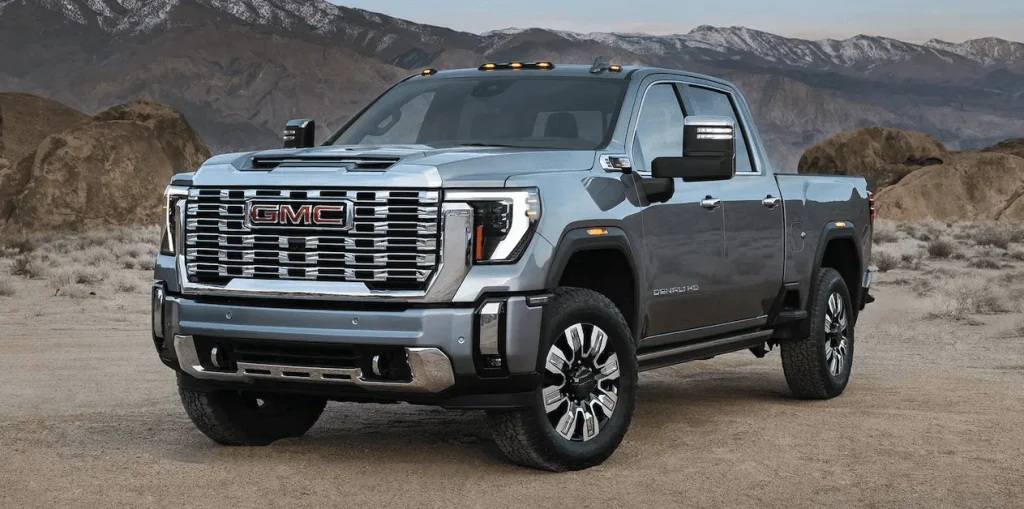
The Silverado/Sierra is included here as a reminder that older trucks often need extra corrosion prevention in coastal climates.
If properly maintained and protected, they can still last a long time. But compared to vehicles with stronger corrosion resistance, they demand more effort, and that effort becomes a daily ownership reality in places like Miami.
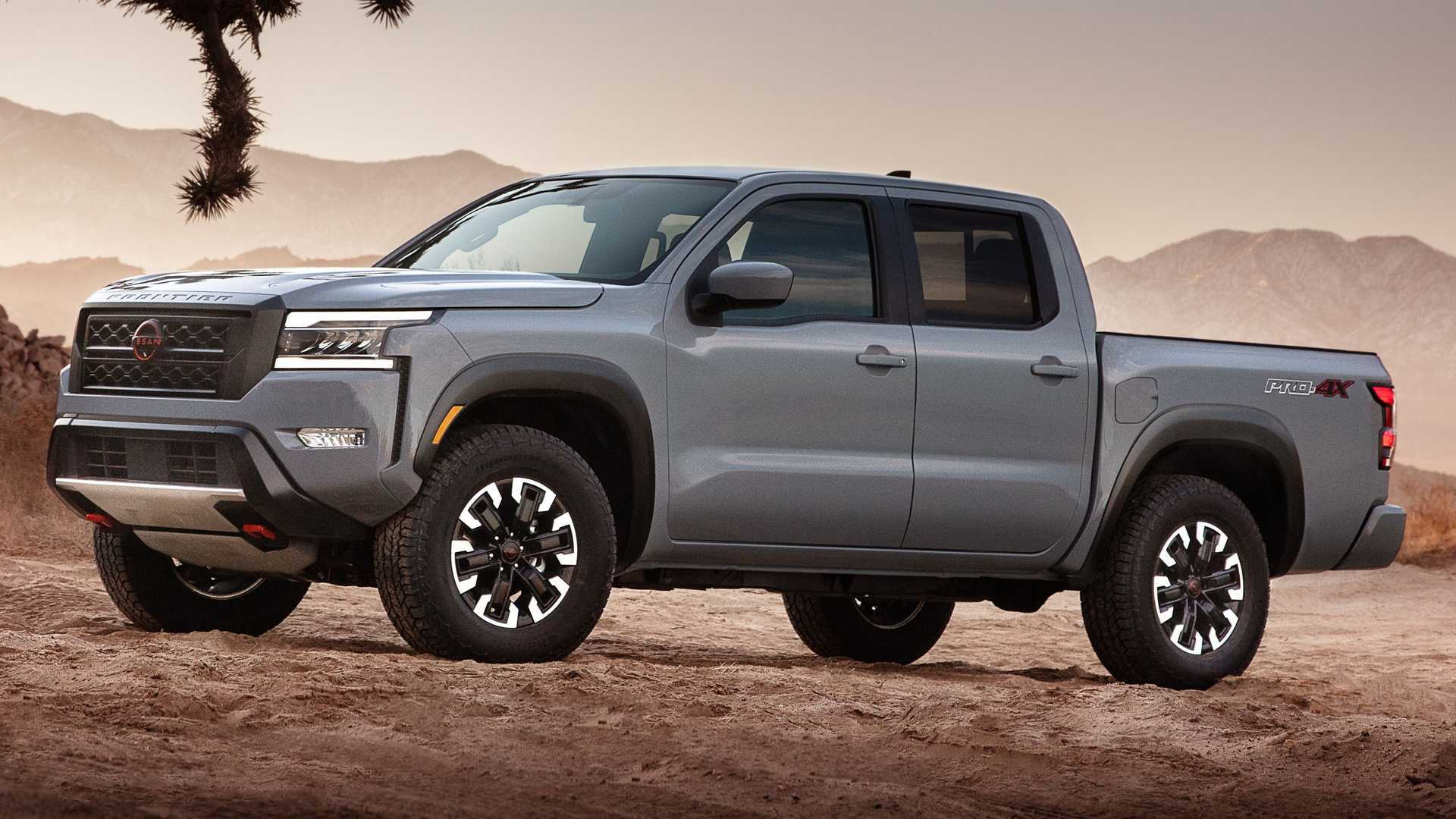
4) Nissan Frontier (Older Generations)
The Nissan Frontier, especially older generations, is often mentioned in rust discussions because trucks with exposed frames and underbody parts can be vulnerable in corrosive climates.
The Frontier is built as a tough, simple pickup, and that simplicity is attractive. But in coastal environments, simple exposed steel becomes a weakness if corrosion protection is not strong enough.
Miami humidity can settle under the truck, and salt air can cling to underbody metal. Over time, frame rust can develop, along with corrosion on suspension components, exhaust parts, and brake hardware.
Like other rust-prone vehicles, the issue is not always visible early. Owners might think the truck is fine until rust becomes more serious underneath.
Another reason the Frontier is included is the used market. Many older Frontiers are still on the road because they are mechanically durable. Buyers often see them as affordable pickups that can last. That may be true mechanically, but coastal corrosion can shorten that life if the underbody is not protected.
Maintenance becomes harder once rust begins. Bolts and brackets seize. Suspension work becomes a bigger job. Undercoating and rust prevention sprays can reduce risk, but many used owners do not apply these protections early enough.
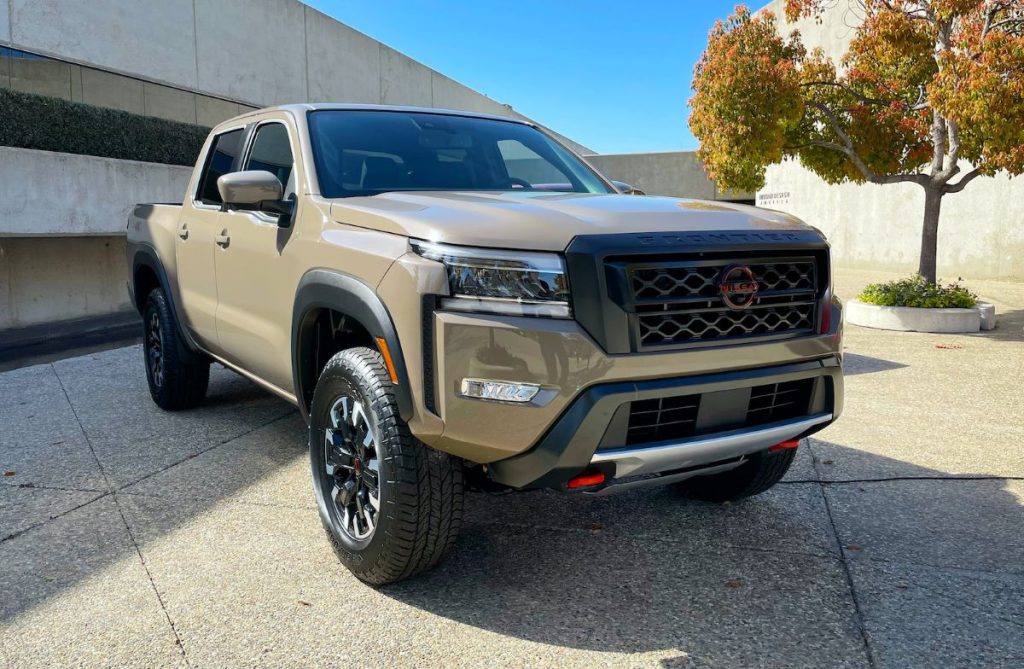
The Frontier is included here because in Miami, even a “durable” truck can become a corrosion project.
If you love the Frontier’s simplicity, it can still work, but it demands consistent underbody cleaning and protection. Without it, rust-prone parts can turn a reliable pickup into a costly ownership challenge.
5) Mazda3 (Older Generations)
The Mazda3 is a popular compact car, but older generations have a long-standing reputation for rust issues, particularly in areas with moisture and salt exposure.
While Miami is not a snow-salt region like northern states, coastal salt air still accelerates corrosion. Older Mazda3 models often show rust around wheel wells, rocker panels, and underbody seams. Once rust begins in those areas, it spreads.
The Mazda3’s issue is often body corrosion rather than just underbody hardware. In coastal climates, paint chips can quickly turn into rust spots if moisture and salt get underneath. Over time, those spots grow.
It becomes more than cosmetic when rocker panels weaken or wheel arch corrosion spreads. This not only affects appearance but reduces resale value heavily.
Underbody parts can also rust, including exhaust components and suspension hardware. And like trucks, maintenance becomes harder when bolts and brackets corrode. The Mazda3 may run beautifully, but rust can become the reason owners abandon the car earlier than they wanted.
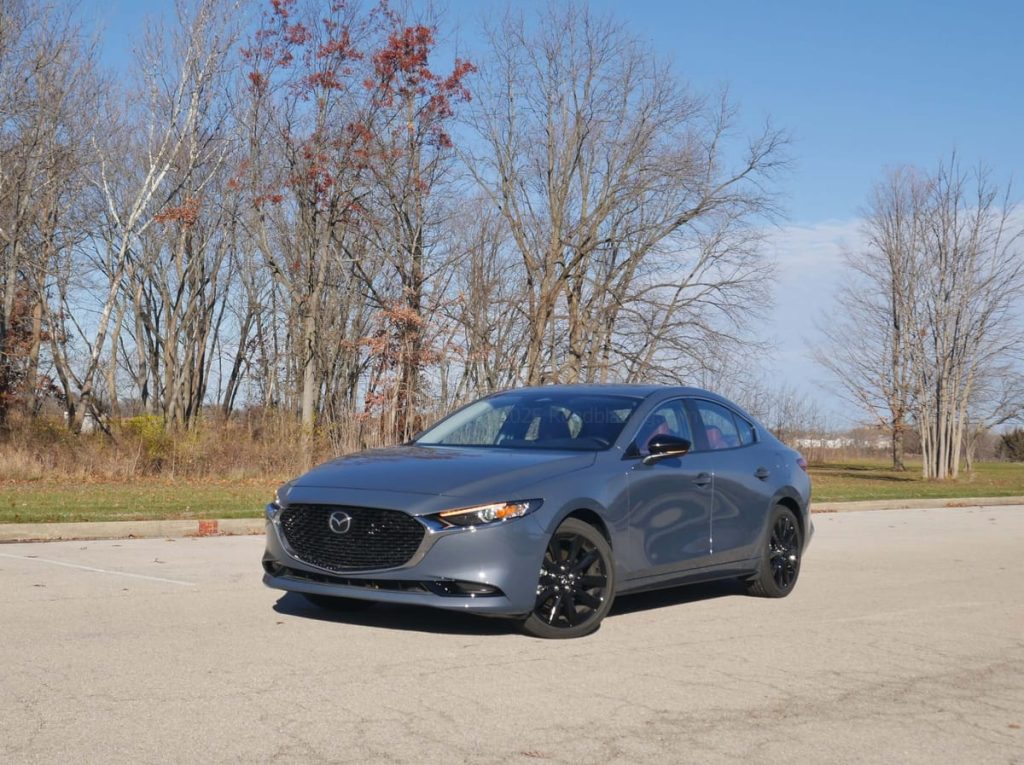
The Mazda3 is included because it is a common used-car choice. Buyers may find a cheap older Mazda3 that drives great, then later discover rust is creeping in. In Miami, this risk matters because the climate feeds corrosion quietly.
If maintained carefully with regular washing, rust treatment, and protective coating, an older Mazda3 can survive longer. But compared to cars with stronger corrosion history, older Mazda3 models often require more effort to keep rust away, which is exactly why they belong in this list.
Also Read: 5 Vehicles That Adapt Well to Urban Routines vs 5 That Don’t
