
Electric vehicles have become far more common, but they are still not a “one answer fits all” purchase. For many households, the smartest EV decision is not replacing the primary car, but adding an EV as a second car.
That second-car role is very specific. It usually means daily errands, short commutes, school runs, city driving, and quick trips where the vehicle returns home regularly. In this use case, an EV can be incredibly convenient and cost-effective.
Charging at home feels easier than fuel stops. Instant torque makes city driving smooth. Running costs can be low, and maintenance can be simpler because EVs have fewer moving parts than gasoline vehicles.
But not every EV makes sense as a second car. Some are too expensive to justify as a backup vehicle. Others have poor practicality, awkward charging limitations, or range that does not match even basic daily needs.
Some EVs are designed like premium tech showcases, which is great if you want a primary vehicle with high comfort and features, but less logical as a second car meant to handle simple routines.
The best second-car EVs share a clear formula: affordable enough to justify, reliable enough to trust, efficient in real conditions, easy to charge, and practical for everyday use.
There is also the reality of lifestyle. A second car is often driven by different family members, sometimes new drivers, or someone who wants simplicity. In that case, the EV must be easy to operate and easy to live with.
It should have predictable range, stress-free charging, and enough interior space for groceries, backpacks, and daily life. It does not need to be the fastest, flashiest EV. It needs to be the one that quietly works every day.
This article compares two groups. First, five EVs that genuinely make sense as second cars because they deliver practicality, manageable cost, and real daily convenience.
Then, five EVs that often do not make sense as second cars because they are too costly, too inconvenient, or too impractical for that role. The goal is to help buyers choose with logic, not hype.
Also Read: 5 Cars for Dublin CA Commuting and 5 Bay Area Practical Picks
5 EVs That Make Sense as Second Cars
A second car should reduce stress, not create it. That means the best second-car EVs focus on the basics: efficiency, ease of charging, and everyday practicality.
They should be compact enough for city parking, comfortable enough for daily driving, and affordable enough that you do not feel guilty leaving them parked for days. A second-car EV is not supposed to be a luxury statement. It is supposed to be a useful tool that saves money and makes life smoother.
The models in this section are included because they fit real household routines. Many of them offer strong real-world range for urban use. They support home charging easily. They have good cabin space for errands and school runs.
They also tend to have strong reliability reputations or proven platforms, which matters because a second car must be dependable. If it fails often, the whole point is lost.
Another key factor is charging compatibility and speed. A second-car EV should not become a charging headache. Even if you mostly charge at home, you still want access to simple fast charging when needed. Vehicles with poor charging performance can feel inconvenient even if you only use them locally.
These five EVs are written about because they deliver the right balance: sensible price, useful daily range, simple operation, and low stress ownership. They show what a smart second-car EV looks like in the real world.
1) Nissan Leaf
The Nissan Leaf makes excellent sense as a second car because it was built around practical daily driving. It is not trying to be a luxury EV, and that is exactly why it works so well in a secondary role.
The Leaf is comfortable, easy to drive, and ideal for local commutes, school runs, grocery trips, and errands. For most households, the second car rarely needs extreme range. It needs predictable range, and the Leaf delivers that for typical daily use.
Charging is another reason it fits. Many Leaf owners charge at home overnight, which makes the car feel effortless. You wake up with a “full tank” every morning. For second-car use, that routine is perfect. You do not need to hunt for charging stations frequently because the car usually returns home.
The Leaf also offers a practical hatchback layout. That makes it useful for errands. Grocery bags, backpacks, and small cargo fit easily. The cabin feels roomy enough for a small family, and visibility is good in city driving.
Operating costs are another advantage. The Leaf’s efficiency means low electricity use, and maintenance needs are generally simpler than gasoline cars. Brakes can last longer due to regenerative braking, and there is no oil changing cycle.
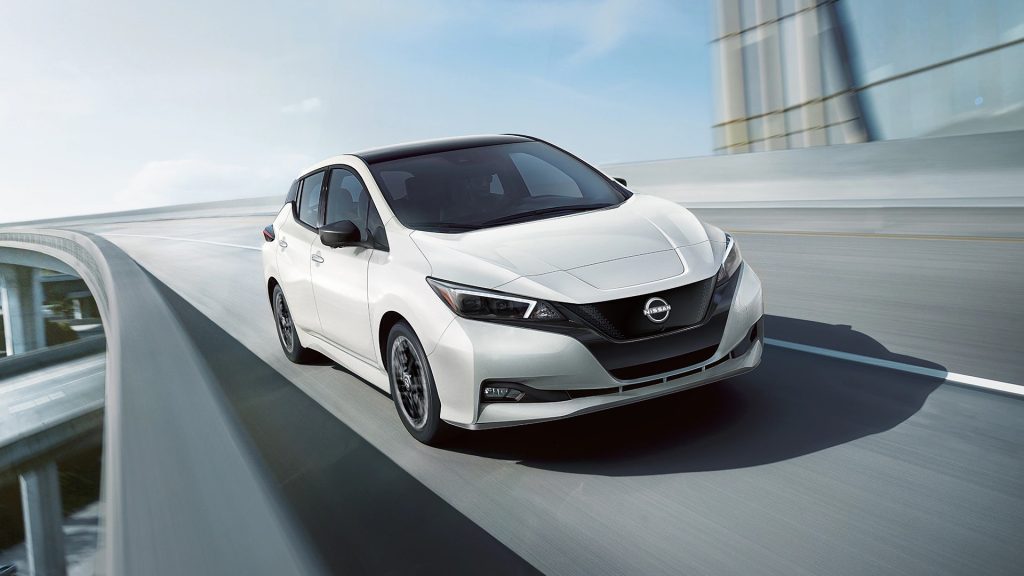
The Leaf is included because it represents the “quietly smart” EV choice. It is not the flashiest, but it makes daily life easy. As a second car, that matters more than hype. It delivers useful EV benefits without demanding premium money.
2) Chevrolet Bolt EV
The Chevrolet Bolt EV is one of the most logical second-car EVs because it provides strong range and practicality without requiring luxury-car spending.
Many second cars are used heavily for daily tasks, so range matters. The Bolt offers enough real-world range to cover not only errands but also longer day trips without constant charging anxiety.
Its compact size makes it ideal for city life. Parking is easy, and manoeuvring through traffic is stress-free. The Bolt’s upright hatchback design also provides surprising interior space. It feels small outside but roomy inside. That is perfect for a second car because it can play multiple roles: commuter, errand runner, and occasional family trip car.
Charging convenience is solid. Home charging covers most needs, and when you need public charging, the Bolt supports DC fast charging in many versions. That adds flexibility. You do not want a second car that becomes trapped in a short range bubble. The Bolt avoids that problem.
The driving experience is also well suited to daily use. Instant torque makes it feel quick in traffic, and EV smoothness makes stop-and-go conditions comfortable. Running costs remain low, and maintenance is generally simple.
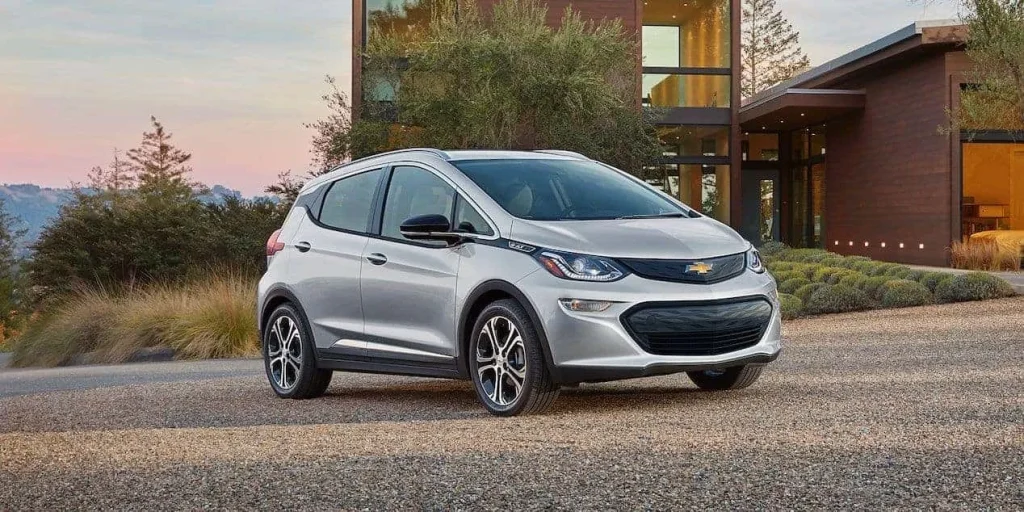
The Bolt EV is included because it delivers one of the best “value per mile” experiences in the EV space. As a second car, it makes sense financially and practically, giving households an EV that can handle most daily needs without feeling like a compromise.
3) Hyundai Kona Electric
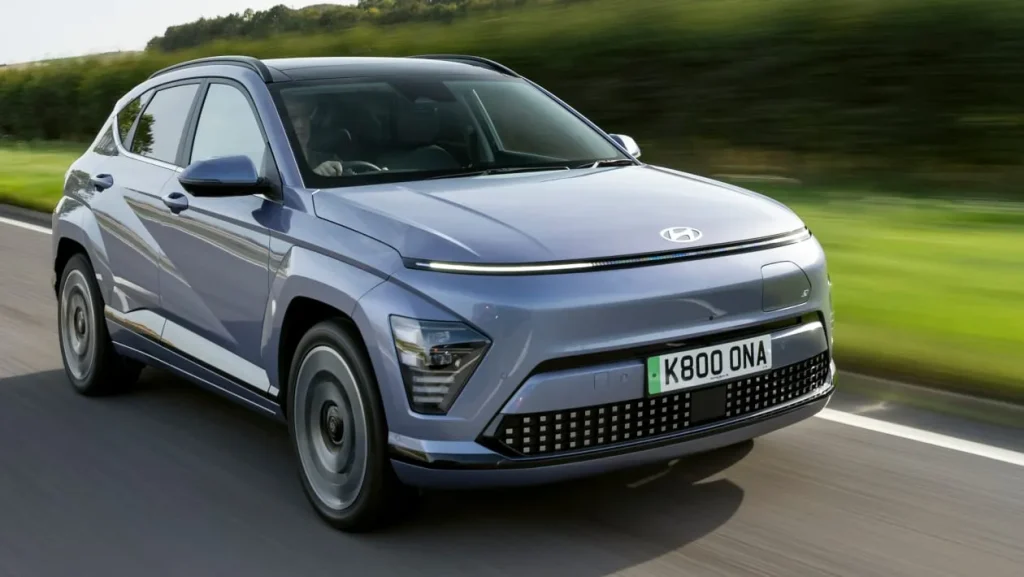
The Hyundai Kona Electric makes sense as a second car because it combines EV efficiency with crossover practicality. Many households want their second vehicle to be easy, but also versatile enough to handle daily errands comfortably.
The Kona Electric does exactly that. It is compact enough for city driving, yet it offers a higher seating position than a hatchback, which many people prefer for visibility and comfort.
Range is strong for everyday use. That matters because it reduces charging stress. If your household uses the second car for frequent trips, you do not want to plug in constantly. The Kona Electric’s efficiency helps stretch mileage, making it practical for daily routines.
Cargo space is also useful. A second car often becomes the grocery and errand vehicle, and the Kona’s boot works well for that.
The cabin is comfortable, and the vehicle feels refined enough that you do not see it as a “cheap backup car.” It feels like a real modern car, which matters because second cars are often driven by multiple family members.
Charging flexibility is decent, and home charging covers most daily usage. The driving experience is smooth, with instant EV response that makes traffic easier.
The Kona Electric is included because it offers the second-car advantage in a very balanced way. It is not oversized or too expensive, but it still feels premium enough to enjoy daily. That mix of practicality and comfort makes it a strong second EV.
4) BMW i3 (Used Market)
The BMW i3 is a quirky EV that makes sense as a second car especially in the used market. As a new purchase, it was expensive for its size. But as a used EV, it becomes interesting because it offers a premium city EV experience at a lower cost. Second cars often live in the city. The i3 was built exactly for that environment.
Its compact footprint makes it extremely easy to park and manoeuvre. In dense city areas, this is a major benefit. The i3 also has a unique cabin design that feels airy and modern. Visibility is good, and the driving feel is light and responsive. In stop-and-go traffic, it feels almost effortless.
Range is not huge compared to newer EVs, but for second-car use, that is not necessarily a problem. Many households use a second car for short trips anyway. If you keep a gas or hybrid primary vehicle for long journeys, the i3’s limited range becomes acceptable.
Charging at home works well, and for daily errands it can feel like a perfect urban machine. The i3’s maintenance requirements are usually lower than gas cars, though as a premium vehicle it still requires careful ownership.
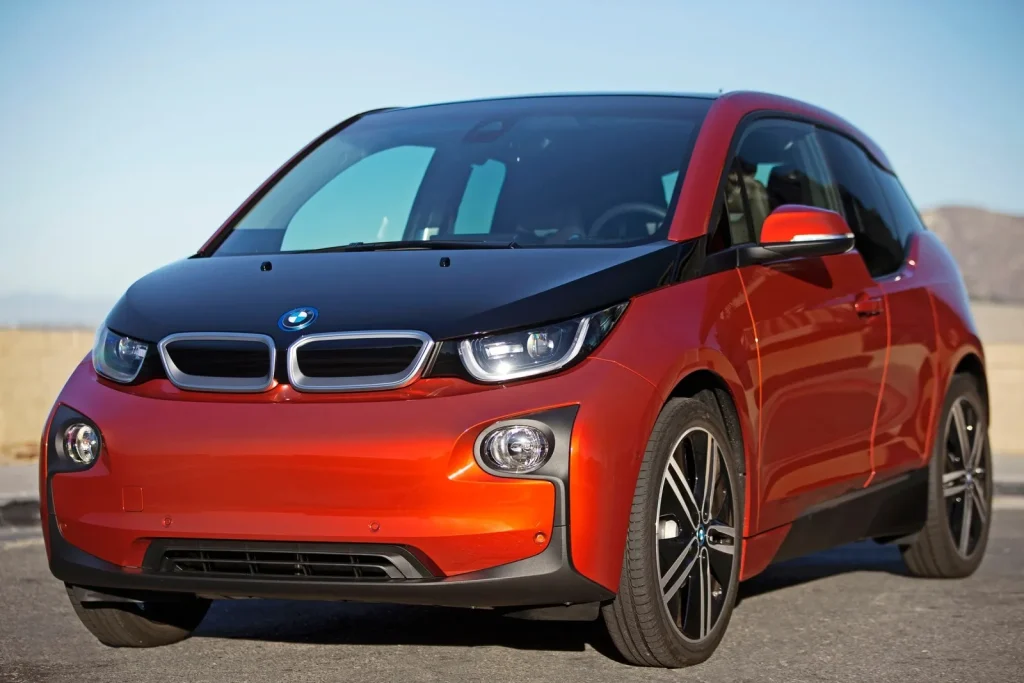
The i3 is included because it shows a clever strategy: a used EV can become a great second car even if it was not the best value when new. For urban routines, it offers charm, ease, and genuine practicality in a small package.
5) Kia Niro EV
The Kia Niro EV makes sense as a second car because it focuses on real-world usability. It is not flashy, but it is extremely practical. Many EVs sacrifice practicality for style, but the Niro stays grounded. It offers good range, efficient driving, and a cabin that feels designed for everyday life.
The Niro’s shape is ideal for a second car because it offers more cargo room than many small EVs. That means grocery runs, shopping bags, backpacks, and even small luggage are handled easily.
The seating position is comfortable, and the interior layout is user-friendly. A second car should be easy for anyone in the household to drive. The Niro fits that requirement.
Range is strong enough to reduce charging anxiety. You can drive it daily without constantly worrying about finding a charger. At the same time, it is efficient enough that running costs remain low.
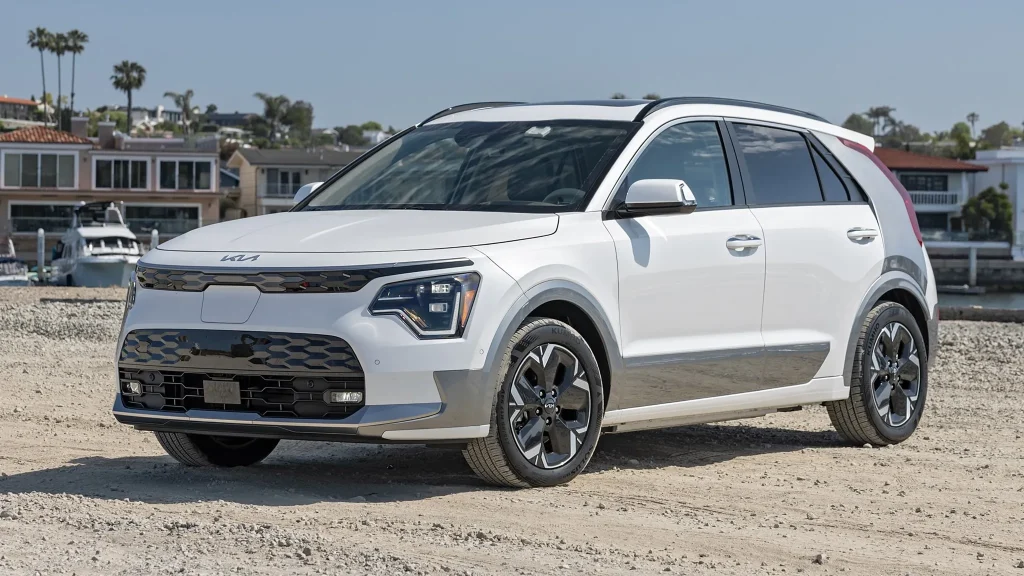
Charging performance is generally decent, and home charging covers most routine needs. The vehicle is also known for being well-balanced in comfort and daily driving smoothness.
The Niro EV is included because it represents the “normal life” EV. It is the kind of electric car that does not try too hard. It just works. And for a second car, that reliability and practicality are exactly what make sense.
5 That Don’t
A second car EV should make life easier. That means it needs to be affordable enough to justify as a secondary vehicle, practical enough for everyday tasks, and simple enough that any family member can use it without headaches.
The problem is that some EVs are designed in ways that clash with the “second car” role. They might be too expensive for what they offer, too complicated, too impractical, or too range-limited in real conditions.
In some cases, the EV itself may be excellent, but it is not logical as a second car because it behaves more like a premium primary vehicle.
For second-car logic, value matters. If the EV costs so much that you feel guilty leaving it parked most of the time, it stops making sense. Similarly, if it is too large, too heavy, or too performance-focused, it may not be the ideal errand runner.
Second cars are often used for quick trips and errands. That means you want easy entry and exit, good cargo access, and manageable size for parking. Some EVs fail here because they focus too much on styling, complex technology, or performance priorities.
Charging matters too. A good second-car EV should not require constant planning. If the EV has poor fast charging support or limited infrastructure compatibility, it can feel like a hassle.
Range also matters in a specific way: you do not need massive range for a second car, but you do need reliable usable range. Some EVs have low range that becomes stressful even for basic errands, especially with AC running, highway speed, or battery degradation in older models.
This section highlights five EVs that often do not make sense as second cars. That does not mean they are “bad EVs.” Some are incredible vehicles. The issue is simply role fit.
These EVs are either too costly, too impractical, or too inconvenient for the second-car mission, and that makes them less sensible choices for households trying to add an EV most logically.
1) Porsche Taycan
The Porsche Taycan is an outstanding EV, but it rarely makes sense as a second car. The main reason is cost. A second car is usually meant to handle daily errands and short trips, and the Taycan is a high-end performance vehicle built for drivers who want a premium primary car.
Using it as a second car is like buying a luxury yacht to cross a small lake. It will do it, but the logic is weak.
Running costs also matter. Even though EVs generally have lower maintenance than gasoline cars, performance EVs like the Taycan come with expensive tyres, premium servicing, and costly repairs if anything goes wrong.
The Taycan’s performance-oriented setup means tyres wear faster than normal. Brakes may last long due to regeneration, but when replacement time arrives, costs are premium. Insurance is also expensive because the vehicle’s value is high.
Practicality is another issue. The Taycan is low and sporty, which makes entry and exit less convenient for quick errands. Cargo space is usable, but not as easy as a hatchback or compact crossover.
For second-car use, you usually want a vehicle that feels effortless in parking lots and tight streets. The Taycan can handle cities, but it is not the most convenient shape for errands.
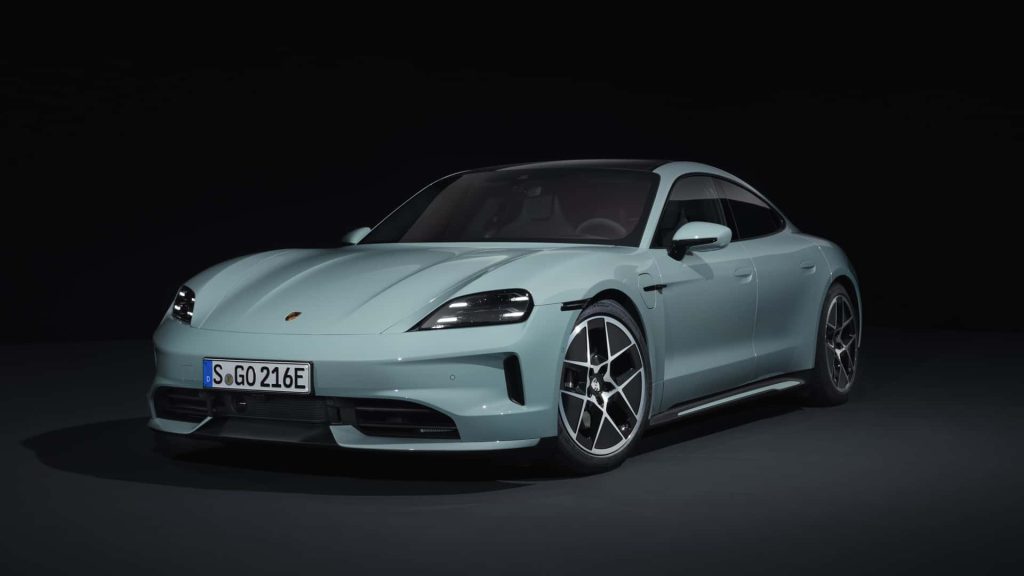
There is also the psychological factor. Many owners do not want to expose a high-end Porsche to daily parking risks, scratches, and random bumps. That means the Taycan becomes something you hesitate to use casually. A second car should be used freely, not protected.
The Taycan is included because it is a great EV, but it misses the second-car purpose. It is too expensive, too performance-focused, and too “precious” for what a second car should be.
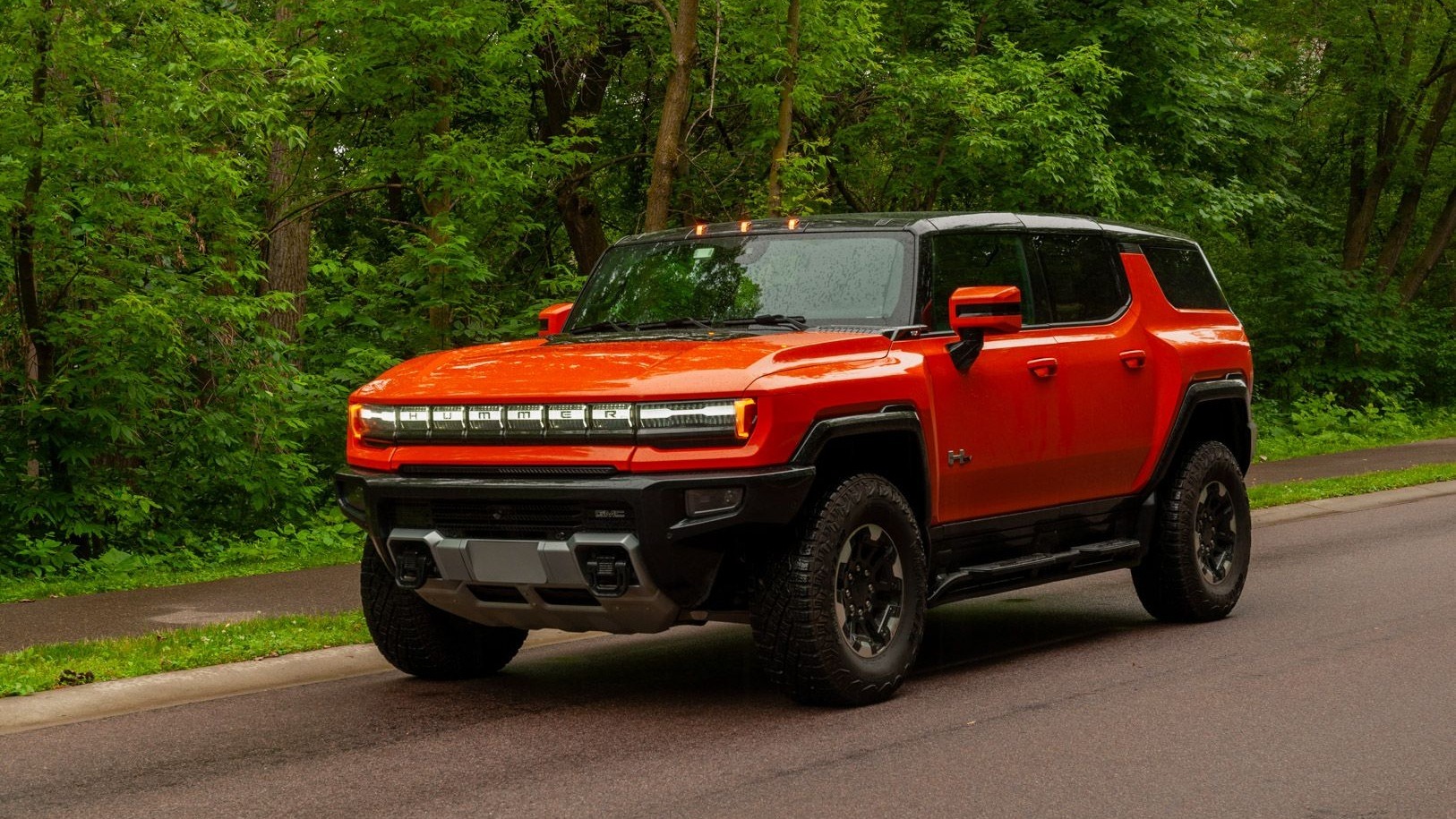
2) GMC Hummer EV
The GMC Hummer EV does not make much sense as a second car because it is the opposite of what most households need for daily errands. It is massive, heavy, and expensive. A second car should ideally be easy to park and manoeuvre.
The Hummer EV turns every parking lot into a negotiation. In urban settings, it feels bulky and demanding, which is the opposite of second-car convenience.
Cost is another major reason. The Hummer EV sits in a high price range, and as a second vehicle it becomes hard to justify.
Even if you can afford it, the logic still feels weak because its size and features are aimed at being a lifestyle statement vehicle. Second cars are usually practical tools. The Hummer is more of a spectacle.
Efficiency is also not ideal compared to normal EVs. The Hummer EV’s massive weight means it consumes more energy per mile. That reduces the economic advantage many buyers want from adding an EV.
Charging can take longer too because of battery size. That means even if you mainly charge at home, you are filling a giant battery for errands that could have been handled by a smaller EV far more efficiently.
Daily usability suffers too. The dimensions make it harder for different family members to drive confidently. It can be intimidating for new drivers or smaller drivers. A second car should be easy for everyone.
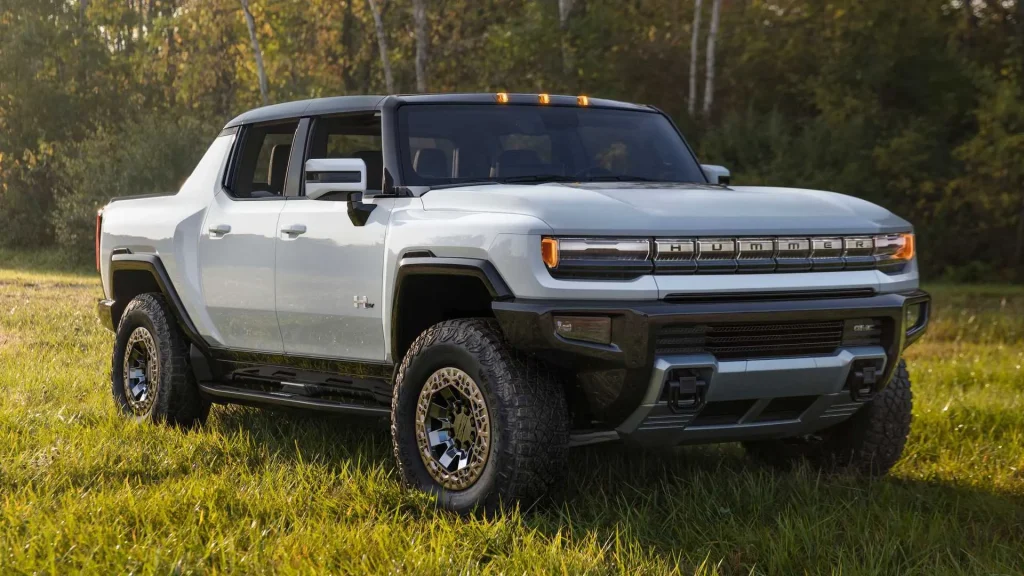
The Hummer EV is included because it represents the wrong direction for second-car EV thinking. It is large, expensive, and inefficient for simple household routines. It may be fun, but for second-car logic, it does not fit.
3) Mercedes-Benz EQS
The Mercedes-Benz EQS is an ultra-luxury EV designed to be a primary flagship vehicle. As a second car, it rarely makes sense because it is too expensive and too complex for a backup role.
Second cars are often driven for quick errands, short commutes, and daily routine driving. The EQS is built for long-distance luxury comfort, premium features, and high-end status. It is not built to be a “grab and go” household tool.
Cost is the biggest barrier. The EQS is priced in a category where most buyers expect it to be the main vehicle. Using it as a second vehicle creates waste.
Even depreciation can be more painful because luxury vehicles often lose value faster. That means the financial hit can be large, especially if it sits parked frequently.
Practicality is also not perfect for second-car life. It is large, and parking in tight spaces can be stressful. It offers comfort, but you do not need that level of comfort for grocery runs. Second-car use rewards compact usability, not limousine comfort.
Complex technology can also be a problem. A second car should be easy for any household member to use without confusion.
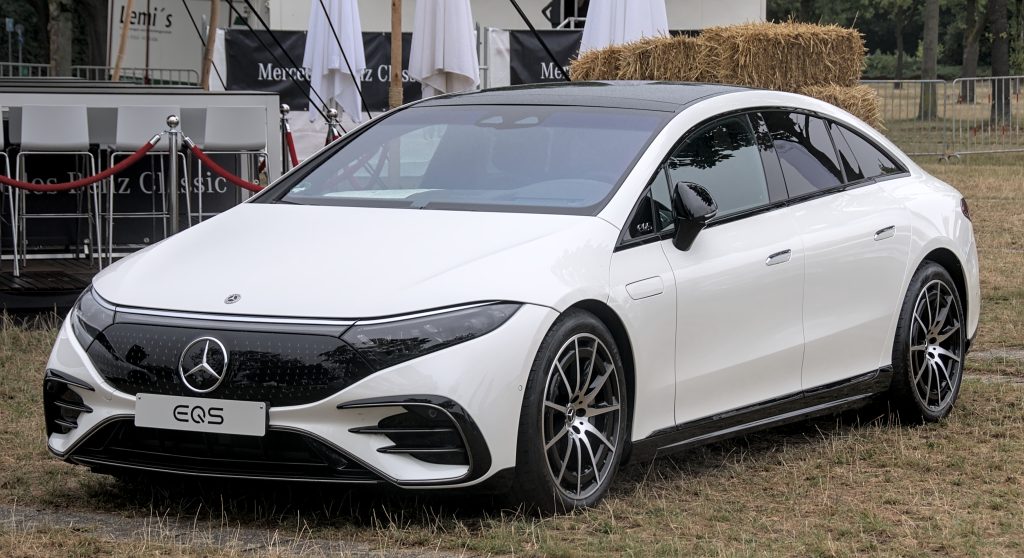
The EQS has a very advanced and highly digital interface. For some, that is great. For others, it creates friction. You do not want family members frustrated just trying to adjust AC or settings.
The EQS is included because it is an excellent EV, but it misses the role. It is too costly, too big, and too premium to function as a logical second car. It makes much more sense as the primary vehicle in a luxury household fleet.
4) Mazda MX-30
The Mazda MX-30 often does not make sense as a second car because its range is limited compared to most EVs in its class. In theory, limited range could still work for second-car use, because second cars are often used locally.
But real life is unpredictable. Even errands can stack up. Unexpected trips happen. If your EV’s range feels tight, it becomes stressful.
The MX-30’s range limitation becomes even more noticeable in conditions that reduce EV efficiency, such as using air conditioning, driving at highway speed, or dealing with battery degradation over time.
Miami heat, cold winters, or daily highway stretches can cut usable range further. As a second car, you want something simple and reliable, not something that makes you plan constantly.
Charging performance also matters. If an EV has both limited range and limited fast charging advantage, it becomes inconvenient. Instead of quickly topping up, you may find yourself waiting longer than expected. That removes the freedom you want from a second vehicle.
Practicality is also not a standout. The MX-30 has an interesting design, but some features like rear door layout and cargo packaging can feel less convenient than rival EVs that focus on maximum utility.
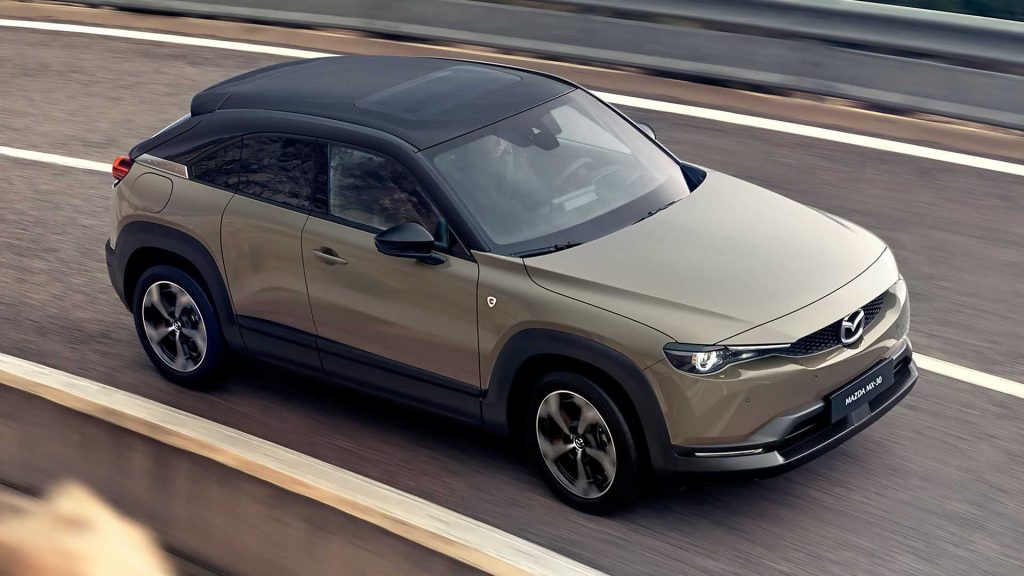
The MX-30 is included because it is a good example of “nice idea, limited execution.” As a second car, it could work for very specific lifestyles, but for most households it becomes a stressful choice because range is a daily psychological factor. A second-car EV should reduce mental load, not increase it.
5) Tesla Model X
The Tesla Model X is a strong EV overall, but it often does not make sense as a second car because it is too expensive and too feature-heavy for the role.
Second cars should be simple, practical tools. The Model X is a premium, high-tech family SUV built to be the main vehicle in a household. Using it as a second car is difficult to justify unless money is irrelevant.
Cost is the main reason. The purchase price is high, and even though EV running costs are lower, insurance can be expensive. Repairs can also be costly, especially for unique features like Falcon Wing doors.
Those doors are impressive, but they add complexity. Complexity is rarely what you want in a second car because secondary vehicles often need to be reliable, low-drama companions.
Size is another issue. The Model X is large. Parking and manoeuvring can be harder compared to compact EVs. A second car is often chosen to be small and easy for city driving. The Model X goes in the opposite direction.
The Model X is included because it highlights a key second-car EV principle: you do not need the biggest and most advanced EV to get EV benefits.
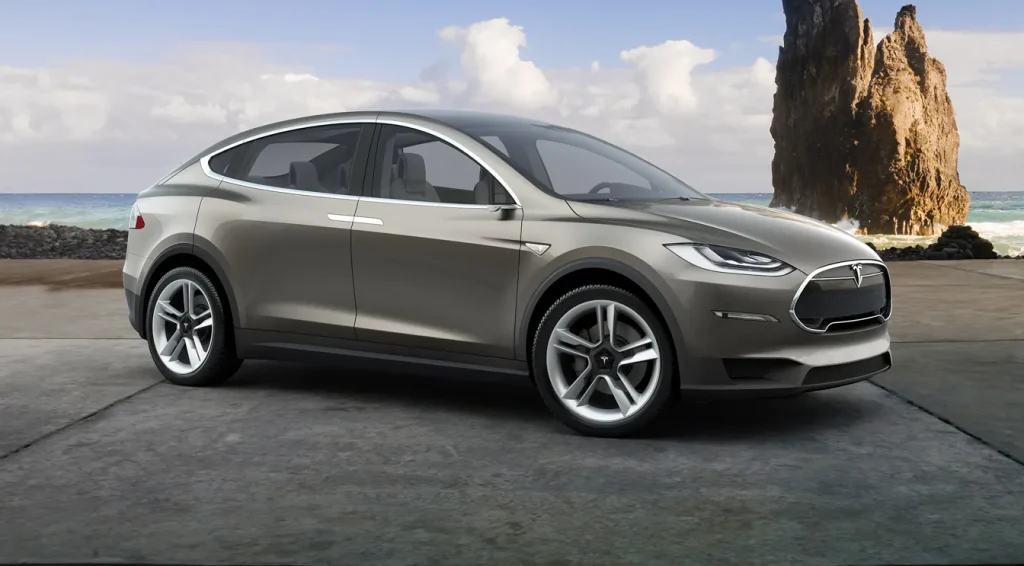
A simpler EV gives you the low running cost, smooth driving, and home charging convenience. The Model X offers those too, but at a scale and cost that makes it more sensible as a primary family vehicle, not a second one.
This article compares EVs that work well as second cars versus ones that don’t fit that role. Smart second-car picks like the Nissan Leaf, Chevy Bolt, Kona Electric, BMW i3, and Kia Niro EV are practical, affordable, and easy to charge. Taycan, Hummer EV, EQS, MX-30, and Model X are costly or inconvenient.
Also Read: 5 Cars That Balance Cost and Comfort vs 5 That Miss the Mark
