
New York City roads have a personality of their own, and unfortunately that personality is often shaped by potholes. Between harsh winters, frequent freeze-thaw cycles, heavy traffic, and constant road repairs, NYC streets can feel like a daily obstacle course.
One bad pothole can ruin your morning, but repeated hits over months can do something worse: quietly destroy your car’s suspension, steering, wheels, and tyres. That is why the “best car” for New York is not always the most luxurious or the fastest. It is the one that survives the streets with the least drama.
Potholes do not just cause flat tyres. They can bend rims, crack wheels, destroy tyre sidewalls, and knock alignment out of place. Over time, they can wear out suspension bushings, damage control arms, break sway bar links, and stress shocks and struts until ride quality becomes harsh or unstable.
In NYC, where many streets are narrow and traffic is constant, drivers often cannot avoid potholes. Sometimes you see them too late. Other times, you have no space to move because taxis, buses, and delivery vehicles surround you. So the best defence is a car built to take hits.
Cars that handle New York potholes well usually share certain traits: higher ground clearance, tyres with taller sidewalls, smaller wheel sizes, strong suspension tuning, and a durable underbody design.
Vehicles with soft, comfort-focused suspension and strong chassis durability tend to survive the city better. On the other hand, some cars suffer badly.
Low vehicles, sport suspensions, large wheels with thin tyres, and stiff tuning can make potholes catastrophic. These cars may feel amazing on perfect roads, but NYC is not perfect roads.
This article compares both sides clearly: five cars that handle New York potholes well and can survive city punishment, and five cars that are more likely to suffer suspension damage and expensive repairs because their design is not built for pothole life. The goal is to help you choose smarter and avoid constant repair bills.
Also Read: 5 Cars for Dublin CA Commuting and 5 Bay Area Practical Picks
5 Cars That Handle New York Potholes
New York drivers need toughness more than glamour. A city pothole car must be able to absorb sharp impacts without falling apart. This means suspension components that are designed for durability, not just sporty handling.
It means wheels and tyres that protect the rim instead of exposing it. It means enough ground clearance so the underbody does not scrape constantly, and enough suspension travel to soften hits.
In this section, the cars are chosen because they are known for surviving rough conditions. They are not perfect, but they give owners fewer pothole-related repair nightmares. These cars often use smaller wheels and thicker tyres.
They have comfort-focused suspension tuning that absorbs impacts. They are also built with practical durability, meaning the parts underneath can tolerate harsh road life.
Another reason these cars matter is economic. In NYC, repeated suspension repairs can become extremely expensive. Control arms, struts, alignment, wheel replacements, and tyres can add up quickly. A pothole-friendly car reduces those costs by design. It saves money, time, and stress.
The five models below are included because they represent vehicles that behave well on broken roads. They are the kind of cars that New Yorkers often respect because they “take hits” without constantly asking for repairs.
1) Subaru Forester
The Subaru Forester is one of the best New York pothole survivors because it combines practical ground clearance with a suspension tuned for real-world comfort. In NYC, ground clearance matters more than many people admit.
It is not just about avoiding potholes. It is also about avoiding scraping on bad road transitions, speed bumps, and uneven construction patches. The Forester’s height helps it glide over these hazards with less underbody stress.
Suspension tuning is the next big factor. The Forester is not tuned like a sporty SUV. It is tuned like a comfort tool. That means it absorbs impacts rather than transmitting them directly into the cabin.
When you hit a pothole, the Forester is more likely to “take the hit” without feeling like something broke. That reduced harshness also protects the suspension components over time.
Wheel and tyre setup is also usually more forgiving. Forester trims often use wheel sizes that allow thicker tyre sidewalls compared to sporty crossovers. A taller sidewall acts like a cushion and protects rims from cracking or bending. This is a huge NYC advantage because rim damage is one of the most common pothole expenses.
Another reason the Forester fits New York life is visibility and confidence. You sit high enough to see road damage earlier, which helps you avoid the worst holes. But even when you cannot avoid them, the Forester remains composed.

The Forester is included because it behaves like a durable city partner. It is not flashy, but it survives harsh streets better than many crossovers. For New Yorkers, that durability is real luxury.
2) Toyota RAV4
The Toyota RAV4 makes sense for New York potholes because it offers a strong mix of durability, comfort suspension tuning, and practical ground clearance.
NYC potholes punish weak suspension setups, and the RAV4 is built for everyday reliability rather than fragile performance tuning. That helps it withstand repeated road abuse.
The RAV4’s ride quality is generally tuned toward comfort. It may not feel as sporty as some competitors, but that is an advantage in New York. A softer suspension reduces shock loads on suspension joints, bushings, and links. Over time, that reduces wear and prevents early failures.
Ground clearance helps too. NYC roads are full of rough transitions: broken asphalt, sudden dips, uneven patches. A car with low clearance constantly hits its underbody and stresses components. The RAV4 avoids much of that.
The RAV4’s wheel setup is also usually more practical than luxury SUVs with oversized rims. Many trims use wheel and tyre combinations that can handle impacts better. This matters because big wheels with thin tyres break easily in NYC.
Another reason the RAV4 is included is maintenance practicality. Even if you do need repairs, Toyota parts are widely available and mechanics are familiar with the platform. That reduces cost and downtime.
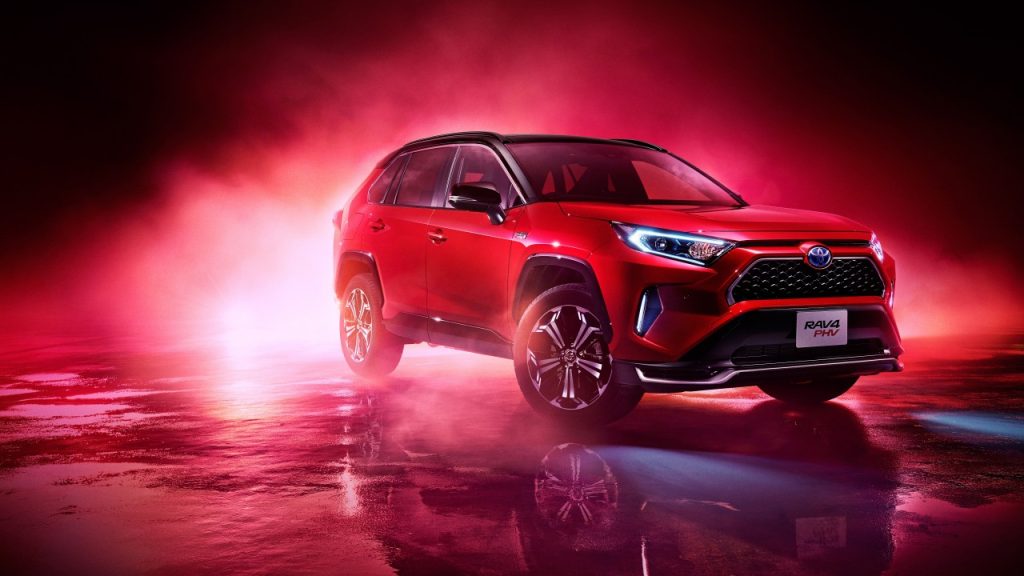
The RAV4 is included because it represents the smart NYC choice: durable enough to take pothole hits, practical enough for city life, and reliable enough to avoid turning into a repair project.
3) Honda CR-V
The Honda CR-V handles potholes well because it focuses on comfort and practical durability. New York streets require a forgiving suspension. The CR-V offers that. It absorbs harsh impacts better than many sporty crossovers, and that makes daily driving easier both physically and financially.
The CR-V’s ride quality is smooth and controlled. When you hit rough patches, the SUV remains stable instead of shaking violently.
That stability reduces stress on suspension parts and helps maintain wheel alignment longer. NYC drivers know that alignment is constantly under attack, so a car that stays straighter for longer is valuable.
The CR-V’s ground clearance also helps. It is not an off-road machine, but it sits high enough to handle broken city roads without scraping constantly. That reduces underbody damage risk.
Wheel size matters too. Many CR-V trims avoid extremely oversized wheels, which helps maintain tyre sidewall thickness. That extra rubber is crucial for pothole survival.
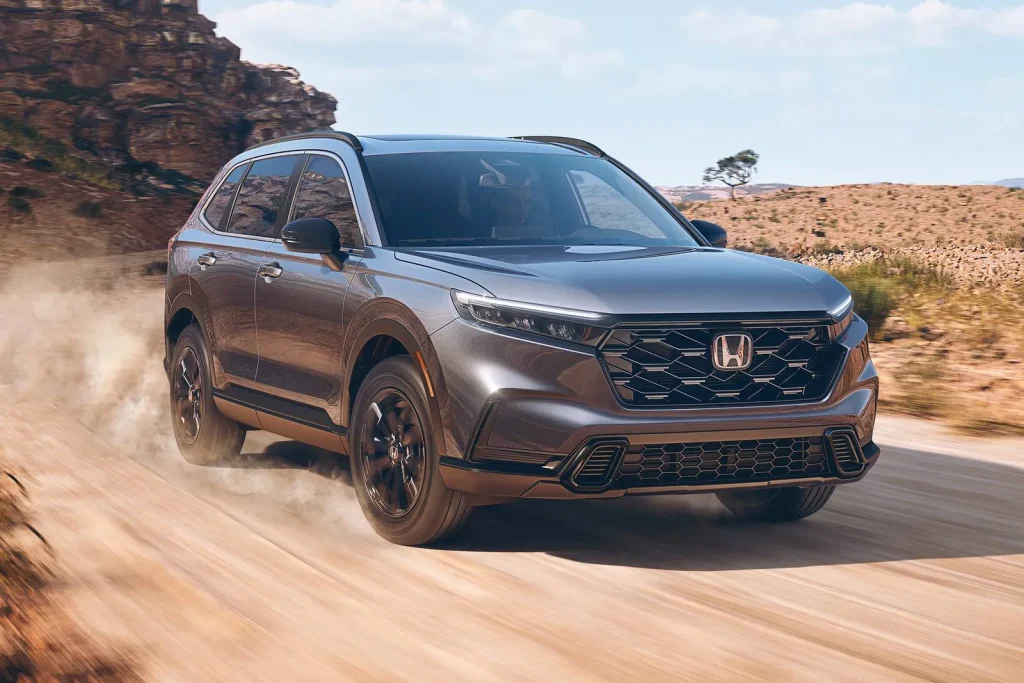
The CR-V is included because it offers a dependable, city-friendly package. It may not feel exciting, but it feels strong. It is easy to drive, easy to park, and capable of surviving rough streets without constant suspension drama. In New York, that kind of everyday toughness is exactly what drivers need.
4) Volvo XC60
The Volvo XC60 is included because it delivers a luxury-level pothole survival experience. Some luxury cars fail badly in NYC because they chase sporty handling with stiff suspensions and thin tyres. The XC60 tends to be different.
Volvo focuses heavily on comfort and safety, and that translates into a suspension that handles rough roads better than many premium rivals.
Ride quality is a key strength. The XC60 absorbs broken pavement and pothole hits with more softness than expected for a premium SUV. That means less impact stress on suspension components. In New York, the ability to “float” over rough sections reduces wear and improves driver comfort.
The XC60 also offers decent ground clearance and a strong body structure. That matters because potholes do not only attack wheels. They also stress chassis rigidity. A well-built structure survives better.

Wheel size depends on trim, but Volvo often provides a comfort-oriented setup that can be paired with more forgiving tyres. New York buyers can choose trims with more reasonable wheel sizes to improve pothole resistance.
The XC60 is included because it proves you can have premium comfort and NYC durability together.
It is not the cheapest vehicle to repair, but it reduces the frequency of pothole-induced damage because its suspension tuning is not overly harsh. For many New Yorkers who want comfort without fragility, it is an intelligent pick.
5) Kia Soul
The Kia Soul may not be the first car people think of for pothole survival, but it performs surprisingly well in NYC conditions. The reason is simple: the Soul is compact, has a practical ride height, and uses wheel and tyre setups that are often more forgiving than sporty sedans.
In New York, compact practicality matters. Being small helps you avoid potholes more easily because you can manoeuvre around damage in tight lanes.
Ride comfort is another advantage. The Soul’s suspension is tuned for city use. It absorbs bumps and broken pavement without feeling overly stiff. That makes potholes less dramatic. Over time, a softer city suspension reduces stress on suspension joints and bushings.
Tyre sidewalls are often thicker compared to performance cars. This matters because potholes destroy thin tyres. A thicker sidewall cushions impacts and protects the rim. This alone makes the Soul a strong NYC value pick.
The Soul is also practical for city parking and tight streets, which reduces the likelihood of hitting potholes while squeezing around other vehicles. It is easy to see out of, which helps you spot road damage earlier.

The Soul is included because it represents an underrated NYC vehicle. It is not an SUV, but it has enough ride height and comfort tuning to survive pothole life better than many sedans. It is also affordable to repair, which is a big advantage in a city where potholes create constant risk.
5 That Suffer Suspension Damage
New York potholes do not care about your badge, your horsepower, or how expensive your wheels are. In fact, the more “special” your car is, the more painful potholes become.
That is because many performance-focused and luxury-focused cars are not designed for roads that look like they’ve been bombed. They are built for smooth pavement, sharp handling, and high-speed stability.
NYC streets offer the opposite: broken asphalt, deep holes, uneven repairs, harsh road seams, steel plates, and endless speed bumps. When a car is tuned for precision rather than durability, these conditions quickly cause damage.
Cars that suffer suspension damage in New York usually share a few traits. They sit low to the ground, leaving little room for suspension travel.
They run large wheels with thin tyre sidewalls, which means impacts go directly into the rim and suspension rather than being cushioned by rubber. They also use stiffer springs and tighter dampers to improve sporty handling.
On perfect roads this feels great. On NYC roads, it becomes a punishment. Every pothole hit becomes sharper, louder, and more likely to break something.
Damage does not always happen instantly. Sometimes it is gradual. Pothole hits accelerate wear in control arms, bushings, ball joints, tie rods, sway bar links, and strut mounts. Alignments go out frequently. Rims bend.
Tyres bubble or blow out. Over time, the car starts feeling loose, noisy, or unstable, and you end up doing repairs far earlier than expected. The cost can be brutal, especially if the vehicle uses expensive performance parts or specialty wheel sizes.
This section highlights five cars that often suffer in New York because their design priorities clash with pothole reality. Again, these are not bad cars overall. Many are incredible machines.
But in NYC, they are more likely to take suspension damage and generate recurring repair bills. The goal is to help you avoid choosing a car that turns potholes into financial pain.
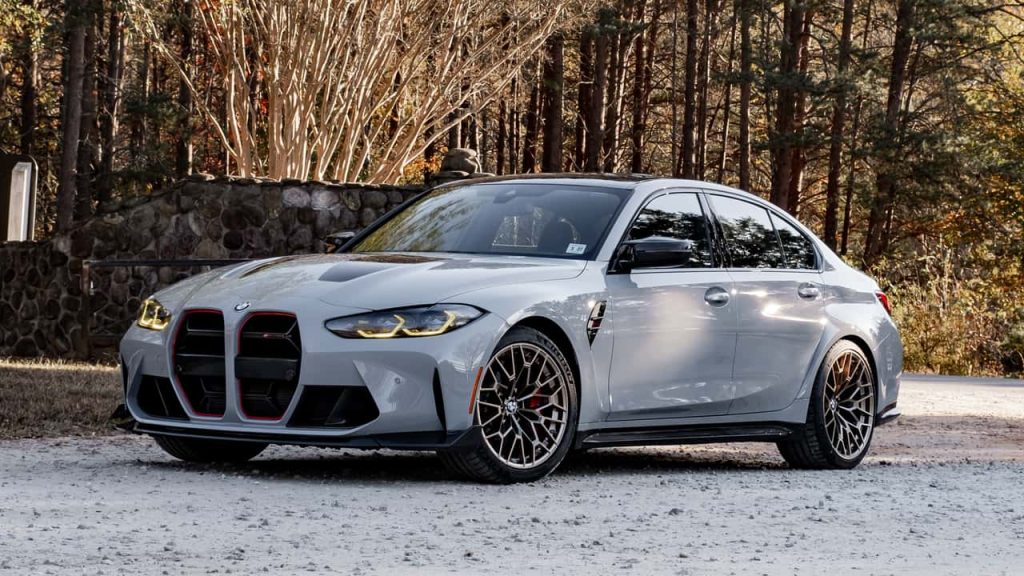
1) BMW M3
The BMW M3 is a legendary performance sedan, but it is one of the worst possible matches for New York pothole life. The M3’s suspension is built for control, not forgiveness. It uses a stiff setup designed to keep the car stable during hard cornering and high-speed driving.
That stiffness becomes a major problem on broken NYC roads because the suspension has less ability to absorb sharp impacts. Instead of soaking up a pothole, the car transmits the hit directly into the wheel, tyre, and suspension components.
Wheel and tyre setup is another big issue. M3 models often come with large wheels and low-profile tyres. Thin tyre sidewalls offer less cushioning, which means potholes are far more likely to bend rims or create tyre bubbles.
Once you damage a rim, alignment issues and vibration follow. In New York, rim damage is not rare, it becomes routine with low-profile performance setups.
The M3’s low ride height adds to the problem. Low ground clearance means the car is more vulnerable to scraping and bottoming out on sudden dips or raised road patches. That increases stress on underbody areas and suspension geometry.
Suspension components in performance cars also tend to be more expensive. Control arms, shocks, and bushings are not cheap.
And when they wear faster due to pothole hits, ownership becomes frustrating. Even simple repairs can become expensive because performance parts often cost more than standard equivalents.
The BMW M3 is included because it represents the classic NYC mismatch: a car built for perfect roads forced to survive rough streets. It can handle potholes if driven carefully, but in real NYC life, it often suffers frequent suspension wear, wheel damage, and alignment headaches.
2) Tesla Model 3 Performance
The Tesla Model 3 Performance is quick, modern, and fun, but NYC potholes can be brutal for it. The Performance trim is the key issue.
Regular Model 3 versions can be more forgiving, but the Performance model typically uses larger wheels, lower-profile tyres, and a sportier suspension tune. Those choices increase the risk of pothole damage dramatically.
Weight is another factor. EVs carry heavy battery packs. When a heavy vehicle hits a pothole on low-profile tyres, the impact force is higher. That increases the likelihood of bent rims, damaged tyres, and suspension stress.
Many NYC drivers have experienced tyre bubbles or cracked rims on performance-oriented EV setups. The thinner the tyre, the less protection you have.
Ride quality can also be harsh over broken pavement. The Performance suspension feels controlled, but on NYC streets it can feel stiff.
That stiffness means potholes hit harder, which can cause accelerated wear in suspension components. Even if nothing breaks immediately, the repeated stress can shorten the life of bushings and links.
Another problem is that repairs can be inconvenient. Wheel damage in particular is common in pothole-heavy environments, and EV-specific wheel and tyre setups can be costly. Alignment issues can also show up quickly when potholes knock things out of spec.
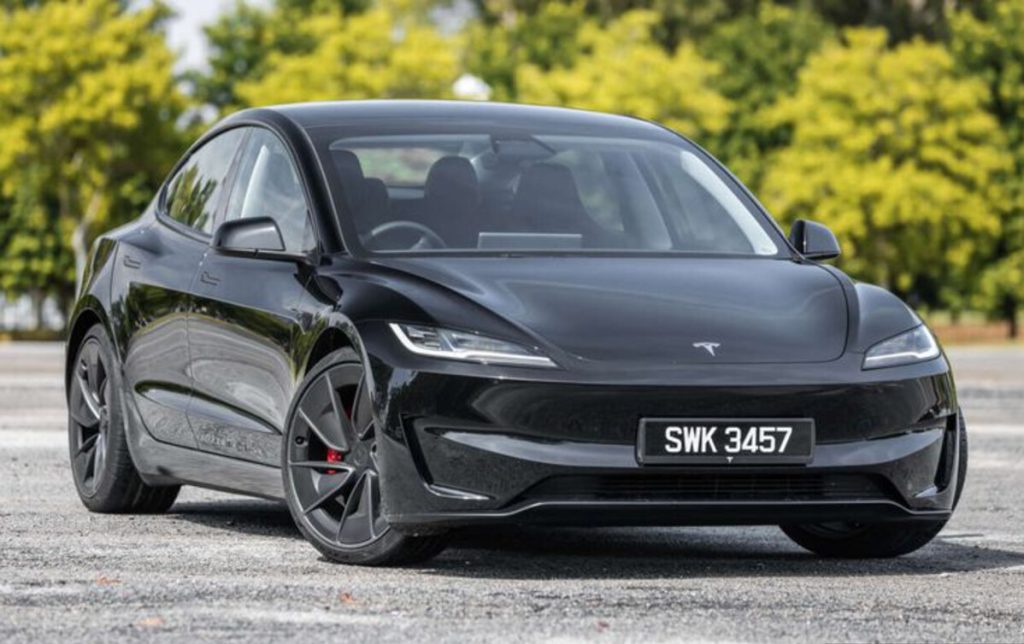
The Model 3 Performance is included because it demonstrates a modern NYC weakness: speed and performance trims often sacrifice road survival.
The car is excellent for smooth highways and fast acceleration. But when daily routes include broken streets, it becomes more vulnerable to costly rim, tyre, and suspension issues.
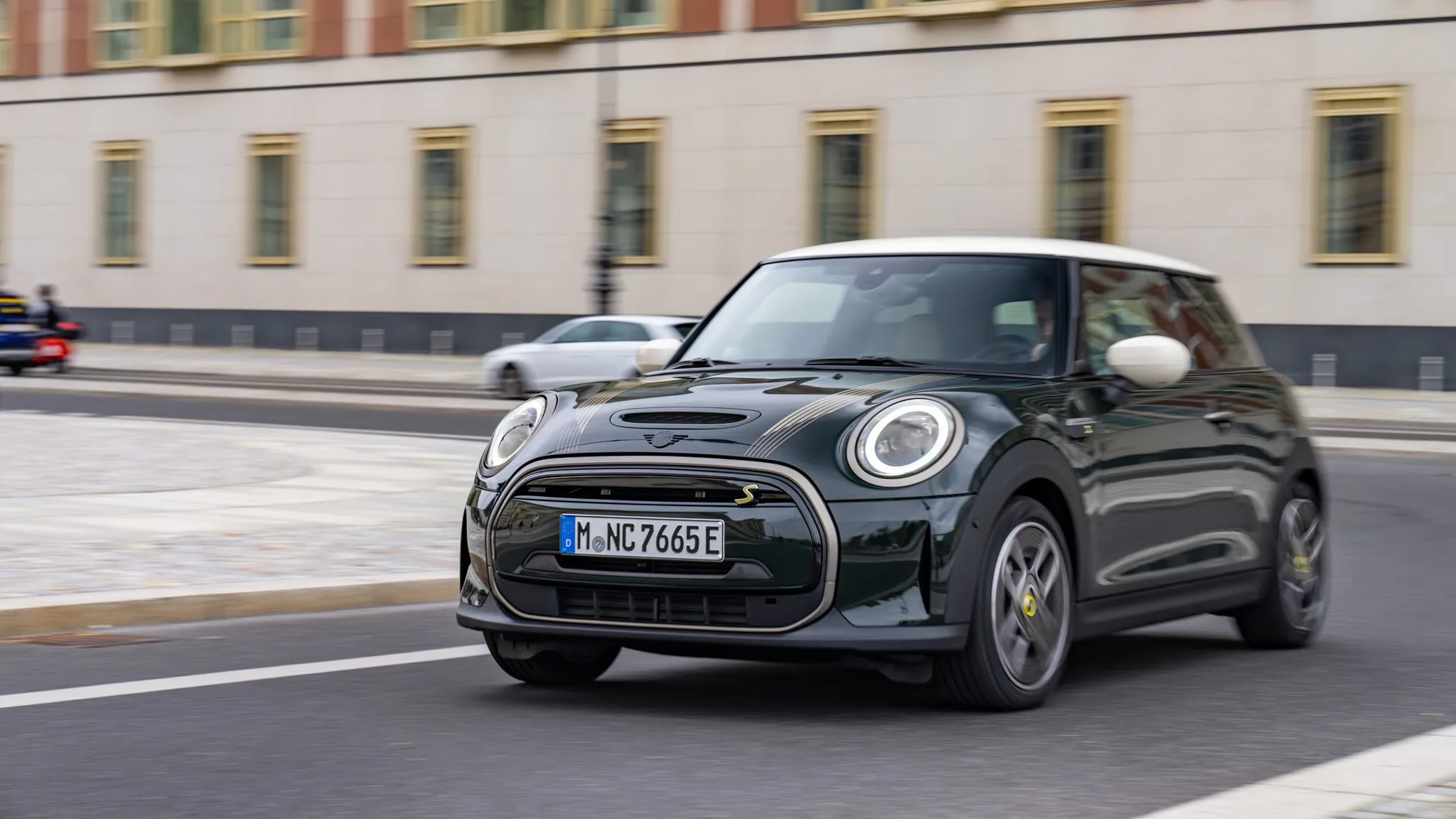
3) Mini Cooper S (Sport Package)
The Mini Cooper S is fun, agile, and perfect for squeezing through city traffic, but with a sport package it can suffer badly on NYC potholes. The Mini’s biggest weakness is its short wheelbase.
Short wheelbase cars react more sharply to bumps and holes because there is less distance between wheels. That makes pothole impacts feel harsher and more sudden.
The sport suspension and larger wheels worsen the problem. Many Mini Cooper S trims come with stiff tuning to improve handling. That means less absorption and more impact force traveling through suspension parts.
Low-profile tyres increase the risk of rim bending and tyre damage. In NYC, where potholes can be deep and unpredictable, this becomes a major downside.
The Mini’s small size helps with avoiding potholes, but you cannot avoid them all. When you hit one, the impact feels sharp.
Over time, suspension components like bushings, control arms, and links can wear faster. The car may also require frequent alignments because pothole hits knock geometry out.
Another issue is repair cost relative to car size. Many people assume a small car will be cheap to fix. But Minis can be expensive to maintain, and suspension or wheel repairs add up quickly. A pothole-driven Mini can become a constant shop visitor.

The Mini Cooper S is included because it shows how “city cars” can still suffer if they are tuned for sportiness. In a smooth European city, the Mini feels perfect. In NYC pothole reality, the sport versions often pay the price through wheels, tyres, and suspension wear.
4) Mercedes-Benz CLA (AMG Line)
The Mercedes-Benz CLA, especially with AMG styling packages, can be a pothole victim in New York. The CLA is often sold with large wheels and low-profile tyres because the sporty design is part of its appeal.
That aesthetic choice becomes a major weakness in pothole conditions. Low-profile tyres are the fastest path to rim damage in NYC.
The suspension tuning also tends to be firmer in AMG-line trims. The car is meant to feel sporty and precise. On broken pavement, this translates into harshness. Potholes hit harder, and the suspension absorbs less. Over time, this increases wear on control arms, bushings, and strut mounts.
The CLA’s low ride height adds to the vulnerability. Scraping and underbody hits can happen on uneven road transitions. In NYC, where road surfaces change suddenly, low clearance becomes a constant stress point.
Another practical issue is cost. Mercedes repairs and parts are not cheap. Even tyre replacement can be expensive because of the wheel sizes and performance tyre types many CLA trims use. If potholes cause frequent tyre bubbles, ownership becomes painful.
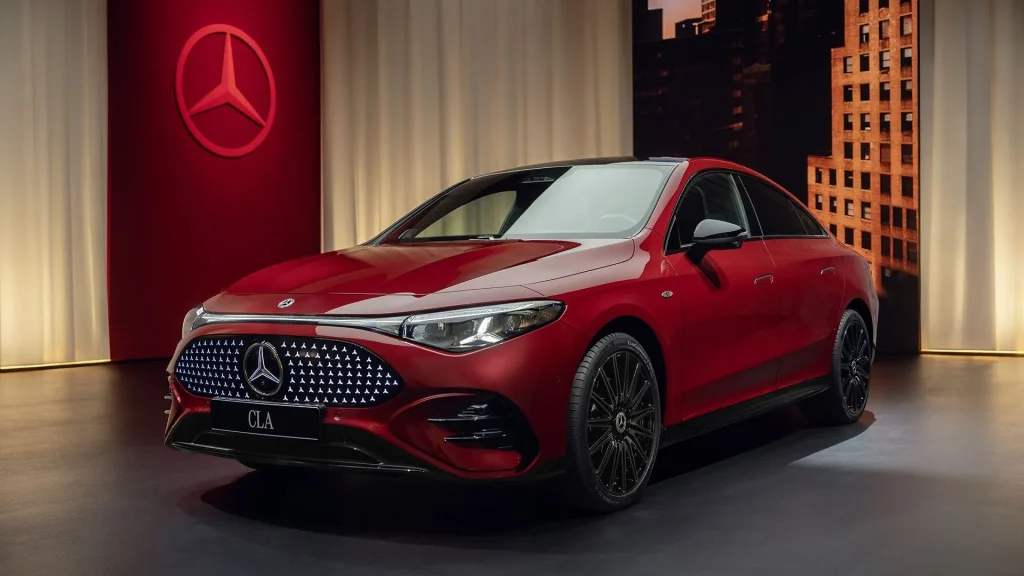
The CLA is included because it represents a common NYC trap: people buy a stylish luxury sedan, then discover the road environment destroys its low-profile wheels.
The CLA can look great parked in Manhattan, but on rough streets, it often suffers repeated wheel and suspension stress that leads to frequent repairs.
5) Chevrolet Camaro
The Chevrolet Camaro is built for performance and style, not pothole survival. In NYC, it suffers because it is low, stiff, and often equipped with large wheels and thin tyres. The Camaro’s low ride height means potholes and uneven road patches can scrape the underside. Every sharp dip becomes a threat.
Suspension tuning is firm, especially in sport trims. That firm setup means potholes feel harsh, and the force transfers into the suspension components.
Over time, this can lead to faster wear and occasional breakage of links, bushings, and mounts. The car also tends to have less suspension travel than a normal commuter car, which makes impacts worse.
Wheel and tyre vulnerability is a major issue. Many Camaros use big wheels with low-profile tyres. In NYC potholes, this combination leads to bent rims and tyre sidewall damage. Once a tyre bubbles, it must be replaced, and if the rim bends, vibration becomes constant until repaired. These costs add up quickly.
Another issue is visibility and avoidance. The Camaro’s design makes visibility worse than many vehicles, especially in the rear. That reduces your ability to spot potholes in certain angles, increasing the chance of hitting them hard.
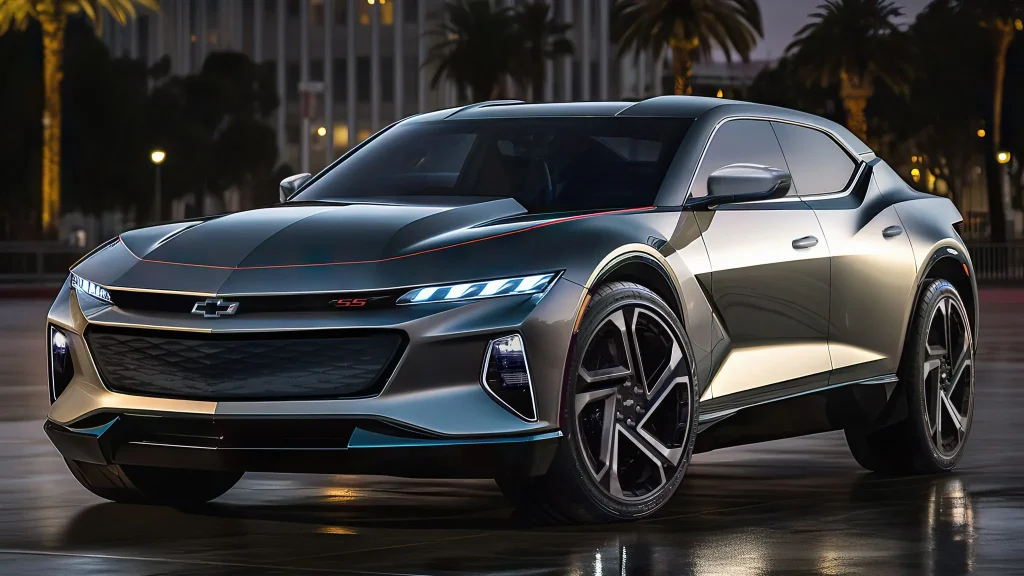
The Camaro is included because it captures the harsh truth about New York roads: sports cars suffer. They can be amazing on smooth highways and fun roads, but in NYC pothole reality, they become fragile, costly, and stressful to maintain, especially when suspension and wheel damage become regular problems.
