
Daily school runs are a special kind of driving. They are not the fun weekend trips where you have time to enjoy the road, nor are they long highway journeys where cruise control does most of the work.
School runs are short, repetitive, and full of small challenges that add up fast. You deal with tight U-turns near school gates, chaotic pickup lines, speed bumps every few meters, and sudden stops when kids run across the street.
In between, there are bags, water bottles, lunch boxes, sports kits, and sometimes a half-eaten snack that mysteriously appears on the seat. A car that works well for this routine needs to be simple, practical, and stress-free every single day.
That is why some cars become “school run champions.” They make life easier with wide-opening doors, easy entry and exit, enough rear space for child seats, and a boot that can swallow strollers or backpacks without a struggle.
They also help parents stay calm with smooth low-speed driving, light steering, good visibility, strong air conditioning, and safety features that build confidence. Even small details like cup holders, storage cubbies, and rear AC vents matter more than people think, because they reduce daily friction.
On the other hand, some cars feel inconvenient for this job even if they look good or drive well in other situations. Maybe the rear seat is tight, the suspension is too stiff for speed breakers, or the boot opening is awkward.
Sometimes the driving position makes visibility harder in crowded school zones. In other cases, the car is simply too large or too low for typical school run roads and parking spaces.
This article compares both sides clearly: five cars that are genuinely suited for daily school runs, and five that can make the same routine feel tiring and annoying. By the end, you will know which traits matter most, and what to avoid.
Also Read: 10 European V8 Cars That Deliver Old-School Muscle Vibes
5 Cars That Handle Daily School Runs
School runs demand convenience more than excitement. You need a car that starts every morning without drama, handles low-speed traffic smoothly, and lets kids enter and exit quickly without bumping heads or squeezing through tight gaps.
Parents also need stress-reducing features like good visibility, easy parking, strong cooling, and flexible seating. In this section, the focus is on cars that are built for that daily rhythm.
These models make sense because they reduce effort across hundreds of short trips. They are not just comfortable once in a while, they stay helpful every single day.
The cars listed here are chosen because they solve real school-run problems. They have family-friendly cabins, smart storage, and seating that supports child seats without constant adjustment.
Their doors and boot openings are practical, and their ride quality suits uneven city roads filled with potholes and speed bumps. They are also predictable behind the wheel.
That matters because school runs often involve quick turns, reversing into tight spots, and crawling forward in pickup lines while distracted by schedules and school bags.
Another reason these cars stand out is that they feel “easy” to live with. The driving position gives confidence, the steering does not tire your arms, and the cabin feels calm even during loud mornings.
Features like rear AC vents, strong infotainment usability, decent sound insulation, and sensible cupholder placement are not luxuries here, they are survival tools. When a car supports your routine instead of complicating it, you end up saving time, fuel, and mental energy.
So instead of listing random popular choices, this section highlights cars that naturally match the school-run lifestyle. They represent the kind of everyday practicality that busy parents appreciate most, and they prove that the right car can actually make mornings smoother.
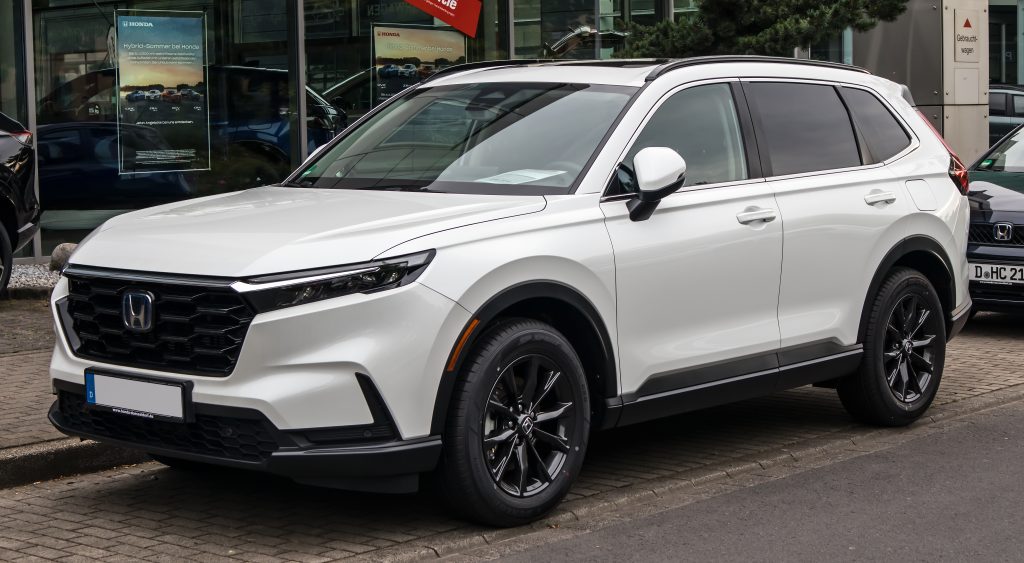
1) Honda CR-V
The Honda CR-V is one of the best examples of a family car that does not demand attention, it simply works. That is exactly what parents need for daily school runs. The CR-V’s biggest advantage is how easy it feels in real life.
Entry and exit are comfortable because the seating height is ideal: not too low like a sedan that forces you to bend, and not too tall like a ladder-style SUV that makes kids climb. That means kids can step in quickly, and parents can help with seat belts without awkward bending.
Space is another reason the CR-V fits this job. The rear seat is wide enough for two child seats without turning the cabin into a wrestling arena. There is enough legroom for older kids too, so the car remains usable as the family grows.
The boot is large and thoughtfully shaped, letting you throw in backpacks, sports gear, and grocery bags on the way back without playing luggage Tetris. The tailgate opening is practical, making loading quick even when you are in a hurry.
From the driver’s seat, the CR-V is a stress reducer. The visibility is strong, the steering feels light at low speeds, and the car behaves smoothly in stop-and-go traffic. That matters a lot in school zones where you constantly brake, crawl, and turn.
Its suspension generally absorbs bumps well, which is important because school routes often include broken roads and speed breakers.
The cabin also feels calm, and that helps both parents and kids start the day without extra chaos. It is not flashy, but for school runs, reliability and ease matter more than style.
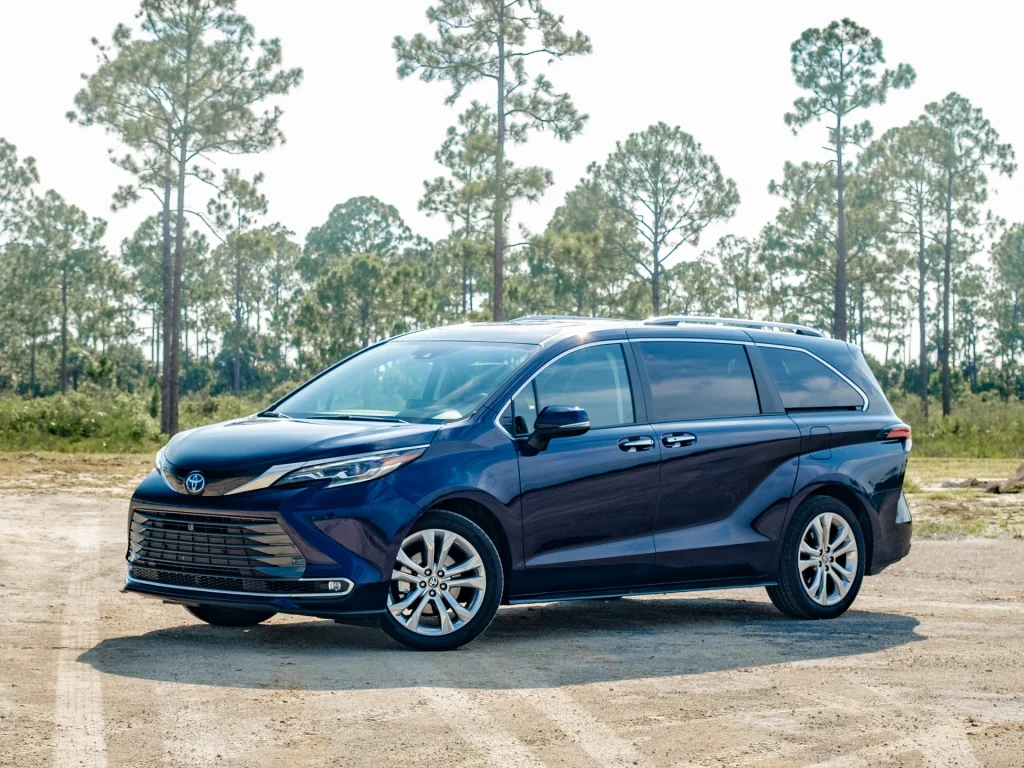
2) Toyota Sienna
If school runs include multiple kids, or if you often carpool, the Toyota Sienna becomes a secret weapon. Minivans are sometimes overlooked because people chase SUVs, but for school routines they are unbeatable.
The Sienna’s sliding doors alone make it a top-tier choice. In crowded school parking zones, sliding doors prevent door dings and allow children to enter and exit even when another car is parked very close. That single feature reduces daily frustration more than most people realize.
Inside, the Sienna is designed like a moving family room. The cabin has a natural “parent-friendly” layout with easy access across rows, flexible seating, and storage areas that actually feel made for real families.
Kids can climb into the third row without painful gymnastics. Bags can be placed without blocking legs. Cup holders and cubbies keep bottles and snacks from rolling around the cabin. When you are doing repeated short trips, these details turn into major advantages.
The ride is another key point. The Sienna is tuned for comfort, which is exactly what school routes demand. Speed breakers and uneven surfaces do not constantly shake the cabin. That means kids stay calmer and parents stay less stressed.
On the road, the Sienna feels predictable and stable. It may not feel sporty, but it does not need to. It is supposed to handle low-speed traffic confidently and safely, and that is where it shines.
The boot space is huge, even with passengers. That is perfect for school life, because school runs often turn into grocery stops, sports practice drives, or weekend errands. The Sienna is here because it makes daily logistics easier. It is not an emotional purchase, it is a smart one.
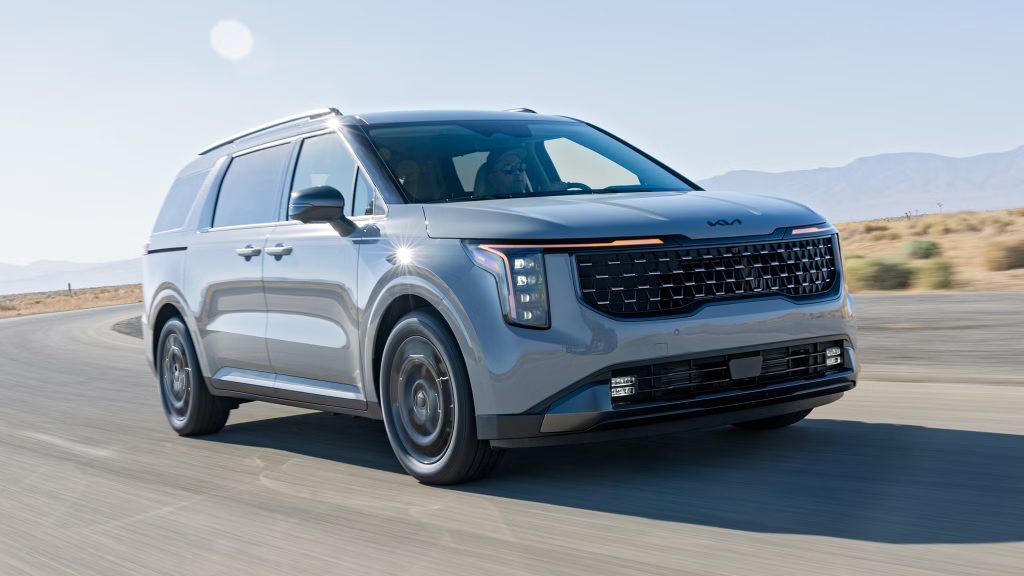
3) Kia Carnival
The Kia Carnival sits in a sweet spot between a minivan and an SUV, and that makes it particularly appealing for school runs. Many families want the practical benefits of a minivan, but also want something that looks more stylish and modern.
The Carnival delivers both. Its cabin space is huge, and it feels genuinely designed for families that need to move children comfortably every day.
Like the Sienna, the Carnival’s sliding doors are a massive advantage. The school pickup line is unpredictable, kids rush in and out, and parking spaces are tight. Sliding doors make those moments smoother and safer.
There is also the benefit of a flat, accessible interior. Kids can enter without climbing too much, and parents can reach seat belts and bags without twisting like a contortionist.
The Carnival also does well with comfort. It has a smooth ride that handles bumps and broken roads without feeling harsh. That matters because school routes are often rougher than highway roads.
The cabin stays calm, and the noise insulation helps reduce chaos during morning rush. The driver’s view is commanding, but the vehicle does not feel intimidating. Many parents appreciate that mix, because confidence behind the wheel is essential when driving near crowded school gates.
Storage is another reason the Carnival belongs here. There is room for school bags, stroller, sports equipment, and even weekend luggage without fighting for space. This is important because school routines rarely stay limited to school.
A “school run car” is also an errand car, a weekend trip car, and a family event car. The Carnival fits all those roles naturally. It is included because it makes the routine feel lighter, and that is the real goal.
4) Subaru Outback
The Subaru Outback is a fantastic option for families who want something more versatile than a typical crossover. While it is not the first car people think of for school runs, it is quietly brilliant at it. The Outback offers a comfortable ride, stable handling, and excellent visibility. Those three factors make it perfect for daily driving in mixed city conditions.
What makes the Outback special for school runs is how balanced it feels. It is not overly large, but it is spacious enough. The rear seat is roomy for kids and child seats.
The boot is long and useful, great for school bags, groceries, and hobby equipment. You will especially appreciate it when school runs become sports practice runs or weekend activity drives.
The driving experience is a calm one. The steering is predictable, the suspension handles poor roads nicely, and the car feels stable even when roads are wet. Families in areas with frequent rain or unpredictable road conditions benefit from Subaru’s all-wheel-drive confidence. Even in a normal urban routine, extra stability reduces stress.
Inside, the Outback is practical without feeling basic. There are enough storage spaces, the seats are comfortable, and the cabin is built for long-term use.
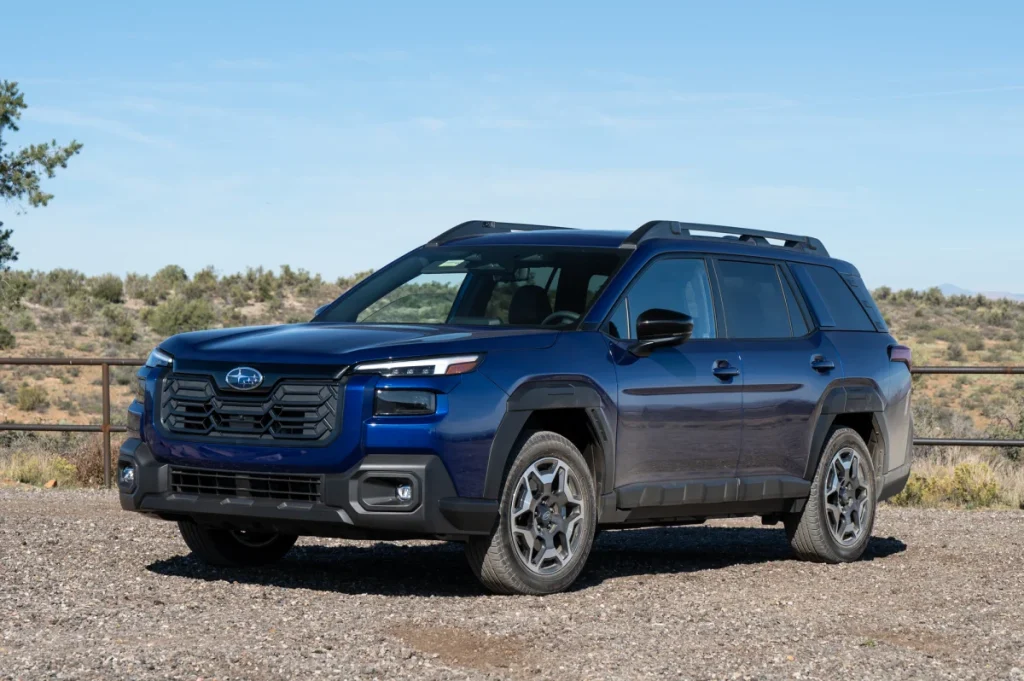
Many parents prefer cars that do not feel delicate, because kids bring mess. The Outback has a durable vibe. It is included because it makes daily routines easy while still offering adventure-ready versatility for family weekends.
5) Hyundai Tucson
The Hyundai Tucson is a strong school-run car because it focuses on everyday comfort and user-friendly design. It is the kind of vehicle that feels manageable in busy streets, yet spacious enough for a family.
Parents appreciate the Tucson because it handles daily routines without making you feel like you are driving something oversized.
The rear seat space is generous for this class. Kids can sit comfortably, and it is relatively easy to install child seats. Doors open wide enough to help children get in and out quickly. The boot is practical for school bags, lunch kits, and sports gear.
It is not just about volume, it is about usability. A boot that is easy to access in tight spaces matters during school pickups, and the Tucson performs well here.
On the road, the Tucson is smooth at low speeds. That is crucial because the school run is mostly crawling in traffic and navigating narrow streets. The suspension is tuned for comfort, helping absorb bumps and potholes.
Visibility is good, which matters when you are scanning for kids crossing the road or looking for parking openings. Modern safety and driver-assist features can also reduce stress, especially in chaotic school zones.
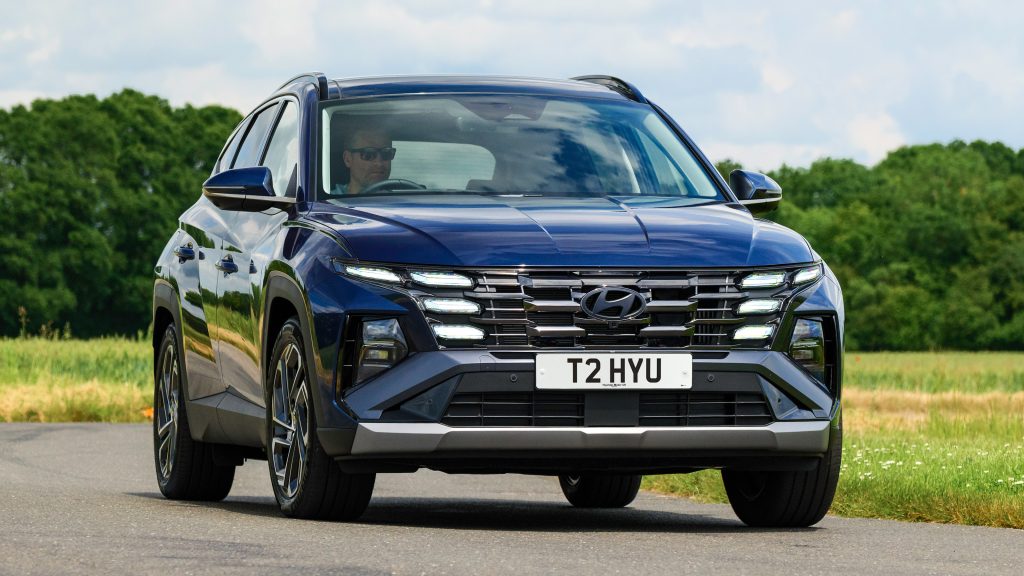
It also has the type of cabin design that families like: practical storage, modern infotainment, and comfort-focused seating. The Tucson is included because it fits the real needs of daily parenting life. It is not trying to be a race car. It is trying to be helpful, and that is what matters for school routines.
5 That Feel Inconvenient
Not every car that looks attractive or drives well on open roads feels suitable for daily school runs. In fact, many cars that people buy for style, performance, or brand value end up becoming small daily headaches when used for school routines. The reason is simple: school runs are repetitive and demanding in a very specific way.
You are not just driving, you are constantly stopping, parking, reversing, squeezing into tight lanes, handling kids entering and exiting, managing bags, and dealing with unpredictable traffic around school gates. A car that feels even slightly impractical will amplify those frustrations over time.
Inconvenience in school runs usually comes from design choices that are not family-focused. Some cars sit too low, making it annoying to help kids with seat belts or load heavy bags without bending constantly.
Others have stiff suspension, so every pothole and speed breaker feels like a punishment. Some models have cramped rear seats, meaning kids feel uncomfortable and parents struggle with child seats.
A few cars have poor visibility due to thick pillars, small windows, or awkward driving positions, which becomes stressful in school zones packed with pedestrians and vehicles. Even door design can become a daily problem, because wide-opening doors in tight parking spaces cause constant fear of scratches.
Another major issue is boot practicality. Some cars might have decent boot space on paper, but the opening is narrow or the loading lip is high. That makes it harder to load backpacks, strollers, or sports kits quickly.
Add poor turning radius, heavy steering, or complicated infotainment controls, and the school run becomes mentally tiring. Over months and years, these small inconveniences feel bigger than you expect.
This section highlights five cars that often feel inconvenient for school runs, not because they are “bad cars,” but because their priorities do not match the needs of daily parenting routines. The goal is not to shame these cars, but to help you avoid choices that look exciting in the showroom but become annoying at the school gate.
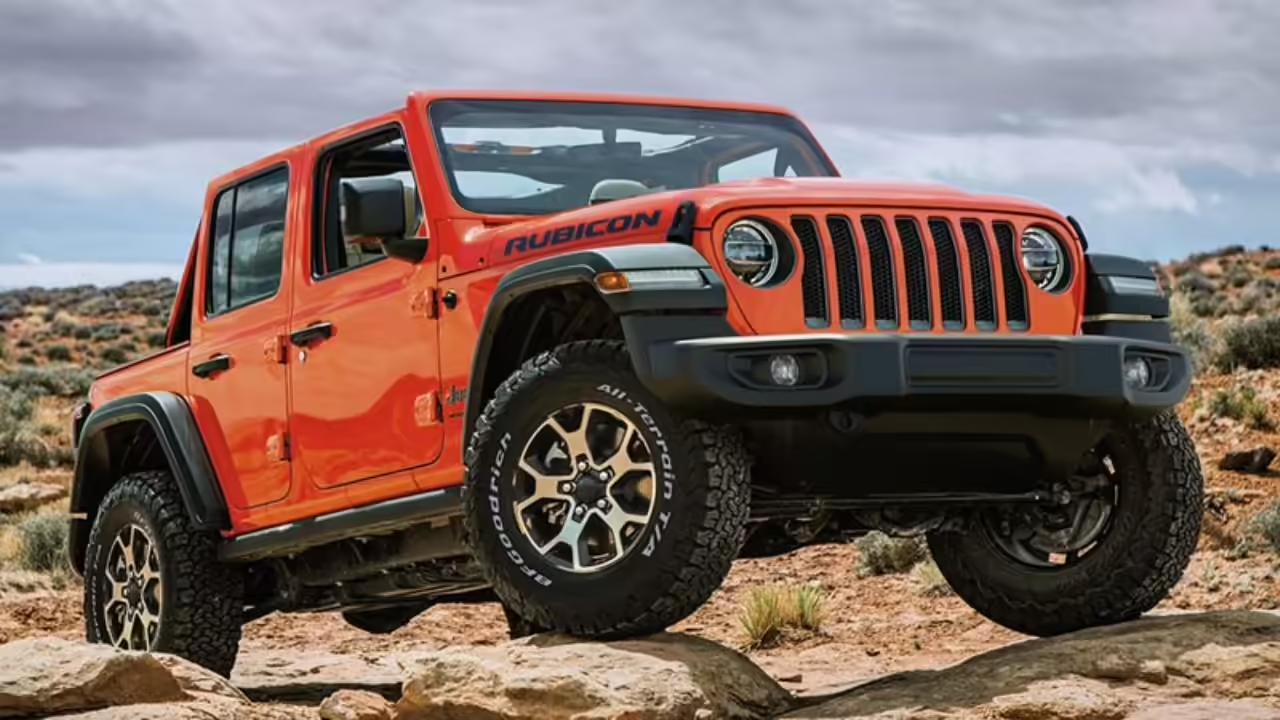
1) Jeep Wrangler
The Jeep Wrangler is iconic, fun, and built for adventure, but for daily school runs it can feel like a constant compromise. The Wrangler’s biggest issue is that it is designed more for rugged terrain than for practical family convenience.
Getting kids in and out is not as smooth as in a typical crossover. The ride height can be a challenge for smaller children, and parents may find themselves repeatedly lifting bags and helping kids climb in. The doors, depending on the version, can feel heavy and awkward in tight school parking zones.
Ride quality is another reason it becomes inconvenient. The Wrangler can feel bumpy on normal city roads, especially over potholes and speed breakers.
School routes often include uneven roads, and a stiff, rugged suspension means kids may complain more, while parents feel the constant shaking through the steering and seat. That is fine on a weekend trail, but it becomes tiring when repeated twice daily.
Parking and turning can also feel stressful. School zones usually require quick, confident manoeuvres in tight spaces.
The Wrangler is not the easiest vehicle to handle in those conditions, and visibility, while decent in some ways, can still feel tricky due to its shape and design. You are often dealing with other cars, pedestrians, and children moving unpredictably, so anything that increases difficulty can become a problem.
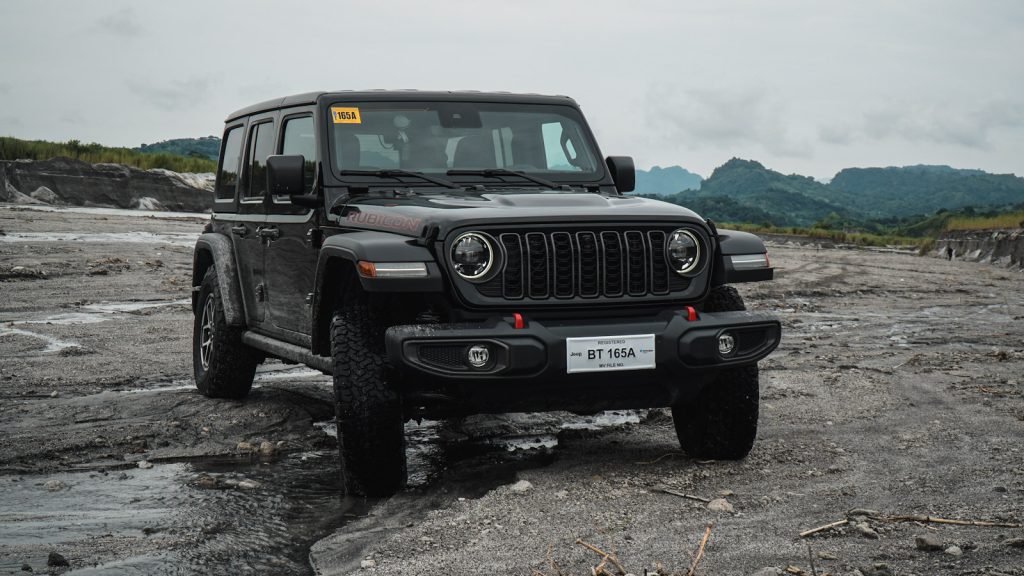
Boot practicality depends heavily on the configuration. While it can carry a lot, it does not feel as family-optimized as SUVs designed for daily duties. The Wrangler is included here because it is built for a different lifestyle. It is excellent for adventure, but for routine school runs, it often feels like too much effort.
2) Chevrolet Camaro
The Chevrolet Camaro looks bold and exciting, but it can feel painfully impractical for school runs. The main issue is that it is a low-slung sports coupe with limited access and limited visibility.
Helping children get into the rear seat is not just inconvenient, it is frustrating. Rear access in a two-door car requires folding front seats forward, and in tight parking spaces that is a daily struggle. Over time, parents quickly realize how exhausting it becomes.
The rear seats themselves are cramped. Even if kids fit, it feels tight, and the low roofline makes entry and exit awkward. That means kids bump heads, complain, and move slowly when you are already rushing. School runs demand quickness, and a Camaro demands patience.
Visibility is another huge drawback. Thick pillars and a small rear window reduce the driver’s ability to see clearly. In school zones where children run across unexpectedly, strong visibility is not optional, it is critical.
Even with cameras and sensors, you still feel more stress behind the wheel compared to a crossover with large windows and a higher seating position.
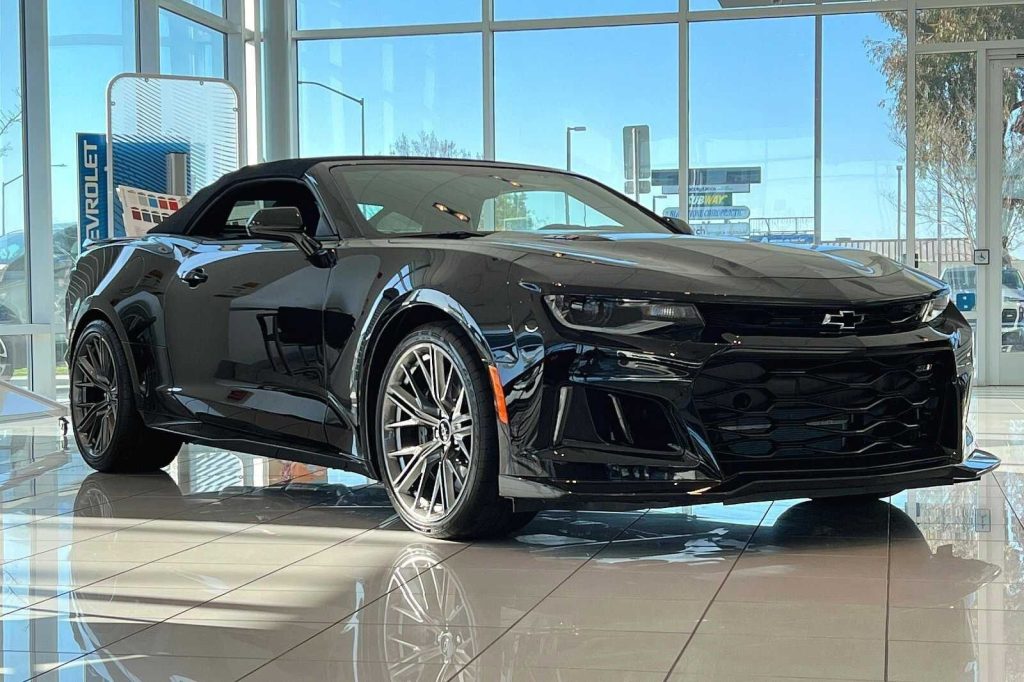
Boot usability is also limited. The Camaro may have a boot, but it is not designed for bulky school items. Sports kits, strollers, or multiple backpacks can be annoying to fit.
This car is included because it shows how a fun personal vehicle can become a practical nightmare in a family routine. The Camaro delivers thrill, not convenience, and school runs reward convenience above everything else.
3) Mazda MX-5 Miata
The Mazda MX-5 Miata is one of the most enjoyable cars to drive, but it is almost the opposite of what most families need for school runs.
It is small, low, and built around the driver’s experience rather than passenger practicality. If your school run involves kids, bags, or even light errands, the Miata will feel inconvenient from day one.
The first issue is seating. Most Miata versions are two-seaters. That alone makes it unsuitable for families with children, unless you are only transporting one older child occasionally and have another car for regular use.
Even when used just for a single child scenario, the low seating position creates problems. Getting in and out involves bending low, and helping kids with belts becomes awkward.
Storage space is another challenge. The boot is tiny compared to family-focused vehicles. School bags can fit, but anything extra like sports equipment, a stroller, or multiple backpacks becomes impossible. School runs often lead into other errands, and the Miata does not support that lifestyle.
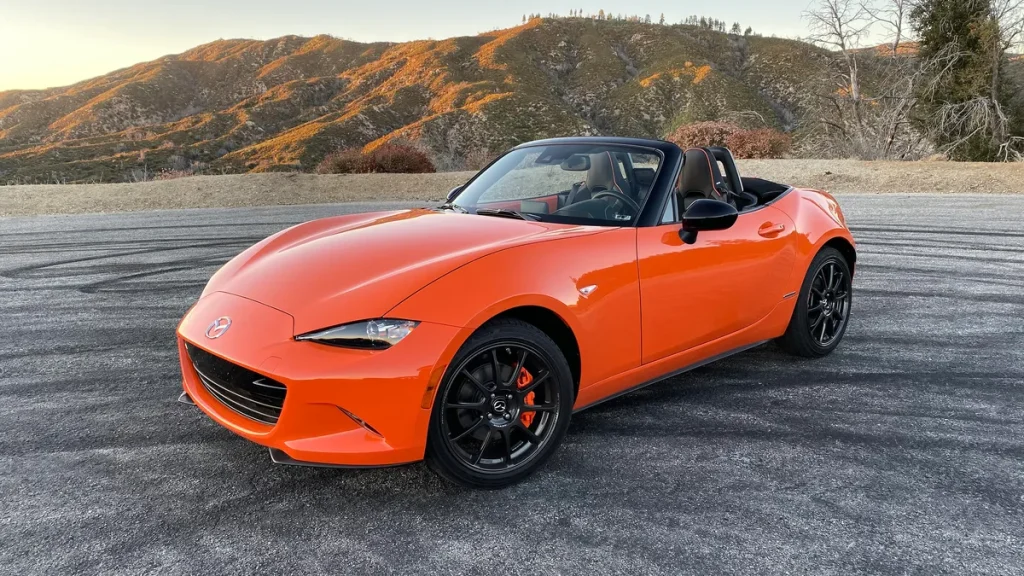
Ride comfort is also limited compared to crossovers. Because it is lightweight and sporty, bumps and potholes are felt more sharply. In busy city roads with uneven surfaces, that becomes tiring.
The Miata is included here because it represents the type of car people love emotionally, but school runs punish emotional purchases. It is brilliant for weekend drives, but for school routines it adds friction everywhere.
4) Tesla Model 3
The Tesla Model 3 is modern, fast, and efficient, but it can still feel inconvenient for school runs in ways that surprise people. The first issue is not performance or tech, it is practicality and routine comfort.
The Model 3 sits relatively low, and while it is not as low as a sports coupe, it still requires more bending to assist children compared to crossovers. Repeated daily, that becomes annoying, especially when helping younger kids with seat belts.
The cabin design is another adjustment. Tesla’s minimalistic interior looks clean, but many controls are handled through the touchscreen.
In school-run chaos, when you want to quickly adjust climate settings, defog windows, or change music, relying heavily on a screen can feel distracting. Parents often want simple physical controls that can be used without taking eyes off the road, especially in crowded school zones.
The boot situation is mixed. There is storage in the frunk and trunk, but the trunk opening is not as wide and practical as an SUV tailgate. Loading awkwardly shaped items can be inconvenient. Many school runs involve bulky items like projects, sports gear, or strollers. A sedan trunk is simply not as easy.
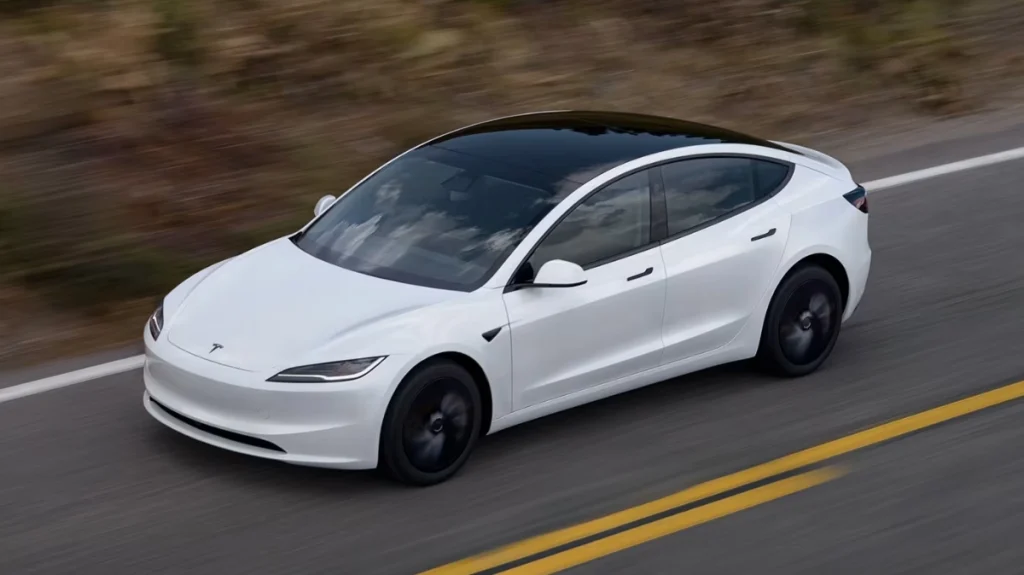
Ground clearance and ride feel can also become issues depending on road conditions. Some school routes have rough surfaces and sharp speed breakers. The Model 3 can handle most roads, but it does not always feel as carefree as a higher crossover.
The Model 3 is included because it is a great car for many lifestyles, but for daily school routines it can introduce inconveniences that families do not expect.
5) BMW 2 Series Coupe
The BMW 2 Series Coupe is stylish, sporty, and premium, but school runs are not its natural habitat. Like many coupes, it looks great and drives well, but it compromises practicality. The two-door format makes rear-seat access inconvenient.
Every school run involves kids climbing in and out, and parents assisting with seat belts, bags, and positioning. With a coupe, that becomes a repeated hassle. Folding the front seat forward daily feels like wasted effort.
Rear-seat comfort is also limited. For younger kids it may be manageable, but for older children it becomes cramped. Even if your kids fit now, they will grow.
A school-run car should age well with your family, not become unsuitable within a few years. The coupe design also reduces headroom, meaning entry and exit are not smooth.
Boot practicality is decent for a coupe, but the opening is often smaller and less convenient than family-oriented vehicles. If your school run includes hobby gear, sports kits, or weekend errands, the coupe shape becomes limiting.
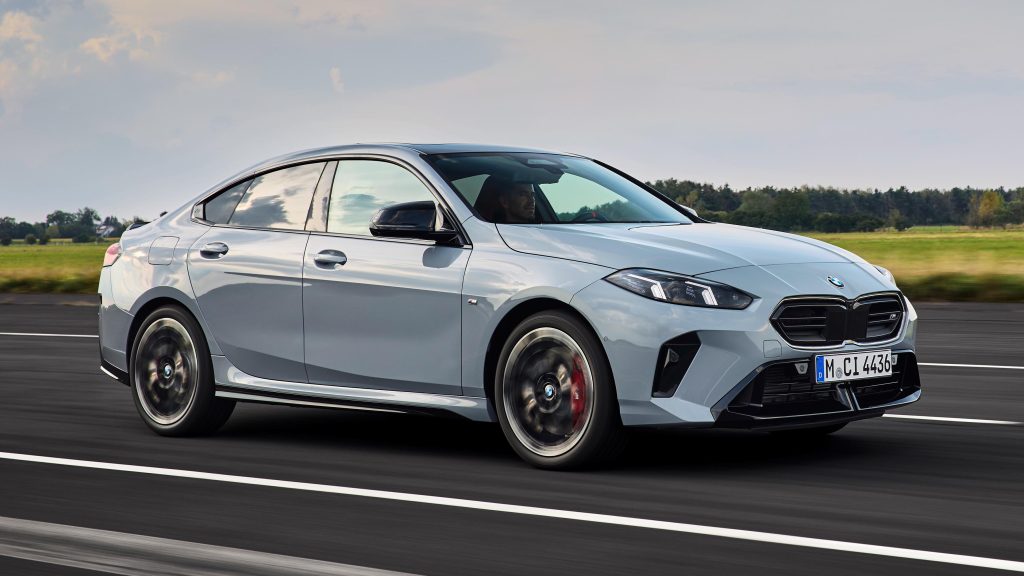
Visibility is also not as strong as an SUV or crossover, and in school zones visibility reduces stress more than horsepower ever will.
The BMW 2 Series Coupe is included because it highlights a common trap: buying a sporty premium car and expecting it to adapt to family routines. It can be used, but it will never feel truly convenient for this purpose. Over time, it can make daily routines feel heavier instead of easier.
Also Read: Top 10 Dream Cars You Can Own for $100,000 or Less
