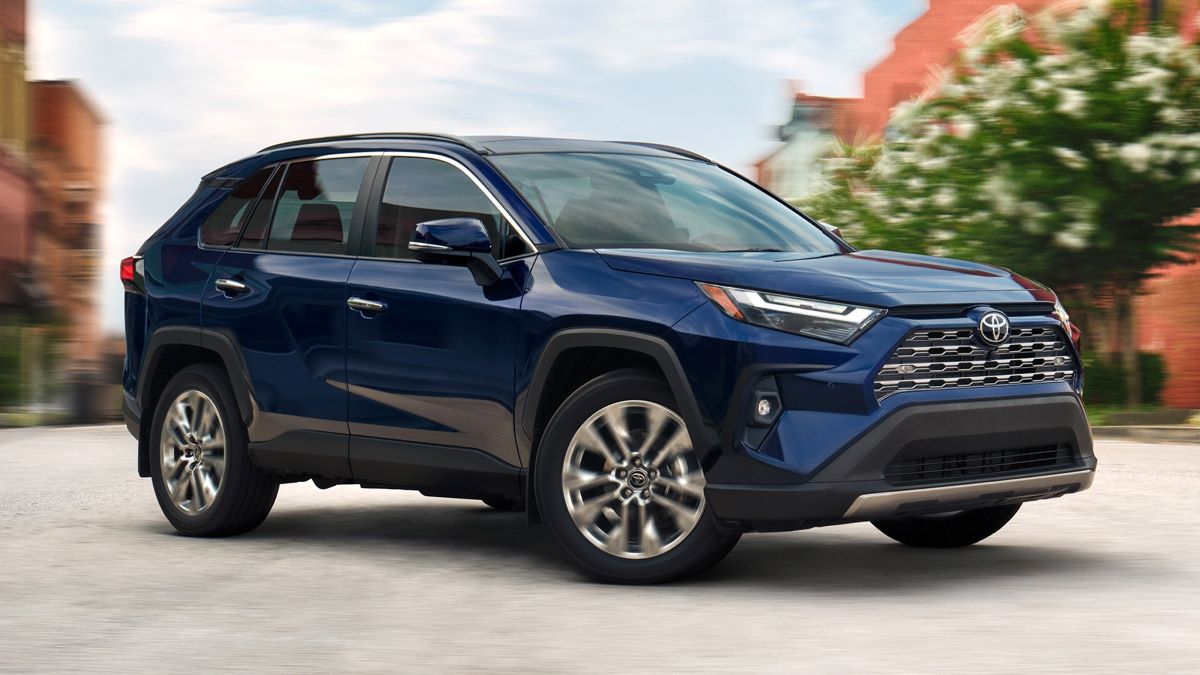
Chicago winters are not just cold they are punishing. Between subzero temperatures, lake-effect snow, icy side streets, potholes hidden under slush, and months of road salt eating away at metal, the Windy City creates one of the harshest driving environments in the United States.
For Chicago drivers, winter isn’t a season; it’s a prolonged stress test for vehicles. Some cars rise to the challenge with ease, starting reliably on freezing mornings and maintaining traction through snow-packed roads.
Others, however, struggle every cold start, showing their weaknesses when temperatures plunge.
This article breaks down five cars that are well-suited for Chicago winters and five that consistently suffer in extreme cold.
The goal is not to shame certain models, but to help drivers understand what actually matters in winter driving things like drivetrain design, ground clearance, cold-weather reliability, battery performance, heating systems, and long-term durability.
Whether you’re commuting downtown, navigating unplowed neighborhood streets, or parking outdoors overnight, these differences can make or break your winter experience.
Cars That Handle Chicago Winters Well
Chicago winters are a true test of any vehicle. Between subzero temperatures, lake-effect snow, icy side streets, and months of salt-covered roads, not every car is built to survive daily driving in the Windy City once winter sets in.
A vehicle that performs well in warmer climates can quickly become unreliable when faced with frozen mornings, slippery intersections, and potholes hidden beneath slush.
That’s why choosing the right car for Chicago isn’t just about comfort or style, it’s about cold-weather dependability, traction, and durability. We look at cars that handle Chicago winters well, focusing on models that start reliably in extreme cold, maintain control on snow-packed roads, and hold up against the long-term wear that harsh Midwest winters bring.
1. Subaru Outback
The Subaru Outback has long been one of the most winter-capable mainstream vehicles in America, and Chicago winters play directly to its strengths.
Standard all-wheel drive across all trims gives the Outback a massive advantage when roads are slick or snow-covered.
Unlike many part-time AWD systems, Subaru’s symmetrical AWD continuously distributes power, helping the vehicle maintain balance even during sudden traction loss.
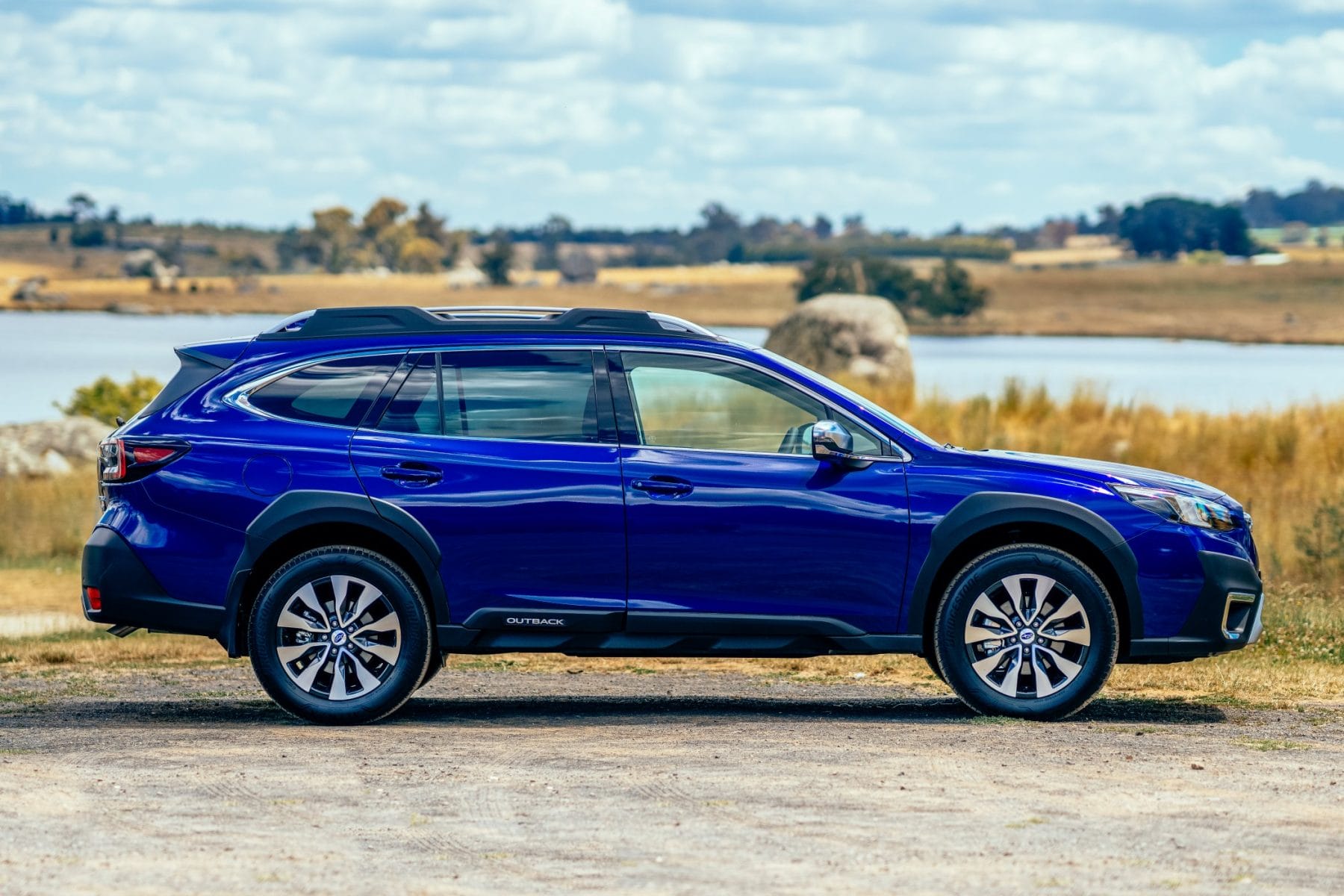
Cold starts are rarely an issue thanks to Subaru’s reliable boxer engines, which perform consistently in freezing temperatures when properly maintained.
The Outback’s generous ground clearance also matters in Chicago, where snow piles build up near curbs and side streets may go days without plowing.
Add in strong heating performance, heated seats, and excellent visibility during snowstorms, and the Outback feels purpose-built for winter commuting rather than merely surviving it.
2. Toyota RAV4 (AWD)
Toyota’s reputation for reliability pays dividends during Chicago winters, especially in the RAV4 with all-wheel drive. Cold weather is unforgiving on engines, batteries, and electronics, but the RAV4 consistently proves resilient in freezing conditions.
It starts reliably even after sitting outside overnight, which is a daily reality for many city drivers without garages.
The AWD system isn’t designed for off-roading, but it handles icy intersections and snowy highways confidently. Toyota’s traction control calibration is particularly effective, preventing wheel spin without feeling intrusive.
Inside, the RAV4 warms up quickly, an underrated feature when temperatures dip below zero and frost coats the windshield. For drivers who want low stress during winter rather than excitement, the RAV4 is one of the safest bets.
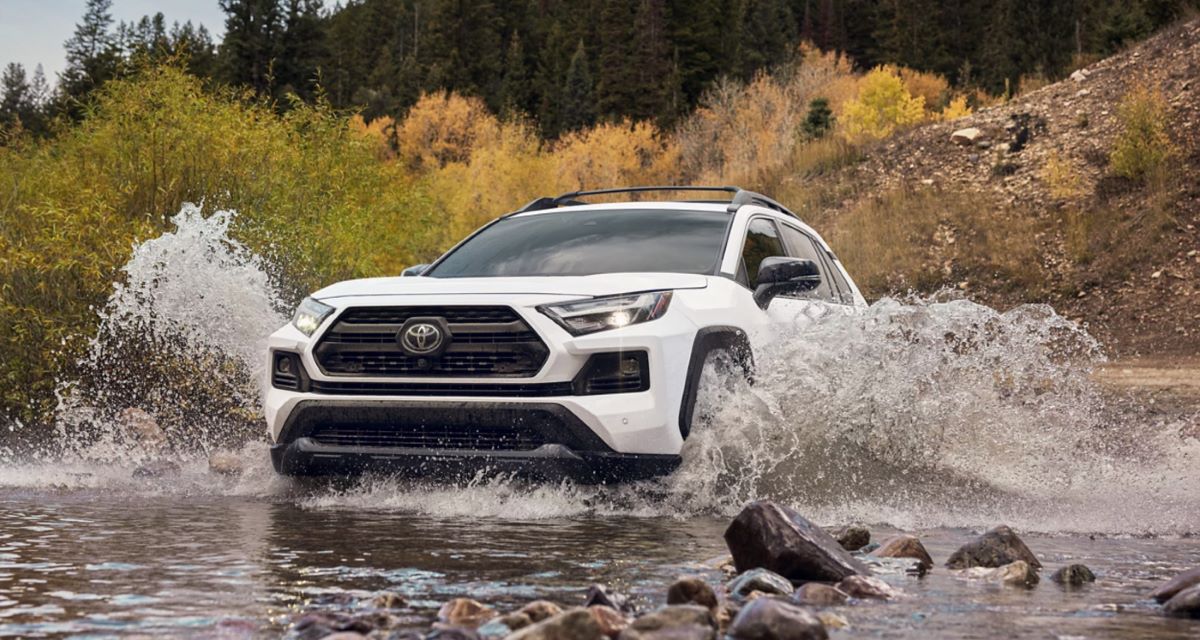
The 2026 Toyota RAV4 Hybrid represents a significant step forward in the compact SUV segment, blending efficiency, versatility, and modern technology in a package well-suited for American drivers.
With its updated hybrid powertrain, the RAV4 now offers both front-wheel-drive and all-wheel-drive configurations, producing up to 236 horsepower while maintaining impressive fuel economy, up to 48 mpg in the city for front-wheel-drive models.
While acceleration remains adequate rather than thrilling, the smooth electronic continuously variable transmission (eCVT) ensures responsive performance without the droning engine noise common to many rivals.
Beyond the powertrain, Toyota has refined the RAV4’s suspension and braking systems to deliver a composed, comfortable ride over rough roads, and the interior continues to balance durability with modern design, offering spacious seating and excellent cargo capacity.
For drivers who need a hybrid SUV that handles daily commutes, weekend adventures, or light off-road excursions, the 2026 RAV4 Hybrid combines practicality with efficiency, making it a compelling choice in a crowded market.
Also Read: Top 10 Manual Cars Worth Buying Before They’re Gone for Good
3. Honda CR-V (AWD)
The Honda CR-V doesn’t advertise itself as a winter warrior, but in real-world Chicago driving, it performs exceptionally well. With available AWD, the CR-V provides stable handling on icy roads and predictable behavior in poor conditions.
Honda’s engineering shines in cold weather reliability engines start smoothly, transmissions behave consistently, and electrical systems rarely act up.
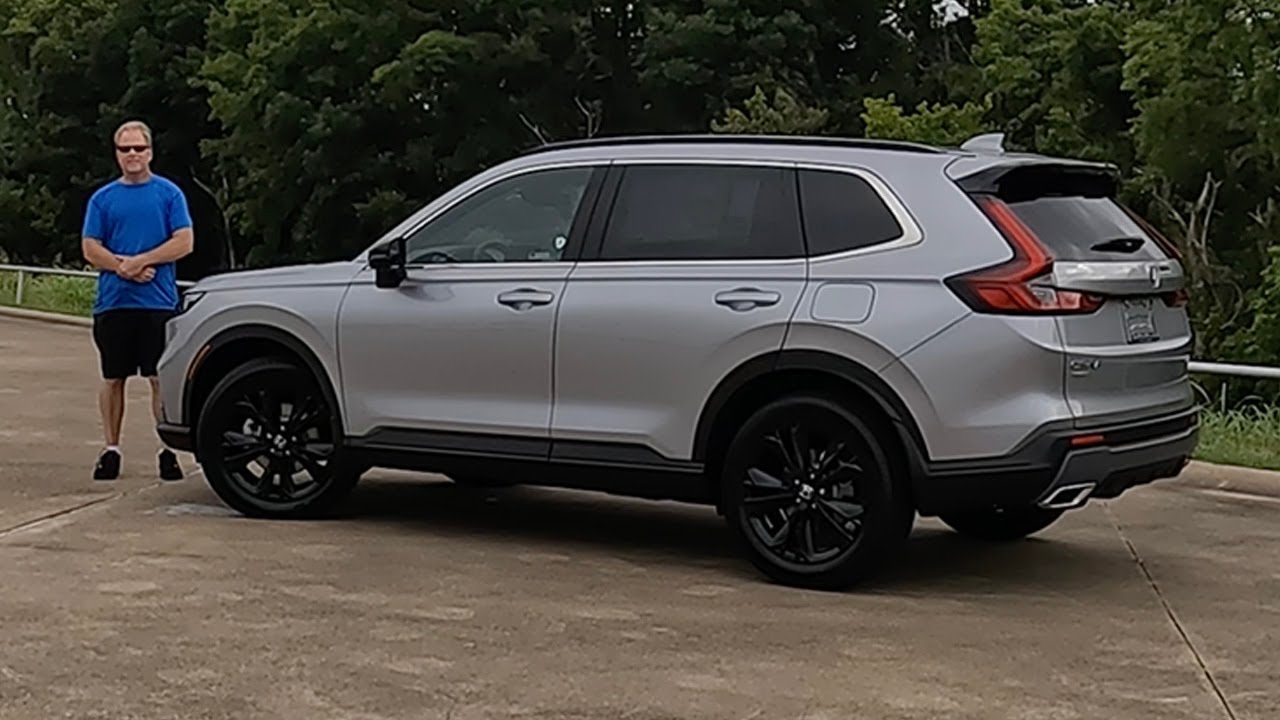
One of the CR-V’s biggest winter advantages is its balanced ride quality. It absorbs potholes hidden under snow better than many sedans, reducing the chance of suspension damage during winter months.
The interior is also well-insulated, helping retain heat and improve comfort during long commutes. For families and daily commuters, the CR-V offers quiet confidence when winter roads turn hostile.
4. Jeep Grand Cherokee
Few vehicles feel as composed in Chicago winters as the Jeep Grand Cherokee. Its weight, available full-time four-wheel drive systems, and strong traction management make it particularly effective in deep snow and icy conditions.
While some SUVs struggle with stability in winter, the Grand Cherokee feels planted and deliberate, even during heavy snowfall.
Cold starts are generally reliable, especially with newer models, and the heating system is powerful enough to handle extreme cold quickly.
The Grand Cherokee’s ground clearance helps it navigate unplowed streets and snow-packed parking lots with ease. Although fuel economy takes a hit during winter, many Chicago drivers find the trade-off worthwhile for the added confidence and capability.
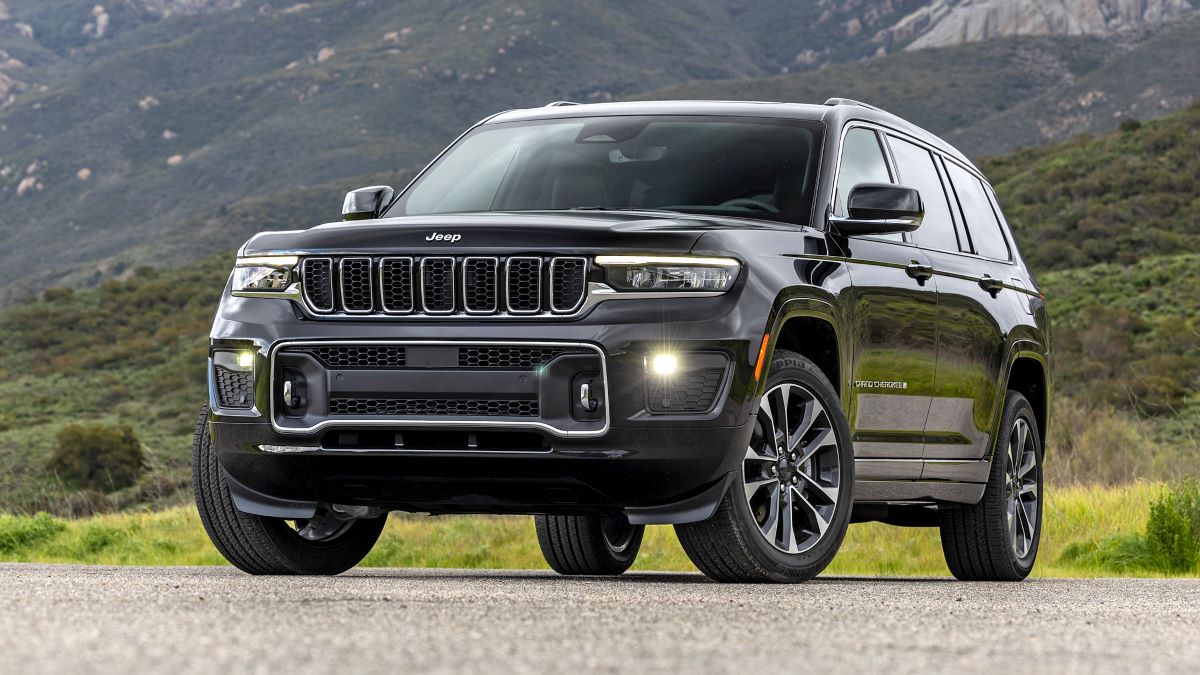
The Jeep Grand Cherokee balances everyday drivability with off-road capability, though it leans more toward practicality than sporty performance.
The standard V6 delivers solid power for city and highway driving, but when stacked against competitors, overall acceleration is average, 0-60 mph takes roughly eight seconds, comparable to midsize SUVs like the Toyota 4Runner and Honda Passport.
The optional 4xe plug-in hybrid adds noticeable pep, giving drivers quicker performance when desired. Braking is confident and reliable, and the steering is light yet precise, making daily handling comfortable.
While the Grand Cherokee isn’t designed for high-performance driving the limits of grip and sporty enjoyment are modest, it shines off-road, outperforming many rivals in the midsize crossover segment and proving its legendary Jeep capability in challenging terrain.
5. Volvo XC60
Volvo vehicles are engineered with cold climates in mind, and the XC60 is no exception. With standard or available AWD depending on trim, the XC60 handles icy roads smoothly and predictably.
Volvo’s traction control and stability systems are finely tuned for snow and ice, making winter driving feel controlled rather than tense.
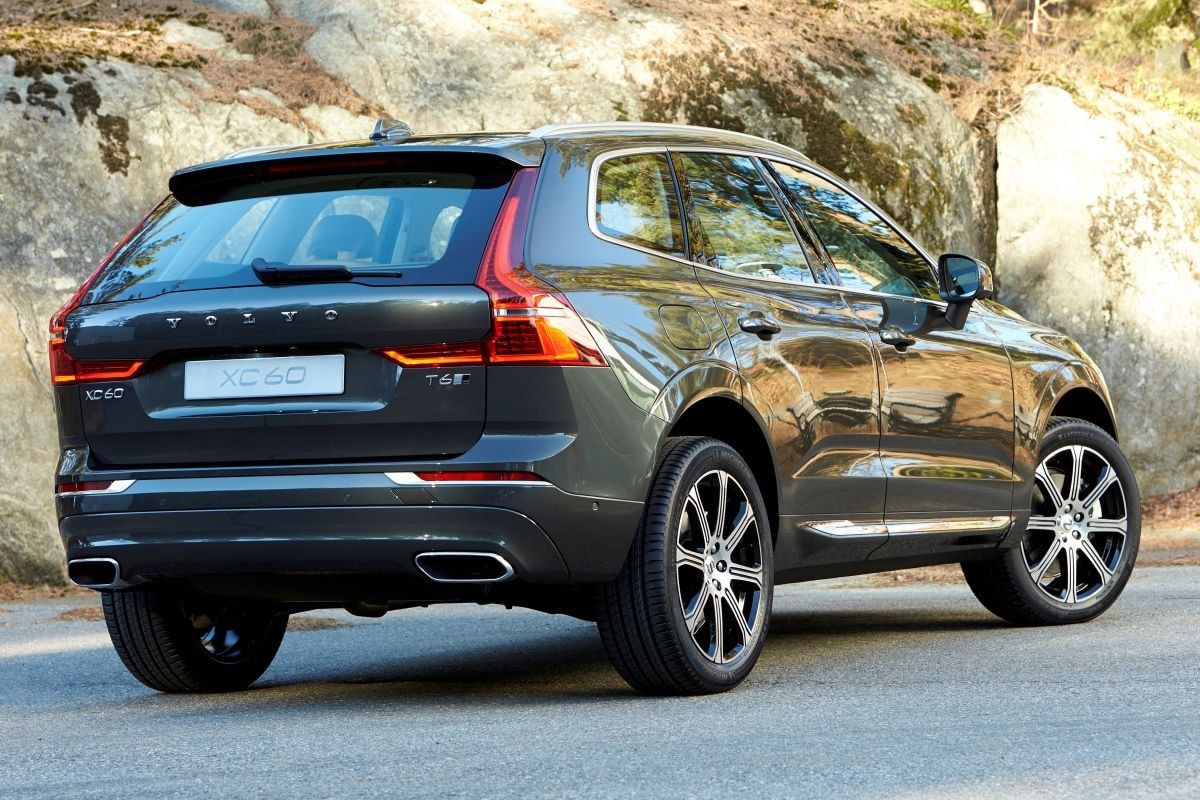
Cold starts are typically strong, and the XC60’s interior heating system is among the best in its class. Heated seats, heated steering wheels, and efficient cabin insulation make a noticeable difference during Chicago’s coldest months.
Volvo’s focus on safety also matters in winter, when visibility is poor and stopping distances increase. For drivers who value comfort and control over raw power, the XC60 excels in winter conditions.
Cars That Suffer Every Cold Start
Chicago winters don’t just challenge your patience, they challenge your car. While some vehicles seem to shrug off freezing temperatures, others reveal their weaknesses the moment the mercury drops.
Cold starts can strain engines, sap battery power, and expose design flaws that make winter mornings a battle rather than a breeze. We’ll look at cars that suffer every cold start, models that are prone to slow starts, battery issues, sluggish performance, or reliability problems when the temperature dips.
If you’re living with harsh winter weather, knowing which cars struggle in the cold can help you avoid headaches, unexpected repairs, and mornings spent waiting for your ride to wake up.
1. Fiat 500
The Fiat 500 may be charming in warmer climates, but Chicago winters expose its weaknesses quickly. Small engines struggle in extreme cold, and many owners report rough cold starts or warning lights during freezing temperatures.
The lightweight front-wheel-drive layout offers limited traction, especially when snow accumulates.
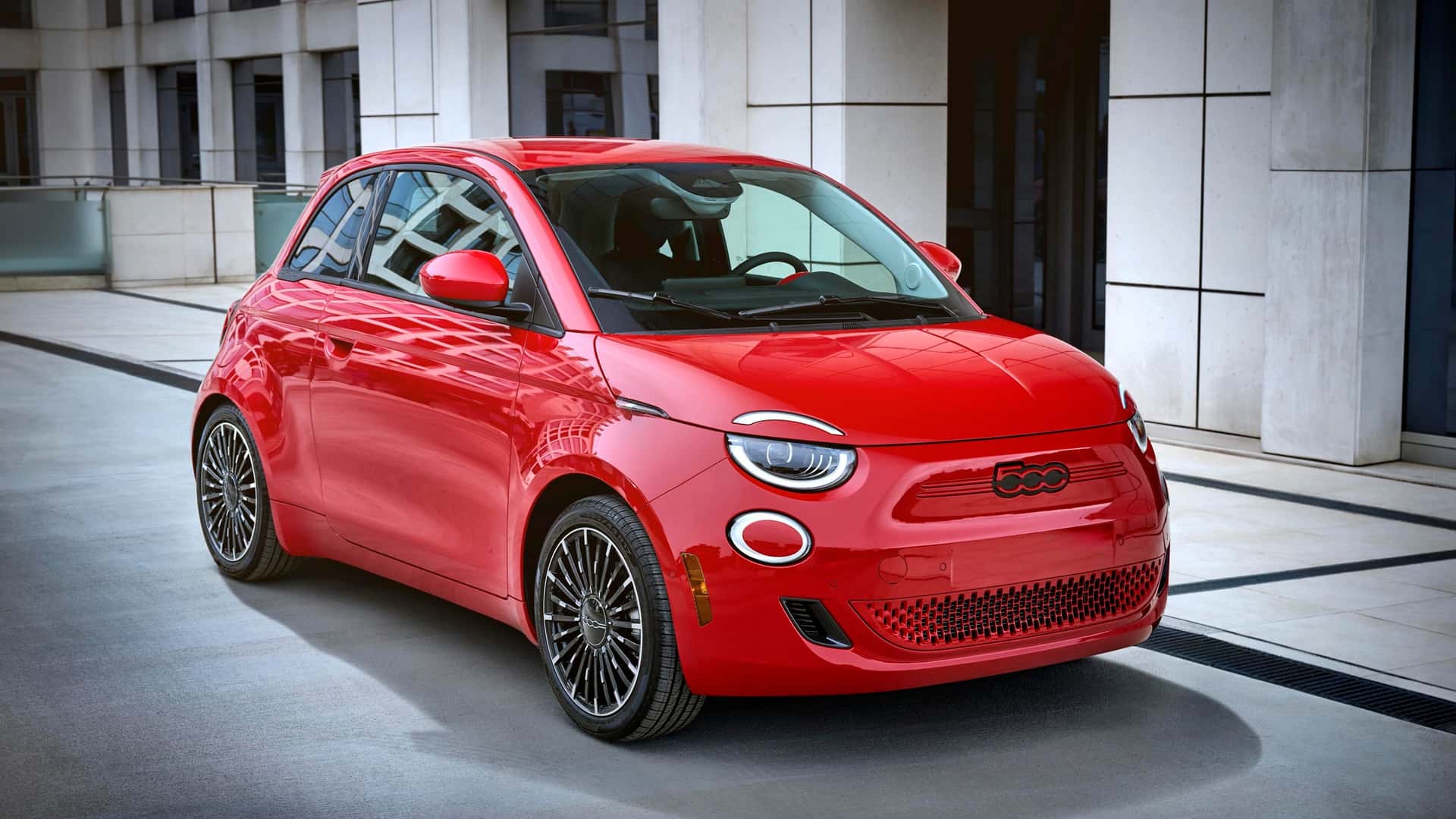
Ground clearance is minimal, making it easy for snow buildup to trap the vehicle or scrape the undercarriage. Heating performance is also underwhelming, meaning the cabin can take far too long to warm up on frigid mornings.
For urban winter driving in Chicago, the Fiat 500 feels more like a liability than a convenience. The Fiat 500 is a compact city car designed as much for style and personality as for practicality.
Its modest size, rounded headlights, and distinctive interior touches like the gear lever and dashboard give it a charming 1960s-inspired look, while a wide range of colors and customization options, from unique paint shades like dusty pink and matte green to special alloy wheels and decals, allow owners to express their individuality.
Even a convertible model is available, reinforcing its playful and expressive character. Performance takes a backseat to style and enjoyment: the Fiat 500 isn’t built to break speed records.
Available with a 1.0-liter mild hybrid or a 1.2-liter gasoline engine, it achieves 0-62 mph in 13.4 and 12.5 seconds respectively, emphasizing leisurely driving over outright acceleration. This Italian city car is all about enjoying the journey and making a statement on the road.
Also Read: 5 Compact SUVs That Fit City Life vs 5 That Feel Too Bulky
2. Chevrolet Camaro
Rear-wheel-drive sports cars rarely perform well in winter, and the Chevrolet Camaro is no exception. While powerful and thrilling in dry conditions, the Camaro struggles significantly on snow and ice.
Cold starts can be harsh on its performance-oriented engines, and traction is limited even with winter tires.
Low ground clearance becomes a serious issue during heavy snowfall, with the front bumper easily scraping snowbanks.
Visibility is already compromised by the Camaro’s design, and winter weather only worsens the problem. For Chicago drivers, the Camaro often becomes a seasonal vehicle, parked for months while winter does its worst.
There’s nothing quite like the rush of hearing the throbbing exhaust note or feeling the precise feedback from a finely tuned steering system as you navigate a twisty road.
Few affordable cars deliver both of these thrills, but the Chevy Camaro is one of them. That said, it’s not just about being loud and fast, even though it excels at both. Chevy’s two-door pony car is available as a coupe or convertible and comes loaded with features and nearly endless personalization options.
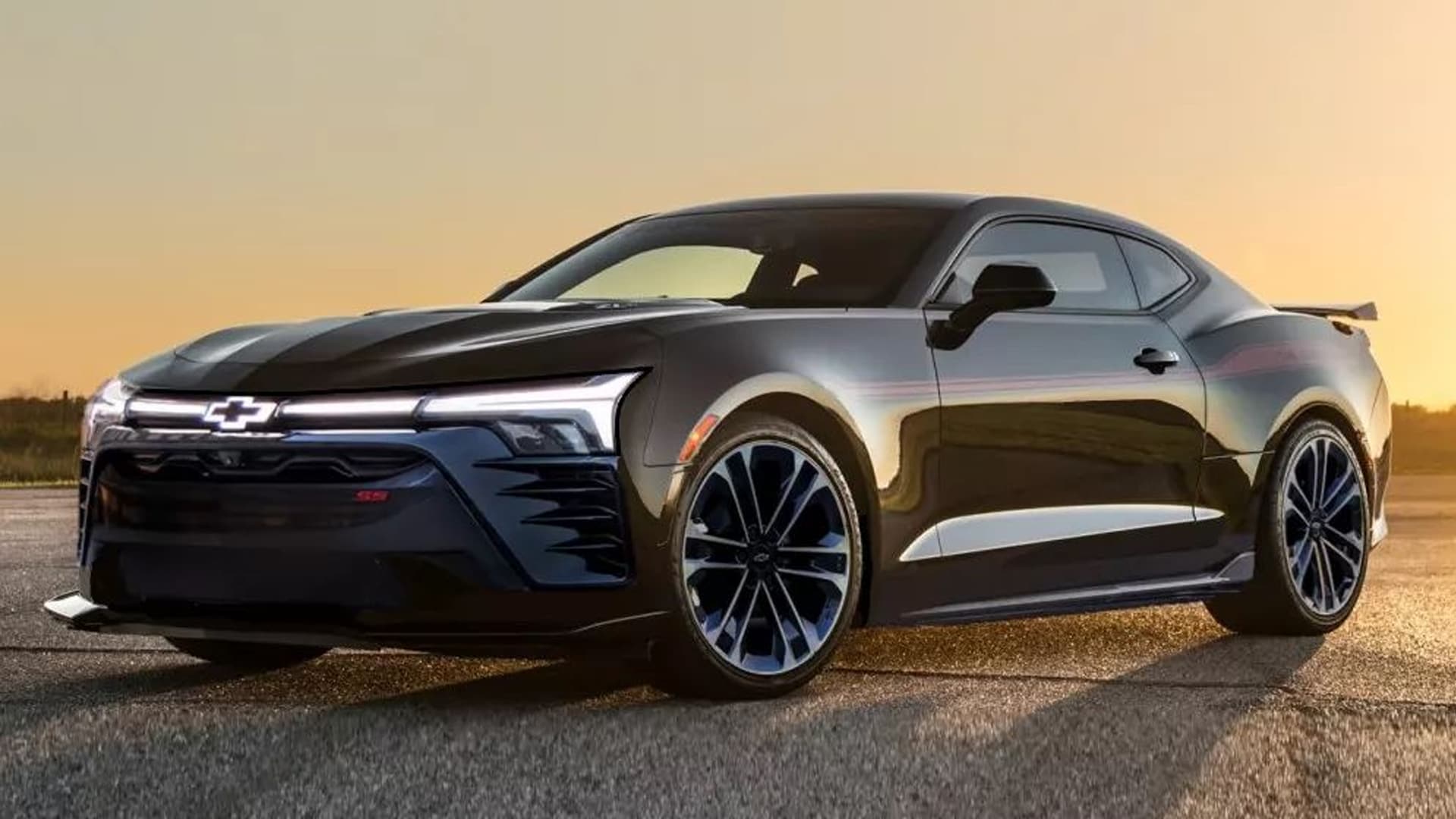
While the 650-hp Camaro ZL1 is the most extreme, every Camaro, from the base four-cylinder to the V-6 and V-8, can be upgraded for track performance with the transformative 1LE package.
The interior may feel a bit tight and has its quirks, but the 2021 Chevy Camaro is clearly designed for those who love to drive.
Chevy enhances the 2021 Camaro with updated color choices, new features, and broader transmission availability.
Rally Green Metallic and Garnet Red Tintcoat have been removed, but Wild Cherry Tintcoat is now offered, for an additional cost. All models now include wireless Apple CarPlay and Android Auto, allowing apps to stream to the infotainment system without a wired connection.
The track-focused 1LE package is now available with the 10-speed automatic transmission on V-8-powered SS models. Previously, all 1LEs (except for the ZL1 1LE) were offered only with a six-speed manual.
3. Nissan Versa
The Nissan Versa appeals to buyers looking for affordability, but Chicago winters reveal its shortcomings.
Cold starts can be inconsistent, particularly in older models, and the CVT transmission may feel sluggish or unresponsive in freezing temperatures. The car’s lightweight build contributes to poor traction on icy roads.
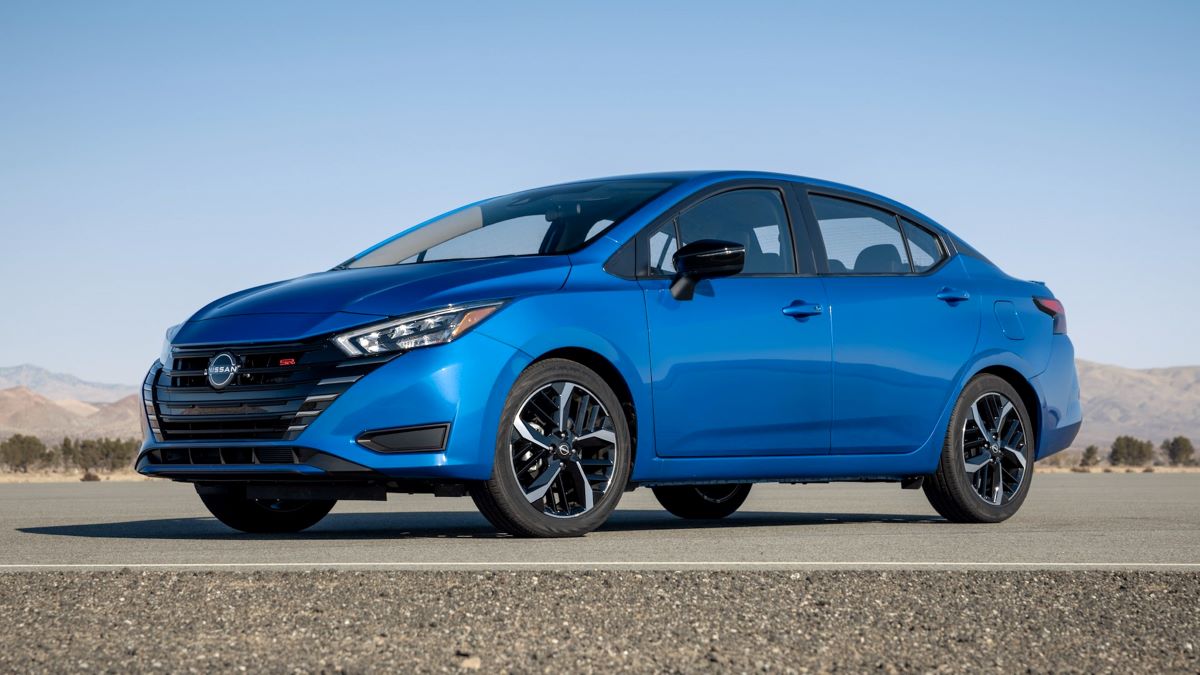
The Versa’s heating system also struggles in extreme cold, leading to long warm-up times and uncomfortable commutes.
Suspension components and underbody protection are not designed for rough winter conditions, increasing the risk of damage from potholes hidden beneath snow. While the Versa may survive winter, it does not thrive in it.
You can’t expect an economy-minded sedan to be quick, and the Versa’s four-cylinder engine takes its time getting up to speed. For typical city driving and keeping pace with traffic, it performs adequately.
However, when you need to accelerate quickly or navigate a tight passing situation, the Versa leaves you wanting more. Our Versa reached 0 to 60 mph in a leisurely, and somewhat noisy, 10.4 seconds, making it one of the slower vehicles we’ve tested in recent memory.
The Versa’s handling, however, is more satisfying. It stays composed through corners, and while the steering can feel a bit numb or slightly heavy at times, the car responds to inputs better than expected.
The brakes perform well in emergencies, and the pedal allows for smooth, controlled stops during regular driving.
In the Versa SR we tested, the seats are upholstered in comfortable, generally firm cloth. They can feel a little narrow across the shoulders but provide good support on short- and medium-length drives.
The lack of substantial lumbar support may require breaks on longer trips. Rear passengers also benefit from firm yet reasonably comfortable seating.
The Versa rides smoothly over most surfaces, though, like many budget-friendly vehicles, it can feel bouncy on rougher roads.
Wind noise is noticeable inside the cabin, and bumps are often audible. On the plus side, the climate control is straightforward, featuring real buttons and knobs, while the vents are well-positioned and easy to adjust.
4. BMW 3 Series (RWD Models)
BMW’s 3 Series is celebrated for performance and handling, but rear-wheel-drive versions suffer greatly in Chicago winters.
Cold weather is unforgiving to performance-tuned engines and electronics, and owners often report warning lights or battery issues during extreme cold.
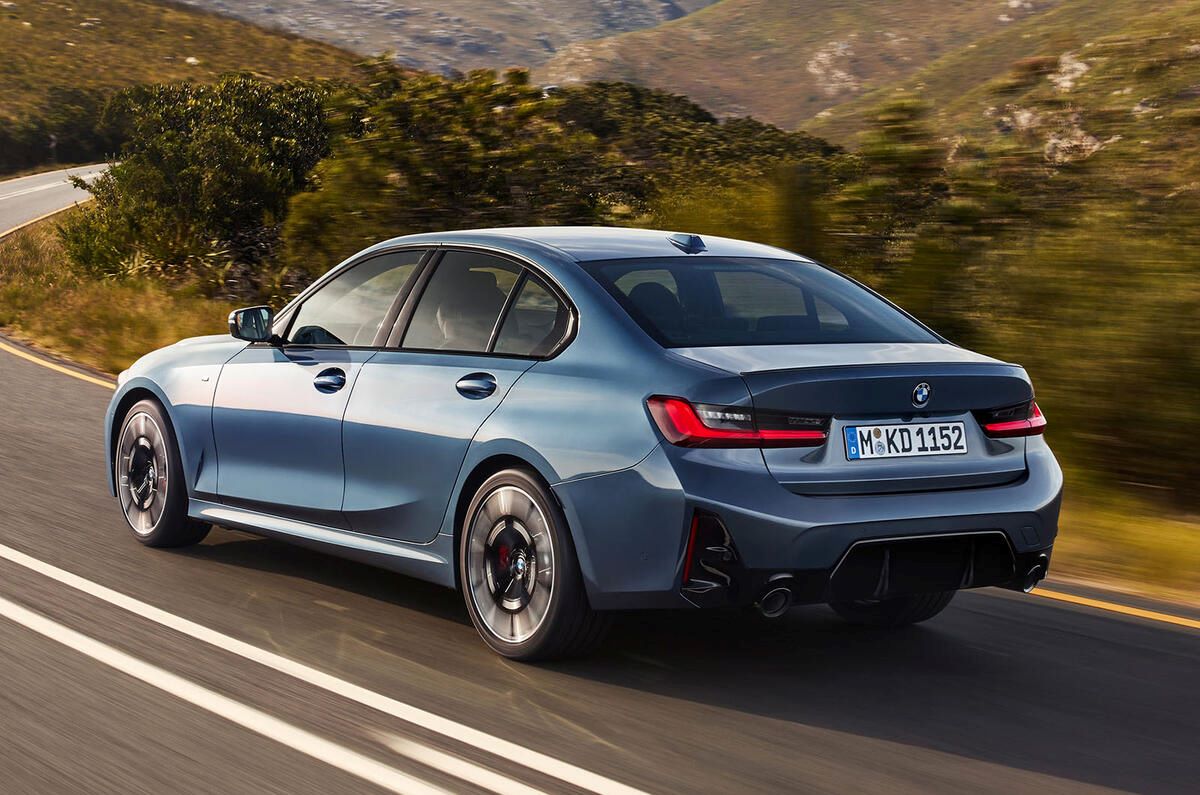
Traction is the biggest problem. Without all-wheel drive, the 3 Series struggles on snow-covered streets, making even routine driving stressful.
Low-profile tires and firm suspension settings worsen the situation, transmitting every pothole impact directly to the cabin. While BMW’s xDrive models fare better, RWD variants are ill-suited for harsh winter climates.
For an entry-level BMW, the 330i is quite satisfying. Its turbocharged four-cylinder engine delivers plenty of torque, offering more than enough power for everyday driving.
On our test track, the 330i sprinted from 0 to 60 mph in 5.7 seconds, proving it’s no slouch, though it’s noticeably slower than its six-cylinder sibling, the M340i. Handling is also a strong point.
Our test car was equipped with the optional M Sport suspension, which kept the vehicle balanced through corners without making the ride overly firm or harsh over bumps.
In general, driving a 3 Series is straightforward and enjoyable. The transmission shifts smoothly and unobtrusively, and outward visibility is quite good, especially if you opt for the surround-view parking camera system.
We also appreciate the optional hands-free highway driving system, which helps reduce fatigue during slow-moving traffic on highways.
Getting in and out of the 3 Series is easy, thanks to large door openings and a wide range of seat and steering wheel adjustments.
For a small sedan, the 3 Series offers a reasonably spacious cabin, with adequate elbow room for both front and rear passengers. The cabin remains quiet at highway speeds, and the climate control system works efficiently to keep occupants comfortable on hot days.
BMW centralizes most controls in a quick, responsive touchscreen, which can also be navigated using voice commands or the center console’s control knob. While we generally prefer physical buttons, the interface is highly customizable.
Wireless Apple CarPlay and Android Auto allow seamless phone connectivity, though initial pairing with Apple CarPlay was slightly more complicated than usual. Fortunately, it’s a one-time process and worked reliably afterward. Wireless charging is also standard.
5. Tesla Model 3
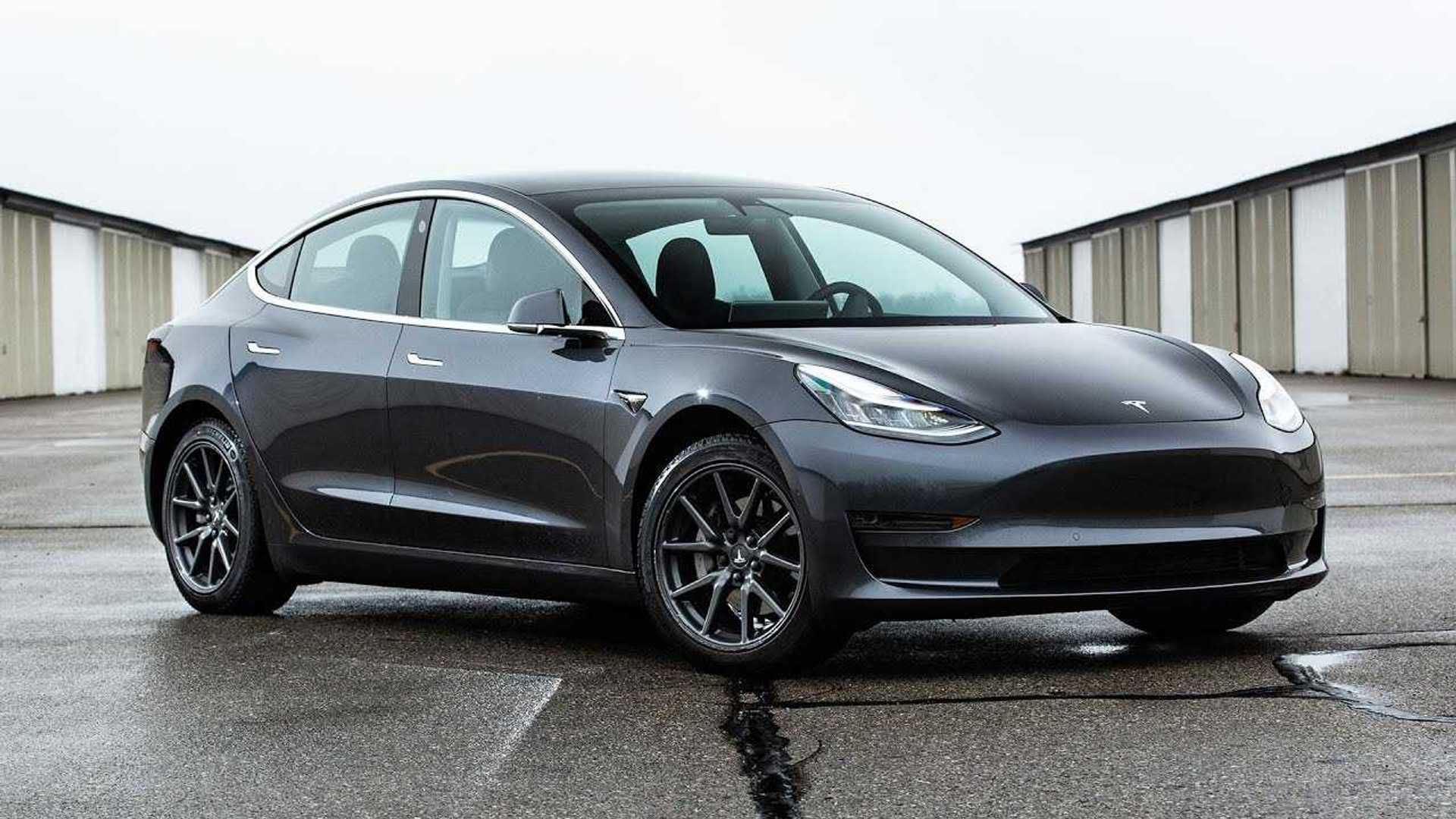
Electric vehicles face unique challenges in winter, and the Tesla Model 3 is no exception. Cold temperatures significantly reduce battery range, a major concern for Chicago drivers who already contend with long commutes and heavy traffic. Cold-soaked batteries also affect charging times and efficiency.
While the Model 3 has strong traction control, its low ground clearance and stiff suspension make winter driving uncomfortable on snow-covered roads.
Door handles and charging ports can freeze, creating frustrating morning routines. Heating the cabin drains battery power quickly, further limiting range. For Chicago winters, the Model 3 requires careful planning and patience.
Chicago winters are brutally honest. They strip away marketing hype and expose what vehicles are truly built to endure extreme conditions.
]Cars with all-wheel drive, reliable cold-start performance, effective heating systems, and durable suspensions rise to the top. Others, especially those designed primarily for style, speed, or mild climates, struggle day after day.
Starting at just over $40,000, the Model 3 is Tesla’s most affordable offering. Introduced in 2017, the car hasn’t seen major changes year-over-year, and we don’t expect significant updates for the 2022 model compared to last year.
That said, it’s possible the Model 3 could adopt the refreshed Model S’ yoke steering wheel and upgraded infotainment hardware.
The Model 3 competes both with other electric vehicles and with gas-powered compact luxury sedans. Key competitors include the Polestar 2, Audi A4, and BMW i4, as well as more affordable EVs like the Chevrolet Bolt.
The Model 3 stands out in both the electric and compact luxury sedan segments. Its generous range and competitive pricing alone make it appealing, but the car’s exceptional performance and sleek, minimalist interior elevate it even further.
The Model 3 impressed us enough to win a comparison test against the BMW 3 Series and the 2019 Car of the Year-winning Genesis G70.
However, some buyers may find the massive center touchscreen a drawback. Nearly all vehicle functions are controlled through this display, leaving only a handful of physical buttons in the cabin.
This setup carries a significant learning curve compared to more conventional luxury EVs like the BMW i4 or Audi E-Tron SUV.
On the road, the Model 3 delivers strong performance, but tire and road noise do enter the cabin, and broken pavement can bring out buzzes and rattles, reflecting Tesla’s sometimes inconsistent build quality.
We’ve also noticed occasional quirks with Tesla’s Autopilot driver-assist system, which can turn off unexpectedly and may not always bring the car to a full stop. Continuous software updates help, but these issues are important to keep in mind.
The Model 3 is offered in three variants: Standard Range Plus, Long Range, and Performance.
The entry-level Standard Range Plus has a single rear motor and rear-wheel drive, while the Long Range and Performance models feature dual motors and all-wheel drive.
Standard Range models use a 54-kWh battery, whereas the dual-motor variants are equipped with an 82-kWh unit.
Performance figures are strong: Tesla claims 0-60 mph in 5.3 seconds for the Standard Range Plus, 4.2 seconds for the Long Range, and 3.1 seconds for the Performance model.
Our own testing shows slightly quicker times for the Standard Range Plus and Long Range. While Tesla has not released 2022 range figures, we expect them to remain the same as the 2021 model.
For drivers living in or around Chicago, choosing the right vehicle is about more than horsepower or aesthetics. It’s about reliability at 6 a.m. in subzero temperatures, confidence on icy roads, and the ability to survive months of salt, snow, and freezing winds.
The difference between a winter-capable car and a winter-suffering one isn’t just comfort it’s peace of mind.