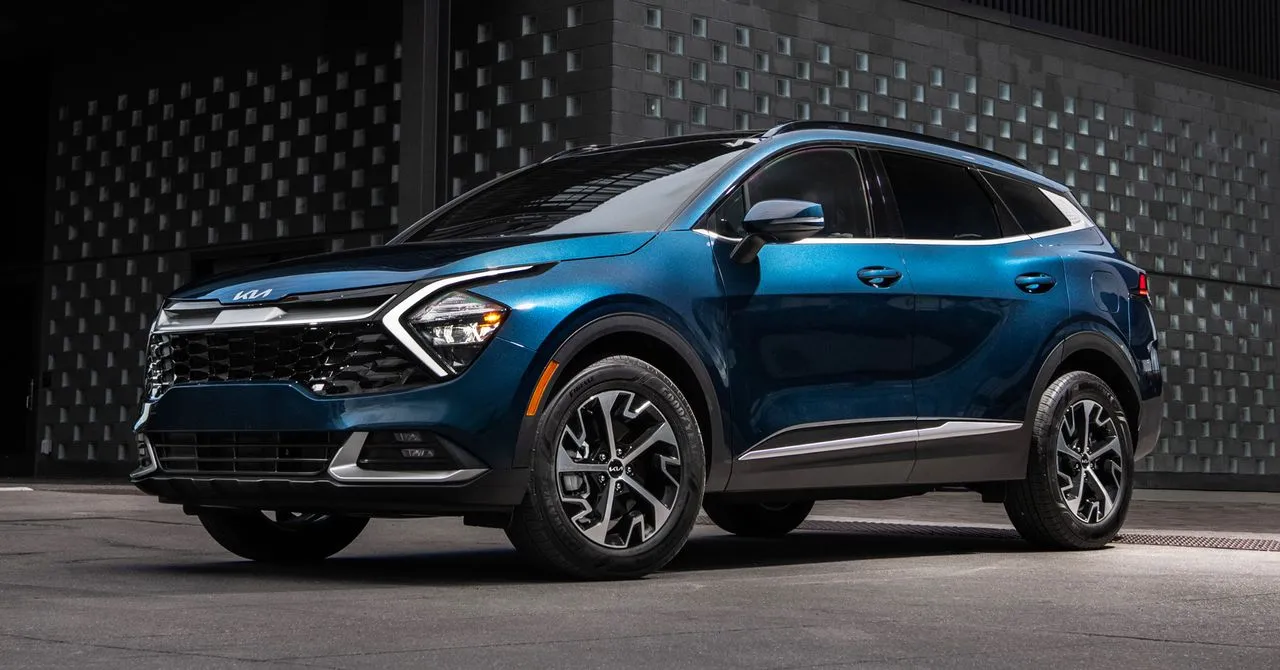
Driving around Boulder means dealing with steep hills, sharp turns, snow, and thin mountain air. Not every car can handle these conditions well. Strong engines, good traction, and stable braking matter a lot. Choosing the right car can make mountain driving safer and less stressful.
Some vehicles are built to climb hills with ease. They offer all-wheel drive, strong torque, and steady control on rough or icy roads. Others struggle uphill, lose power, or wear out faster in mountain conditions. Knowing the difference saves money and trouble.
5 Cars That Handle Boulder’s Mountain Roads Well
Boulder’s mountain roads are breathtaking, but they’re not for the faint of heart. Twisting curves, sudden elevation changes, and unpredictable weather demand a car that can handle it all with confidence.
Whether you’re commuting, exploring scenic routes, or chasing adrenaline on a weekend drive, having the right vehicle makes all the difference. In this article, we’ll break down five cars that master Boulder’s challenging terrain, blending performance, safety, and comfort for every mountain adventure.
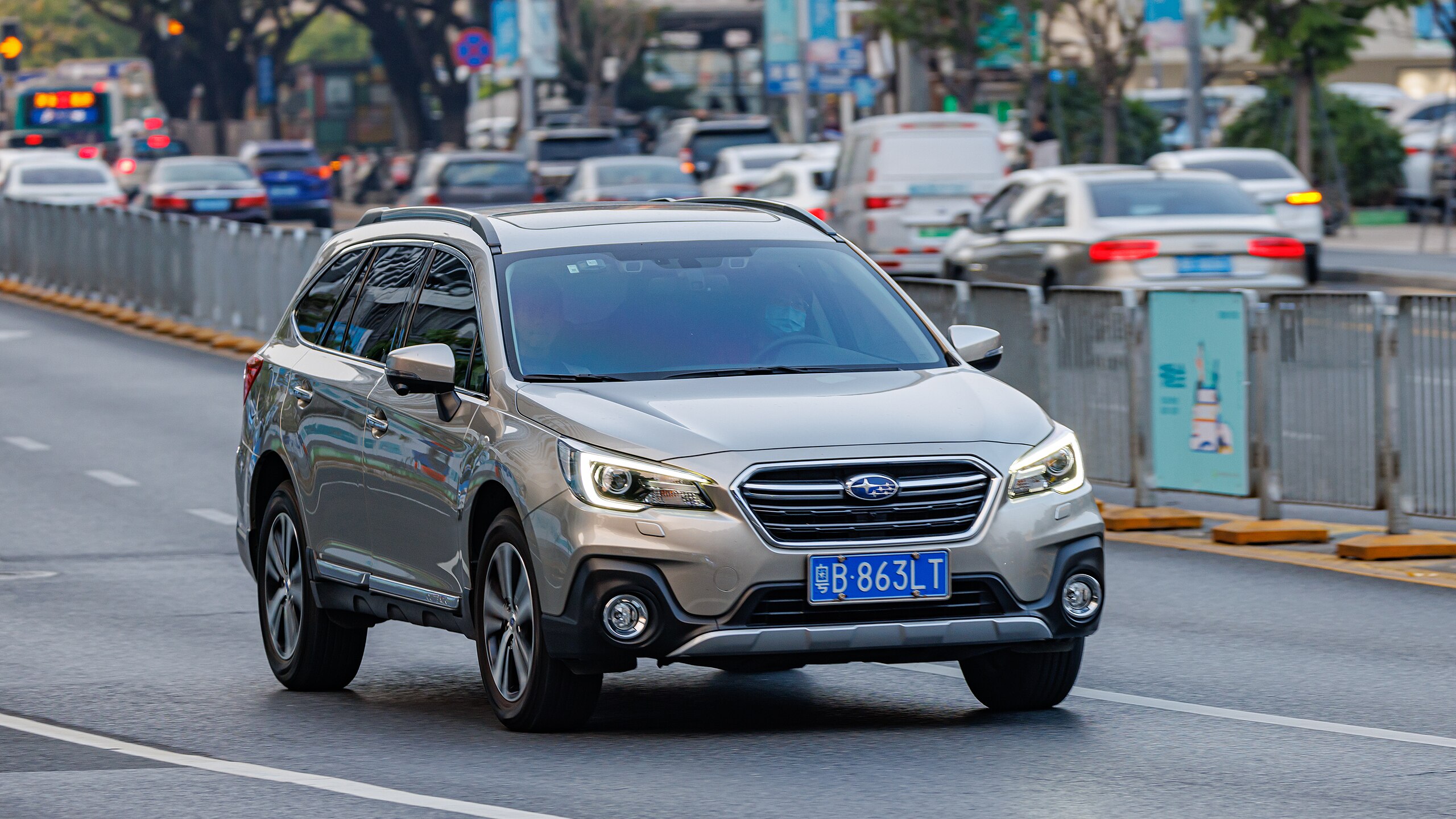
1) Subaru Outback
The Subaru Outback is a popular choice for drivers who live near mountains or travel through hilly areas often. It is designed to handle rough weather, steep roads, and changing conditions, making it a dependable vehicle for everyday driving.
One of the Outback’s biggest strengths is its standard all-wheel drive system. Power goes to all four wheels at all times, helping the car grip the road better. This is very useful on snowy, icy, or steep mountain roads.
Ground clearance is another reason the Outback works so well in mountain areas. It sits higher than regular cars, allowing it to pass over rocks, snow buildup, and uneven surfaces without scraping the bottom. This gives drivers more confidence on rough roads.
The engine in the Subaru Outback is built for long climbs. It provides steady power without feeling strained, even at higher elevations. Drivers can climb steep hills smoothly without pushing the engine too hard or hearing excessive noise.
Mountain weather can change quickly, and the Outback handles this well. Its stable design keeps the car balanced during heavy rain, snow, or strong winds. The suspension absorbs bumps easily, keeping the ride comfortable on broken or winding roads.
Braking is very important when driving downhill for long distances. The Subaru Outback has strong and reliable brakes that help maintain control on steep descents. This reduces stress for the driver and helps prevent brake overheating.
Inside, the Outback is roomy and practical. There is enough space for passengers, winter gear, hiking equipment, or groceries. The seats are comfortable for long drives, and visibility is good, which helps on narrow mountain roads.
Maintenance costs for the Subaru Outback are generally manageable. It is known for long-term reliability when serviced on time. Parts are widely available, and many mechanics are familiar with the vehicle, reducing repair hassles.
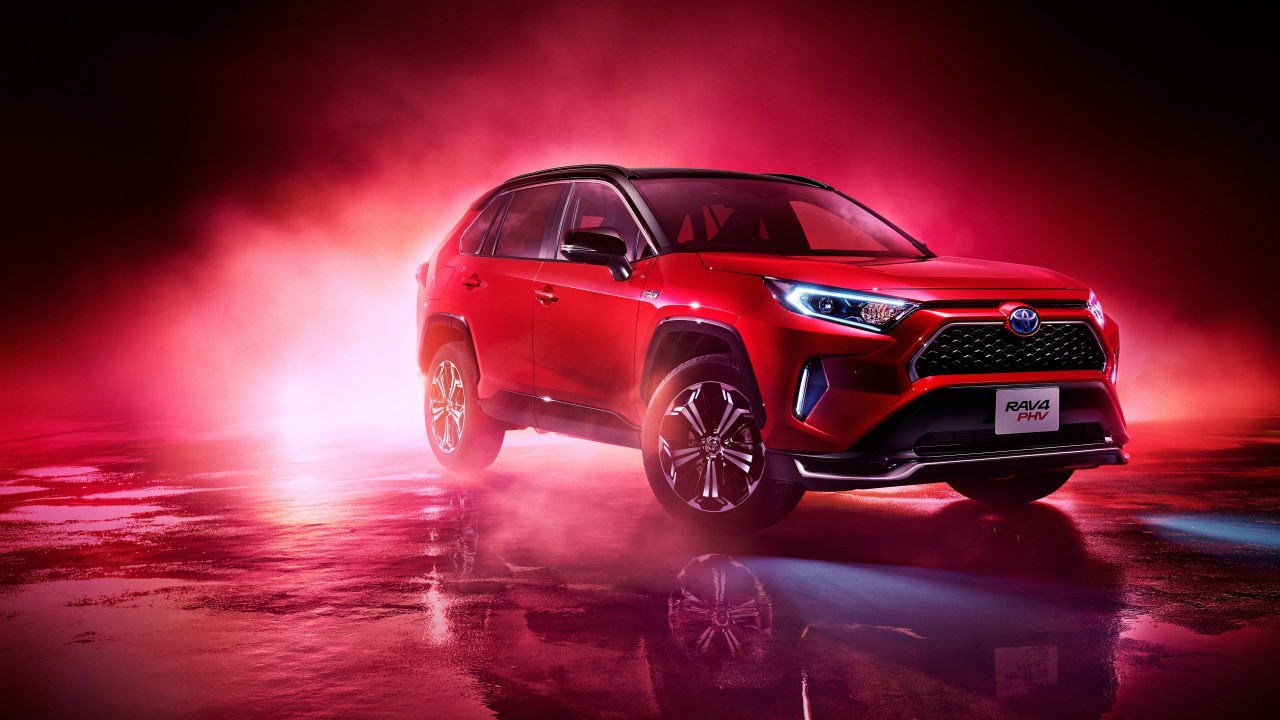
2) Toyota RAV4
The Toyota RAV4 is a strong and practical choice for drivers who deal with mountain roads and steep hills. It combines everyday comfort with enough strength to handle changing weather, making it suitable for both city use and mountain access.
One of the main advantages of the RAV4 is its available all-wheel drive system. This feature helps distribute power to the wheels with the best grip. It improves control on steep roads, snow-covered surfaces, and loose gravel areas.
The engine in the Toyota RAV4 provides steady and reliable power. It may not feel sporty, but it climbs hills smoothly without feeling weak. Even when carrying passengers or gear, the engine handles uphill driving with confidence.
Ground clearance on the RAV4 is higher than regular sedans. This allows it to drive over uneven pavement, shallow snow, and rough mountain roads without damage. Drivers feel more secure when road conditions are not perfect.
Mountain weather often changes quickly, and the RAV4 handles these shifts well. Its stable body and traction systems help maintain balance during rain or snow. The vehicle feels planted, even on winding mountain highways.
Braking performance is another strong point of the Toyota RAV4. The brakes respond well during long downhill drives, helping drivers stay in control. This reduces driver fatigue and increases safety on steep descents.
Inside, the RAV4 offers a comfortable and spacious cabin. There is plenty of room for passengers, luggage, or outdoor gear. The driving position is high, which improves visibility on narrow or curved mountain roads.
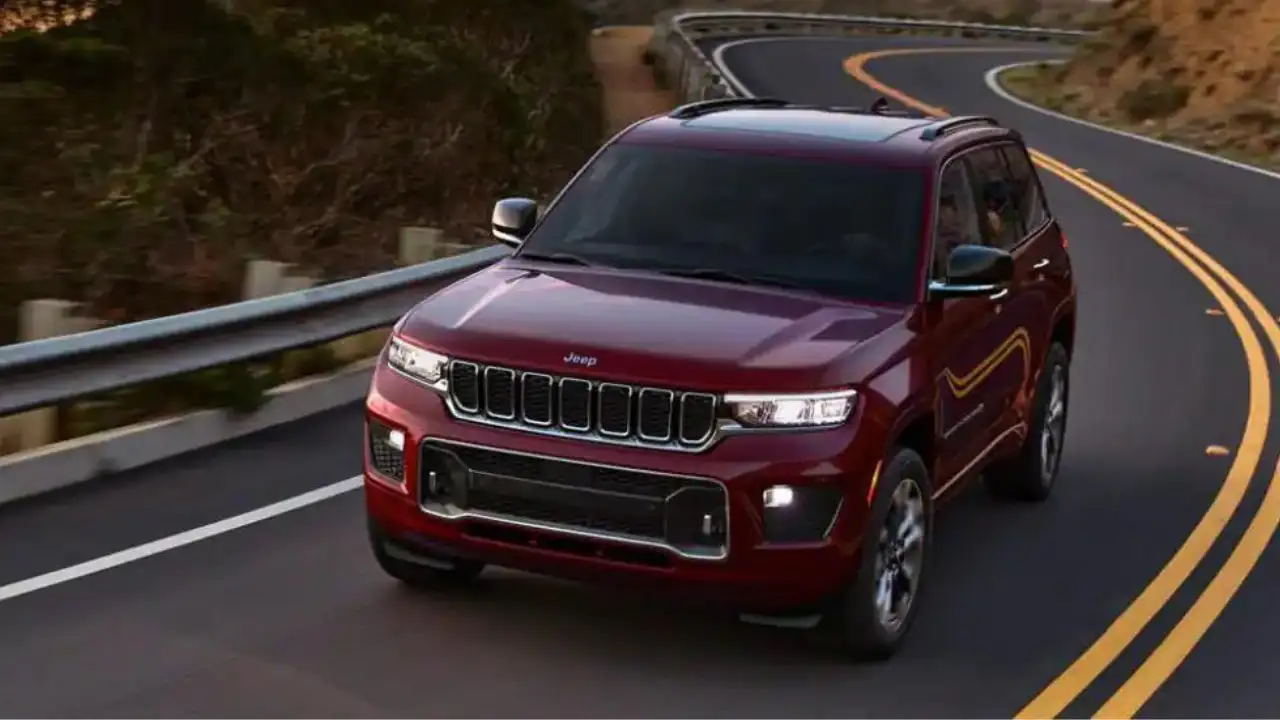
3) Jeep Grand Cherokee
The Jeep Grand Cherokee is a strong SUV built for tough roads and steep terrain. It suits drivers who regularly face mountain climbs, rough weather, and uneven surfaces. Its solid build and capable systems make mountain driving easier and safer.
One of the biggest advantages of the Grand Cherokee is its powerful engine options. These engines provide strong torque, which helps the vehicle climb steep hills smoothly. Even with passengers or cargo, it does not feel weak or stressed uphill.
The available four-wheel drive systems are excellent for mountain conditions. They improve grip on snow, ice, mud, and gravel roads. This added traction gives drivers confidence when roads are slippery or unpredictable during changing mountain weather.
Ground clearance on the Jeep Grand Cherokee is higher than many SUVs. This helps it travel over rocky paths, deep snow, and uneven mountain roads without damage. Drivers can explore higher areas without worrying about scraping the underside.
The suspension system is designed for comfort and control. It absorbs bumps and rough surfaces well, keeping the ride smooth even on broken mountain roads. Sharp turns and uneven pavement feel more stable and controlled.
Inside the cabin, the Jeep Grand Cherokee feels spacious and comfortable. Seats provide good support for long drives, and there is plenty of room for passengers and gear. Visibility is good, which helps on winding mountain roads.
Weather changes quickly in mountain areas, but the Grand Cherokee handles it well. Its solid weight and balanced design help it stay steady in strong winds, rain, or snow. Drivers feel secure in unpredictable conditions.
4) Ford Bronco Sport
The Ford Bronco Sport is a compact SUV designed for drivers who often face hills, rough roads, and outdoor terrain. It is smaller than traditional SUVs, but it is built with mountain driving and challenging conditions clearly in mind.
One of the key strengths of the Bronco Sport is its advanced all-wheel drive system. Power is sent to the wheels that need it most, helping the vehicle stay stable on steep, snowy, or loose mountain roads.
The engine provides good low-speed torque, which is important for climbing hills. It does not need high speeds to feel strong. This makes uphill driving smoother and more controlled, especially on narrow or winding mountain roads.
Ground clearance is better than many small SUVs. The Bronco Sport can pass over rocks, snow buildup, and uneven surfaces without scraping underneath. This allows drivers to access higher areas and rough trails with more confidence.
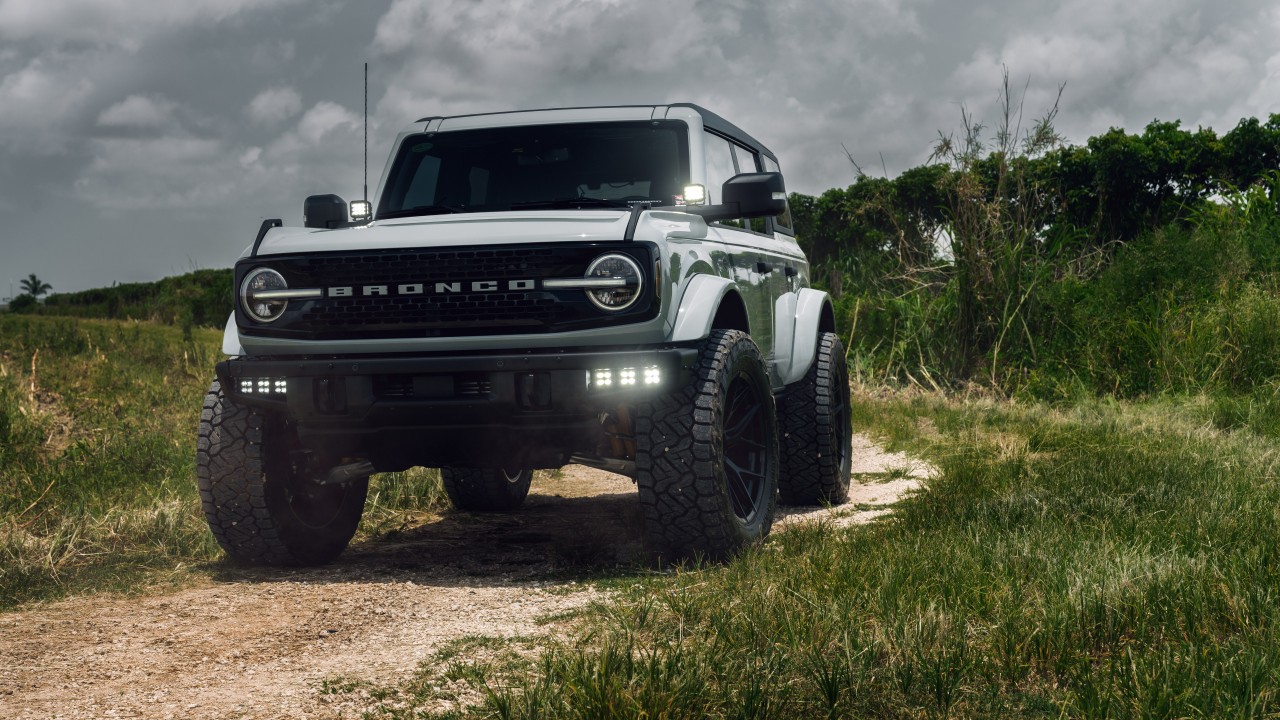
Mountain roads are often unpredictable, and the Bronco Sport handles them well. Its suspension is tuned to absorb bumps and dips, keeping the ride comfortable even on broken pavement or gravel-covered paths.
Braking performance is reliable, especially during downhill driving. The brakes respond quickly and help control speed on steep descents. This reduces driver stress and improves safety when coming down long mountain slopes.
The compact size of the Bronco Sport is a big advantage in the mountains. It is easier to handle on tight curves, narrow roads, and small parking areas. Drivers feel more in control compared to larger SUVs.
Inside, the Bronco Sport offers a practical and durable cabin. Seats are comfortable, and there is enough space for passengers, backpacks, or outdoor gear. The interior is designed to handle dirt, snow, and active use.
5) Volvo XC60
The Volvo XC60 is a refined SUV that works very well in mountain areas. It blends comfort, safety, and strong performance, making it a good option for drivers who want confidence on steep roads without giving up luxury or smooth driving.
One of the XC60’s biggest advantages is its all-wheel drive system. It helps maintain grip on steep hills, wet pavement, and snowy roads. Power is shared efficiently, improving control during difficult mountain driving conditions.
The engine options in the Volvo XC60 deliver smooth and steady power. Uphill climbs feel calm and controlled, even at higher elevations. The vehicle does not struggle or feel strained during long mountain ascents.
Ground clearance is suitable for mountain roads and uneven surfaces. While not a hardcore off-roader, the XC60 easily handles rough pavement, shallow snow, and gravel roads. This makes it practical for daily mountain access.
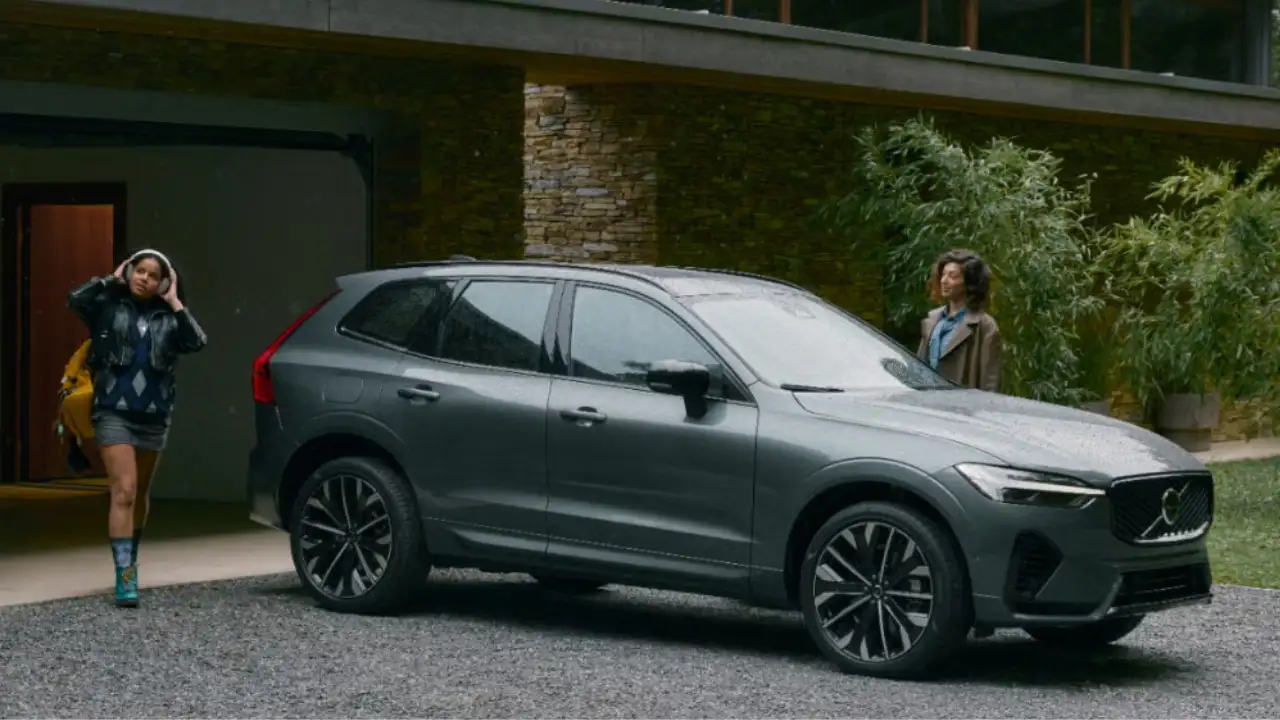
Mountain weather can change fast, but the XC60 remains stable. Its balanced weight and advanced traction systems help the SUV stay planted in rain, snow, or strong winds, increasing driver confidence on winding roads.
Braking performance is a major strength of the Volvo XC60. The brakes are strong and consistent, especially during long downhill drives. This helps prevent brake fatigue and allows drivers to maintain safe, controlled speeds.
The suspension is tuned for comfort and control. It absorbs bumps and road imperfections well, keeping the ride smooth even on uneven mountain highways. Sharp turns feel stable, and passengers remain comfortable.
Inside, the Volvo XC60 offers a quiet and spacious cabin. Seats are supportive for long drives, and visibility is good. There is enough room for passengers, luggage, and outdoor gear used in mountain travel.
5 Cars That Struggle on Steep Mountain Roads
Steep mountain roads are a true test of a car’s power, handling, and braking, but not every vehicle is up to the challenge. Some cars struggle with tight switchbacks, rapid elevation changes, or even just maintaining traction on inclines.
Driving these vehicles on mountain terrain can be frustrating at best and unsafe at worst. In this article, we’ll look at five cars that tend to falter on steep mountain roads, so you know which ones to avoid when adventure calls.
1) Nissan Versa
The Nissan Versa is designed mainly for city commuting and flat roads. While it is affordable and fuel efficient, it struggles when used in mountain areas. Steep climbs, thin air, and rough roads quickly expose its limitations.
The biggest issue with the Versa is its small engine. On steep uphill roads, the engine works very hard and loses power quickly. Acceleration becomes slow, especially when carrying passengers or driving at higher mountain elevations.
Mountain driving often requires quick power for passing or merging. The Nissan Versa struggles in these situations. Drivers may feel unsafe when trying to gain speed uphill, as the car takes too long to respond.
Traction is another weakness, especially in snow or rain. Most Versa models are front-wheel drive only. On steep or slippery mountain roads, the wheels can lose grip, making climbing difficult and stressful.
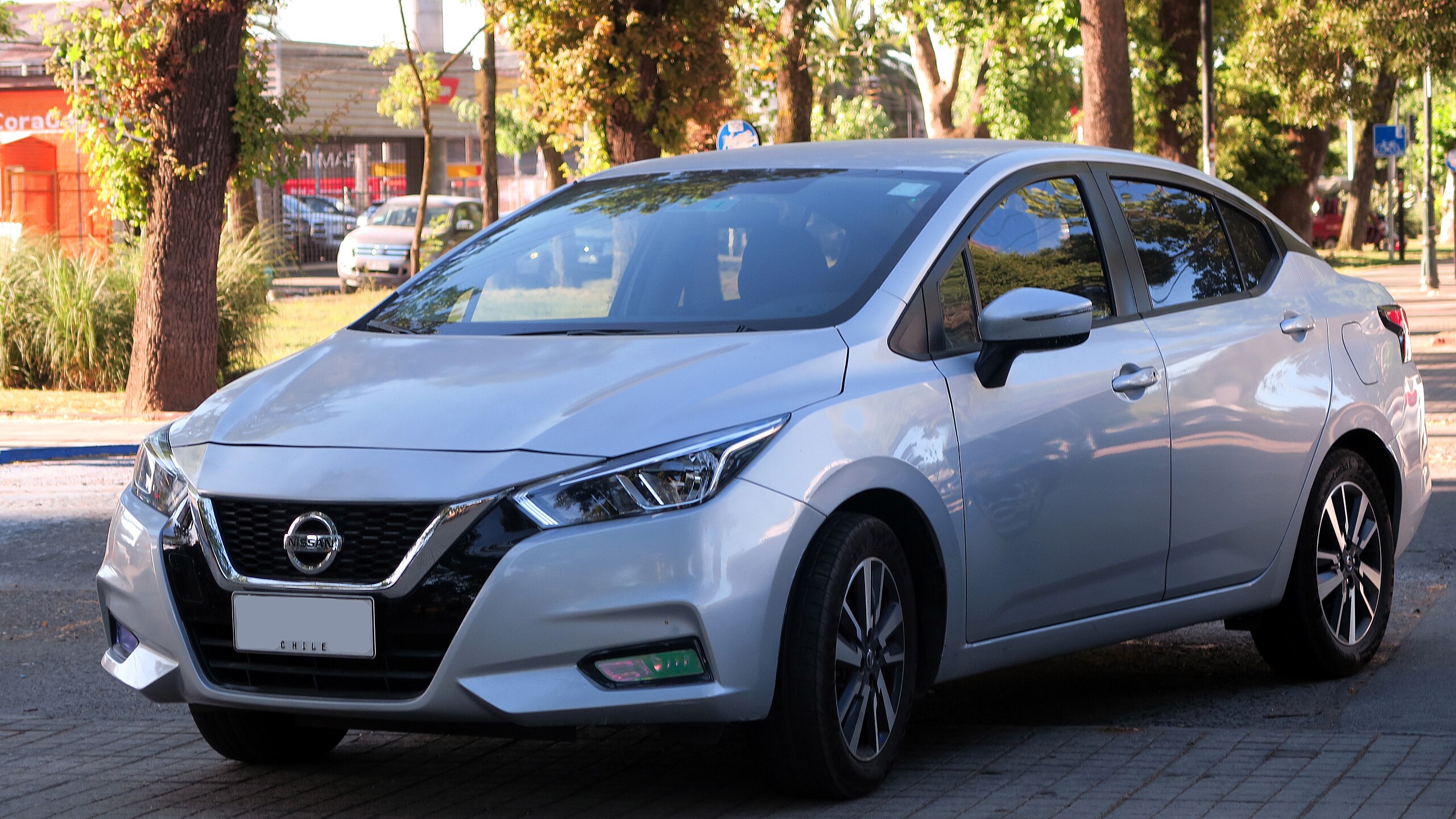
Ground clearance is very low, which causes problems on uneven mountain roads. Snow buildup, rocks, or broken pavement can scrape the underside of the car. This increases the risk of damage during winter or rough road driving.
Braking performance is average and can feel weak on long downhill stretches. Continuous braking on steep descents may cause brake wear faster. This makes downhill mountain driving more tiring and less confident for the driver.
The suspension is tuned for smooth city streets, not rough terrain. On mountain roads, bumps and potholes feel harsh inside the cabin. The car can feel unstable on winding roads with uneven surfaces.
Strong winds are common in mountain areas, and the lightweight Versa is easily affected. Crosswinds can push the car around, especially on exposed highways. This reduces driving comfort and increases driver fatigue.
2) Toyota Prius
The Toyota Prius is well known for excellent fuel savings and city efficiency. However, it is not designed for steep mountain driving. Long climbs, thin air, and rough conditions can make the Prius feel underpowered and uncomfortable.
The main challenge for the Prius in mountain areas is limited engine power. While the hybrid system works well on flat roads, it struggles on long uphill climbs where constant power is needed for steady progress.
At higher elevations, the Prius can lose performance. The engine and electric motor combination feels weaker as air gets thinner. This makes climbing steep mountain roads slower and more stressful for the driver.
Passing other vehicles uphill can be difficult in the Prius. Acceleration is slow when climbing, especially with passengers inside. Drivers often need more space and time, which can feel unsafe on narrow mountain highways.
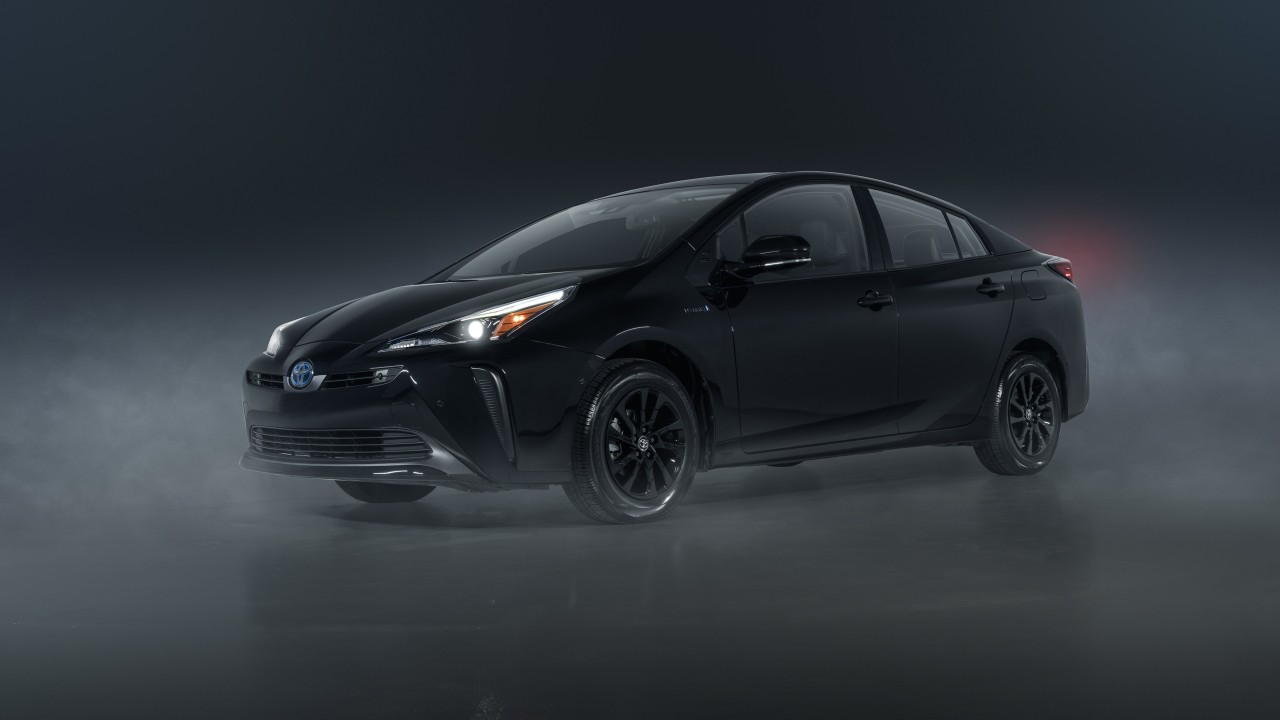
Traction is another concern in mountain conditions. Most Prius models are front-wheel drive. On snowy or icy roads, this setup struggles to maintain grip, making hill climbs more difficult and less predictable.
Ground clearance is low, which limits the Prius on rough or uneven mountain roads. Snow buildup, rocks, or broken pavement can scrape the underside. This makes winter driving and rural mountain access risky.
Braking performance is decent for city use but less ideal for long downhill drives. Continuous braking on steep descents can cause faster brake wear. Drivers may feel less confident maintaining control on long slopes.
The suspension is tuned for smooth city streets, not winding mountain roads. Sharp curves and uneven pavement can make the ride feel unsettled. The car does not feel planted when roads become rough or twisty.
3)Chevrolet Spark
The Chevrolet Spark is a small city-focused car designed for short trips and light traffic. While it is easy to park and affordable to own, it is not built for mountain roads, steep climbs, or harsh weather conditions.
The biggest weakness of the Spark is its very small engine. On steep uphill roads, the engine struggles to produce enough power. Speed drops quickly, and the car feels strained during long mountain climbs.
Carrying passengers or luggage makes the problem worse. Added weight reduces climbing ability even more. Drivers may find it difficult to maintain speed on hills, especially at higher elevations where engines lose power.
Acceleration is slow when driving uphill. Passing other vehicles becomes risky because the Spark takes time to gain speed. On narrow mountain roads, this lack of power can feel stressful and unsafe.
Traction is limited, especially in snow or rain. Most Chevrolet Spark models are front-wheel drive only. On steep or slippery mountain roads, the wheels can spin easily, reducing control and confidence.
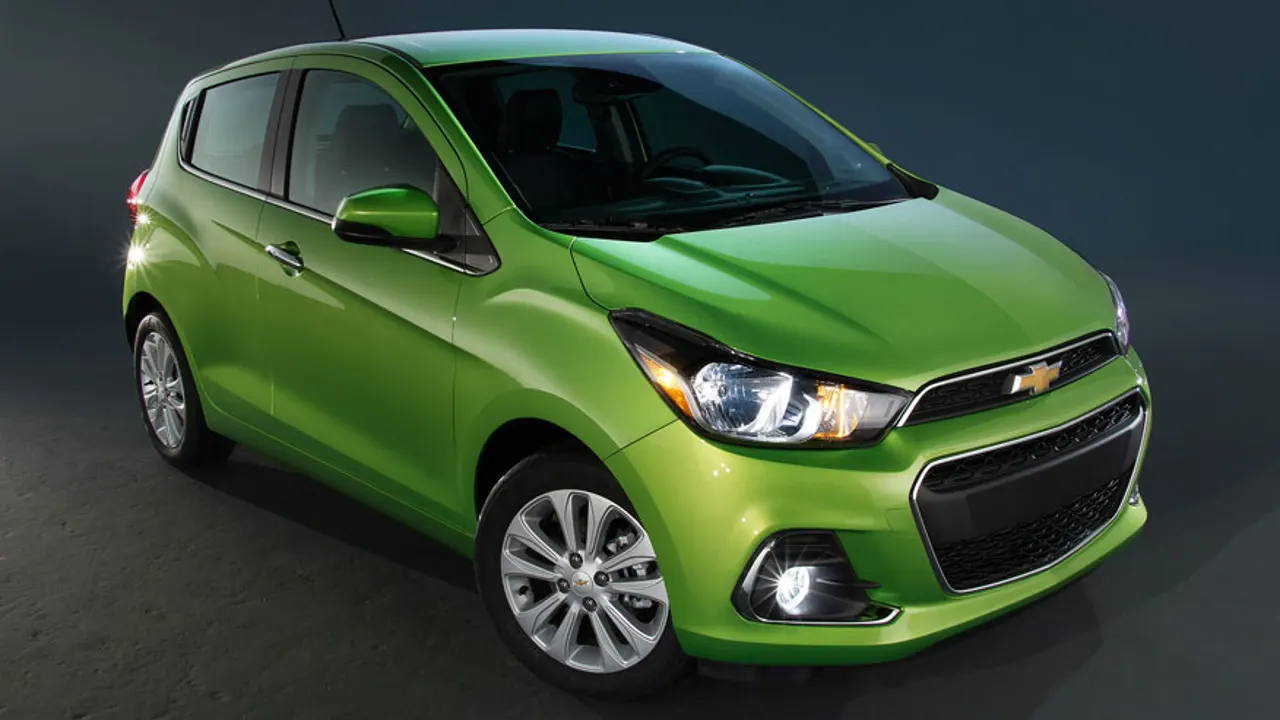
Ground clearance is very low, which causes problems on uneven mountain roads. Snow buildup, loose rocks, or broken pavement can scrape the underside. This increases the risk of damage during winter or rural driving.
The suspension is designed for smooth city streets. On rough mountain roads, bumps and potholes feel harsh inside the cabin. The car can feel unstable on winding roads with uneven surfaces.
Braking performance is average and not ideal for long downhill drives. Continuous braking on steep descents can lead to faster brake wear. Drivers may feel less confident controlling speed on long slopes.
4) Mitsubishi Mirage
The Mitsubishi Mirage is built mainly for budget buyers and city driving. It focuses on low price and fuel savings, not power or strength. When used on mountain roads, its limits become clear very quickly.
The Mirage’s biggest weakness is its very small engine. On steep uphill roads, it struggles to maintain speed. Long climbs force the engine to work extremely hard, making driving slow and tiring for the driver.
At higher elevations, engine performance drops even more. Thin mountain air reduces power, and the Mirage feels weak during climbs. Drivers may need to press the accelerator fully just to keep moving uphill steadily.
Passing other vehicles uphill is difficult in the Mirage. Acceleration is very slow, especially with passengers inside. On narrow mountain roads, this can feel unsafe and stressful, as quick power is often needed.
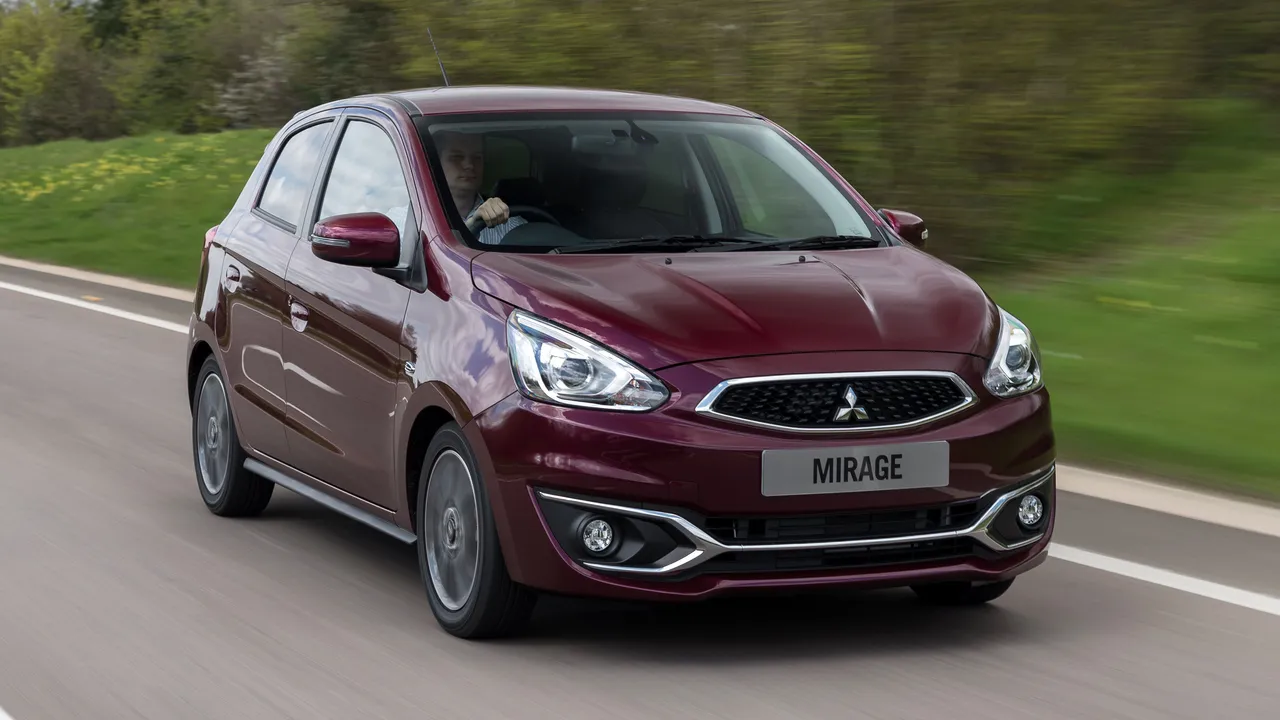
Traction is limited because most Mirage models are front-wheel drive. On snowy or icy roads, the wheels can lose grip easily. Steep mountain climbs become challenging without strong traction support.
Ground clearance is very low, which creates problems on uneven mountain roads. Snow buildup, rocks, and broken pavement can scrape the underside. This increases the risk of damage during winter or rural mountain travel.
The suspension is designed for flat city streets, not rough terrain. On mountain roads, bumps and potholes feel harsh inside the cabin. The car feels unsettled on winding roads with uneven surfaces.
Braking performance is average for city use but weak for long downhill driving. Continuous braking on steep descents can cause faster wear. Drivers may feel less confident controlling speed on long mountain slopes.
5) Hyundai Accent
The Hyundai Accent is a simple and affordable car built mainly for daily city use. While it works well on normal roads, it is not designed for steep mountain driving or harsh weather conditions found at higher elevations.
The engine in the Accent is adequate for flat roads but struggles on long uphill climbs. Steep grades cause the engine to work harder, and speed drops quickly, especially when the car is fully loaded.
At higher elevations, engine power reduces further due to thin air. This makes climbing mountain roads slower and less comfortable. Drivers may need to push the engine hard just to maintain safe uphill speeds.
Acceleration uphill is limited, making passing difficult. On narrow mountain highways, this can feel unsafe. The Accent takes longer to respond, which reduces driver confidence during uphill driving situations.
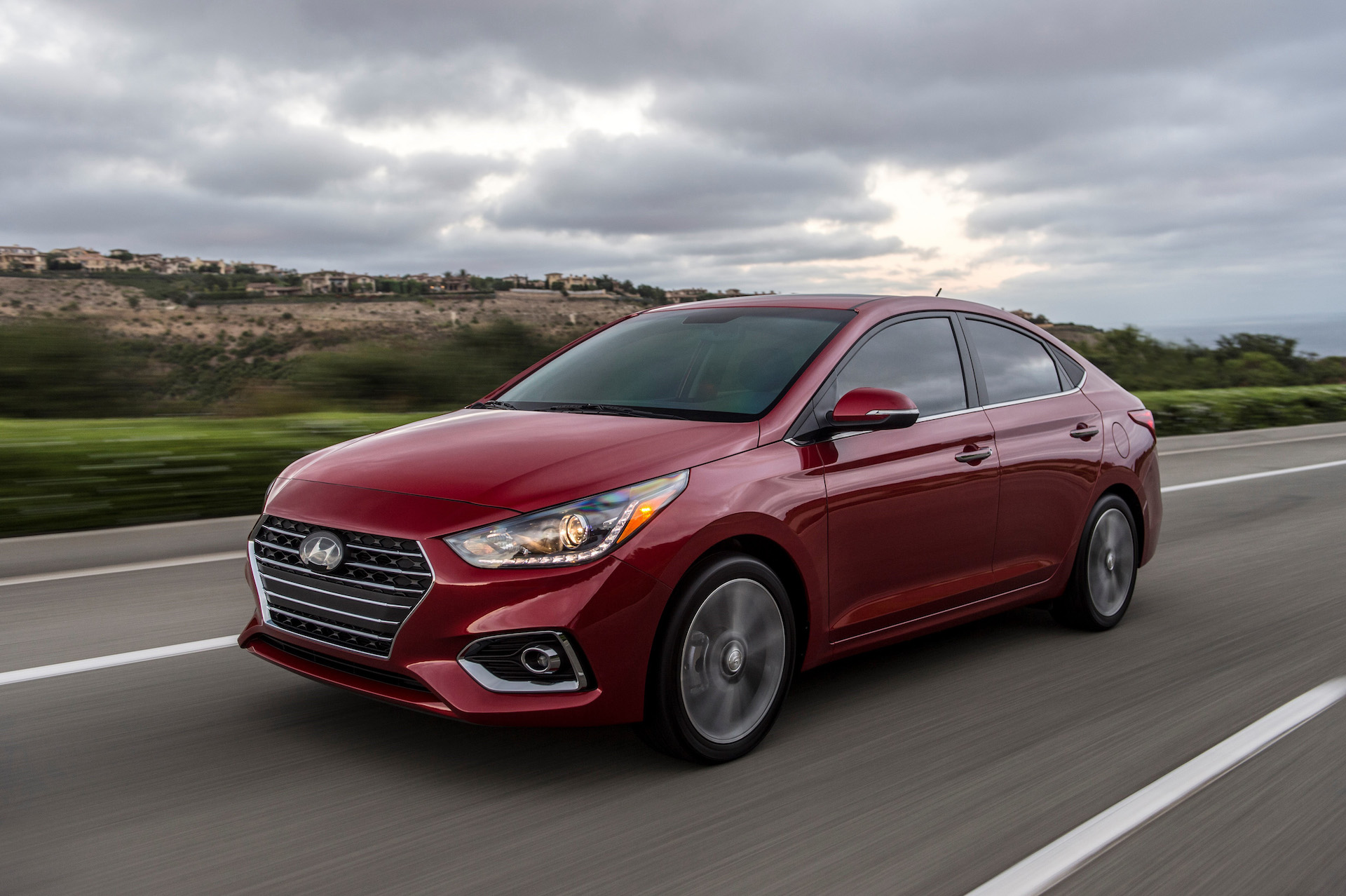
Traction is average and not ideal for mountain conditions. Most Accent models are front-wheel drive. On snow or ice, this setup struggles to grip steep roads, making winter mountain driving challenging.
Ground clearance is low, which causes problems on uneven mountain roads. Snow buildup, rocks, and damaged pavement can scrape the underside, increasing the risk of underbody damage during winter or rural travel.
Braking performance is acceptable for city driving but less reliable on long downhill slopes. Continuous braking on steep descents can cause faster wear and reduced braking confidence over time.
The suspension is tuned for comfort on smooth roads. On mountain roads, bumps and rough surfaces feel harsh. The car may feel unstable on sharp curves or uneven pavement.
Strong winds are common at higher elevations, and the Accent’s lightweight design is affected easily. Crosswinds can push the car, especially on open roads, adding stress and fatigue for the driver.