Urban driving in the United States is a daily stress test for any vehicle. From bumper-to-bumper traffic in Los Angeles to pothole-riddled streets in Chicago, narrow parallel parking in Boston, and constant stop-and-go conditions in New York City, city driving is not forgiving.
While many vehicles look good on paper or perform well on highways, only a select few truly thrive in dense urban environments.
Others, despite their popularity or luxury branding, quietly suffer under the weight of congestion, tight streets, poor road maintenance, and constant short trips.
City chaos is defined by more than just traffic. It includes unpredictable pedestrians, aggressive lane changes, uneven pavement, frequent braking, limited parking space, and the need for responsive steering and durable components.
Vehicles that excel in cities tend to be compact without feeling cramped, mechanically reliable in stop-and-go conditions, easy to maneuver, and cheap to maintain.
Vehicles that fall apart often struggle with poor visibility, oversized dimensions, fragile drivetrains, or maintenance costs that spiral under urban wear and tear.
This article breaks down five vehicles that handle city chaos exceptionally well and contrasts them with five vehicles that consistently struggle or deteriorate in urban conditions, focusing on real-world ownership experiences, long-term reliability, and practical usability for US city drivers.
Vehicles That Handle City Chaos Well
City driving is not a controlled environment, it is a daily stress test. Tight lanes, unpredictable traffic, aggressive drivers, potholes, double-parked delivery vans, and endless stop-and-go conditions expose weaknesses in poorly suited vehicles very quickly. The wrong car turns a routine commute into a chore; the right one absorbs the chaos and keeps moving without drama.
This article focuses on vehicles that are genuinely built to handle urban disorder. Not marketing hype or badge prestige, but real-world traits that matter in cities: compact dimensions, responsive steering, strong low-speed torque, compliant suspension, good visibility, and technology that reduces fatigue rather than adding distractions.
If a vehicle cannot maneuver confidently, park easily, and remain comfortable in constant congestion, it does not belong here. These are the cars that make city driving survivable, and in some cases, surprisingly efficient.
1. Toyota Corolla
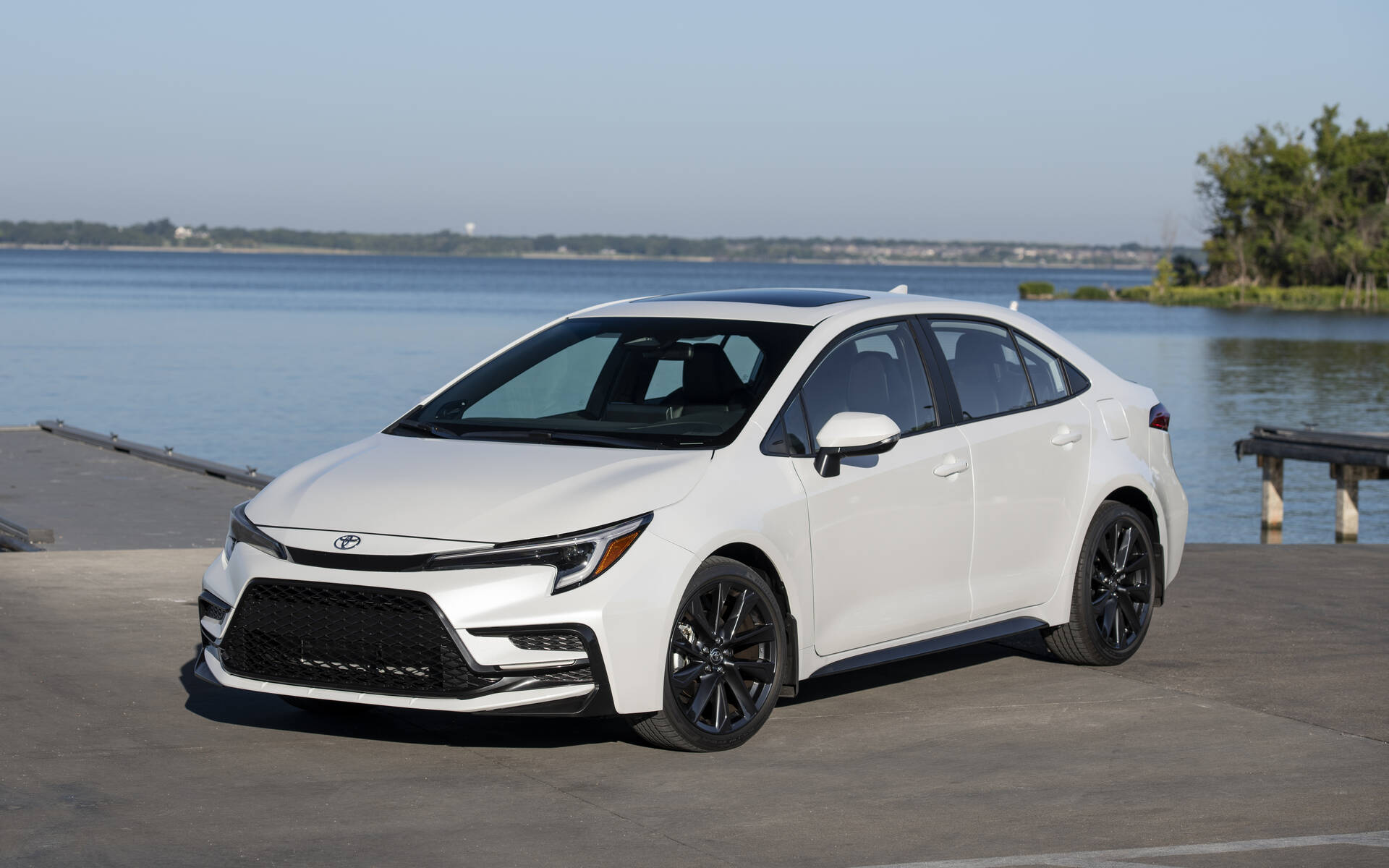
The Toyota Corolla has quietly earned its reputation as one of the most city-proof vehicles in America.
Its compact size makes it easy to maneuver through tight streets and crowded parking garages, while its light steering and predictable handling reduce driver fatigue in traffic-heavy environments.
In cities where short trips dominate, the Corolla’s naturally aspirated engine avoids many of the long-term reliability issues associated with turbocharged powertrains that rarely reach optimal operating temperatures.
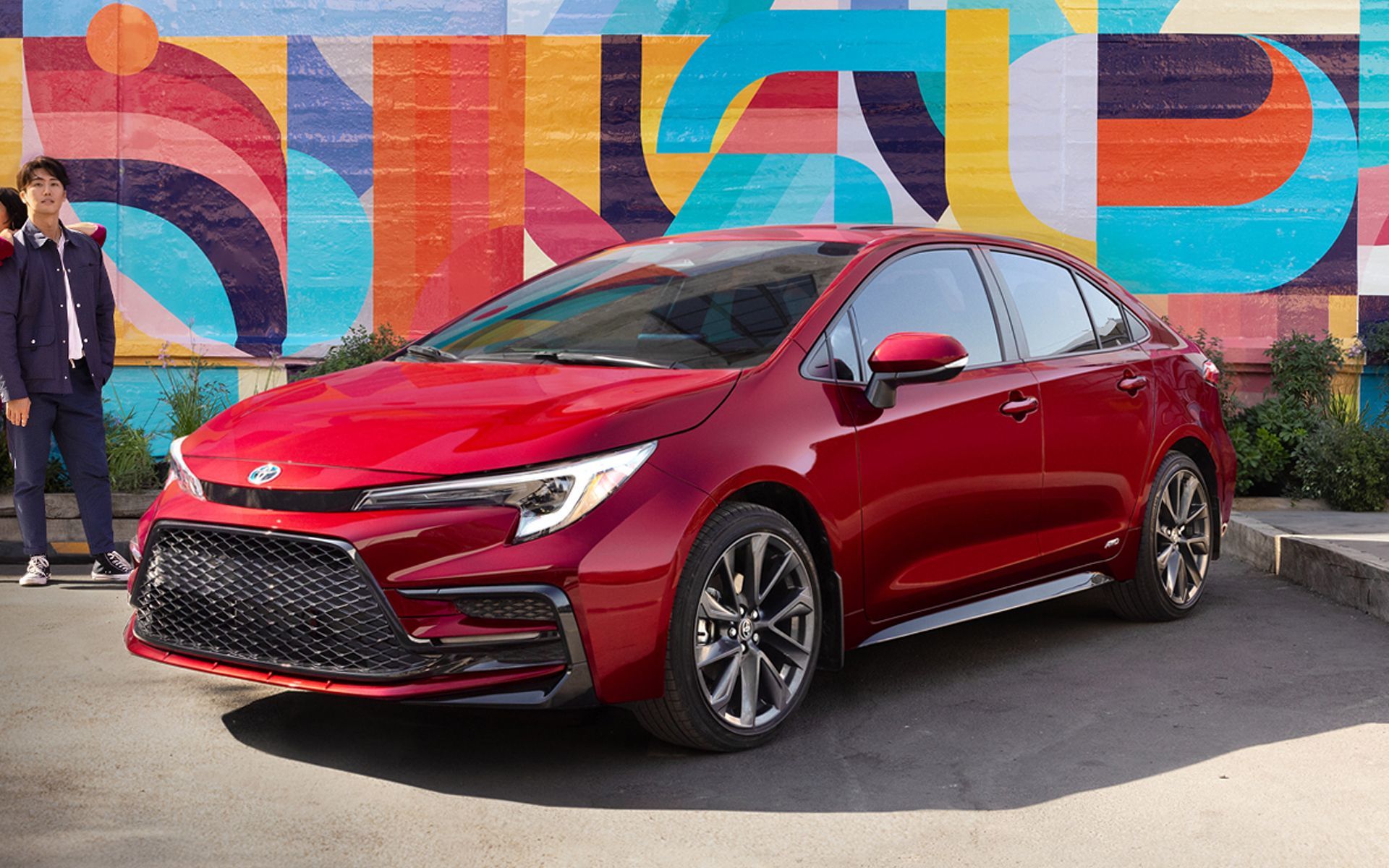
From a maintenance perspective, the Corolla thrives on neglect better than almost any competitor. Urban driving accelerates wear on brakes, suspension components, and transmissions, yet Corollas consistently rack up high mileage with minimal issues.
Visibility is excellent, repair costs are low, and parts availability is unmatched. For city dwellers who need transportation that simply works every day without drama, the Corolla remains one of the smartest choices on the road.
2. Honda Civic
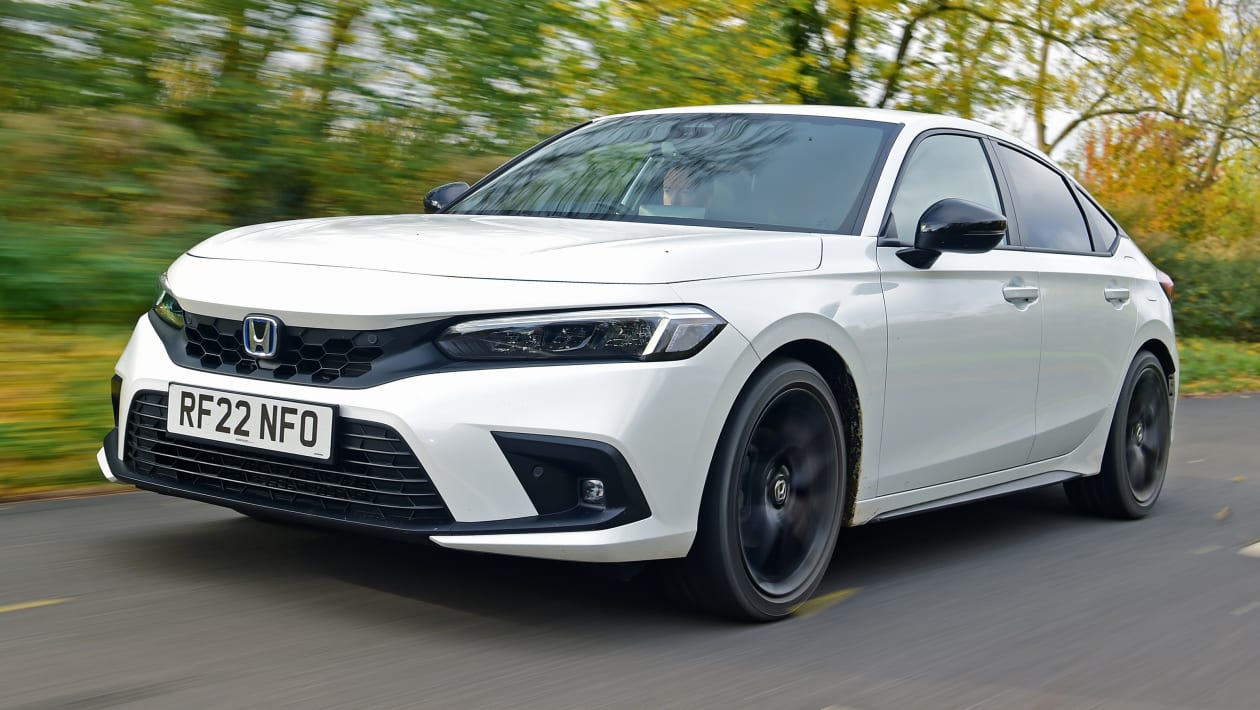
The Honda Civic blends city-friendly size with driving dynamics that make urban commutes feel less tedious.
Its steering response and chassis tuning are sharp enough to navigate crowded streets confidently, yet forgiving enough for drivers constantly dodging potholes and poorly maintained road surfaces.
Unlike many compact cars that feel cheap or flimsy, the Civic feels structurally solid, which matters when streets are uneven and curbs are unavoidable.
Reliability under city stress is another Civic strength. Frequent stop-and-go traffic can destroy weak transmissions and cooling systems, but Honda’s engineering holds up well over time.
Fuel efficiency remains strong even in congestion, and resale value stays high due to long-term durability. The Civic also offers strong safety technology, which is increasingly important in pedestrian-heavy urban environments.
Honda’s well-known Civic compact undergoes a substantial refresh for the 2022 model year, emerging with a more mature exterior look, added features, and a noticeably more upscale interior layout.
Buyers can choose from several four-cylinder engines, including a turbocharged 1.5-liter option, while front-wheel drive remains standard; Honda has made it clear that all-wheel drive is not in the cards.
New and improved technology, such as a larger infotainment screen, wireless smartphone integration, and enhanced driver-assistance systems, represents meaningful progress and helps the Civic stay competitive against rivals like the Hyundai Elantra, Mazda 3, and Toyota Corolla.
Despite the comprehensive redesign elsewhere, Honda chose to carry over the Civic’s powertrain lineup from the previous generation. Entry-level models are powered by a 158-hp 2.0-liter four-cylinder engine, while the upgraded option remains the turbocharged 1.5-liter four-cylinder, now rated at 180 horsepower.
The new Civic is available exclusively with front-wheel drive. Unfortunately, the manual transmission previously offered on the Civic sedan has been discontinued for 2022, leaving a continuously variable automatic transmission (CVT) as the only option; however, the hatchback still offers a six-speed manual.
The good news is that the agile handling, responsive steering, and composed ride quality that defined the previous Civic remain intact. Performance-focused Si and Type R variants are also on the way, both retaining manual transmissions, and are evaluated separately.
3. Subaru Crosstrek
City chaos isn’t always about traffic it’s also about unpredictable conditions. Rain-soaked streets, snow-covered intersections, uneven pavement, and poorly plowed roads can turn urban driving into a challenge.
The Subaru Crosstrek excels here thanks to its standard all-wheel drive, higher ground clearance, and rugged suspension tuning.
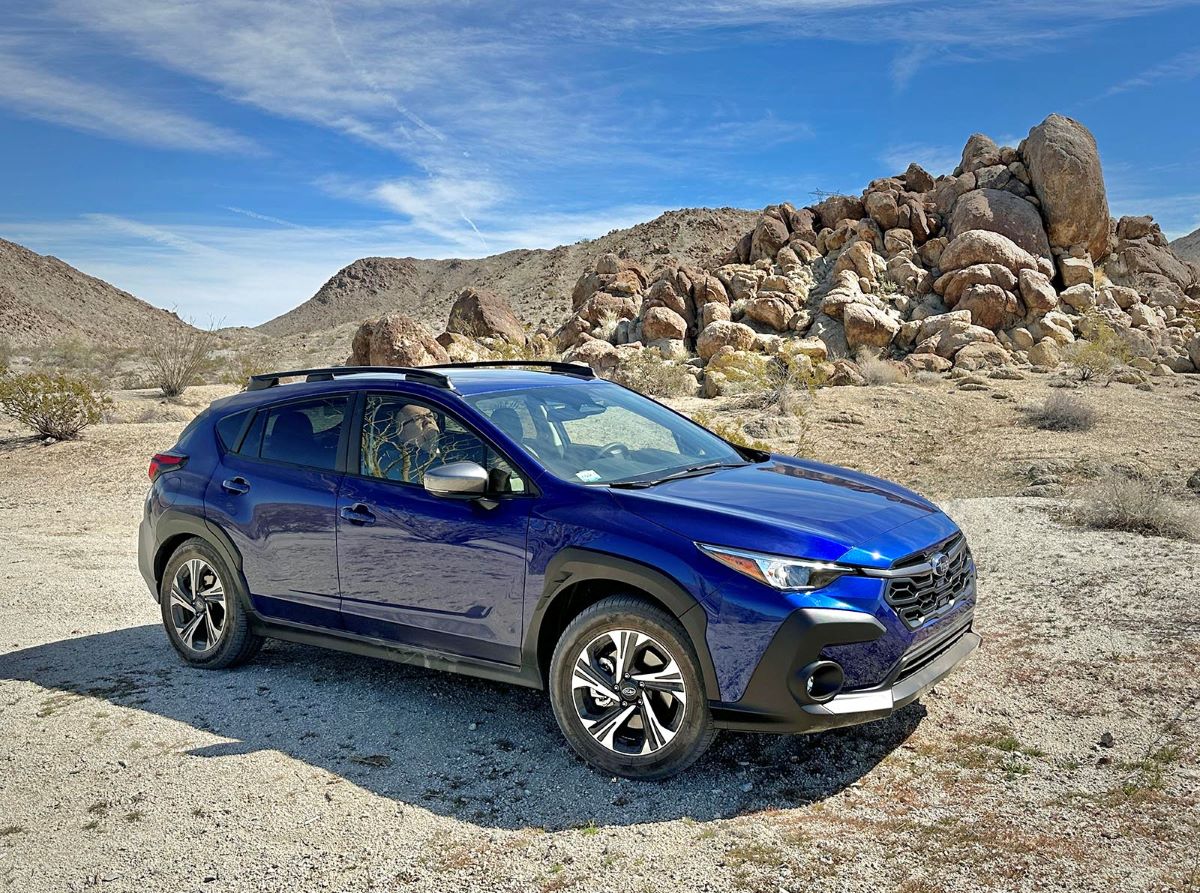
Unlike large SUVs that feel cumbersome in cities, the Crosstrek maintains a compact footprint that fits easily into parking spaces while still offering enough height to see over traffic.
Its drivetrain handles frequent low-speed driving well, and the suspension absorbs rough surfaces better than most compact cars.
For city residents in northern states or regions with poor infrastructure, the Crosstrek offers confidence without sacrificing maneuverability.
Subaru eliminated the base engine from the Crosstrek lineup, addressing one of the vehicle’s most persistent criticisms: sluggish acceleration. While it is nowhere near as quick as the WRX, the Crosstrek now feels noticeably more responsive than before. Power delivery is smooth and consistent, particularly when equipped with the Crosstrek Hybrid powertrain, which improves overall drivability.
The Crosstrek is not designed to be sporty, but it delivers a composed and agreeable on-road experience and is easy to manage in everyday use. Its standard all-wheel-drive system adds an extra layer of reassurance in poor weather conditions, and the vehicle feels planted and confident when driven on dirt or uneven surfaces.
The Crosstrek Wilderness trim stands out in particular, ranking among the most capable extra-small SUVs currently available for off-road use.
Cargo capacity is one area where the Crosstrek falls behind some of its strongest competitors. With just 19.9 cubic feet of space behind the rear seats, it offers less room than rivals such as the Chevrolet Trailblazer and Volkswagen Taos.
Interior storage for smaller items is also limited. The door pockets are shallow, large bottles do not fit in the cupholders, and the center console is on the small side. As a result, loose items can quickly overwhelm the available storage areas.
When compared to competitors that have significantly improved their interior quality, feature sets, and on-road performance, the Crosstrek comes across as somewhat underwhelming. Its strongest value proposition lies in its off-road capability, but in terms of standard equipment and overall polish, it lags behind much of the segment.
Subaru’s warranty coverage is similarly unremarkable. The Crosstrek includes a basic warranty and roadside assistance for three years or 36,000 miles, along with a five-year/60,000-mile powertrain warranty. Unlike some rivals, Subaru does not include complimentary maintenance.
The Crosstrek’s advanced driver-assistance systems are another weak point. While the vehicle is equipped with numerous safety features, their execution can feel overly intrusive. Frequent alerts, chimes, and warnings can become distracting, diminishing the overall driving experience.
4. Toyota Prius
Few vehicles are better suited to urban environments than the Toyota Prius, despite its polarizing image.
Hybrid systems shine in city driving, where regenerative braking and low-speed electric operation significantly reduce fuel consumption and mechanical wear. In stop-and-go traffic, the Prius is operating exactly as designed.
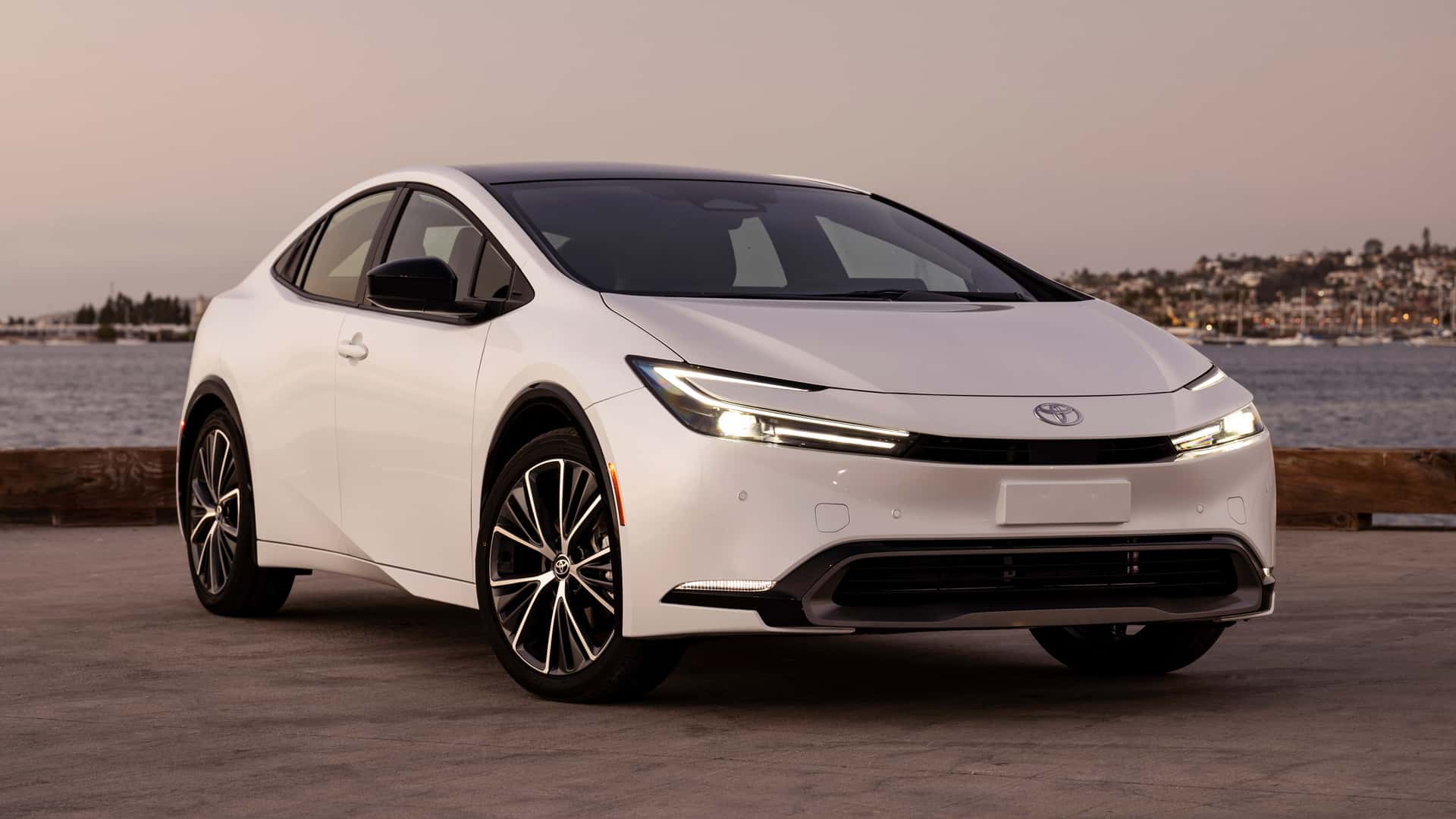
Beyond fuel efficiency, the Prius has proven to be remarkably durable in urban fleets, including taxis and rideshare vehicles that endure constant abuse.
Brake wear is reduced thanks to regenerative braking, engines experience less strain, and overall ownership costs remain low. Its tight turning radius, smooth low-speed operation, and excellent visibility make it surprisingly stress-free in crowded city conditions.
Also Read: Top 10 Cars That Look Like They Belong in a Crime Epic
5. Mazda3
The Mazda3 stands out as one of the few compact vehicles that combines urban practicality with premium feel.
Its responsive steering, tight body control, and compact dimensions make it easy to thread through city streets, while the interior quality makes daily commuting feel less punishing.
Mazda’s naturally aspirated engines and conventional automatic transmissions are particularly well-suited for city driving, avoiding the long-term issues seen in small turbo engines or complex dual-clutch systems.
The Mazda3 also performs well on rough pavement, with suspension tuning that balances comfort and control. For drivers who want something engaging yet durable in a city environment, the Mazda3 is a standout choice.
Mazda has long placed a strong emphasis on driving dynamics, and the Mazda 3 continues that tradition. When the road becomes more demanding than a straight line, the Mazda 3 responds with handling that feels both comfortable and confidence-inspiring.
The car maintains good balance, transitions smoothly through direction changes, and remains composed in corners. Steering response is sharp and accurate, further reinforcing the driver’s sense of control.
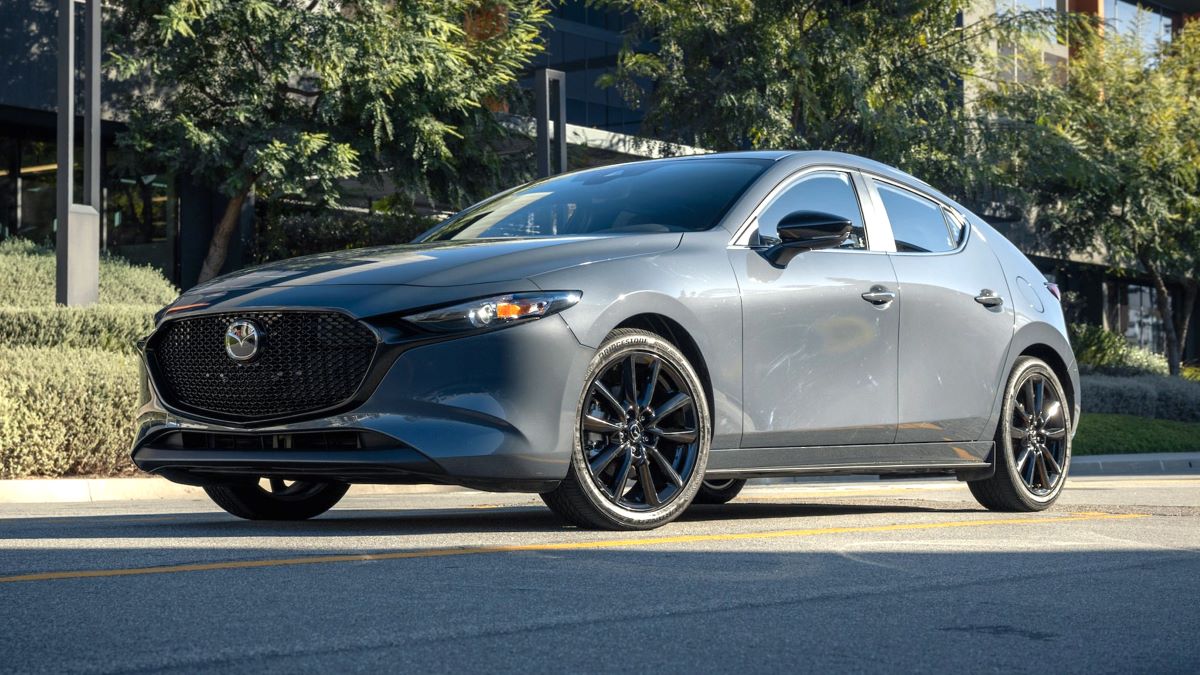
The standard 2.5-liter four-cylinder engine is responsive and delivers power smoothly right from initial acceleration, with even stronger performance in the midrange. Entering highways or executing merges presents no difficulty. The all-wheel-drive Mazda 3 sedan achieved a 0–60 mph time of 8.3 seconds, which is solid for the segment.
For drivers seeking stronger performance, the available turbocharged 2.5-liter engine delivers a substantial upgrade. In track testing of the hatchback, this powertrain reduced the 0–60 mph sprint to just 6.1 seconds, transforming the car’s performance character.
Despite the added speed, the turbo engine remains refined, offering ample power on demand. Light throttle inputs are enough to facilitate confident passing and merging maneuvers.
Mazda manages to provide a sporty, near-premium driving experience without compromising comfort. Supportive front seats and a quiet cabin at highway speeds contribute significantly to this balance. That said, there are minor shortcomings. The air-conditioning system in our test vehicle did not feel particularly strong, and some evaluators found the front seat head restraints to be overly intrusive.
As a sport-oriented sedan, the Mazda 3 features a firmly tuned suspension designed to minimize body roll. While this setup results in a ride that is slightly stiffer than some rivals, it remains compliant enough to absorb bumps and uneven pavement effectively, preserving everyday usability.
Vehicles That Fall Apart in City Chaos
City driving exposes weaknesses faster than any test track ever could. Constant braking, tight parking, uneven pavement, aggressive lane changes, and endless congestion punish vehicles that were never engineered for this environment. What feels tolerable on an open road quickly becomes exhausting, or outright frustrating, once urban chaos takes over.
This article focuses on vehicles that struggle when confined to city life. Whether it’s sluggish throttle response, poor visibility, clumsy dimensions, overcomplicated technology, or suspensions that can’t cope with broken pavement, these shortcomings add up fast in daily urban use.
These are not necessarily bad vehicles in isolation, but in the city, their flaws are amplified. If your commute lives between traffic lights and crowded streets, these are the models most likely to wear you down rather than work with you.
1. Jeep Wrangler
The Jeep Wrangler is an icon of off-road capability, but urban environments expose its weaknesses quickly.
Its solid axles, truck-like suspension, and boxy shape make it awkward on tight streets and uncomfortable on uneven pavement. City driving demands precision and agility, two traits the Wrangler lacks.
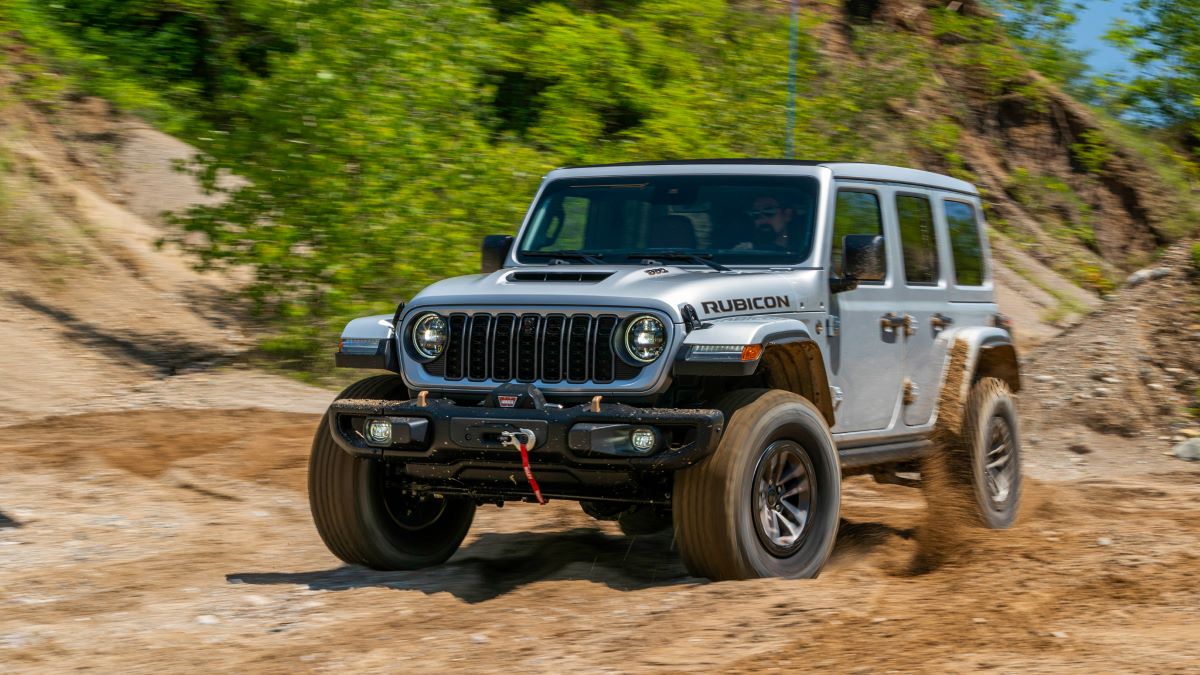
Frequent stop-and-go traffic is particularly hard on the Wrangler’s drivetrain, and its steering vagueness becomes exhausting in dense traffic.
Parking is difficult due to poor turning radius and visibility, while fuel economy suffers dramatically in urban conditions. Although the Wrangler excels on trails, city chaos accelerates wear and magnifies its compromises.
Also Read: Top 10 Normal-Looking Cars With Secret Motorsport DNA
2. BMW 7 Series
Luxury sedans like the BMW 7 Series are engineered for smooth highways, not urban punishment. In city environments, the vehicle’s size becomes a liability, making parking stressful and maneuvering through narrow streets a constant challenge.
Low-profile tires and complex suspension systems do not tolerate potholes well, leading to expensive repairs.
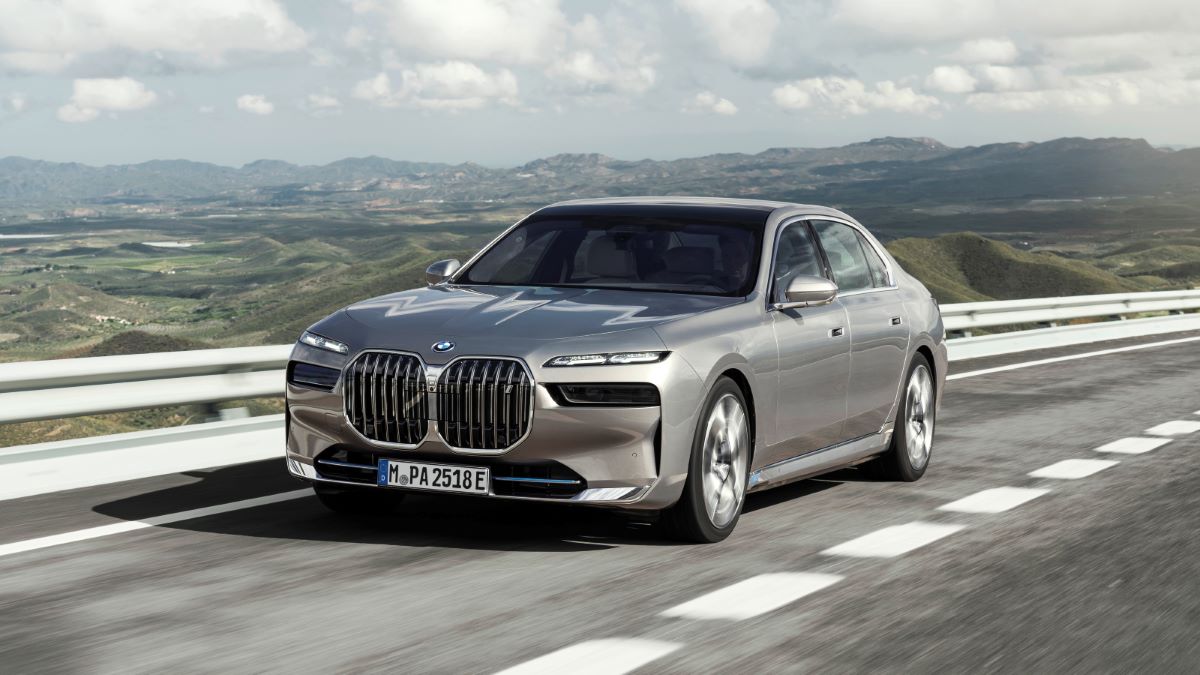
Urban driving also exposes reliability issues in high-end luxury vehicles. Frequent short trips prevent engines from warming properly, increasing wear on components designed for long-distance cruising.
Repair costs escalate quickly, and even minor city-related damage can result in eye-watering service bills. The 7 Series may deliver comfort, but city chaos extracts a heavy price.
We evaluated the range-topping 760i xDrive, which produces 536 horsepower. During our testing, it sprinted from zero to 60 mph in just 3.8 seconds.
There is abundant power available for highway passing, though the 760i can feel somewhat sluggish at lower speeds. That said, composed handling and strong braking performance contribute to an overall sporty character. Steering effort is light without feeling vague, and the available rear-wheel steering effectively tightens the turning circle and improves agility during lane changes.
An auto-leveling air suspension comes standard, paired with a road preview system that scans ahead to proactively manage bumps and potholes. However, the suspension behaves a bit oddly under hard acceleration, leaning back more than expected and exhibiting some sway before settling.
The ride comfort is excellent, but the 7 Series falls slightly short of the exceptionally smooth and isolated ride delivered by the Mercedes-Benz S-Class or even BMW’s own electric i7. Large windows provide solid outward visibility in most directions, though the rear window is somewhat short and limits the view behind.
The available Highway Assistant enables hands-free driving at speeds up to 85 mph, keeping the 7 Series well centered in its lane while managing acceleration and braking in a smooth, controlled manner. A high-resolution surround-view camera system offers multiple viewing angles, making it easier to maneuver this large sedan through tight spaces with greater confidence.
At this price point, calling any vehicle a strong value is difficult. In the case of the 7 Series, the return largely matches the investment. Interior craftsmanship aligns with its flagship status, and exclusive features, such as the available rear theater screen, are difficult to find elsewhere.
Buyers should be cautious with the options list, however, as costs can escalate quickly. BMW’s warranty coverage is in line with what most luxury competitors provide.
3. Chevrolet Camaro
The Chevrolet Camaro struggles in cities due to poor outward visibility, a stiff suspension, and an impractical design for daily urban use. Blind spots make lane changes stressful, while the long doors and low ride height complicate parking and curb navigation.
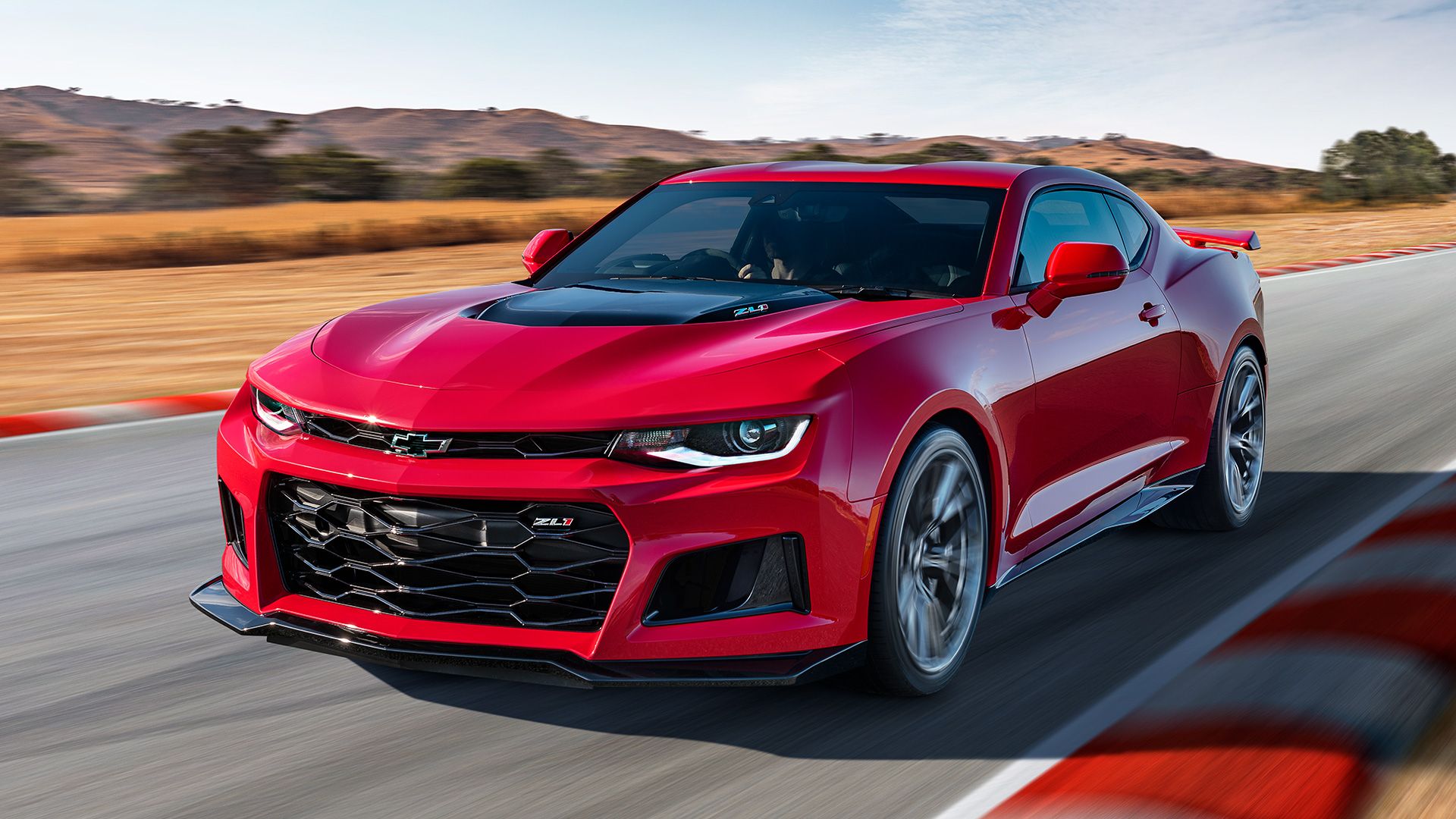
Stop-and-go traffic is particularly unpleasant in performance-oriented trims, where aggressive transmissions and firm suspensions amplify discomfort.
Fuel economy drops sharply in urban driving, and insurance costs remain high. While the Camaro shines on open roads, city chaos quickly turns it into a frustrating daily companion.
4. Land Rover Range Rover
The Range Rover’s luxurious image hides a harsh reality for city drivers: complexity and fragility under urban stress.
Its advanced air suspension systems struggle with potholes and uneven pavement, while frequent short trips accelerate electrical and mechanical issues.
In cities, the Range Rover’s size becomes a burden, making tight streets and parking garages nerve-wracking.
Repair costs are among the highest in the industry, and urban wear often triggers warning lights and system failures far earlier than expected. City chaos exposes the gap between luxury appeal and long-term durability.
We tested the Range Rover SE configured with the long wheelbase, third-row seating, and the P400 engine. This is a very large SUV, tipping the scales at close to 6,000 pounds. Even so, it managed an impressive 0–60 mph time of 6.1 seconds in our testing.
Despite that capability, the Range Rover is best enjoyed at a relaxed pace, where it delivers a smooth, composed, and upscale driving experience. Gear changes are particularly polished, contributing to the vehicle’s refined character.
For those inclined to venture off pavement, the Range Rover is equipped with an extensive set of off-road tools. These include dual locking differentials, an impressive maximum ground clearance exceeding 11 inches, and five selectable terrain modes, including a Wade setting designed for water crossings.
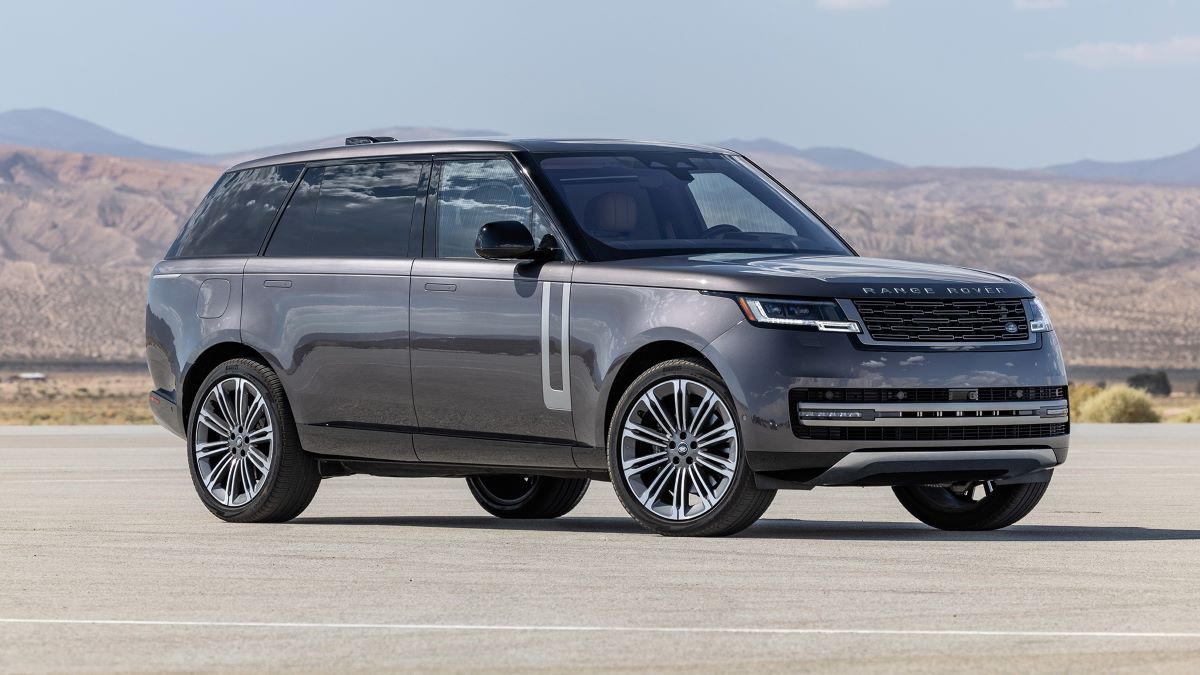
While the vehicle’s elegant exterior may give pause when considering truly aggressive off-roading, its underlying capability remains difficult to match at any price point.
Steering and handling present a different story. The Range Rover’s setup prioritizes comfort, resulting in steering that feels somewhat relaxed and a suspension that allows noticeable body roll when cornering.
Braking performance is strong, though several competing three-row luxury SUVs achieve shorter stopping distances from 60 mph. One advantage is standard all-wheel steering, which turns the rear wheels opposite the fronts at low speeds to improve maneuverability, a clear benefit in tight parking situations.
The standard air suspension is a standout feature. It delivers a plush, controlled ride across a wide range of road conditions. Our test vehicle was fitted with 23-inch wheels, which typically compromise ride comfort due to their low-profile tires. Even so, the suspension did an excellent job of smoothing out most road imperfections.
Comfort is further enhanced by the available 24-way power-adjustable front seats, while all three rows provide soft cushioning and supportive seating that keeps passengers comfortable on longer drives.
That said, the Range Rover’s climate control system felt underpowered for a vehicle in this class. Additionally, while the cabin effectively blocks out external noise, we detected creaks and rattles that are uncommon among other luxury-brand competitors.
5. Dodge Challenger
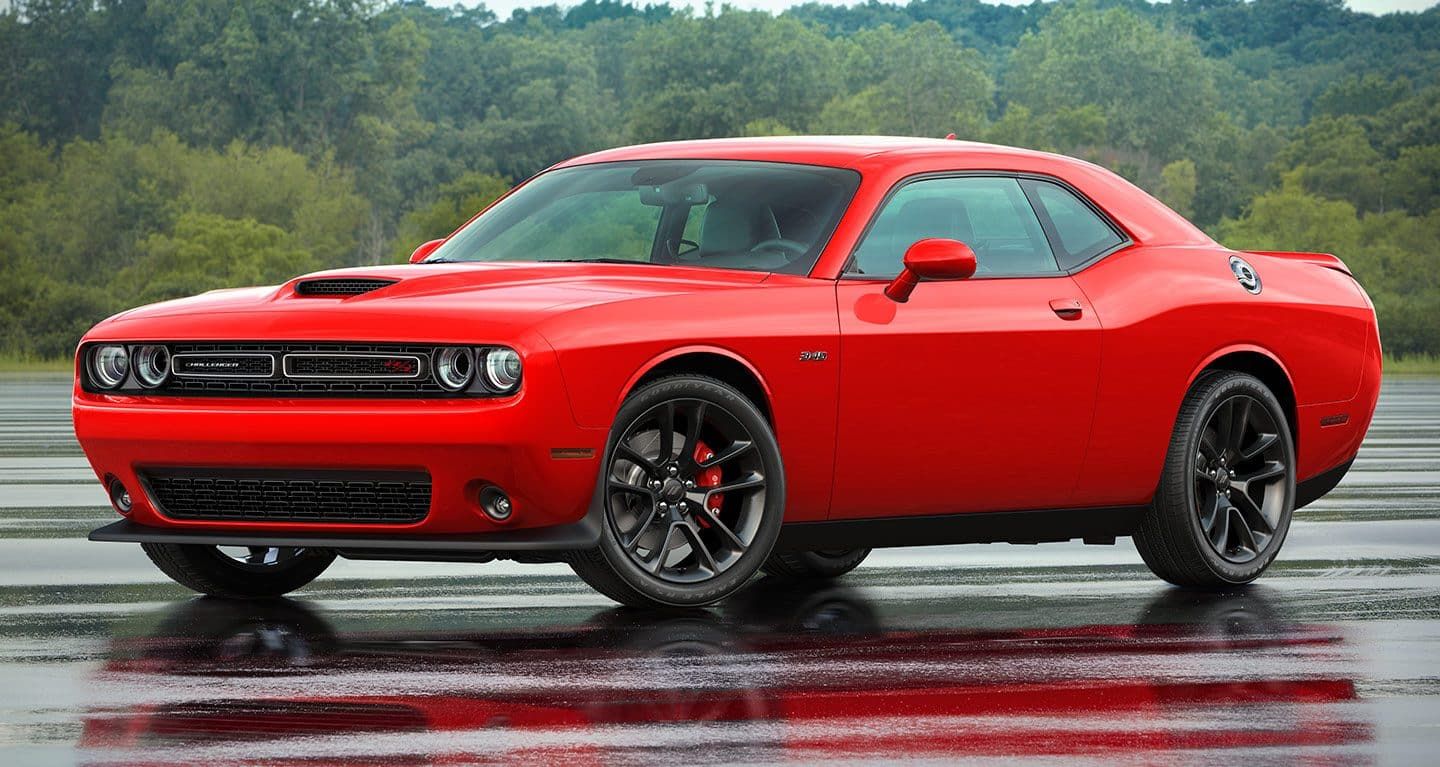
The Dodge Challenger’s retro styling and powerful engines appeal to enthusiasts, but city driving is its kryptonite.
The vehicle’s wide body, heavy weight, and long wheelbase make it difficult to maneuver in tight spaces. Visibility is limited, and parking requires patience and precision.
Stop-and-go traffic highlights the Challenger’s poor fuel efficiency and sluggish low-speed response.
Suspension tuning favors straight-line cruising rather than urban agility, and frequent braking accelerates wear on components not designed for constant congestion. Over time, city chaos takes a noticeable toll on both performance and reliability.
City driving in the United States is one of the harshest environments for any vehicle. It rewards simplicity, durability, compact dimensions, and mechanical restraint while punishing excess, complexity, and size.
Vehicles like the Toyota Corolla, Honda Civic, and Subaru Crosstrek succeed not because they are flashy, but because they are engineered to endure the realities of urban life.
On the other hand, vehicles that excel on highways, trails, or racetracks often crumble under city chaos. High repair costs, poor maneuverability, and mechanical fragility turn daily commutes into expensive headaches.
Choosing the right city vehicle isn’t about status or horsepower it’s about understanding how real-world urban conditions wear down machines over time.
For city dwellers, the smartest choice is rarely the most exciting one. It’s the vehicle that survives the chaos quietly, reliably, and without demanding constant attention.