
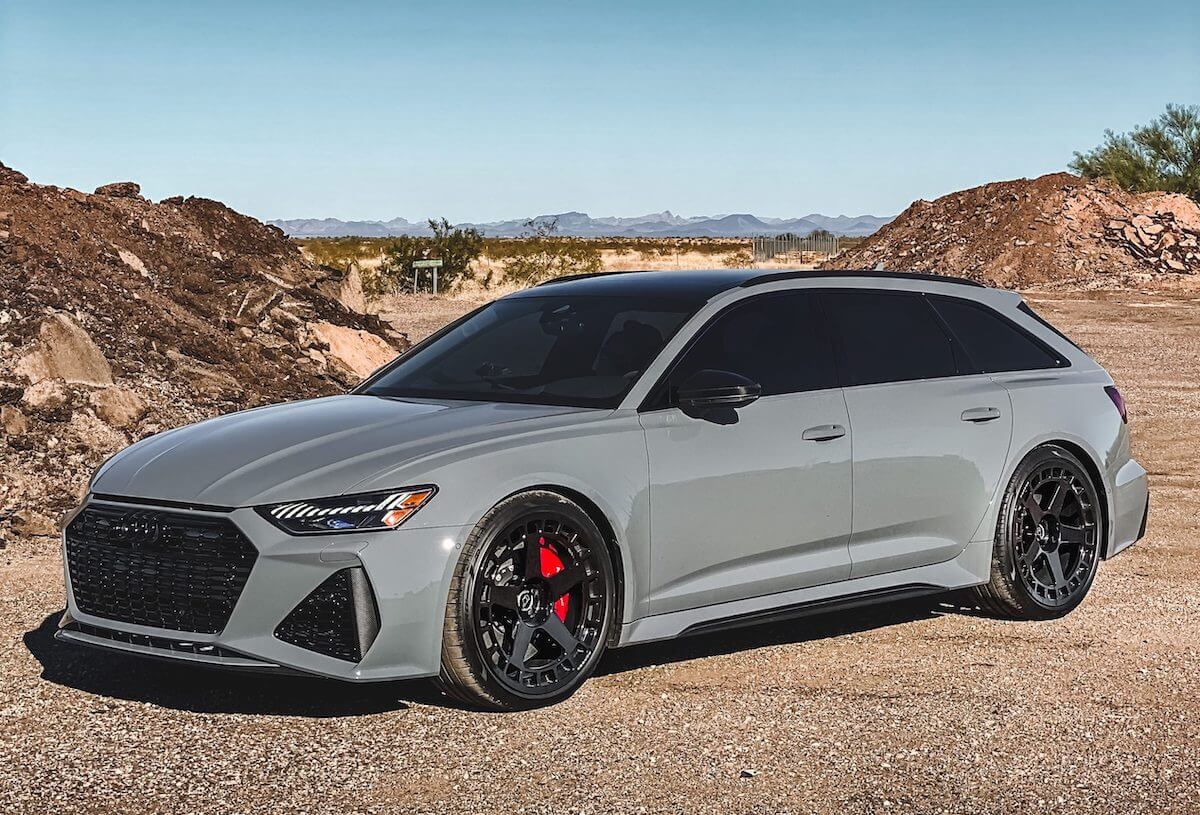
Step into a high-end dealership filled with gleaming SUVs and trucks that cost well into six figures, and it’s easy to assume the US auto market is thriving. That impression isn’t entirely wrong, but it isn’t the full picture either.
Visit more mainstream dealerships and you’ll notice a very different atmosphere, with hesitant buyers, extended discussions about monthly payments, and plenty of people choosing to hold off altogether.
What’s emerged is an unusual situation in which the car market is both flourishing and faltering at the same time. At the top end, buyers with substantial means are spending confidently.
They’re snapping up large, costly vehicles packed with the latest technology and comfort features, and they’re doing so in record numbers. Meanwhile, many lower- and middle-income Americans are being slowly pushed out of the new-car market entirely.
That shift may be as much mental as financial. When the average price of a new vehicle climbed past $50,000, something that happened last year, a new car likely stopped feeling like a routine purchase for many people and began to feel like a luxury on its own.
Some luxury dealerships are enjoying their strongest years yet, even as the broader market cools. One dealer told the outlet that demand at the high end hasn’t faded, fueled by what he described as “enthusiast purchases” and a desire for the newest, most advanced models.
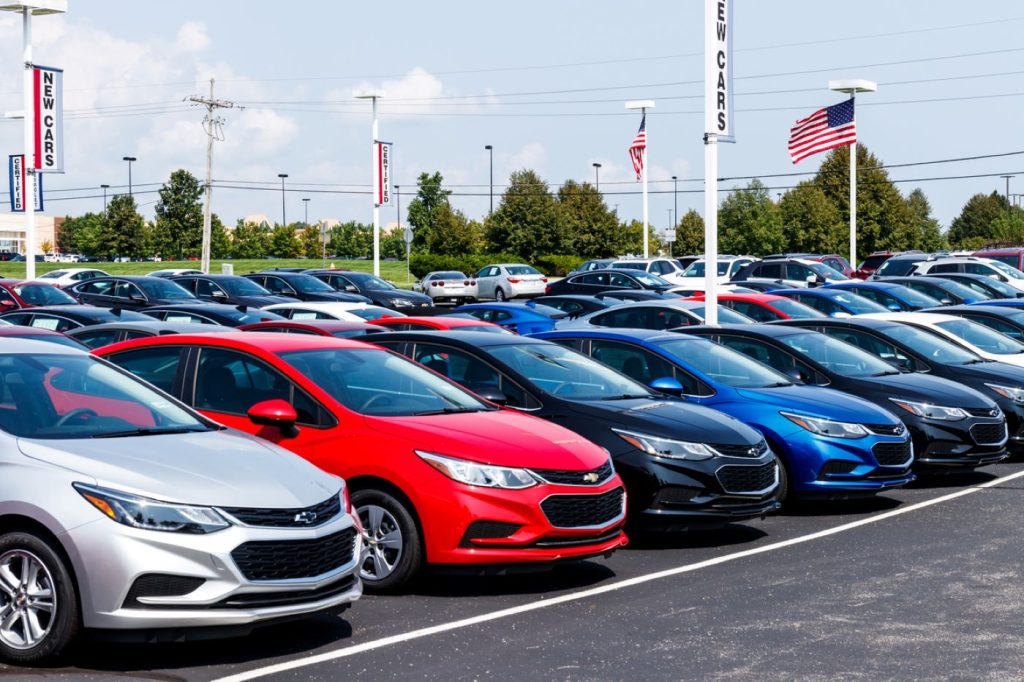
Lower-priced options still exist, but they are no longer where most demand is concentrated. As we reported recently, just 7 percent of new cars sold in the US in November were priced below $30,000.
We also noted that the average transaction price for a new vehicle climbed to $50,326 in December 2025. That represents a 0.8 percent increase year over year and a 1.1 percent rise compared with November.
For everyday Americans, those figures are becoming increasingly difficult to defend. Rising interest rates, larger loan amounts, and extended financing terms are forcing many buyers to either overextend themselves or walk away from buying new altogether.
Lenders are now offering auto loans stretching up to 84 months, something that would have seemed unthinkable not long ago.
While those longer terms help keep monthly payments down and avoid the $1,000-plus bills now faced by one in five buyers, they can also leave people owing more than their cars are worth for years. Of course, that’s rarely a concern for the typical luxury buyer.
