Electric vehicles sound simple until you talk about charging. For many people, range is not the real question. The real question is access.
Do you have a private parking spot where you can plug in every night, or do you live in an apartment where you depend on public chargers, mall chargers, workplace stations, and fast-charging hubs? This single detail changes the entire EV experience.
When you have home charging, EV ownership can feel effortless. You treat your EV like a phone, you plug it in at night, and you wake up ready. But when you depend mainly on public charging, your EV needs to be the right kind of EV, otherwise daily life becomes complicated.
Public charging is not just about finding a charger. It is about time, compatibility, and speed. Some EVs are designed to make public charging smooth. They have efficient charging curves, good real-world range, fast DC charging capability, and strong route planning tools.
They also tend to have battery systems that handle repeated fast charging well without becoming unpredictable. These EVs fit urban life even when home access is limited. They support owners who charge while shopping, while working, or during quick stops.
But other EVs depend heavily on home charging. These cars may be great in many ways, but their charging behavior makes public charging feel inconvenient. Some charge slowly on DC fast chargers, some have weaker charging networks, and some have range that feels good on paper but becomes stressful in real use.
Others rely on the idea that you will always “top up” daily at home. Without that ability, ownership becomes a constant planning exercise.
That is why this article compares two clear categories. First, we will cover five EVs that work well with public charging, meaning they can realistically be owned by people who do not have a private charger at home.
Then we will cover five EVs that depend on home access, EVs that become far more convenient and practical only when you can plug in at night regularly. The goal is simple: help you choose an EV that matches your actual life. Because in EV ownership, charging is not a detail. It is the lifestyle.
Also Read: 5 Sedans That Work Well in Major Cities vs 5 That Feel Outdated
5 EVs That Work With Public Charging
Buying an EV without reliable home charging is absolutely possible, but you have to choose the right EV. In this lifestyle, your car must fit the rhythm of public charging. You may charge at a workplace station, a mall, a supermarket, or a DC fast charger during errands.
That means your EV needs to charge quickly, predictably, and efficiently. A public-charging-friendly EV is not just about peak fast charging numbers. It is about how the battery behaves during a typical 10 to 30 minute session and how much useful range you actually gain.
EVs that work well with public charging usually share a few important qualities. First, they have strong DC fast charging support and a charging curve that stays healthy for longer rather than dropping sharply.
Second, they have good real-world efficiency, so every charging minute adds meaningful distance. Third, they have practical range, not necessarily massive, but enough that you do not need to charge daily.
Fourth, they offer strong charging network compatibility and route planning tools, because public-charging owners rely heavily on navigation and charger availability.
Another overlooked factor is thermal management. Public charging often means frequent fast charging, and EV batteries need strong cooling systems to handle that routine without overheating or slowing down.
Vehicles designed for frequent road trips and shared charging use tend to manage heat better, making public charging less frustrating.
I am writing about these five EVs because many buyers assume EV ownership requires home charging. That is not always true. With the right EV, public charging can feel natural and manageable. These models are chosen because they make public charging realistic.
They charge fast, travel far enough between sessions, and fit urban daily life even for apartment owners. If your EV lifestyle depends on public chargers, these are the kinds of vehicles that make ownership easier instead of stressful.
1) Tesla Model 3
The Tesla Model 3 is one of the easiest EVs to own without home charging because it was built around the idea of frequent fast-charging use.
Its biggest advantage is that it works extremely well with public charging infrastructure, especially Tesla’s Supercharger network. For owners without home access, this matters because reliable fast charging becomes your lifeline. The Model 3 makes it feel simple rather than stressful.
Charging speed is a major win. The Model 3 supports fast DC charging and typically delivers strong charging performance during real-world sessions. The difference between a “fast charging capable” EV and a truly public-friendly EV is predictability.
The Model 3 often provides a consistent charging experience, meaning you can plan around it with confidence. When you stop for 15 to 25 minutes, you usually leave with meaningful added range.
Efficiency is another reason the Model 3 works well in public-charging life. It does not waste energy, and that means each kilowatt you add translates into more miles. For apartment owners, efficiency is freedom. You can go further between charges, and you do not feel trapped by daily charger visits.
Route planning and charging management are also major advantages. The Model 3’s system helps guide drivers to chargers, estimate arrival battery level, and manage charging stops. That reduces anxiety and makes public charging feel integrated into driving rather than a separate activity.
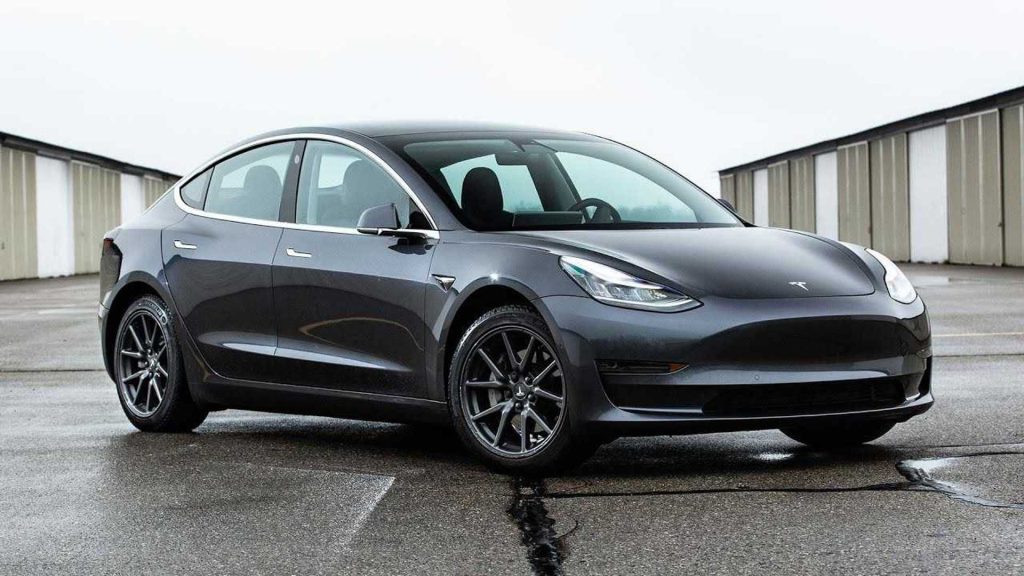
I am writing about the Model 3 because it represents the easiest form of EV ownership without a home charger. It was designed for people who drive daily and need public charging to feel reliable. In many ways, it is one of the best “apartment EVs” because charging is not an afterthought. It is part of the experience.
2) Hyundai Ioniq 5
The Hyundai Ioniq 5 is one of the most public-charging-friendly EVs because it was engineered to charge quickly and efficiently. For owners who rely on public charging, charging time matters more than almost anything.
The Ioniq 5 reduces that burden by delivering very strong fast-charging capability and modern battery tech that supports frequent public charging use.
A key advantage is its fast charging performance. With the right DC fast charger, the Ioniq 5 can add significant range quickly, which makes quick charging stops feel practical.
The charging curve and system design often make it more “road trip ready” than many competitors, and road trip readiness is exactly what public charging owners need daily.
The Ioniq 5 is also efficient and roomy. That matters because city owners often want one EV that can do everything. Efficiency helps reduce charging frequency, while space makes it useful for family errands. You do not have to pick between practicality and charging convenience.
Thermal management is another reason it works well with public charging. Frequent fast charging creates battery heat, and EVs that manage heat well remain consistent. The Ioniq 5’s setup supports this public charging lifestyle better than older EVs that slow down after repeated fast charging.
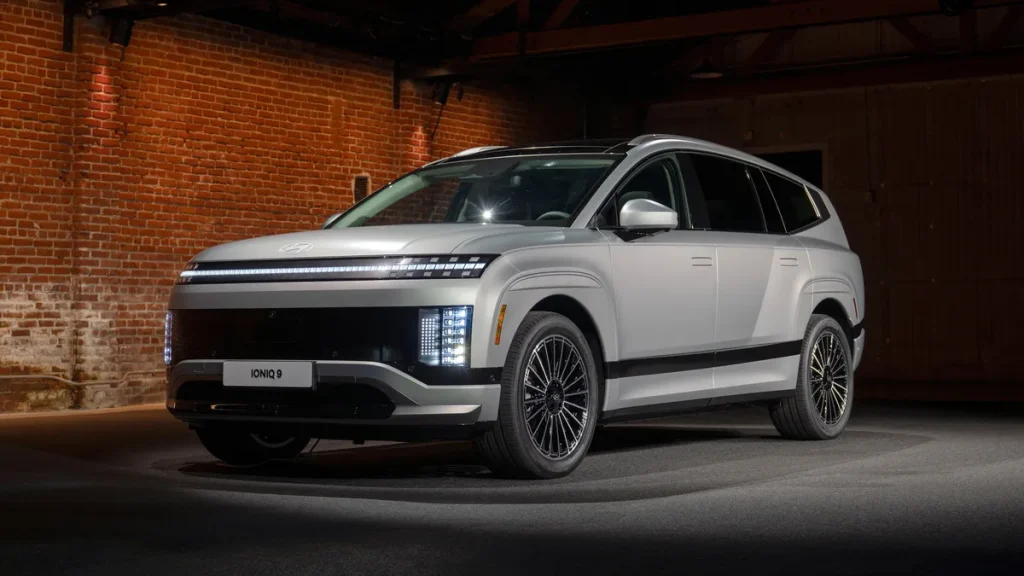
I included the Ioniq 5 because it represents modern EV design done right. It does not assume you have home charging. It assumes you might need fast charging often, and it supports that. For public-charging owners, it is one of the easiest EVs to live with because it minimizes waiting time.
3) Kia EV6
The Kia EV6 is another EV that fits public charging life well because it combines good range, strong efficiency, and fast charging performance. Many EVs are usable with public chargers, but the EV6 makes the experience smoother because it reduces how long you need to stay plugged in.
The EV6 supports high-speed DC fast charging on compatible chargers. That means you can stop briefly, charge enough for many miles, and continue your day.
For people without home chargers, that is the dream. You want your charging session to feel like a short break, not a long wait. The EV6 moves closer to that ideal than many rivals.
Range is also practical, which matters because public-charging owners want flexibility. You want enough range to skip charging on busy days. The EV6 offers that kind of real-world breathing room. It also has strong cabin usability, meaning you are not sacrificing comfort for charging convenience.
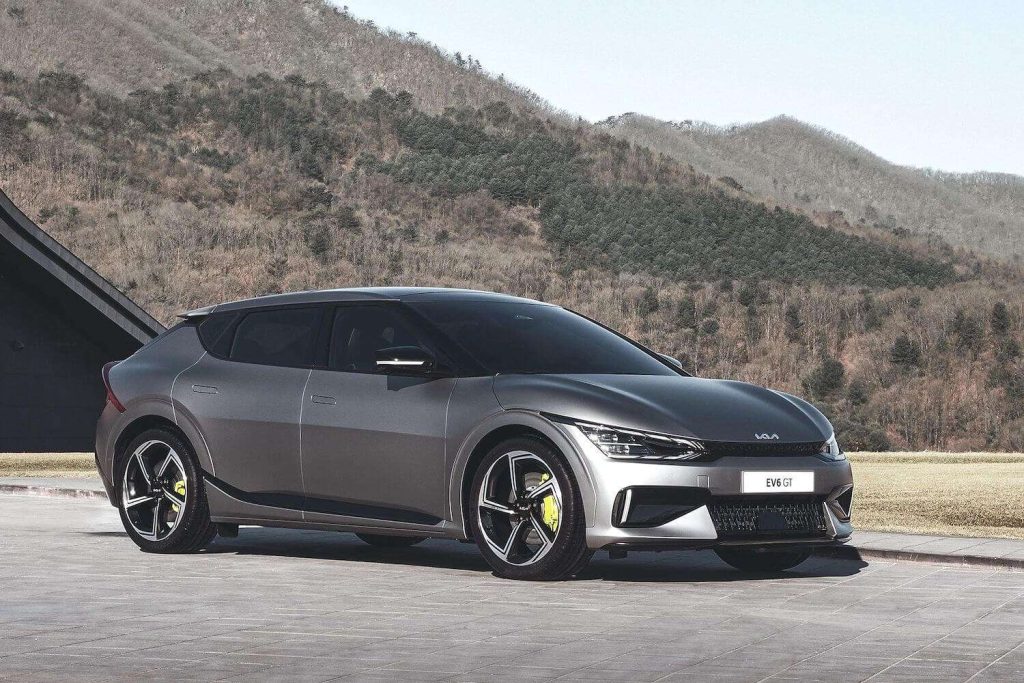
I am writing about the EV6 because it represents the type of EV that turns public charging into a manageable habit. It does not demand constant charging, and when you do charge, it charges quickly. That makes it one of the most realistic EVs for city owners who live in apartments or places without private charging.
4) Ford Mustang Mach-E
The Ford Mustang Mach-E works well with public charging because it balances range and charging support in a way that fits real-life use.
For owners who cannot charge at home, range provides the buffer between charging sessions. The Mach-E usually offers enough range that you do not feel forced to charge every day, which reduces stress immediately.
Charging performance is another reason it works. While charging speeds vary by version, the Mach-E is generally designed for road trips and public charging stops, which makes it more public-friendly than EVs that are meant mainly for home charging. This means you can realistically plan charging around errands or commute patterns.
The Mach-E also benefits from a practical SUV format. Many city owners prefer an SUV-like EV for comfort and visibility. The Mach-E offers that while still being manageable in urban environments. It is not too large, and it feels modern inside, which matters when you spend time waiting at chargers.

I included the Mach-E because it fits the mixed lifestyle. Some people charge at home sometimes and use public chargers often. The Mach-E supports that hybrid routine well.
It provides enough range, decent charging flexibility, and comfort for daily life. For public charging owners, it is a practical choice that does not punish your routine.
5) Polestar 2
The Polestar 2 works well with public charging because it is designed as a modern EV sedan with strong charging capability and practical daily range. It is not a tiny city EV, but it is efficient enough that public charging does not feel too frequent. For apartment owners, that balance matters.
The Polestar 2 supports DC fast charging, and in real use it can add enough range during quick charging sessions to make daily life manageable. It also provides a stable highway and city driving experience, which helps owners feel confident in real-world range estimates. Predictability reduces charging stress.
Another advantage is the Polestar 2’s modern navigation and charging integration. Public charging owners rely heavily on route planning. A vehicle that helps you find chargers and estimate consumption makes ownership far easier. The Polestar’s overall tech experience supports that.
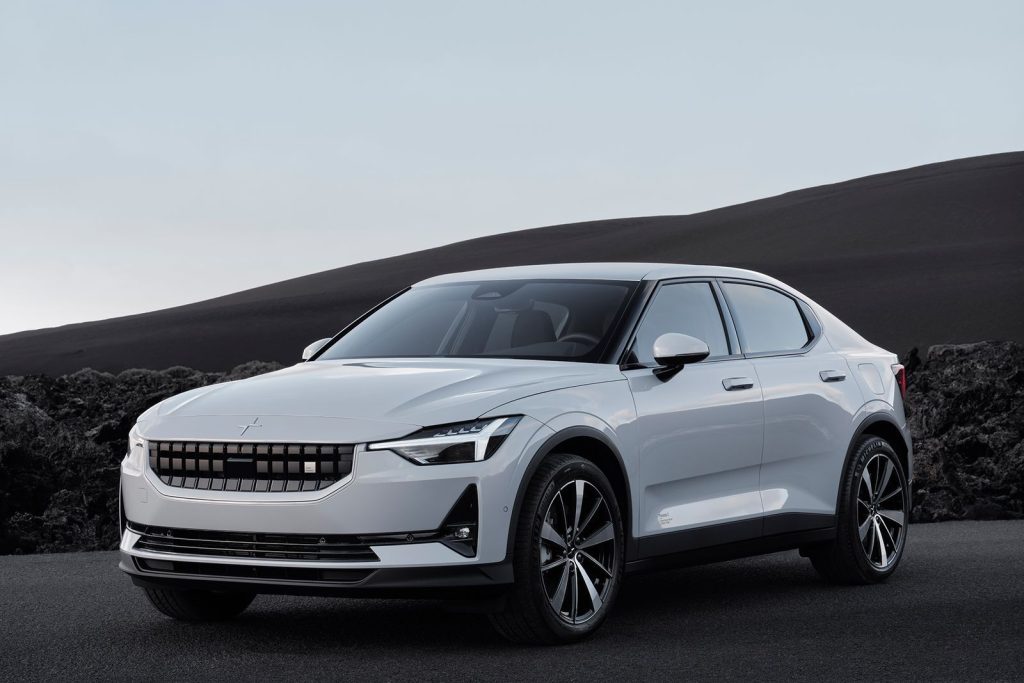
I am writing about the Polestar 2 because it represents an EV that can survive without home charging if the owner is realistic. It charges well enough, offers practical range, and supports charging planning. In many cities, it is a strong example of an EV that does not demand home access to feel livable.
5 That Depend on Home Access
Some EVs are amazing vehicles, but they are not ideal for a public-charging-only lifestyle. They are designed around a different ownership habit: slow, regular, overnight charging at home. When you can plug in every night, these EVs become extremely convenient.
You rarely think about charging. You simply top up daily and enjoy silent driving with low running costs. But when you remove home access, the same EVs can start feeling inconvenient, not because they are weak, but because their charging behavior and range strategy assume home charging.
There are a few reasons why certain EVs depend more on home access. One is charging speed. Some EVs charge slowly on DC fast chargers, meaning public charging stops become long and annoying. Another is charging curve behavior.
Some EVs start fast but drop speed quickly, making it difficult to gain meaningful range in a short session. Another factor is usable range and efficiency.
EVs with shorter real-world range and average efficiency require more frequent charging, which is fine if you charge at home but frustrating if you rely on public stations.
Public charging also introduces unpredictability. Chargers can be busy, offline, or slow. If your EV already charges slowly, these problems multiply. You might end up wasting time waiting for a charger, then waiting again for the car to charge. For city owners with busy routines, that is not realistic.
I am writing about these five EVs because many people buy EVs without thinking deeply about charging lifestyle. They get attracted by design, price, or brand, and only later realize the EV is easiest only with home charging.
These EVs can still be fantastic choices, but only when your living situation supports overnight charging.
If you live in an apartment with no private charger and rely mostly on public stations, these are models that may complicate ownership. But if you have home access, they become far more enjoyable and practical.
1) Nissan Leaf (Older Variants)
The Nissan Leaf is a great city EV in many ways, but older variants in particular depend heavily on home charging to feel convenient. The reason is charging behavior and battery system design.
While the Leaf supports public charging, it is not always ideal for frequent fast-charging routines, especially for owners who would need to do it often. That makes home charging feel almost necessary for smooth daily ownership.
One issue is fast-charging consistency. On older Leafs, charging speed can slow significantly during repeated fast-charge sessions, especially due to battery heat. For a home-charging owner, this is less important because most charging is slow and overnight.
But for public-charging owners, it can become frustrating. You may plan a quick fast-charge top-up and discover it takes much longer than expected.
Range is another factor. Many older Leaf models have shorter real-world range compared to modern EVs. In a home-charging lifestyle, short range is not a big problem because you start every day full.
But without home charging, shorter range means you must charge more often, which quickly becomes inconvenient. Frequent charging is not fun if you need to drive to a charger, wait, and then charge slowly.
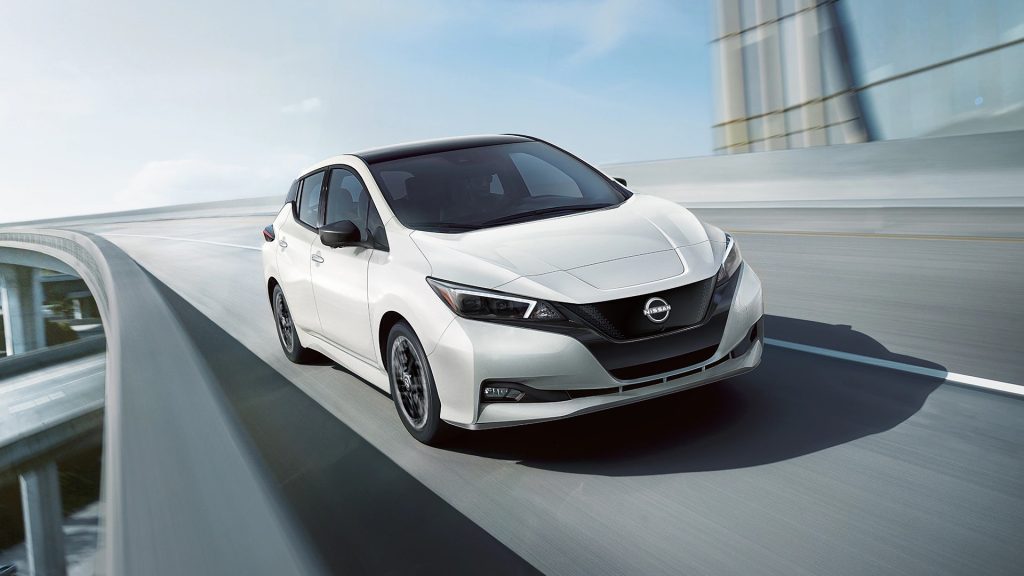
I included the older Leaf because it shows how an EV can be city-friendly but still dependent on home access.
If you can plug in overnight, the Leaf is simple, quiet, and affordable to run. But if you depend on public charging only, it may feel limiting due to range and fast-charge behavior. Home access turns it from “workable” into “easy.”
2) Mazda MX-30
The Mazda MX-30 is one of the clearest examples of an EV that depends on home charging because its range strategy assumes daily top-ups. Mazda designed the MX-30 with a relatively small battery, focusing on short daily driving rather than long-distance flexibility.
In a home-charging setup, that makes sense. You commute, come home, plug in, and repeat. But without home access, it can become a constant planning problem.
The biggest issue is usable range. The MX-30’s range is limited compared to most EVs. That means you cannot skip charging easily. If you rely on public chargers, you will find yourself needing charging stops more frequently. In a busy city routine, frequent charging is annoying, especially when public charging is unpredictable.
Charging speed also matters. Even if the battery is small, public chargers still require you to stop and wait. If you have home charging, you avoid that inconvenience because the charging happens while you sleep.
That is why home access changes the experience completely. It converts the MX-30 from “short-range anxiety” into “daily convenience.”
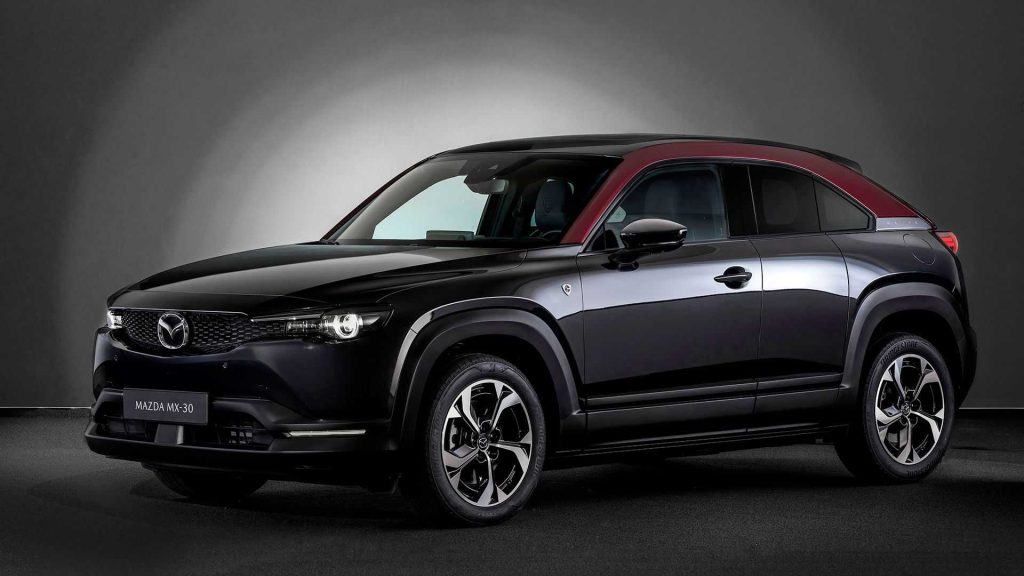
I am writing about the MX-30 because it is actually a pleasant EV for the right lifestyle. It has Mazda’s smooth driving feel, a comfortable cabin, and good city maneuvering. But it was not designed for people who cannot charge at home.
It is best when it can be treated like a daily-use appliance rather than a road-trip EV. Without home charging, the MX-30 becomes more stressful than it needs to be.
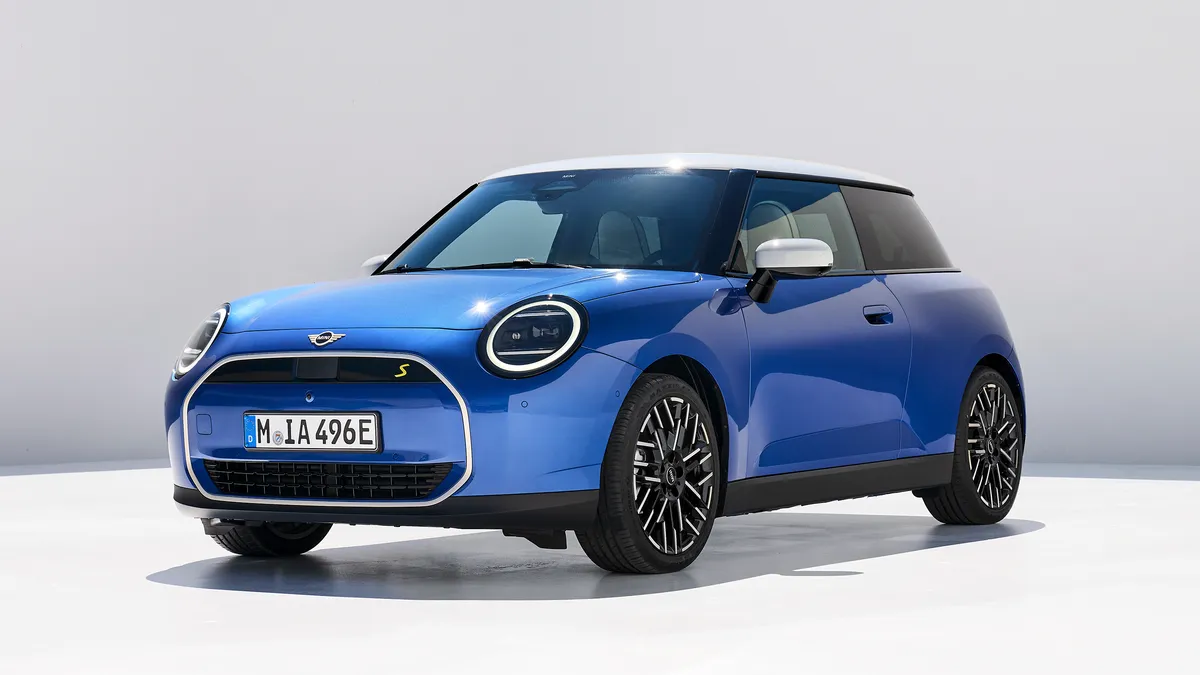
3) Mini Cooper Electric (Mini SE)
The Mini Cooper Electric is an excellent city EV, but it depends heavily on home charging to feel truly practical. Its compact size is perfect for tight streets and parking, but its range is not designed for public-charging-only life. The Mini SE is best when the owner can plug in daily and keep it topped up.
The first issue is range buffer. In a city, you may not drive far daily, but unpredictability still happens. Detours, extra errands, and unexpected traffic all increase energy use.
With a shorter-range EV, the driver needs a charging safety cushion. Home charging provides that cushion. Without home charging, the Mini SE can force you into frequent public charging stops.
Charging speed is another factor. The Mini SE can charge, but it is not built as a fast-charging champion. That means public charging sessions may not feel as quick as you want.
A car with modest range but slow charging becomes difficult for public-only owners because you must charge more often and you cannot always charge quickly.
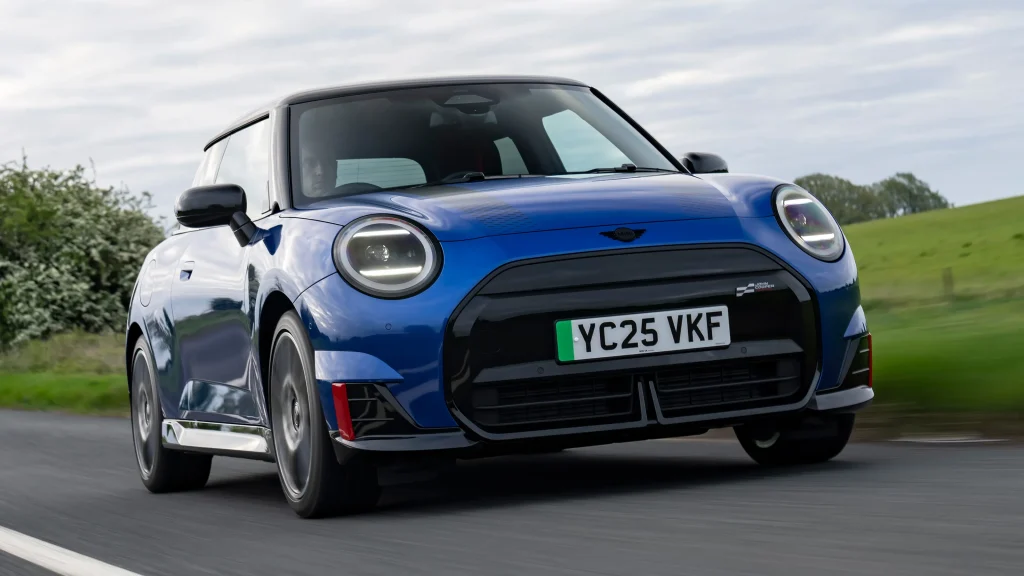
I included the Mini SE because it shows how a car can be perfect for city driving but still charging-dependent. If you have a home charger, the Mini SE becomes a fun, efficient daily commuter.
You charge overnight and never worry. But if you depend on public chargers, the range and charging limitations can make daily life more complicated than expected.
4) Honda e
The Honda e is one of the coolest city EVs ever made, but it depends strongly on home charging because its range is designed for short urban trips. The Honda e is basically an electric city hatchback with premium style. It is not meant for long distance flexibility. It is meant to be charged frequently.
The biggest reason it depends on home charging is limited range. The car works beautifully for short commutes and city errands, but without a home charger, that limited range becomes stressful. You may need to plan charging more often, and in public charging life, “more often” quickly becomes “too often.”
The Honda e’s charm is in how it feels, not how far it goes. It is small, nimble, and perfect for tight streets. But charging access is crucial. When you can plug in overnight, you enjoy the car’s strengths without worrying about range. When you cannot, the car’s limited range becomes the main story.
I am writing about the Honda e because it is a great reminder that EVs are not all designed with the same purpose.
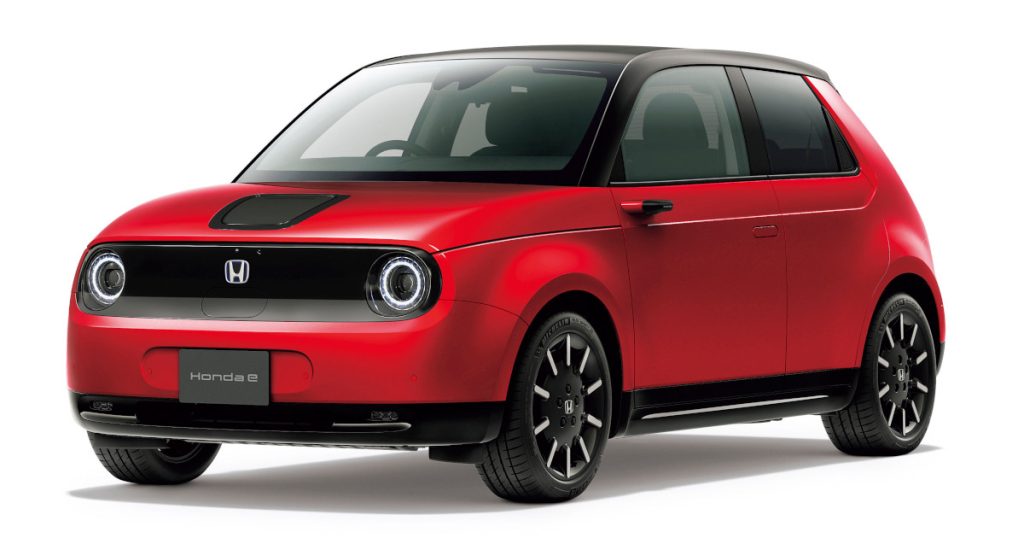
The Honda e was made for owners who treat it as a daily city tool with frequent home top-ups. It can work without home charging, but it becomes inconvenient and limiting. Home access turns it into a joy.
5) Fiat 500e (Earlier Versions)
The Fiat 500e is a charming EV that fits cities perfectly in size, but earlier versions depend heavily on home charging because of limited range and charging flexibility. It was designed mainly as an urban commuter EV. That means its range is built for daily short trips, and it assumes you can charge regularly.
The issue is not just range, but the charging routine. If you have home charging, a Fiat 500e can be extremely convenient. You plug in overnight and drive around quietly the next day. But without home access, the short-range forces frequent public charging, and that quickly becomes annoying.
Another issue is charging speed and compatibility, depending on the version. Earlier EV designs often do not support the fastest public charging experience. So even when you charge, the session may not deliver the quick range gain you want.
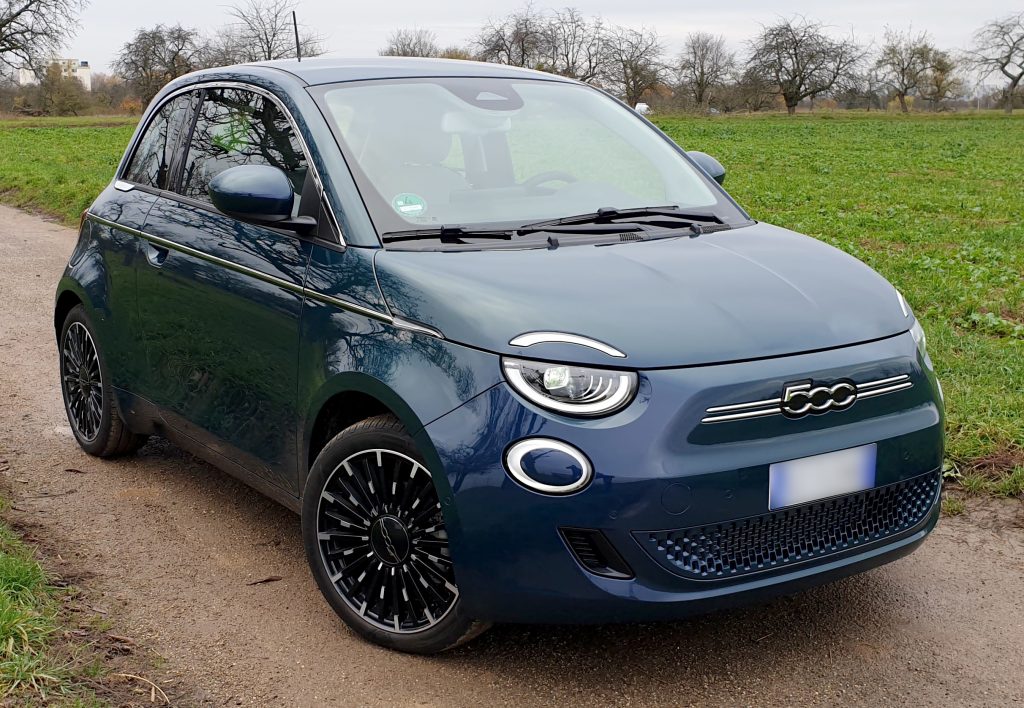
I included the Fiat 500e because it is a perfect example of an EV that is amazing when used exactly as intended. It is a short-range city EV designed for daily top-ups.
If you have home charging, it is fun, small, efficient, and easy. But without home access, it becomes a vehicle that demands too many charging stops to feel relaxed.