Boston is a city where your car’s suspension gets judged every single day. Between old brick streets, uneven cobblestones, patched-up asphalt, surprise potholes, and tight turns in neighbourhoods like Beacon Hill and the North End, driving can feel like a constant vibration test. It is not just uncomfortable, it is also tiring.
A vehicle that feels smooth on normal roads can suddenly feel shaky, noisy, and unsettled on Boston’s older streets. That is why ride quality matters more here than in many other U.S. cities. You do not need the fastest engine. You need stability, control, and comfort when the road surface is messy.
Cobblestones are not just “bumpy.” They create a specific kind of chaos. The tires hit uneven stones rapidly, and the car’s suspension must absorb those quick impacts without letting the cabin bounce around.
If a vehicle’s suspension is too stiff, it transmits every sharp hit into your body. If it is too soft without control, the car can feel floaty and unstable, especially at low speeds when the body keeps moving after each bump.
The best vehicles for Boston cobblestones are tuned with the right balance, strong dampers, forgiving tires, and a body structure that does not rattle.
This is why some vehicles feel surprisingly composed on rough city streets while others feel like a shopping cart on broken pavement.
The difference often comes down to wheel size, tire sidewall height, suspension tuning, and overall build quality. Vehicles with smaller wheels and thicker tire sidewalls usually glide better. Vehicles with large wheels and low-profile tires often struggle.
That is the idea behind this article. First, we will cover five vehicles that feel stable and confident on Boston cobblestones, the type of vehicles that keep the cabin calm even when the road is rough.
Then we will switch to five vehicles that ride rough, meaning they transmit bumps, rattle more, and feel uncomfortable or unstable on cobblestones.
The goal is to help buyers understand which vehicles fit Boston’s real street conditions, so daily driving feels smoother instead of stressful.
Also Read: 5 Vehicles That Make City Ownership Easier vs 5 That Complicate It
5 Vehicles That Feel Stable on Boston Cobblestones
Boston streets demand a vehicle that can absorb quick impacts without falling apart emotionally. Cobblestones create constant vibration, not just occasional bumps.
That means the suspension needs to handle repeated shocks smoothly, the steering needs to stay calm, and the cabin needs to stay quiet and solid instead of rattling like it is loose.
If a vehicle does well on cobblestones, it usually means it has high-quality dampers, a well-tuned chassis, and tires that can cushion road texture rather than amplify it.
The biggest mistake people make in Boston is buying a vehicle with oversized wheels and low-profile tires because they look premium. On cobblestones, those setups can feel harsh and noisy.
The best cobblestone vehicles tend to use moderate wheel sizes, thicker tire sidewalls, and suspension tuning that focuses on comfort rather than sharp sport handling. In city life, comfort becomes the real performance feature.
Another important factor is body structure. Boston streets expose weak build quality fast. If the car is poorly assembled, you will hear it.
Rattles, creaks, and loose interior trim become obvious when the road shakes the whole chassis. Vehicles that feel stable on cobblestones tend to feel more “solid,” meaning fewer squeaks and less vibration through the seats and steering wheel.
I am writing about these five vehicles because they are the kind of cars and SUVs that actually feel like they match Boston’s environment. They keep the cabin calm, reduce fatigue in daily driving, and make even the roughest city streets feel manageable.
If you spend time driving through older neighborhoods, these vehicles can make a huge difference. They are not just comfortable. They make the city feel easier to live in, which is exactly what a Boston daily driver should do.
1) Lexus ES
The Lexus ES is almost built for roads like Boston’s, even if it was never marketed that way. It is not sporty, and that is actually a good thing here. The ES focuses heavily on ride comfort, and that tuning makes it feel stable on rough city surfaces like cobblestones. Where sport sedans tend to bounce and transmit sharp hits, the ES isolates the cabin.
The biggest reason it feels composed is suspension calibration. Lexus tunes the ES to absorb bumps with minimal shock. On cobblestones, you still feel texture, but you do not feel sharp impacts. The body stays calm instead of constantly shaking.
That calmness matters in Boston because many cobblestone streets are not just short stretches. They can appear suddenly and repeatedly in daily routes.
The ES also benefits from a quiet, well-built cabin. Cobblestones amplify noise because tires and suspension are constantly working. In a poorly insulated car, this becomes loud and irritating.
In the ES, road noise is suppressed well, so you get more of a smooth “glide” feeling rather than constant harshness. The seats also help, because Lexus designs seats for long comfort, not tight sporty posture.
Another hidden advantage is the wheel and tyre setup. Many ES trims use wheel sizes that still allow enough tire sidewall to cushion impacts. That makes a huge difference on Boston streets, where thick sidewalls act like shock absorbers.
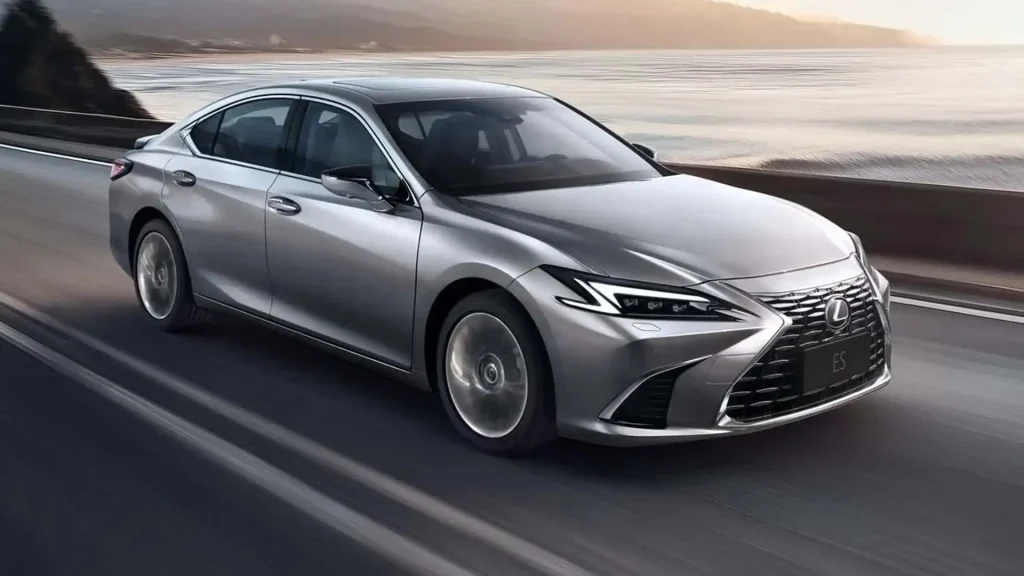
I am writing about the Lexus ES because it represents the best city luxury feeling: calm, quiet, and stable. It does not fight Boston’s streets. It smooths them out. For daily commuting over uneven pavement, that comfort becomes a major quality-of-life upgrade.
2) Subaru Outback
The Subaru Outback is one of the smartest Boston choices because it feels tough, stable, and comfortable on broken urban roads. It is not just an outdoors vehicle. In a city like Boston, it functions as a road comfort machine.
The Outback’s suspension and ground clearance handle rough patches without drama, and that helps a lot when cobblestones appear unexpectedly.
The Outback is stable on cobblestones because it has a well-tuned suspension with longer travel than many crossovers. That extra travel helps the wheels absorb bumps without sending harsh shocks into the cabin.
On cobblestones, the vehicle feels planted rather than jittery. You still notice the surface, but the Outback does not shake violently or lose control. This is important in Boston’s narrow streets where you need predictable steering response.
Tires also matter here. Many Outbacks run on practical tire sizes with enough sidewall thickness. This reduces harshness and helps stability. Some SUVs with huge wheels get knocked around on cobblestones, but the Outback tends to keep its calm.
The cabin is another factor. Subaru interiors are not always the fanciest, but they are durable and solid. That matters because cobblestones expose weak trim quickly. The Outback usually avoids the squeaky, loose feeling that some vehicles develop after repeated rough driving.
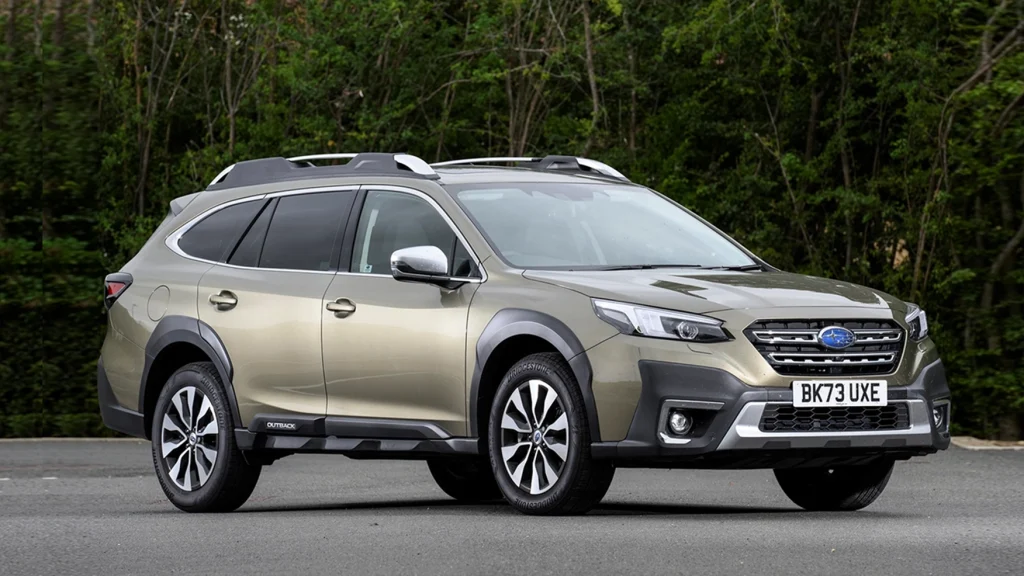
I am writing about the Outback because it fits Boston perfectly. It handles snow, potholes, curb hits, and cobblestones with confidence. It is the kind of vehicle that makes city driving feel less fragile. For owners who want comfort, stability, and real-world toughness, the Outback is a strong option.
3) Volvo XC60
The Volvo XC60 feels stable on Boston cobblestones because it is designed around comfort and control rather than sporty harshness.
Volvo has a reputation for creating vehicles that feel calm and secure, and that exact character helps on rough urban streets. On cobblestones, the XC60’s suspension soaks up impacts in a refined way without making the cabin jittery.
One reason it works well is chassis tuning. The XC60 feels heavy in a good way. That weight and structural solidity help it feel planted instead of bouncy.
On rough surfaces, some light vehicles feel like they are being tossed around. The XC60 stays composed. Its steering remains predictable, so even on shaky surfaces you feel in control.
Another advantage is cabin quality. Volvo cabins are built to feel solid and quiet. Cobblestones often create rattles in vehicles that have weak interior assembly.
The XC60 tends to resist this, staying tight and premium-feeling even on rough surfaces. Road noise insulation also helps, reducing the “constant vibration sound” that cobblestones create.
Tire choices matter, and the XC60 in non-sport trims usually comes with more comfort-friendly wheel setups. That means more sidewall, less harshness, and better stability over rough texture.

I am writing about the XC60 because it is the kind of SUV that makes Boston feel smoother. It does not just absorb bumps. It makes the whole driving experience calmer. If you want a premium SUV that actually matches harsh city roads instead of fighting them, the XC60 is a strong pick.
4) Toyota Highlander
The Toyota Highlander is a family SUV that works surprisingly well on Boston’s rough city streets. It is not an off-road SUV, but it is tuned for comfort, and that tuning gives it a stable, forgiving ride on cobblestones. In many ways, the Highlander feels like a soft cushioned vehicle built for real-world roads.
The Highlander absorbs impacts well because of its suspension design and body weight. On cobblestones, that weight helps it stay settled. It does not hop around like some lighter vehicles. The suspension is not overly stiff, which means it filters out sharp vibration better. This is exactly what you want on uneven stone streets.
Another benefit is the tire and wheel setup in most trims. Highlanders usually come with practical wheel sizes rather than extreme low-profile performance wheels.
That adds comfort. The thicker tire sidewall acts like a cushion and reduces harshness. This matters a lot in Boston, because large wheels make cobblestones feel ten times worse.
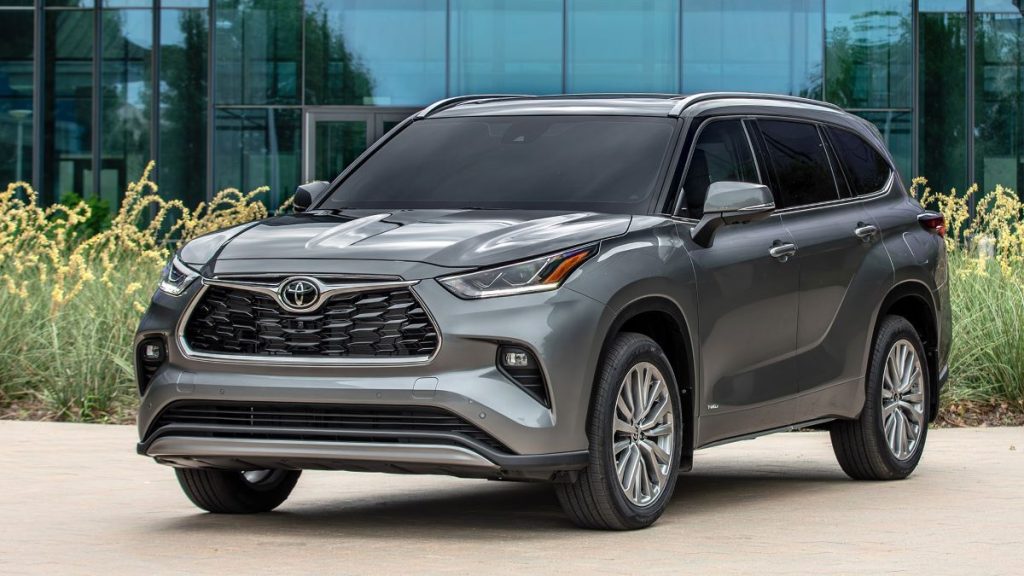
I included the Highlander because it represents comfortable stability. It is the kind of SUV you can drive through Boston without feeling every stone through the steering wheel.
It is also practical for family use and daily errands. In a city where roads constantly test suspension, the Highlander’s calm ride can make everyday driving feel far less tiring.
5) Mercedes-Benz E-Class (Comfort-Focused Setup)
The Mercedes-Benz E-Class has long been known for ride comfort, and that is why it performs so well on Boston cobblestones when equipped with comfort-focused suspension and wheel setups. The E-Class is designed to isolate passengers from bad roads. On cobblestones, this becomes a huge advantage.
The suspension feels refined rather than stiff. The E-Class does not crash over bumps. It smooths them out. Cobblestones create rapid impacts, but the E-Class dampers absorb them with control, keeping the body calm.
This makes the ride feel stable, not shaky. It also reduces fatigue, which is important because Boston driving is often stressful already.
Cabin insulation is another reason it works. Cobblestone noise can be loud, but the E-Class blocks much of that sound. The interior stays quiet and luxurious, and fewer rattles appear compared to vehicles with weaker construction. Seats are supportive and comfortable, so even if the road is rough, the passenger experience remains smooth.
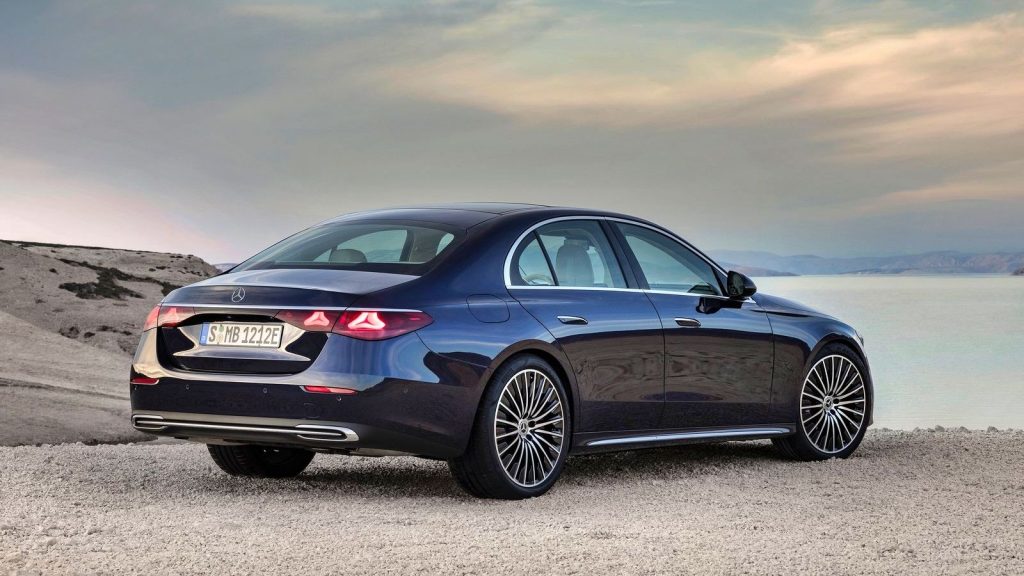
I am writing about the E-Class because it represents refined stability. It is not the cheapest option, but it is one of the best examples of a vehicle that handles harsh city surfaces without feeling harsh. In Boston, where road quality can change street to street, that comfort and stability is worth a lot.
5 That Ride Rough
Cobblestones can make almost any vehicle feel a little imperfect, but some vehicles handle them far worse than others. In Boston, this difference becomes obvious quickly because the city has many old streets where rough surfaces are not occasional, they are part of daily driving.
A vehicle that rides rough on cobblestones does not just feel uncomfortable. It often feels unstable, noisy, and tiring. You hear more rattles, feel more sharp impacts through the seat, and notice the steering vibrating in your hands. Even short drives can start feeling like long workouts.
Vehicles that ride rough usually share predictable traits. Stiff suspension is a major one. Many sporty cars are tuned to stay flat in corners, but on cobblestones that stiffness becomes punishment.
Low-profile tires also make things worse because they do not provide enough cushioning. When the tire sidewall is thin, the car has fewer natural buffers against vibration. Large wheels might look premium, but they often turn cobblestone streets into a noisy shaking experience.
Ground clearance can also affect comfort. Cars that sit low may scrape or feel like they are constantly at risk over uneven stone streets. This forces the driver to slow down excessively or choose routes to avoid harsh roads.
Another factor is cabin build. If a vehicle is not well insulated or if it uses cheap trim materials, cobblestone vibrations quickly create rattles. That makes the car feel old faster, even if it is new.
I am writing about these five vehicles because they represent common choices people buy for style, speed, or image, without thinking about Boston reality. Many of these vehicles feel great on smooth highways.
But Boston is not a smooth highway city. It is a patchwork of old streets. If you drive here daily, you want comfort and stability.
These vehicles can complicate daily life by making your body absorb the road. They may still be great vehicles overall, but on cobblestones, they ride rough, and the difference is hard to ignore.
1) MINI Cooper S (Sport Setup)
The MINI Cooper S is fun, quick, and charming, but on Boston cobblestones it can feel harsh and overly busy. The main reason is suspension tuning. The Cooper S is designed to feel sporty, which means it often rides stiffer than most small cars.
On smooth roads, this gives sharp handling and that “go-kart” personality MINI fans love. But cobblestones are the exact opposite of smooth, and they expose stiffness immediately.
On cobblestones, the MINI’s short wheelbase becomes another issue. Short wheelbase vehicles can bounce more because they hit bumps more rapidly with less distance between axles. The car feels like it is constantly reacting.
Instead of gliding over the surface, it jitters over it. Even at low speeds, you feel the cabin shaking and the steering buzzing. It is not unsafe, but it is tiring.
Wheel and tire choice makes a huge difference here. Many MINI Cooper S models come with larger wheels and lower-profile tires.
That combination looks sporty, but it reduces cushioning. Boston’s uneven stone streets hit hard through thin sidewalls, making every bump feel sharp. This turns even a short cobblestone section into a loud, vibrating experience.
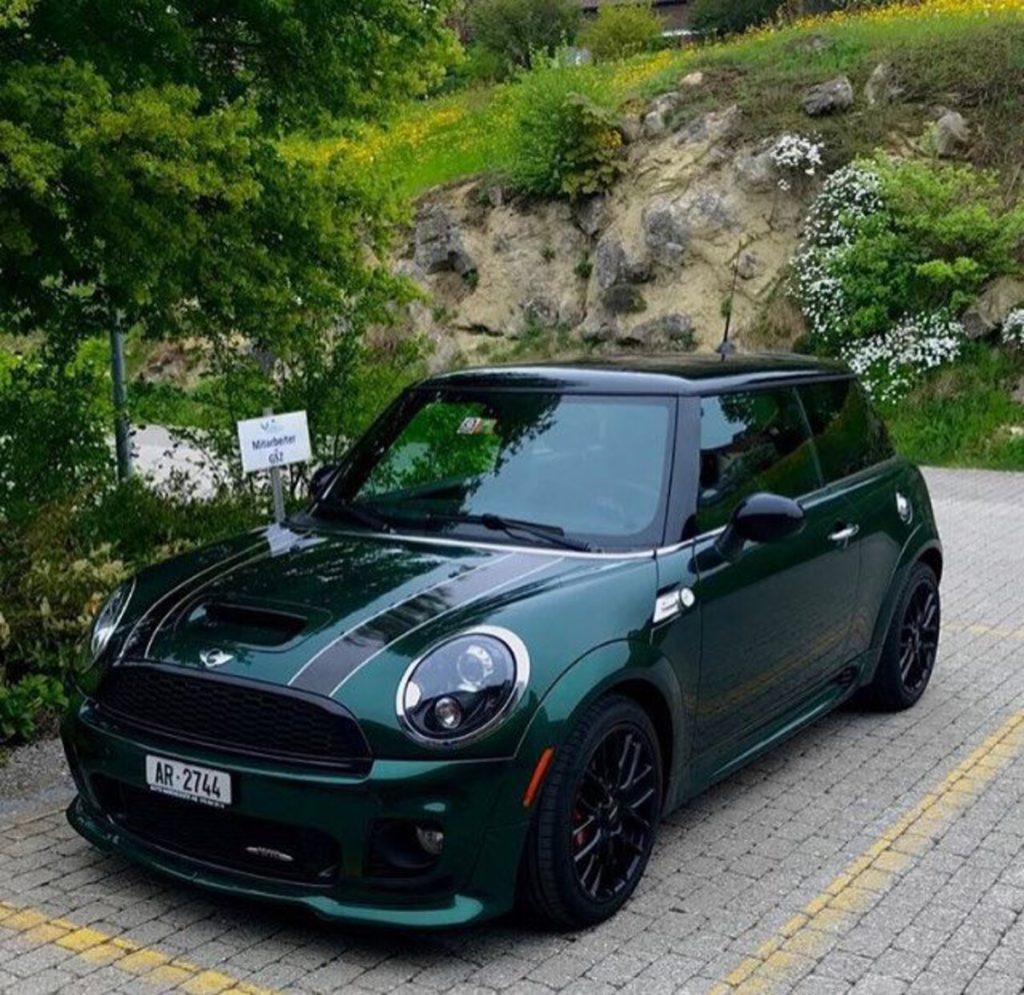
I am writing about the MINI Cooper S because many people assume small cars automatically handle cities well. That is usually true for parking and maneuvering, but ride comfort is a separate issue.
The Cooper S is built for fun, not comfort. In Boston, where cobblestones punish stiff cars, the MINI can feel more rough than expected, especially for daily commuters who want calm city driving.
2) Tesla Model 3 (Performance Trims)
The Tesla Model 3 is popular in cities, but in Performance trims it can ride rough on Boston cobblestones. The reason is straightforward: performance tuning. A Performance Model 3 is designed to feel sharp, quick, and sporty.
That means firmer suspension, bigger wheels, and lower-profile tires. These upgrades help cornering and handling, but they reduce comfort on rough road surfaces.
On cobblestones, the Model 3 Performance can feel like it is transmitting too much information into the cabin. Instead of absorbing the texture, it lets you feel every uneven stone. The weight of the EV also adds another layer.
EVs are heavy due to batteries, and when a heavy vehicle hits cobblestones with stiff suspension, the impacts feel more intense. This can make the ride feel “crashy” rather than smooth.
Tire noise becomes a big part of the experience too. Cobblestones naturally create noise, but low-profile performance tires amplify it. In a quiet electric cabin, that vibration sound stands out even more. It can feel like the car is louder on rough streets than you expect, even though it has no engine noise.
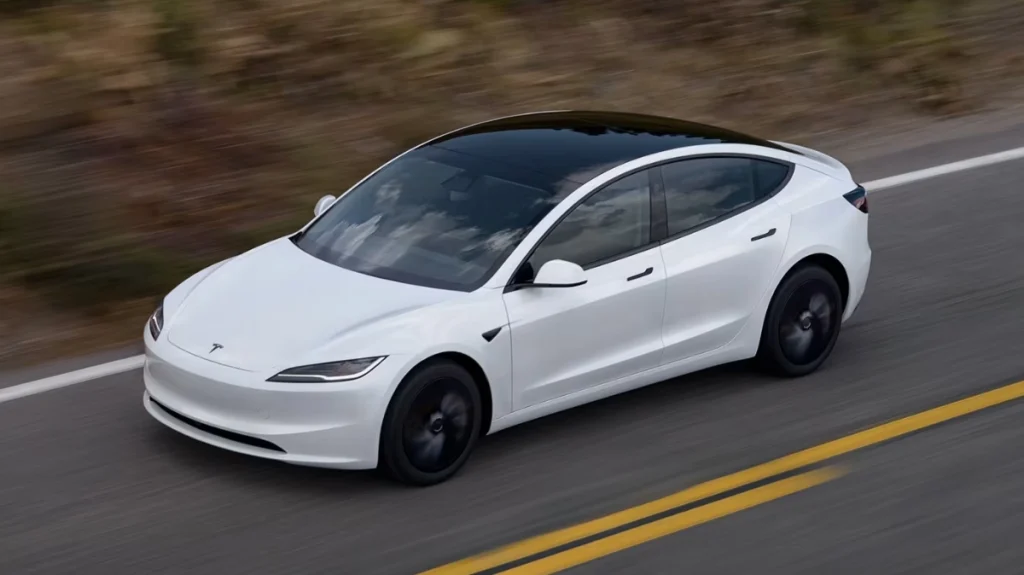
I included the Model 3 Performance because many buyers choose it thinking it is perfect for cities, and in some ways it is. But Boston’s older road texture shows the downside of sporty EV tuning.
For drivers who regularly go through cobblestone neighborhoods, the Performance trim can feel harsh. A softer suspension setup would suit Boston better, but the Performance model prioritizes speed, not cobblestone comfort.
3) BMW 4 Series (M Sport Trims)
The BMW 4 Series, especially in M Sport trims, can ride rough on Boston cobblestones because it is tuned for aggressive handling and sporty looks.
The suspension is typically firmer, the wheels are larger, and the tires are often lower-profile. On smooth highways, this makes the 4 Series feel planted and precise. But on cobblestones, it can feel stiff and unforgiving.
Boston cobblestones cause rapid impacts, and a firm suspension does not absorb them gently. Instead, the vehicle transmits them through the cabin. You feel bumps through the seat, the steering wheel, and even the floor.
The car can feel like it is constantly shaking. This makes city driving feel more tiring, especially on streets where cobblestones appear frequently.
The low ride height adds another layer of discomfort. In uneven road conditions, a lower car makes drivers more cautious.
You may worry about scraping or hitting the underside, which forces slower driving and adds stress. The 4 Series also has a sportier seating position, which means you feel the road more directly than you would in a comfort-focused SUV.
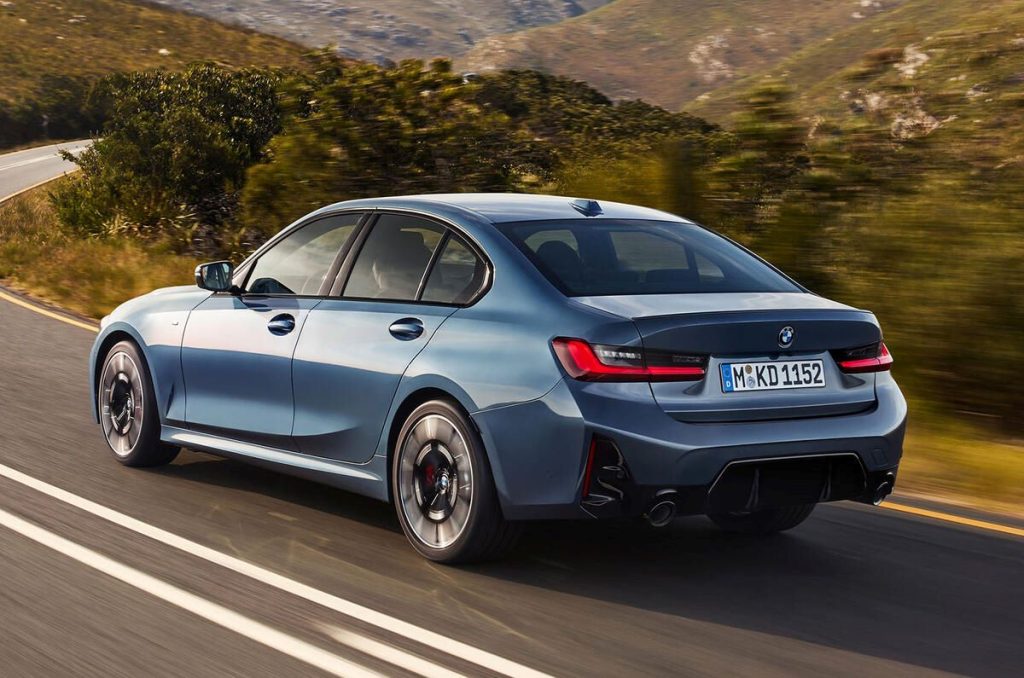
I am writing about the 4 Series because it represents a common Boston mistake: choosing sporty luxury without considering road texture.
It is a beautiful car that feels amazing on smooth roads, but Boston is not smooth. On cobblestones, the 4 Series can feel like it is fighting the road rather than cooperating with it. For daily city drivers, that makes it feel rough.
4) Jeep Wrangler (Short Wheelbase / Off-Road Tires)
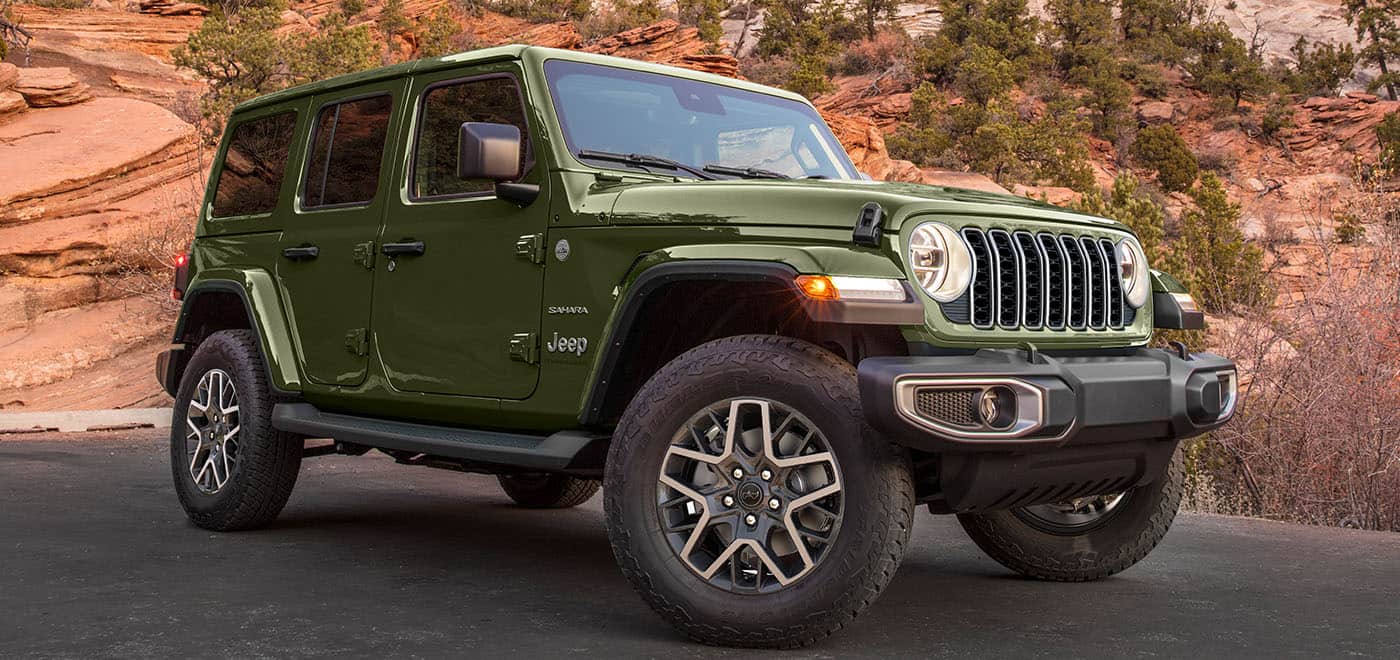
The Jeep Wrangler is built for off-road adventure, but on Boston cobblestones it can ride surprisingly rough. Many people assume its rugged design means it will be comfortable on rough surfaces, but cobblestones are different from dirt trails.
Cobblestones create high-frequency vibration, and the Wrangler’s body-on-frame construction and off-road suspension can transmit that vibration into the cabin.
The Wrangler often feels bouncy and unsettled on cobblestones. This comes from suspension design built to handle flex and uneven terrain, not smooth damping.
At city speeds, the Wrangler can feel like it is bouncing from stone to stone rather than staying calm. The steering can also feel less precise, which makes the ride feel less stable on shaky surfaces.
Tires play a role too. Many Wranglers are fitted with chunky off-road tires. These can create extra vibration and noise on cobblestones. Instead of cushioning the road, the tire tread can amplify the roughness, making the cabin louder and less refined.

I included the Wrangler because it shows that “rugged” does not always mean comfortable. It can survive rough conditions, but comfort is not its priority.
In Boston, the Wrangler may handle winter and potholes well, but on cobblestones, it can feel unrefined and shaky, making daily urban driving feel rougher than expected.
5) Subaru BRZ / Toyota GR86
The Subaru BRZ and Toyota GR86 are sports coupes built for handling joy, not cobblestone comfort. They sit low, use firm suspension tuning, and often run sporty tire setups. On smooth roads, they feel amazing. On Boston cobblestones, they can feel punishing.
Low ground clearance is one major issue. Cobblestones are uneven, and the BRZ/GR86 ride height makes drivers extra cautious.
You may worry about scraping, and even if you do not scrape, you will feel every bump because the suspension is firm. Sports cars are meant to communicate the road to the driver. Cobblestones communicate too much.
Short wheelbase also increases the bounce effect. The car reacts quickly to every surface change, which makes the cabin feel constantly active. The lightweight body means you feel impacts more directly, and road noise can become loud because there is less isolation.
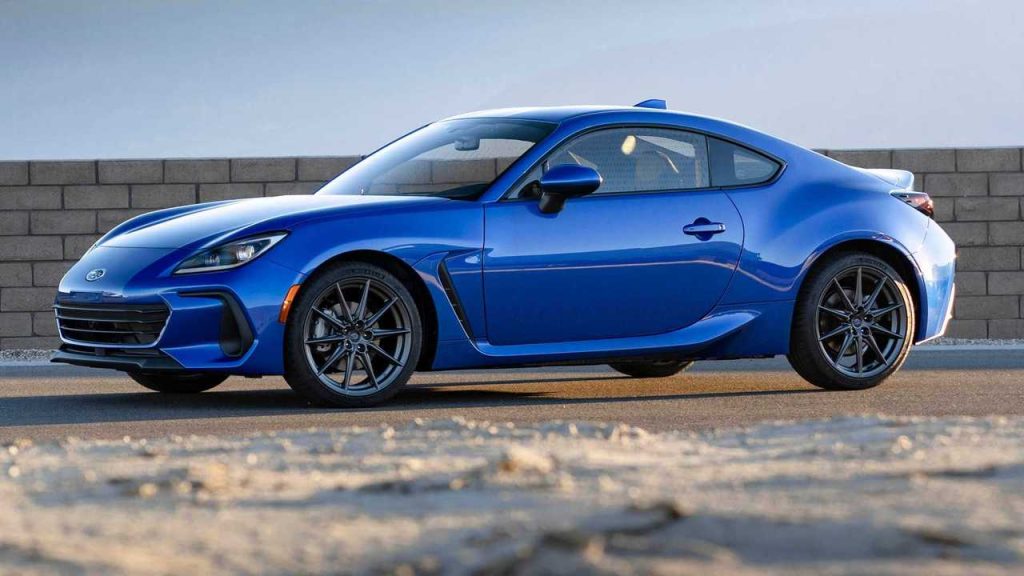
I am writing about the BRZ/GR86 because they are cars people buy for fun, and Boston has many fun roads outside the city.
But inside the city, on cobblestones, they can be exhausting. They show why sporty tuning and rough old streets do not always mix. For Boston, daily life, these cars ride rough, even if they are brilliant machines in the right environment.
Boston’s cobblestone streets punish stiff suspensions and low-profile tires, so ride comfort and stability matter more than speed.
The stable choices were the Lexus ES, Subaru Outback, Volvo XC60, Toyota Highlander, and Mercedes-Benz E-Class, all known for comfort-focused suspension, solid cabins, and better tire cushioning.
On the rough side were the MINI Cooper S, Tesla Model 3 Performance, BMW 4 Series (M Sport), Jeep Wrangler, and Subaru BRZ/Toyota GR86, which feel harsher due to stiff tuning, short wheelbases, sporty wheels, or noisy tire setups. Overall, comfort setups handle Boston best.
Also Read: 5 Vehicles That Age Well in Cities vs 5 That Show Wear Too Soon