
Urban use ages vehicles differently from highway use. In cities, your car experiences a daily cycle of stop-start traffic, short trips, constant braking, repeated steering input, potholes, speed breakers, parking manoeuvres, and long periods of idling.
The odometer may show fewer miles than a highway car, but the wear can be heavier. That is why some vehicles age gracefully in urban life while others feel old far too quickly.
A car can still run fine, yet feel tired, noisy, loose, and unpleasant after only a few years of city use. That “feels old” sensation matters because it affects comfort, resale value, and the owner’s confidence.
A vehicle that ages gracefully in the city does more than avoid breakdowns. It stays smooth, quiet, and solid even after thousands of speed bumps and traffic crawls.
Its suspension resists early wear. Its interior materials survive constant entry, exit, and family use without falling apart. Its steering stays tight, and it does not develop rattles easily.
These cars often have proven drivetrains that tolerate short trips and heat cycles without becoming unreliable. Their maintenance remains predictable, and small issues do not pile up into a constant workshop routine.
On the other side, some vehicles feel old quickly in urban use. The decline usually begins with small problems: suspension noise, squeaky interiors, inconsistent shifting, warning lights, or rough idling.
These issues may not be catastrophic, but they destroy the sense of newness. Once a car loses refinement, city driving becomes more tiring. Many of these vehicles are not bad cars in general. They may be excellent on highways or weekend drives. But city life exposes their weak points faster than expected.
This article compares both categories. First, five vehicles that age gracefully in urban use, staying solid and pleasant even after years of city wear.
Then, five vehicles that feel old quickly, either because their design is sensitive to urban stress or because their materials and components lose refinement faster. The goal is simple: help buyers and city drivers choose vehicles that still feel fresh long after the city tries to wear them out.
Also Read: 5 Vehicles That Feel Natural in Busy Areas vs 5 That Feel Out of Place
5 Vehicles That Age Gracefully in Urban Use
City driving does not usually kill cars through one big failure. Instead, it slowly drains them through constant small stress. Urban aging is mostly about refinement loss.
A city car is exposed to endless pothole hits, constant braking and acceleration, repeated turning, and daily parking maneuvers that strain suspension and steering components.
These are the things that create squeaks, rattles, vibrations, and looseness. That is why “ageing gracefully” is not just about reliability. It is about keeping the car feeling tight, calm, and comfortable even after years.
Vehicles that age gracefully in urban use usually have a few strong traits. First, they have durable suspension designs. They can handle rough roads without quickly wearing out bushings, mounts, and links.
Second, they have predictable drivetrains that tolerate short trips. Short trips are harsh because engines and fluids do not always reach full operating temperature, which increases wear.
A strong city-aging drivetrain handles this without becoming rough or inconsistent. Third, they have durable interiors. City cars face constant use.
Kids step in with muddy shoes, people carry groceries daily, doors open repeatedly, and seats experience heavy wear. Cars that keep their interior quality strong feel newer for longer.
Another key trait is “low drama ownership.” Cars that age gracefully do not demand constant attention. Their maintenance needs are predictable. They do not develop repeated warning lights, sensor errors, or fragile issues that drain the owner emotionally. The best aging vehicles remain calm tools.
I am writing this section because many people buy cars based on looks or features without thinking about how the car will feel after three to five years of city life. A car that still feels solid after years is a better investment, not only in money but in daily comfort.
These five vehicles are chosen because they tend to handle urban wear well and still feel fresh after heavy city use.
Now let us get into five vehicles that age gracefully in urban use.
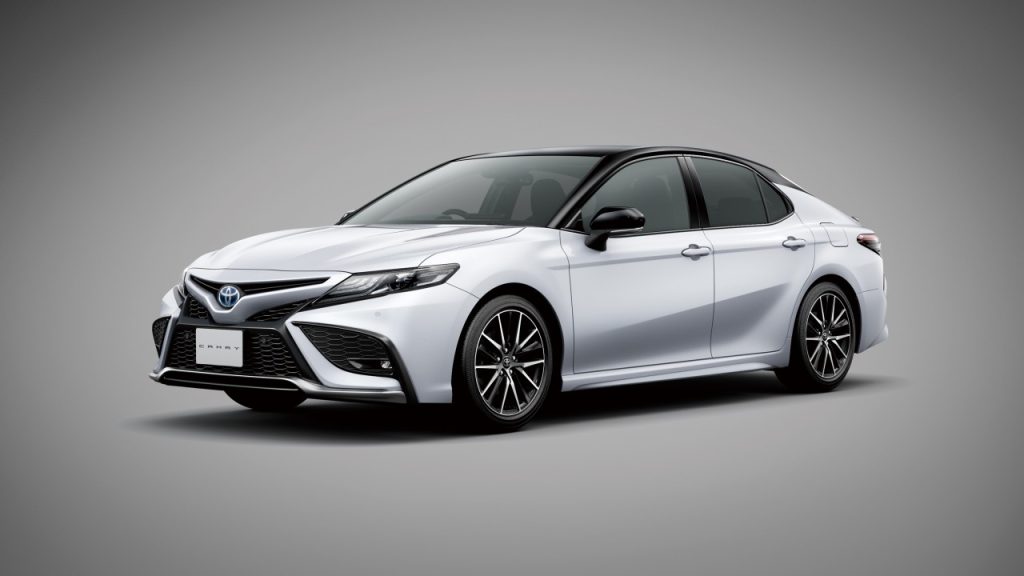
1) Toyota Camry
Toyota Camry ages gracefully in urban use because it is designed for long-term daily durability. City wear hits suspension and refinement first, and the Camry resists this decline better than most sedans.
Over years of potholes and speed breakers, Camry tends to stay solid, avoiding early looseness and constant rattles. That is the difference between a car that feels old and one that still feels calm.
Camry’s drivetrain also supports graceful aging. In city driving, engines face short trips, heat cycles, and stop-start movement. Camry’s engineering is proven and designed for stable long-term operation, so it often stays smooth instead of becoming rough or inconsistent.
Transmission behavior usually remains calm, which matters because city traffic punishes weak transmissions. A car that starts shifting rough feels old quickly. Camry usually avoids that.
Interior durability is another reason it ages well. City cars get used heavily. Doors open constantly, seats see daily wear, and cabins face spills and scratches. Camry’s interior materials tend to survive this routine better than many competitors, which helps maintain the “new car feeling.”
I included Toyota Camry because it is one of the most common examples of graceful urban aging. It is not flashy, but it stays refined. It remains a comfortable commuter even after years. For city drivers, this matters because daily life already creates stress. A car that stays calm and solid becomes a relief.
Camry also holds resale value partly because it ages well. Buyers trust that it will not feel worn-out too early. In a city environment, that trust is priceless. That is why Camry belongs at the top of this list.
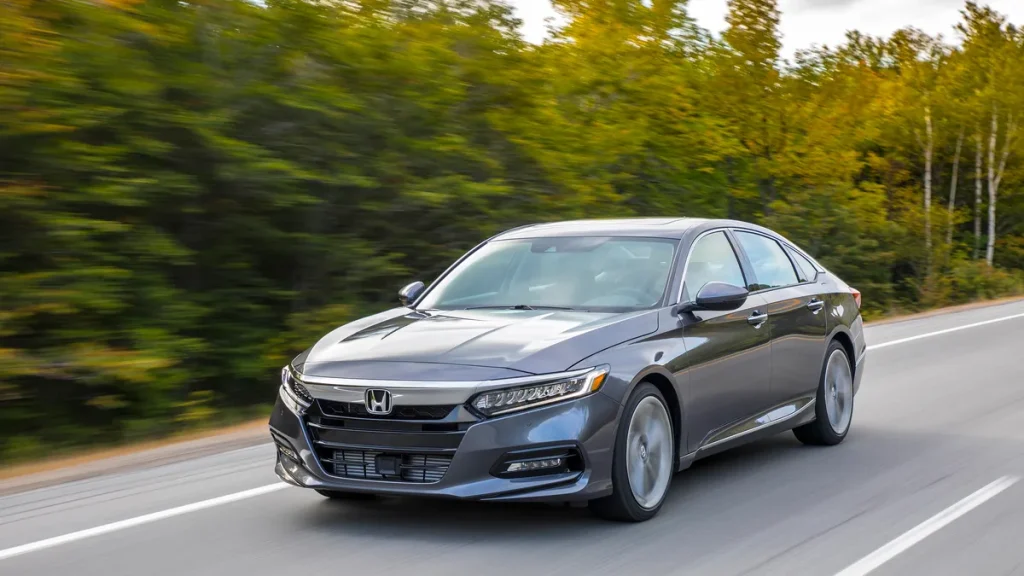
2) Honda Accord
Honda Accord ages gracefully in urban use because it balances reliability with strong overall build quality. City driving punishes suspension and braking systems, but Accord usually stays composed. It does not easily turn into a noisy, rattly car. This is important because many vehicles do not fail mechanically but fail emotionally by losing refinement.
Accord’s drivetrains are designed for consistent daily use. Short trips and traffic heat cycles are common in urban driving, and Accord tends to handle them without becoming rough. It remains smooth in traffic, and smoothness is a huge part of aging gracefully. When a car becomes jerky or inconsistent, it instantly feels older.
Interior quality also helps Accord age well. Seats, controls, and cabin materials generally hold up under daily usage. Many cars look good new but develop worn controls and creaky cabins quickly. Accord usually holds its feel longer.
I included Accord because it is one of the most dependable long-term city sedans. It ages like a stable machine rather than a fragile product. Even after years of congestion and potholes, many Accords still feel tight and usable.
For city drivers, Accord is a car that continues feeling like a proper vehicle, not an old tired one. This is why it is often recommended as a long-term urban ownership choice. It keeps its balance: comfort, control, and durability.
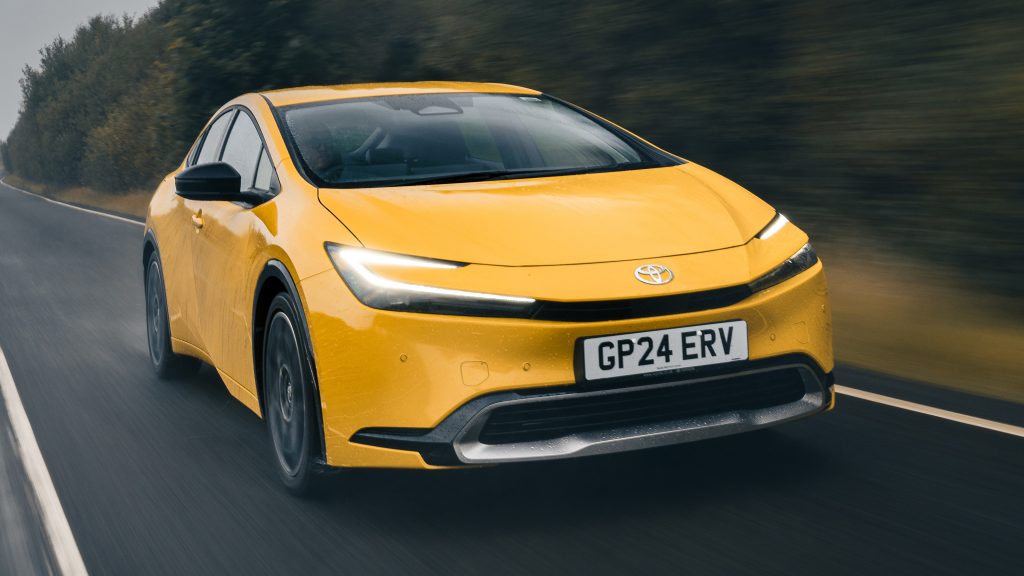
3) Toyota Prius
Toyota Prius ages gracefully in cities because it is designed for the exact conditions that destroy other cars. Stop-and-go traffic is where Prius thrives. Its hybrid system reduces engine stress at low speeds, and that helps long-term durability. In crawling traffic, the electric motor supports the engine, reducing strain and heat buildup.
Brake wear is also lower due to regenerative braking. City cars burn through brakes quickly, but Prius slows using the hybrid system, reducing brake pad wear. This reduces maintenance needs and keeps the car feeling smooth longer. Frequent brake wear can make a car feel old. Prius avoids that.
Prius also tends to maintain efficiency even as it ages. Many cars lose efficiency over time, which is one way owners notice aging. Prius remains efficient, which keeps it feeling useful and modern even after years.
I included Prius because it is one of the smartest city cars ever made. It ages gracefully not only through reliability but through keeping its daily function strong.
It continues delivering smooth city driving, low fuel cost, and predictable maintenance. For urban owners, that combination makes it feel fresh longer.
4) Lexus RX
Lexus RX ages gracefully because it combines luxury comfort with Toyota-level durability. Many luxury cars feel old quickly because their suspension systems, electronics, and interiors degrade faster and cost more to maintain. Lexus RX resists that. It is built to stay refined for years, even in city use.
The RX’s suspension is tuned for comfort, which helps it absorb city road impacts without rapidly developing noise. Many vehicles lose comfort when suspension wear begins. RX stays smooth for longer.
Its interior quality is also strong, and that matters in cities where families use vehicles daily. A cabin that stays quiet and intact makes a car feel new longer.
The drivetrain reliability also supports graceful aging. Even as years pass, RX tends to remain predictable. Luxury cars that become unpredictable feel old fast because owners lose trust. RX often avoids that.
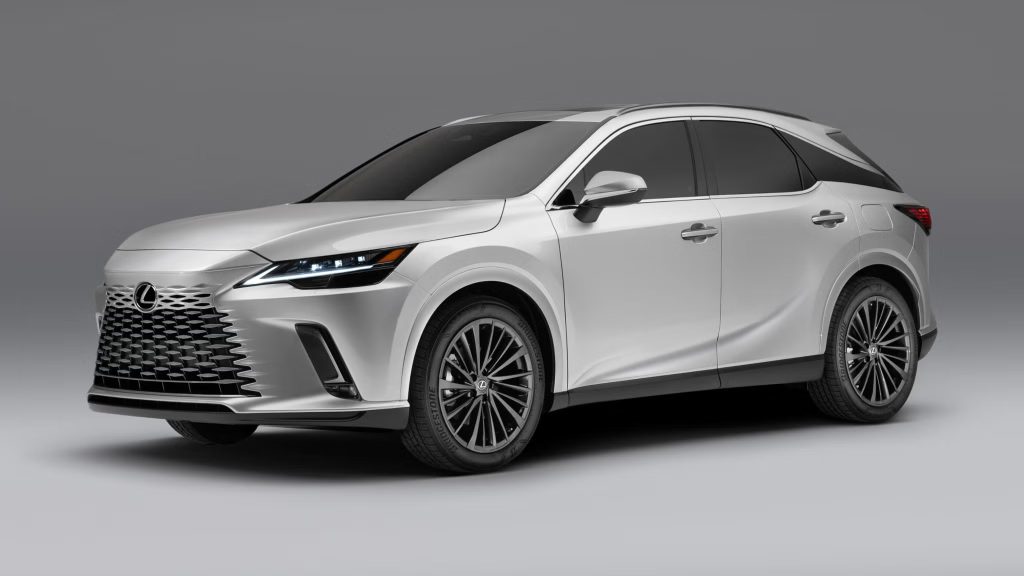
I included the Lexus RX because it is one of the few luxury vehicles that stays “luxury” as it ages. It not only survives. It stays calm, quiet, and refined. That makes it a top pick for city drivers who want comfort without early ageing.
5) Mazda CX-5
Mazda CX-5 ages gracefully in urban use because it combines strong build quality with a refined driving feel. Many crossovers feel loose and noisy after years of pothole exposure. CX-5 tends to stay tighter. Its steering remains controlled, its cabin often stays quieter, and it resists early refinement loss.
The drivetrain is also known for long-term durability. City use stresses engines and transmissions through constant low-speed cycling. CX-5 usually handles this without developing roughness quickly. This helps it feel newer for longer.
Interior design also supports ageing gracefully. CX-5 cabins often feel upscale for the price, and materials hold up well. In daily city use, when kids, groceries, and commuting wear hit the car, a strong interior makes the vehicle feel less aged.
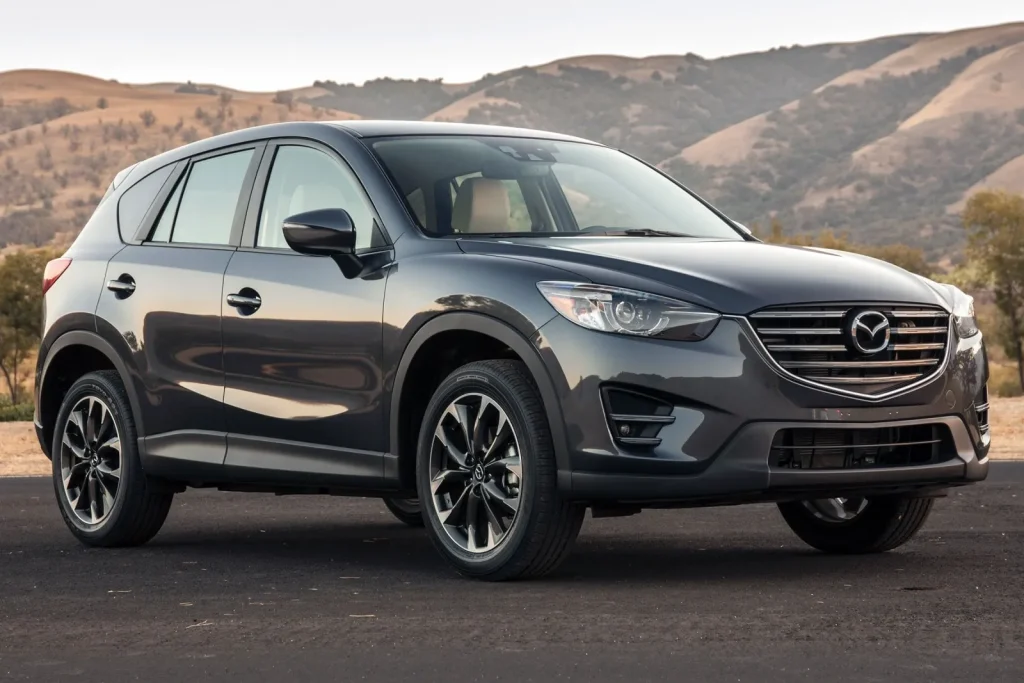
I included the Mazda CX-5 because it represents a crossover that does not become sloppy quickly. It keeps a premium feel even as mileage rises. For urban drivers who want crossover practicality but fear early ageing, the CX-5 is a strong choice.
5 That Feel Old Quickly
Some vehicles do not fail dramatically in cities, but they age in a way that feels fast. Urban use is a daily stress test that exposes weak points earlier than owners expect. It is not only about mileage. It is about the type of mileage.
A car can have “only” 50,000 miles, but if those miles were all short trips, potholes, speed bumps, and stop-and-go congestion, the wear can feel like 100,000 highway miles. That is why some vehicles feel old quickly even when the odometer does not look scary.
Vehicles that feel old quickly usually decline through refinement loss. The first signs are often small: suspension knocks, interior squeaks, steering looseness, rough braking feel, or poor shifting behavior in traffic.
Once these appear, the car begins to feel tired. Even if it still runs, the ownership experience changes. Driving becomes less smooth, less quiet, and less enjoyable. In cities, where you already feel stressed by traffic, a car that feels old adds another layer of frustration.
Another reason some vehicles age quickly is complexity. Modern cars have sensors everywhere. Heat cycles, vibration, moisture, and constant use can trigger repeated warning lights. These faults may not stop the car, but they require time and money.
City owners hate repeated workshop visits because daily schedules are busy. A vehicle with repeated small faults ages emotionally because the owner loses trust.
Short trips are also a big factor. Turbo engines and certain transmissions can suffer more in urban patterns, especially when the vehicle does not reach full operating temperature regularly. Add the fact that urban roads are often rough, and sensitive suspension systems begin aging early.
I am writing this section because many buyers choose cars for style, brand, or features without considering how city use ages them. Some vehicles look amazing new but become tiring quickly.
The five vehicles below are included because they often show faster decline in urban ownership, either through fragile refinement, sensitive drivetrains, or expensive repeated repairs. Now let us look at five vehicles that commonly feel old quickly under city use.
1) Mini Cooper (Older Models)
Older Mini Cooper models often feel old quickly in city use because they are sensitive machines living in a harsh environment. Minis are small and fun, but they are not simple economy cars.
They are premium engineering in a compact package, and that often means higher maintenance sensitivity. In urban use, short trips and repeated heat cycles can accelerate oil leaks, cooling system strain, and sensor-related issues. These are not always dramatic failures, but they create a steady stream of small problems.
City roads also punish Mini’s suspension design. Minis are tuned to feel sporty, which usually means firmer suspension. Firm setups transmit pothole impacts more sharply into suspension components.
Over time, this can lead to rattles, knocks, and loose feeling steering. This is exactly how cars start feeling “old.” The car loses tightness and becomes noisy over bumps. Once that happens, the city driving experience becomes tiring.
Interior aging also contributes. Frequent city use means constant entry and exit, constant parking, and constant vibrations. Older Minis can develop cabin squeaks and trim noise sooner than many mainstream cars. These noises make the vehicle feel older than it actually is.
I included older Mini Cooper because it is a common used purchase for city life. People assume it is perfect because it is compact. But city ownership is not only about size. It is about durability under punishment.
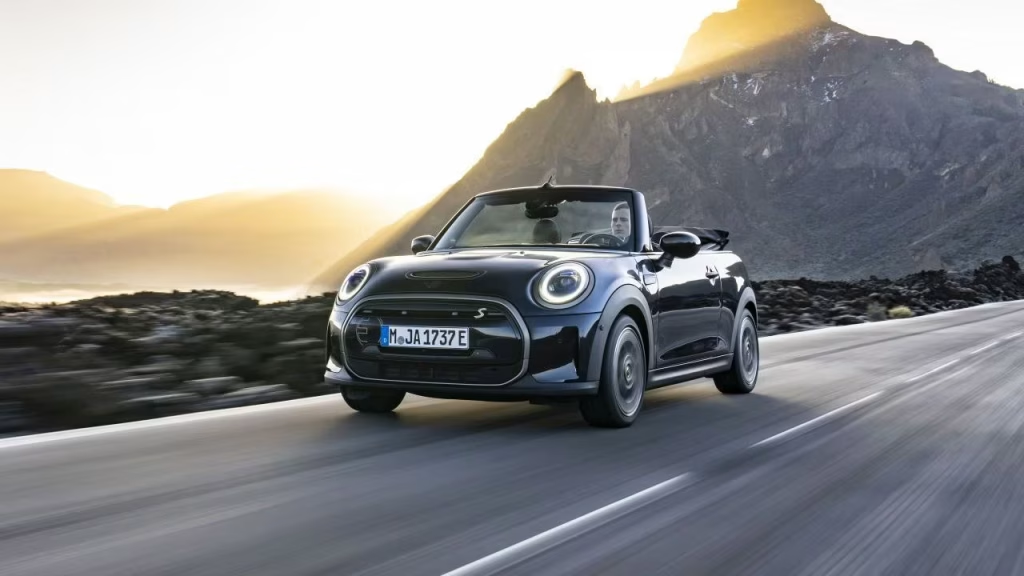
Older Minis often need more care, and when that care is not perfect, the car’s aging becomes obvious quickly. The result is a vehicle that still looks stylish but feels worn inside, and that mismatch is what makes it feel old quickly.
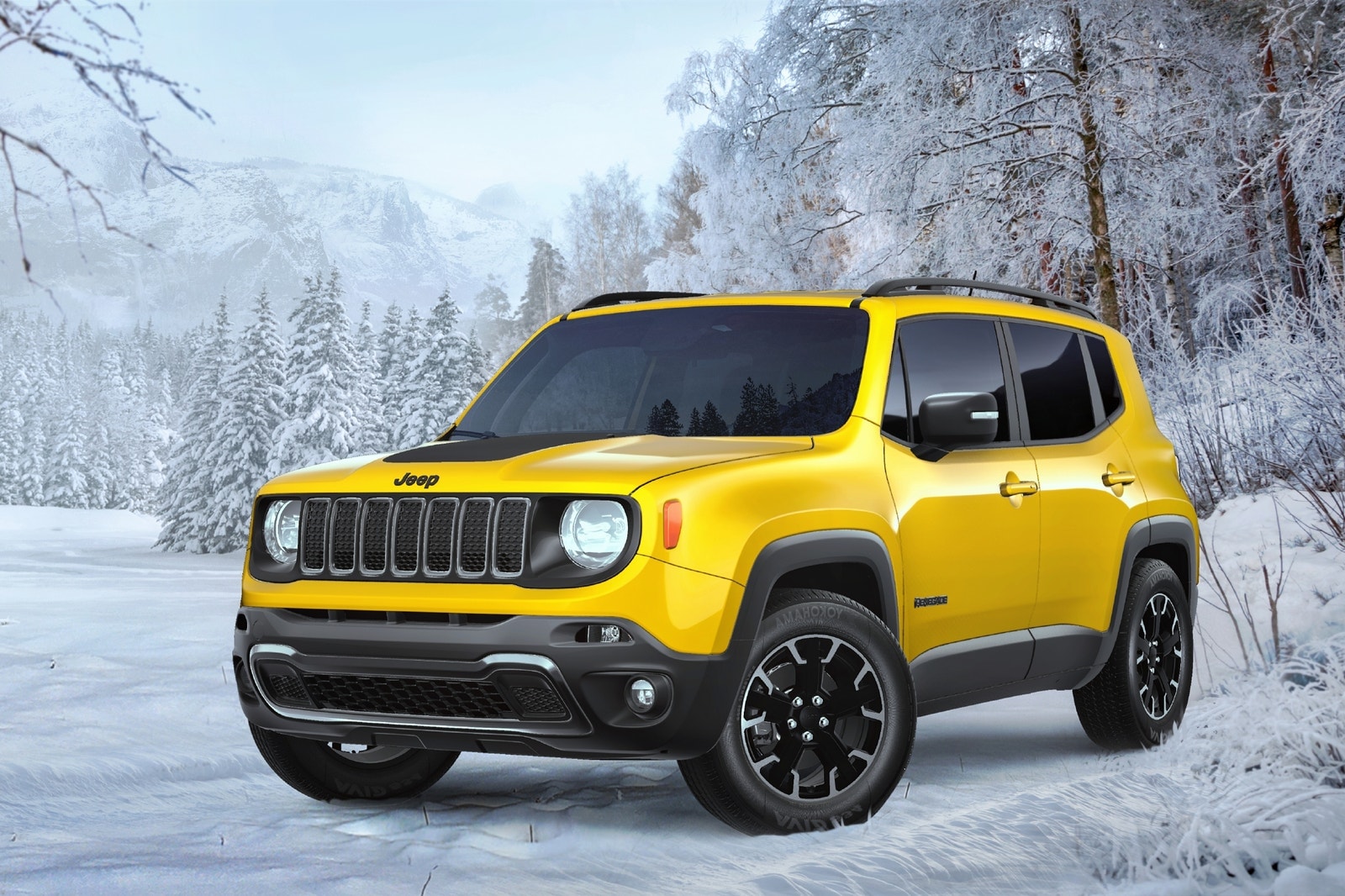
2) Jeep Renegade
Jeep Renegade often feels old quickly in city use because it tends to lose refinement earlier than stronger-built competitors. City driving punishes suspension and interior quality.
Renegade may feel fine when new, but over time, rough roads can make it feel loose and noisy. Many owners notice rattles and vibration earlier than expected, especially after years of potholes and speed bumps.
The drivetrain behavior can also contribute to aging feel. In stop-and-go conditions, some Renegade variants can feel less smooth. A car that is not smooth in traffic becomes tiring fast. City drivers spend most of their time at low speeds, so low-speed behavior matters more than high-speed strength.
Interior durability matters too. City cars get used as daily tools. Families, shopping, spills, and constant use wear interior surfaces quickly. When the interior begins to feel worn early, the car feels old emotionally even if it still runs fine.
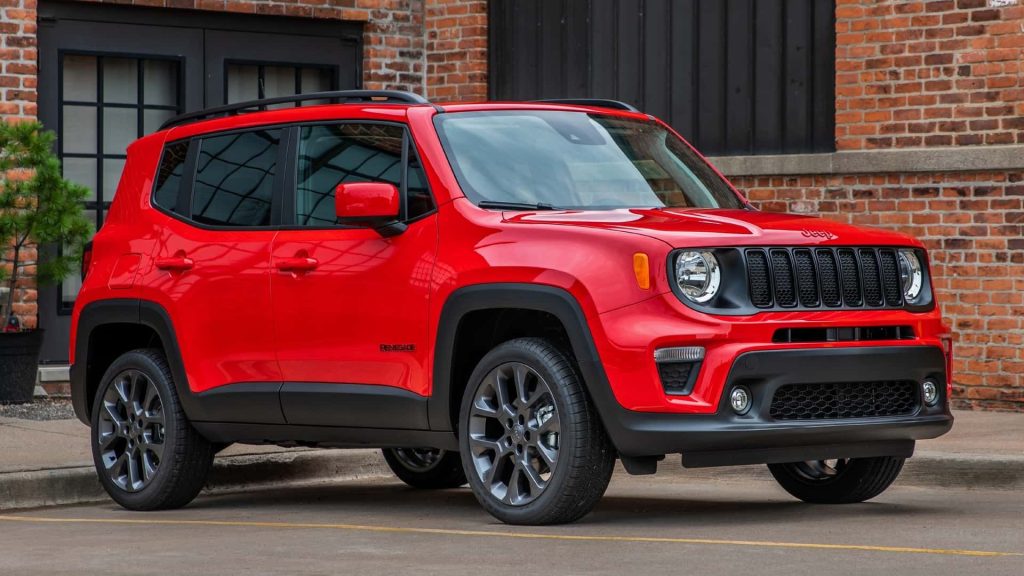
I included Renegade because many city buyers choose it for its look and compact SUV vibe. But city driving demands long-term refinement. When Renegade loses that refinement early, it begins to feel like an older vehicle sooner than expected.
That is what makes it a “feel old quickly” car. It is not always about breakdowns. It is about a decline in comfort and confidence that appears too soon.
3) Nissan Sentra (CVT Models)
Nissan Sentra with CVT often feels old quickly in city use because city traffic is harsh on CVT behavior over time. In stop-and-go driving, the transmission is constantly adjusting ratios under low-speed load.
Over time, some Sentra owners experience declining smoothness. The car may feel hesitant, noisy, or inconsistent. That shifting behavior is one of the fastest ways a car begins feeling worn.
In city life, drivers want smooth creeping control. When a car becomes jerky at low speed, it feels old instantly. Even if the engine still runs, the daily experience becomes less pleasant. This type of aging is not visible in photos, but drivers feel it daily.
Suspension aging can also show early in compact sedans under urban punishment. Potholes and speed bumps are constant in cities. If suspension components begin wearing, the vehicle develops knocks and loose steering. Once these symptoms appear, the car feels older than it should.
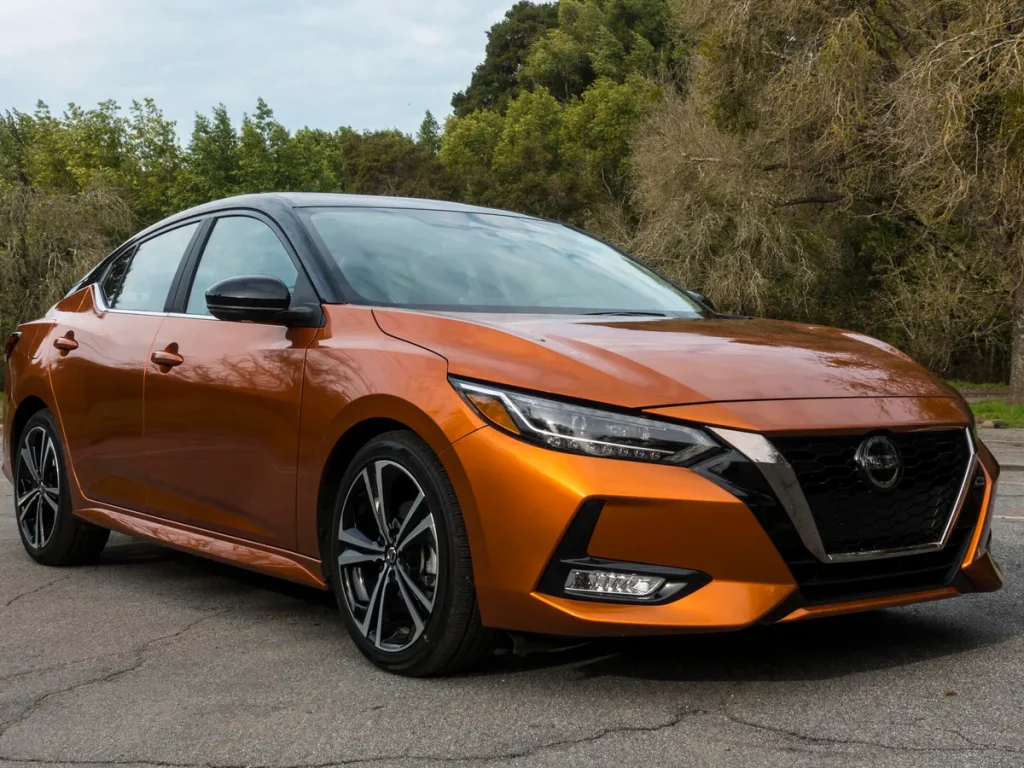
I included Sentra CVT models because they are common budget purchases for city driving. People want affordability, but affordability becomes less attractive if the car starts feeling tired early.
Sentra’s faster refinement decline in city use can reduce resale value and increase owner frustration. This is why it belongs on this list: urban life exposes weaknesses, and the Sentra can feel aged sooner than expected.
4) Ford Focus (PowerShift Models)
Ford Focus PowerShift models are known for aging poorly in city driving because the transmission system struggles in stop-and-go conditions.
Dual-clutch transmissions can work well in flowing driving, but in city crawling, they face constant clutch engagement and disengagement. This creates heat and wear. Over time, many drivers experience jerky movement, hesitation, and inconsistent behaviour.
That inconsistency makes the car feel old quickly. When a car behaves unpredictably in traffic, the driver loses confidence. Even if the car is not broken, emotional ageing happens fast. Owners start feeling like the car is unreliable, and reliability perception matters as much as actual reliability in city life.
Repairs can also be frustrating because issues may return. Repeated repairs accelerate the feeling that the car is aging too quickly. You do not feel like you own a stable daily tool. You feel like you own a problem.
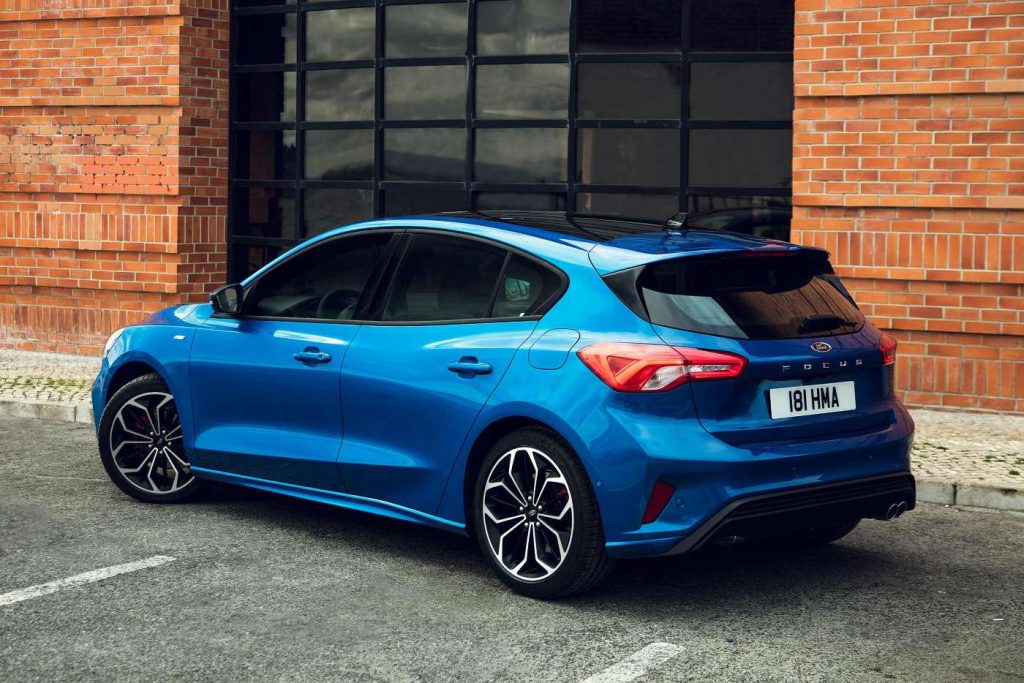
I included Focus PowerShift because it is one of the strongest examples of city mismatch. The car can be attractive used, but city commuting reveals transmission weaknesses quickly.
A car that cannot handle stop-and-go smoothly will feel older faster than any interior wear could create. That is why this Focus belongs in the “feel old quickly” list.
5) BMW 3 Series (Older High-Mileage Units)
Older high-mileage BMW 3 Series units often feel old quickly in city use because city wear accelerates the weaknesses of aging luxury performance sedans. BMW suspension tuning is usually sporty and tight.
That feels great on smooth roads but suffers on pothole-heavy city streets. Over time, suspension components wear and the car develops vibrations, knocks, and looseness. Once that happens, the car loses the premium feel it is supposed to have.
Electronics and sensors also contribute. Older BMWs can develop repeated warning lights and small electrical faults. In a city, owners do not want constant repair visits. These repeated issues create emotional exhaustion. Even if the car drives, owners lose trust.
Maintenance cost is another factor. Performance sedans often require high-quality parts. When parts wear faster due to city use, ownership becomes expensive. A car that becomes expensive and noisy feels old quickly because the owner begins noticing every flaw.
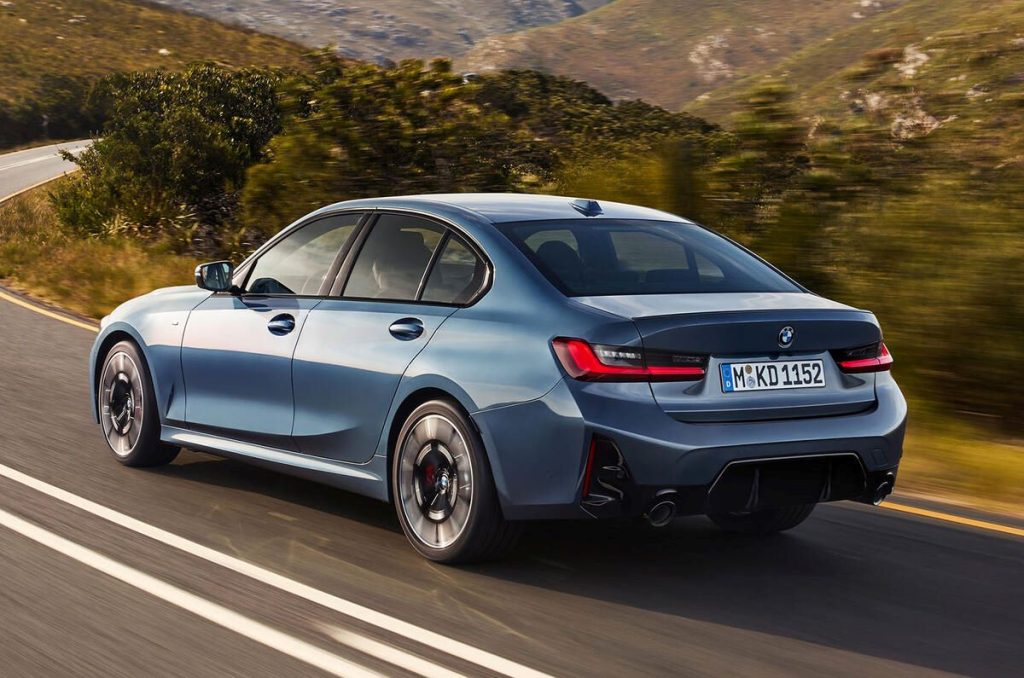
I included older BMW 3 Series units because they are common used purchases. They look premium and drive beautifully when perfect.
But city use makes them decline faster, and once refinement is lost, the car feels old much earlier than buyers expect. It becomes the type of car that reminds you daily that it is aging.
