
Dallas is not a city you “drive through,” it is a city you live across. The Metroplex sprawl is famous for long distances, wide highways, fast-moving traffic, and daily routines that can easily involve 30 to 80 miles without feeling like a road trip.
One day you might go from Plano to Downtown, then to Irving, then to Frisco, and it all feels normal. That is the Dallas lifestyle.
In this environment, the ideal car is not the smallest city commuter. It is the car that can handle distance without exhausting the driver, while still staying efficient enough that fuel costs do not become painful.
Dallas sprawl creates specific car needs. Highway stability matters because you spend time at speed. Cabin comfort matters because commutes are long. Strong air conditioning matters because Texas heat is not gentle.
A car must feel confident on interstates, merge quickly, and maintain calm at high speeds. Cargo space also matters because Dallas driving often includes weekend shopping, errands across suburbs, and family trips.
Reliability is critical because breakdowns far from home or in traffic are stressful. And because distances are long, fuel economy becomes a major part of daily cost.
Some cars handle Dallas sprawl perfectly. They feel smooth and quiet at highway speed, hold the lane confidently, and give enough range that you are not constantly thinking about refueling. They also make the “wide, fast, long” driving rhythm feel natural.
Other cars, however, feel inefficient in Dallas. This inefficiency is not only about fuel. It is about being wrong for the environment. Some cars burn too much fuel, feel noisy at speed, struggle with range, or become uncomfortable during long commutes.
Some vehicles simply do not fit the sprawl lifestyle because they demand too many stops, too much fuel, or too much attention.
This article compares both categories. First, five cars that handle Dallas sprawl well, chosen for comfort, highway confidence, and overall practicality.
Then, five cars that feel inefficient in this environment, either through poor fuel economy, poor highway comfort, or heavy running costs. The goal is to help drivers choose a car that matches Dallas life rather than fighting it.
Also Read: 5 Vehicles That Feel Natural in Busy Areas vs 5 That Feel Out of Place
5 Cars That Handle Dallas Sprawl Well
Dallas is a highway city. Even people who say they “don’t drive much” often drive more than they realize because distances in the Metroplex are long. You might travel 15 miles just to meet someone for coffee, then drive another 25 miles for errands, and it feels routine.
This sprawl lifestyle demands a car that feels comfortable and stable at speed, not a car that only shines in tight city lanes. A Dallas-friendly car should feel like it was built for long highway lanes, constant merging, and extended traffic waves that shift from fast flow to sudden congestion.
The first requirement is comfort. When you spend a lot of time in the car, small discomfort becomes major fatigue. Seats, cabin quietness, and ride smoothness matter. A bumpy or noisy car that seems fine on short drives becomes irritating on Dallas commutes.
The second requirement is power delivery. You need smooth passing ability because Dallas highways demand confident merges. Cars that feel underpowered increase stress because you hesitate when entering fast traffic.
Fuel efficiency is also important, but in Dallas it is a special kind of efficiency. It is not only about miles per gallon. It is about range.
You want a car that can go far between fill-ups so you are not constantly refueling. Dallas drivers also benefit from strong climate control. Summers are serious. A car with weak air conditioning becomes unbearable, especially during traffic.
I am writing this section because many car recommendations ignore how sprawl changes ownership. Dallas driving is not “city-only” or “highway-only.” It is a mix of long suburban highways, fast merges, and occasional traffic jams.
The best cars here are the ones that handle all of that smoothly. They make distance feel normal instead of tiring. They keep fuel costs reasonable, reduce stress, and fit the Metroplex lifestyle.
Now let us get into five cars that handle Dallas sprawl well and feel like they belong in wide-open Texas driving.
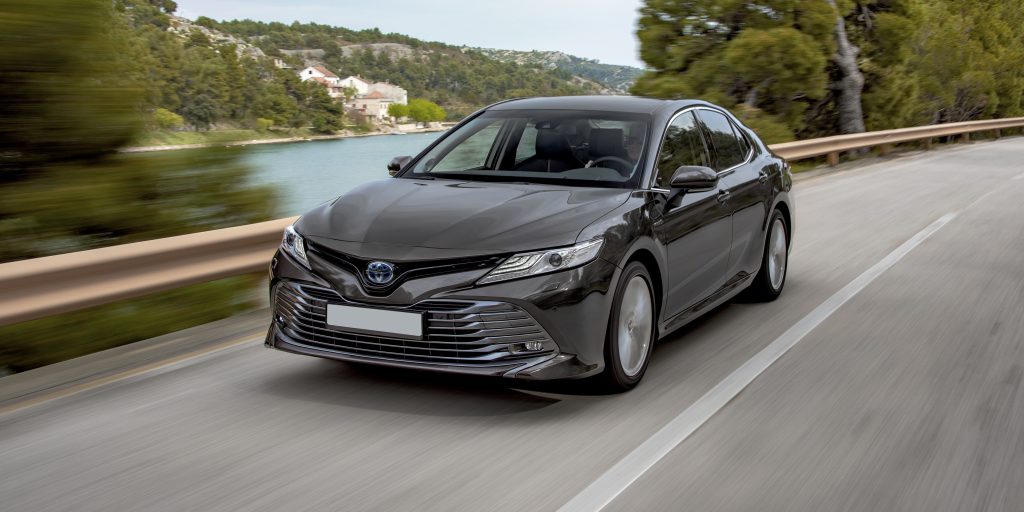
1) Toyota Camry Hybrid
Toyota Camry Hybrid is one of the best cars for Dallas sprawl because it combines long-distance comfort with excellent fuel economy. In a spread-out region like Dallas, you drive far.
Fuel costs add up quickly, and the Camry Hybrid keeps those costs under control while still feeling comfortable on highways. It is not just economical. It is a genuinely calm highway cruiser.
The cabin is quiet enough for long commutes, and the ride is smooth on wide highway lanes. Dallas driving often involves steady high speed, and the Camry feels stable and relaxed at that pace. The hybrid system also helps in traffic.
When highways slow down into stop-and-go congestion, the Camry Hybrid becomes even more efficient. That balance makes it perfect for Metroplex commuting, where you switch between open flow and sudden slowdowns.
Passing and merging are also confident. Many hybrids feel weak, but the Camry Hybrid’s smooth power delivery makes merging easier. That matters because Dallas highways demand confidence. A car that hesitates creates stress. Camry does not.
I included Camry Hybrid because it fits Dallas life perfectly. It is comfortable enough for long drives across suburbs, efficient enough to reduce fuel cost, and reliable enough to reduce downtime stress.
In a sprawling city, reliability matters because you depend on your vehicle constantly. Camry Hybrid is not only a smart choice. It is one of the most practical sprawl cars you can own.
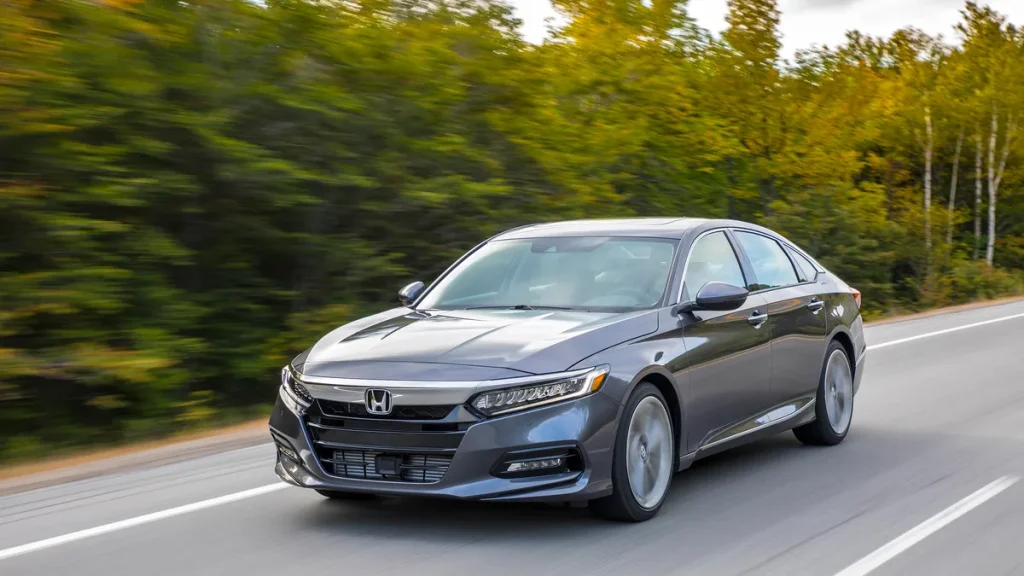
2) Honda Accord
Honda Accord handles Dallas sprawl well because it balances highway comfort, space, and dependable performance. In Dallas, you want a car that feels stable at speed and provides enough cabin space for everyday life. Accord delivers that. It has a roomy interior, comfortable seating, and a driving feel that stays calm over long distances.
Highway stability is a key advantage. Accord does not feel nervous at speed. It tracks straight, absorbs road imperfections well, and keeps cabin noise at a reasonable level.
This matters because Dallas commutes can easily become long daily routines. A car that feels tiring at speed becomes a lifestyle burden. Accord avoids that.
Fuel economy is strong, especially for a car with this space. That helps reduce costs, and in Dallas you feel fuel cost more because you drive more. Accord also has enough passing power to merge confidently. Suburban highway merges are common, and a car that can accelerate smoothly makes driving safer and more relaxed.
I included Accord because it is one of the most balanced sprawl sedans ever made. It is big enough to feel comfortable, efficient enough to keep running costs reasonable, and reliable enough for daily dependence. It does not demand special care.
It simply handles long Dallas routines without becoming tiring. For people who live across the Metroplex, Accord feels like the kind of car that supports your life rather than challenging it.
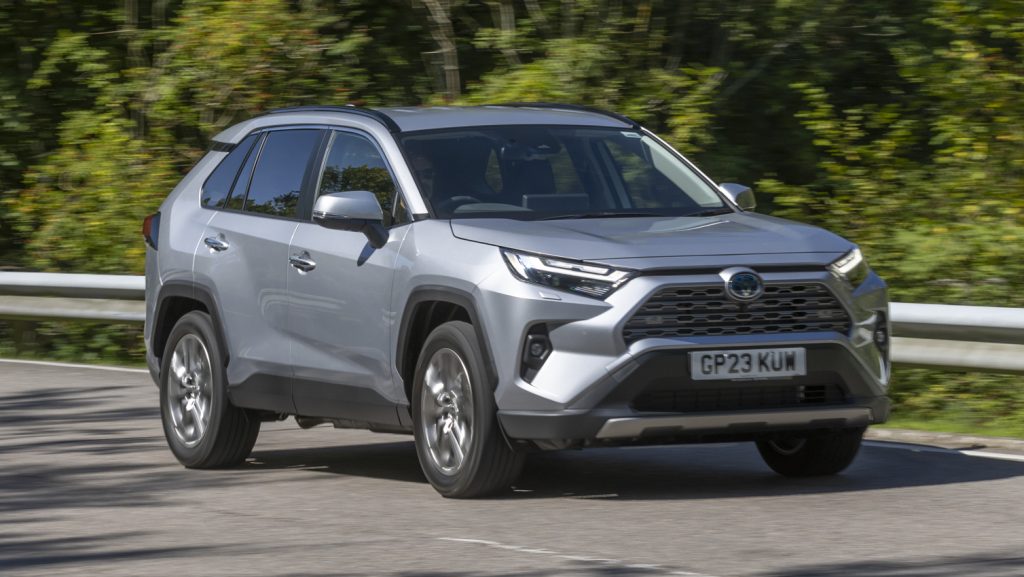
3) Toyota RAV4 Hybrid
Toyota RAV4 Hybrid fits Dallas sprawl because it offers crossover practicality without punishing fuel economy. Many Dallas families prefer crossovers for visibility, cargo space, and comfort. RAV4 Hybrid delivers that lifestyle while staying efficient enough for long driving distances.
The higher driving position is useful on Dallas highways. It improves visibility in heavy traffic and makes lane changes feel more confident. The ride quality is also comfortable enough for long commutes. Many crossovers feel bouncy at speed, but RAV4 Hybrid stays stable.
Fuel savings are a major reason it belongs here. In Dallas, you may drive 40 to 70 miles daily. A crossover with poor fuel economy becomes expensive. RAV4 Hybrid solves that by offering strong mileage while still giving SUV practicality.
I included RAV4 Hybrid because it fits the Metroplex lifestyle. It handles highways confidently, provides cargo flexibility for weekend errands, and stays efficient in daily use. It is also known for reliability, which matters because in sprawl living you cannot easily function without a dependable vehicle.
4) Hyundai Sonata
Hyundai Sonata handles Dallas sprawl well because it is designed as a comfortable highway sedan with modern convenience. In a sprawling region, comfort matters more than many people realize. Sonata offers a smooth ride, a spacious cabin, and features that make long driving less tiring.
The cabin space is useful for families and commuters. You can drive long stretches without feeling cramped. The ride absorbs highway surfaces well, and the car feels stable at speed. That helps in Dallas because highways are the main roads of life.
Fuel economy is also solid. Sonata is not a fuel monster, and it keeps daily costs reasonable. It also provides enough power to merge smoothly into fast traffic. That is essential in Dallas, where highway merging is constant.
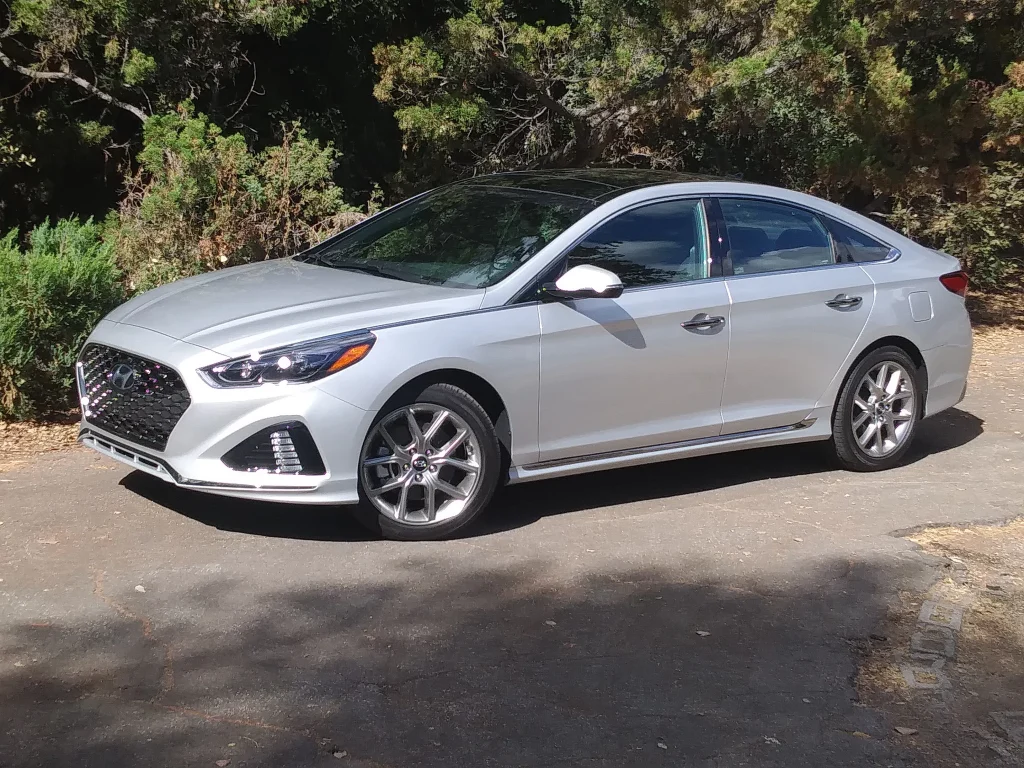
I included Sonata because it offers a strong value proposition for sprawl living. It gives comfort, space, and stable highway behaviour without luxury-level cost. For people who want a modern sedan that fits long daily driving routines, the Sonata is a smart sprawl vehicle.
5) Subaru Outback
Subaru Outback handles Dallas sprawl well because it provides long-distance comfort with practical versatility. Dallas living is not only commuting. It also includes weekend drives, family trips, and unpredictable weather. Outback gives wagon-like handling with crossover practicality.
The ride quality is comfortable, and the cabin feels stable at highway speed. The seating position gives good visibility, which helps in heavy traffic. The cargo space is a major plus for families who carry shopping, luggage, or outdoor gear.
Outback also has strong all-weather confidence. While Dallas does not get extreme snow often, rain and sudden storms happen. A vehicle that feels secure in those conditions reduces stress.
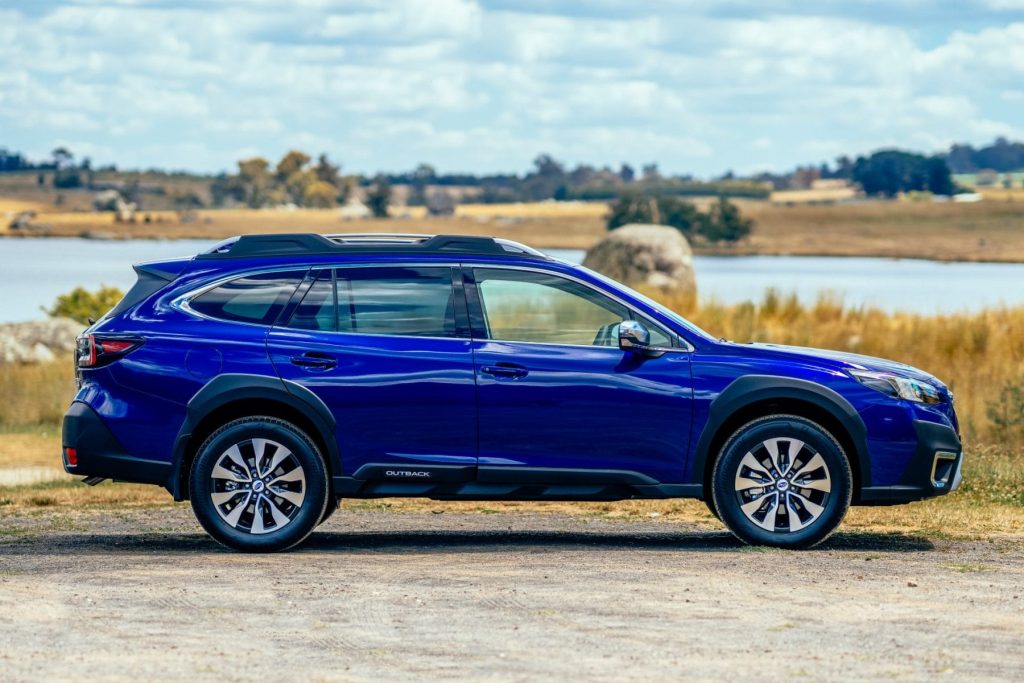
I included Outback because it is one of the most versatile sprawl vehicles. It can handle highway miles comfortably, carry family cargo, and still feel stable and dependable. In a city where daily life involves long distances, Outback feels like a practical tool that supports everything.
5 That Feel Inefficient
Dallas sprawl exposes inefficiency in a way that smaller cities do not. When distances are long and highways are the normal way of life, inefficiency becomes visible every week.
A car that burns fuel quickly, feels uncomfortable at speed, or forces constant stops becomes tiring and expensive. In Dallas, you are not just driving to the next neighborhood.
You are crossing the Metroplex. That means you need range, comfort, and a vehicle that can handle extended highway use without feeling like it is working too hard.
When people hear “inefficient,” they think only about fuel economy. But in Dallas, inefficiency is bigger than miles per gallon. It includes how the car fits the environment. A vehicle can be technically efficient but still feel inefficient if it lacks range or comfort.
It can also feel inefficient if its maintenance or repair costs rise with heavy mileage. Dallas owners often put high mileage on cars faster than they expect. What feels affordable on a low-mile lifestyle can become expensive quickly in Dallas life.
One major form of sprawl inefficiency is fuel thirst. Big engines, heavy vehicles, and performance setups burn fuel fast when you drive long distances daily. Another form is discomfort.
A car with a rough ride or noisy cabin becomes exhausting on long highway stretches. A third form is “stop inefficiency.” If the vehicle has limited range, you spend more time refueling or charging, which interrupts life. For sprawl living, convenience matters as much as cost.
I am writing this section because many people choose vehicles based on image, size, or power without thinking about Dallas realities. They later realize that their vehicle feels expensive and tiring.
Sprawl demands a vehicle that can go far, stay comfortable, and keep costs under control. The cars below are included because they often feel inefficient in Dallas sprawl, either by burning too much fuel, demanding too much maintenance attention, or simply being the wrong tool for long-distance daily life.
Now let us look at five cars that often feel inefficient in Dallas sprawl.
1) Jeep Wrangler
Jeep Wrangler feels inefficient in Dallas sprawl because it is built for rugged identity, not for smooth long-distance commuting. Wrangler’s biggest problem is fuel economy. In a sprawling region, fuel costs matter because you drive far.
Wrangler’s consumption in highway-heavy daily use becomes expensive quickly. Even if you love the look and lifestyle image, the weekly fuel expense can become painful.
Highway comfort is another issue. Wrangler is not designed as a quiet aerodynamic highway cruiser. Cabin noise at speed can be higher than normal vehicles because of the shape, tire setup, and overall design.
When you drive long stretches across Dallas highways, that noise becomes fatigue. The ride can also feel less settled compared to sedans and crossovers built for long commutes.
Wrangler also feels inefficient because of its driving behavior. It is capable, but it does not feel as stable and calm at high speed as highway-focused vehicles. For sprawl living, you want a car that feels like it glides. Wrangler often feels like it is constantly reminding you of its rugged structure.
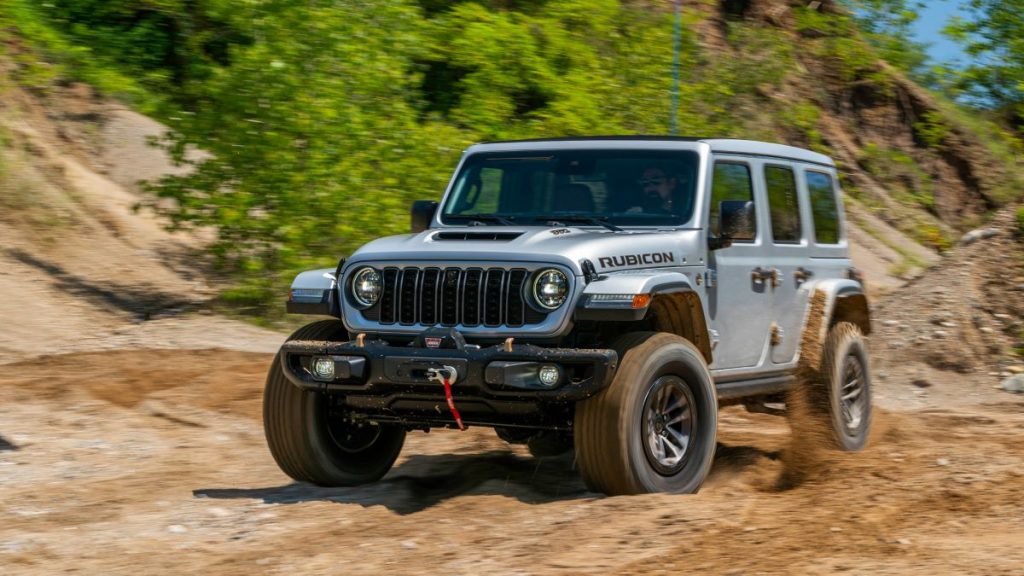
I included Wrangler because it is one of the most common “dream vehicle, wrong commute” examples. It is amazing for weekend fun and off-road trips. But Dallas daily life is mostly highway travel, and Wrangler turns that into a louder, thirstier, more tiring experience.
It does not mean Wrangler is bad. It means it is inefficient for a sprawl lifestyle where comfort and fuel cost matter daily.
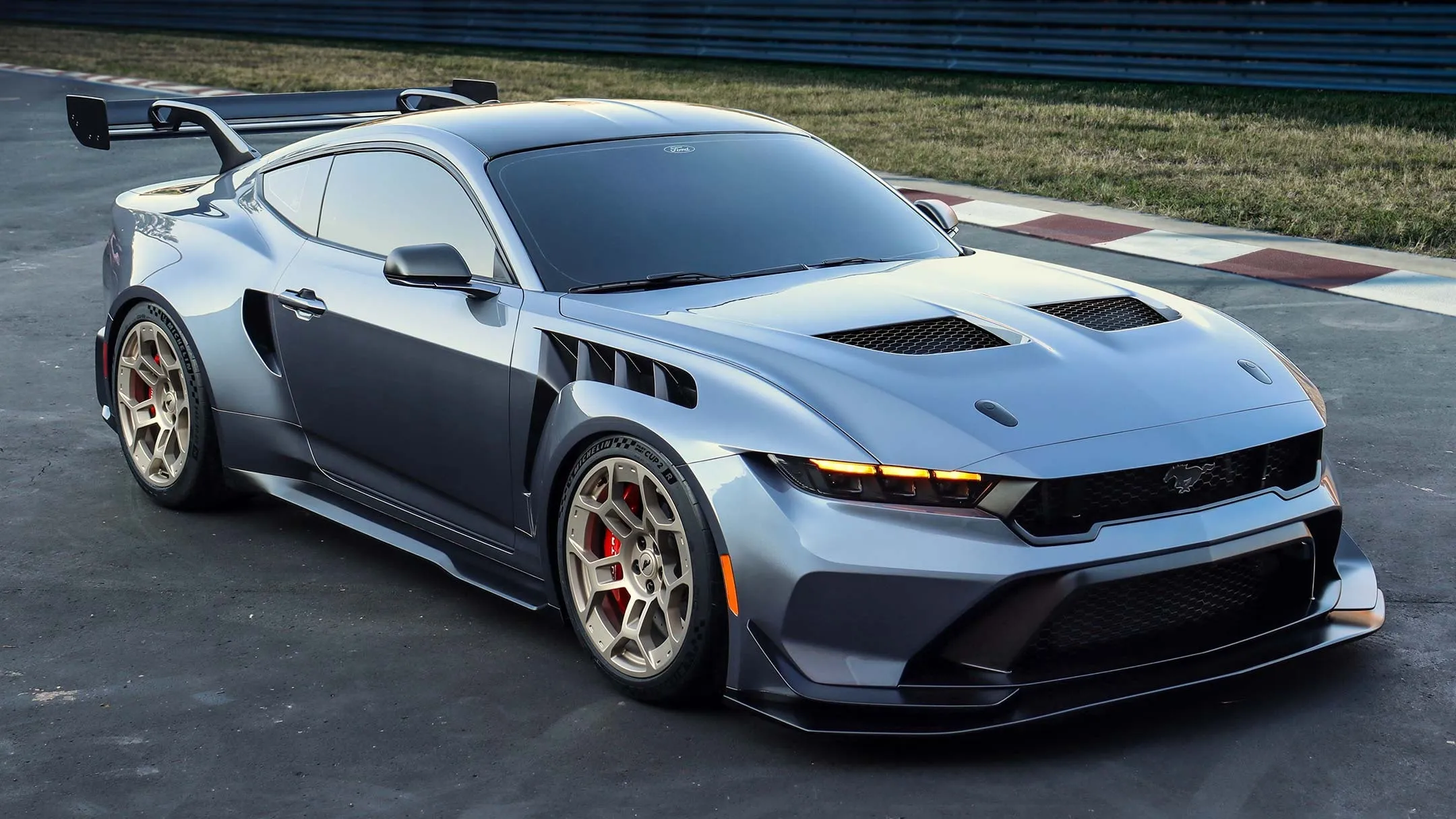
2) Ford Mustang GT
Ford Mustang GT feels inefficient in Dallas sprawl because it is built for performance, not for economical long-distance commuting.
Dallas highways are fast and wide, and the Mustang feels great there, but the reality is daily mileage turns performance into cost. The V8 engine burns fuel quickly, and in a region where you travel far, fuel cost becomes significant.
Mustang GT also feels inefficient because it is not practical for daily sprawl routines. Dallas life often involves errands across multiple suburbs. You need space for bags, shopping, or family passengers. Mustang’s coupe layout and limited rear seat practicality can become frustrating. That limitation forces you to compromise or take multiple trips.
The other inefficiency is wear costs. Performance cars often go through tires and brakes faster, especially when driven aggressively. In Dallas, where mileage adds up, those wear costs accumulate quickly. A car that demands frequent tire replacement becomes expensive.
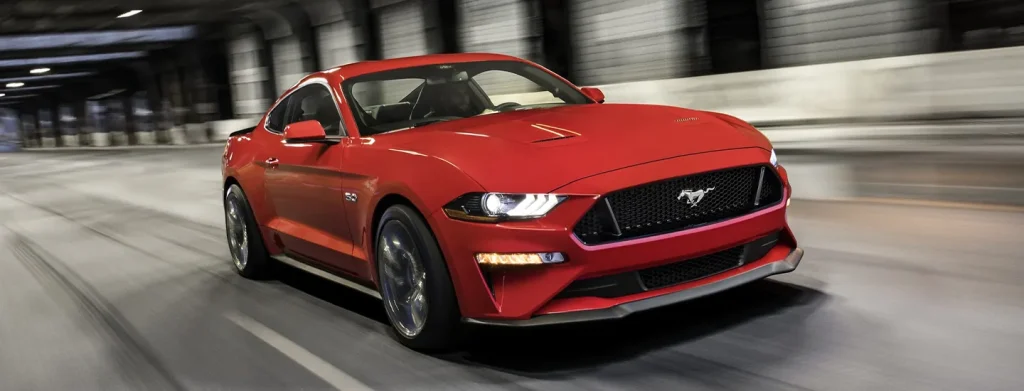
I included Mustang GT because it is a car people love emotionally, but daily sprawl turns it into a heavy-cost vehicle. It fits Dallas highways in spirit, but it does not fit Dallas commuting budgets. It becomes a vehicle that feels expensive per mile, and in a sprawl city where miles pile up, that cost becomes obvious.
3) Chevrolet Suburban
Chevrolet Suburban feels inefficient in Dallas sprawl because it is massive and heavy. While it offers comfort and space, the fuel economy cost is hard to ignore. In Dallas, where you drive long distances, a large SUV that consumes fuel heavily becomes a financial drain. Suburban might feel comfortable, but the cost per mile becomes painful.
Suburban is also inefficient in terms of “space use.” Most owners do not use the full capacity every day. They carry mostly air while paying fuel costs for a heavy vehicle. In a sprawl environment, that waste becomes more noticeable because you are driving far.
Parking and maneuvering can also add stress. Dallas has wide roads, but busy areas still exist. Shopping centers, downtown zones, and crowded parking lots punish large SUVs. That adds emotional inefficiency because every trip requires more effort.
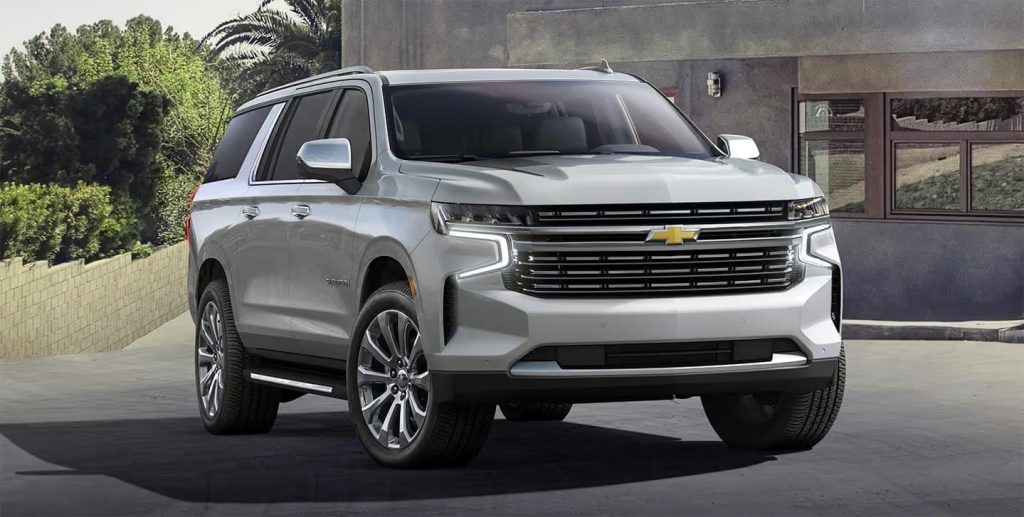
I included Suburban because it is excellent for big families and long trips. But for typical daily sprawl driving, it often feels like overkill. It gives benefits you rarely use while charging you fuel costs daily. In Dallas, that is what inefficiency looks like.
4) Range Rover Sport
Range Rover Sport feels inefficient in Dallas sprawl because it combines high running costs with heavy fuel consumption. It is luxurious and powerful, but sprawl mileage magnifies luxury ownership cost. In Dallas, you drive far.
That means you use more fuel, wear parts faster, and increase maintenance frequency. A premium SUV becomes very expensive per mile in this environment.
Repair and service costs also make it inefficient. When something goes wrong, the bill is high. Even routine maintenance can be costly. This becomes frustrating because Dallas drivers often put high annual mileage on vehicles. High mileage plus high repair cost is a dangerous combination.
Another inefficiency is emotional. Owners often drive carefully because repairs are expensive. In daily sprawl life, you want a car that feels relaxed and easy. Range Rover can feel like a vehicle you are constantly managing.
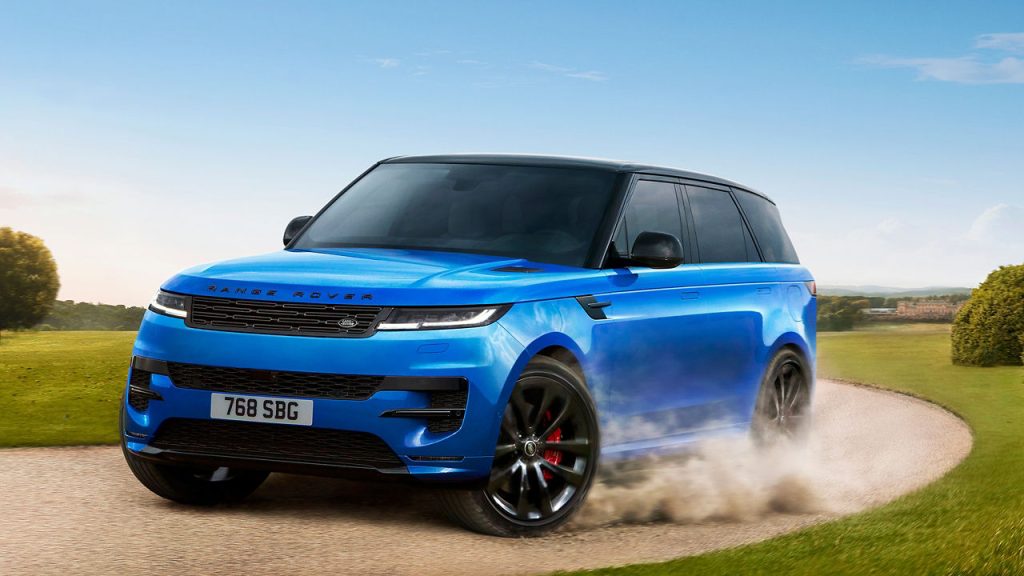
I included Range Rover Sport because it is a dream SUV, but Dallas sprawl is a mileage-heavy environment. In this environment, high-cost vehicles become inefficient because every mile costs more. Over time, the ownership cost becomes obvious, and that is why it belongs on this list.
5) Nissan Leaf (Older Models)
Older Nissan Leaf feels inefficient in Dallas sprawl because range and charging time become daily limitations. Dallas distances are large. A limited-range EV forces planning. You cannot simply drive across suburbs without thinking about battery percentage. This constant planning becomes exhausting, which feels inefficient.
Charging infrastructure can help, but it still requires time. Sprawl life often involves unplanned errands. A car that needs frequent charging interruptions becomes inconvenient. Even if charging is cheap, time cost is high.
Highway speed also drains range faster. Dallas highways move fast. Older Leafs struggle more at high speed, which reduces usable range. That makes the car feel like it is always operating near its limit.
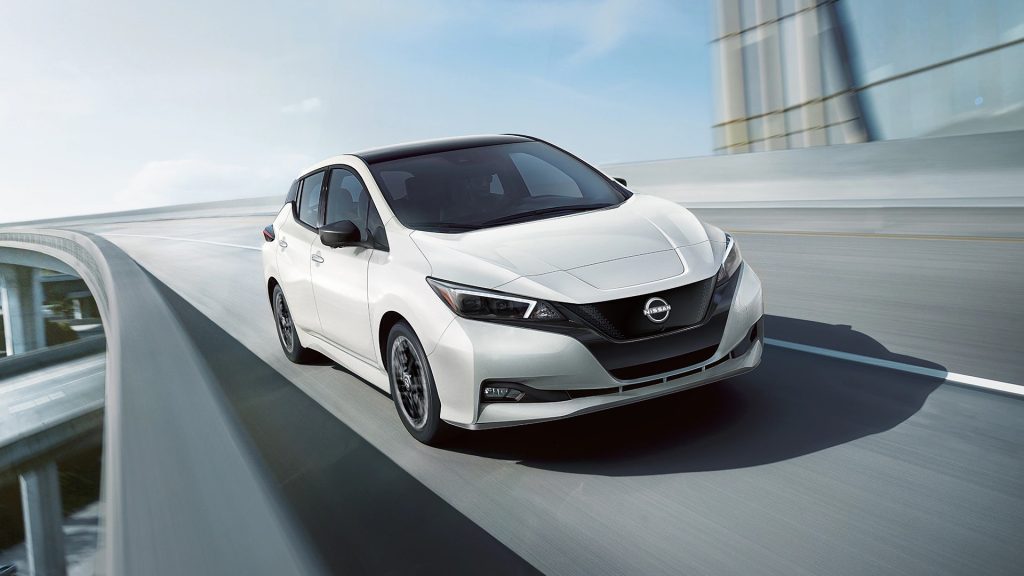
I included older Nissan Leaf because it represents “urban EV mismatch.” Leaf is fantastic in compact city environments with short commutes.
Dallas sprawl is the opposite. The distances are long, and the Leaf’s limited range becomes a daily inconvenience. This is what inefficiency looks like in sprawl living: not only cost, but constant interruption.
