
Busy areas have their own rules. Roads are tighter, movement is faster, and attention is constantly divided.
You are not only watching cars, but you are also watching pedestrians, scooters, cyclists, delivery vans stopping suddenly, buses cutting across lanes, and drivers who change lanes without warning. In these environments, some vehicles feel like they belong.
They flow naturally with the chaos. They fit into lanes without stress, park without drama, turn smoothly in narrow spaces, and respond calmly at low speeds.
Other vehicles feel out of place the moment they enter a crowded area. They take too much space, demand too much attention, and turn normal tasks like turning or parking into stressful events.
This difference matters because most people spend a large part of their driving life in busy places: downtown streets, market areas, office districts, school zones, and crowded intersections. In these areas, driving comfort is not only about seats or engine power.
It is about how easily the vehicle fits into the environment. Vehicles that feel natural in busy areas reduce stress. They keep the driver calm because the driver does not have to fight the vehicle’s size or awkward behavior. They handle quick decisions smoothly. They help drivers remain confident even when the road feels crowded.
On the other side, vehicles that feel out of place create tension. They may be excellent in other environments, like highways or open suburban roads. But in busy areas they feel clumsy or oversized.
The driver constantly worries about mirrors, corners, and blind spots. Parking becomes complicated. Turning becomes slow. Other road users get impatient. That pressure increases mistakes. Over time, the vehicle starts feeling like a burden rather than a tool.
This article compares both categories. First, five vehicles that feel natural in busy areas because they are compact enough, responsive enough, and forgiving enough to handle crowds.
Then, five vehicles that feel out of place because they demand space, attention, and caution in environments that do not offer room for error. The goal is not to shame any vehicle. It is to match the vehicle to real driving life. In busy streets, the best vehicle is the one that feels like it belongs.
Also Read: 5 Cars for Eagan Suburban Commuting and 5 Winter-Capable Models
5 Vehicles That Feel Natural in Busy Areas
A vehicle that feels natural in busy areas is like a good pair of shoes in a crowded market. You do not notice it. You simply move. That is the sign of a good city vehicle. In busy areas, you are constantly making micro-decisions.
You adjust your speed every few seconds, you change lanes carefully, you avoid potholes, and you react to sudden movement. A vehicle that feels natural makes these actions easy.
The steering feels light, the throttle response is smooth, the brakes behave predictably, and visibility helps you see what is happening around you.
Size is the first key factor. In busy streets, a compact footprint is a major advantage. You fit into gaps more easily, you can turn without wide swings, and you can park without needing perfect spaces. But it is not only about being small.
It is also about being easy to place. Some vehicles are small but still feel awkward because the visibility is poor or the turning circle is wide. The best vehicles feel like extensions of the driver. You can judge corners and distance without anxiety.
Low-speed behavior is another huge part. Busy areas rarely allow smooth high-speed driving. Instead, you creep forward, stop, and creep again. Vehicles that are smooth at low speeds feel relaxing. Vehicles that jerk or hesitate feel stressful.
Suspensions also matter. Busy areas often have speed breakers and broken patches. A vehicle that absorbs these without harsh shocks makes daily driving more comfortable.
I am writing this section because many drivers live in busy environments, and choosing the right vehicle improves life every day. When your vehicle feels natural, you arrive less tired, you park faster, and you feel more confident. You spend less energy managing the vehicle and more energy managing the road.
The five vehicles below are selected because they match busy-area reality. They are practical, easy to maneuver, and supportive in chaos. Now let us get into them.
1) Honda Fit
Honda Fit feels natural in busy areas because it is designed like an urban tool. Its compact size is the first advantage. In crowded roads, the Fit slips through tight gaps without forcing the driver to worry about width. It fits into narrow lanes easily, and that makes it feel calm even when traffic is aggressive.
Visibility is another major reason it feels natural. The upright design and large window area allow drivers to see pedestrians, scooters, and corners clearly. In busy environments, good visibility reduces panic.
You can judge curbs and distances properly, which improves confidence in turning and parking. Many cars feel stressful simply because you cannot see enough. Fit avoids that problem.
The Fit also has a tight turning circle and light steering. This matters in crowded intersections and narrow streets, where quick turns are required.
The car rotates easily, and the driver does not need to do repeated adjustments. Parking also becomes simple. In busy areas, parking is never easy, but Fit reduces the difficulty by being short and easy to place.
Low-speed control is smooth too. In crowded roads, you often creep forward gently. Fit responds predictably without sudden jerks. That smoothness makes traffic feel less tiring.
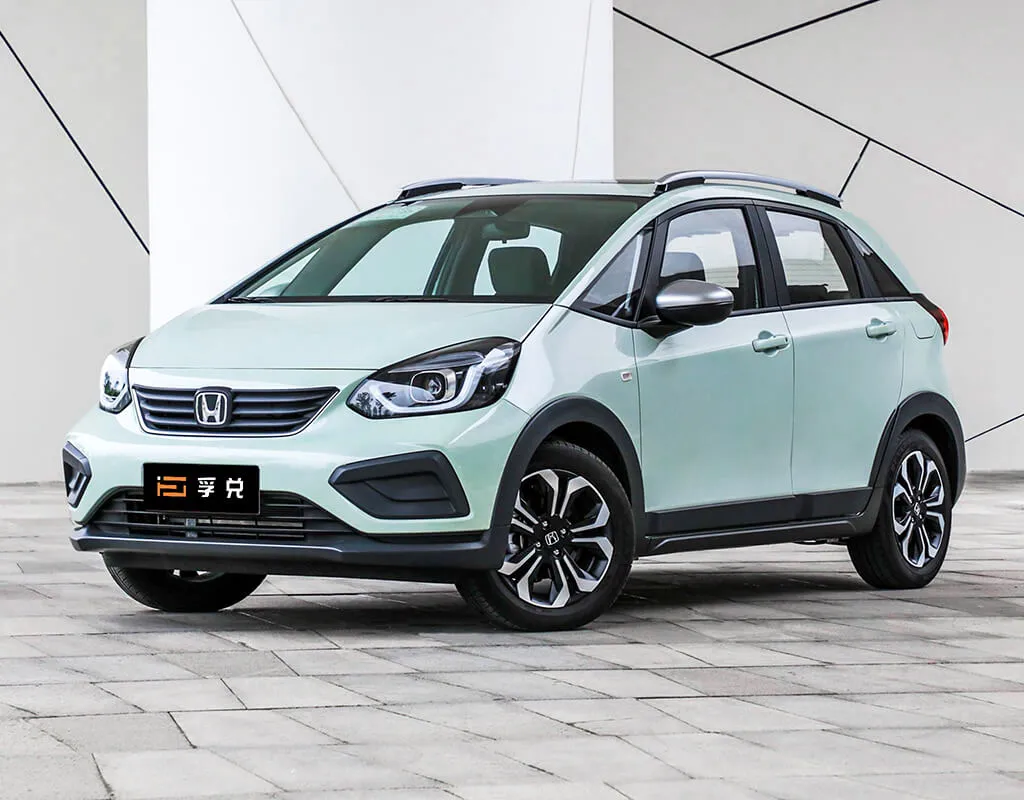
I included Honda Fit because it is one of the best examples of a vehicle that belongs in busy streets. It does not demand attention. It reduces stress. It supports the driver through good design. For market areas, downtown traffic, and daily commuting, Fit feels like it was made for the chaos.
2) Toyota Yaris Hatchback
Toyota Yaris Hatchback feels natural in busy areas because it is compact, simple, and easy to handle. Busy streets are filled with tight lanes and constant movement. A car that is short and narrow gives the driver more margin. Yaris fits easily into gaps and makes crowded driving feel manageable.
The driving behavior is predictable. In busy areas, unpredictability is dangerous. A vehicle that hesitates or jumps causes panic. Yaris tends to respond smoothly at low speeds, which helps in creeping traffic and parking maneuvers. That makes it friendly for beginners and experienced drivers alike.
Another reason Yaris feels natural is that it does not create pressure. When you drive a large vehicle, you constantly worry about space. With Yaris, you have more room to breathe. That makes the driver calmer, and calm driving is safer driving in crowded environments.
Parking is also easier. The hatchback shape helps because you can judge the rear end more easily than in long sedans. Parallel parking, tight reverse parking, and short spots become easier. In busy city areas, this is a huge advantage because parking is often the biggest stress of the trip.
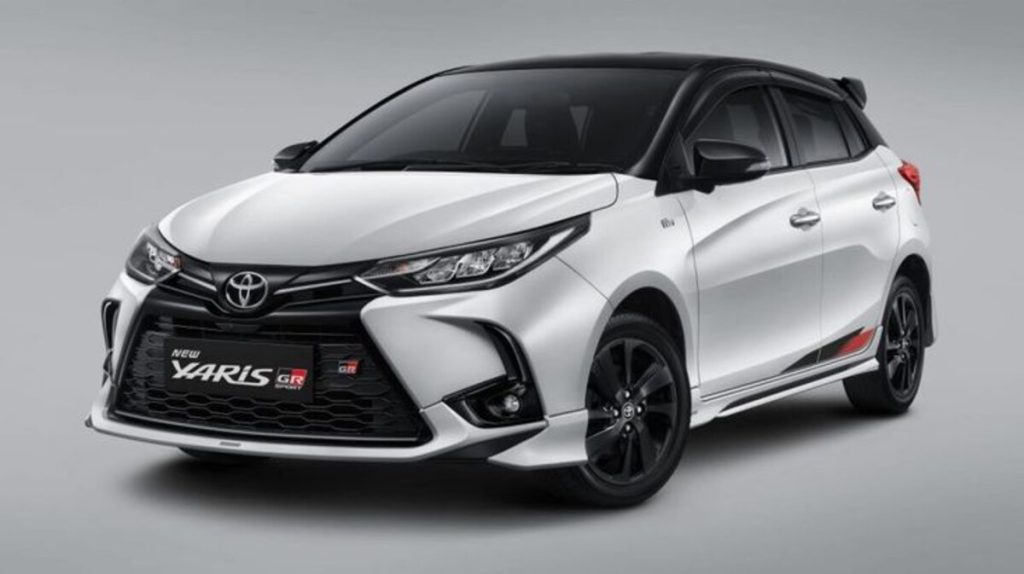
I included Yaris Hatchback because it is one of the simplest and most effective busy-area vehicles. It does not fight the city. It fits into it.
It offers reliability, low running costs, and easy maneuverability. For people who spend daily time in crowded streets, Yaris feels natural, calm, and usable, which is exactly what a busy area demands.
3) Suzuki WagonR
Suzuki WagonR feels natural in busy areas because it is shaped like a true city machine. The tall, boxy design gives excellent visibility. In crowded streets filled with pedestrians and scooters, that visibility is priceless. You can see what is happening around you more easily, and that reduces stress.
The WagonR is also compact and maneuverable. Its short length helps in traffic and parking. Busy areas often have awkward parking spaces where longer cars cannot fit. WagonR slips in easily. It also has light steering and simple low-speed control, making it easy to handle in congested conditions.
Another reason it feels natural is that it does not demand aggressive driving. It is designed for calm urban movement. In markets and crowded streets, you want a vehicle that can creep smoothly and respond gently. WagonR does this well.
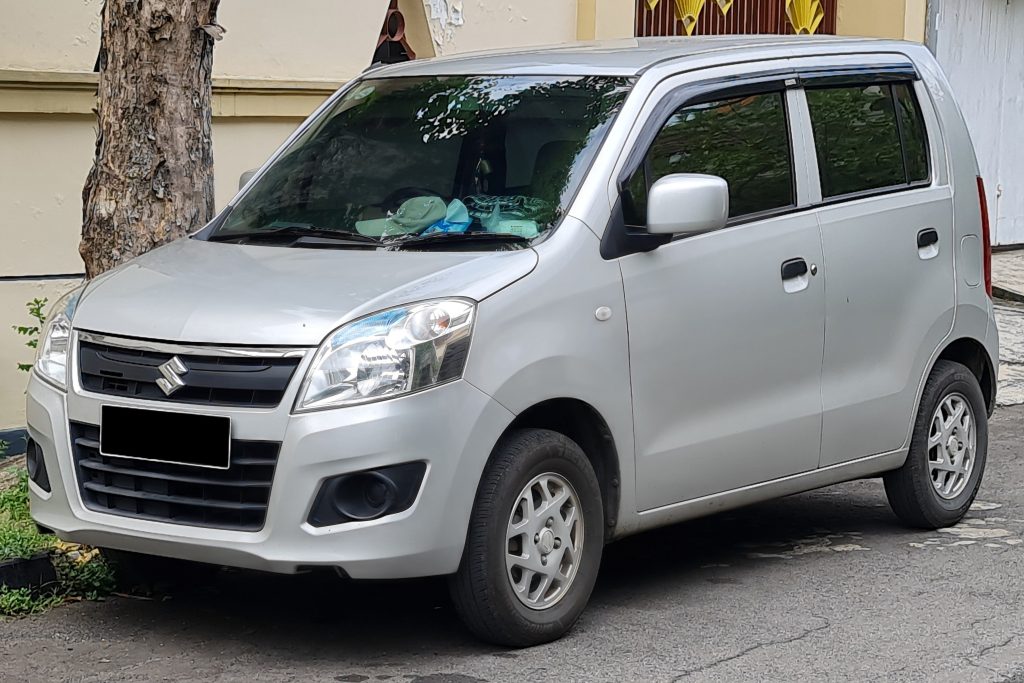
I included WagonR because it represents practical city life. It is not designed for highway thrill. It is designed for crowded streets, short trips, and daily errands. It fits into busy areas naturally, like it belongs there. That makes it one of the most common and successful city vehicles for a reason.
4) Hyundai i10
Hyundai i10 feels natural in busy areas because it is small, light, and easy to control. In crowded environments, small size reduces pressure. The i10 fits into narrow lanes and small parking spaces without stress. That makes the driver feel confident.
The steering is light and responsive. In busy traffic, you constantly adjust your path. A vehicle that responds smoothly makes this easier. i10 also has a tight turning behavior, which helps in U-turns and narrow street turns.
Low-speed smoothness is another key point. Busy streets often require creeping. i10 behaves calmly in slow movement, reducing jerky motion. This makes it comfortable in stop-and-go traffic and reduces driver fatigue.
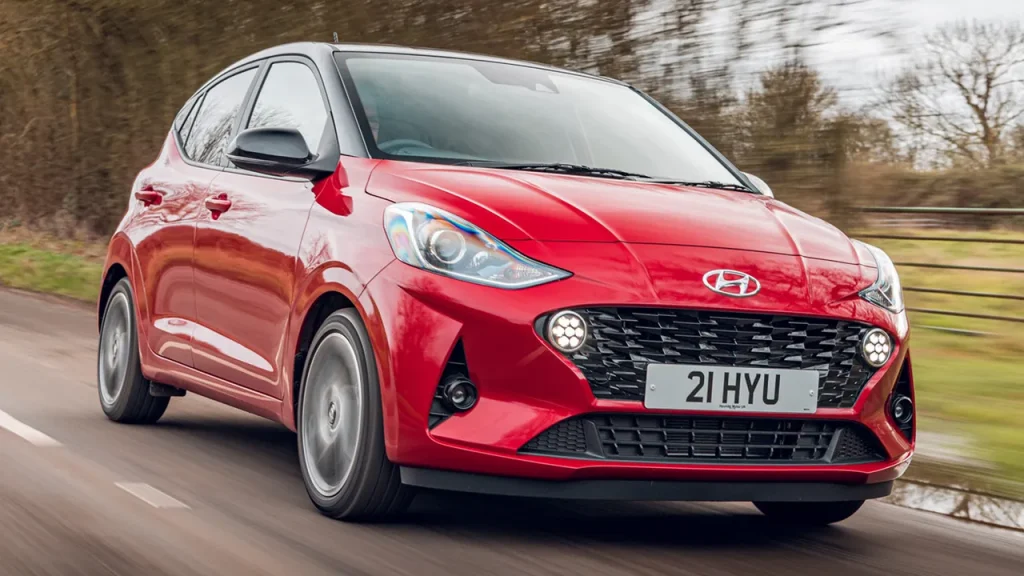
I included Hyundai i10 because it is built for real urban use. It is economical, easy to park, and reliable for daily commuting. In busy areas, these qualities matter more than power or luxury. The i10 feels natural because it works with the environment rather than against it.
5) Mini Cooper (Newer Models)
Mini Cooper (newer models) feels natural in busy areas because it combines compact dimensions with sharp maneuverability. In crowded downtown streets, being short and agile is a major advantage. Mini can fit into tight spaces, and its turning response makes it easy to handle in narrow lanes.
The steering is quick, which helps in busy environments where you need fast adjustments. Parking also becomes easier because Mini is short and its shape is easy to judge. Many drivers find it less stressful to park because the car feels like it can “rotate” into spaces.
Visibility is also fairly supportive, and many newer models include useful parking features like sensors and cameras, making it even easier. In busy areas, those features reduce risk of bumping curbs or small obstacles.
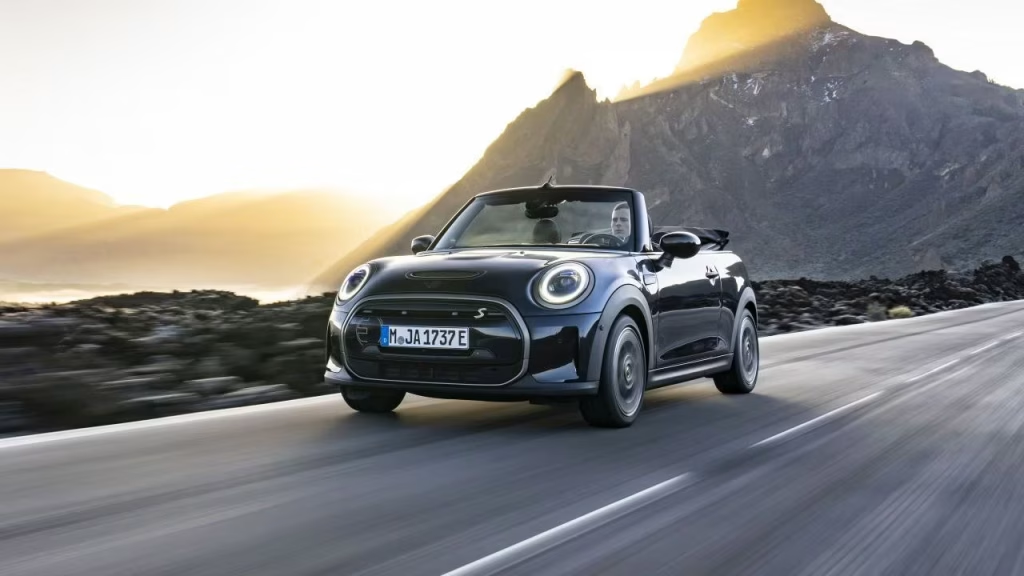
I included Mini Cooper because it is one of the rare cars that is both stylish and genuinely city-friendly. It does not feel out of place in crowds. It feels like it belongs. For busy urban zones, Mini is a vehicle that flows with traffic rather than fighting it.
5 That Feel Out of Place
A vehicle can be excellent on open roads and still feel completely wrong in a busy area. Crowded streets punish size, punish slow maneuvering, punish blind spots, and punish anything that needs extra room to operate.
In busy zones like downtown roads, markets, office districts, and school areas, every second counts. Drivers behind you are impatient. Pedestrians appear suddenly. Scooters squeeze in from the side. Parking spots are small and awkward.
A vehicle that feels out of place makes all of this harder, not because the driver is weak, but because the vehicle demands too much space and too much attention.
The biggest reason vehicles feel out of place is physical footprint. If a vehicle is long and wide, you cannot place it comfortably in tight lanes. You cannot park easily. You cannot turn quickly without swinging wide. Every maneuver becomes slow and careful.
That carefulness creates tension. When driving feels tense, the driver becomes tired faster, and fatigue leads to mistakes.
Visibility is another key issue. Many large or performance-focused vehicles have thick pillars, long hoods, high beltlines, or awkward rear views. In a busy area, visibility is safety. If you cannot see clearly, you hesitate. Hesitation is dangerous in crowded streets where people move unpredictably.
Another reason is cost. Busy areas create minor damage. Door dings, bumper scratches, and wheel scuffs happen. Vehicles with expensive repairs make the driver fearful.
Fear makes driving worse. Instead of flowing with traffic, the driver becomes overcautious. That is exactly what makes a vehicle feel out of place. It does not fit the environment emotionally.
I am writing this section because many people buy vehicles based on power, presence, or lifestyle image, then later realize their daily life is crowded driving. In that reality, the wrong vehicle becomes exhausting.
The five vehicles below often feel out of place in busy areas because they demand too much space, too much caution, or too much effort. They may be excellent vehicles elsewhere, but in crowded streets, they often feel like they do not belong.
1) Ford F-150 (Full-Size Pickup)
Ford F-150 feels out of place in busy areas because it is physically built for space, not congestion. In crowded streets, a pickup truck’s width becomes an immediate problem.
You have less margin between lanes, less space around mirrors, and more stress when scooters and pedestrians move close to the body. The truck’s length makes parking even worse. Many city spots are short, and the F-150 either cannot fit or sticks out, increasing the risk of being hit.
Turning is another major struggle. Busy areas often require sharp turns, quick U-turns, and tight lane changes. F-150 needs extra space to rotate, which forces slow, wide turns. Slow turns block traffic. Blocked traffic creates honking and pressure. That pressure makes city driving feel hostile.
Parking garages are also difficult. Many urban garages have narrow ramps and tight corners. A full-size pickup can scrape wheels, feel too wide for lanes, and demand repeated corrections. Even if the truck fits, it rarely feels comfortable.
I included F-150 because it represents the classic mismatch between urban reality and vehicle design. The truck is brilliant for work and highways, but crowded areas make it feel clumsy. Instead of flowing naturally, the truck forces the driver into slow careful movements. In a busy environment, that becomes exhausting.
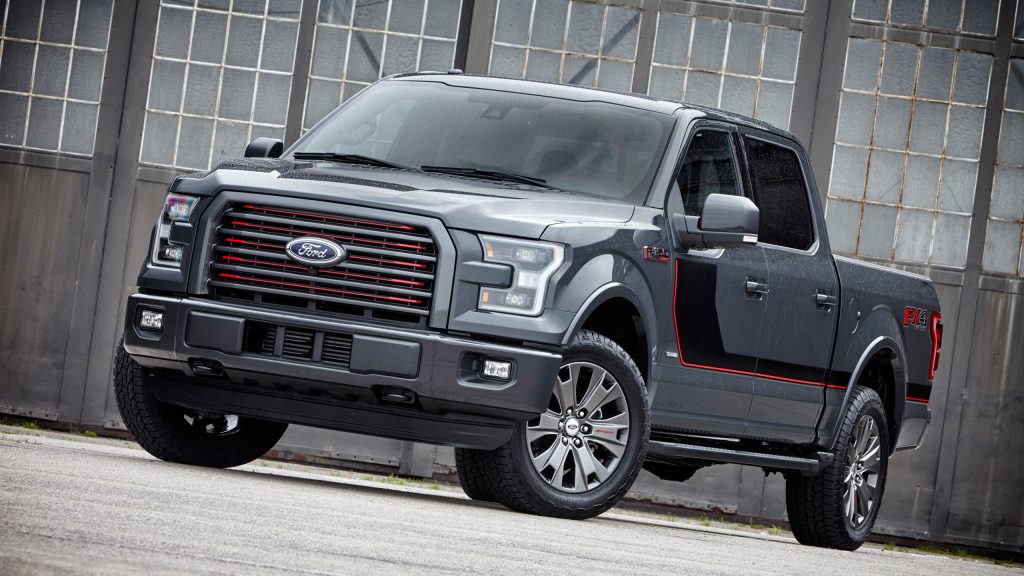
The final reason it feels out of place is emotional stress. When you drive a big truck downtown, you always feel like you are in the way. That constant feeling is what makes it truly out of place. It dominates space in an environment where space is the rarest resource.
2) Chevrolet Suburban
Chevrolet Suburban feels out of place in busy areas because it is simply too large for the environment. Suburban is long, wide, and heavy, and busy areas demand compact control. In crowded streets, the Suburban’s footprint makes lane placement stressful.
You cannot easily squeeze into small gaps. You need more room to maneuver. That makes the vehicle feel slow even when traffic is already slow.
Parking is the biggest headache. Many downtown areas have tight parking spots designed for compact cars. Suburban often cannot fit, or it fits only with perfect alignment. This means the driver spends more time searching and more time adjusting. In busy environments, that creates pressure because other cars are waiting behind you.
Turning is also a problem. Suburban’s long wheelbase makes tight turns awkward. In narrow intersections, it may require wide swing movement. That puts the driver in conflict with other vehicles, pedestrians, and parked cars. Each turn feels like work.
I included Suburban because people buy it for family comfort, but city life is not built for it. It feels like a vehicle that belongs on highways and open suburban roads, not in busy market streets.
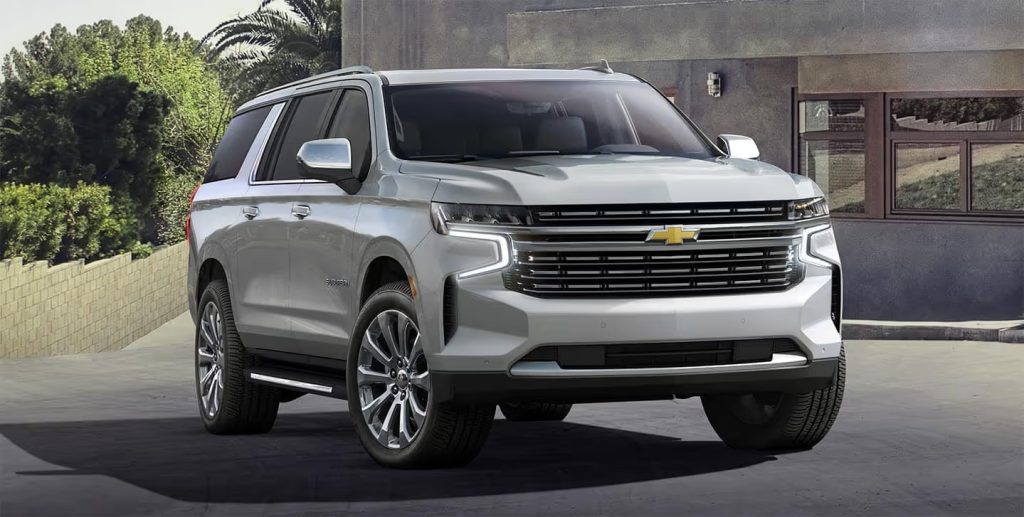
The emotional cost is also high. When you drive a Suburban in a crowded area, you feel like a giant object in a small world. That constant awareness makes driving tiring. A city vehicle should feel like it fits. The Suburban often feels like it overwhelms.
3) Dodge Challenger
Dodge Challenger feels out of place in busy areas because it is wide, long, and visibility-limited. In crowded streets, drivers need good sightlines. Challenger’s thick pillars and low roofline create blind spots.
That makes pedestrians and scooters harder to spot. In busy environments, blind spots increase stress. Even confident drivers become cautious because they cannot see everything clearly.
Parking is another issue. Challenger’s long body makes it harder to fit into small spaces. Parallel parking becomes stressful because you need larger gaps. Turning into tight spots also feels awkward because the car does not rotate as easily as smaller vehicles. Busy areas punish this because traffic behind you will not wait.
Challenger is also not designed for low-speed convenience. It is built for highway presence and straight-line fun. In crowded streets, that strength becomes useless. The car’s power does not help when you are crawling at 10 km/h. Instead, the car’s size becomes the main experience, and the size makes everything harder.
I included Challenger because it is a perfect example of a car that looks amazing but does not belong in daily busy areas. It fits best in open roads where its shape and power can be enjoyed. In crowded zones, it becomes uncomfortable and stressful.
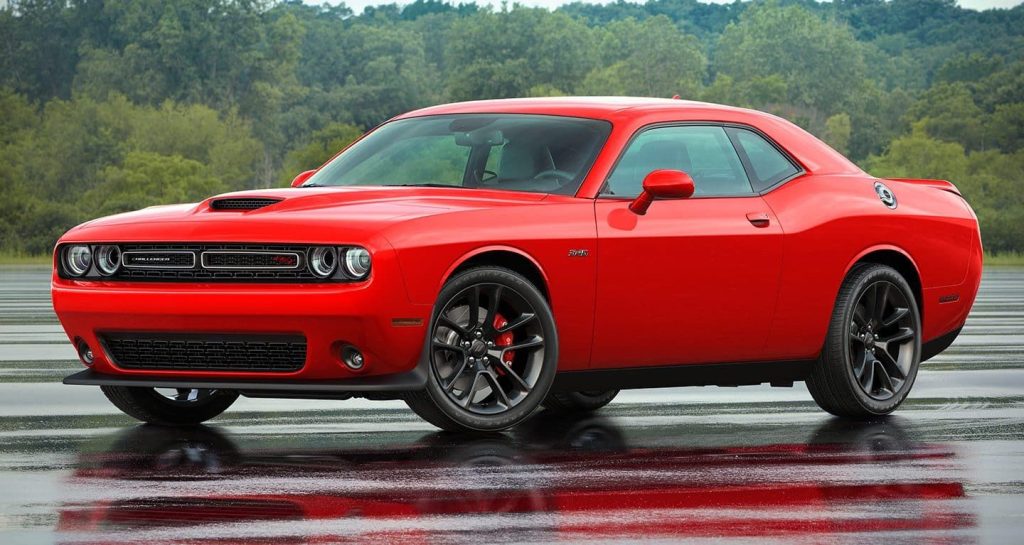
The final reason it feels out of place is repair fear. Challenger wheels and bodywork are expensive enough that city scratches feel painful. That makes the driver protective, and protective driving feels tense. In busy environments, tension is the enemy of smooth driving.
4) Mercedes-Benz Sprinter Van
Mercedes-Benz Sprinter van feels out of place in busy areas because its size is simply incompatible with crowded movement. Sprinter is tall and long, built for cargo and business deliveries, not tight traffic. In a crowded street, it takes up too much space. It blocks lanes easily, struggles in narrow turns, and creates blind zones.
Parking becomes a nightmare. Many city parking garages cannot accept Sprinter because of height restrictions. Street parking requires long spaces that rarely exist. Even when a space exists, parallel parking a long van in a busy street creates chaos behind you. Drivers become impatient, and the pressure rises quickly.
Visibility is complicated. While the driver sits high, the van’s length creates huge blind zones. Reversing becomes stressful, and in crowded areas reversing is dangerous because pedestrians can appear suddenly. Even with cameras, the vehicle demands extra caution.
I included Sprinter because it represents a vehicle that belongs to logistics, not daily city driving. It is amazing for delivery businesses, but if used as a personal vehicle in busy zones, it feels constantly oversized.
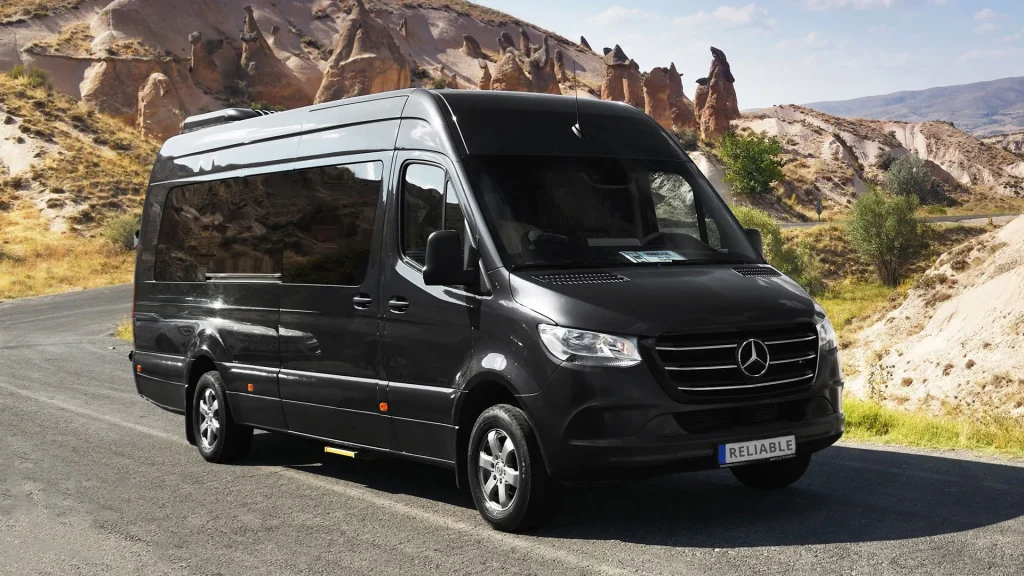
In crowded areas, the Sprinter feels like a moving building. It cannot flow. It demands slow careful planning, which is the opposite of what busy streets require. That is why it feels out of place.
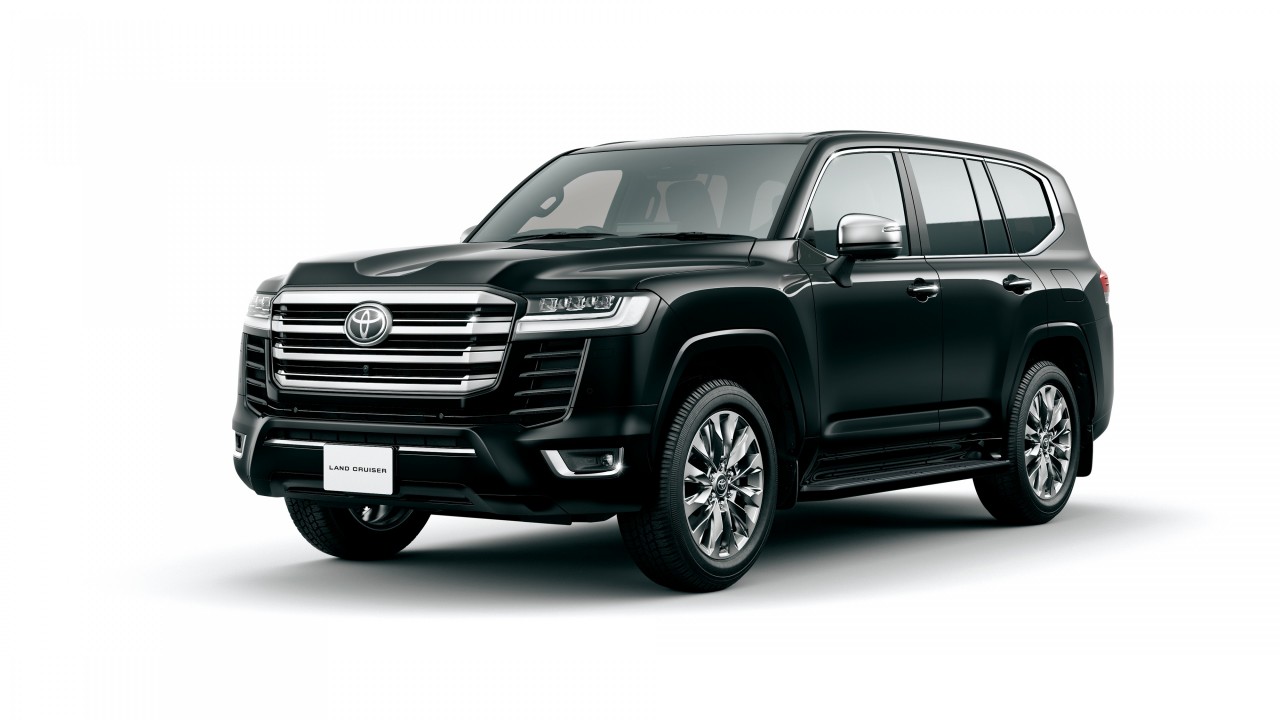
5) Toyota Land Cruiser (Full-Size)
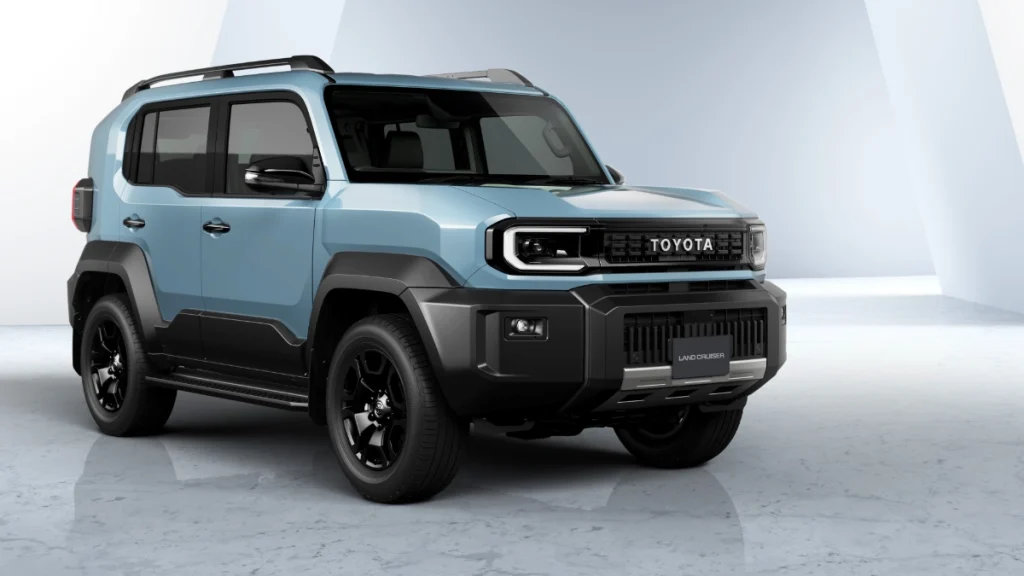
Toyota Land Cruiser is legendary for durability, but in busy areas it often feels out of place because it is large and heavy. The Land Cruiser is built for tough terrain and long-distance capability. Busy areas are the opposite of that environment.
They demand quick low-speed maneuvering, tight turns, and easy parking. Land Cruiser demands space, and busy streets rarely provide it.
The turning circle can feel awkward. In narrow streets, the driver may need multiple adjustments to make turns or U-turns. Parking also becomes difficult because the Land Cruiser’s width reduces margin in tight spots. In cities, margin is comfort. Without margin, everything feels stressful.
Fuel consumption is another issue. Busy areas mean stop-and-go traffic, which increases fuel use. A heavy SUV like Land Cruiser becomes expensive to run in city life. That running cost adds another layer of ownership stress.
I included Land Cruiser because it is one of the best vehicles in the world for the right environment, but a busy city is not that environment. In crowded streets, it feels like a big powerful machine forced into a small space.
Land Cruiser also raises repair anxiety because the vehicle is valuable. City scratches become painful, and that makes drivers more cautious. In busy areas, the Land Cruiser often feels like it does not belong, not because it is weak, but because it is too much vehicle for too little space.
Vehicles that feel natural in busy areas usually share one thing: they reduce effort. In crowded streets, the best cars are compact, easy to place, and smooth at low speeds. Honda Fit works perfectly because it has excellent visibility, a tight turning circle, and stress-free parking ability.
Toyota Yaris Hatchback fits busy roads thanks to its small size, predictable response, and easy maneuvering in tight gaps. Suzuki WagonR feels made for crowded markets because its tall boxy shape improves visibility and its compact footprint makes parking simple.
Hyundai i10 stays comfortable in dense traffic due to light steering, easy control, and smooth creeping behavior. Newer Mini Cooper models feel natural because they are short, agile, and quick to rotate into tight turns and parking spots, while still offering modern parking help.
On the other side, some vehicles feel out of place because they demand space and attention in environments that offer neither. Ford F-150 is too wide and long for most busy streets, making turning and parking stressful.
Chevrolet Suburban magnifies the same problem with even more length and weight. Dodge Challenger looks strong but struggles with visibility and size in tight lanes and small parking spots. The Mercedes-Benz Sprinter van is often simply too tall and long for city comfort, creating parking and manoeuvring problems.
Toyota Land Cruiser is durable but heavy, inefficient, and awkward in crowded streets. In busy areas, smaller, smoother vehicles always feel more natural.
