5 Wagons That Suit City Driving vs 5 That Rarely Do

Published Categorized as Cars No Comments on 5 Wagons That Suit City Driving vs 5 That Rarely Do
2025 Volvo V60
2025 Volvo V60

Wagons are one of the most underrated body styles for city life. In a world obsessed with SUVs, people often forget that wagons can offer the same practicality without the parking stress and fuel waste of larger vehicles.

A good wagon combines the best parts of a hatchback and a sedan. You get a low driving height for stability, a long cargo area for daily errands, and often better handling than tall crossovers. For city drivers, this can be a perfect formula.

The wagon can carry shopping, luggage, pets, and even small furniture items, yet still fit into tight urban spaces better than many SUVs.

But not every wagon suits city driving. Some wagons are simply too long, too low, or too performance-focused for real urban conditions.

Cities demand short turning circles, strong visibility, smooth low-speed response, and durable suspension that can handle potholes and speed bumps. A wagon that is designed mainly for highway comfort may feel clumsy in downtown parking garages.

A wagon with a stiff sporty suspension may feel rough on broken roads. A wagon with a powerful engine may burn fuel heavily in stop-and-go traffic.

Even worse, wagons that are rare can become difficult to maintain, with limited parts availability and expensive repairs. In cities, where you want quick fixes and affordable upkeep, that becomes a major disadvantage.

This article compares two groups. First, five wagons that suit city driving because they offer practicality without stress. These wagons handle tight streets, parking spots, and daily traffic comfortably while still giving you that extra cargo flexibility wagons are loved for.

Then, five wagons that rarely suit city driving, not because wagons are bad, but because these specific models tend to be too large, too sensitive, too expensive, or too demanding for urban use.

I am writing this because wagons can be a city driver’s secret weapon, but only when you choose the right one. The wrong wagon can feel like a long, fragile, expensive vehicle that is constantly at risk on city streets. The right wagon feels like a smart upgrade from a sedan without the compromises of an SUV.

Also Read: 5 Cars for Eagan Suburban Commuting and 5 Winter-Capable Models

5 Wagons That Suit City Driving

City driving is about space management. You manage tight roads, tight parking, and tight time schedules. That is why the best city vehicles are the ones that deliver practicality without demanding extra room.

Wagons can be perfect for this because they offer cargo space without the tall bulk of SUVs. Many wagons are based on sedan platforms, which means they handle like cars.

They feel stable in traffic, easier to steer, and more predictable in lane changes. For city drivers, that matters because urban traffic rewards stability and quick response.

A wagon that suits city driving needs a balanced footprint. It should be long enough to carry cargo, but not so long that parking becomes stressful. It should have light steering, a reasonable turning circle, and good visibility.

It should also have suspension tuning that can tolerate rough city roads. Cities punish low cars, especially those with stiff suspensions. The best wagons for city use avoid being too low or too fragile. They can handle speed bumps and potholes without scraping constantly.

Another important factor is daily usability. City cars are used like tools. You load groceries, school bags, and shopping. You open doors constantly. You squeeze into parking spaces and garages. A wagon has to survive that life.

It should have easy-to-clean interiors, durable trim, and simple maintenance. If a wagon is rare or overly premium, it may become expensive and complicated to repair. In a city, that turns practicality into a headache.

I am writing this section because wagons deserve more attention in urban life. Many people buy SUVs because they want cargo room, but they end up suffering through parking stress, fuel waste, and bulky handling.

A good wagon delivers most of that practicality while staying easier to drive in a city environment. The five wagons below are selected because they balance cargo usefulness, city maneuverability, comfort, and real-world ownership ease. Now let us get into five wagons that genuinely suit city driving.

1) Subaru Outback

Subaru Outback is one of the most city-friendly wagons because it offers wagon practicality with crossover confidence. In city life, roads are not always smooth. Potholes, uneven pavement, and steep driveway angles can punish low vehicles.

Outback’s ground clearance helps it survive city conditions better than many wagons. You get the cargo space and long roofline, but you do not constantly worry about scraping underneath.

Outback is also forgiving in traffic. Its driving position gives good visibility, and that matters in dense city lanes filled with scooters, pedestrians, and sudden movement. A wagon that allows you to see clearly reduces stress. Outback’s steering is not overly heavy, and low-speed maneuvering feels manageable for its size.

Another reason it suits city driving is stability. Wagons generally handle better than SUVs because they sit lower. Outback keeps that wagon stability but adds a rugged feel that works well in rough urban conditions.

If you live in a city with broken roads, Outback can feel like the perfect compromise between car handling and SUV toughness.

Subaru Outback
Subaru Outback

I am including Outback because it is one of the few wagons that feels built for daily life rather than niche enjoyment. It can carry errands and luggage easily, handle poor roads, and still remain comfortable in traffic.

It is not the smallest vehicle, but its design makes it practical in a way many SUVs fail to be. For city drivers who want wagon space without feeling fragile, Outback is one of the best choices.

2) Volkswagen Golf SportWagen

Volkswagen Golf SportWagen is one of the most natural city wagons because it feels compact and agile while still giving useful cargo space. It is essentially a Golf hatchback stretched into a wagon form, which means it keeps the maneuverability of a small car.

In city driving, that compact footprint is a major advantage. Parking is easier, and the wagon shape gives practicality without demanding SUV-level space.

The Golf SportWagen also handles city roads well. Its suspension is usually tuned for comfort, and the car feels stable and controlled in traffic. Steering response is quick enough for tight streets, and the car feels easy to place in a lane. This matters because city driving is constant lane adjustment and space judging.

Cargo usefulness is another reason it suits the city. Many city drivers do not need a full SUV. They need enough space for groceries, luggage, or weekend shopping. SportWagen provides that without becoming bulky. It is the kind of vehicle that fits urban parking yet still handles daily practicality needs.
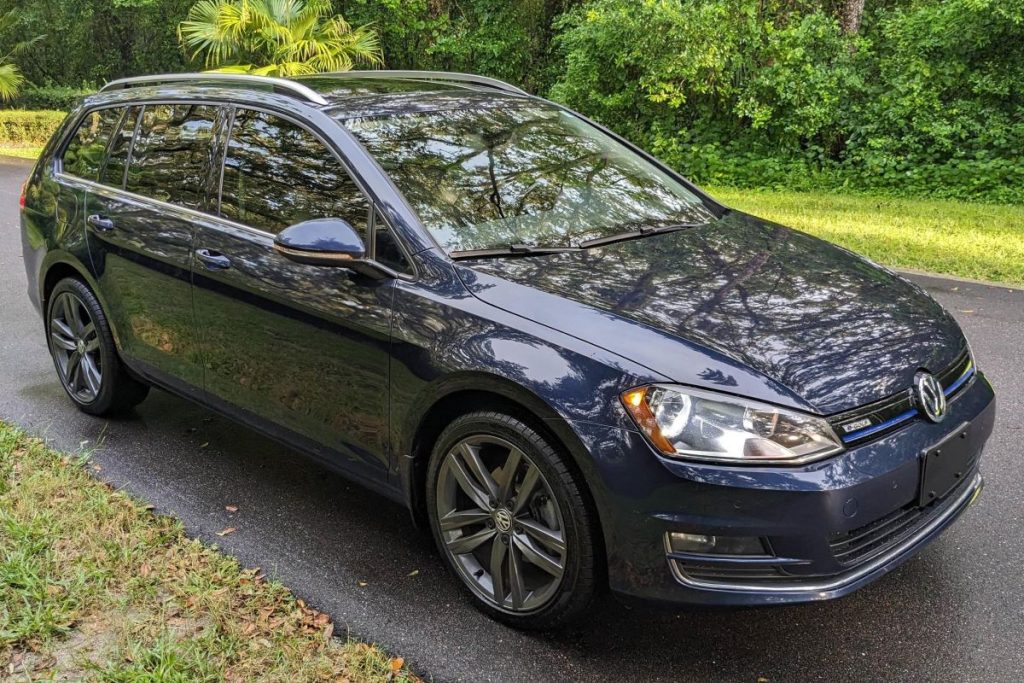
Volkswagen Golf SportWagen

I included Golf SportWagen because it shows why wagons can be better than SUVs for city life. It stays low and efficient, it feels agile, and it still provides more cargo flexibility than a sedan. For people who want city comfort with extra practicality, SportWagen is a smart option that does not punish the driver.

3) Toyota Corolla Wagon (Touring)

Toyota Corolla Wagon (Touring) is city-friendly because it combines wagon practicality with Toyota’s famous reliability and low ownership stress. In cities, reliability matters because you cannot afford downtime.

Corolla-based vehicles are known for predictable maintenance and strong durability in traffic. That makes this wagon especially suitable for daily urban use.

Its size is also well balanced. It offers extra cargo space compared to a standard Corolla, but it still feels compact enough for city parking. Many wagons become too long and awkward. Corolla Wagon keeps the footprint manageable, which helps in parking garages and narrow streets.

The driving feel is smooth. In city stop-and-go traffic, smoothness matters more than speed. Corolla Wagon tends to deliver calm low-speed behavior, making it easy for daily commuting. It does not feel jerky or demanding.

I included Corolla Wagon because it represents practical wagon ownership without luxury complexity. It gives space, reliability, and easy service support.
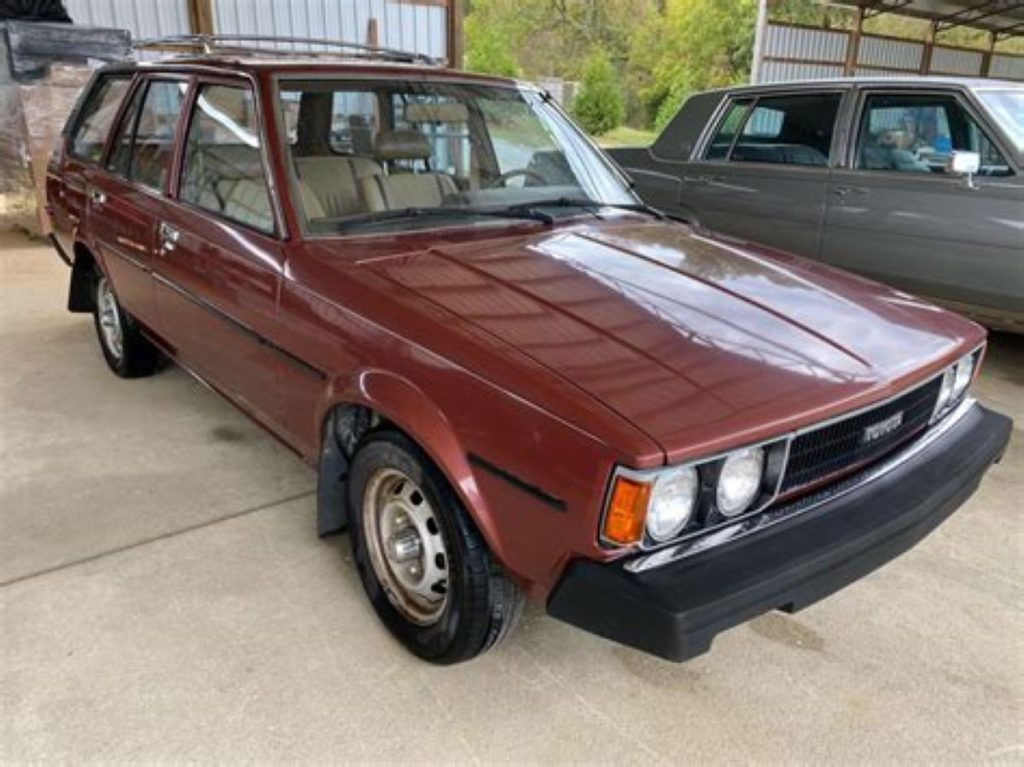
Toyota Corolla Wagon

For a city driver, this means fewer headaches and more predictable daily use. It is a wagon that behaves like a simple tool, not a complicated lifestyle product. That simplicity is what makes it perfect for cities.

4) Skoda Octavia Combi

Skoda Octavia Combi suits city driving because it offers wagon practicality in a manageable and well-designed package. It is not tiny, but it is shaped in a way that makes it easier to use daily. It has good visibility and a cabin designed for everyday practicality, which matters in cities where you constantly get in and out of the car.

The Octavia Combi also balances comfort and control. Urban roads can be rough, and a wagon with decent suspension tuning helps reduce daily fatigue. The Octavia usually feels stable over bumps, and it handles traffic smoothly. Parking becomes easier because it is not excessively wide, and the steering response is generally predictable.

Cargo space is excellent, making it useful for city families. Many people buy SUVs for this reason, but Octavia Combi provides similar practicality without tall bulky handling. This makes it easier to park and easier to maneuver through tight areas.
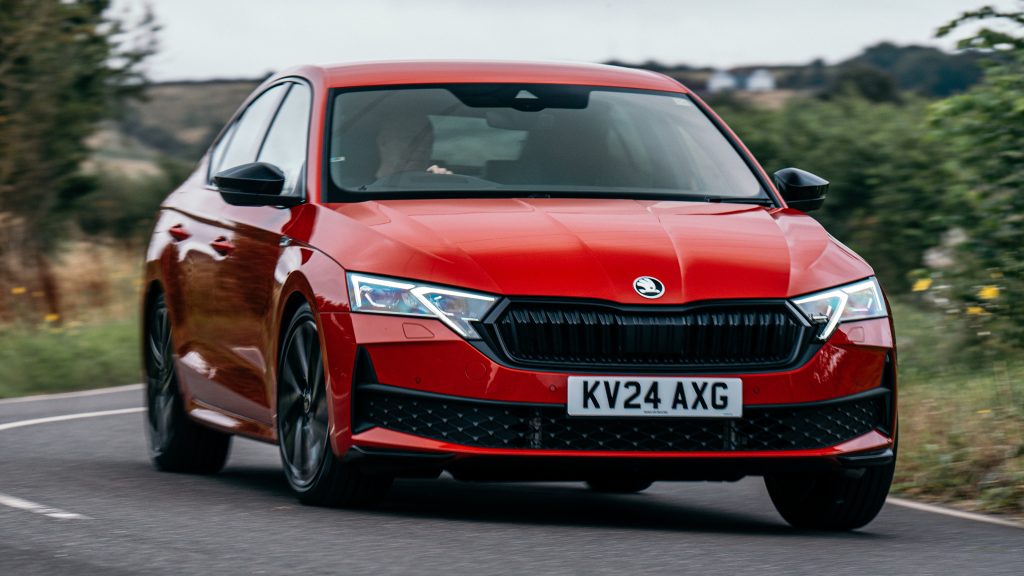
Skoda Octavia
Skoda Octavia

I am writing about Octavia Combi because it represents one of the smartest urban wagon choices for people who want space and comfort without SUV disadvantages. It is practical, efficient, and still feels city-usable. For those who want a wagon that works daily, it fits the environment well.

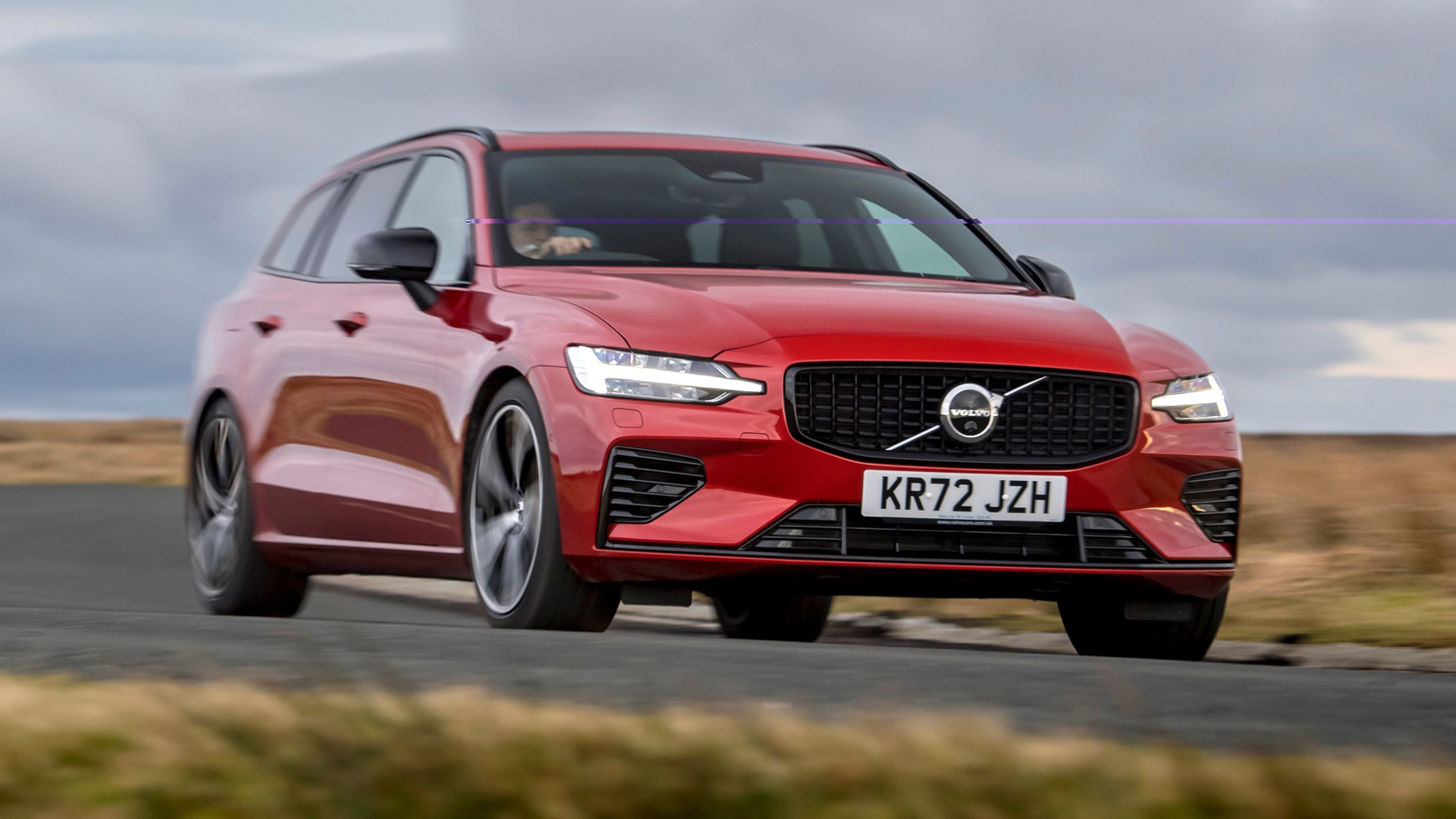
5) Volvo V60

Volvo V60 is a premium wagon that still suits city life because it blends comfort, safety, and reasonable maneuverability. Many premium cars become stressful in cities because repairs are expensive and size is inconvenient.

V60 avoids some of that by being a wagon that is not oversized. It feels practical in a city while still offering premium comfort.

The cabin comfort is a big advantage in urban traffic. City driving is tiring, and V60 makes it calmer with a quiet interior and smooth ride. The wagon layout gives useful cargo space for errands, yet the driving feel stays car-like rather than SUV-like.

Visibility and safety systems also make it forgiving in cities. Volvo is known for strong safety focus, and that helps in an environment filled with unpredictable movement. Parking support features and good seating position reduce stress.
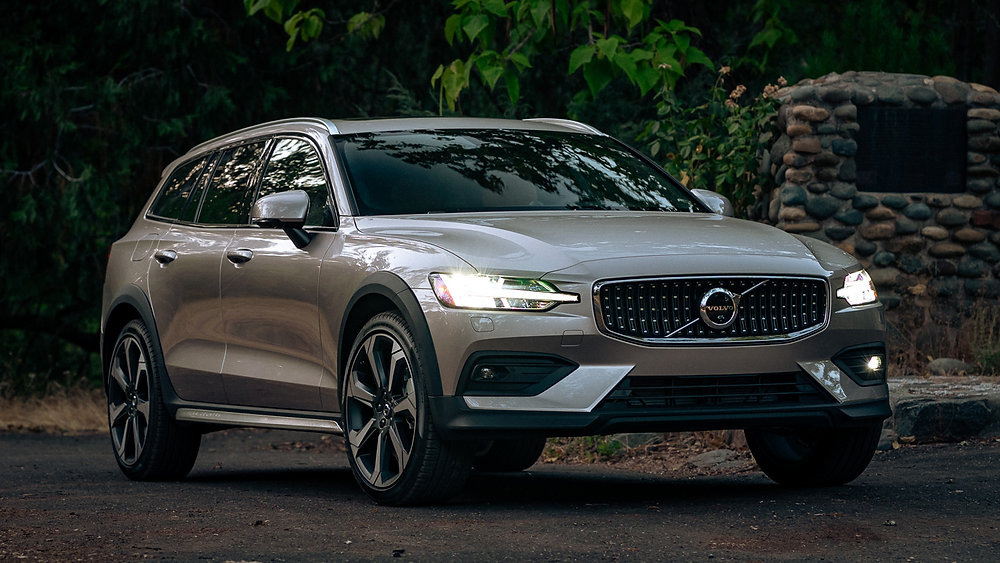
2025 Volvo V60
Volvo V60

I included Volvo V60 because it shows that a wagon can be premium without becoming urban-unfriendly. It suits city drivers who want comfort and space but still need a vehicle that fits downtown life. It is a smart wagon for city commuters who want the practicality of a wagon with the calmness of a luxury car.
5 Wagons That Rarely Do

Not every wagon works well in a city, even though wagons are supposed to be practical. City driving is a unique environment. You are constantly turning, braking, reversing, creeping forward, and squeezing into tight gaps.

A wagon that is too long, too low, or too performance-focused can become frustrating quickly. In fact, some wagons become harder to live with than SUVs because they combine a long body with low clearance.

That means they may scrape on steep ramps and speed bumps, struggle in tight parking garages, and require more careful planning when navigating broken city roads.

Another reason some wagons rarely suit city life is visibility and stress. Many long premium wagons are expensive to repair, so every minor scratch or curb scrape becomes emotionally painful. In cities, minor damage happens frequently.

Door dings, bumper scratches, and wheel scuffs are almost unavoidable. If the wagon has costly body panels, complex electronics, or rare parts, it becomes stressful ownership. You do not want to drive something that feels fragile when your environment is chaotic.

Wagons that are built mainly for highway comfort can also struggle in cities because they feel bulky at low speed. Long wheelbases increase turning radius, which makes U-turns, parking maneuvers, and tight garage turns harder.

A wagon might handle beautifully at speed, but in a city what matters is how easily it rotates and how confidently it fits into small spaces.

Some wagons also come with performance drivetrains that dislike stop-and-go traffic. Powerful turbo engines, sporty suspension setups, and complex transmissions can age faster under city stress. These wagons feel fantastic as weekend touring machines, but as daily city tools they often become overkill and expensive.

I am writing this section to highlight wagons that rarely suit city driving, not because they are bad wagons, but because their design priorities do not match urban reality.

These vehicles often shine on open roads but become demanding and inconvenient in the city. Now let us look at five wagons that commonly feel like the wrong fit for daily urban use.

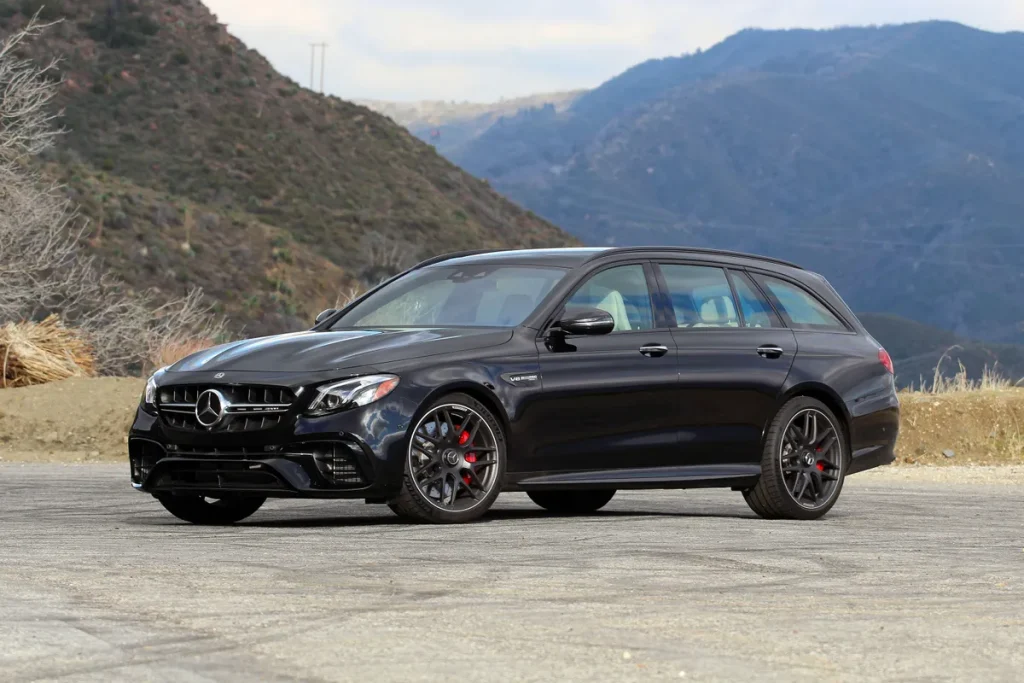
1) Mercedes-Benz E63 AMG Wagon

Mercedes-Benz E63 AMG Wagon is one of the most powerful wagons ever made, but power does not equal city friendliness. In fact, this wagon rarely suits city driving because its strengths are built for open roads, not tight streets.

The E63 is wide and long, and in a city environment that creates constant parking stress. Many city spots are not designed for vehicles with this footprint, and the wagon’s value makes every maneuver feel high-stakes.

One major issue is repair anxiety. In cities, scratches and wheel scuffs are common. But on an E63 AMG Wagon, even minor cosmetic damage can be expensive.

The car’s premium body panels, advanced lighting, and performance components make repairs costly. This changes the entire ownership mindset. Instead of feeling relaxed, you feel protective. That protectiveness makes city driving tiring.

The drivetrain also makes it less city-friendly. The E63’s power is thrilling, but in stop-and-go traffic it becomes unnecessary and sometimes frustrating.

Throttle sensitivity can feel heavy, and creeping smoothly may require extra control. In a busy city lane, where you want gentle smooth movement, a high-performance wagon can feel like too much.

Suspension tuning is another factor. Performance wagons often have firmer setups to handle speed. That firmness can feel harsh on potholes and broken city roads. Over time, it can lead to faster wear and more rattles.

Mercedes Benz E63 AMG Wagon

I included E63 AMG Wagon because it represents the ultimate “wrong daily tool.” It is a dream for highways and enthusiasts, but in the city it becomes a demanding, expensive object you constantly worry about. City life needs simplicity and forgiveness, and this wagon rarely provides that.

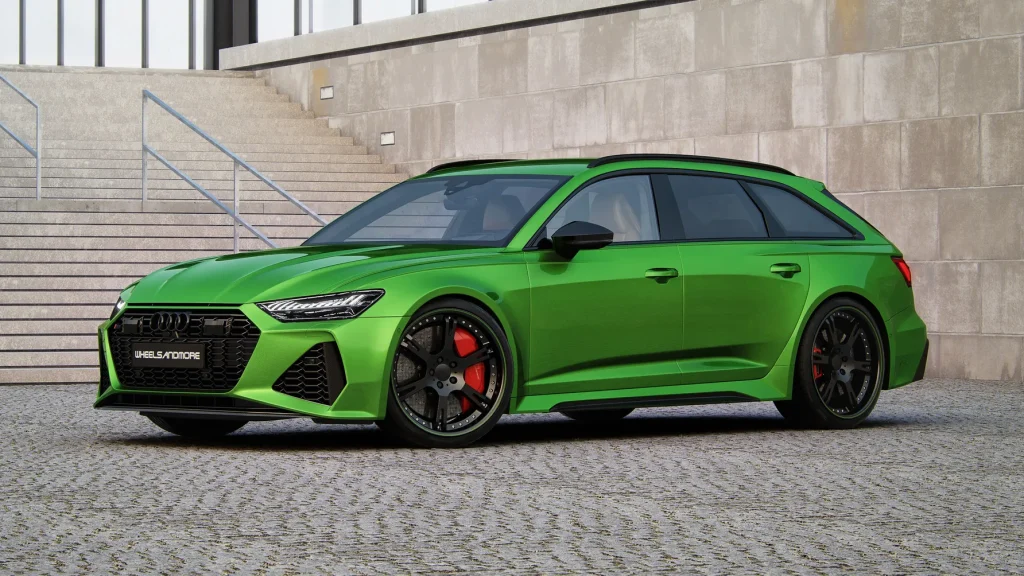
2) Audi RS6 Avant

Audi RS6 Avant is an icon, but it rarely suits city driving because it is a performance monster disguised as a family wagon. In a city, the RS6’s width and aggressive stance make maneuvering stressful. Parking garages often feel too narrow.

Tight lanes feel uncomfortable. The wagon may fit physically, but it does not feel relaxed. It feels like you are always guarding the wheels and body.

The RS6 also has expensive consequences. City driving increases the chance of curb rash, bumper scratches, and door dings. On a normal wagon, that is annoying. On an RS6, it is financially painful. The car’s wheels, brakes, and bodywork are premium-level expensive. That cost makes every city maneuver emotionally heavier.

Low-speed behavior is another issue. The RS6 is designed for performance, and performance vehicles sometimes feel less smooth in crawling traffic compared to normal wagons. The powertrain wants to move quickly, but city traffic demands gentle creeping. That mismatch creates discomfort, especially for daily commuting.

The suspension and performance setup also make potholes more dangerous. Cities punish low-profile tires. A pothole that barely bothers a normal wagon can damage tires or wheels on a performance Avant. That increases stress and cost.

Audi RS6 Avant C8
Audi RS6 Avant

I included RS6 Avant because it is the perfect example of “amazing wagon, wrong environment.” It shines on highways and open roads where its performance can breathe. In cities, it becomes a vehicle that feels too expensive, too wide, and too sensitive for daily grind. It is more trophy than tool in urban life.

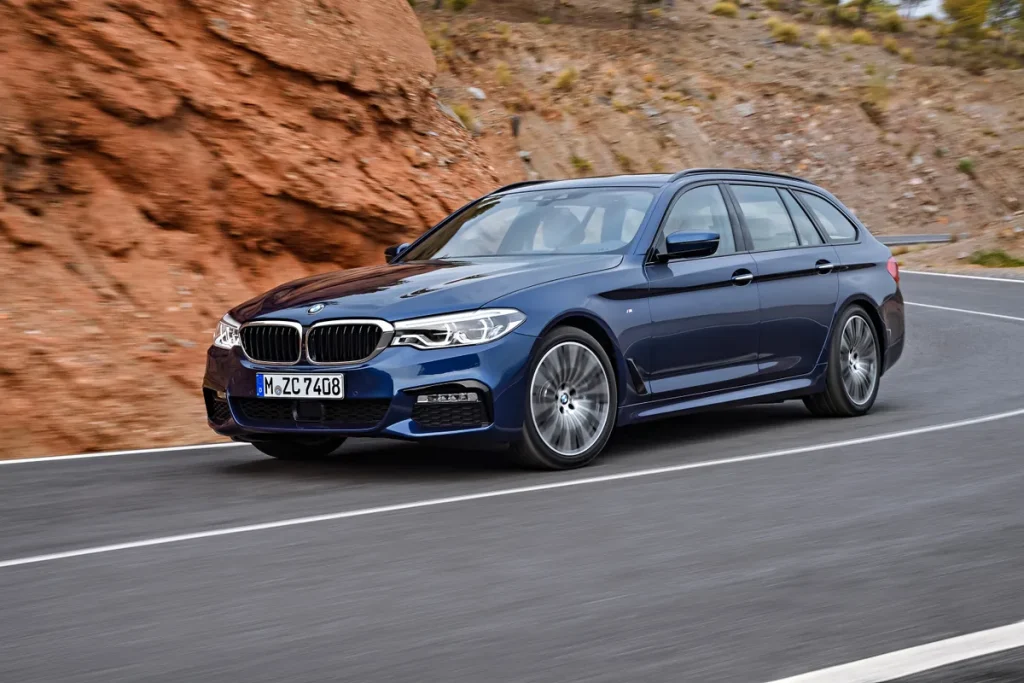
3) BMW 5 Series Touring (Older High-Mileage Units)

BMW 5 Series Touring is elegant and practical, but older high-mileage units rarely suit city driving because of maintenance complexity and aging sensitivity.

City driving accelerates wear. Stop-and-go traffic stresses transmissions, short trips stress engines, and potholes punish suspension. Older premium wagons often show these weaknesses quickly.

The 5 Series Touring is long, which already makes parking harder in crowded downtown areas. Its turning circle can feel larger than smaller wagons, forcing more adjustments in parking garages and narrow lanes. But the bigger issue is what happens as it ages.

Older BMWs can develop sensor faults, warning lights, and small electrical issues that keep repeating. These do not always stop the car, but they create constant workshop visits. City owners have less tolerance for repeated servicing because they depend on their vehicles daily.

Suspension wear is another major issue in urban use. BMW tuning is designed for sharp handling. That means tighter suspension components.

On broken city roads, those components wear faster, leading to vibrations, noise, and the loss of refinement. Once that refinement is gone, the car feels tired and stressful.

BMW 5 Series Touring

I included older high-mileage BMW 5 Series Touring because many buyers assume wagons are practical used purchases. But older premium wagons are not always practical in a city. They can become expensive projects instead of easy tools.

In city ownership, the need for simplicity is high, and older Touring models often fail that simplicity test.

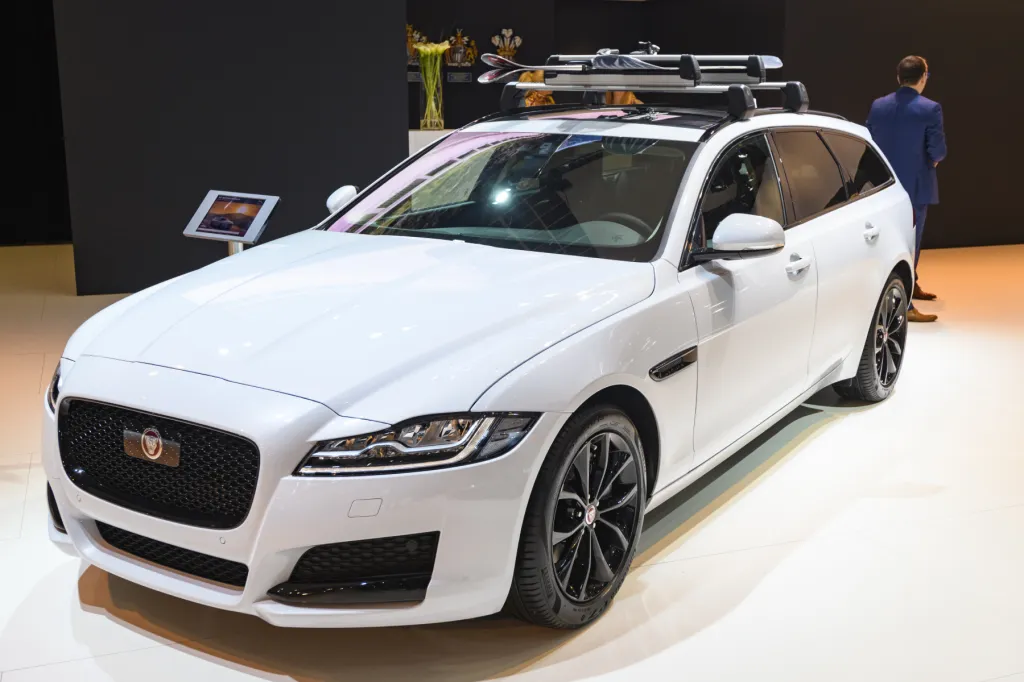
4) Jaguar XF Sportbrake

Jaguar XF Sportbrake is rare and stylish, but rarity is exactly why it rarely suits city driving. In cities, practicality is not only about cargo space, it is about repair ease.

A rare wagon with limited parts availability becomes stressful ownership. If something breaks, repairs may take longer and cost more. City drivers need quick solutions, not long waiting periods.

The XF Sportbrake is also premium, which increases cosmetic repair anxiety. In a city, minor scratches happen. With a Jaguar, those scratches feel expensive and emotionally painful. You start avoiding tight parking areas. You park far away. The car begins to control your behavior rather than supporting it.

Urban driving also includes potholes and rough surfaces, and premium wagons often use larger wheels and sportier tires. This makes them more vulnerable to wheel damage. The suspension may also be tuned for a more sporty feel, which can become harsh on broken urban roads.

2018–2020 Jaguar XF Sportbrake
Jaguar XF Sportbrake

I included Jaguar XF Sportbrake because it represents a wagon that is beautiful but not practical in daily city reality.

It is best for drivers who want something unique and who can accept higher repair complexity. But for typical urban daily use, the combination of rarity, premium repair costs, and sensitivity makes it a difficult city tool.

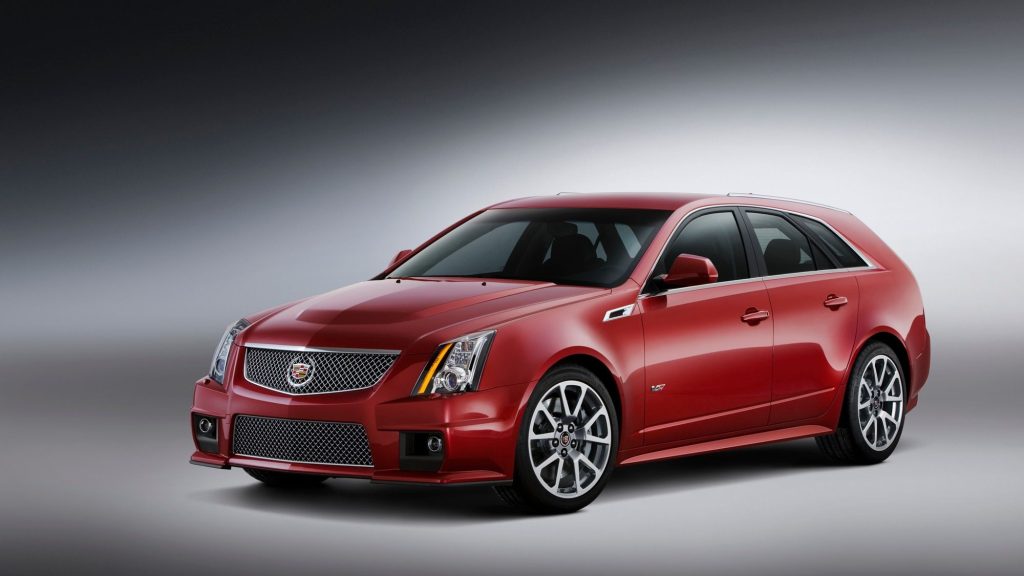
5) Cadillac CTS-V Wagon

Cadillac CTS-V Wagon is legendary, but it rarely suits city driving because it is extreme. It is powerful, wide, and aggressive, and cities do not reward that. Cities reward smoothness and maneuverability. The CTS-V Wagon is built for performance, which means its size and behavior are not ideal for tight urban spaces.

Parking becomes stressful because of the car’s width and value. Many city spaces are narrow, and the risk of curb rash or bumper scratches becomes high.

The wagon’s performance tires and wheels are expensive, and low-profile setups are vulnerable to pothole damage. Cities are full of potholes, which makes this wagon a high-risk daily tool.

Low-speed behavior can also be less forgiving. High-performance wagons often have sensitive throttles and firm brakes. In city crawling, that sensitivity can make smooth movement harder. It demands a careful foot, and careful constant control becomes exhausting over time.

Cadillac CTS-V Wagon

I included CTS-V Wagon because it is an enthusiast dream but a city stress machine. It shines in open-road driving where its power and handling can be enjoyed.

But in the city, where you spend more time parking than accelerating, it becomes inconvenient, expensive, and demanding. For daily urban life, it rarely makes practical sense.

Wagons can be perfect for city driving because they offer SUV-like cargo usefulness without the bulky height and parking stress. The wagons that suit cities best are the ones that balance space with maneuverability, visibility, comfort, and durability.

Subaru Outback works well because it handles rough roads and steep ramps without scraping, while still offering wagon practicality. Volkswagen Golf SportWagen suits cities due to its compact footprint, tight handling feel, and easy parking behavior.

Toyota Corolla Wagon (Touring) fits urban life because it combines wagon space with Toyota-level reliability and low-stress maintenance.

Skoda Octavia Combi brings a smart mix of space and usability without feeling oversized. Volvo V60 adds premium comfort and safety while still remaining manageable for daily city traffic.

On the other side, some wagons rarely suit city life because they are too long, too expensive, too stiff, or too sensitive for urban chaos. Mercedes E63 AMG Wagon and Audi RS6 Avant are thrilling but wide and costly to repair, making every parking situation stressful.

Older BMW 5 Series Touring can become maintenance-heavy under urban wear. Jaguar XF Sportbrake’s rarity can complicate repairs and parts availability. Cadillac CTS-V Wagon is exciting but too extreme and vulnerable for pothole-heavy daily city driving.

Mark Jacob

By Mark Jacob

Mark Jacob covers the business, strategy, and innovation driving the auto industry forward. At Dax Street, he dives into market trends, brand moves, and the future of mobility with a sharp analytical edge. From EV rollouts to legacy automaker pivots, Mark breaks down complex shifts in a way that’s accessible and insightful.

Leave a comment

Your email address will not be published. Required fields are marked *