
City driving is not only about traffic. It is about pressure. Tight roads, narrow parking spaces, pedestrians crossing without warning, scooters sliding past mirrors, delivery trucks blocking lanes, and impatient drivers honking behind you while you try to reverse into a small spot.
In this environment, the best vehicle is not necessarily the fastest or most luxurious. It is the one that forgives mistakes. A forgiving vehicle helps you stay calm, makes daily driving smoother, and reduces the risk of small accidents that become big expenses.
Some vehicles are naturally forgiving because of size, visibility, steering, and low-speed control. They have tight turning circles, light steering, and smooth throttle response. They let you creep forward without sudden jerks. They help you judge corners and curbs easily.
They give confidence in parking and lane changes. Many forgiving vehicles also have helpful features like strong rear cameras, parking sensors, hill-hold assist, and predictable braking. But the biggest factor is design. A city-friendly car should feel easy to place on the road, like it fits the environment rather than fighting it.
On the other side, some vehicles are not forgiving at all. They punish small errors because they are wide, long, or have poor visibility. They may have heavy steering, slow response, or awkward turning circles.
Some have sensitive drivetrains that behave poorly in stop-and-go traffic. Others are expensive to repair, so even minor scratches feel painful. In cities, these vehicles can turn daily driving into anxiety. When you feel anxious, you hesitate. When you hesitate, you make mistakes. That is how city driving becomes stressful.
This article compares both categories. First, five vehicles that are forgiving for city drivers and make urban driving feel easier, safer, and less stressful.
Then, five vehicles that are not forgiving, because they are harder to park, harder to judge, more stressful to maneuver, or simply too demanding in crowded environments.
The goal is to help drivers choose vehicles that match real city life, not just dreams. In a city, forgiveness is not comfort. It is survival.
Also Read: 5 Vehicles That Work Well Without Dealership Dependence vs 5 That Don’t
5 Vehicles That Are Forgiving for City Drivers
Forgiving vehicles make city driving feel lighter. They reduce the mental load that comes with crowded streets and tight spaces.
In cities, drivers deal with constant decisions: when to change lanes, how close the curb is, how fast the pedestrian will cross, whether the scooter behind you will overtake, and whether the car in front will brake suddenly.
When you add parking struggles and potholes, city driving becomes exhausting. A forgiving vehicle does not remove the chaos, but it gives the driver control inside the chaos.
Forgiveness comes from a few practical things. First is size and shape. Shorter vehicles fit into small parking spaces and require fewer steering adjustments. Second is visibility. A car with good sightlines helps drivers judge distance accurately.
When you can see clearly, you make fewer mistakes. Third is steering and turning radius. Light steering and tight turning help you rotate in small lanes and parking garages. Fourth is smooth low-speed behavior. Many cars feel fine at speed but behave awkwardly at slow creeping speeds. In cities, slow control is everything.
Technology also adds forgiveness, but only when it works well. Rear cameras, parking sensors, 360-degree views, hill start assist, and blind-spot warnings reduce risk. But even without advanced features, a well-designed vehicle can still feel forgiving because it responds predictably and does not surprise the driver.
I am writing this section because not every city driver is an expert. Many are beginners, many drive under stress, and many do not want daily pressure. A forgiving vehicle makes you feel confident instead of nervous.
It reduces parking drama, reduces minor accident risk, and makes daily commuting smoother. That is why the five vehicles below are chosen. They are known for being friendly, easy to control, and practical in tight urban life.
Now let us get into five vehicles that genuinely forgive city drivers and make urban life easier.
1) Honda Fit
Honda Fit is one of the most forgiving city cars ever built because it behaves like it was designed for urban streets.
Its compact length makes parking easy, especially parallel parking in tight downtown spots. Many city drivers fear parking more than driving. Fit reduces that fear because it fits into places bigger cars cannot.
Visibility is another huge reason Fit feels forgiving. The upright shape and large window area give the driver a clear view of corners, curbs, and nearby pedestrians. When you can see, you feel confident. Confidence prevents mistakes. Fit’s steering is also light and its turning circle is tight, which makes U-turns and narrow street maneuvers easy.
Fit also has smooth low-speed control. In traffic, you need to creep forward slowly without sudden jumps. Fit behaves predictably. It does not feel like it is fighting your foot movements. That makes it especially good for beginner drivers.

I included Honda Fit because it forgives the things city drivers do every day: slightly imperfect parking, sudden braking, quick lane adjustments, and tight squeezes. The car’s design supports the driver rather than challenging them.
It is practical inside as well, which helps with city errands. Overall, Fit is the type of vehicle that reduces stress, and stress reduction is what makes city ownership easier.
2) Toyota Yaris Hatchback
Toyota Yaris Hatchback is forgiving because it is compact, simple, and easy to place on the road. In cities, the ability to judge your car’s position matters constantly. Yaris is short and narrow enough to fit naturally into tight streets. Parking feels easier because you do not need huge gaps. The vehicle simply fits.
Steering is light and low-speed behavior is smooth, which matters in stop-and-go traffic. Many city mistakes happen at low speed: bumping curbs, reversing poorly, or misjudging gaps. Yaris reduces these risks because it responds predictably and does not feel heavy. It is easy to correct mistakes quickly.
Another forgiving factor is ownership simplicity. City life includes minor scratches and wear. Yaris does not feel like an expensive, fragile machine. If you scrape a wheel or get a small dent, it does not feel like a disaster. That emotional forgiveness matters. A driver who feels less fearful drives more smoothly.
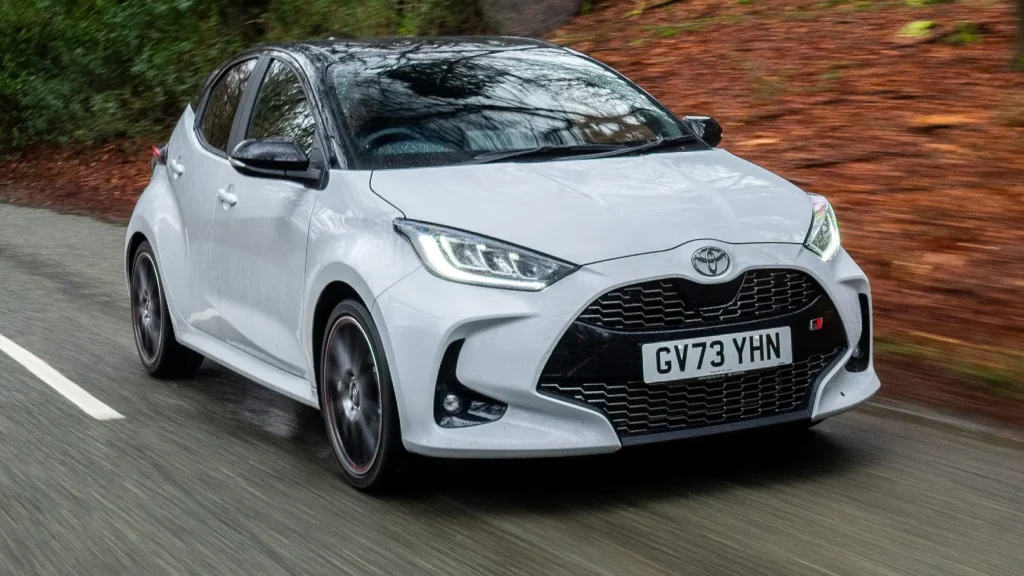
I included Toyota Yaris Hatchback because it is one of the best “relaxed” city vehicles. It gives drivers confidence through simplicity. It does not overwhelm. It helps city drivers handle tight environments without constant tension, and that is the definition of a forgiving vehicle.
3) Hyundai Grand i10
Hyundai Grand i10 is forgiving for city drivers because it is small, light, and easy to control. In many urban areas, roads are narrow, parking spaces are tight, and traffic is crowded. A small hatchback is often the best tool for this environment, and the Grand i10 fits perfectly into that role.
The car’s biggest advantage is maneuverability. It has a tight turning circle and light steering, which makes parking, U-turns, and quick lane adjustments easier. In city driving, you often need to correct your path quickly. A forgiving car lets you correct without stress.
The Grand i10 also has smooth low-speed behavior. It creeps forward gently in traffic, which reduces jerky movement. This matters because jerky movement causes panic in close traffic spaces. When a car feels smooth, the driver feels calm.
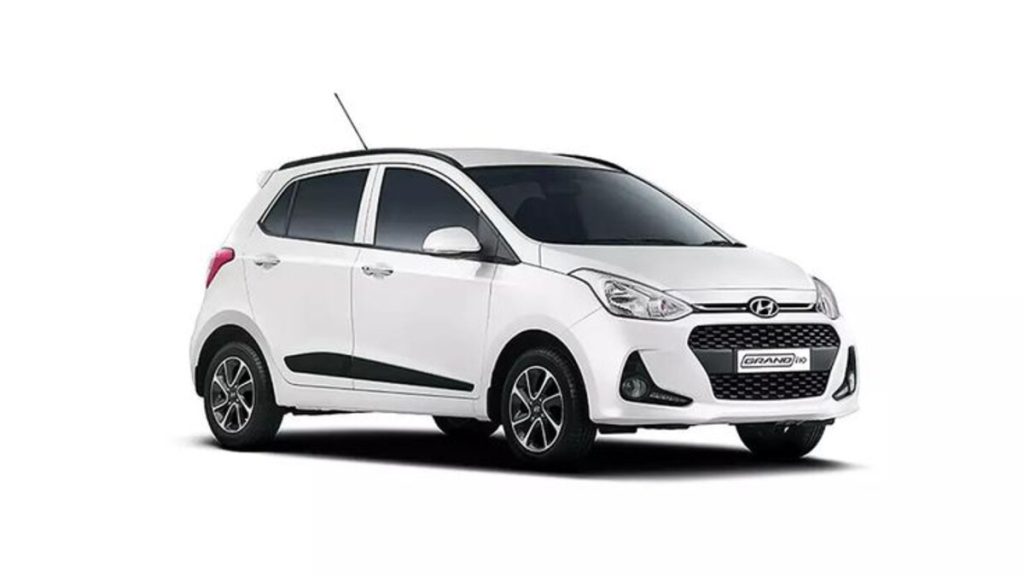
I included the Grand i10 because it is a realistic city car. It does not demand special driving skill. It helps beginners, older drivers, and busy commuters by keeping the driving experience simple.
It forgives mistakes because it is easy to place, easy to park, and easy to handle daily. In urban ownership, that ease is more valuable than power.
4) Maruti Suzuki Swift
Maruti Suzuki Swift is forgiving in city driving because it combines compact size with strong low-speed agility. Swift feels light, and that lightness makes it easier to maneuver in traffic. In crowded streets, heavy cars feel harder to control. Swift feels cooperative, which makes it forgiving.
Visibility is good for its class, and its dimensions make parking simpler. Parallel parking or squeezing into tight spots becomes easier because the car’s length and width are manageable. Drivers do not have to fear tight gaps.
Swift also has a strong service ecosystem and affordable repair costs, which matters because city driving includes small damage risks. A forgiving vehicle is not only forgiving in driving, it is forgiving in ownership. If you get minor scratches or need quick repairs, Swift does not punish you financially.
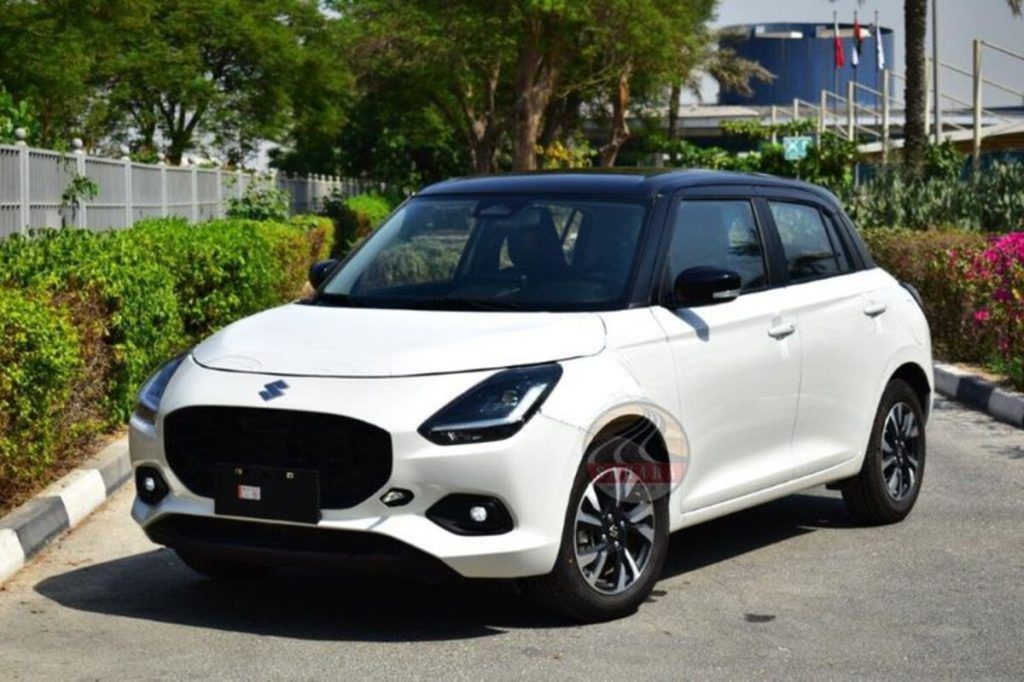
I included Swift because it is one of those cars that feels natural in a city. It turns tight streets into normal streets. It feels responsive without being aggressive, and it supports driver confidence. That makes it an excellent forgiving choice for urban commuters.
5) Kia Soul
Kia Soul is forgiving because its boxy design actually helps city driving. Many cars have sloped roofs and poor sightlines that create blind spots. Soul has an upright cabin that improves visibility. In a city full of pedestrians, bicycles, and close traffic, this extra visibility makes a major difference.
Soul also has manageable dimensions. It is not too long, and its turning behavior is good. Parking is easier because the shape makes it easier to judge the corners. The driver can “feel” where the car ends, which makes reversing and parallel parking less stressful.
Low-speed drivability is also calm. Soul creeps smoothly, and that smoothness makes traffic driving easier. For city drivers, smooth control is forgiveness.
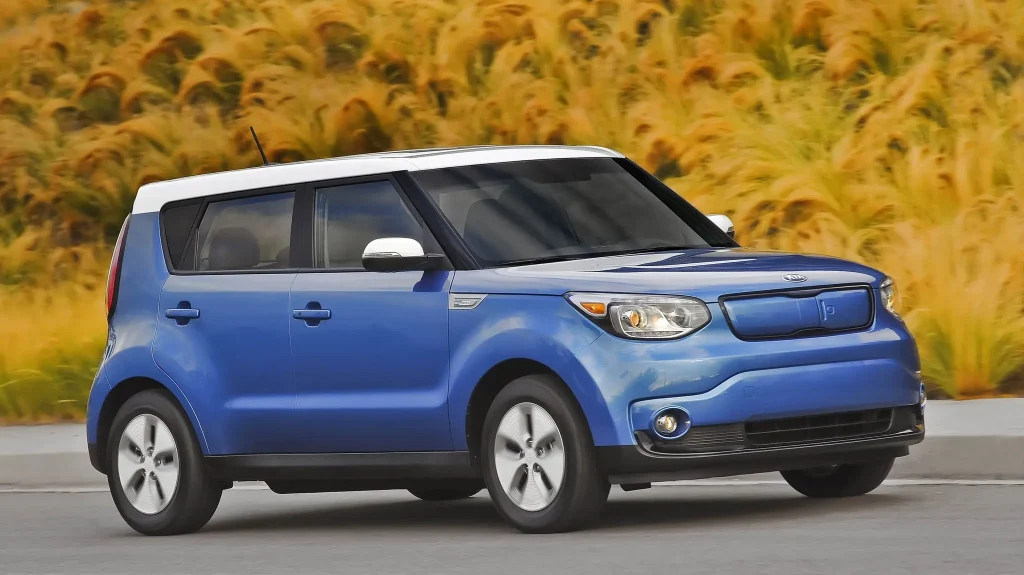
I included Kia Soul because it is a city-friendly crossover-like vehicle without the bulk of large SUVs. It gives drivers a higher seating position, better visibility, and easy maneuverability. It forgives small mistakes and reduces stress, which is why it belongs in the forgiving category.
5 Vehicles That Aren’t Forgiving for City Drivers
Some vehicles punish city drivers instead of supporting them. In an urban environment, driving is already stressful because the space is tight and the pace is unpredictable. You deal with sudden braking, scooters overtaking from both sides, pedestrians crossing late, and parking spaces that are barely bigger than your bumper.
In this setting, a vehicle needs to feel cooperative. It should respond smoothly, steer easily, and fit comfortably into narrow streets. If it does not, every daily drive turns into tension.
Vehicles that are not forgiving usually share a few traits. Many are physically large, which reduces margin everywhere. A wide vehicle makes lane placement harder, and a long vehicle makes parking a constant challenge.
Even if the driver is skilled, the city does not offer room for mistakes. Some cars also have poor visibility, thick pillars, long hoods, or high beltlines. This forces drivers to depend on sensors and cameras, and if those systems are not perfect, anxiety rises.
Another reason some vehicles are unforgiving is drivetrain behavior. City traffic is full of creeping, and certain transmissions or throttle mappings behave badly at low speed.
A vehicle that jerks forward, hesitates, or responds late increases the risk of small bumps. Heavy vehicles also punish braking and turning, because they need more distance and space. When roads are wet or uneven, that can become even more dangerous.
Ownership cost can also make a vehicle feel unforgiving. In cities, scratches and dings happen. If your vehicle is expensive to repair, every parking attempt becomes fear-based. Fear makes driving worse. This is why the most unforgiving city vehicles often combine size, complexity, and high repair cost.
I am writing this section to highlight vehicles that make city life harder. This is not about insulting them. Many are fantastic on highways or open roads. But cities expose their disadvantages every day.
These five vehicles commonly feel stressful in urban conditions because they demand space, attention, and caution constantly.
1) Ford F-150 (Full-Size Pickup)
Ford F-150 is built for hauling, towing, and wide open roads, not for dense urban life. In city driving, it becomes unforgiving mainly because of size. The truck’s length and width reduce your margin in every situation.
Parking becomes a constant challenge because many urban spots simply do not fit a full-size pickup comfortably. Even when the truck fits, it often sticks out slightly, increasing stress and increasing the risk of scratches or bumps from passing traffic.
Turning is another issue. City streets often require sharp turns and quick U-turn decisions. A truck like F-150 needs more space to rotate.
In tight lanes, you may need repeated adjustments, which slows traffic behind you and creates pressure. That pressure makes parking worse. Many drivers start rushing, and rushing is what causes mistakes.
Visibility is mixed. You sit high, which helps you see traffic ahead, but the truck also has larger blind spots and a big body that hides small obstacles near the bumper corners. In city lanes filled with scooters and pedestrians, that becomes stressful. Even with sensors, the physical footprint remains intimidating.
F-150 is also unforgiving because it amplifies consequences. When you make a mistake in a small car, it might be a light scrape. In a large pickup, a misjudgment can lead to a harder impact, higher repair costs, and more damage to other vehicles. That raises anxiety, and anxious driving is rarely smooth driving.
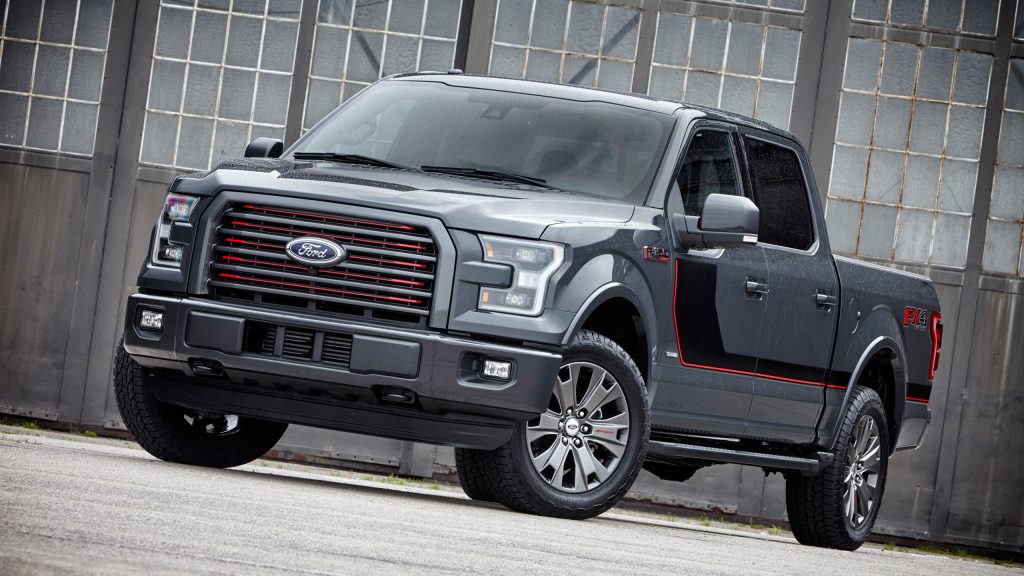
I am including F-150 because it is excellent in the right environment but genuinely difficult in city environments. It demands space that cities do not offer. For daily urban drivers, it turns normal tasks like parking, turning, and tight lane navigation into stressful events.
2) Chevrolet Suburban
Chevrolet Suburban is one of the most unforgiving city vehicles because of its sheer size. It is long, wide, and heavy, and urban driving is all about working within limited space. The Suburban reduces margin everywhere.
Parking spots that fit crossovers may not fit a Suburban at all. Downtown garages often have narrow lanes and tight corners, which forces Suburban drivers to creep slowly and adjust repeatedly. That makes every trip feel like extra effort.
Turning circle is another major problem. In city streets, you often need to rotate quickly into side roads, turn around in tight areas, or handle sharp garage ramps. Suburban’s length makes these maneuvers feel awkward.
Many drivers end up doing multi-step turns that block lanes. Blocking lanes leads to honking, pressure, and rushed driving. That is the opposite of forgiveness.
The Suburban also makes braking and spacing more stressful. It is heavy, so you need more distance to stop smoothly. In city traffic, that extra distance is hard to maintain because cars constantly cut in. This increases fatigue because you are always managing space like a defensive driver.
Even minor damage becomes emotionally expensive. A Suburban is a big expensive vehicle, and in cities, minor scratches and dings are common. When repair costs are high, drivers become afraid of tight parking and narrow lanes. That fear makes ownership tiring.
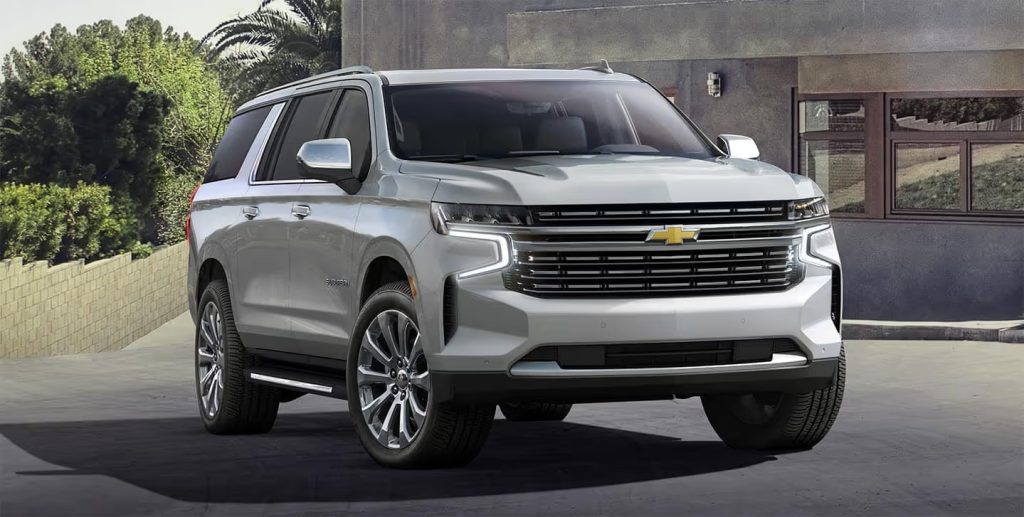
I included Suburban because it is an amazing family highway vehicle, but in the city it becomes a demanding machine. It does not forgive tight spaces or quick mistakes.
It requires constant careful driving, constant planning, and constant awareness. For daily city life, that level of effort makes it one of the least forgiving vehicles.
3) Dodge Challenger
Dodge Challenger is unforgiving in city driving because it is built for style and power, not for visibility and maneuverability. The car is long and wide, which already makes parking harder. Many city parking spots are short.
A long coupe like Challenger needs extra room, and that room often does not exist. So you either avoid tight areas or spend a lot of time searching for larger spots.
Visibility is the bigger problem. Challenger’s design has thick pillars and a low, wide body that creates blind spots. In city lanes filled with scooters, cyclists, and pedestrians, blind spots are dangerous.
It forces the driver to constantly double-check and still feel uncertain. Parking becomes stressful because judging corners and curbs is harder. A car that feels hard to judge is not forgiving.
The driving feel also complicates city ownership. Challenger’s power is fun, but in stop-and-go traffic it can feel like too much. Throttle response can feel heavy, and the car may not be as smooth at crawling speeds as smaller city-focused cars. City driving requires gentle control, and heavy power can make gentle control harder.
Another unforgiving factor is cost. Challenger tires, brakes, and body repairs can be expensive, especially if you scratch bumpers or wheels. In cities, scratches and curb hits are common. If each small mistake costs a lot, the car becomes stressful psychologically.
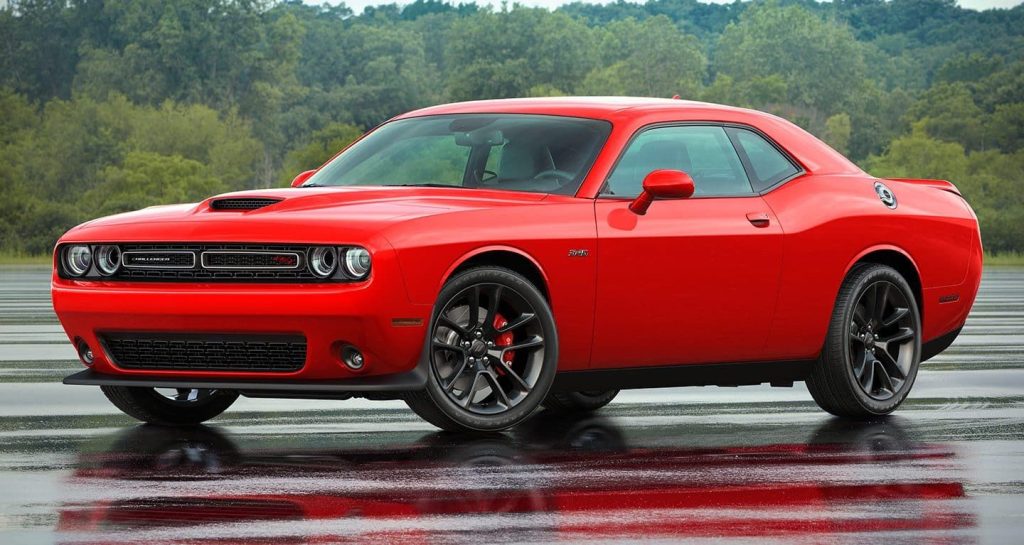
I included Challenger because many people love it emotionally, but cities punish it. It demands space, has limited visibility, and increases stress in parking and traffic. It is a car that rewards open roads, not tight streets. In urban ownership, it does not forgive errors, it magnifies them.
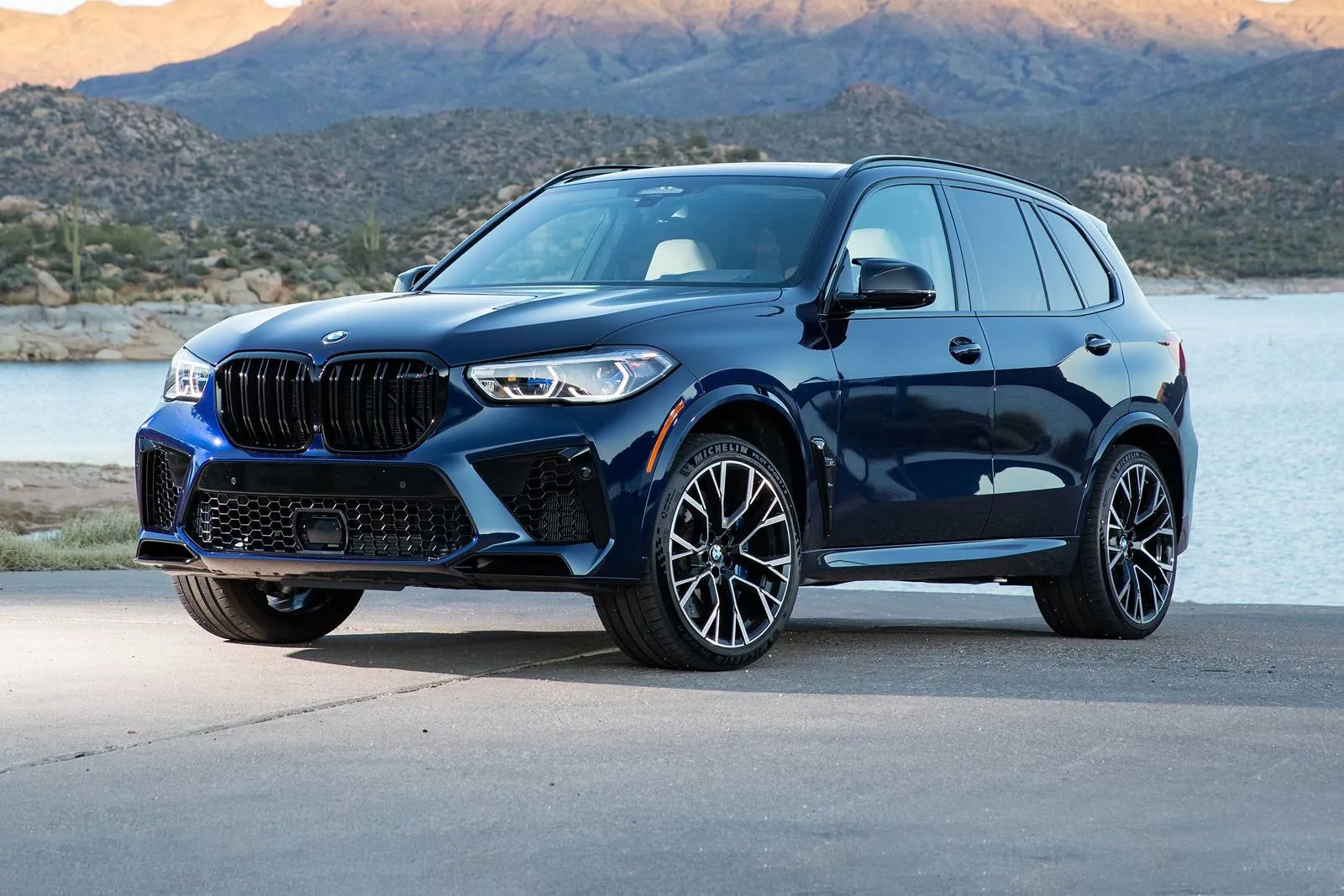
4) BMW X5
BMW X5 is not forgiving in cities because it combines three difficult factors: size, complexity, and expensive consequences. The X5 is wide, which makes tight streets and narrow parking lanes more stressful.
Many city drivers struggle not because they cannot drive, but because they have very little margin. X5 reduces that margin. Parking requires extra care because the vehicle’s width increases the chance of scraping wheels or bumpers.
Visibility is also a challenge. While you sit high, the hood line and body shape can hide obstacles near corners. Many X5 drivers rely heavily on sensors and cameras. That reliance becomes stressful when you drive in chaotic environments full of moving bikes and pedestrians.
The biggest unforgiving factor is repair cost. In cities, small bumps happen. If your vehicle is expensive to repair, every daily maneuver becomes high-stakes. Luxury bumpers with sensors and advanced systems cost more.
A simple parking scrape can become a costly bill. That makes the owner overly cautious, and overly cautious driving in cities can be exhausting.
The complexity also affects reliability perception. When warning lights appear, owners often need specialized service. That means more time, more money, and more frustration. In cities, time matters. A vehicle that demands extra service attention complicates life.
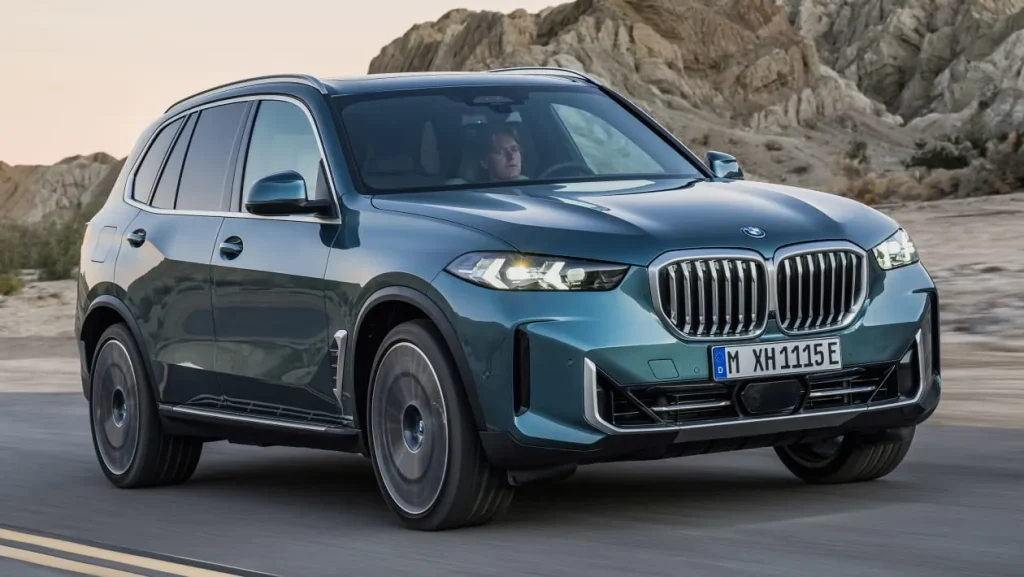
I included BMW X5 because it is excellent in comfort and performance, but for city drivers it can feel like an anxious ownership experience.
The car does not forgive small errors because consequences are expensive. It requires careful parking, careful navigation, and careful long-term maintenance. That constant carefulness is what makes it unforgiving.
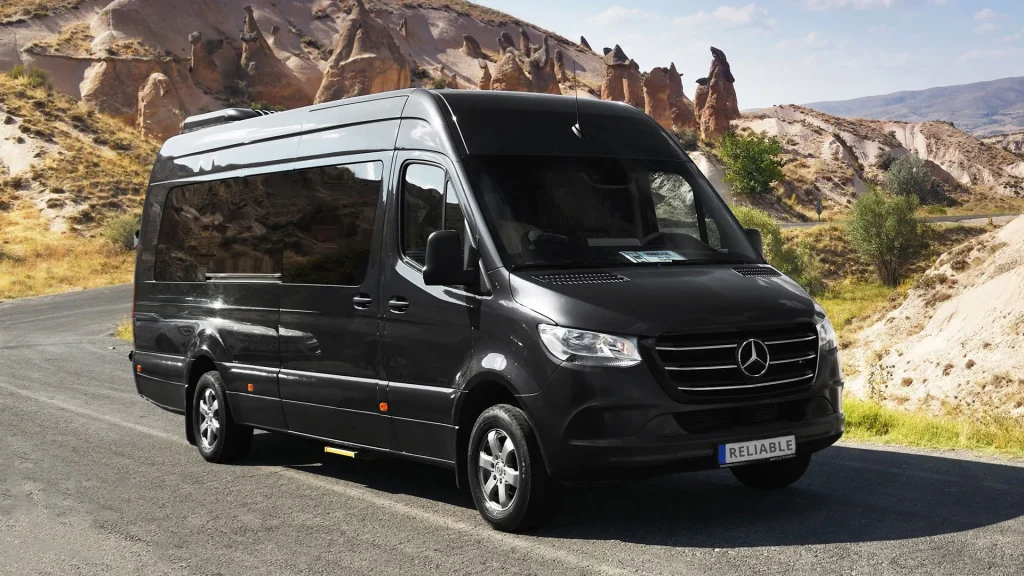
5) Mercedes-Benz Sprinter Van
Mercedes-Benz Sprinter van is one of the least forgiving vehicles in city environments because it is simply too large for urban convenience. Sprinter is built for cargo and business utility.
City streets are often narrow, and many lanes are filled with parked cars, delivery vehicles, and pedestrians. In this environment, a long tall van becomes stressful to maneuver. Even turning into side streets can feel awkward because the van needs more turning space.
Parking is the biggest issue. Many downtown garages cannot even accept Sprinter due to height restrictions. Street parking also becomes extremely difficult because you need a long spot that is rarely available.
Even when you find a spot, parallel parking a van demands high skill and adds pressure because traffic builds behind you quickly.
Visibility is complicated too. While you sit high, the length and body shape create huge blind zones. The rear view is limited, and reversing becomes a serious task. Small mistakes in a large van can cause bigger impacts. That is why city van driving demands constant caution.
Sprinter also complicates daily driving because it feels heavy. Braking distances are longer, acceleration is slower, and the vehicle’s size forces you to plan maneuvers earlier. In a fast-moving city environment, needing extra time is a disadvantage.
I included Sprinter because it is a fantastic work vehicle but not a forgiving city vehicle. It does not match urban space. It demands planning, space, and patience every day. For most city drivers, that is the definition of unforgiving ownership.
City driving rewards vehicles that reduce pressure, and punishes those that increase it. The forgiving vehicles in this article work well because they fit the city’s tight spaces and unpredictable movement.
They are compact, easy to judge, and simple to maneuver. Honda Fit, Toyota Yaris Hatchback, Hyundai Grand i10, Maruti Suzuki Swift, and Kia Soul help city drivers stay calm with light steering, tight turning circles, good visibility, and smooth low-speed control.
They also keep ownership stress lower because repairs and minor scratches do not feel financially disastrous.
On the other side, unforgiving vehicles make every city task harder. Ford F-150 and Chevrolet Suburban demand space that cities rarely provide, turning parking and turning into stressful events.
Dodge Challenger adds poor visibility and wide dimensions, making mistakes easier. BMW X5 complicates city life through expensive repair consequences and high complexity.
The Mercedes-Benz Sprinter van is simply too large for most urban environments, making parking and maneuvering exhausting. In cities, the best vehicle is the one that forgives your daily imperfections.
Also Read: 5 Cars That Work for New York Street Parking vs 5 That Constantly Get Scraped
