5 Cars That Stay Reliable in City Traffic vs 5 With Common Urban Wear Issues

Published Categorized as Cars No Comments on 5 Cars That Stay Reliable in City Traffic vs 5 With Common Urban Wear Issues
Jeep Compass
Jeep Compass

City traffic is the ultimate reliability test because it creates the kind of wear that feels small but happens constantly. In stop-and-go congestion, a car does not get the smooth flow of highway cruising.

Instead, it faces repeated heat cycles, constant low-speed acceleration, endless braking, short trips, idling at signals, and frequent steering input. Over time, this environment exposes weak engineering faster than anything else.

That is why two cars that seem similar in a showroom can behave completely differently after two years of city life. One keeps running quietly with minimal trouble. The other begins showing warning lights, rattles, early brake wear, transmission hesitation, or constant suspension noise.

Urban reliability is not only about whether the engine survives. It is also about whether the car stays stable and hassle-free in daily use. In city conditions, cooling systems matter because engines spend time idling in heat.

Transmissions matter because they shift constantly at low speeds. Suspensions matter because potholes and speed breakers hit daily. Brakes matter because they are used far more often than in highway driving.

Batteries matter because short trips and repeated starts weaken them. Even small electronics matter because vibration and heat can trigger sensor issues.

This article compares two groups. The first group includes five cars that stay reliable in city traffic. These models are known for handling stop-and-go life without frequent surprises. They are built with proven drivetrains, predictable maintenance needs, and the kind of durability that works under city stress.

The second group includes five cars with common urban wear issues. These vehicles may still be attractive for design, performance, or features, but in cities they often suffer more frequent wear, higher repair needs, or faster decline in smoothness.

I am writing this because city drivers deserve vehicles that match their environment. The wrong car in traffic becomes a burden. The right car becomes freedom.

Choosing a city-reliable car saves money, reduces stress, and protects your time because fewer repairs mean fewer workshop visits. Now let us get into the cars that stay strong under the daily pressure of urban life.

Also Read: 5 Vehicles That Age Well With Urban Mileage vs 5 That Decline Faster

5 Cars That Stay Reliable in City Traffic

City traffic rewards calm engineering. The best cars in congestion are not always the most powerful or the most expensive.

They are the cars built with proven systems that can tolerate repeated stop-and-go cycles without overheating, without shifting rough, and without developing constant minor problems.

Reliability in city traffic is different from reliability on highways. Highway driving is steady, and steady driving is easy on vehicles. City driving is chaotic. It hits every wear component repeatedly. That is why you want a car that handles low-speed stress well.

Cars that stay reliable in city traffic usually share a few important traits. First, their cooling systems are strong. In traffic, air flow is limited, and engines spend time idling. Weak cooling designs lead to overheating and early wear.

Second, their transmissions behave smoothly at low speed. Some transmissions hate creeping traffic and develop jerks and hesitation. The best cars maintain consistent response.

Third, their braking and suspension systems are durable. Since cities destroy these parts faster, a reliable city car should have strong build quality so it does not fall apart into rattles.

Parts availability and service knowledge also matter. Even reliable cars need maintenance. The difference is that maintenance stays predictable.

Oil changes, brake replacement, suspension wear items, and battery service should be easy to handle with affordable parts. If every repair becomes complicated, the car becomes stressful even if it is mechanically strong.

Another overlooked factor is refinement durability. Some cars remain quiet even after years in traffic. Others become noisy. Rattles, vibrations, and constant small faults are what make a car feel unreliable in city life. True city reliability includes the feeling that the car stays solid and confident every day.

I am writing this section because many buyers underestimate city-specific reliability. These five cars are selected because they have strong reputations for handling urban traffic without frequent failures and without turning into constant repair projects. They remain dependable in the exact conditions most drivers experience daily.

Now let us get into the five cars that consistently stay reliable in city traffic.

1) Toyota Corolla

Toyota Corolla remains one of the most reliable cars in city traffic because it is engineered for long-term daily use. In stop-and-go conditions, Corolla stays calm.

The engine does not feel stressed, the cooling system generally handles heat well, and the overall drivetrain design is proven. Corolla’s biggest strength is consistency. It does not develop random behavior changes in traffic. It starts, runs, and moves smoothly, day after day.

In city traffic, transmissions can become problem areas for many cars because of constant low-speed shifting. Corolla typically avoids this drama because its drivetrain setup is designed for everyday use rather than aggressive performance. This reduces wear and lowers the chance of early transmission issues.

Another advantage is maintenance simplicity. City driving requires frequent maintenance of wear items like brakes and filters. Corolla keeps these costs predictable.

Parts are widely available, service is straightforward, and mechanics understand the car well. That reduces downtime. In a city, downtime is painful because you depend on your vehicle daily.

Corolla also holds up well against urban refinement loss. Many cars become rattly after years of potholes and speed bumps. Corolla tends to stay tighter than most, which helps it maintain the feeling of reliability. A car that feels solid feels reliable.
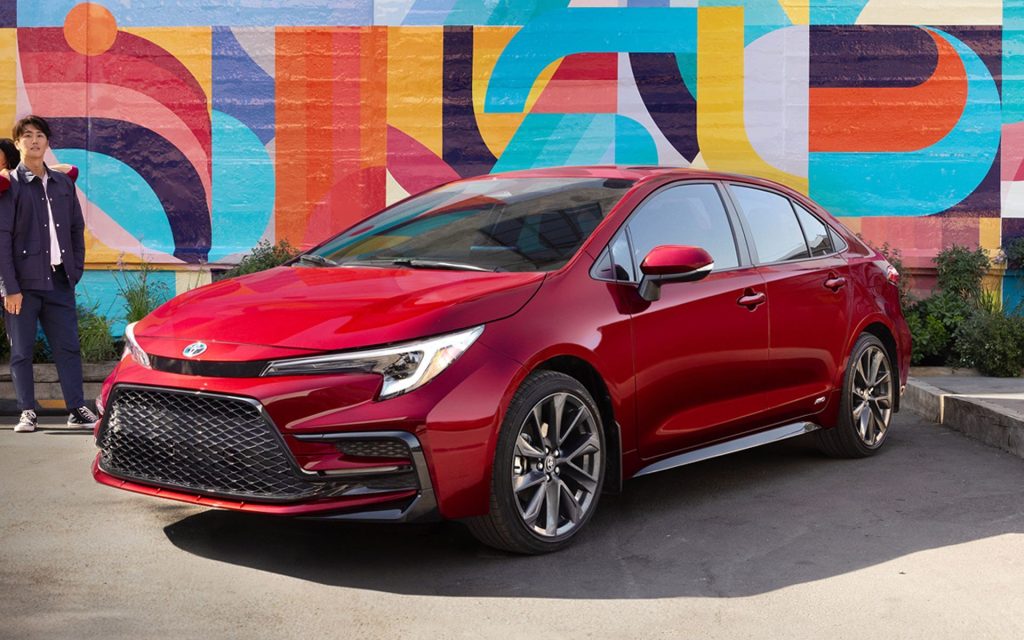
2024 Toyota Corolla
Toyota Corolla

I included Corolla because it is the classic “traffic warrior.” It may not be exciting, but it is dependable in the exact conditions that frustrate drivers the most. City ownership is about reducing stress, and Corolla does that better than almost anything else.

2) Honda Civic

Honda Civic stays reliable in city traffic because it balances durability with smooth drivability. In stop-and-go conditions, Civic feels responsive without needing aggressive throttle. That helps reduce stress on the drivetrain.

City driving punishes cars that feel slow because drivers push them harder. Civic avoids this by delivering usable low-speed response, making traffic driving feel easier and less forced.

Its engine design is known for durability in daily use, and Civic generally handles short trips and repeated starts well. This matters because short trips are common in cities and can increase wear over time if the engine is not designed to cope.

Maintenance costs remain manageable. Civic has strong parts availability, and independent garages are familiar with it. That reduces dependence on expensive dealership service. For city drivers, this is a major advantage because small issues can be handled quickly.

Civic also tends to hold its cabin and suspension quality well. Over time, city potholes can create rattles and loose suspension behavior in many cars. Civic generally stays composed for longer, which protects the “new car feeling” even after years in traffic.
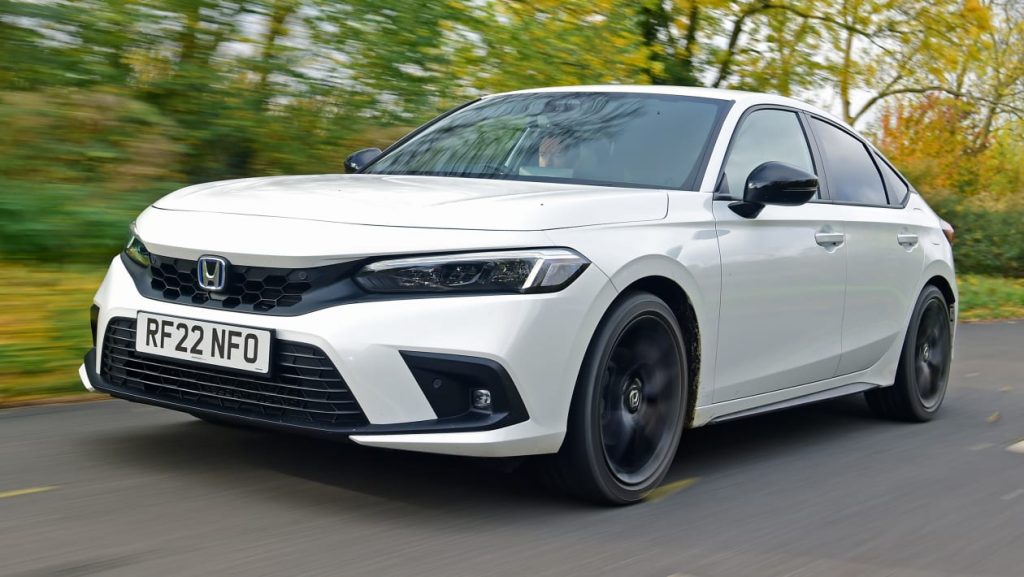
Honda Civic
Honda Civic

I am writing about Civic because it is one of the few cars that remains reliable while still feeling enjoyable. Many reliable cars feel boring.

Civic gives a driver-friendly experience without adding repair headaches. In heavy traffic, that combination becomes valuable. It makes daily commuting smoother while still protecting your wallet long-term.

3) Toyota Prius

Toyota Prius is built for city traffic. Hybrid technology is naturally suited to stop-and-go movement. Prius uses electric power at low speeds and during light acceleration, reducing the load on the engine.

This makes the drivetrain last longer because the engine is not constantly working in the worst operating conditions. That is one of the reasons Prius stays reliable in traffic-heavy environments.

Another major advantage is regenerative braking. City driving destroys brakes quickly because of constant stopping. Prius can slow down using the hybrid system, which reduces brake pad wear. That means fewer brake replacements and less maintenance cost.

Prius also stays cool in traffic. Cooling systems matter in congestion, and Prius benefits from a design that handles frequent low-speed operation well. The overall system is designed for urban commuting, so city life does not shock it the way it shocks performance-oriented cars.

I included Prius because it represents the smartest solution for traffic conditions. It is not fighting congestion, it is designed around it. This makes it one of the best vehicles for drivers who spend long hours in city traffic.
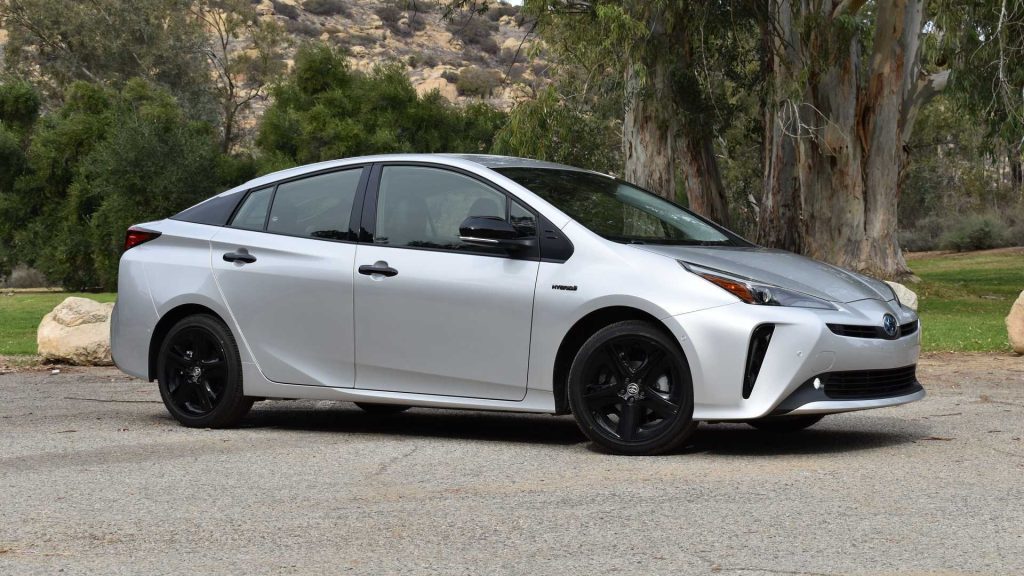
Toyota Prius
Toyota Prius

It keeps running smoothly, saves fuel, and reduces certain wear costs. Prius ownership in the city often feels calm and predictable, which is exactly what reliability should mean.

4) Hyundai i20

Hyundai i20 stays reliable in city traffic because it is designed as a practical everyday car with strong service support and simple maintenance needs.

In traffic, you want a car that feels light, easy to handle, and smooth at low speed. i20 generally fits that behavior. It does not feel like it struggles in congestion, and that reduces stress on both driver and vehicle.

City life is harsh on suspension, and i20 tends to handle broken roads reasonably well. It is not too stiff, so it absorbs bumps without transferring harsh shocks into the cabin. This helps reduce early suspension fatigue and keeps the car feeling stable longer.

Another advantage is affordable maintenance. City cars need regular servicing. i20 parts are generally accessible, and service networks are broad. This reduces repair delays. Even when something wears out, the costs stay predictable compared to premium cars.
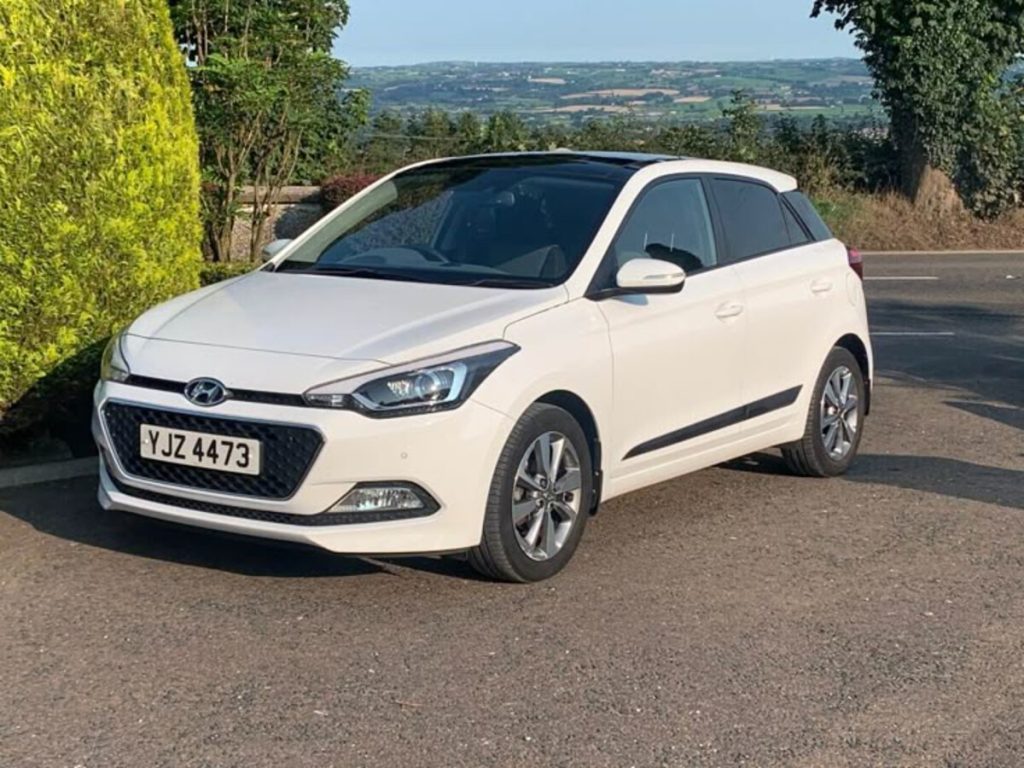
Hyundai i20
Hyundai i20

I am writing about i20 because it represents an urban-friendly modern hatchback that does not punish owners. It handles traffic, broken roads, and everyday usage without turning into a constant workshop visitor. In city ownership, this type of consistent dependability makes life easier.

5) Mazda CX-5

Mazda CX-5 is one of the most reliable crossovers for city traffic because it combines strong build quality with smooth drivability. Many crossovers feel heavy and clumsy in congestion, which increases wear and driver fatigue.

CX-5 feels more controlled and responsive. That helps in traffic because the car reacts predictably to small throttle inputs, making stop-and-go movement smoother.

The drivetrain is also known for durability in long-term use. In city traffic, engines and transmissions are stressed through constant low-speed cycling. CX-5 typically handles this better than many competitors. It feels calm rather than strained.

Suspension tuning also suits city roads. CX-5 remains stable over bumps without feeling fragile. Many city crossovers develop early suspension noise because potholes and speed breakers punish weak components. CX-5 tends to stay composed and quiet for longer.
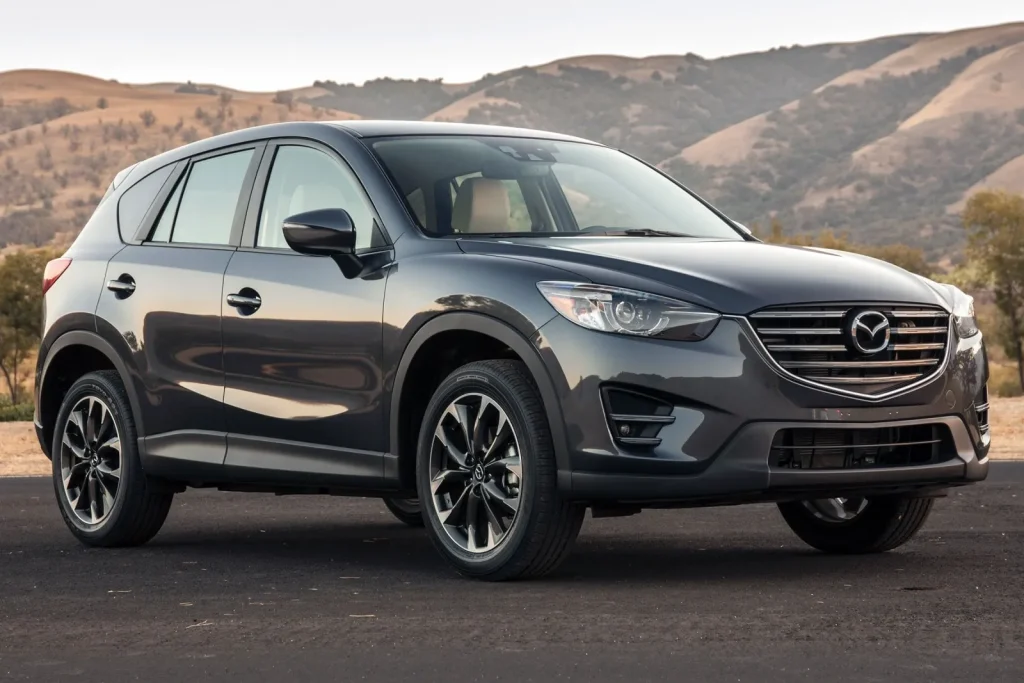
Mazda CX 5
Mazda CX 5

I included CX-5 because many city drivers want SUV visibility and practicality but fear high repair costs. CX-5 offers that crossover convenience while still keeping reliability strong.

It is the kind of vehicle that can survive traffic daily and still feel refined after years. For city families or commuters who want a reliable crossover, CX-5 is one of the most dependable options.
5 Cars With Common Urban Wear Issues

Some cars are not “unreliable” in the classic sense, but they are vulnerable to city life. They may run well on highways, feel smooth on open roads, and even impress during a short test drive.

But once they enter daily stop-and-go traffic, their weak areas begin to show. Urban driving stresses specific components repeatedly: transmissions at low speed, clutches in creeping traffic, cooling systems under constant heat, suspension parts against potholes, and brakes under endless stopping.

Cars that are not designed with these stresses in mind often develop common wear issues that keep repeating. Even if these issues are not dramatic failures, they add frustration and cost.

Urban wear issues usually follow patterns. Some cars burn through brake pads quickly because they are heavy and powerful. Some develop suspension problems early because they use stiff sporty tuning that does not tolerate bad roads.

Some transmissions become jerky because they are not happy in low-speed crawling. Some turbocharged engines suffer from short trips because they do not warm properly and are repeatedly shut down before the system stabilizes.

Even electronics can become a city problem because vibration, moisture, and constant use trigger sensor faults or warning lights.

I am writing this section because buyers often misunderstand city ownership. They think reliability is only about the engine not breaking. But city drivers care about day-to-day smoothness.

A car that constantly feels like it needs attention becomes exhausting. Even if the car still runs, repeated wear repairs make it feel unreliable.

Workshop visits become frequent. Repair bills become predictable in a bad way. And the car begins aging faster emotionally, which reduces ownership satisfaction.

The five cars below are included because they commonly show urban wear issues. This does not mean every unit will be a problem. It means these models have characteristics that make them more vulnerable to heavy city use.

If a driver’s life is mostly traffic, narrow streets, and short trips, these vehicles require more caution. Now let us look at five cars that often develop common wear issues under urban conditions.

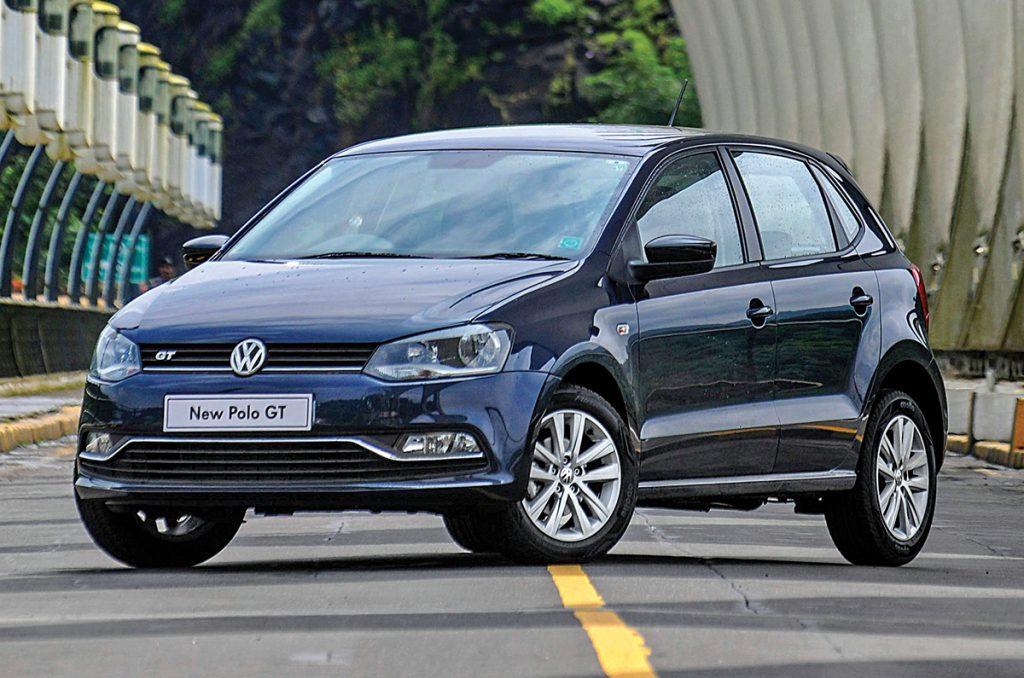
1) Volkswagen Polo GT (DSG)

Volkswagen Polo GT DSG is loved for its performance feel, but city traffic is where the DSG system can become a headache. Dual-clutch transmissions are quick and efficient, but stop-and-go crawling forces them into constant clutch engagement and disengagement.

That produces heat and wear, especially in dense traffic where you are inching forward continuously. Over time, this can lead to rough behavior, hesitation, jerks, or warning lights, turning everyday commuting into a stressful experience.

In urban life, the DSG issue is not just mechanical, it is emotional. Drivers begin to feel uncertain about how the car will respond.

Smooth creeping becomes difficult. Parking maneuvers may feel jumpy. On inclines, the car might hesitate. That behavior creates distrust, and distrust is what makes a car feel unreliable in a city.

Maintenance costs also rise because DSG repairs are not simple. Even when the issue is minor, the repair process can require specialized expertise, and parts can be expensive. That creates a cycle where an otherwise enjoyable car becomes an expensive urban project.

Volkswagen Polo GT
Volkswagen Polo GT

I included Polo GT DSG because it is a classic “city mismatch.” It is brilliant on open roads, and it feels premium for its size. But the drivetrain design is not ideal for constant crawling. For a traffic-heavy lifestyle, the DSG becomes one of the most common urban wear risks.

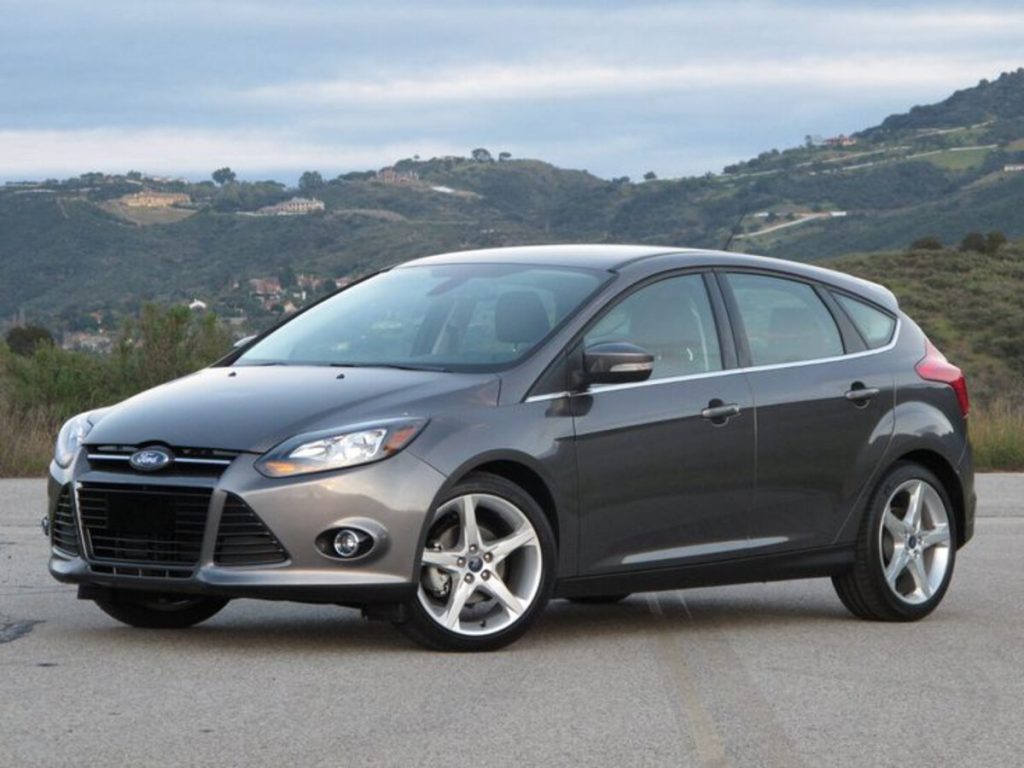
2) Ford Focus (PowerShift Models)

Ford Focus PowerShift models are widely associated with urban wear problems because the transmission system struggles in stop-and-go traffic. Like other dual-clutch systems, the PowerShift design faces heavy wear in crawling conditions.

In cities, traffic movement often requires micro-acceleration and constant stopping. This causes repeated clutch engagement and disengagement, which accelerates wear and can create jerky driving.

The result is a car that feels inconsistent. One day it feels okay, another day it feels rough. Drivers may experience hesitation during takeoff, strange shifting, and uncomfortable movement at low speeds. This is exactly the type of issue that makes a car feel unreliable in city life, even if the engine itself is strong.

Repairs can be frustrating because the problem may return. Even after fixes, some owners experience repeated symptoms. That turns ownership into a cycle of hope and disappointment, which becomes mentally exhausting.

Ford Focus
Ford Focus

I included Focus PowerShift models because they are often tempting used-car purchases due to price. But for city traffic, they are high risk. Urban wear exposes the system’s weakness quickly, making the car feel older and more troublesome than its mileage suggests.

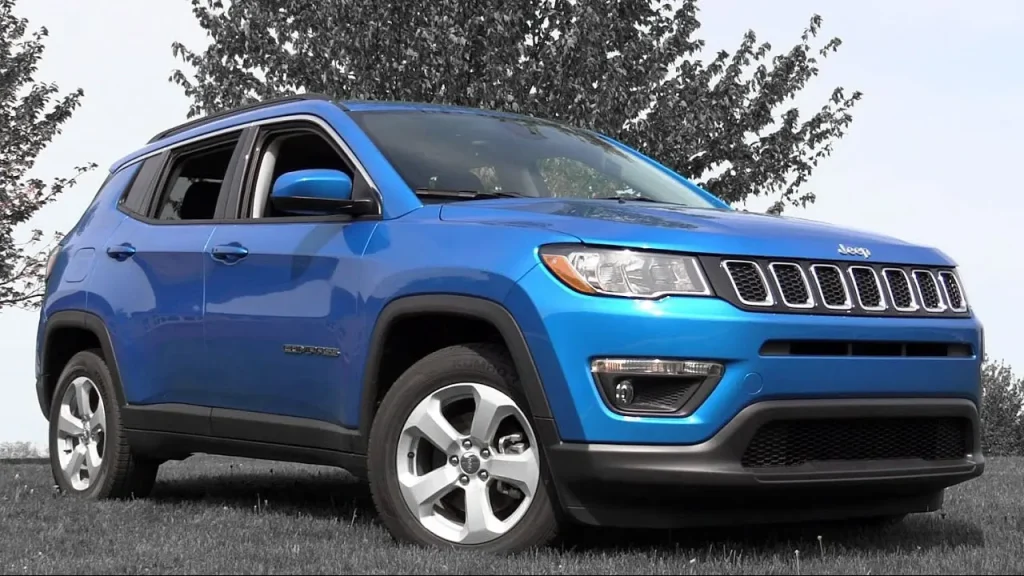
3) Jeep Compass

Jeep Compass can feel strong and premium in city driving, but it often develops common urban wear issues related to suspension and electronics. City roads punish suspension parts with potholes, speed breakers, and uneven surfaces.

Compass can ride comfortably, but over time suspension wear may show up as knocking sounds, looseness, or vibrations. Once that begins, the vehicle can start feeling older quickly.

Electronics can also become part of the urban wear story. Modern vehicles have sensors everywhere, and constant heat cycles, vibration, and daily use can create repeated warning lights or small faults.

These issues may not stop the car, but they increase workshop visits, and repeated small visits are what drain city owners most.

Compass can also feel heavy in traffic, which increases brake wear. City traffic destroys brakes already. A heavier crossover can burn through wear parts faster, increasing ownership cost.

Jeep Compass
Jeep Compass

I included Jeep Compass because it is a vehicle people often choose for city presence and SUV feel. But in urban ownership, it can require more attention than expected. It may not be catastrophically unreliable, but common wear issues can appear early, especially in rough-road cities.

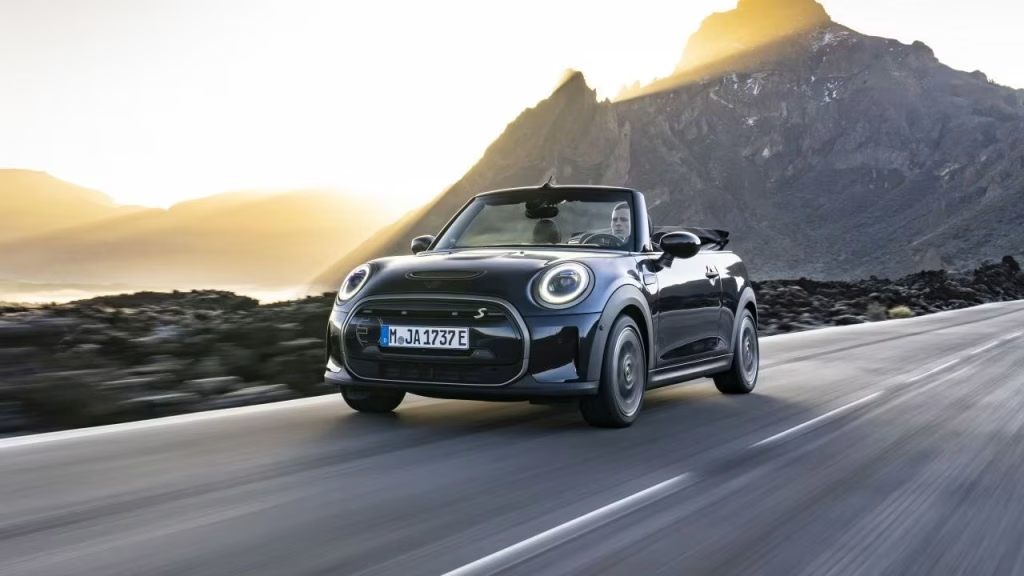
4) Mini Cooper (Older Models)

Older Mini Cooper models often develop urban wear issues because city driving stresses their sensitive systems. Minis are small and fun, but they are built like premium cars, and premium systems can become fragile under constant city punishment.

Short trips, heat cycles, and stop-and-go traffic can accelerate cooling system strain and oil-related issues. Even small issues become expensive because parts and labor tend to cost more than mainstream hatchbacks.

Suspension wear is another big factor. Minis often have sporty suspension tuning, which feels great on smooth roads but suffers in pothole environments. Once suspension components start wearing, the car becomes noisy and less comfortable. This quickly ruins the “fun” factor.

Electronics can also become a repeated headache. Older premium cars often develop sensor faults, warning lights, and minor electrical issues. In cities, where you want simple ownership, these small problems become constant stress.

Mini Cooper
Mini Cooper

I included older Mini Cooper because many buyers assume it is the perfect city car because it is small. But small does not always mean easy.

Older Minis can become maintenance-heavy, and city driving accelerates that decline. It is one of those cars that can be wonderful when maintained perfectly but becomes expensive and demanding in daily traffic life.

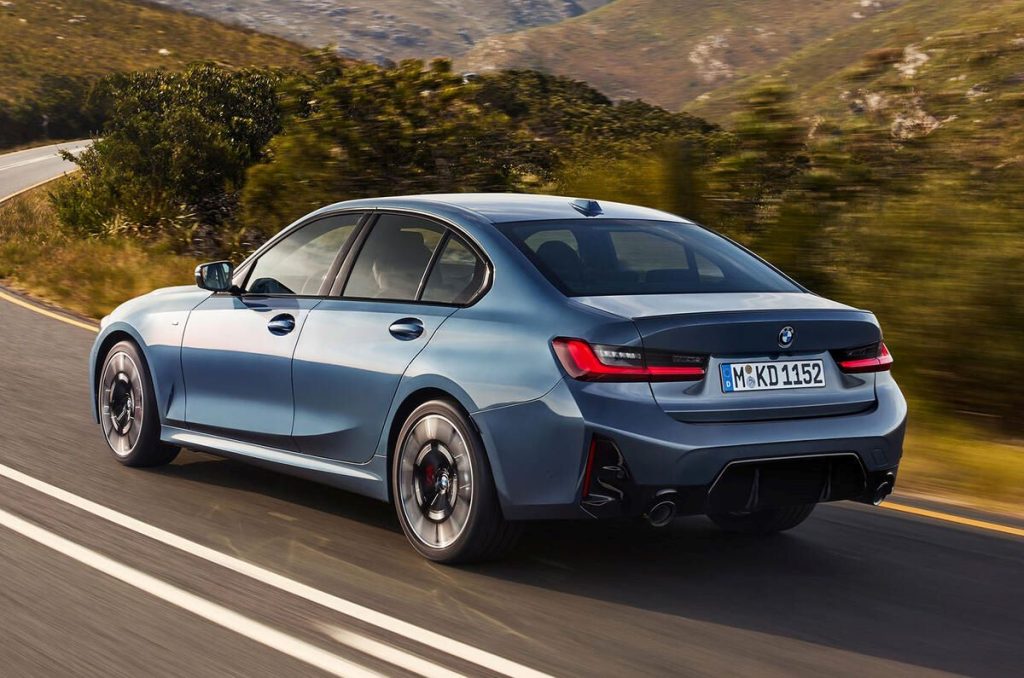
5) BMW 3 Series (Older High-Mileage Units)

Older high-mileage BMW 3 Series can develop common urban wear issues because city driving accelerates the weaknesses of aging performance sedans. The 3 Series is designed for sharp handling and tight suspension tuning.

That makes it enjoyable, but city potholes punish those components. Over time, suspension wear shows up as vibrations, knocking sounds, and looseness. Once that happens, the car begins to feel old quickly.

Electronics also play a role. Older BMWs can develop sensor-related faults, warning lights, and comfort system issues. In city life, these repeated warnings create stress. Even if the car drives, owners often find themselves chasing small issues repeatedly.

Maintenance costs also become higher. Performance cars often need higher-quality parts, and repairs are less forgiving if delayed. City driving increases brake wear and tire wear, especially if traffic includes sudden stops and acceleration.

I included older BMW 3 Series high-mileage units because they are a common trap for urban buyers. People love the prestige and driving feel, but city mileage makes them expensive to keep feeling healthy.

BMW 3 Series
BMW 3 Series

They may still be great cars, but they are not the easiest cars to own in traffic-heavy environments because urban wear accelerates their decline.

City traffic reveals the difference between true daily reliability and cars that require constant attention. Toyota Corolla, Honda Civic, Toyota Prius, Hyundai i20, and Mazda CX-5 stay reliable in urban conditions because they are engineered for daily stress.

They handle stop-and-go movement calmly, avoid overheating issues, keep drivetrain behavior stable, and do not punish owners with frequent unexpected wear repairs. Their maintenance stays predictable, which is the real meaning of reliability in city life.

On the other side, Volkswagen Polo GT DSG, Ford Focus PowerShift models, Jeep Compass, older Mini Cooper models, and older high-mileage BMW 3 Series units often show common urban wear issues.

These vehicles may still be attractive for performance, design, or SUV presence, but city driving accelerates their weak points. Transmission stress, suspension wear, electronics faults, and higher repair costs can make them feel unreliable through repeated workshop visits.

If your life is mostly city traffic, the best car is the one that stays smooth and predictable every day. Reliability is not only about big failures. It is about avoiding constant small problems. The right choice saves money, saves time, and protects your peace of mind.

City traffic is the harshest environment for everyday cars because it multiplies wear through repetition. The most reliable city cars are the ones that stay calm in heat, handle slow crawling without jerks, and keep suspension and braking systems strong even after years of potholes and speed bumps.

That is why Toyota Corolla, Honda Civic, Toyota Prius, Hyundai i20, and Mazda CX-5 stand out. They do not just run, they stay predictable, which is the biggest relief for urban owners who cannot afford constant downtime.

Meanwhile, the cars with common urban wear issues often fail in smaller but more frequent ways. Volkswagen Polo GT DSG and Ford Focus PowerShift models suffer because their transmission systems dislike traffic crawling.

Jeep Compass can show early suspension and electronics fatigue. Older Mini Cooper and older BMW 3 Series units tend to decline faster because city conditions accelerate premium-car complexity and performance wear. In urban life, fewer surprises always wins.

Also Read: 5 Cars That Work for New York Street Parking vs 5 That Constantly Get Scraped

Mark Jacob

By Mark Jacob

Mark Jacob covers the business, strategy, and innovation driving the auto industry forward. At Dax Street, he dives into market trends, brand moves, and the future of mobility with a sharp analytical edge. From EV rollouts to legacy automaker pivots, Mark breaks down complex shifts in a way that’s accessible and insightful.

Leave a comment

Your email address will not be published. Required fields are marked *