
Urban car ownership is not just about having a vehicle. It is about living with it every single day in a crowded, unpredictable environment. Cities demand more from cars than most people realize.
You face tight parking, heavy traffic, narrow lanes, potholes, speed bumps, impatient drivers, pedestrians crossing suddenly, constant stop-and-go movement, short trips that never let the engine fully warm up, and the daily stress of keeping your car safe from scratches and minor bumps.
That is why some cars feel like they make urban life easier, while others make it harder, even if they seem fine on paper.
A city-friendly car is not automatically the smallest one, and it is not always the newest one either. The cars that truly make urban ownership easier share certain traits. They are easy to park, easy to maneuver, and comfortable in slow traffic.
They have good visibility so you can judge tight spaces. Their fuel economy helps reduce daily running costs. Their maintenance is predictable, and parts are easy to find.
They can handle potholes without constantly developing suspension noise. They are also dependable, which matters because in a city the last thing you want is sudden breakdowns.
On the flip side, some cars complicate city ownership. This does not always mean they are terrible cars overall. Many are powerful, stylish, and enjoyable on open roads. But city life exposes their disadvantages.
Some are too wide or too long, making parking stressful every day. Some have fragile suspensions that suffer quickly on broken city roads.
Some are mechanically complicated and demand expensive service. Others have drivetrains that hate stop-and-go traffic. Even small issues become big headaches when you need your car daily.
This article compares both categories. First, five cars that make urban ownership easier, chosen for practicality, durability, efficiency, and daily comfort. Then, five cars that complicate urban ownership because they make common city tasks harder, cost more to maintain, or struggle in stop-and-go life.
The goal is not to shame certain models. It is to show why city life rewards certain designs and punishes others. When you choose the right car, the city stops feeling like a battle.
Also Read: 5 Cars for Eagan Suburban Commuting and 5 Winter-Capable Models
5 Cars That Make Urban Ownership Easier
Urban ownership is a test of convenience. The best city cars are the ones that quietly solve problems without demanding extra effort from the owner. In a city, you do not have the luxury of space, time, or calm roads.
You need a car that can slip into small gaps, handle sudden lane changes, and tolerate endless low-speed traffic.
You also need a car that stays efficient because city driving burns fuel faster than people expect. Add rising repair costs and busy schedules, and the ideal city car becomes one that reduces both stress and expense.
Cars that make urban ownership easier often share a balance of size and capability. They are compact enough to park easily but not so tiny that they feel weak or uncomfortable. Their steering is light, their turning circle is tight, and their visibility is clear.
They also offer strong low-speed drivability so you can move smoothly without constant throttle effort. That matters in traffic, where smoothness reduces fatigue.
Durability is another huge part of city ownership. Cities punish suspension, brakes, tires, and batteries. Cars that hold up well do not develop rattles quickly, and they do not require repeated repairs.
They also have affordable parts and broad service support. A car that forces dealership dependence complicates life. A car that any mechanic can service becomes easier to own.
Technology can help too, but only when it is practical. Rear cameras, parking sensors, and good headlights make city ownership easier. But unnecessary complex electronics can become liabilities as the car ages. The best city-friendly cars use technology in a simple, reliable way.
I am writing this section because city drivers deserve vehicles that support their lifestyle. A good city car should feel like an assistant, not a burden.
The cars below are chosen because they perform well in the realities of urban life, not just in advertisements. They reduce parking stress, handle rough roads better, stay efficient, and remain dependable with daily use. Now let us look at five cars that make city ownership easier and more enjoyable.
1) Toyota Corolla
Toyota Corolla makes urban ownership easier because it removes uncertainty. In city life, you want a car that starts every morning, handles traffic without overheating, and does not surprise you with repair drama.
Corolla is famous for reliability, but that reliability becomes even more valuable in the city because breakdowns are more stressful in dense areas. Corolla simply keeps working, which reduces daily anxiety.
Parking and maneuvering are also easy. Corolla’s size fits city environments well. It is not too long or too wide, so it works in parking garages and tight street spots. Steering is light and predictable, which helps with constant low-speed maneuvers.
City drivers spend a lot of time turning, reversing, and adjusting, and Corolla makes those movements feel natural rather than heavy.
Maintenance is another reason Corolla simplifies ownership. Parts are widely available, service is straightforward, and repair costs are usually predictable. In a city where you might need quick fixes, that availability matters. You are not stuck waiting for special parts or expensive dealership visits.
Fuel efficiency is also strong, which keeps daily costs under control. In stop-and-go traffic, fuel savings matter more than people expect. Corolla helps reduce the financial pain of constant commuting.
I am writing about Corolla because it represents the ideal city car mindset: simple, dependable, and stress-free. It does not try to be flashy. It tries to be reliable. In urban life, that is a superpower.
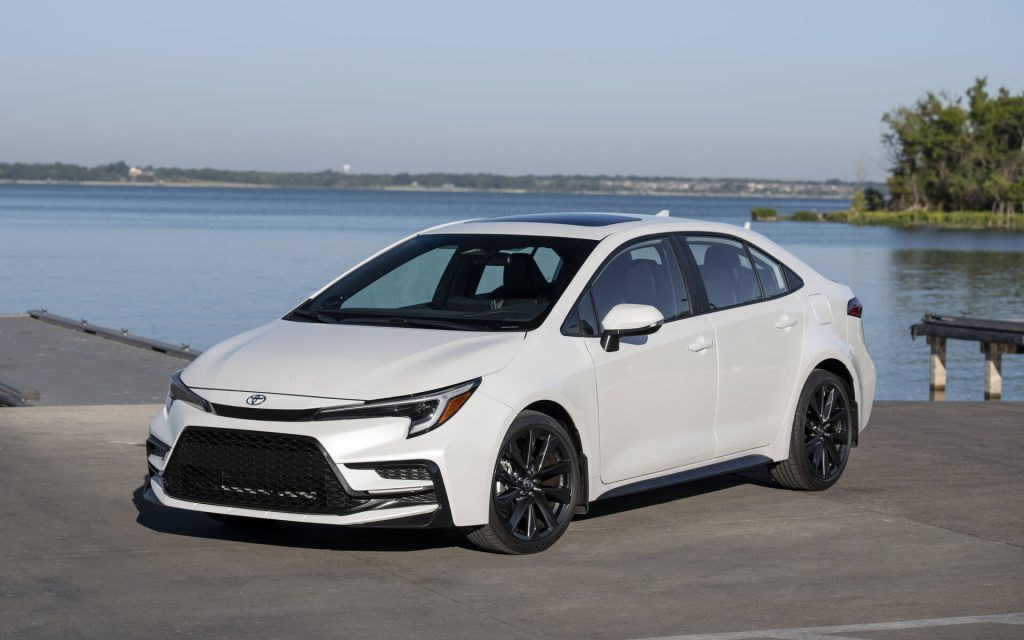
Corolla makes ownership easier because it reduces both mechanical surprises and daily driving strain, which is exactly what most city owners want.
2) Honda Fit
Honda Fit is one of the most city-friendly cars ever made because it feels small outside but spacious inside. That is a rare advantage in cities where parking is tight but daily life still demands practicality.
Fit’s compact size makes it easy to slip into downtown parking spots that other cars cannot use. In many cities, that ability alone saves time daily.
The Fit also has excellent visibility. The upright design helps drivers see corners, curbs, and pedestrians more clearly. In an urban environment full of sudden movement, that visibility makes driving safer and reduces stress.
Many modern cars have thick pillars and small windows that create blind spots. Fit feels open and easy to judge.
Its turning circle and steering lightness make it perfect for narrow streets and tight garages. You can do U-turns more comfortably, and parking takes less effort. Fit behaves like a tool designed for city maneuvering, not a car that is simply forced into city life.
I am writing about Honda Fit because it solves urban problems directly. It gives you interior flexibility, easy parking, and predictable reliability.
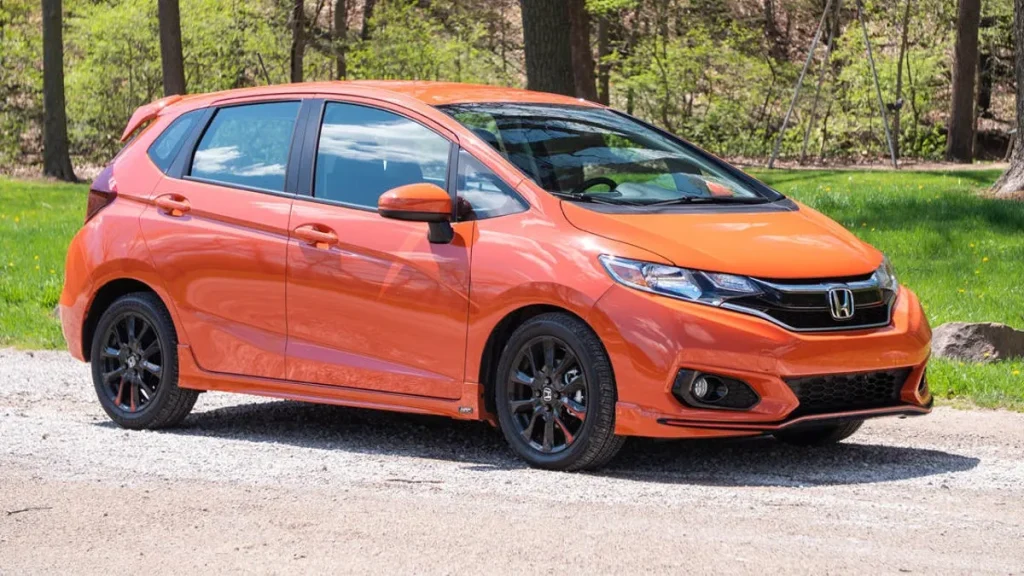
It is also efficient, which helps with fuel costs. In a city, the Fit feels like it reduces friction. It makes daily errands smoother and commuting less tiring. That is what makes it an urban ownership champion.
3) Toyota Prius
Toyota Prius makes urban ownership easier because it is built around the exact conditions cities create. Stop-and-go traffic is where hybrids shine, and Prius takes advantage of that better than most.
Its electric motor support makes low-speed driving smooth, reducing the stress of constant traffic crawling. This smoothness also reduces fatigue. City drivers are often exhausted not because of distance, but because of constant braking and acceleration. Prius makes that cycle gentler.
Fuel efficiency is a major benefit. In cities, fuel consumption rises quickly, especially in traffic. Prius protects your wallet because it stays efficient even in heavy congestion. That daily saving adds up over years of ownership.
Another underrated advantage is brake wear. Prius uses regenerative braking, which means it can slow down using the electric system, reducing how often brake pads do heavy work. Since city driving destroys brakes quickly, Prius owners often benefit from longer brake life.
I included Prius because it is the practical city machine. It handles traffic well, stays efficient, and reduces certain common urban maintenance costs. It also tends to be reliable, which matters because city drivers do not have time for repeated repairs.
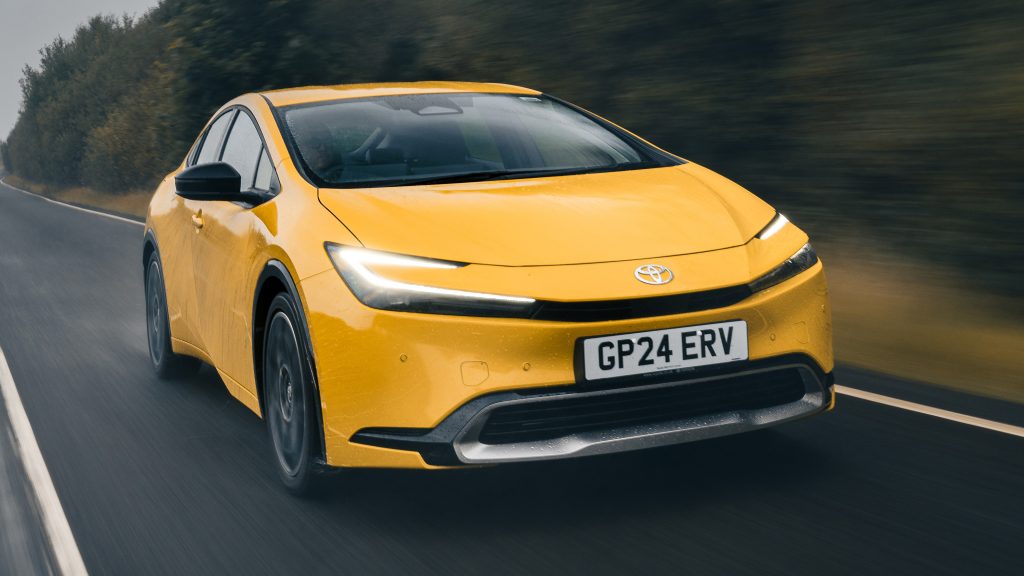
I am writing about Prius because it demonstrates what smart urban design looks like. It does not fight the city. It uses the city’s traffic conditions to its advantage. That makes ownership easier, cheaper, and smoother long-term.
4) Hyundai i10
Hyundai i10 is a small car that fits city life naturally. In urban ownership, one of the biggest daily advantages is size. i10 is compact enough to park almost anywhere, and it can maneuver through narrow streets with ease.
For many city owners, parking is the biggest stress point. i10 turns that stress into something manageable.
The light steering and tight turning behavior help in crowded streets, markets, and parking garages. It feels agile and easy to control. In stop-and-go traffic, it is also easier to drive because it feels light and responsive. You are not constantly wrestling a heavy vehicle.
Maintenance cost is another reason i10 makes ownership easier. Small cars generally have cheaper wear items like tires and brakes. i10 also tends to have good service support and affordable parts. That keeps running costs low, which matters in city life where you often deal with frequent servicing.
Fuel efficiency is another strong point. In daily commuting, i10 keeps fuel costs under control and remains practical even for short trips. City driving often includes short trips and quick errands, and i10 feels designed for that.
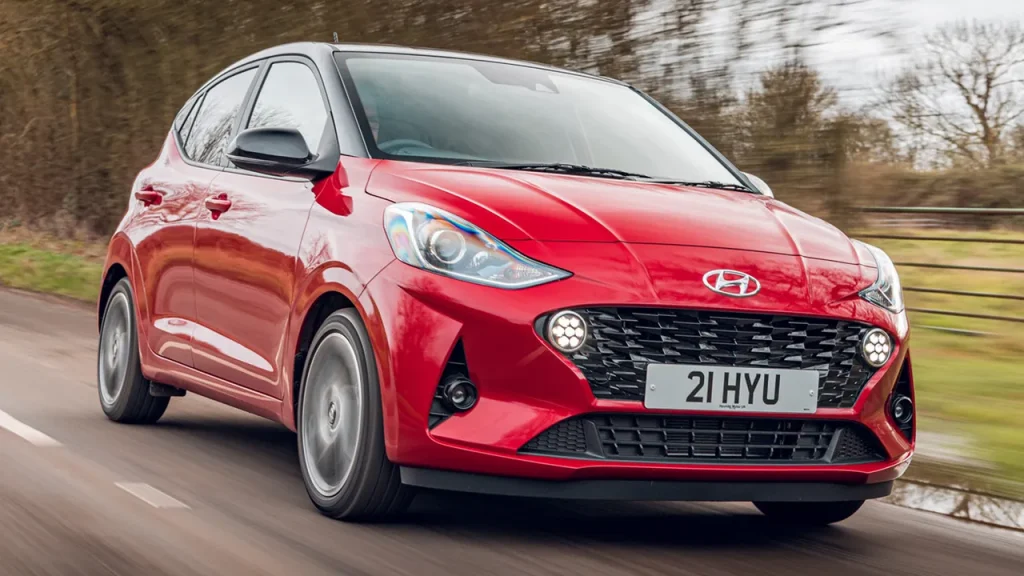
I included i10 because it represents urban practicality in pure form. It is not trying to be a highway cruiser or luxury experience. It is built to make daily city life easier. For someone who wants simple, low-cost, low-stress urban ownership, i10 is a strong answer.
5) Mazda 3
Mazda 3 is a car that makes urban ownership easier because it combines compact size with a premium feel. Many city cars are practical but boring. Mazda 3 adds refinement without making ownership complicated. It is easy to maneuver, easy to park, and stable in traffic.
The steering is responsive, which helps in city driving where you constantly adjust. It feels controlled, not vague. That makes it easier to place in tight lanes and crowded streets. Visibility and cabin layout also help reduce stress because the driver feels more connected to the road.
Mazda 3 also ages well. It tends to maintain refinement, and it does not fall into constant rattles easily if maintained properly. This is important because city life often makes cars feel older quickly. Mazda 3 resists that decline better than many similar cars.
I am writing about Mazda 3 because it represents the best “city plus enjoyment” combination. It is not just easy to own, it is enjoyable to drive. It handles city roads smoothly, stays practical, and offers an interior that feels more upscale than its price suggests.
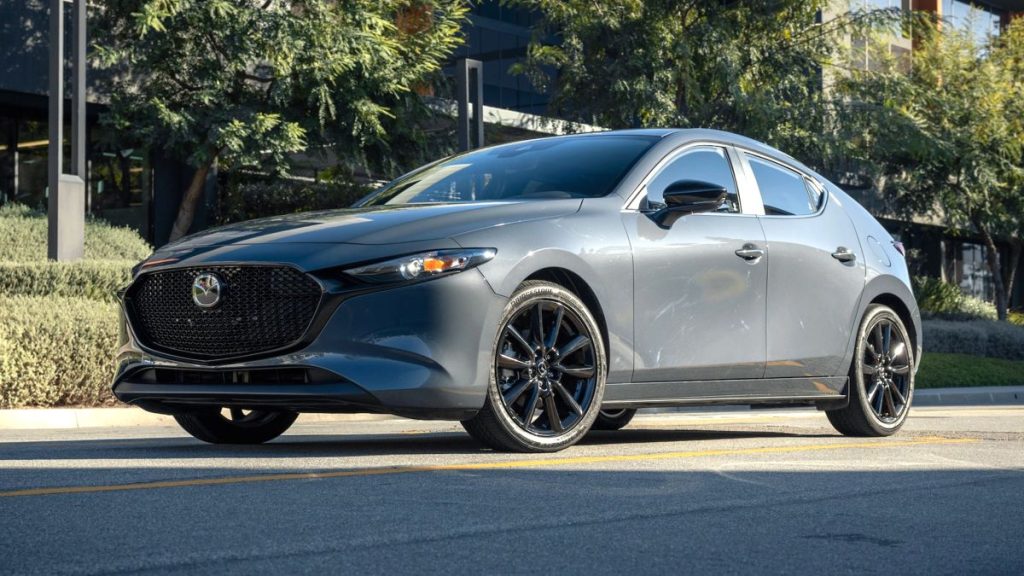
For urban owners who want practicality without sacrificing driving satisfaction, Mazda 3 makes city life easier while still feeling rewarding.
5 Cars That Complicate Urban Ownership
Some cars make city life feel simple. Others turn it into daily stress. The truth is, urban ownership magnifies every weakness a vehicle has. If a car is too wide, you will feel it every time you park.
If it has poor visibility, you will feel it in traffic and tight lanes. If it is mechanically complex, you will feel it when warning lights appear and repairs get expensive.
If the drivetrain is not designed for stop-and-go movement, you will feel it every day at signals, speed bumps, and slow crawls. In cities, the small inconveniences become constant, and constant problems become lifestyle burdens.
Cars that complicate urban ownership are not always “bad cars.” Many of them are excellent in other environments. Some are powerful and comfortable highway machines. Some are luxury models that feel amazing on open roads.
Others have big, impressive road presence that people love. But cities do not reward that. Cities reward agility, simplicity, durability, and efficiency. A vehicle that demands extra space, extra fuel, extra maintenance, and extra attention becomes a problem in urban life.
Urban ownership has practical pressure points. Parking is tight, and spaces are often designed for smaller vehicles. Narrow streets punish wide bodies and long wheelbases. Stop-and-go traffic punishes heavy weight and complex drivetrains.
Potholes punish sporty stiff suspension. Short trips punish turbo systems and sensitive emissions equipment. And dense environments increase the emotional cost of ownership because the risk of scratches, door dings, and bumper taps becomes high.
I am writing this section because many buyers choose cars based on lifestyle dreams rather than lifestyle reality. They buy a car they imagine enjoying on open roads, but their daily life is city commuting, downtown parking, and traffic crawling.
In that reality, the wrong car becomes exhausting. The five cars below are included because they commonly complicate city life through size, complexity, repair costs, and daily inconvenience. The goal is not to scare buyers, it is to help them match the car to the environment they actually live in.
Now let us look at five cars that often complicate urban ownership.
1) BMW X5
BMW X5 complicates city ownership because it combines size, complexity, and high repair sensitivity. In urban areas, the vehicle feels big. It is wide and tall, which reduces margin in narrow streets and tight parking garages.
Even if you are a skilled driver, parking a large luxury SUV downtown can feel stressful because one small mistake can be expensive. Scratches, wheel scuffs, and bumper taps cost more on luxury vehicles, making every city maneuver feel like a high-stakes moment.
But size is only part of the issue. The bigger complication is complexity. X5 is packed with electronics, sensors, and advanced systems. City conditions create heat cycles, vibration, and frequent stop-start use, which can trigger sensor faults and warning lights.
When those warning lights appear, repairs often require specialized diagnostics and expensive parts. Independent repair freedom becomes limited, and owners often rely on premium service networks.
Urban driving also punishes suspension and braking systems. Luxury SUVs often use advanced suspension setups for comfort. Those systems feel amazing when new, but as they age in pothole-heavy city conditions, repairs become costly.
If you own an X5 in a city long-term, you must accept that maintenance is not just expensive, it is frequent enough to demand attention.
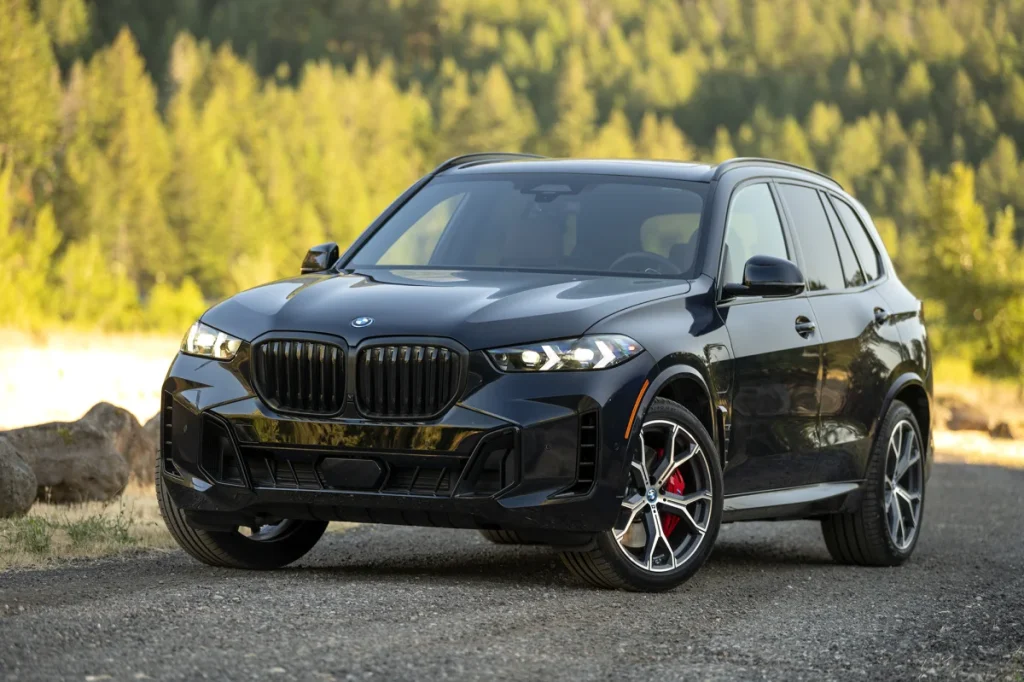
I included BMW X5 because many people buy it for comfort and prestige, then realize city life turns it into a constant responsibility. It is a brilliant vehicle in many ways, but it complicates urban ownership by demanding space, careful driving, and high-cost repairs. In a city, that combination can turn daily use into daily worry.
2) Jeep Wrangler
Jeep Wrangler is iconic and capable, but it complicates urban ownership in ways that surprise many people. The first issue is driving refinement. Wrangler is built for ruggedness, not for smooth city comfort.
In traffic, it can feel less refined, louder, and less comfortable than crossovers. City commuters spend long hours in traffic, and a vehicle that feels noisy or stiff becomes tiring.
Parking can also be complicated. Wrangler is not huge, but its shape and visibility quirks can make tight urban parking harder.
The upright body, external spare wheel, and boxy dimensions can make it feel awkward in certain spots. Some drivers find it harder to judge distances, especially when parking in tight downtown areas.
Fuel economy is another major city complication. Cities already burn more fuel because of stop-and-go traffic.
Wrangler’s fuel consumption can become painful in daily commuting. That adds financial stress, especially for people who thought they were buying a “cool lifestyle vehicle” but ended up using it mostly for urban errands.
Maintenance can also become more frequent depending on usage. Wrangler’s rugged components are strong, but city wear still affects brakes, suspension, and steering parts. And because Wrangler is often customized, ownership can become more complicated as modifications change how the vehicle behaves.

I am writing about Wrangler because it is a car people love emotionally, but in a city it can become inconvenient. It is excellent for adventure and rough terrain. But urban ownership demands smoothness, efficiency, and simplicity, and Wrangler often makes everyday city life feel heavier than it needs to be.
3) Audi A6
Audi A6 is a comfortable luxury sedan that feels fantastic on highways. But in urban ownership, it can complicate life through electronics complexity and high service costs.
City driving exposes luxury sedans to short trips, potholes, constant braking, and frequent start-stop cycles. Over time, a premium car with complex systems can develop repeated small faults. These faults may not stop the car, but they create warning lights, expensive diagnostics, and repeated service appointments.
A6 also complicates urban ownership because of repair pricing. In a city, minor accidents and scratches are common. A luxury sedan has expensive bumpers, expensive headlights, and expensive sensor systems.
Even a small parking mistake can lead to large bills. That raises ownership stress because the car feels fragile financially. You may become overly careful, which reduces the relaxed joy of driving.
Parking and maneuverability can also be less convenient. A6 is not the longest sedan on earth, but it is still bigger than most city-friendly compact cars. Downtown parking spots can feel tight, and narrow garages can be annoying. It is not impossible, but it is less convenient than smaller vehicles.
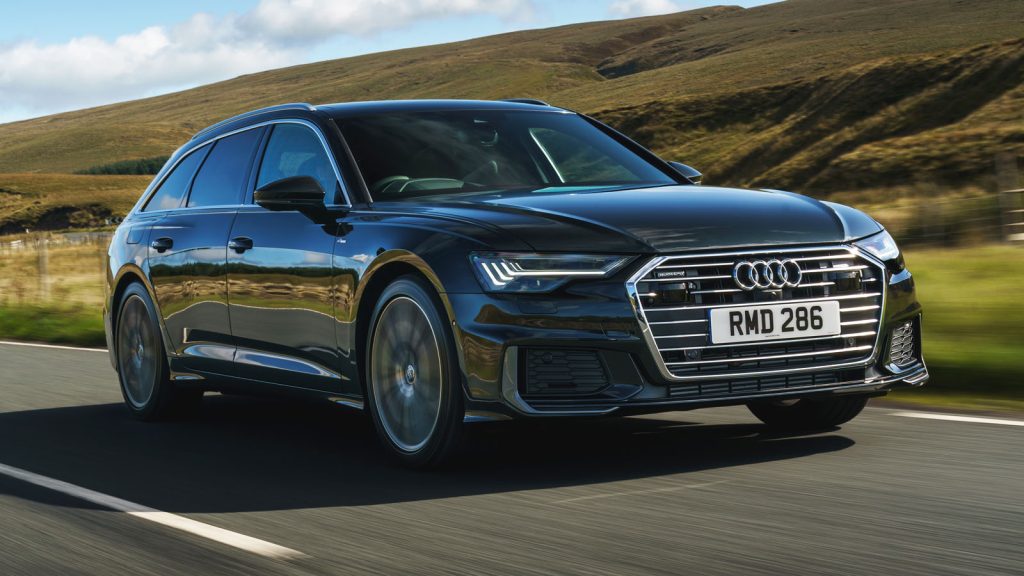
I included Audi A6 because it shows how luxury comfort comes with urban complications. It is a lovely car, but in city life, it often demands more money, more service attention, and more caution than most owners expect. For urban drivers, that can turn a premium dream into a premium headache.
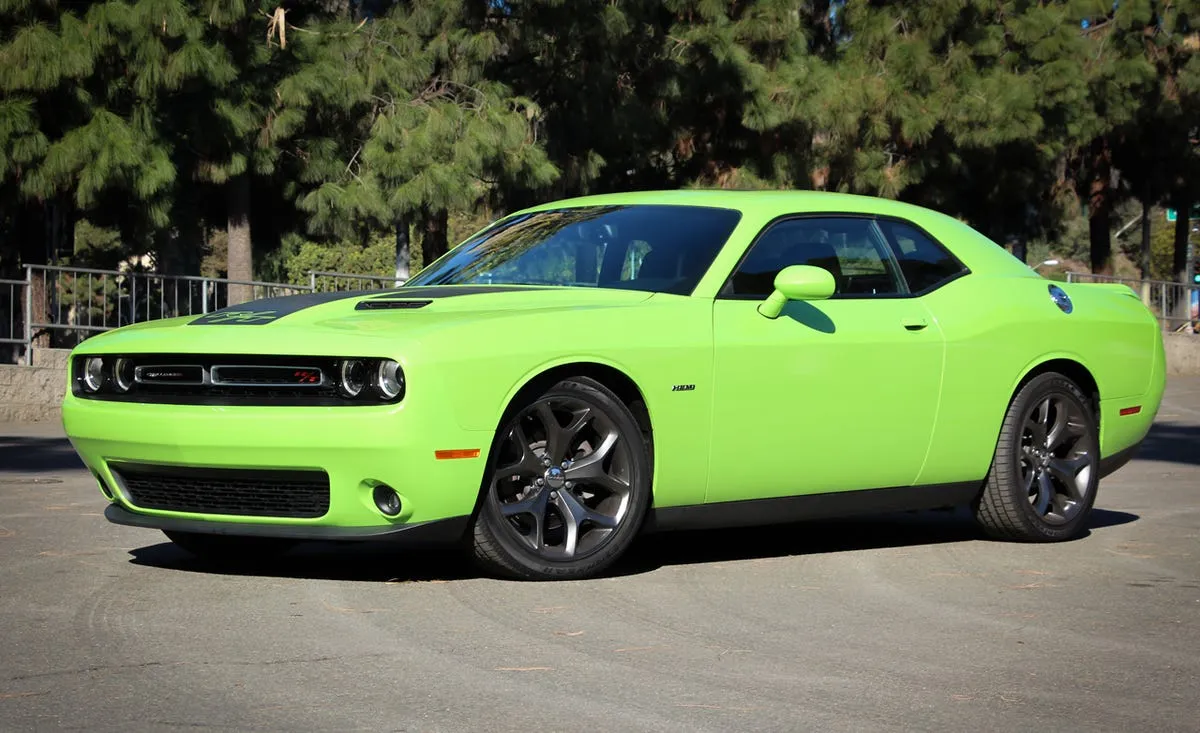
4) Dodge Challenger
Dodge Challenger is a muscle car with a strong personality, but it complicates urban ownership because it is not designed for tight city living. The biggest issue is size. Challenger is long and wide, making parking stressful.
City streets are narrow, and parking spots are often short. Challenger demands more space than most vehicles, and it feels like it was designed for open roads, not tight downtown lanes.
Visibility is another major issue. Challenger has a low roofline, thick pillars, and a design that prioritizes style over city practicality. In crowded traffic and parking situations, limited visibility increases stress. You may feel less confident judging corners and distances, which makes parking harder.
Fuel economy is also a problem. Stop-and-go city driving makes powerful engines consume fuel rapidly. Challenger’s thirst can turn daily commuting into an expensive habit. That may be fine for weekend driving, but for daily urban use it becomes financially painful.
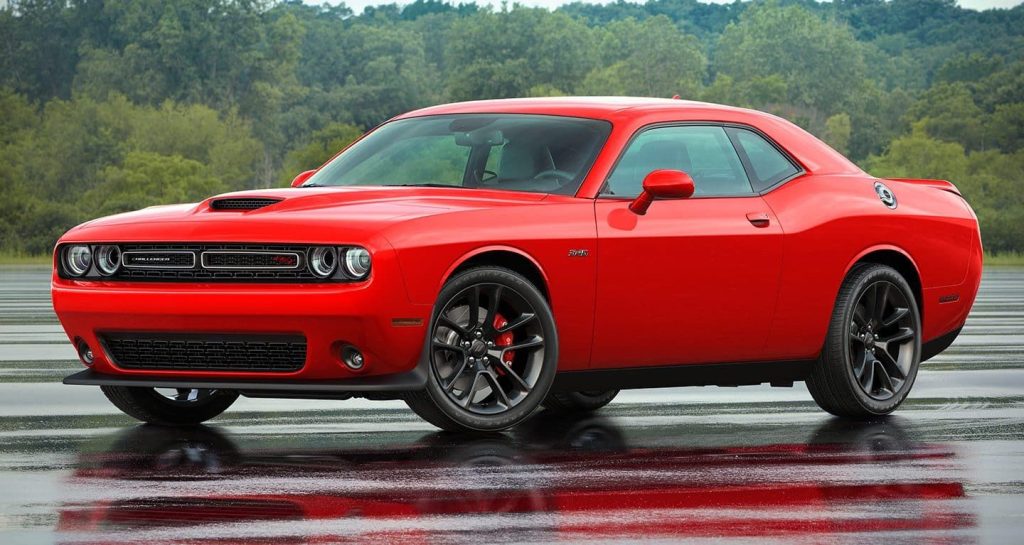
I included Challenger because it represents a vehicle people buy for emotion and style, then struggle to live with in cities.
It is fun, powerful, and unique. But it complicates ownership by being large, inefficient, and less practical for parking. In a city, where convenience matters most, Challenger can become a car that constantly feels out of place.
5) Tesla Model S
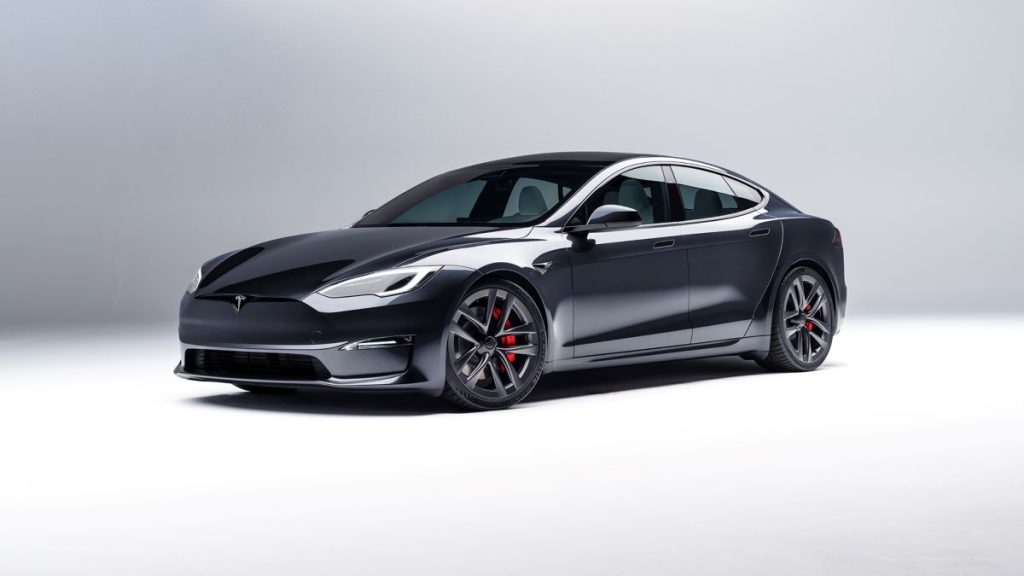
Tesla Model S complicates urban ownership in a modern way. It is smooth, fast, and quiet, and EV torque feels amazing in city traffic. But ownership complexity comes from dependence on specialized service and a software-driven system.
Unlike mainstream cars that any mechanic can repair, Model S often requires Tesla’s service ecosystem. Even if an issue is minor, owners may have fewer independent service options.
Urban life also increases risk of small body damage. Model S is a premium car, and city parking increases the chance of dents and scratches. Repairs on premium EV bodies can be expensive, and some parts availability can increase downtime. That creates inconvenience.
Charging can also complicate urban ownership if you do not have easy home charging access. In a city, many people park on streets or in buildings without chargers. This turns charging into a planning activity rather than a simple daily habit. That planning can add stress, especially if your schedule is busy.
I included Tesla Model S because it shows that even advanced technology can complicate life. It is an excellent car, but urban ownership requires infrastructure and service access to feel smooth. If you have that access, it can be brilliant. If not, ownership becomes more complicated than expected.
Urban ownership rewards cars that are simple, efficient, compact, and durable. Toyota Corolla, Honda Fit, Toyota Prius, Hyundai i10, and Mazda 3 make city life easier because they match the city’s reality.
They park easily, handle traffic smoothly, stay efficient, and avoid expensive service drama. They are cars that support daily life instead of demanding constant attention.
On the other side, BMW X5, Jeep Wrangler, Audi A6, Dodge Challenger, and Tesla Model S show how the wrong fit can complicate urban ownership. Some demand too much space. Some burn too much fuel.
Some carry expensive repair risk. Others require specialized service networks or charging planning. These vehicles can be fantastic in the right environment, but in dense city life they can feel like constant projects.
In the end, a city car should reduce friction. It should help you move, park, and live without adding stress. The best urban ownership experience comes from choosing a vehicle that works with the city, not against it.
Also Read: 5 Vehicles That Age Well With Urban Mileage vs 5 That Decline Faster
