
City driving has its own rhythm. Streets feel narrower than they look on maps, parking signs read like legal documents, and every curb seems to come with a rule that changes by the hour. One block allows two-hour parking, the next requires a permit, and the one after that has street cleaning twice a week.
In this environment, the right vehicle can feel like a trusted partner, while the wrong one can turn every outing into a stressful puzzle. Urban parking rules reward cars that are easy to park, simple to position, and small enough to fit into spaces that seem designed for compact footprints.
At the same time, some vehicles fight the city at every turn, stretching past painted lines, blocking sidewalks, or forcing drivers to circle the block one more time. This guide takes a clear look at both sides. First, we highlight five vehicles that work with city parking rules instead of against them.
These are cars that slip into tight spaces, fit inside standard garage dimensions, and make parallel parking feel routine instead of intimidating. Then, in the next section, we move the focus to five vehicles that struggle in urban environments.
These models may be impressive on highways or wide suburban streets, yet become daily headaches in dense neighborhoods. If you live or work in a busy city, choosing the right vehicle is not only about comfort or performance.
It is about fitting into the rules, the curbs, and the spaces that shape daily life. Let’s begin with the cars that get it right.
5 Vehicles That Handle Urban Parking Rules Well
1. Mini Cooper Hardtop 2 Door
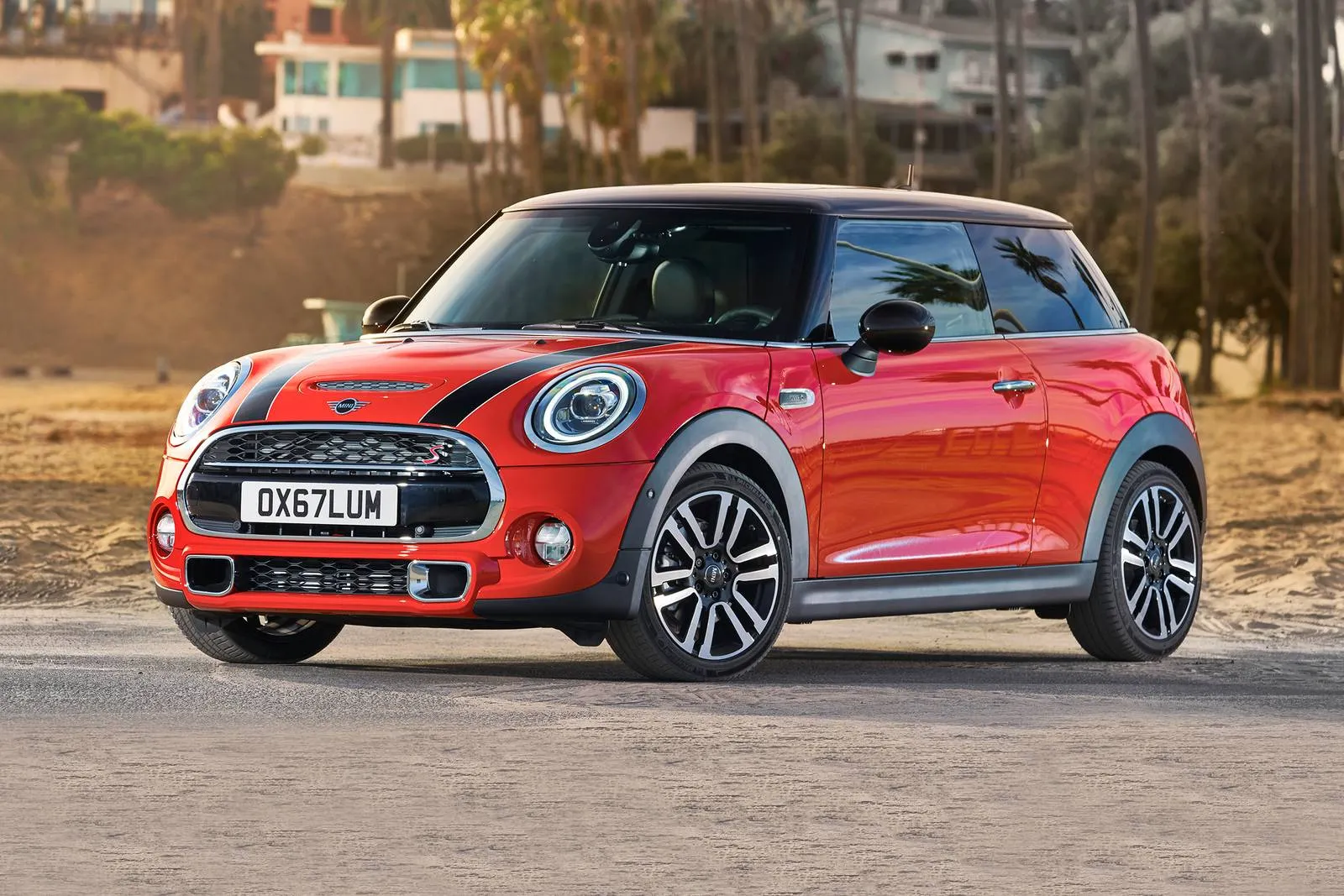
City streets reward compact thinking, and few vehicles embrace that idea better than the Mini Cooper Hardtop 2 Door. With a length of just over 151 inches, this car fits into parking spaces that larger sedans pass by without a second glance. Painted curb lines that look impossible for most vehicles suddenly feel generous when driving a Mini.
Parallel parking becomes less of a test and more of a routine move. The short wheelbase allows quick turns into narrow openings, while the tight turning circle makes it easy to correct your angle without needing a dozen back-and-forth adjustments. Even in older neighborhoods where parking spaces were drawn decades ago for much smaller cars, the Mini slides in without drama.
Urban parking rules often include size restrictions in residential zones or underground garages. The Mini Cooper Hardtop 2 Door clears most height and length limits with ease. Many garages that post warnings about oversized vehicles welcome this car without hesitation. That alone saves drivers from the frustration of hunting for street parking late at night.
Visibility also plays a role in city parking success. The Mini’s upright seating position and large windows provide a clear view of curbs, signs, and surrounding vehicles. When parking enforcement officers rely on precise placement near fire hydrants or driveways, accuracy matters. This car makes it easier to stop exactly where you should.
Technology supports the experience without getting in the way. Parking sensors and a rearview camera help fine-tune your position, while the compact body keeps blind spots to a minimum. You can judge distance confidently and avoid clipping mirrors or bumpers.
Beyond size, the Mini Cooper Hardtop 2 Door matches the spirit of urban life. It feels comfortable squeezing through narrow one-way streets, waiting in traffic, and slipping into short-term parking zones for quick errands. It does not demand special treatment or oversized spaces.
For city drivers who want a car that respects parking rules and works within their limits, the Mini Cooper Hardtop 2 Door feels like it was built for the job.
2. Honda Fit
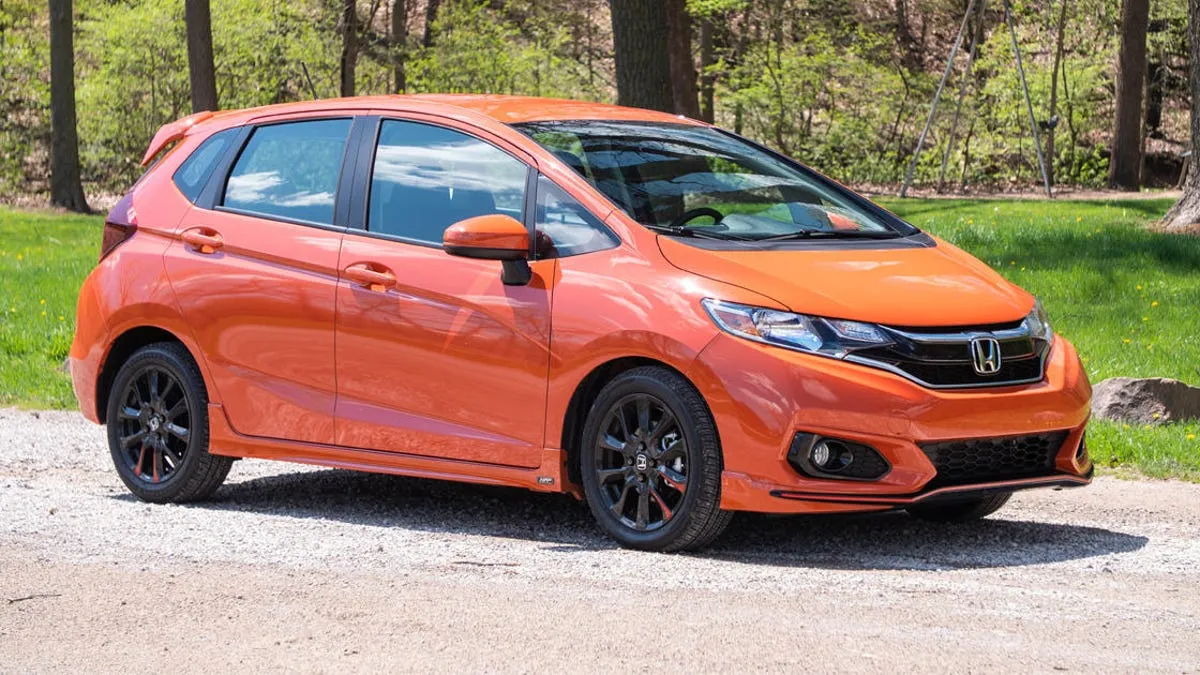
Urban parking rules favor vehicles that respect space, and the Honda Fit has built a reputation on doing exactly that. At roughly 161 inches long, it occupies a sweet spot between subcompact cars and larger hatchbacks. It is small enough to fit into tight curbside openings while still offering real usability for daily life.
Parallel parking in a Honda Fit feels straightforward. The steering is light, the turning circle is short, and the body is easy to judge from the driver’s seat. When a narrow space opens up between two SUVs, the Fit slips in where others cannot. That ability alone can save time, fuel, and stress during busy evenings.
Parking garages often post strict length and height restrictions, especially in older buildings. The Honda Fit clears these limits without hesitation. Low roof height and short front overhang make it compatible with nearly every public or residential garage in a dense city. You can follow the “compact only” signs with confidence.
Street parking rules frequently demand precise placement near crosswalks, corners, and hydrants. The Fit’s excellent visibility helps drivers position the car exactly where it needs to be. Large windows and a tall seating position create a clear view of the curb, while the upright body shape makes it easy to judge distance.
Technology plays a supporting role without adding confusion. A rearview camera and parking sensors help guide the final inches of a tight park, while the simple dashboard layout keeps attention on the street instead of buried in menus.
One of the Fit’s biggest strengths is its ability to adapt. Fold down the rear seats, and it becomes a small cargo hauler for city shopping trips. Leave them up, and it comfortably carries passengers across town. That flexibility means you do not need a larger vehicle that would complicate parking.
From residential permit zones to metered downtown blocks, the Honda Fit follows the rules without forcing compromises. It does not block sidewalks, extend past painted lines, or draw attention from parking enforcement.
For drivers who want a car that blends into the city’s tight spaces and strict parking structure, the Honda Fit remains one of the most practical and stress-free choices available.
Also Read: 5 Cars That Stay Comfortable in Traffic vs 5 cars That Feel Miserable at Low Speeds
3. Toyota Corolla Hatchback
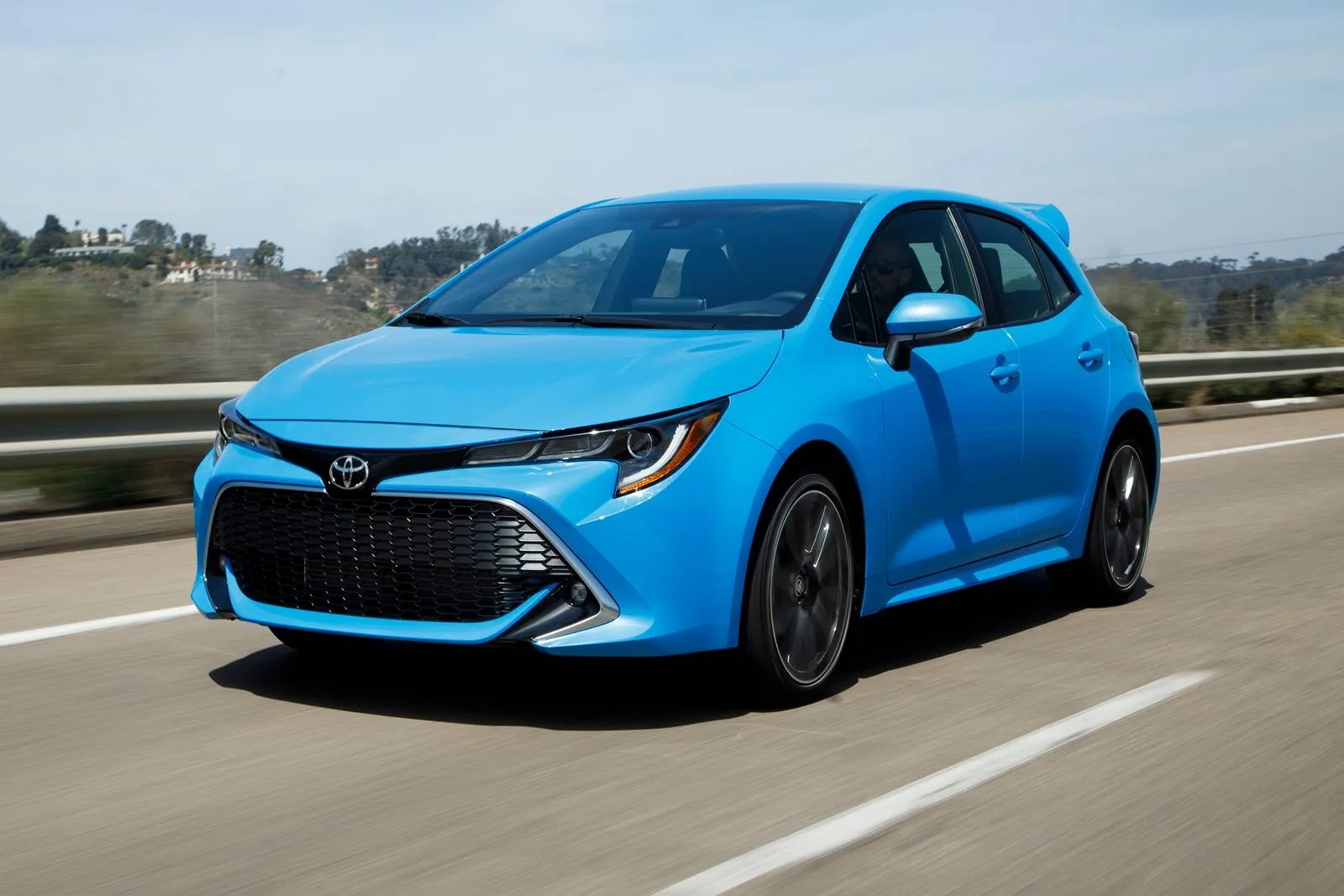
The Toyota Corolla Hatchback proves that a modern compact car can meet urban parking rules while still feeling refined and capable. Measuring about 172 inches in length, it stays well within the size limits of standard curbside spaces and parking garages. That dimension alone makes it a strong choice for dense neighborhoods with limited room.
Parallel parking feels natural thanks to responsive steering and a body shape that is easy to judge from behind the wheel. The hatchback design shortens the rear overhang, making it easier to tuck the back end into narrow gaps between parked cars. When a space looks just a little too small, the Corolla Hatchback often proves otherwise.
Garage parking brings its own challenges, from tight ramps to narrow lanes and compact stalls. The Corolla Hatchback clears height restrictions comfortably and fits into standard stalls without crowding neighboring vehicles. You can open your door without worrying about hitting a concrete pillar or another car.
Street rules demand accuracy. Fire hydrants, driveways, and crosswalks leave little margin for error. The Corolla’s clear camera system and available parking sensors help guide precise placement. Large mirrors and a low hood line improve visibility, making it easier to stop at the correct distance from the curb.
Urban drivers also benefit from the Corolla Hatchback’s calm manners. It moves smoothly through traffic, responds quickly to steering input, and remains easy to control in tight quarters. That sense of control translates directly into better parking decisions.
The interior feels modern without being overwhelming. Controls are simple, displays are clear, and the driving position offers a strong view of the road and surrounding cars. That awareness helps drivers spot legal spaces faster and maneuver into them more confidently.
Toyota’s reputation for reliability also matters in a city. A car that starts every morning and does not demand frequent repairs saves time and avoids towing headaches from narrow streets.
From downtown meters to residential permit blocks, the Toyota Corolla Hatchback fits the rules and respects the space. It offers just enough size for comfort and utility, without crossing the line into parking frustration.
4. Mazda CX-30
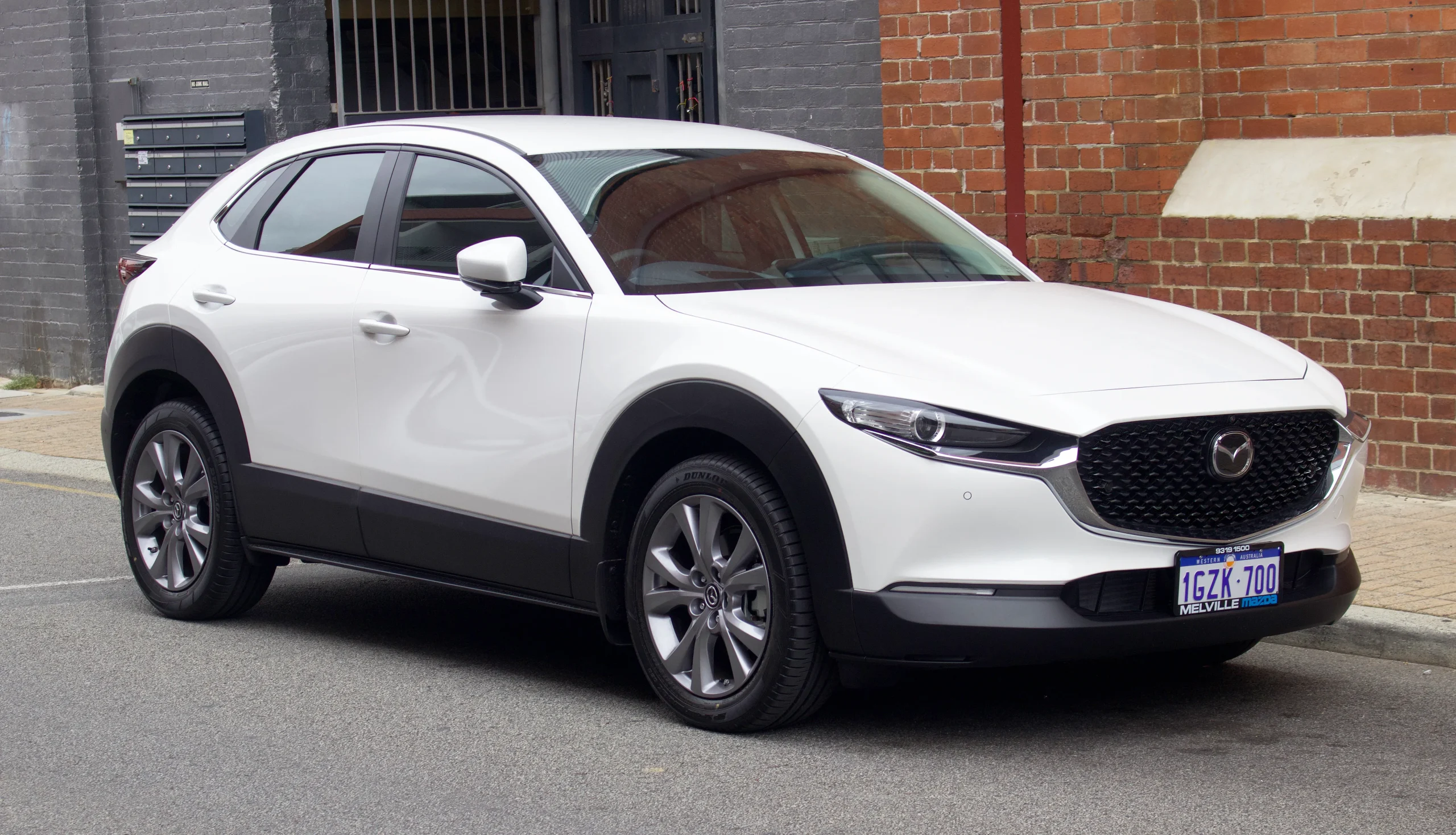
Compact crossovers often struggle with city parking, but the Mazda CX-30 finds a balance that works. With a length of about 173 inches and a slim profile, it fits neatly into standard urban spaces while offering the elevated driving position many city drivers prefer.
Parallel parking a CX-30 feels easier than its SUV styling might suggest. The steering is quick and precise, and the short rear overhang helps slide the vehicle into tight curbside openings. Even in neighborhoods where parking spots feel shorter than they should be, the CX-30 usually fits without drama.
Parking garages present fewer challenges than expected. The vehicle clears common height limits and fits into compact stalls without squeezing against walls or pillars. That matters in older garages built long before modern SUVs became popular.
Street rules demand careful placement, and the CX-30’s visibility helps drivers stop exactly where required. A well-placed rearview camera and available 360-degree view assist in tight situations, allowing confident positioning near curbs, corners, and loading zones.
The slightly higher seating position improves sightlines over parked cars and into intersections. That advantage helps drivers spot legal parking spaces more quickly and judge distances more accurately. It also makes it easier to avoid parking too close to driveways or fire hydrants.
Despite its crossover look, the CX-30 keeps a compact footprint. Doors open without swinging wide into traffic, and mirrors fold in easily for narrow streets. That attention to detail matters when every inch counts.
Inside, the layout stays simple and driver-focused. Controls are intuitive, the dashboard stays uncluttered, and the cabin feels calm even in heavy traffic. That sense of control carries through to parking maneuvers.
For drivers who want a small SUV feel without the parking penalties of a full-size crossover, the Mazda CX-30 fits the city’s rules and rhythm with ease.
5. Hyundai Venue
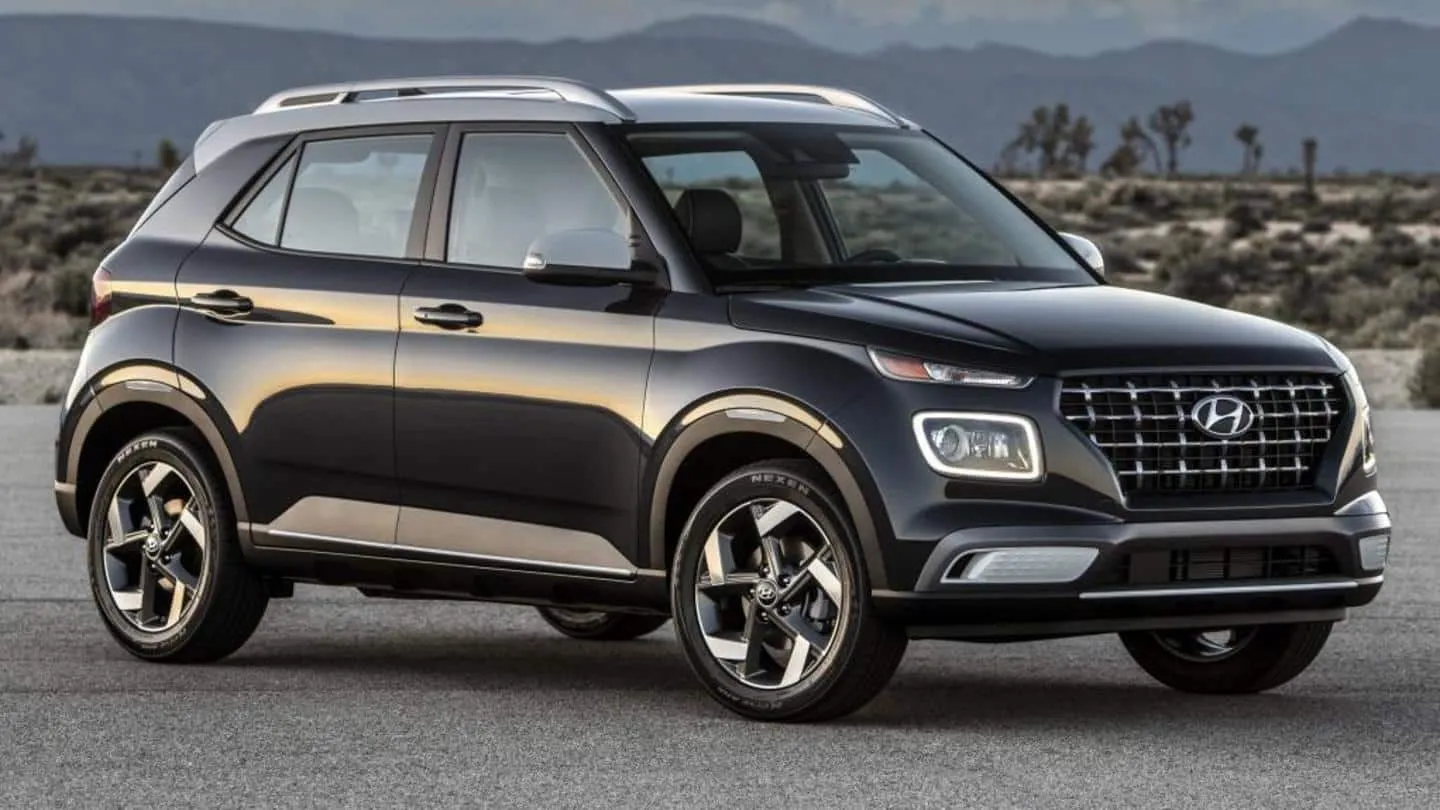
Small size can be a powerful advantage in a dense city, and the Hyundai Venue uses it to full effect. At roughly 159 inches long, it ranks among the shortest vehicles on the road today. That measurement alone makes it a natural fit for tight curbside spaces and compact garage stalls.
Parallel parking at a Venue feels refreshingly simple. The short length and upright shape make it easy to judge distances and angles. You can spot a small opening between two larger vehicles and know right away that the Venue will fit.
Urban parking rules often include zones marked for compact cars only. The Venue qualifies for those spaces and uses them well. That gives drivers more options when blocks are crowded, and legal parking feels scarce.
Garage restrictions rarely pose a problem. The Venue clears height limits with room to spare and fits into narrow lanes without scraping mirrors or bumpers. Even older garages built for much smaller cars welcome this vehicle without complaint.
Visibility plays a huge role in urban parking success. The Venue’s tall seating position and large windows create a clear view of curbs, pedestrians, and nearby cars. Rearview cameras and parking sensors assist with precision, allowing drivers to stop exactly where needed.
The square shape also helps. Straight edges and a short hood make it easier to judge the front corners, while the near-vertical rear makes backing into spaces predictable. You always know where the vehicle ends.
Despite its small footprint, the Venue remains practical. Rear seats fold down for cargo, and the cabin offers enough space for daily errands and short trips across town. That means you do not need a larger vehicle that would complicate parking.
For city drivers who want maximum flexibility with minimum stress, the Hyundai Venue respects urban parking rules and fits into the tightest parts of daily life.
5 Vehicles That Don’t Handle Urban Parking Rules Well
1. Ford F-150 Raptor
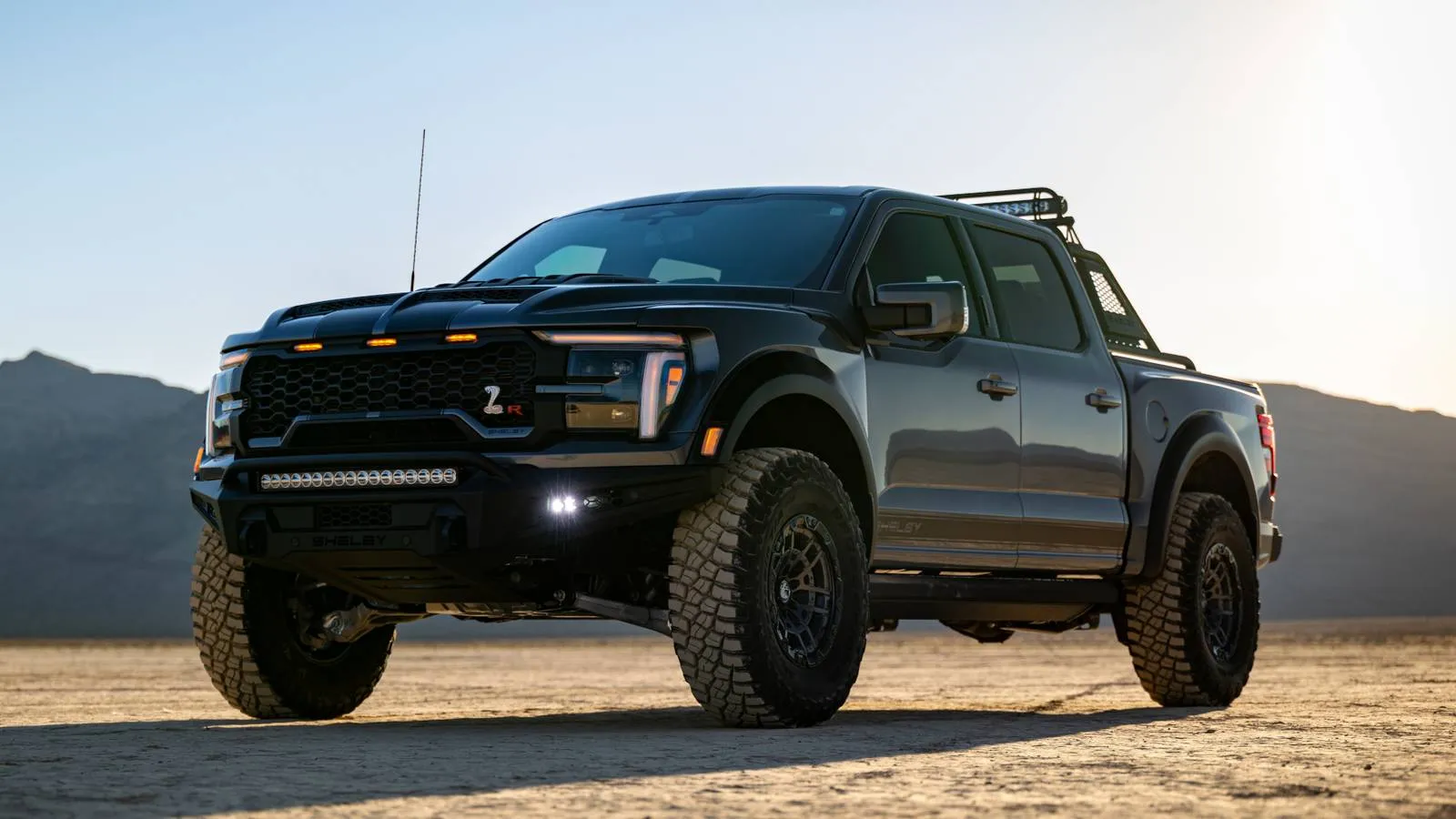
Full-size pickup trucks already push the limits of urban parking, and the Ford F-150 Raptor goes several steps beyond that. Measuring more than 232 inches long and over 86 inches wide with mirrors, this truck stretches far beyond the boundaries of standard curbside spaces.
Painted lines that comfortably hold sedans and compact SUVs feel useless when a Raptor rolls in. Even when parked perfectly, bumpers often hang into crosswalks or block driveways. Parallel parking becomes a test of patience and luck.
The long wheelbase requires massive openings, and most city blocks simply do not offer spaces that long. Drivers end up circling for extended periods, hoping for two empty spaces in a row. When that happens, parking enforcement still may flag the truck if any portion extends beyond legal boundaries.
Parking garages present even bigger problems. Many facilities post length and width limits that immediately exclude the Raptor. Height clearance becomes another obstacle, especially in older garages built for compact sedans. Even if the truck fits inside, tight ramps and narrow lanes turn every turn into a slow, careful crawl.
Urban rules often restrict oversized vehicles in residential zones, particularly overnight. The Raptor frequently falls into these categories, forcing owners to search for special truck parking or private lots. That adds cost and inconvenience to daily life.
Visibility is not the issue. The Raptor sits high with commanding views of traffic and curbs. The problem is pure scale. Cameras and sensors help, but they cannot shrink the body or shorten the bed. A perfect parking maneuver still leaves the truck occupying more space than most rules allow.
This truck shines on open highways, desert trails, and wide suburban streets. Dense city neighborhoods expose its limits quickly. For drivers dealing with street cleaning schedules, permit zones, and tight blocks, the Ford F-150 Raptor feels like bringing a construction vehicle to a bicycle lane.
2. Chevrolet Suburban
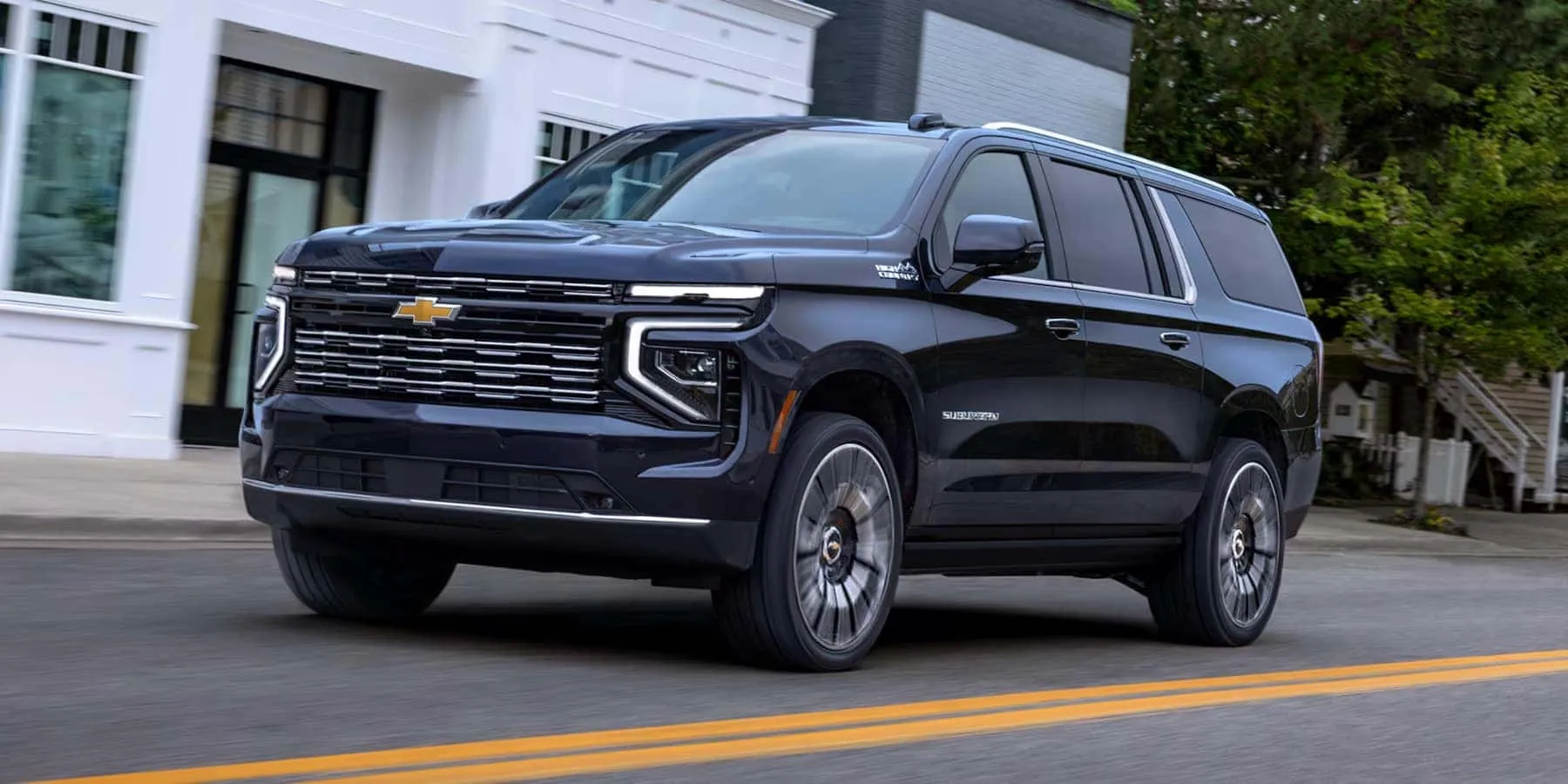
Few vehicles project presence like the Chevrolet Suburban, and few create as many parking challenges in a dense city. With a length approaching 226 inches and a wide stance, this SUV consumes curbside space at an alarming rate. Standard parking spots often fail to contain it, leaving bumpers sticking out into traffic lanes or sidewalk areas.
Parallel parking demands enormous gaps that rarely appear on busy blocks. Even when two compact cars leave an opening, the Suburban may still come up short. Drivers find themselves abandoning potential spots after realizing the vehicle simply does not fit.
Parking garages offer little relief. Many urban garages list maximum length and width limits that exclude vehicles of this size. Ceiling clearance also becomes an issue in older structures. Even when access is allowed, narrow lanes and tight turns turn every level into an obstacle course.
Street rules often restrict oversized vehicles during certain hours or prohibit them entirely on narrow residential roads. The Suburban frequently falls into those categories, placing owners at risk of tickets or forced relocation.
Visibility and technology help with placement, yet they do not solve the size problem. Cameras and sensors assist with alignment, but they cannot create space where none exists. The long hood and extended rear make it difficult to judge corners, especially in crowded areas.
The Suburban excels at moving families, luggage, and equipment across long distances. City parking rules, however, were never written with a vehicle of this scale in mind. For urban residents, daily use means constant compromise, frequent frustration, and limited parking options.
3. Jeep Grand Wagoneer
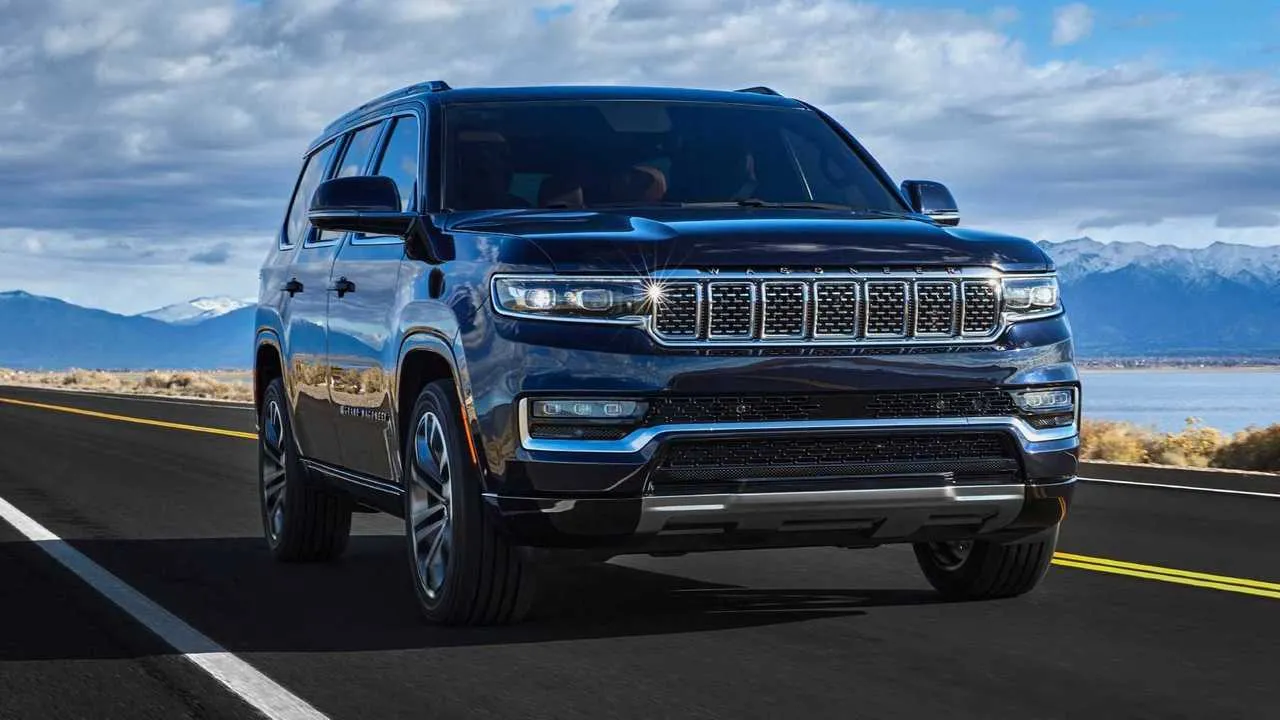
Luxury and size meet in the Jeep Grand Wagoneer, and that combination creates serious tension with urban parking rules. Stretching beyond 214 inches in length and boasting a broad profile, this SUV occupies more curbside real estate than most sedans and crossovers combined.
Parallel parking becomes a rare event rather than a routine task. Finding a space long enough requires extraordinary timing or a nearly empty block. Even when a suitable opening appears, turning the long body into position takes careful planning and several adjustments.
Garages built decades ago rarely welcome a vehicle of this scale. Posted length and height limits frequently exclude the Grand Wagoneer outright. Even modern garages with higher ceilings still present narrow lanes and sharp turns that challenge the SUV’s wide body.
Urban rules often limit oversized vehicles in residential areas, especially overnight. The Grand Wagoneer frequently falls into restricted categories, forcing owners to seek private lots or special permits. That adds ongoing expense and complication.
Driver assistance systems help with awareness, but not with space. A surround view camera can show every corner, yet the laws of physics remain unchanged. When a vehicle takes up nearly two compact spaces, no amount of technology can make it blend into tight streets.
The Grand Wagoneer offers unmatched comfort and presence on highways and suburban roads. Dense neighborhoods reveal a different story. Parking becomes a daily struggle, and compliance with local rules requires constant attention.
For city life, this SUV feels like wearing formal shoes to run a marathon. It looks impressive, but it does not belong in that setting.
4. Cadillac Escalade ESV
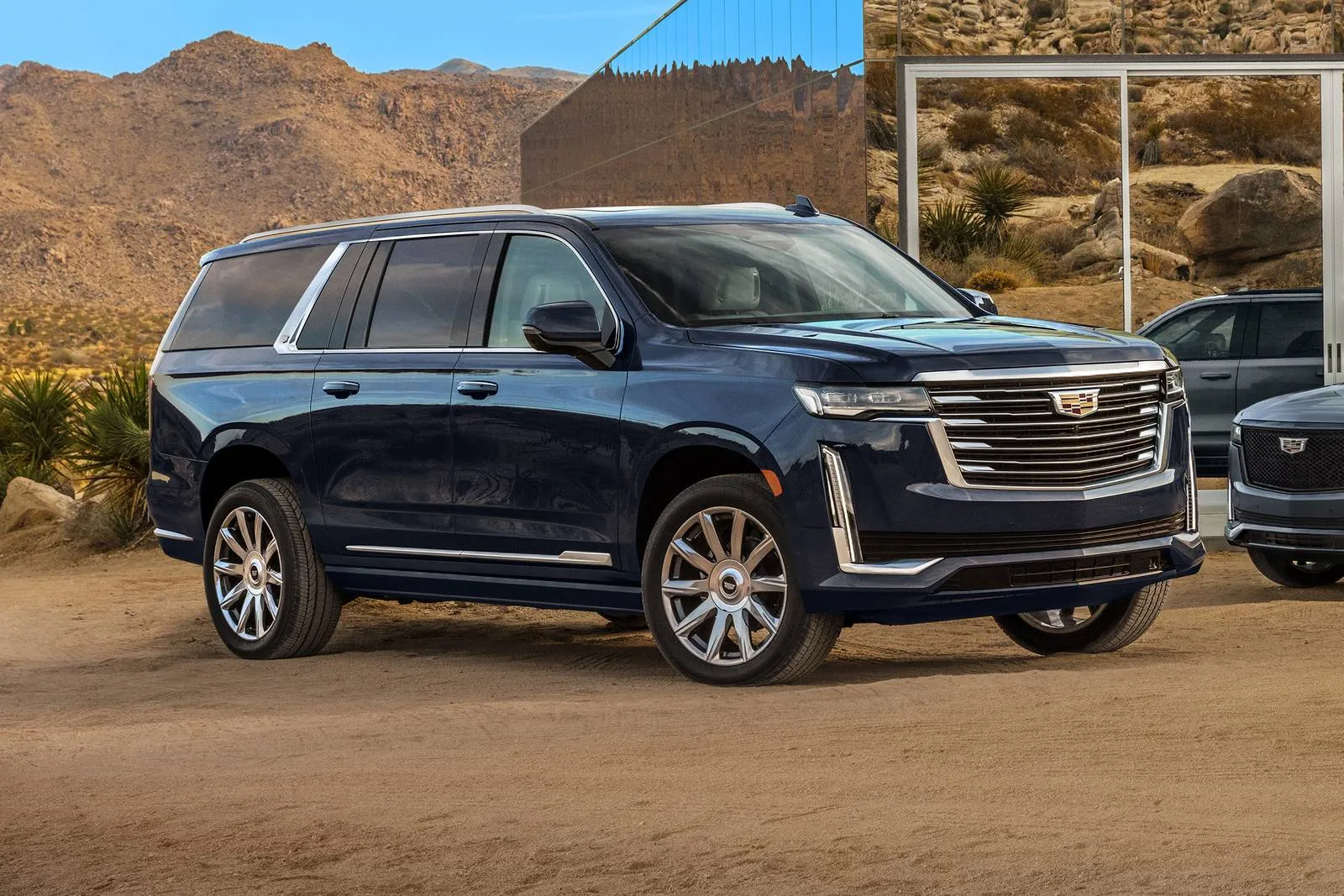
The Cadillac Escalade ESV takes everything large about the standard Escalade and stretches it even further. With a length of more than 227 inches, this SUV exceeds the dimensions of most urban parking spaces by a wide margin. Curbside spots that appear open often turn out to be too short once the driver pulls alongside.
Parallel parking becomes an exercise in patience. The long rear overhang makes it difficult to judge distance, and even a perfect alignment can leave part of the vehicle outside the painted lines. Parking enforcement notices those details quickly.
Garage access presents another challenge. Many urban garages restrict vehicles above certain lengths or heights. The Escalade ESV regularly exceeds those limits. Even when entry is allowed, tight ramps and narrow lanes make maneuvering stressful and slow.
Residential streets with narrow lanes or sharp corners highlight the vehicle’s bulk. Turning radius requires wide swings, which can block traffic or clip curbs. Nighttime parking becomes even harder when visibility drops, and spaces shrink.
Technology assists with placement but does not solve scale. Cameras, sensors, and automated steering help guide the SUV into position, yet they cannot make it fit where it simply does not belong. The Escalade ESV thrives on open roads and long journeys with family and gear.
City parking rules, however, treat it as an outsider. For urban residents, ownership means constant searching, limited options, and frequent compromises.
Also Read: 5 Cars That Cope With Chicago Road Salt vs 5 That Show Rust Early
5. Ram 2500 Heavy Duty
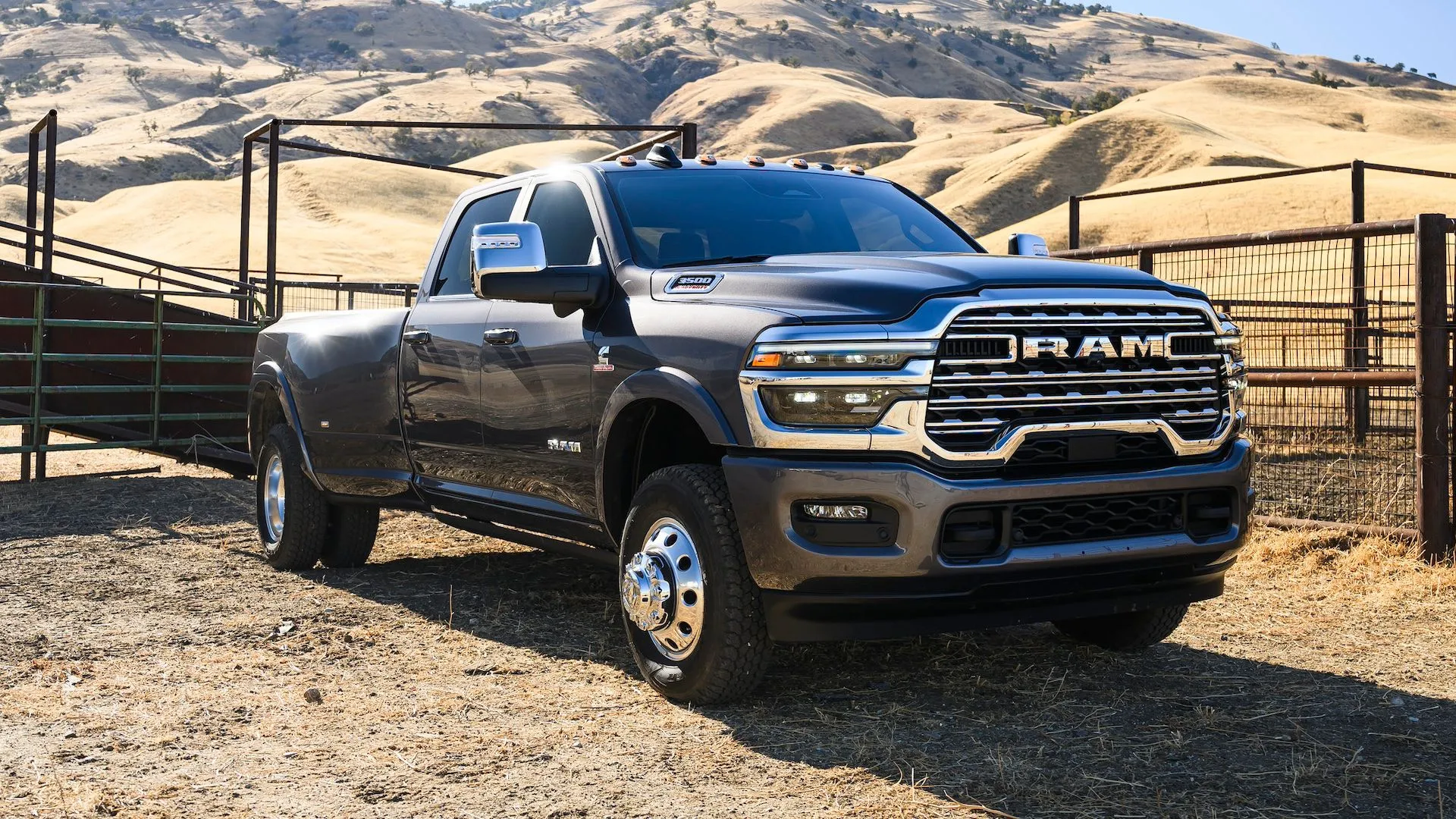
Heavy-duty trucks are built for work, not curbside parking, and the Ram 2500 Heavy Duty proves that point daily in a dense city. With a length that can exceed 260 inches, depending on configuration, this truck dwarfs standard parking spaces.
Parallel parking is almost impossible unless two or three spots open at once. Even then, the long wheelbase demands wide turning angles that crowded streets rarely allow. Drivers often abandon attempts after realizing the truck simply cannot fit.
Garages present firm barriers. Height clearance frequently blocks entry, especially with off-road tires or roof accessories. Length and width limits exclude the truck from most public facilities. Urban rules often restrict heavy-duty vehicles in residential zones.
Weight limits and commercial vehicle classifications place the Ram 2500 in categories that require special permits or off-street storage. Cameras and sensors help with awareness, but scale remains the defining issue.
A truck designed for job sites and open highways does not adapt well to narrow blocks and tight corners. The Ram 2500 Heavy Duty excels at towing, hauling, and long-distance travel. In a dense city, it becomes a burden.
Parking rules, space limits, and daily congestion turn every trip into a logistical challenge. For urban life, this truck feels out of place. It belongs on wide roads and open land, not squeezed between sedans on a crowded block.
