
Brooklyn’s diverse neighborhoods require more than just driving skills it demands the right vehicle. From the narrow, tree-lined streets of Brooklyn Heights to the bustling avenues of Williamsburg, the borough presents unique challenges that make vehicle size a critical consideration.
Parking spaces are notoriously tight, with many residential areas offering only street parking where every inch counts. The constant flow of pedestrians, cyclists, and delivery trucks means maneuverability isn’t just convenient it’s essential for daily sanity.
Brooklyn’s car culture reflects its urban density. While some neighborhoods like Bay Ridge and Dyker Heights offer slightly more generous street widths, areas such as Cobble Hill, Park Slope, and DUMBO feature charming but cramped streets where oversized vehicles become daily obstacles.
The borough’s mix of historic brownstone-lined blocks and modern developments creates varied parking scenarios, but one constant remains: smaller, nimbler vehicles simply make life easier.
This guide examines ten vehicles through the lens of Brooklyn living. The first five are perfectly suited to the borough’s urban world, compact enough to slip into tight spots, efficient for stop-and-go traffic, and sized appropriately for the reality of city life.
The latter five, while excellent vehicles in suburban or rural contexts, prove frustratingly oversized for Brooklyn’s dense streets.
Whether you’re a current resident reconsidering your vehicle choice or a newcomer planning your move, understanding which cars complement Brooklyn’s character can transform your daily driving experience from stressful to seamless.
5 Cars That Work for Brooklyn Neighborhoods
These exceptionally maneuverable vehicles feature compact dimensions and tight turning radii perfectly suited for going through the Brooklyn’s dense urban environment, providing nimble transportation through narrow streets and limited parking without the size frustrations typically associated with driving in NYC’s most populous borough.
Their practical engineering includes small footprints and excellent visibility that resist the parking nightmares found in oversized vehicles while handling tight Park Slope side streets, congested Atlantic Avenue traffic, and precious alternate-side parking spots requiring precise maneuvering skills.
From squeezing into rare Williamsburg spaces to going through the Sunset Park’s crowded residential blocks and parallel parking along bustling Smith Street in Carroll Gardens, these remarkable vehicles continue delivering stress-free urban mobility without the door-ding anxiety or multi-attempt parking that plagues larger alternatives.
1. Honda Civic
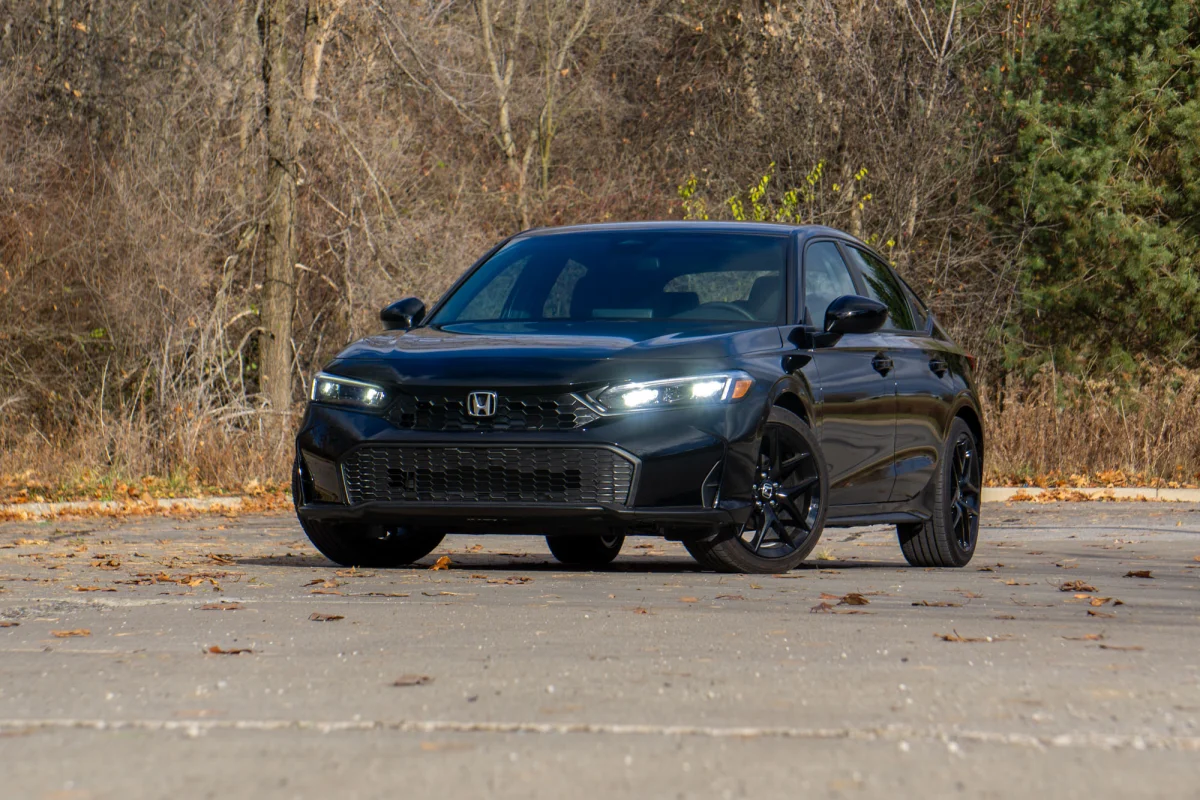
The Honda Civic has earned its reputation as an ideal urban vehicle, and Brooklyn streets showcase exactly why this compact sedan remains a perennial favorite among city dwellers.
With an length of approximately 184 inches and a width of 71 inches, the Civic strikes that perfect balance between interior comfort and external maneuverability that Brooklyn demands.
This sizing allows drivers to go through the tight turns of Boerum Hill’s one-way streets while still accommodating four adults comfortably for a weekend trip to Prospect Park or Coney Island.
Parallel parking Brooklyn’s ultimate test of vehicle practicality becomes remarkably less stressful in a Civic. The car’s excellent sight lines, responsive steering, and compact dimensions mean you can actually fit into those seemingly impossible spots that appear on Court Street or Fifth Avenue.
The turning radius of roughly 37 feet allows for efficient three-point turns on narrow residential blocks, a maneuver you’ll perform countless times when going through the neighborhoods like Carroll Gardens or Greenpoint.
Fuel efficiency represents another crucial advantage in Brooklyn’s stop-and-go traffic patterns. The Civic delivers impressive EPA ratings, with many models achieving over 30 mpg in city driving.
When you’re constantly idling at traffic lights on Flatbush Avenue or crawling through weekend congestion in Williamsburg, this efficiency translates to meaningful savings over time. The hybrid variant pushes efficiency even further, making it particularly attractive for environmentally conscious Brooklynites.
Modern Civic models also include technology features that enhance urban driving. Backup cameras, blind-spot monitoring, and adaptive cruise control may seem like luxuries, but they become practical necessities when going through the Brooklyn’s chaotic traffic mix of cyclists, pedestrians, and aggressive drivers.
The sedan’s trunk space, while not cavernous, handles weekly grocery runs to Key Food or Trader Joe’s with ease, and the rear seats fold down for those occasions when you’re helping a friend move between apartments a common Brooklyn occurrence.
2. Mazda CX-30
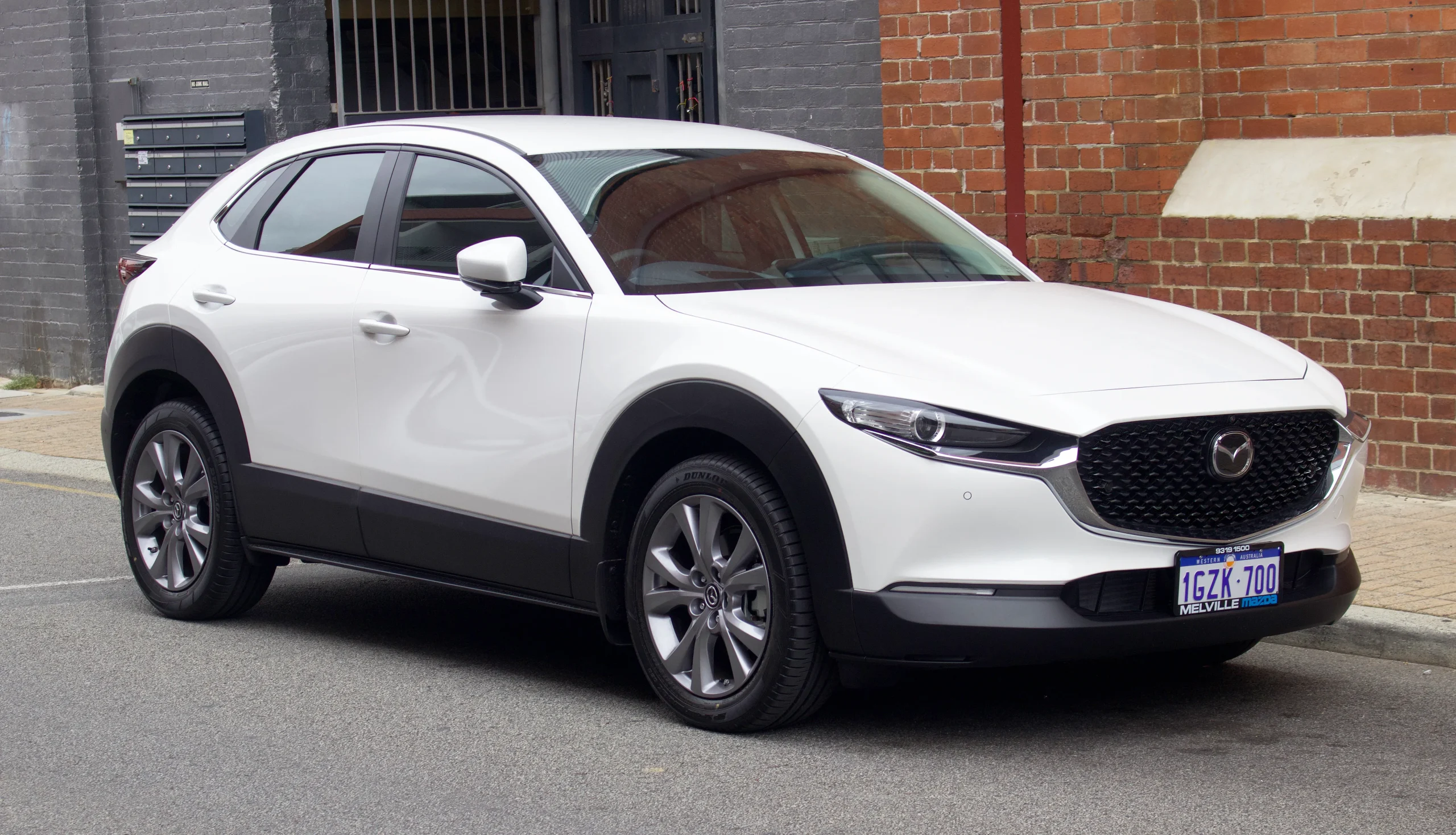
The Mazda CX-30 represents the sweet spot for Brooklynites who want slight elevation and cargo versatility without sacrificing urban maneuverability.
This subcompact crossover measures about 173 inches in length, making it actually shorter than many sedans while providing that higher seating position that helps when going through the visual chaos of Brooklyn’s streets.
The raised perspective proves invaluable when trying to spot parking spaces or watching for cyclists emerging between parked cars.
What sets the CX-30 apart in Brooklyn’s context is its surprisingly tight turning radius of approximately 35 feet. This dimension makes the vehicle feel nimble despite its crossover classification, allowing drivers to execute the constant U-turns and tight corner navigation that characterize driving through neighborhoods like Windsor Terrace or Sunset Park.
The compact footprint means you’re not constantly worrying about clipping mirrors on parked cars when driving down the narrower sections of streets in Brooklyn Heights or Cobble Hill.
The vehicle’s all-wheel-drive option addresses one of Brooklyn’s seasonal challenges: winter weather management. While the borough doesn’t experience the extreme conditions of upstate New York, those February snowstorms can transform unplowed side streets into treacherous passages.
The CX-30’s available AWD system, combined with its higher ground clearance, provides confidence during those first hours after a snowfall when the Sanitation Department is still working through priority routes. This capability eliminates the anxiety of getting stuck in a parking spot or struggling up the hills in Park Slope’s higher elevations.
Mazda’s engineering philosophy prioritizes driving dynamics, which translates to a more engaging experience even in mundane city driving. The responsive steering and well-tuned suspension make the CX-30 feel connected to the road in ways that help when making quick decisions darting into a parking space before someone else claims it, or deftly avoiding potholes on less-maintained streets.
For Brooklyn residents who occasionally escape to the Catskills or Long Island beaches, the CX-30 transforms from city runabout to capable road-tripper without compromise.
3. Toyota Corolla
The Toyota Corolla’s presence on Brooklyn streets is so ubiquitous that it practically defines practical urban transportation. With dimensions similar to the Civic approximately 183 inches long and 70 inches wide the Corolla delivers that critical compact footprint while maintaining a reputation for near-bulletproof reliability that appeals to pragmatic city dwellers.
In neighborhoods from Bed-Stuy to Bensonhurst, you’ll find Corollas of various generations faithfully serving their owners, often with impressively high mileage on their odometers.
The Corolla’s value proposition resonates particularly well with Brooklyn’s diverse economic world. While some residents can afford luxury vehicles, many prioritize affordability and dependability over status symbols.
The Corolla delivers transportation at a reasonable price point with minimal drama no surprise repair bills, no finicky electronics, just reliable point-A-to-point-B functionality. This practical approach aligns perfectly with the mindset of residents managing high rents and living costs while still wanting vehicle ownership freedom.
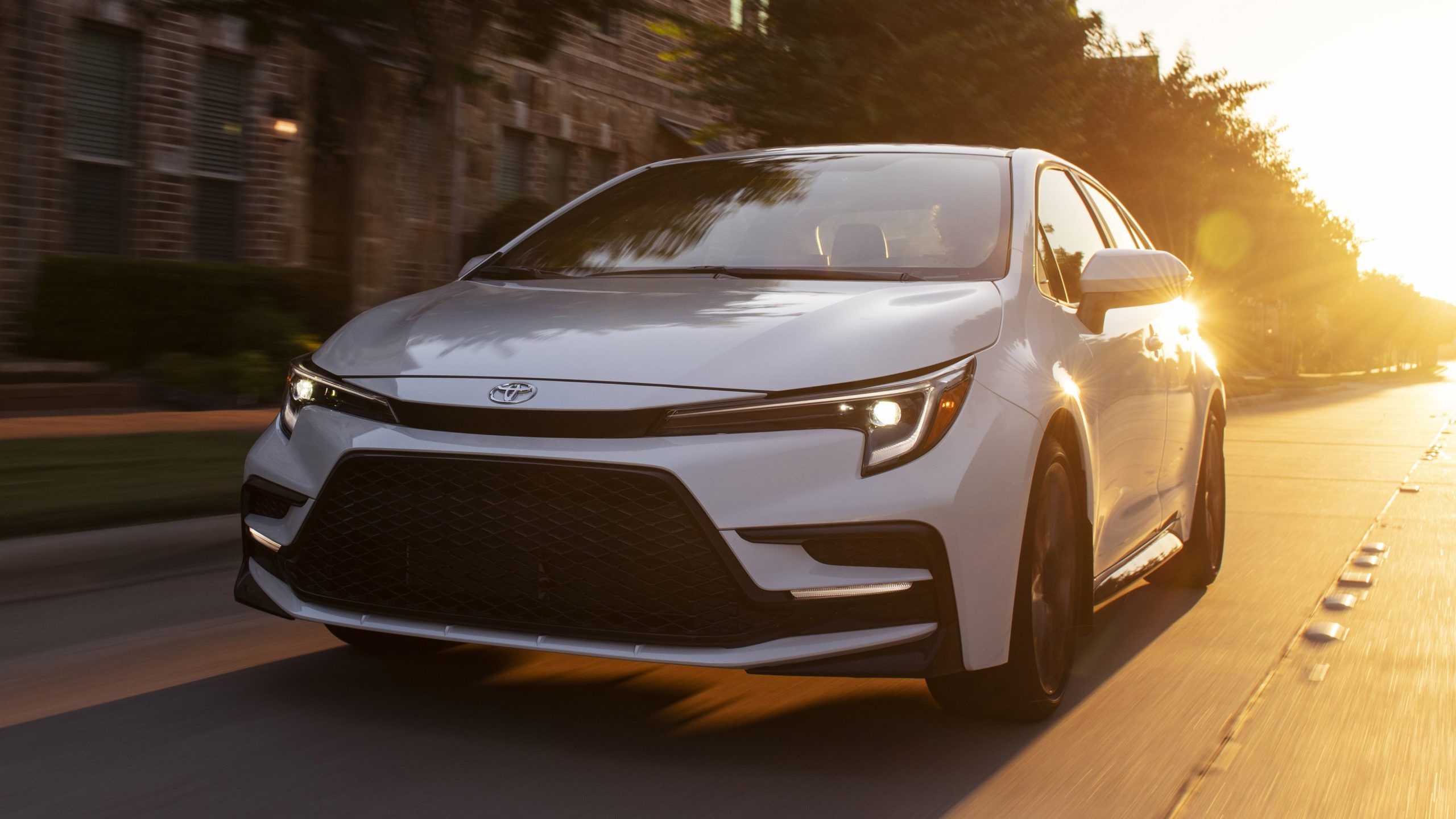
Parking a Corolla in Brooklyn feels almost effortless compared to larger vehicles. The compact dimensions mean those 18-foot parking spaces that dot residential streets become accessible rather than frustrating near-misses.
The sedan’s straightforward design, without excessive body cladding or complicated angles, makes judging distances easier when parallel parking crucial when you’re squeezing between a fire hydrant and someone’s beloved vintage Volvo. Many Brooklyn drivers report that after a few weeks with a Corolla, they develop confidence in parking situations that previously seemed impossible.
The Corolla’s understated design serves as an advantage in urban parking scenarios. Unlike flashier vehicles that attract unwanted attention or potential break-ins, the Corolla blends into the streetscape.
This anonymity provides peace of mind when parking overnight on streets in transitional neighborhoods or leaving your car for extended periods near transit hubs.
The sedan’s reputation and widespread popularity also mean that replacement parts remain affordable and readily available from mechanics throughout Brooklyn, reducing long-term ownership costs a consideration that matters when budgeting for life in an expensive borough.
4. Subaru Crosstrek
The Subaru Crosstrek occupies a unique position in Brooklyn’s automotive world, offering compact dimensions with genuine all-weather capability and outdoorsy versatility.
At roughly 176 inches long and 71 inches wide, the Crosstrek maintains a manageable footprint for city streets while providing 8.7 inches of ground clearance meaningful elevation that helps go through the Brooklyn’s notorious potholes, occasional flooding in low-lying areas like Red Hook, and winter weather challenges without the bulk of larger SUVs.
Brooklyn’s enthusiastic outdoor recreation community gravitates toward the Crosstrek for good reason. The borough houses countless residents who spend weekdays going through the city streets but weekends seeking nature in the Catskills, Adirondacks, or Rockaway Beach.
The Crosstrek transitions seamlessly between these contexts compact enough for alternate-side parking wars on Tuesday mornings, yet capable enough for dirt roads to hiking trailheads on Saturday afternoons.
The roof rack system accommodates bikes, kayaks, or cargo boxes without requiring a massive vehicle, aligning with the urban adventurer lifestyle prevalent in neighborhoods like Williamsburg, Gowanus, and Bushwick.
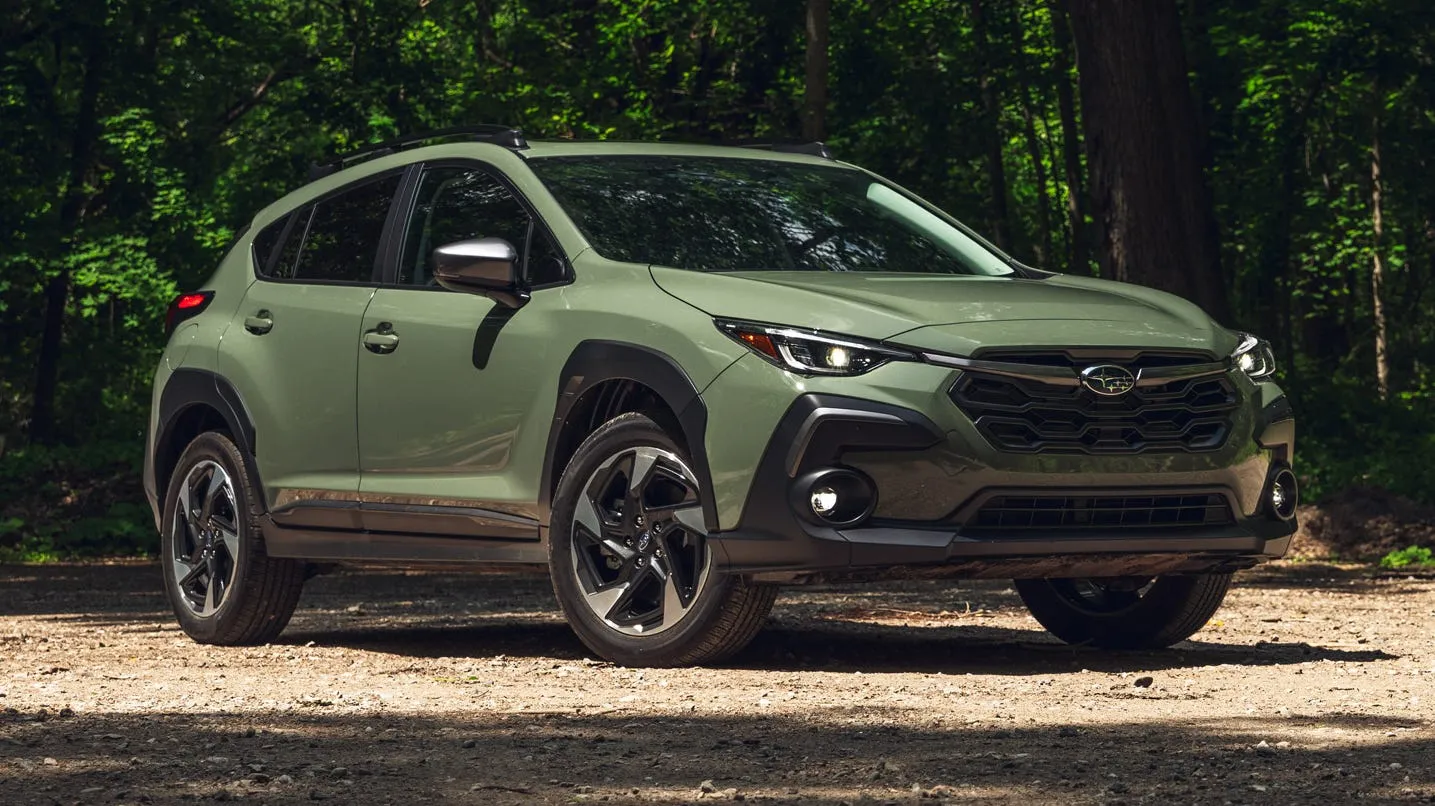
The standard all-wheel-drive system distinguishes the Crosstrek from most compact competitors, providing tangible benefits during Brooklyn winters. Those February mornings when side streets remain unplowed hours after a snowstorm, Crosstrek owners enjoy reliable traction while others struggle.
The system also inspires confidence during heavy rain, which can create surprisingly slick conditions on Brooklyn’s oil-stained streets and metal bridge surfaces. This capability eliminates the anxiety of weather-related immobility that plagues two-wheel-drive vehicle owners.
Subaru’s engineering emphasis on longevity appeals to Brooklyn residents planning to keep vehicles long-term despite the challenges of street parking.
The Crosstrek’s boxer engine design contributes to durability, and the brand’s reputation for vehicles exceeding 200,000 miles makes the initial investment worthwhile.
For Brooklyn residents who view cars as tools rather than status symbols, who value weekend adventures as much as weekday practicality, the Crosstrek delivers a compelling package in a size that respects the reality of urban parking and navigation.
Also Read: 10 Classic Sports Cars That Deserve a Modern Revival
5. Mini Cooper
The Mini Cooper embraces Brooklyn’s urban density with enthusiasm rather than resignation, turning the challenges of city driving into opportunities for fun.
With a length of approximately 151 inches nearly three feet shorter than many sedans—the Mini redefines what’s possible in Brooklyn parking scenarios. Those impossibly tight spaces on Smith Street or Bedford Avenue that other drivers skip become legitimate opportunities for Mini owners.
The compact dimensions transform the parallel parking ordeal into a surprisingly manageable task, often accomplished in a single smooth motion.
The Mini’s legendary handling characteristics make going through the Brooklyn’s chaotic streets genuinely enjoyable rather than merely tolerable.
The go-kart-like responsiveness, tight turning radius of about 35 feet, and nimble dynamics mean you can dart through traffic, slip around double-parked delivery trucks, and go through the tight corners of historic neighborhoods with confidence and even pleasure.
What feels stressful in a larger vehicle becomes almost playful in a Mini the constant maneuvering required by Brooklyn’s street layout plays to the car’s strengths rather than exposing limitations.
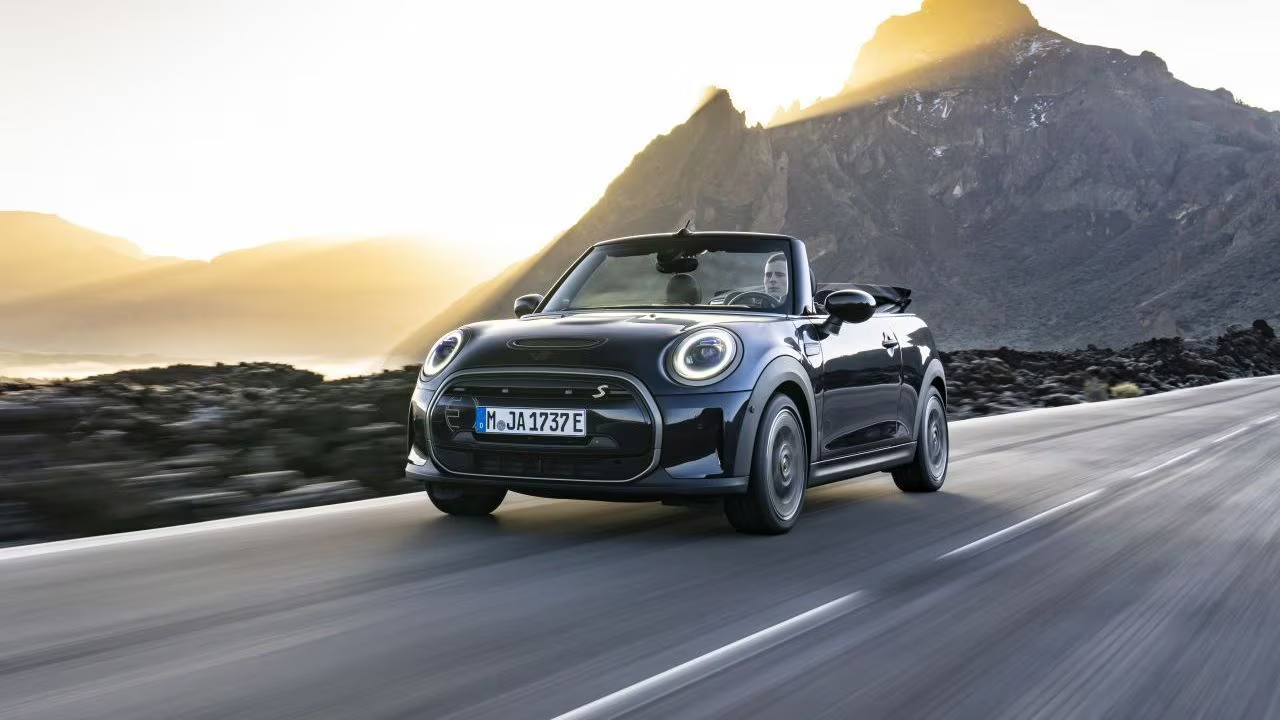
Fuel efficiency in the Mini rewards city dwellers with excellent mileage despite its performance-oriented character. The base Cooper model delivers impressive EPA numbers in city driving, meaningful when your typical journey involves three miles of traffic lights and stop signs rather than highway cruising.
The turbocharged Cooper S variant sacrifices some efficiency for additional power, but even this sportier option remains reasonable compared to larger vehicles. For Brooklyn residents whose daily driving consists of neighborhood errands, commutes to nearby areas, or occasional trips to JFK or LaGuardia, the Mini’s efficiency translates to fewer gas station visits.
Practical considerations balance the Mini’s fun-oriented character. The hatchback design provides more cargo flexibility than the diminutive exterior suggests, handling grocery runs and weekend trips adequately if not spaciously. Modern safety features, including stability control and multiple airbags, address urban driving’s unpredictability.
The premium interior quality creates a pleasant environment despite the small cabin, with attention to detail that makes even short trips feel special.
For Brooklyn residents who have accepted limited vehicle space as the trade-off for exceptional maneuverability and parking ease, the Mini Cooper delivers an engaging solution that makes urban driving less of a chore and more of an experience.
5 Cars That Feel Oversized for Brooklyn
These frustratingly impractical vehicles suffer from excessive dimensions and poor urban maneuverability that create constant headaches throughout Brooklyn’s dense neighborhoods, transforming routine errands into stressful searches for rare oversized parking spots that accommodate their unwieldy proportions in America’s most parking-challenged borough.
Their problematic characteristics include SUV-like turning circles and extended lengths that cannot go through the Brooklyn’s historic street layouts designed decades before modern vehicle bloat, leading to impossible parallel parking scenarios along tight residential blocks and genuine anxiety maneuvering through narrow one-way streets.
1. Chevrolet Suburban
The Chevrolet Suburban represents maximum American vehicle ambition unfortunately, this ambition crashes headlong into Brooklyn’s spatial reality.
At approximately 225 inches long, 81 inches wide, and 76 inches tall, the Suburban dwarfs most parking spaces and presents constant challenges in the borough’s dense environment.
This full-size SUV was engineered for wide Texas highways and spacious suburban driveways, contexts dramatically different from Brooklyn’s 19th-century street grid designed for horse-drawn carriages, not modern behemoths.
Parallel parking a Suburban in Brooklyn transitions from routine task to geometric puzzle requiring advanced spatial reasoning. Standard Brooklyn parking spaces hover around 22 feet long, leaving minimal margin for error with the Suburban’s 19-foot length.
The width creates additional complications you’re constantly worried about protruding into the traffic lane or pinning yourself against parked cars, making entry and exit awkward or impossible.
The Suburban’s turning radius of approximately 40 feet means three-point turns on narrow streets require four, five, or even six points, blocking traffic and testing the patience of everyone around you. Attempting this maneuver on the narrow streets of Brooklyn Heights or Cobble Hill borders on absurd.
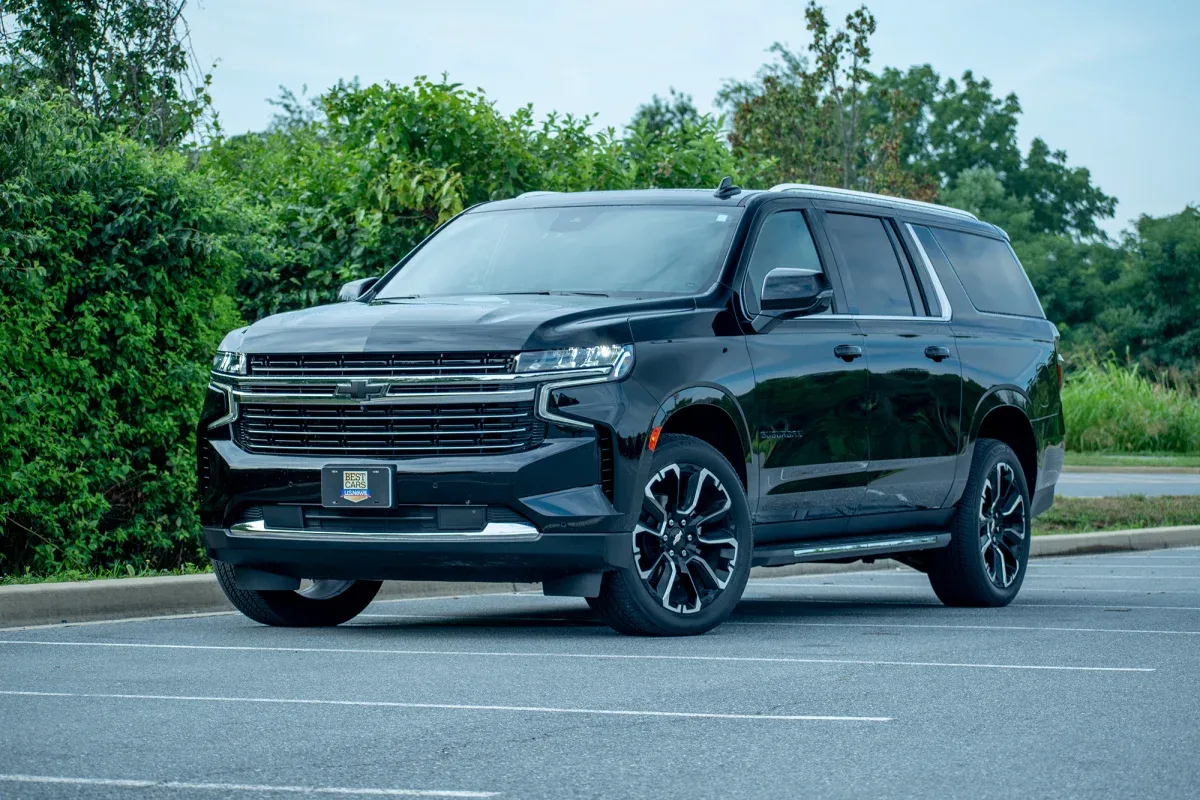
The visibility challenges compound in urban environments. Despite the raised seating position, the Suburban’s massive hood and body create significant blind spots precisely where Brooklyn places vulnerable road users cyclists filtering through traffic, children playing near parked cars, and pedestrians crossing at unmarked locations.
The rear visibility, even with backup cameras, remains compromised by the vehicle’s sheer size. going through the tight parking garages in downtown Brooklyn or attempting to use residential driveways becomes an exercise in anxiety, with inches separating your vehicle from expensive damage.
The Suburban’s presence on narrow Brooklyn streets creates tension with other road users. Cyclists struggle to pass safely, pedestrians find crosswalks blocked, and other drivers face difficulty going through the around this oversized presence. The vehicle simply doesn’t respect the scale of its environment.
While the Suburban serves legitimate purposes for large families, commercial uses, or towing needs, these requirements rarely align with Brooklyn lifestyles. Most residents manage perfectly well with smaller vehicles, making the Suburban’s presence feel less like practical necessity and more like stubborn refusal to acknowledge urban reality.
For the overwhelming majority of Brooklyn scenarios school runs, grocery shopping, commuting, weekend trips the Suburban represents massive overkill that transforms routine driving into constant struggle.
2. Ford F-150
The Ford F-150, America’s perennial best-selling vehicle, demonstrates its popularity in contexts far removed from Brooklyn’s dense neighborhoods. This full-size pickup truck measures approximately 231 inches long in crew cab configurations, with a width around 80 inches and height exceeding 75 inches.
These dimensions create immediate friction with Brooklyn’s infrastructure residential streets where cars park on both sides, leaving barely enough room for two-way traffic, suddenly become congested single lanes when an F-150 claims its space.
Parking challenges multiply exponentially with the F-150’s proportions. The truck’s length exceeds most standard Brooklyn parking spaces, forcing owners to either block driveways, encroach on crosswalks, or park farther from their destination than needed.
The width creates constant door-opening anxiety will you damage the adjacent vehicle, or trap yourself inside? The bed, however useful in suburban or rural contexts, becomes wasted space in Brooklyn where pickup truck utility rarely materializes. Most Brooklyn residents don’t haul construction materials, boats, or farm equipment weekly, making the F-150’s defining feature largely ornamental.
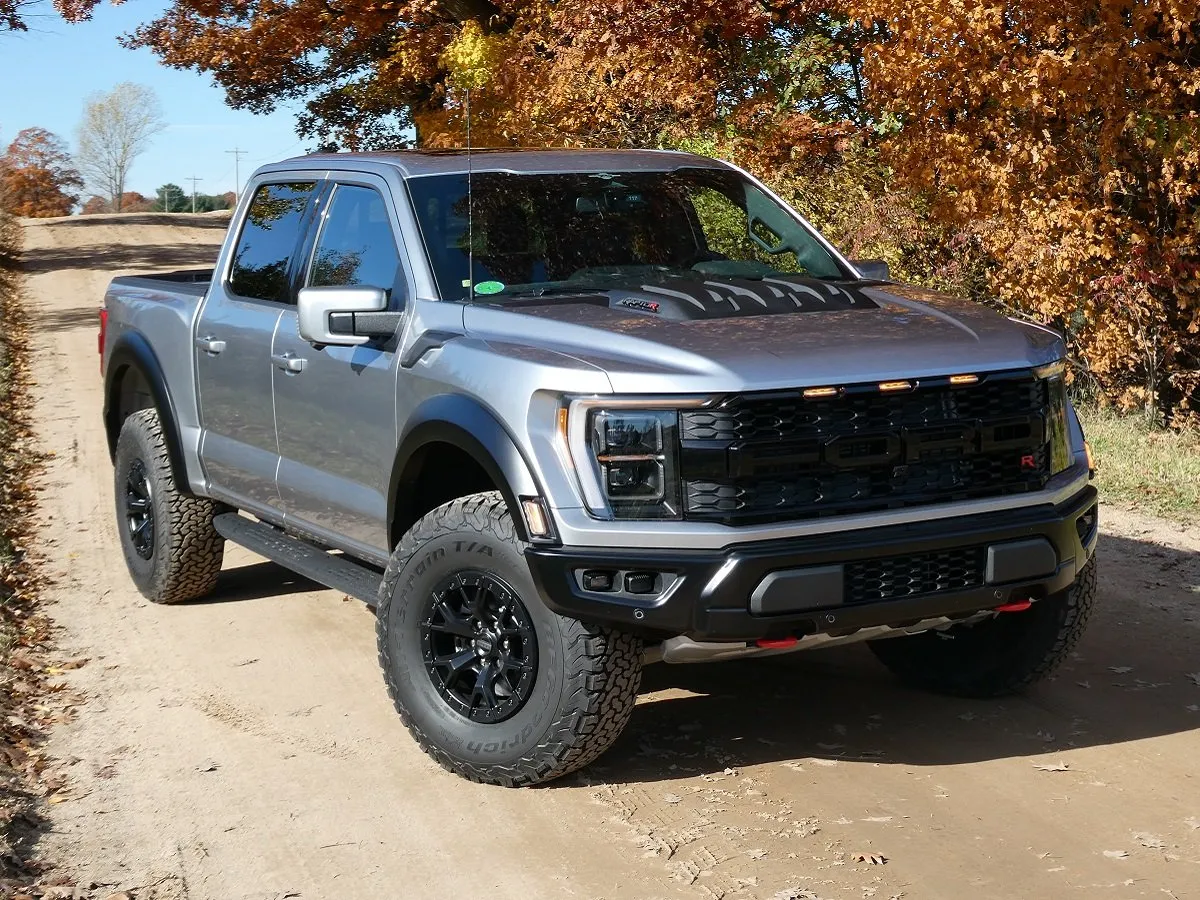
Maneuvering the F-150 through Brooklyn’s street network feels like piloting an aircraft carrier through a canal system. The turning radius of approximately 48 feet for four-wheel-drive models means tight corners require elaborate multi-point turns.
going through the parking lots at Target in Atlantic Terminal or attempting to use the Whole Foods garage in Gowanus becomes genuinely stressful, with the truck’s bulk leaving minimal clearance on either side.
The raised ride height and long hood create visibility challenges for spotting pedestrians, cyclists, and small vehicles particularly dangerous in school zones and residential areas where children might dart between parked cars.
The cultural disconnect between the F-150’s image and Brooklyn’s character cannot be ignored. This truck projects capability for rugged work, outdoor adventures, and rural lifestyles contexts largely absent from daily Brooklyn existence.
While some owners genuinely utilize truck capabilities for contracting work or equipment transport, many F-150s on Brooklyn streets serve the same mundane purposes as any sedan, just with dramatically worse urban suitability.
The vehicle’s popularity stems from broader American preferences rather than alignment with Brooklyn’s needs. For the rare occasions when truck capability becomes necessary helping someone move, hauling furniture from Ikea rental services offer economical solutions without the daily burden of inappropriate vehicle ownership.
3. GMC Yukon XL
The GMC Yukon XL extends the already substantial Yukon platform to extraordinary lengths approximately 225 inches creating a vehicle that feels almost comically oversized for Brooklyn’s environment.
This extended-length SUV prioritizes maximum interior space and third-row comfort, design goals that align with suburban family needs but clash spectacularly with urban density.
The Yukon XL’s width of 81 inches and height of 76 inches complete the oversized package, creating a vehicle that dominates Brooklyn streets in ways that frustrate rather than impress.
Street parking with a Yukon XL requires hunting for those rare spaces where two standard spots merge due to driveways or hydrant placements. Standard 22-foot spaces barely accommodate the vehicle’s length, and even when you find adequate space, the parking process demands precision that the Yukon XL’s size actively undermines.
The turning radius approaches 40 feet, making the tight maneuvering required for parallel parking a multi-step process that blocks traffic and tests your patience. In neighborhoods with particularly narrow streets Brooklyn Heights, Boerum Hill, parts of Park Slope finding any legal parking option becomes a daily challenge that wastes time and fuel.
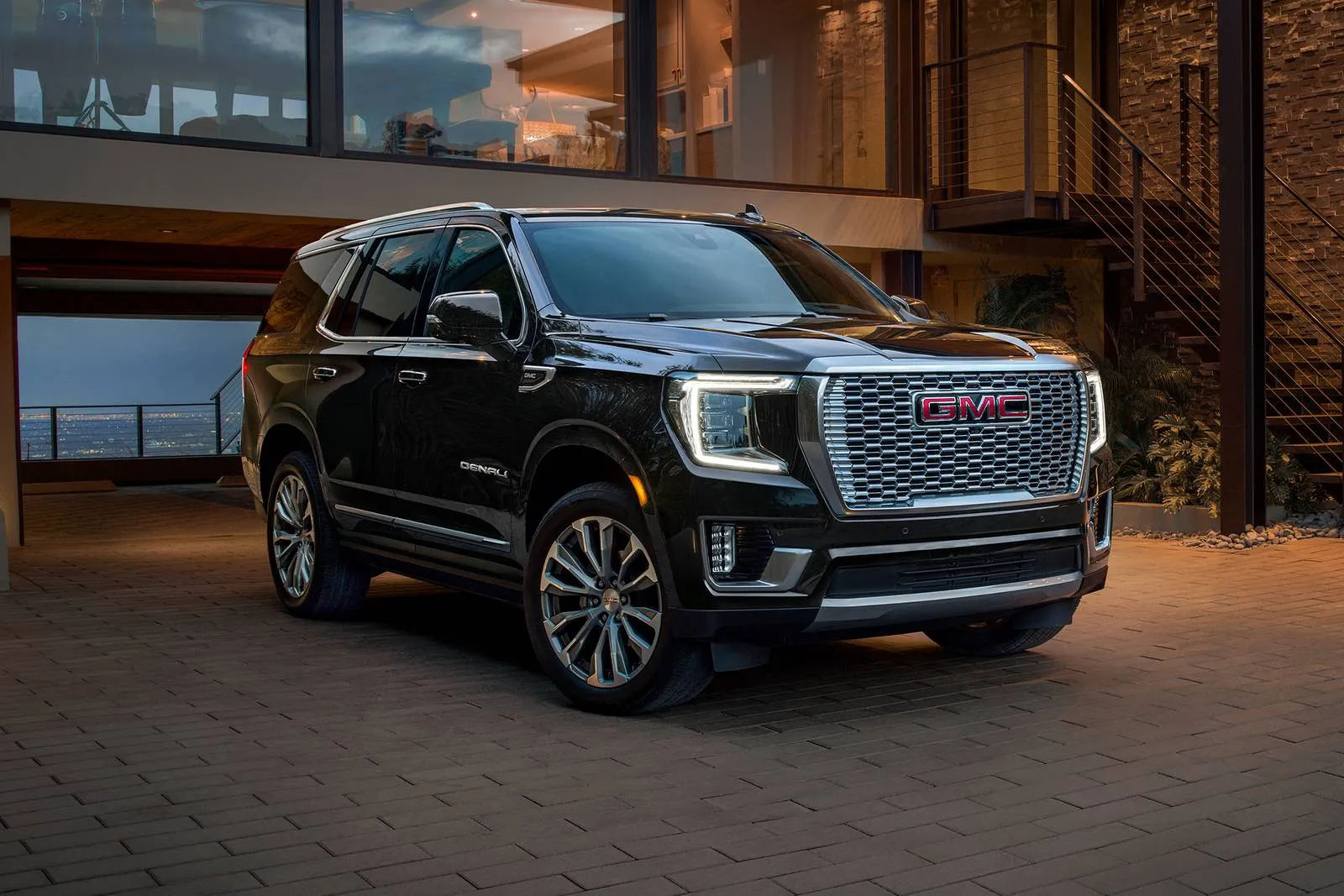
The Yukon XL’s highway-oriented engineering philosophy shows its limitations in city environments. The suspension, tuned for comfortable highway cruising and rough terrain capability, feels ponderous when going through the pothole-riddled Brooklyn streets at 25 mph.
The steering, appropriately weighted for highway stability, requires excessive effort during the constant low-speed maneuvering that characterizes urban driving.
The vehicle simply wasn’t designed for the type of driving that represents 90% of Brooklyn operation frequent stops, tight turns, low speeds, and parking lot navigation.
Visibility concerns escalate with the Yukon XL’s height and length. The raised seating position provides distance vision but creates blind spots around the vehicle’s perimeter precisely where Brooklyn places vulnerable road users. Cyclists attempting to pass, children playing near parked cars, and pedestrians crossing at uncontrolled intersections can disappear into these blind zones.
The long hood and rear overhang create additional visibility challenges during parking and maneuvering. While modern safety features like 360-degree cameras help, they’re technological band-aids addressing problems created by fundamental vehicle inappropriateness.
The Yukon XL serves legitimate purposes for specific buyers large families taking regular road trips, commercial transport needs, serious towing requirements but these scenarios rarely align with typical Brooklyn lifestyles, making its presence feel more like misplaced suburban aspiration than practical transportation choice.
4. Ram 1500 Crew Cab Long Bed
The Ram 1500 in crew cab, long bed configuration represents peak pickup truck capability and peak urban inappropriateness. This configuration stretches approximately 242 inches from bumper to bumper, making it one of the longest consumer vehicles available and absolutely the worst choice for Brooklyn’s constrained environment.
The 6.5-foot bed extends the wheelbase substantially, creating a vehicle whose length exceeds any reasonable Brooklyn parking space by significant margins. Combined with 82 inches of width, the Ram 1500 occupies more street space than many studio apartments occupy floor space.
Parking this truck in Brooklyn transitions from challenging to nearly impossible. Standard residential parking spaces measure 22 feet, while the Ram extends over 20 feet leaving minimal margin even in ideal conditions.
Real-world parking scenarios, with painted lines faded or absent, spaces irregular, and driveways complicating matters, make finding adequate parking a genuine ordeal.
The long bed creates additional complications; it extends well behind the rear axle, making the back end swing wide during turns and making it difficult to judge parking distances. Three-point turns become five or seven-point affairs, blocking narrow streets while you execute elaborate maneuvers.
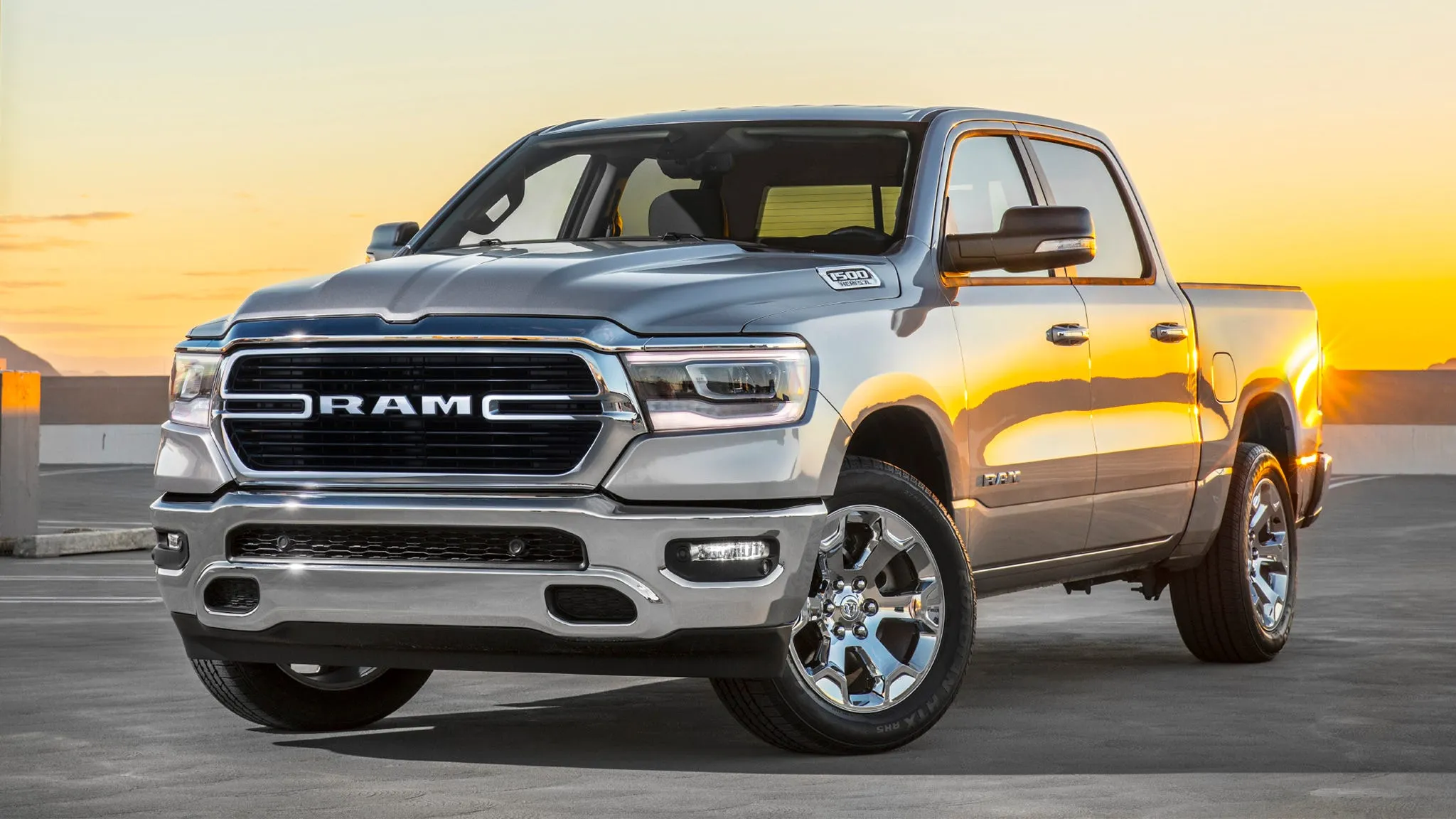
The fundamental mismatch between pickup truck utility and Brooklyn needs becomes most apparent with the Ram 1500. The long bed provides serious cargo capability useful for contractors, landscapers, or rural property owners who regularly haul equipment, materials, or livestock.
These use cases barely exist in Brooklyn, where most residents work in offices, shops, or creative spaces requiring no more cargo capacity than a sedan trunk provides. The few times annually when truck capability might help hauling furniture, moving apartments, picking up building materials rental trucks offer economical alternatives without the daily burden of inappropriate vehicle ownership.
The Ram 1500’s presence creates genuine safety concerns in Brooklyn’s pedestrian and cyclist-heavy environment. The tall front end creates a massive blind zone directly ahead of the vehicle, making pedestrians and especially children effectively invisible to the driver.
Studies show that these high-front-end trucks cause more severe pedestrian injuries than traditional cars due to impact height and mass. In neighborhoods like Park Slope with numerous young families, or areas like Williamsburg with heavy cyclist traffic, the Ram’s design introduces risk without purpose.
The vehicle was engineered for capability in rural and suburban contexts towing boats, going through the construction sites, hauling trailers scenarios that don’t materialize in daily Brooklyn life. For the overwhelming majority of Brooklyn residents, the Ram 1500 represents massive vehicle overkill that creates problems far exceeding any benefits it provides.
5. Cadillac Escalade ESV
The Cadillac Escalade ESV represents luxury vehicle excess scaled to absurd proportions, creating a package particularly poorly suited to Brooklyn’s urban reality.
At approximately 226 inches long, 81 inches wide, and 77 inches tall, this extended-length luxury SUV combines the Suburban’s bulk with premium pricing and the cultural statement that you value personal comfort over community consideration.
The ESV (Extended Sport Vehicle) designation adds 14 inches to the standard Escalade, creating a vehicle whose presence on narrow Brooklyn streets feels almost antagonistic to the environment around it.
Parking the Escalade ESV tests both skill and patience while delivering frustration as compensation. The sheer length requires finding those rare oversized spaces or accepting that you’ll partially block driveways, protrude into crosswalks, or force other drivers into dangerous positions.
The width means parallel parking leaves minimal room for opening doors without dinging adjacent vehicles or trapping yourself inside. The Escalade’s luxury positioning makes these parking struggles particularly ironic you’ve paid premium money for a vehicle that transforms routine parking into advanced spatial reasoning exercises.
The turning radius of approximately 40 feet means executing three-point turns requires multiple back-and-forth movements that block traffic on narrow streets.

The Escalade ESV’s luxury features, impressive in highway or suburban contexts, provide marginal benefit in Brooklyn’s environment. The smooth, quiet ride quality that shines during long highway cruises feels less relevant when you’re crawling through Atlantic Avenue traffic at 15 mph.
The premium audio system can’t overcome the reality that you’re rarely on the road long enough to enjoy it most Brooklyn trips last under 20 minutes.
The spacious third-row seating, comfortable for adult passengers on road trips, goes unused during daily commutes and errands. You’re essentially paying luxury prices for capabilities that Brooklyn’s driving patterns rarely allow you to appreciate.
The vehicle’s bulk demands accommodation from everyone around it cyclists must wait while it squeezes through narrow passages, pedestrians face blocked sight lines at intersections, other drivers go through the around its intrusive presence.
While luxury vehicles have their place, the Escalade ESV’s specific combination of size, expense, and impracticality makes it feel less like transportation and more like mobile statement of disregard for urban context.
For the vanishingly small percentage of Brooklyn residents who genuinely require eight-passenger luxury seating and maximum cargo space simultaneously, the Escalade ESV serves a purpose but for the vast majority, it represents questionable judgment that prioritizes personal preferences over communal consideration and practical suitability.
