

Daily driving stress looks very different from occasional road trips or weekend cruising. It’s stop-and-go traffic, pothole-riddled streets, rushed cold starts, aggressive merging, short trips that never let the engine fully warm up, and constant exposure to heat, cold, salt, and inattentive drivers.
In the United States, where many commuters rack up 12,000 to 15,000 miles a year or far more vehicle reliability isn’t about how a car performs when new, but how it holds up after years of routine abuse.
Some vehicles are engineered with daily stress in mind. They use proven powertrains, conservative tuning, and components that prioritize longevity over novelty.
Others, despite impressive specs or premium badges, struggle under the grind of real-world ownership. Complex electronics, fragile transmissions, and high-maintenance engines can turn daily driving into an expensive headache.
Below are five vehicles that have earned a reputation for staying reliable under daily stress, followed by five that often disappoint owners once the honeymoon period ends.
This comparison isn’t about brand loyalty it’s about patterns seen over time in ownership costs, durability, and real-world usage.
Vehicles That Stay Reliable Under Daily Stress
In the daily grind of commuting, errands, and weekend adventures, reliability isn’t just a convenience—it’s a necessity. Some vehicles can shrug off miles of stop-and-go traffic, endure harsh weather, and still start without hesitation day after day. In this article, we spotlight cars that consistently prove their dependability under real-world, daily stress, giving drivers confidence that their ride will perform when it matters most.
1. Toyota Corolla
The Toyota Corolla has become almost synonymous with dependable transportation in the U.S., and that reputation wasn’t built on hype. Its reliability comes from conservative engineering choices.
Toyota tends to refine engines and transmissions for years before rolling them out broadly, which means most Corollas use powertrains that have already been stress-tested by millions of drivers.
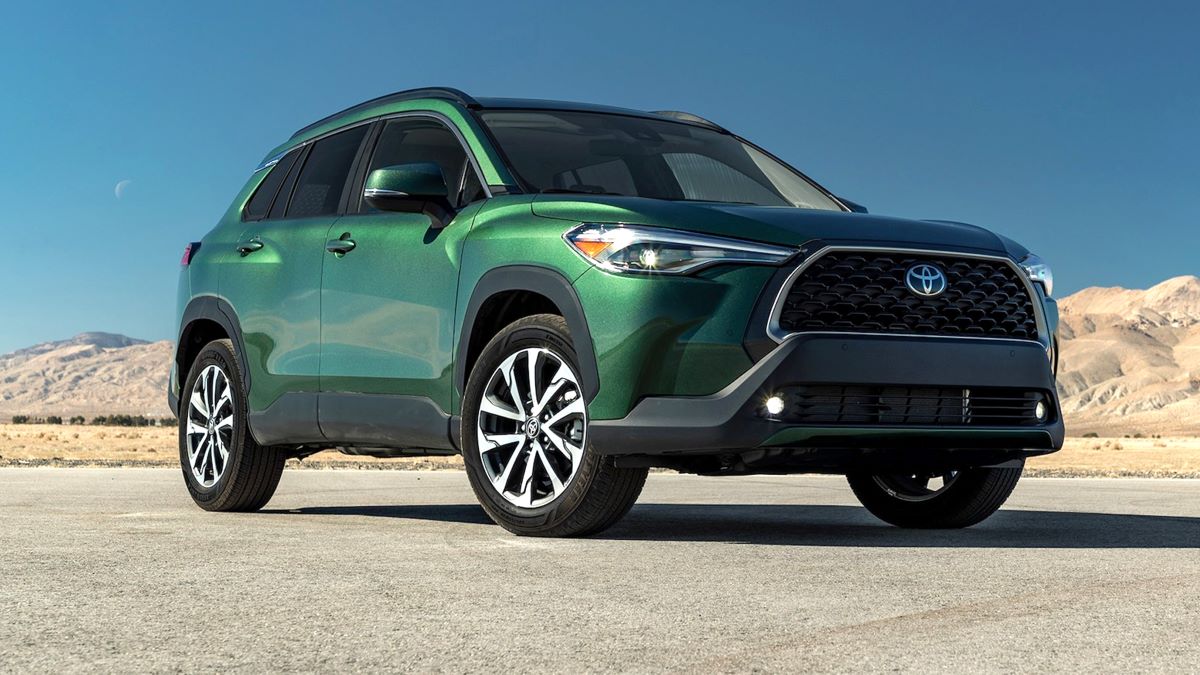
Daily stress rarely fazes the Corolla. Short trips, constant idling, and urban driving don’t strain its naturally aspirated engines the way they might in turbocharged competitors.
Maintenance costs remain low, parts are widely available, and issues tend to be minor rather than catastrophic. While it may not excite enthusiasts, the Corolla excels at quietly doing its job day after day without demanding attention or money.
2. Honda CR-V
For American families and commuters who need versatility, the Honda CR-V has proven itself as one of the most durable compact SUVs on the road.
Its strength lies in balance: enough space, enough power, and enough refinement without overcomplicating the formula.
CR-Vs are frequently driven hard loaded with passengers, groceries, sports gear, and luggage yet they continue to perform reliably well into high mileage.
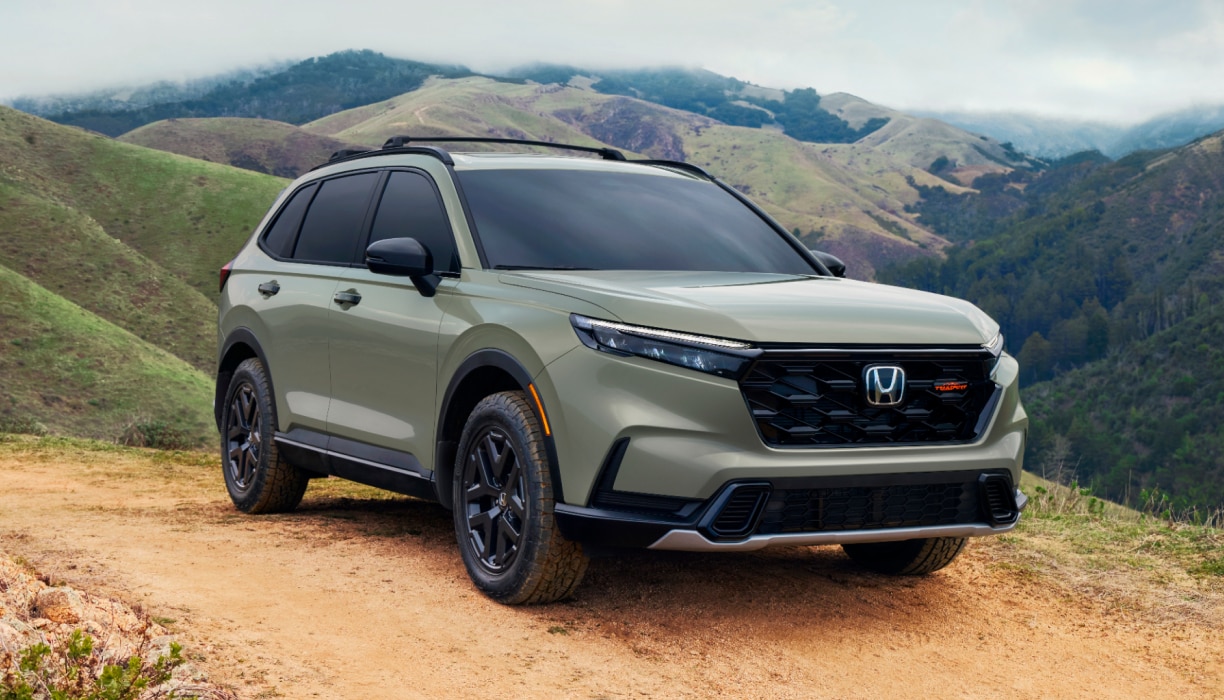
Honda’s engines are known for longevity, and while newer turbocharged versions require regular oil changes, they generally hold up under daily use when properly maintained.
The suspension and steering systems are also well-suited for rough roads and long commutes, making the CR-V a stress-resistant daily companion.
3. Toyota Tacoma
The Toyota Tacoma is one of the few vehicles that can handle both physical abuse and daily commuting stress without complaint.
Many Tacomas see a mix of city traffic, highway miles, dirt roads, and job-site duty, yet they maintain strong resale value precisely because they don’t break easily.
Its reliability comes at the expense of refinement fuel economy and ride comfort lag behind newer competitors but for drivers who value durability above all else, the Tacoma stands out.
The drivetrain is intentionally overbuilt, and even older models regularly exceed 200,000 miles. Under daily stress, especially in harsh climates or demanding work conditions, the Tacoma remains one of the safest long-term bets in the U.S. market.
The Toyota Tacoma continues to stand out in the mid-size pickup segment by doing what many of its rivals don’t: outselling even the brand’s full-size trucks. Now eight years into its third generation, the Tacoma remains a fan favorite, though some aspects of its standard equipment are showing their age.
The base 159-hp inline-four paired with a six-speed automatic is underwhelming, while the 278-hp V-6 offers a choice of the automatic or a six-speed manual, the Tacoma and Jeep Gladiator being the only two pickups sold in the U.S. with a manual transmission.
For 2023, Toyota has refreshed the Tacoma lineup with two new appearance packages on the SR5 trim. The SX package adds black accents, wheels, and trim, while the Chrome package provides polished 18-inch wheels, chrome details, and a leather-wrapped shift knob.
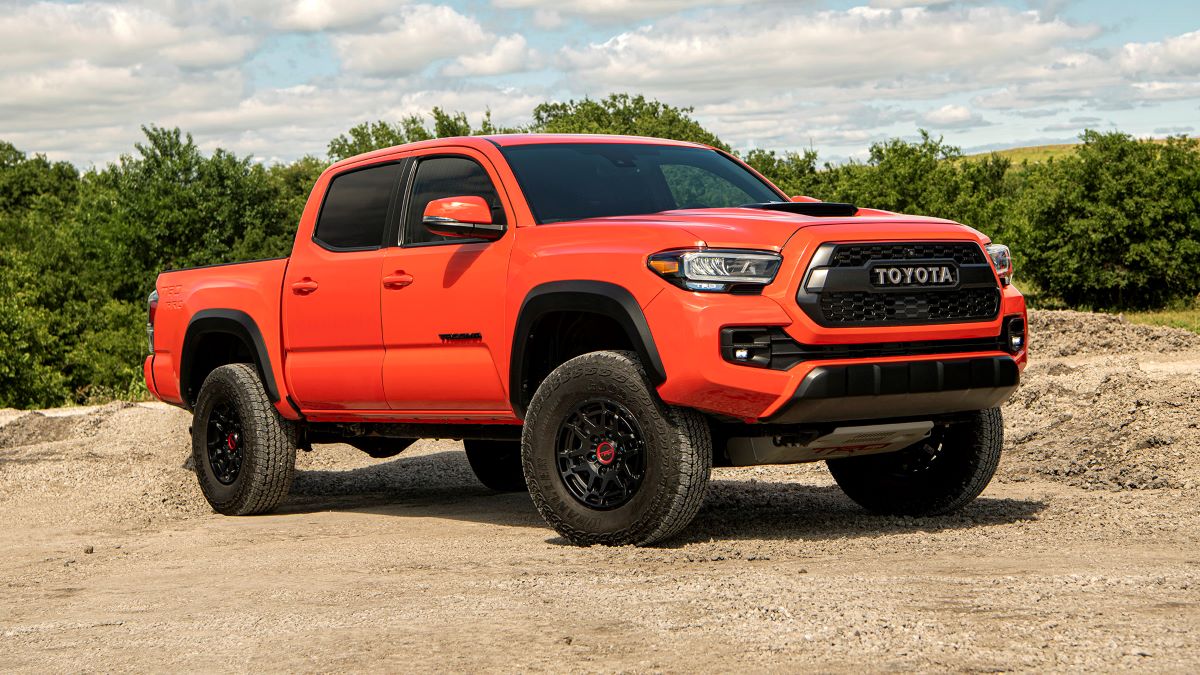
Pricing for the 2023 Tacoma ranges from $30,095 for the SR up to $49,530 for the TRD Pro, with a broad selection of trims in between. We recommend sticking with what the Tacoma excels at, namely, the TRD Off-Road Double Cab. Equipped with an electronic locking rear differential and paired with four-wheel drive, it’s a capable trail machine.
Upgrading to the V-6 is a must, and opting for the six-speed manual allows for more precise control and avoids the sometimes clumsy automatic, though this restricts buyers to the 5.0-foot bed and limits access to Premium packages.
Regardless of trim, every Tacoma comes with 16-inch wheels, black over-fenders, robust driver-assist tech, and a modern infotainment system featuring Apple CarPlay, Android Auto, and a subscription-based Wi-Fi hotspot. Adding the Technology package enhances safety and lighting with LED elements, blind-spot monitoring, rear cross-traffic alert, and parking sensors.
Performance-wise, the 278-hp V-6 delivers strong torque (265 lb-ft) and capable towing, while the base four-cylinder is underpowered and best avoided. The six-speed manual is preferred over the automatic, which can hamper even the V-6’s potential.
City-oriented TRD Sport and Limited models provide a smoother ride, while the TRD Off-Road and TRD Pro excel off the beaten path, thanks to lifted suspension, robust shocks, and aggressive tires. Though far from the fastest mid-size truck, the Tacoma balances everyday drivability with serious off-road prowess, offering a versatile option for both pavement cruising and dirt-treading adventures.
Also Read: 5 Vehicles That Are Forgiving for City Drivers vs 5 That Aren’t
4. Subaru Outback
The Subaru Outback’s reliability story is closely tied to its standard all-wheel drive and outdoors-oriented usage.
Many Outbacks are driven year-round in snow, rain, gravel, and uneven terrain, which makes their longevity particularly impressive when maintained correctly.
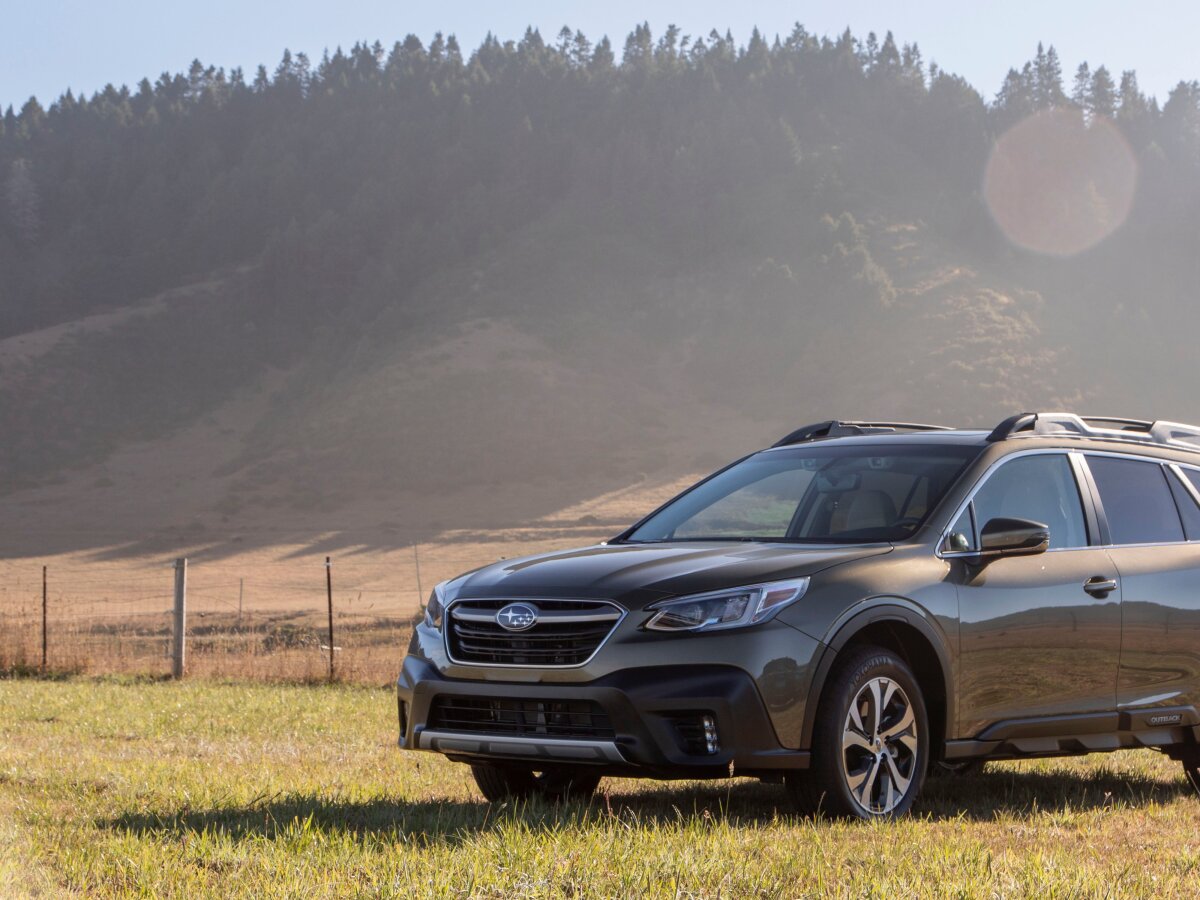
Modern Outbacks benefit from improved CVT reliability compared to earlier generations, and Subaru’s boxer engines, while unconventional, perform well under daily stress when oil levels are monitored.
The Outback’s suspension tuning also absorbs road imperfections better than many crossovers, reducing wear over time. For drivers who experience varied weather and road conditions daily, the Outback consistently proves itself as a dependable workhorse.
5. Lexus RX
Luxury and reliability don’t often coexist, but the Lexus RX is a notable exception. Built on Toyota’s engineering philosophy, the RX delivers premium comfort without sacrificing long-term durability.
Many RX owners drive their vehicles daily in urban environments, where constant braking, idling, and short trips usually accelerate wear.
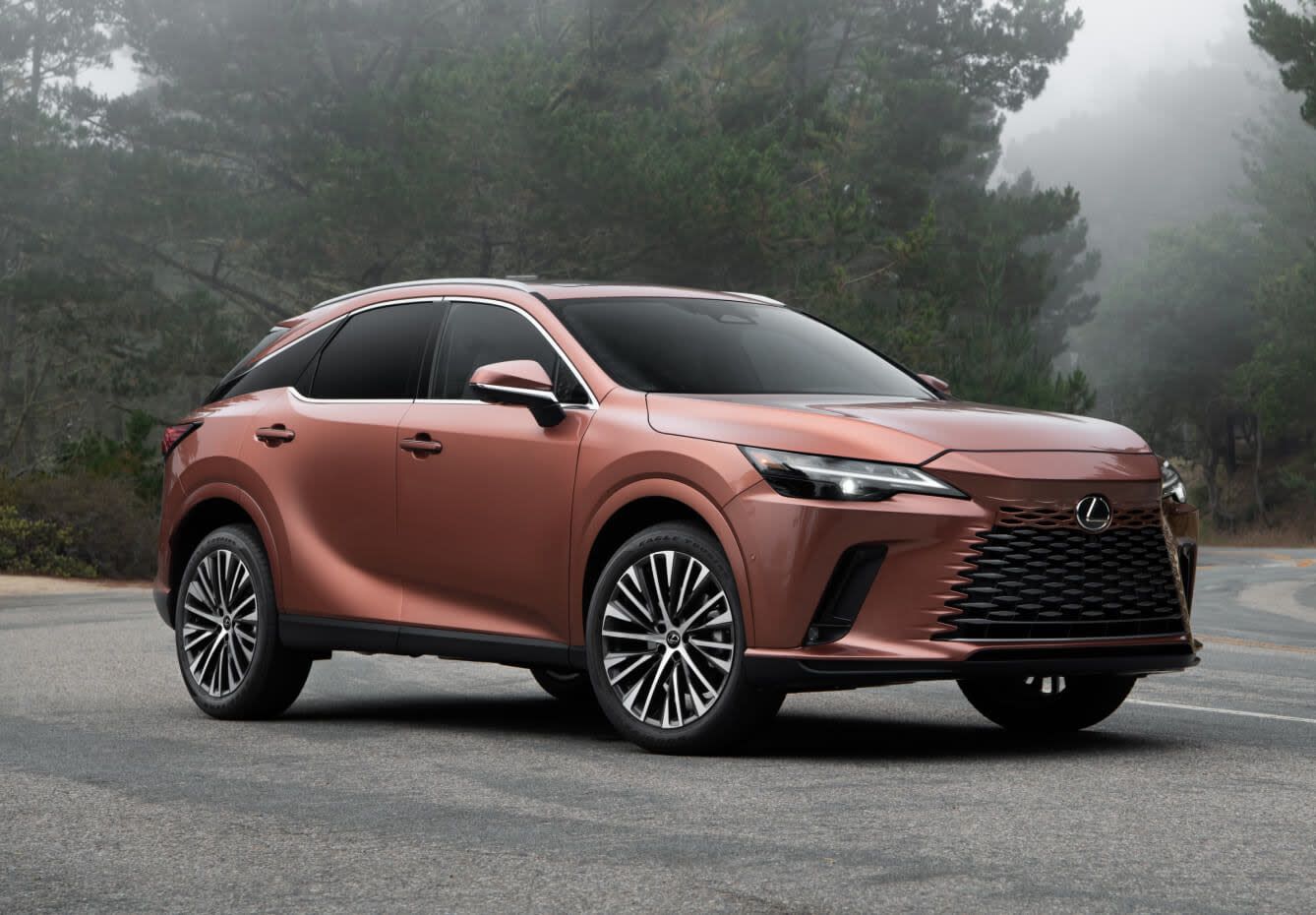
Despite this, the RX remains remarkably resilient. Its engines are under-stressed, the transmissions are tuned for smoothness rather than aggression, and interior components hold up well over time.
While maintenance costs are higher than mainstream vehicles, unexpected failures are rare. For drivers who want a daily luxury vehicle without constant repair visits, the RX is one of the most reliable options available.
We took the Lexus RX 350 to our test track, where it accelerated from 0 to 60 mph in 7.8 seconds. That pace is relatively slow for a luxury SUV; competitors like the BMW X5 or Mercedes GLE can reach 60 mph in the low 5-second range. The difference is especially noticeable when you need a quick burst of speed, such as merging onto a busy highway.
Beyond straight-line performance, the RX is enjoyable to drive. Its ride strikes a well-balanced blend of comfort and road connection, making daily driving pleasant.
Visibility is strong in all directions, with a clear view over the hood and through the side windows. The optional surround-view camera system delivers a detailed feed on the center screen, though its aggressive fish-eye perspective can feel a little disorienting.
The RX also comes equipped with a suite of advanced driver-assistance features that are both effective and unobtrusive. In testing, the SUV handled these aids smoothly, allowing for hands-free driving at speeds up to 25 mph. However, we wish this capability extended to full highway speeds for greater convenience.
Also Read: Top 13 Porsches With a Reputation for Not Falling Apart
Vehicles That Struggle Under Daily Stress
Not every car is built to handle the relentless demands of daily driving. From bumper-to-bumper traffic to unpredictable weather and the wear-and-tear of constant use, some vehicles show their weaknesses quickly. In this article, we highlight the cars that struggle under daily stress, revealing which models may leave you frustrated, facing frequent maintenance, or simply wishing for a more dependable ride.
1. Jeep Renegade
The Jeep Renegade appeals to buyers with its rugged styling and compact size, but daily driving stress often reveals its weaknesses.
Many owners report electrical issues, transmission hesitation, and inconsistent build quality problems that become more pronounced with frequent use.
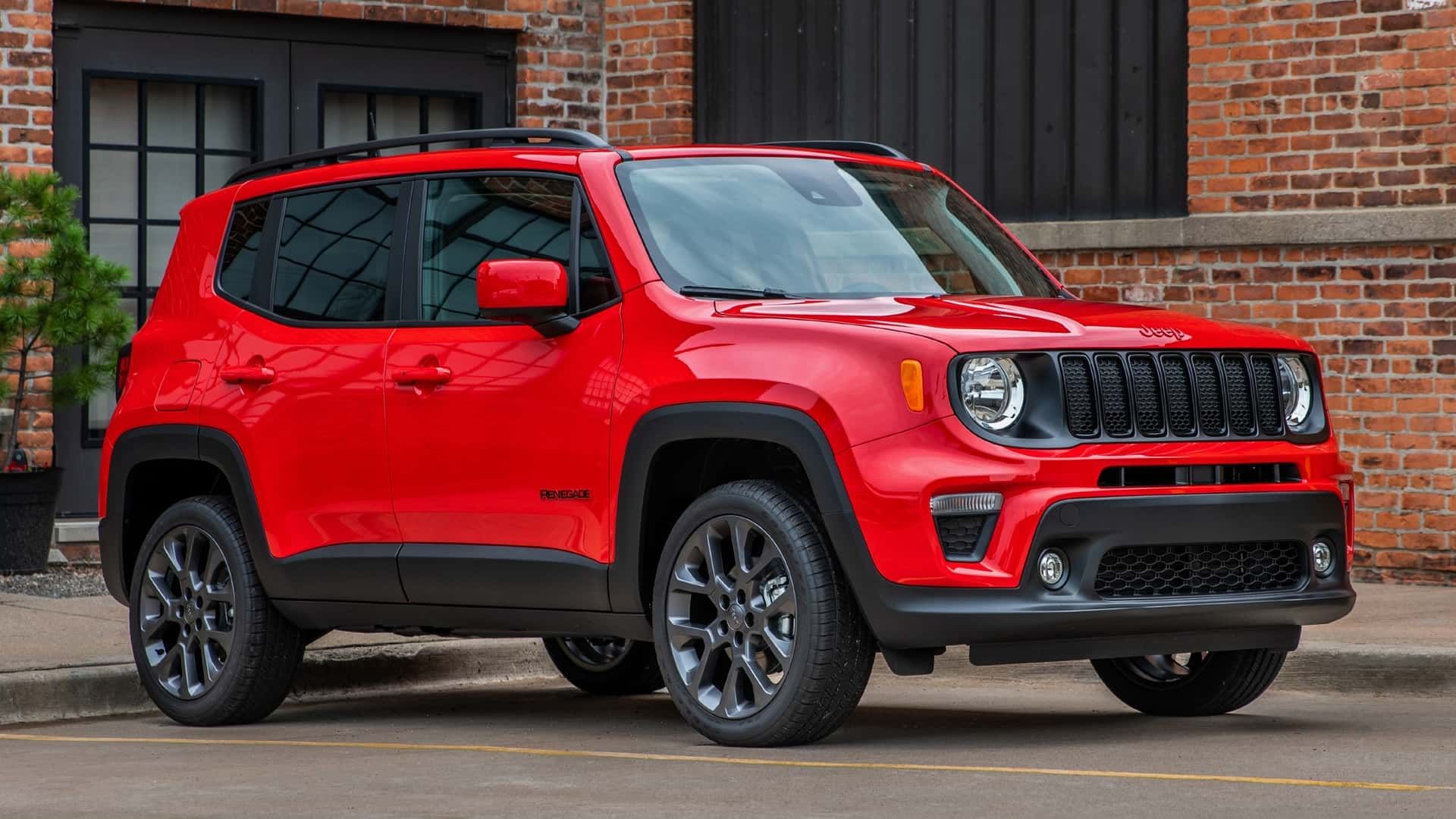
Short trips and urban commuting can be particularly hard on the Renegade’s drivetrain, especially in models equipped with less proven automatic transmissions.
While it may handle light off-road duty, the Renegade often struggles to deliver the long-term dependability expected from a daily driver in the U.S., especially once it crosses higher mileage thresholds.
It’s fortunate that Jeep owners often embrace rugged, unrefined experiences, because the Renegade’s standard four-cylinder engine offers little in the way of polish. The last model we tested had sluggish acceleration, though we have yet to evaluate the turbocharged 1.3-liter version.
While it produces less horsepower than the 2.4-liter engine, it generates an additional 25 lb-ft of torque, which should improve motivation. Both engines are mated to a nine-speed automatic transmission and are available with front- or all-wheel drive. All-wheel-drive models can tow up to 2,000 pounds, but Jeep advises against towing with front-wheel-drive versions.
The Renegade isn’t designed to sprint, yet it performs better than its appearance might suggest. The Trailhawk’s off-road-focused suspension can feel stiff, but other trims provide a generally composed and comfortable ride.
Steering is responsive, and body roll is limited for a vehicle with such a boxy, upright shape. For those seeking a more engaging drive, competitors like the turbocharged Kia Soul and Mazda CX-3 deliver sharper performance and a noticeably more fun experience behind the wheel.
2. Ford Focus (Automatic Transmission Models)
The Ford Focus, particularly models equipped with the dual-clutch automatic transmission, has become a cautionary tale in automotive reliability.
On paper, it promised efficiency and performance. In real-world daily use, it delivered jerky shifts, premature wear, and costly repairs.
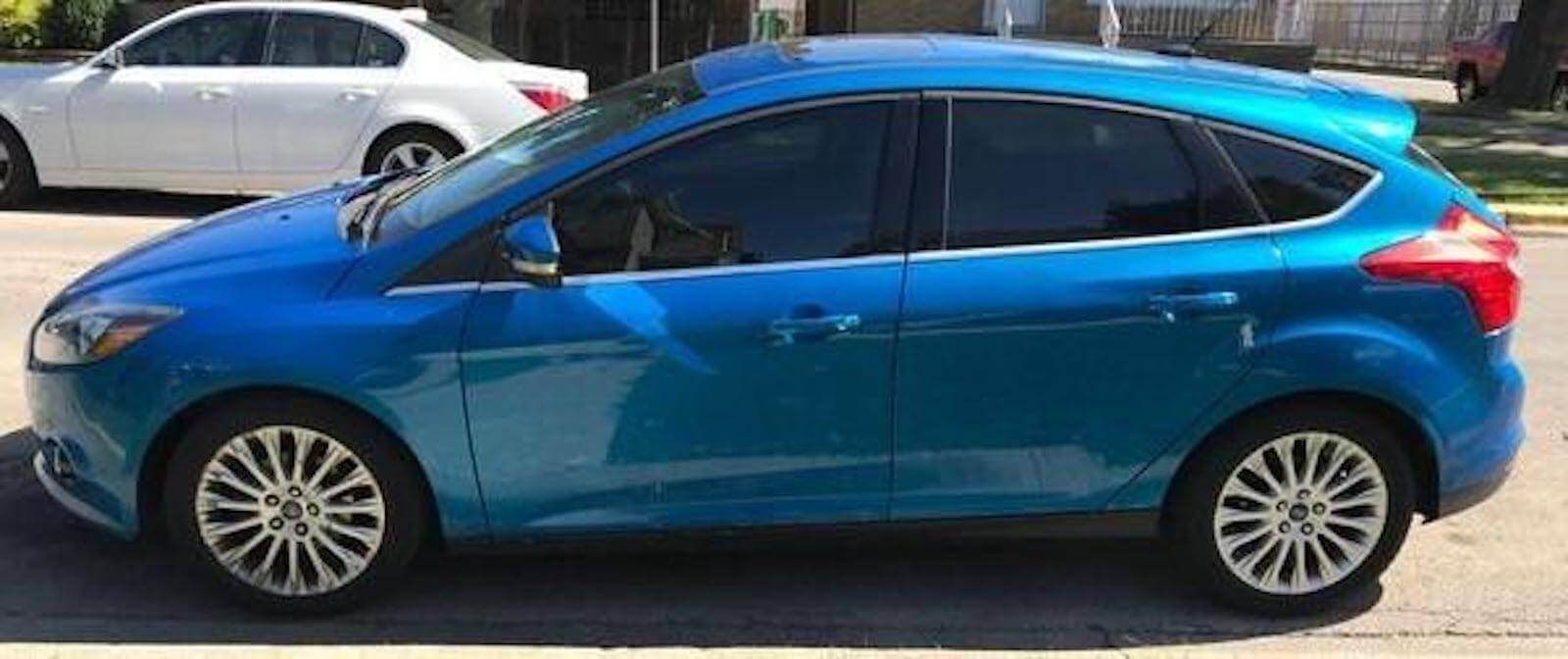
Stop-and-go traffic common in American commuting exposes the transmission’s weaknesses quickly. Many owners experienced problems well before 100,000 miles, leading to frustration and reduced resale value.
While manual transmission Focus models fare better, the automatic versions struggle significantly under daily stress and remain one of the most problematic compact cars of the past decade.
3. Nissan Altima
The Nissan Altima is widely available and often priced attractively, but its long-term reliability under daily stress is inconsistent. The primary concern lies with Nissan’s CVT, which has faced widespread criticism for overheating, slipping, and premature failure.
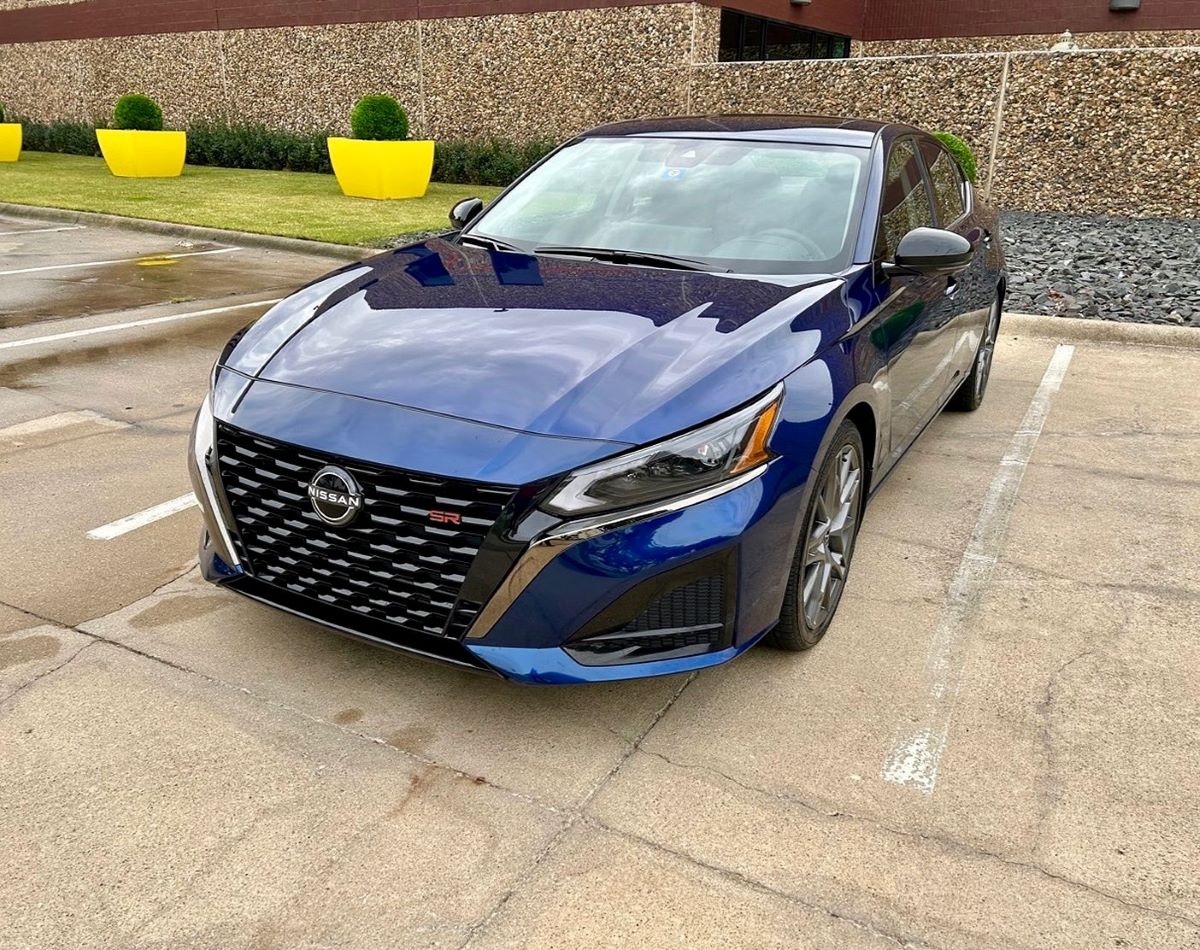
Daily commuting amplifies these issues, particularly in hot climates or heavy traffic. While newer models have seen incremental improvements, the Altima’s reliability record still raises red flags for drivers who rely on their car every single day.
Repairs can be expensive, and failures often occur suddenly rather than gradually.
The Altima isn’t going to wow you with lightning-fast acceleration or razor-sharp braking. Our test all-wheel-drive model came with the 2.5-liter engine, and it reached 0-60 mph in a modest 8.4 seconds. The CVT automatic is well calibrated, though, making the Altima feel smooth and unobtrusive during everyday driving.
Handling is another positive. The car feels composed through fast, sweeping curves, giving drivers a sense of control. However, this stability highlights the Altima’s overly light and somewhat vague steering.
The cabin provides a calm retreat in stop-and-go traffic. Front seats are generally supportive, though some drivers may crave more thigh support. Engine noise is well isolated, even under hard acceleration.
Ride quality, however, is mixed. Small bumps and irregularities are often felt inside the cabin, and larger impacts can be quite jarring, underscoring a suspension that feels busy on rough roads.
The Altima’s interior doesn’t excel in style, but it’s functional and easy to use. Climate controls and touchscreen functions are clearly labeled and accessible.
Most sightlines are satisfactory, though rear visibility suffers due to the high rear decklid. The low-resolution rearview camera and reflections off the dashboard and rear decklid in bright sunlight can also be distracting.
The Altima we tested featured the large 12.3-inch touchscreen, offering wireless Android Auto and Apple CarPlay along with built-in navigation. The screen’s size and responsiveness feel modern, but the software appears outdated.
Navigation works reliably, responding well to voice commands and quickly finding destinations, thanks to Google-powered searches. However, the map graphics themselves look dated. Using Google or Apple Maps via a smartphone connection solves this issue. Backup and surround-view camera feeds are low-resolution and challenging to interpret, particularly at night.
The Altima’s ProPilot Assist system is a standout. Lane-centering and low-speed adaptive cruise control operate smoothly, requiring minimal intervention in traffic.
4. BMW 5 Series (Older Models)
The BMW 5 Series offers exceptional driving dynamics and comfort, but daily stress often exposes its complexity.
Older models, in particular, suffer from issues related to cooling systems, electronics, and oil leaks problems that escalate with constant use.

Frequent short trips, common in American urban driving, are especially hard on BMW engines, which are engineered for optimal performance rather than tolerance of neglect.
While a well-maintained 5 Series can be rewarding, daily stress significantly increases ownership costs, making it a risky choice for those seeking worry-free transportation.
The BMW 5 Series delivers confident handling and a generally enjoyable driving experience, though it’s less sporty than some of its predecessors. Critics note that the steering can feel light on feedback, and the connection to the road isn’t as sharp as it once was. Still, the 5 Series offers a composed ride, strong brakes, and minimal body roll.
Both the 530i and 530i xDrive come standard with a 255-horsepower turbocharged four-cylinder engine paired with an eight-speed automatic transmission. BMW claims the rear-wheel-drive 530i accelerates from 0 to 60 mph in 5.9 seconds, while the all-wheel-drive 530i xDrive trims that slightly to 5.8 seconds
. Moving up the lineup, the 540i xDrive features a turbocharged 3.0-liter inline-six producing 375 horsepower, achieving 0-60 mph in 4.4 seconds. The newly introduced 550e xDrive combines a turbo six-cylinder engine with an electric motor for a total of 483 horsepower, reaching 60 mph in an estimated 4.1 seconds.
Even the base four-cylinder engine provides ample performance for daily driving, making highway merging and passing effortless. The stronger engines deliver robust acceleration both from a stop and at higher revs, and the eight-speed automatic, standard across the lineup, shifts smoothly and quickly.
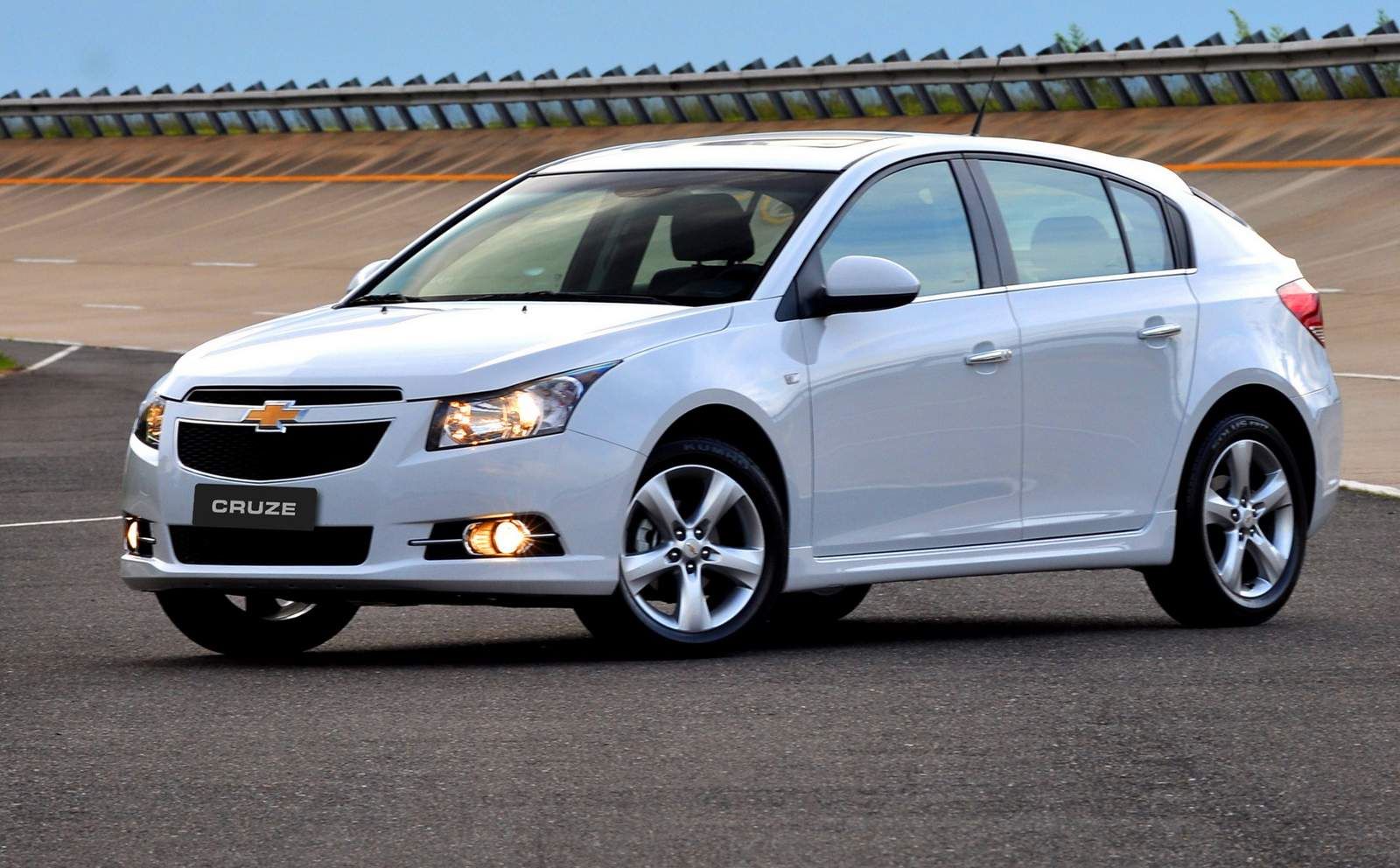
5. Chevrolet Cruze
The Chevrolet Cruze was designed to compete with reliable compact sedans, but it often falls short in long-term daily use.
Many owners report turbocharger issues, cooling system failures, and electrical glitches that surface after years of commuting.
Daily stress highlights the Cruze’s weakest areas: components that struggle with heat cycles and sustained stop-and-go driving.
While it may perform acceptably during early ownership, reliability tends to decline faster than rivals like the Corolla or Civic, making it less appealing as a long-term daily driver in the U.S.
Daily driving reliability isn’t about perfection it’s about resilience. Vehicles that thrive under daily stress tend to share common traits: proven engines, conservative tuning, and designs that prioritize durability over novelty.
Chevrolet gave the second-generation Cruze a meaningful refresh for the 2019 model year, sharpening its styling and enhancing its technology to stay competitive in the compact-sedan segment. GM aimed to appeal both to younger buyers with updated tech and to fleet owners seeking a practical, low-cost vehicle with solid features, creating a package that worked well for multiple audiences.
Up front, the 2019 Cruze received a redesigned fascia and new grille layout, bringing it closer in appearance to the Malibu and Impala. Revised headlights and a sportier lower bumper gave the car a stronger road presence, while Premier trims added LED signature taillamps at the rear. The overall effect was cleaner and more upscale, aligning the Cruze with Chevrolet’s contemporary design language.
From the side, the Cruze maintained its balanced proportions and short overhangs, with subtle contour lines along the doors. The RS appearance package emphasized a sportier character with black window moldings, darkened bowtie emblems, and available 17- or 18-inch alloy wheels. The silhouette remained sleek yet practical, bridging the gap between sporty aesthetics and everyday usability.
At the rear, updates were more subtle but effective. Revised taillight internals and a reshaped trunk lid gave the sedan a more refined look, while the hatchback retained its clean, functional design. Sculpted elements mimicking a diffuser were added to the lower bumper, and the exhaust was fully concealed behind the apron for a tidier appearance.
Inside, Chevrolet focused on technology and comfort. All models featured the new Infotainment 3 system with a standard 7-inch touchscreen, improved graphics, and more responsive operation.
LT and Premier trims added conveniences such as remote start, automatic climate control, and a new Umber interior color. Materials felt slightly more upscale, with updated stitching and more cohesive dashboard surfaces, giving the cabin a more modern and refined feel.
Front-seat comfort improved as well, especially with the RS package, which offered firmer, better-supported bucket seats. The rear bench seat remained largely unchanged but could split-fold to expand trunk capacity, with higher-quality upholstery. The RS package also added a flat-bottom steering wheel and upgraded trim on the dash and door panels.
Under the hood, the Cruze carried over the 1.4-liter turbocharged inline-four, paired with a six-speed automatic transmission, while select markets offered a 1.6-liter turbo-diesel engine with a nine-speed automatic. Both engines drove the front wheels, prioritizing efficiency and smooth operation over outright performance, staying true to the Cruze’s practical and economical character.
Those that struggle often rely on complex systems or unproven technology that can’t tolerate constant use.
For American drivers, choosing a reliable daily vehicle means looking beyond first impressions and focusing on long-term ownership realities.
The right choice can save thousands of dollars, countless hours at repair shops, and a great deal of frustration. The wrong one can turn everyday driving into a constant reminder that not all vehicles are built to endure the grind.
