
Mixed city driving is the real world. It is not just smooth roads and steady speeds. It is potholes, speed breakers, sudden lane merges, tight parking spots, short highway stretches, rain-soaked intersections, uneven road repairs, crowded markets, and constant stop-and-go traffic.
In most cities, you might start your day on a narrow residential street, then fight through traffic at a busy intersection, then jump onto a highway for ten minutes, then return to tight downtown lanes again.
A vehicle that works for mixed city driving handles all of these conditions without forcing the driver to adjust their life around the car. It feels comfortable in slow congestion, confident in quick merges, and tough enough to handle imperfect roads.
But not every vehicle fits that reality. Some vehicles need ideal conditions to feel good. They might be great on smooth highways, but uncomfortable on potholes. They might be fun on open roads, but frustrating in traffic.
They might look amazing, but require constant care. These vehicles often demand perfect roads, careful driving, and extra planning. If you live in a city where roads change quality every few blocks, a car that needs ideal conditions becomes tiring. It turns daily driving into constant caution and compromise.
Vehicles that handle mixed city driving well usually share certain traits: good ground clearance or smart suspension tuning, manageable dimensions for parking, smooth low-speed drivability, strong cooling and reliability in traffic, and stable handling in rain.
They also tend to have practical interiors, because city life is not just commuting, it is errands and family movement too.
This article compares two groups: five vehicles that work well in mixed city driving conditions and five vehicles that need ideal conditions to truly feel comfortable. The goal is practical. Most buyers don’t live in perfect-road environments.
Choosing a vehicle that can handle mixed city reality saves stress, reduces repair risk, and makes driving feel easier year after year. Meanwhile, avoiding vehicles that demand ideal conditions protects you from daily frustration and unnecessary maintenance costs.
Also Read: 5 Vehicles That Handle Washington DC Parking Rules vs 5 That Don’t
5 Vehicles That Work for Mixed City Driving
Mixed city driving is unpredictable, which means the best vehicle is one that stays calm when the environment changes. One minute you’re crawling in traffic. The next minute you’re accelerating to merge.
Then you’re slowing again for a speed breaker or avoiding a pothole. A vehicle that works for mixed city driving is not just a commuter car. It’s a flexible tool that can handle messy streets, changing weather, crowded lanes, and short highway bursts without creating stress.
The vehicles that excel in this role often focus on balance instead of extremes. They have enough power to merge safely without needing aggressive driving. They have suspension tuning that absorbs rough pavement without feeling unstable.
They offer good visibility so the driver can read traffic patterns and spot hazards early. Their steering is light enough for parking and tight turns, but stable enough for higher-speed moments. They also tend to have practical dimensions, meaning they fit into normal parking spaces without drama.
I’m writing about these five vehicles because mixed city driving is the daily reality for most people. Not everyone drives in neat suburban routes. Many drivers face broken pavement, narrow lanes, unpredictable drivers, and frequent stopping.
In these conditions, the wrong vehicle can feel like work. If the ride is too stiff, you feel every bump. If the car is too low, speed breakers become stressful. If the vehicle is too large, parking becomes daily frustration. If the drivetrain is jerky, stop-and-go movement becomes exhausting.
The five models below are vehicles that handle these mixed conditions with less complaint. They don’t demand perfect roads. They don’t punish the driver for potholes or traffic. They provide enough comfort and durability that city life feels manageable.
These vehicles represent smart, real-world choices that match the way cities actually function, not the way brochures describe them.
1. Toyota Corolla Cross
The Toyota Corolla Cross works well for mixed city driving because it blends compact car ease with crossover practicality. In cities, this balance matters.
It’s not overly large, so parking and narrow lanes remain manageable. But it has enough ride height and comfort tuning that potholes and speed breakers don’t feel like threats.
I’m writing about the Corolla Cross here because mixed city driving often punishes vehicles that are too low or too stiff. The Corolla Cross avoids that problem. Its suspension is tuned more for comfort, so rough pavement is absorbed instead of transmitted harshly into the cabin. That makes daily driving less tiring.
The vehicle is also easy in stop-and-go traffic. Power delivery feels smooth rather than jumpy, which matters when traffic flow changes constantly.
The steering is light for parking but stable enough for highway bursts. That makes it a strong all-rounder in city environments where you may drive across multiple road types in one trip.
Visibility is another major advantage. The slightly higher seating position helps drivers see over traffic and spot hazards earlier. In mixed city driving, early awareness reduces stress.
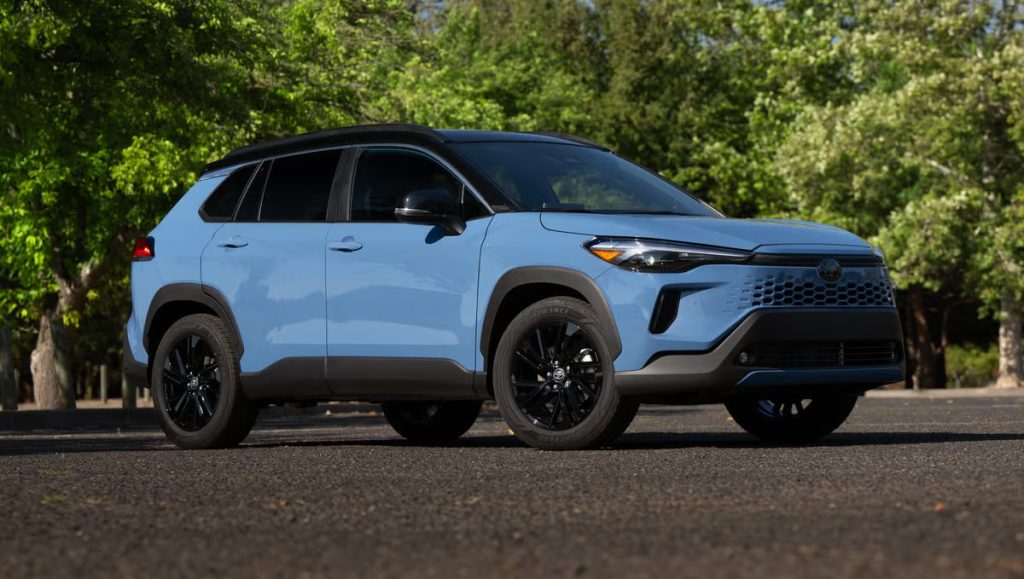
The Corolla Cross belongs in this list because it fits the reality of modern cities. It is easy to drive, comfortable over imperfect roads, practical for errands, and stable enough for highway use. It does not demand ideal streets. It adapts to what the city throws at it.
2. Honda CR-V
The Honda CR-V is one of the most reliable choices for mixed city driving because it offers comfort, practicality, and calm behavior in traffic. It handles the stop-and-go grind well, yet remains stable when traffic clears and highway speeds rise.
I’m writing about the CR-V because many cities combine rough roads with heavy congestion. The CR-V’s suspension tuning makes it comfortable over broken pavement, which reduces fatigue. Speed breakers and potholes feel less harsh compared to lower sedans or stiffer performance vehicles.
The CR-V also excels in daily usability. Cargo space makes it easier to handle shopping, work equipment, or family tasks. In mixed city driving, practicality matters because city trips often include errands, not just commuting. The CR-V handles those needs without forcing the driver into a huge SUV footprint.
Another key point is visibility. The CR-V provides a clear view of traffic, helping drivers stay confident in crowded lanes. When roads are chaotic, being able to see and judge distances matters.
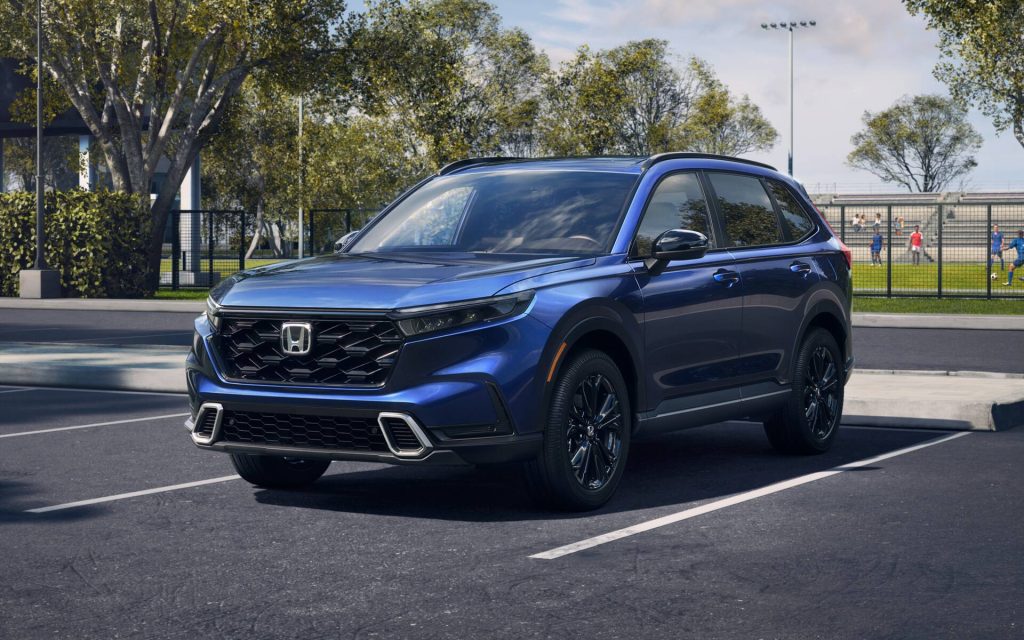
The CR-V belongs here because it doesn’t require perfect driving conditions. It works in rain, traffic, narrow streets, and short highway bursts. It stays calm and predictable, making it a vehicle that fits mixed city reality year after year.
3. Mazda CX-30
The Mazda CX-30 works well for mixed city driving because it combines compact dimensions with a solid, refined driving feel. It’s smaller than many crossovers, which makes it easier in tight city spaces, but it still offers enough ride height and comfort for rough roads.
I’m writing about the CX-30 because it represents a smart compromise. Many drivers want the comfort of a crossover without the parking stress of a larger SUV. The CX-30 delivers that. It feels easy to maneuver in narrow streets and crowded lots, yet it doesn’t punish you on potholes and uneven pavement.
The CX-30 also feels confident in short highway bursts. Mixed city driving often includes quick merges onto faster roads. The CX-30 has enough power and stability to handle those moments comfortably, without feeling strained. Steering feels controlled and predictable, which helps driver confidence.
Cabin refinement is another benefit. City driving can be noisy, and noisy cars become tiring. The CX-30 tends to feel quieter and more premium than expected, which makes long commutes more tolerable.
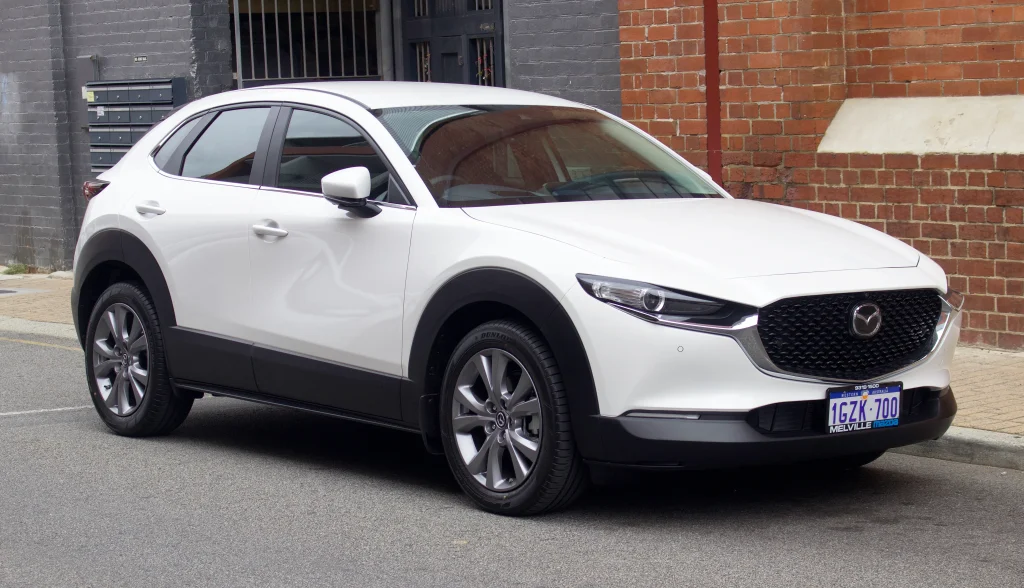
The CX-30 belongs in this list because it is flexible. It handles traffic, rough pavement, and parking challenges without needing ideal conditions. It feels like a vehicle designed for real city life, where roads and driving patterns change constantly.
4. Subaru Crosstrek
The Subaru Crosstrek works well for mixed city driving because it adds all-weather confidence to urban practicality. Many cities deal with rain, slippery intersections, and uneven road surfaces. The Crosstrek’s AWD system helps it stay stable in those conditions, making mixed driving feel safer.
I’m writing about the Crosstrek here because mixed city driving includes weather changes. Roads get slick, potholes fill with water, and drivers behave unpredictably. The Crosstrek stays composed. It handles wet conditions with more confidence than many front-wheel drive vehicles.
Ground clearance is another major advantage. Speed breakers and rough roads are less stressful. Many sedans require caution in these situations. The Crosstrek feels more relaxed, allowing drivers to focus on traffic rather than road fear.
The Crosstrek is also compact enough to be city-friendly. AWD vehicles are often larger SUVs. The Crosstrek avoids that bulk. It’s manageable in parking lots and narrow lanes.
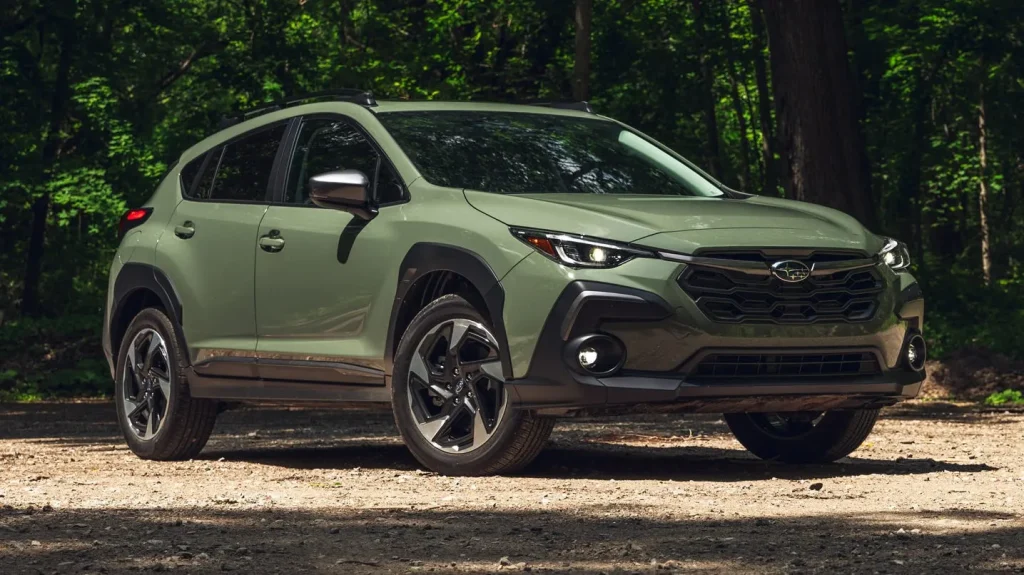
The Crosstrek belongs here because it thrives in mixed conditions. It is a practical city vehicle with weather strength, rough-road tolerance, and stable daily behavior. It doesn’t require ideal roads, which makes it a natural fit for real city environments.
5. Hyundai Tucson
The Hyundai Tucson works well for mixed city driving because it balances comfort, space, and smooth traffic behavior. It is roomy enough for practical life needs but still manageable in daily city movement.
I’m writing about Tucson because mixed city driving often combines traffic frustration with rough pavement. Tucson’s comfort-focused tuning helps absorb bumps, making it more relaxing in daily use. It also feels smooth in stop-and-go traffic, which reduces driver fatigue.
The Tucson offers good visibility and a stable road feel. In crowded lanes, stability builds confidence. It also handles short highway bursts well, offering enough power for merges and quick accelerations without feeling strained.
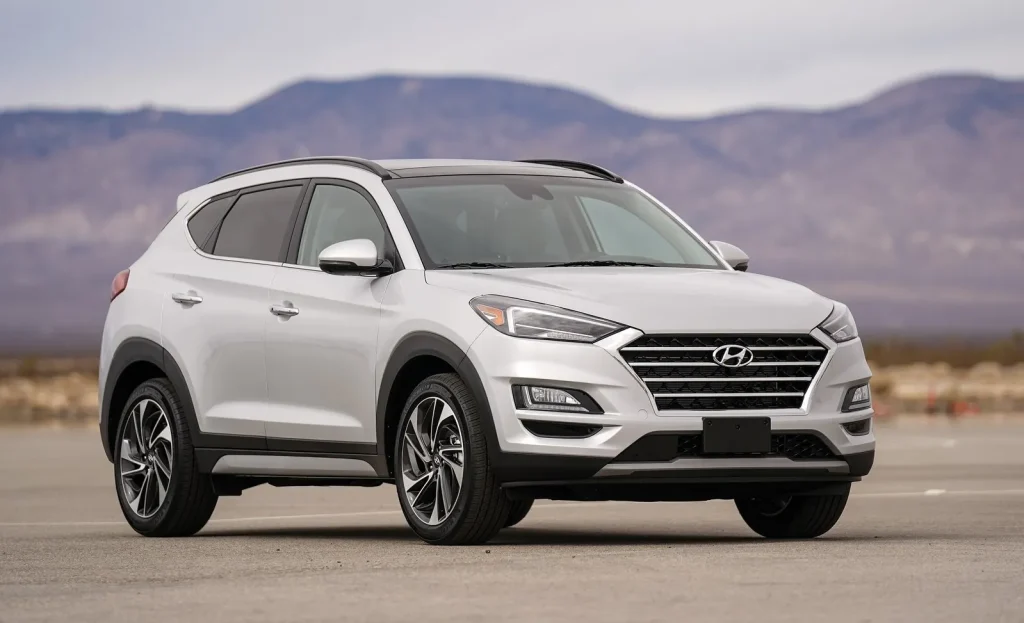
Practicality is another benefit. City driving includes errands. Tucson’s cargo space and interior comfort support that lifestyle. It’s not just a commuter tool, it’s a daily utility vehicle.
The Tucson belongs on this list because it handles real-world city conditions well. It doesn’t need perfect roads, perfect weather, or gentle driving. It adapts to city life and stays comfortable, making it a strong mixed city vehicle.
5 Vehicles That Need Ideal Conditions
Some vehicles can be excellent machines, but they only feel “right” when conditions are ideal. They perform best on smooth roads, in light traffic, with careful driving, and with extra owner attention. In mixed city driving, where roads change quality every few minutes and traffic patterns are unpredictable, these vehicles can become frustrating.
Instead of adapting to the city, they demand the city adapt to them. That’s the core problem. A vehicle that needs ideal conditions turns daily driving into a constant adjustment: slow down for every bump, avoid certain routes, approach speed breakers at angles, worry about tire damage, and constantly plan around comfort limitations.
Vehicles that need ideal conditions usually share certain traits. Many are low-performance cars or sporty trims with stiff suspension, low ride height, and wide tires.
Those traits deliver great handling on smooth roads, but on pothole-filled streets they create harshness and damage risk. Others are ultra-luxury or exotic vehicles where repairs are expensive, making drivers anxious about even minor scrapes.
Some are oversized vehicles that feel fine on highways but become clumsy in tight city areas. Some are specialty vehicles that require careful maintenance, premium fuel, or constant attention to avoid problems.
I’m writing about these five vehicles because many buyers confuse “excellent in perfect conditions” with “great daily vehicle.” But daily city driving is not perfect. It includes rain, rough patches, speed bumps, tight parking, and impatient traffic.
A vehicle that only shines in ideal conditions may feel punishing in normal urban life. The owner starts changing driving behavior to protect the vehicle, which defeats the point of convenient mobility.
This list doesn’t mean these vehicles are bad. Many are fun, beautiful, and impressive. But they aren’t forgiving. They demand smooth roads and relaxed driving conditions to feel comfortable. In mixed city environments, they can feel like the wrong tool.
These five vehicles represent models that often need ideal conditions to truly feel enjoyable and easy, making them less suitable for messy real-world city driving.
1. Porsche 911
The Porsche 911 is one of the greatest sports cars ever built, but it needs ideal conditions to feel comfortable in mixed city driving. On smooth roads, it feels perfect: sharp steering, stable handling, and thrilling performance.
But the moment you introduce potholes, speed breakers, steep parking ramps, or rough patches of city pavement, the 911 demands constant caution.
I’m writing about the 911 here because it’s a classic example of a vehicle that shines best when roads are clean and open. In city driving, the low ride height becomes a daily concern. Speed breakers and steep driveways force careful approach angles.
Potholes become threats. You may find yourself avoiding certain roads because the car feels too precious for the environment. That lifestyle adjustment is exactly what “needs ideal conditions” means.
Tires and wheels are another factor. Many 911 trims use performance-focused tires and low-profile sidewalls. These deliver amazing handling on smooth pavement but increase damage risk on rough roads. A sharp pothole hit can be expensive. This makes city driving stressful because you can’t relax. Every bump becomes a worry.
Parking is also more complicated. In tight city environments, the fear of scraping the front bumper or curbing wheels adds more anxiety. It’s not just driving. It’s existing in a city with a performance car.
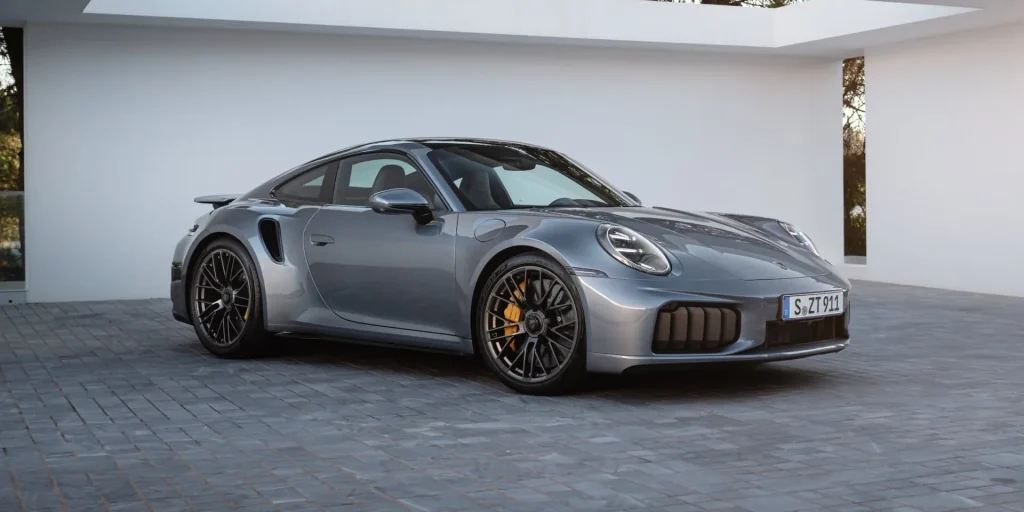
The 911 belongs on this list because it’s a brilliant machine, but it’s not forgiving. It asks for good roads and careful driving. In mixed city reality, the owner often ends up protecting the car instead of enjoying it.
2. Chevrolet Camaro (performance trims)
Performance-trim Chevrolet Camaro models need ideal conditions because they are built for speed and sporty handling, not for potholes, traffic, and imperfect city streets. On smooth roads, the Camaro feels planted and exciting. In mixed city driving, the stiffness and visibility challenges can make it feel frustrating.
I’m writing about the Camaro here because it highlights the difference between “fun on the right road” and “easy to live with daily.” In a city, you deal with rough pavement, speed breakers, and constant stop-and-go movement.
The Camaro’s suspension can feel stiff, and that stiffness turns bumps into sharp impacts. Instead of absorbing imperfect pavement, the car reminds you of it.
Low ride height creates another city problem. You approach speed bumps carefully. Steep ramps become a slow challenge. This is manageable occasionally, but when it becomes daily behavior, the vehicle is demanding ideal road conditions to feel comfortable.
Visibility is also a city problem. In traffic-heavy lanes, thick pillars and a low seating position can make it harder to see surrounding vehicles clearly. This adds stress in tight city driving, where awareness matters.
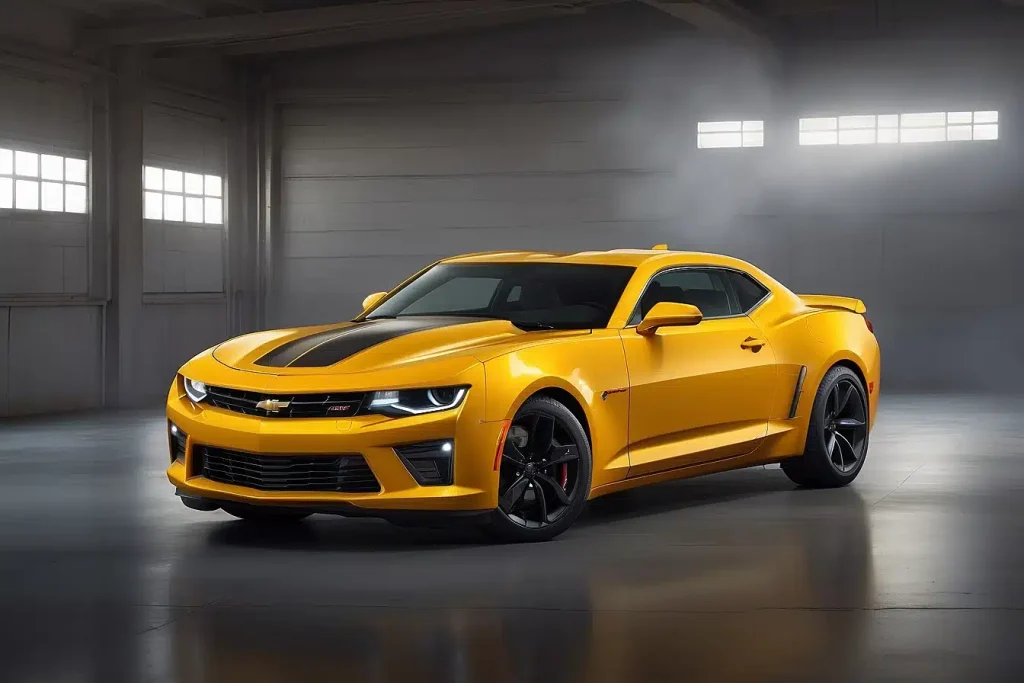
The Camaro belongs in this list because it’s a great performance car, but mixed city driving doesn’t match its purpose. It feels happiest when roads are open and smooth, not when you’re crawling over broken pavement and navigating tight urban traffic.
3. Tesla Model X
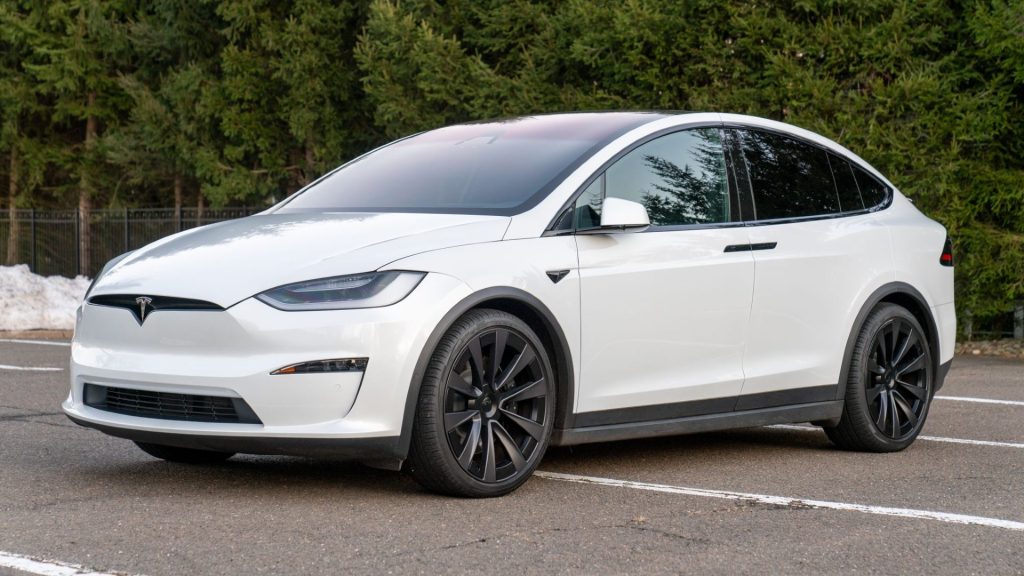
The Tesla Model X can feel like it needs ideal conditions because it’s large, expensive, and complex in a way that makes mixed city driving more stressful than it should be. On highways, it feels smooth, powerful, and impressive. In dense city driving with tight streets and rough pavement, it can feel like too much vehicle for the environment.
I’m writing about the Model X here because size is the first problem. Mixed city driving often involves narrow lanes, tight turns, and crowded parking. The Model X’s width and length create parking stress and reduce ease. You may constantly watch for curb rash and tight clearance. That makes city life feel harder.
The second issue is repair anxiety. It’s a premium vehicle with advanced sensors, cameras, and expensive bodywork. City life includes minor scrapes and unexpected bumps.
When every small incident feels expensive, the vehicle becomes mentally burdensome in normal urban use. That means it needs ideal conditions: wide streets, easy parking, and calm traffic.
Charging logistics can also play a role depending on lifestyle. If the driver doesn’t have home charging, city ownership becomes planning-heavy. That reduces the “easy EV” advantage.
The Model X belongs on this list not because it’s a bad EV, but because it’s not forgiving. It works best where space is abundant and parking is easy. In mixed city chaos, it can feel inconvenient and demanding.
4. Dodge Challenger
The Dodge Challenger needs ideal conditions because it’s wide, long, and built for open-road cruising rather than messy urban movement. On highways, its stability and presence make sense. In mixed city driving, it can feel awkward and clumsy.
I’m writing about the Challenger here because large coupes are often purchased for style, but city life exposes their disadvantages fast. Parking becomes a daily hassle because the car needs more space. Tight turns feel less natural. Narrow streets create stress because the Challenger’s width reduces clearance margins.
Another issue is that city driving doesn’t reward its strengths. Power is not useful in traffic. Instead, you notice the size and the inconvenience. The Challenger feels best when it can stretch out on open roads, not when it’s creeping through potholes and speed bumps.
Its long doors also make tight parking more frustrating. Getting in and out in crowded lots becomes annoying. Over time, these inconveniences create a feeling that the vehicle needs ideal conditions: wide streets, large parking spots, smooth roads, and open space.
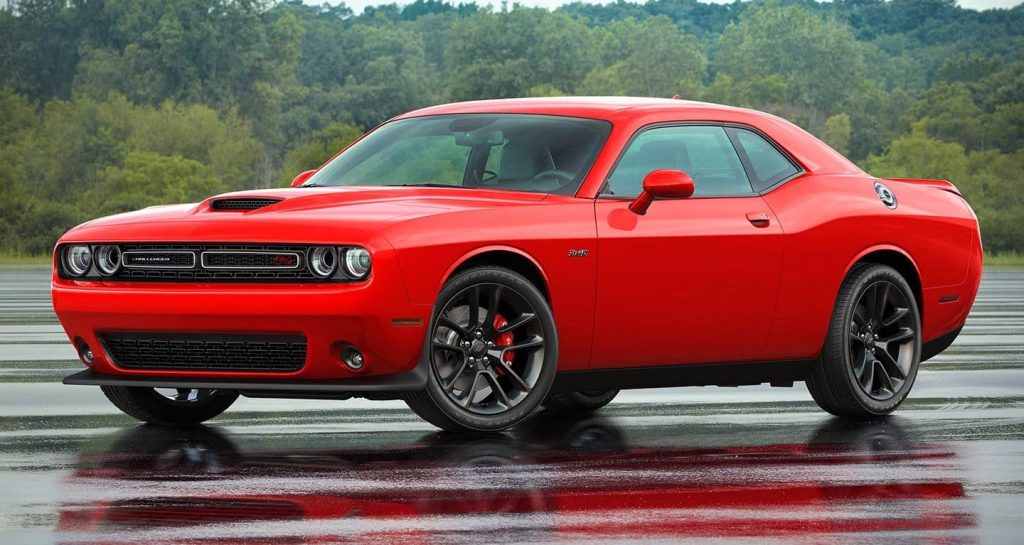
The Challenger belongs here because it’s enjoyable in the right setting, but mixed city reality is not the right setting. It often feels like a vehicle built for a different lifestyle.
5. BMW M3
The BMW M3 is a brilliant performance sedan, but it needs ideal conditions to feel fully comfortable in mixed city driving. On smooth roads, it feels sharp and controlled.
But in real city environments with potholes, rough pavement, and constant stop-and-go movement, the performance setup can feel harsh and demanding.
I’m writing about the M3 here because it represents a subtle issue. It is still a sedan, so buyers assume daily practicality. But performance sedans often come with stiff suspension, low-profile tires, and sporty tuning that punishes imperfect roads. In mixed city driving, that means you feel bumps more sharply, and the fear of wheel damage increases.
Tire wear and cost also matter. Performance tires don’t always handle rough city environments well. Potholes can damage them, and replacements are expensive. That creates stress, making the driver more cautious than normal. You start protecting the car instead of just driving.
Repair and maintenance costs can also be high. Performance vehicles have higher expectations for upkeep, and ignoring small problems can become expensive. This makes ownership feel more demanding.
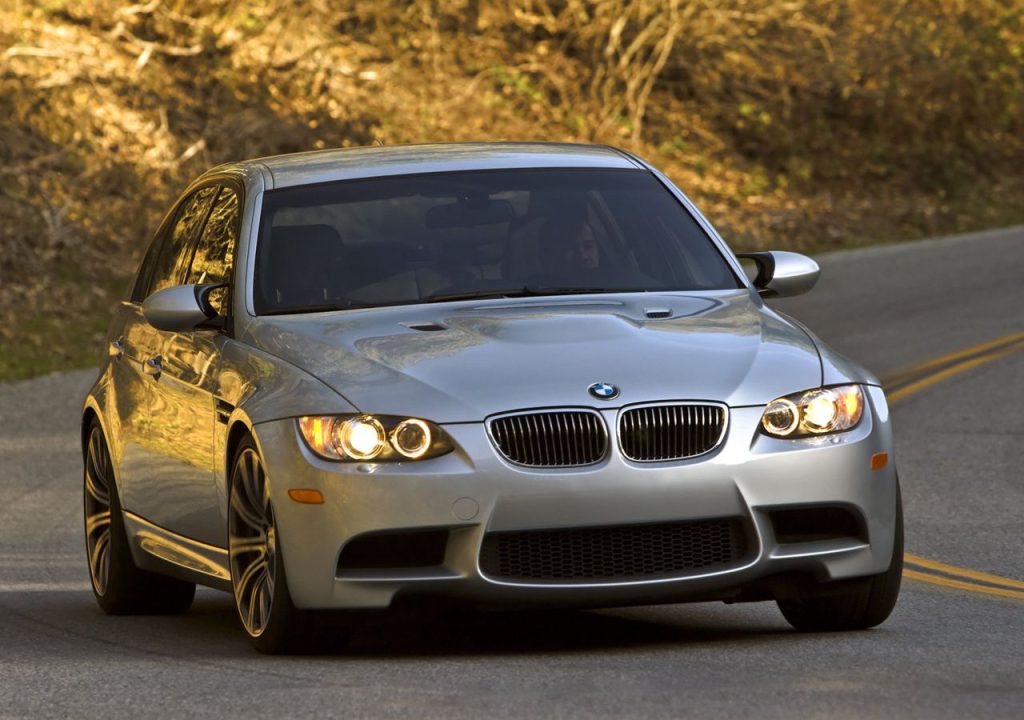
The M3 belongs on this list because it is a high-performance tool. It’s outstanding when roads and conditions are ideal. But in mixed city reality, it often asks for more caution, more money, and more patience than drivers expect.
