
Hybrids are often sold as the perfect middle solution for drivers who want better fuel economy without switching fully to electric vehicles. But the truth is that not all hybrids deliver the same value, especially in cities.
City driving has its own rules: constant stop-and-go traffic, endless braking, slow crawling movement, short trips, and frequent idling. This environment can make a strong hybrid system feel like a major upgrade because hybrids are designed to save energy in exactly these conditions.
However, some hybrids only deliver small improvements, leaving drivers disappointed when they realize the “hybrid” badge doesn’t always mean big gains.
A hybrid that truly benefits city driving usually has a system that can run on electric power at low speeds, shut the engine off frequently, and recover energy efficiently through regenerative braking.
In heavy traffic, this can reduce fuel waste dramatically. Smooth electric torque also makes city driving easier because the vehicle moves gently from stops without loud engine strain.
Strong hybrids also reduce brake wear because regeneration absorbs much of the stopping work, which matters in cities where braking is constant. Over time, these advantages save real money and improve comfort.
On the other hand, hybrids that offer little gain often fall into certain patterns. Many are mild hybrids that provide only a small electric assist and slightly smoother start-stop operation. These systems may improve refinement, but they don’t drastically reduce fuel consumption.
Some hybrids are paired with very heavy vehicles where extra weight cancels efficiency improvements. Others are designed mainly for highway cruising rather than city efficiency. In those cases, drivers may notice only minor fuel economy differences compared to normal gas versions.
This article compares two groups: five hybrids that actually benefit city driving and five hybrids that offer little gain. The goal is practical.
If you’re choosing a hybrid mainly to handle city commuting, you should know which models deliver real stop-and-go advantage and which ones feel like they exist mostly for marketing.
A hybrid purchase should make daily city life easier and cheaper. These lists help you identify which hybrids truly deliver that value.
Also Read: 5 Cars That Feel Balanced Downtown vs 5 That Feel Awkward
5 Hybrids That Actually Benefit City Driving
City driving is where hybrids can genuinely shine, but only if the hybrid system is designed for real stop-and-go advantage. In cities, the engine wastes fuel constantly. You idle at lights, crawl in traffic, move a few meters, brake again, then repeat.
Traditional gasoline vehicles burn fuel even when barely moving. A strong hybrid system changes this pattern by using electric power at low speeds, shutting off the engine frequently, and capturing energy through regenerative braking. This transforms city driving from a fuel-draining routine into an environment where the car works smarter.
Hybrids that truly benefit city driving have a few important traits. First, they have a hybrid design that does more than assist. The electric motor must carry real load, not just support the engine lightly.
Second, the transition between electric and gasoline must be smooth so traffic feels calm rather than jerky. Third, regeneration must be effective and predictable. In city life you brake constantly, and a well-tuned regen system turns those stops into battery energy.
Fourth, the vehicle must feel responsive at low speed. Electric torque gives quick smooth movement, which makes gaps and lane changes less stressful.
I’m writing about these five hybrids because they represent hybrids that deliver noticeable everyday benefit, not small improvements. For city commuters, the difference is real. Fuel savings add up month after month.
The car feels quieter because the engine runs less. Brakes can last longer. Stop-and-go movement feels smoother. Over time, these small daily advantages combine into a vehicle that feels smarter and easier to own in urban life.
The five vehicles below are hybrids that tend to reward city driving strongly. They are built to handle congestion efficiently, not just wear a hybrid badge. If you are buying a hybrid for city commuting, these are the types of models that actually deliver the reason hybrids were invented.
1. Toyota Prius
The Toyota Prius is one of the strongest examples of a hybrid that truly benefits city driving because it was engineered around hybrid efficiency from the beginning. In stop-and-go traffic, the Prius feels like it belongs.
It can move at low speed on electric power more often, shut off the engine frequently, and use regeneration effectively. This leads to real fuel savings where city drivers need it most.
I’m writing about the Prius here because it is the benchmark for city hybrid advantage. Many hybrids claim efficiency, but the Prius delivers efficiency in the exact scenario that hurts most cars: crawling traffic.
The engine doesn’t have to run constantly to keep the vehicle moving slowly. That reduces fuel waste and makes city driving quieter.
The Prius also makes stop-and-go smoother. Electric torque provides gentle movement from stops. In traffic, this matters because harsh engine revving becomes tiring. With the Prius, acceleration feels calm and controlled. This improves comfort, especially on long congested commutes.
Regenerative braking is another key. Every time you slow down, the Prius captures energy. Over hundreds of city stops per week, this adds up. It also reduces brake wear, saving money over time.
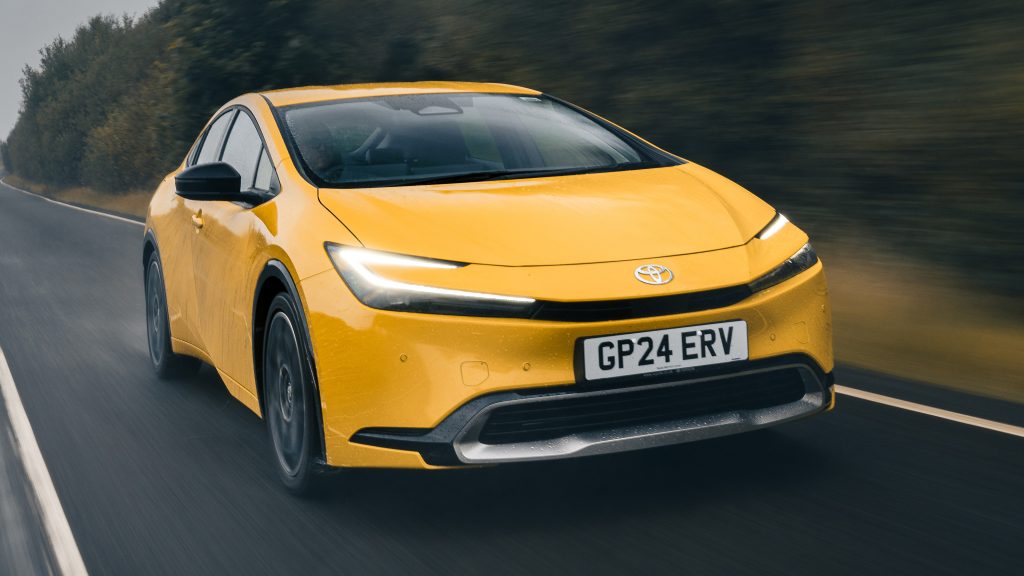
The Prius belongs in this list because it delivers real daily value in cities. It reduces fuel costs, improves traffic comfort, and makes urban commuting feel less stressful. It is not a hybrid that needs special driving habits to show benefits. It naturally excels in city life, which is exactly what buyers want.
2. Toyota Corolla Hybrid
The Toyota Corolla Hybrid benefits city driving because it brings strong hybrid efficiency into a familiar compact car format. In cities, compact size is valuable for parking and maneuvering, and the hybrid system adds fuel-saving advantage in traffic. This combination makes the Corolla Hybrid a smart urban tool.
I’m writing about the Corolla Hybrid because many people want hybrid savings without changing their driving lifestyle.
The Corolla Hybrid feels like a normal car to own. But in traffic, it behaves differently from a gas Corolla. It can shut off the engine more often, glide smoothly at low speed, and reduce fuel consumption during constant stops.
Smoothness is another city benefit. Electric torque makes crawling movement feel calm. Instead of hearing the engine strain, the car moves quietly and smoothly. That makes urban driving less tiring.
Regeneration works well for city commuting. The Corolla Hybrid captures energy repeatedly during frequent braking. This helps maintain battery charge during traffic, allowing more electric assistance when needed.
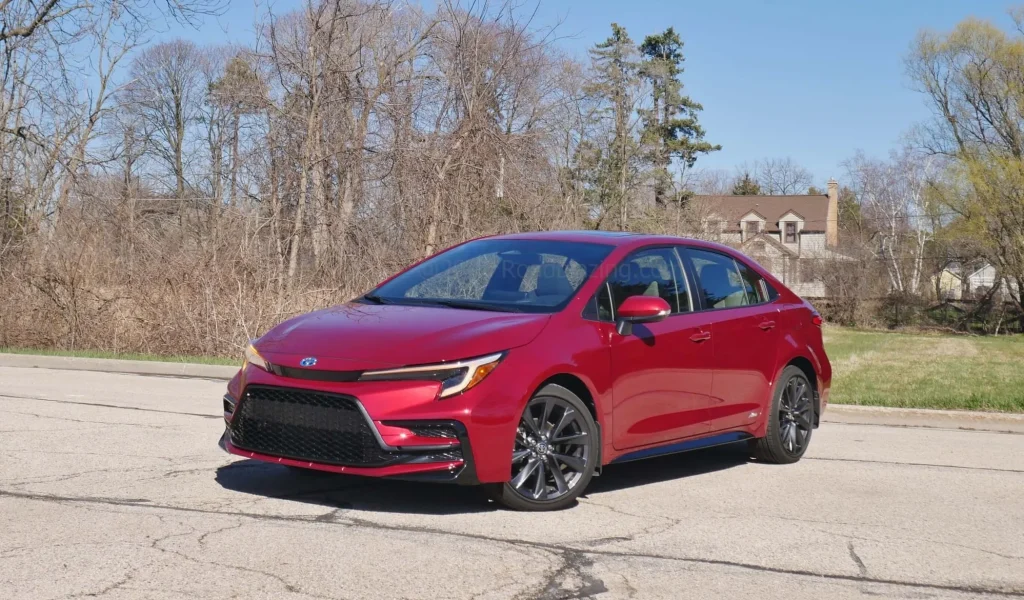
The Corolla Hybrid belongs on this list because it offers real city advantage without requiring a premium price or complicated ownership. It is efficient, predictable, and practical.
For people who commute daily in city traffic, the Corolla Hybrid is the kind of hybrid that makes sense because it delivers meaningful fuel savings and smoother stop-and-go behavior year after year.
3. Honda Accord Hybrid
The Honda Accord Hybrid benefits city driving because it uses its hybrid system in a way that feels natural in stop-and-go conditions.
In traffic, it delivers smooth low-speed movement, frequent engine shutoff, and strong real-world efficiency. It’s also a comfortable commuter sedan, which matters because city commuting can take a long time.
I’m writing about the Accord Hybrid because city drivers often underestimate comfort value. Fuel savings matter, but so does reduced fatigue. The Accord Hybrid tends to feel quieter and smoother in traffic than many gas sedans because electric movement reduces engine noise. That helps commuting feel calmer.
The hybrid system also supports city driving by improving low-speed responsiveness. Electric torque makes the car feel ready at intersections. When gaps appear, the car moves smoothly without needing high revs.
Regenerative braking helps too. City driving involves constant braking, and the Accord Hybrid captures energy effectively. Over time, this reduces brake wear and supports efficiency.
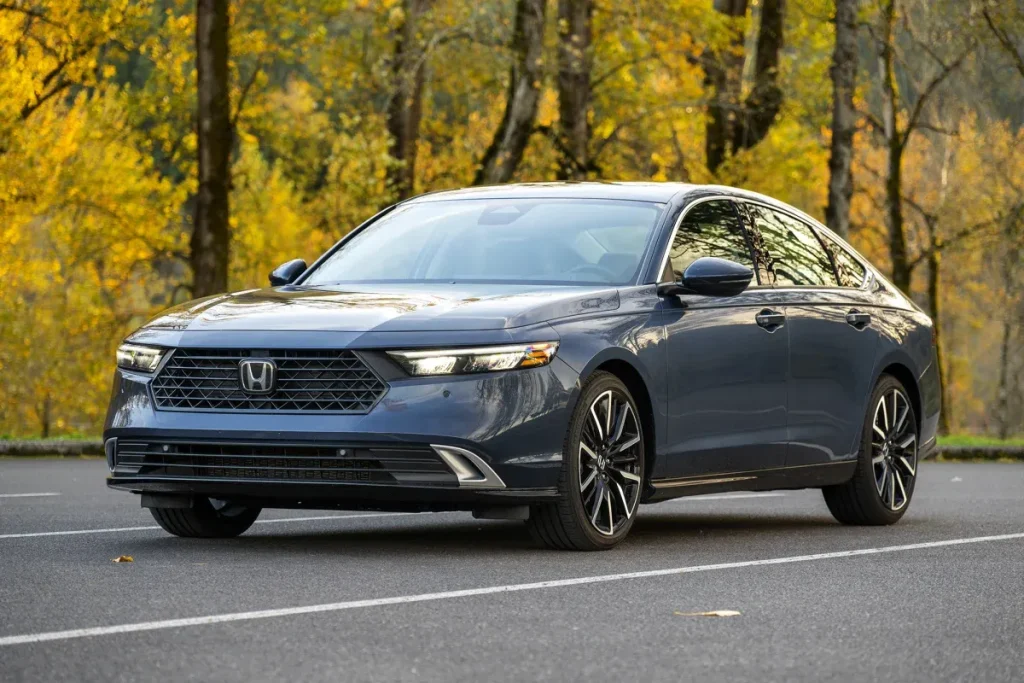
The Accord Hybrid belongs here because it combines hybrid advantage with practical comfort. It is a city commuter that doesn’t feel cheap or compromised. It feels refined and efficient, delivering real daily benefits in stop-and-go city environments.
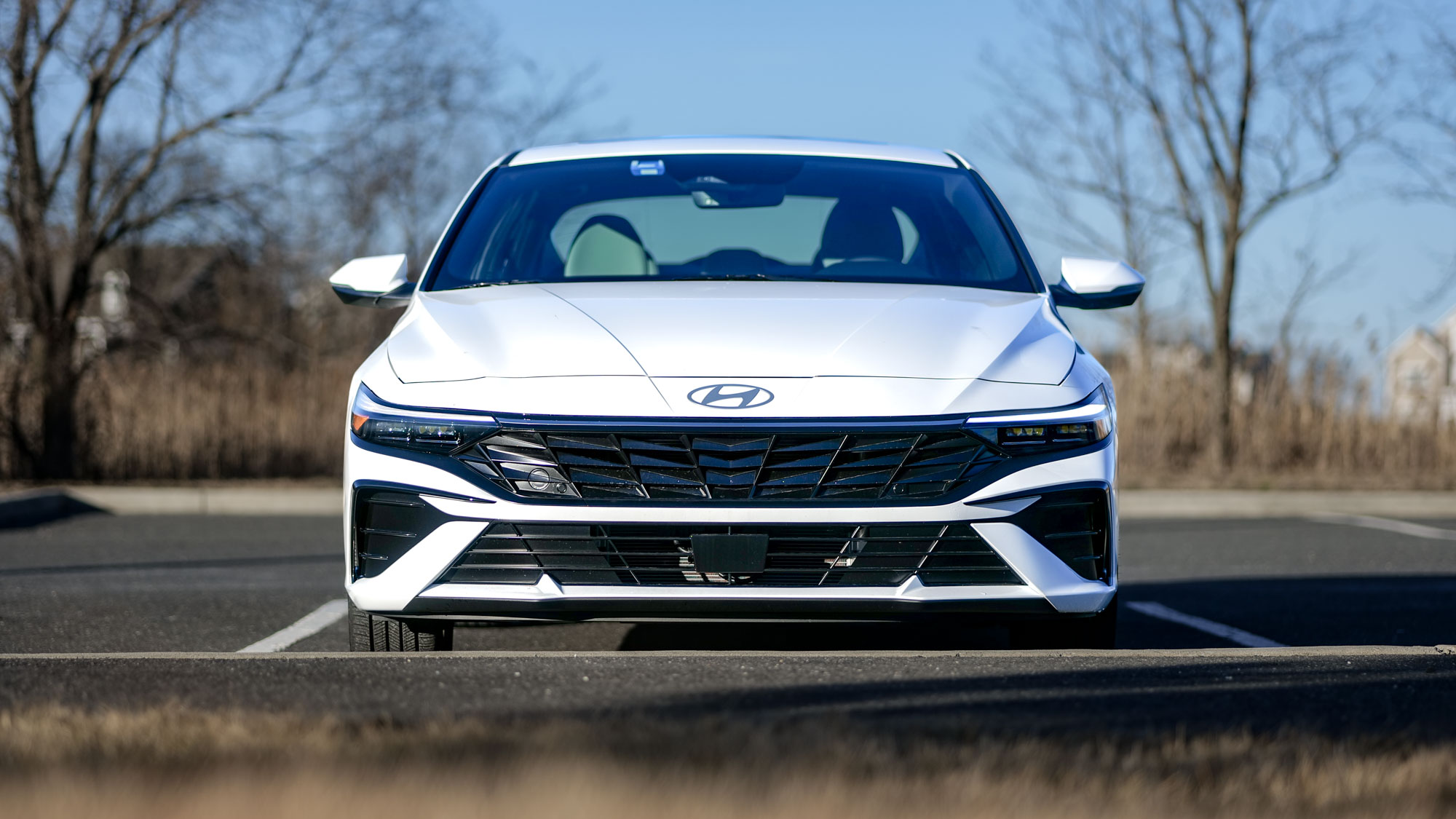
4. Hyundai Elantra Hybrid
The Hyundai Elantra Hybrid benefits city driving because it is designed as an efficiency-focused hybrid commuter. In stop-and-go traffic, it reduces fuel waste by using electric assistance frequently and shutting off the engine more often. For city drivers, this means lower fuel bills and smoother daily movement.
I’m writing about the Elantra Hybrid because compact hybrids are often the smartest city choice. They are easier to park than large sedans, and their lighter weight helps efficiency. The Elantra Hybrid fits that ideal. It offers meaningful fuel savings in traffic, not just on paper.
It also feels smooth in congestion. Electric assistance makes starts gentle and reduces engine strain. This results in less noise and a calmer cabin experience. City driving becomes more comfortable when the car doesn’t sound stressed.
Regeneration is also valuable. Frequent braking in traffic becomes energy recovery, supporting battery charge and extending electric assistance time. This cycle is what makes hybrids useful in cities.
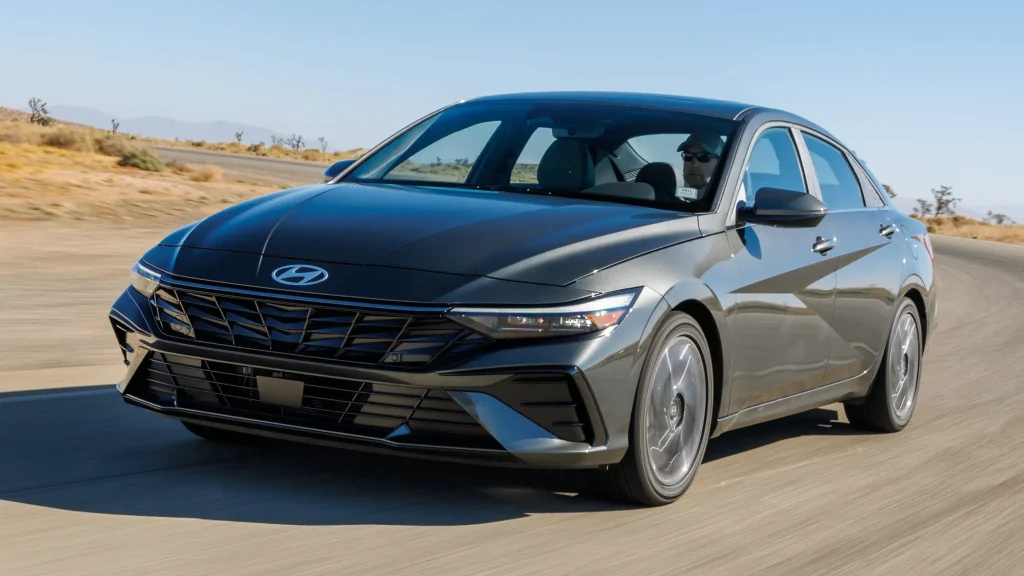
The Elantra Hybrid belongs on this list because it delivers measurable city benefit. It saves fuel where city drivers spend most time, and it makes stop-and-go driving smoother. For commuters who want a compact hybrid that truly performs well in urban conditions, it fits perfectly.
5. Ford Escape Hybrid
The Ford Escape Hybrid benefits city driving because it brings hybrid efficiency into a crossover form. Many city drivers prefer crossovers for visibility and practicality. But crossovers normally consume more fuel in traffic. The Escape Hybrid reduces that penalty, making it a valuable city vehicle for people who want SUV usefulness.
I’m writing about the Escape Hybrid because many urban households need cargo space and comfort, but still want fuel savings. The Escape Hybrid offers a practical middle ground. In stop-and-go traffic, it can use electric assistance to reduce fuel waste. It also shuts off the engine more often during idle periods.
The Escape Hybrid feels smoother in city use compared to many gas crossovers. Electric torque helps with low-speed movement, making traffic less jerky and more controlled. This improves daily driving comfort.
Regeneration works well too. City braking becomes battery recharge, supporting electric assistance during the commute. Over time, the Escape Hybrid delivers meaningful savings for city crossover drivers.
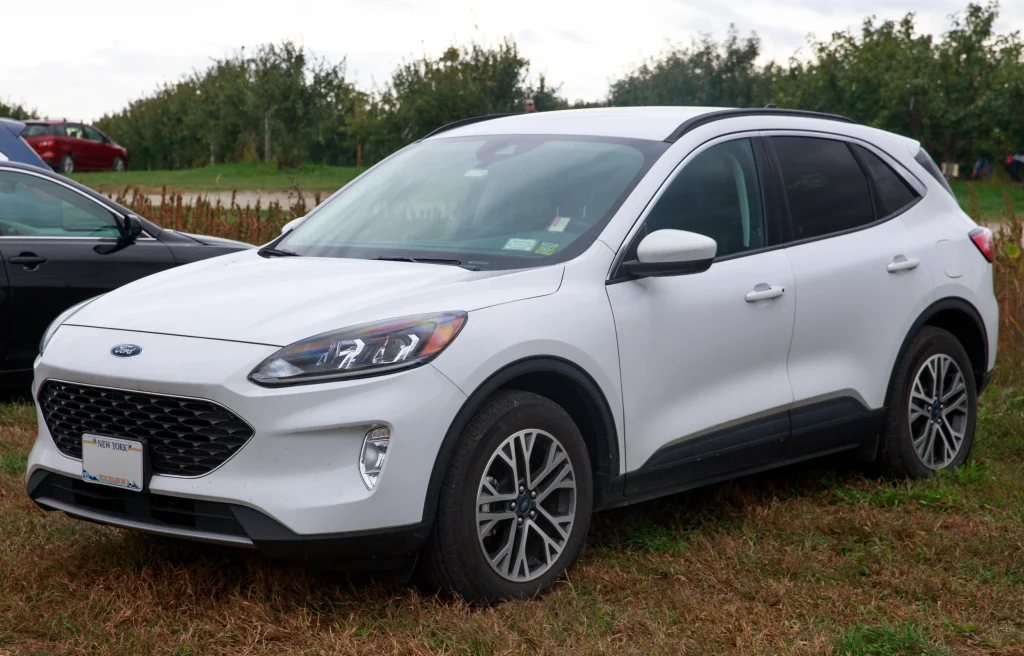
The Escape Hybrid belongs here because it proves hybrid systems are not only for sedans. It gives city drivers the crossover lifestyle while still providing strong stop-and-go advantage. In city conditions, that is real value.
5 Hybrids That Offer Little Gain
Not every hybrid delivers strong city savings, even if the badge suggests it should. Many buyers expect a hybrid to dramatically reduce fuel bills in stop-and-go traffic, but some “hybrids” offer only small improvements that are hard to feel in daily life.
The reasons are usually technical, not emotional. In city driving, a hybrid system must do real work: it must move the vehicle on electric power at low speeds, shut off the engine frequently, and recover energy efficiently through regenerative braking. If the electric system is weak, the battery is small, or the vehicle is too heavy, the advantage shrinks.
One common cause of disappointment is mild-hybrid technology. Mild hybrids often use small electric systems that mainly support start-stop and provide a tiny boost. They rarely drive the car using electric power alone, which is where most city savings come from.
These vehicles may feel smoother and slightly more refined, but their fuel economy gain can be modest. Another issue is weight. Some hybrids are attached to large luxury SUVs that demand too much energy for a small hybrid system to make a large difference.
In traffic, the engine still does most of the work. The hybrid label becomes more about refinement than efficiency.
Charging lifestyle can also affect perceived gains. Some plug-in hybrids can deliver strong city benefits only if you charge consistently.
Without charging, they behave like heavy gas vehicles carrying extra battery weight. In this situation, the hybrid advantage feels small, especially in city traffic where energy demand is high.
I’m writing about these five hybrids because they represent models where owners often report that the hybrid feature feels less rewarding than expected. These vehicles can still be good products. They may be luxurious, powerful, or comfortable.
But if your main reason to buy a hybrid is meaningful city fuel savings, these models can feel like they offer little gain. This section helps buyers understand that hybrid value is not equal across the market. The badge alone is not enough.
The system design and vehicle purpose decide whether city driving benefits are truly strong or only mildly noticeable.
1. Mercedes-Benz GLE 450 (Mild Hybrid)
The Mercedes-Benz GLE 450 is often described as a hybrid, but its mild-hybrid system offers little gain for city drivers expecting major fuel savings. It is a luxury SUV designed mainly for comfort and performance feel.
The mild-hybrid system supports smoother starts and small boosts, but it does not provide meaningful electric-only driving in traffic.
I’m writing about the GLE 450 here because this is a classic “hybrid label confusion” example. Many buyers assume hybrid means city fuel savings.
But in the GLE 450, the electric system is not designed to move the vehicle through traffic the way a Prius or Accord Hybrid can. The gasoline engine still runs most of the time, so city fuel burn remains significant.
The SUV’s weight is another reason. Large luxury crossovers require a lot of energy to move, especially from stops. A mild-hybrid system cannot offset that strongly. In stop-and-go driving, you still consume fuel heavily. The hybrid system helps the vehicle feel more refined, but it doesn’t turn traffic into a savings advantage.
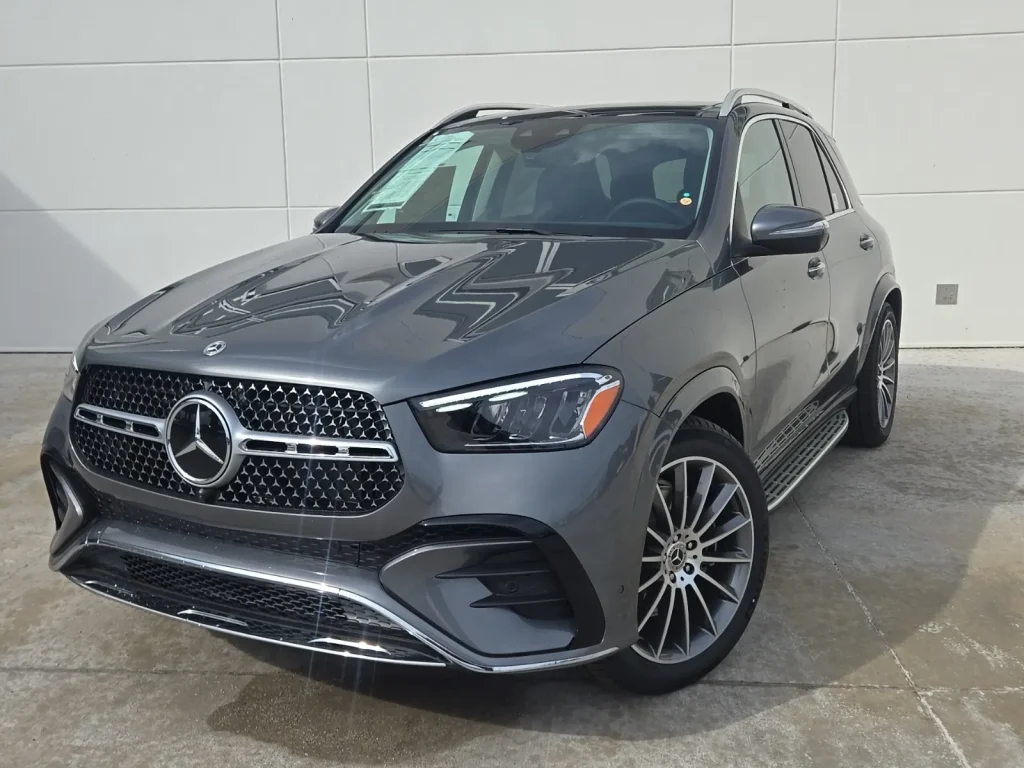
In many cases, the biggest benefit owners feel is smoothness, not efficiency. The engine start-stop behavior may be less harsh, and acceleration might feel more responsive, but fuel economy changes can feel modest compared to expectations.
The GLE 450 belongs in this list because it shows how a hybrid system can be used for refinement rather than meaningful city efficiency. If your goal is real stop-and-go savings, this type of mild hybrid often feels like it offers little gain relative to the price premium.
2. Audi Q8 (Mild Hybrid)
The Audi Q8 mild hybrid is another example of a hybrid that offers limited city gain. It is a large luxury SUV built for presence and comfort, and its mild-hybrid system focuses on smoothing engine operation rather than delivering strong electric movement in traffic.
I’m writing about the Q8 here because many city drivers want a hybrid SUV thinking it will behave like a fuel-saving commuter.
But mild hybrids like this typically do not operate in electric-only mode for meaningful time. The engine continues running during most traffic movement. That means city fuel savings are modest.
Weight again matters. A Q8 is heavy, and in stop-and-go traffic, heavy vehicles consume energy quickly. Mild hybrids cannot significantly change that equation. The hybrid system can help reduce some waste, but not enough to produce the kind of clear hybrid advantage buyers imagine.
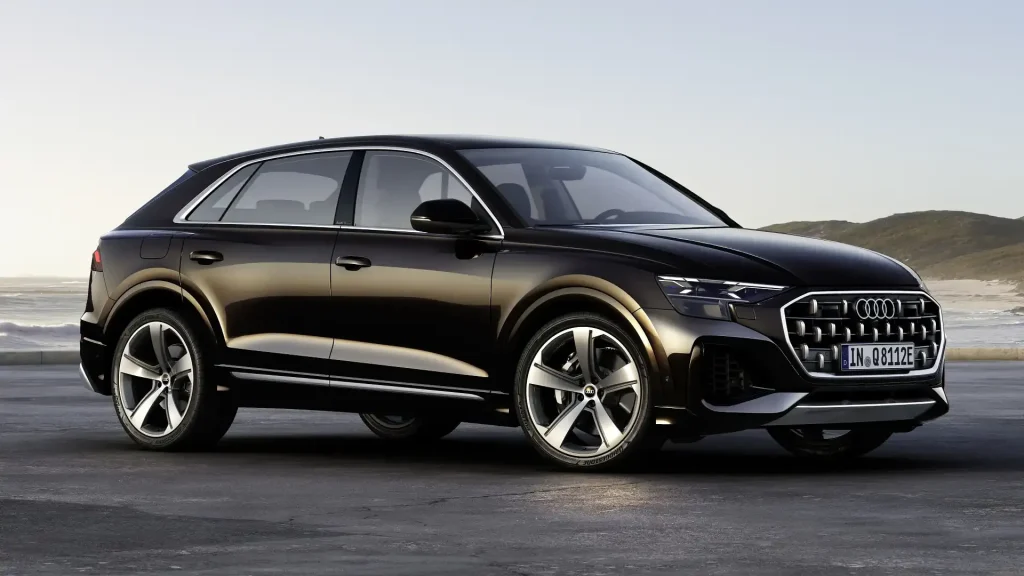
The Q8 may feel refined in traffic. Start-stop transitions can be smoother, and the engine may feel less strained. But this is comfort value, not major city savings value. Owners looking for big fuel economy benefits often feel disappointed.
The Audi Q8 belongs on this list because it demonstrates how hybrid systems in luxury SUVs are sometimes more about driving polish than fuel economy improvement. In city commuting, it can feel like the hybrid badge offers little gain.
3. Jeep Wrangler 4xe (without consistent charging)
The Jeep Wrangler 4xe is a plug-in hybrid, and it can deliver strong city benefits in the right usage pattern. But without consistent charging, many owners find it offers little gain. Once the battery is depleted, the Wrangler becomes a heavy, boxy vehicle that consumes fuel like a traditional SUV.
I’m writing about the Wrangler 4xe here because it highlights lifestyle dependency. A plug-in hybrid only shines if you plug it in regularly. Apartment living or inconsistent charging quickly reduces the benefit. In city driving, if you can’t recharge often, the electric advantage disappears early.
The Wrangler’s shape and purpose also reduce efficiency. It is built for rugged capability. Off-road tires, heavy construction, and aerodynamic drag all work against city fuel economy. Even with hybrid assistance, the vehicle demands energy.
In stop-and-go traffic, the Wrangler 4xe might feel smooth at first when electric mode is available, but after the electric range is gone, the ownership experience shifts. The car becomes heavier due to battery weight, but relies mainly on the engine. This can make the hybrid system feel less valuable.

The Wrangler 4xe belongs in this list because its hybrid benefits are real only under ideal charging habits. Without that, many city drivers experience only modest improvement, making it feel like little gain for the additional cost and complexity.
4. BMW X5 xDrive40e (early plug-in hybrid generation)
The early BMW X5 xDrive40e plug-in hybrid often offers little city gain for drivers who don’t charge regularly or who expect full-hybrid style savings without lifestyle changes. The electric range on early plug-in systems was limited compared to more modern plug-in hybrids. Once the charge is used, the vehicle behaves like a heavy luxury SUV.
I’m writing about this model because many used buyers are attracted to the hybrid badge, thinking it will save fuel. But in reality, plug-in hybrids depend heavily on charging. Without daily charging, the fuel economy advantage shrinks fast.
The X5 is heavy, and once electric range is depleted, the gasoline engine must move that weight plus the extra battery hardware. In stop-and-go driving, that can mean fuel consumption closer to normal SUV levels than hybrid sedan levels.
The biggest daily benefit may be smooth torque and luxury comfort, but not strong city fuel savings. Owners who don’t charge consistently can feel like they’re carrying the complexity without enjoying the efficiency.
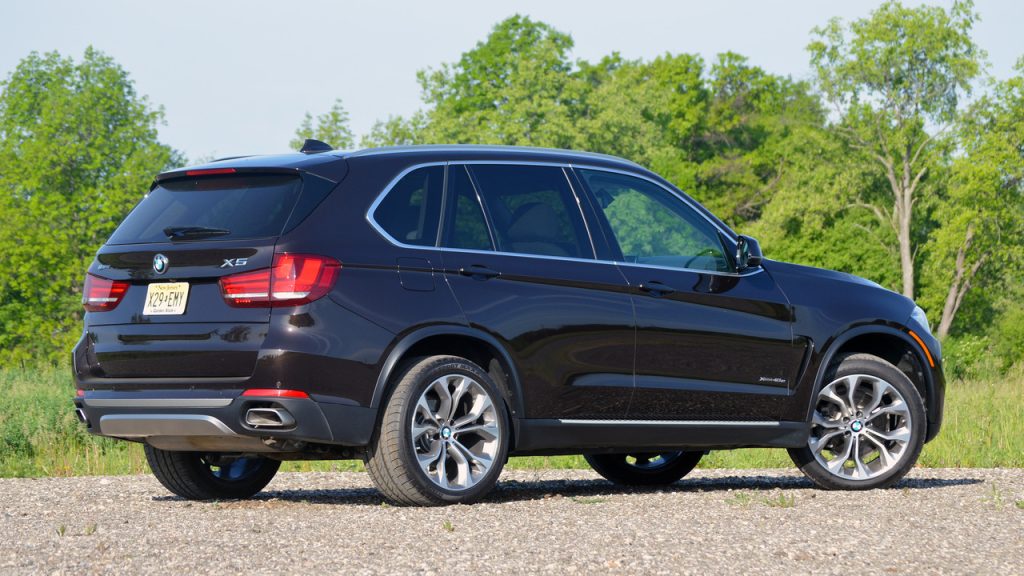
The X5 xDrive40e belongs here because it is a hybrid that can deliver strong benefits in ideal conditions, but many city owners don’t meet those conditions. For them, the gain feels limited, which is exactly what this category represents.
5. Volvo XC90 (Mild Hybrid versions)
The Volvo XC90 mild hybrid versions often offer little gain in city fuel savings because the vehicle is large and the mild-hybrid system is mainly designed to smooth engine behavior rather than provide meaningful electric-only movement.
Many buyers expect a hybrid SUV to significantly cut fuel bills, but mild hybrids usually provide modest improvements.
I’m writing about the XC90 here because it’s a common misunderstanding vehicle. The XC90 is a premium large SUV. It is built for comfort, safety, and family space.
In city traffic, its weight and size demand energy. The mild hybrid can reduce some waste but cannot overcome the physics of moving a large vehicle through stop-and-go congestion.
Owners may feel smoother start-stop behavior and better low-speed refinement, which can be valuable. But if they expected major fuel savings, the improvement may feel small. City commuting still involves heavy fuel burn in a large SUV.
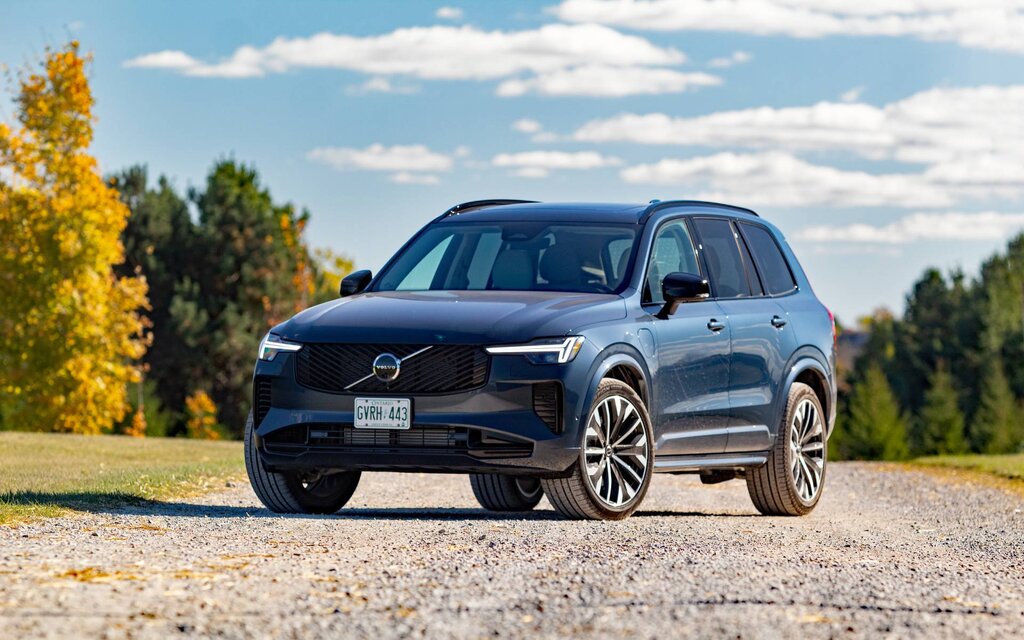
The XC90 belongs on this list because it is a great vehicle for comfort and family needs, but the mild hybrid label can create false expectations. For city drivers focused on fuel economy, it often feels like the hybrid system offers little gain compared to true full hybrids designed specifically to maximize stop-and-go efficiency.
