
Driving in El Cajon’s heat requires vehicles that offer both reliable performance and effective cooling systems to keep passengers comfortable during long summer days. From hot city streets to traffic congestion, the right vehicle can make a major difference in daily driving.
This guide highlights five standout vehicles built for El Cajon heat, including the rugged Ford F-150 and versatile SUVs like the Honda CR-V and Subaru Outback. These models combine strong air-conditioning, well-designed airflow, and durable engines to handle extreme temperatures.
In addition to these practical choices, we explore five cooling-efficient picks, such as the Toyota Prius, Honda City, Kia Soul, BMW 7 Series, and Hyundai Ioniq 5.
These vehicles use advanced climate control, intelligent thermal management, and innovative technology to maintain comfort while minimizing energy loss. Whether you prioritize performance, efficiency, or interior comfort, these ten vehicles provide dependable cooling and enjoyable driving in El Cajon’s hot climate.
5 Cars for El Cajon Heat Driving
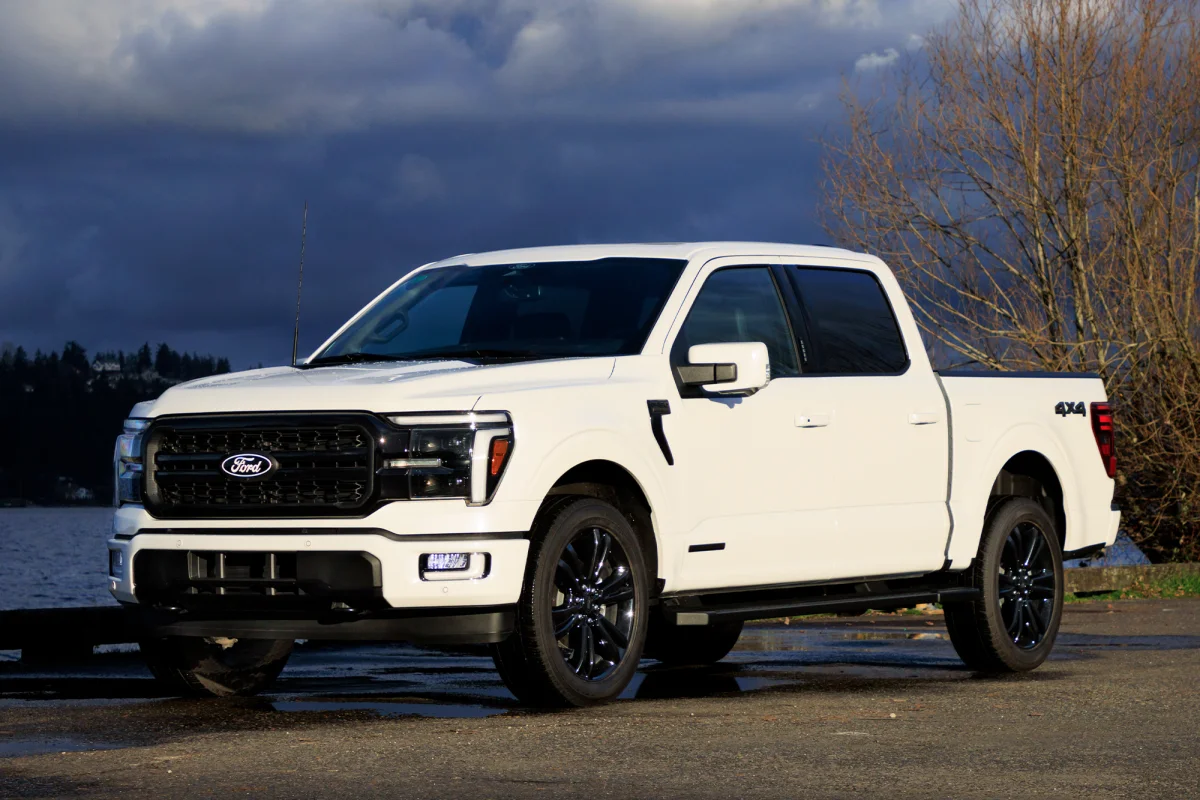
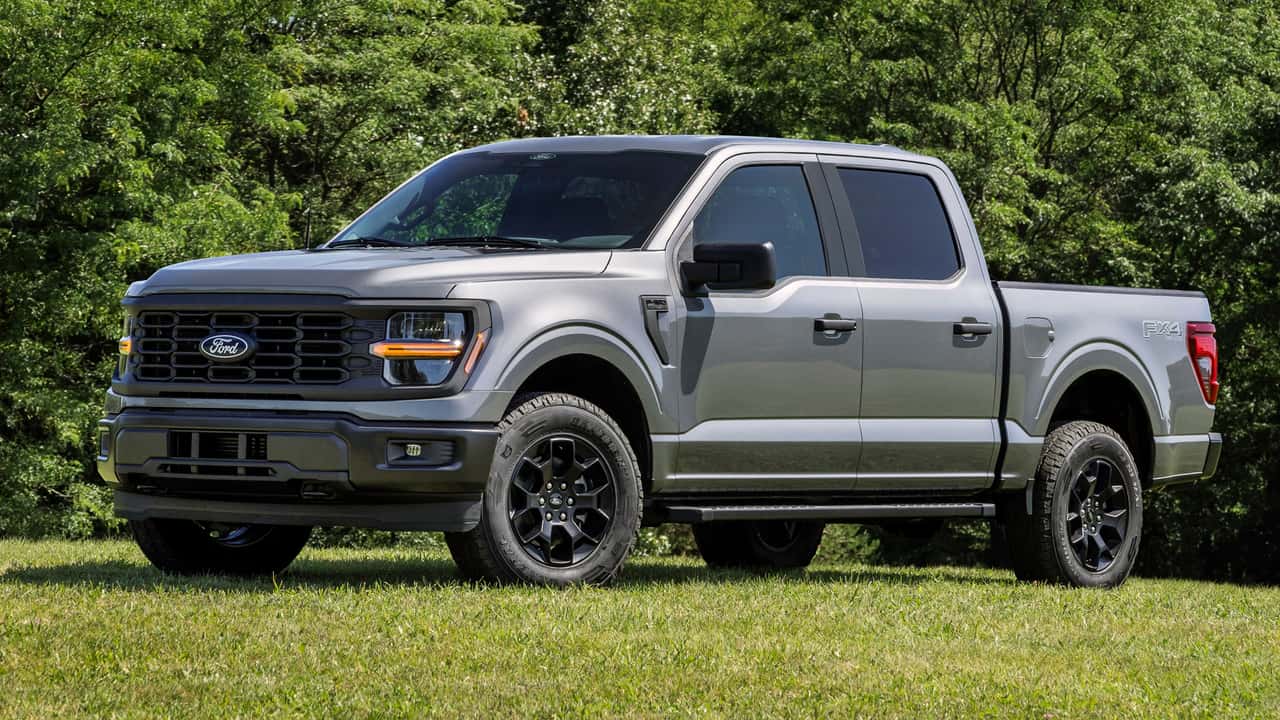
1. Ford F-150: Built for Extreme Heat, Heavy Work, and Everyday Comfort
The Ford F-150 stands out as one of the most capable and versatile full-size pickup trucks, especially for hot climates like El Cajon and the greater San Diego area. More than just a rugged workhorse, the F-150 is engineered to handle prolonged high-temperature driving while keeping occupants comfortable and the powertrain protected.
Its high-capacity air-conditioning system quickly cools the large cabin, even during peak summer heat, and higher trims offer ventilated seats and multi-zone climate control for personalized comfort. A robust radiator and powerful cooling fans further ensure reliability by preventing overheating under heavy loads or extended use.
Comfort and convenience are central to the F-150’s appeal. Along with strong A/C and available cooled seats, heated seats, and a heated steering wheel add comfort during cooler desert mornings and nights.
The cabin is well insulated, with supportive seating, generous passenger space, and smart storage solutions that make long drives or workdays easier. Certain models even transform into mobile workspaces thanks to a fold-flat center console.
Performance is another major strength. Buyers can choose from multiple engines, including a 325-hp 2.7-liter EcoBoost V6, 400-hp 5.0-liter V8, 400-hp twin-turbo 3.5-liter V6, or a 430-hp hybrid powertrain.
All engines are paired with a smooth 10-speed automatic transmission and offer rear-wheel or four-wheel drive. Selectable drive modes help the truck adapt to varied terrain, from highways to sand and dirt, while off-road-focused trims like the Tremor add serious capability.
The F-150 also excels in technology and utility. Features like Pro Power Onboard provide up to 7.2 kW of electricity for tools, camping, or tailgating. A standard 12-inch touchscreen with SYNC 4, wireless Apple CarPlay and Android Auto, and available Bang & Olufsen audio enhance the driving experience.
Advanced safety systems under Ford Co-Pilot360™, including adaptive cruise control and lane-keeping assist, add confidence on daily commutes.
With towing capacity up to 13,500 pounds, strong payload ratings, solid fuel economy for its class, and a long-standing reputation for durability, the Ford F-150 is a reliable, comfortable, and capable choice for drivers facing hot weather and diverse driving demands.
2. Honda CR-V: A Smart, Cool, and Practical SUV for Hot-Weather Driving
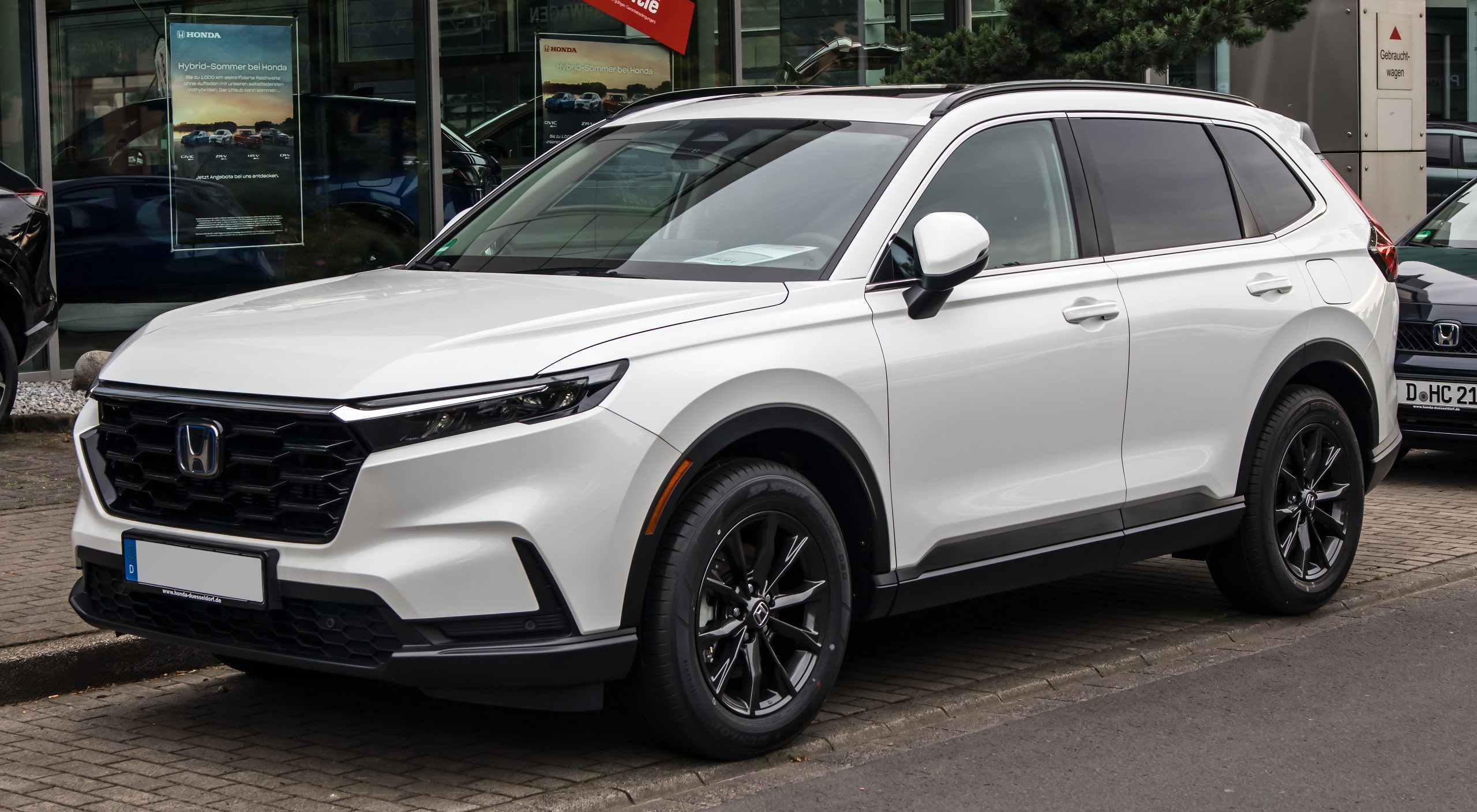
The Honda CR-V remains a top choice for drivers seeking reliability, comfort, and efficiency, particularly in warm climates like El Cajon. Known for its balanced thermal engineering, the CR-V handles high temperatures with ease thanks to an effective engine cooling system and a dependable air-conditioning setup that performs well even in stop-and-go traffic.
Smart ventilation design keeps cabin air circulating, while available remote start on many trims allows drivers to pre-cool the interior before entering the vehicle, a major advantage during intense summer heat.
Climate comfort is a strong point of the CR-V. Standard automatic climate control maintains a consistent interior temperature, and available dual-zone climate control lets the driver and front passenger personalize settings. The cabin is thoughtfully designed with well-cushioned, supportive seats that reduce fatigue on long drives.
Heated seats, while not essential for summer, are useful during cooler desert mornings and evenings. Excellent outward visibility, LED headlights, and minimal blind spots also improve comfort and confidence when driving under bright sunlight.
Under the hood, the CR-V is powered by a 190-horsepower turbocharged 1.5-liter four-cylinder engine paired with a continuously variable automatic transmission. Buyers can choose between front-wheel drive and all-wheel drive, making the CR-V adaptable to both city commuting and light adventure use.
While acceleration is modest, with a 0–60 mph time of about 8.1 seconds, the CR-V delivers a smooth, composed ride that prioritizes comfort over sportiness. Hill-descent control and updated traction management further enhance stability on steep or slippery roads.
Efficiency is another highlight. Recent EPA estimates place the CR-V at up to 28 mpg city and 34 mpg highway in front-wheel-drive form, with real-world highway results around 31 mpg. The available hybrid model offers even better fuel efficiency, making it ideal for drivers who want lower operating costs in daily use.
Inside, the CR-V features a clean, modern interior with practical storage solutions. Cargo space is generous at 39 cubic feet behind the second row, easily accommodating groceries, luggage, or outdoor gear.
A 9.0-inch touchscreen with Apple CarPlay and Android Auto comes standard, along with a strong suite of safety features such as adaptive cruise control, lane-keeping assist, and automated emergency braking.
The Honda CR-V delivers the cooling performance, comfort, efficiency, and practicality needed to thrive in El Cajon’s warm climate and active lifestyle.
3. Subaru Outback: Rugged Comfort and Reliable Cooling for Hot, Active Lifestyles
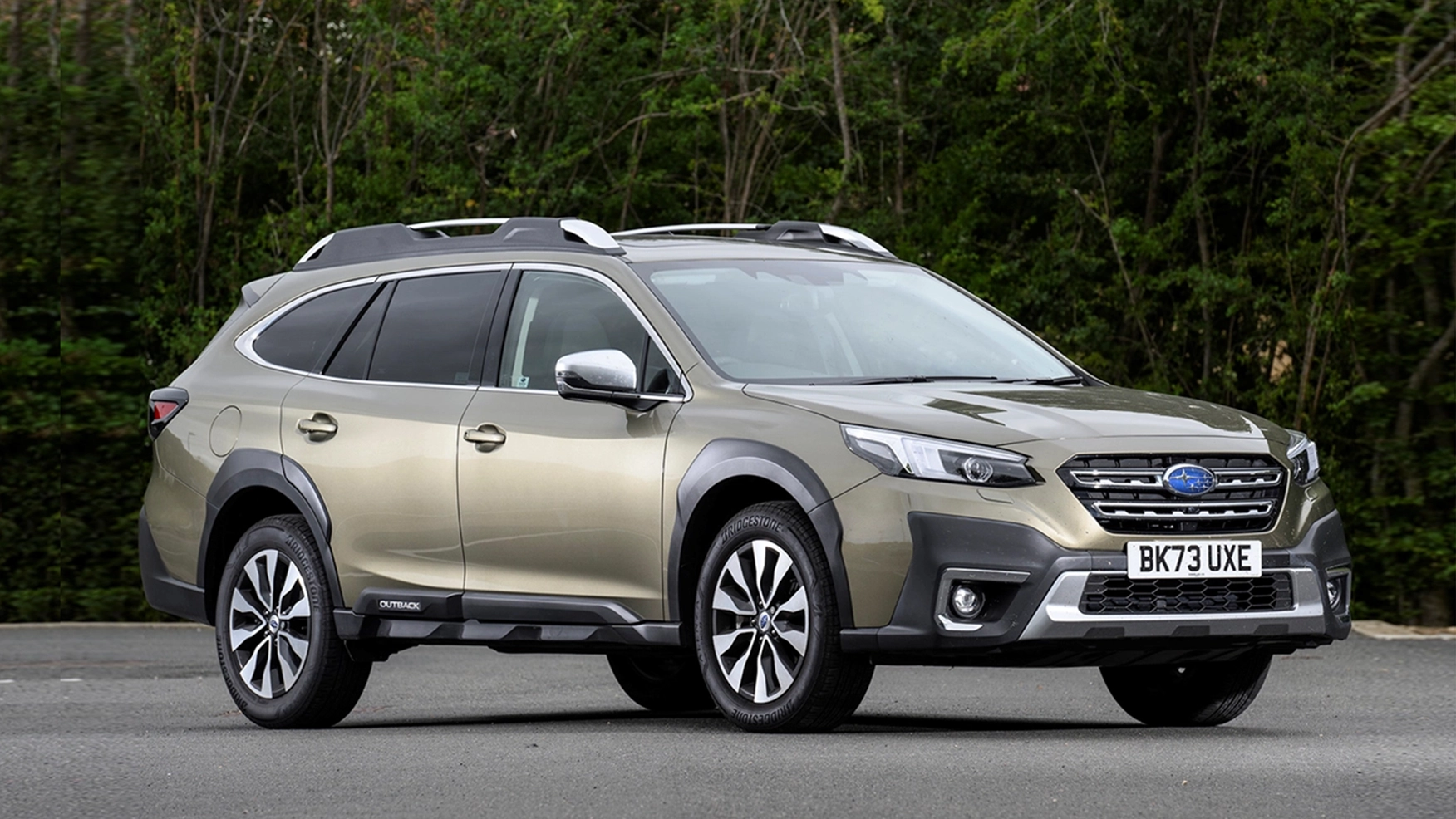
The Subaru Outback blends adventure-ready capability with thoughtful design features that make it well-suited for hot climates like El Cajon. While often associated with outdoor exploration, the Outback’s engineering places strong emphasis on effective engine and cabin cooling.
Its reliable air-conditioning system, even airflow distribution, and well-insulated cabin help maintain comfort during long summer drives. Combined with standard all-wheel drive and generous ground clearance, the Outback delivers confidence and stability on hot pavement, winding mountain roads, and light off-road trails.
One of the Outback’s biggest strengths is its standard symmetrical all-wheel drive, which enhances traction across varied terrain and driving conditions common in the San Diego region.
Features such as X-Mode further optimize engine output, transmission behavior, and traction control, making the Outback capable on sandy paths or uneven back roads during warm-weather adventures. Roof rails and ample cargo space add to its appeal for an active lifestyle, whether hauling camping gear, kayaks, or everyday supplies.
The Outback offers two four-cylinder engine options: a 180-horsepower 2.5-liter base engine and an available 260-horsepower turbocharged 2.4-liter found in XT and Wilderness trims. Both are paired with a continuously variable transmission.
While the base engine is tuned for efficiency rather than speed, the turbocharged option provides noticeably stronger acceleration and better responsiveness. Fuel economy remains competitive, with EPA estimates up to 25 mpg city and 31 mpg highway for the standard engine.
Inside, the Outback’s redesigned interior emphasizes comfort and modern usability. A refreshed dashboard with premium materials, a dual-panel digital instrument cluster, and a large 12.1-inch infotainment screen create a clean, contemporary feel.
Increased headroom and expanded cargo space improve passenger comfort and practicality for longer trips. Physical climate controls beneath the screen make adjusting cabin temperature easy, even while driving.
In hot climates, proper maintenance plays an important role in long-term performance. Subaru recommends full synthetic oil, regular coolant checks, and periodic inspection of the air-conditioning system to ensure optimal operation during extreme heat and stop-and-go traffic. With consistent care, the Outback handles high temperatures reliably.
The Subaru Outback offers a balanced mix of cooling performance, comfort, safety technology, and rugged capability, making it a dependable choice for drivers in El Cajon who want year-round versatility and summer-ready reliability.
4. Toyota Camry: Efficient Cooling, Proven Reliability, and Heat-Friendly Comfort
The Toyota Camry has long been recognized as a dependable midsize sedan, and it performs especially well in hot climates like El Cajon. One of its key strengths is a highly reliable cooling system designed to handle daily exposure to high temperatures.
The Camry’s air-conditioning system cools the cabin quickly, even after being parked in direct sunlight, while available ventilated seats and standard dual-zone automatic climate control help maintain comfort during extreme summer heat.
Toyota’s reputation for long-term durability further reinforces the Camry’s ability to withstand hot-weather driving without frequent overheating or mechanical concerns.
The latest Camry lineup is offered exclusively with hybrid powertrains, combining efficiency with responsive performance. Front-wheel-drive models pair a 2.5-liter four-cylinder engine with two electric motors for a combined 225 horsepower, while all-wheel-drive versions add a third rear-mounted electric motor and increase output to 232 horsepower.
A continuously variable automatic transmission comes standard. Around town, the electric motors provide immediate torque, making the Camry feel quick and smooth in everyday driving. Sportier SE, XSE, and Nightshade trims feature firmer suspension tuning for better body control, while still prioritizing ride comfort.
Fuel efficiency is a standout advantage, particularly in warm climates where long commutes and air-conditioning use are common.
EPA estimates reach as high as 52 mpg city and 49 mpg highway for front-wheel-drive LE models, with even all-wheel-drive variants delivering impressive numbers. Real-world testing confirms the Camry’s ability to closely match its fuel economy ratings, helping reduce fuel costs over time.
Inside, the Camry offers a spacious and well-appointed cabin with ample room for both front and rear passengers. Standard features include cloth upholstery, rear air vents, and dual-zone automatic climate control.
Higher trims add leather seating, heated seats and steering wheel, acoustic glass for reduced road noise, and ambient lighting. The trunk is generously sized, offering cargo capacity comparable to key rivals.
Technology and safety are also strong points. An intuitive infotainment system with wireless Apple CarPlay and Android Auto is standard, along with a comprehensive suite of driver-assistance features such as adaptive cruise control and automated emergency braking.
With efficient cooling, exceptional fuel economy, and proven reliability, the Toyota Camry is a smart, comfortable, and heat-ready sedan for daily driving in El Cajon.
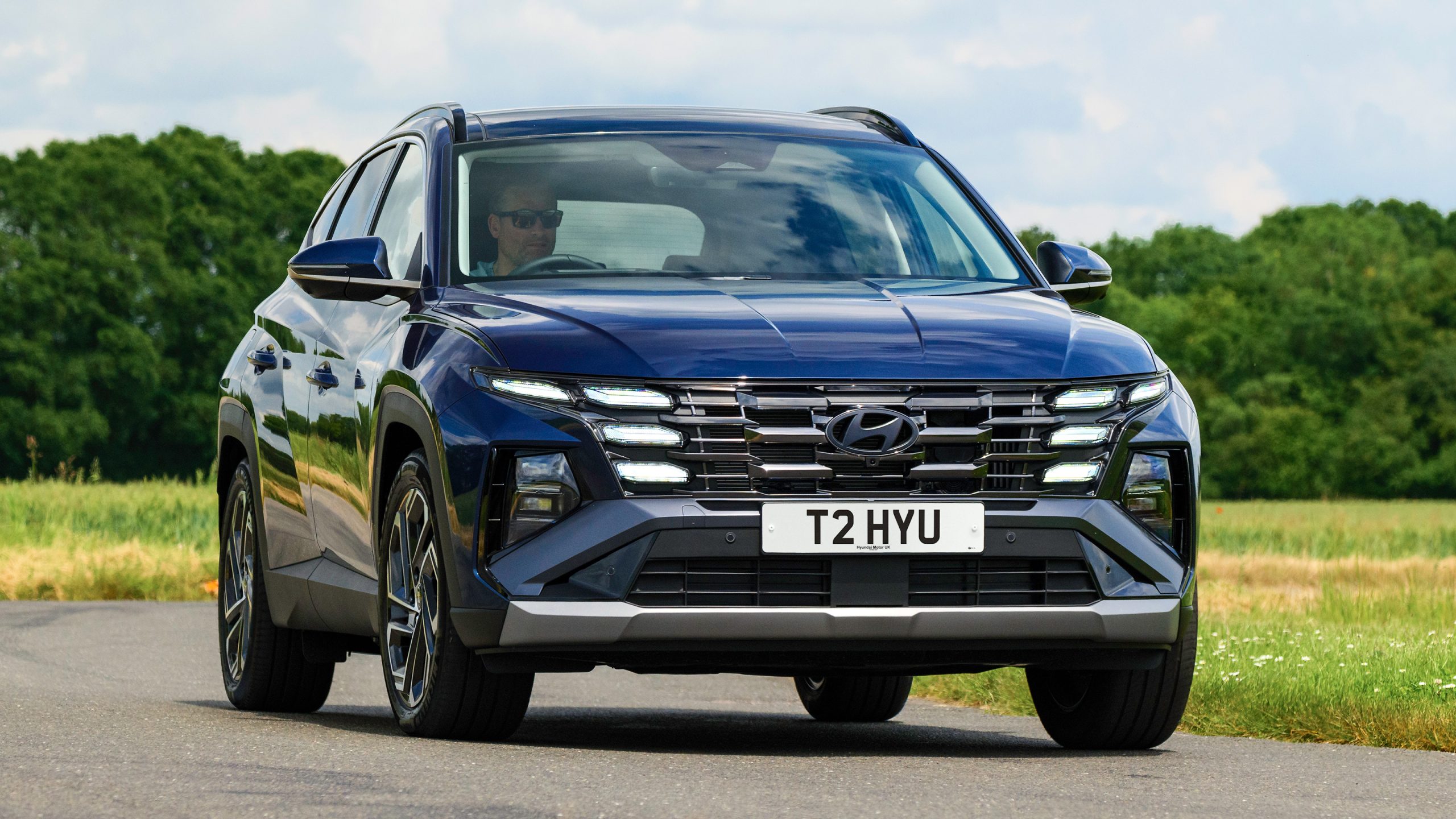
5. Hyundai Tucson: Cool, Comfortable, and Efficient for Hot-Weather Commuting
The Hyundai Tucson is a strong contender in the compact SUV segment for drivers in hot climates like El Cajon, thanks to its effective cooling technology, refined ride quality, and generous comfort features. Designed with warm-weather usability in mind, the Tucson offers a powerful and responsive climate-control system that lowers cabin temperatures quickly and distributes cool air evenly.
Available ventilated front seats and sun-reducing glass further enhance comfort, making daily driving and stop-and-go traffic far more tolerable during peak summer heat.
One of Tucson’s standout advantages is its climate-focused features. Automatic climate control intelligently manages fan speed, airflow, and air recirculation to maintain a consistent cabin temperature with minimal effort from the driver.
On higher trims, ventilated seats provide three levels of active cooling directly through the seat cushions, a major benefit in intense heat. Hybrid models add features such as Driver-Only Climate, which cools just the driver’s side to reduce energy use and improve efficiency when driving alone.
The Tucson offers multiple powertrain choices to suit different needs. A standard 187-horsepower 2.5-liter four-cylinder engine paired with an eight-speed automatic transmission delivers smooth, quiet performance for everyday driving, with front-wheel or all-wheel drive available.
While acceleration is modest, the Tucson shines in ride comfort and refinement, feeling calm and upscale even during long or congested commutes. Hybrid and plug-in hybrid versions provide improved efficiency and quieter operation, making them particularly appealing for warm-weather city driving.
Fuel economy is competitive for the class, with EPA estimates reaching up to 33 mpg highway in front-wheel-drive models, while hybrids offer even better efficiency for those prioritizing lower fuel costs.
Inside, the Tucson impresses with a modern, well-organized interior featuring digital displays, physical climate controls, and high-quality materials. Rear-seat space and cargo capacity are among the best in the segment, adding practicality for errands, road trips, or outdoor activities.
Technology and safety are also key strengths. A large infotainment display with wireless Apple CarPlay and Android Auto comes standard, along with available remote start via Hyundai’s digital key app. A comprehensive suite of driver-assistance features and an industry-leading warranty package further enhance peace of mind.
The Hyundai Tucson delivers excellent cooling performance, comfort, efficiency, and long-term value, making it a smart and heat-ready choice for El Cajon drivers.
Also read: 5 Cars That Are Easy to Service in Cities vs 5 That Aren’t
5 Cooling-Efficient Picks
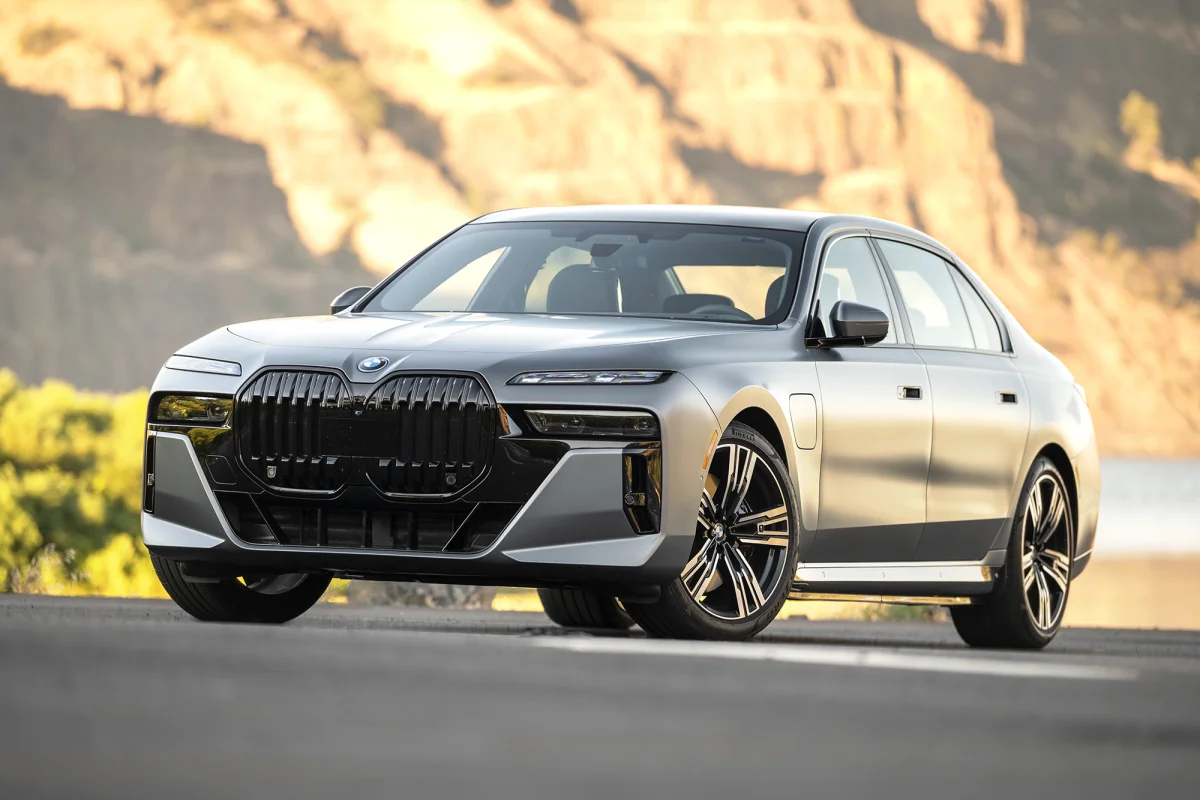
1. BMW 7 Series: Advanced Luxury with High-Performance Cooling and Comfort
The BMW 7 Series represents the pinnacle of luxury sedan engineering, and that sophistication extends well beyond premium materials to include highly advanced cooling and thermal management systems.
Designed to perform effortlessly even in extreme heat, the 7 Series features powerful multi-zone climate control, high-output compressors, and rapid cabin pre-conditioning that quickly restores comfort after the vehicle has been parked in direct sunlight.
Advanced air filtration and dehumidification further enhance the interior environment, creating a consistently cool and refined experience for all occupants.
A major contributor to the 7 Series’ cooling efficiency is its intelligent aerodynamic and thermal design. The Active Kidney Grille automatically opens and closes based on cooling demand, balancing airflow for engine temperature control while reducing drag when full cooling isn’t needed.
Additional air curtains and brake-cooling channels guide airflow precisely around critical components, improving efficiency and maintaining performance during high-speed or hot-weather driving. On V8 models, a map-controlled coolant pump optimizes flow based on operating conditions, reducing unnecessary energy use.
Powertrain options further highlight BMW’s thermal expertise. The lineup includes a 375-horsepower turbocharged inline-six with mild-hybrid assistance, a 483-horsepower plug-in hybrid, and a 536-horsepower twin-turbo V8.
The all-electric i7 and plug-in hybrid models benefit from advanced battery thermal management and pre-conditioning systems that protect battery health, ensure consistent performance, and maintain driving range even in hot conditions or during fast charging.
Inside the cabin, occupant comfort is a priority. Multi-zone climate control allows precise temperature customization for front and rear passengers, while available ventilated and massaging seats provide direct cooling and long-distance comfort.
BMW’s Interaction Bar and rear-seat touchscreens integrate climate controls seamlessly into the luxury experience, making adjustments intuitive and precise. Optional rear executive seating transforms the back seat into a limousine-like retreat, ideal for chauffeured driving in warm climates.
The 7 Series also delivers impressive performance alongside comfort. Air suspension, adaptive dampers, and rear-wheel steering help the large sedan feel agile yet smooth. Despite its size and power, fuel economy remains competitive, particularly in hybrid configurations.
The BMW 7 Series stands as a benchmark luxury sedan, combining cutting-edge cooling technology, aerodynamic efficiency, and exceptional cabin comfort. For drivers who demand both high performance and effortless comfort in hot environments, it delivers a refined, technologically advanced solution that few competitors can match.
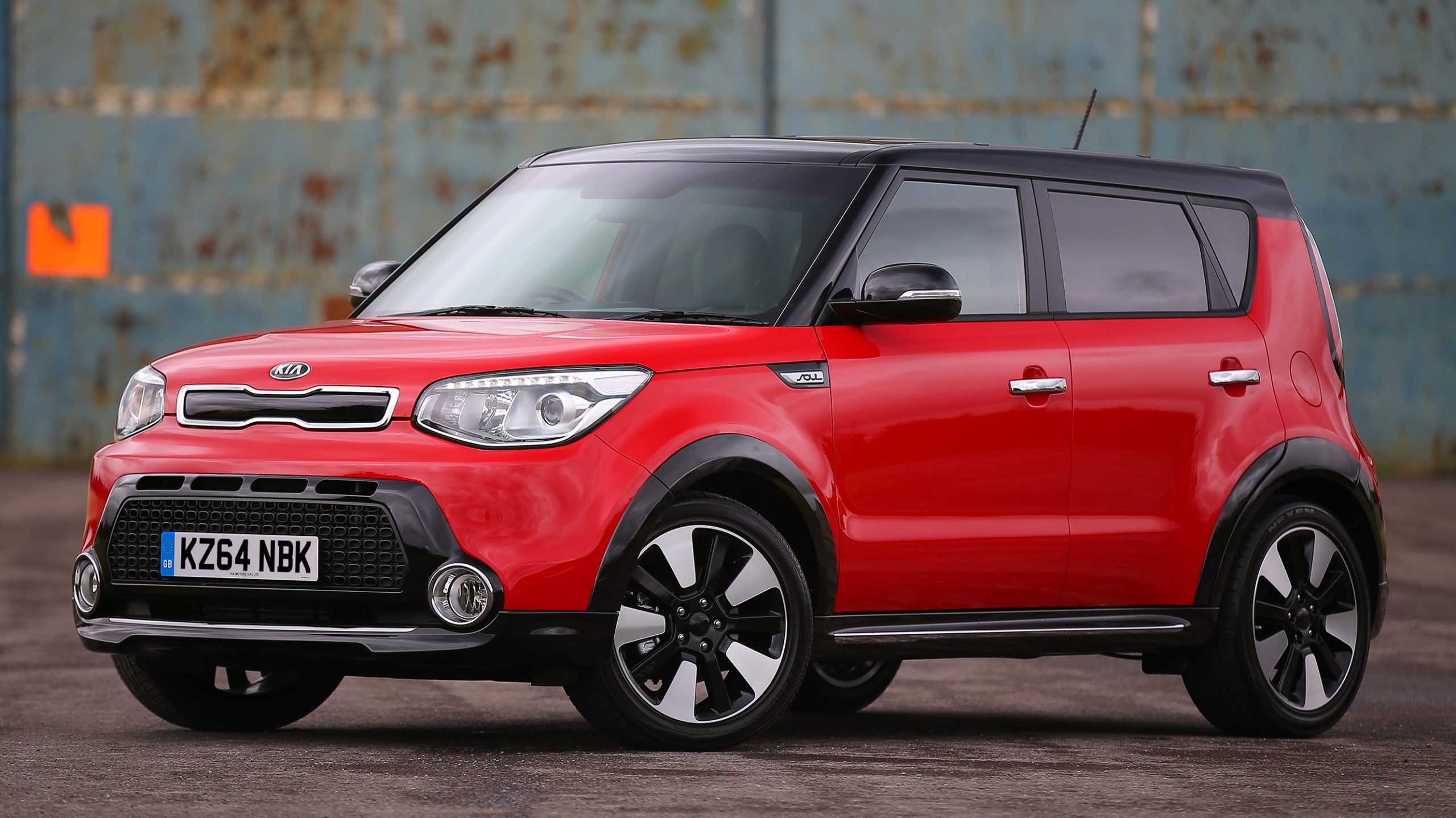
2. Kia Soul: Compact, Affordable, and Surprisingly Cool in Hot Weather
The Kia Soul may be one of the most affordable and compact vehicles in its class, but it consistently impresses with cooling performance and interior comfort, making it a smart choice for warm climates.
Despite its modest price point, the Soul’s air-conditioning system is effective at quickly lowering cabin temperatures, even after sitting in the sun. Higher trims go a step further by offering features such as ventilated front seats, a rarity in this segment, helping drivers stay comfortable during intense summer heat.
A major strength of the Kia Soul lies in its thoughtful design and efficiency-focused engineering. The upright, boxy shape isn’t just a styling statement; it allows for excellent airflow, a spacious-feeling cabin, and even distribution of cool air throughout the interior.
This design helps the cabin cool faster and feel less cramped compared to more sloped competitors. Remote climate control, available on certain trims and the electric version, allows drivers to pre-condition the interior before entering, an especially useful feature in hot environments.
The Kia Soul EV stands out as the most cooling-efficient version of the lineup. Its advanced liquid-cooled battery system actively manages heat to protect battery life, maximize driving range, and maintain consistent performance.
Unlike air-cooled systems, liquid cooling is more effective in extreme temperatures. The system can also recycle heat to warm the cabin in colder conditions, enhancing efficiency. Remote pre-conditioning in the EV allows the cabin to be cooled while plugged in, preserving battery range for driving.
Gas-powered Soul models prioritize efficiency and everyday comfort. A 147-horsepower 2.0-liter four-cylinder engine paired with a CVT delivers smooth, easy driving that feels responsive around town.
While acceleration is modest, the Soul’s calm ride and quiet cruising make it well-suited for daily commuting in traffic-heavy, hot conditions. Fuel economy is competitive, with highway ratings up to 35 mpg, helping keep running costs low.
Inside, the Soul offers impressive space for passengers and cargo, with flexible seating and a tall roofline that enhances comfort. Modern infotainment with Apple CarPlay and Android Auto, available ambient lighting, and practical storage add to its appeal. Safety features such as automated emergency braking and lane-keeping assist further enhance confidence.
The Kia Soul proves that effective cooling, comfort, and practicality don’t have to come with a high price tag. Whether gas-powered or electric, it delivers heat-friendly performance in a fun, efficient, and highly usable package.
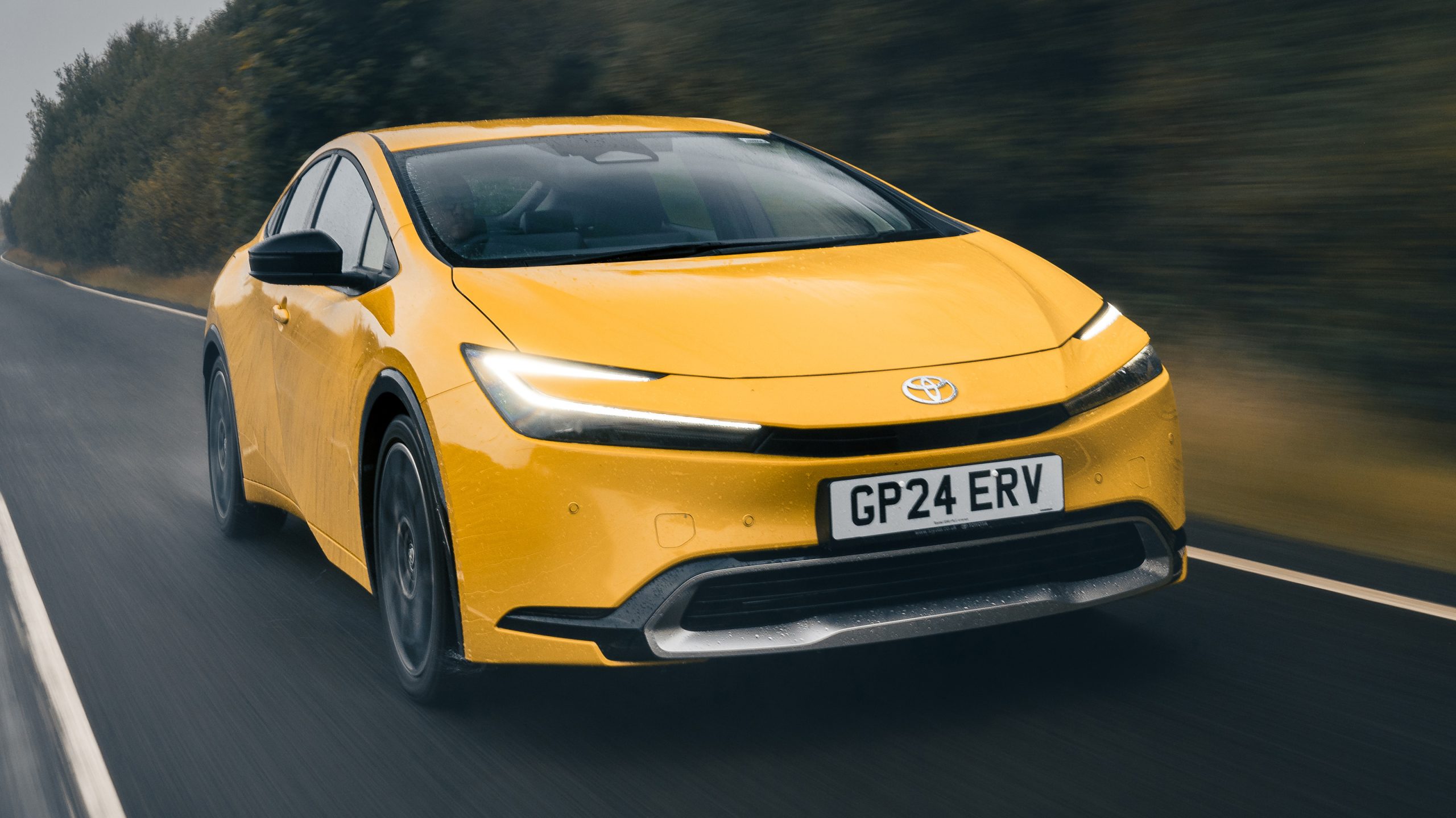
3. Toyota Prius: Smart Hybrid Cooling and Exceptional Efficiency in Hot Weather
The Toyota Prius has long been recognized for its fuel efficiency, but it is also one of the most cooling-efficient vehicles available, especially in hot climates. Its hybrid architecture allows the air-conditioning system to operate independently of the gasoline engine, meaning the cabin can stay cool even when the engine is off or running minimally.
This design reduces heat buildup, lowers energy consumption, and maintains consistent comfort during traffic-heavy or stop-and-go driving common in warm regions.
A key contributor to the Prius’s cooling efficiency is its advanced climate-control technology. Toyota’s Smart-Flow (S-FLOW) air-conditioning system intelligently directs airflow only to occupied seats, reducing unnecessary cooling and lowering system workload.
An electric A/C compressor provides quiet, efficient cooling without relying on engine speed, while remote air-conditioning allows the cabin to be pre-cooled before entering the vehicle. Some versions also offer solar-powered ventilation, which uses roof-mounted solar panels to circulate air while parked, significantly reducing interior heat buildup without draining the battery.
Heat management extends beyond climate control. The Prius features heat-reflective design elements such as infrared-cut windshield glass that blocks solar radiation and helps keep cabin temperatures lower.
In some markets, special heat-reflecting exterior paint further reduces heat absorption. Inside, temperature-regulating materials like SofTex synthetic upholstery help maintain comfort in both hot and cold conditions.
Aerodynamics plays an important role as well. With a low drag coefficient of approximately 0.24 and automatic grille shutters that close when radiator airflow is not needed, the Prius minimizes energy loss and reduces heat generation.
The hybrid system itself is highly efficient, with a gasoline engine achieving over 40 percent thermal efficiency, meaning less excess heat is produced during operation. The hybrid battery is also carefully managed with dedicated cooling ducts and fans to maintain optimal performance and longevity.
Performance is more capable than earlier generations. The current Prius uses a 2.0-liter four-cylinder engine paired with electric motors for a combined output of up to 196 horsepower in all-wheel-drive models. Acceleration is brisk for a hybrid, with a 0–60 mph time of around 7.1 seconds. Fuel economy remains class-leading, with EPA ratings reaching up to 57 mpg city and 56 mpg highway.
Inside, the Prius offers a modern infotainment system with wireless smartphone connectivity and a solid suite of standard safety features. With exceptional cooling efficiency, outstanding fuel economy, and innovative heat-management technology, the Toyota Prius is an ideal choice for drivers seeking comfort and efficiency in hot-weather conditions.
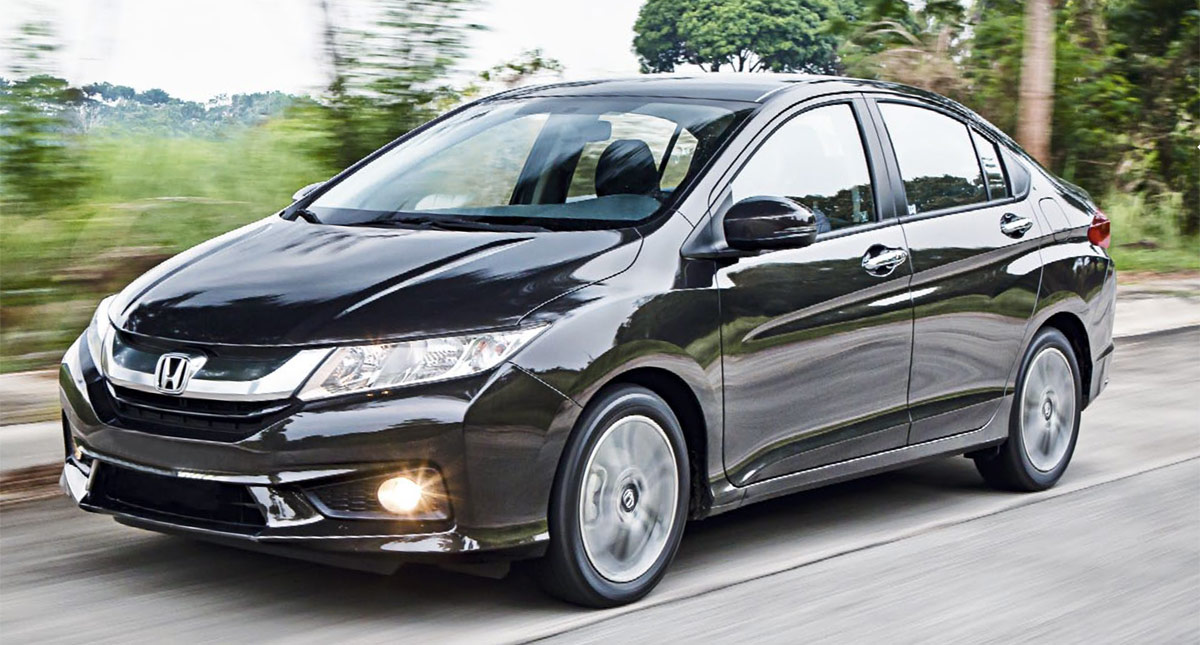
4. Honda City: Strong Climate Control and Practical Cooling for Hot Urban Conditions
The Honda City has earned a reputation in many warm-weather markets for delivering effective and reliable cabin cooling, especially considering its compact size and affordability. Honda’s focus on climate responsiveness, airflow management, and engine cooling makes the City a sensible choice for drivers who regularly face high temperatures and intense sunlight.
One of the City’s strongest attributes is its powerful air-conditioning system. While some owners note that cooling can take a few minutes if the car has been parked directly under the sun, once operating, the AC is widely regarded as one of the most effective in its segment.
Features such as the “Max Cool” mode, available on select CVT variants, help rapidly lower cabin temperatures by optimizing fan speed, airflow, and recirculation. Using the recirculate function allows the system to cool already-conditioned air, improving efficiency in extreme heat.
Passenger comfort is further improved in higher trims through the inclusion of dedicated rear AC vents. These vents ensure even airflow distribution to rear-seat occupants, a feature not always found in compact sedans.
This makes a noticeable difference during hot weather, particularly for families or ride-sharing use. Lower trims without rear vents may take longer to cool the entire cabin, highlighting the importance of trim selection for buyers prioritizing cooling performance.
Beyond cabin air conditioning, the Honda City benefits from solid thermal management under the hood. A dual-fan cooling setup paired with a relatively large radiator helps regulate engine temperature in high-heat, stop-and-go conditions. Stable engine temperatures indirectly support consistent AC performance, even during long commutes or heavy traffic.
The City also incorporates cabin-focused technology such as a PM 2.5 air purification filter, which improves air quality while the AC is running. This is especially valuable in urban environments where heat often coincides with pollution.
In terms of performance and efficiency, the City’s engines are tuned for smooth, predictable urban driving rather than outright speed. The powertrain feels responsive enough for city driving while maintaining good fuel economy, which reduces engine heat buildup. Hybrid variants available in some markets further enhance efficiency and reduce engine workload.
Inside, the Honda City offers a clean, spacious cabin with comfortable seating, modern infotainment options, and practical cargo space for its class. While its warranty coverage is average, the City stands out for delivering dependable cooling, thoughtful ventilation, and everyday comfort.
The Honda City is a well-balanced compact sedan that handles hot climates effectively, making it a reliable option for urban drivers who value comfort, efficiency, and strong air-conditioning performance.
5. Hyundai Ioniq 5: Advanced EV Cooling for Comfort and Performance
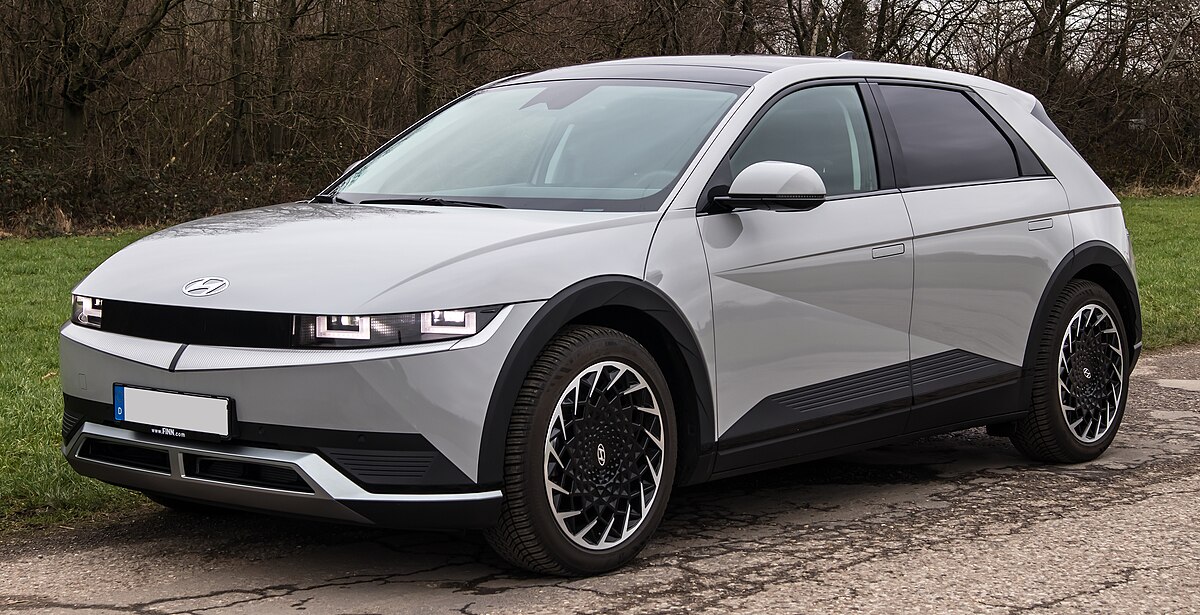
The Hyundai Ioniq 5 is a standout electric vehicle that combines futuristic design with a highly efficient thermal management system, making it an excellent choice for hot climates. Its sophisticated cooling technology handles both cabin and battery temperatures, ensuring comfort for passengers and optimal performance for the powertrain even under extreme conditions.
At the core of the Ioniq 5’s cooling efficiency are its independent radiators for the battery and motor, which prevent thermal throttling during high-performance driving or fast charging. Active air flaps further optimize airflow, opening only when needed to enhance cooling and closing to improve aerodynamics.
For performance-oriented Ioniq 5 N models, integrated bumper vents and larger cooling surfaces increase cooling capacity by 60%, allowing sustained high-power output without overheating. Newer models also feature a heat pump and battery preconditioning system, which manage battery temperatures for both optimal charging and range, improving efficiency year-round.
The result is consistent performance in all conditions. The battery remains within ideal temperature ranges to prevent power loss, charging speeds are faster and more reliable, and range is preserved even in hot or cold weather. These systems ensure that both everyday commuting and spirited driving are worry-free.
The Ioniq 5’s powertrain options range from a 168-hp single-motor rear-wheel-drive setup to a 320-hp dual-motor all-wheel-drive configuration. Acceleration is brisk, with 0–60 mph times as low as 4.4 seconds in the AWD SEL model. Despite its size, the EV delivers a composed and athletic ride thanks to a low center of gravity and well-tuned suspension, though steering feedback is somewhat muted.
Inside, the cabin is spacious and airy, aided by a flat floor and long wheelbase. Passengers benefit from ample shoulder and legroom, and cargo capacity is generous at 30 cubic feet behind the rear seats, expanding to 59 cubic feet with the seats folded.
The 12.3-inch dual-screen infotainment system provides wireless Apple CarPlay, Android Auto, and robust connectivity, complemented by premium audio and multiple charging ports.
Safety is comprehensive, with standard adaptive cruise control, lane-keeping assist, and automated emergency braking, while optional features include blind-spot monitoring and a surround-view camera. Hyundai backs the Ioniq 5 with a four-year/60,000-mile limited warranty, a four-year/70,000-mile powertrain warranty, and three years/45,000 miles of complimentary maintenance.
The Ioniq 5’s intelligent multi-layered cooling strategy, combined with EV efficiency and spacious comfort, makes it a versatile and reliable choice for drivers in hot climates seeking a high-tech, all-electric experience.
Choosing a vehicle for El Cajon heat involves more than a strong air-conditioning system. It also requires smart thermal management, efficient engines or electric motors, and well-designed interiors. The vehicles highlighted in this guide combine these features to deliver comfort, performance, and reliability in high temperatures.
From the rugged durability of the Ford F-150 to the hybrid cooling of the Toyota Prius and the advanced EV efficiency of the Hyundai Ioniq 5, each model keeps the cabin cool while maintaining powertrain performance.
These cars allow drivers to stay comfortable, protect their vehicles from heat stress, and enjoy a smooth and safe driving experience. By focusing on both heat-ready vehicles and cooling-efficient technology, these ten cars offer some of the best options for handling El Cajon’s summer climate with confidence.
Also Read: 10 Cars That Are Shockingly Easy to LS Swap Without Breaking the Bank
