
City driving has changed. Streets feel tighter, traffic moves more slowly, parking spaces keep shrinking, and drivers expect more technology and comfort than ever before. Ride-hailing services, delivery vans, bike lanes, and electric scooters now share the same roads, leaving little room for bulky vehicles that feel out of place.
Yet sedans still matter. A well-designed sedan fits neatly into urban life, offering easy parking, smooth commuting, strong fuel efficiency, and enough comfort for long days behind the wheel. When done right, a sedan becomes an extension of city living, calm in traffic, light on fuel, and simple to own.
Some modern sedans adapt beautifully to today’s cities. They feel agile in congestion, handle potholes with grace, and offer technology that makes daily driving easier. Others feel like they belong to a different era, built for highways and open roads rather than crowded downtown streets.
This guide highlights five sedans that continue to shine in big cities. These are models that blend smart design, efficiency, comfort, and durability into a package that feels current and practical. They prove that sedans still have a strong place in urban life when built with modern needs in mind.
Down the page will be the next set of cars, which we will focus on five sedans that struggle to keep up with modern city demands and now feel behind the times.
5 Sedans That Still Work in Big Cities
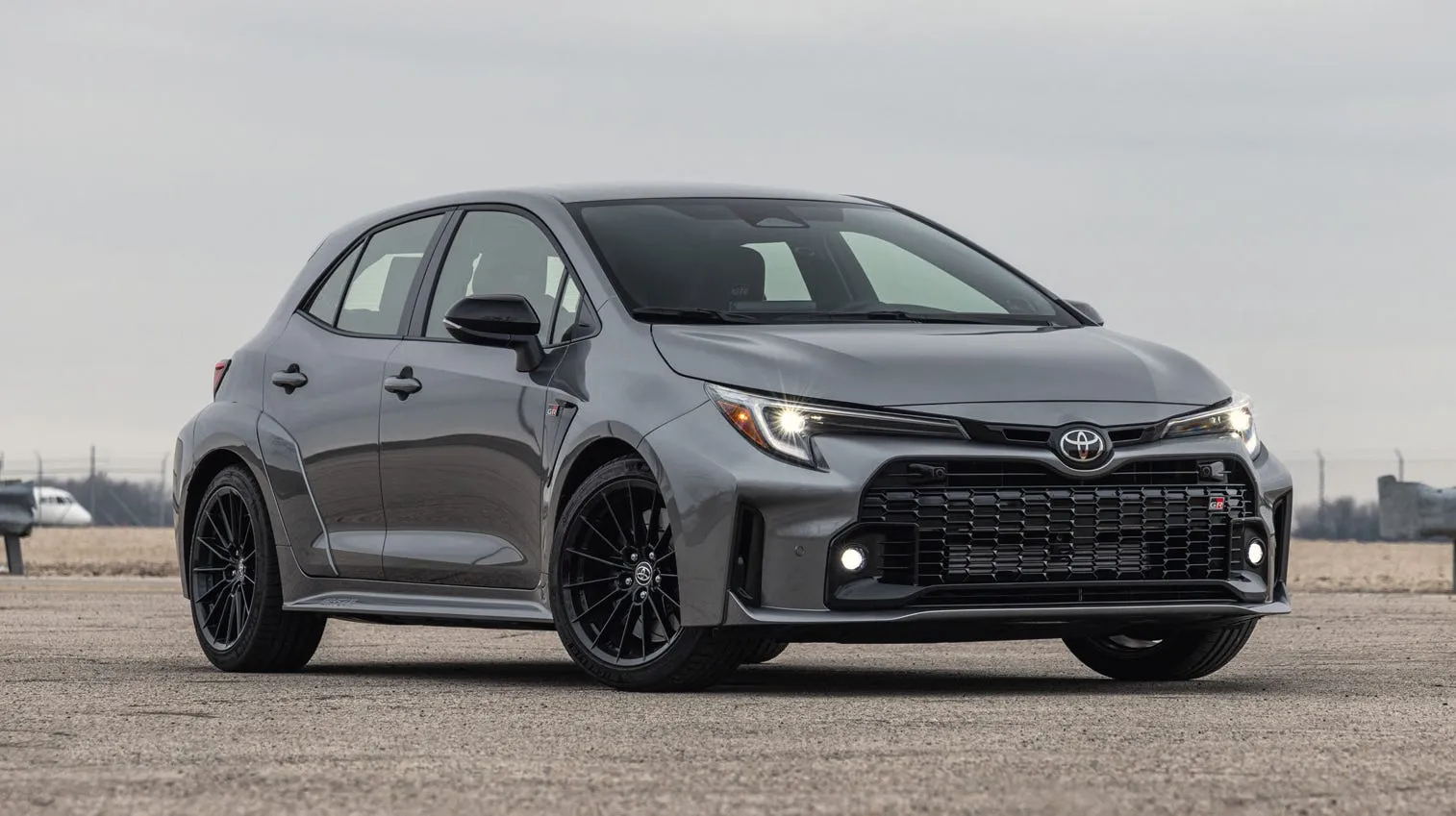
1. Toyota Corolla 2024
City streets reward simplicity, and the Toyota Corolla 2024 delivers exactly that. This sedan has built a reputation around reliability, efficiency, and ease of ownership, all traits that matter when traffic lights outnumber open roads.
Size plays a big role in its success. The Corolla fits into narrow parking spaces without effort and slips through tight lanes with confidence. Parallel parking feels easy thanks to clear visibility and a short turning circle. In crowded downtown districts, that agility turns daily errands into stress-free drives.
Fuel efficiency remains a strong advantage. Stop-and-go traffic barely dents the fuel tank, and hybrid versions stretch each gallon even further. For commuters who spend hours crawling through traffic, fewer fuel stops save both time and money.
Ride comfort suits urban pavement well. Suspension tuning absorbs potholes, speed bumps, and uneven asphalt without sending harsh vibrations through the cabin. Steering stays light and predictable, which helps during quick lane changes and tight turns.
Interior design keeps everything within reach. The dashboard layout feels clean and intuitive, while digital displays offer navigation, traffic updates, and smartphone connectivity. Seats remain supportive during long commutes, and rear passengers enjoy enough legroom for daily rides.
Safety technology adds another layer of confidence. Features like automatic braking, lane assistance, and adaptive cruise control work quietly in the background, helping drivers manage busy roads with less fatigue. Durability remains one of the Corolla’s strongest qualities. Body panels resist corrosion well, and mechanical components hold up to years of daily use.
With regular care, this sedan ages gracefully even in demanding urban conditions. For drivers who want a sedan that feels natural in city life, the Toyota Corolla 2024 remains a dependable companion.

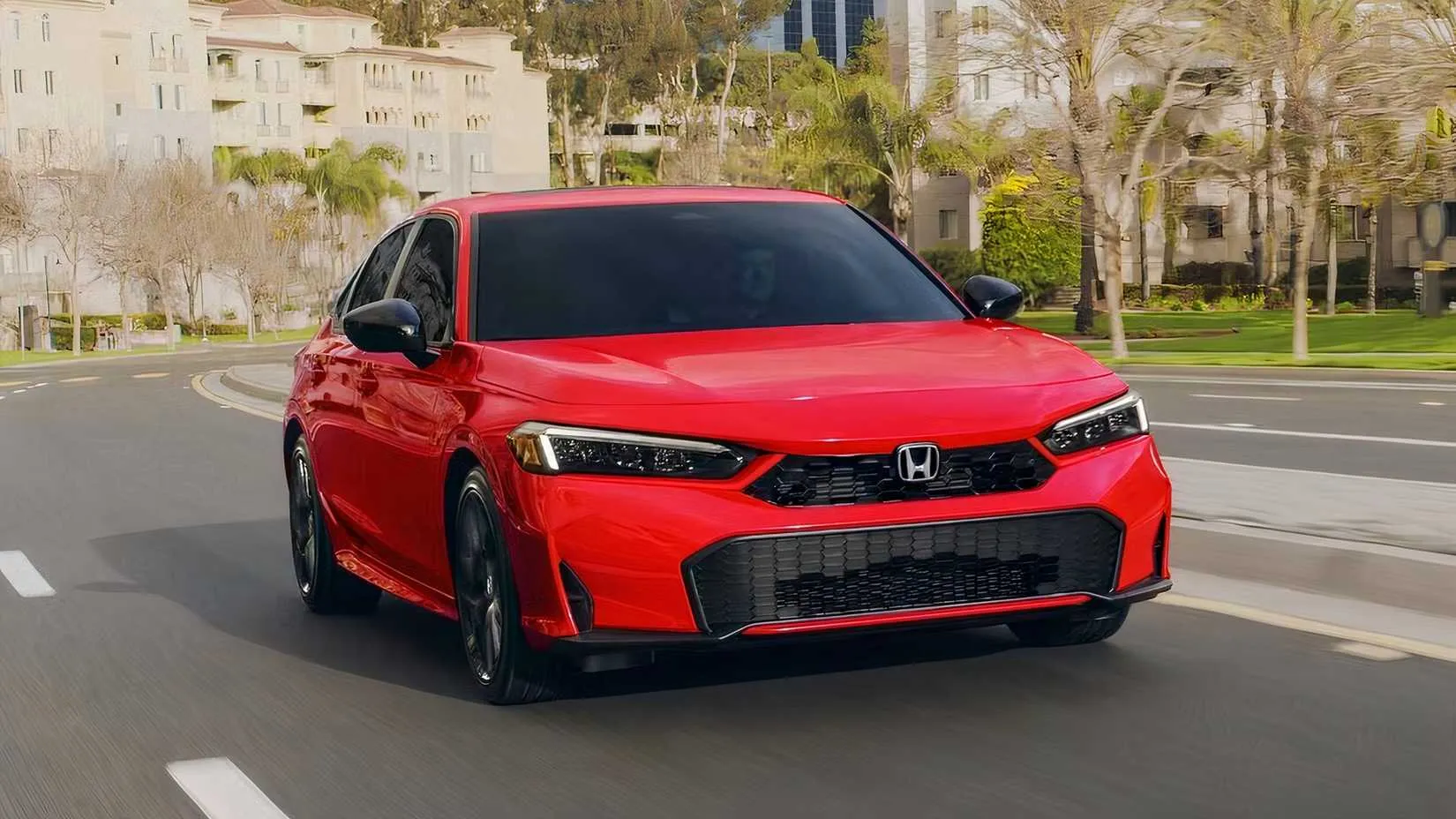
2. Honda Civic 2024
A different personality defines the Honda Civic 2024. Sporty, efficient, and refined, this sedan blends driving enjoyment with city practicality in a way few competitors match.
Traffic rarely feels exciting, yet the Civic adds a sense of engagement even at low speeds. Steering feels precise, throttle response stays smooth, and braking inspires confidence. Quick merges and narrow turns become simple tasks rather than tense moments.
Exterior styling gives the Civic a modern presence without drawing unwanted attention. Its shape cuts through traffic cleanly, and compact dimensions help with parking. Tight garages and narrow curbside spaces feel manageable.
Fuel economy remains friendly for daily commuting. The engine delivers strong efficiency without feeling sluggish, and hybrid options extend driving range even more. Long workdays and short errands both benefit from fewer fuel stops.
Inside, the cabin feels refined and comfortable. Materials look upscale, and sound insulation keeps road noise low. Digital displays integrate navigation, messaging, and music in a way that feels natural and distraction-free.
Rear seating offers more room than expected, making the Civic a solid choice for carpools or rideshare work. The trunk handles groceries, luggage, and work equipment without trouble. Honda’s reputation for longevity carries forward.
Mechanical systems hold up well under constant use, and corrosion protection keeps body panels looking fresh even after years of exposure to rain and road grime. For city drivers who want a sedan that feels lively without sacrificing practicality, the Honda Civic 2024 delivers a rewarding daily experience.
Also Read: 5 Luxury Sedans That Keep Repair Costs Predictable vs 5 Luxury Sedans That Don’t
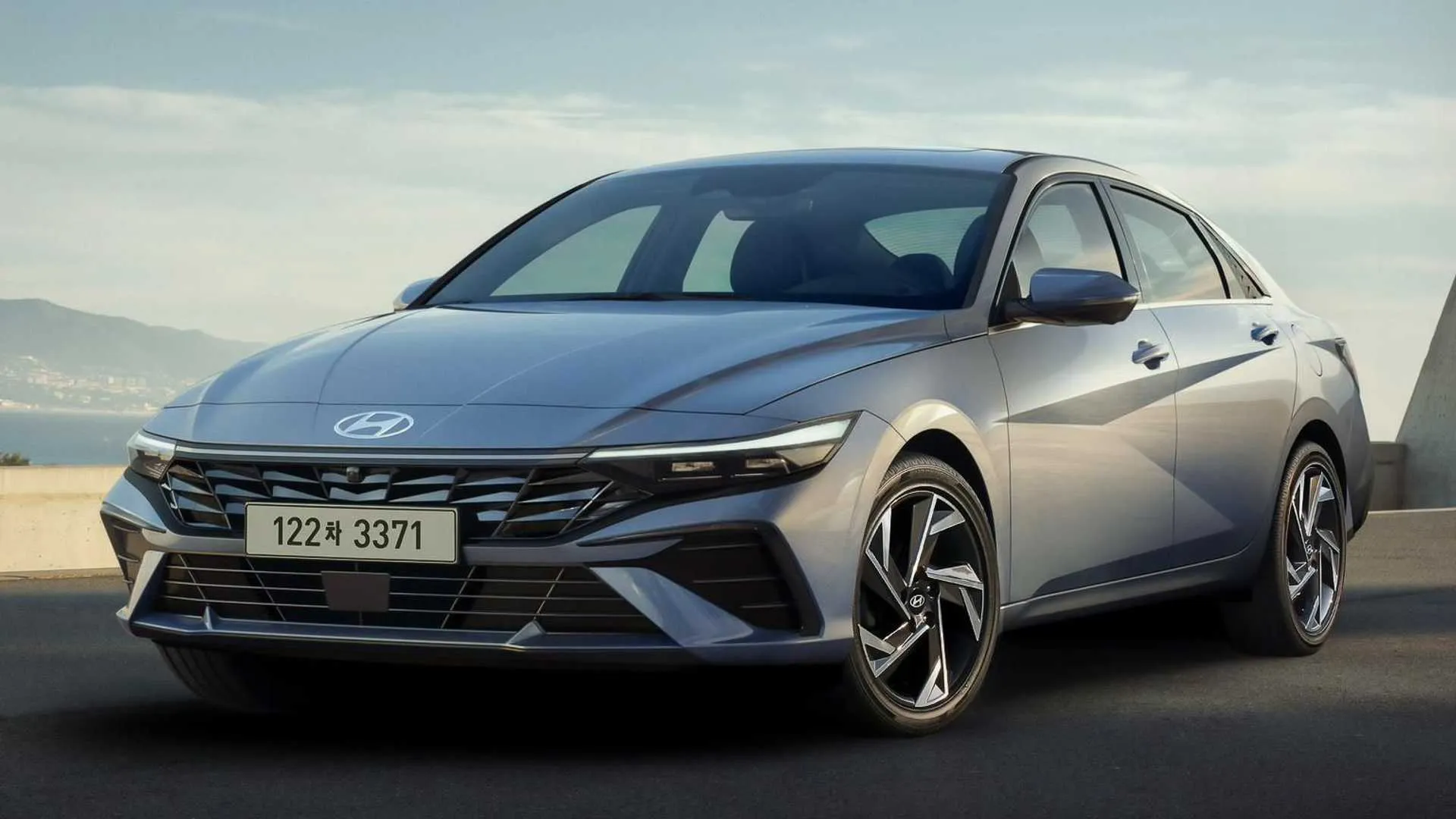
3. Hyundai Elantra 2024
Modern design meets urban practicality in the Hyundai Elantra 2024, a sedan that balances striking aesthetics with city-friendly performance. Its exterior lines combine sharp angles with smooth contours, producing a look that feels contemporary without being overbearing.
The Elantra’s compact footprint allows it to fit into tight city streets, congested traffic lanes, and small parking spaces, while maintaining a presence that stands out subtly without appearing oversized. Visibility remains strong thanks to carefully positioned windows and thoughtfully designed mirror placement, which helps drivers confidently maneuver through dense neighborhoods and busy intersections.
Fuel efficiency plays a major role in the Elantra’s city appeal. The standard gasoline engine delivers impressive mileage, while hybrid variants push efficiency even further, reducing the number of stops for fuel.
Short trips, which dominate city commuting patterns, barely affect the fuel gauge, and highway excursions remain economical, giving owners flexibility for weekend trips or longer drives. Combined with a smooth, quiet engine, this makes the Elantra a low-stress companion for urban life.
Ride quality suits the challenges of city streets. Suspension components absorb imperfections in pavement, including potholes, uneven asphalt, and speed bumps, without transmitting harsh jolts to passengers. Steering remains light and responsive, allowing for nimble lane changes and quick turns at intersections.
Traffic stops, roundabouts, and narrow alleys become manageable rather than stressful, which is a major advantage for daily commuters. Interior space feels generous relative to its compact exterior. Front occupants enjoy a comfortable driving position, and rear passengers have adequate legroom for short trips or school runs.
The trunk balances capacity with usability, handling weekly shopping, sports equipment, or weekend luggage with ease. Materials inside feel durable, and modern touches such as soft-touch panels and well-placed controls enhance both aesthetics and functionality.
Technology is another strength. The Elantra comes equipped with large digital screens for navigation, media, and traffic alerts. Voice-activated commands reduce driver distraction, and smartphone integration ensures seamless connectivity. Safety technology, including forward collision warning and lane assist, further enhances confidence in urban driving conditions.
Hyundai’s industry-leading warranty adds peace of mind, particularly in environments where daily exposure to rain, road salt, or debris could challenge lesser builds. Corrosion protection and modern coatings help the body maintain its finish, keeping the Elantra looking fresh after a long time.
For city dwellers who prioritize style, efficiency, comfort, and technology, the Hyundai Elantra 2024 delivers an ideal blend, making it a dependable and attractive choice for modern urban living.
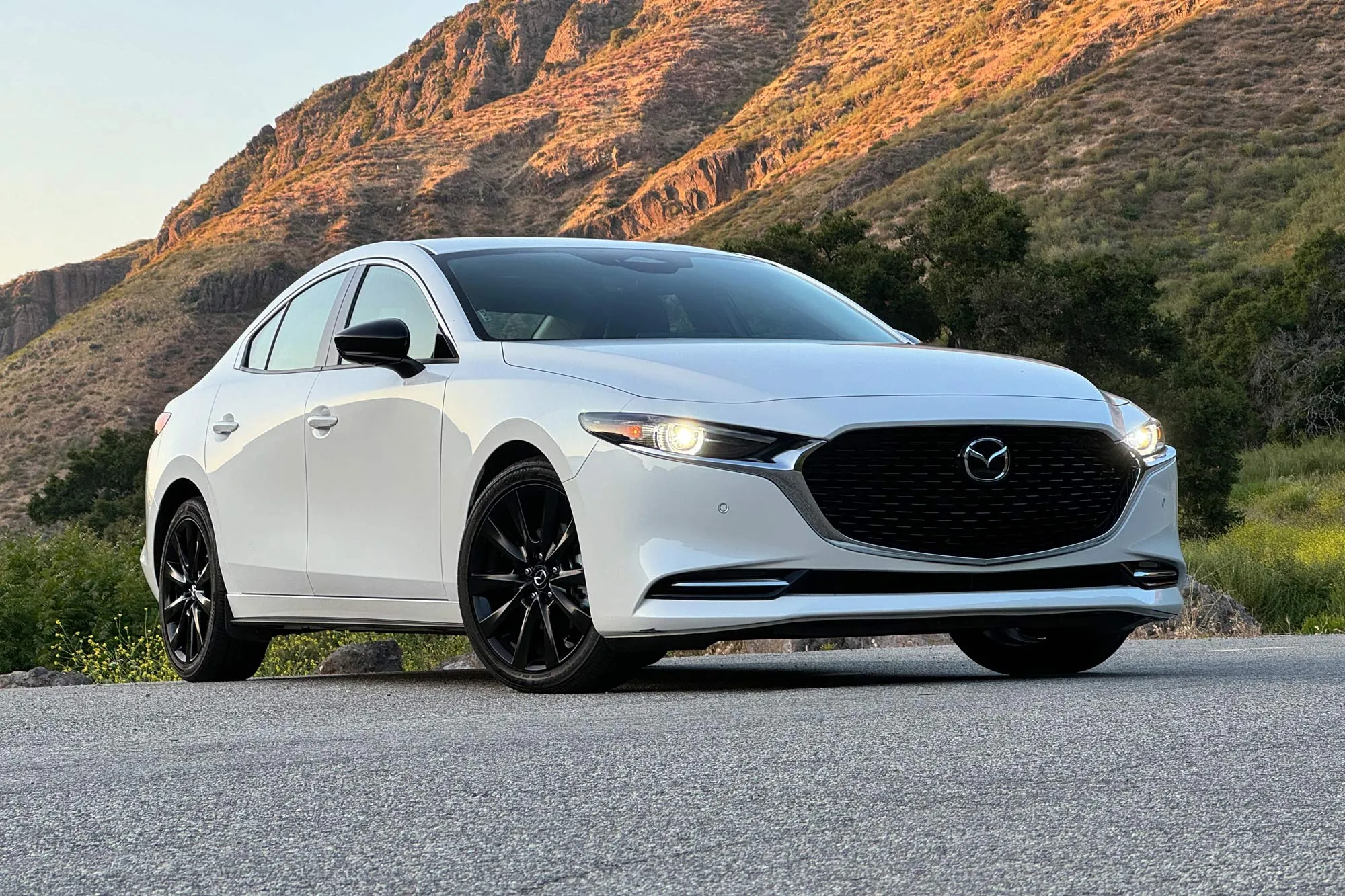
4. Mazda3 Sedan 2024
The Mazda3 Sedan 2024 combines elegance, precision, and city-focused practicality. Its design philosophy emphasizes simplicity and proportion, creating a vehicle that feels premium without unnecessary complications. Compact dimensions make driving through tight streets and parallel parking spaces less stressful, while a low center of gravity contributes to responsive handling.
Urban driving becomes engaging yet controlled, as the Mazda3 offers precise steering, nimble handling, and a balanced chassis that reduces fatigue during stop-and-go traffic. Quick lane changes, traffic roundabouts, and narrow city corners feel smooth and natural, providing drivers with confidence even during rush hour congestion.
Exterior styling separates the Mazda3 from more conventional sedans. Its smooth curves, flowing lines, and refined silhouette produce a premium look without being ostentatious. Headlights and taillights integrate seamlessly into the bodywork, giving the sedan a cohesive appearance.
Compact size combined with aerodynamic efficiency reduces both wind noise and energy consumption, making city commuting quieter and more efficient. Fuel efficiency complements its urban utility. Short daily trips consume minimal fuel, while highway excursions maintain respectable mileage.
Engine tuning prioritizes efficiency without sacrificing responsiveness, creating a balance between practicality and driving pleasure. Drivers benefit from reduced operating costs and less frequent stops at fuel stations, a particular advantage for city-based routines.
Inside, the cabin feels upscale yet functional. Soft-touch materials, intuitive controls, and supportive seats enhance comfort, while sound insulation minimizes road noise. Front and rear passengers experience ample space, and the trunk accommodates groceries, school bags, or luggage without difficulty. Controls remain logically arranged, reducing distractions during busy city commutes.
Safety and technology reinforce confidence. Driver assistance systems, touchscreen displays, and smartphone integration allow owners to stay connected while keeping attention on the road. Voice commands, adaptive cruise, and collision warnings contribute to safer urban driving, particularly in congested traffic patterns.
Durability and build quality further support city living. Paint finishes resist corrosion, and structural components maintain integrity despite exposure to moisture and debris. Long-term ownership remains practical, as the Mazda3 handles urban wear and tear without excessive maintenance.
For urban drivers seeking a balance of style, efficiency, and functionality, the Mazda3 Sedan 2024 offers an experience that is both refined and practical, meeting the demands of modern city life with ease.

5. Volkswagen Jetta 2024
The Volkswagen Jetta 2024 merges European refinement with city-focused sensibilities, creating a sedan that works comfortably in congested metropolitan areas. Its compact yet roomy design ensures smooth maneuverability through busy streets, while maintaining a solid, stable feel that reassures drivers at every turn.
Steering is precise, braking is predictable, and suspension tuning strikes a balance between comfort and control, allowing for confident handling even on streets with potholes or uneven asphalt. Fuel economy remains a strong advantage.
The Jetta’s efficient engine consumes less fuel during frequent short trips, a common requirement for city commuting, while also offering reliability and smooth performance on longer drives. Energy-efficient design reduces operating costs and contributes to a stress-free urban driving experience.
Interior space maximizes comfort without oversizing the car. Rear passengers enjoy generous legroom, and the trunk handles daily errands, shopping, or small recreational gear efficiently. Materials are carefully chosen for durability and aesthetics, creating a cabin that feels inviting yet practical for everyday use.
Sound insulation keeps traffic noise at bay, helping occupants remain comfortable even during busy commutes. Technology plays a pivotal role in modern urban functionality. Large digital displays provide navigation, traffic updates, and media access, while smartphone integration ensures seamless communication.
Controls are intuitive and within easy reach, reducing driver distraction and allowing for a safer commute. Driver-assist features enhance confidence at intersections, in tight lanes, and during parallel parking. Exterior design reinforces the sedan’s appeal.
Clean lines, understated styling, and a compact footprint allow it to fit neatly into urban spaces while maintaining a modern, sophisticated appearance. Its European heritage shows in the attention to detail, from headlamp design to body panel alignment, giving it a refined presence on crowded city streets.
Corrosion protection and quality coatings help the Jetta withstand wet weather, road debris, and city grime. This longevity adds peace of mind for daily urban use, ensuring the car maintains both appearance and structural integrity as time goes on.
For drivers who prioritize comfort, efficiency, and refined handling in a city environment, the Volkswagen Jetta 2024 provides a balanced and practical choice that combines European engineering with modern urban requirements.
5 Sedans That Feel Outdated in Modern Cities
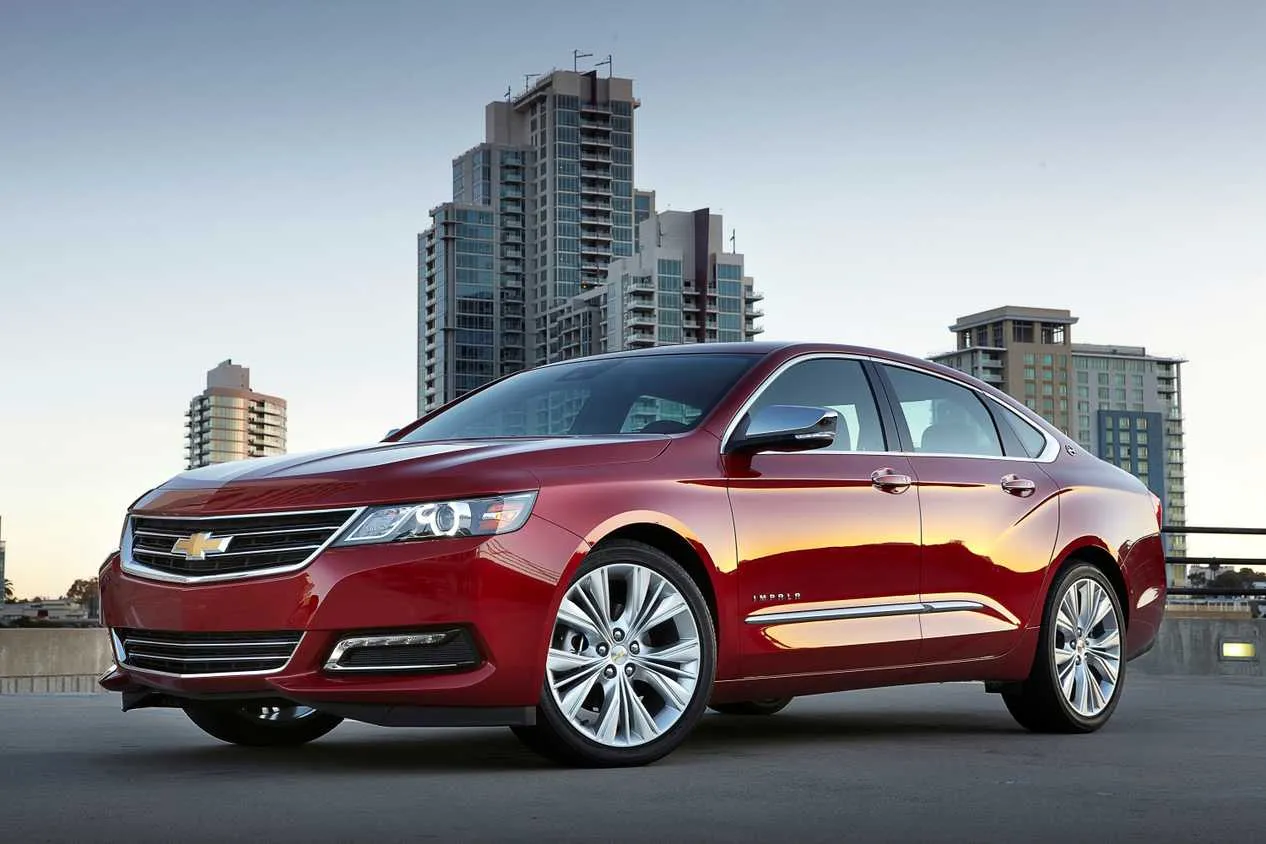
1. Chevrolet Impala 2019
Large sedans once ruled city streets, yet modern urban life has changed the rules. The Chevrolet Impala 2019 represents an era when size and highway comfort mattered more than tight turning circles and compact parking. In dense downtown districts, this full-size sedan often feels like it belongs to a different time.
Street parking becomes a daily challenge. Long body length makes parallel spaces harder to judge, and short curb gaps often force drivers to circle the block. Underground garages demand careful maneuvering, especially when columns and narrow ramps limit room for error.
Fuel use remains another drawback. Stop-and-go traffic drains the tank faster than most drivers expect. Short trips prevent the engine from reaching peak efficiency, which increases running costs for commuters who rarely leave city limits.
Interior comfort stays strong, yet technology feels dated compared to newer rivals. Infotainment systems respond more slowly, and smartphone integration lacks the smoothness drivers now expect. Digital displays look smaller and less refined next to modern dashboards.
Handling suits highways better than crowded intersections. The turning radius feels wide, and steering response lacks the sharpness needed for tight corners. Quick lane changes feel less confident during rush hour congestion.
Suspension tuning favors long-distance cruising rather than broken city pavement. Large potholes and uneven surfaces send noticeable vibrations through the cabin. Design language also reveals its age. Exterior styling blends into traffic rather than standing out, and interior materials feel behind current standards.
For drivers who spend most of their time on open roads, the Impala still offers comfort. In busy city environments, its size, fuel use, and dated technology make it feel out of place.

2. Nissan Maxima 2018
Performance sedans once promised excitement without sacrificing practicality. The Nissan Maxima 2018 aimed to deliver that blend, yet city life exposes how much priorities have shifted. Power comes easily from the V6 engine, but urban traffic rarely allows drivers to enjoy it.
Frequent stops and slow-moving congestion turn strong acceleration into unused potential. Fuel economy suffers during short trips, adding cost to daily commuting. Parking creates regular frustration. The Maxima’s length and wide stance make tight spaces harder to access. Narrow streets and crowded garages demand constant attention.
Technology feels behind modern standards. Infotainment graphics appear dated, and touchscreen response lacks the smooth feel drivers expect today. Smartphone connectivity works, but does not feel seamless. Ride quality leans toward firmness, which suits spirited driving more than rough city pavement. Potholes and speed bumps send sharp impacts through the cabin, reducing comfort during daily use.
Interior design shows its age through small displays and older control layouts. While seats remain supportive, the cabin lacks the clean, modern look now common in newer sedans. Fuel efficiency trails behind newer turbocharged and hybrid competitors. Frequent refueling becomes part of city life.
While the Maxima 2018 still offers strong performance on open roads, modern cities demand efficiency, compact design, and advanced technology. In that environment, this sedan feels like a product of a different chapter.
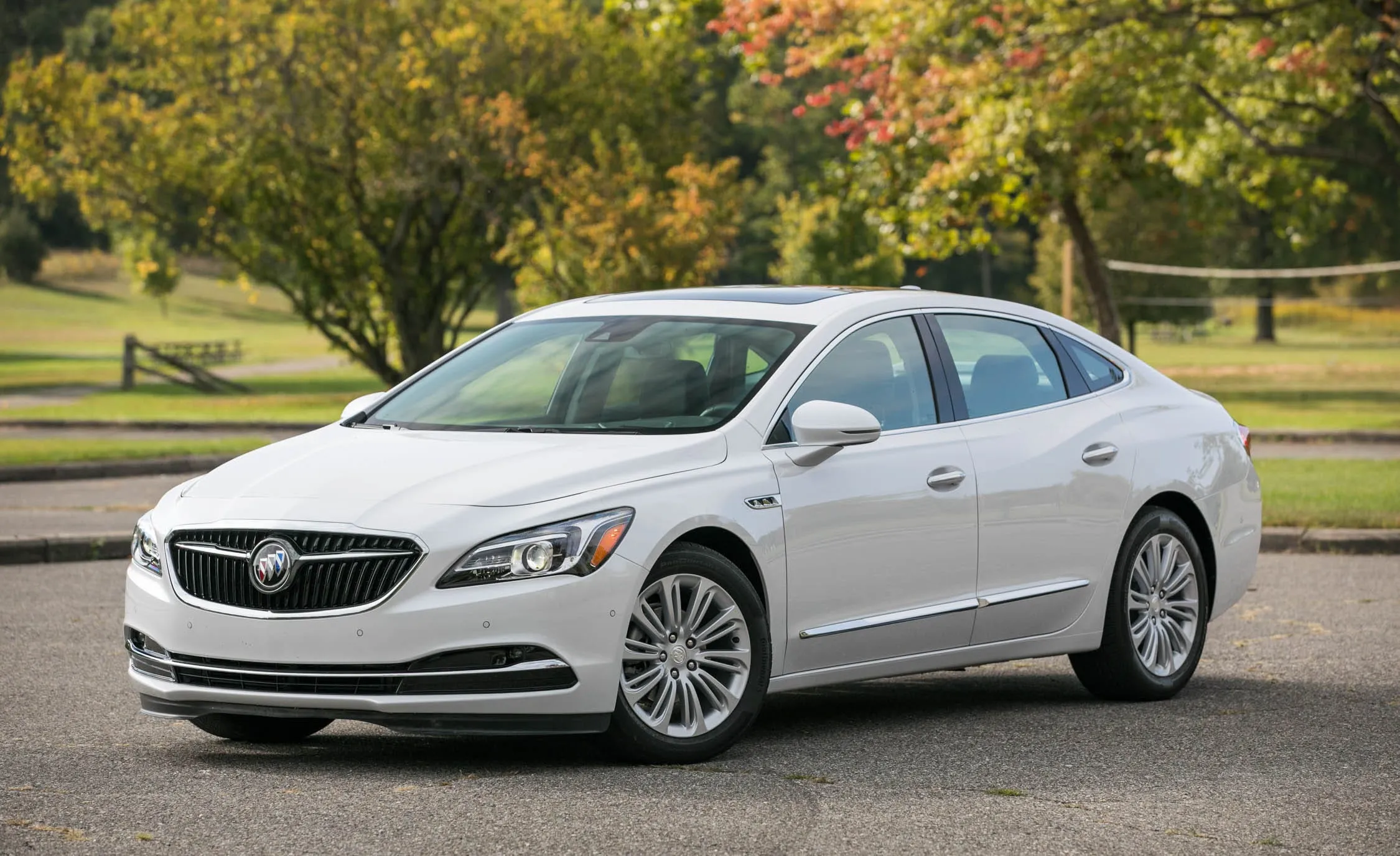
3. Buick LaCrosse 2019
The Buick LaCrosse 2019 was long celebrated for its focus on comfort, refinement, and quiet cruising. Its suspension absorbs road imperfections gently, the cabin remains serene even at highway speeds, and seats are spacious enough to keep both driver and passengers relaxed during long trips.
In previous years, these qualities made the LaCrosse an ideal vehicle for suburban commuting and highway travel. City driving, however, demands a different combination of traits. Urban streets reward agility, compact dimensions, and responsive technology. In this environment, the LaCrosse often feels oversized and slightly outdated.
Parking becomes a frequent challenge in downtown areas. Its extended length and wide stance make parallel parking a meticulous process. Drivers often have to maneuver slowly, inching forward and backward multiple times to fit into spaces that smaller sedans can enter in a single attempt.
Narrow underground garages intensify this problem, especially when columns and tight ramps limit room for maneuvering. Visibility, while decent, is challenged by the LaCrosse’s size, requiring extra caution at intersections and during reverse maneuvers.
Technology inside the cabin, once considered advanced, now lags behind contemporary competitors. Infotainment screens appear small, touch responsiveness is slower, and graphics lack modern crispness.
Smartphone integration functions adequately but does not match the seamless experience of newer systems, leaving drivers with fewer convenient ways to manage navigation, music, and communication in congested city streets.
Handling favors comfort over precision. Steering feels soft and less connected, while the wide turning radius reduces maneuverability on tight streets. Quick lane changes and sharp turns require careful attention, which can make city driving more tiring.
Despite these challenges, interior materials remain durable and comfortable. Seats offer ample support, and the cabin’s soft-touch elements create a refined atmosphere. However, traditional design cues feel conservative compared to modern sedans with digital clusters and minimalist layouts.
Ride quality remains a high point on smooth roads, but city pavement with potholes, manhole covers, and uneven surfaces produces noticeable body movement, reminding drivers that this sedan is built more for leisurely cruising than urban agility.
While the LaCrosse continues to deliver comfort and refinement, in today’s city environment, its size, fuel efficiency, and outdated technology place it behind more contemporary, city-ready sedans.
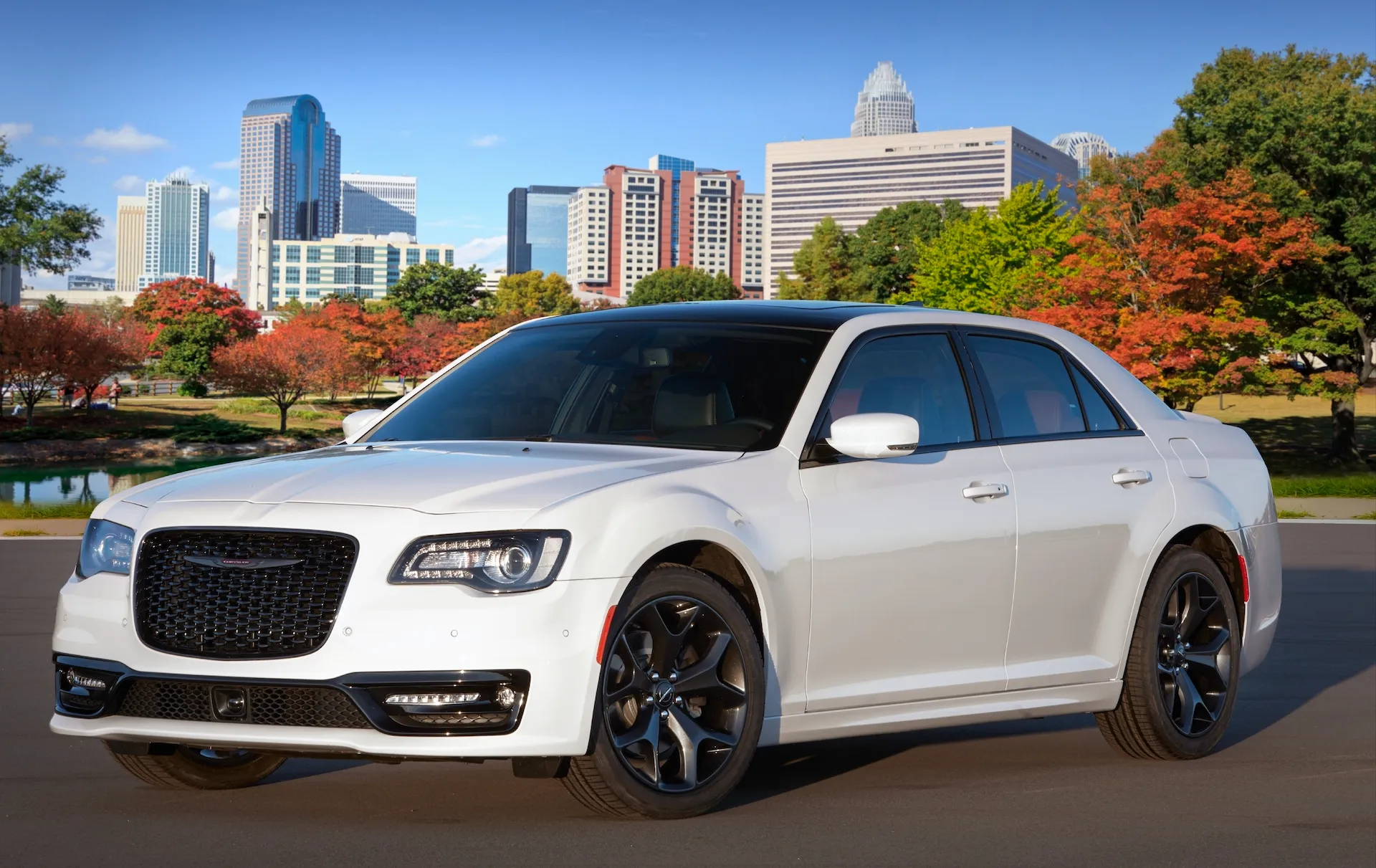
4. Chrysler 300 2020
The Chrysler 300 2020 carries bold, muscular styling that demands attention on highways, yet its urban performance highlights a growing misalignment with modern city demands. Large proportions dominate every maneuver, making tight parking spaces a constant challenge.
In crowded downtown streets or narrow residential roads, drivers often have to carefully plan each turn. Parallel parking requires precision and patience, while underground or multilevel garages can feel constraining due to their wide body and extended wheelbase. Its commanding presence, once a selling point, now feels cumbersome in dense traffic zones.
Fuel consumption reinforces the sedan’s highway orientation. The Chrysler 300 is powered by a strong V6 or optional V8, but stop-and-go city driving quickly drains fuel. Frequent traffic lights, congestion, and short trips prevent the engine from reaching peak efficiency.
Daily commuting costs are higher than with newer, turbocharged, or hybrid sedans built with city efficiency in mind, creating a tangible disadvantage for urban owners. Technology feels dated compared to current competitors.
Infotainment screens remain smaller than average, interface responsiveness is slower, and connectivity lacks the seamless integration seen in modern sedans. Voice controls work, but the system does not provide the distraction-free convenience drivers now expect during busy urban driving.
Handling prioritizes straight-line stability rather than tight maneuverability. The Chrysler 300 has a wide turning circle, which makes U-turns, parking lot navigation, and tight cornering more laborious than in smaller, more nimble vehicles. Steering response is weighted for highway comfort, reducing responsiveness when precision is needed in city conditions.
The cabin design emphasizes classic elegance with plush materials and traditional layouts. While the interior remains comfortable for front and rear passengers, it lacks the contemporary appeal of modern dashboards with minimalist styling, fully digital instruments, and intuitive touch interfaces.
Ride quality shines on smooth pavement but struggles on urban roads with frequent bumps and uneven surfaces. Suspension absorbs some imperfections, yet the large body amplifies the perception of road irregularities.
The Chrysler 300 2020 continues to serve as a statement vehicle for those who value size and traditional design. However, in modern cities that reward compactness, fuel efficiency, and advanced technology, it feels less practical and increasingly dated.
Also Read: 5 Sedans That Work Well in Major Cities vs 5 That Feel Outdated
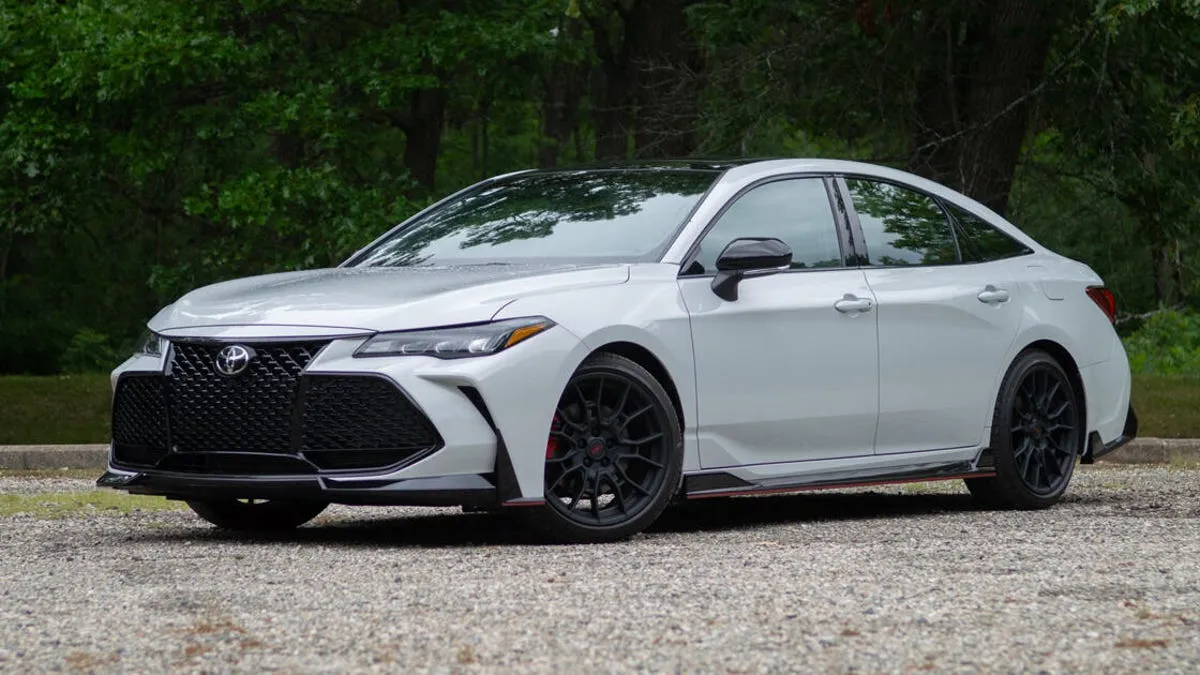
5. Toyota Avalon 2021
The Toyota Avalon 2021 represents a traditional approach to premium sedans, focusing on comfort, spaciousness, and smooth highway performance. Its long body, ample seating, and quiet cabin make it ideal for long commutes or highway cruising.
However, modern urban environments demand compact dimensions, nimble handling, and efficient technology, areas in which the Avalon struggles. Daily city driving highlights its size limitations. Tight parking spaces, narrow streets, and parallel parking challenges require careful attention and slow maneuvering.
Long wheelbases make U-turns more difficult, while underground garages with short ramps test driver patience. Even routine errands demand extra caution compared to smaller, more agile sedans designed for urban life.
Technology lags behind current competitors. Infotainment graphics are smaller, and system responsiveness is slower than in newer sedans. While navigation and smartphone connectivity are present, they do not integrate as seamlessly, reducing convenience for city commuters who rely on real-time updates, voice commands, and intuitive interfaces.
Handling emphasizes comfort rather than precision. Steering feels relaxed and soft, which suits open roads but results in less responsive maneuvering on city streets. Tight corners, sudden lane changes, and busy intersections require increased attention and effort, which can make daily urban driving fatiguing.
Ride quality is smooth on even pavement, but potholes and irregular urban surfaces reveal limitations. Body roll and perceptible jolts are more pronounced due to the sedan’s long wheelbase and comfort-focused suspension.
While the Avalon 2021 continues to provide premium comfort, durability, and highway refinement, it feels less adapted to urban life. In modern city environments where agility, efficiency, and technology define practicality, the Avalon’s strengths are more aligned with long-distance cruising than daily metropolitan use.
