
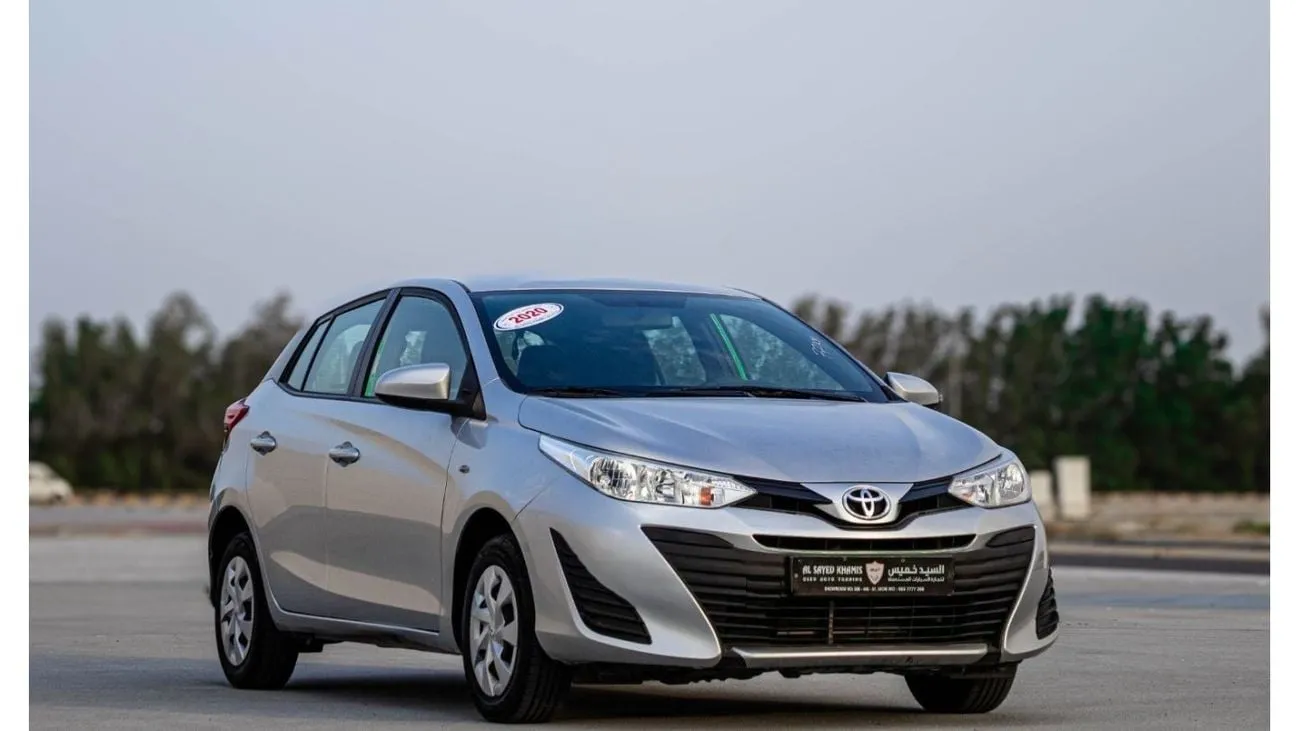
City driving in Boston is a daily test of patience, awareness, and precision. Historic roads bend without warning, parking spaces feel designed for bicycles, and traffic squeezes into lanes that barely leave room for mirrors. Every commute becomes a small adventure, and every errand demands focus. Choosing the right car makes the difference between relaxed confidence and constant tension.
Downtown streets reward compact size, responsive steering, and strong visibility. Cobblestone roads and sudden turns call for suspension that absorbs bumps without rattling the cabin. Parking garages require cars that fit cleanly without forcing drivers to hold their breath while inching forward.
Boston also brings weather into the equation. Snow, rain, and icy mornings add another layer of challenge. A good city car should stay stable, predictable, and easy to control when conditions change.
This list highlights vehicles that feel at home on narrow lanes and crowded blocks. These cars handle tight corners with grace, slip into parking spaces with ease, and keep daily driving stress low. Each one brings smart engineering and practical design that suits the rhythm of Boston life.
5 Cars Suited for Boston’s Tight Streets
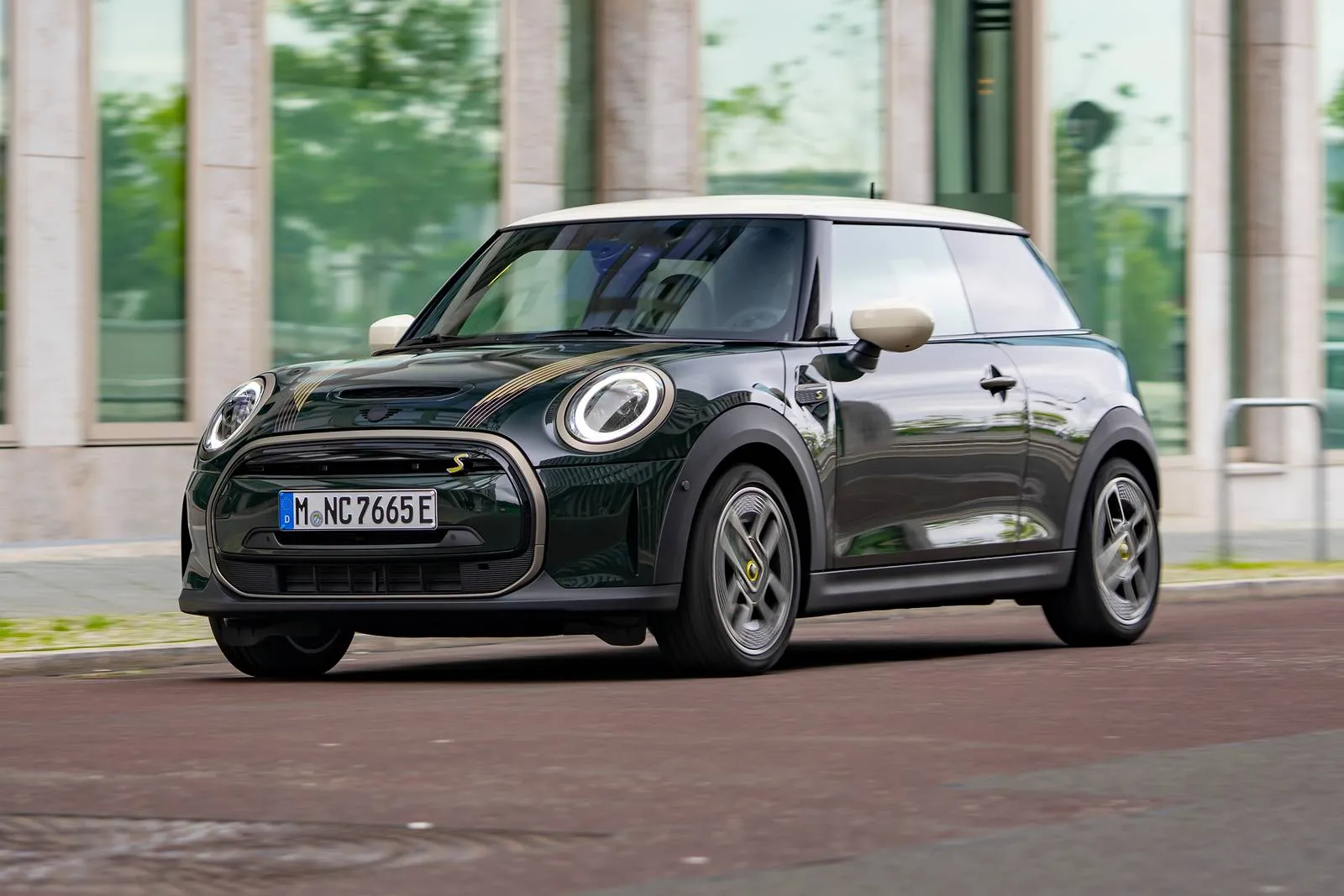
1. MINI Cooper Hardtop 2 Door 2024
Compact proportions define MINI Cooper Hardtop 2 Door 2024, making it feel perfectly suited for Boston’s maze of narrow streets and sudden turns. This car carries a playful personality that matches the city’s lively pace. Small size allows drivers to move confidently through tight lanes without feeling boxed in by buses and delivery trucks.
Parking feels refreshingly simple. Short length and narrow width let MINI slide into spaces that leave larger cars circling the block. Parallel parking takes less effort, and garages that intimidate full-size sedans feel manageable. Turning radius remains tight, which helps during U-turns on narrow side roads.
Handling stands as one of its strongest traits. Quick steering response makes weaving through traffic feel natural rather than stressful. The suspension stays firm enough for control while still absorbing uneven pavement and cobblestones. That balance keeps the cabin comfortable even when streets show their age.
Fuel efficiency suits city routines well. Short trips, frequent stops, and heavy traffic do not drain the tank quickly. Owners spend less time refueling and more time enjoying quick errands and weekend outings.
Inside, the cabin feels surprisingly spacious for such a small footprint. Front seats provide strong support, and controls sit within easy reach. Visibility remains excellent thanks to the upright seating position and large windows.
Winter driving also feels reassuring. Available all-wheel drive improves grip on snow-covered roads, while stability systems help keep the car planted on slick surfaces. Heated seats and steering wheel options add comfort during cold mornings.
MINI Cooper Hardtop 2 Door 2024 turns Boston’s tight streets into a playground rather than an obstacle course. It brings style, agility, and efficiency together in a package that feels made for historic neighborhoods and modern city life.
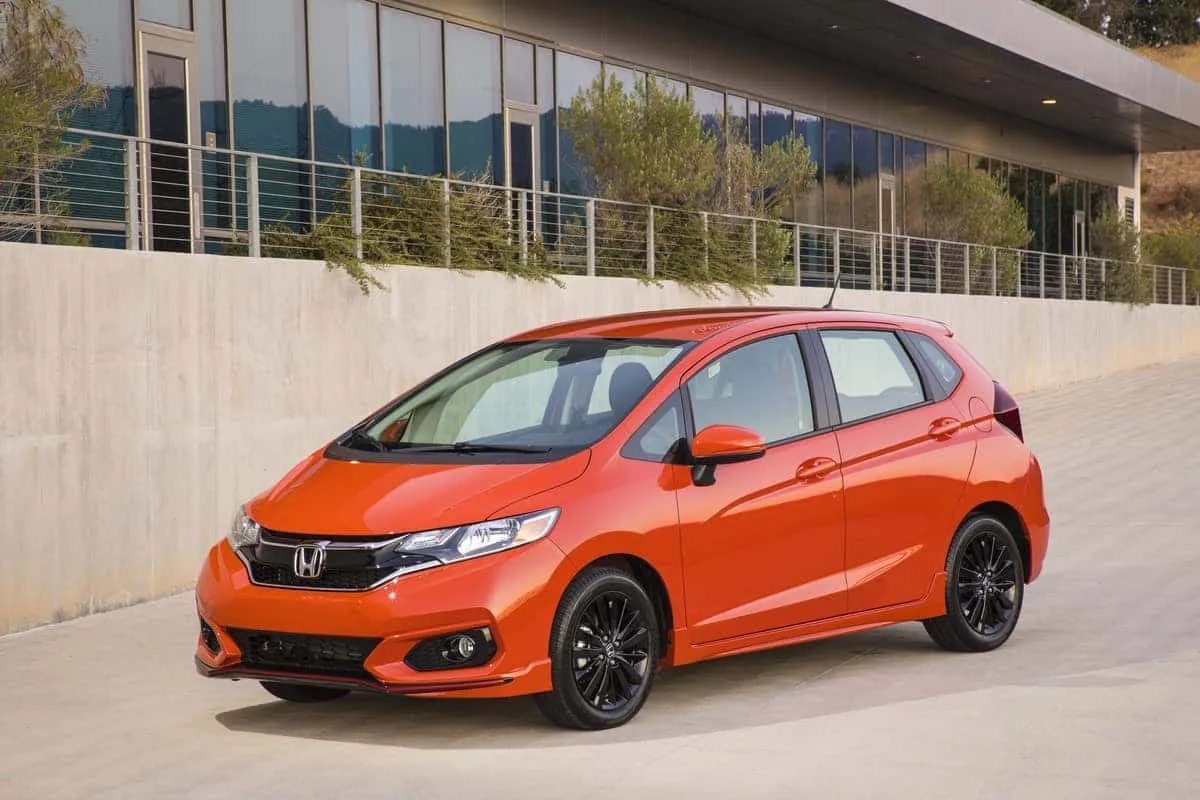
2. Honda Fit 2020
Practicality and clever design define the Honda Fit 2020, a hatchback that thrives on tight streets and crowded parking zones. Despite its small exterior, this car uses every inch wisely, creating a surprisingly roomy cabin that suits daily city routines.
Short length and narrow stance make threading through traffic feel effortless. Side streets that feel intimidating in larger vehicles suddenly feel accessible. Parking becomes less of a hunt and more of a quick stop, as Fit slips into compact spaces without drama.
Handling stays predictable and calm. Steering remains light at low speeds, which helps during tight maneuvers and garage turns. Suspension tuning smooths out rough pavement, keeping the ride comfortable even on uneven city roads.
Fuel efficiency plays a major role in its appeal. Frequent stops and short trips barely dent the fuel gauge. That means fewer gas station visits and lower monthly costs, which city drivers appreciate.
Interior flexibility sets Fit apart. Rear seats fold flat or flip upward, creating multiple cargo configurations. Bikes, furniture, and grocery hauls fit with ease. That versatility turns a small car into a reliable partner for city errands and weekend adventures.
Visibility also stands out. Large windows and slim pillars provide clear sightlines in every direction. Busy intersections and narrow lanes feel less intimidating when drivers can see clearly around them.
Honda Fit 2020 blends efficiency, smart packaging, and easy handling into a city-ready package. Boston’s crowded streets reward cars that waste no space and waste no effort. Fit answers that call with confidence and charm.
Also Read: 5 Vehicles Suited to Phoenix Stoplights vs 5 That Struggle With Heat Soak
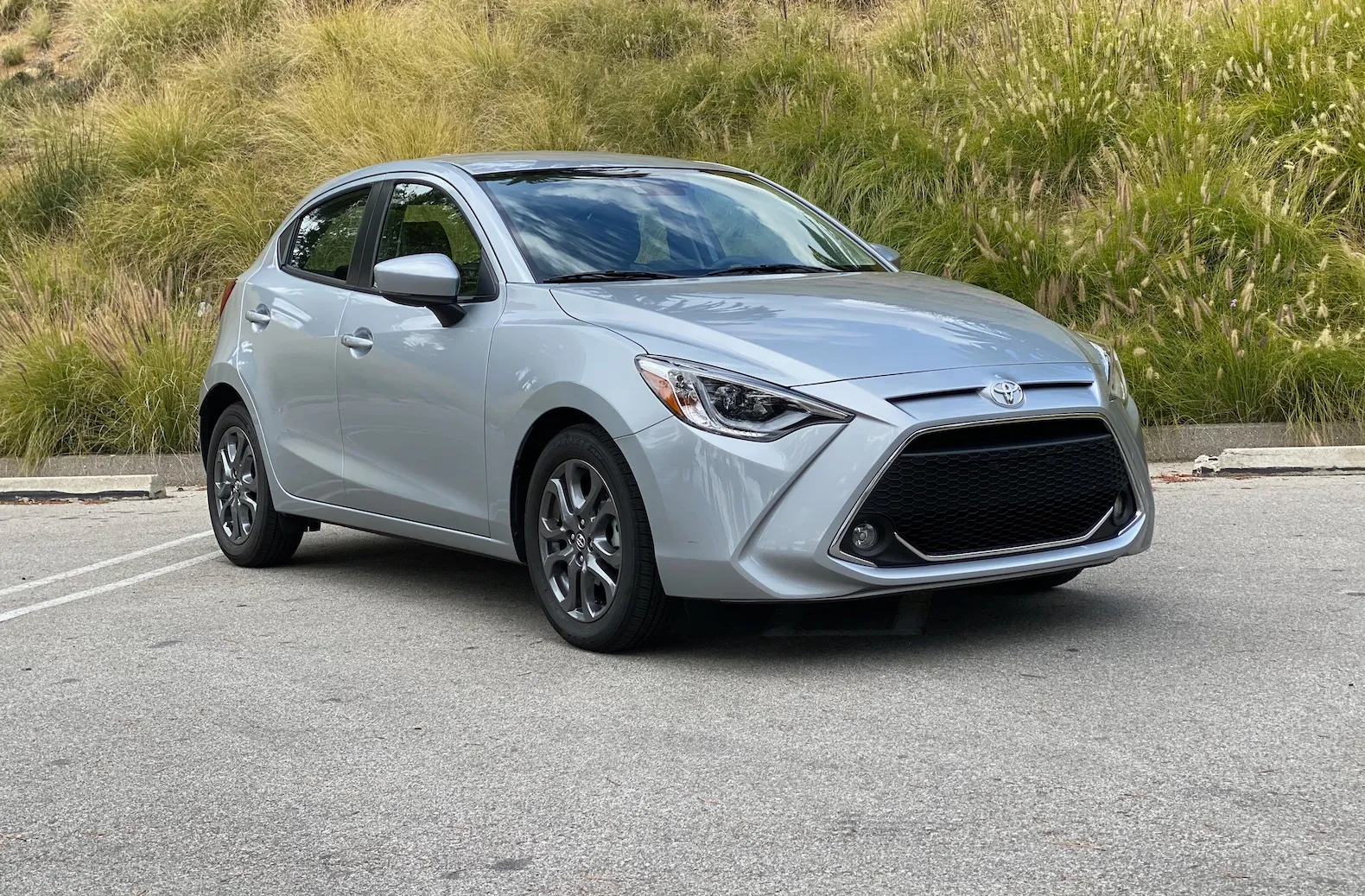
3. Toyota Yaris Hatchback 2020
Urban efficiency meets practical simplicity in the Toyota Yaris Hatchback 2020. This small hatchback has a no-nonsense approach that suits Boston’s winding streets, narrow intersections, and frequent stoplights.
Its compact size allows it to slip through traffic with minimal fuss, which is a major advantage when driving through streets built long before cars were wide and long. Drivers instantly notice how easy it is to maneuver in tight lanes, making even older, historic neighborhoods feel accessible rather than intimidating.
Parking remains one of Yaris’s strongest benefits. Short overhangs and a narrow body allow the car to fit into curbside spots that would leave larger sedans circling the block. Parallel parking becomes far less stressful, and even angled or tight garage spaces feel approachable.
This is particularly useful in Boston, where street parking is both limited and highly competitive. Steering and handling contribute to its city readiness. The steering is light yet precise, allowing quick corrections without the feeling of overcompensation.
U-turns in narrow side streets feel smoother than in larger sedans, and traffic circles or intersections demand less spatial planning. Suspension tuning balances comfort and control, softening rough pavement and brick roads without making the ride feel disconnected from the driver.
Fuel economy strengthens its city credentials. Yaris’s efficient engine keeps running costs low, and short trips do not dramatically reduce mileage. Frequent stop-and-go traffic has minimal effect on fuel efficiency, making it an inexpensive choice for daily errands or commuting.
The cabin emphasizes functionality. Controls are easy to reach, the dashboard remains intuitive, and visibility is strong thanks to thoughtful window design and low-sill doors. Front seats offer good support for short or medium-length trips, while rear seating accommodates passengers comfortably during city runs.
Safety features further enhance peace of mind, including lane departure warnings, automatic braking, and a rearview camera for tight backing maneuvers. Toyota Yaris Hatchback 2020 transforms the challenge of Boston driving into a manageable, even enjoyable experience.
It demonstrates that small dimensions, clever design, and responsive handling combine to make city commuting less stressful while keeping ownership costs reasonable.
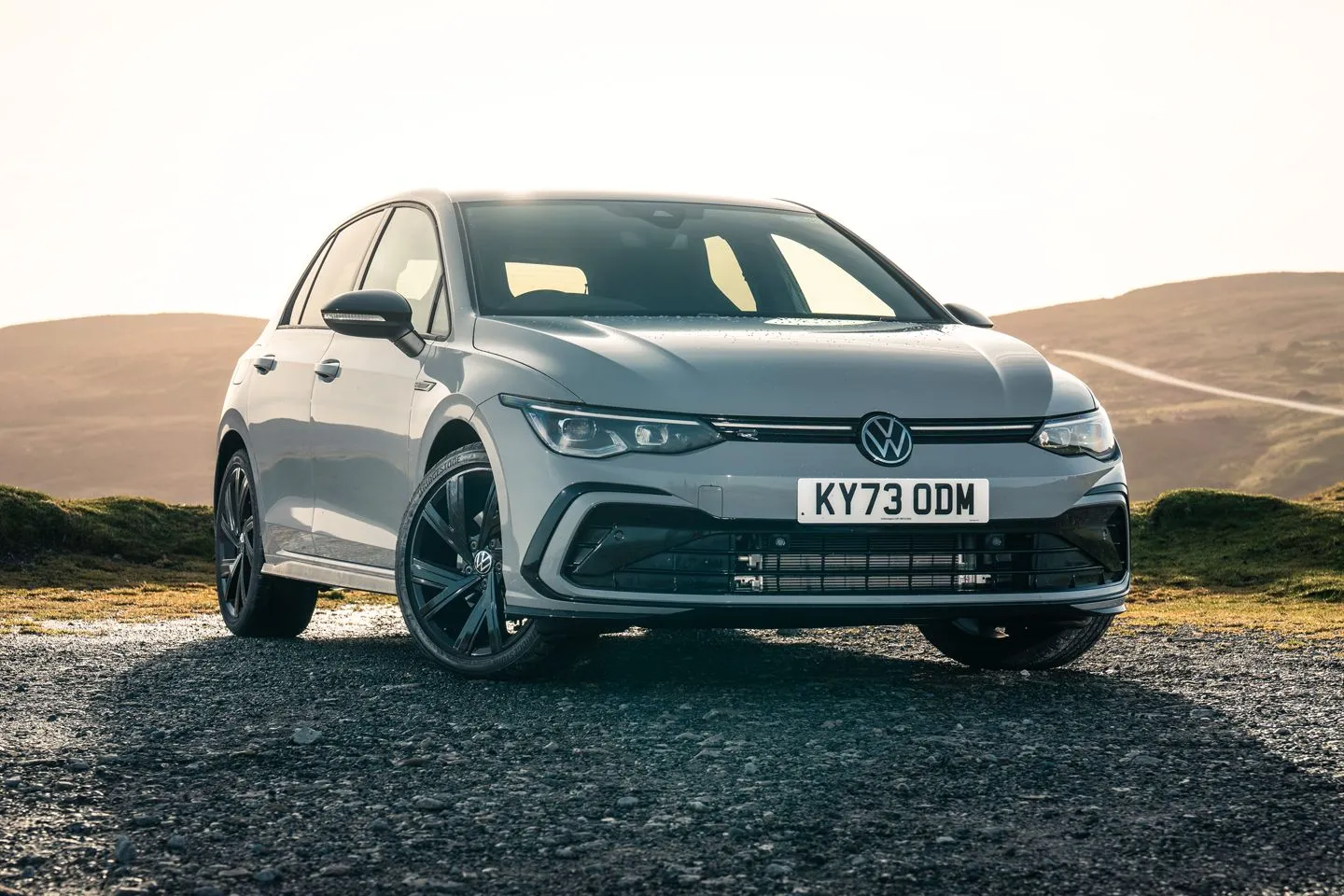
4. Volkswagen Golf 2024
Volkswagen Golf 2024 balances compact city performance with refined style, making it a strong contender for drivers driving through Boston’s tight streets. This hatchback carries a mature, composed personality while staying small enough to maneuver comfortably in narrow lanes and dense traffic.
The Golf’s urban agility comes without sacrificing comfort, turning even congested downtown blocks into predictable and controlled driving experiences. Steering and handling are precise, offering drivers confidence in tight corners and narrow intersections. Quick response at low speeds makes weaving around parked cars or negotiating roundabouts a simple task.
Suspension tuning strikes a careful balance between firmness and comfort, smoothing older or uneven pavement while maintaining a connected driving feel. Drivers feel planted and assured without the cabin bouncing excessively over bumps or potholes.
Parking remains stress-free thanks to Golf’s thoughtful proportions. Its compact length allows it to fit into curbside spaces that would challenge larger sedans, and standard rear cameras and optional sensors simplify backing into tight garages or angled spots. These features reduce the anxiety of urban parking and make daily errands easier to handle.
Fuel efficiency is well-suited for city living. Short trips and frequent stoplights have minimal impact on mileage, which keeps running costs low for daily commuting. The Golf’s engine maintains reliability while avoiding the high consumption associated with larger vehicles, making it economical in the dense urban environment.
Inside, the cabin feels refined for its segment. Quality materials, supportive seats, and ergonomic controls make longer drives more comfortable. Digital displays remain clear even under bright sunlight, and infotainment is intuitive for quick interactions without distraction.
Visibility is strong through large windows and well-placed mirrors, helping drivers confidently monitor tight streets and dense traffic. Winter driving is enhanced by available all-wheel drive and stability control, helping the Golf remain composed on snow- and ice-covered streets.
For drivers who require both practicality and polish, the Volkswagen Golf 2024 demonstrates that compact size does not mean sacrificing comfort, technology, or control. Its combination of style, efficiency, and agility makes it well-suited for Boston’s busy, narrow streets.
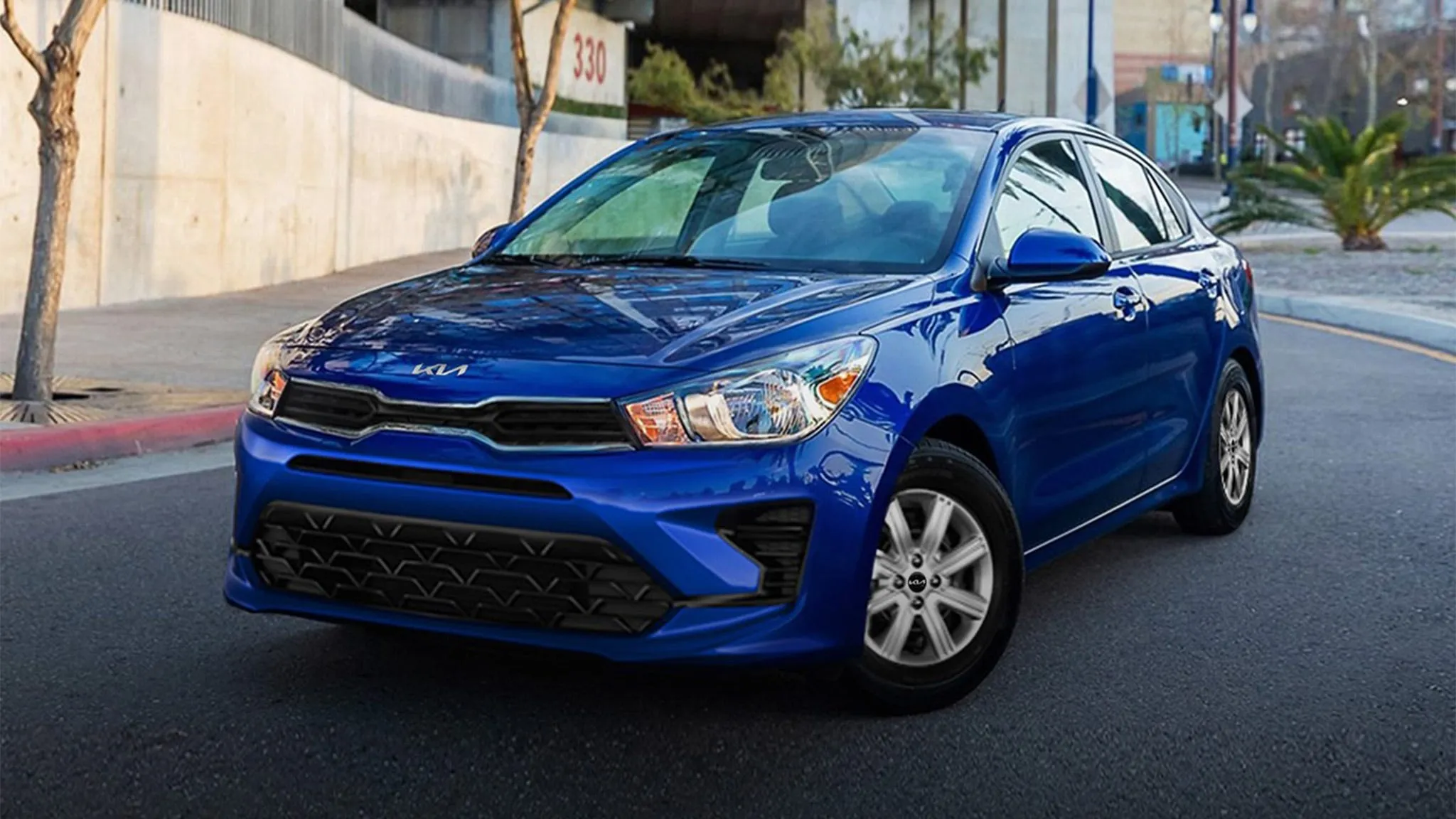
5. Kia Rio Hatchback 2023
Kia Rio Hatchback 2023 offers affordability, simplicity, and city-friendly performance. This small hatchback is built for easy handling, making it a strong choice for Boston streets, where narrow lanes, heavy traffic, and limited parking space challenge larger vehicles.
Rio’s compact dimensions provide confidence in tight areas, allowing drivers to negotiate sharp turns and crowded intersections with minimal effort. Maneuverability defines a city’s usability. The steering is light and responsive, making it easier to drive through alleys, roundabouts, or sudden street closures.
Suspension is tuned to absorb the bumps and potholes common in older city streets, maintaining ride comfort while keeping control tight. Quick reactions and a short turning radius make it effortless to slip into tight parking spaces or adjust positioning during heavy traffic.
Parking becomes a simpler task thanks to Rio’s size. Parallel parking, angled spaces, and small garages feel manageable, reducing the stress of finding or accessing a spot. Its narrow width allows drivers to safely squeeze between obstacles, while visibility is enhanced through large windows and well-designed mirrors.
Fuel efficiency remains a standout feature for urban driving. Stop-and-go traffic and frequent short trips have minimal impact on the car’s mileage, keeping fuel costs low and predictable. This makes Rio an economical choice for daily errands or commuting through dense downtown streets.
Inside, the cabin balances function and comfort. Seats are supportive, and the dashboard layout is intuitive, keeping essential controls within easy reach. Rear seating accommodates passengers comfortably during short rides, and cargo space handles groceries, shopping bags, or small weekend gear efficiently.
Despite its size, Rio maximizes usable interior space to suit practical city needs. Kia Rio Hatchback 2023 proves that urban mobility does not require a high price tag or a large vehicle footprint. Its compact size, efficient performance, and ease of handling make it a practical and reliable companion for Boston’s narrow streets and crowded downtown neighborhoods, turning daily driving into a straightforward, stress-free experience.
5 Cars That Feel Too Wide for Boston’s Narrow Roads
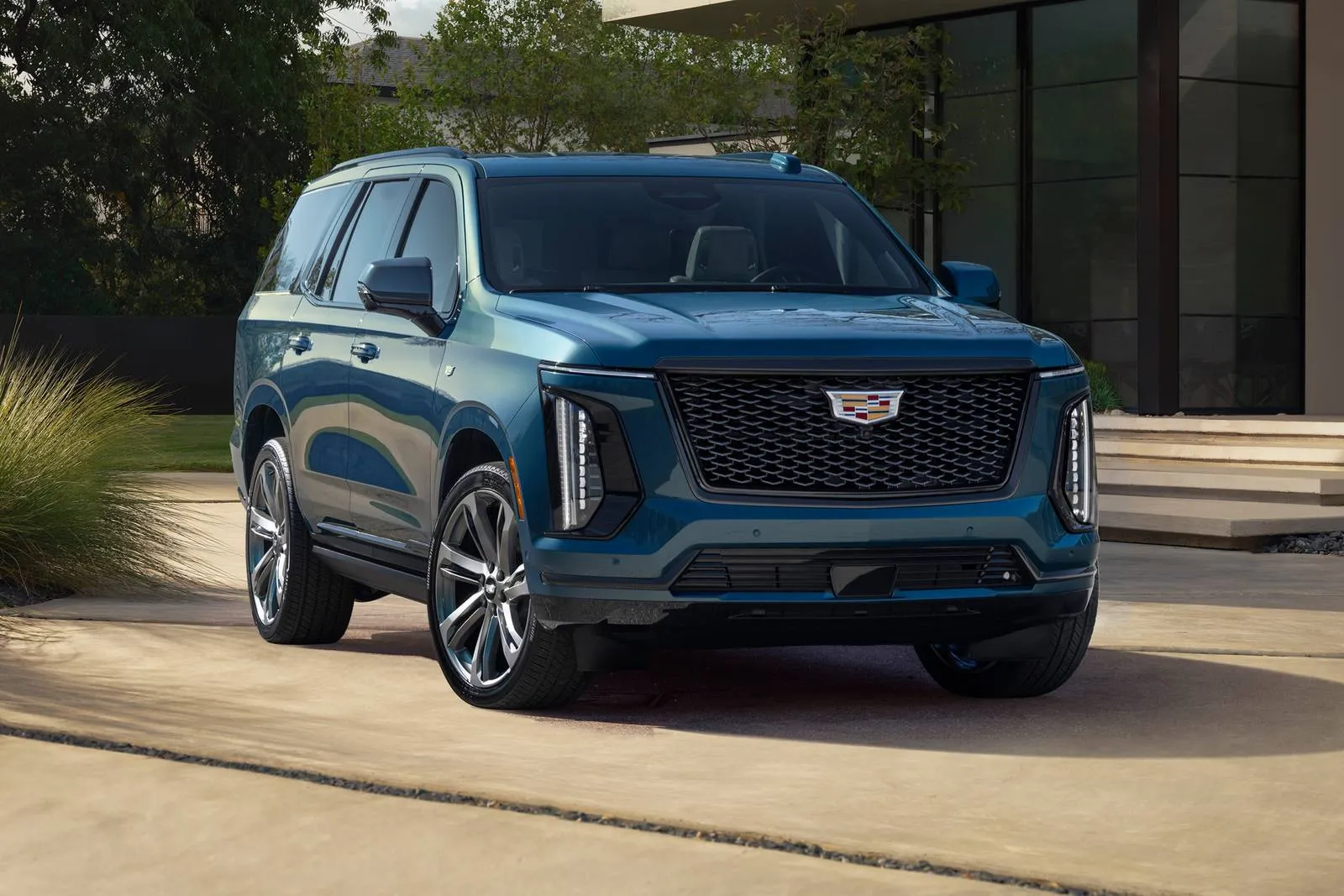
1. Cadillac Escalade 2024
Luxury reaches full size with the Cadillac Escalade 2024, yet Boston’s tight streets rarely welcome such a wide presence. This SUV commands attention the moment it appears, filling mirrors and dominating lanes with ease. In open suburbs, that sense of authority feels fitting. On historic city roads, it becomes a daily challenge.
Width stands out immediately. Lanes that already feel narrow suddenly feel tighter, and passing delivery trucks demands full focus. Side mirrors come uncomfortably close to parked cars, and squeezing between double-parked vehicles requires patience and precision.
Parking introduces another layer of stress. Parallel spaces feel shorter than the Escalade’s long body, and garages built for sedans leave little room for error. Door swing becomes limited in tight spaces, turning quick errands into careful operations.
Fuel use adds weight to the experience. Large engines thrive on open highways, not stop-and-go congestion. Short trips burn more fuel than expected, and frequent refueling becomes part of the routine.
Ride comfort remains excellent on smooth roads, yet narrow streets reveal the SUV’s bulk. Tight corners demand wide turns, and older pavement sends subtle reminders of the vehicle’s mass. Interior space, while impressive, often goes unused during city driving. Third-row seating and cavernous cargo areas sit empty on short commutes, making the vehicle feel excessive for daily errands.
Cadillac Escalade 2024 delivers prestige, power, and presence. Boston’s narrow streets reward restraint and agility. In this setting, Escalade feels like a luxury suite searching for a ballroom instead of a parking space.
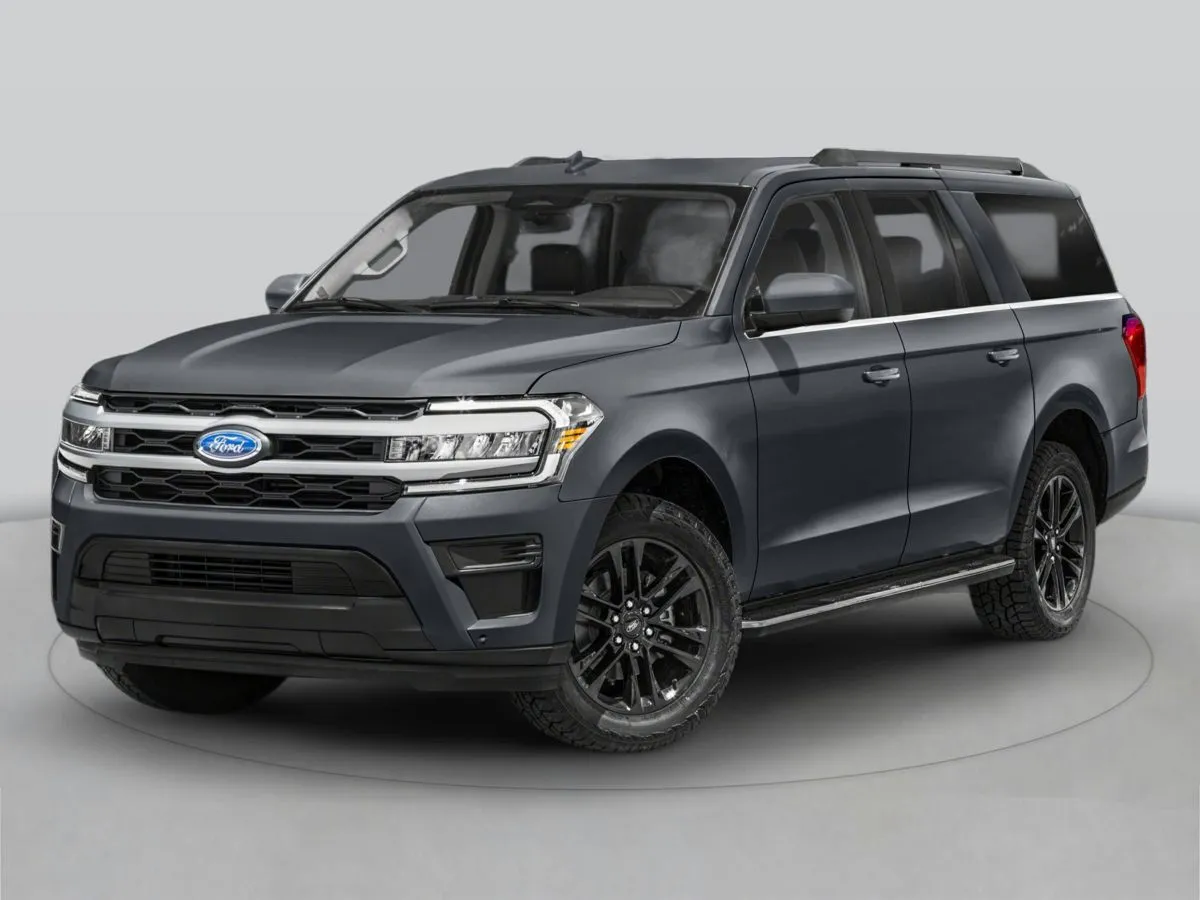
2. Ford Expedition Max 2024
Ford Expedition Max 2024 brings space, strength, and comfort in abundance. Downtown Boston answers with tight corners, narrow lanes, and compact garages. These two worlds rarely align. Length and width define its character.
Maneuvering through narrow streets requires steady focus, and lane positioning becomes a constant task. Tight intersections feel smaller than they look, and turning radius demands extra space. Parking turns into a careful routine.
Curbside spaces rarely fit without blocking traffic, and parking garages push clearance limits. Rear cameras and sensors help, yet size remains a constant factor. Fuel consumption stands out during city use. Powerful engines excel on long drives, not short trips. Stoplight traffic sends fuel use climbing, making daily errands feel costly.
Ride quality favors highway cruising. Suspension tuning smooths long road trips, yet tight corners reveal noticeable body movement. Broken pavement sends heavier reactions through the cabin than smaller SUVs would.
Interior comfort remains excellent. Seats feel plush, and climate controls keep passengers comfortable in any season. Still, much of that space goes unused on short city drives. Ford Expedition Max 2024 suits families who travel far and carry much. Boston’s narrow streets reward compact design and easy handling. In daily urban life, this SUV feels wide, long, and demanding.
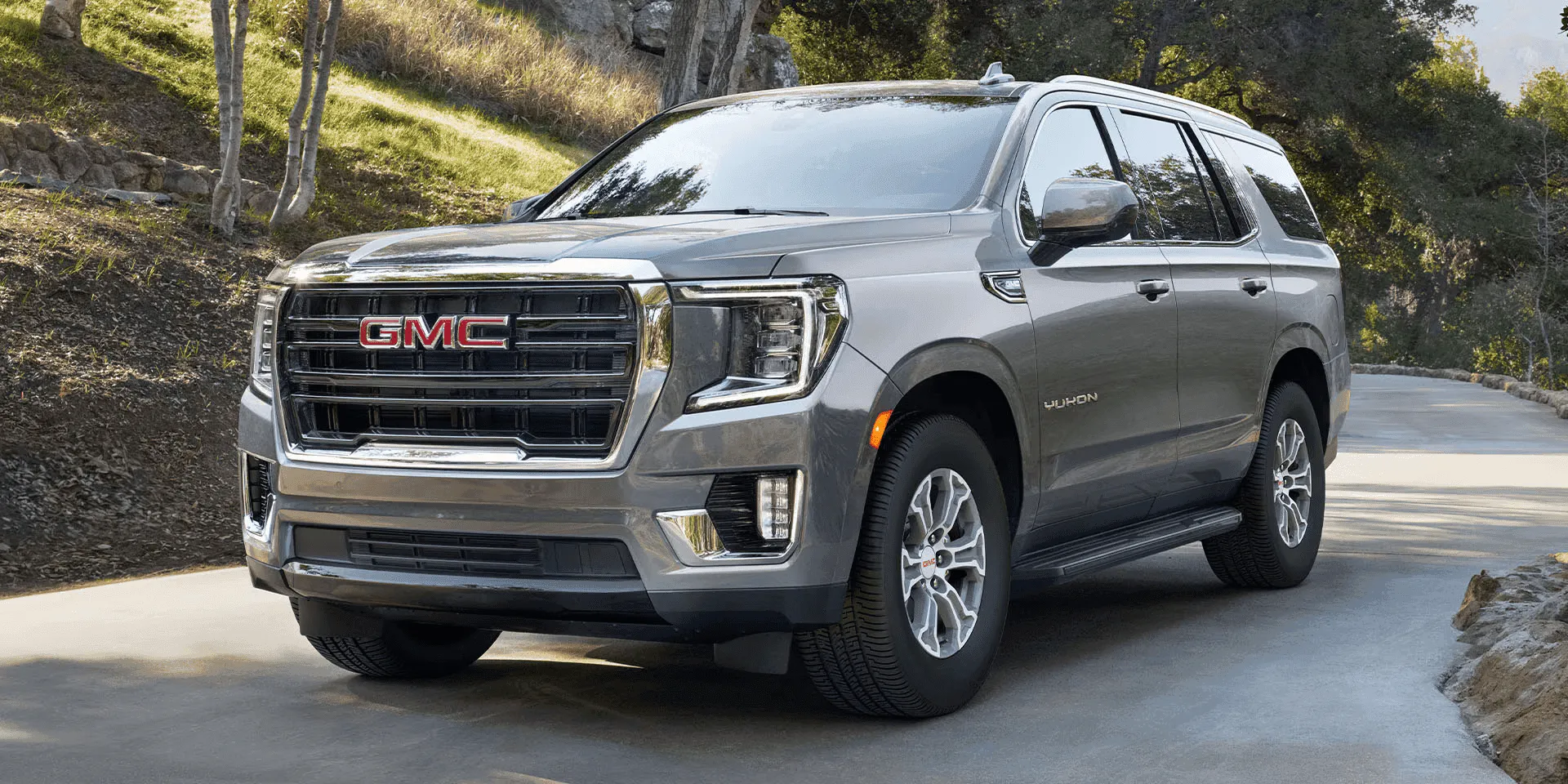
3. GMC Yukon XL 2024
Bold design and full-size proportions define the GMC Yukon XL 2024. This SUV brings authority to any road, yet Boston’s historic streets test its limits every day. Width pushes close to lane edges, leaving little margin for error. Passing cyclists, buses, and delivery trucks requires careful spacing.
Narrow roads amplify the sense of scale, turning simple drives into exercises in precision. Parking demands planning. Parallel spaces often fall short of their long bodies, and garages feel tight around every corner. Tight turns inside parking structures require slow, steady movement.
Fuel use reflects its size. Short trips burn more fuel than expected, and frequent stops at the pump become routine. City driving highlights how thirsty large SUVs can be. Ride comfort leans toward highway smoothness. Suspension absorbs bumps well, yet tight corners reveal noticeable body lean. Older pavement sends heavier feedback through the cabin.
Interior space feels luxurious and vast. Third-row seating and expansive cargo areas shine on road trips. During daily commutes, that space feels excessive. GMC Yukon XL 2024 thrives on open roads and long journeys. Boston’s narrow streets reward agility and compact design. In city life, this SUV feels wide, heavy, and out of place.
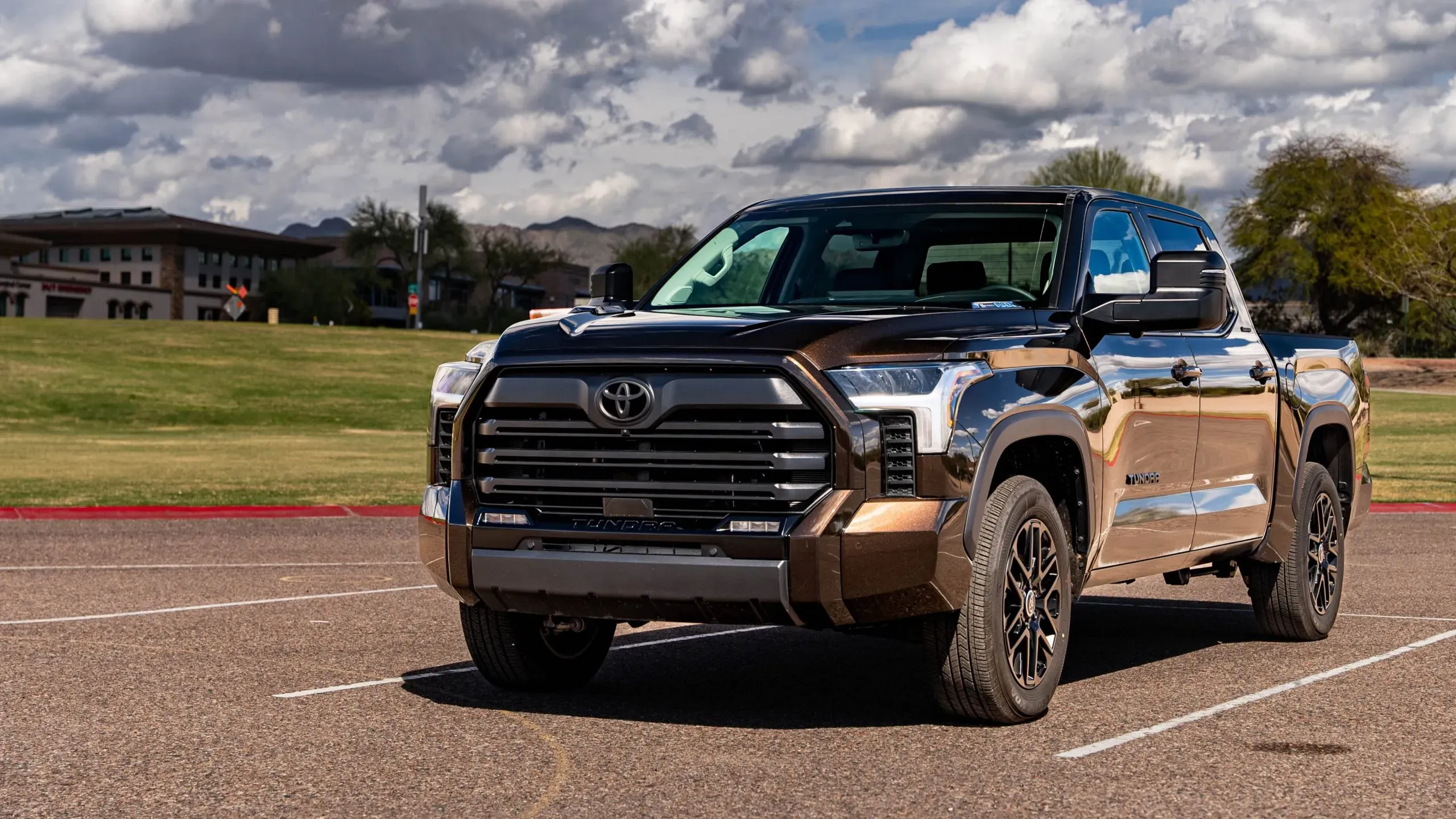
4. Toyota Tundra CrewMax 2024
Toyota Tundra CrewMax 2024 combines raw pickup strength with modern styling, yet its size reveals challenges in a dense urban environment like Boston. Designed for hauling, towing, and open highways, this truck thrives in rural or construction settings, but city streets quickly expose the limits of its footprint.
Width fills lanes quickly, leaving minimal room for error. Passing parked cars or delivery trucks demands careful judgment, and sharp corners often require wide arcs that spill partially into neighboring lanes.
Drivers must maintain full awareness at all times, adjusting speed and steering constantly to avoid clipping curbs or mirrors. Boston’s older streets, with uneven pavement and cobblestone patches, further complicate what feels simple in smaller vehicles.
Parking becomes a daily exercise in patience. Parallel spots frequently feel too short, forcing multi-step maneuvers, and curbside spaces rarely accommodate the truck without partially obstructing traffic.
Garages built for standard sedans or mid-size SUVs demand careful alignment and slow navigation to avoid scraping walls or bumpers. Even loading zones feel cramped for a vehicle of this length, adding time and effort to everyday errands.
Fuel efficiency underscores the urban challenge. The Tundra’s large engine idles heavily at traffic lights, consuming fuel without making progress. Short trips feel disproportionately expensive, and frequent refueling becomes routine. For city driving, this is a noticeable cost both in time and money compared with smaller, more efficient vehicles.
Cabin access introduces another hurdle. Tall seating height requires climbing into the truck, which can feel cumbersome during quick stops or grocery runs. Tight parking spaces restrict door swing, making entry and exit challenging for both driver and passengers.
Toyota Tundra CrewMax 2024 excels on highways and work sites, where power, load capacity, and stability shine. In Boston, however, its imposing dimensions turn daily city driving into a careful, deliberate exercise.
Also Read: 5 Vehicles That Feel Natural in Busy Areas vs 5 That Feel Out of Place
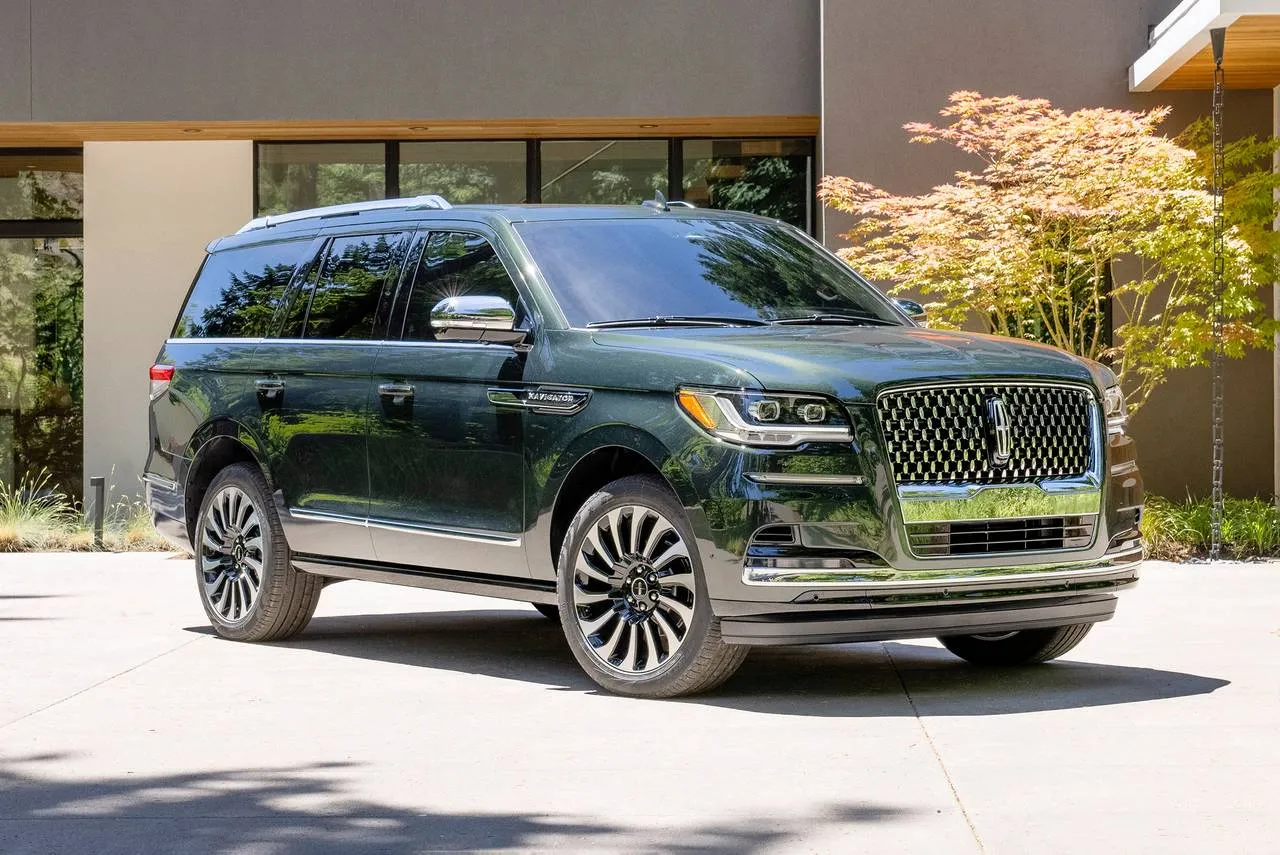
5. Lincoln Navigator 2024
Lincoln Navigator 2024 exudes luxury, elegance, and commanding presence, yet Boston’s narrow streets highlight the practical limits of its size. This full-size SUV delivers high-end materials, plush seating, and advanced technology, but downtown commuting, tight turns, and historic street layouts expose challenges that luxury alone cannot overcome.
Driving the Navigator in city traffic is an exercise in patience and spatial awareness, as its length and width dominate lanes and curbside areas alike. Passing other vehicles quickly becomes an exercise in precision.
Lane widths that feel generous to smaller SUVs suddenly feel tight, with mirrors brushing close to parked cars or bicycles. Narrow side streets demand constant attention, as even minor misjudgments risk scraping curbs or bumpers.
Parking adds to the challenge. Parallel spots may be too short for the Navigator’s long wheelbase, while standard garages provide minimal clearance. Rear cameras and parking sensors provide guidance, yet drivers must still plan carefully to avoid contact with walls, other vehicles, or tight corners. Curbside parking becomes a calculated effort rather than a routine convenience.
Fuel efficiency emphasizes its urban limits. Powerful engines perform beautifully on highways, yet stop-and-go city driving consumes fuel rapidly. Frequent trips to the pump become routine, and short errands highlight inefficiency compared with smaller, more economical vehicles.
Interior space is one of its most striking attributes. Third-row seating and expansive cargo capacity make long family trips or road trips luxurious and effortless. However, this space goes largely unused during short city commutes, making the Navigator feel unnecessarily large and heavy for routine errands.
Lincoln Navigator 2024 excels in comfort, prestige, and highway performance. On Boston’s narrow streets, its size turns ordinary driving into a careful, deliberate task. Lane positioning, curb awareness, and patience become essential, highlighting that urban life rewards vehicles with smaller dimensions, tighter turning radii, and lighter footprints.
For downtown routines, this luxury SUV feels wide, commanding, and challenging to manage, a reminder that opulence cannot replace agility.
