
Urban living demands a distinctive relationship with automobiles. Unlike rural or suburban travel, city streets present constant stopping and starting, narrow turns, and limited parking options. Vehicles selected for urban use must balance durability, fuel economy, and comfort while preserving strong resale appeal.
A car that maintains value after years of metropolitan driving reduces ownership costs beyond fuel and insurance.
Depreciation can be costly, especially when a vehicle’s design, technology, or upkeep requirements fall behind contemporary expectations. Such realities shape careful purchasing decisions for responsible urban motorists everywhere today worldwide.
Selecting an appropriate car for metropolitan life extends beyond convenience; it represents a long-term financial commitment.
Compact sedans, agile hatchbacks, and well-engineered crossovers often perform reliably in dense traffic conditions. Their proportions simplify movement through narrow streets, efficient engines reduce running expenses, and solid construction tolerates the strain of frequent braking.
Vehicles that preserve value combine these qualities with dependable engineering, reputable branding, and features that remain desirable as new models enter the market for buyers seeking stability and predictable ownership costs as time goes on within competitive urban automotive environments today.
Vehicles that lose value rapidly often display traits poorly suited to metropolitan environments. Excessive size, inefficient powertrains, dated infotainment systems, or styling that no longer aligns with modern preferences hasten depreciation.
Continuous exposure to potholes, road salt, congestion, and minor body damage accelerates mechanical wear and cosmetic deterioration.
These factors reduce buyer interest in the used market and place downward pressure on resale pricing during routine ownership cycles experienced by daily urban commuters across major population centres worldwide each year.
This page reviews five vehicles that retain value despite demanding city use and five that depreciate faster under urban pressures. Each entry explains how durability, efficiency, technology, and comfort shape long-term desirability. Beyond price charts, attention is given to everyday ownership, from crowded car parks to peak-hour traffic.
For prospective buyers, understanding these dynamics supports informed choices that protect finances while delivering dependable mobility for households seeking reliable transport solutions within demanding metropolitan commuting routines nationwide today through prudent selection and careful long-term vehicle stewardship practices for sustained ownership value.
5 Cars That Hold Value With City Use
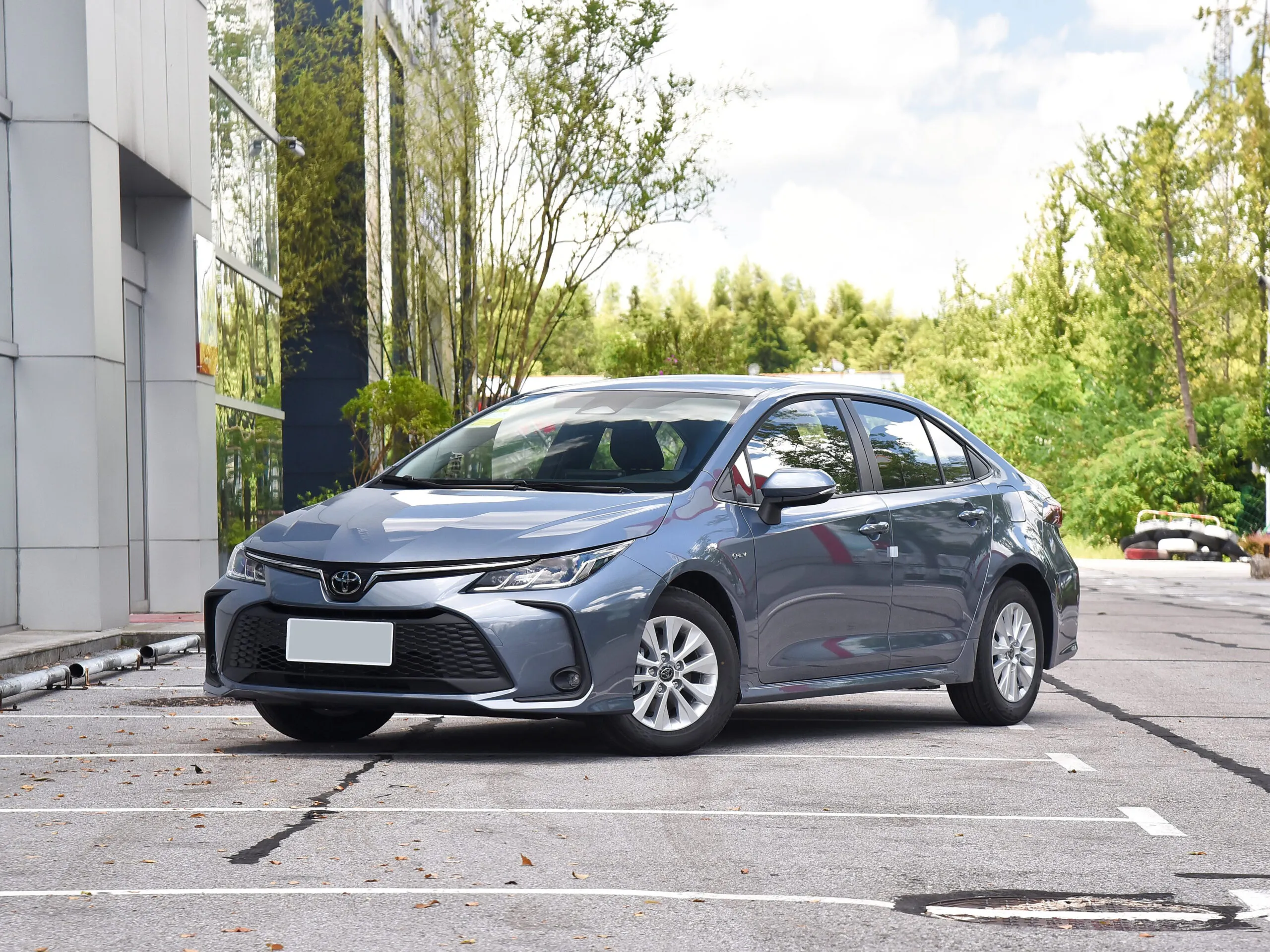
1. Toyota Corolla 2024
The Toyota Corolla 2024 remains a strong contender for urban owners who value reliability, efficiency, and retained value. Compact dimensions make it ideal for narrow streets, crowded intersections, and city garages, where maneuverability is critical.
Drivers benefit from precise steering and a small turning radius, which simplifies tight parking and multi-lane navigation. Its predictable handling reduces stress in stop-and-go traffic, allowing commuters to focus on road conditions rather than controlling a cumbersome vehicle.
Fuel economy stands out as a strong advantage. Even during heavy congestion, the Corolla delivers impressive mileage, and hybrid versions push driving range even farther.
Regular city driving has minimal impact on fuel costs, which adds up to real savings over the life of ownership. Low operating costs contribute directly to strong resale value, as prospective buyers recognize the Corolla’s reputation for efficiency and reliability.
Durability also contributes to retained value. Toyota has built corrosion protection, resilient chassis components, and suspension systems designed to withstand the wear of daily urban driving. Tires, brakes, and underbody components demonstrate longevity even under heavy use, which preserves mechanical integrity and reduces long-term maintenance costs.
Inside, the Corolla balances comfort and technology effectively. Digital displays, infotainment options, and smartphone integration cater to modern expectations without appearing excessive.
Rear seating and cargo space accommodate groceries, commuting essentials, and weekend trips, keeping the car practical while maintaining an appealing design for potential buyers.
Ownership experience also supports strong resale. Toyota’s reputation for minimal repair requirements and low depreciation in the compact sedan category ensures that even after years of city driving, the vehicle remains attractive on the used market. Buyers recognize the Corolla’s reliability, low running costs, and user-friendly technology, making it a consistent choice for resale value in urban environments.
The Corolla’s combination of compact size, fuel efficiency, durability, and consumer trust makes it one of the few sedans that maintain both desirability and practicality in dense city conditions, creating a balance that protects investment and simplifies daily driving.
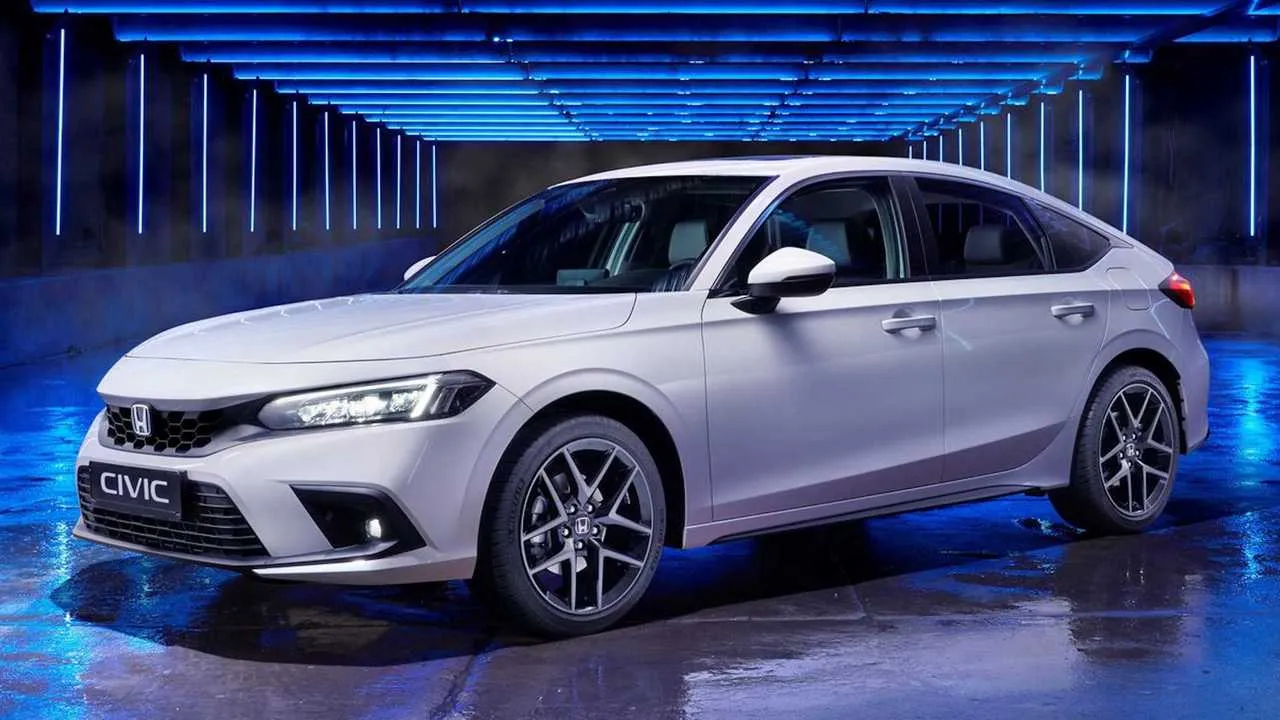
2. Honda Civic 2024
The Honda Civic 2024 continues to thrive in city environments, blending style, reliability, and resale strength into one package. Its exterior size and shape make going through narrow streets or parallel parking feasible without sacrificing cabin space or cargo capacity.
Urban drivers appreciate responsive steering and precise braking, which reduce stress during frequent stops, sudden turns, and congested intersections. Handling is intuitive, making even the busiest city commutes less demanding.
Fuel economy reinforces the Civic’s value proposition. Short city trips and longer suburban commutes remain economical, and turbocharged or hybrid options further reduce fuel costs.
Predictable mileage allows owners to calculate expenses confidently, contributing to the car’s whole appeal on the used market. Efficient operation is closely tied to strong resale, as buyers prioritize vehicles that are inexpensive to run in dense urban conditions.
Reliability continues to define Honda’s brand identity. Engines, transmissions, and suspension components endure repeated stress without major issues. Corrosion-resistant materials and thoughtfully protected underbody components withstand wet streets, road grime, and the occasional pothole, preserving both appearance and mechanical integrity.
Inside, the cabin offers a balance between comfort and modern functionality. High-quality materials, supportive seating, and a practical layout accommodate daily commuting, errands, and small cargo.
Infotainment systems, touchscreens, and smartphone integration meet contemporary expectations, which improves appeal for resale by keeping the car aligned with evolving technology standards.
Safety features reinforce city confidence. Adaptive cruise control, collision mitigation, and lane-keeping assist enhance urban driving experience, while also appealing to buyers seeking well-equipped, dependable sedans.
The Honda Civic 2024 continues to hold value because it blends proven durability, fuel efficiency, and compact design with modern styling and technology. Urban owners benefit from a car that is easy to drive, cost-effective, and dependable, while future resale remains strong due to the model’s longstanding reputation and practical advantages.
Also Read: 5 Cars That Don’t Draw Parking Tickets vs 5 That Stick Out Too Far
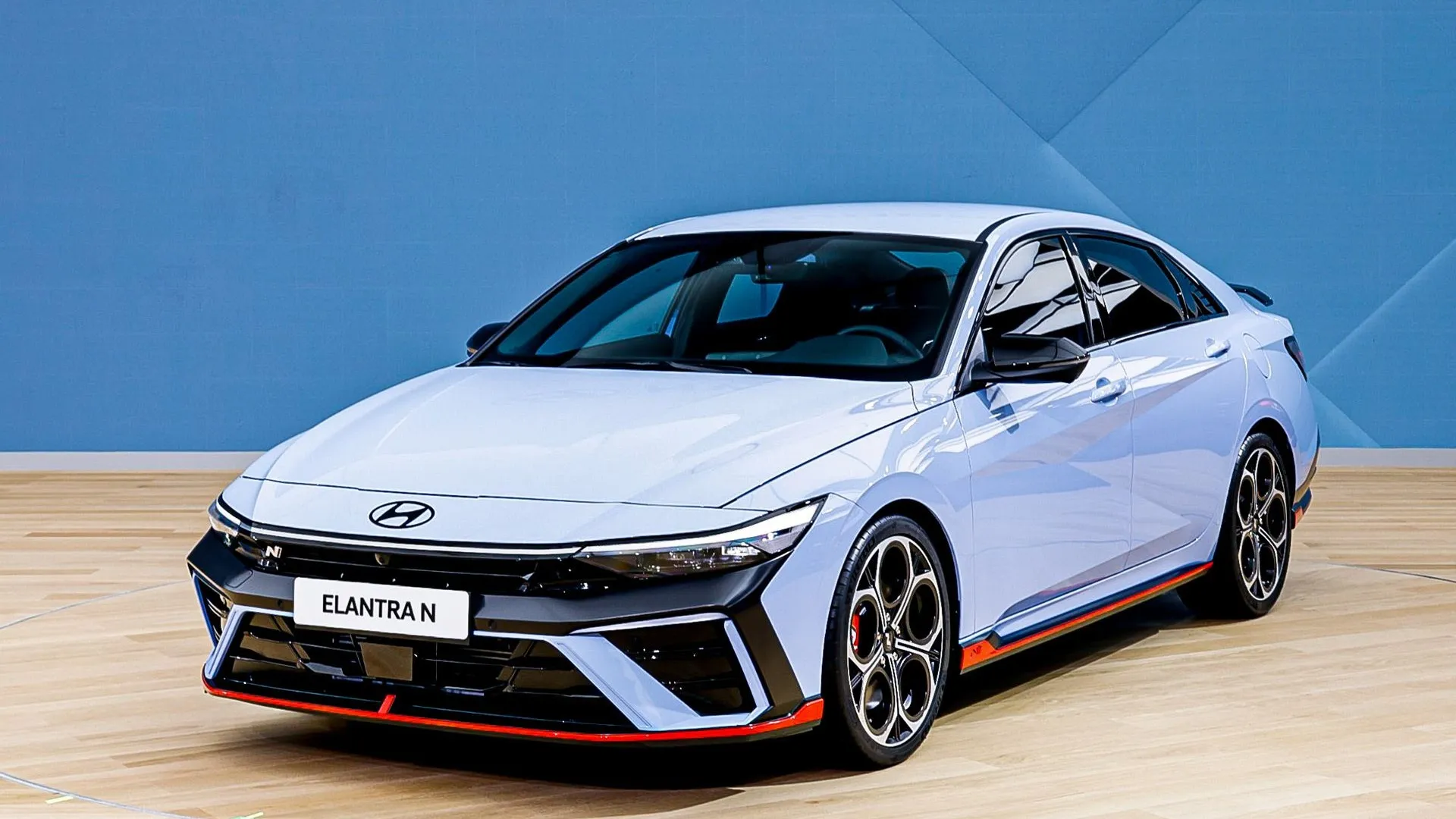
3. Hyundai Elantra 2024
Modern design meets urban comfort in the Hyundai Elantra 2024, which balances style with city practicality. Its sharp exterior lines stand out without overwhelming crowded streets, and compact dimensions make tight parking and narrow lanes manageable. Good visibility, paired with slim A-pillars and well-placed mirrors, allows drivers to drive through busy intersections with confidence.
Fuel economy is particularly strong for city commutes. Even in stop-and-go traffic, the Elantra delivers consistent mileage, while hybrid versions provide extended range for longer trips. Reduced fuel stops translate to tangible savings and support strong resale potential, as efficiency-conscious buyers recognize the car’s low operational costs.
Ride quality is tuned for urban streets. Suspension absorbs potholes and irregular pavement, while steering remains responsive yet comfortable for tight maneuvers. Quick lane changes, turns at congested intersections, and urban parking feel predictable, enhancing driver confidence.
Interior space accommodates everyday needs. Front and rear passengers enjoy adequate legroom, and cargo space handles shopping trips or weekend bags. Durable materials help maintain cabin quality over years of city use, ensuring that the car remains appealing to future buyers.
Technology contributes to the Elantra’s resale value. Large digital screens, voice controls, and smartphone integration provide modern connectivity, while safety features such as lane assist and collision warning enhance urban confidence. Hyundai’s warranty also offers added peace of mind, signaling to prospective buyers that the vehicle has been well-supported from day one.
Durability factors further protect value. Corrosion-resistant coatings and carefully engineered underbody components resist urban wear, including moisture, road debris, and frequent short trips. This attention to detail ensures that even after extensive city use, the vehicle maintains mechanical integrity and aesthetic appeal.
For drivers seeking a modern, efficient, and city-ready sedan, the Hyundai Elantra 2024 combines technology, comfort, and practicality in a package that protects investment and supports long-term resale value.
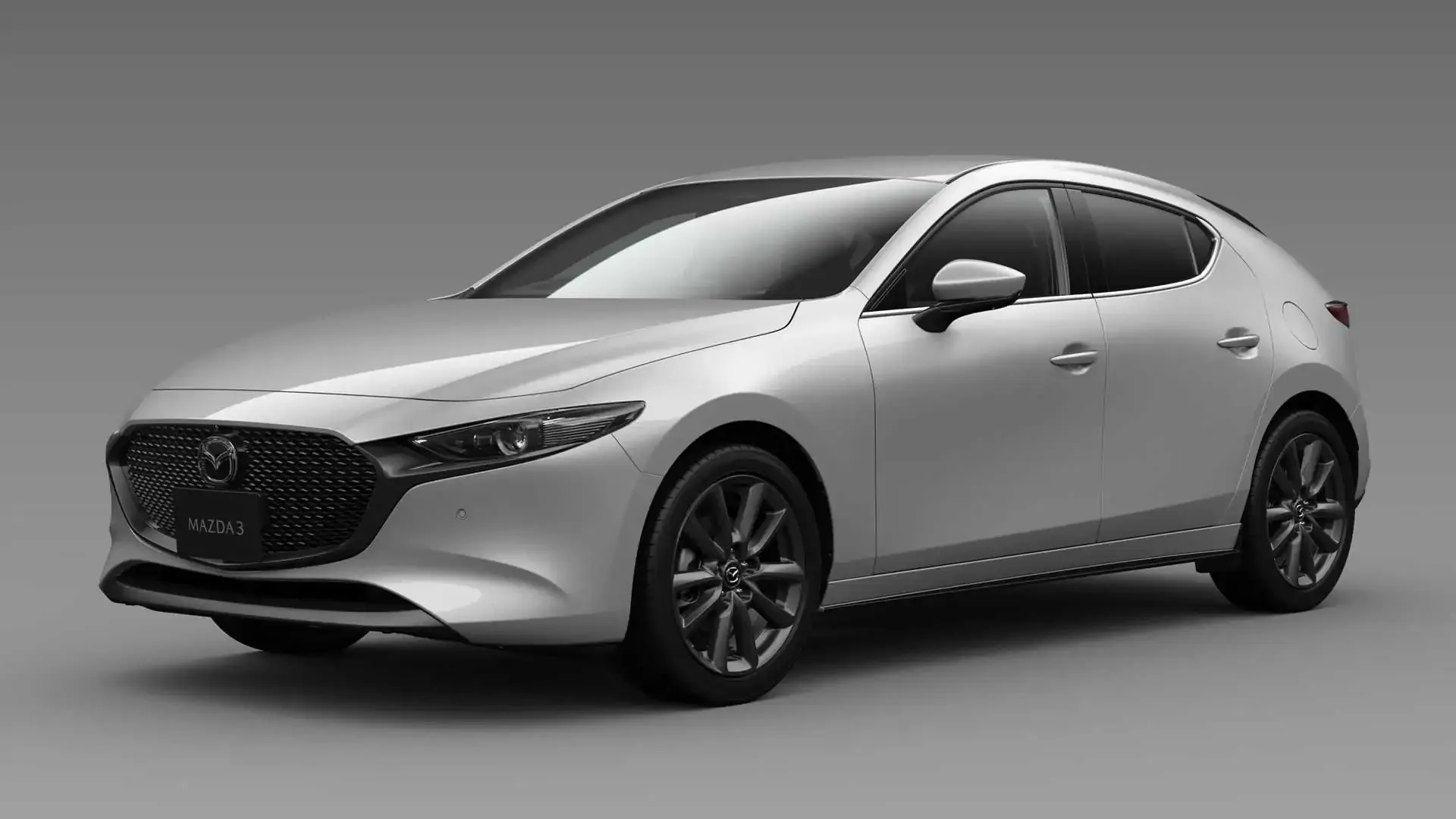
4. Mazda3 Sedan 2024
The Mazda3 Sedan 2024 emphasizes design, driver engagement, and urban usability. Its compact size allows it to fit into narrow streets and limited parking, while low weight and precise steering make it responsive during stop-and-go traffic. Urban owners value the car’s balance between agility and control, especially when maneuvering around pedestrians, cyclists, and tight corners.
Fuel efficiency enhances city suitability. Efficient engine tuning ensures that both short trips and extended drives remain economical. Hybrids or turbocharged models increase appeal for drivers concerned about fuel costs, and the car’s mileage performance contributes directly to retained value in the resale market.
Durability and build quality ensure the vehicle ages gracefully. Paint finishes, corrosion protection, and suspension components resist urban wear, maintaining both aesthetics and mechanical integrity. Buyers recognize that Mazda sedans endure traffic stress without frequent repairs, which improves market desirability.
Inside, the cabin feels upscale yet functional. Soft-touch materials, ergonomic seating, and a clean dashboard layout reduce commuting fatigue. Rear passenger comfort and trunk capacity accommodate daily errands, while modern infotainment features ensure the car remains relevant and attractive to resale buyers.
Handling and driver engagement enhance resale appeal. The car feels connected to the road, which gives urban drivers confidence during unpredictable traffic patterns. Steering feedback and suspension tuning improve maneuverability while retaining comfort, ensuring the vehicle continues to satisfy owners after some time.
Technology and safety further reinforce value. Digital displays, adaptive cruise, and lane assist contribute to convenience and security. Smartphone integration and intuitive interfaces maintain the car’s modern appeal, signaling to buyers that the vehicle aligns with current expectations despite years of use.
The Mazda3 Sedan 2024 blends city-ready performance, efficiency, and style in a way that protects value after a long period of time. It rewards urban ownership while remaining desirable on the used market, making it an investment-conscious choice for city dwellers.
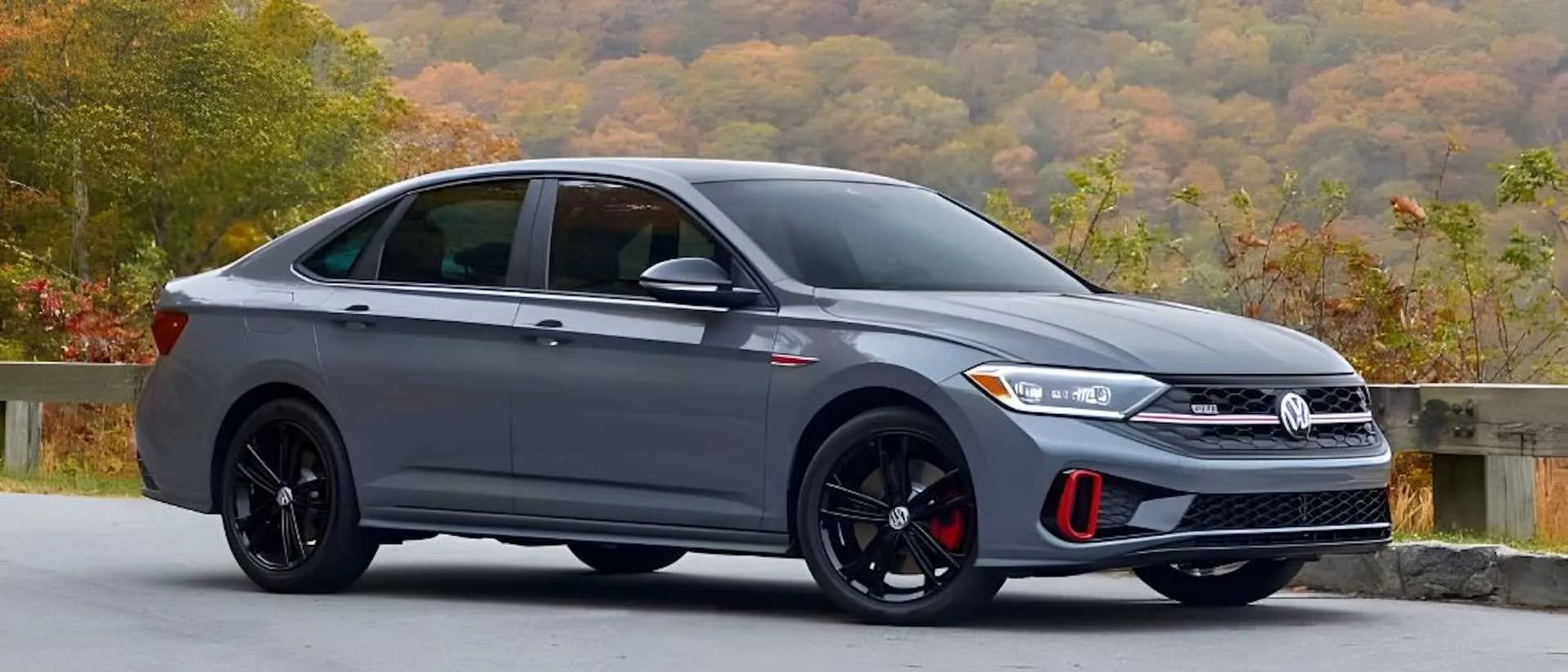
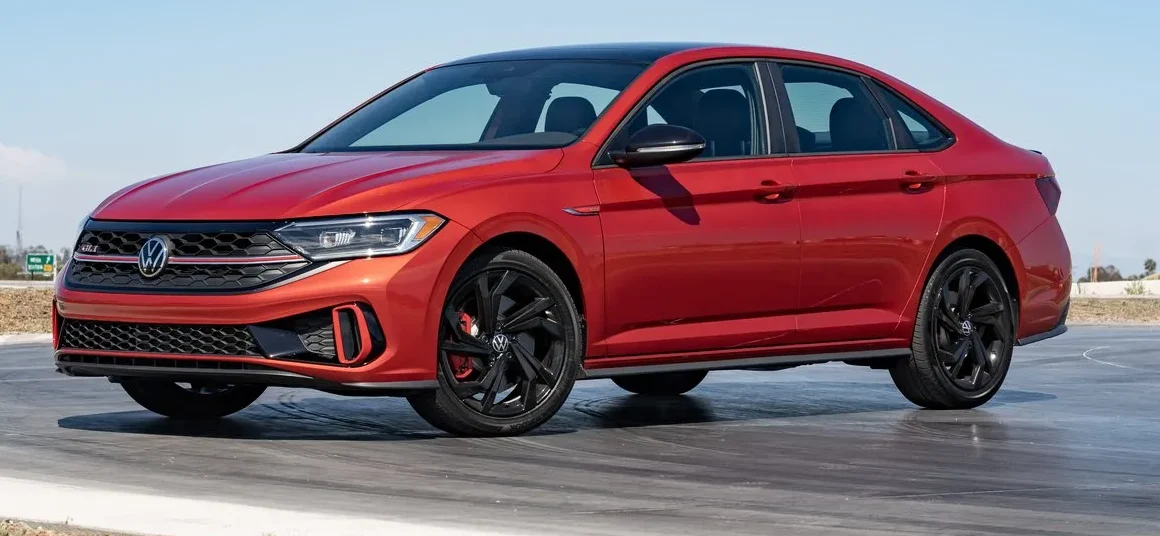
5. Volkswagen Jetta 2024
European refinement meets urban practicality in the Volkswagen Jetta 2024. Its proportions remain compact enough for city streets while offering sufficient cabin and cargo space for daily use. Steering is precise, braking is consistent, and the car handles narrow lanes and intersections with confidence.
Fuel economy contributes to strong city suitability. Short commutes consume minimal fuel, and long drives remain efficient, reducing the cost of ownership. Buyers recognize the Jetta’s efficiency and reliable performance as traits that support retained value in the resale market.
Ride quality adapts well to urban conditions. Suspension absorbs irregular pavement, potholes, and minor bumps without compromising comfort. The cabin remains quiet, allowing drivers to focus on traffic conditions while maintaining a relaxed atmosphere.
Interior quality reflects a balance between durability and refinement. Materials, seats, and controls are designed for long-term use, ensuring the vehicle remains attractive after a long period of time. Infotainment systems, digital displays, and smartphone integration keep the vehicle relevant for prospective buyers.
Reliability and durability further strengthen resale potential. Modern corrosion protection and careful component engineering resist wear from city streets, rain, and road debris. Steering, suspension, and engine components maintain consistent performance, giving confidence to future owners.
Safety features enhance city usability. Lane assist, adaptive braking, and collision warnings improve driver confidence while driving through dense traffic. These systems also contribute to resale desirability, as safety-conscious buyers appreciate well-equipped vehicles.
The Volkswagen Jetta 2024 combines efficiency, comfort, and modern styling into a sedan that retains value through years of city use. Its design, durability, and technology make it a reliable investment for urban commuters seeking practicality and long-term resale strength.
5 Cars That Depreciate Faster
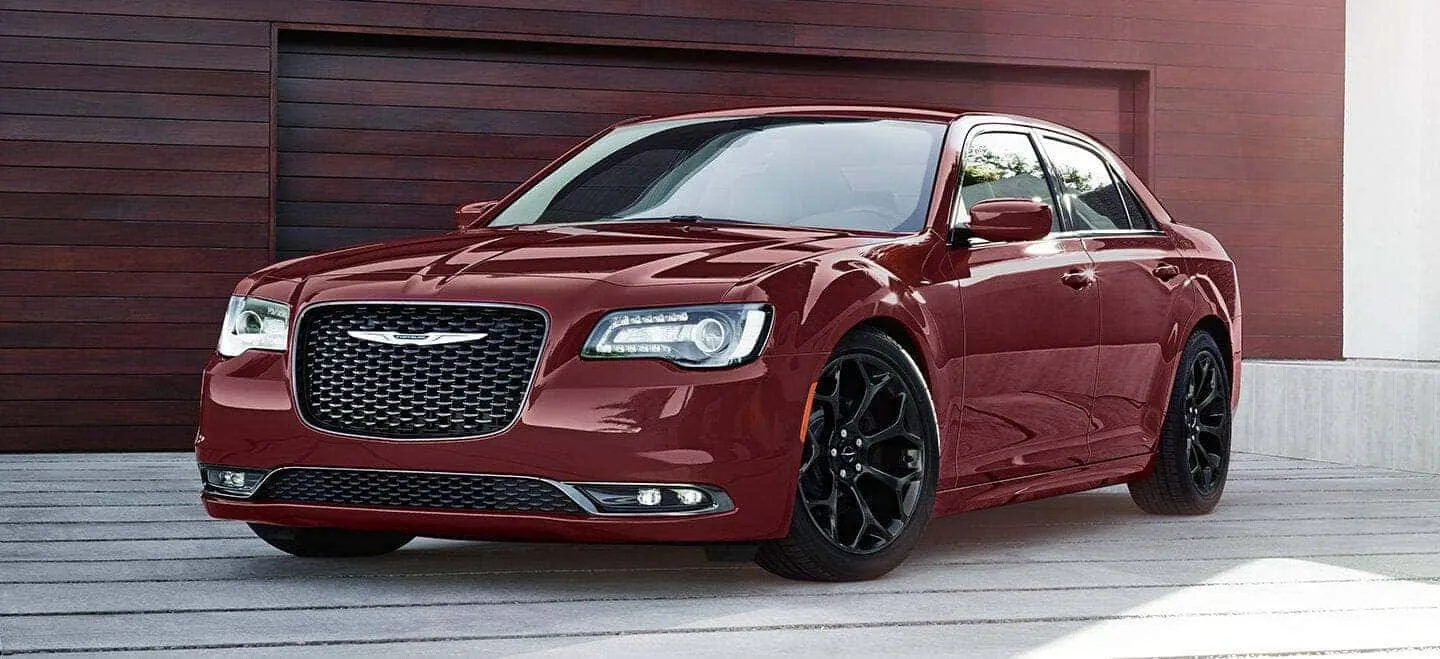
1. Chrysler 300 2020
The Chrysler 300 2020 was designed to project luxury and presence, yet city life exposes weaknesses that accelerate depreciation. Its large footprint complicates daily driving, especially in congested urban areas.
Narrow streets, tight parking garages, and crowded downtown zones turn routine maneuvers into stressful tasks. Parallel parking demands precision and patience, and even minor scrapes or curb contact can diminish the vehicle’s aesthetic value.
Fuel efficiency is another factor that influences urban depreciation. The 300’s powerful V6 or V8 engines consume considerably more fuel in stop-and-go traffic, increasing running costs. City drivers experience frequent fuel stops, and higher operational expenses make it less appealing to potential used-car buyers.
Technology in the Chrysler 300 also falls behind modern expectations. Infotainment screens appear small, interface responsiveness lags, and integration with smartphones feels dated.
Urban drivers increasingly prioritize connectivity and digital functionality, and cars that fail to deliver these features experience a faster loss of market value.
Handling characteristics further impact urban usability. The wide turning radius and soft steering make quick maneuvers difficult. Tight corners and sudden traffic changes require extra effort, leaving drivers less confident and more likely to seek alternatives when resale time arrives.
Suspension is tuned for comfort, which smooths highway cruising but transmits more body movement on rough city pavement.
Interior styling focuses on classic luxury cues, including wood trim and soft leather, but the design feels heavy and conservative compared to more modern sedans. While this appeals to a traditionalist audience, younger urban buyers may perceive the cabin as outdated, influencing resale prices.
Maintenance costs add another layer to depreciation. Brake and tire replacements are more frequent due to the vehicle’s weight, and city wear accelerates the deterioration of exterior panels and undercarriage components.
For these reasons, the Chrysler 300 2020 holds less appeal for urban owners focused on efficiency, maneuverability, and modern technology.
While it remains a statement car for certain environments, downtown driving accelerates wear, increases running costs, and reduces the value it retains as time goes on. Prospective buyers seeking long-term city suitability may find its depreciation steep compared to more compact, efficient alternatives.
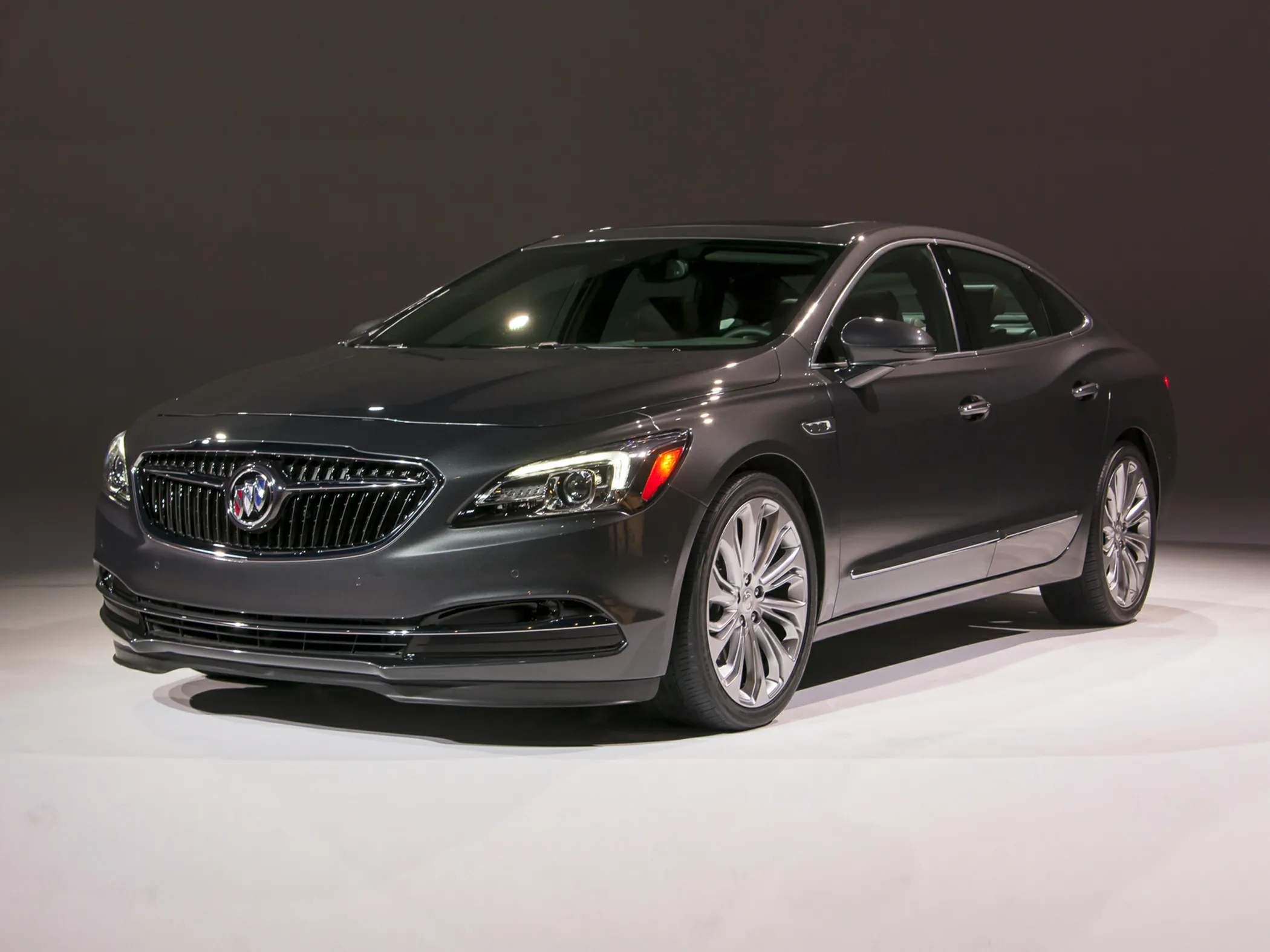
2. Buick LaCrosse 2019
The Buick LaCrosse 2019 prioritizes comfort and spaciousness, but these qualities do not translate well to urban environments, causing faster depreciation. Its long wheelbase and wide body present challenges in dense city streets, making everyday tasks such as parking and lane changes more cumbersome.
Frequent tight maneuvers increase the risk of minor cosmetic damage, which accelerates value loss as time goes on.
Fuel economy is another drawback in stop-and-go traffic. The LaCrosse’s larger V6 engine consumes more fuel on short urban trips, creating higher operational costs. Prospective buyers of used sedans in city areas often weigh fuel efficiency heavily, and the LaCrosse’s comparatively low mileage performance reduces its appeal in resale markets.
Technology inside the cabin has also begun to lag behind contemporary standards. Infotainment displays are smaller, touch responsiveness is slower, and smartphone integration lacks the polish expected by today’s buyers.
Urban owners who rely on these systems for navigation, traffic updates, and connectivity may find the technology outdated, which impacts market perception and accelerates depreciation.
Handling characteristics further influence its city performance. Soft steering and a wide turning circle reduce agility, making tight corners, crowded streets, and heavy traffic more demanding.
Suspension tuning emphasizes comfort over precision, which can result in excessive body roll over uneven pavement, giving the impression of outdated engineering to potential buyers.
Interior styling emphasizes traditional luxury with wood accents and plush seating, but the conservative design can feel dated. Younger buyers or urban dwellers accustomed to minimalist, digital-forward cabins may be less willing to invest in a used LaCrosse, contributing to faster depreciation.
Additional factors include weight and component wear. Heavier vehicles like the LaCrosse experience quicker brake and tire wear in city traffic. Exposure to moisture, road salt, and urban grime can accelerate underbody corrosion, further reducing resale appeal.
While the Buick LaCrosse 2019 remains comfortable for relaxed highway cruising, it struggles in dense urban settings. High fuel costs, limited maneuverability, aging technology, and conservative styling collectively erode resale value faster than more compact and modern alternatives.
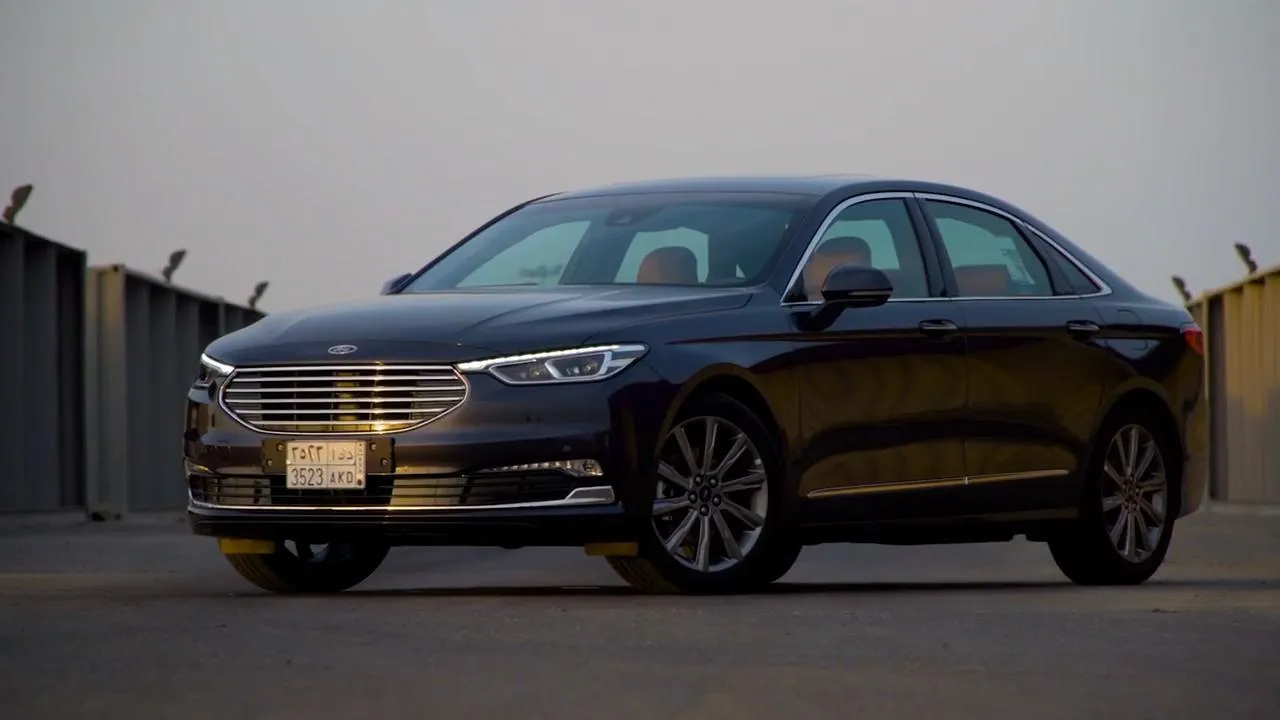
3. Ford Taurus 2020
The Ford Taurus 2020 delivers size and comfort, but urban conditions expose limitations that contribute to rapid depreciation. Its length and width challenge tight parking, narrow streets, and downtown congestion. Owners often encounter minor scrapes or curb damage during routine city driving, leaving a lasting impact on exterior value.
Fuel consumption further impacts resale perception. The Taurus’s V6 engines consume more fuel during short, stop-and-go commutes. Urban drivers face higher operating costs, making the vehicle less appealing to prospective used-car buyers who prioritize efficiency and affordability.
Interior technology feels dated. Screens are small, interfaces are slow, and smartphone integration is functional but lacks sophistication. Modern city drivers often expect intuitive infotainment with responsive touch controls, navigation, and connectivity features, and the Taurus struggles to compete with newer sedans in these areas.
Driving dynamics are optimized for open roads rather than city streets. A wide turning radius and soft steering make sharp maneuvers more challenging. Suspension absorbs bumps but produces noticeable body movement on potholes and broken asphalt, signaling an older driving philosophy.
Design choices contribute to perceived obsolescence. While the cabin is spacious and materials are comfortable, conservative styling fails to resonate with buyers seeking modern digital aesthetics. Dashboard layout, analog instrumentation, and traditional trims make the vehicle feel less relevant in contemporary urban markets.
Maintenance considerations also impact depreciation. The Taurus is heavier, so brake pads, tires, and suspension components wear more quickly under city conditions. Urban wear from salt, water, and debris can exacerbate underbody corrosion, further reducing value retention.
Despite its comfort and highway suitability, the Ford Taurus 2020 depreciates faster in urban settings due to fuel inefficiency, dated technology, and size constraints. Buyers seeking a city-optimized sedan may find more value in compact or mid-size alternatives, highlighting the importance of context when evaluating depreciation trends.
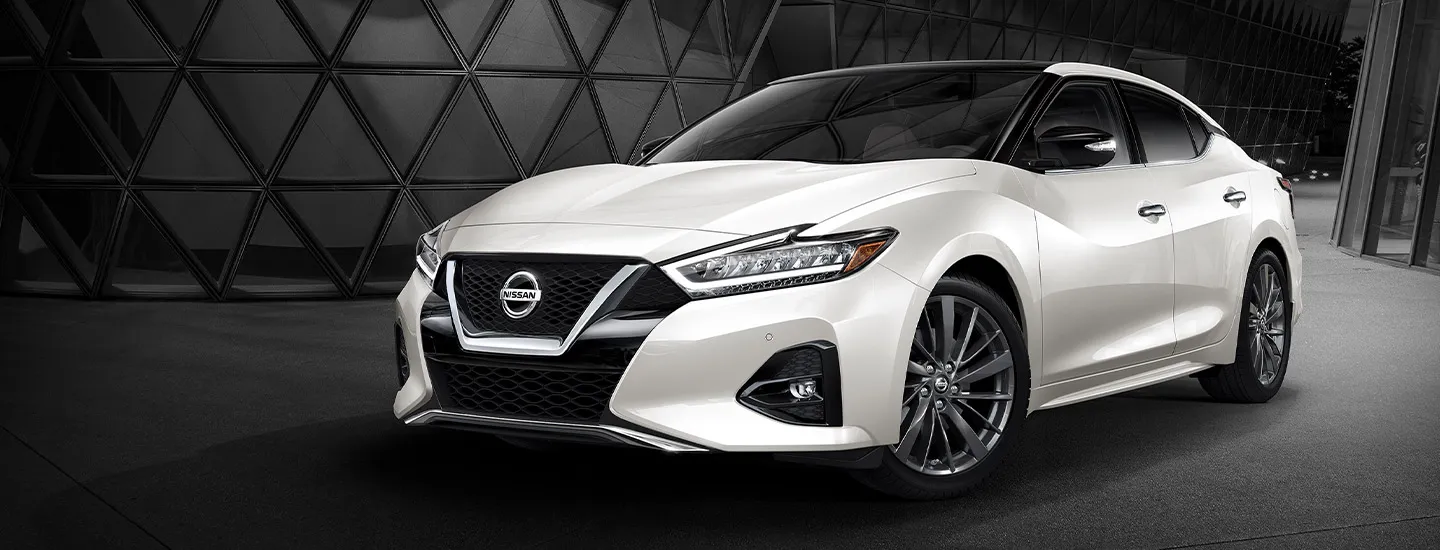
4. Nissan Maxima 2019
The Nissan Maxima 2019 blends sportiness with luxury, but city driving accelerates depreciation due to size, fuel demands, and aging technology. Its low-slung design emphasizes style over practicality, creating challenges in traffic jams and tight parking areas. Urban owners often encounter scratches or minor dings, which reduce resale appeal.
Fuel efficiency suffers in stop-and-go conditions. Despite a potent V6 engine that provides enjoyable performance, city trips reduce mileage. High operational costs contribute to a perception that the Maxima is expensive to maintain, discouraging cost-conscious resale buyers.
Interior tech also falls behind modern standards. The infotainment system, while functional, has smaller screens and slower response times. Integration with smartphones is adequate but lacks the seamless experience that newer sedans provide. For urban owners, these features can feel dated, impacting resale desirability.
Handling is sporty on open roads but less accommodating in dense traffic. Steering is precise, yet the low ride height increases vulnerability to road debris, potholes, and speed bumps. Suspension tuning emphasizes performance rather than urban comfort, which can accelerate wear and reduce appeal to city-oriented buyers.
Cabin styling leans toward classic luxury with leather and stitched accents. While comfortable, the conservative layout contrasts with the minimalistic, digital-forward trend dominating modern sedans. Younger buyers may perceive the Maxima as aging, influencing resale prices negatively.
Maintenance considerations further affect depreciation. Tires and brakes wear faster in urban conditions due to frequent stops, while low ground clearance increases the risk of undercarriage damage. Exposure to moisture and road grime accelerates corrosion in critical areas.
The Nissan Maxima 2019 is enjoyable in certain settings, but urban conditions highlight inefficiencies in size, fuel economy, and tech. These factors collectively accelerate depreciation, making it less suitable for owners focused on retaining value in city use.
Also Read: 5 Cars That Keep Brake Wear Reasonable vs 5 That Eat Pads Fast
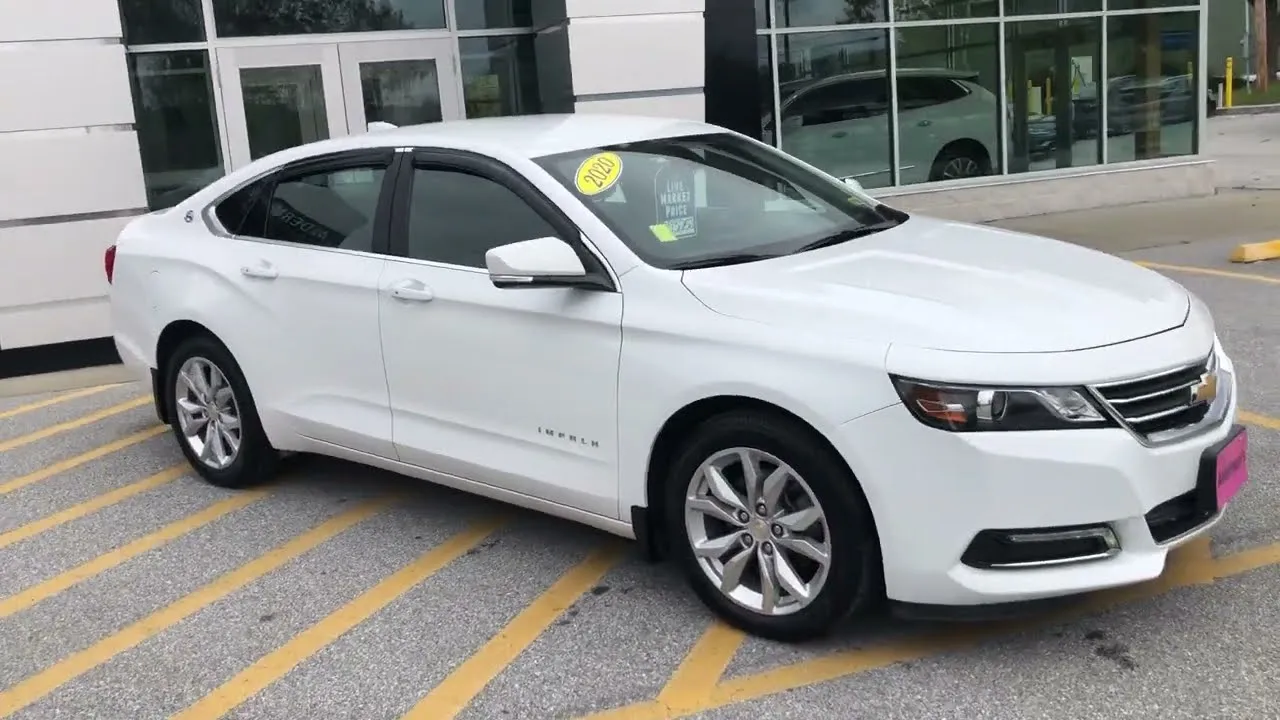
5. Chevrolet Impala 2020
The Chevrolet Impala 2020 combines size, power, and comfort, yet city conditions reveal traits that reduce resale value. Its large body makes urban driving cumbersome. Parking in garages, driving through crowded streets, and performing tight maneuvers require extra caution. Minor scrapes, bumper marks, and curb contact are common in city use, immediately affecting market value.
Fuel efficiency lags behind smaller urban-focused sedans. Frequent stops in heavy traffic lower miles per gallon, increasing operating costs. Prospective buyers of used sedans often prioritize efficiency, so higher fuel consumption directly impacts perceived value.
Technology is dated relative to modern standards. Infotainment screens are modest in size, response times are slower, and smartphone integration is functional but not seamless. Urban owners increasingly expect real-time navigation, voice commands, and digital displays, leaving the Impala behind competitors in resale appeal.
Driving characteristics emphasize highway comfort rather than city agility. Steering is soft, and the wide turning circle makes cornering in tight spaces challenging. Suspension absorbs bumps, but the large body is more susceptible to noticeable lean and movement over uneven pavement.
Interior styling favors traditional comfort over modern minimalism. Leather and wood trim create a luxury feel but appear dated compared with digital dashboards and contemporary cabin designs. Buyers seeking modern city-friendly aesthetics may perceive the Impala as past its prime.
Maintenance factors contribute to faster depreciation. Brake and tire replacement frequency is higher due to vehicle weight, while city exposure accelerates corrosion and wear on underbody components. These elements reduce the appeal of the vehicle for long-term urban ownership.
The Chevrolet Impala 2020 depreciates faster under urban use due to size, fuel inefficiency, dated technology, and styling that does not align with modern buyer expectations. City owners prioritizing efficiency, maneuverability, and contemporary tech may see quicker value loss compared to smaller, more modern sedans.
