In the American car market, attention tends to flow toward extremes. Big trucks dominate sales charts, flashy performance cars grab headlines, and luxury brands soak up social media hype.
Yet buried beneath all that noise is a category of vehicles that quietly excels without demanding the spotlight: sleeper cars.
These are the models that don’t look exciting at first glance, aren’t heavily marketed, and rarely trend online but deliver surprising performance, durability, comfort, or long-term value once you live with them.
For U.S. buyers especially, sleeper cars often make the most sense. They tend to avoid inflated resale bubbles, insurance premiums are lower, and parts availability is strong because many share platforms with more popular siblings.
In an era where new-car prices remain elevated and used-car shoppers are more informed than ever, sleepers reward those willing to look past badges and buzzwords.
The following ten cars represent some of the most overlooked yet genuinely impressive vehicles you can buy or find used in America today.
Whether you care about reliability, performance, daily usability, or sheer value, these are cars you’ve probably missed but shouldn’t ignore.
1. Buick Regal GS
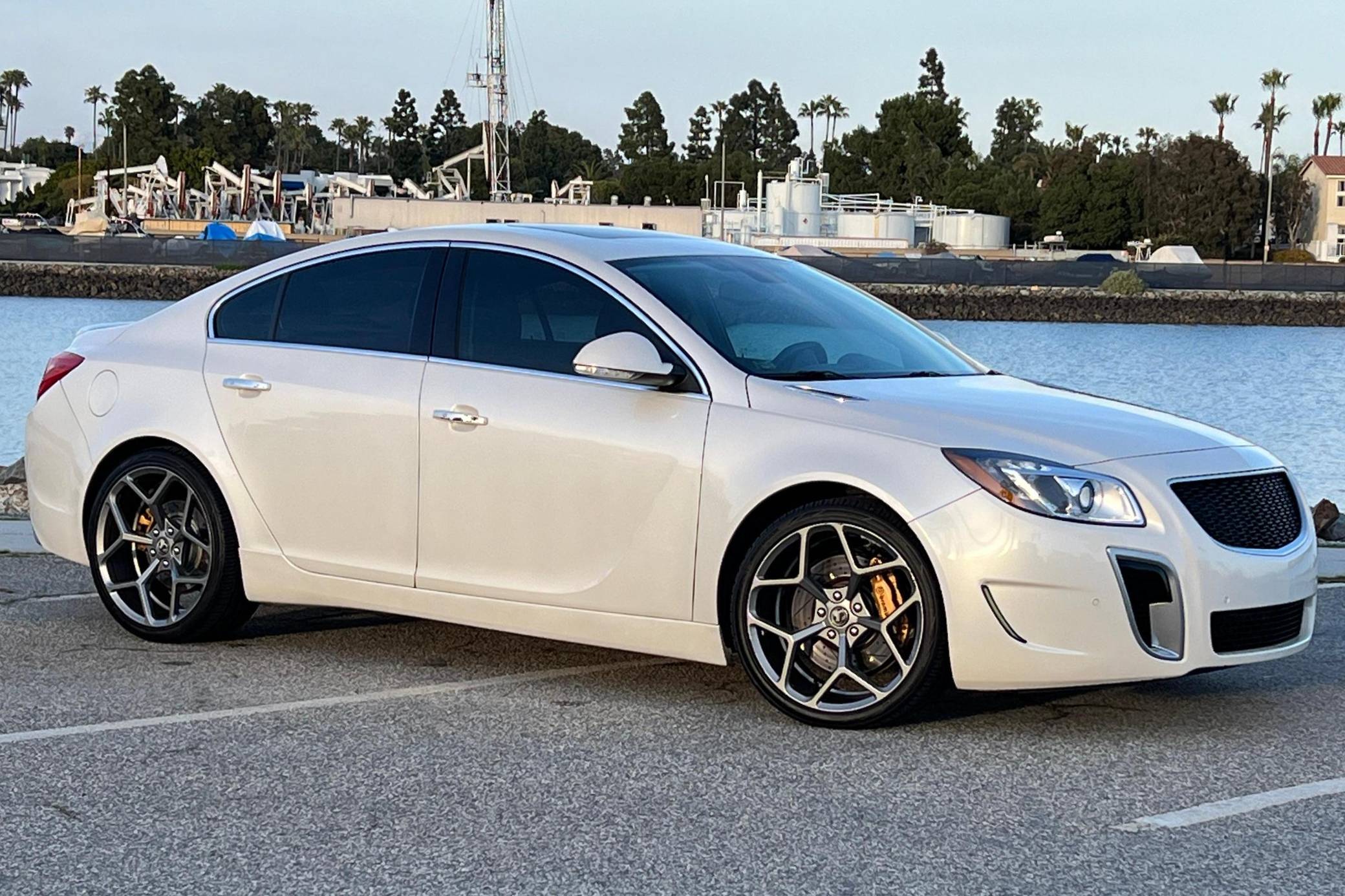
The Buick Regal GS never fit the brand stereotype most Americans associate with Buick, and that may be exactly why it slipped under the radar.
Sold quietly alongside more conservative models, the GS version transformed the Regal into a legitimate sport sedan with adaptive suspension, all-wheel drive, and a turbocharged V6 in earlier generations.
It wasn’t trying to be a track monster, but it offered confident handling and real straight-line speed in a package that looked understated to the point of invisibility.
What makes the Regal GS such a sleeper today is its used-market value. Buyers chasing Audi S4s or BMW 3 Series cars often overlook the Buick entirely, even though it delivers comparable real-world performance with lower maintenance anxiety.
For drivers who want a grown-up sedan that can surprise people at a stoplight while remaining comfortable on long highway trips, the Regal GS is a hidden gem.
Just a few years ago, in the wake of the financial crash and the early 2010s, Cadillac made headlines by positioning itself as a direct rival to Germany’s Big Three luxury brands.
Fed up with its cars being dismissed as vehicles for retirees, or worse, glorified Chevy Caprices with cushy suspensions, Cadillac brought in designers and chassis engineers who wouldn’t sign off on a car until it had completed multiple laps around the Nürburgring.
Yet, with today’s SUV craze dominating the market, much of that engineering prowess has gone unnoticed. Most buyers aren’t chasing supercharged CTS-Vs or marveling at the precision of a CT6 slicing through tight corners on heavy steel.
It took a drive in a Sport Red Buick Regal GS to realize that GM’s lessons in reinvigorating a seemingly fading brand have trickled down to its most overlooked subsidiary.
It’s refreshing to see this from a marque that has spent the last several decades in something close to hibernation, but Buick wasn’t always this quiet. In the days when thunderous Grand National GNXs dominated drag strips, forcing Mustang and Corvette owners to reconsider their bets, Buicks were capable of snapping necks as effectively as they handled transaxles.
The brand’s fortunes faltered as its core buyers aged into semi-senile retirees, often with strained family relationships, purchasing Buicks as a way to micromanage their inheritance. But now, the tide appears to be turning.
The proof was in the little details: parking the Regal Sportback GS outside a local coffee shop and watching as passersby with even a hint of gearhead interest stopped to admire its sleek, purposeful lines. Buick’s quiet resurgence is not just mechanical, it’s visual and visceral, too.
Also Read: 5 Sedans for Dalton Practical Buyers and 5 That Rack Up Bills
2. Mazda6 Turbo
The Mazda6 has always been praised by reviewers but ignored by buyers, and the turbocharged version takes that disconnect even further.
Introduced quietly late in the model’s lifecycle, the Mazda6 Turbo added meaningful torque, refined power delivery, and near-luxury interior quality without changing the car’s calm, elegant image.
It never screamed “sports sedan,” which meant it never got the attention it deserved.
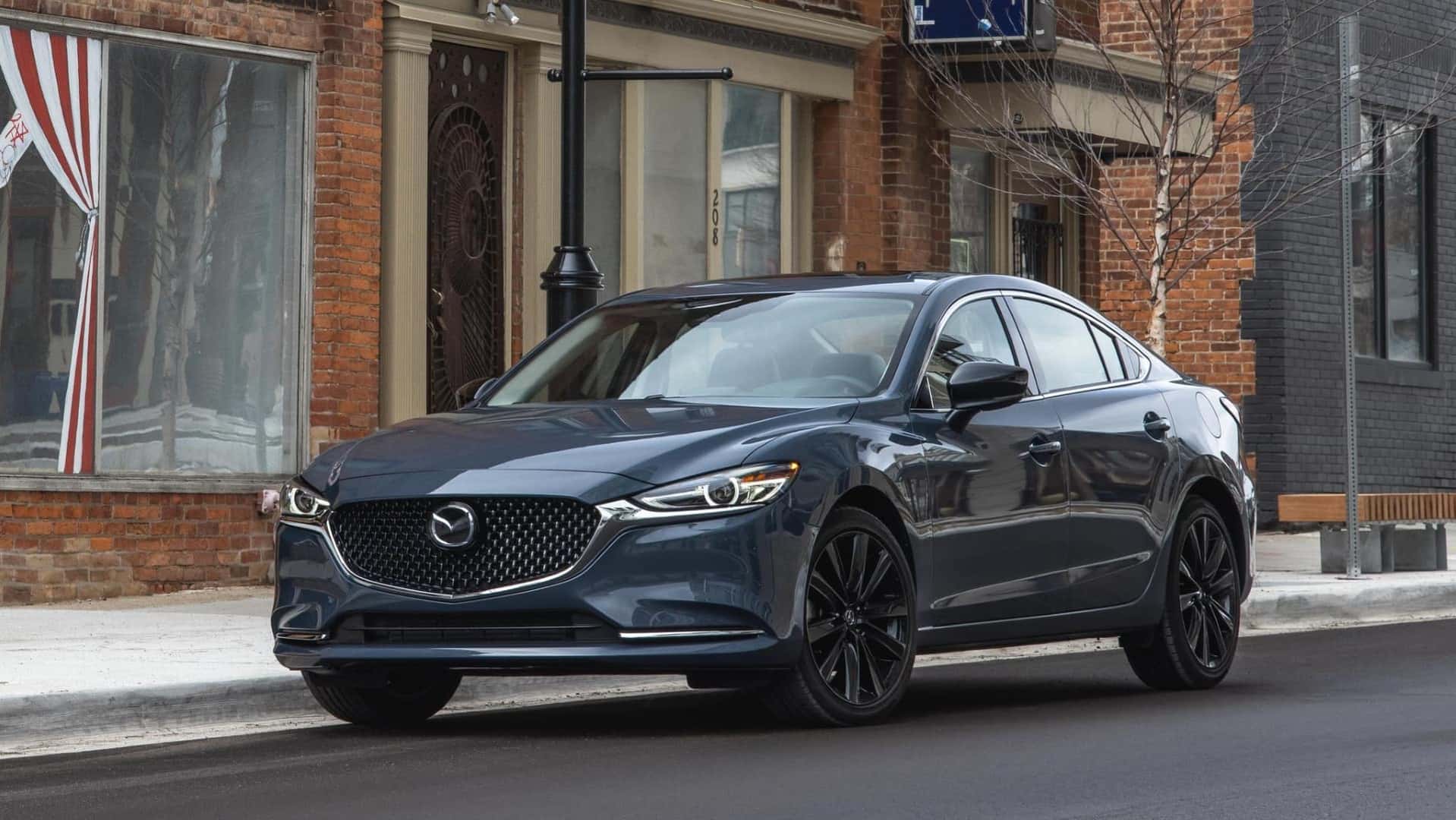
In real-world driving, the Mazda6 Turbo excels at what most Americans actually do: commuting, road trips, and passing on the highway.
The turbo engine delivers strong midrange power, the interior punches far above its price class, and Mazda’s reliability record gives long-term peace of mind.
For buyers who want something that feels premium without paying premium-brand money, the Mazda6 Turbo is one of the most underrated sedans of the last decade.
Every Mazda 3 comes equipped with a 2.5-liter four-cylinder engine producing 186 horsepower. A manual transmission is available only on the hatchback, while all-wheel-drive models and the sedan use an automatic.
Front-wheel drive is standard across the lineup, with all-wheel drive offered exclusively with the automatic. Looking ahead, Mazda plans to introduce its new Skyactiv-X four-cylinder, which uses compression-ignition technology to improve fuel efficiency.
While the Mazda 3 responds eagerly to throttle inputs, it isn’t particularly fast, and Mazda doesn’t offer a dedicated performance version. Instead, both the hatchback and sedan prioritize a refined ride and composed handling, whether on straightaways or twisty roads.
The new 3 has been praised for preserving the fun-to-drive character of the previous generation, with tight body control, naturally communicative steering, and a firm ride that manages to remain comfortable even on rough surfaces.
3. Chevrolet SS
The Chevrolet SS might be the ultimate American sleeper. To the untrained eye, it looks like a rental-spec Malibu with different wheels.
Underneath, it’s a rear-wheel-drive, V8-powered performance sedan imported from Australia, complete with magnetic ride control and a chassis tuned by people who understood how to balance comfort and aggression.
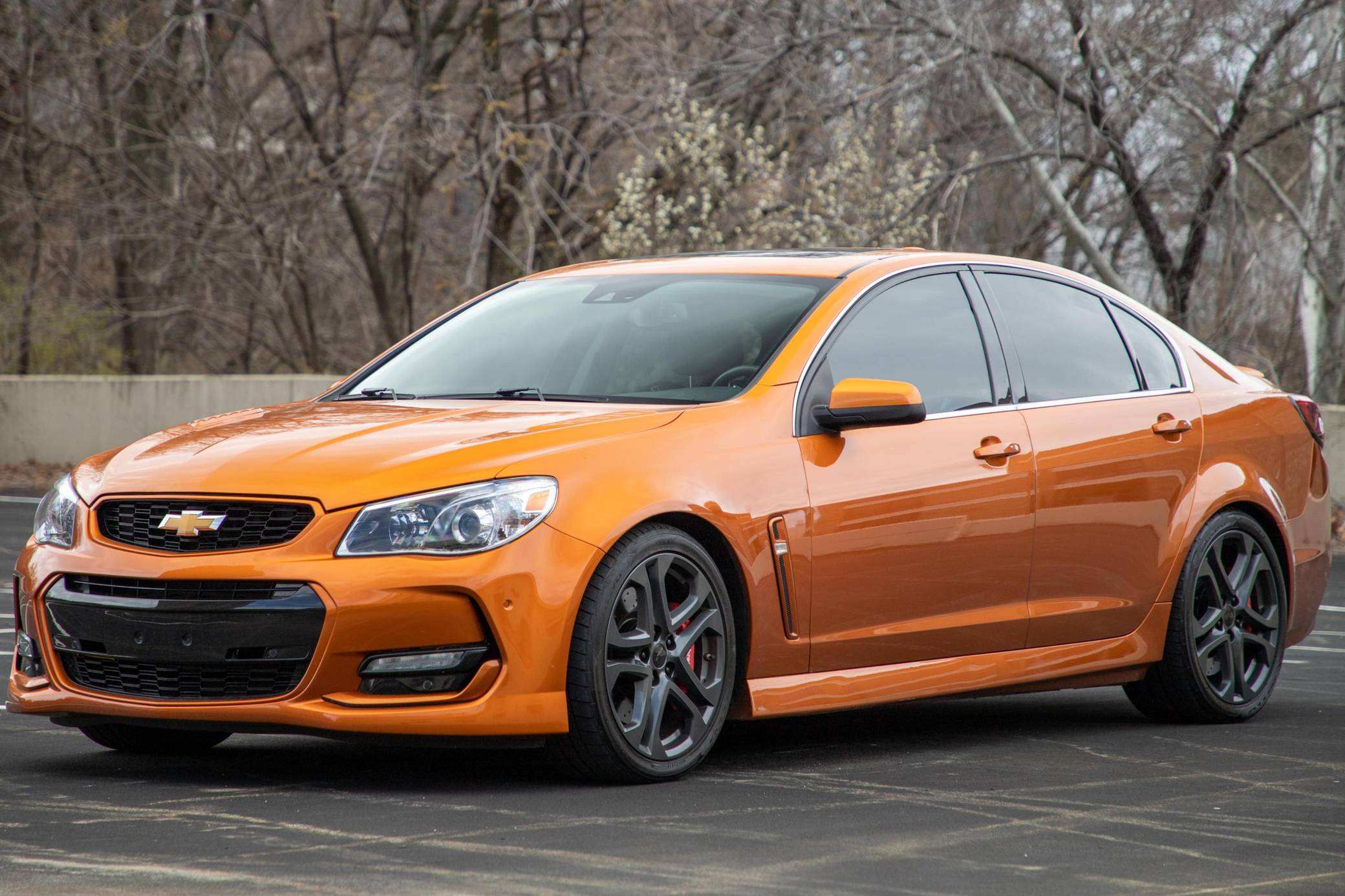
Because Chevy barely marketed it, the SS never caught on with mainstream buyers. That failure turned it into a cult classic almost overnight.
Today, it remains one of the few true four-door muscle cars ever sold in the U.S., especially in manual transmission form.
It doesn’t shout, it doesn’t pose, and it doesn’t beg for attention, but anyone who knows cars recognizes the SS as a unicorn that America somehow ignored.
4. Ford Fusion Sport
When people talk about fast Fords, they think Mustang or F-150 Raptor. Very few remember the Fusion Sport, which is exactly what makes it a sleeper.
Equipped with a twin-turbo V6 and all-wheel drive, the Fusion Sport delivered shockingly quick acceleration in a family sedan shape. It was never marketed aggressively and arrived just as sedans began losing popularity in the U.S.
The Fusion Sport shines as a daily driver that refuses to be boring. It blends winter-ready traction, comfortable seating, and unexpected straight-line speed into a package that doesn’t attract unwanted attention.
In today’s used market, it often sells for far less than comparable performance sedans, making it an excellent choice for buyers who want stealthy power without luxury-brand pricing.
We usually take a shrug when automakers slap a “sport” badge on a mainstream midsize sedan, upgraded wheels and body kits might look sharp, but they rarely deliver any real excitement. The 2017 Ford Fusion Sport, however, breaks that mold. It goes well beyond cosmetic tweaks, pairing a high-revving V-6 with all-wheel-drive traction to create the quickest midsizer we’ve tested.
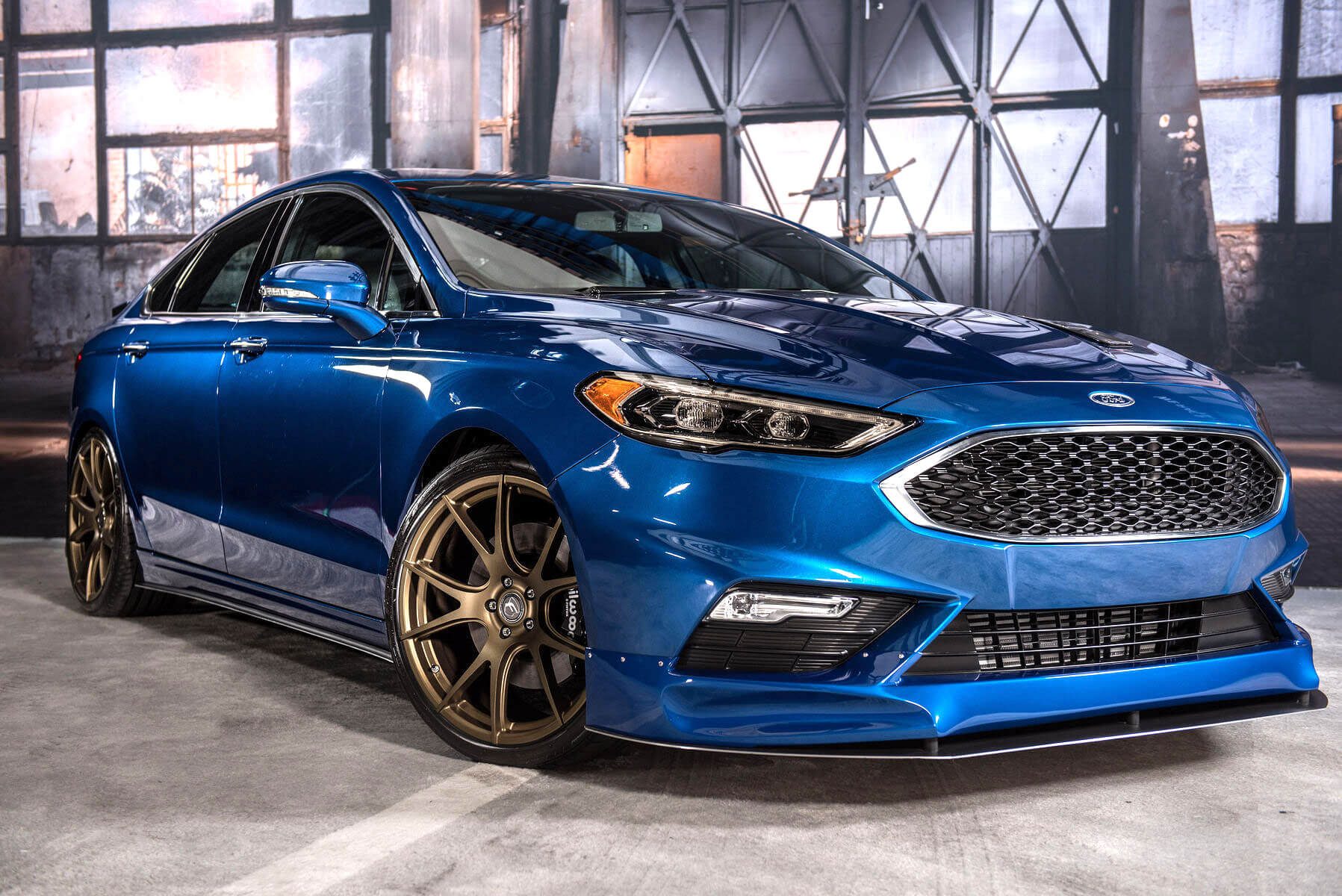
Under the hood, the Fusion Sport houses a 2.7-liter twin-turbo EcoBoost V-6 producing 325 hp and 380 lb-ft of torque, but only under ideal conditions. Those peak figures require 93-octane fuel, which isn’t readily available in California, where 91 octane is standard. Ford doesn’t publish output numbers for 91 octane, preferring instead to highlight the higher figures.
Even running on 91 octane, the Fusion Sport is both thrilling to launch and immensely satisfying to drive. The engine is eager from idle and pulls strongly all the way to redline.
The all-wheel-drive system delivers power cleanly, with minimal torque steer or tire slip, no matter how aggressively you accelerate. The six-speed automatic could be a bit snappier on downshifts, but it remains well-matched to the engine. Steering wheel-mounted paddle shifters come standard, giving drivers additional control.
The Fusion Sport hits 60 mph in just 5.3 seconds, making it quicker than the 2017 Honda Accord V-6 we recently tested (5.7 seconds) and the 2015 Toyota Camry XSE (6.1 seconds).
Both of those competitors use naturally aspirated six-cylinder engines, the Accord with 278 hp and the Camry with 268 hp. For an extra point of reference, the Fusion Sport will even outpace a Mustang equipped with the 2.3-liter I-4 EcoBoost by a full second.
5. Lexus GS 350
The Lexus GS 350 lived in the shadow of both German rivals and Lexus’s own ES sedan, which confused buyers. It wasn’t as sporty as a BMW on paper, nor as soft as an ES, but that balance turned out to be its greatest strength.
The GS 350 offers rear-wheel-drive dynamics, a naturally aspirated V6, and Lexus build quality that borders on legendary.
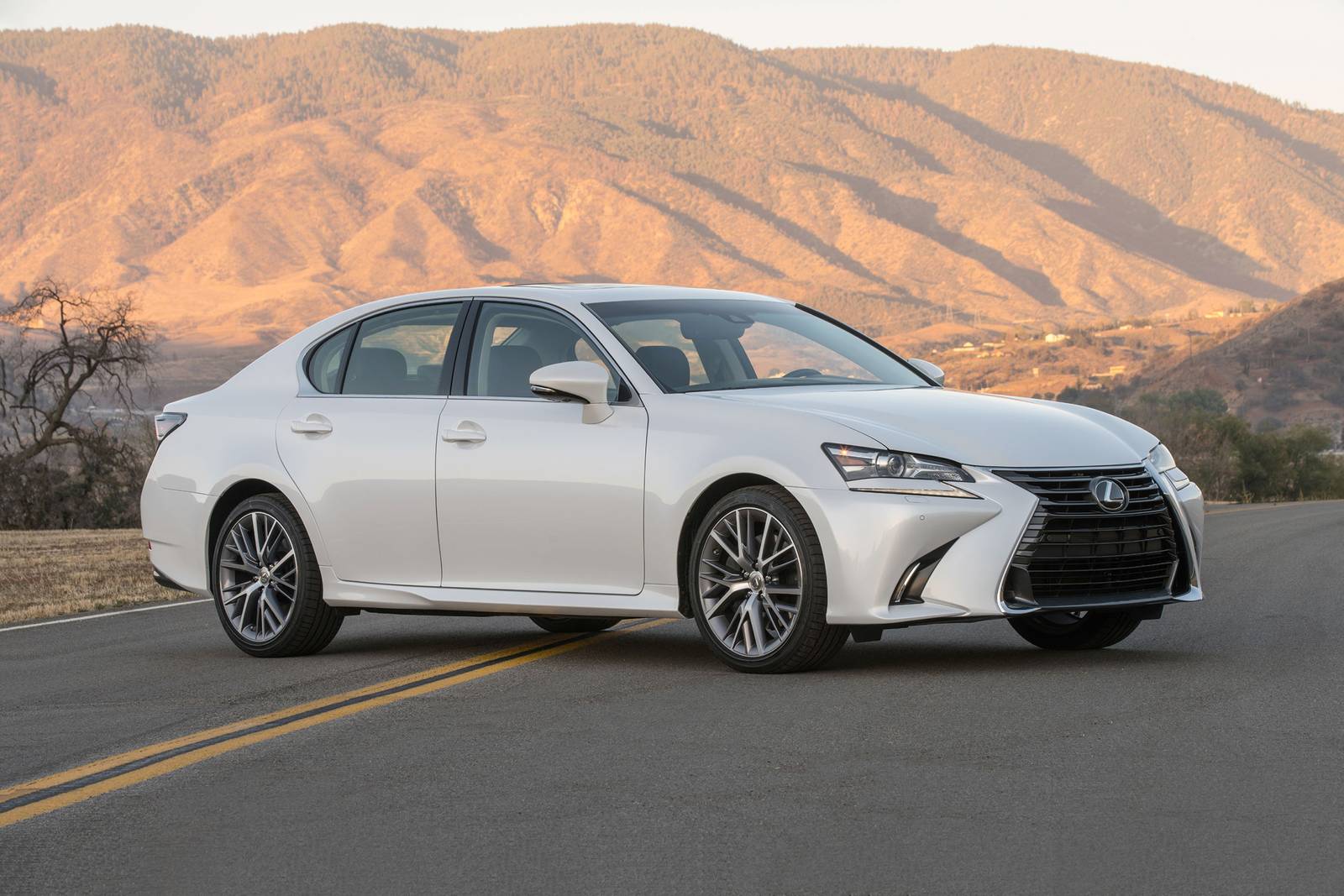
As a sleeper, the GS 350 appeals to buyers who want long-term ownership confidence without sacrificing driving enjoyment.
It won’t win drag races or dominate social feeds, but it will quietly rack up 200,000 miles while still feeling tight and refined.
In a market obsessed with flashy tech and aggressive styling, the GS 350 remains an underrated reminder that durability and balance still matter.
6. Volkswagen Golf Alltrack
The Golf Alltrack arrived in the U.S. at exactly the wrong time just before wagons disappeared from American showrooms. That timing, combined with its outdoorsy but subtle design, meant most buyers never noticed it.
Those who did often misunderstood it as a slow crossover alternative rather than the capable, versatile sleeper it actually is.
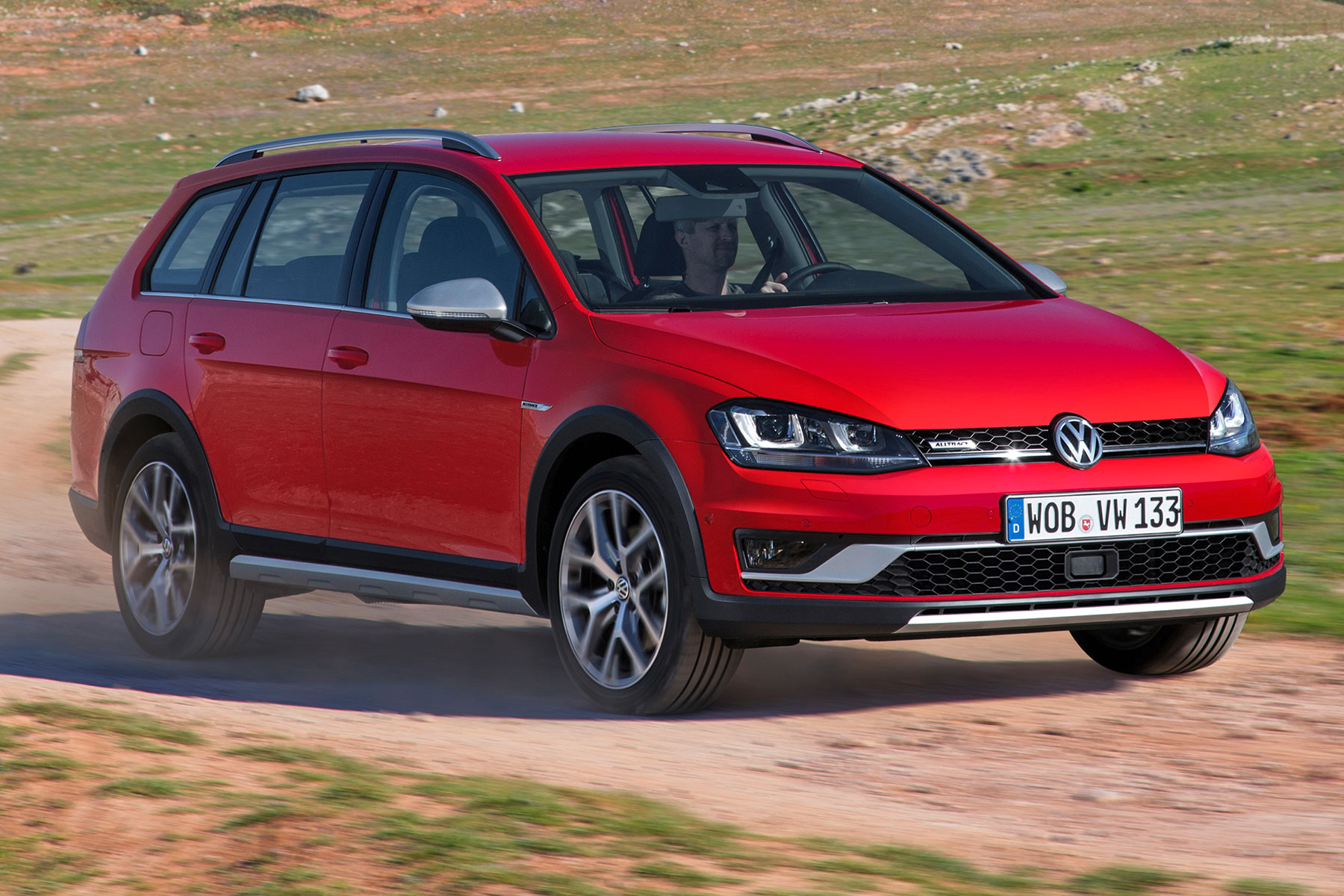
With standard all-wheel drive, solid turbocharged power, and one of the most usable cargo areas in its class, the Golf Alltrack is a near-perfect American daily driver for people who don’t want an SUV.
It handles better than most crossovers, fits easily into urban environments, and still manages snow, dirt roads, and road trips with ease. Its rarity today only adds to its sleeper appeal.
Also Read: 5 SUVs That Balance Space and City Use vs 5 That Are Overkill
7. Hyundai Genesis Sedan (Pre-G80)
Before Hyundai rebranded Genesis as a luxury marque, the Genesis sedan existed in a strange space. Many American buyers couldn’t reconcile the Hyundai badge with rear-wheel drive, V6 and V8 engines, and luxury-car proportions.
That brand disconnect caused the car to be overlooked, despite offering an impressive combination of comfort, power, and value.
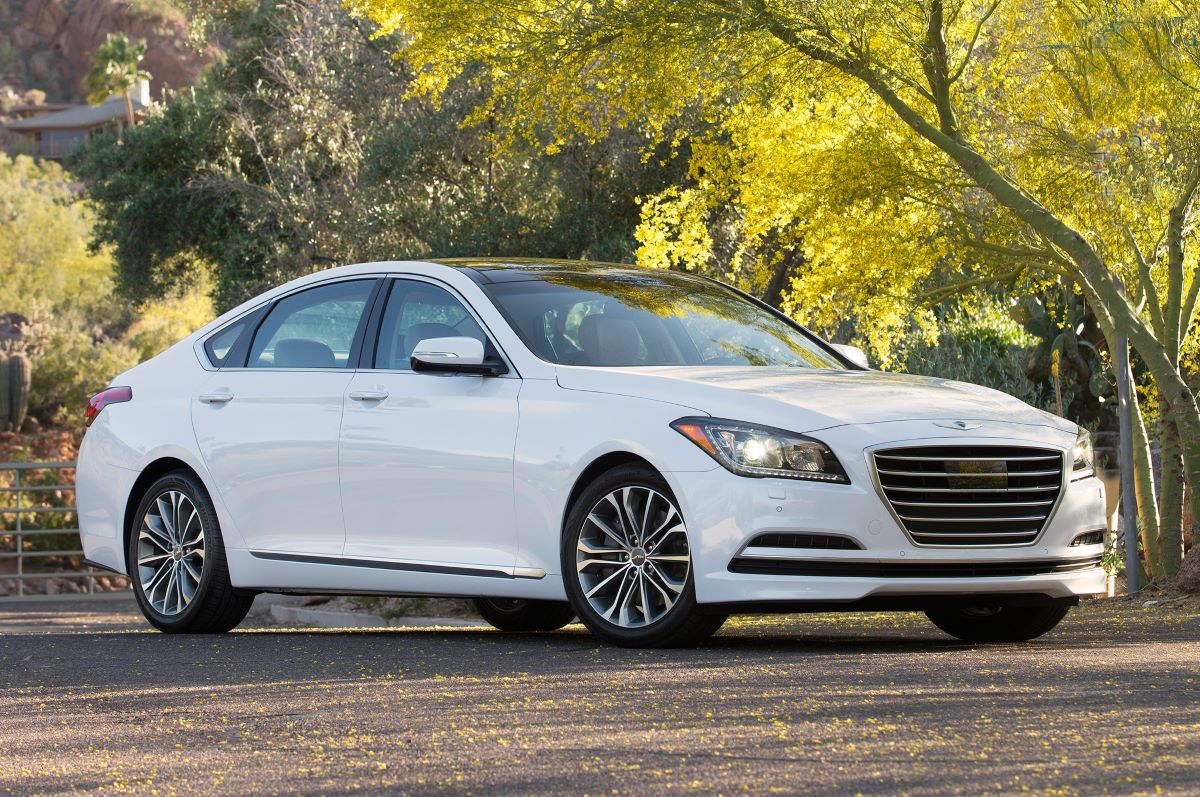
As a sleeper, the Genesis sedan delivers enormous used-market bang for the buck. Owners get quiet cabins, strong engines, and a smooth ride that rivals much more expensive cars.
It lacks the badge prestige of European competitors, but for buyers who care more about substance than image, the early Genesis sedans remain some of the most underrated luxury cars sold in the U.S.
8. Acura TL SH-AWD (Second Generation)
The Acura TL with Super Handling All-Wheel Drive represented Acura at its most ambitious. It combined a high-revving V6, torque-vectoring all-wheel drive, and a surprisingly playful chassis.
Unfortunately, controversial styling and stiff competition meant many buyers passed it over in favor of safer choices.
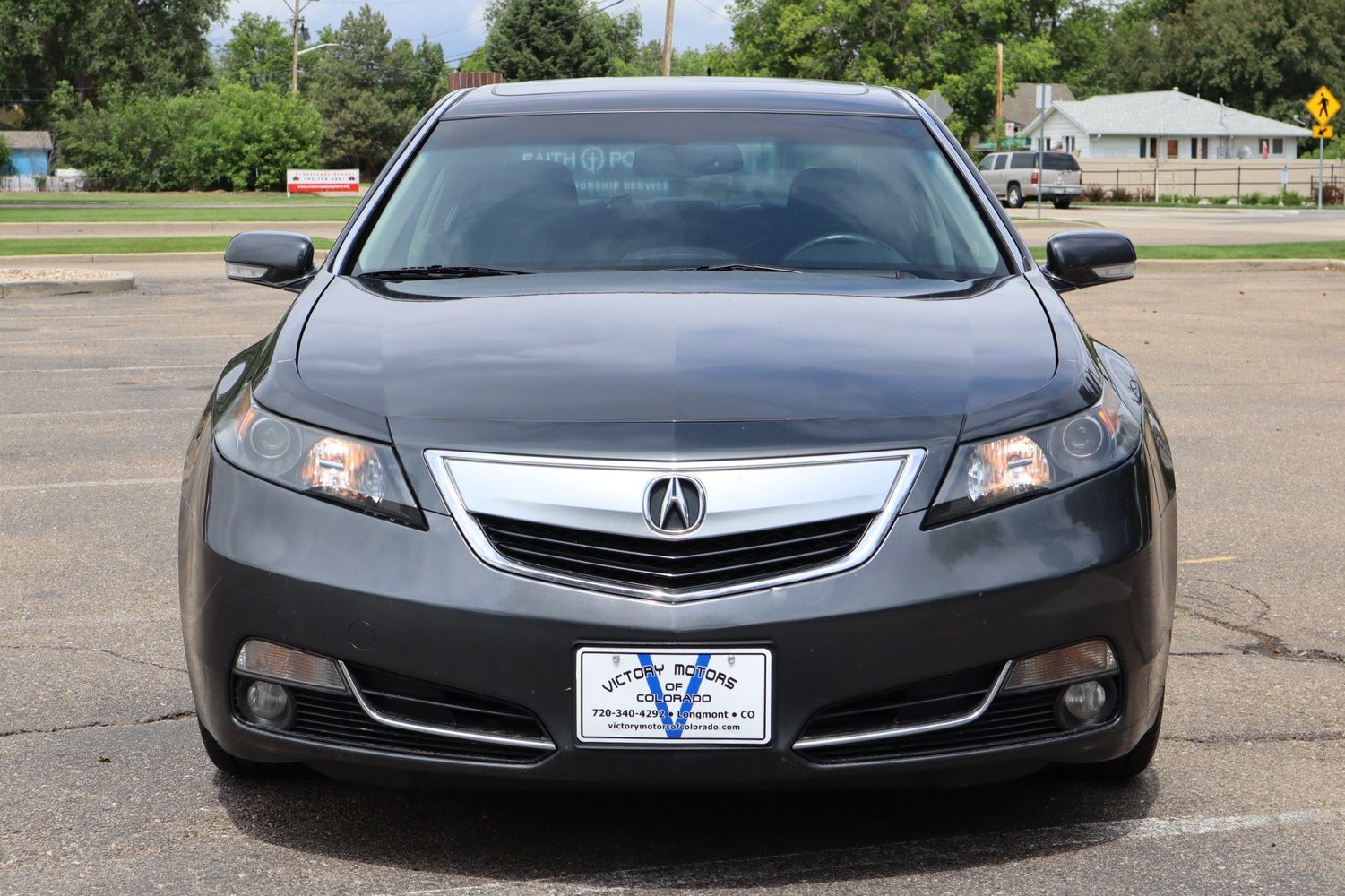
Today, that makes the TL SH-AWD a sleeper performance sedan with genuine engineering depth.
The SH-AWD system gives it impressive grip and cornering confidence, while Acura’s reputation for reliability makes it easier to live with long-term than many European alternatives.
It’s not flashy, but it rewards drivers who value how a car feels rather than how it photographs.
In late 2008, Honda’s luxury brand Acura launched a new generation of the TL, drawing its foundations from the European Honda Accord while adding a distinctly bolder personality.
Sportiness has always been the hallmark of the TL, and this generation was no exception. It delivered solid performance, a respectable suite of luxury features, and a compelling price point. The design, however, was more polarizing.
At the front, the massive shield-style grille dominated the fascia. Acura’s marketing dubbed it the “Power Plenum,” though enthusiasts quickly nicknamed it the “Gladiator Shield.”
The reference to the 2000 film Gladiator fell flat, as it had been eight years since the movie’s release. The rear echoed the same angular motifs, completing a design language that some found striking, while others thought overdone, especially with the heavy use of chrome.
Inside, the 2008 TL closely mirrored the European, eighth-generation Accord. One notable exception in the luxury sedan segment was the availability of a manual transmission. Unlike its European sibling, which only offered four-cylinder engines, the TL came with two V6 options. Both engines could be paired with a six-speed manual or a five-speed automatic.
The top-tier 3.7-liter model also offered all-wheel drive via Acura’s SH-AWD system, which functioned more like a set of active differentials, a technology with roots in rally racing that marked a step forward in performance-oriented AWD systems.
9. Kia Stinger GT
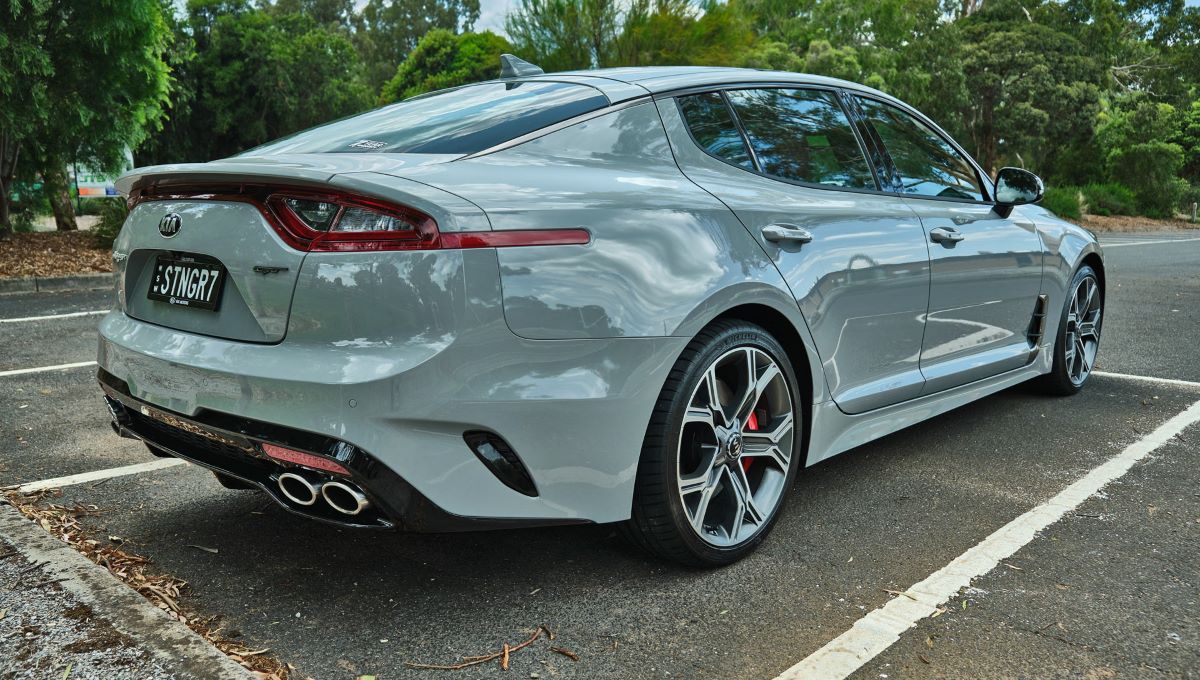
The Kia Stinger GT is often described as underrated, yet many people still don’t truly understand what it is.
Marketed awkwardly between sport sedan and grand tourer, the Stinger never found a clear identity in the U.S. That confusion masked just how capable it really is.
With rear-wheel-drive architecture, a twin-turbo V6, and excellent highway manners, the Stinger GT excels at covering long distances quickly and comfortably.
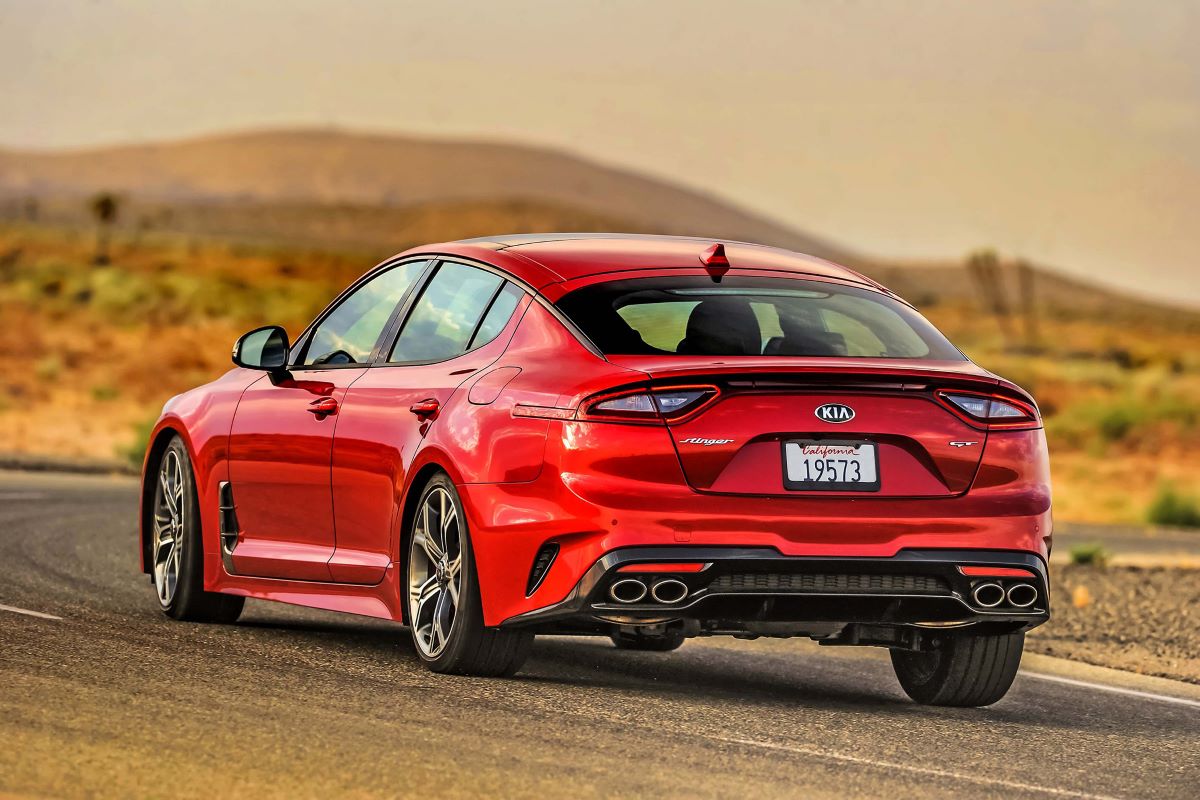
It doesn’t feel cheap, it doesn’t drive like a typical Kia, and it offers performance that surprises nearly everyone who encounters it.
As depreciation continues to work in buyers’ favor, the Stinger GT is becoming one of the best modern sleeper values on American roads.
Despite being around for several years, the Kia Stinger continues to turn heads with both its styling and performance. For the 2020 model year, the Stinger remains largely unchanged, a midsize, four-door sport sedan featuring a fastback roofline and a sizable hatch.
With the optional 3.3-liter twin-turbo V-6, it can sprint from 0 to 60 mph in under five seconds, giving it the ability to compete with pricier German sport sedans.
Taken on its own merits, the Kia Stinger is an outstanding package. During our first test of a 2018 Stinger, we called it “a grand touring sedan that actually takes its GT badge seriously.”
In other words, it excels on road trips: “With the revs up and the turbos spinning, the engine delivers a pleasant surge of power that whisks you past trucks and loafers. It’s a very easy and comfortable car to cover distance in.” Our conclusion at the time was that the Stinger was “a premium sport sedan worthy of challenging the world’s best.”
Viewed against the broader landscape, however, the Stinger lacks one critical ingredient: brand prestige. Over the course of our long-term test, we praised the Stinger as “sexy, great to drive, and quick by any measurement,” but noted that “the badge is wrong.”
Beyond perception, the dealer experience is another challenge. During our long-term evaluation, we found service experiences to be positive, but “just not well matched to the Stinger’s upscale feel.”
All 2020 Kia Stingers come standard with a 2.0-liter turbocharged four-cylinder producing 252 hp and 260 lb-ft of torque, paired with either a six-speed manual or an eight-speed automatic transmission.
The 3.3-liter twin-turbo V-6, making 365 hp and 376 lb-ft, is optional and paired exclusively with the eight-speed automatic. All-wheel drive is available with automatic-equipped models.
Fuel economy for the 2.0-liter is rated at 22/29 mpg city/highway, or 21/29 mpg with all-wheel drive. The 3.3-liter V-6 earns 17/25 mpg in both rear- and all-wheel-drive configurations.
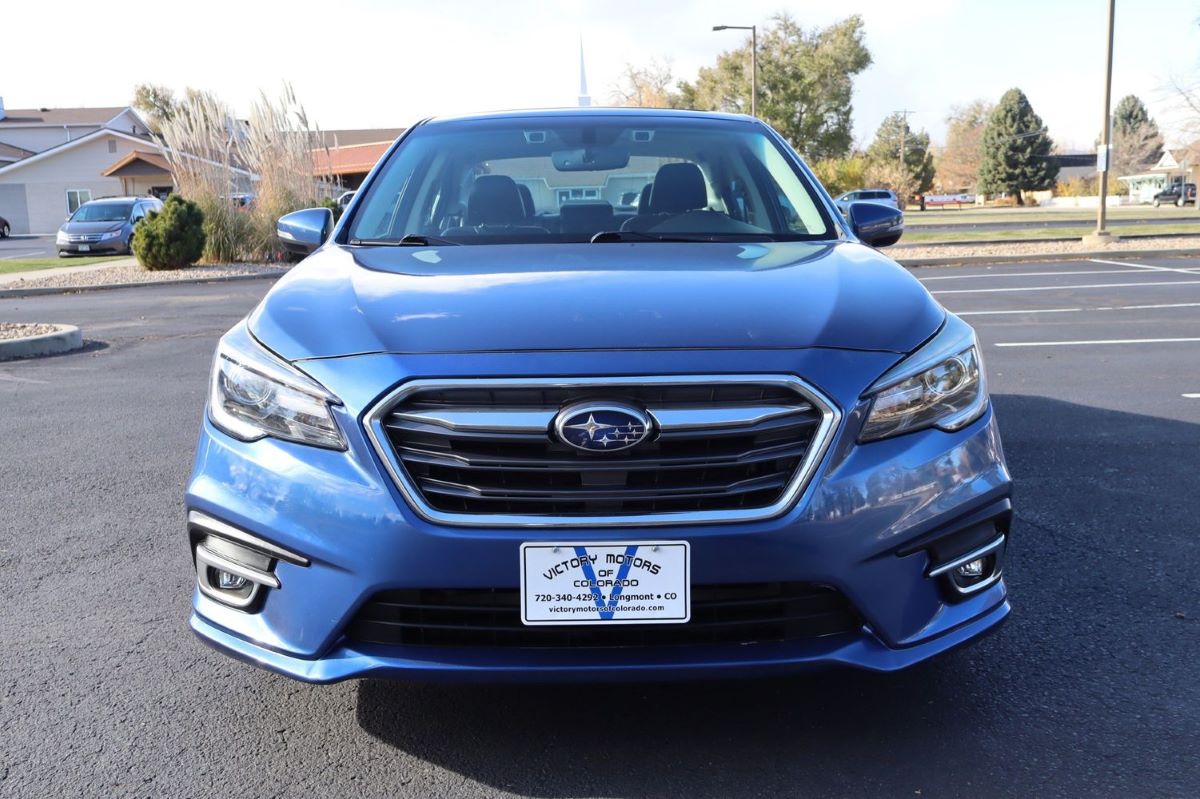
10. Subaru Legacy 3.6R
When enthusiasts think Subaru, they think WRX. The Legacy 3.6R could not be more different, which is why it’s so overlooked.
Powered by a smooth six-cylinder engine and paired with standard all-wheel drive, the 3.6R focused on refinement rather than rally theatrics.
In practice, the Legacy 3.6R is one of the most comfortable and confidence-inspiring sedans Subaru ever built.
It handles bad weather effortlessly, cruises quietly on the highway, and offers durability that appeals to long-term American owners. It won’t win style points or car-meet attention, but as a sleeper daily driver, it’s far better than its reputation suggests.
Sleeper cars reward patience, research, and independent thinking. In the U.S. market, where hype often inflates prices and expectations, these overlooked vehicles offer something increasingly rare: honest value.
They deliver real-world performance, comfort, or reliability without forcing buyers to pay for branding or trends.
Subaru has always marched to the beat of its own drum, gaining a reputation for sticking with all-wheel drive long before it was mainstream and for placing its distinctive horizontally opposed boxer engines under the hood.
Many U.S. buyers became devoted to this approach, which made it all the more notable when Subaru retired its flat-six engine option in mainstream sedans in 2019.
With that decision, the final Subaru Legacy 3.6R Limited marked the end of an era, not just for Subaru, but for four-door sedans with flat-six engines in general.
That engine type, known for its refinement, character, and unique soundtrack, disappeared from the mainstream entirely. For enthusiasts wanting to experience it, however, used examples of the Legacy 3.6R Limited remain available on dealer lots and auction sites, often for under $15,000.
The Legacy 3.6R Limited holds a unique place in automotive history as the last affordable sedan from a major OEM to feature a flat-six engine. While this layout was occasionally found in sports cars and specialty vehicles, few manufacturers offered it in everyday sedans. Subaru persisted, thanks to its focus on delivering capable all-weather traction combined with a practical, everyday package.
The 3.6-liter EZ36D engine produced 256 hp at 6,000 rpm and 247 lb-ft of torque. It offered a well-balanced character, a flat torque curve, and impressively low levels of vibration.
Paired with standard all-wheel drive, the 3.6R Limited also included a host of luxury features, such as heated leather seats front and rear, Subaru’s EyeSight active safety suite, and a Harman Kardon sound system, making it both a refined daily driver and a fitting swan song for Subaru’s flat-six sedan tradition.
Whether you’re shopping new or used, considering sleeper cars can stretch your budget further and give you something genuinely satisfying to own. They may not turn heads but for many American drivers, that’s exactly the point.