
San Francisco presents one of America’s most challenging urban driving environments, where the right vehicle can mean the difference between confident navigation and constant frustration.
This city’s legendary topography featuring hills with grades exceeding 30% combined with notoriously tight parking spaces, congested streets, and a unique blend of urban and coastal conditions creates a demanding test for any vehicle.
The vehicles that thrive here share common characteristics: compact dimensions for maneuvering narrow Victorian-lined streets, sufficient power to conquer steep inclines without strain, tight turning radiuses for U-turns on precipitous slopes, and manageable sizes for the city’s famously scarce parking spots.
Whether you’re climbing Filbert Street’s 31.5% grade, parallel parking on Russian Hill, or going through the tight corners of North Beach, your vehicle needs to be up to the task.
Conversely, certain vehicles that excel in other environments struggle dramatically in San Francisco’s unique world. Oversized SUVs scrape on steep driveways, long-wheelbase trucks can’t go through the tight corners, and underpowered economy cars labor dangerously on hills.
Understanding which vehicles work and which don’t isn’t just about convenience; it’s about safety, practicality, and preserving your sanity in one of America’s most geographically dramatic cities. Let’s explore the vehicles that master San Francisco’s challenges and those that should stay on flatter terrain.
5 Vehicles That Work in San Francisco
These exceptionally capable vehicles feature powerful engines and advanced hill-hold systems perfectly suited for going through the San Francisco’s legendary steep terrain, providing confident transportation through Russian Hill’s dramatic grades and Nob Hill’s challenging slopes without the rollback anxiety typically associated with underpowered vehicles on world-famous inclines.
Their thoughtful engineering includes robust braking systems and responsive powertrains that resist the overheating and clutch wear found in inadequate vehicles while handling daily Lombard Street navigation, tight Mission District parking, and constant stop-and-go traffic on steep California Street approaches.
1. Subaru Crosstrek
The Subaru Crosstrek has become a San Francisco staple for excellent reasons that go beyond its ubiquitous presence on city streets. This compact crossover strikes an ideal balance between capability and manageability that perfectly suits the city’s demanding conditions.
With dimensions of just 176 inches in length and 71 inches in width, the Crosstrek go through the tight streets with ease while providing enough interior space for daily practicality.
The standard all-wheel-drive system proves invaluable on San Francisco’s notoriously steep hills, particularly during the city’s occasional rainy periods when traction becomes critical.
The symmetrical AWD provides confident grip when accelerating uphill from stop signs on grades that would challenge two-wheel-drive vehicles. The 8.7 inches of ground clearance handles the city’s infamous potholes and prevents scraping on steep driveway transitions that plague lower vehicles.
Under the hood, the 2.5-liter boxer engine produces 182 horsepower not overwhelming on paper, but the continuously variable transmission keeps the engine in its power band when climbing hills.

The vehicle’s relatively light curb weight of approximately 3,300 pounds means this power proves adequate for confidently merging onto Highway 101 or climbing California Street without the concerning slowdown that plagues underpowered vehicles.
The Crosstrek’s 34.3-foot turning circle allows for tight U-turns on steep streets, essential when you miss a turn and need to double back without descending several blocks.
The rear visibility, enhanced by standard EyeSight safety features, makes parallel parking on sloped streets less stressful. The vehicle’s upright seating position provides excellent sight lines for going through the San Francisco’s challenging intersections where visibility can be obscured by parked vehicles and steep grades.
Perhaps most importantly, the Crosstrek’s fuel efficiency around 29 mpg combined keeps costs manageable in a city where gas prices consistently rank among the nation’s highest.
The compact size means you can actually find parking spots that larger vehicles must pass by, and the respectable cargo capacity handles everything from Costco runs to weekend trips to Tahoe. For San Francisco’s diverse needs, the Crosstrek delivers practical versatility without the bulk that creates problems in dense neighborhoods.
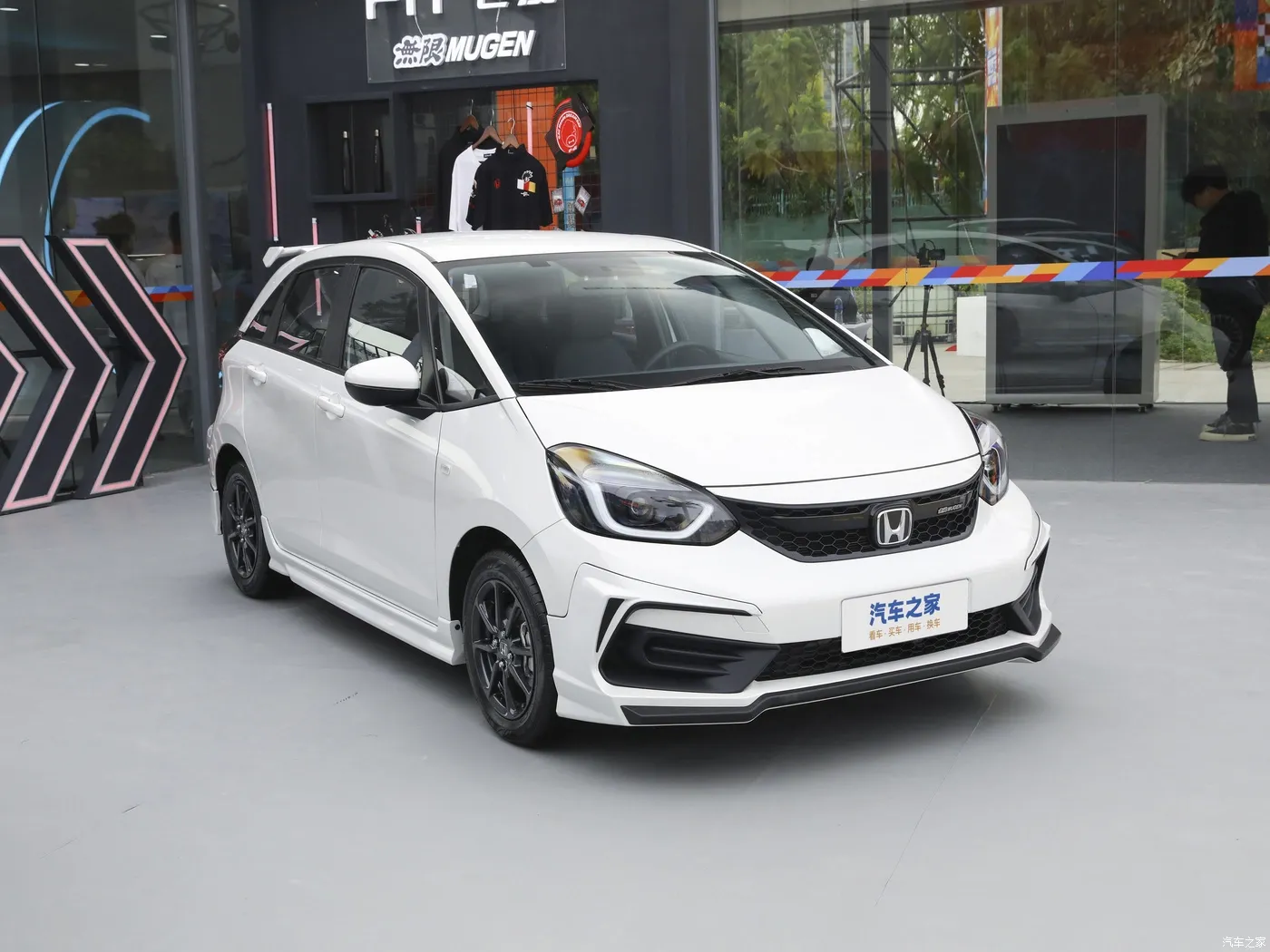
2. Honda Fit
The Honda Fit represents the ideal city car for San Francisco’s most congested neighborhoods, where every inch of space matters. At just 161 inches long and 67 inches wide, this subcompact hatchback slips into parking spaces that other vehicles can’t even consider.
The incredibly tight 34.4-foot turning radius makes three-point turns on steep streets like Lombard or going through the tight corners of Chinatown feel effortless.
Despite its diminutive exterior, the Fit’s ingenious “Magic Seat” system provides remarkable interior versatility. The rear seats fold flat, flip up, or recline, creating cargo configurations that shame many larger vehicles.
This matters in San Francisco, where residents frequently need to transport everything from furniture finds at the Alemany Flea Market to beach gear for Ocean Beach, all while living in apartments without storage space.
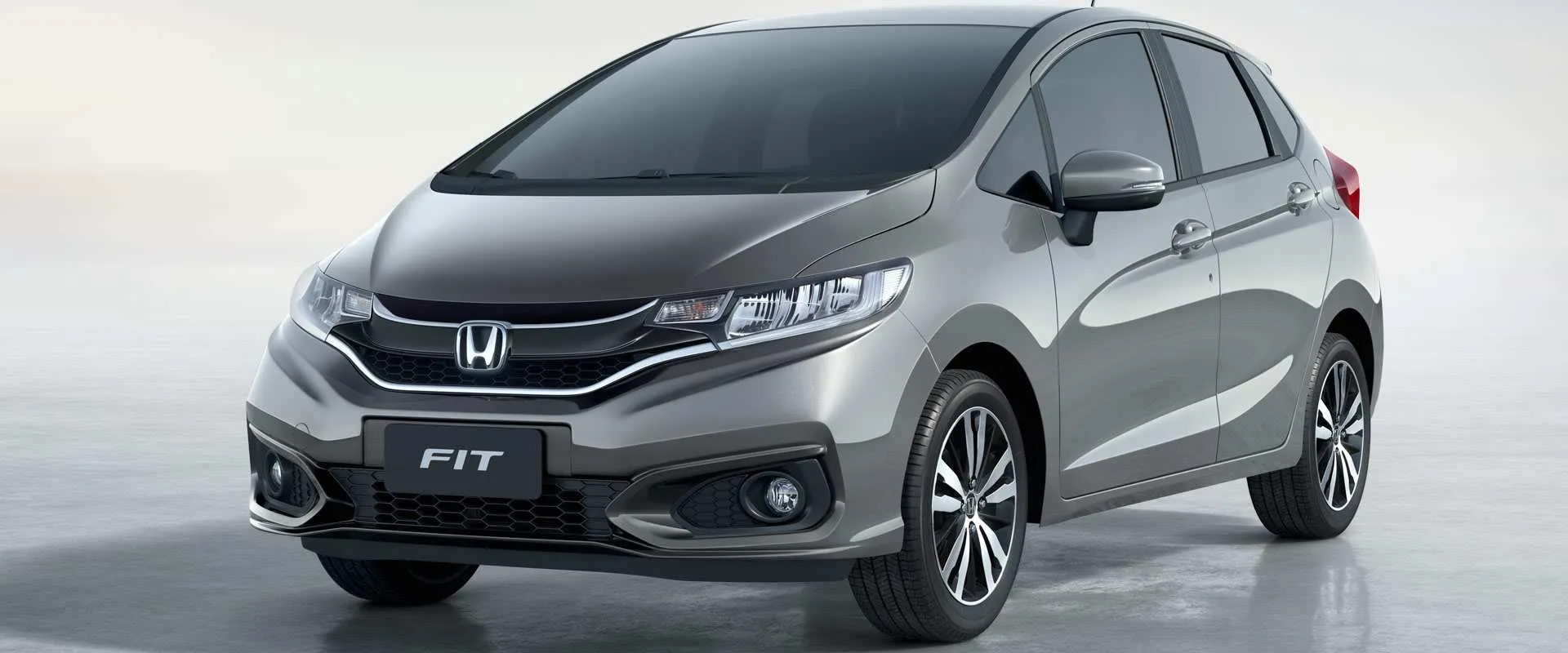
The 1.5-liter four-cylinder engine produces 130 horsepower, which sounds modest but proves surprisingly adequate for San Francisco’s hills thanks to the vehicle’s featherweight 2,500-pound curb weight.
The power-to-weight ratio means the Fit climbs Telegraph Hill or Russian Hill without the laboring, dangerous slowdown that affects heavier economy cars. The continuously variable transmission or available six-speed manual keeps the engine in its optimal range when climbing.
For residents of neighborhoods like the Mission, Hayes Valley, or Noe Valley, where parking competition is fierce and streets are narrow, the Fit offers practical transportation without the stress larger vehicles create. It’s proof that in San Francisco, smaller often means smarter.
3. Jeep Wrangler
The Jeep Wrangler might seem an unconventional choice for urban San Francisco, but this iconic vehicle possesses characteristics that make it surprisingly well-suited to the city’s challenging terrain.
The standard four-wheel-drive system with low-range gearing provides unmatched capability on San Francisco’s steepest inclines, treating 30-degree slopes as minor inconveniences rather than white-knuckle experiences.
The Wrangler’s approach and departure angles 41.4 and 35.7 degrees respectively on many models prevent scraping on steep driveways and dramatic street transitions that plague vehicles with lower ground clearance.
San Francisco residents know the frustration of scraping front bumpers or undercarriages on their own driveways; the Wrangler’s 10.8 inches of ground clearance and short overhangs eliminate this concern entirely.
The vehicle’s upright design and commanding seating position provide exceptional visibility, particularly valuable on San Francisco’s steep hills where intersections can appear suddenly as you crest a grade.
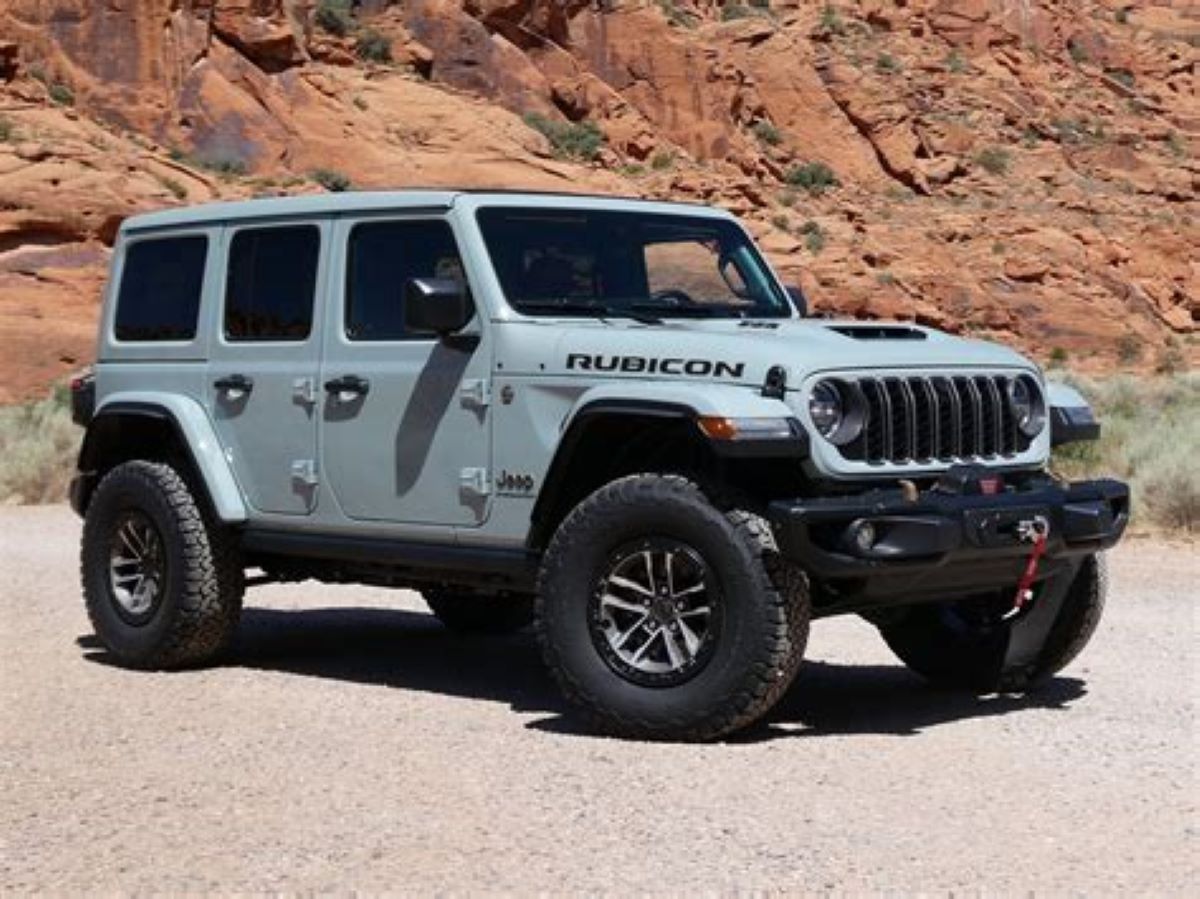
The removable doors and roof, while primarily designed for off-road adventure, create an open-air urban experience perfect for San Francisco’s mild climate and scenic views imagine cruising along the Embarcadero or through the Presidio with the top off.
Modern Wranglers offer surprisingly sophisticated interiors with technology features that belie their rugged appearance. The 3.6-liter V6 engine produces 285 horsepower, providing ample power for merging onto highways or confidently climbing from Pacific Heights to the Presidio.
The eight-speed automatic transmission keeps the engine efficient during highway cruising while maintaining power availability for steep climbs.
Parking challenges arise due to the Wrangler’s width and lack of sophisticated parking assist features, but the compact length of two-door models partially offsets this.
The vehicle’s cultural cachet in San Francisco’s outdoor-oriented community means it serves dual purposes: conquering city hills during the week and escaping to Muir Woods, Tahoe, or Point Reyes on weekends. For residents who value capability and weekend adventure without wanting multiple vehicles, the Wrangler offers compelling versatility that justifies its urban compromises.
4. Mini Cooper
The Mini Cooper represents quintessential San Francisco urban transportation, combining European charm with practical dimensions ideally suited to the city’s dense neighborhoods.
At approximately 151 inches long and 68 inches wide, the Mini slips into parking spaces that leave larger vehicles circling endlessly. This compact footprint proves invaluable in neighborhoods like North Beach, Russian Hill, or Pacific Heights where parking competition reaches absurd levels.
The Mini’s go-kart-like handling, characterized by precise steering and minimal body roll, makes going through the San Francisco’s twisting streets genuinely enjoyable rather than stressful.
The tight 35.6-foot turning circle allows for confident U-turns on steep grades, while the responsive steering provides excellent feedback for parallel parking on hills a skill every San Francisco resident must master.
Under the hood, even the base Cooper’s 1.5-liter turbocharged three-cylinder produces 134 horsepower, which combined with the vehicle’s approximately 2,600-pound curb weight, creates a surprisingly spirited power-to-weight ratio.
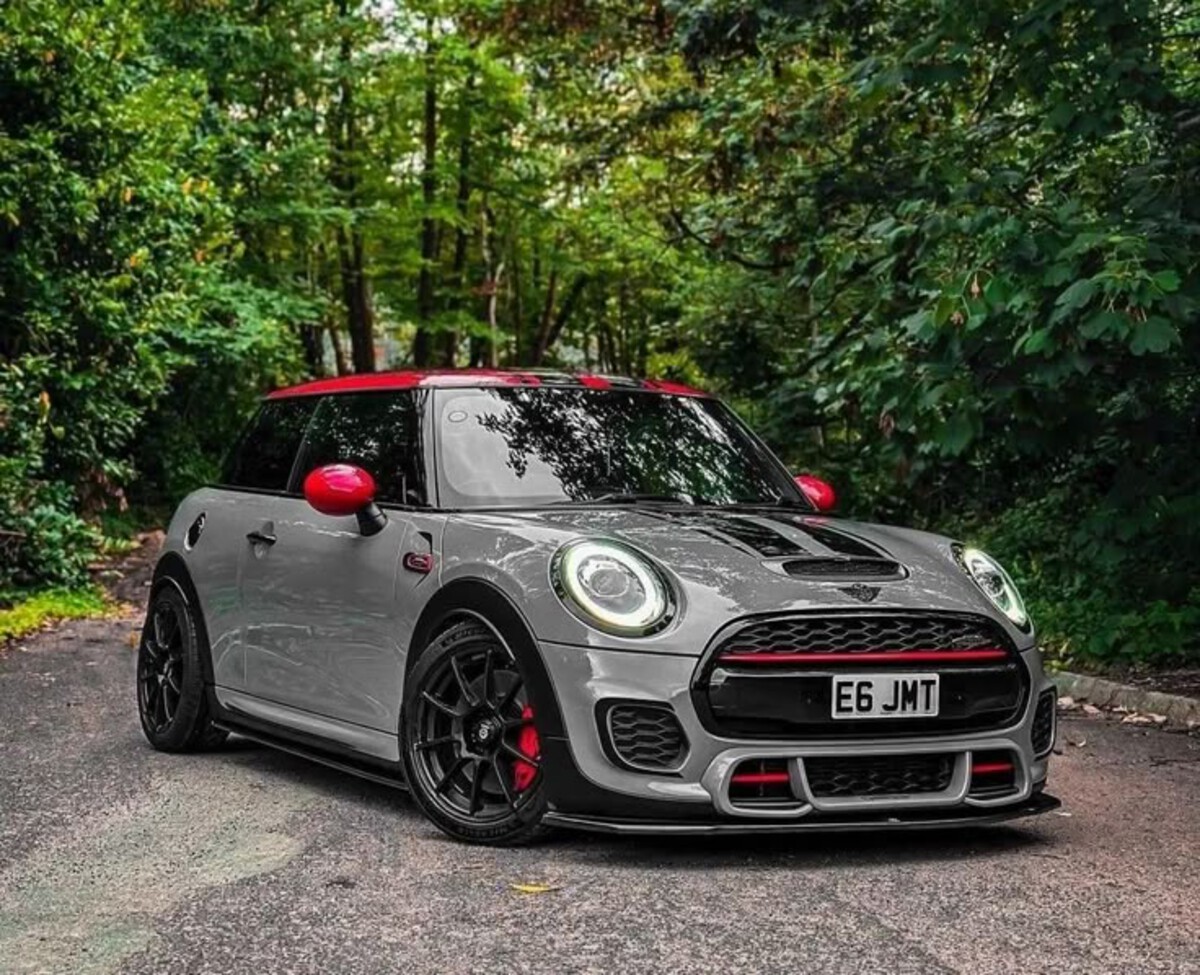
The Cooper S ups the ante with 189 horsepower from its 2.0-liter turbo four-cylinder, making it genuinely quick in urban situations. This power proves practical, not just fun merging onto Highway 101 from steep on-ramps or accelerating uphill from stop signs requires adequate power that the Mini delivers confidently.
The available six-speed manual transmission enhances the driving experience while providing precise control on hills, though the automatic transmission with steering-wheel-mounted paddle shifters offers convenience without sacrificing much engagement.
The manual’s hill-holder feature prevents rollback on steep grades, reducing the stress of stopped traffic on inclines. The Mini’s European heritage shows in fuel efficiency, achieving around 32 mpg combined, though premium fuel requirements increase operating costs slightly.
The distinctive styling instantly recognizable and infinitely customizable fits San Francisco’s individualistic culture. For urban professionals who prioritize driving enjoyment, parking ease, and distinctive style over space or off-road capa;bility, the Mini Cooper delivers an ideal San Francisco experience.
Also Read: 10 Quickest Electric Cars You Can Buy for Under $50,000
5. Toyota RAV4
The Toyota RAV4 has become a San Francisco mainstay, offering a practical balance of size, capability, and reliability that suits diverse needs across the city’s varied neighborhoods.
At 181 inches long and 73 inches wide, the RAV4 sits at the upper limit of what works comfortably in San Francisco, but its combination of features justifies the size for many residents.
The available all-wheel-drive system standard on many trims provides confident traction on steep hills and during San Francisco’s rainy season.
The 8.6 inches of ground clearance prevents scraping on steep driveways while remaining low enough for easy entry and comfortable highway driving.
The 2.5-liter four-cylinder engine produces 203 horsepower, adequate for confidently going through the city’s varied terrain without feeling underpowered on steep grades or highway on-ramps.
The RAV4’s interior space addresses a genuine San Francisco need: residents who lack garages or storage space require vehicles that can carry everything from Trader Joe’s hauls to camping gear for weekend escapes.
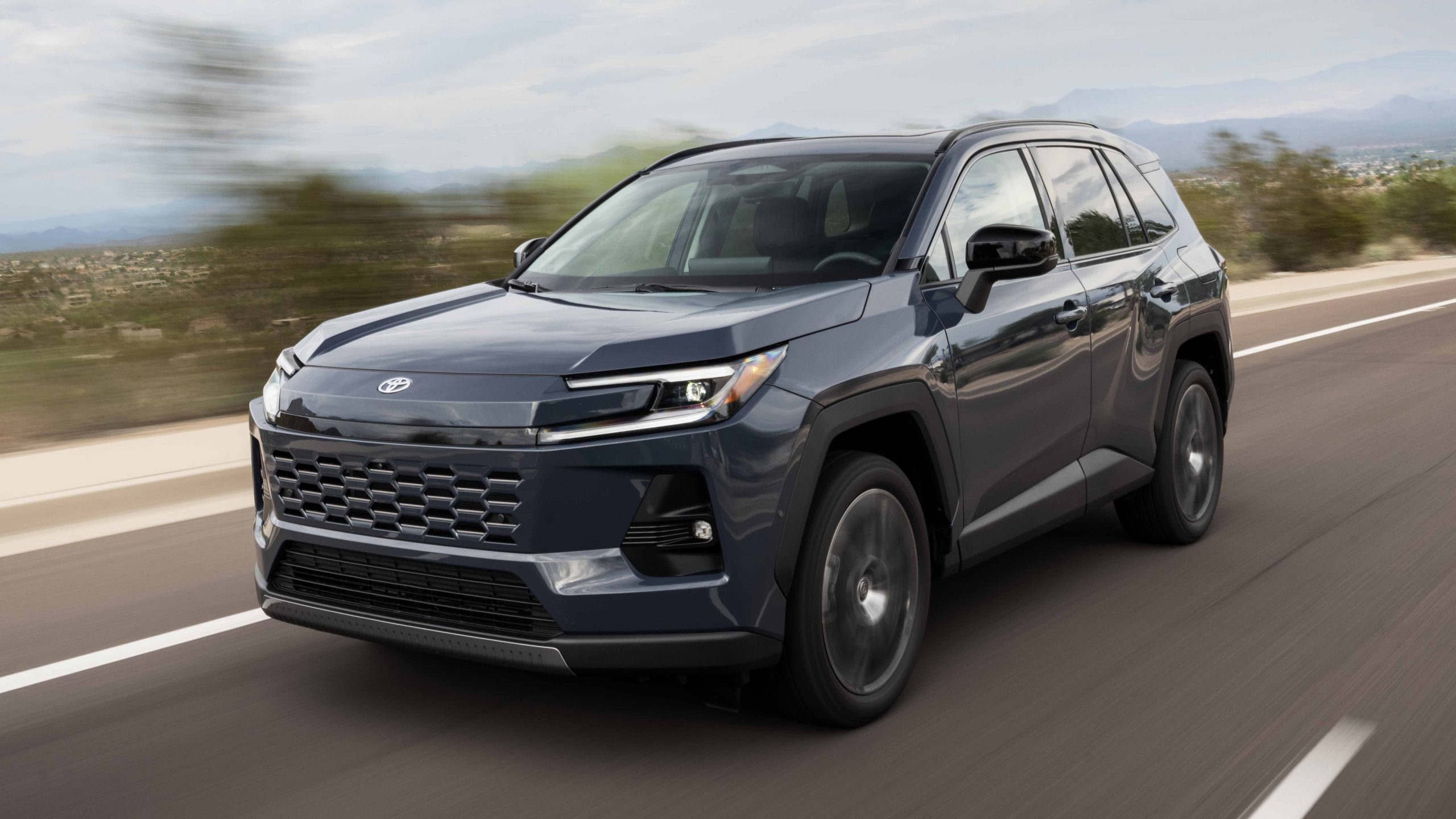
The 37.5 cubic feet of cargo space behind the rear seats expands to 69.8 cubic feet with seats folded, accommodating furniture purchases, airport runs with multiple passengers, or outdoor adventure equipment.
Toyota’s legendary reliability particularly matters in San Francisco, where street parking exposes vehicles to harsh conditions salt air from the ocean, frequent temperature fluctuations, and the wear of constant hill climbing.
The RAV4’s reputation for 200,000-plus mile longevity with minimal maintenance reduces the total cost of ownership, important in an expensive city where every dollar counts.
For San Francisco families, outdoor enthusiasts, or those who need genuine utility without the bulk of larger SUVs, the RAV4 represents a practical compromise that handles daily city driving while accommodating weekend adventures and legitimate cargo needs.
5 Vehicles That Can’t Keep Up
These dangerously inadequate vehicles suffer from underpowered engines and insufficient braking capacity that create terrifying experiences throughout San Francisco’s extreme topography, transforming routine errands into white-knuckle ordeals requiring constant worry about rolling backwards on steep residential streets crowding bumpers.
Their problematic engineering includes weak powertrains and overmatched brake systems that cannot handle SF’s relentless hills without overheating, leading to fade during descents, embarrassing rollbacks at stop signs on Russian Hill, and genuine fear attempting challenging grades that confident vehicles climb effortlessly.
1. Ford F-250 Super Duty
The Ford F-250 Super Duty represents capable truck engineering designed for towing and hauling, but San Francisco’s urban environment exposes every disadvantage of its massive proportions.
At approximately 250 inches long, 80 inches wide, and 81 inches tall in standard configurations, the F-250 creates constant challenges in a city designed for vehicles half its size.
Parking becomes a frustrating ordeal rather than a simple task. Standard San Francisco parking spaces measure around 18 feet long and 8 feet wide dimensions that leave the F-250’s 20-plus-foot length overhanging into traffic lanes or driveways.
Parallel parking on hills requires exceptional skill and often proves impossible without blocking driveways or fire hydrants. The truck’s width prevents fitting into many side-street spaces entirely, while the height makes going though the parking garages or residential driveways with low clearances impossible.
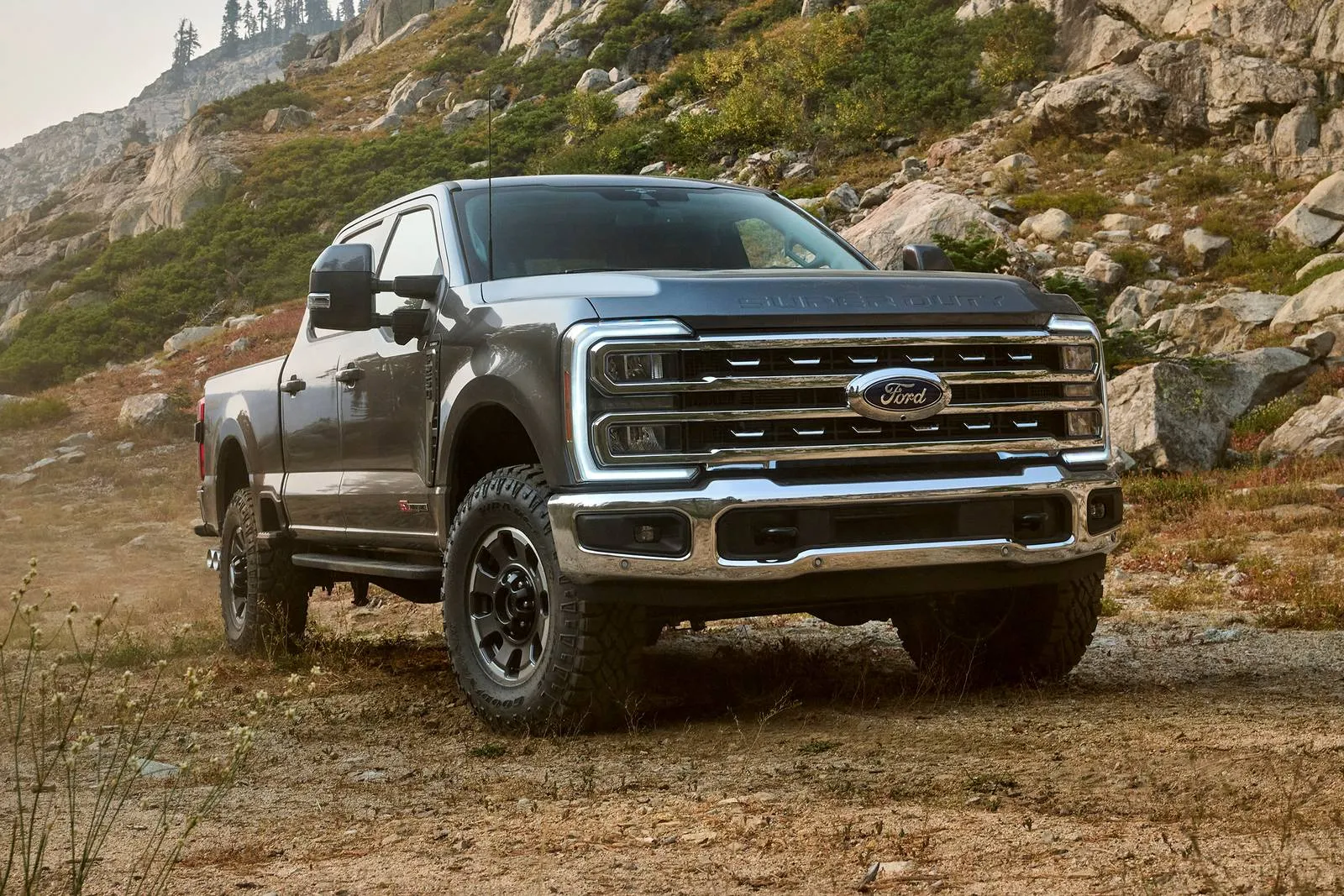
The 50-plus-foot turning circle means three-point turns often become five or six-point maneuvers on steep streets. Missing a turn requires descending multiple blocks to find an intersection wide enough to turn around.
Tight corners in neighborhoods like North Beach or Chinatown become nail-biting exercises in precision, often requiring stopping traffic in both directions while executing elaborate multi-point turns.
The F-250’s substantial curb weight over 6,500 pounds in many configurations combined with powerful diesel engines creates excessive wear on brake systems during constant downhill descents.
San Francisco’s topography means descending steep grades repeatedly, and the truck’s mass generates significant heat in brakes even with proper downshifting. This accelerates brake wear and creates potential safety concerns during extended descents.
For the rare San Francisco resident who genuinely needs F-250 capability contractors, boat owners, or those with legitimate towing requirements the truck’s urban compromises may be justified. But for the vast majority, the Super Duty represents impractical transportation that fights the city rather than working with it.
2. Chevrolet Suburban
The Chevrolet Suburban exemplifies full-size SUV engineering designed for highway comfort and maximum passenger capacity, but San Francisco’s compact neighborhoods expose the impracticality of its massive dimensions.
Stretching over 225 inches long, 81 inches wide, and 75 inches tall, the Suburban consumes space that simply doesn’t exist in much of San Francisco’s urban fabric.
Going through the narrow residential streets becomes an exercise in anxiety. Streets in established neighborhoods like Cole Valley, the Mission, or Richmond were designed when vehicles measured under 180 inches long and 70 inches wide.
The Suburban’s bulk leaves mere inches of clearance when passing parked cars, with the constant risk of side-mirror collisions. Two-way streets become effectively one-way when a Suburban meets opposing traffic, requiring one vehicle to find a gap in parked cars to allow passage.
The parking situation reaches absurd levels of difficulty. The Suburban’s length exceeds most San Francisco street parking spaces, forcing choices between blocking driveways or protruding into traffic.
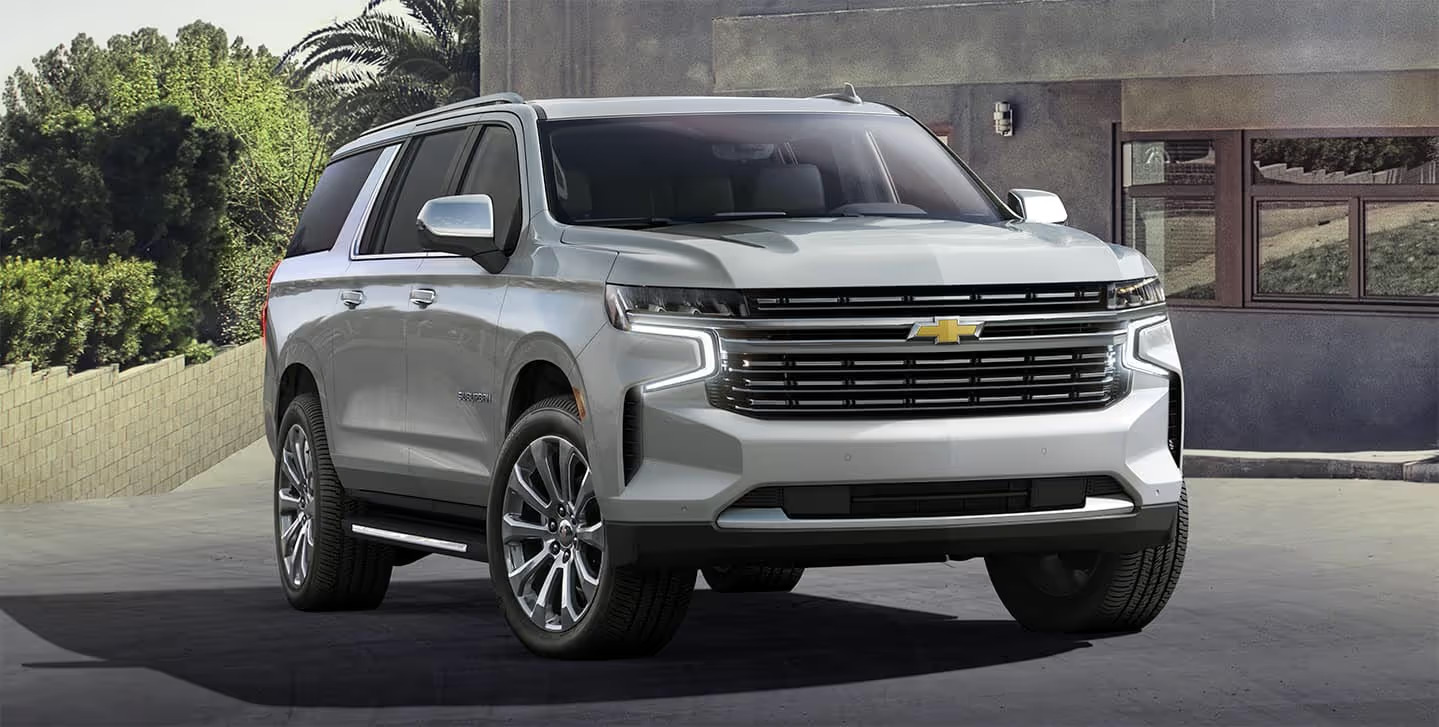
Parking garages present even worse challenges many older structures feature spaces designed for 1960s and 1970s vehicles. The Suburban physically won’t fit in many spaces, and attempting to go through the tight turns and ramps of structures like those in Chinatown or North Beach risks scraping expensive body panels.
The 43-foot turning radius means U-turns on steep streets require extraordinary space. Missing your intended turn doesn’t mean simply doubling back it means descending multiple blocks until finding an intersection wide enough to accommodate the Suburban’s turning requirements. In congested areas, these maneuvers block traffic in multiple directions, creating frustration for everyone.
Despite offering luxurious interior space and comfort, the Suburban’s practical disadvantages in San Francisco prove overwhelming. The rare family needing to transport seven passengers regularly might justify the compromises, but for most residents, the Suburban represents choosing the wrong tool for the job like bringing a yacht to go through the a creek.
3. Dodge Challenger
The Dodge Challenger embodies American muscle car heritage with impressive straight-line performance, but San Francisco’s vertical challenges and tight confines expose its fundamental unsuitability for urban use.
The Challenger’s 197-inch length and 75-inch width create a substantial footprint that struggles in compact spaces, while the long hood and low seating position create visibility challenges unique to the city’s topography.
The Challenger’s front overhang the distance from the front wheels to the nose proves particularly problematic on San Francisco’s steep inclines.
Cresting hills, the long nose disappears from view entirely, making it impossible to judge approaching intersections or pedestrians. Steep driveways become hazardous, with the front bumper scraping even on relatively modest grades. The low ground clearance around 5 inches guarantees contact with steep transitions throughout the city.
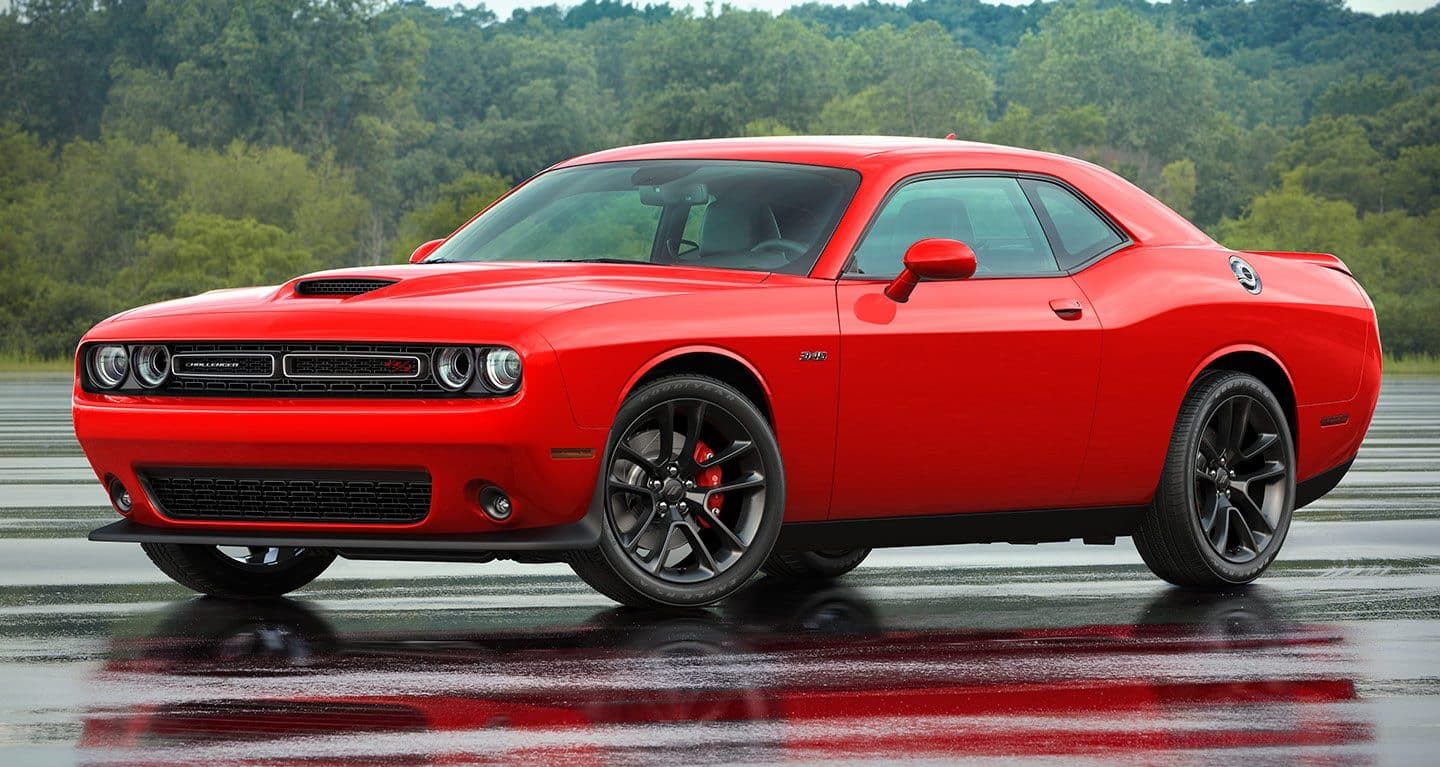
Visibility challenges extend beyond the long hood. The Challenger’s deliberately retro design features thick C-pillars and a high trunk line that severely limit rear visibility.
Parallel parking on hills a skill every San Francisco resident must master becomes unnecessarily difficult when you can’t see the space boundaries or approaching vehicles. The small rear window and limited backup camera view create blind spots that increase accident risk in crowded neighborhoods.
The weight-to-power equation works against city driving. Base V6 models feel adequately powered but still weigh over 3,800 pounds. V8 variants add power but also weight, with Hellcat versions exceeding 4,400 pounds.
This mass requires aggressive braking during downhill descents, leading to rapid brake wear and potential fade during extended descents like those from Twin Peaks or Potrero Hill.
The Challenger excels at its intended purpose: comfortable highway cruising and straight-line performance. In San Francisco’s environment of constant elevation changes, tight spaces, and urban congestion, however, it fights rather than flows with conditions, creating frustration where more appropriate vehicles deliver confidence.
4. GMC Yukon XL
The GMC Yukon XL represents the ultimate expression of full-size SUV philosophy maximum space, capability, and presence but San Francisco’s compact urban environment turns these strengths into overwhelming liabilities.
At 225 inches long, 81 inches wide, and 76 inches tall, the Yukon XL’s massive proportions create constant challenges in a city where space is perpetually scarce.
Parking transforms from a routine task into a major ordeal. The Yukon XL’s length exceeds the majority of San Francisco street parking spaces, forcing owners to either accept blocking driveways and traffic or search endlessly for rare oversized spaces.
Parallel parking on hills requires extraordinary skill the vehicle’s length means the front and rear must align perfectly with the slope while avoiding the vehicles ahead and behind.
The poor rear visibility, compromised by thick D-pillars and a high liftgate, makes judging distances difficult even with backup cameras.
Going through the residential neighborhoods designed a century ago creates constant anxiety. Streets in areas like Pacific Heights, Russian Hill, or the Sunset feature narrow lanes where the Yukon XL’s width leaves minimal clearance when passing parked cars.
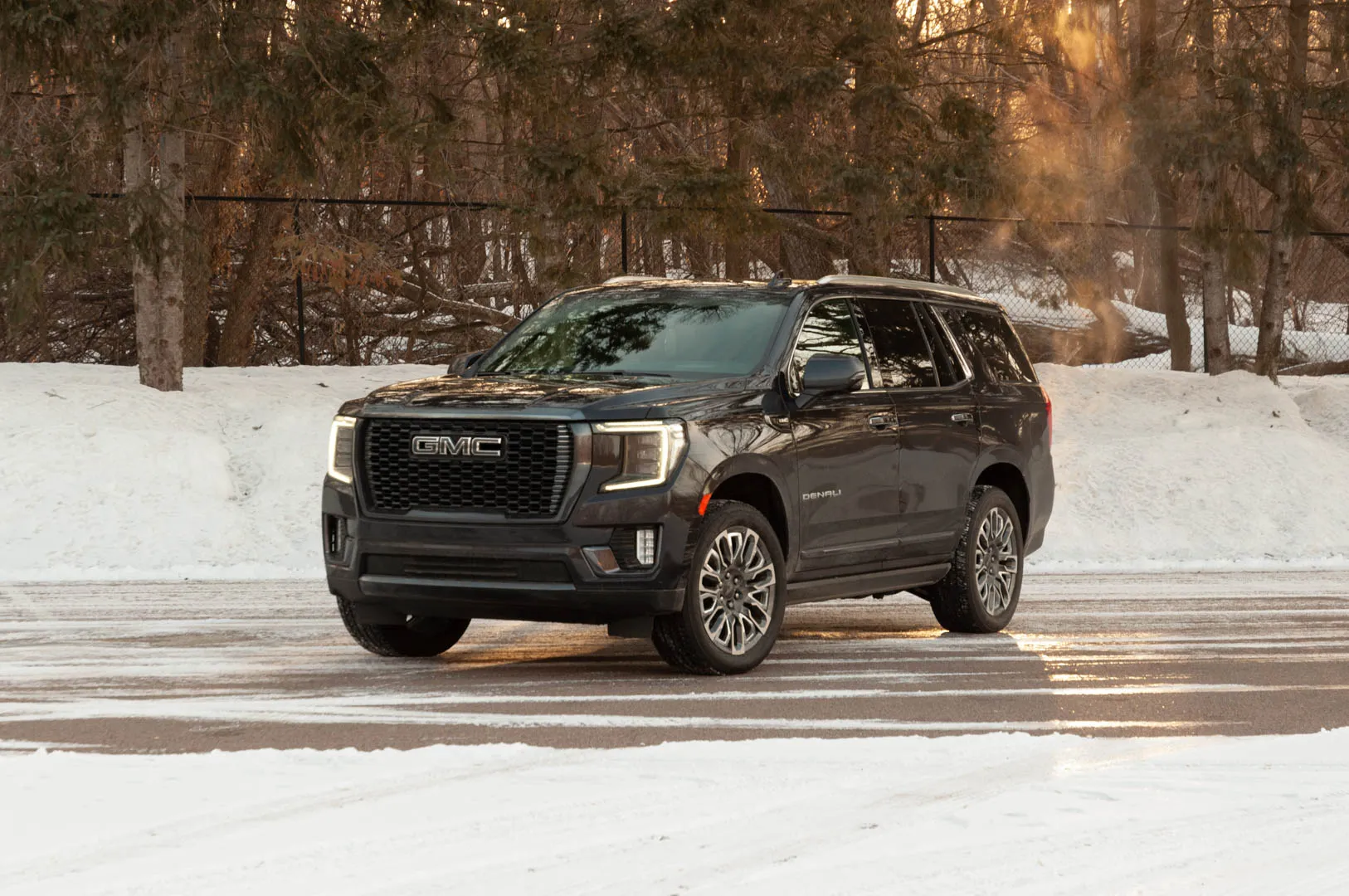
The side mirrors extend the effective width even further, creating constant risk of expensive mirror collisions. Two Yukon XLs meeting on a narrow two-way street creates an impasse requiring one to reverse potentially a full block to find space for passage.
The turning radius over 42 feet makes tight corners and U-turns nearly impossible on steep streets. Going throug the errors require descending multiple blocks to find intersections wide enough to turn around.
In congested areas like Chinatown or North Beach, the Yukon XL’s maneuvers block traffic in all directions, creating frustration and honking from other drivers, cyclists, and pedestrians.
The Yukon XL offers genuine utility for large families or those needing maximum cargo capacity, but San Francisco’s environment punishes these capabilities with constant practical challenges. For the vast majority of residents, the Yukon XL represents choosing form over function in an environment that demands the opposite priority.
5. Smart ForTwo
The Smart ForTwo appears ideally suited to San Francisco at first glance its 106-inch length makes it the ultimate parking champion, slipping into spaces other vehicles must ignore.
However, the city’s dramatic topography and highway requirements expose fatal flaws in the ForTwo’s minimalist design philosophy that make it genuinely unsafe for regular San Francisco use.
The most critical issue involves power or rather, the lack thereof. The ForTwo’s 0.9-liter turbocharged three-cylinder engine produces just 89 horsepower while hauling approximately 2,000 pounds.
This creates a dangerously inadequate power-to-weight ratio for San Francisco’s steep grades. Climbing hills like Filbert Street (31.5% grade), the ForTwo slows to a crawl, creating hazards for following traffic and potentially stalling mid-climb.
The vehicle labors audibly and alarmingly, with the transmission hunting for gears that don’t exist. Highway on-ramps present even more dangerous situations. Many San Francisco freeway entrances climb steeply while requiring merging into fast-moving traffic.
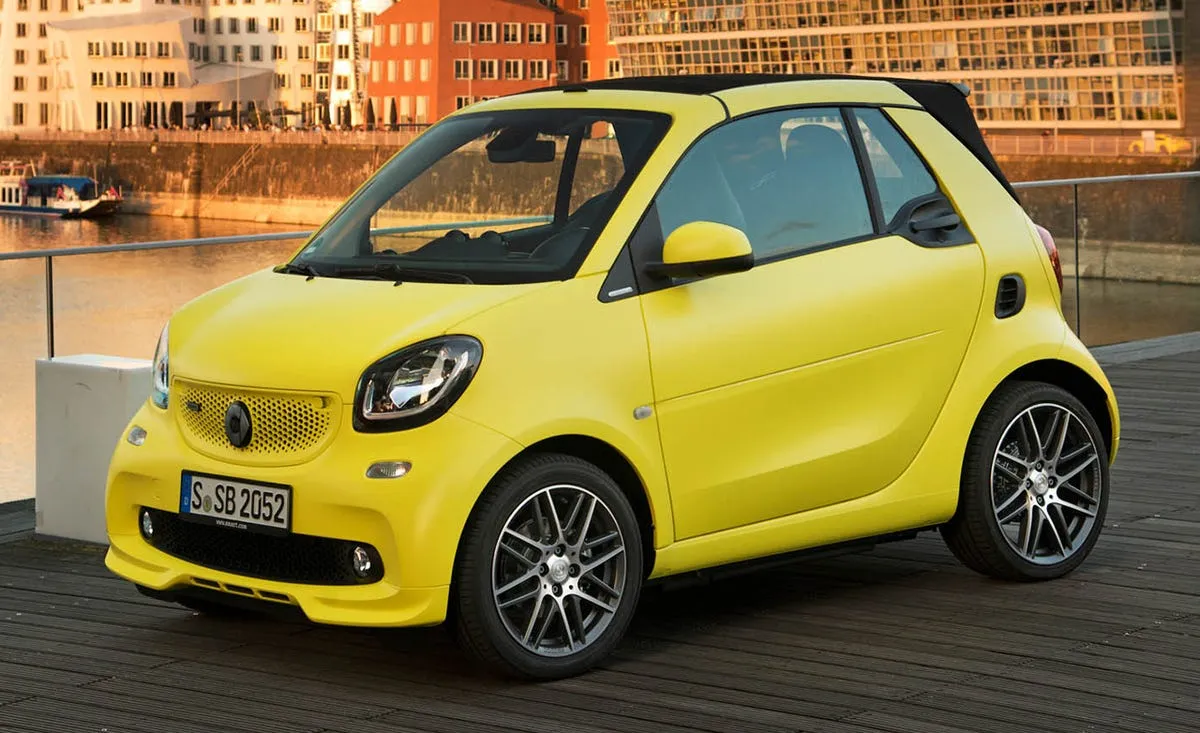
The ForTwo’s sluggish acceleration 0-60 mph takes approximately 10 seconds means insufficient speed for safe merging. On steep on-ramps, the situation becomes critical, with the ForTwo struggling to reach highway speeds while traffic approaches at 65+ mph. This creates genuine collision risks that make highway driving inadvisable.
The automated manual transmission compounds power problems with jerky shifts and hesitation during acceleration. On steep hills, the transmission’s tendency to pause between shifts creates momentary rollback, terrifying when stopped in traffic on a 25-degree slope.
The aggressive automatic stop-start system, designed to save fuel, creates additional stress by shutting off the engine at every stop, including on steep inclines.
While the ForTwo’s parking advantages are real fitting perpendicular into parallel spaces or occupying half of a standard space these benefits can’t overcome the fundamental safety and capability compromises.
San Francisco demands vehicles that can confidently climb steep grades, safely merge onto highways, and handle varied conditions. The ForTwo’s extreme minimalism proves that smaller isn’t always better when environment demands genuine capability over mere compactness.
Also Read: 10 Affordable Family Cars That Feel More Premium Than They Should
