
Going through the streets of Washington DC presents unique challenges that extend far beyond the typical urban driving experience. The nation’s capital operates under some of the most stringent and complex parking regulations in the United States, creating a demanding environment that separates practical vehicles from problematic ones.
From the narrow, historically preserved streets of Georgetown to the permit-only zones scattered throughout residential neighborhoods, DC’s parking world requires careful consideration when choosing a vehicle.
The District’s parking regulations are notoriously unforgiving. Street cleaning schedules change by ward, residential permit requirements vary by neighborhood, and size restrictions apply in numerous areas throughout the city.
Add to this the prevalence of compact parallel parking spaces, the abundance of height-restricted parking garages, and the reality that many DC rowhouses lack driveways or garages, and vehicle selection becomes a critical decision for residents and frequent visitors alike.
Understanding which vehicles thrive in this environment and which struggle can save drivers countless hours of frustration, hundreds of dollars in parking tickets, and the headache of circling blocks endlessly searching for legal parking.
The ideal DC vehicle combines compact dimensions for tight parallel parking, a tight turning radius for going through the narrow residential streets, reasonable fuel efficiency for stop-and-go traffic, and the ability to fit into the city’s often cramped parking garages with low clearance heights.
This comprehensive guide examines ten vehicles across the spectrum of DC parking compatibility. The first five vehicles represent intelligent choices for the capital’s demanding parking environment cars and compact SUVs designed with urban living in mind. These vehicles offer the maneuverability, size, and features that make daily parking in DC manageable rather than maddening.
The second five represent cautionary tales vehicles that may excel in other environments but create persistent challenges in DC’s unique parking ecosystem.
Whether you’re a new resident considering your first DC vehicle purchase, a commuter weighing your options, or simply curious about urban vehicle dynamics, understanding these distinctions will prove invaluable for anyone who regularly go through the Washington’s challenging parking world.
5 Vehicles That Handle DC Parking Rules Well
These exceptionally compact vehicles feature maneuverable dimensions and precise steering perfectly suited for going through the District’s strict parking regulations and limited street spaces, providing nimble transportation through Georgetown’s narrow colonial streets and Capitol Hill’s competitive residential permit zones without the size penalties typically violating DC’s tight parking restrictions.
Their practical engineering includes small footprints and tight turning radii that resist the citation frustrations found in oversized vehicles while fitting within legal parking spaces on Adams Morgan’s angled streets, squeezing into coveted spots near Dupont Circle Metro, and meeting residential parking permit requirements without exceeding zone-specific size limitations.
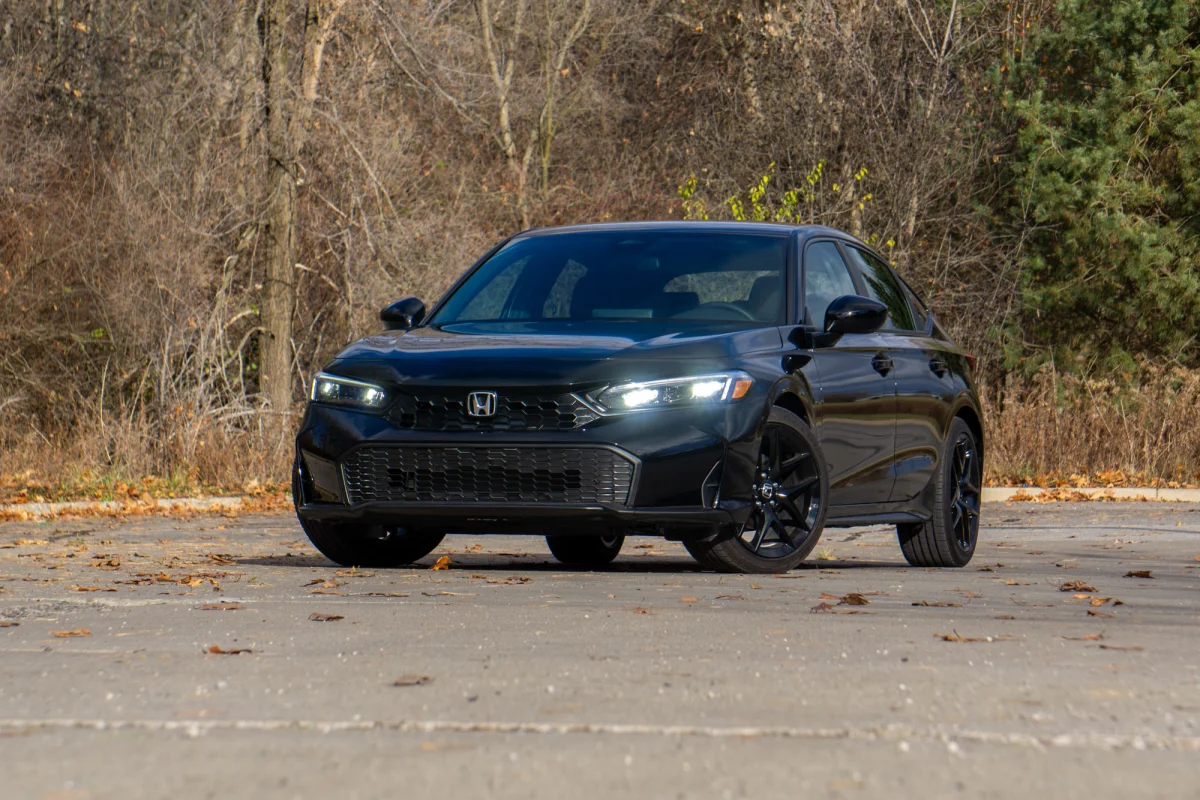
1. Honda Civic
The Honda Civic stands as perhaps the quintessential Washington DC vehicle, offering a masterful balance of compact dimensions and practical functionality that seems purpose-built for the capital’s demanding streets.
With an length of approximately 184 inches and a width of just 71 inches, the Civic slides into parallel parking spaces that leave larger vehicles circling the block indefinitely.
This compact footprint becomes immediately valuable on streets like those in Capitol Hill or Dupont Circle, where parking spaces often measure barely longer than the absolute minimum required by law.
The Civic’s tight turning radius of roughly 37 feet proves invaluable when executing the parking maneuvers that DC demands daily. Whether going through the tight corners of residential streets in Shaw or making quick adjustments while parallel parking on busy Connecticut Avenue, the Civic responds with an agility that reduces stress and saves time.
The vehicle’s excellent outward visibility, featuring slim A-pillars and well-positioned mirrors, allows drivers to judge distances accurately when squeezing into tight spots a critical advantage when every inch matters.
Beyond its physical dimensions, the Civic offers practical features that enhance the DC parking experience. The available backup camera and parking sensors, standard on most recent models, provide crucial assistance when maneuvering in tight quarters.
The car’s relatively low hood height improves forward visibility, making it easier to judge distance from vehicles ahead when parallel parking.
Additionally, the Civic’s impressive fuel efficiency, often exceeding 35 mpg in combined city and highway driving, helps offset the financial burden of DC’s high gas prices and the reality of frequent short trips and idling while searching for parking.
Perhaps most importantly, the Civic’s affordability makes it accessible to the broad spectrum of DC residents, from young professionals to families to retirees.
In a city with a high cost of living where parking violations can quickly accumulate, having a vehicle that naturally complies with the city’s spatial constraints without requiring premium pricing represents genuine practical value.
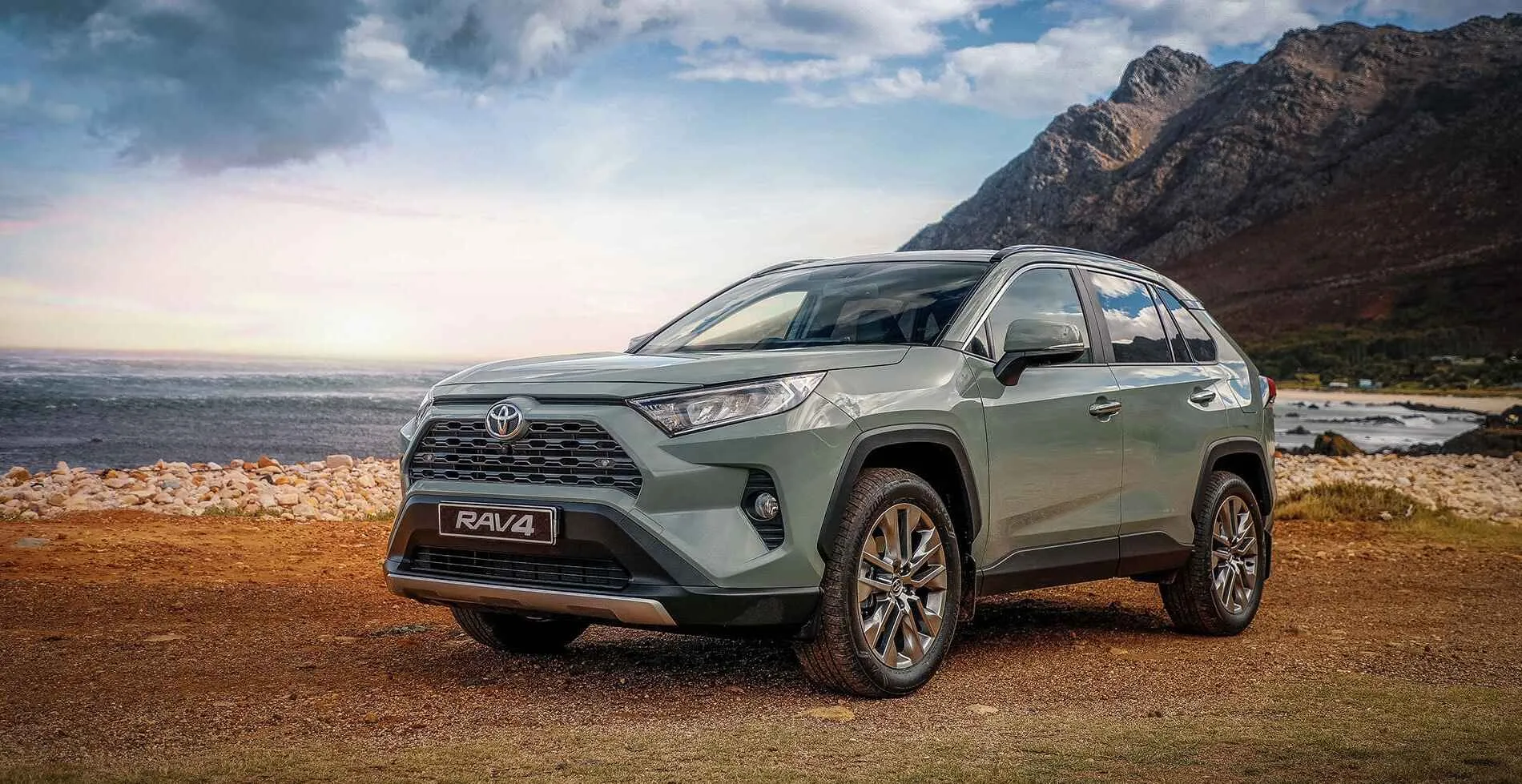
2. Toyota RAV4
The Toyota RAV4 represents the sweet spot for DC drivers who need more cargo capacity and versatility than a sedan provides while still maintaining reasonable urban maneuverability.
At approximately 181 inches long actually slightly shorter than many midsize sedans the RAV4 defies the assumption that SUVs are inherently problematic in urban environments.
Its 73-inch width adds only marginally to its footprint while providing the increased interior space that makes it practical for families or those who frequently transport equipment, groceries, or passengers.
What truly distinguishes the RAV4 in the DC context is its height profile of around 67 inches, which keeps it comfortably under the clearance restrictions of most downtown parking garages.
Many DC garages, particularly older structures in areas like Foggy Bottom or downtown business districts, impose height limits of 6 feet 8 inches or even 6 feet 6 inches.
The RAV4’s dimensions allow it to access these facilities without the anxiety that accompanies larger SUVs, providing crucial flexibility for drivers who work downtown or frequently visit areas where street parking is particularly scarce or prohibitively expensive.
The RAV4’s raised seating position offers significant advantages in DC’s dense traffic environment. The higher vantage point improves visibility over the countless delivery trucks, ride-share vehicles, and other obstacles that characterize city driving, making it easier to spot parking opportunities and go through the complex intersections.
This sight line advantage extends to parking situations, where being able to see over adjacent vehicles helps when pulling into or out of parallel spaces on busy streets.
The RAV4’s all-wheel-drive capability, available across the model range, provides practical benefits beyond typical SUV marketing. DC’s winter snow removal, while generally efficient on major arteries, often leaves residential streets and alley parking areas challenging to go through.
The added traction helps when parking spots require going through the unshoveled or icy sections, and provides peace of mind during the occasional significant snowfall that can leave vehicles stranded for days.
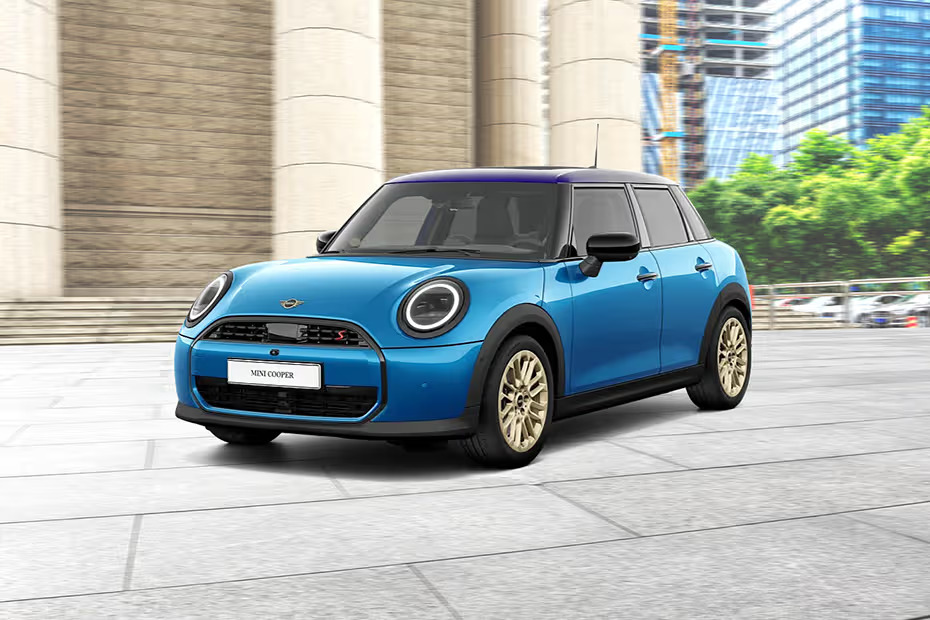
3. Mini Cooper
The Mini Cooper embraces its compact dimensions as a core identity, making it exceptionally well-suited to Washington DC’s parking challenges in ways that few vehicles can match.
At just 151 inches long and 68 inches wide, the Mini occupies significantly less space than virtually any other vehicle on the road, translating directly into parking advantages. Spaces that would be impossible for standard sedans become viable options, and spots that would be tight for most cars offer the Mini comfortable clearance on both ends.
The Mini’s diminutive size creates opportunities beyond simply fitting into smaller spaces. In neighborhoods like Georgetown, where residential streets date to the 18th and 19th centuries and were never designed for automobile traffic, the Mini go through the with a confidence that larger vehicles cannot match.
Its tight turning radius, among the best in the automotive industry, allows U-turns on narrow streets and quick repositioning when parallel parking attempts need adjustment.
This maneuverability extends to parking garages, where the Mini can often fit into compact spaces that other drivers avoid, and go through the tight spiral ramps of older structures without the constant anxiety of scraping wheels or mirrors.
Beyond its size, the Mini’s design philosophy incorporates features particularly valuable in urban environments. The vehicle’s short overhangs the portions extending beyond the wheels minimize the risk of bumper damage when parking on streets with curbs or when other drivers park extremely close.
The available parking assist technology, including rear-view cameras and sensors, compensates for the limited rear visibility inherent in the Mini’s design. Some models offer a creative solution to the perennial DC problem of finding dropped parking meters: extremely tight turning that allows repositioning without leaving a spot.
However, the Mini’s greatest advantage may be psychological. In a city where parking stress affects daily quality of life, driving a vehicle that naturally excels in tight spaces reduces anxiety and saves time.
The confidence that comes from knowing you can handle parking situations that would challenge other vehicles transforms the driving experience from perpetual frustration to manageable routine.
4. Subaru Crosstrek
The Subaru Crosstrek occupies a unique niche in the DC vehicle world, offering compact crossover versatility within dimensions that remain city-friendly. At 176 inches long and 71 inches wide, the Crosstrek maintains a footprint similar to compact sedans while providing the cargo flexibility and ground clearance that appeal to active DC residents who venture beyond city limits on weekends.
This dual-purpose capability resonates in a city where many residents seek outdoor recreation in nearby Shenandoah National Park, Western Maryland, or Virginia’s Blue Ridge Mountains.
The Crosstrek’s 67-inch height keeps it compatible with most DC parking garage clearances, a critical consideration often overlooked until a driver finds themselves unable to access their workplace parking or a desired shopping destination.
This dimension represents careful engineering tall enough to provide useful ground clearance and the raised seating position that many drivers prefer, yet low enough to avoid the access restrictions that plague taller SUVs in urban environments.
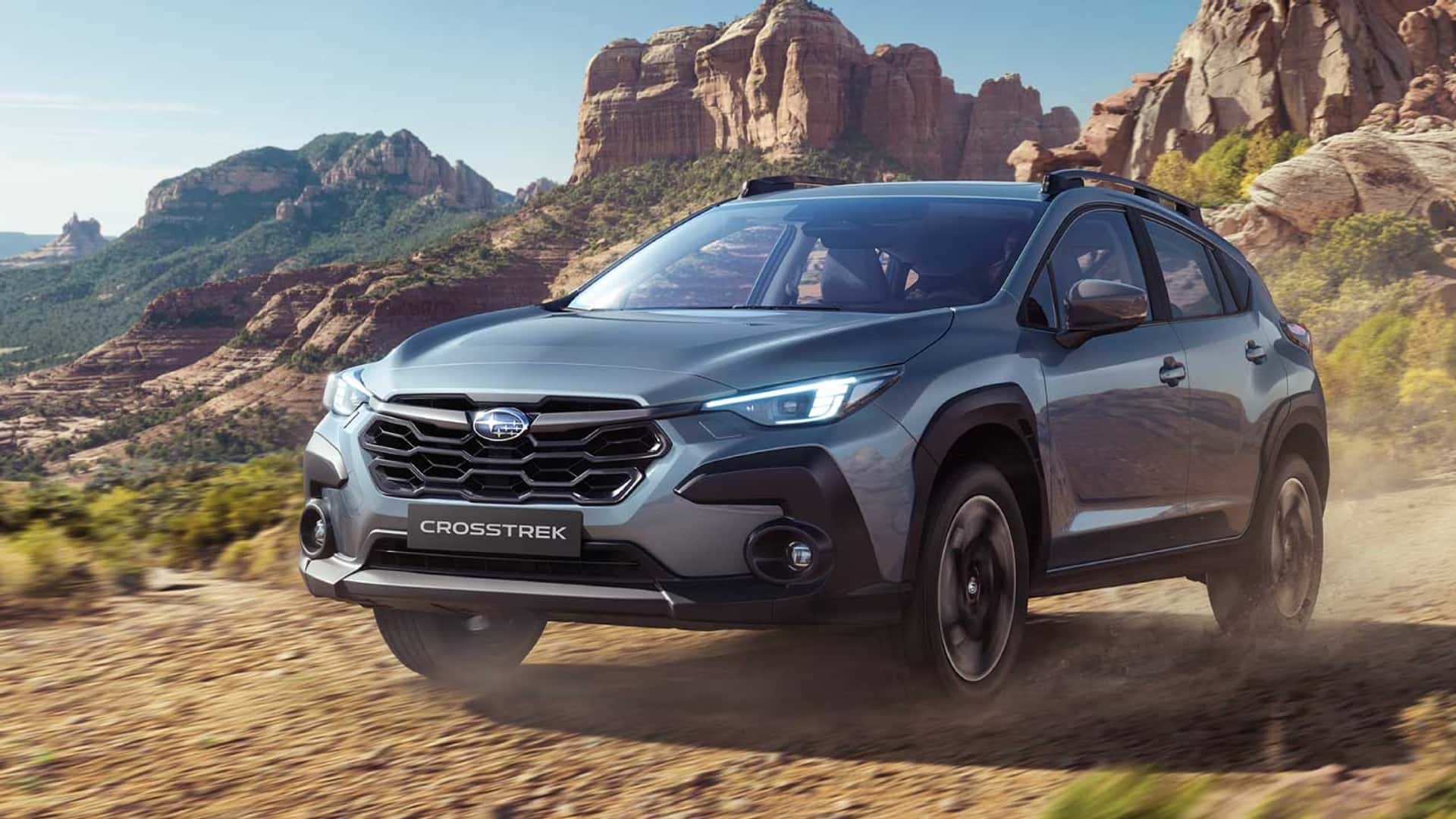
Subaru’s standard all-wheel-drive system provides tangible benefits in DC’s varied conditions. While the city generally handles snow removal efficiently, residential streets and especially alley parking areas can remain challenging for days after significant snowfall.
The Crosstrek’s additional traction helps when going through the unplowed sections to reach parking spots, and the increased ground clearance of 8.7 inches proves valuable when encountering snow berms, poorly maintained alley surfaces, or the occasional significant pothole that characterizes DC streets after harsh winters.
Modern Crosstrek models incorporate Subaru’s EyeSight driver assistance technology, which includes features particularly useful in urban parking scenarios.
The rear-view camera with dynamic guidelines helps judge distance when parallel parking, while rear cross-traffic alert warns of approaching vehicles when backing out of perpendicular spaces in crowded parking lots. These technologies reduce the stress and risk associated with parking in environments where pedestrians, cyclists, and other vehicles create constant activity.
Also Read: 9 V6 Sports Cars We’d Choose Over V8s Without Hesitation
5. Volkswagen Golf
The Volkswagen Golf represents European compact design sensibility applied to American urban environments, creating a vehicle that excels in DC’s parking ecosystem while offering a refinement level that appeals to the city’s educated, professional demographic.
At approximately 168 inches long, the Golf maintains genuinely compact dimensions increasingly rare in a market that continues trending toward larger vehicles. This size discipline translates directly into parking advantages on streets where every inch of curb space sees competition.
The Golf’s hatchback design maximizes interior utility within its compact footprint, providing cargo flexibility that rivals small SUVs while maintaining the maneuverability advantages of a true compact car.
The rear seats fold flat to create a surprisingly spacious cargo area, accommodating weekend getaways, large shopping trips, or the equipment associated with DC’s active lifestyle culture. This versatility proves valuable in a city where many residents forgo vehicle ownership entirely unless a car can serve multiple purposes efficiently.
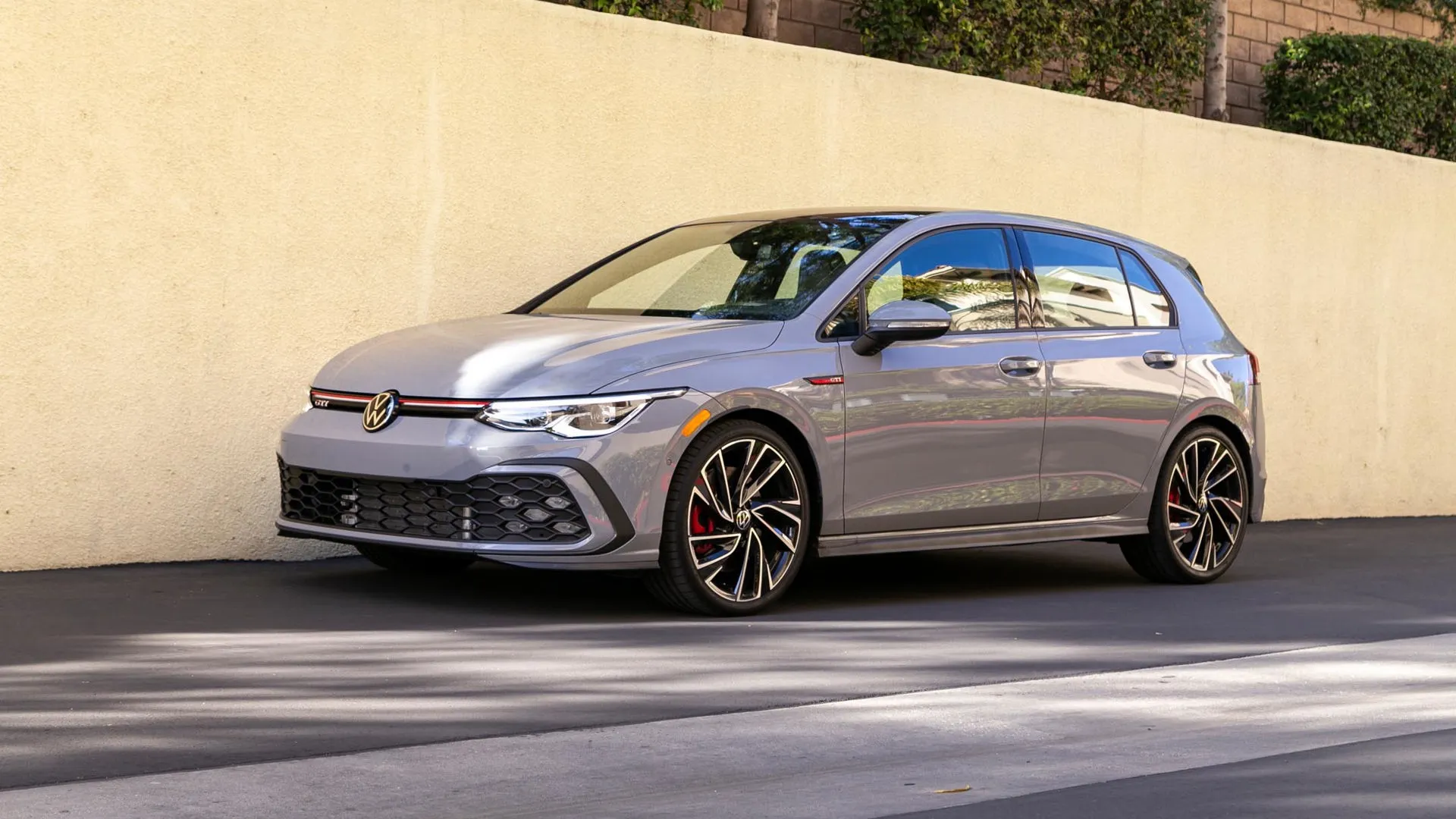
Volkswagen’s attention to driving dynamics shows in the Golf’s responsive steering and well-tuned suspension, creating a vehicle that makes going through the tight parking situations feel precise and controlled rather than uncertain and stressful.
The tight turning radius facilitates the constant adjustments and repositioning that characterize parallel parking in spaces that offer minimal margin for error.
The vehicle’s excellent outward visibility, featuring relatively slim pillars and well-positioned mirrors, allows drivers to judge distances accurately when maneuvering in tight quarters. The Golf’s refined interior and quieter cabin provide quality-of-life benefits that extend beyond simple transportation.
In a city characterized by professional achievement and educated residents, the Golf’s upscale feel and European engineering pedigree offer psychological satisfaction alongside practical functionality, making it a vehicle owners feel good about rather than simply accepting as transportation necessity.
5 Vehicles That Struggle With DC Parking Rules
These frustratingly oversized vehicles suffer from excessive dimensions and poor maneuverability that create constant parking violations throughout DC’s strictly enforced zones, transforming routine errands into citation nightmares and towing risks as vehicle sizes exceed permitted dimensions for residential parking or block protected bike lanes triggering automatic camera fines.
Their problematic characteristics include lengths exceeding zone size limits and widths that cannot avoid DC’s aggressive bike lane enforcement, leading to expensive parking tickets arriving by mail, inability to qualify for residential parking permits in size-restricted neighborhoods, and constant anxiety about DPW towing during street cleaning or snow emergency enforcement.
1. Ford F-150
The Ford F-150, America’s bestselling vehicle and an icon of utility and capability, becomes a significant liability in Washington DC’s parking environment despite its excellence in other contexts.
At approximately 232 inches long and 80 inches wide measurements that can increase further with extended cab and bed configurations the F-150 occupies nearly 30% more length than a compact sedan and presents width that makes narrow DC streets genuinely challenging to go through. This substantial footprint transforms routine parking into a recurring frustration.
Parallel parking an F-150 on typical DC residential streets requires finding spaces that simply don’t exist with any frequency. The truck’s length demands openings that can accommodate its extended wheelbase, and even when suitable spaces appear, executing the parking maneuver requires skill and patience.
The high beltline and relatively poor rearward visibility, characteristics inherent to truck design, make judging distances difficult when backing into spaces.
While backup cameras help, they cannot fully compensate for the limited sight lines created by the truck’s design. The result is that parallel parking becomes a time-consuming process rather than the quick maneuver possible with more appropriately sized vehicles.
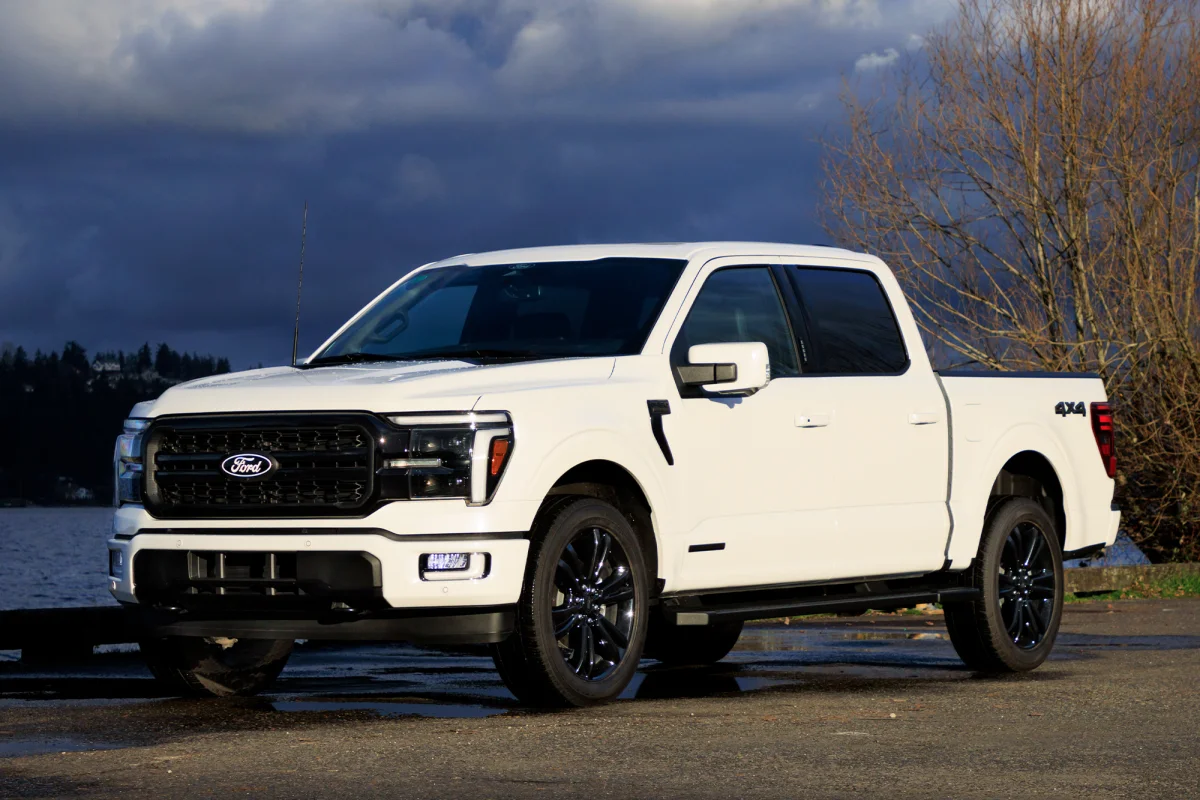
The F-150’s height presents another layer of difficulty. Most models stand 75 to 77 inches tall, exceeding the clearance limits of many downtown DC parking garages.
Older garages, particularly those in historic districts or built before modern vehicle size inflation, often impose height restrictions of 6 feet 8 inches or even 6 feet 6 inches.
This limitation eliminates entire parking facilities as options, forcing F-150 drivers to search for street parking or drive to more distant modern garages with higher clearances. In practical terms, this means many downtown destinations become significantly less accessible.
From a financial perspective, the F-150’s poor fuel economy typically in the high teens for city driving compounds the cost of DC vehicle ownership. In a city where much driving consists of short trips, frequent stops, and extended periods searching for parking with the engine running, fuel consumption becomes noticeably expensive.
When combined with DC’s already high gas prices and the reality of paying for parking in many situations, operating an F-150 in the city becomes financially punishing for transportation that could be accomplished more efficiently with smaller vehicles.
2. Chevrolet Suburban
The Chevrolet Suburban represents the extreme end of passenger vehicle dimensions, making it perhaps the single most problematic choice for regular DC parking.
At over 225 inches long and 81 inches wide, the Suburban occupies more road space than many studio apartments in DC occupy living space. This massive footprint creates cascading problems in an urban environment designed around vehicles from an era when SUVs this size didn’t exist for civilian purposes.
Finding parallel parking spaces that can physically accommodate a Suburban on DC streets approaches impossibility in most neighborhoods. The vehicle’s length exceeds the available curb space in the vast majority of situations, forcing drivers to either double-park illegally, park in prohibited zones like crosswalks or fire hydrants, or simply give up and search elsewhere.
Even when suitable spaces exist, the Suburban’s long wheelbase and limited turning radius make executing parallel parking maneuvers extremely difficult.
The combination of poor rearward visibility through a cabin that extends more than 18 feet behind the driver and the need to position a vehicle this size precisely within tight confines creates a parking experience characterized by stress and frequent failure.
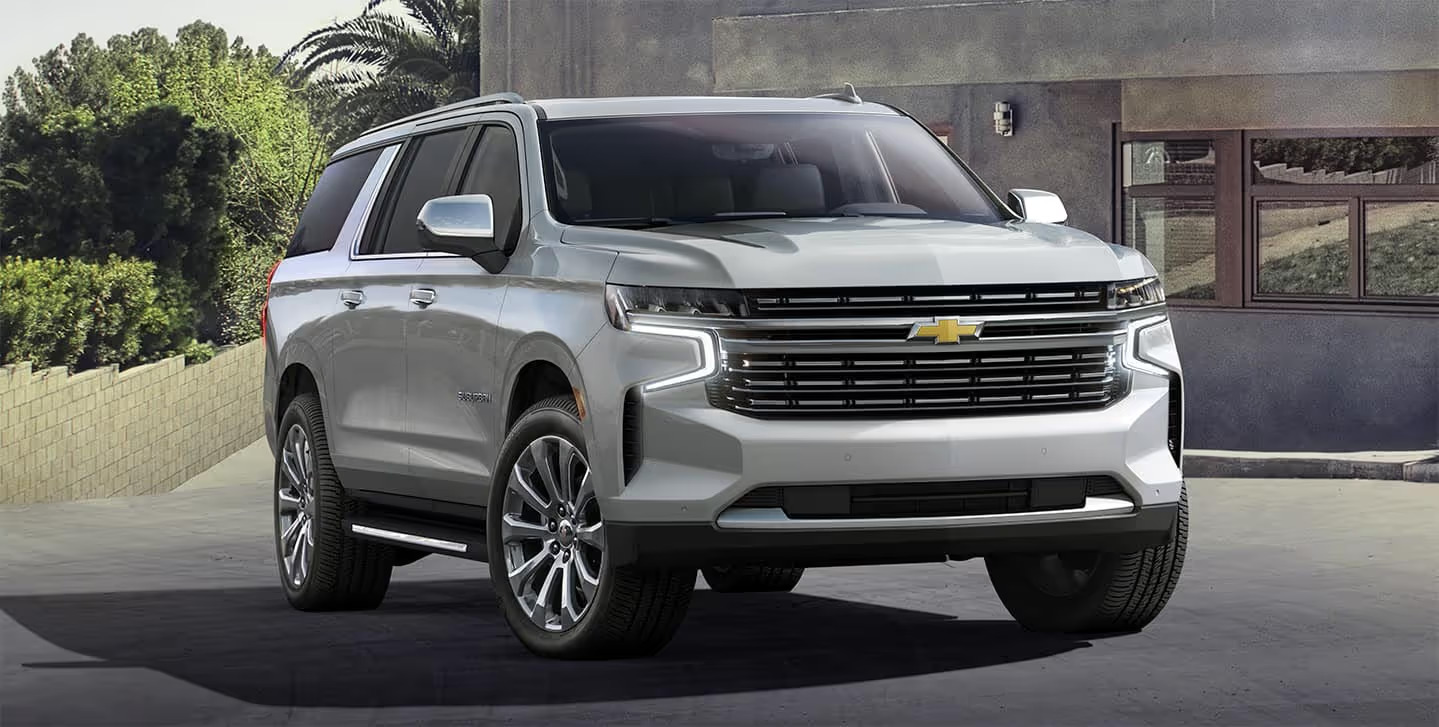
The Suburban’s height of approximately 75 inches eliminates access to a significant percentage of DC’s parking infrastructure. Many garages, particularly downtown and in older commercial districts, simply cannot accommodate vehicles this tall.
This restriction extends beyond simple inconvenience it fundamentally limits where Suburban drivers can realistically visit without planning extensively around parking availability.
Medical appointments, dining, shopping, and cultural activities all require advance research to identify parking options, transforming spontaneous city living into a logistical challenge.
The Suburban’s fuel consumption, typically in the low to mid-teens for city driving, represents another significant negative. In DC’s stop-and-go traffic, where average speeds rarely exceed 20 mph and much time is spent idling while searching for parking, fuel efficiency suffers even more dramatically.
The financial cost of operating a vehicle this inefficient in urban conditions becomes substantial, particularly for residents making frequent short trips where the Suburban never reaches optimal operating temperature or efficiency.
3. Ram 2500
The Ram 2500 exemplifies heavy-duty pickup trucks that, while excellent tools for specific work purposes, create persistent challenges in DC’s urban parking environment.
At around 242 inches long and up to 82 inches wide depending on configuration, the Ram 2500 exceeds even standard full-size pickup dimensions.
When equipped with extended cabs, long beds, or towing mirrors, the truck becomes truly massive a vehicle designed for construction sites, farms, and heavy hauling rather than city streets designed for Model T Fords.
The Ram 2500’s weight and dimensions exceed the parameters of many DC parking regulations and facilities. Some residential streets and older parking garages post weight limits that heavy-duty trucks surpass, creating legal ambiguity about whether parking is permitted at all.
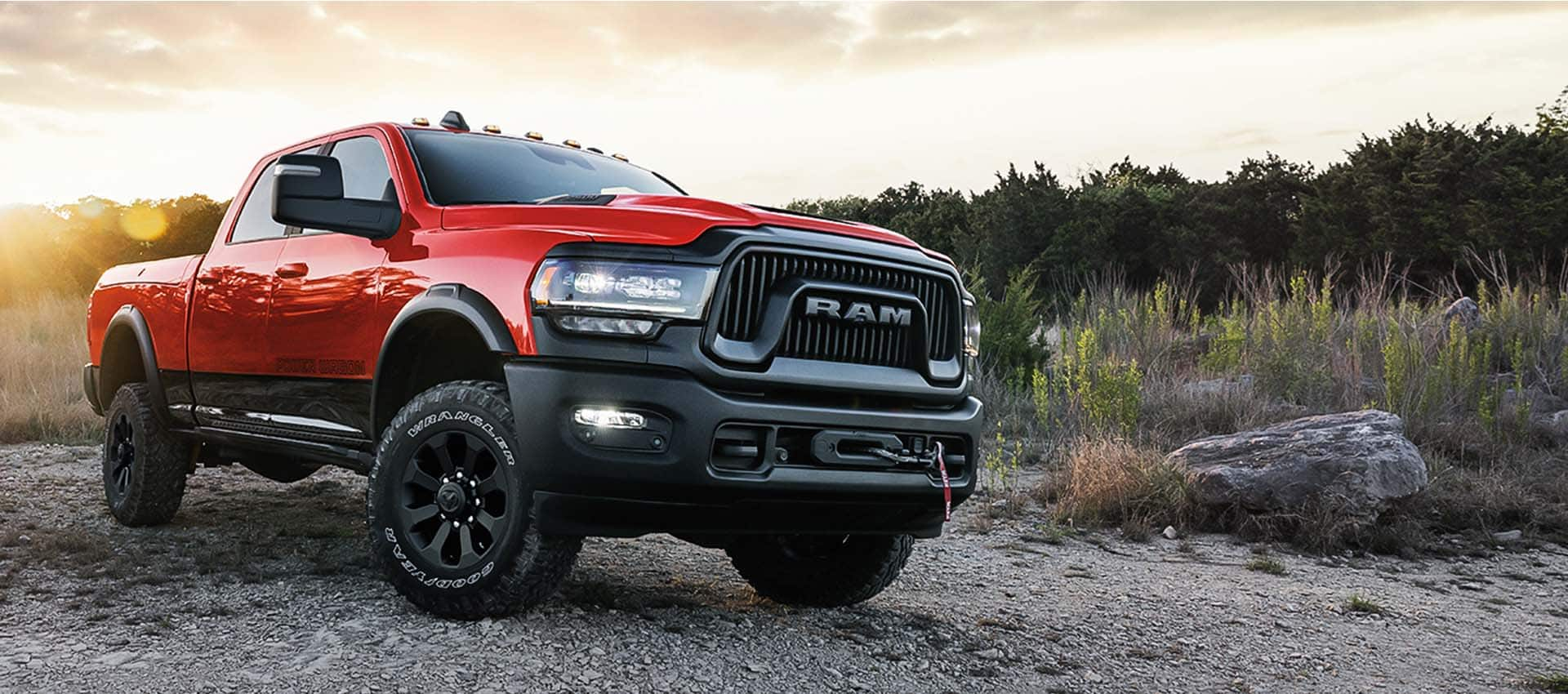
The truck’s height, often exceeding 78 inches, eliminates virtually all downtown parking garages as options, forcing drivers to rely exclusively on street parking in areas where curb space is precious and heavily competed for. This limitation effectively makes many DC destinations inaccessible without extensive planning.
From a practical standpoint, few DC residents genuinely need a heavy-duty truck’s capabilities. The city’s economy centers on government, professional services, technology, and hospitality rather than industries requiring serious towing or hauling capacity.
Residents who own Ram 2500s in DC typically do so for recreational purposes towing boats or campers on weekend trips meaning they endure daily urban parking challenges for capability used occasionally, a trade-off that makes little practical sense.
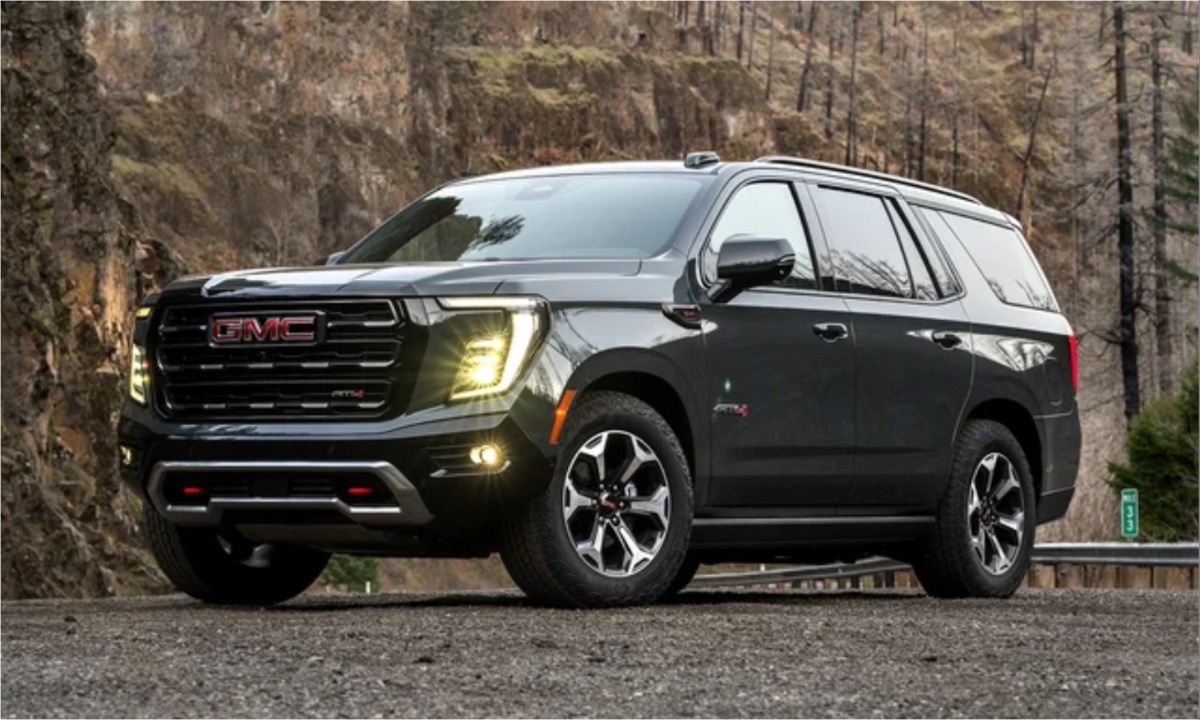
4. GMC Yukon XL
The GMC Yukon XL extends the already substantial Yukon platform to create a vehicle that prioritizes passenger and cargo space over any consideration of urban maneuverability.
At approximately 225 inches long, 81 inches wide, and 76 inches tall, the Yukon XL occupies a footprint that strains DC’s parking infrastructure at every turn.
This full-size extended SUV represents a category of vehicle that makes sense for large families making long road trips but becomes a persistent liability in daily city life. The Yukon XL’s length makes parallel parking on DC streets an exercise in futility in most situations.
Residential streets rarely offer curb spaces long enough to accommodate the vehicle, and even when they do, the process of maneuvering such a long wheelbase vehicle into the space requires skill, time, and often multiple attempts.
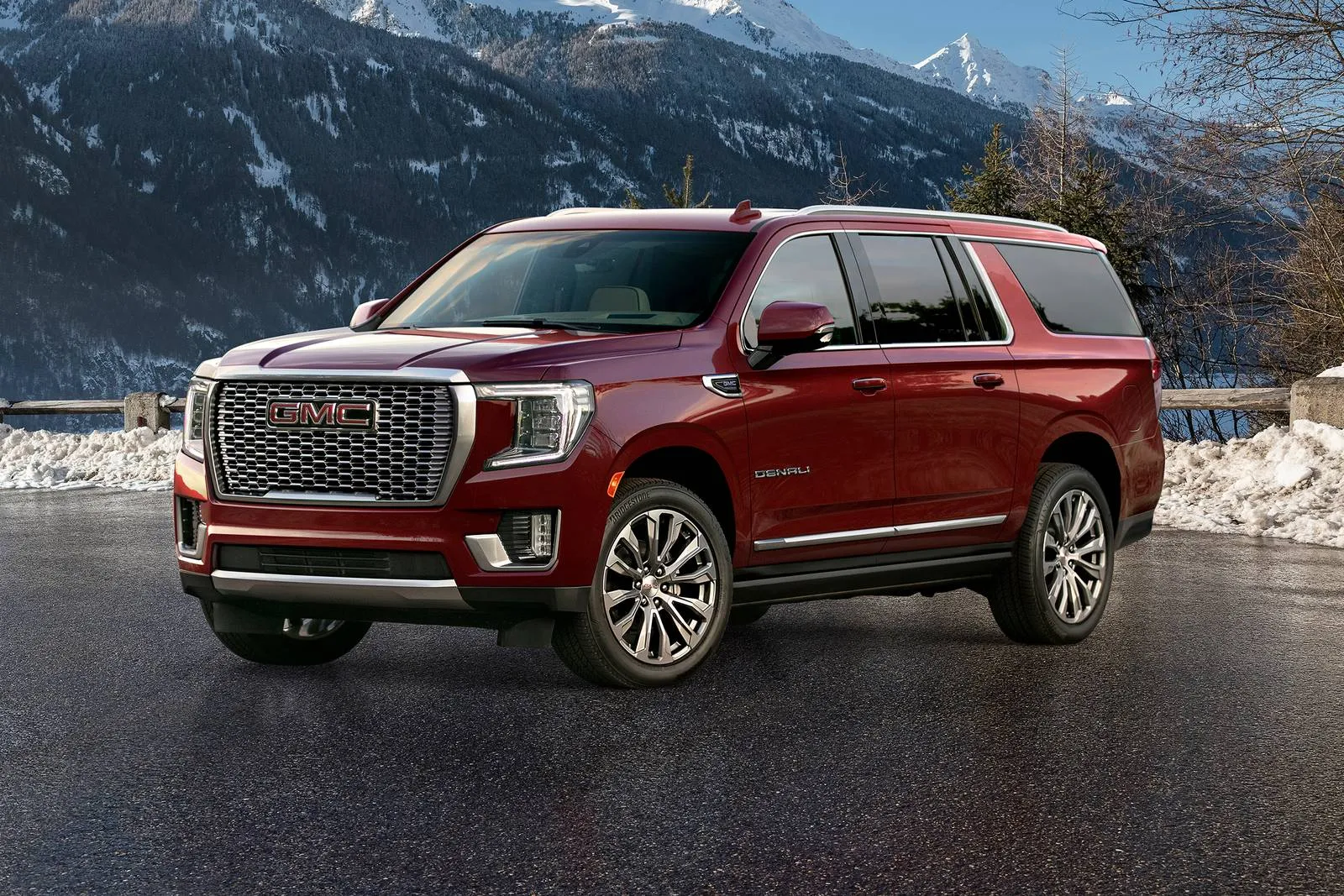
The poor rearward visibility inherent in the design, with third-row seats and thick rear pillars obscuring sight lines, makes judging distances difficult even with backup cameras.
Many Yukon XL drivers simply avoid parallel parking entirely, instead circling endlessly to find parking lots or garages when they can find facilities with adequate clearance.
Operating a Yukon XL in DC carries substantial financial costs beyond the vehicle’s purchase price. Fuel consumption typically ranges from 14 to 16 mpg in city driving consumption that worsens significantly in stop-and-go traffic and while searching for parking.
Combined with DC’s high fuel prices and the reality of frequent short trips, fuel costs alone represent a meaningful expense that more efficient vehicles would avoid.
5. Jeep Wrangler Unlimited (4-Door)
The Jeep Wrangler Unlimited presents a unique case in DC parking challenges a vehicle with moderate length but distinctive characteristics that create urban parking difficulties despite its popularity and capability in off-road environments.
At approximately 188 inches long, the four-door Wrangler isn’t dramatically longer than large sedans, but its 73-inch width, 73-inch height, and unique design create a combination of issues that make it problematic for DC’s parking ecosystem.
The Wrangler’s height exceeds clearance limits at numerous DC parking garages, particularly older facilities and those in areas with historic preservation restrictions.
While not as tall as heavy-duty trucks, the 73-inch measurement nonetheless eliminates many parking options, forcing drivers to search for modern facilities with higher clearances or rely on street parking.
This limitation proves particularly frustrating given that the Wrangler’s length could theoretically fit in many standard parking spaces if height weren’t a constraint.
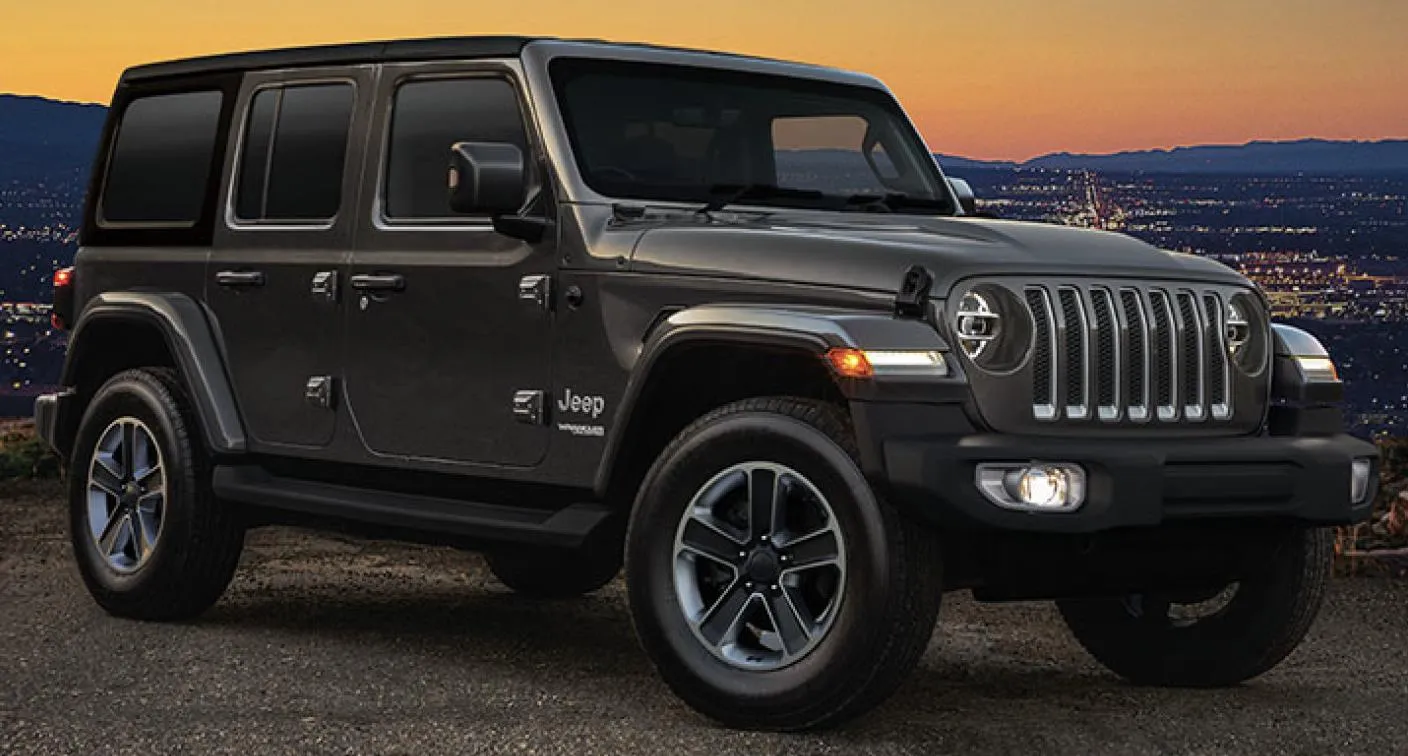
The Wrangler’s wide turning radius, a consequence of its solid front axle design prioritizing off-road capability over urban maneuverability, makes going through the tight parking situations difficult.
The vehicle requires more space to complete turns than comparably sized vehicles with independent front suspension, complicating parallel parking maneuvers and navigation of parking garage ramps and tight corners. What appears on paper to be a moderately sized vehicle drives like something significantly larger in confined spaces.
Perhaps most significantly, the Wrangler represents a fundamental mismatch between vehicle capability and environment. The features that make Wranglers excellent off-road solid axles, high ground clearance, rugged construction provide no benefit in DC’s urban environment while creating tangible disadvantages.
Most Wrangler owners in DC rarely if ever use the vehicle’s off-road capability, instead enduring daily parking frustrations for capabilities utilized perhaps a few weekends per year on trips outside the city.
