
Electrified cars whether fully electric vehicles (EVs) or plug-in hybrids (PHEVs) are often marketed as the future of urban mobility.
Quiet operation, instant torque, and lower running costs make them appealing, especially for city dwellers. But apartment living introduces a layer of complexity that glossy ads rarely address.
Unlike suburban homeowners with garages and Level 2 chargers, apartment residents must navigate shared parking, limited charging access, building regulations, and space constraints.
In the U.S., where apartment complexes vary wildly in age, infrastructure, and EV readiness, choosing the wrong electrified car can turn ownership into a daily hassle.
Charging speed, vehicle size, public-charging reliance, and even curb appeal matter more than raw range or horsepower. Some electrified cars slot seamlessly into apartment life, while others quietly assume you have a private driveway and dedicated charger.
This list breaks down five electrified cars that genuinely work for apartment living and five that sound good on paper but create real-world friction.
These choices focus on practicality, charging flexibility, footprint, and cost realities faced by urban and multi-unit residents across the U.S.
Electrified Cars That Fit Apartment Living
Living in an apartment often means tight parking spaces, limited charging access, and city streets that demand maneuverability over brute power. For drivers who want to go electric without the hassle of home charging or oversized vehicles, not all EVs are created equal.
Some are perfectly sized for urban life, offering compact footprints, practical range, and nimble handling that makes parallel parking, curbside charging, and daily commutes stress-free.
This article highlights electrified cars that excel in apartment living, vehicles that combine efficiency, convenience, and comfort without demanding a suburban garage or sprawling driveway.
From tiny city cruisers to slightly larger but still manageable EVs, these are the cars designed to thrive where space is at a premium and charging options are shared.
1. Chevrolet Bolt EV
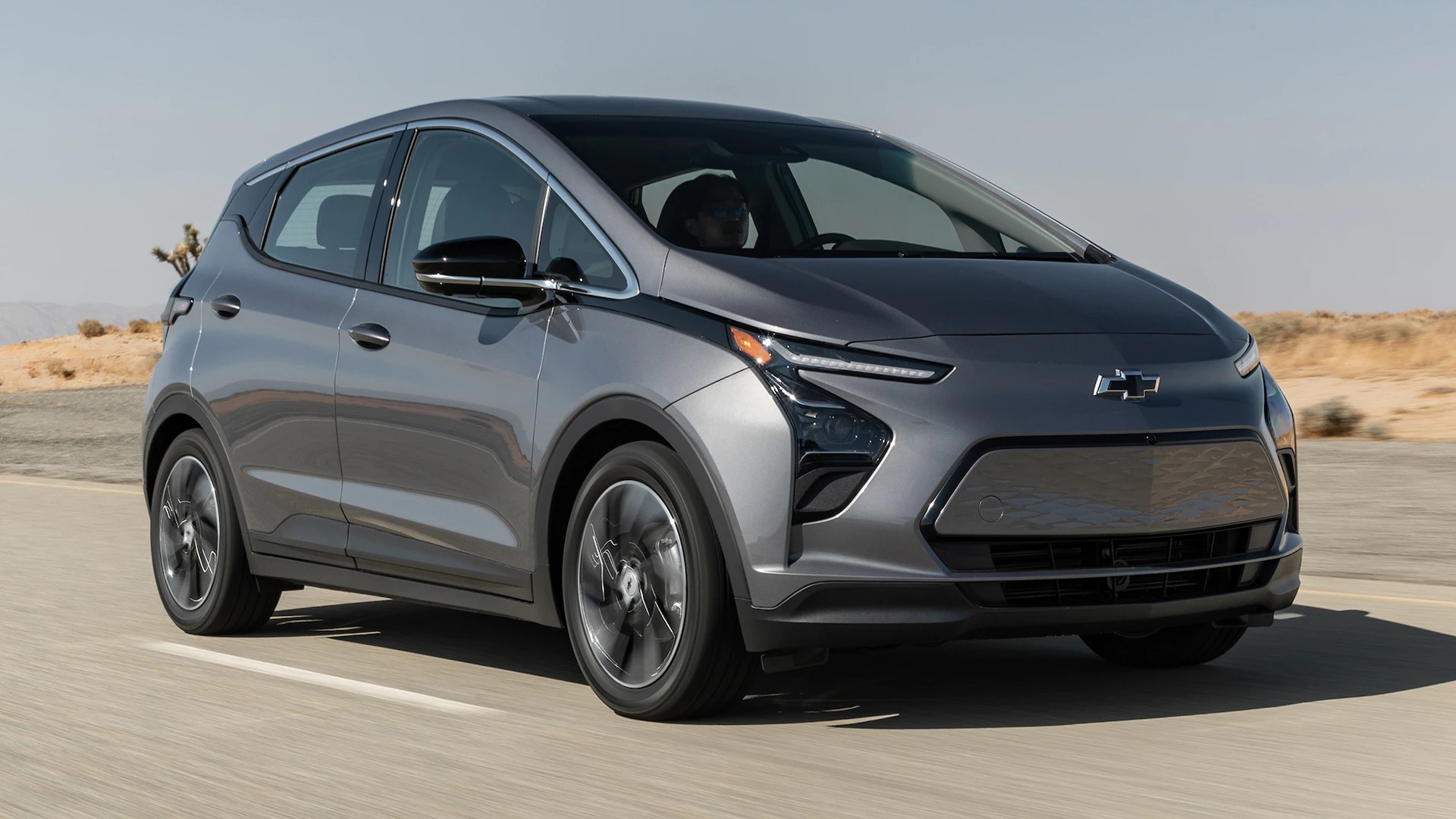
The Chevrolet Bolt EV remains one of the most apartment-friendly full EVs sold in the U.S. Its compact footprint makes it easy to park in tight garages or older apartment lots, while its hatchback design maximizes interior usability without excessive length.
For apartment residents, the Bolt’s biggest advantage is its efficiency. It extracts strong real-world range from its battery without demanding constant fast-charging stops.
Charging flexibility also works in its favor. While Level 2 charging is ideal, the Bolt can realistically function on slower charging schedules thanks to its manageable daily energy consumption.
Many owners rely on workplace charging or occasional DC fast charging without feeling punished. Its understated design also avoids the “luxury EV” stigma that can attract unwanted attention in shared parking environments.
Crucially, used Bolts are affordable, making them accessible to renters who don’t want a long-term financial anchor tied to their housing situation.
The 2022 Chevy Bolt EV emerges as a more exciting and accessible option in the compact electric hatchback segment. Its full redesign brings futuristic exterior styling and a refreshed, modernized interior, while retaining the familiar front-wheel-drive powertrain that delivers near-instant acceleration.
Chevrolet estimates a driving range of up to 259 miles on a full charge, giving it a slight edge over competitors like the Hyundai Kona Electric, though it still falls short of the Tesla Model 3.
The 2022 Bolt EV receives a comprehensive overhaul, including updated exterior and interior styling. While the underlying electric and mechanical systems remain unchanged, the hatchback adds practical enhancements such as a dual-level charging cord and improved Level 2 (240-volt) charging capability.
Chevy has confirmed the lower base price but has not yet released details on higher trim levels or optional packages. Full pricing information is expected ahead of the Bolt EV’s summer launch, at which point we will be able to recommend the trims that offer the best value.
The 2022 Bolt EV retains the same powertrain and chassis as previous models. Its electric motor produces 200 horsepower and 266 pound-feet of torque, driving the front wheels exclusively.
This setup provides instant throttle response and strong low-end torque, allowing the Bolt to launch confidently from a standstill. While response is slightly less immediate at highway speeds, passing and merging remain effortless.
The Bolt EV delivers a composed ride and enough power to challenge skeptics of electric vehicles. A one-pedal-driving mode, activated via a button on the center console, increases regenerative braking to the point where using the brakes is rarely necessary, making city driving more intuitive and engaging.
2. Toyota Prius Prime
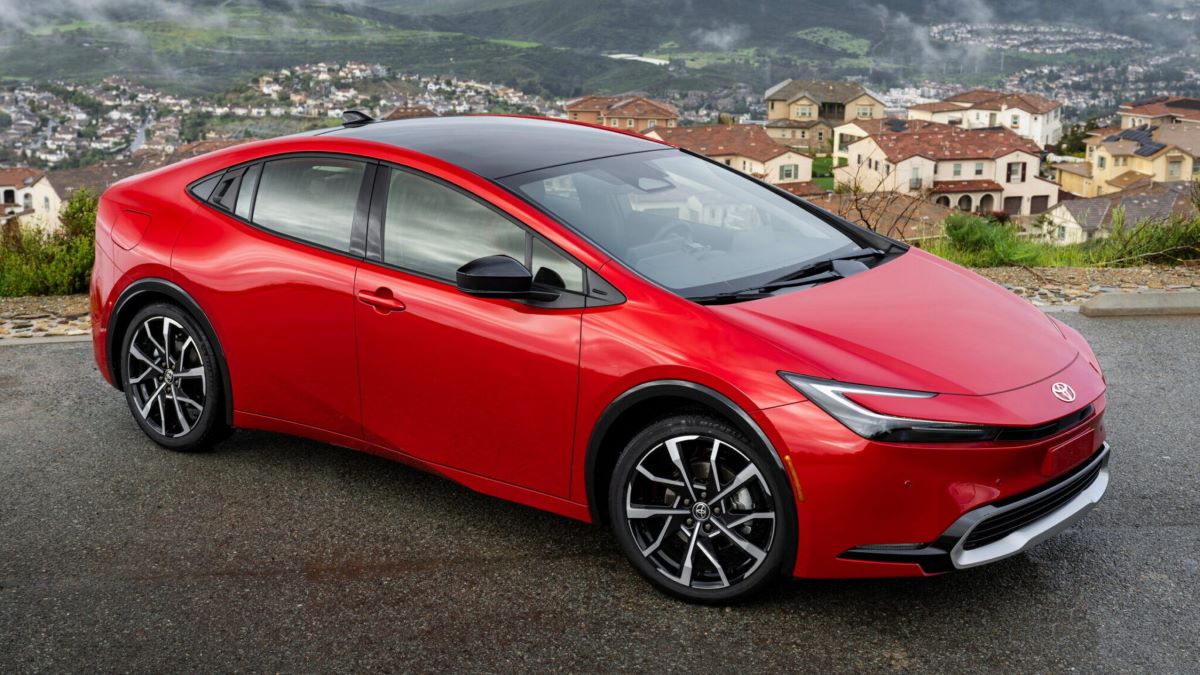
For apartment dwellers unsure about full EV commitment, the Toyota Prius Prime is one of the smartest electrified options available.
As a plug-in hybrid, it offers meaningful electric-only driving often enough for daily errands without making charging mandatory. If charging access disappears or becomes inconvenient, the car simply behaves like a highly efficient hybrid.
The Prime’s electric range is well-suited to urban use, and it charges fully on a standard household outlet, making it one of the least demanding electrified vehicles to live with.
Its compact size, excellent reliability record, and low operating costs align perfectly with apartment realities.
From a psychological standpoint, the Prius Prime removes charging anxiety entirely. For renters who may move buildings or cities, that flexibility is invaluable.
The Prius Prime pairs a four-cylinder engine with an electric motor, battery pack, and continuously variable automatic transmission (CVT) to maximize efficiency. In that respect, it succeeds, but the powertrain offers little excitement beyond that.
The Prime transitions seamlessly between gas and electric propulsion, and three driving modes, Power, Normal, and Eco, attempt to influence acceleration feel. Regardless of mode, don’t expect brisk performance.
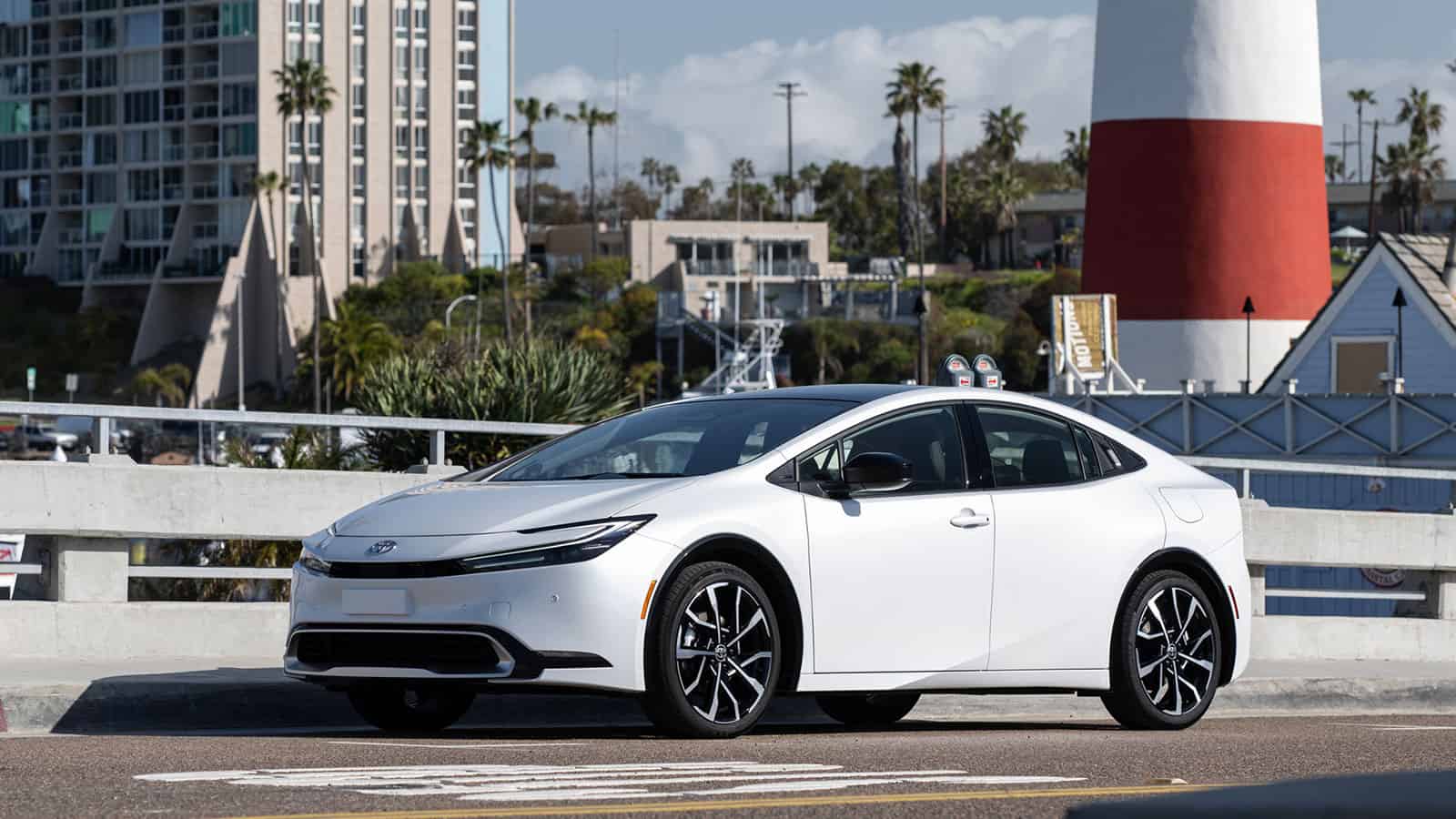
Charging the battery is straightforward: a standard 120-volt household outlet takes about 5.5 hours, while a 240-volt outlet can recharge it in roughly two hours. The Prius Prime is generally comfortable for city driving and short trips, though the ride becomes jittery and harsh over rough pavement.
Engaging the shifter’s B position increases regenerative braking, causing the vehicle to slow noticeably whenever the accelerator is released.
In Normal mode, regenerative braking is subtle, and while the transition between regenerative and friction braking is smooth, it can be difficult to brake gently or early enough to remain in the Eco zone on the Prius’s driving meter. The Prime emphasizes efficiency and smooth operation over spirited performance.
Also Read: Top 10 Dream Cars You Can Own for $100,000 or Less
3. Hyundai Kona Electric
The Hyundai Kona Electric strikes a rare balance between EV range, compact dimensions, and urban maneuverability. It’s small enough to fit into narrow parking spaces but tall enough to feel practical for groceries, pets, or weekend gear.
For apartment residents, the Kona Electric’s real advantage lies in its predictable charging behavior. It doesn’t rely on ultra-fast charging to remain usable, meaning owners can plan around slower public chargers without major disruption.
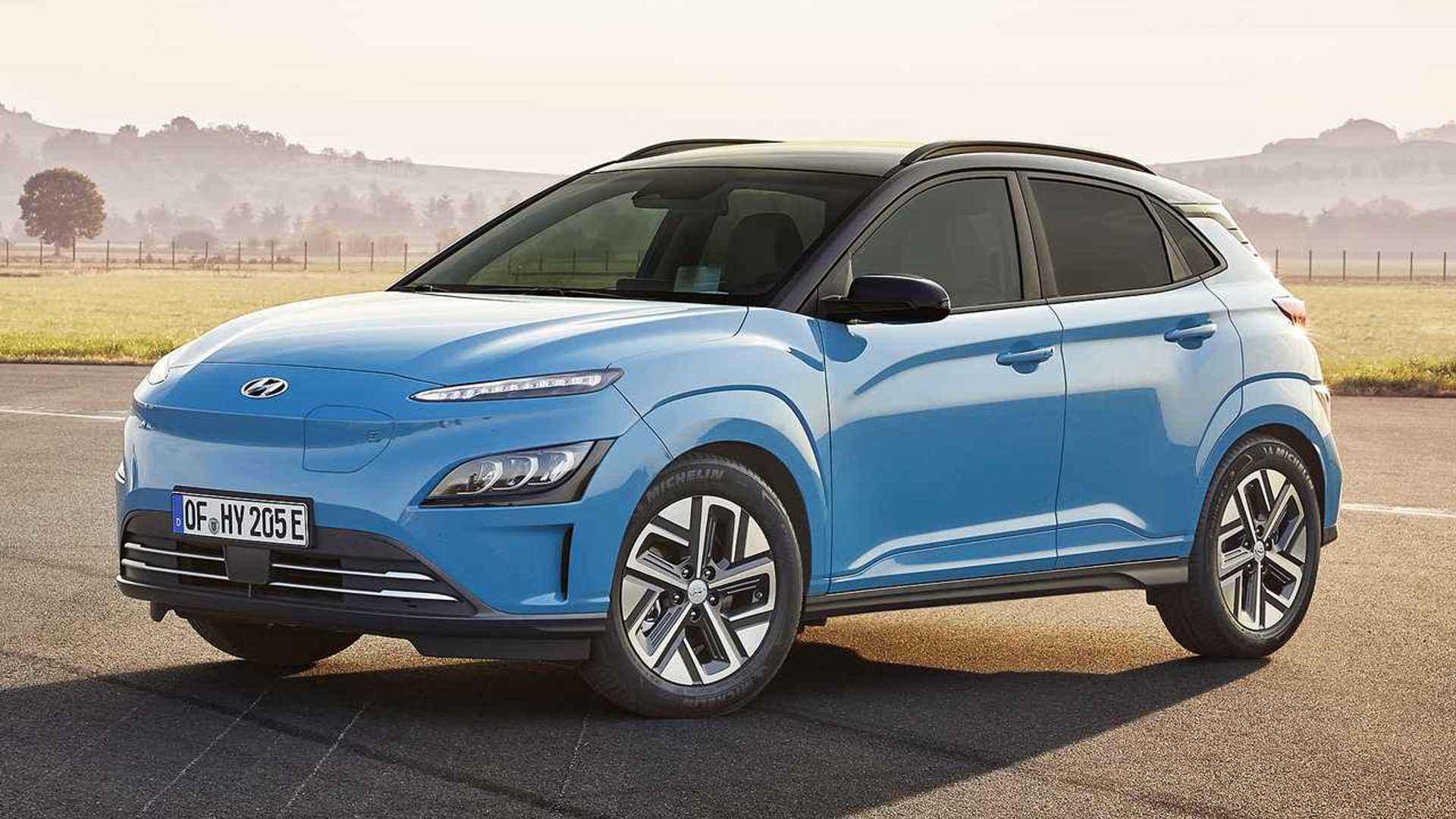
Its range comfortably covers most urban and suburban commutes, reducing charging frequency.
Additionally, the Kona Electric flies under the radar. It doesn’t scream “expensive EV,” which can matter in shared lots where vandalism or charger disputes sometimes arise.
4. Nissan Leaf
Despite its aging reputation, the Nissan Leaf remains one of the most practical apartment-friendly EVs especially for renters with short to moderate daily drives. Its simplicity is its strength.
The Leaf charges easily on standard outlets, and its smaller battery size can actually be an advantage for apartment residents who can only charge occasionally.
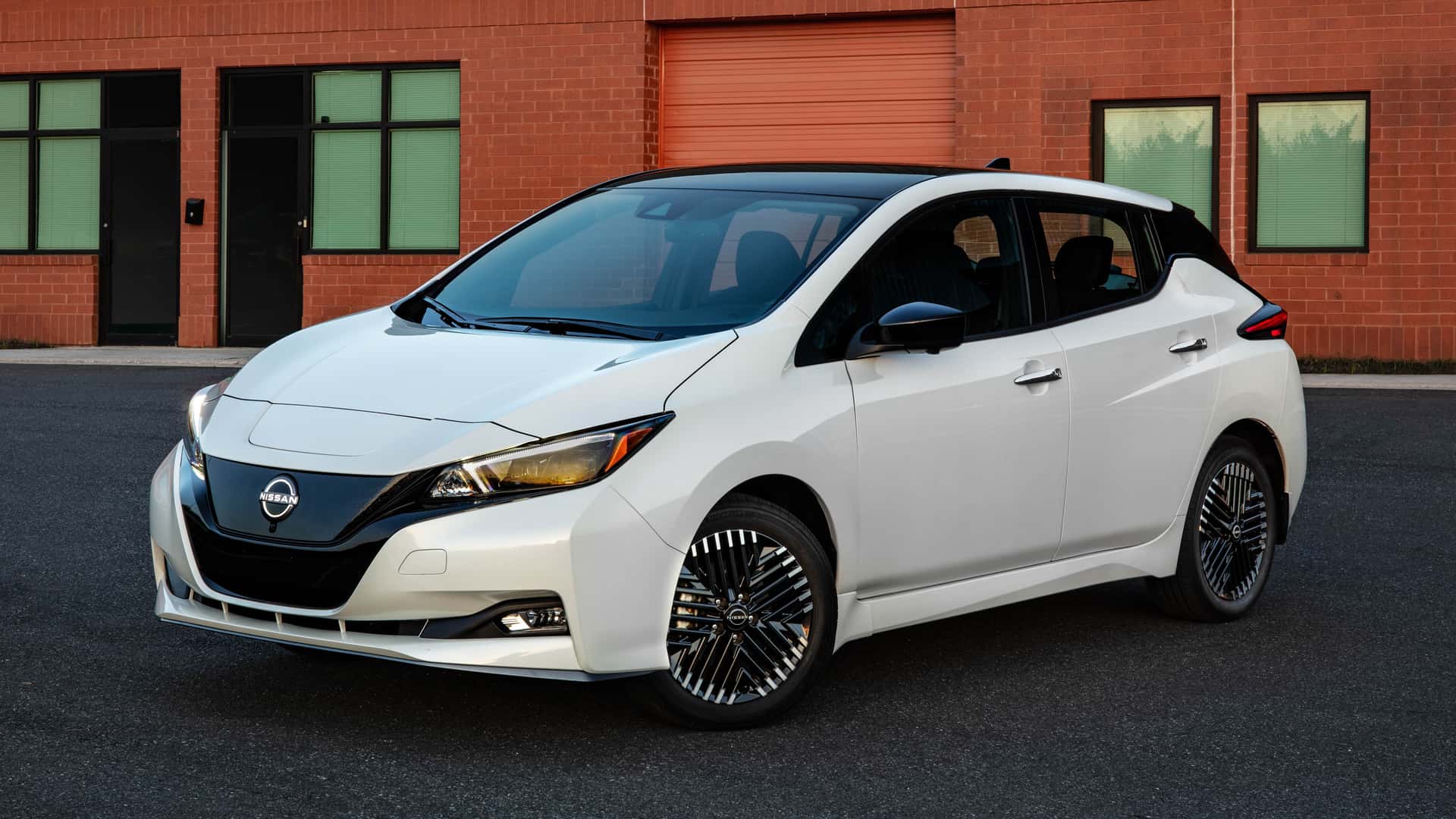
The Leaf’s compact hatchback layout works well in dense urban settings, and its widespread availability on the used market makes it a low-risk entry point into EV ownership.
While its fast-charging limitations are well documented, many apartment dwellers rarely need road-trip capability.
For city-focused renters who prioritize affordability and simplicity over long-distance versatility, the Leaf still earns its place.
The Nissan Leaf delivers performance that’s more than adequate for city driving and navigating traffic. The standard Leaf accelerates from 0–60 mph in 7.8 seconds, while the Leaf Plus trims that time to 7 seconds, just shy of competitors like the Hyundai Kona Electric and Kia Niro EV.
Braking feels smooth and predictable, and by engaging the e-Pedal mode, drivers can manage most routine stops simply by easing off the accelerator, adding both control and a touch of enjoyment to everyday driving.
Like most EVs, the Leaf benefits from instant, seamless power and the absence of gear shifts, making it remarkably easy to operate. Its low-mounted battery contributes to a low center of gravity, allowing the car to stick to the road and maintain composure in corners.
With balanced handling and coordinated dynamics, the Leaf inspires confidence when taking turns, making it a comfortable and capable choice for urban and suburban driving alike.
5. Mini Cooper SE Electric
The Mini Cooper SE Electric is almost purpose-built for apartment living. Its small size makes parking effortless, and its limited range often seen as a drawback actually aligns well with urban use.
Apartment residents rarely drive hundreds of miles in a day, and the Mini’s battery is easy to top up during short charging sessions.
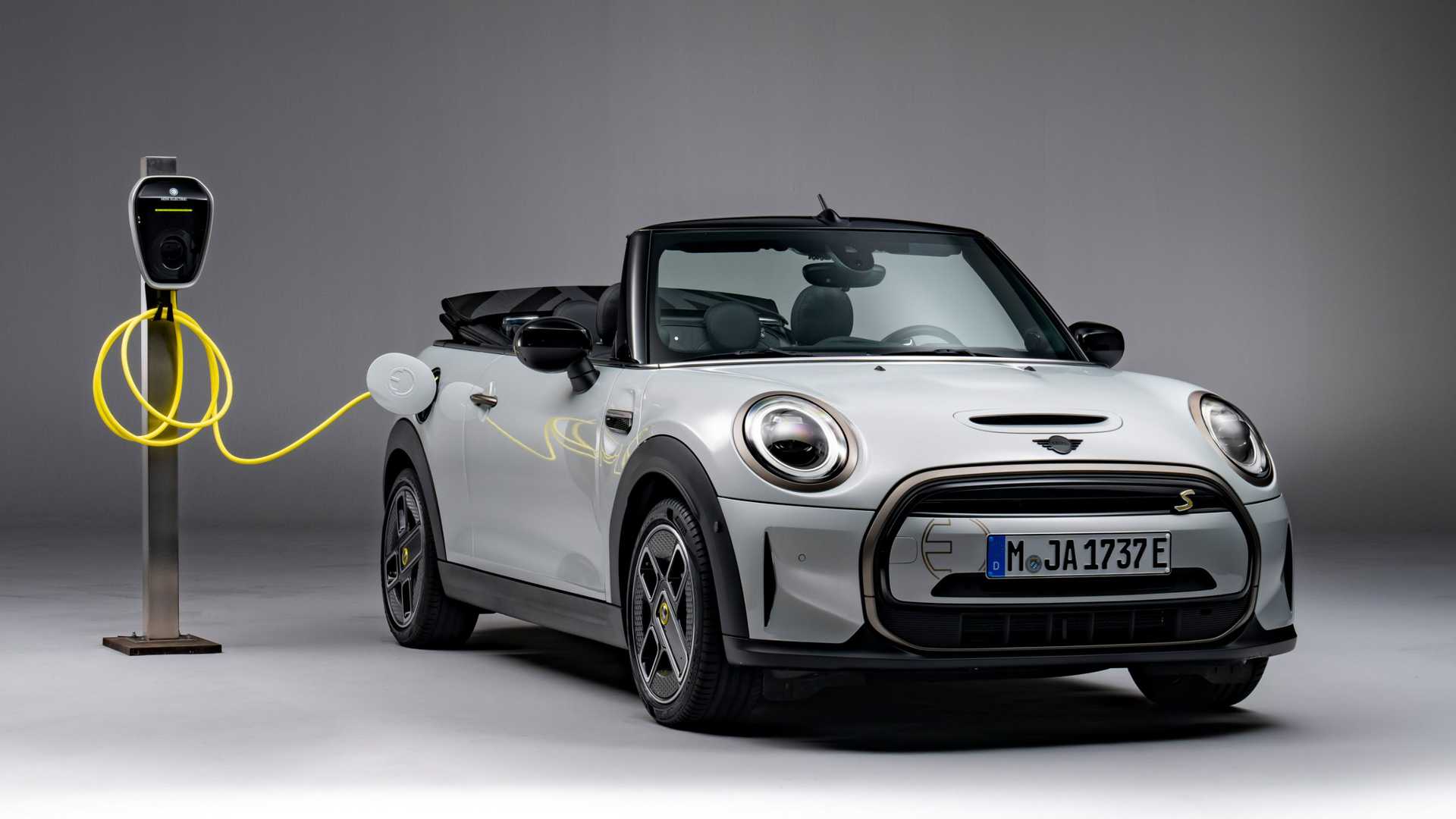
Because it doesn’t demand long charging times or high-power infrastructure, the Mini SE works well for those relying on shared or public chargers.
It also fits visually and spatially into older apartment buildings that weren’t designed with modern SUVs in mind.
The Mini SE is a lifestyle EV, but for apartment residents with realistic expectations, it’s one of the least stressful electrified cars to own.
Also Read: Top 9 Hybrids That Handle City Driving Smoothly
Electrified Cars That Don’t Fit Apartment Living
Not all electrified cars are well‑suited for apartment living. Some are oversized, range‑limited in ways that matter for urban dwellers, or require charging setups that are impractical without a dedicated garage.
Whether it’s sheer physical footprint, demanding charging needs, or a design that assumes easy access to home power, these vehicles are better suited to suburban driveways and private garages than tight city streets and shared parking lots.
In this article, we spotlight electrified cars that don’t fit apartment living, models that can feel oversized for urban environments, awkward to park in compact lots, or simply frustrating to keep charged when you lack dedicated at‑home infrastructure. If you live with limited space and shared charging access, these are the EVs that are most likely to test your patience.
1. Tesla Model X
The Tesla Model X exemplifies how a technologically impressive EV can clash with apartment realities. Its large size makes parking difficult in older or compact apartment garages, while its falcon-wing doors often require more clearance than shared spaces allow.
Charging is another challenge. The Model X’s large battery works best with consistent Level 2 or home charging, which most apartment dwellers lack. Relying solely on public fast charging quickly becomes inconvenient and expensive.
Additionally, the Model X assumes a lifestyle built around private infrastructure. Without it, the ownership experience feels compromised rather than premium.
Performance has long been Tesla’s signature, and the Model X lives up to that reputation. The standard Model X produces 670 horsepower and accelerates impressively, while the Plaid variant cranks output to a staggering 1,020 horsepower—enough to take passengers by surprise if you’re not careful.
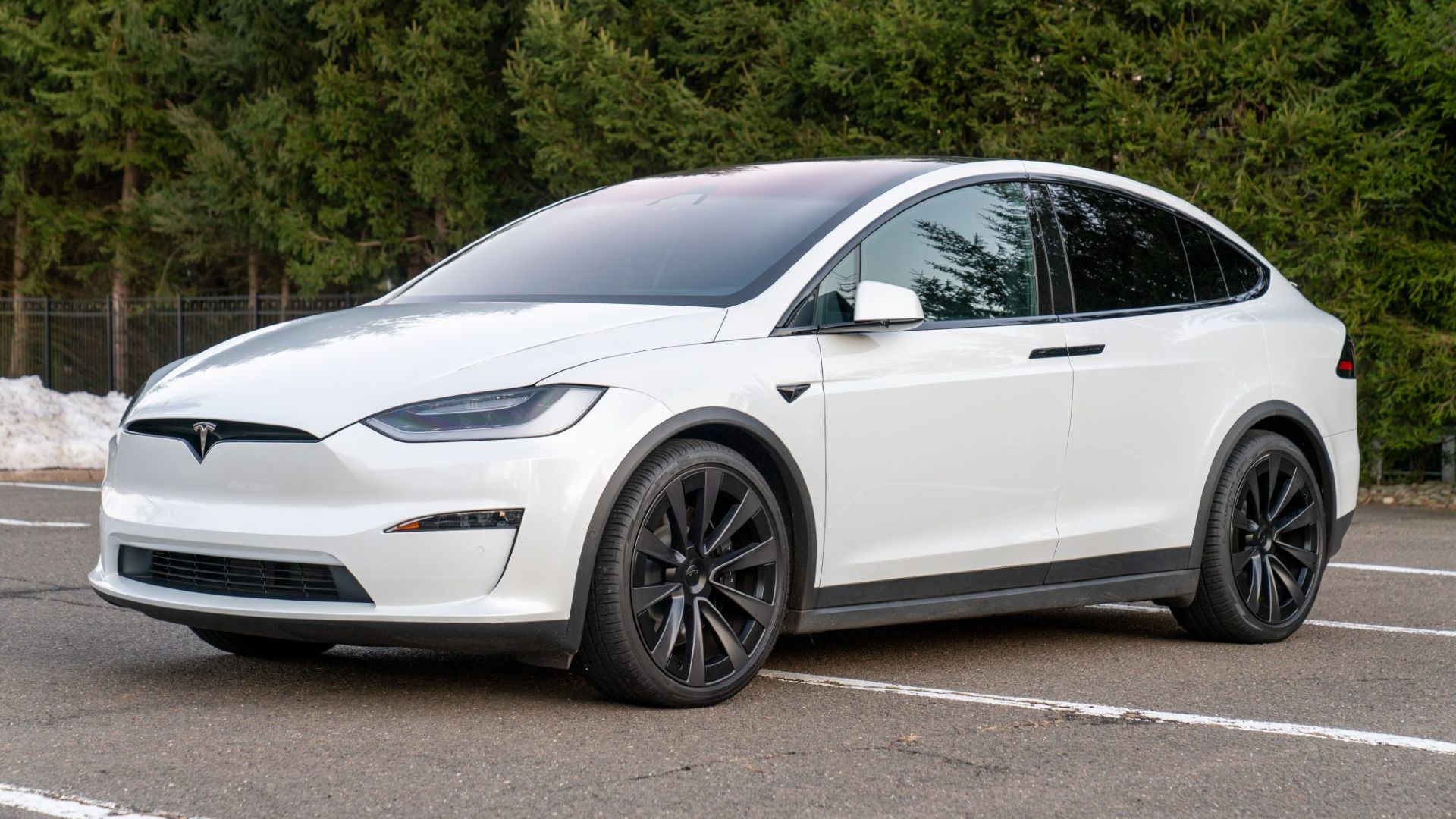
Complementing the car’s blistering acceleration are brakes that feel both predictable in everyday traffic and strong when emergency stopping is required.
Regenerative braking is robust enough that, in many situations, you can drive without touching the brake pedal at all. Quick steering enhances the Model X’s agility, while a low center of gravity and adaptive suspension, offering up to 8.9 inches of ground clearance, deliver a comfortable ride with minimal body roll.
Visibility in the cabin is further improved by Tesla’s advanced camera systems and safety features. Yet the real standout is Tesla’s suite of driver-assistance technologies, including Full Self-Driving (Supervised).
This system can navigate city streets, stop at traffic lights, make turns, and even change lanes autonomously. While drivers must remain attentive, Tesla has raised the bar for what advanced driving aids can achieve.
2. Ford F-150 Lightning
The Ford F-150 Lightning is an engineering achievement but apartment living exposes its limitations. Its massive footprint can overwhelm apartment parking lots, and some garages simply can’t accommodate its length or turning radius.
Charging is the bigger issue. The Lightning’s large battery demands robust charging access to remain practical.
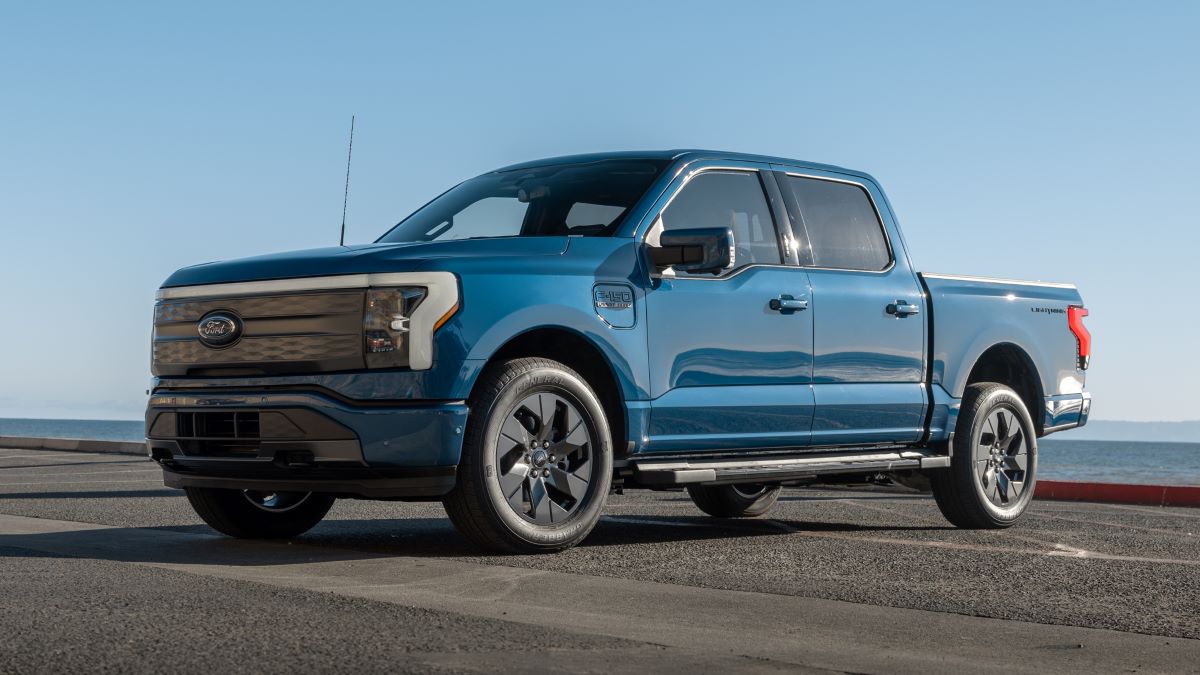
Without home charging, apartment residents may find themselves constantly planning around charging stops. The truck’s weight and energy consumption amplify these challenges.
For renters without guaranteed charging and ample parking space, the Lightning becomes more burden than benefit.
3. Rivian R1T
The Rivian R1T targets adventure-oriented buyers, but apartment living is rarely compatible with its needs. Its size, height, and width create parking headaches, especially in urban or older apartment complexes.
Charging reliance is intense. The R1T’s battery is designed for long-distance travel and off-grid use both of which assume reliable charging access.
Public charging can work, but frequent fast-charging erodes convenience and increases ownership costs. Apartment residents may admire the R1T, but living with one often proves impractical.
The Rivian R1T is an impressively versatile pickup that defies expectations. In testing, it accelerated from 0 to 60 mph in just 3.5 seconds, while also outhandling and stopping more efficiently than any other pickup on the market. Consider that it measures roughly the size of a midsize truck yet tips the scales at 7,150 pounds, well within heavy-duty territory.
Part of the R1T’s performance magic comes from its four electric motors. Beyond delivering astonishing acceleration, they provide extensive regenerative braking, which not only helps the truck stop more quickly but also enables one-pedal driving, letting you control both acceleration and deceleration with the gas pedal alone.

Off-road capability is another strong suit. Thanks to ample ground clearance and short overhangs, the R1T can tackle challenging terrain with confidence. While charging in remote areas remains a practical concern, the truck itself is engineered to get you there.
The Rivian R1T is more comfortable than most pickups, aided by its quiet electric powertrain that keeps cabin noise low. While some road noise does filter in, the R1T does a commendable job of minimizing wind and ambient sound.
Its ride is not quite as plush as the Honda Ridgeline or Ram 1500, but the adaptive air suspension softens the majority of bumps and irregularities for a surprisingly composed ride given the truck’s heavy weight.
The seats are visually appealing and reasonably comfortable, though adjustments are basic and lateral support is somewhat light. Rivian has embraced a touchscreen-based climate control system reminiscent of Tesla’s approach.
While adjusting vents via the display feels both futuristic and slightly overcomplicated, four-zone climate control and multiple rear vents provide excellent coverage and customization for all passengers.
4. BMW iX
The BMW iX represents the luxury end of the EV market, and it carries luxury assumptions. Its large dimensions and high curb weight make it ill-suited for tight apartment parking.
The vehicle also benefits most from consistent, high-speed home charging to maintain its premium ownership experience.
Without that infrastructure, the iX becomes a frustrating mismatch. Public charging undermines the seamless luxury BMW intends, and apartment residents may find themselves overpaying for features they can’t fully enjoy.
In shared living environments, the iX feels like a square peg in a round hole.
It had been nearly a decade since BMW launched a fully electric model, the i3 hatchback in 2014, but the wait for a new electric BMW was worth it. The 2022 BMW iX marks the automaker’s first all-electric SUV, and it makes a bold statement both visually and technically.
For its initial year, the iX is offered exclusively as the xDrive50 trim. It employs two electric motors, one on each axle, producing a combined 516 horsepower, allowing BMW to claim a 0–60 mph time of 4.4 seconds.
While it doesn’t deliver the seat-pinning force of a Tesla Model X Plaid or Model Y Performance, the iX’s acceleration is more than sufficient for most drivers and inspires confidence on twisty roads, encouraging spirited driving with poise.
Inside, the iX offers interior space comparable to the current X5, with a flat floor that maximizes rear-seat room. The cabin embraces unconventional materials, including textile and faux suede arranged in visually striking, sometimes clashing patterns, such as the available blue-and-black upholstery scheme.
Technology takes center stage in the iX, making it arguably BMW’s most tech-forward vehicle to date. Notable features include an augmented-reality navigation overlay, an electrochromatic sunroof that toggles between transparent and opaque at the touch of a button, and a remote parking system capable of memorizing tricky parking maneuvers.
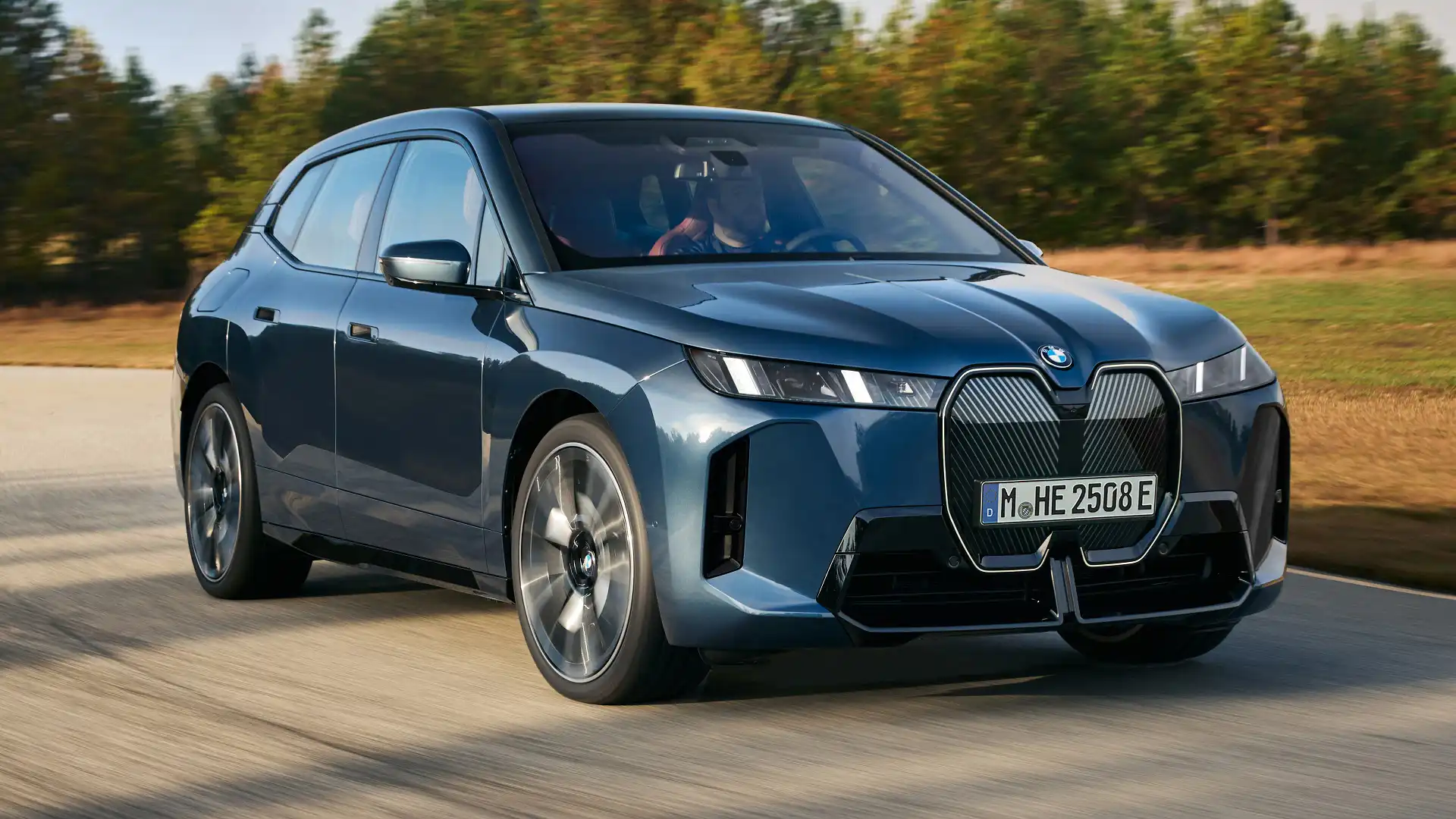
It is also the first BMW to feature the iDrive 8 infotainment system, offering a redesigned interface, highly customizable user profiles, and enhanced voice controls.
On the road, the iX impresses with handling that belies its size. The low-mounted battery pack provides a stable, “hunkered-down” feel, while light-effort steering makes the SUV feel smaller and more agile than its dimensions suggest. Our test vehicle’s optional 22-inch wheels delivered good cornering grip, and emergency braking from 60 mph stopped the iX in just 114 feet.
Regenerative braking is plentiful, allowing one-pedal driving in most scenarios. Acceleration is lively, with our testing showing 0–60 mph in 4.2 seconds, faster than most electric SUVs like the Jaguar I-Pace and Audi e-tron, and competitive even with BMW’s gas-powered X5 M.
The 2022 BMW iX offers a refined and luxurious experience that combines sporty performance, innovative tech, and practical SUV utility, positioning it as a strong contender against both electric and gasoline-powered rivals.
5. Mercedes-Benz EQS SUV
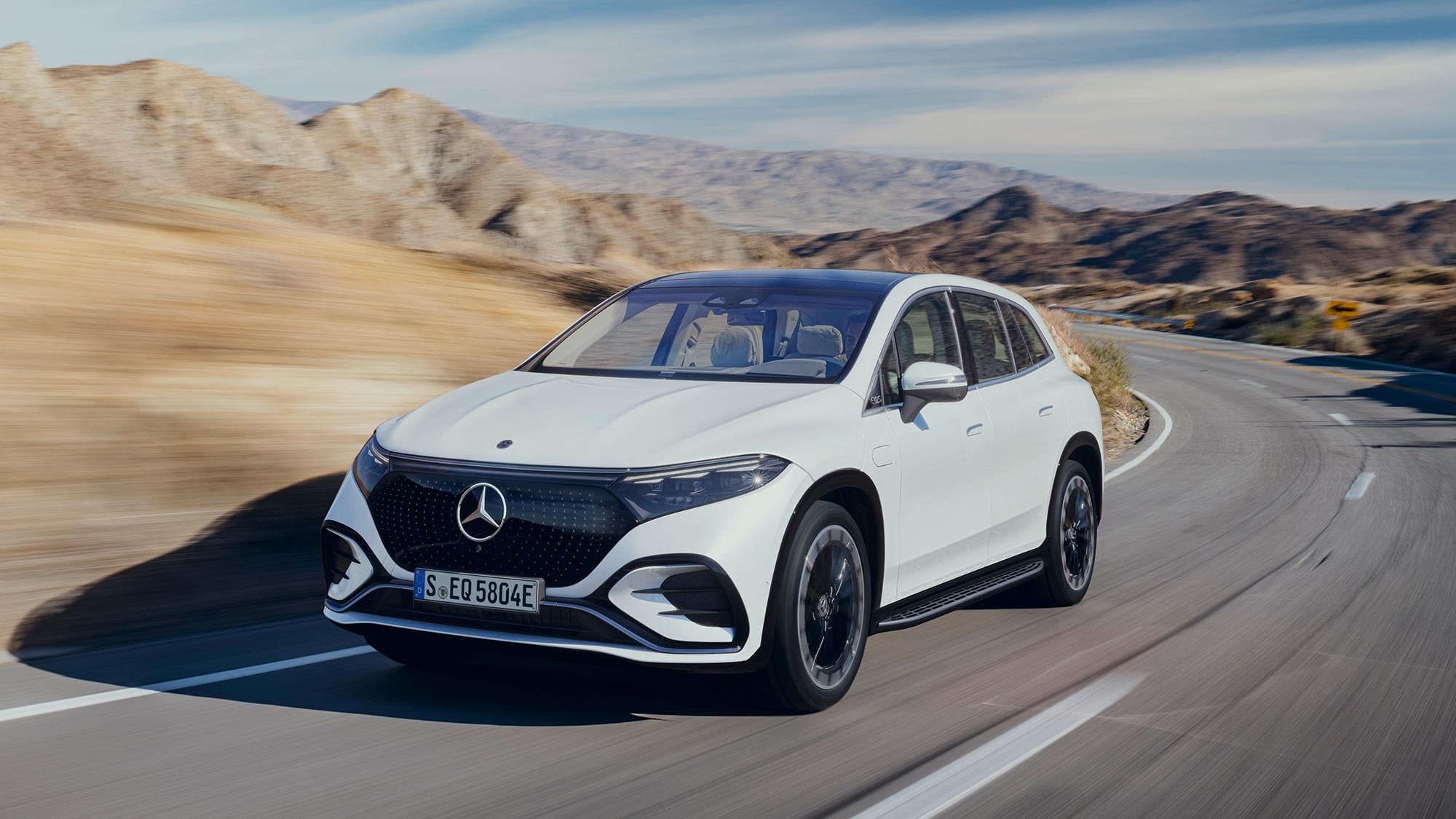
The EQS SUV is built around comfort, technology, and quiet opulence but apartment living strips away much of its advantage.
Its size alone creates parking challenges, while its advanced systems expect reliable charging access to function smoothly.
The EQS SUV’s ownership model assumes a private garage and dedicated charger. Without them, even routine charging becomes a chore. For apartment residents, the cost-to-convenience ratio tilts heavily in the wrong direction.
It’s a remarkable vehicle, just not one designed for shared infrastructure realities.
Electrified cars are not inherently apartment-friendly or unfriendly the difference lies in assumptions.
Vehicles designed around efficiency, compact size, and flexible charging thrive in apartment settings. Those built around scale, power, and private infrastructure struggle.
For U.S. apartment residents, the smartest electrified choices minimize dependency on dedicated home charging, fit comfortably into shared spaces, and align with realistic daily driving patterns.
Going electric doesn’t have to be stressful, but it does require honesty about where and how you live.
