Boulder’s roads don’t reward average vehicles. Between steep canyon climbs, thin mountain air, tight curves, and winter weather that can change by the hour, the difference between a capable car and a weak one becomes obvious fast.
Some vehicles pull confidently uphill, maintain traction on uneven pavement, and stay composed on descents. Others strain, overheat, lose grip, or feel out of their depth the moment the road tilts skyward.
This article draws a clear contrast between the two. First, we highlight five cars that are genuinely suited for Boulder’s mountain access, models with the power, gearing, traction, and stability needed for uphill driving in real-world conditions.
Then, we break down five vehicles that often struggle when elevation, grades, and mountain roads enter the picture. If you spend any time heading into the foothills, this is the difference between a smooth climb and a frustrating one.
5 Cars That Handle Boulder’s Mountain Roads Well
Boulder’s mountain roads are a quick reality check for any vehicle. Steep climbs, sharp switchbacks, narrow canyon lanes, and sudden weather shifts demand more than basic horsepower or good looks. A car that feels fine around town can start struggling the moment elevation, traction, and sustained uphill driving come into play.
1) Subaru Outback
The Subaru Outback is designed for people who live near hills and mountains. It handles rough roads, steep climbs, and changing weather with ease. For drivers who face snow, rocks, and slopes, it feels dependable every day.
One of the biggest strengths of the Outback is its standard all-wheel drive system. Power goes to all four wheels at the same time, which helps the car grip slippery roads and steep mountain paths without losing control.
On snowy or icy roads, this system makes a big difference. The Outback stays stable when climbing hills or turning on slick surfaces. Drivers feel more confident, even during winter storms or early morning mountain drives.
Ground clearance is another key advantage. The Outback sits higher than most regular cars, allowing it to pass over rocks, uneven ground, and potholes. This is helpful on dirt roads, trails, and poorly maintained mountain routes.
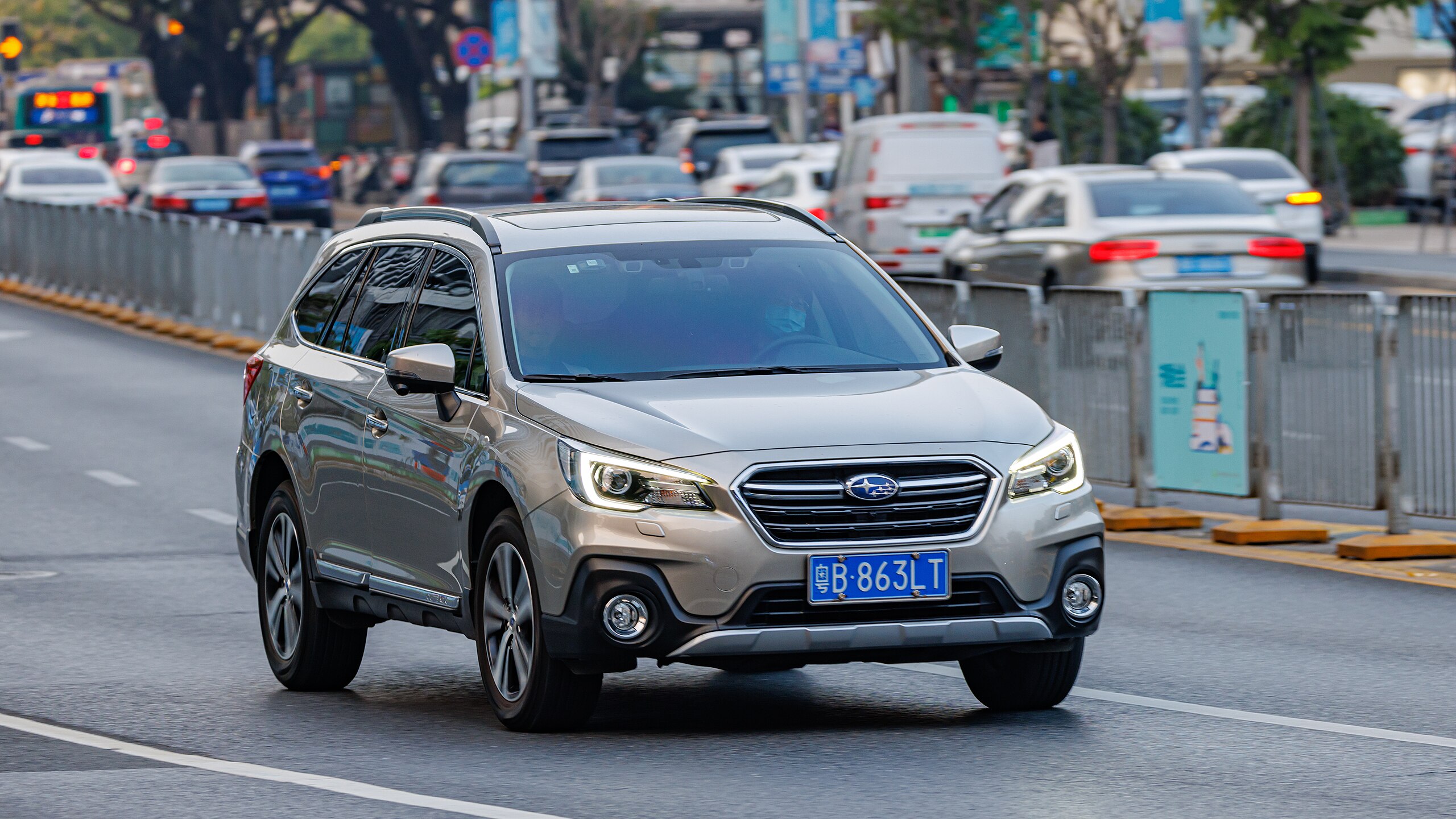
The engine is strong enough for long uphill drives. It does not feel weak or overworked while climbing. Even at higher elevations, the Outback maintains steady power, making mountain passes and steep highways easier to handle.
Braking and handling are well balanced for hilly terrain. The car feels planted on curves and does not lean too much on winding roads. This improves safety and reduces driver stress during long mountain trips.
Inside, the Outback is comfortable and practical. Seats are supportive for long drives, and the cabin stays quiet even on rough roads. Large windows provide excellent visibility, which is important on narrow mountain roads.
Cargo space is generous, making it easy to carry hiking gear, camping supplies, or winter equipment. The flat load area helps transport bulky items without trouble, which is useful for outdoor-focused mountain lifestyles.
Fuel efficiency is reasonable for a vehicle with all-wheel drive. It may not match small city cars, but it balances power and economy well. This makes it affordable to use daily, even in hilly regions.
The Outback is also known for reliability. It handles cold starts, rough use, and long-distance driving well. Maintenance is simple, and many drivers keep their vehicles running smoothly for years.
Also Read: 10 Over-the-Top Celebrity Motorhomes Built for Luxury
2) Toyota RAV4 AWD
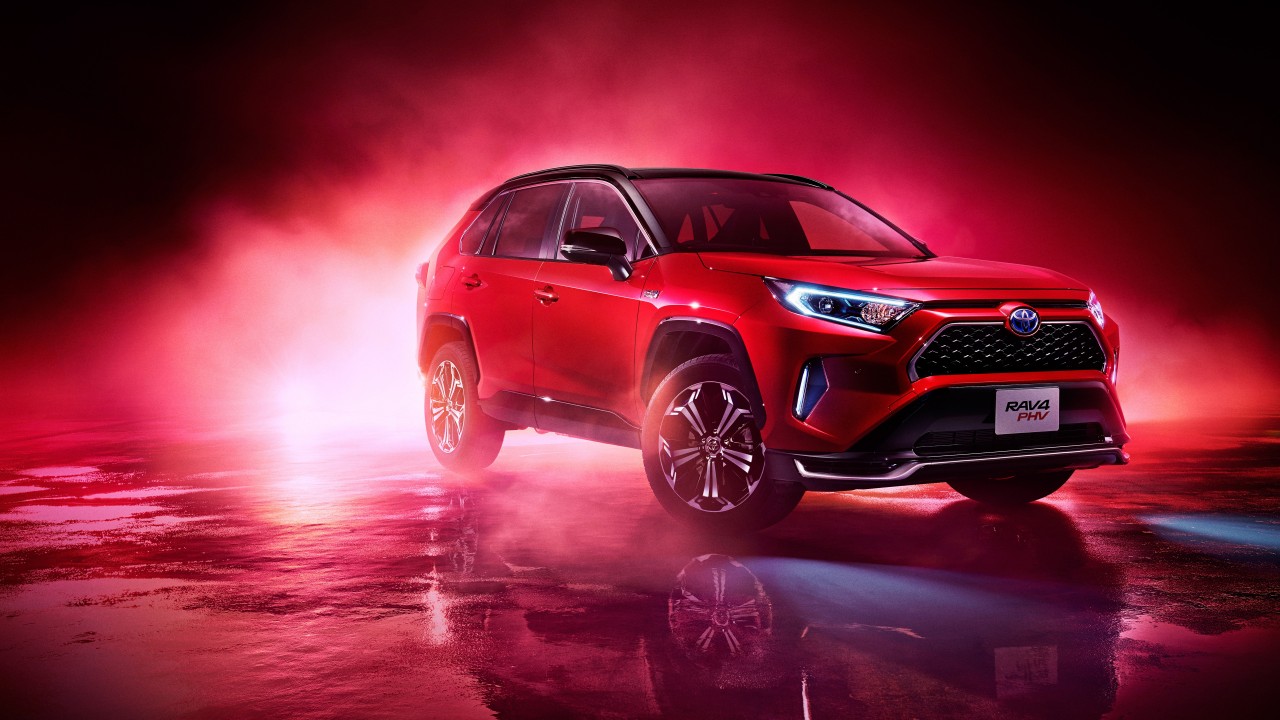
The Toyota RAV4 with all-wheel drive is a practical vehicle for mountain areas. It is built for drivers who face hills, changing weather, and long climbs. The RAV4 balances comfort, strength, and daily usability very well.
Its all-wheel drive system improves traction on steep roads. Power shifts to the wheels that need it most, helping the car climb hills smoothly. This feature is very useful on gravel paths, wet pavement, and snowy mountain roads.
During winter, the RAV4 feels stable and controlled. It handles icy corners better than two-wheel-drive cars. Drivers feel more confident when climbing early morning roads or driving during light snow and freezing temperatures.
Ground clearance is better than most sedans. The RAV4 can pass over small rocks, uneven surfaces, and broken pavement without scraping the bottom. This makes it suitable for rural mountain roads and trailhead access points.
The engine provides steady power for uphill driving. It does not struggle on long climbs and maintains speed without constant hard acceleration. Even when fully loaded, the RAV4 remains calm and capable on slopes.
Handling is predictable on winding mountain roads. The steering feels light but controlled, and the suspension absorbs bumps well. This reduces driver fatigue and makes long hill drives more comfortable and less stressful.
Inside, the RAV4 offers a comfortable and practical cabin. Seats support the body during long trips, and road noise stays low. Large mirrors and windows help with visibility on narrow mountain turns.
Cargo space is generous for outdoor gear. It easily fits backpacks, groceries, camping equipment, or winter supplies. The rear seats fold flat, making it easy to carry larger items for mountain activities.
3) Jeep Grand Cherokee
The Jeep Grand Cherokee is built for tough conditions and challenging terrain. It suits drivers who face steep hills, rough roads, and changing mountain weather. This SUV feels solid and confident where smaller cars often struggle badly.
One major strength is its powerful engine options. The Grand Cherokee delivers strong torque, which is important for climbing steep roads. Even on long uphill stretches, the engine feels relaxed and never underpowered.
Available four-wheel drive systems greatly improve traction. Power is distributed to the wheels with the best grip. This helps the vehicle climb rocky paths, snowy roads, and muddy trails without slipping or losing control.
In winter conditions, the Grand Cherokee performs especially well. It stays stable on icy slopes and steep mountain turns. Drivers feel safer when driving during snowstorms or on shaded roads that stay frozen longer.
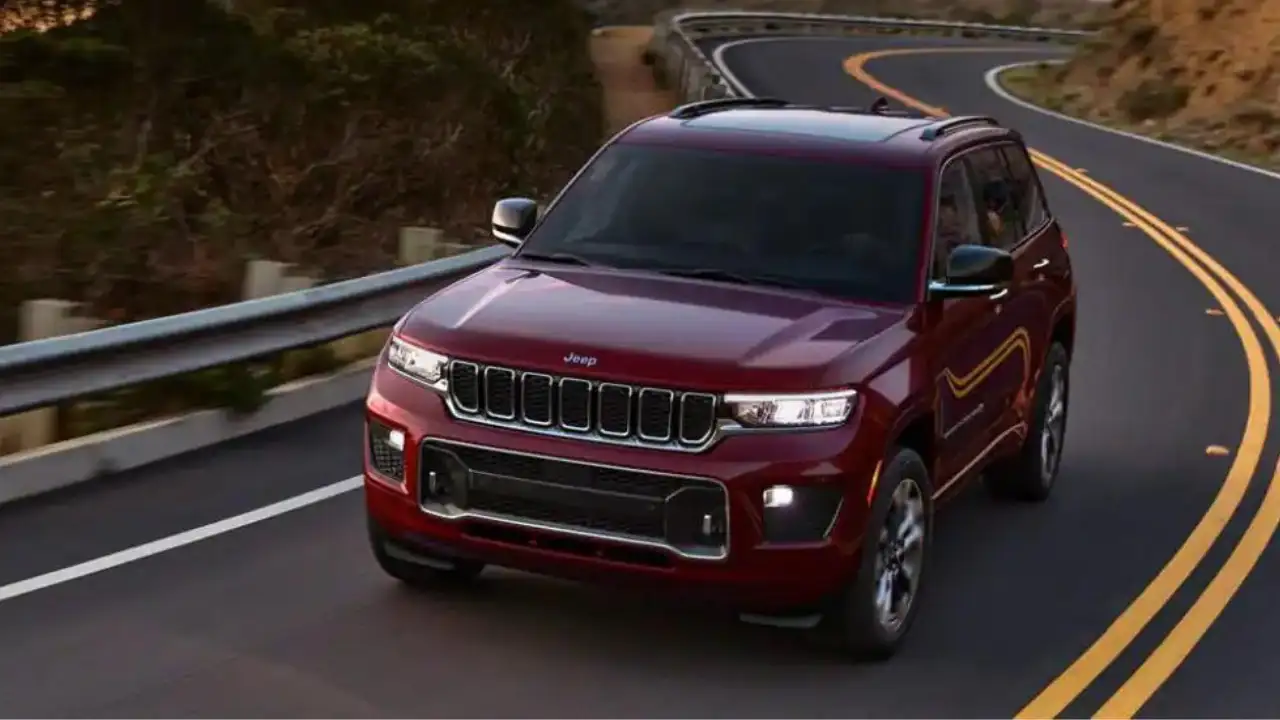
Ground clearance is higher than many SUVs. This allows the vehicle to pass over rocks, deep ruts, and uneven surfaces easily. It is ideal for mountain access roads, campsites, and remote trail entrances.
Inside, the cabin feels spacious and well built. Seats are comfortable and supportive, especially on long trips. The quiet interior helps reduce stress, even when driving on rough or uneven mountain surfaces.
Cargo space is generous for outdoor lifestyles. It easily fits camping gear, sports equipment, and winter supplies. Folding rear seats allow larger items to be carried without trouble or complicated loading.
Fuel efficiency is reasonable for a powerful SUV. While it uses more fuel than smaller cars, the trade-off is strong performance. Drivers gain confidence and ability that lighter vehicles simply cannot provide.
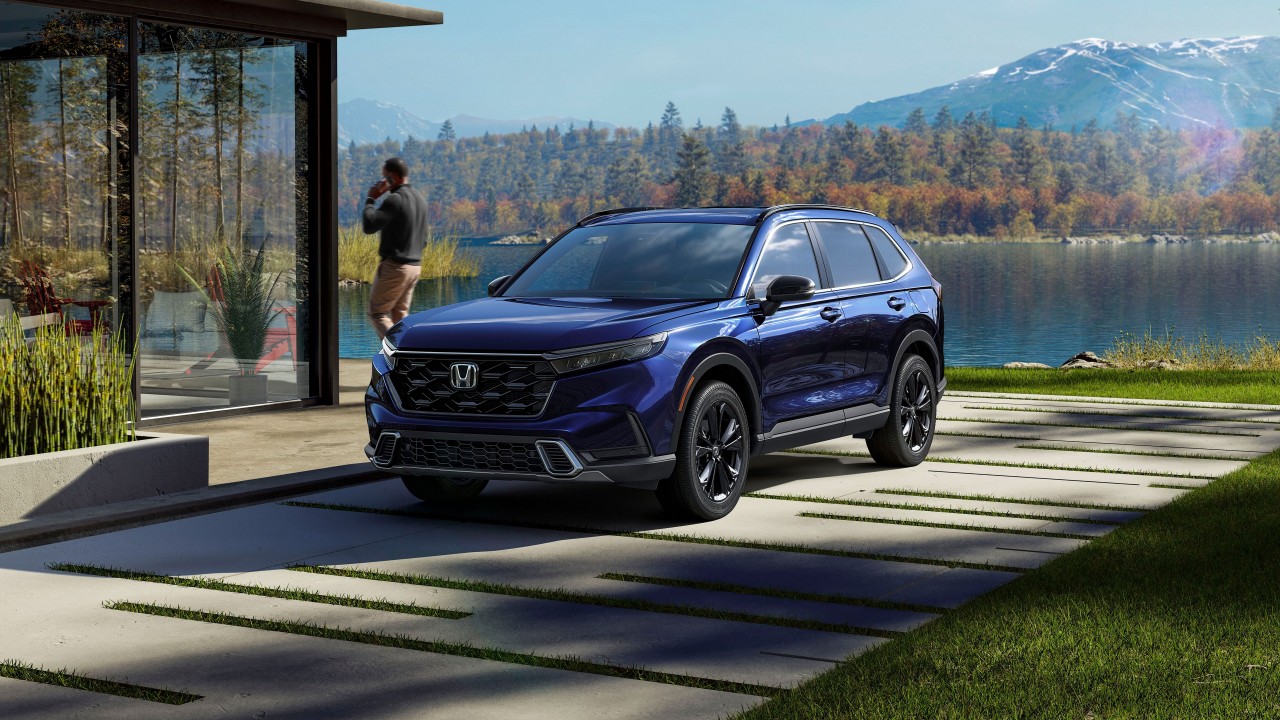
4) Honda CR-V AWD
The Honda CR-V with all-wheel drive is a smart choice for mountain driving. It is not extreme or aggressive, but it handles hills, curves, and changing weather with calm confidence. Many drivers trust it for daily mountain use.
Its all-wheel drive system improves traction when roads become slippery. Power shifts to the wheels that need grip most. This helps during uphill climbs on wet pavement, light snow, or loose gravel commonly found near mountains.
On winter roads, the CR-V feels stable and predictable. It does not slide easily and remains controlled on gentle ice. This makes it suitable for drivers who want safety without driving a large or heavy vehicle.
Ground clearance is better than most sedans. The CR-V can handle uneven roads, small rocks, and shallow ruts without scraping underneath. This is helpful on mountain access roads and poorly maintained uphill streets.
The engine provides smooth and steady power. It may not feel sporty, but it climbs hills without stress. Long uphill stretches do not require constant hard acceleration, which keeps driving relaxed and fuel use reasonable.
Handling is comfortable on winding mountain roads. The suspension absorbs bumps well, and the car feels stable around corners. This makes longer drives less tiring, especially on narrow roads with frequent turns and elevation changes.
Braking performance is reliable on slopes. The CR-V slows down smoothly without feeling heavy or unstable. This improves confidence when descending hills or stopping suddenly on steep or curving mountain roads.
Inside, the cabin is quiet and comfortable. Seats are supportive, and the driving position offers a clear view of the road ahead. Good visibility helps drivers judge curves, slopes, and traffic more easily.
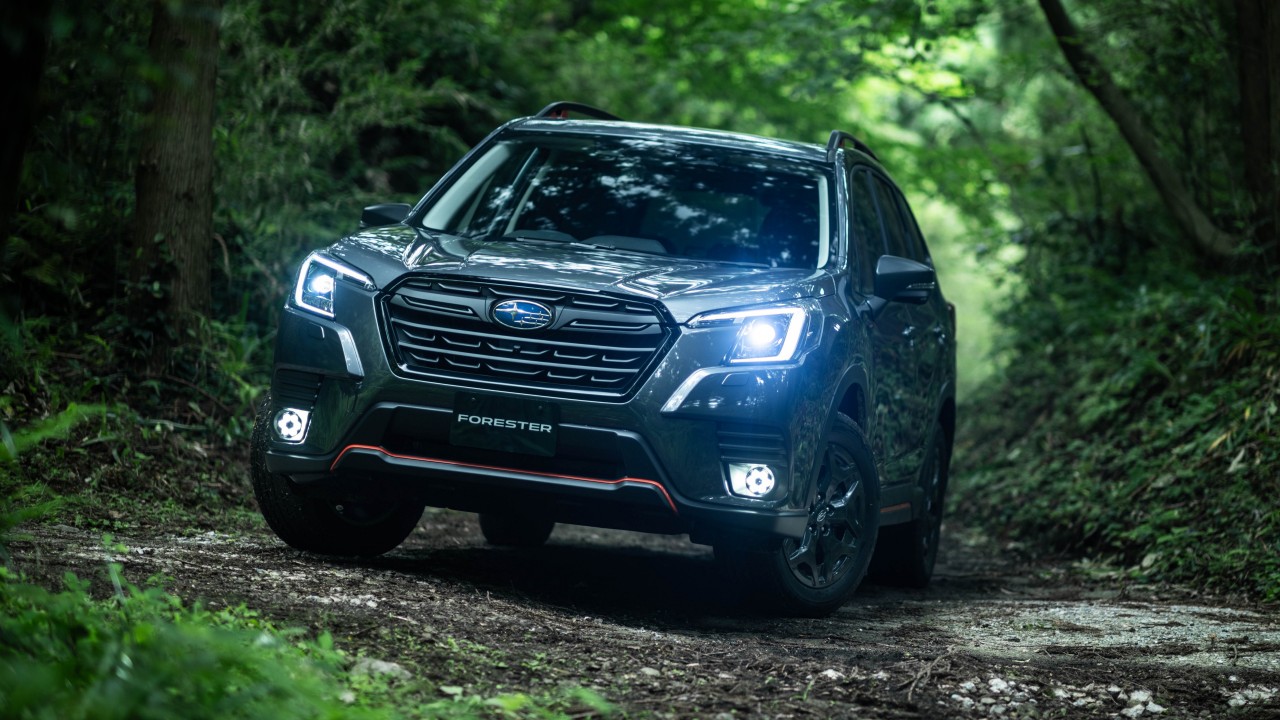
5) Subaru Forester
The Subaru Forester is a popular choice for people living near mountains. It is designed to handle steep roads, rough surfaces, and changing weather. The Forester feels easy to drive while still being strong and dependable.
One of its biggest advantages is standard all-wheel drive. Power is sent to all four wheels, which improves grip on steep climbs. This helps the Forester stay steady on snowy, wet, or loose mountain roads.
In winter conditions, the Forester performs very well. It handles icy slopes with confidence and reduces wheel slip. Drivers feel more in control when climbing hills early in the morning or after fresh snowfall.
Ground clearance is higher than most small SUVs. This allows the Forester to pass over rocks, uneven pavement, and shallow ruts. It is well suited for dirt roads, trail access points, and poorly maintained mountain streets.
The engine delivers smooth and consistent power. It may not be sporty, but it does not feel weak uphill. Long climbs at higher elevations are handled calmly without constant strain or loud engine noise.
Handling is one of the Forester’s strong points. The vehicle feels light and balanced on winding roads. Sharp curves and elevation changes are easier to manage, which improves safety and driving comfort.
Visibility is excellent due to the Forester’s tall windows and upright design. Drivers can clearly see corners, slopes, and traffic ahead. This is very helpful on narrow mountain roads with limited sightlines.
Braking performance is reliable on hills. The Forester slows down smoothly on downhill sections without feeling unstable. This gives drivers more confidence when descending steep roads or stopping on uneven surfaces.
Inside, the cabin is comfortable and practical. Seats support the body well during long drives, and road noise stays low. The simple interior design makes controls easy to use while driving.
Cargo space is generous for its size. The Forester easily carries groceries, luggage, hiking gear, or winter equipment. Rear seats fold flat, making room for larger items without much effort.
Also Read: Top 9 Hybrids That Handle City Driving Smoothly
5 Cars That Struggle Uphill in Boulder
This article focuses on five vehicles that tend to struggle with Boulder’s uphill driving demands. Whether it’s limited power, poor torque delivery, front-wheel-drive limitations, or gearing that isn’t built for sustained climbs, these are cars that often feel outmatched when the road points upward. If you regularly head into the foothills, knowing what to avoid can be just as important as knowing what to buy.
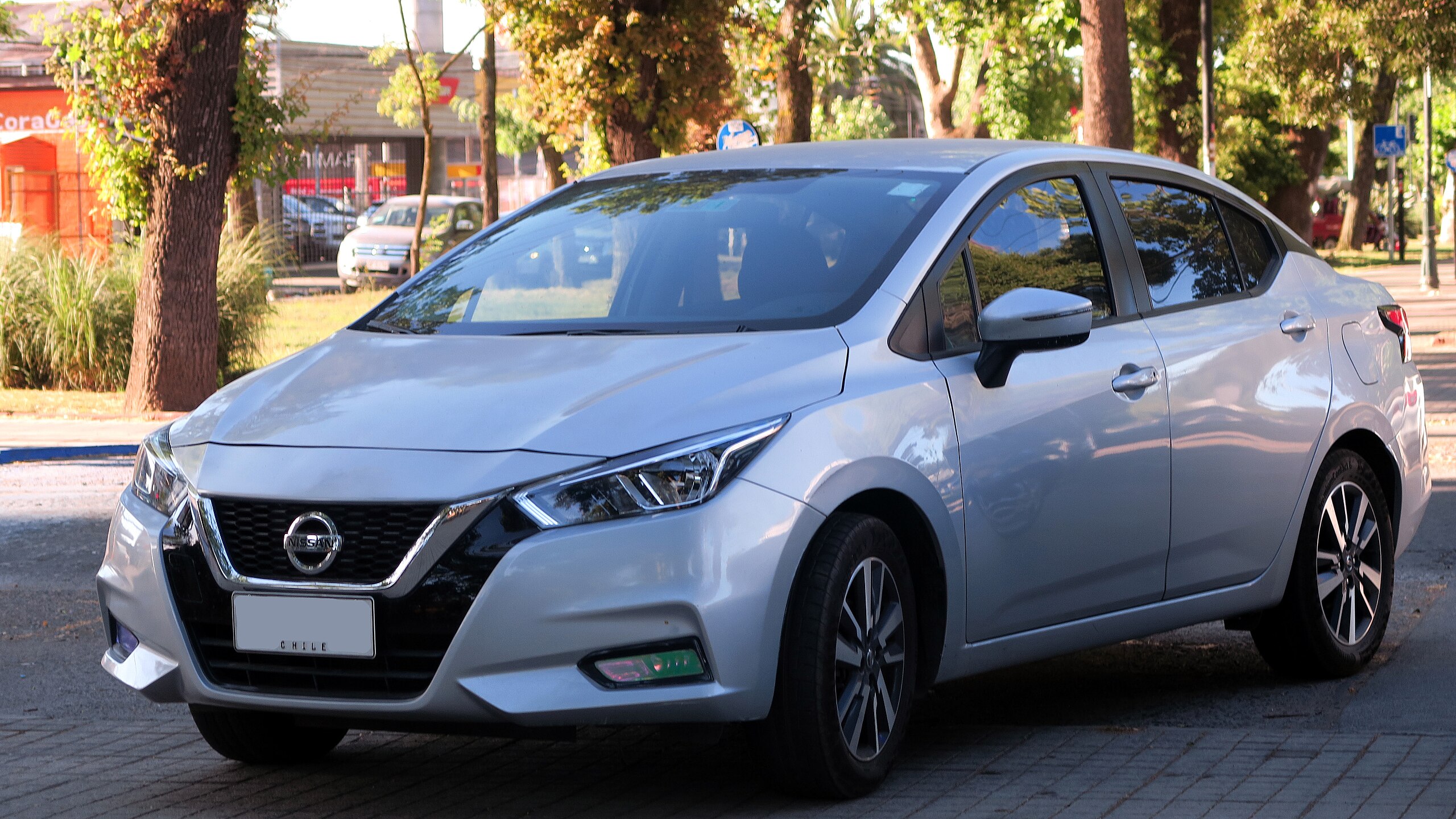
1) Nissan Versa
The Nissan Versa is designed mainly for flat city driving. While it is affordable and fuel efficient, it is not built for steep hills or mountain conditions. In places like Boulder, its limits become clear very quickly.
The biggest issue is the small engine. When climbing steep roads, the Versa feels weak and slow. Drivers often need to press the accelerator hard just to maintain speed, which makes uphill driving stressful and uncomfortable.
At higher elevations, engine power drops even more. The Versa struggles on long climbs and may feel like it is working too hard. This can be frustrating when driving mountain highways or steep neighborhood roads.
The transmission also adds to the problem. Frequent gear changes occur while climbing hills, making the drive feel jerky. This constant shifting reduces smoothness and can lead to faster wear over time.
Traction is another concern. The Versa comes with front-wheel drive only. On snowy, icy, or gravel roads, the front tires can slip easily, especially when starting uphill from a stop.
Ground clearance is very low compared to mountain-friendly vehicles. The Versa can scrape on uneven pavement, speed bumps, or rocky roads. This makes it risky on poorly maintained mountain routes or dirt access roads.
Handling on winding mountain roads is not confidence inspiring. The lightweight body can feel unstable on sharp curves, especially at higher speeds or in strong crosswinds common in elevated areas.
Braking on steep downhill roads requires extra care. The car feels less planted, and drivers may need to brake more often. This increases brake wear and adds stress during long mountain descents.
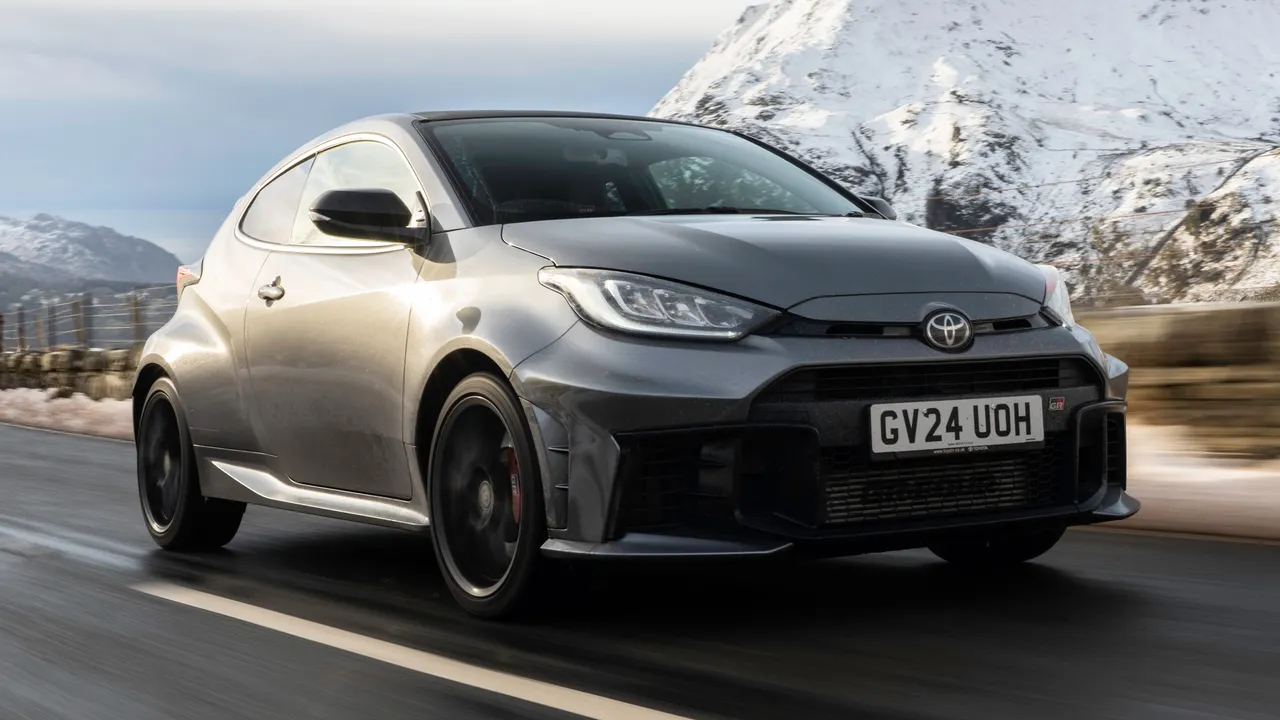
2) Toyota Yaris
The Toyota Yaris is known for low running costs and easy city driving. However, it is not designed for mountain areas. On steep roads and long climbs, its weaknesses become very clear to the driver.
The main problem is limited engine power. When driving uphill, the Yaris struggles to gain speed. Drivers often need to push the engine hard, which makes climbs slow and uncomfortable.
At higher elevations, the lack of power becomes more noticeable. The engine feels strained on long mountain roads. Maintaining steady speed uphill can be difficult, especially with passengers or luggage inside.
The small size of the car also affects stability. On winding mountain roads, the Yaris can feel light and less planted. Sharp curves and strong winds make the drive feel less confident.
Traction is another issue in mountain conditions. Most Yaris models are front-wheel drive only. On snow, ice, or gravel, the front wheels can slip easily when starting uphill.
Ground clearance is very low. The Yaris is not suitable for uneven pavement, rocky roads, or dirt paths. Scraping the bottom is common on poorly maintained mountain roads.
Handling on steep downhill sections requires caution. The car needs frequent braking, which can increase brake wear. Long descents may feel tiring and demand extra attention from the driver.
Interior comfort is basic and best suited for short trips. On long uphill drives, engine noise becomes noticeable. Seats offer limited support, which can lead to fatigue during extended mountain travel.
3) Hyundai Accent
The Hyundai Accent is designed mainly for smooth city roads and highways. It is affordable and easy to drive, but mountain conditions quickly expose its limits. Steep climbs, thin air, and rough roads are not its strengths.
The biggest drawback is limited engine power. When driving uphill, the Accent feels slow and strained. Drivers often need heavy acceleration just to keep pace, which makes mountain driving tiring and frustrating.
At higher elevations, power loss becomes more noticeable. The engine struggles on long climbs and feels overworked. This can be stressful on mountain highways where steady uphill speed is important for safety.
The transmission also works harder on slopes. Frequent gear changes occur while climbing hills, which reduces smoothness. This constant shifting can make uphill driving feel jerky and less comfortable.
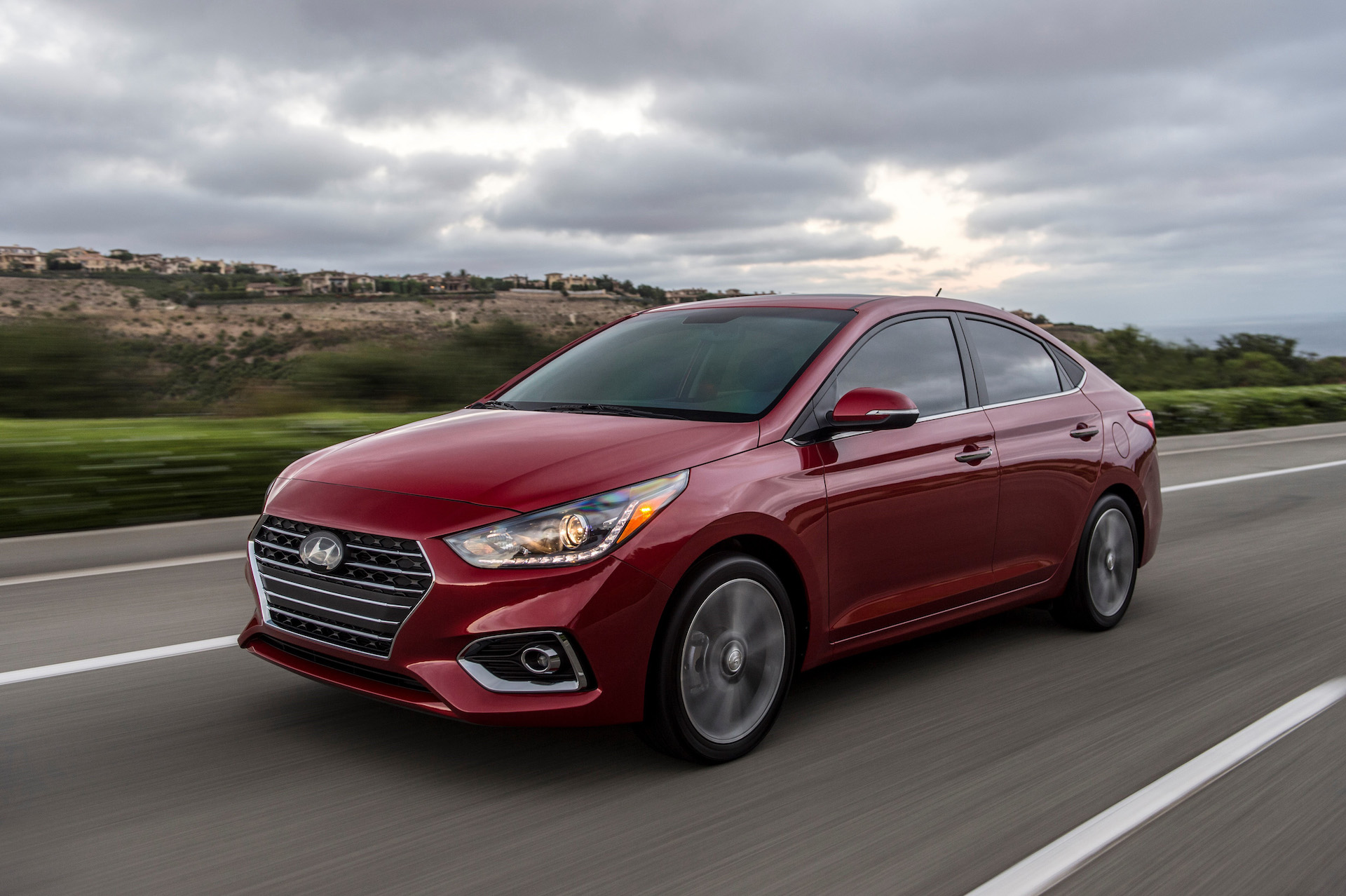
Traction is another concern in mountain areas. Most Accent models use front-wheel drive only. On snow, ice, or loose gravel, the front wheels can lose grip easily when starting uphill.
Ground clearance is very low, limiting where the Accent can safely drive. Uneven pavement, potholes, and rocky roads can cause scraping underneath. This makes it unsuitable for many mountain access roads.
Handling on winding roads is not confidence inspiring. The lightweight body can feel unstable on sharp curves. Strong winds at higher elevations can also affect balance and steering control.
Braking on steep downhill roads requires extra caution. The Accent needs frequent braking to control speed. This increases brake wear and adds stress during long mountain descents.
Inside, the cabin is comfortable for short trips but less ideal for long mountain drives. Engine noise becomes louder during climbs, and seat support is limited for extended uphill travel.
4) Chevrolet Spark
The Chevrolet Spark is built mainly for busy city streets. It is compact, affordable, and easy to park. However, mountain driving quickly shows its weaknesses, especially on steep hills and long uphill roads.
The biggest issue is the very small engine. When climbing steep roads, the Spark feels slow and underpowered. Drivers often need full throttle just to move uphill, which creates stress and loud engine noise.
At higher elevations, engine power drops further. Long mountain climbs become difficult, and maintaining speed is a challenge. This makes highway driving in mountainous areas uncomfortable and sometimes unsafe.
The Spark’s light weight affects stability. On winding mountain roads, it can feel unstable, especially in strong winds. Sharp curves and uneven surfaces reduce driver confidence.
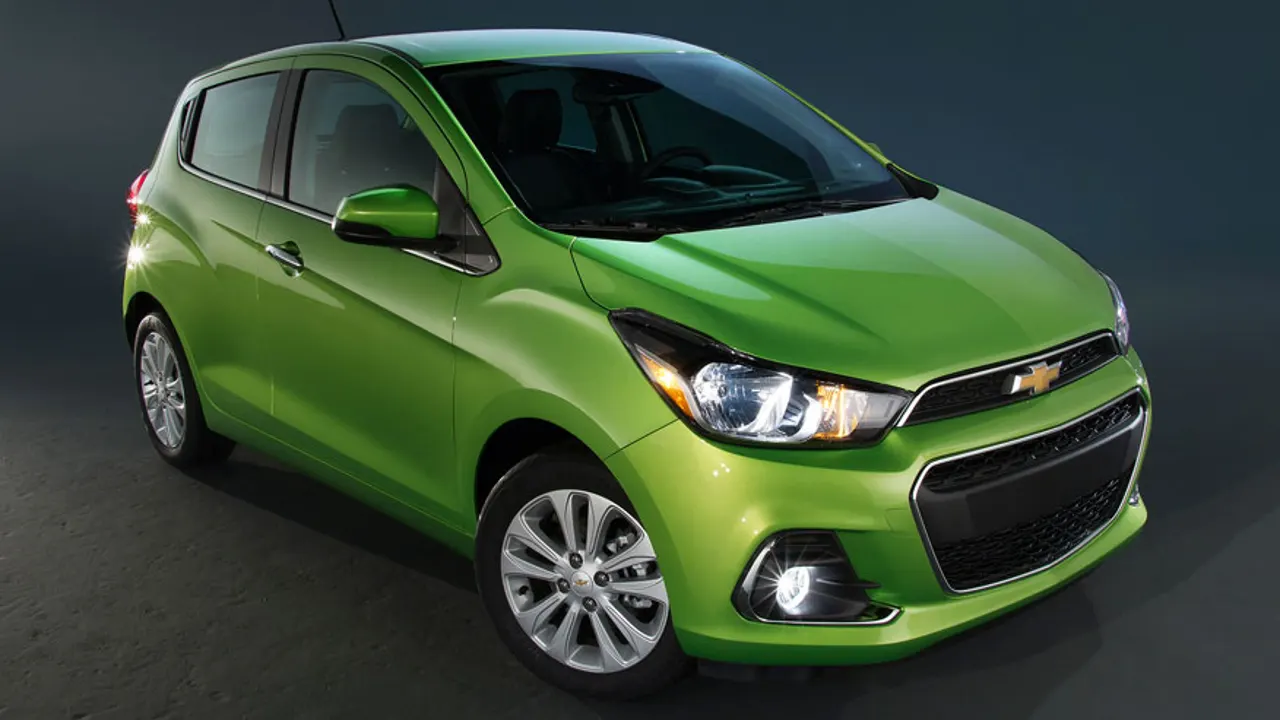
Traction is limited in bad weather. The Spark comes with front-wheel drive only. On snow, ice, or gravel, the front wheels can slip easily, especially when starting uphill from a stop.
Ground clearance is very low. Uneven pavement, rocks, and potholes can cause scraping underneath. This limits where the Spark can go and increases the risk of damage on mountain roads.
Handling on steep downhill sections requires constant attention. The car needs frequent braking to control speed. This increases brake wear and adds stress during long mountain descents.
Inside, the cabin is basic and best suited for short city trips. Engine noise becomes loud during uphill driving. Seats offer limited comfort for longer mountain journeys.
Cargo space is very small. Carrying groceries, winter gear, or outdoor equipment quickly fills the trunk. This makes the Spark impractical for mountain lifestyles and outdoor activities.
5) Mitsubishi Mirage
The Mitsubishi Mirage is designed for basic city use and maximum fuel savings. While it is cheap to run on flat roads, mountain driving quickly exposes its limits. Steep hills and long climbs are difficult for this car.
The main weakness is the very small engine. When driving uphill, the Mirage feels extremely slow. Drivers must press the accelerator hard just to climb, which makes driving stressful and uncomfortable.
At higher elevations, engine power drops even more. Long mountain climbs feel tiring, and maintaining speed becomes difficult. This can be unsafe on steep highways where steady uphill performance is needed.
The transmission struggles on slopes. Frequent gear changes make uphill driving noisy and jerky. This constant strain reduces smoothness and makes mountain travel less enjoyable for the driver.
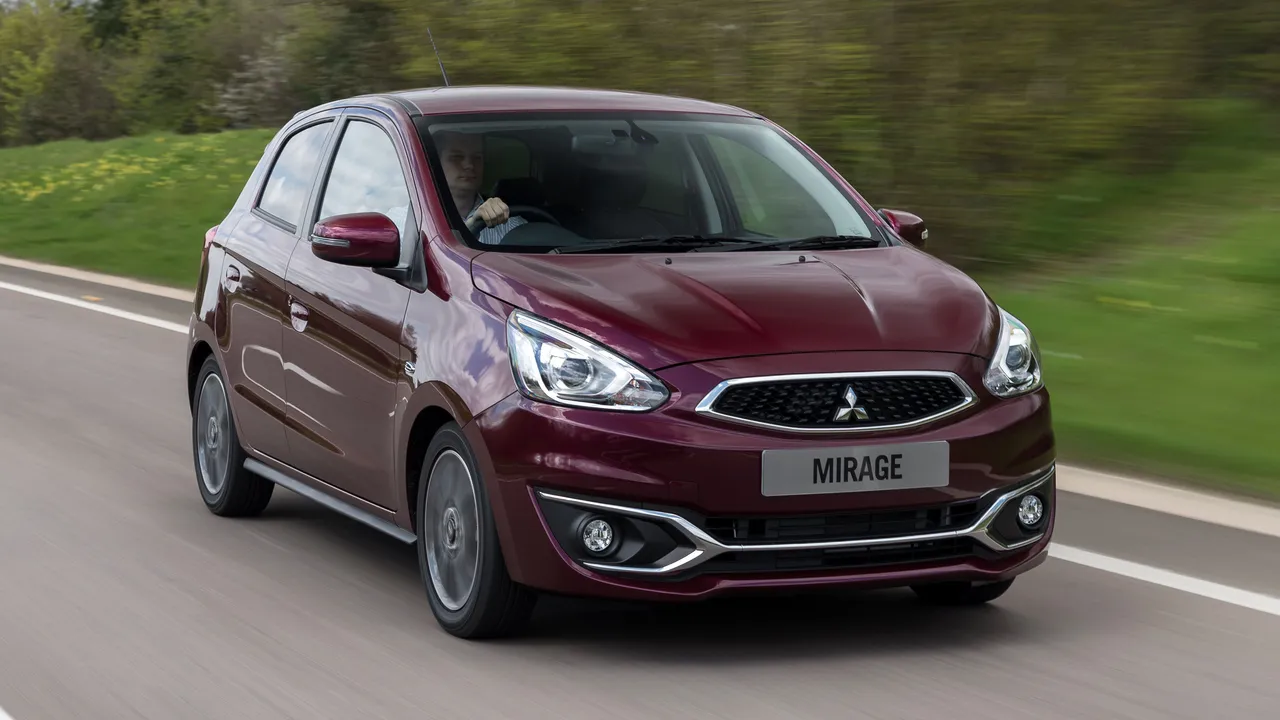
Traction is limited in bad conditions. The Mirage uses front-wheel drive only. On snow, ice, or loose gravel, the front wheels slip easily, especially when starting on steep uphill roads.
Ground clearance is very low. Uneven pavement, potholes, and rocky paths can cause scraping underneath. This makes the Mirage unsuitable for many mountain access roads or rural uphill routes.