
Public charging has become the real test of electric vehicle ownership. Home charging sounds ideal, yet daily life often depends on shared stations in parking garages, shopping centers, workplaces, and highway rest stops.
A smooth charging experience can make electric driving feel simple and reliable. A frustrating one can turn every trip into a planning exercise filled with uncertainty.
Not all EVs interact with public charging the same way. Some connect easily, communicate clearly with charging networks, and deliver predictable charging speeds across different stations.
Others struggle with compatibility, inconsistent software, or slow charging, which makes public stations feel like obstacles instead of solutions. These differences matter far more than brochure numbers once real-world routines take over.
This page focuses on electric vehicles that cooperate well with public charging infrastructure. These models tend to authenticate smoothly, maintain stable charging sessions, and support widely available connectors without drama.
Charging apps work as expected, charge rates remain consistent, and drivers spend less time troubleshooting screens or restarting sessions.
The first group of cars is five EVs known for dependable public charging experiences. The second group is five models that often frustrate owners at shared stations.
Each vehicle discussed uses a different design approach, charging strategy, and ownership philosophy. Together, they paint a clear picture of how much public charging compatibility can shape daily electric driving.
5 EVs That Work Well With Public Charging
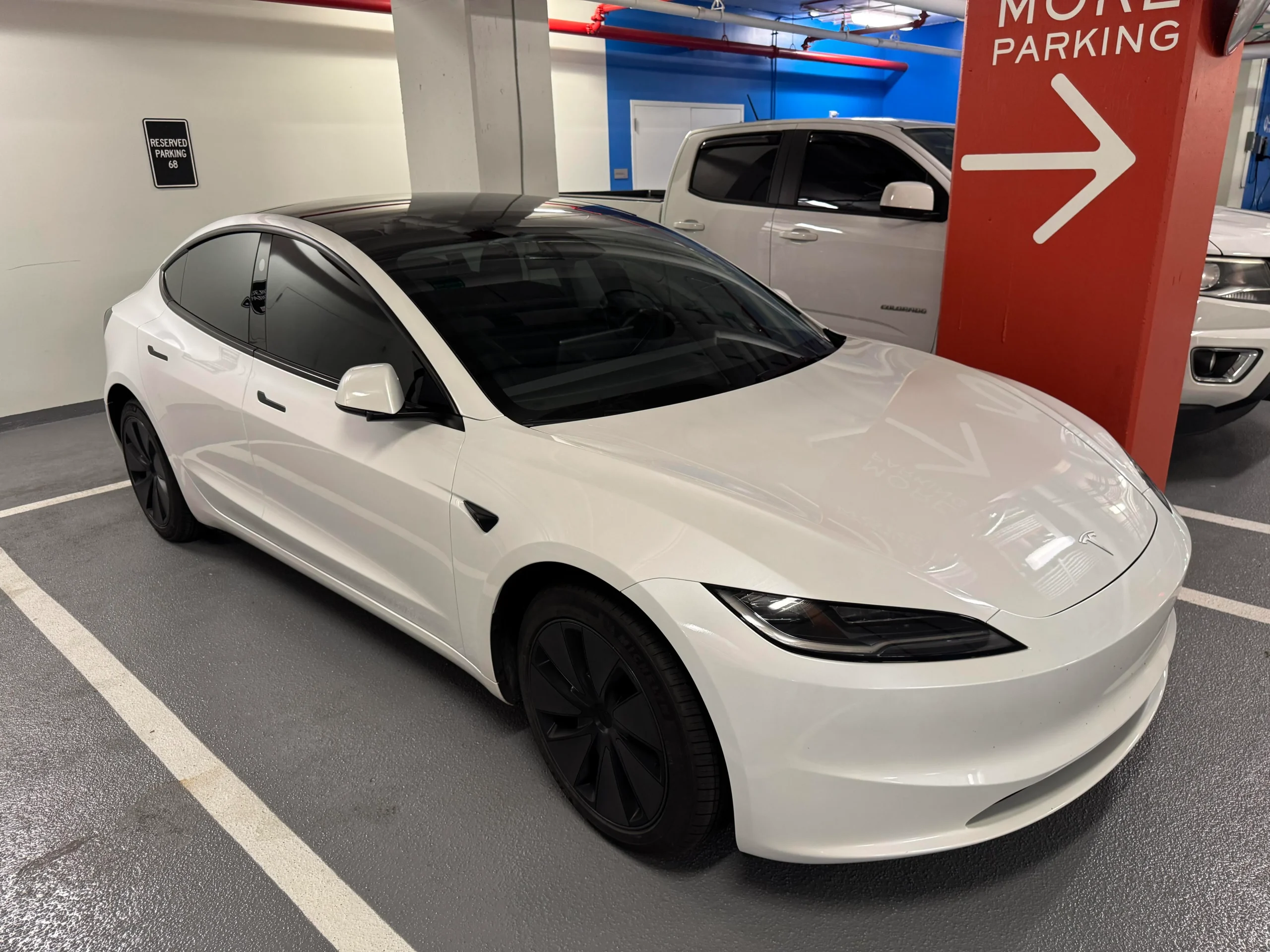
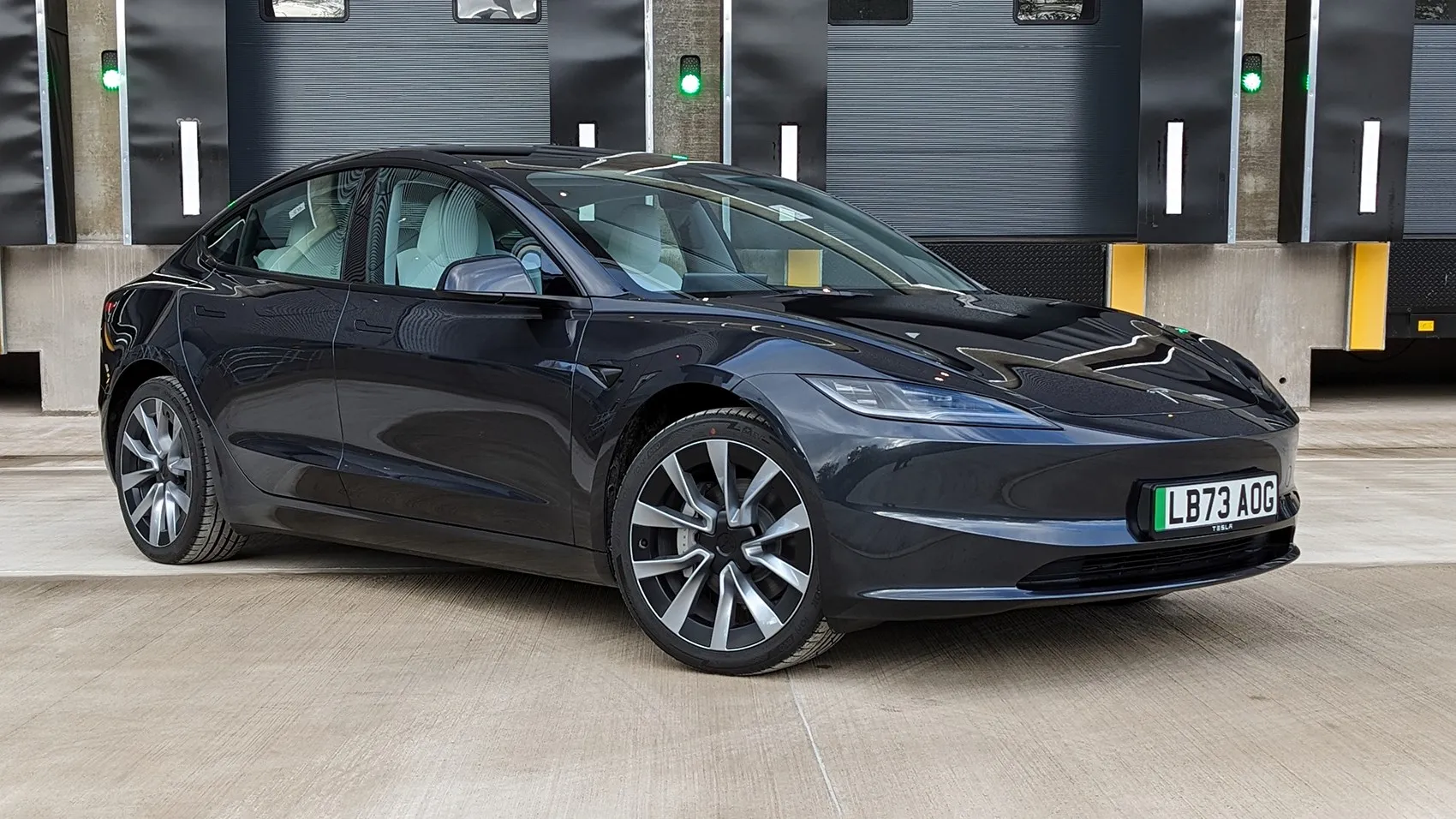
1. Tesla Model 3 Long Range 2024
Confidence defines the Tesla Model 3 Long Range 2024 when it comes to public charging. This sedan benefits from deep integration with the charging infrastructure that reduces friction at almost every step. Drivers arrive, plug in, and charging begins without extra screens, cards, or authentication delays. That simplicity changes how public charging feels during busy schedules.
Tesla’s Supercharger network plays a central role. Stations are widespread, clearly marked, and designed with consistent performance in mind. Charging speeds remain predictable, even during peak hours. The car communicates directly with the charger, adjusting power delivery automatically to protect battery health while still minimizing wait times. That balance matters during road trips and daily top-ups alike.
Compatibility extends beyond Tesla-branded stations. Adapters allow access to many third-party fast chargers, expanding options in urban and suburban areas. Software updates continue to refine this process, improving handshake reliability and reducing failed sessions. Drivers spend less time checking apps and more time getting back on the road.
Route planning feels purposeful. The onboard system factors charging availability, elevation, traffic, and battery condition into real-time suggestions. Stops feel intentional rather than reactive. This reduces range anxiety and helps drivers trust the system during unfamiliar trips.
Charging speed remains strong across different states of charge. Even when the battery is not empty, the Model 3 maintains useful power delivery, making short charging stops worthwhile. Urban drivers benefit from quick top-ups that fit into errands instead of demanding long waits.
Ownership feedback often highlights how little thought charging requires. Public stations feel like an extension of home charging rather than a compromise. Tesla Model 3 Long Range 2024 proves that when hardware, software, and infrastructure work together, public charging becomes a routine task instead of a constant concern.
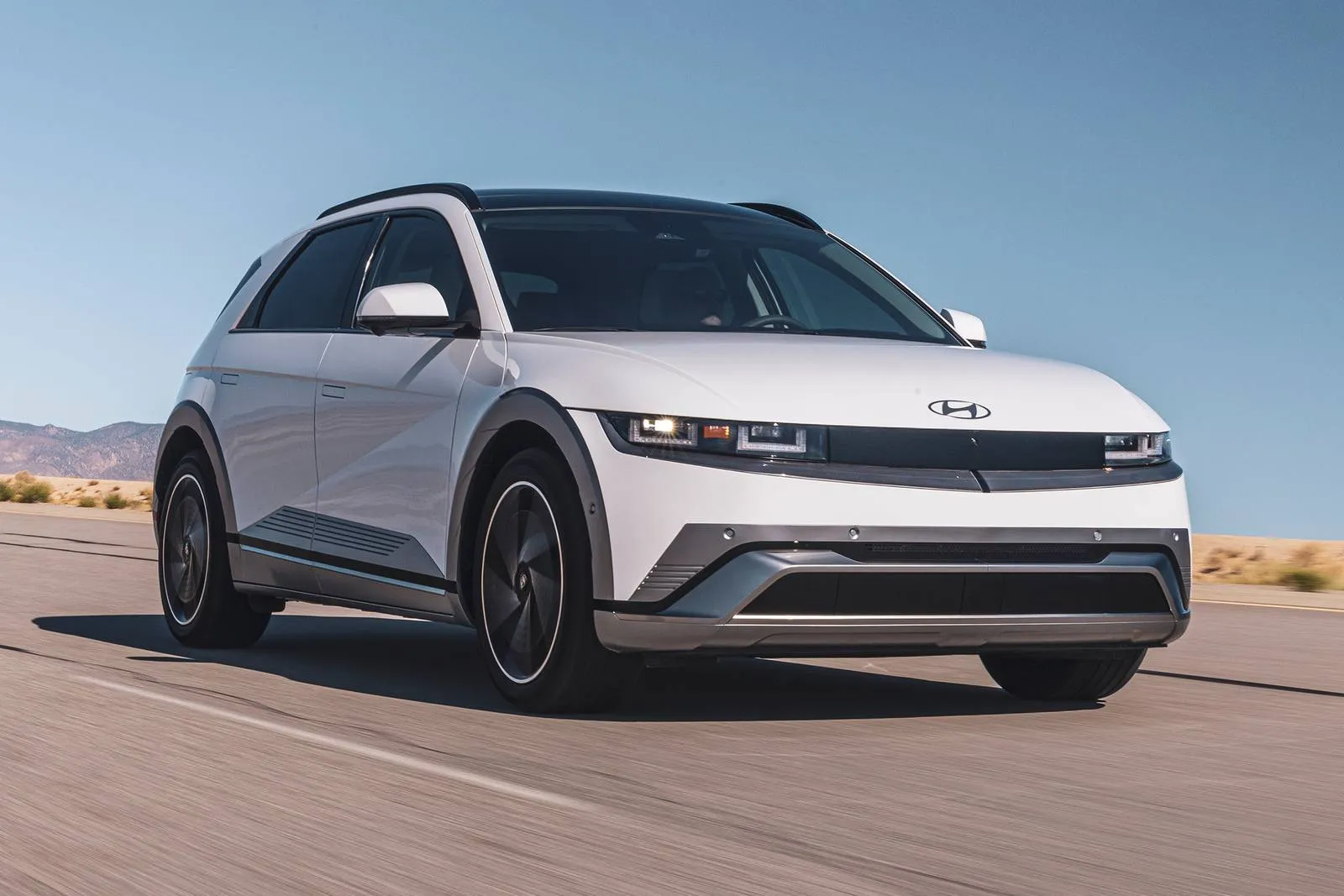
2. Hyundai Ioniq 5 Limited AWD 2024
Design flair meets charging intelligence in the Hyundai Ioniq 5 Limited AWD 2024. This crossover approaches public charging with flexibility and speed, making it a strong companion for drivers who rely on shared stations throughout the week. Its advanced electrical architecture supports rapid charging that stands out across multiple networks.
An 800-volt system allows this vehicle to accept high power from compatible fast chargers. Short stops deliver meaningful range gains, even during brief shopping or meal breaks. Drivers notice how quickly charging sessions move from low to usable battery levels, reducing time spent waiting in busy charging areas.
Connector compatibility works in the Ioniq 5’s favor. CCS fast charging access remains widespread across North America, opening doors to major public networks. Plug-and-charge features simplify payment at supported stations, removing the need to juggle apps or cards during every visit.
Charging stability remains consistent. Sessions rarely drop unexpectedly, and the vehicle communicates clearly with chargers to manage power delivery. Battery preconditioning activates automatically when fast chargers are set as destinations, helping maintain strong charging speeds in colder or warmer conditions.
Inside the cabin, charging information feels easy to understand. Clear displays show estimated time remaining, charging speed, and battery temperature without clutter. Drivers can step away with confidence, knowing exactly when the car will be ready.
Public charging fits naturally into daily use with this model. Urban commuters appreciate quick boosts, while travelers rely on predictable fast charging along highways. The Hyundai Ioniq 5 Limited AWD 2024 demonstrates how thoughtful engineering can turn public stations into reliable tools rather than scheduling disruptions.
Also Read: 5 EVs That Handle Phoenix Heat and 5 That Suffer Battery Loss
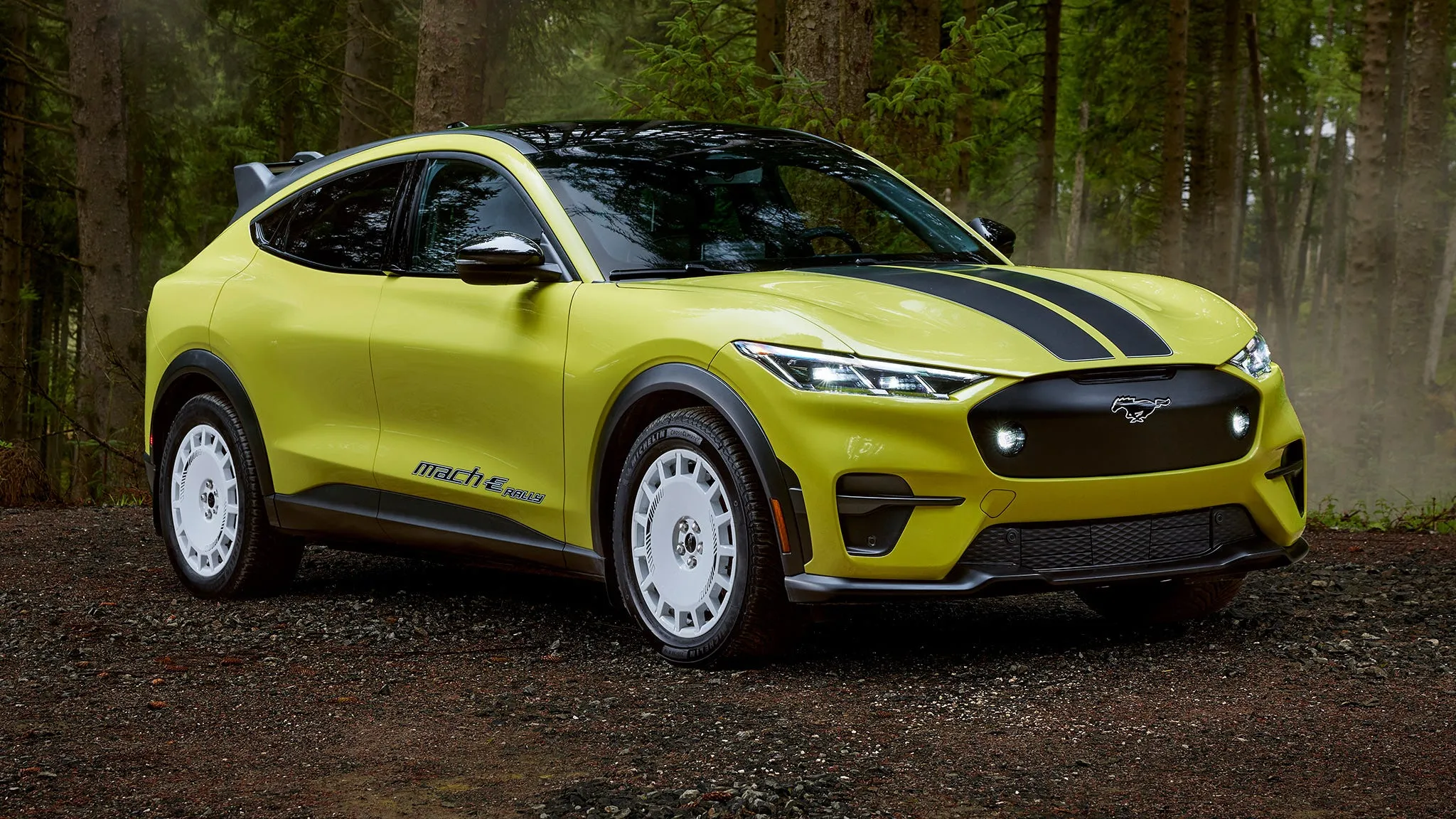
3. Ford Mustang Mach-E California Route 1 2024
Personality mixes with everyday usefulness in the Ford Mustang Mach-E California Route 1 2024, and public charging plays a major role in that balance. Ford shaped this model with mainstream drivers in mind, especially those moving away from gasoline for the first time. That intention becomes clear the moment public charging enters daily routines.
BlueOval Charge Network access simplifies life at shared stations. One account opens the door to a wide range of providers, reducing the need for juggling multiple apps or payment methods. Plug-and-charge support at compatible stations allows sessions to begin almost instantly, cutting out steps that often frustrate new EV owners. This sense of ease lowers anxiety during busy days.
Charging performance favors consistency rather than spectacle. Fast charging speeds remain competitive enough for road trips, yet the real strength lies in reliability. Sessions tend to start cleanly, maintain stable power, and finish without interruption. Drivers learn to trust that each stop will deliver usable results without surprises.
Route planning tools strengthen that trust. Built-in navigation highlights chargers that match the vehicle’s needs and shows real-time availability. Range predictions update as conditions change, helping drivers adjust plans without stress. Traffic, elevation, and driving style all factor into estimates that feel grounded in reality.
Charging port placement also deserves attention. Positioned for easy access, it works well in tight garages and curbside spaces. Drivers avoid awkward angles or blocked cables, which matters more than expected during crowded urban charging.
Software updates continue refining the experience in the background. Improvements to compatibility, communication, and efficiency arrive quietly, keeping the system current without owner intervention. Each update strengthens confidence rather than introducing confusion.
Ford Mustang Mach-E California Route 1 2024 treats public charging as a normal part of ownership, not a hurdle. Predictable behavior, simple access, and thoughtful tools combine to create an experience that feels calm, repeatable, and easy to live with.
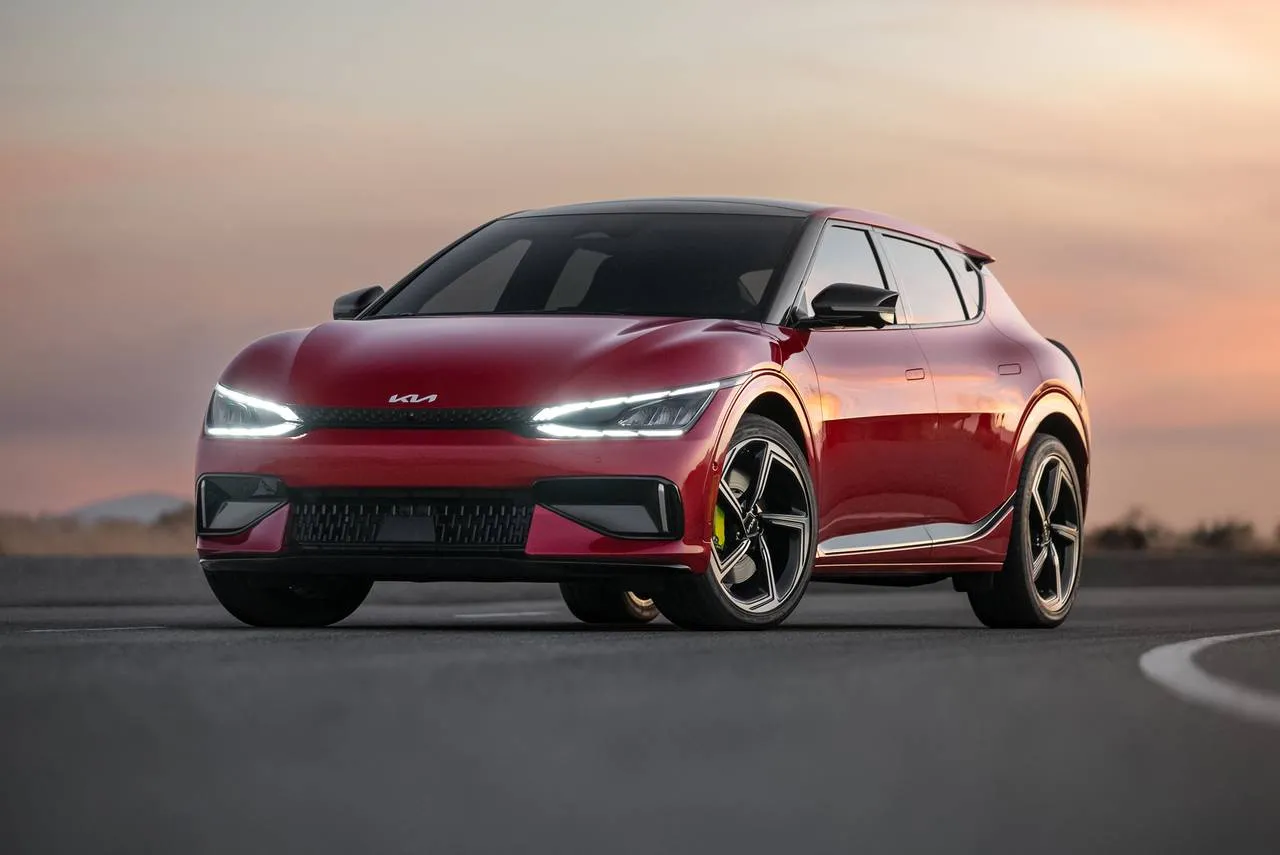
4. Kia EV6 GT-Line AWD 2024
Sport-focused design meets charging efficiency in the Kia EV6 GT-Line AWD 2024. This vehicle approaches public charging with urgency and polish, appealing to drivers who value quick results and modern technology. Every interaction with shared infrastructure reflects careful planning and advanced electrical architecture.
Fast charging performance stands out immediately. When connected to high-output DC chargers, the EV6 accepts strong power early in the session. Useful range returns quickly, turning brief stops into meaningful progress. Drivers squeezing charging into lunch breaks or short errands benefit greatly from this behavior.
Compatibility remains broad thanks to CCS support. Public networks across different providers work smoothly, and session startup usually happens without repeated attempts. Payment systems integrate cleanly, reducing friction during busy hours when patience runs thin.
Battery preparation systems quietly support this experience. Preconditioning readies the pack for fast charging when a station is selected in navigation, improving consistency. Thermal control keeps temperatures balanced, helping maintain steady speeds rather than sudden slowdowns mid-session.
Information delivery feels intuitive. Interior displays present charging progress in clear terms, showing remaining time and estimated range gain without technical clutter. Connected apps mirror this data, allowing drivers to step away while staying informed.
Urban charging benefits from these strengths just as much as long trips. Quick top-ups feel worthwhile, and confidence remains high when stations are crowded. Drivers know they will not linger longer than necessary. Kia EV6 GT-Line AWD 2024 makes public charging feel efficient and modern. Speed, clarity, and dependable behavior combine to create an experience that respects both time and convenience.
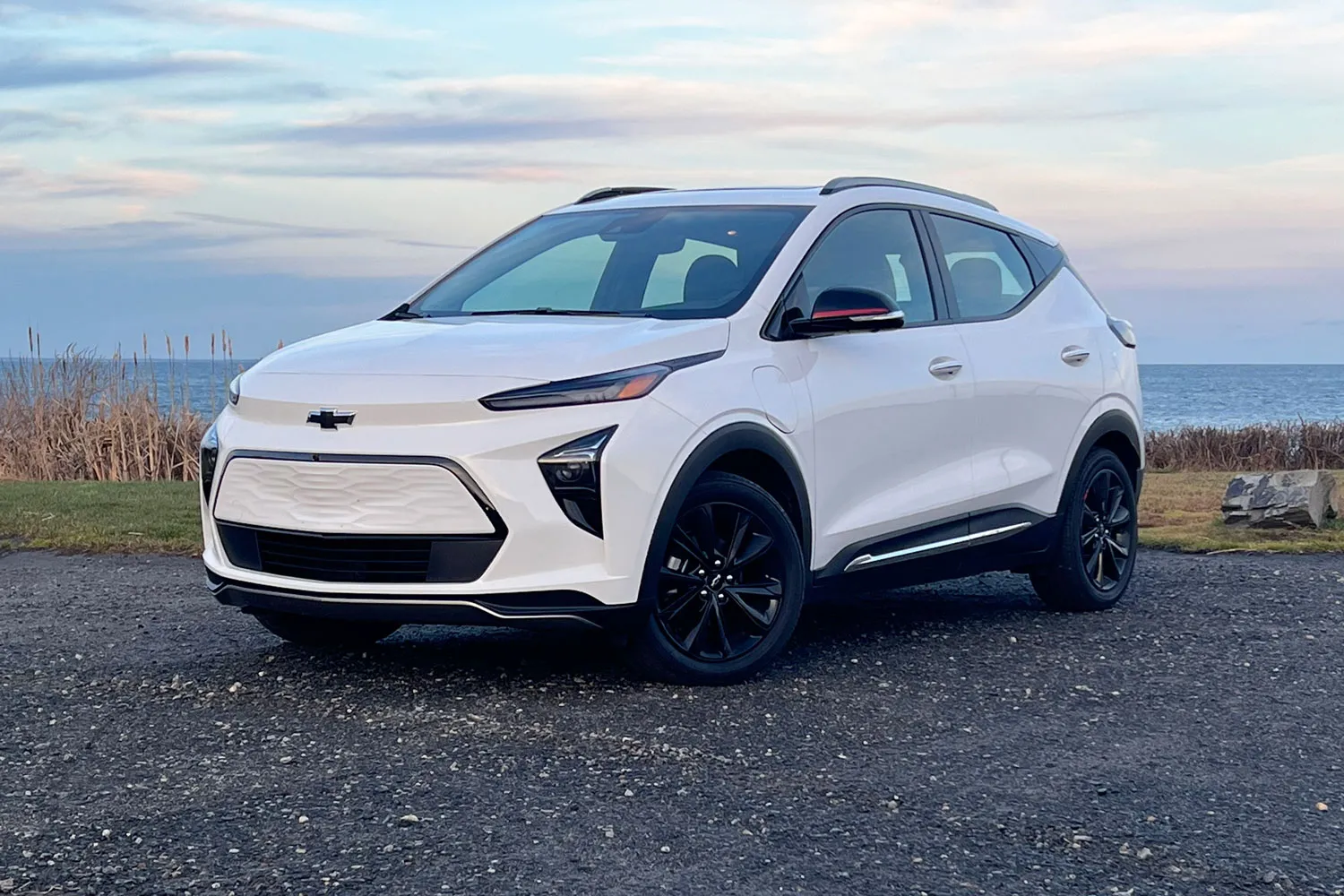
5. Chevrolet Bolt EUV 2023
Practical thinking shapes the Chevrolet Bolt EUV 2023, especially for drivers who depend on public charging as part of daily life. This vehicle favors steady performance and wide compatibility, creating an experience built around reliability rather than flash.
Level 2 public chargers suit the Bolt EUV exceptionally well. Charging during work hours, shopping trips, or overnight stays fits naturally into routines. Once connected, sessions tend to remain stable, allowing drivers to walk away without worry.
Fast charging tells a more modest story, yet predictability defines it. Power levels stay consistent, even if peak rates remain lower than newer rivals. Drivers learn exactly how long a stop will take, which helps with planning despite longer waits. Connector support opens access to a wide range of stations. CCS compatibility works smoothly, and communication during startup remains dependable. Failed sessions occur infrequently, reducing stress at busy locations.
Charging information stays clear and easy to understand. Estimates remain steady, helping drivers decide when to unplug without constant checking. Mobile app support allows remote monitoring, offering reassurance during longer stops. Cost awareness adds another benefit. Efficient energy use keeps public charging expenses reasonable, especially for city driving. Drivers often find that charging fits neatly into daily budgets without demanding careful calculation.
Chevrolet Bolt EUV 2023 shows that public charging success does not require cutting-edge speed. Its calm behavior, reliable connections, and simple communication create a dependable experience for drivers who value certainty and routine over rapid turnaround.
5 EVs That Struggle With Public Charging
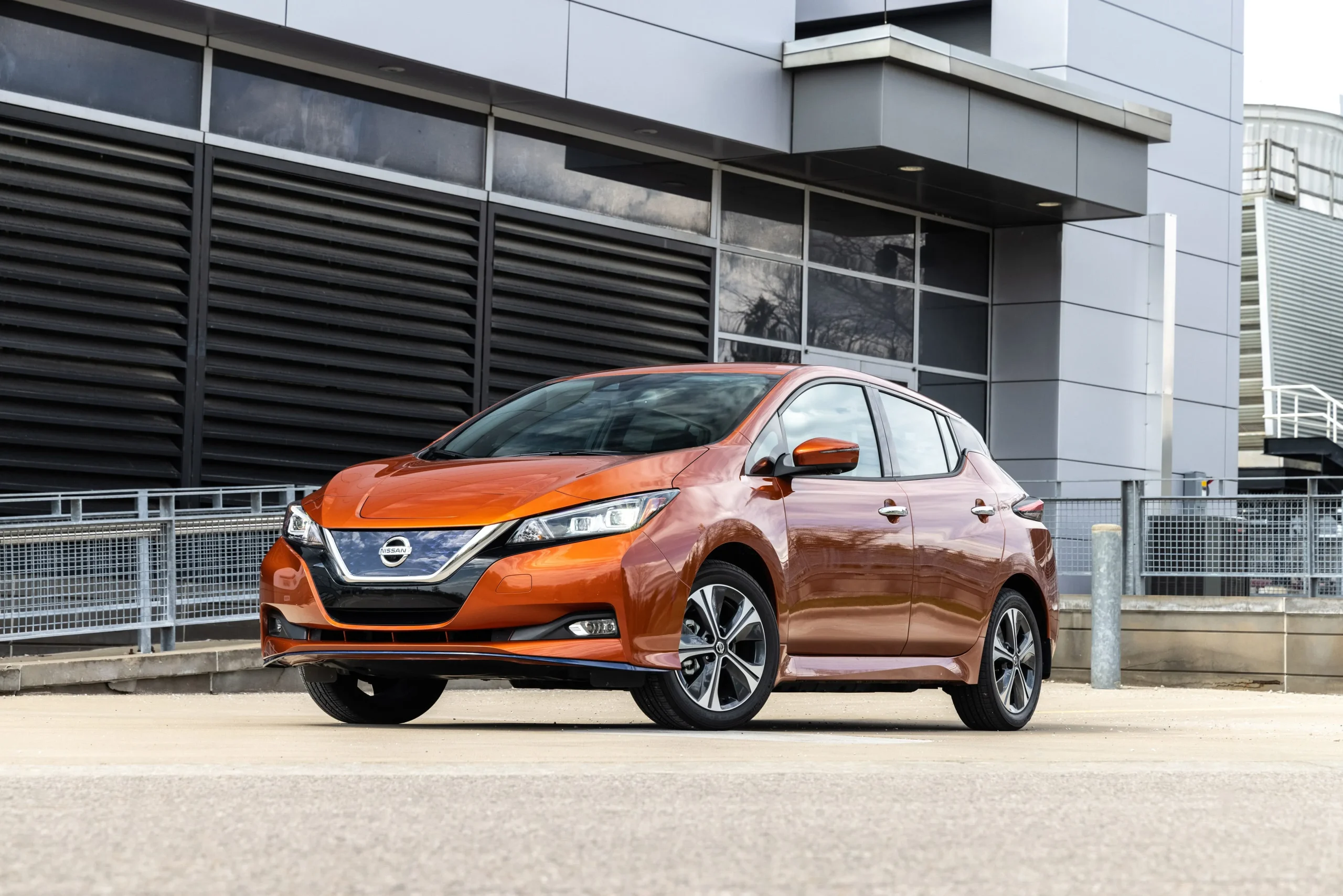
1. Nissan Leaf SV Plus 2022
Legacy plays a quiet role in shaping the Nissan Leaf SV Plus 2022, especially once public charging becomes part of regular life. Early electric thinking favored simplicity and affordability, yet charging networks have advanced faster than this model. Owners often notice the gap only after relying on shared stations instead of a home outlet.
CHAdeMO remains the most visible limitation. This charging standard once felt progressive, but public stations now prioritize CCS connectors. Many locations keep a single CHAdeMO plug, and it is not unusual to find it unavailable due to use or technical issues. A short stop can stretch into a long wait, forcing drivers to rethink timing and routes.
Speed consistency adds another layer of frustration. Even when a compatible fast charger is available, the Leaf’s charging curve drops sharply as the session continues. Heat buildup causes power delivery to slow, especially during repeated stops in one day. What begins as a promising session can quickly turn into a waiting exercise.
Battery cooling design influences this behavior. Passive air cooling protects long-term durability but limits how aggressively the battery can accept energy. Warm weather or heavy use amplifies the effect, leaving drivers uncertain about how long charging will take from one visit to the next.
Public charging apps become essential rather than optional. Checking availability, plug type, and station status becomes routine. Arriving without confirmation risks wasted trips and added stress. Even Level 2 chargers require patience during peak hours due to limited CHAdeMO compatibility.
Daily use highlights a clear divide. Home charging feels predictable and dependable, while public charging demands planning and flexibility. Reliability remains solid, yet convenience lags behind newer electric designs. Nissan Leaf SV Plus 2022 still serves disciplined routines well. Shared charging spaces, however, expose choices that feel dated in a rapidly changing electric environment.
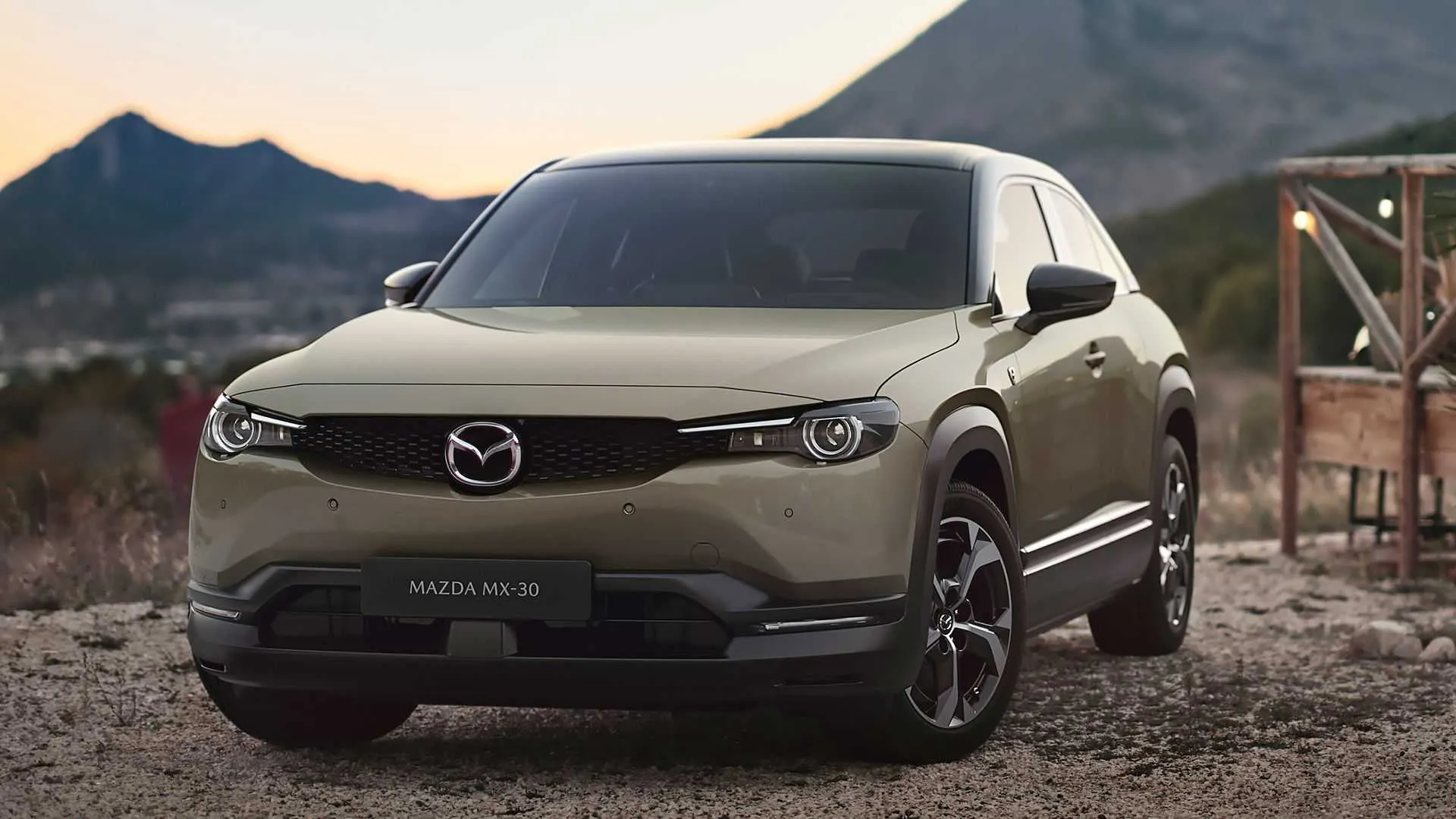
2. Mazda MX-30 EV 2023
Character defines Mazda MX-30 EV 2023, yet public charging exposes the narrow focus behind its design. Built for short urban use, this electric crossover favors style and simplicity over charging flexibility. That tradeoff becomes obvious once shared infrastructure enters the picture.
Battery capacity sits on the smaller side. Limited range pushes drivers toward public stations more often than expected. Instead of serving as occasional support, charging stops become routine events. Each visit carries added pressure, since range recovery matters more with a smaller energy reserve.
Fast charging performance reflects a conservative approach. Even at DC stations, power intake remains restrained. Sessions stretch longer than nearby vehicles, creating frustration in busy locations. Drivers may feel rushed when others cycle through chargers more quickly.
Connector compatibility offers little relief. CCS access allows the use of modern stations, yet charging speed rarely approaches station potential. Watching powerful chargers deliver modest results can feel discouraging, especially during longer trips. Public infrastructure favors efficiency and turnover. Stations reward vehicles that can absorb energy quickly.
MX-30 demands patience instead, which does not align well with shared charging etiquette or limited station availability. Software feedback adds uncertainty. Charging sessions may take time to initiate, and estimates can change as charging progresses. Drivers managing errands or appointments appreciate accuracy that often feels elusive here.
Routine charging becomes a planning exercise rather than a convenience. Short commutes suit the MX-30 well, but dependence on public stations exposes how tight its operating window feels. Mazda MX-30 EV 2023 offers charm for specific lifestyles. Public charging reveals boundaries that make broader electric use feel restrictive.
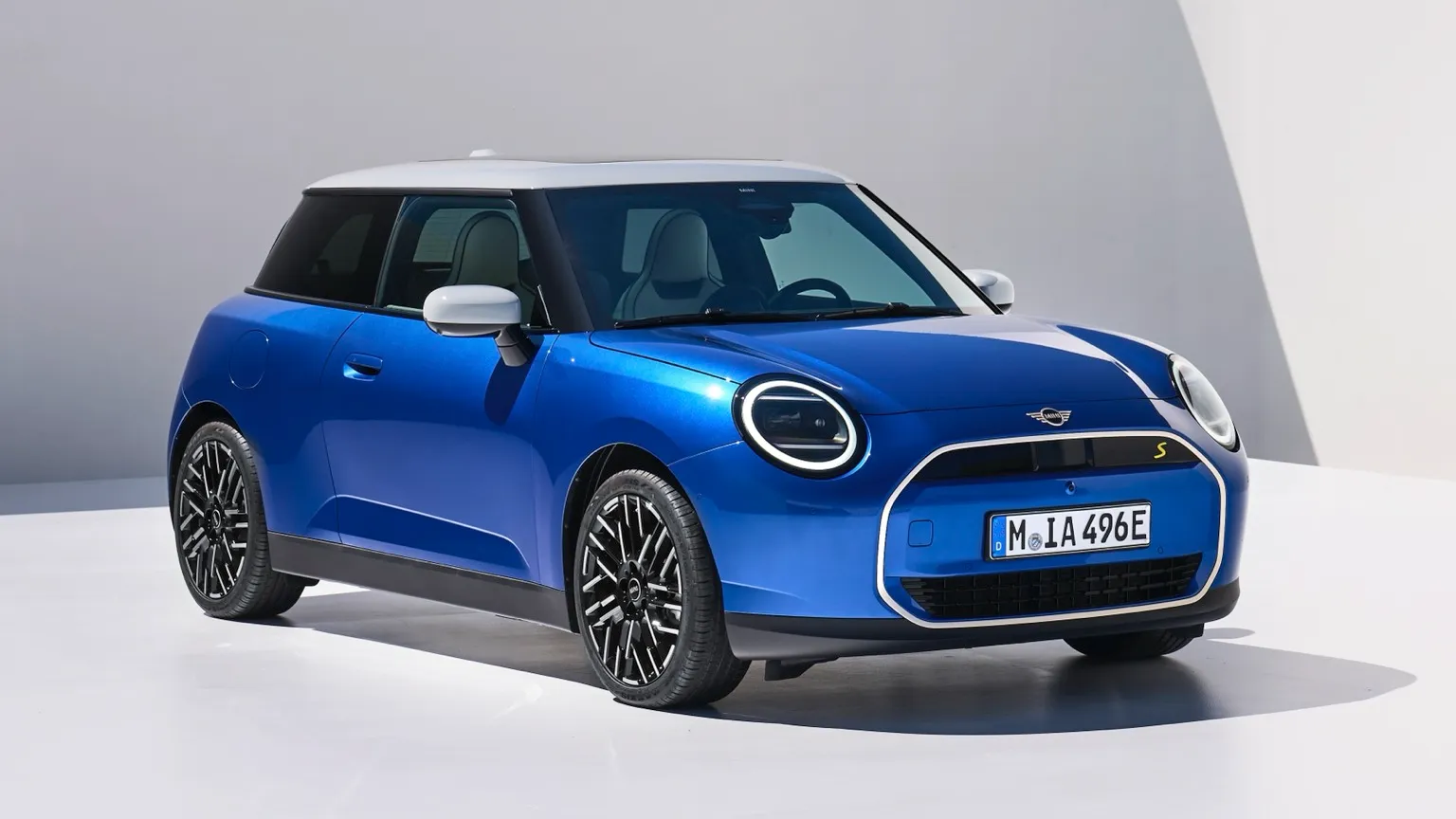
3. MINI Cooper SE Electric 2023
Playfulness shapes the MINI Cooper SE Electric 2023, yet public charging presents a far more serious side of ownership. Compact dimensions and lively handling suit dense urban settings, giving drivers confidence in traffic and tight parking situations. That charm carries through daily errands, though charging realities introduce boundaries that become clear once trips extend beyond short, familiar routes.
Battery capacity sets the tone early. Limited range means public charging moves from an occasional backup to a routine necessity. Weekly schedules often revolve around charging availability rather than convenience. Each stop reinforces how charging speed influences daily planning, especially for drivers without home charging access.
DC fast charging performance remains restrained. Power delivery reaches its peak quickly, then tapers sooner than many expect. Session times stretch longer than nearby vehicles require, turning quick stops into extended waits. At busy stations, this difference becomes noticeable as other drivers unplug and leave while the MINI continues drawing power. Quiet pressure builds, even when no one says a word.
Physical layout adds another layer of friction. Charging port placement works well in open spaces, yet certain garages or curbside stations demand careful positioning. Tight angles or short cables require extra maneuvering. Small inconveniences grow more irritating when repeated several times a week.
Charging displays focus on clarity rather than detail. Basic information remains easy to read, yet time estimates sometimes adjust during sessions. Drivers managing errands or appointments appreciate precision, and shifting projections can disrupt planning. Confidence erodes when departure timing feels uncertain.
Public charging environments reward efficiency. Vehicles that occupy chargers longer than expected disrupt station flow, even unintentionally. MINI Cooper SE often falls into this category, which can create subtle social tension. Friendly styling does little to soften the reality of extended occupancy during peak hours.
Ownership satisfaction remains strong for drivers who rely on home charging. Public infrastructure dependence tells a different story, emphasizing patience and scheduling awareness rather than freedom. Flexibility narrows once charging becomes central to travel decisions.
MINI Cooper SE Electric 2023 thrives as a city-focused companion. Shared charging environments expose limitations that challenge spontaneity, reminding drivers that charm alone cannot overcome infrastructure demands when distances grow.
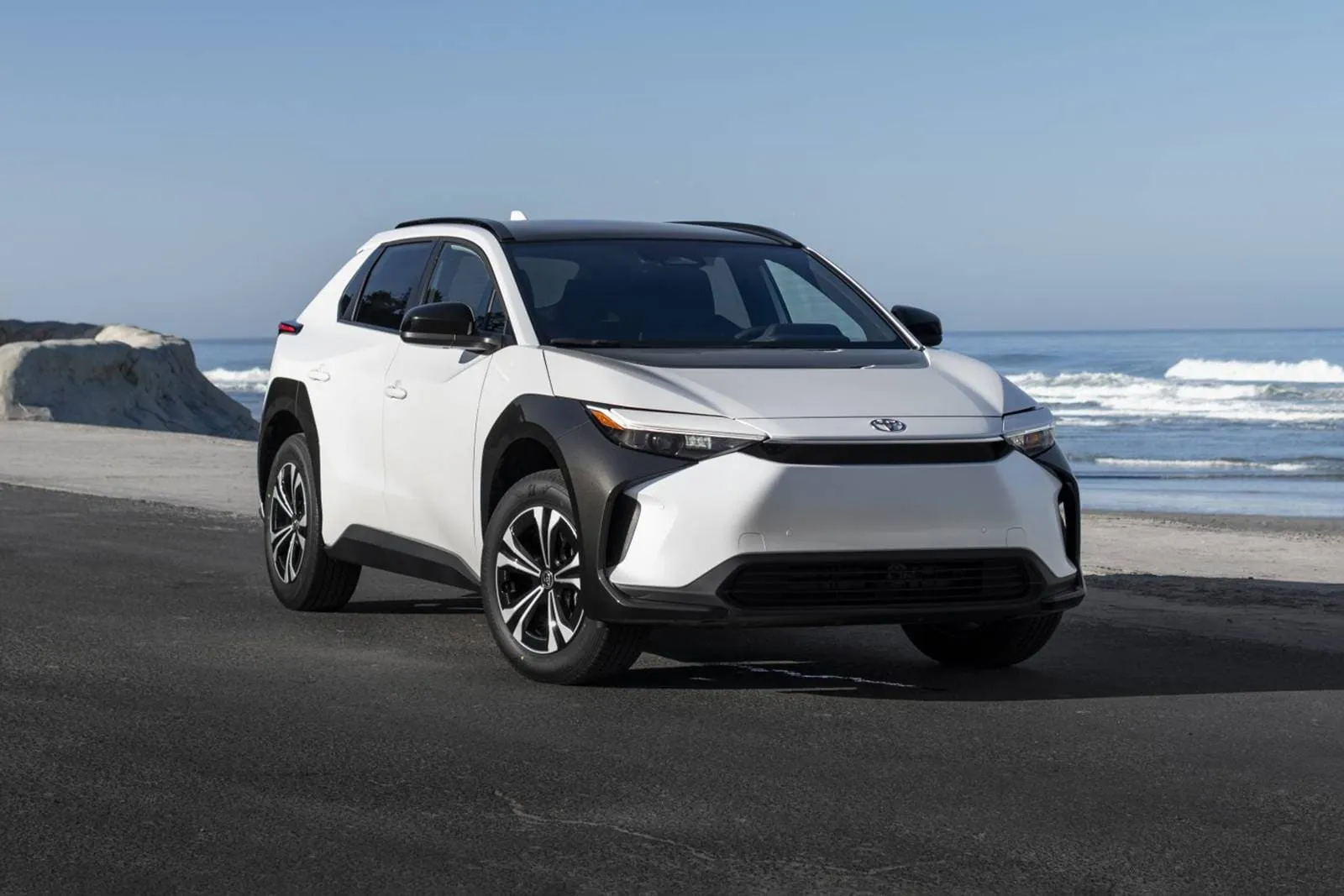
4. Toyota bZ4X Limited AWD 2023
High hopes often surround the Toyota bZ4X Limited AWD 2023, especially given the brand’s reputation for dependability. Public charging, however, introduces friction that catches many owners off guard. Design priorities lean heavily toward durability and long-term battery health, and those priorities shape how this vehicle behaves at shared charging stations.
DC fast charging performance stands as the most common concern. Power intake begins conservatively and tapers sooner than expected. While this approach protects internal components, it stretches charging sessions well beyond what drivers see in newer competitors. At busy stations, the difference becomes obvious as other vehicles arrive and leave while the bZ4X remains connected.
Software behavior adds another layer of unpredictability. Charging time estimates may appear reasonable at first, then adjust upward mid-session. Drivers planning errands, meetings, or return trips often find themselves waiting longer than anticipated. Confidence in scheduling weakens when timing feels uncertain.
Compatibility with public networks exists on paper, yet real-world performance rarely reflects the station’s full capability. High-output chargers deliver only incremental improvements, which can feel disappointing when premium infrastructure offers little reward. Owners may question the value of seeking out faster stations at all.
Weather sensitivity also influences the experience. Cold mornings or hot afternoons prompt battery systems to reduce charging speed in favor of protection. Session times vary noticeably from one stop to the next, making consistency hard to predict during travel.
Shared charging etiquette becomes another challenge. Longer sessions reduce turnover, increasing wait times for others. Drivers may sense impatience from nearby users, adding subtle stress to an already lengthy stop.
Toyota bZ4X Limited AWD 2023 delivers calm road manners, solid traction, and a safety-focused cabin. Public charging, however, reflects conservative limits that demand patience. For drivers relying heavily on shared infrastructure, those limits can feel restrictive despite the vehicle’s many strengths.
Also Read: 5 EVs That Make Sense in New York City and 5 That Don’t
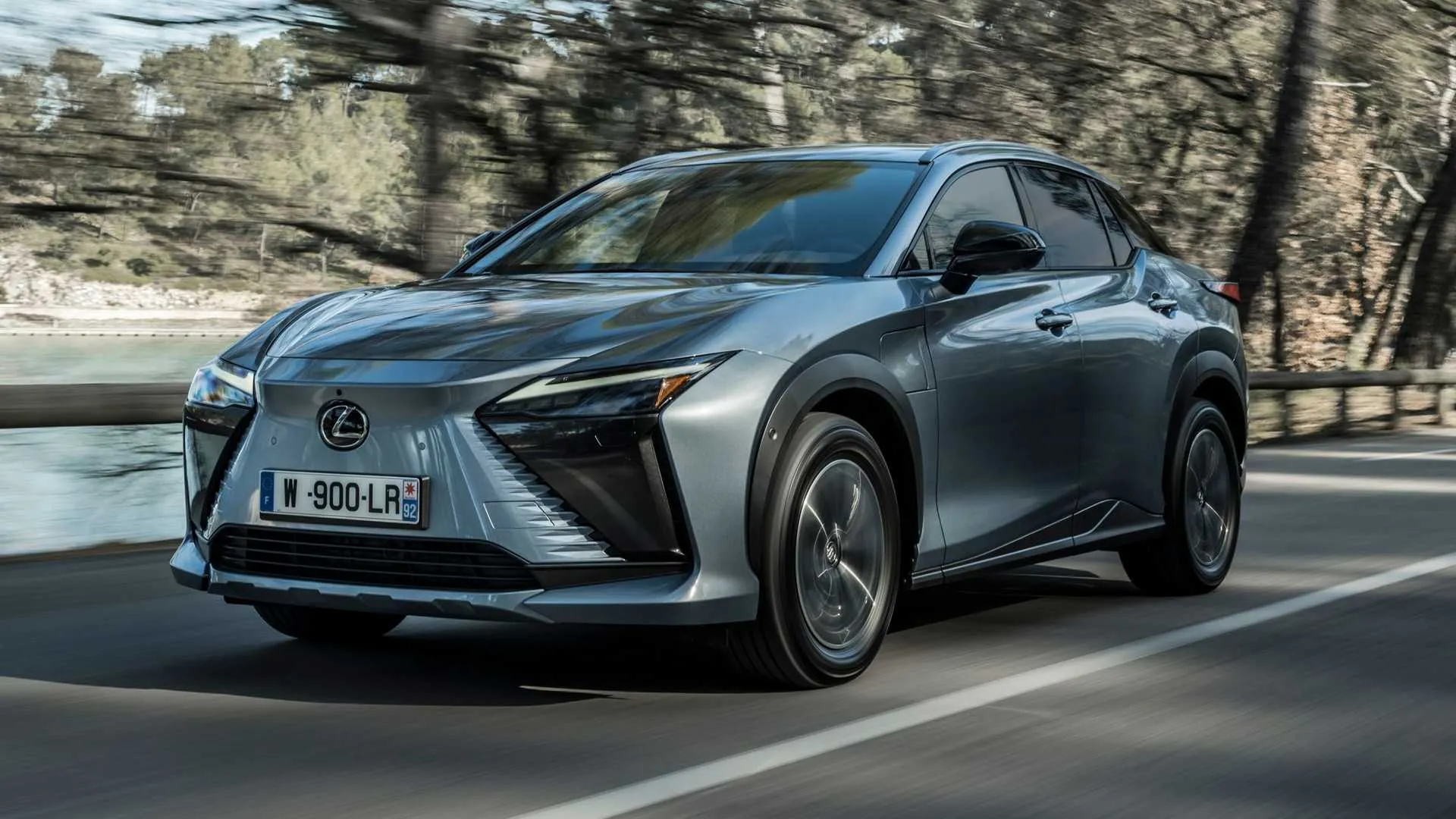
5. Lexus RZ 450e Luxury 2023
Refinement shapes every aspect of Lexus RZ 450e Luxury 2023, from its quiet cabin to its polished ride quality. Public charging, however, reveals priorities that differ from speed and convenience. Luxury remains the focus, while charging performance follows a more restrained path.
Fast charging behavior reflects careful engineering. Power acceptance reaches its peak briefly, then eases back early in the session. This design protects the battery, yet it lengthens charging stops. At shared stations, the difference becomes clear as nearby vehicles cycle through more quickly.
Thermal management strategies play a strong role. Systems favor long-term health, especially during repeated charging sessions. Warm batteries or closely spaced stops often trigger slower power intake. Drivers experience variation that complicates planning, particularly during longer outings.
Public charging networks remain accessible, yet results rarely match expectations. High-capacity chargers offer little advantage, delivering similar outcomes to lower-powered units. Premium stations feel underused when session times remain extended regardless of available output.
Software communication maintains a cautious tone. Time estimates are lean and conservative and may extend as charging progresses. Drivers waiting inside or nearby often find it difficult to predict exactly when departure will be possible. Luxury comfort contrasts sharply with the waiting experience.
Plush seating, refined materials, and quiet surroundings highlight how long charging sessions feel when time stretches on. The calm interior softens the wait but does not shorten it. Lexus RZ 450e Luxury 2023 excels in comfort, craftsmanship, and brand confidence.
Public charging reflects a philosophy that values protection and refinement above speed. For drivers dependent on shared stations, patience becomes part of the ownership experience.
