
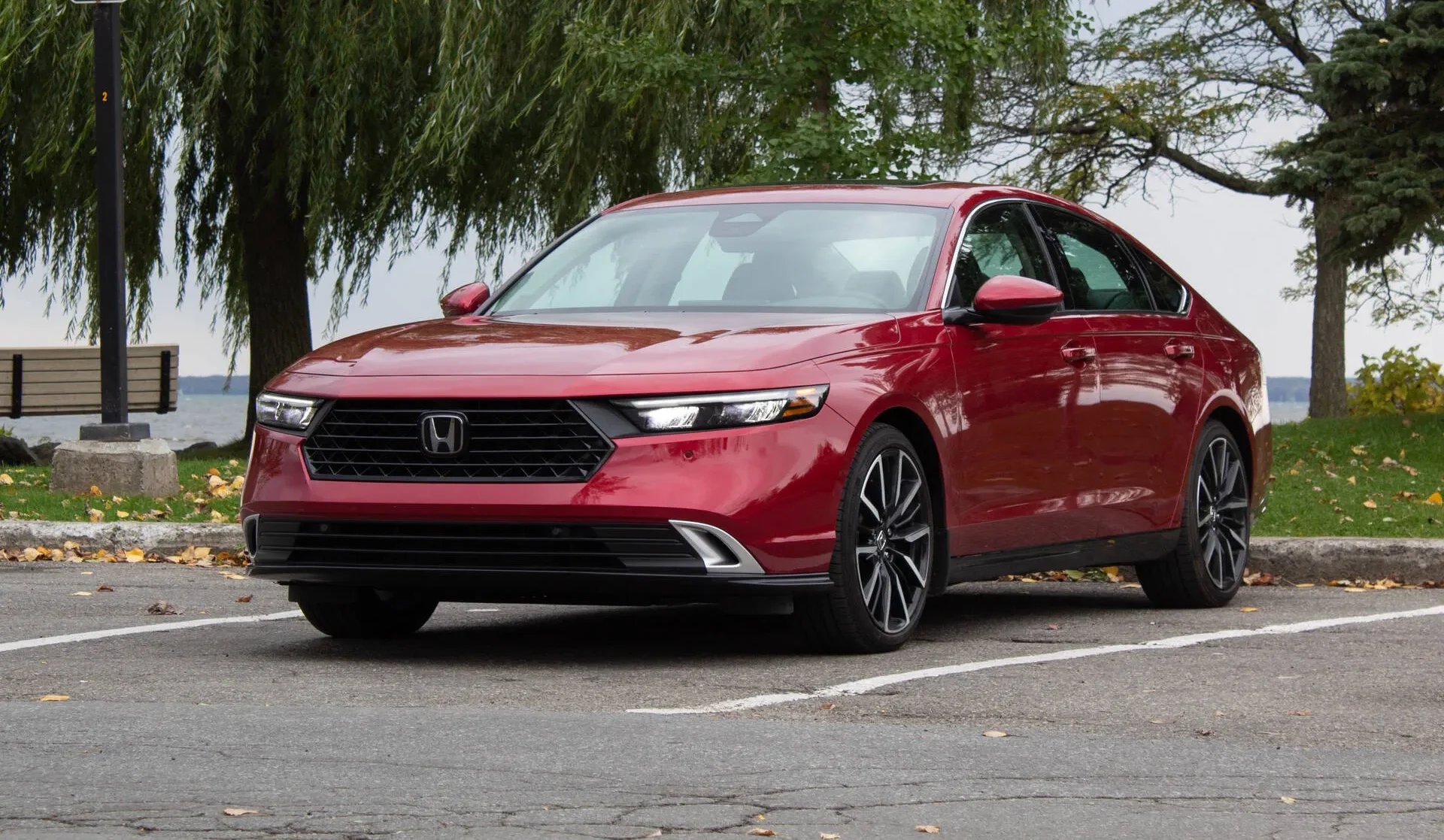
City driving tests patience in ways highways never do. Red lights stack up. Traffic crawls, pauses, then crawls again. Engines idle longer than they move, and fuel economy promises often fall apart under those conditions.
Hybrid vehicles entered this daily grind with a clear mission: make slow, repetitive driving less wasteful and less tiring. When done right, a hybrid can turn stop-and-go traffic into its strongest environment rather than its weakest.
Urban congestion rewards smooth power delivery, intelligent energy recovery, and powertrains that feel calm instead of jumpy. Some hybrids quietly glide through traffic with electric assistance handling low-speed movement, while others stumble with clunky transitions and awkward braking behavior.
Design choices matter. Weight distribution, software tuning, and transmission logic can either reduce stress or amplify it during every commute. This guide focuses on hybrids that truly shine when traffic refuses to move. These are vehicles that handle constant stops with composure, conserve fuel without demanding attention, and keep drivers relaxed rather than frustrated.
Each model listed here shows how thoughtful engineering can transform congestion into a manageable routine. Part One highlights five hybrids that excel in stop-and-go conditions. Part Two will cover five who struggle under the same circumstances.
5 Hybrids That Excel in Stop-and-Go Traffic
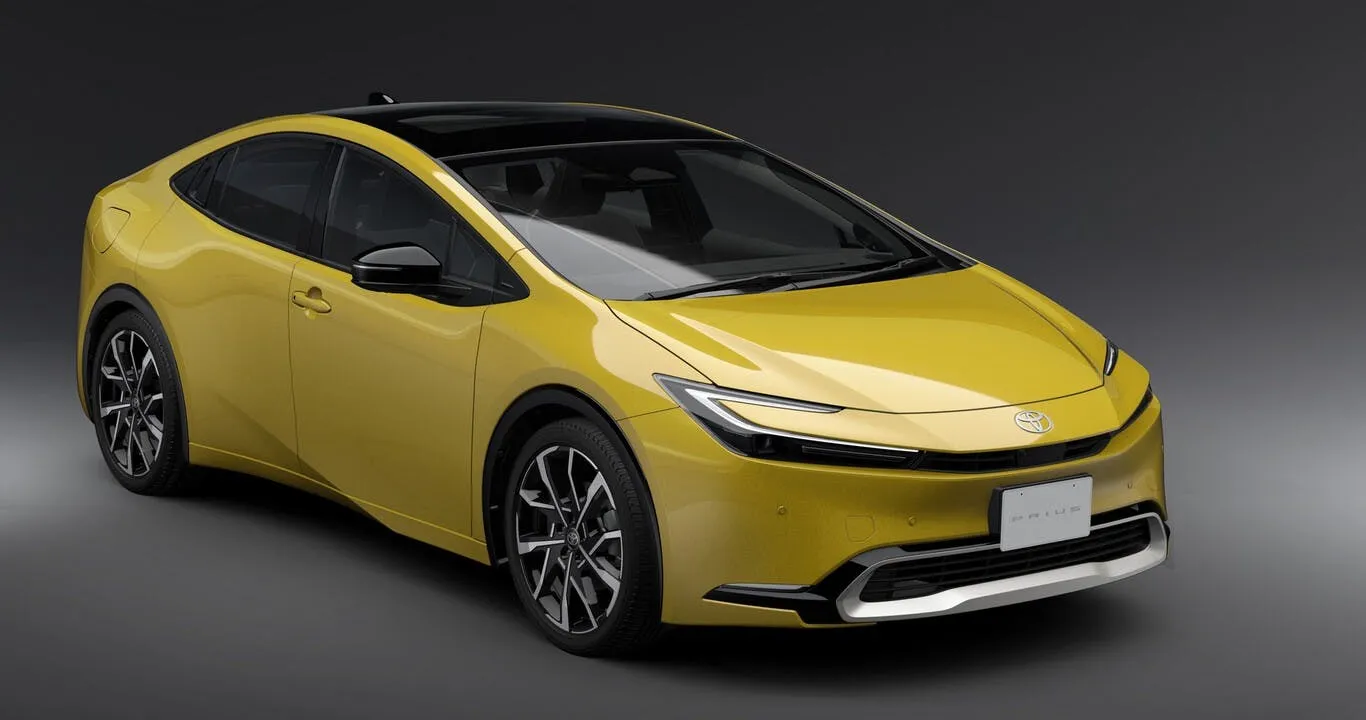
1. Toyota Prius Hybrid 2024
Efficiency defines the Toyota Prius Hybrid 2024, yet its talent in stop-and-go traffic extends far beyond fuel savings. Low-speed operation relies heavily on electric drive, allowing the vehicle to move smoothly from a standstill without firing the engine immediately. That quiet launch changes the tone of urban driving, making traffic feel calmer rather than rushed.
Throttle response stays predictable. Gentle pedal inputs result in measured movement, which suits crowded streets filled with pedestrians, cyclists, and frequent lane changes. Drivers rarely experience jerky acceleration, even during repeated starts. This consistency reduces fatigue during long commutes where attention must remain sharp.
Braking behavior works in harmony with traffic patterns. Regenerative braking activates early and blends smoothly with friction brakes, capturing energy during each slowdown. That energy recovery feels natural rather than intrusive, so drivers adjust instinctively within minutes. Frequent stops become an advantage instead of a penalty.
Engine behavior also supports urban comfort. Gas power engages discreetly when needed, avoiding sudden noise spikes during slow movement. The system prioritizes electric operation at city speeds, which keeps cabin noise low and reduces vibration. Traffic jams feel quieter, allowing conversation and music to remain enjoyable.
Interior design reinforces this relaxed experience. Controls stay intuitive, and information displays focus on clarity rather than clutter. Energy flow visuals help drivers understand what the car is doing without demanding attention. Seating remains comfortable during long periods behind the wheel, which matters when progress comes inch by inch.
Fuel economy gains remain consistent in traffic-heavy areas. Short trips and repeated stops do not punish efficiency the way they do in traditional vehicles. Owners often see mileage numbers close to advertised figures even in dense commuting zones.
Toyota Prius Hybrid 2024 proves that stop-and-go traffic can align perfectly with hybrid technology. Smooth electric launches, calm braking behavior, and reliable efficiency turn congestion into a manageable daily routine rather than a constant annoyance.
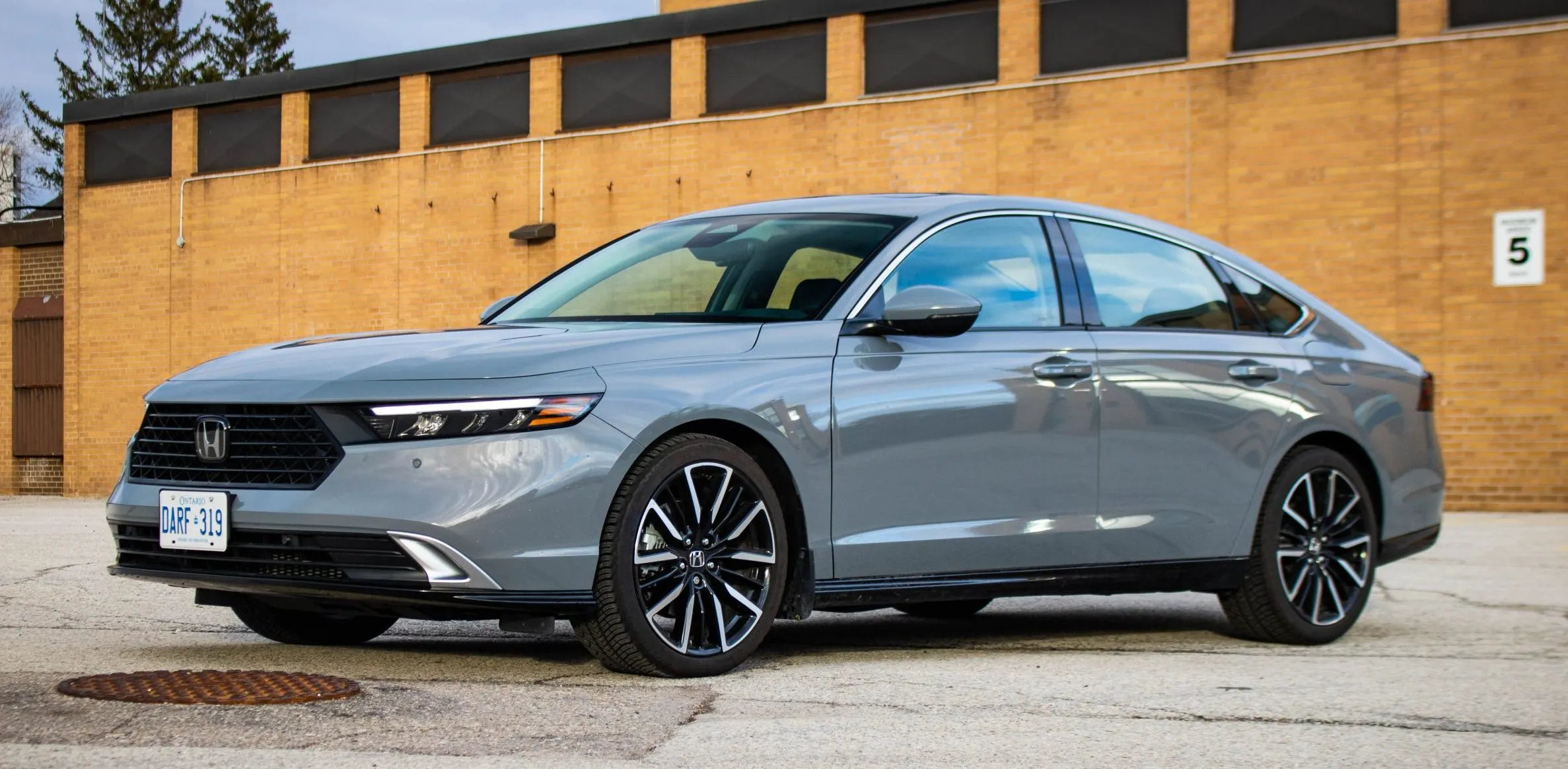
2. Honda Accord Hybrid 2024
Refinement shapes the Honda Accord Hybrid 2024, especially during slow urban travel. Electric propulsion handles initial movement, allowing the car to ease forward without engine noise. This quiet response reduces stress when traffic inches ahead in short bursts.
Power delivery feels linear. Acceleration builds gradually, avoiding abrupt surges that can disrupt close-quarters driving. Drivers gain confidence when threading through crowded streets or merging into tight gaps. Predictability becomes a defining trait, helping maintain smooth flow even when others drive erratically.
Energy recovery plays a steady role. Regenerative braking engages smoothly during deceleration, capturing energy without harsh pedal feedback. Stop signs and red lights become opportunities to recharge rather than moments of wasted motion. That behavior feels consistent throughout the drive, regardless of traffic density.
Engine transitions remain discreet. Gas power activates seamlessly when needed, with minimal vibration or sound. The system chooses efficiency without drawing attention to itself, which suits drivers who prefer calm over constant feedback. Cabin quietness improves focus during congested commutes.
Cabin layout supports urban comfort. Seating remains supportive during extended periods behind the wheel, and climate controls respond quickly without draining efficiency. Digital displays present essential information clearly, avoiding distractions during heavy traffic.
Fuel consumption remains impressive under city conditions. Short trips, frequent stops, and idling no longer undermine efficiency. Owners often notice that daily commuting produces steady savings without requiring altered driving habits. Honda Accord Hybrid 2024 blends comfort with smart energy use.
Stop-and-go traffic becomes less exhausting thanks to smooth power transitions, quiet operation, and dependable efficiency. It delivers a polished experience that fits naturally into crowded city routines.
Also Read: 9 Best Hybrids That Are Easy to Own in Cities
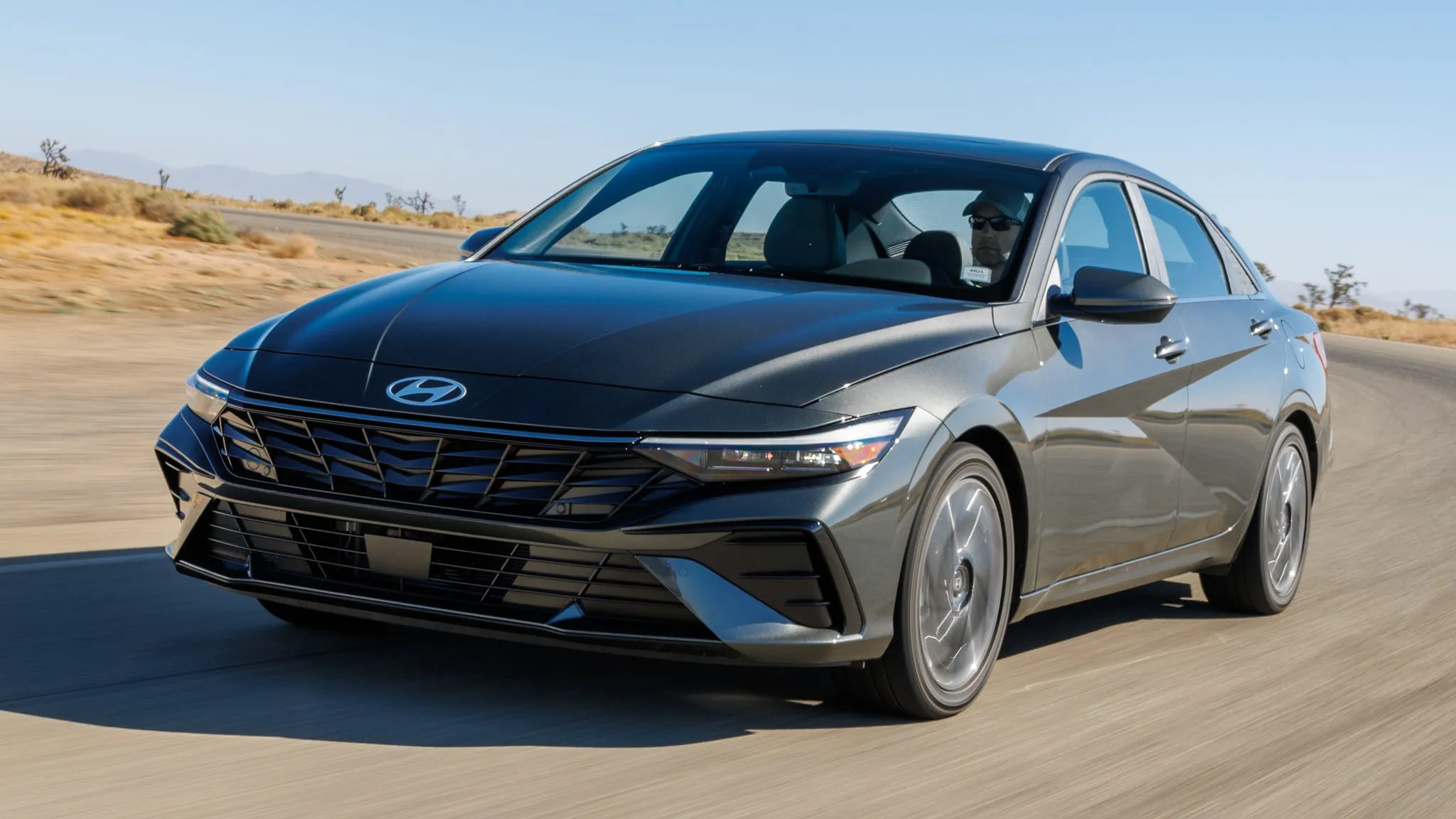
3. Hyundai Elantra Hybrid 2024
Modern tuning gives the Hyundai Elantra Hybrid 2024 a distinct advantage in congested driving. Electric assistance handles low-speed movement with ease, allowing the vehicle to roll forward quietly when traffic loosens momentarily. That behavior feels intuitive, especially during repetitive starts.
Acceleration remains controlled. The system responds promptly without lunging forward, which suits environments where sudden movement can cause discomfort or close calls. Drivers maintain confidence when creeping through intersections or inching along busy corridors.
Regenerative braking contributes steadily. Slowing down captures energy smoothly, avoiding abrupt pedal feel. Traffic signals and crosswalks become predictable stopping points that work with the hybrid system rather than against it. This consistency encourages relaxed driving habits.
Engine engagement feels restrained. Gas power enters subtly when required, maintaining a low noise profile. Cabin calmness remains intact even during long delays, making daily commutes feel less draining. Interior layout emphasizes usability. Controls sit within easy reach, displays remain readable, and seating supports extended sitting without discomfort. Visibility aids awareness in crowded conditions, reducing the need for constant head movement.
Efficiency shines during urban use. Short trips do not punish fuel economy, and stop-and-go conditions often deliver better results than open roads. Owners benefit from savings that align closely with real-world commuting patterns. Hyundai Elantra Hybrid 2024 demonstrates how thoughtful calibration can turn congestion into a strength. Smooth starts, calm braking, and consistent efficiency make it a dependable partner for city traffic.
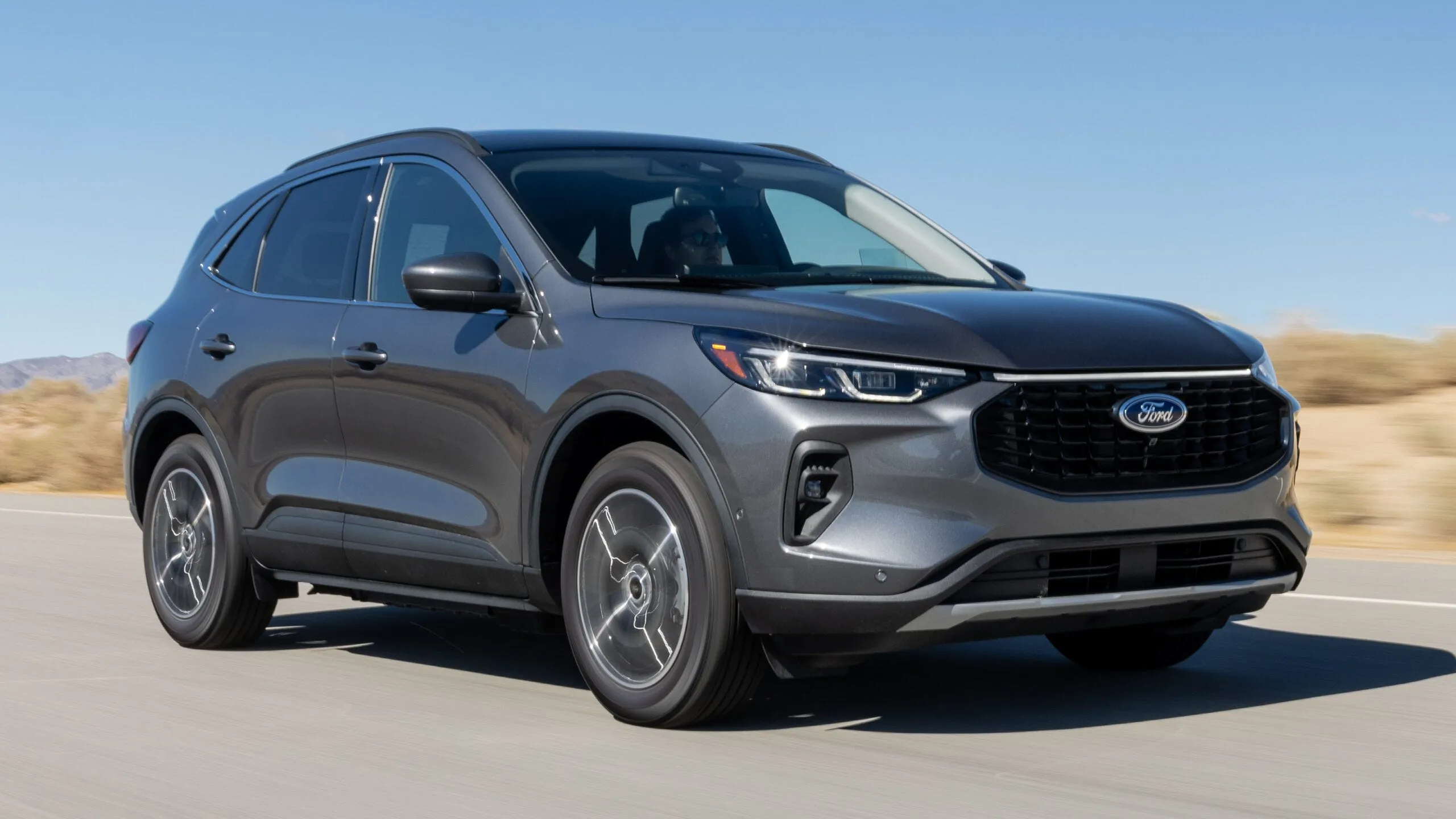
4. Ford Escape Hybrid 2024
Urban driving places constant demands on a vehicle’s ability to remain calm, predictable, and easy to manage, and the Ford Escape Hybrid 2024 fits naturally into that rhythm. Stoplights, congestion, delivery trucks, and short bursts of movement define city travel, and this compact hybrid crossover responds with behavior that feels cooperative rather than demanding.
Electric propulsion handles many low-speed situations, allowing the vehicle to move forward smoothly without unnecessary engine noise. That quiet motion reduces tension during packed commutes and makes traffic delays easier to tolerate. Throttle response favors precision instead of urgency.
Light pedal inputs translate into controlled progress, which helps drivers maintain comfortable gaps between vehicles. Sudden acceleration is avoided unless intentionally requested, an advantage when driving through narrow lanes or unpredictable merges.
This steady response builds confidence in environments where quick reactions matter more than speed. Drivers often notice how easy it feels to creep forward in traffic without constant pedal adjustments. Regenerative braking plays an important role in shaping the Escape Hybrid’s city character.
Deceleration feels natural and predictable, allowing energy recovery to happen quietly in the background. Frequent stops no longer feel draining, as braking effort remains consistent and smooth. The system adapts well to varied traffic patterns, whether slowing for pedestrians or rolling through short blocks between intersections.
Gas engine engagement stays restrained. When power is required, the transition happens gently, keeping cabin noise low and vibrations minimal. This subtle behavior helps maintain a relaxed atmosphere during long periods of idling or slow movement. Reduced mechanical intrusion allows drivers to stay focused and less fatigued during extended city trips.
Interior layout supports everyday usability. Seating remains comfortable during long waits, and outward visibility helps drivers remain aware of surrounding activity. Controls respond promptly, minimizing distraction when attention must stay outside the vehicle. Storage and layout choices feel practical rather than flashy, aligning with daily commuting needs.
Fuel efficiency remains consistent in traffic-heavy zones. Short trips, repeated stops, and idle-heavy patterns still return respectable mileage without demanding special driving habits. Savings feel realistic rather than theoretical, reinforcing the Escape Hybrid’s suitability for daily urban use.
Ford Escape Hybrid 2024 demonstrates how balanced power delivery, smooth braking, and calm behavior can turn stop-and-go traffic into a manageable routine rather than a source of stress.
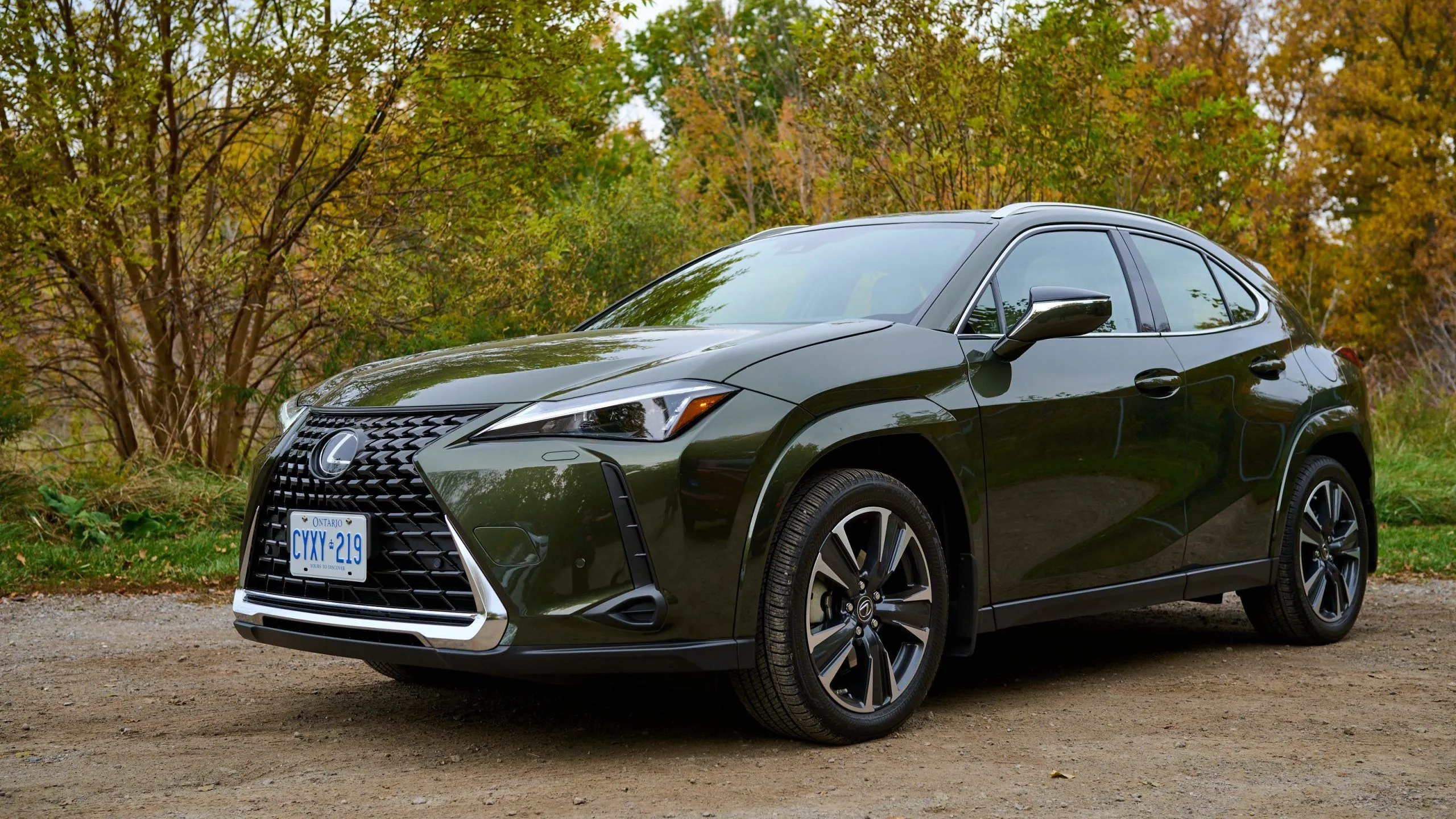
5. Lexus UX 250h Hybrid 2024
City streets often reveal whether refinement truly serves daily life, and the Lexus UX 250h Hybrid 2024 approaches urban driving with a composed, thoughtful demeanor. Low-speed electric propulsion allows the vehicle to roll forward quietly during congestion, creating a calm environment even when traffic crawls. This smooth movement establishes an easygoing tone that suits downtown conditions where patience matters more than performance.
Acceleration arrives with restraint and polish. Throttle inputs deliver gradual increases in speed, helping drivers maintain control in tight spaces. Maneuvering through narrow streets or crowded intersections feels measured rather than rushed. Precision replaces urgency, giving drivers confidence when driving through areas where pedestrians, cyclists, and sudden lane changes demand constant awareness.
Regenerative braking operates seamlessly. Each slowdown captures energy without abrupt feedback through the pedal. Stoplights and bumper-to-bumper traffic become opportunities for efficiency rather than frustration. The system encourages a steady driving rhythm that aligns well with city pacing, reducing fatigue during frequent stops.
Transitions between electric and gas power remain discreet. When the engine engages, sound levels stay low and vibrations are minimal. This consistency preserves the quiet, refined cabin atmosphere, even during prolonged delays. Drivers remain insulated from the chaos outside, reinforcing a sense of comfort during daily commutes.
Interior design raises the experience without complicating it. Supportive seating reduces fatigue, while materials add a premium touch that feels appropriate rather than excessive. Controls remain intuitive, allowing adjustments without diverting attention. Visibility aids awareness in dense traffic, making lane changes and positioning feel less stressful.
Fuel economy holds up well in urban use. Short trips and constant stopping align naturally with the hybrid system’s strengths, allowing efficiency that matches real-world routines. Drivers benefit from consistent savings without needing to modify habits or routes.
Lexus UX 250h Hybrid 2024 shows that refinement and city practicality can coexist. Calm power delivery, smooth braking, and dependable efficiency create a composed partner for crowded streets and daily urban movement.
5 Hybrids That Don’t Excel in Stop-and-Go Traffic
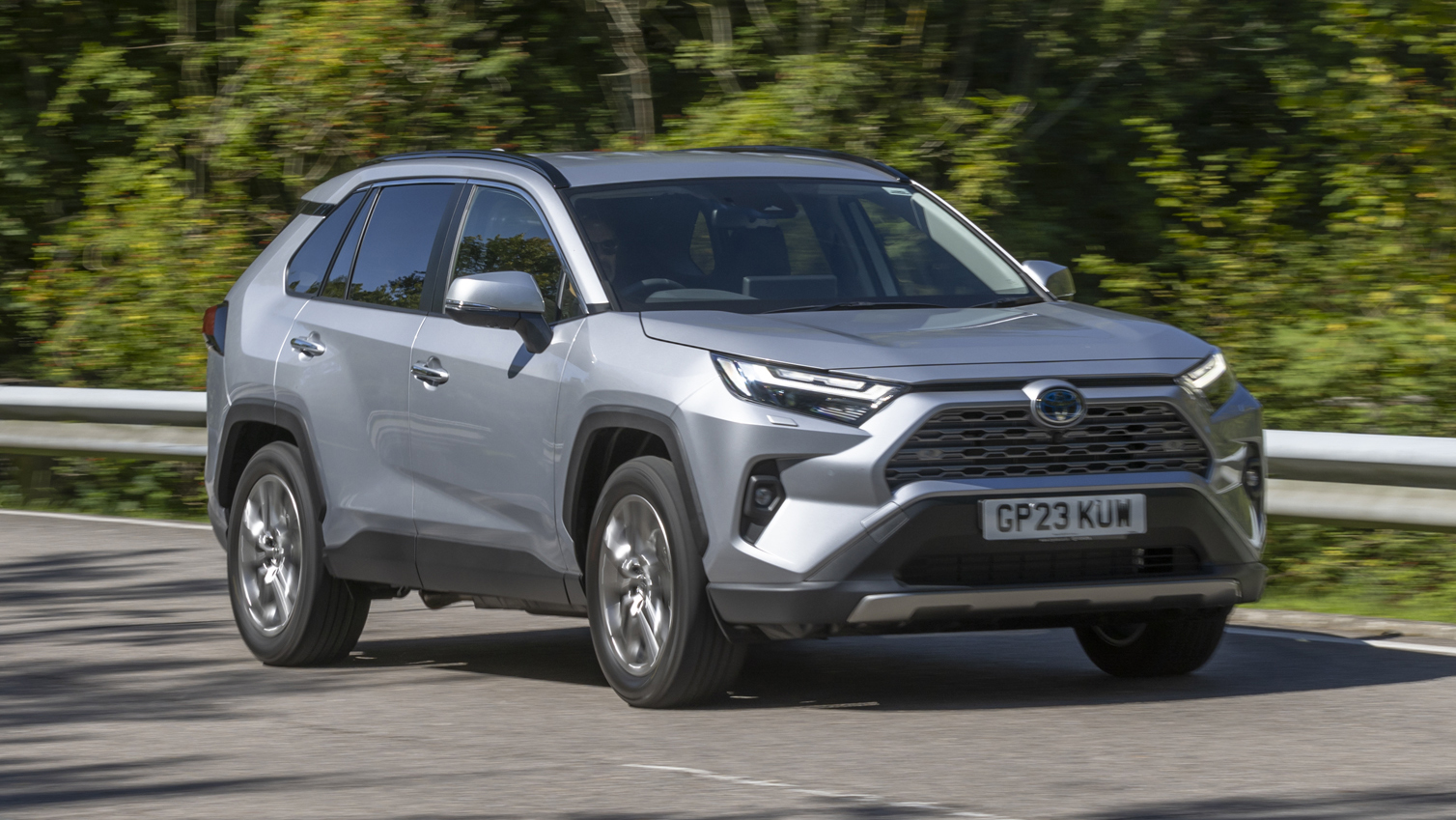
1. Toyota RAV4 Hybrid 2024
The Toyota RAV4 Hybrid 2024 presents an appealing combination of size and hybrid efficiency, yet stop-and-go traffic highlights its limitations. Unlike smaller hybrids that glide through city streets, this SUV’s larger frame and curb weight can make constant starting and stopping feel more laborious.
The vehicle’s handling at low speeds requires attention, and drivers often notice the difference between highway cruising and urban crawling. Acceleration from a standstill relies on the hybrid system, but weight and transmission tuning occasionally produce a laggy sensation. In heavy traffic, repeated engagement can feel slightly less smooth compared to more compact hybrid sedans.
Electric assist handles the initial rollout, yet transitioning between gas and electric power can be perceptible, creating subtle jolts that interrupt otherwise calm movement. Drivers who prioritize serenity in congested areas may find these cues noticeable as time goes on.
Braking behavior also contributes to the urban challenge. Regenerative braking works effectively but can feel abrupt when traffic requires sudden stops. The system is tuned to maximize energy recovery, which sometimes results in more resistance than expected when easing into a red light or crosswalk. Drivers need to adapt their footwork to maintain a comfortable deceleration, which may require extra focus during repetitive city commutes.
Cabin comfort in stop-and-go conditions remains strong, though city driving exposes quirks in visibility. Taller hoodlines and rear pillars can make tight lane positioning tricky, especially when parallel parking or driving through crowded intersections. This aspect contrasts with smaller, more nimble hybrids where spatial awareness is easier.
Fuel efficiency remains commendable over longer drives, but city-specific performance does not fully match the promise of smaller hybrid platforms. Short trips with frequent stops reduce the net advantage, reminding drivers that the RAV4 Hybrid is better suited to a mix of urban and suburban routes rather than exclusively dense traffic environments.
Toyota RAV4 Hybrid 2024 balances utility and hybrid efficiency, yet stop-and-go traffic magnifies its physical presence. While it handles urban conditions safely, drivers may notice the compromises compared to smaller, more agile hybrids designed specifically for tight, congested streets.
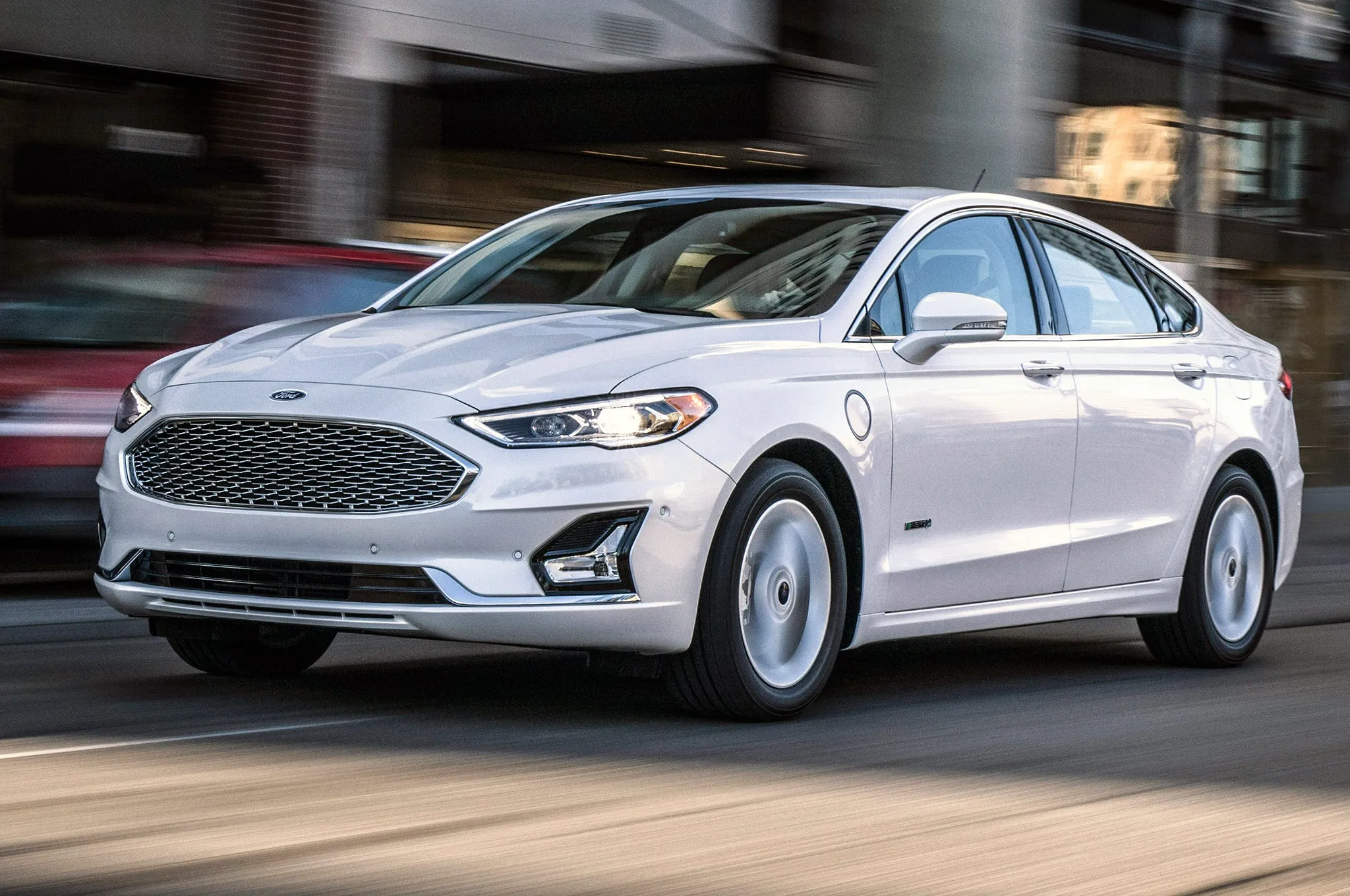
2. Ford Fusion Hybrid 2020
The Ford Fusion Hybrid 2020 delivers dependable performance on highways, but its behavior in dense, slow-moving traffic exposes weaknesses in city-specific driving. The hybrid system engages and disengages smoothly at moderate speeds, yet repeated stops in urban settings bring attention to transmission and throttle calibration that can feel hesitant.
Drivers may experience minor surges during transitions between electric and gasoline power, especially when traffic requires frequent accelerations. Handling tight intersections poses challenges. While the Fusion’s size is smaller than SUVs, it remains larger than compact hybrids, making lane navigation and parallel parking less effortless.
Curbside maneuvers may require extra attention to avoid scraping wheels or misjudging spacing. The steering is precise, yet the vehicle’s longer footprint increases the mental load during frequent stops and narrow turns. Braking in stop-and-go scenarios emphasizes system limits.
Regenerative braking is present but subtle, which means friction brakes engage more frequently than in hybrids engineered for urban efficiency. Drivers may notice that energy recovery is less aggressive, resulting in slightly higher fuel consumption under constant stoplight conditions. Subtle inconsistencies in braking feel can become pronounced during rush-hour congestion.
Cabin experience is comfortable, yet short-distance city commutes reveal how the Fusion’s hybrid setup favors smoother highway flow over repeated urban starts. Electric-only operation is limited at very low speeds, requiring gas engine intervention sooner than expected. This can introduce slight noise and vibration in a setting where quiet operation is appreciated.
Efficiency remains reasonable for a midsize sedan, but stop-and-go driving reduces the gains compared to smaller, more nimble hybrids. Fuel economy figures fall below optimal projections when the vehicle constantly transitions between gas and electric power during urban crawling.
Ford Fusion Hybrid 2020 delivers a pleasant driving experience, yet dense neighborhood traffic highlights areas where agility, braking, and electric-only engagement could be improved. Drivers seeking a more seamless city hybrid might consider more compact alternatives.
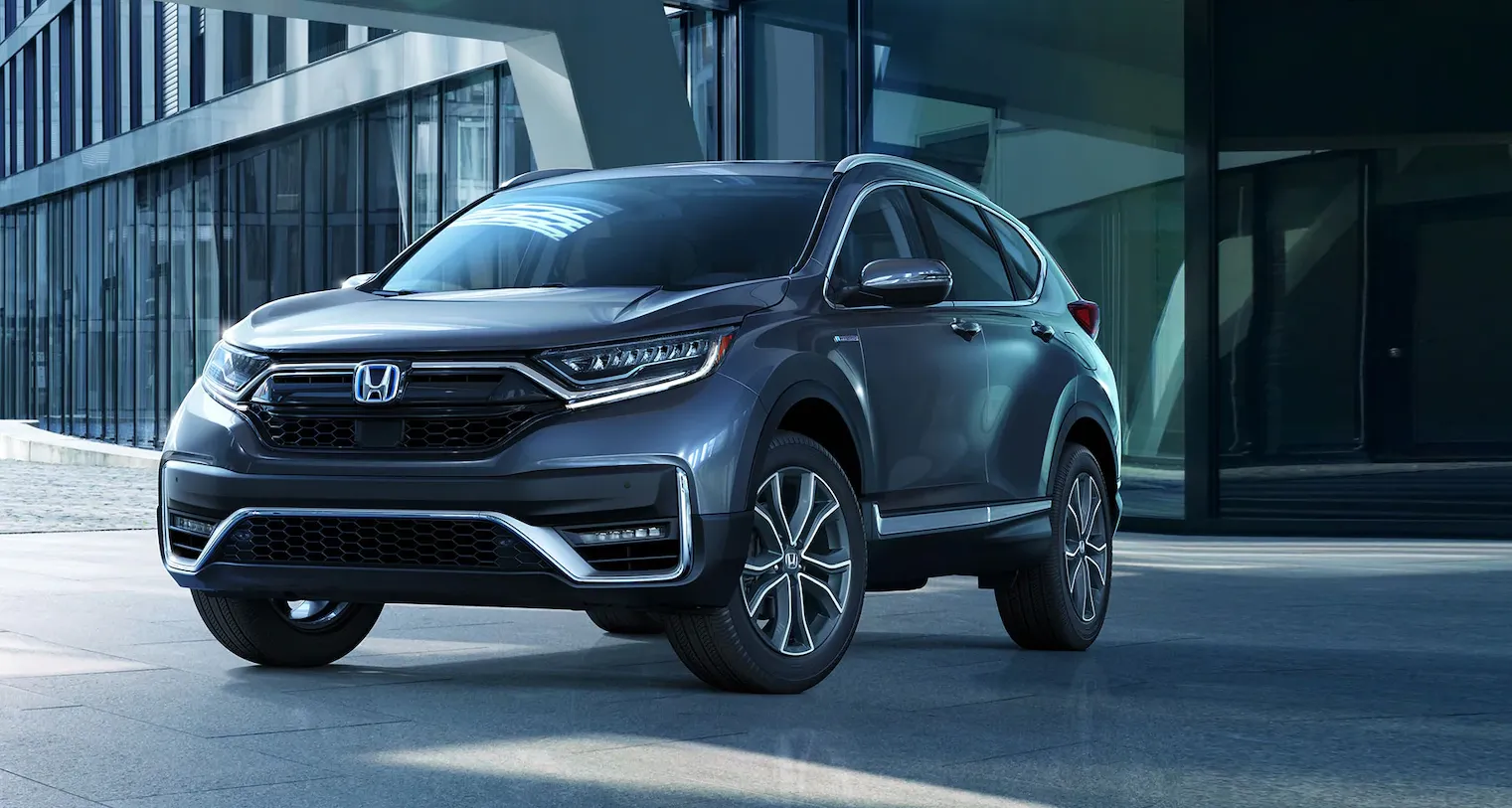
3. Honda CR-V Hybrid 2022
The Honda CR-V Hybrid 2022 thrives on versatility and comfort, but stop-and-go traffic exposes urban shortcomings. Its higher stance and weight influence handling at low speeds, where city streets demand agility and responsiveness. Electric-assisted launches mitigate some of this, yet the vehicle’s entire footprint makes tight turns feel less effortless than with smaller hybrids.
Acceleration in stop-and-go conditions can feel inconsistent. The hybrid system balances gas and electric power, but repeated traffic starts reveal a slight lag before full response is achieved. While this doesn’t affect safety, it affects perception, making drivers conscious of surrounding vehicles and pedestrians.
Regenerative braking helps with energy recovery, but the system’s subtlety can require heavier foot modulation. Drivers accustomed to more aggressive regenerative hybrids may feel they need to compensate manually to avoid rolling too far when traffic light changes occur. The constant adjustments can become slightly fatiguing during prolonged urban commutes.
Interior comfort and visibility are strong points, yet dense neighborhood driving highlights blind spots caused by rear pillars and SUV height. Parallel parking or squeezing into compact garages requires deliberate maneuvering, which can slow errands or increase stress during repeated stops.
Fuel economy is efficient during mixed driving, but heavy stop-and-go patterns can reduce net gains. The hybrid system’s balance favors moderate speeds over extreme idling, meaning dense traffic conditions result in less impressive efficiency. Short, repetitive trips make the CR-V Hybrid consume more energy than its smaller counterparts.
Honda CR-V Hybrid 2022 maintains safety and comfort in urban environments, but repeated stop-and-go traffic underlines its limitations. Drivers experience minor lags in acceleration, subtle braking inconsistencies, and spatial awareness challenges that difference with city-focused hybrids designed for dense traffic.
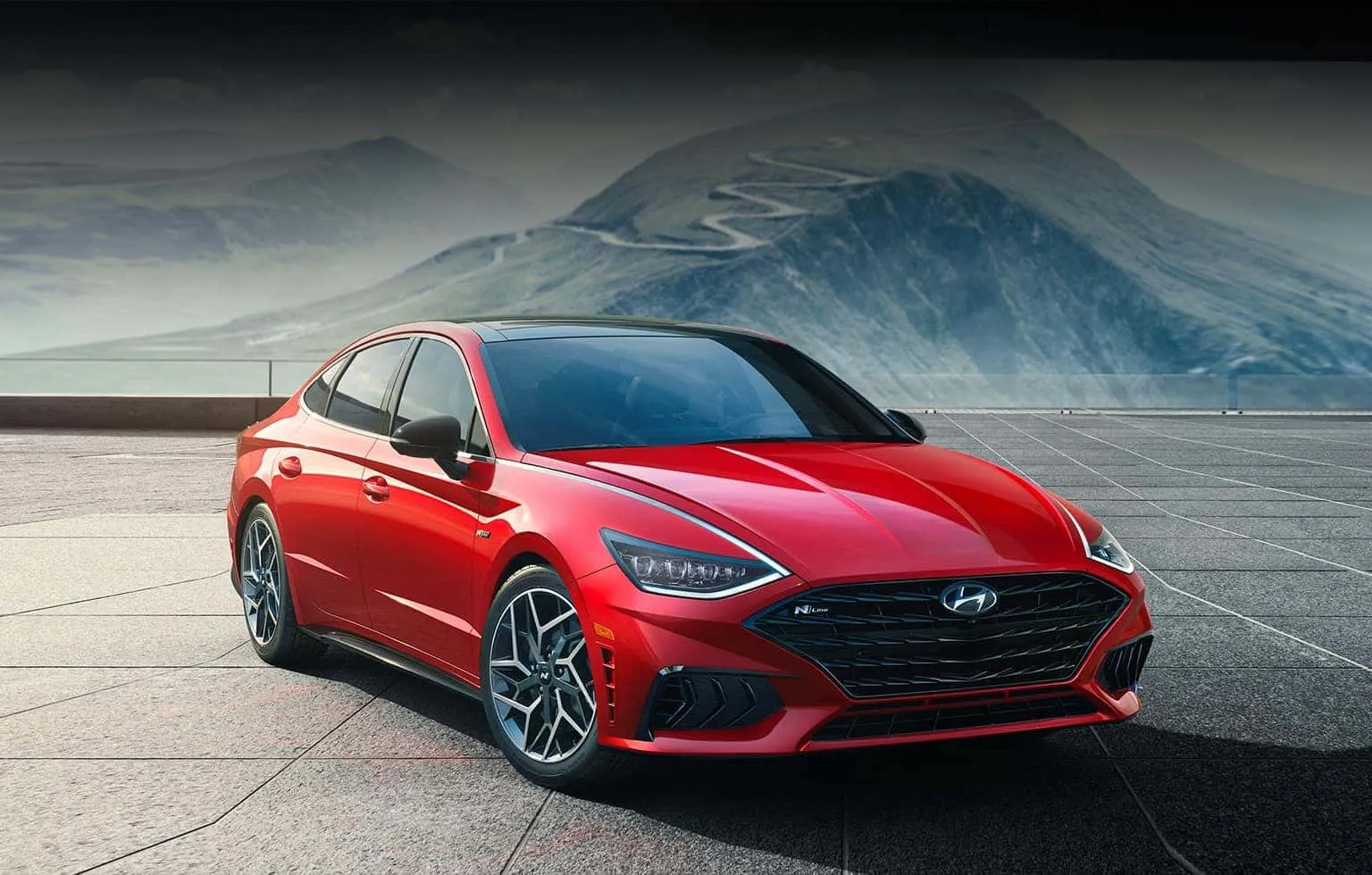
4. Hyundai Sonata Hybrid 2023
The Hyundai Sonata Hybrid 2023 excels in fuel economy on open roads, yet stop-and-go traffic exposes urban-specific weaknesses. Electric-only movement is smooth but limited to very low speeds, and the transition to gasoline power can produce subtle surges. This characteristic affects comfort in traffic that accelerates in short increments, as drivers may feel a slight hesitation before full response occurs.
Handling is precise, yet the midsize sedan’s length and width affect maneuvering in tight spaces. Parallel parking, narrow side streets, and congested intersections all require careful attention. While adaptive steering assists in general, the car’s footprint is larger than ideal for dense neighborhood navigation.
Regenerative braking operates moderately, prioritizing smoothness over aggressive energy capture. The result is less pronounced braking assistance during frequent stops. Drivers may need to adjust foot pressure to maintain desired stop points, which increases workload during urban commutes.
Cabin comfort remains high, with quiet operation and well-designed seating, yet repeated stop-and-go cycles highlight transmission behavior that favors continuous motion over constant pauses. Electric-only movement cannot fully mask engine engagement, producing minor vibrations and sound.
Fuel efficiency remains commendable but falls below the expectations set by smaller hybrid sedans in congested environments. Frequent starts and stops reduce net gains and highlight limitations in electric-only range and energy recovery effectiveness.
Hyundai Sonata Hybrid 2023 delivers strong performance in many scenarios, yet dense urban traffic exposes subtleties that may affect driver perception. Acceleration, braking, and maneuverability become more prominent in crowded conditions, reminding commuters that not all hybrids adapt equally well to stop-and-go driving.
Also Read: Top 9 Hybrids That Handle City Driving Smoothly
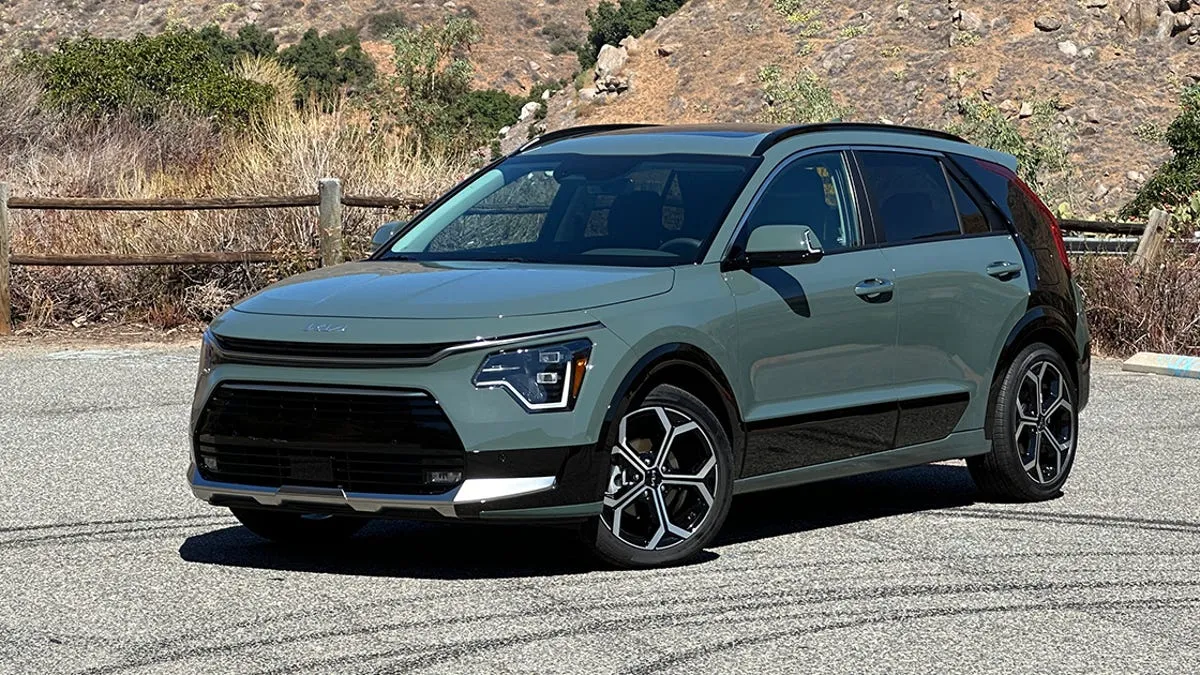
5. Kia Niro Hybrid 2023
The Kia Niro Hybrid 2023 offers a practical hybrid package, yet stop-and-go traffic can expose the vehicle’s urban limitations. Electric-assisted launches provide smooth initial movement, but repeated transitions between gas and electric modes may feel slightly abrupt. Drivers quickly notice the difference in performance when traffic requires constant adjustments.
Maneuvering in tight spaces is less natural than in smaller hybrids. While compact compared to crossovers, its width and turning radius can create tension during parallel parking or negotiating narrow lanes. Drivers must anticipate positioning early, particularly in congested areas.
Regenerative braking is present but tuned for comfort rather than aggressive energy recovery. Drivers may feel the need to adjust braking to maintain precise stops, especially at closely spaced traffic lights. This subtle extra effort contrasts with city-optimized hybrids where braking feels almost predictive.
Cabin quietness and comfort remain strong, yet frequent stop-and-go cycles expose mild transmission hesitations. Gas engine intervention can introduce minor vibration and noise, affecting the smoothness of urban driving.
Fuel economy stays respectable over mixed routes, yet dense neighborhood traffic reveals limits to its urban efficiency. Short bursts, frequent stops, and repetitive idling reduce the net fuel savings compared to hybrids designed specifically for city congestion.
Kia Niro Hybrid 2023 functions well in everyday driving but demonstrates that stop-and-go traffic can challenge hybrids not primarily tuned for dense neighborhoods. Acceleration, braking, and maneuvering nuances highlight the differences between general-purpose hybrids and those optimized for urban efficiency.
