
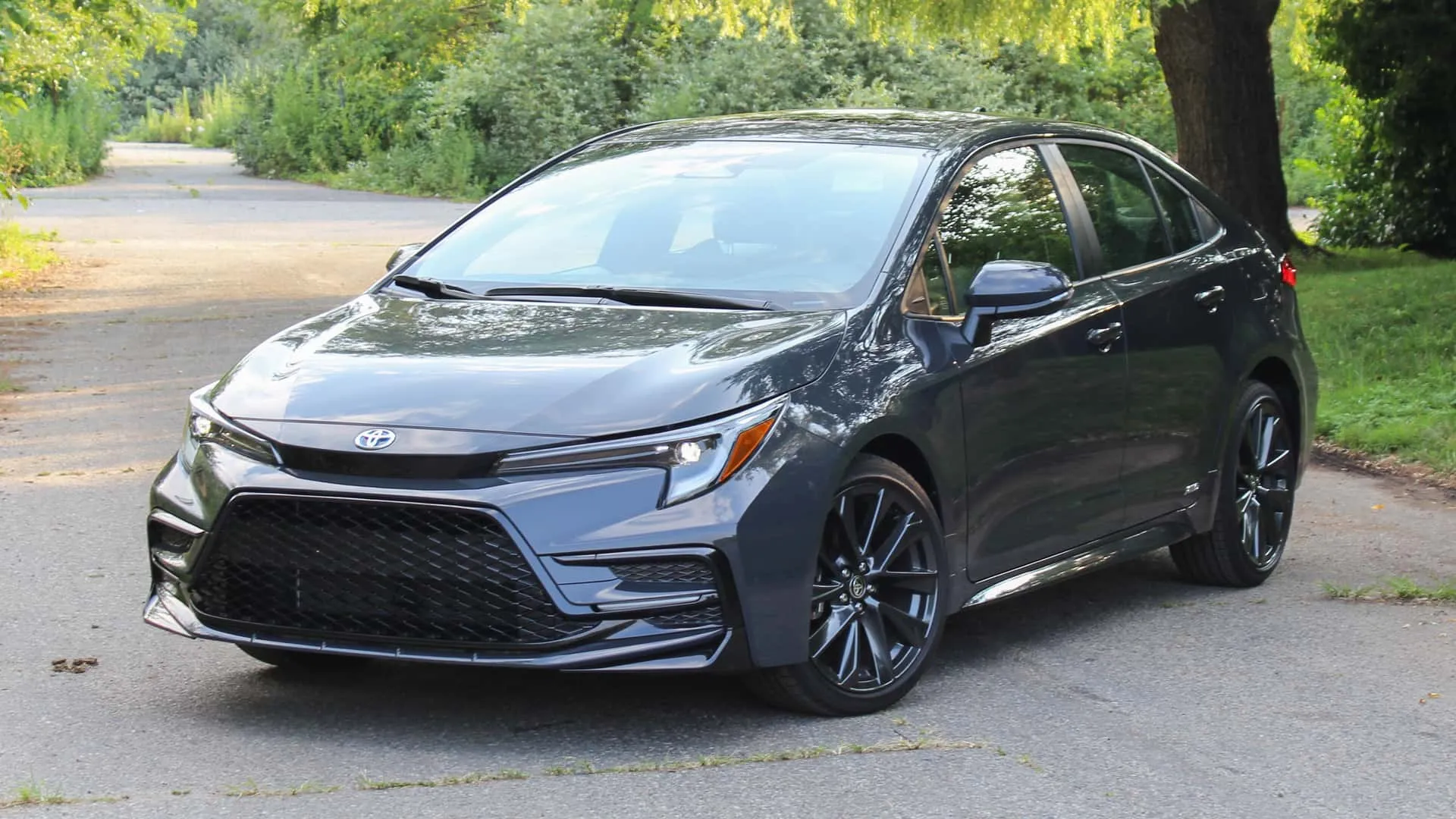
City driving asks more from a car than highway cruising ever will. Short trips, stoplights stacked back to back, tight parking spaces, and rising fuel costs all shape what feels practical day to day. Hybrids promise relief, blending electric assistance with gasoline flexibility, yet not every hybrid fits downtown life equally well.
Some feel tailor-made for dense streets and crowded garages, while others quietly frustrate owners with size, behavior, or efficiency that never quite matches the setting. Choosing the right hybrid for city use comes down to more than fuel numbers on a window sticker.
Smooth low-speed response matters. Predictable braking matters. Cabin calm during traffic jams matters. So does how easily a car slips into a parallel parking space or handles constant start and stop movement without feeling strained.
Hybrids that succeed downtown tend to fade into the background, doing their job without asking for much attention. Those who miss the mark often demand patience, adjustments, or compromises that wear thin as time goes on. This page splits the field clearly.
The first five hybrids below feel well-suited to urban routines, offering simplicity, comfort, and efficiency where it counts most. Part two will examine five hybrids that struggle in city environments, revealing why certain designs work better outside dense downtown settings.
Every model listed brings a different personality, ensuring variety without overlap. The goal is clarity, not hype, for readers who want a hybrid that fits city life naturally.
5 Hybrid Cars That Make Sense Downtown
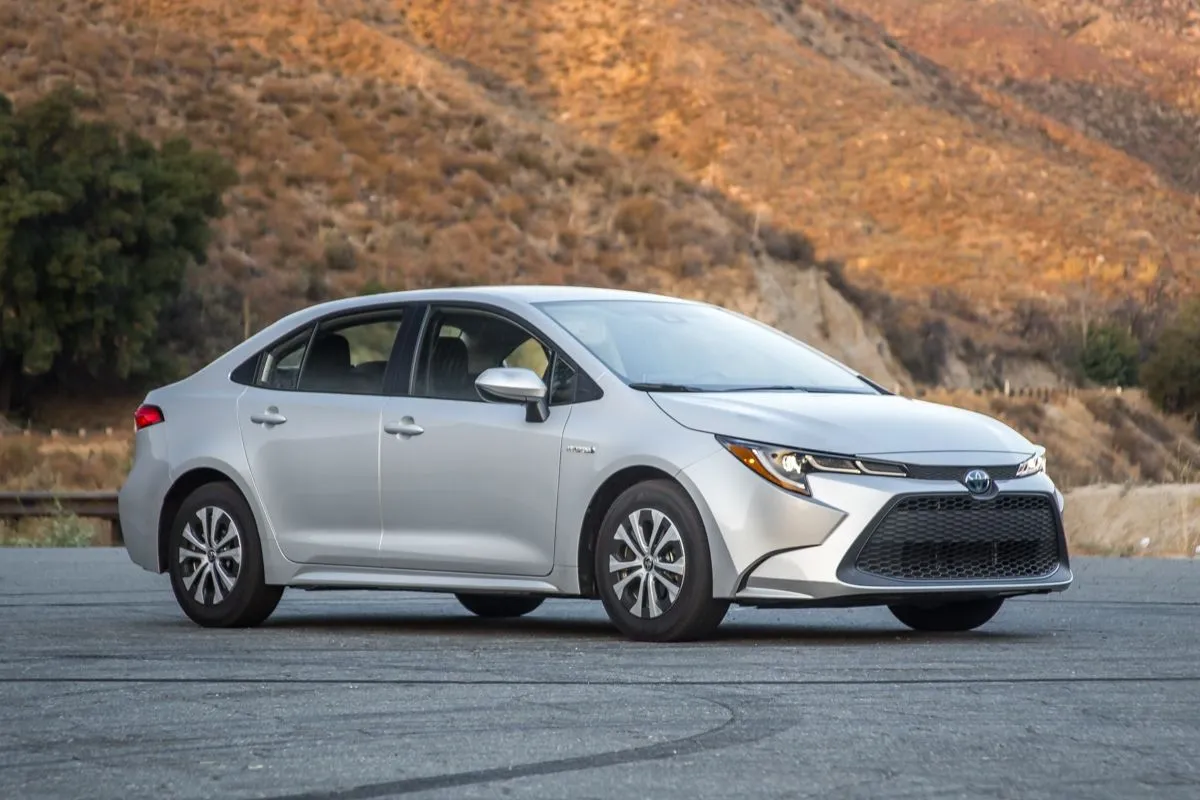
1. Toyota Corolla Hybrid 2024
Urban living suits the Toyota Corolla Hybrid 2024 almost instinctively. Compact dimensions make it feel at ease threading through traffic, slipping into narrow streets, and easing into tight parking spots. The steering responds lightly at low speeds, helping drivers make quick adjustments without effort.
In busy downtown settings, that ease translates into less stress and more confidence behind the wheel. Power delivery feels calm and predictable. Electric assistance handles initial movement smoothly, especially when pulling away from lights or crawling through congestion.
Gasoline engagement arrives quietly, avoiding abrupt changes that can feel jarring in stop-and-go driving. This balance makes short trips feel refined rather than mechanical. Fuel efficiency shines most in these conditions, where regenerative braking and electric drive spend more time at work.
Braking behavior deserves attention. Pedal feel remains consistent, blending regeneration and friction braking without awkward transitions. That consistency builds trust during sudden stops or creeping traffic. Drivers quickly adapt without needing to rethink habits developed in non-hybrid vehicles.
Interior layout favors simplicity. Controls remain physical where it counts, reducing distraction. Climate adjustments happen quickly without diving through screens. Visibility through the windshield and side glass supports urban awareness, which matters when cyclists, pedestrians, and delivery vehicles appear unexpectedly.
Ownership costs stay manageable. Strong reliability history reduces anxiety about long-term repairs. Service intervals feel familiar rather than exotic, helping first-time hybrid owners settle in quickly. Insurance rates and parts availability also stay reasonable in crowded metro areas.
Toyota Corolla Hybrid 2024 does not try to impress with flash. Its strength lies in how little attention it demands, quietly supporting daily city routines with efficiency and ease.
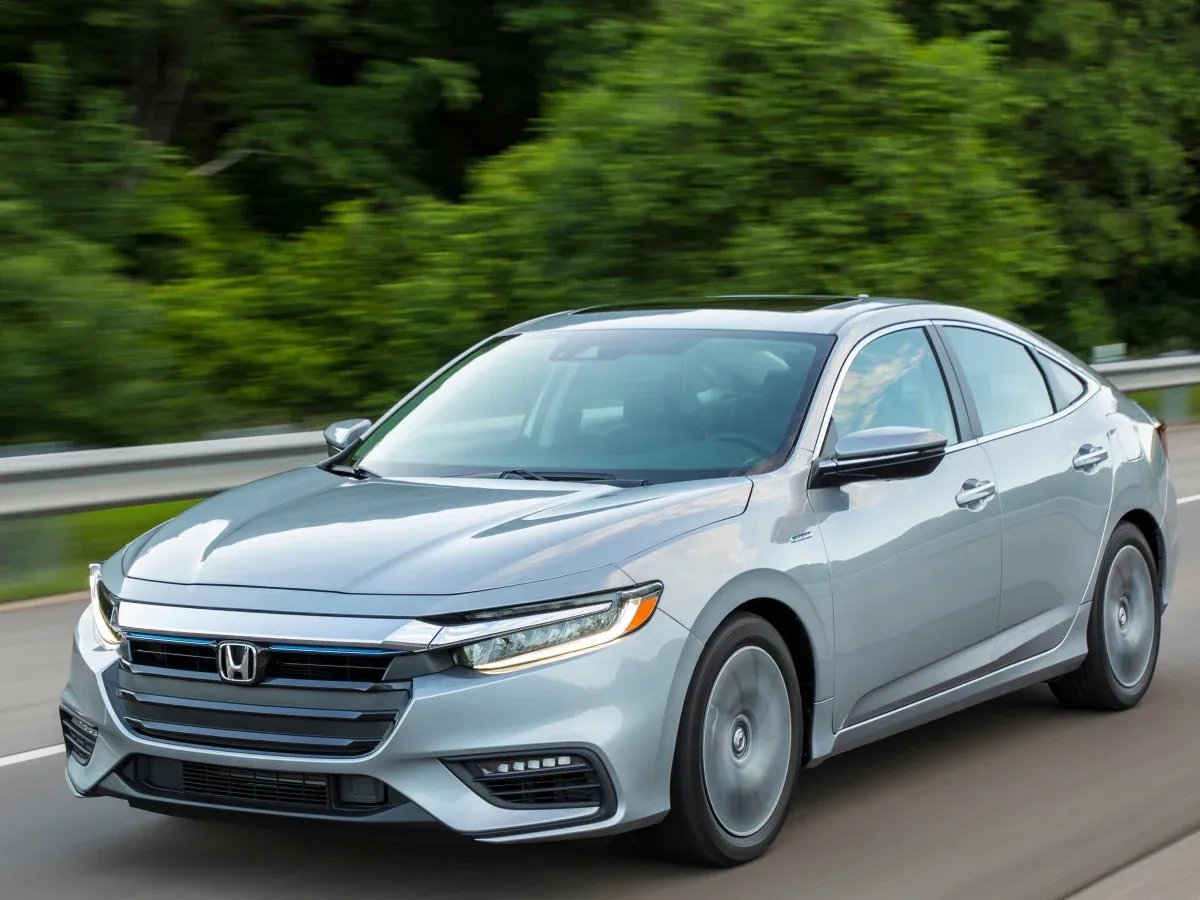
2. Honda Insight Touring 2022
Refinement defines the Honda Insight Touring 2022, especially within downtown environments where smoothness matters more than speed. Exterior proportions strike a balance between compact agility and sedan comfort, allowing drivers to enjoy stability without sacrificing maneuverability. Parking garages and narrow lanes feel approachable rather than restrictive.
Electric operation dominates low-speed travel. Rolling through traffic often happens with little engine noise, creating a calm atmosphere inside the cabin. Gasoline engagement stays subtle, maintaining a steady rhythm that avoids sudden changes in sound or vibration. This behavior suits city driving, where interruptions are frequent and patience matters.
Ride quality favors composure. Suspension tuning absorbs cracked pavement and uneven road surfaces common in urban areas. Passengers experience less jostling during short trips, making daily commutes feel more relaxed. Steering effort remains light, which helps during repeated turns and lane changes.
Inside, the Insight Touring focuses on clarity. Displays present information cleanly without clutter. Physical buttons remain where quick adjustments matter most. Seating comfort supports longer stretches behind the wheel, even during slow-moving traffic that tests patience.
Fuel efficiency remains strong under city conditions. Frequent braking feeds energy back into the battery, allowing the electric drive to stay active longer. This behavior reduces fuel stops, a welcome benefit when stations feel inconveniently placed in crowded areas.
Ownership feels predictable. Honda’s hybrid system operates quietly in the background, rarely calling attention to itself. Drivers spend less time thinking about how the car works and more time simply using it. Honda Insight Touring 2022 fits downtown life through refinement and balance, delivering a hybrid experience that feels natural rather than technical.
Also Read: 5 Hybrids That Shine in Traffic vs 5 That Deliver Little Benefit
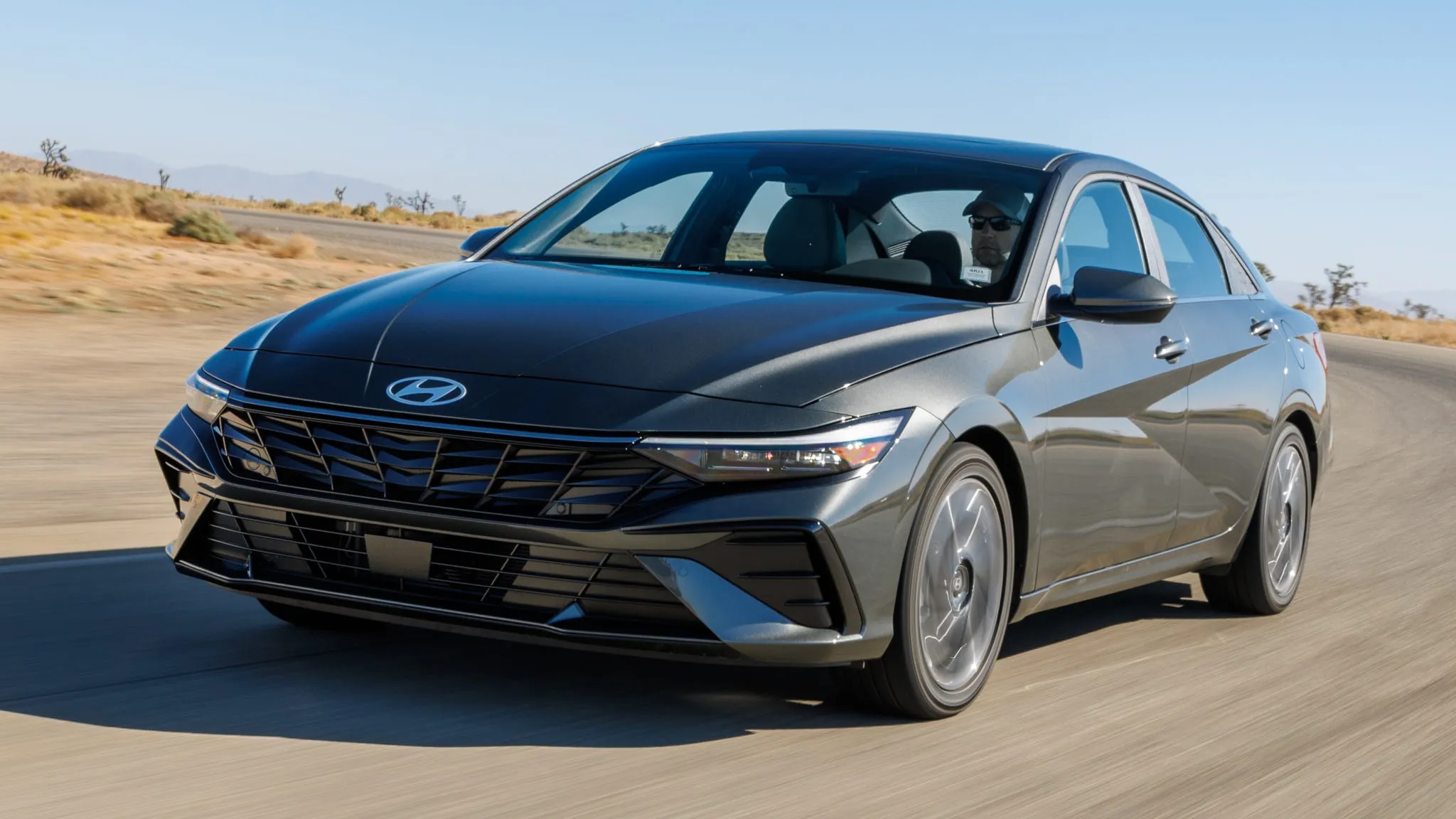
3. Hyundai Elantra Hybrid Limited 2024
Modern city drivers often appreciate technology when it serves a clear purpose, and the Hyundai Elantra Hybrid Limited 2024 manages that balance well. Its design feels fresh without being bulky, allowing easy navigation through dense streets and crowded intersections. The turning radius supports quick maneuvers, which proves useful during sudden lane changes or parking adjustments.
Acceleration from a stop feels responsive yet controlled. Electric assistance handles low-speed movement smoothly, keeping traffic flow steady. Gear changes remain subtle, avoiding the hesitation sometimes felt in hybrid systems. This smoothness reduces fatigue during long stretches of congestion.
Cabin experience leans toward comfort. Sound insulation limits outside noise, even when buses or trucks pass closely. Climate controls respond quickly, which matters during frequent door openings in short trips. Heated and ventilated seating options add convenience without complicating operation.
Technology plays a supporting role. Driver assistance systems function quietly, stepping in only when needed. Alerts remain clear rather than intrusive. Navigation integrates well with daily routes, helping drivers anticipate traffic patterns and rerouting in urban centers.
Fuel economy stays impressive in downtown conditions. Regenerative braking performs consistently, allowing the hybrid system to capitalize on frequent stops. Reduced fuel use becomes noticeable over weeks of city driving, lowering ownership costs without lifestyle changes.
Hyundai Elantra Hybrid Limited 2024 feels tuned for real urban use, blending modern features with an easygoing driving personality that suits busy city routines.
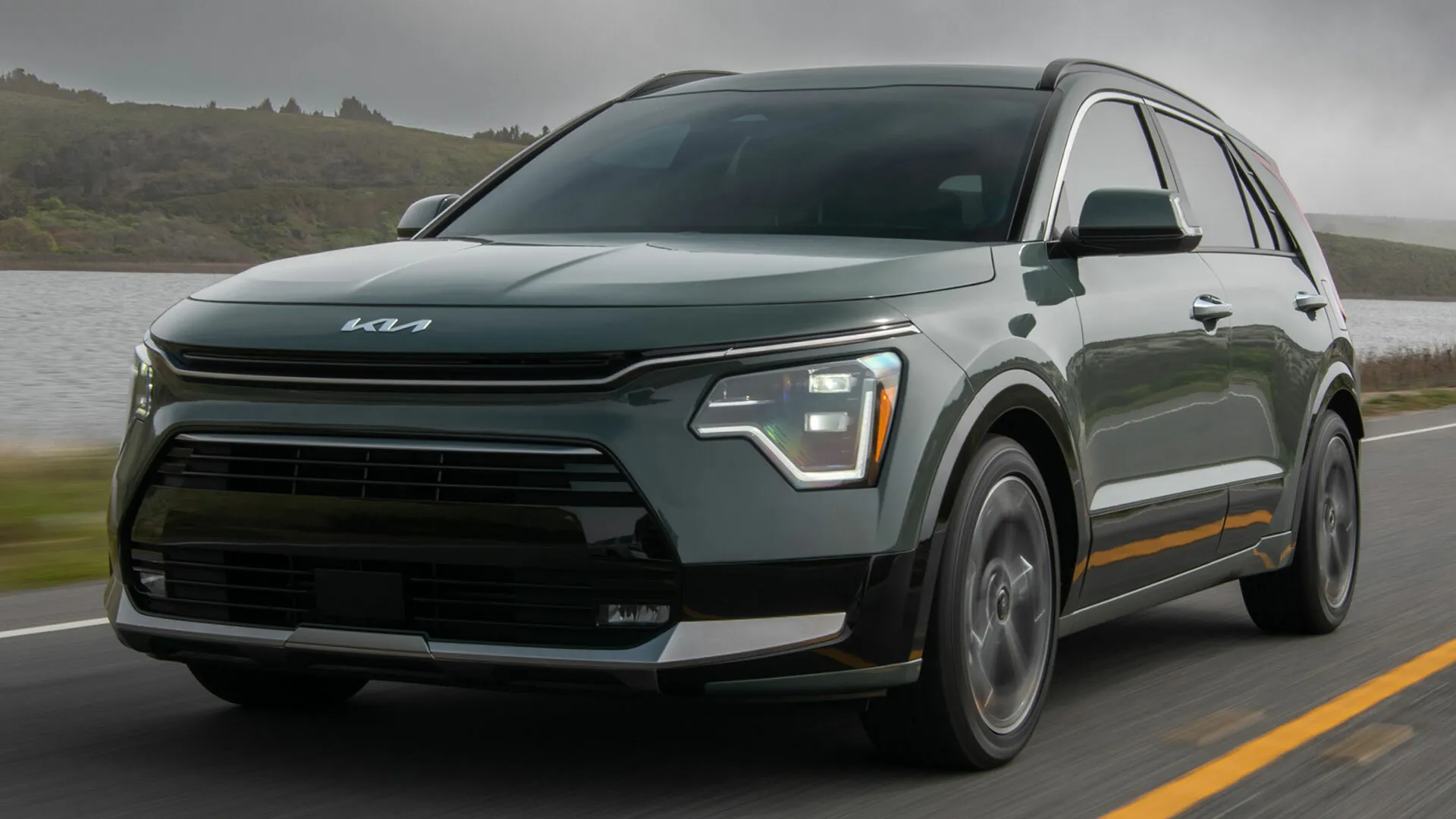
4. Kia Niro Hybrid EX 2024
Practicality defines the Kia Niro Hybrid EX 2024, making it a natural fit for downtown environments where versatility matters. Hatchback proportions improve visibility and cargo access, while compact length keeps maneuvering stress low. Grocery runs, curbside pickups, and narrow loading zones feel manageable rather than frustrating.
The electric drive handles low-speed travel smoothly. Moving through traffic or parking lots often happens with minimal engine involvement. When gasoline power joins in, transitions stay gentle. That consistency helps maintain confidence during unpredictable city movement.
Ride height offers a slight advantage. Drivers enjoy better sightlines without dealing with the bulk of a larger crossover. This balance improves awareness of pedestrians and cyclists while preserving ease of entry and exit in tight spaces. Interior design emphasizes function.
Controls remain straightforward, with logical placement and minimal distraction. Rear seating flexibility supports varied needs, from passengers to folded cargo space. This adaptability suits urban lifestyles that mix work, errands, and social plans.
Efficiency remains a highlight. Regenerative braking works effectively in stopping heavy traffic, keeping fuel consumption low. As time goes on, savings add up, especially for drivers who spend most of their miles within city limits. Kia Niro Hybrid EX 2024 delivers an easy ownership experience by staying flexible, efficient, and approachable, qualities that align closely with downtown demands.
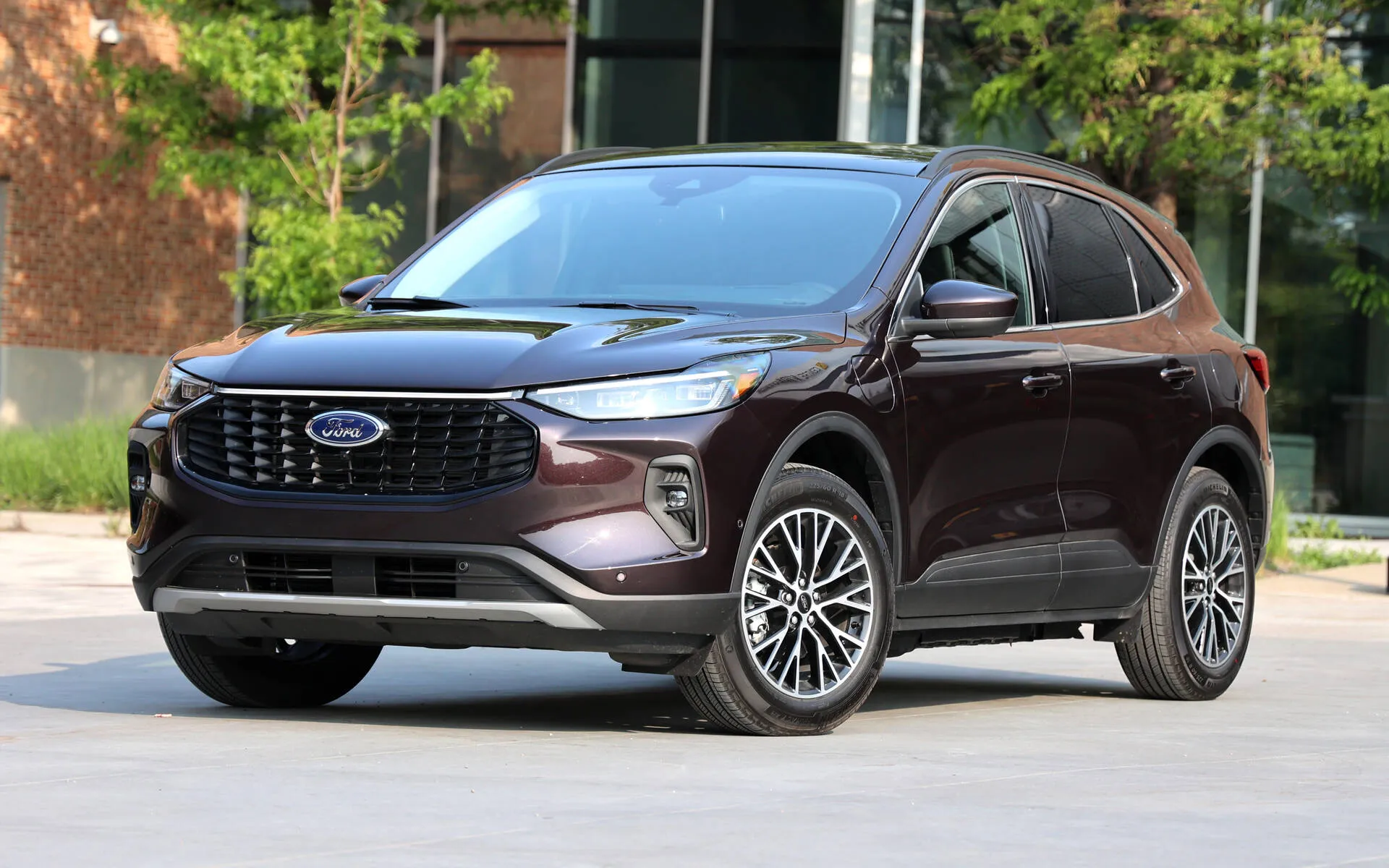
5. Ford Escape Hybrid FWD 2023
Urban drivers seeking a bit more space often find the Ford Escape Hybrid FWD 2023 strikes a workable balance. Its footprint remains manageable for city streets, while interior room supports families or shared commutes. Steering stays light at low speeds, making frequent turns less tiring.
Electric assistance handles initial acceleration smoothly, which helps during constant stops. Gasoline power blends in without fuss, maintaining steady progress through traffic. This smooth delivery keeps movement predictable, even in crowded corridors.
Cabin comfort stands out. Seating height improves visibility without creating parking challenges. Road imperfections fade into the background thanks to composed suspension tuning. Quiet operation enhances the sense of calm during slow travel.
Fuel efficiency performs well in city conditions. Hybrid operation favors electric use during congestion, reducing fuel consumption where it matters most. Drivers notice fewer trips to the pump despite the vehicle’s added space.
Ford Escape Hybrid FWD 2023 proves that a compact SUV hybrid can still feel at home downtown, offering space and comfort without overwhelming city routines.
5 Hybrids That Don’t Work Well Downtown
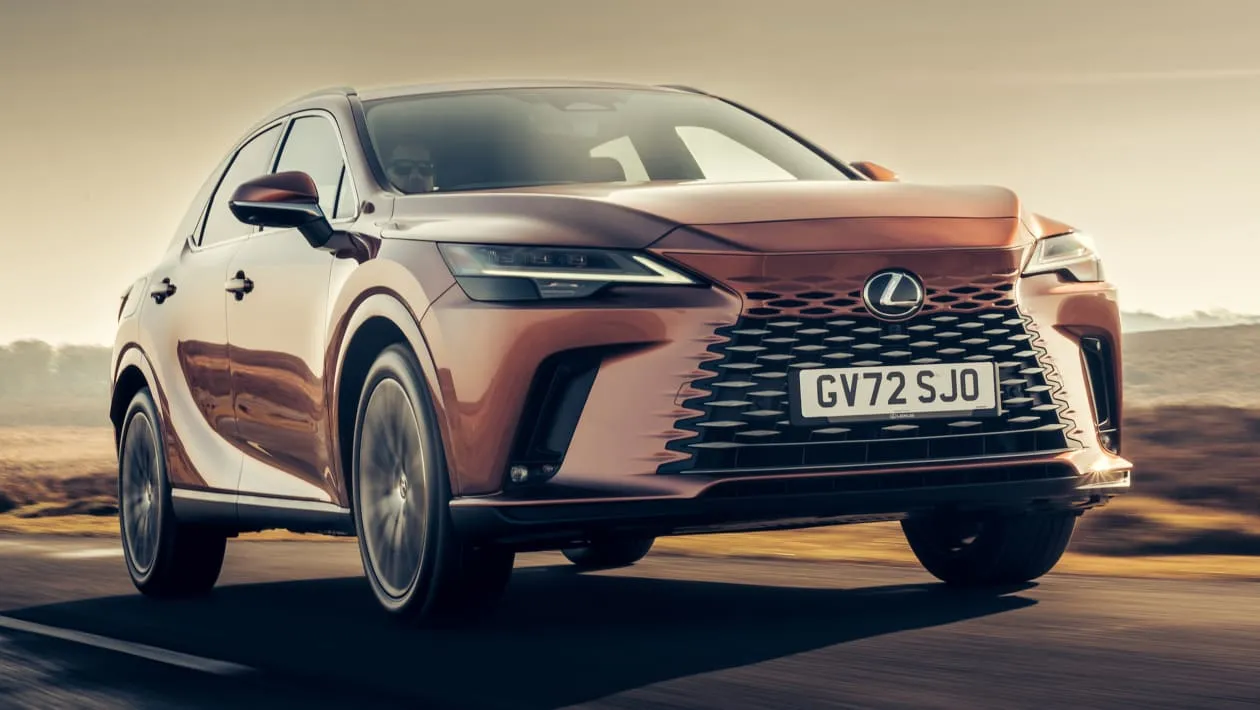
1. Lexus RX 450h 2023
Luxury and substantial dimensions characterise the Lexus RX 450h 2023, yet central business district thoroughfares expose its operational constraints. Full-size sport utility vehicle proportions render confined parking bays problematic. Despite advanced camera systems and proximity sensors, manoeuvring around compact municipal corners demands deliberate movements and careful strategic planning.
While the turning radius proves satisfactory on expressways, it presents considerable difficulties during parallel parking exercises or when threading through constricted arterial roads. Powertrain characteristics prioritise refinement above nimbleness.
Hybrid system integration performs adequately on open carriageways, but within congested stop-start city traffic conditions, acceleration exhibits a ponderous quality compared to more compact hybrid alternatives. Electric motor assistance provides benefits at reduced velocities, yet it cannot entirely compensate for the substantial inertia inherent in such a large automobile.
Continuous stopping and starting patterns intensify fuel consumption, whilst the combustion engine occasionally intrudes with perceptible mechanical noise and vibration. Motorists requiring agile urban commuting solutions may discover the RX 450h demonstrates less responsiveness than anticipated.
Interior technological features and driver assistance systems display sophistication but present layered operational demands. Touchscreen interface menus, multiple information displays, and varied driving mode selections offer extensive options, yet these can prove distracting during periods of dense city traffic flow.
Swift decision-making at junctions or whilst executing parallel parking manoeuvres necessitates operating through intricate menu structures rather than maintaining exclusive focus on roadway conditions. Although safety systems provide valuable assistance, the associated learning requirements create additional challenges for operators accustomed to more straightforward control arrangements.
Fuel economy performance diminishes within metropolitan environments. Frequent braking applications and extended idling periods reduce hybrid system advantages, with operational range declining rapidly during heavy traffic situations.
Stop-start city driving patterns emphasise distinctions between sport utility vehicles engineered for motorway comfort versus smaller, urban-oriented hybrid designs. Refuelling requirements or charging intervals may occur more frequently than proprietors initially expect.
Operator visibility receives partial mitigation through vehicle elevation and substantial proportions. Blind spot zones become more pronounced along crowded city streets, demanding attentive mirror usage and sensor system dependence. Pedestrian detection technology assists, yet small motorcycles or bicycles frequently remain partially concealed.
This situation generates additional cognitive burden when traversing pedestrian crossings or confined intersections. Lexus RX 450h 2023 remains an attractive proposition for motorway travel and suburban commuting applications. Central business district utilisation, however, reveals its functional limitations.
Vehicle dimensions, operational intricacy, and responsiveness characteristics do not align naturally with the tempo and spatial restrictions of dense urban environments, rendering it a hybrid automobile that struggles to deliver effortless performance in city driving routines.
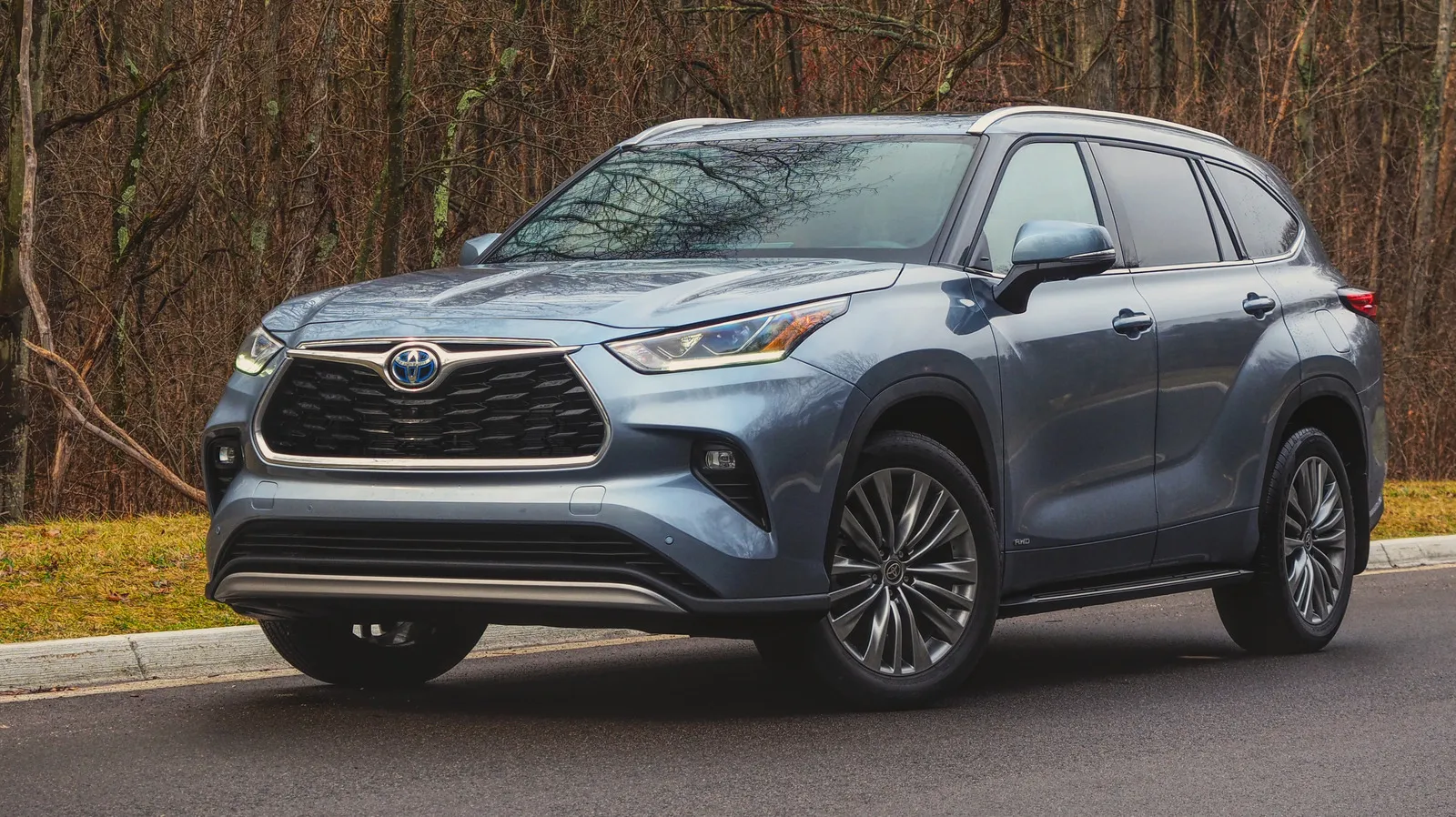
2. Toyota Highlander Hybrid XLE 2023
Space and adaptability characterise the Toyota Highlander Hybrid XLE 2023, yet these identical attributes present complications for central business district operations. Broad dimensions and an extended wheelbase render movement through narrow municipal streets cumbersome.
Restricted garages, angular parking configurations, and congested junctions demand heightened concentration and reduced maneuvering speeds. Despite electronic assistance systems, urban parking situations frequently generate tension rather than convenience.
Low-velocity acceleration exhibits hybrid refinement but cannot completely counterbalance the Highlander’s substantial mass. Whilst electric motors provide support during initial movement, operators frequently observe delayed responsiveness when weaving through stop-start traffic patterns.
Merging onto city thoroughfares or departing confined service lanes may necessitate additional planning, as forward momentum and braking applications require careful coordination. Fuel economy performance deteriorates compared with suburban or expressway operation, as hybrid system benefits diminish through regular idling periods.
Infotainment and driver assistance technology, though advanced, present operational intricacy within urban contexts. Rapid adjustments during restricted maneuvers may demand interaction with numerous screens or menu selections, redirecting attention from traffic flow.
Lane departure alerts and adaptive cruise features function effectively across extended distances but deliver reduced practical value when operating through closely positioned intersections. For certain motorists, the interface appears more burdensome than beneficial.
Cargo adaptability, amongst the Highlander’s principal strengths, contributes to visual bulk. Roof-mounted carriers and larger posterior profiles diminish visibility along crowded streets, particularly when reversing into angular spaces. Proximity sensors assist but cannot eliminate obscured zones, compelling operators to proceed with supplementary caution.
Climate management and interior amenity remain outstanding, yet energy utilisation increases during dense traffic conditions. Electric-only operational range proves limited, whilst frequent engine engagement erodes fuel economy. City commuting may necessitate more regular refuelling intervals, diminishing hybrid technology appeal for stop-start circumstances.
Toyota Highlander Hybrid XLE 2023 demonstrates excellence for family excursions and suburban tasks, yet central business district streets amplify its dimensions and operational intricacy. Urban operation exposes a hybrid automobile engineered for comfort and capacity, but sacrificing agility, rendering routine city utilisation less instinctive than smaller vehicle alternatives.
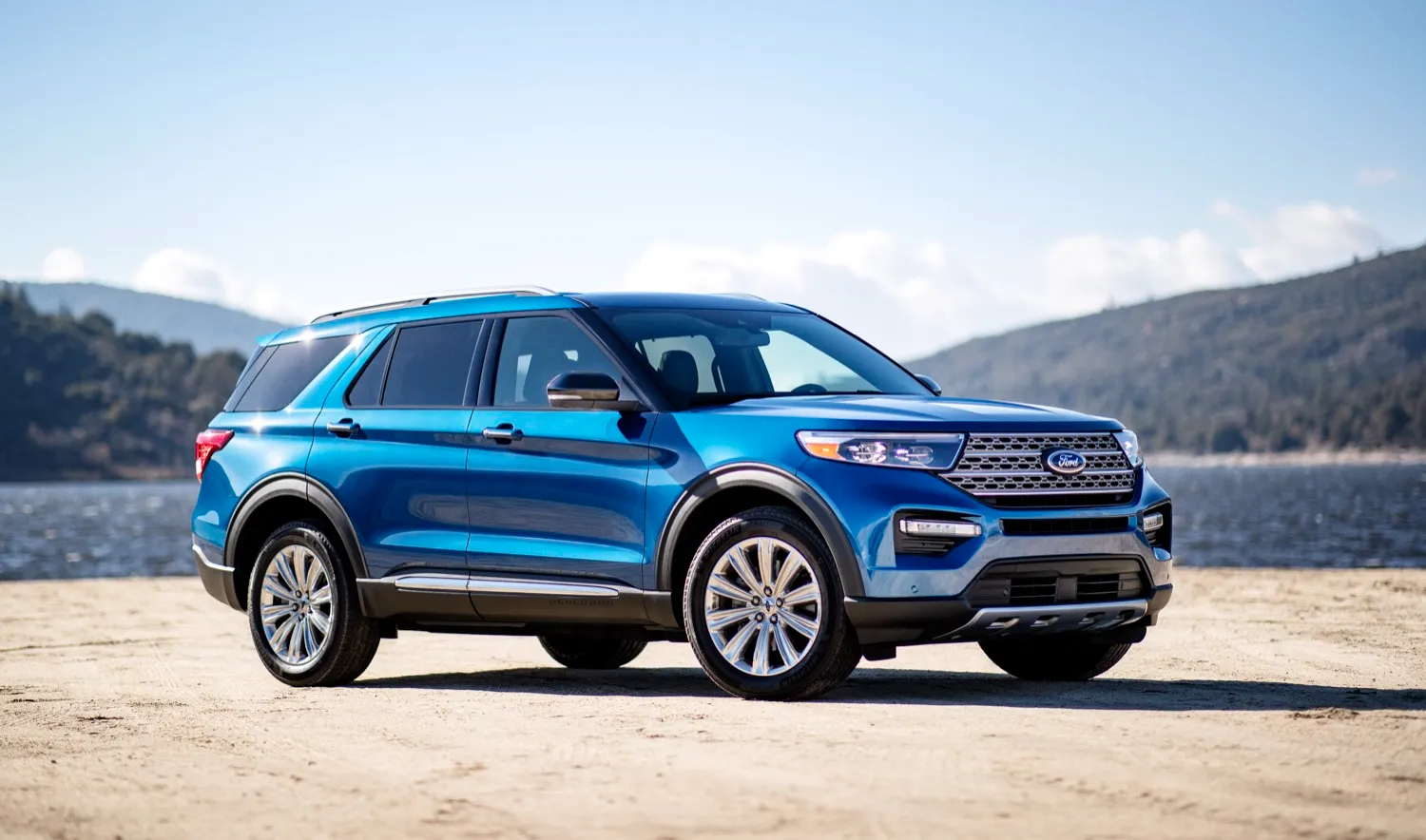
3. Ford Explorer Hybrid Limited 2024
Ford Explorer Hybrid Limited 2024 combines utility with hybrid engineering, yet municipal streets expose operational challenges. Substantial dimensions demand continuous attention within parking structures, constricted thoroughfares, and high-density junctions.
Proximity sensors and camera systems assist, yet frequent stopping patterns render urban operation mentally demanding. Explorer width and elevation additionally reduce the ease of lane filtration and kerbside parking execution, constraining spontaneous movement.
Acceleration demonstrates smoothness at motorway velocities but exhibits sluggish characteristics during dense city traffic flow. Hybrid assistance benefits low-speed operation, yet repetitive stop-start sequences generate slight engine intrusions and fuel consumption increases.
Manoeuvring through restricted vehicle clusters becomes more calculated, diminishing the anticipated ease associated with urban hybrid proprietorship. Ride quality maintains comfort standards but emphasises expressway refinement.
Suspension absorbs surface irregularities adequately, yet agility during restricted turns or abrupt lane transitions remains constrained. Steering exhibits increased resistance at reduced velocities, necessitating greater effort during regular parking facility adjustments.
Operators must compensate through supplementary attention during central business district manoeuvres. Interior intricacy contributes to operator distraction. Multiple display panels, configuration menus, and driving mode selections generate a premium atmosphere but require interaction that urban driving circumstances occasionally render inconvenient.
Rapid adjustments at traffic signals or whilst reversing into confined spaces involve cognitive burden, detracting from straightforward usability. Hybrid efficiency demonstrates reduced effectiveness during dense urban circumstances.
Regenerative braking systems assist energy reclamation during stopping events, yet vehicle dimensions and mass diminish electric-only advantages. Fuel economy benefits materialise predominantly during suburban or motorway utilisation, emphasising misalignment with metropolitan priorities.
Visibility, notwithstanding cameras and mirrors, remains restricted within close-quarter situations. Obscured zones necessitate frequent verification, particularly near pedestrian crossings or congested parking areas. Pedestrian and cyclist vigilance proves critical, supplementing mental workload.
Ford Explorer Hybrid Limited 2024 performs effectively for suburban applications and extended-range journeys. Central business district streets, however, expose limitations inherent to dimensions and operational intricacy, rendering this hybrid automobile less compatible with effortless metropolitan existence.
Size and technological layering create barriers that urban motorists encounter routinely, distinguishing this model as better suited for environments offering spatial freedom rather than restricted municipal conditions where nimbleness and compact proportions deliver superior practical value for daily commuting requirements.
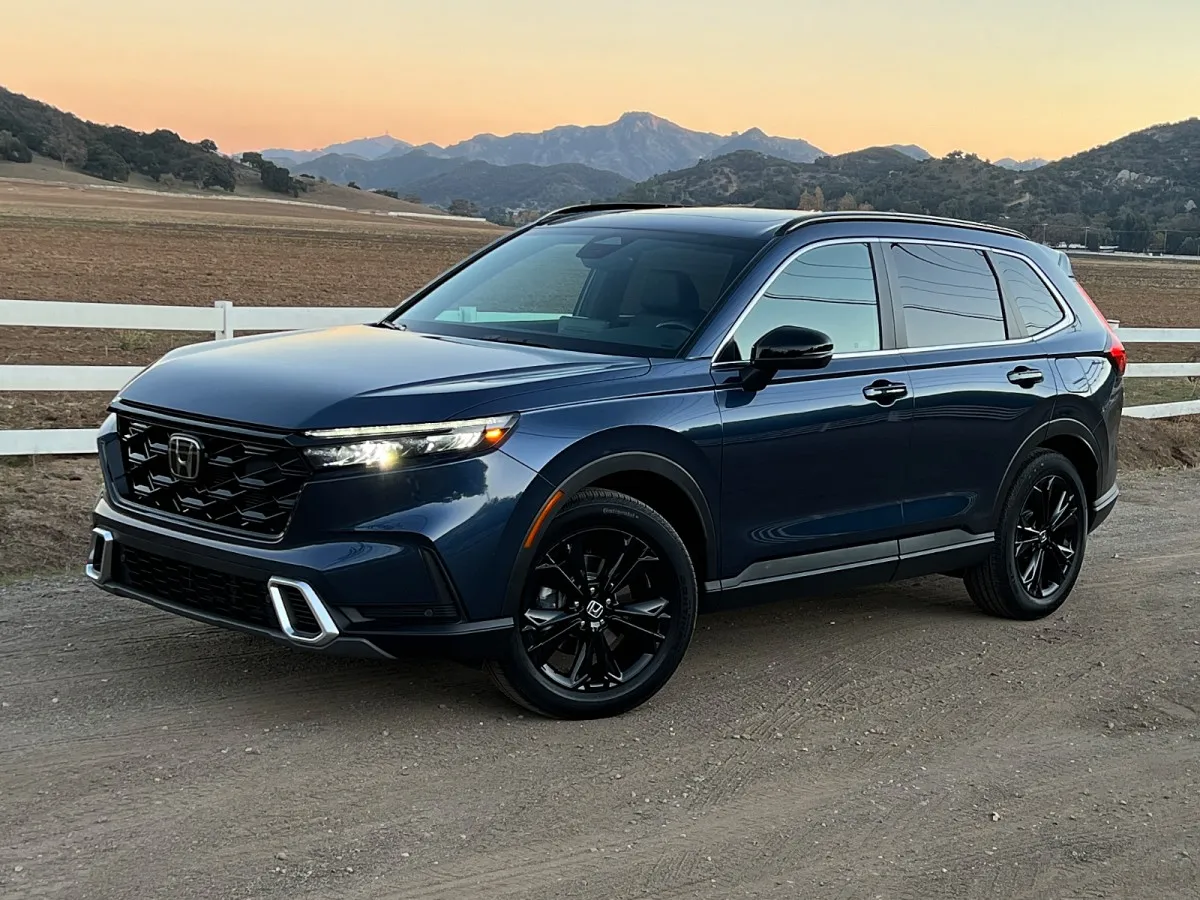
4. Honda CR-V Hybrid Touring 2024
The Honda CR-V Hybrid Touring 2024 balances reliability and interior space, but its downtown usability faces constraints. Medium SUV dimensions can feel oversized in narrow streets, and high curb-to-door gaps challenge frequent stops and urban deliveries. While the CR-V handles well on open roads, city traffic exposes limitations in maneuverability and perception.
Electric assistance offers smooth initial acceleration, yet repeated stop-and-go driving causes fuel engagement to fluctuate, slightly impacting efficiency. Drivers report needing to anticipate engine intervention more actively than smaller hybrids. Navigation through crowded intersections or around buses and taxis requires more attention than compact urban options.
Cabin technology is abundant, with touchscreen controls, adaptive cruise, and driver-assist features. In urban scenarios, some of these systems feel intrusive or require frequent interaction. Quick route changes or parking adjustments can require navigation through nested menus rather than intuitive actions. While helpful on highways, city environments highlight these friction points.
Regenerative braking functions well but does not fully offset energy loss during constant starts and stops. Frequent electric-gas transitions reduce perceived fuel efficiency, leading to more attention on range during heavy city driving. Predictable stoplight cycles feel less rewarding than suburban cruising patterns.
Comfort remains high with spacious seating and supportive cushioning. However, vehicle height and width limit parking options and make tight intersections more stressful. The balance between interior space and urban agility leans toward the former, challenging city-focused drivers.
Honda CR-V Hybrid Touring 2024 works well in varied conditions, yet dense urban streets amplify its size and system complication. Owners may experience more mental load and frequent adjustments, highlighting the limits of this hybrid in downtown routines.
Also Read: 5 Hybrids That Stay Smooth in Stop-and-Go vs 5 That Feel Jerky
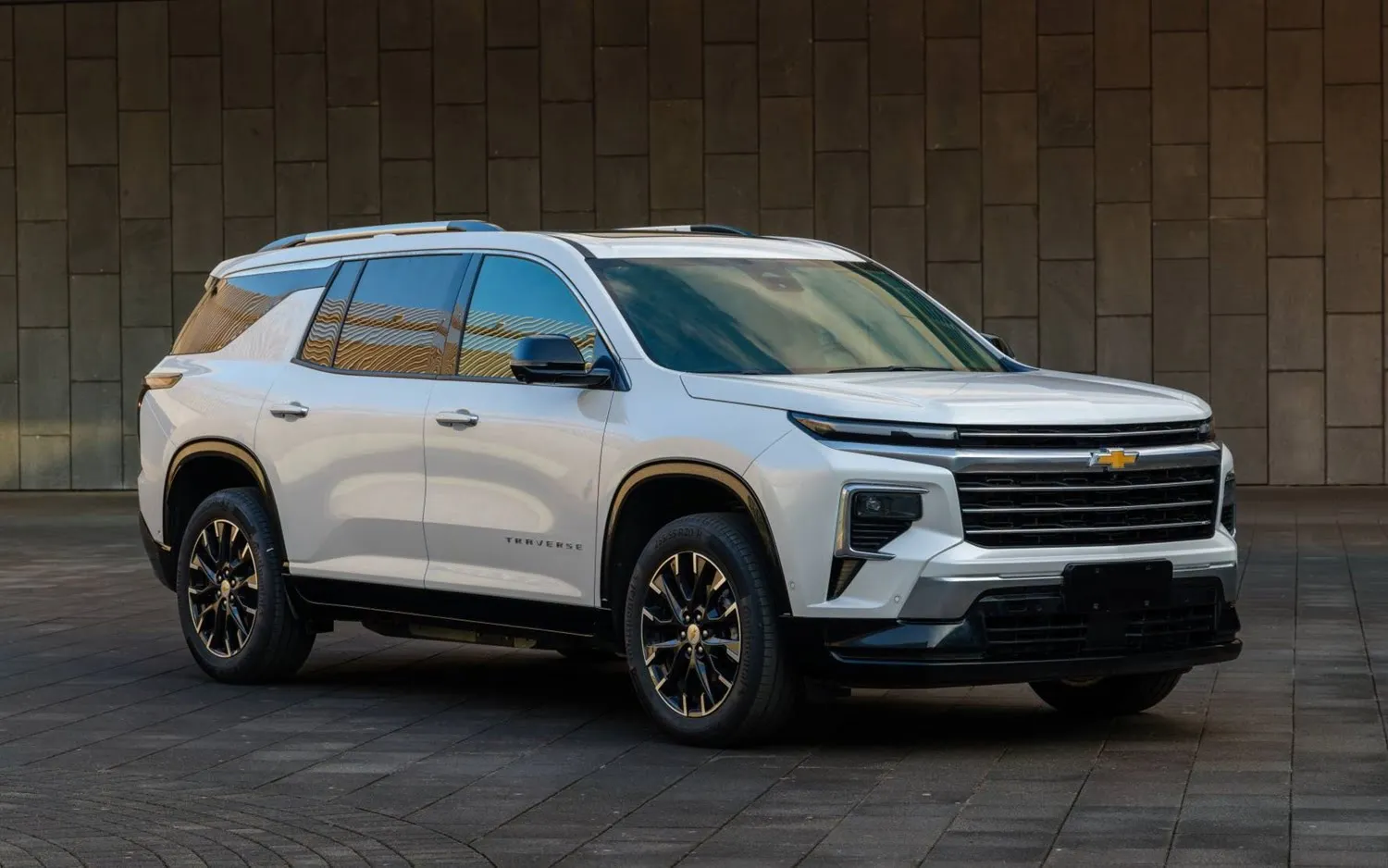
5. Chevrolet Traverse Hybrid 2023
Chevrolet Traverse Hybrid 2023 prioritizes family space and highway comfort, but downtown streets accentuate its limitations. The large footprint makes parking stressful, requiring precision maneuvers in narrow spaces. Even with rear cameras and parking sensors, urban garages demand extra care. Turning radius challenges quick maneuvers between congested lanes.
Acceleration feels substantial yet less agile at low speeds. Electric assist aids initial starts, but the heavy body often necessitates gasoline support, causing minor engine noise and vibration. Stop-and-go city driving reduces hybrid fuel efficiency benefits compared with suburban use.
Interior design favors space over simplicity. Multiple displays, climate zones, and advanced entertainment systems enhance comfort but require interaction that urban conditions often complicate. Adjustments at stoplights or while backing into tight parking spots can feel cumbersome.
Regenerative braking assists but cannot compensate fully for frequent acceleration demands and vehicle mass. Energy recovery during city driving is less pronounced, and fuel economy benefits appear less tangible. Drivers must pay more attention to range and stops during daily downtown use.
Visibility can be limited due to the SUV’s size. Blind spots require frequent checks, and sensor reliance becomes crucial near pedestrians and cyclists. Tight corners, delivery zones, and parallel parking require constant vigilance, reducing the simplicity that urban hybrids should offer.
Chevrolet Traverse Hybrid 2023 excels in space, family transport, and long-distance trips. Downtown environments, however, expose their bulk, complication, and relative inefficiency in stop-heavy traffic, making city ownership more demanding than expected.
