Florence’s historic streets, narrow lanes, and bustling city center require cars that are compact, agile, and easy to park. For daily commuters, fuel efficiency, comfort, and reliability are just as important as maneuverability.
This guide highlights five cars ideal for Florence’s daily commuting, from the iconic Fiat Panda, known for its practicality and charm, to modern electric models like the Fiat 500e and Smart EQ Fortwo, which combine city-friendly size with eco-conscious performance.
Each option offers a balance of style, convenience, and efficiency suited to urban life. Alongside these, we present five fuel-efficient choices, including hybrids and electric vehicles, designed to reduce running costs, emissions, and maintenance while still delivering a comfortable and capable drive.
Whether your priority is affordability, low fuel consumption, or clever interior space, this collection demonstrates that daily commuting in Florence can be practical, economical, and enjoyable.
5 Cars for Florence Daily Commuting
1. Fiat Panda Hybrid: Compact, Efficient, and Perfect for Florence Commuting
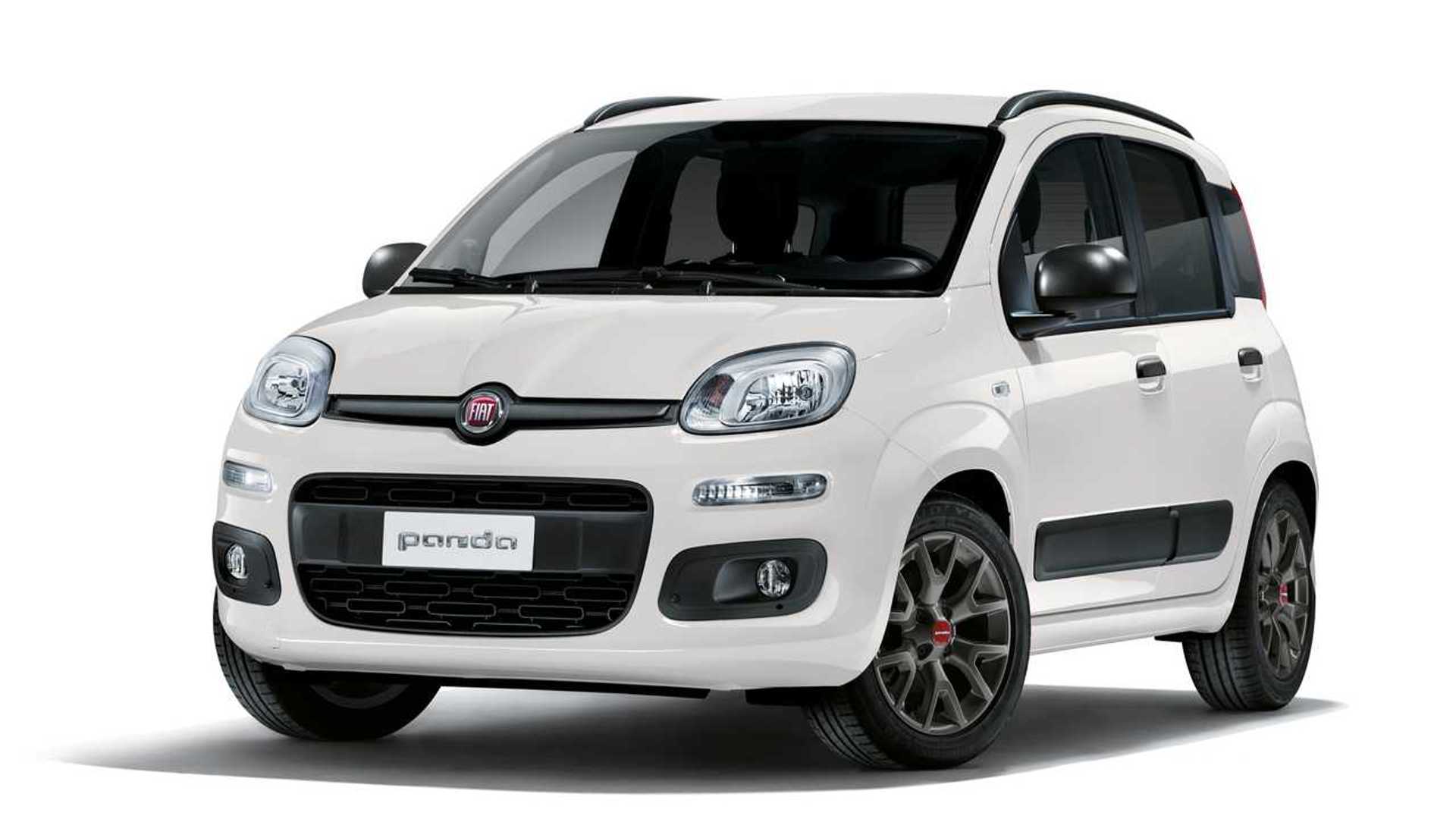
The Fiat Panda Hybrid, known as the “King of Italy,” is a top choice for city commuting, particularly in Florence. Its iconic boxy design provides excellent visibility, helping drivers judge distances from walls, tight corners, and narrow streets.
The mild-hybrid system combines a 1.0-liter three-cylinder petrol engine with a small electric motor, boosting efficiency in stop-and-go traffic while reducing fuel consumption and CO2 emissions. The self-charging system eliminates the need for plug-in charging, and advantages like potential access to Limited Traffic Zones (ZTLs) or lower parking fees make it highly practical for Italian city life.
The Panda Hybrid produces 70 hp and comes with a smooth six-speed manual gearbox, or automatic in some versions. Electric assist ensures lively take-offs, while steering is responsive and precise.
The suspension handles cobblestones and uneven roads comfortably, though it can feel firm on rough surfaces. Despite modest engine output, the car offers an agile city driving experience and feels composed on motorways, with minimal wind and road noise.
The cabin blends retro charm with modern functionality, featuring physical climate controls and a 10-inch digital screen. Space is generous, with good headroom, legroom, and storage, including dual gloveboxes. The hybrid model offers a 412-litre boot, larger than the electric variant, thanks to the absence of an underfloor battery. Supportive seats and clever storage solutions make it practical for daily errands and urban life.
The Panda Hybrid achieves around 57.6 mpg, delivering low running costs and high efficiency. The mild-hybrid system improves fuel economy in city traffic and remains useful for longer trips.
The Fiat Panda Hybrid is a charming, practical, and economical city car. Its compact size, efficient hybrid system, spacious interior, and functional design make it ideal for Florence’s streets. Minor drawbacks include engine noise under hard acceleration, a firmer ride on rough roads, and limited power for spirited driving, yet its affordability, practicality, and distinctive Italian character make it a standout choice.
2. Fiat 500e: Ideal Electric Car for Florence
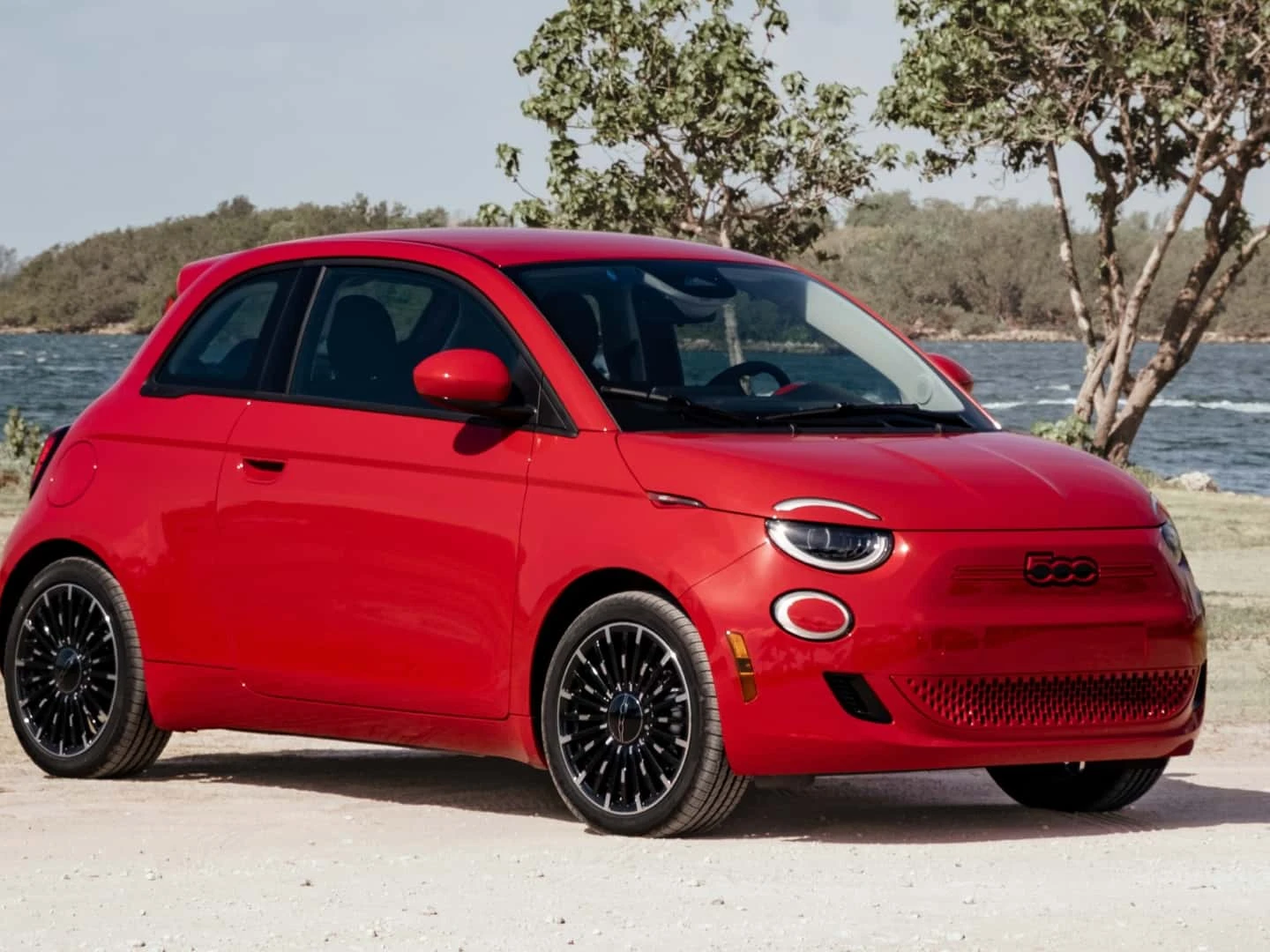
The Fiat 500e is the electric version of the classic 500, designed for city life and especially suitable for Florence. Its small size and tight turning radius make it easy to move through narrow streets and find parking in crowded areas.
The 117-hp electric motor delivers instant torque, providing quick acceleration in stop-and-go traffic while keeping the cabin quiet. Being fully electric, the 500e enjoys benefits such as easier access to Florence’s ZTL (Limited Traffic Zones), discounted or free parking, and lower environmental impact.
The 500e is practical for daily urban use. Its electric efficiency reduces running costs and simplifies servicing. Drivers can choose from three drive modes: Normal, Range, and Sherpa, which help manage power and extend battery life. Aggressive regenerative braking allows one-pedal driving, making city stops smooth and simple.
The battery offers an EPA-rated range of 141 to 149 miles, with real-world highway tests showing about 120 miles. Charging is supported at up to 85 kW, adding around 31 miles in five minutes, although a full 10 to 90 percent charge takes about 51 minutes.
Inside, the cabin is modern and stylish with a 10.3-inch touchscreen, 7-inch digital gauge display, wireless Apple CarPlay and Android Auto, and optional navigation. The rear seats are small but suitable for occasional passengers or small items, and the cargo area can fit groceries or two carry-on suitcases. A wireless charging pad and six-speaker stereo add convenience for everyday driving.
Performance is suitable for city and suburban roads, with a 0 to 60 mph time of 7.8 seconds. The ride is firm but comfortable at low speeds, and the car is equipped with safety features such as automated emergency braking, lane-keeping assist, and rear parking sensors. Optional adaptive cruise control and automatic high beams enhance safety on longer trips.
The Fiat 500e is a practical, stylish, and eco-friendly choice for Florence. Its small footprint, electric efficiency, and quick acceleration make daily city trips simple and enjoyable. While limited in range and interior space for long trips, it excels as an affordable, fun, and modern electric car for urban life.
3. Smart EQ Fortwo: The Perfect Electric Car for Florence
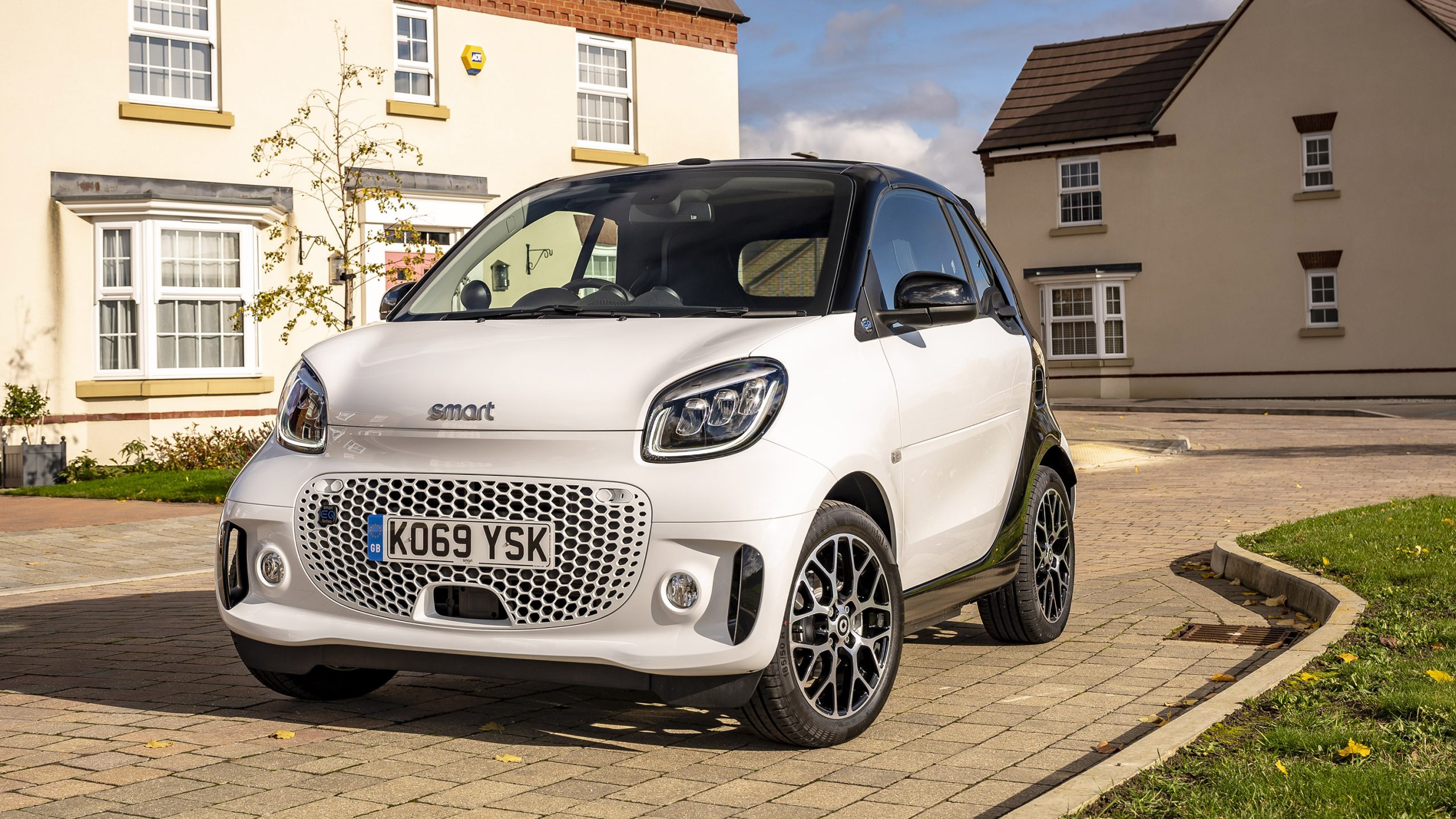
The Smart EQ Fortwo is an electric city car designed for solo or two-person commutes, making it ideal for Florence’s narrow streets and limited parking. At under nine feet long, it can fit into spaces that other cars must skip and even park diagonally, a major advantage in a city where parking is often a challenge.
Its small size, excellent visibility, rear sensors, and standard rearview camera make stopping and positioning simple. Instant electric torque ensures quick acceleration up to 40 mph, allowing it to move smoothly in stop-and-go traffic despite modest top-end power.
Electric power keeps running costs low, with home charging costing only a few pounds. The 17 kWh battery delivers a city range of around 70 miles, which is sufficient for most urban commutes. Fast charging can recharge 80 percent of the battery in under 40 minutes, while a full home charge takes about three hours.
The Fortwo excels at short urban trips, although longer highway journeys feel limited due to lower acceleration above 40 mph and a bumpy ride caused by its small size.
The cabin is compact and playful, with most of the dash finished in decent-quality plastics. Some lower trims and switches feel cheap, and storage is very limited. The two seats provide enough room for adults, but the boot is tiny.
The infotainment system is basic and can be laggy, although Apple CarPlay and Android Auto are standard. Personalisation options, including alloy wheels, colors, and trims, help maintain the Fortwo’s distinctive design.
City driving is where the Fortwo shines. It reaches 0–62 mph in 11.6 seconds, but can hit 40 mph in under five seconds, making it feel lively off the line. Its compact dimensions and agility allow it to slip into tight parking spots and micro-parking zones. The ride can be bumpy over uneven streets, and light steering reduces stability at higher speeds, reinforcing its status as a car built for the city.
The Smart EQ Fortwo is a fun, efficient, and practical choice for Florence. Its tiny footprint, low running costs, and ability to fit into nearly any parking space make it ideal for solo or two-person commuting, despite limited cargo capacity and modest highway performance.
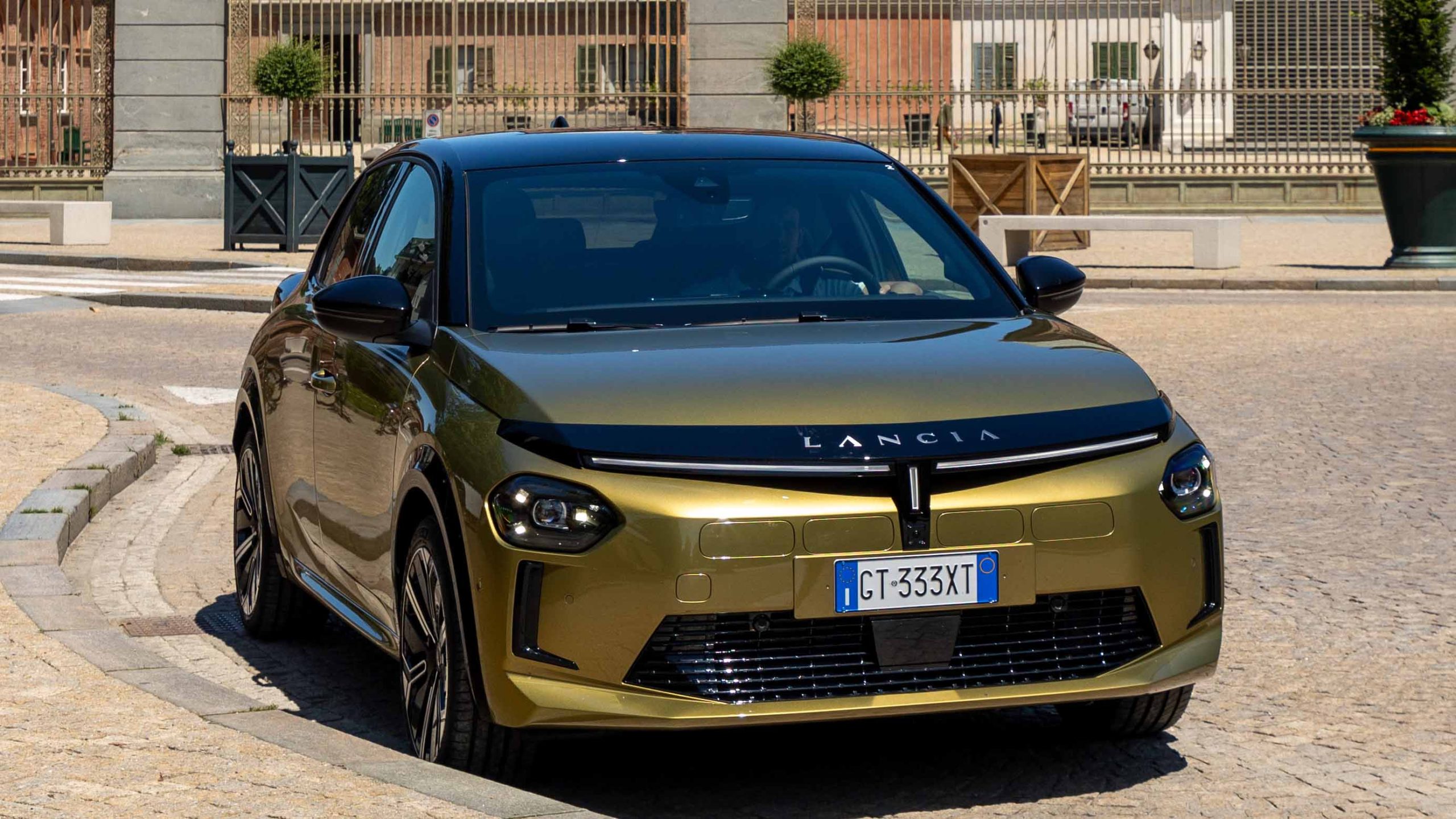
4. Lancia Ypsilon: Stylish and Practical for Florence
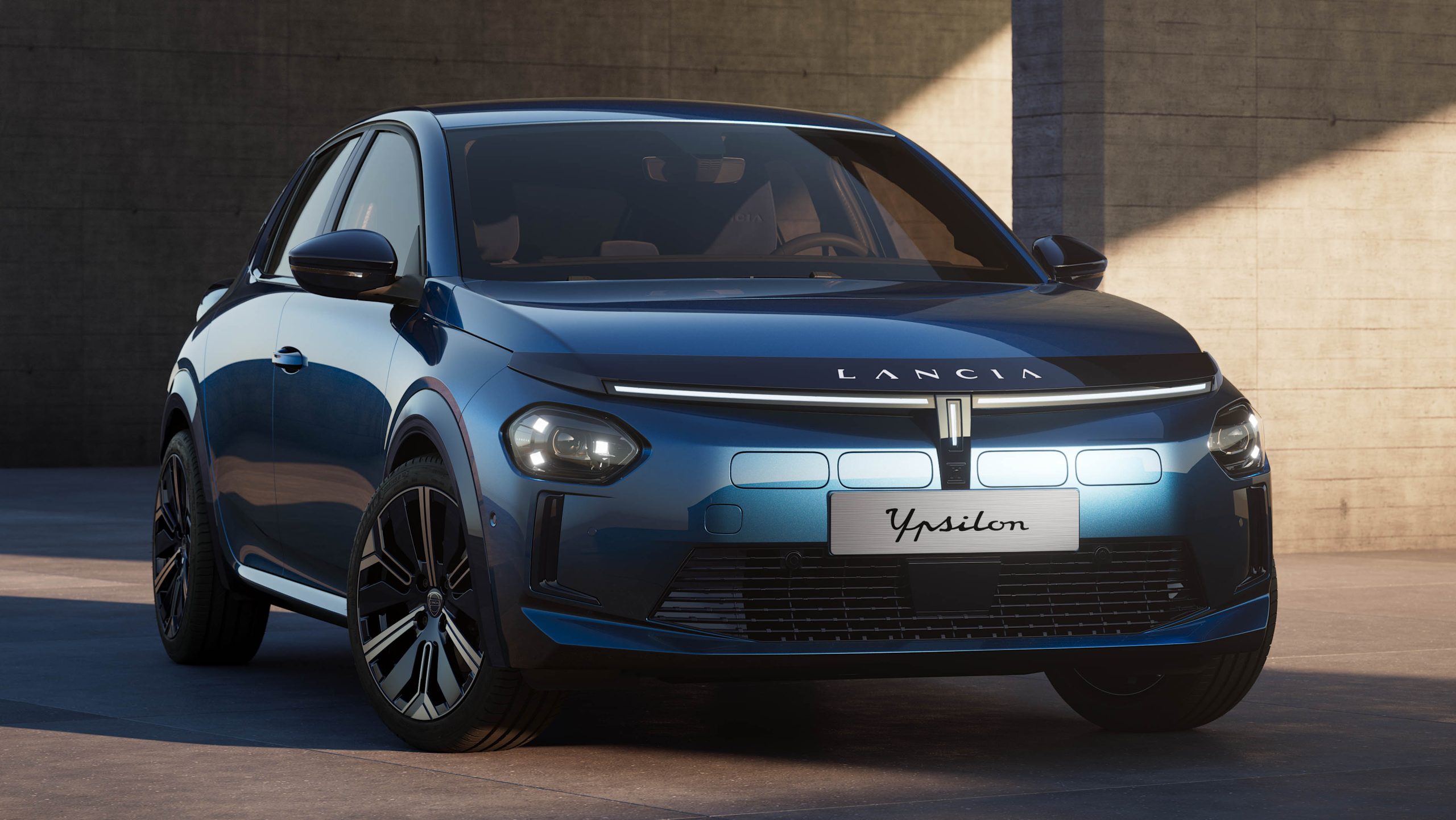
The Lancia Ypsilon offers a stylish alternative to the Fiat Panda, combining a compact footprint with a premium, boutique feel. Its small size makes it ideal for Florence, allowing drivers to move through tight streets and park in limited spaces.
The Ypsilon’s suspension is tuned for comfort, absorbing bumps from cobblestones and uneven roads, while modern technology and supportive seats make daily commuting easier and more enjoyable.
The car is available with efficient powertrains. The mild-hybrid (MHEV) version pairs a 1.2-litre three-cylinder turbo engine with a small electric motor and a six-speed dual-clutch automatic gearbox, producing 109 bhp and accelerating from 0–62 mph in 9.3 seconds.
The fully electric (BEV) version delivers 154 bhp to the front wheels, a 0–62 mph time of 8.2 seconds, and a WLTP range of 264 miles. These options provide fuel savings, lower emissions, and easier access to Florence’s limited traffic zones, making the Ypsilon well-suited to urban life.
The design emphasizes Italian flair. The front features a three-pronged LED light signature, a reinterpretation of classic Lancia grille elements, while the rear has round lights inspired by the Stratos and a stylish mini diffuser.
Lancia branding appears in full on both ends, with the shield moved to the C-pillar. Inside, premium trims and elegant seat options create a modern, fashionable cabin, and features such as wireless charging, infotainment, and driver-assistance systems enhance convenience.
Built on Stellantis’ Common Modular Platform, the Ypsilon shares components with the Peugeot 208 and Vauxhall Corsa, though it avoids petrol/manual combinations in favor of hybrid or electric options. It has also been adapted into a rally car, the Ypsilon Rally4 HF, with competition-spec powertrains and high-performance features, while a future hot hatch version is expected to offer a sporty all-electric setup.
Prices in Italy start around $21,700 for the hybrid and $31,500 for the electric model, making it competitive with similar superminis. The Ypsilon is perfect for drivers looking for a small, comfortable, and stylish city car that combines Italian elegance with practical urban performance. Its compact dimensions, efficient powertrains, and distinctive design make it an excellent choice for Florence’s historic streets.
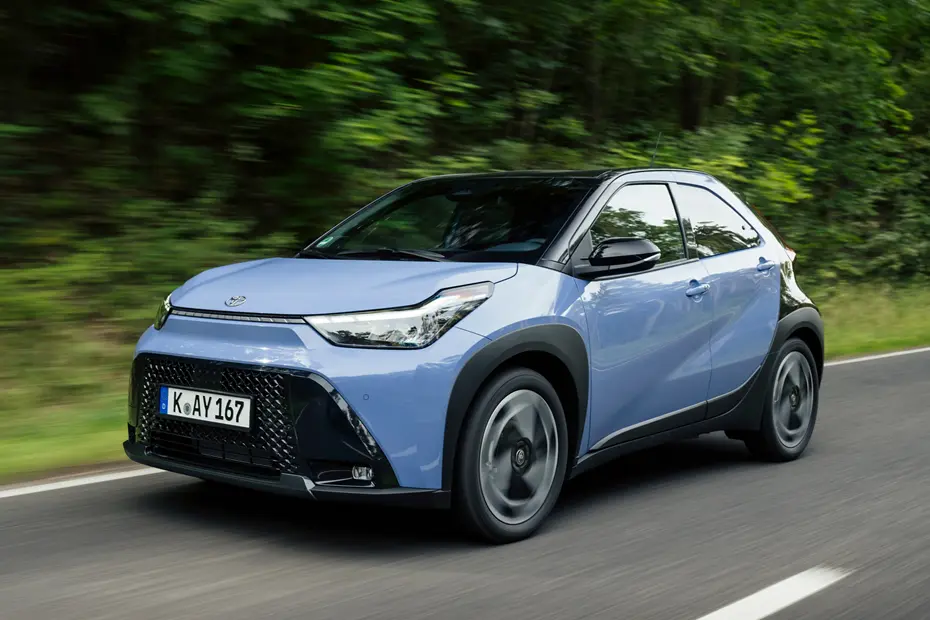
5. Toyota Aygo X: Compact Crossover Built for City Life
The Toyota Aygo X is a small city crossover designed to combine compact dimensions with a higher driving position, offering excellent visibility over busy streets and Vespas. Its narrow width and tight turning circle make it ideal for Florence’s historic lanes, while plastic cladding protects the bodywork from minor scrapes in tight parking spaces.
With modern safety features, low running costs, and efficient fuel economy, the Aygo X is built to make urban commuting practical and stress-free.
Its compact footprint and agility allow drivers to park in small spaces and maneuver through crowded streets with ease. The raised crossover-style seating gives a better view in traffic, enhancing confidence in dense urban environments.
An optional automatic (CVT) transmission makes stop-and-go driving smooth, while fuel efficiency is excellent, often exceeding 50–70 MPG, keeping daily running costs low. Standard Toyota Safety Sense features such as Pre-Collision System and Lane Departure Alert add a layer of protection in heavy traffic, and the infotainment system with smartphone integration increases convenience for city use.
The Aygo X is based on Toyota’s TNGA GA-B platform, shared with the Yaris and Yaris Cross, but designed purely as a city car. The powertrain is a retuned 1.0-litre three-cylinder engine, delivering 71 bhp and 0–62 mph in 14.9 seconds. It is available with a five-speed manual or a small CVT gearbox, with front-wheel drive only.
While peppy in town, its engine can feel underpowered on steep hills or faster roads, and the small rear windows slightly limit visibility. The suspension is raised by 11 mm to improve comfort on uneven streets and enhance the elevated driving position, though it does not provide four-wheel-drive capability.
The design maintains the Aygo’s character, with a chunky stance, LED lighting, contrast roof, and optional peel-back fabric roof for a semi-cabriolet feel. The Aygo X replaces the original Aygo, delivering a slightly more rugged, crossover-inspired look while retaining its small-city car practicality.
It competes with rivals like the Dacia Sandero, Fiat 500, Hyundai i10, Kia Picanto, and Suzuki Swift, offering a combination of style, efficiency, and usability for urban environments.
With prices starting around $21,200, the Toyota Aygo X combines affordability with practicality and modern features. Its compact size, fuel efficiency, elevated driving position, and city-focused design make it an excellent choice for daily commutes in Florence, offering comfort, style, and functionality in a small urban footprint.
Also Read: 5 Cars That Handle Miami Flooded Streets vs 5 That Are Easily Disabled
5 Fuel-Efficient Choices
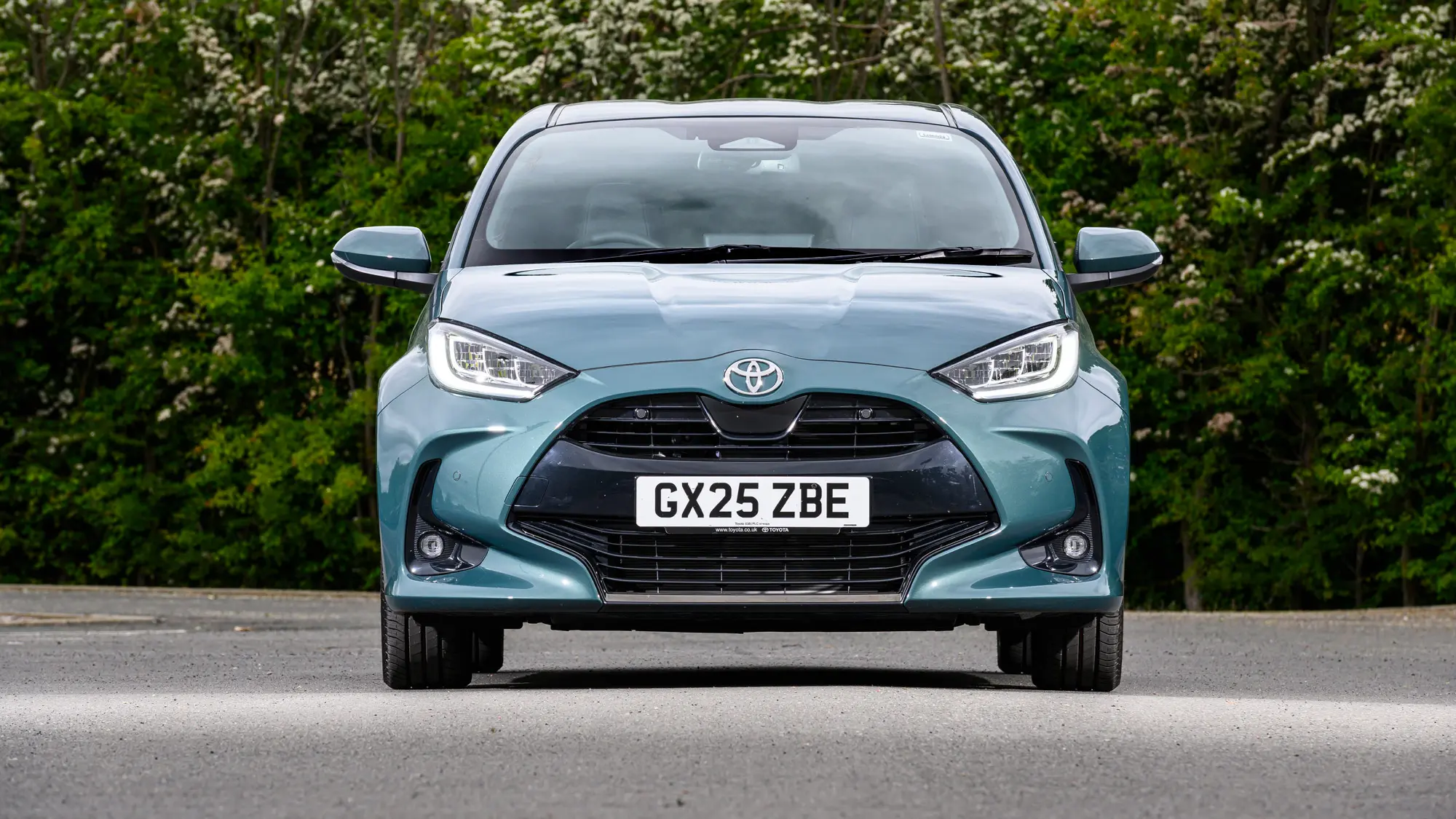
1. Toyota Yaris Hybrid: Efficient and Practical for City and Highway Driving
The Toyota Yaris Hybrid is a benchmark for efficiency in urban and suburban driving, making it ideal for cities like Florence. Its self-charging hybrid system performs best in stop-and-go traffic, often running on 50-80% electric power within the city.
Compact yet substantial on the highway, the Yaris Hybrid combines Toyota’s smart Hybrid System (THS) with a gasoline engine and electric motor to optimize fuel use, reduce emissions, and capture energy through regenerative braking. Drivers benefit from excellent mileage, low running costs, and a cleaner footprint without needing to plug in.
Key to its efficiency is the series-parallel hybrid system, which allows the car to operate on the engine, the electric motor, or both, depending on driving conditions. Electric-only driving is possible at low speeds or over short distances, while regenerative braking converts kinetic energy into electricity to recharge the battery.
Toyota’s advanced management system automatically decides when to deploy each power source for optimal efficiency. The Yaris Hybrid achieves around 70 mpg in city driving and maintains low CO2 emissions under 96 g/km.
The Yaris Hybrid is offered with a 1.5-litre three-cylinder petrol engine paired with an electric motor and small battery, available in two tunes: 114 bhp or 129 bhp. Both versions use a refined e-CVT gearbox, producing smooth acceleration and efficient power delivery.
The car reaches 0–62 mph in 9.7 and 9.2 seconds, respectively, making it suitable for both urban streets and longer trips. Its compact dimensions, tight turning circle, and light steering enhance maneuverability in crowded areas, while the longer wheelbase, wider stance, and upgraded suspension provide comfort and stability at higher speeds.
The current fourth-generation Yaris, on sale since 2020, balances practicality and style. The interior offers a slightly lower seating position than the previous model, improving comfort for some drivers, while the exterior is wider and lower, reflecting a more modern design.
Optional GR variants provide sportier performance for enthusiasts. Competing with cars like the Renault Clio Hybrid, Honda Jazz, Mazda 2, and electric options like the Peugeot e-208, the Yaris Hybrid stands out for its combination of efficiency, affordability, and user-friendly operation.
The Toyota Yaris Hybrid delivers low emissions, high fuel efficiency, and easy-to-use hybrid technology in a compact package. It is an ideal choice for drivers prioritizing practicality, city performance, and reliability, providing a fuss-free, economical, and environmentally conscious small hatchback for both daily commutes and longer journeys.
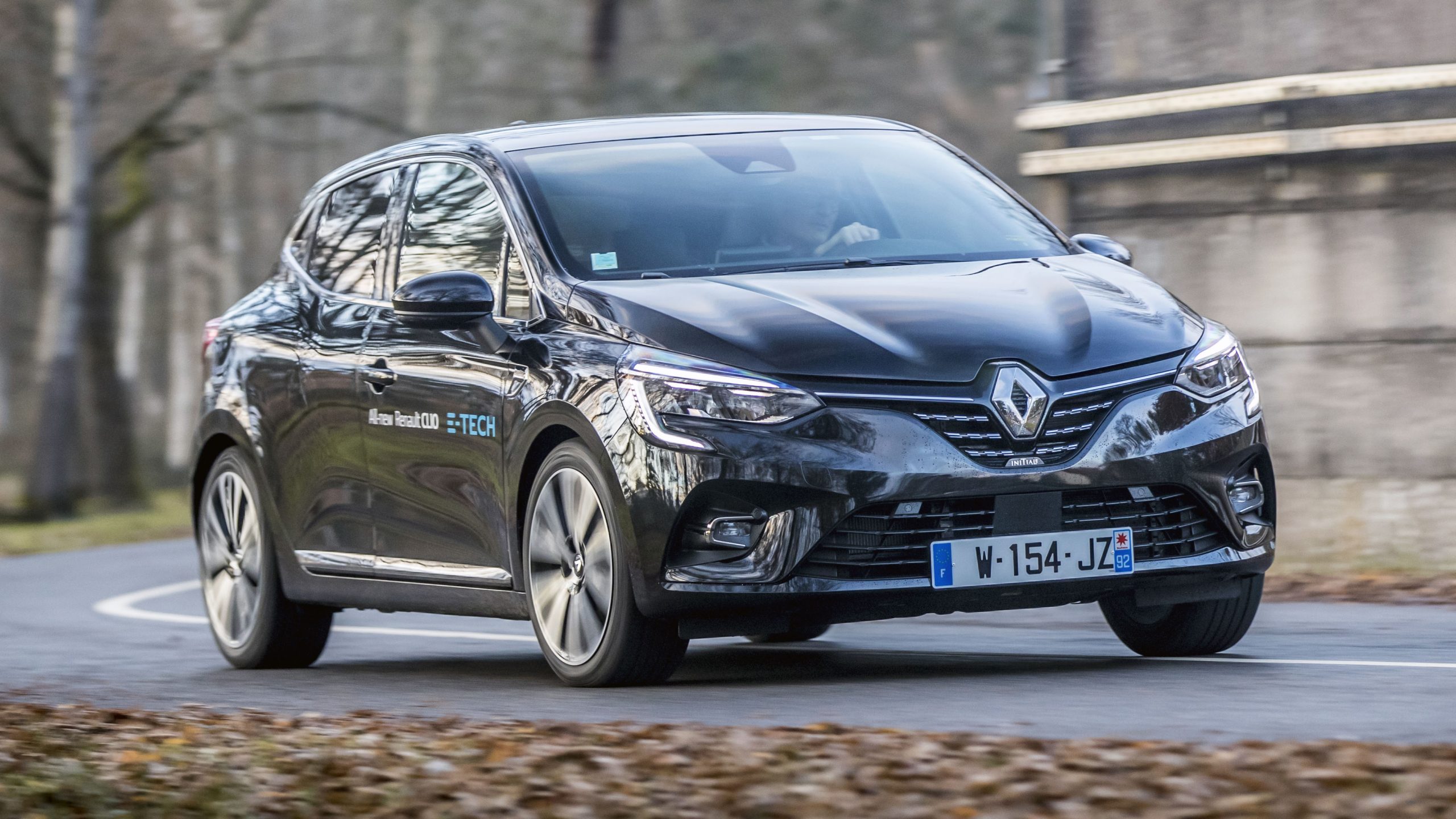
2. Renault Clio E-Tech: Efficient Hybrid for City and Highway Driving
The Renault Clio E-Tech is a hybrid supermini that blends city-friendly efficiency with refined highway performance. Using F1-inspired technology, its full hybrid system combines a petrol engine with two electric motors, allowing the car to operate on electric power for up to 80% of urban driving.
Energy is recovered through regenerative braking, and the battery recharges automatically, meaning there is no need to plug in. This results in fuel savings of up to 40% compared to conventional petrol cars and lower CO2 emissions, as low as 95g/km.
The E-Tech system intelligently switches between the petrol engine, electric motors, or a combination of both, depending on driving conditions. A multi-mode automatic gearbox prioritizes electric driving and ensures smooth, efficient power delivery.
The result is instant torque for city traffic, quiet acceleration, and a responsive driving experience. In real-world tests, the Clio E-Tech has achieved over 60 mpg in mixed driving, and the predicted range on a full 39-liter fuel tank can reach around 550 miles.
Interior comfort and practicality are strong points for the Clio E-Tech. The entry-level Evolution trim features air-conditioning, cruise control, 16-inch alloys, LED headlights, and rear parking sensors. The cabin includes well-thought-out storage solutions, such as a tray in front of the gearbox and a sizable glovebox.
Seats are comfortable for long journeys, with enough adjustment to accommodate drivers of varying heights, while rear passengers find adequate space for short trips. The cabin materials are durable, with light-grey trims breaking up the dark interior, and the upholstery has held up well to daily use, even with pets or child seats.
The hybrid powertrain combines a 1.6-liter petrol engine with a small battery and electric motors, delivering 143 bhp and allowing the car to reach 62 mph in just over nine seconds. The car’s sophisticated hybrid system ensures smooth acceleration and helps reduce fuel consumption in both urban and highway settings.
The Renault Clio E-Tech is a practical, economical, and refined choice for drivers who want the efficiency of a hybrid without sacrificing comfort or performance. Its compact dimensions, intelligent hybrid technology, and usable interior make it suitable for both busy city streets and longer commutes, while the fuel savings and low emissions enhance its appeal as a modern, environmentally conscious supermini.
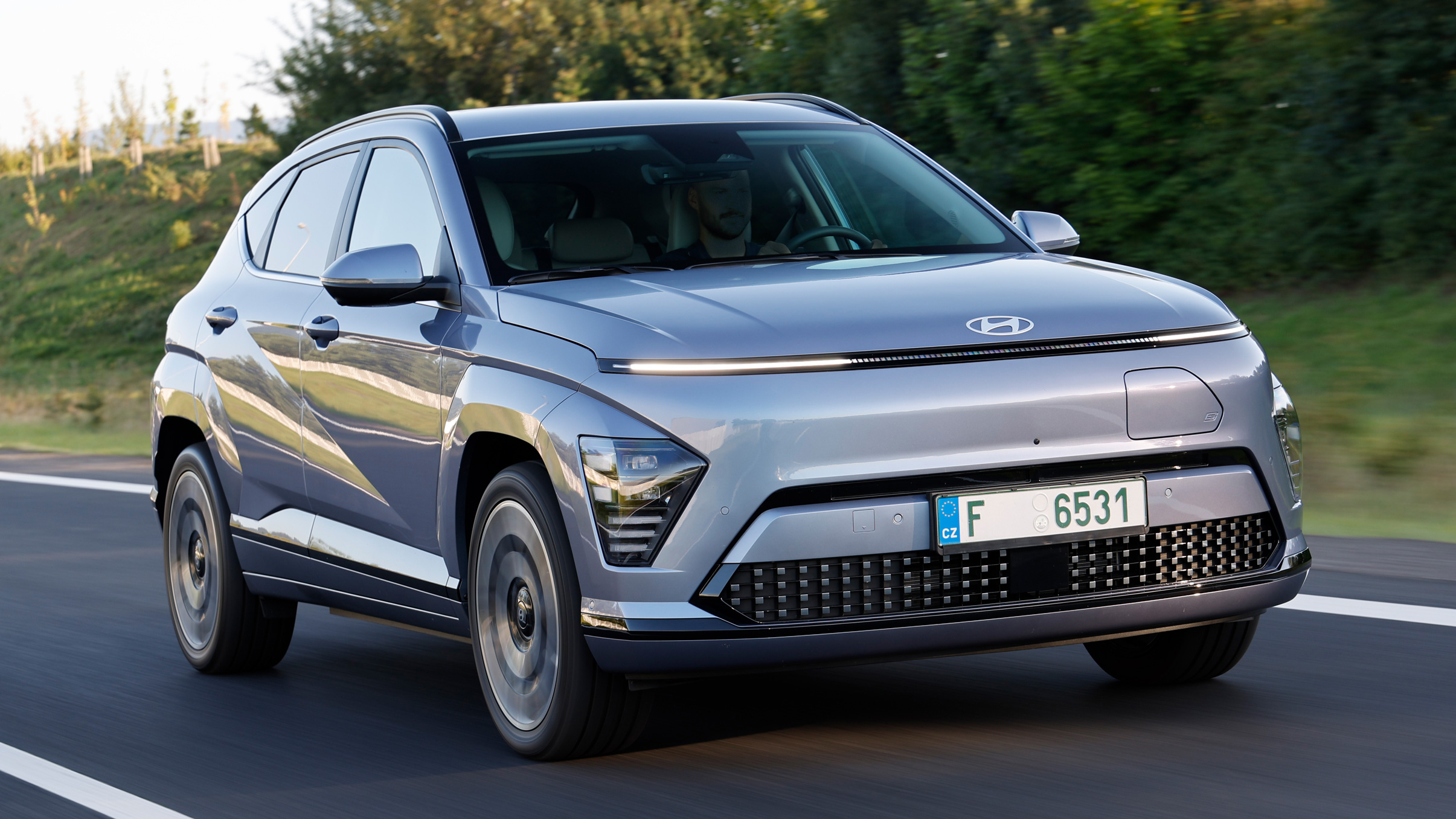
3. Hyundai Kona Electric: Efficient, Spacious, and Practical EV
The Hyundai Kona Electric is a fully electric subcompact SUV designed for efficient city and highway driving. As a Battery Electric Vehicle (BEV), it eliminates gasoline entirely, offering lower running costs, zero tailpipe emissions, and smooth, quiet operation.
Its regenerative braking system converts kinetic energy into electricity, especially useful in stop-and-go urban traffic or hilly areas, while its advanced motor and battery design maximize energy efficiency. Depending on the battery option, the Kona Electric can achieve up to 261 miles on a single charge, making it suitable for daily commutes and longer trips.
The Kona Electric uses a single 133-hp front-wheel-drive motor that delivers competent handling and a comfortable, quiet ride. Acceleration is modest, with the SE trim reaching 60 mph in around 8.6 seconds.
It supports DC fast charging, allowing the battery to charge from 10% to 80% in approximately 45–47 minutes with a 100 kW charger. EPA ratings for previous models show 131 MPGe in the city and 105 MPGe on the highway, indicating excellent energy efficiency compared with other subcompact EVs.
Inside, the Kona Electric offers a modern, well-designed cabin with two 12.3-inch digital displays, one for vehicle instruments and one for infotainment. Features such as wireless Apple CarPlay, Android Auto, Bluetooth connectivity, and a six-speaker audio system enhance convenience and entertainment.
The front cabin is thoughtfully laid out with a hollow center console and ambient lighting, while the rear offers 36.4 inches of legroom, generous for the segment. Cargo capacity includes 26 cubic feet behind the rear seats and 64 cubic feet with the seats folded, complemented by a small front trunk for cables and small items.
Safety features include automated emergency braking, lane-departure warning with lane-keeping assist, blind-spot monitoring, and optional adaptive cruise control or surround-view cameras. Hyundai also provides excellent warranty coverage: five years/60,000 miles limited, ten years/100,000 miles for the powertrain and battery, plus three years/36,000 miles of complimentary maintenance.
The Hyundai Kona Electric is an efficient, practical, and eco-friendly choice for urban commuters and long-distance drivers alike. Its long range, generous interior space, low running costs, and advanced technology make it one of the most appealing electric subcompact SUVs in its class, offering both comfort and convenience without the need for gasoline.
4. Honda Jazz Crosstar: Spacious, Efficient, and Practical Hybrid
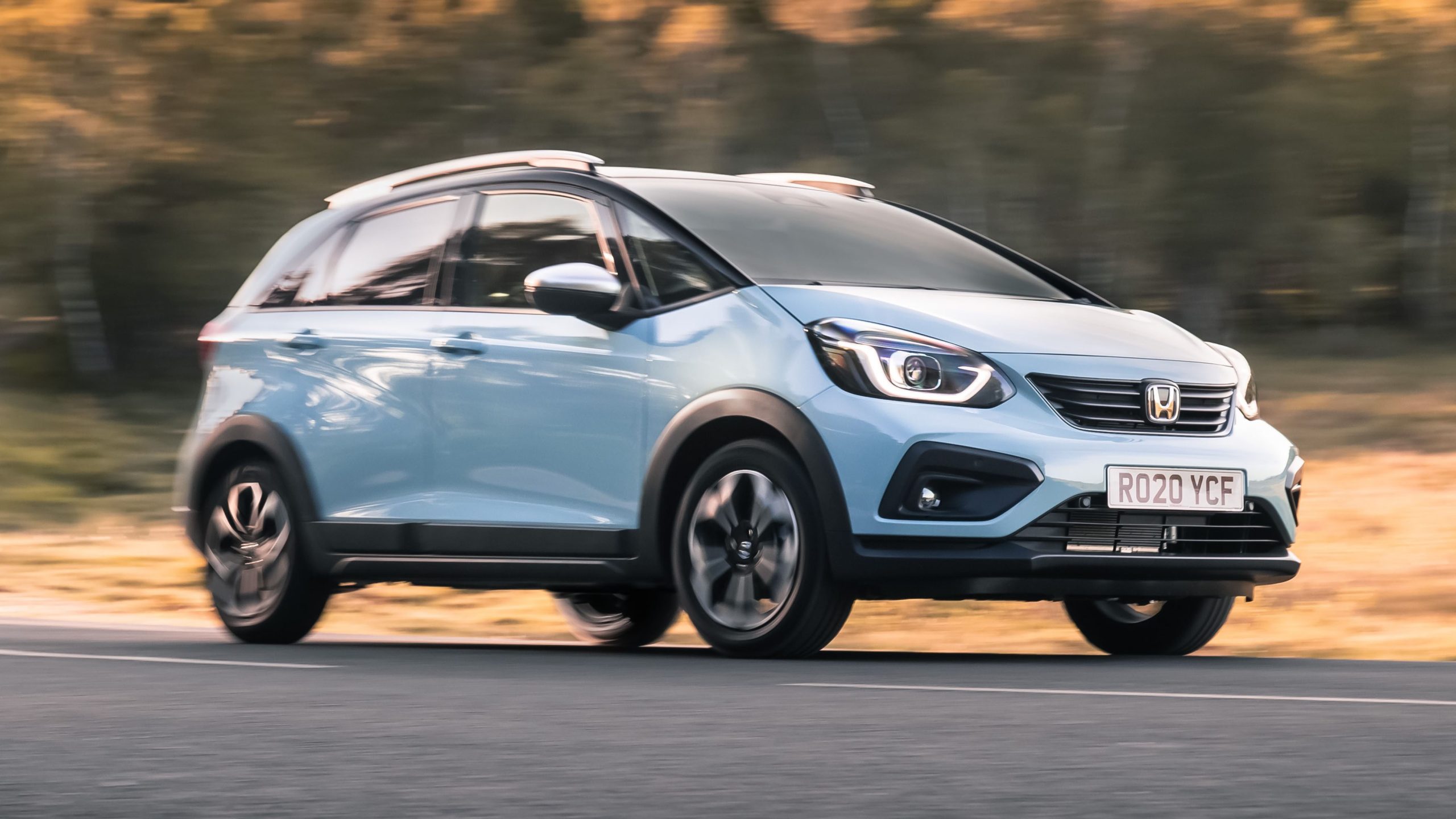
The Honda Jazz Crosstar is a compact hybrid with a surprisingly roomy interior, thanks to its clever “Magic Seats,” which allow the rear seat bottoms to fold up for extra cargo space. On the outside, it appears small and city-friendly, but inside, it feels much larger than its dimensions suggest.
Its hybrid e:HEV system, combining a 1.5-litre petrol engine with two electric motors, maximizes fuel efficiency by automatically switching between EV, hybrid, and petrol-only modes depending on driving conditions. Real-world fuel economy averages around 55 mpg, with Honda claiming up to 58.9 mpg, making it one of the most frugal small cars available.
Energy is also recovered through regenerative braking, which recharges the battery while reducing brake wear. The e-CVT gearbox enhances efficiency by keeping the engine revs optimal and mimicking traditional gear changes for smoother acceleration.
The hybrid powertrain provides 109 hp and 253 Nm of torque, sufficient for city driving and highway cruising, although spirited performance is not its focus. The Crosstar variant has a slightly higher ride height and SUV-inspired styling, which adds versatility without a major impact on efficiency or handling.
Inside, the Jazz Crosstar features a practical, well-thought-out cabin. A nine-inch central touchscreen, a seven-inch driver display, physical climate controls, and multiple USB ports make tech use simple and intuitive.
Wireless Apple CarPlay and wired Android Auto are standard, while the audio system delivers surprisingly strong sound for the segment. Visibility is excellent, reducing stress in heavy rain, night driving, or congested city streets.
Practicality extends to cargo space, with a 298-litre boot expandable to 1,199 litres when the rear seats fold flat, rivaling competitors like the Toyota Yaris and Fiat Panda. Cabin storage includes a dual glovebox, deep door bins, and a large center armrest.
Safety is strong, with Euro NCAP five-star ratings and features including collision mitigation braking, adaptive cruise control, and lane-keep assist. Reliability and low running costs are other strong points; Honda’s hybrid system requires minimal maintenance, and insurance sits around group 22.
The Honda Jazz Crosstar offers a rare combination of urban practicality, fuel efficiency, and clever interior packaging, making it ideal for city commuters or small families who need versatility without sacrificing economy or comfort.
5. Dacia Sandero Stepway LPG: Affordable, Efficient, and Practical
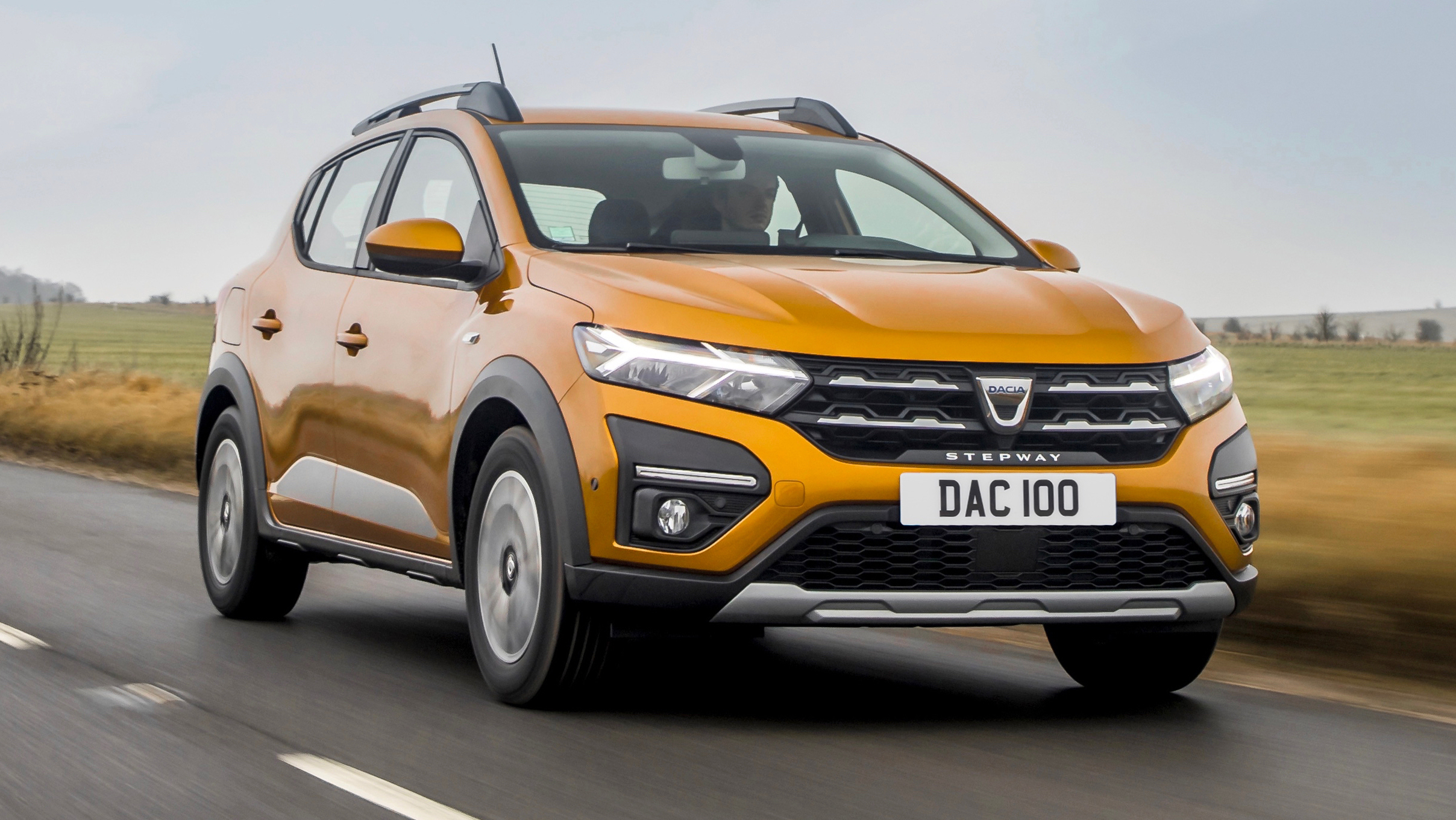
The Dacia Sandero Stepway ECO-G (LPG) is a budget-friendly small crossover ideal for drivers in Italy, particularly in Tuscany, where LPG (GPL) is significantly cheaper than petrol or diesel.
Its Bi-Fuel system allows the car to run on either petrol or LPG, reducing fuel costs by more than 40% compared to conventional petrol engines. The LPG tank is factory-installed, maintaining boot space, and the vehicle automatically switches between fuels for seamless operation.
LPG fuel is typically up to 50% less expensive per litre than petrol, helping drivers save hundreds of dollars each year, with estimates exceeding $1,200 over four years. Although fuel consumption is slightly higher when using LPG, the lower price per mile makes trips much cheaper.
Combined with a 50-litre petrol tank and a roughly 40-litre LPG tank, the car can travel more than 1,000 km (around 620 miles) before needing to refuel. Running on LPG also reduces CO2 emissions by approximately 10%, making it a greener choice for environmentally conscious drivers.
The Stepway is powered by a 1.0-litre turbocharged TCe 100 ECO-G engine producing 100 hp and 170 Nm of torque. Acceleration to 62 mph takes 11.9 seconds. While the throttle and clutch feel slightly vague at times, the six-speed manual gearbox handles smoothly.
At 1,154 kg, the Stepway feels light and agile, managing curves, urban streets, and unpaved “strada bianca” roads with confidence. Its suspension delivers a comfortable ride without sacrificing body control.
The cabin comfortably accommodates four adults, with a 328-litre boot and user-friendly storage solutions, including USB ports and a phone mount. Materials are simple but functional, and the fabric trim on the dash enhances the visual appeal. Ergonomics and easy-to-use controls make the interior practical for both city and rural driving.
Prices for the LPG Stepway start around $13,000, offering a capable, low-cost crossover. Combined with tax incentives for LPG vehicles, cheap fuel, and Dacia’s warranty, it presents one of the most economical choices in its segment.
The Dacia Sandero Stepway LPG blends practicality, efficiency, and affordability, making it a strong contender for drivers seeking a small, rugged crossover with minimal fuel costs.
For Florence city life, cars need to be compact, efficient, and reliable while providing comfort on uneven streets and in traffic. The models featured here, from the Fiat Panda and Lancia Ypsilon to hybrids like the Toyota Yaris and electric vehicles such as the Hyundai Kona Electric, combine practical design with modern technology.
They offer low running costs, clever use of interior space, and smooth handling suitable for both city streets and short suburban trips. By choosing vehicles built for fuel efficiency and urban comfort, commuters can save money, reduce emissions, and enjoy a stress-free driving experience.
These selections prove that small, smart, and efficient cars can meet the demands of Florence’s streets while providing style, convenience, and dependable performance every day.
Also Read: Top 10 Cars Cheap Enough to Own and Fast Enough to Scare You