Modern retro motorcycles have carved out a sweet spot in the American market, blending timeless design with contemporary engineering.
For riders who love classic aesthetics but don’t want to deal with carburetors, oil leaks, or unreliable electrics, these bikes deliver the best of both worlds.
They channel the spirit of the 1960s, ’70s, and ’80s while offering fuel injection, ABS, traction control, and modern reliability that fits daily commuting, weekend canyon rides, or long-distance touring.
In the U.S., the appeal is especially strong. Riders want bikes that feel authentic without sacrificing safety or comfort on today’s highways.
Manufacturers have responded by revisiting their heritage, reinterpreting legendary models rather than simply copying old designs.
The result is a diverse lineup of motorcycles that look retro but ride like modern machines, offering everything from approachable beginner bikes to premium performance roadsters.
Here are ten modern retro motorcycles that are genuinely worth buying right now, based on real-world usability, build quality, performance, and long-term ownership appeal.
1. Triumph Bonneville T120
The Triumph Bonneville T120 remains one of the gold standards of modern retro motorcycles. It captures the look of the original Bonneville with remarkable accuracy, from the teardrop fuel tank to the twin exhausts, yet underneath it’s thoroughly modern.
The 1,200cc parallel-twin engine delivers strong low-end torque, making it effortless to ride in city traffic and incredibly satisfying on back roads.
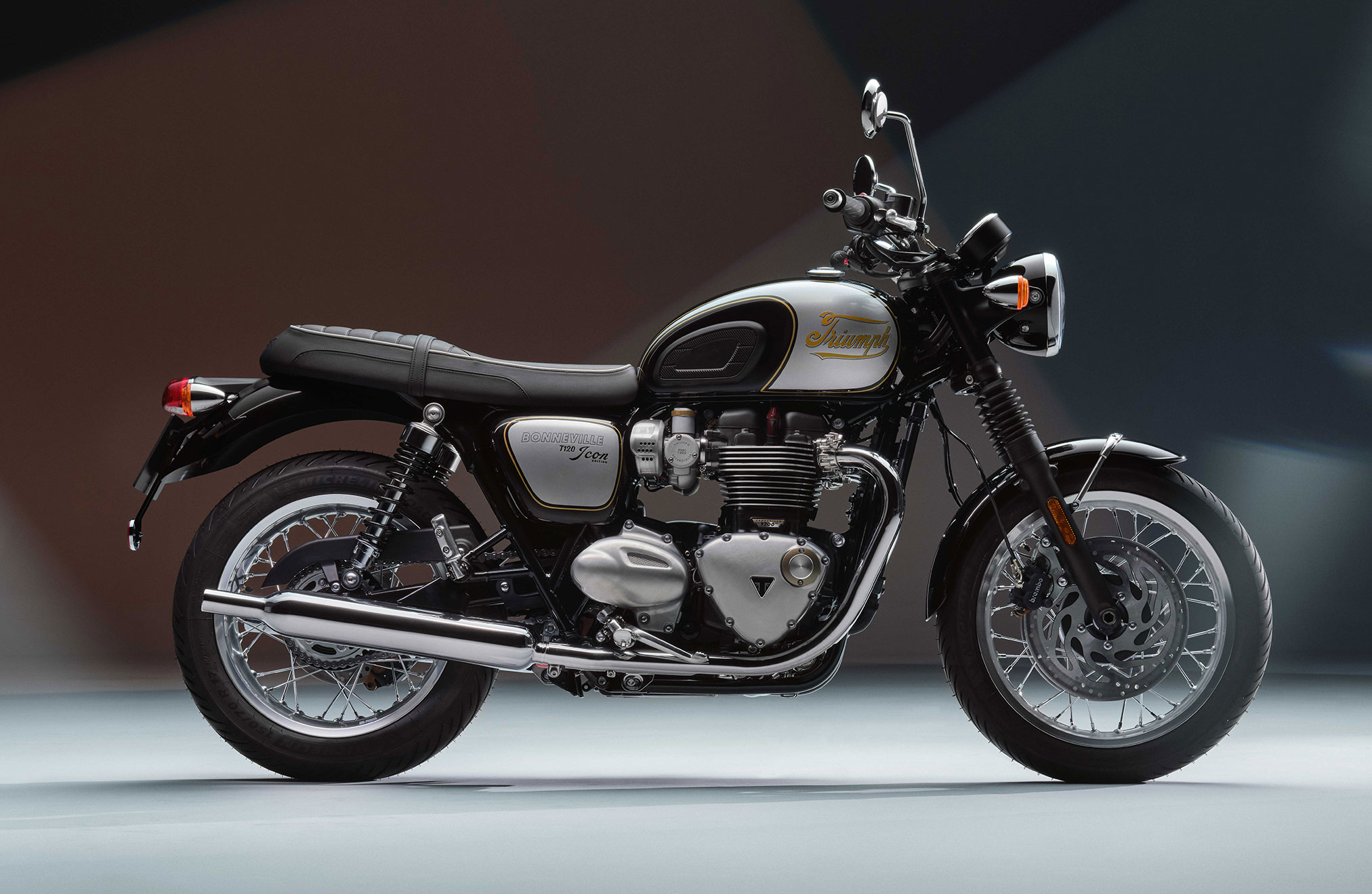
What makes the T120 stand out in the U.S. market is its balance. It’s comfortable enough for longer rides, stable at highway speeds, and refined without feeling sterile.
Features like ride-by-wire throttle, traction control, and ABS are subtly integrated, preserving the classic experience. For riders who want an authentic British retro bike without the headaches of vintage ownership, the Bonneville T120 is hard to beat.
Our enduring fascination with retro motorcycles has fuelled an ever-growing marketplace, offering options to suit almost every taste. From smaller-capacity machines such as BSA’s Bantam 350 to snarling, high-tech café racers, there is no shortage of nostalgic metal to choose from. Sitting firmly at the top of many riders’ wish lists is the iconic Triumph Bonneville T120.
Powered by a 1200cc parallel-twin engine, the Triumph Bonneville T120 neatly bridges the gap between pared-back, authentically retro offerings like Royal Enfield’s hugely popular Interceptor and more contemporary machines dressed in heritage styling, such as the BMW R nineT and Yamaha XSR900.
It delivers a generous dose of classic design, a characterful, rumbling engine and plenty of laid-back charm, carefully balanced with modern technology, strong rideability and approachable performance.
Die-hard traditionalists, clad in Union Flag underpants, may grumble about the T120 being built in Thailand rather than Hinckley. They may also raise an eyebrow at the neatly concealed radiator positioned ahead of the engine and scoff at the inclusion of traction control. That criticism, however, overlooks the reality.
The Bonneville is manufactured to the same standards as Triumphs assembled in the UK, arguably better, in fact, as Triumph applies tighter quality control at its Thai facility, and this comes with the benefit of a more competitive price.
The result is a premium-feeling machine with genuine affordability. Its modern updates add reassurance and everyday usability, making it far easier to live with than any of its air-cooled predecessors.
For 2026, Triumph have delivered what is arguably the most complete and well-rounded Bonneville to date. Read on for our full original in-depth review of the T120, covering its journey from the original 2016 launch through to the latest 2026 updates.
2026-on Triumph Bonneville T120 cruising down the road
The key question, then, is whether the Triumph Bonneville T120 is the right bike for you. In its favour are familiar, comfortable ergonomics that make it easily accessible to a wide range of riders, a thumping soundtrack from the Hinckley firm’s ‘High Torque’ 1200cc 270-degree parallel twin, and the addition of new, lighter aluminium rims paired with a plusher seat.
On the flip side, despite feeling stable and smooth once rolling, the T120 can come across as a little heavy, and while it stays true to its retro roots, riders looking for cutting-edge technology may find it somewhat lacking. There is also the reality that the 1200cc parallel twin can generate noticeable heat around the knees in slow-moving traffic.
2. Yamaha XSR900
Yamaha’s XSR900 takes a different approach to the modern retro concept by blending aggressive performance with throwback styling cues.
Based on the MT-09 platform, it uses Yamaha’s excellent CP3 triple-cylinder engine, which delivers thrilling acceleration and a distinctive exhaust note that sets it apart from traditional twins.
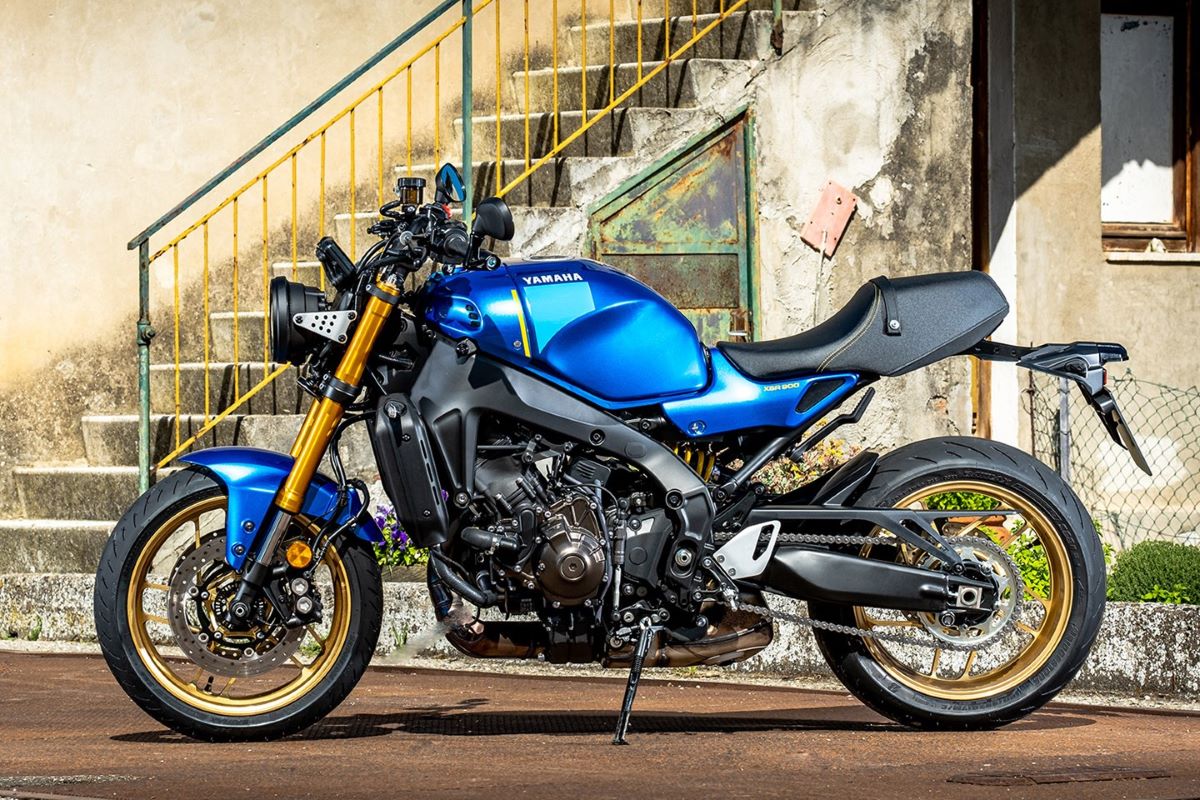
In the U.S., the XSR900 appeals to riders who want retro looks but refuse to compromise on performance. It’s light, fast, and packed with modern electronics, including multiple ride modes and advanced traction control.
The styling nods to Yamaha’s racing heritage rather than classic street bikes, giving it a unique identity in the modern retro segment. It’s ideal for riders who grew up admiring vintage racers but want a bike that feels modern in every situation.
3. Kawasaki Z900RS
The Kawasaki Z900RS is a love letter to the legendary Z1, one of the most iconic Japanese motorcycles ever sold in America.
Kawasaki nailed the proportions, paint schemes, and design details, while updating the bike with modern suspension, brakes, and electronics.
The inline-four engine is tuned for smooth, usable power rather than outright aggression, making it approachable for everyday riding.
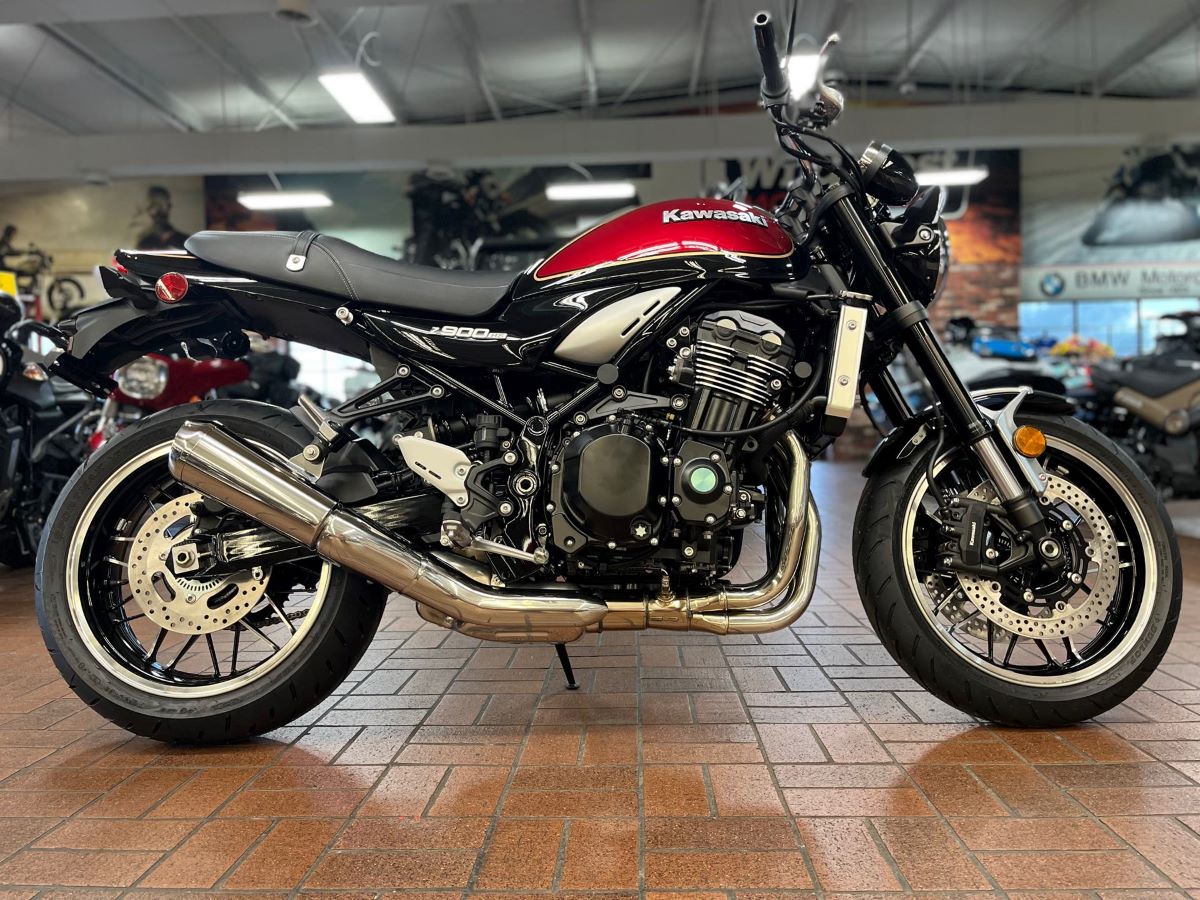
What makes the Z900RS especially attractive for U.S. buyers is its versatility. It’s comfortable for longer rides, stable on interstates, and engaging on twisty roads.
Unlike many retro bikes, it doesn’t feel cramped or underpowered, even for larger riders. It’s a standout choice for those who want classic Japanese style with modern dependability.
Starting life with the excellent Z900 as its foundation, it is little surprise that the 2017 Kawasaki Z900RS retro roadster delivers performance to match its looks. Brimming with classic ’70s Z1 charm and period-correct detailing, it successfully blends old-school character with modern technology, effortless pace, light and intuitive controls, impressive build quality and meticulous attention to detail.
It is worth noting that this is a different machine to the Kawasaki Z900RS Café, which, as the name suggests, leans more heavily towards café racer styling. Owners and enthusiasts can also connect via an online community, with a dedicated Facebook group available through the Kawasaki Z900RS owners club.
In September 2019, Kawasaki revealed three eye-catching new colour schemes for the Z900RS ahead of the 2020 model year. One of these new liveries can be seen below and draws clear inspiration from the iconic 1973 Z1A, the model that succeeded the original first-generation Z1. Alongside this retro-inspired option, the bike was also offered in either a black or grey finish, both of which were new additions for that year.
4. BMW R nineT
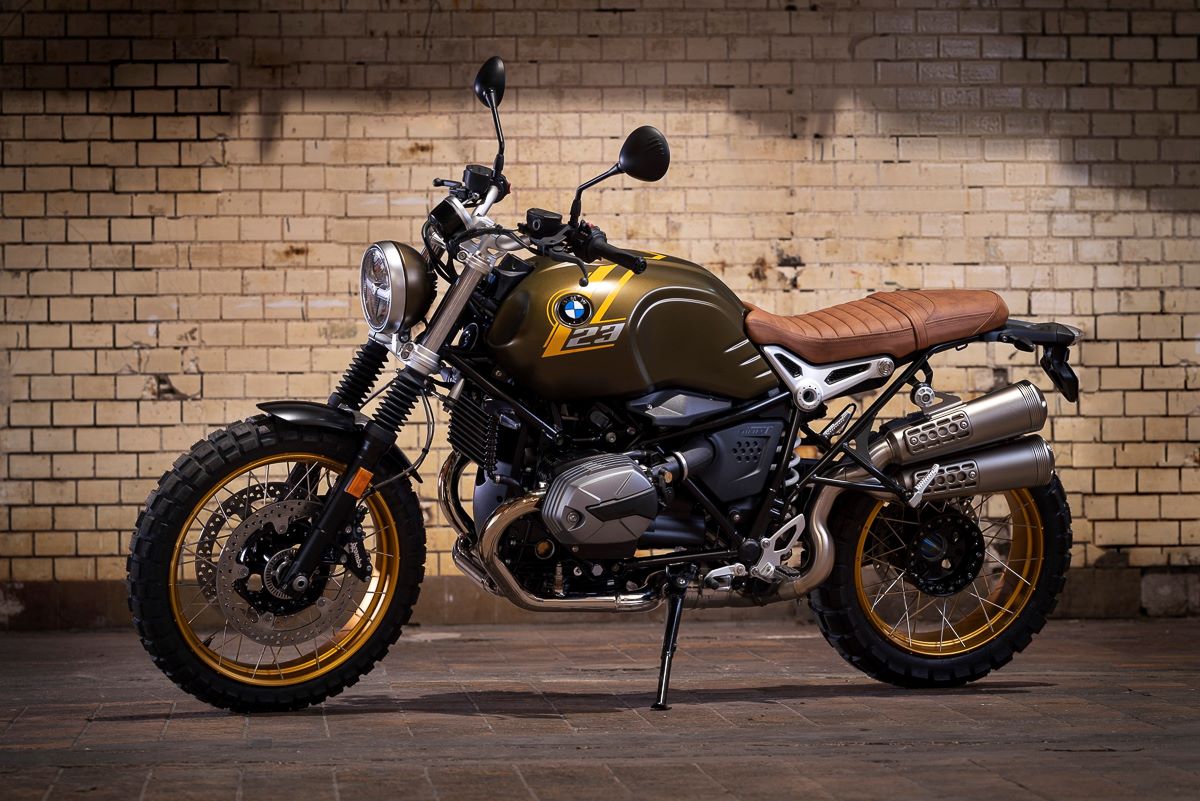
The BMW R nineT occupies a premium space in the modern retro world, blending German engineering with minimalist design.
Its air-cooled boxer engine gives it instant visual identity, and the exposed mechanical elements make it feel more like a handcrafted machine than a mass-produced motorcycle.
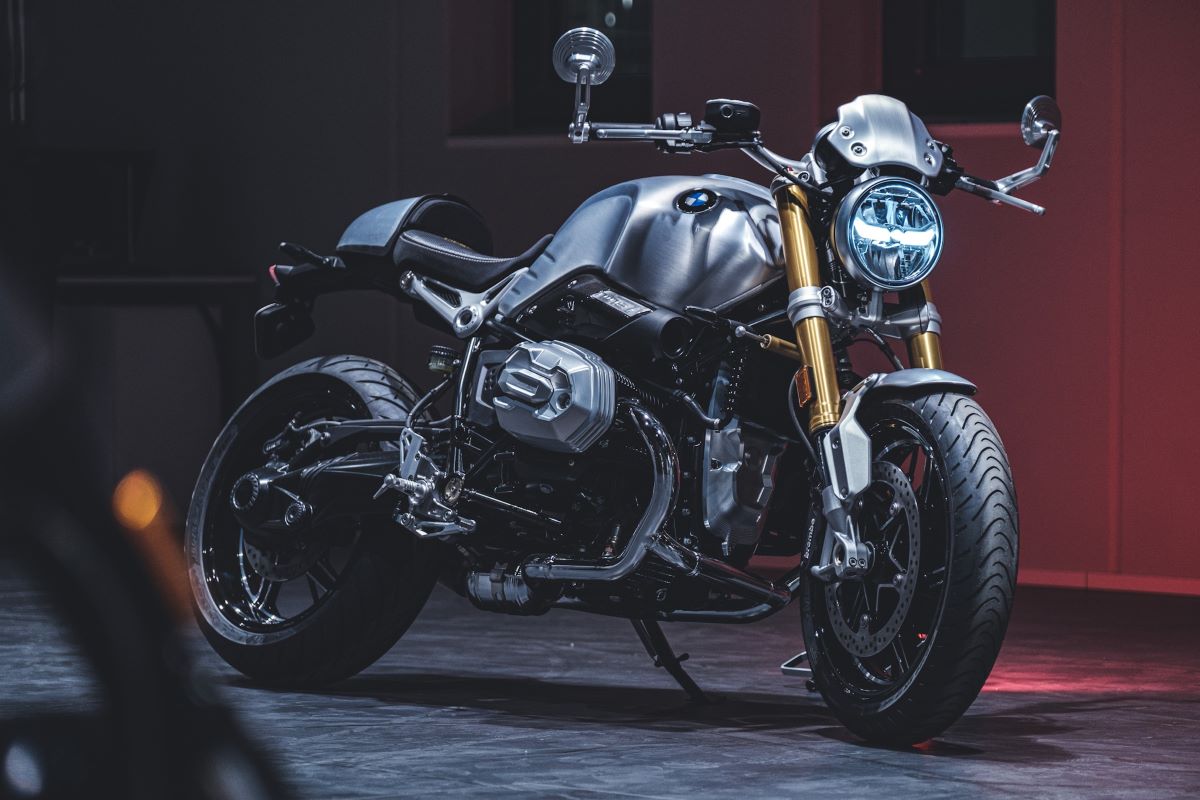
For American riders, the R nineT offers a unique riding experience. The engine’s torque-rich character pairs well with relaxed cruising, while the high-quality suspension and brakes provide confidence when the pace picks up.
BMW also designed the R nineT as a customizable platform, making it popular with riders who want to personalize their bikes. It’s expensive compared to some rivals, but the craftsmanship and character justify the price.
5. Honda CB1100
The Honda CB1100 is a subtle, understated modern retro motorcycle that focuses on refinement rather than flash.
Inspired by Honda’s classic UJM (Universal Japanese Motorcycle) era, it features an air-cooled inline-four engine that prioritizes smoothness and reliability over outright performance.
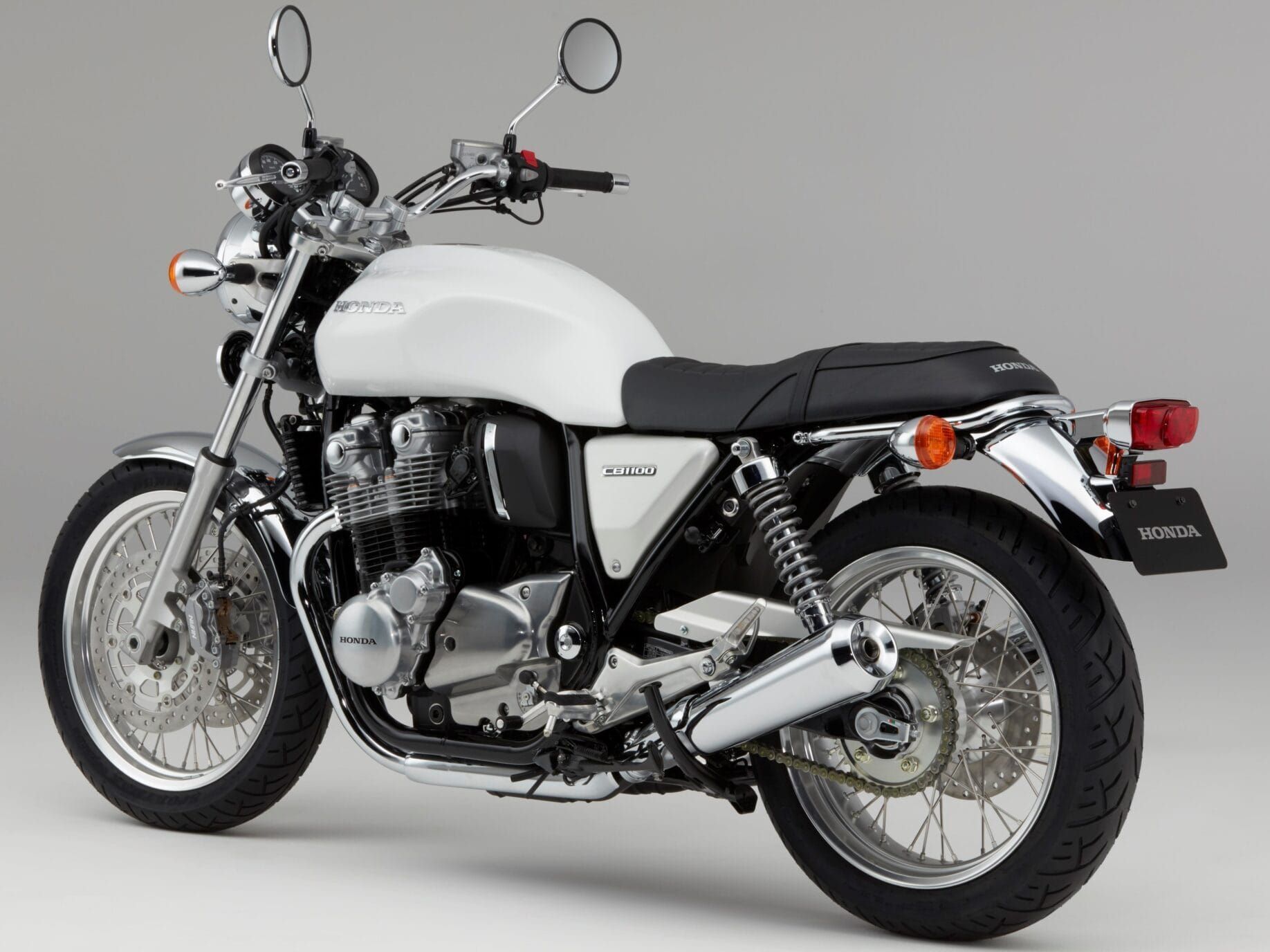
In the U.S., the CB1100 appeals to mature riders who value comfort, build quality, and long-term ownership. It’s one of the easiest bikes on this list to live with daily, offering predictable handling, a comfortable riding position, and Honda’s legendary reliability.
While it may not be the most exciting option, it excels as a dependable, timeless motorcycle that never feels out of place.
That moment ranked up there with the birth of internal combustion itself, or the first time someone had the inspired idea to slice bread. Before the CB750, at least as I remember it, the landscape consisted of big, heavy, two-cylinder British machines; big, heavy, two-cylinder American bikes; and small, buzzy one- and two-cylinder Japanese offerings. That is how it exists in my memory, anyway, and perhaps in yours as well.
I remember sneaking into the dealership along PCH and staring at it with the wide-eyed devotion of a revival convert. What a machine it was.
There was power, there was torque, and there was a sense of limitless possibility. I distinctly recall thinking that the world would never be the same again. I grabbed as many brochures as I could manage and covered the walls of my room with them.
As an awkward teenager still years away from both a licence and a job capable of funding anything remotely that magnificent, the CB750 eventually faded into the background of my mind, where it quietly stayed.
That was the case until the arrival of the CB1100 EX. Suddenly, everything came bubbling back to the surface, like catfish fixings erupting after pond fishing with an M80.
6. Ducati Scrambler 1100
Ducati’s Scrambler lineup redefined the brand’s image in the American market, and the Scrambler 1100 represents the most refined version of the concept.
It blends retro styling with Ducati’s unmistakable performance DNA, offering a torquey V-twin engine and a surprisingly capable chassis.
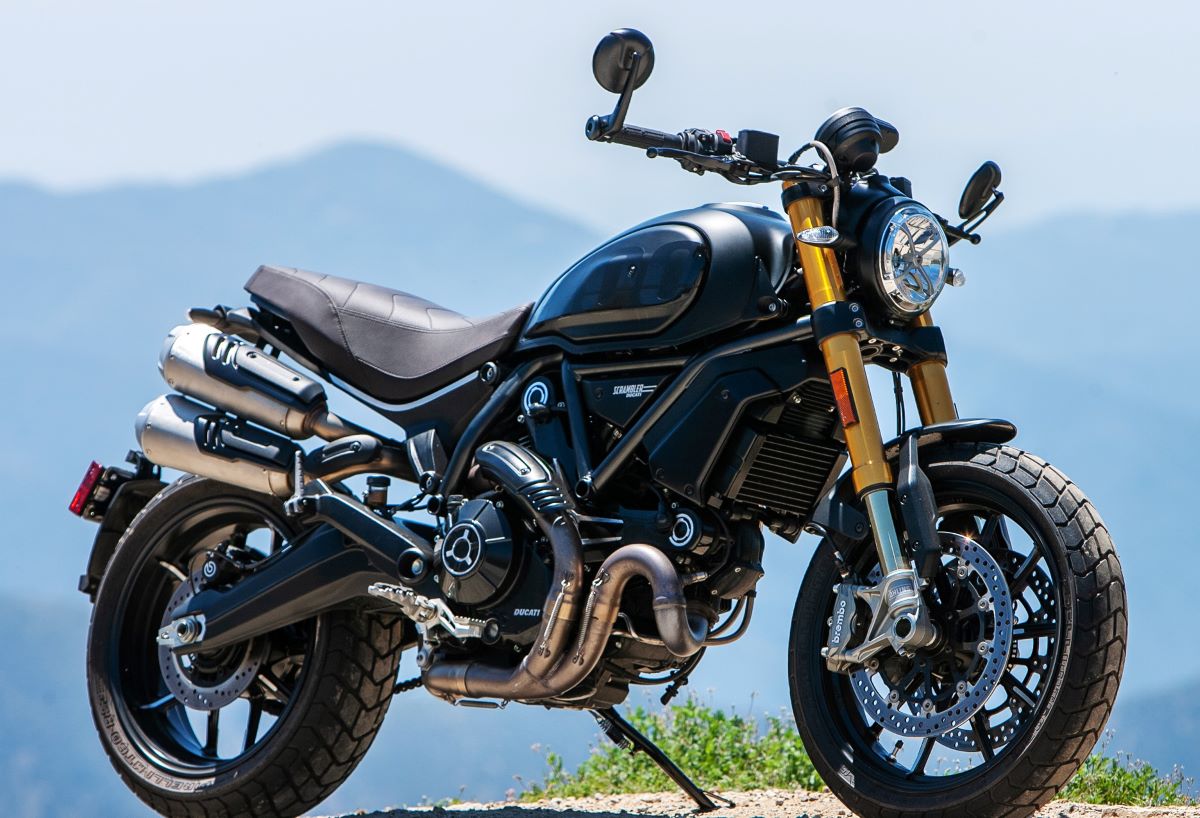
The Scrambler 1100 is especially appealing for U.S. riders who want personality and performance without committing to an aggressive sportbike.
It’s comfortable for urban riding, confident on highways, and playful on winding roads. Ducati’s attention to design detail gives it strong visual appeal, while modern electronics ensure it’s easy to ride despite its power.
Ducati’s new Scrambler 1100 is aimed squarely at riders who loved the look of the original Scrambler but were left cold by its smaller proportions and lack of punch.
It is a retro machine that finally delivers big-bike performance to back up its visual presence, built like a genuine slice of Italian exotica and packing enough speed, grunt, character and sharp handling to put a broad smile on your face. That said, the suspension can feel a little crude in places, and given the engine capacity we were hoping for a bit more outright speed and pizzazz.
The Scrambler 1100 range consists of the standard 1100, the Special and the Sport. The Special is easy to spot thanks to details such as its chrome exhaust, brown seat, spoked wheels, anodised side covers, brushed-effect aluminium swingarm and mudguards, along with tapered handlebars. The Sport, meanwhile, leans further into exclusivity, chiefly through its suspension package.
The addition of Ohlins suspension improves ride quality over the standard Scrambler 1100, offering far greater adjustability and an enhanced sense of premium appeal. However, the 1600 premium for the Sport feels steep, especially as the standard bike is far from lacking.
If you are accustomed to sophisticated, multi-adjustable suspension and regularly fine-tune your settings, the Sport makes sense. If not, the standard version remains an excellent road bike and a thoroughly enjoyable machine to live with. This version was ultimately replaced by the 2020 Ducati Scrambler 1100.
Compared with the smaller Scramblers, the 1100 looks and feels tougher and more muscular. It is 50mm wider, 69mm longer, and the seat is 20mm taller and 43mm longer, giving riders more room to move around. U
With its natural relationship between bars, seat and pegs, the Scrambler 1100 is all-day comfortable for taller riders while remaining accessible for shorter ones too. Wind protection is predictably limited, as you would expect from an exposed naked bike, but braking performance is excellent, packed with reassuring power and feel.
The dual-purpose Pirelli MT60 RS tyres deliver impressive grip in both wet and dry conditions. The new steel trellis frame paired with an aluminium swingarm gives the bike a stiff, purposeful feel, and the firm suspension works beautifully on smooth roads.
The harder you push it into corners, the better it responds, feeling unruffled and racy with light steering, generous ground clearance and more cornering ability than its power output might suggest.
That recipe makes for enormous fun, but introduce rougher surfaces and the Scrambler 1100 begins to lose its composure. Over bumps the suspension lacks fluidity and polish, jumping, hopping and shimming its way across imperfections rather than absorbing them cleanly. This is where the Ohlins-equipped Scrambler 1100 Sport really earns its keep.
The upgraded suspension gives the bike a lovely natural balance, encouraging it to roll smoothly into corners while holding the chassis firmly in place. Even when the pace increases, it neither wallows nor feels unsettled, and crucially it avoids jarring reactions over broken tarmac.
Braking performance is equally impressive. The twin 320mm discs with Brembo radial calipers deliver serious stopping power, and thanks to the new 48mm forks everything remains controlled under hard braking. They do not dive like a faintly tackled World Cup player, and stability is excellent, with the rear end remaining calm and composed even in emergency situations.
The revised springs allow riders to fully exploit the Ducati’s easy, intuitive handling, which is far better than it has any right to be. Rider aids such as cornering ABS further boost confidence, and even the off-road-styled Pirelli tyres continue to impress.
It may not tear your arms from their sockets, but Ducati’s ride-by-wire calibration is among the best in the business, and the Scrambler 1100’s throttle response is right up there. Power delivery from walking pace is impeccably smooth, as flawless as untouched snow, and serves as a lesson to many Japanese manufacturers.
7. Royal Enfield Interceptor 650
Royal Enfield has experienced a resurgence in the U.S., and the Interceptor 650 is a big reason why. It offers classic British-inspired styling at an accessible price point, making modern retro ownership attainable for a broader audience.
The 650cc parallel-twin engine is smooth, approachable, and well-suited for everyday riding.
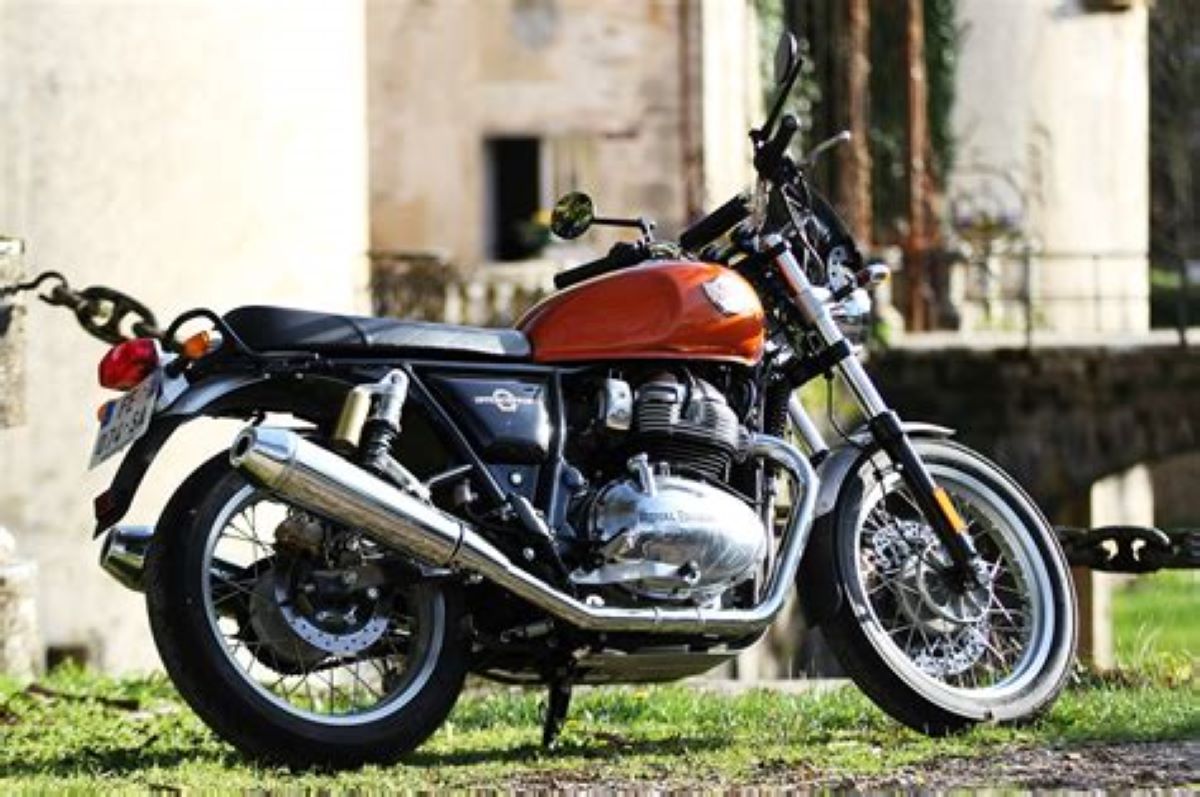
What sets the Interceptor 650 apart is its simplicity. It doesn’t overwhelm riders with electronics or excessive features, focusing instead on an honest riding experience.
For American riders who want a stylish, affordable retro motorcycle that’s easy to maintain and enjoyable to ride, it represents outstanding value.
8. Moto Guzzi V7
The Moto Guzzi V7 stands out thanks to its transverse V-twin engine, which gives it a unique feel and sound unlike anything else in the segment. Its design leans heavily into Italian heritage, combining clean lines with subtle modern touches.
In the U.S., the V7 attracts riders looking for individuality. It’s not as common as Japanese or British retro bikes, which adds to its appeal.
The engine delivers strong character rather than outright speed, making it enjoyable at legal road speeds. It’s a great option for riders who value uniqueness and mechanical charm.
The Moto Guzzi V7 is a refreshingly back-to-basics motorcycle that neatly encapsulates what a retro bike should be. It takes a famous name from the past and reimagines it with abundant traditional character and old-school charm, while layering in modern quality, civility and genuine rideability. Crucially, it also delivers what every manufacturer strives for with a heritage model but few truly achieve: authenticity.
Mention the name ‘Guzzi’ and it is the image of a V7 that immediately springs to mind. Since production began in 1921, the Italian marque has produced motorcycles in an extraordinary range of capacities and configurations, from diminutive two-strokes, including the Motoleggera 65 ‘Guzzino’, which was Europe’s best-selling motorcycle for more than a decade, through to eight-valve, overhead-cam Ducati challengers and vast 1400cc California cruisers.
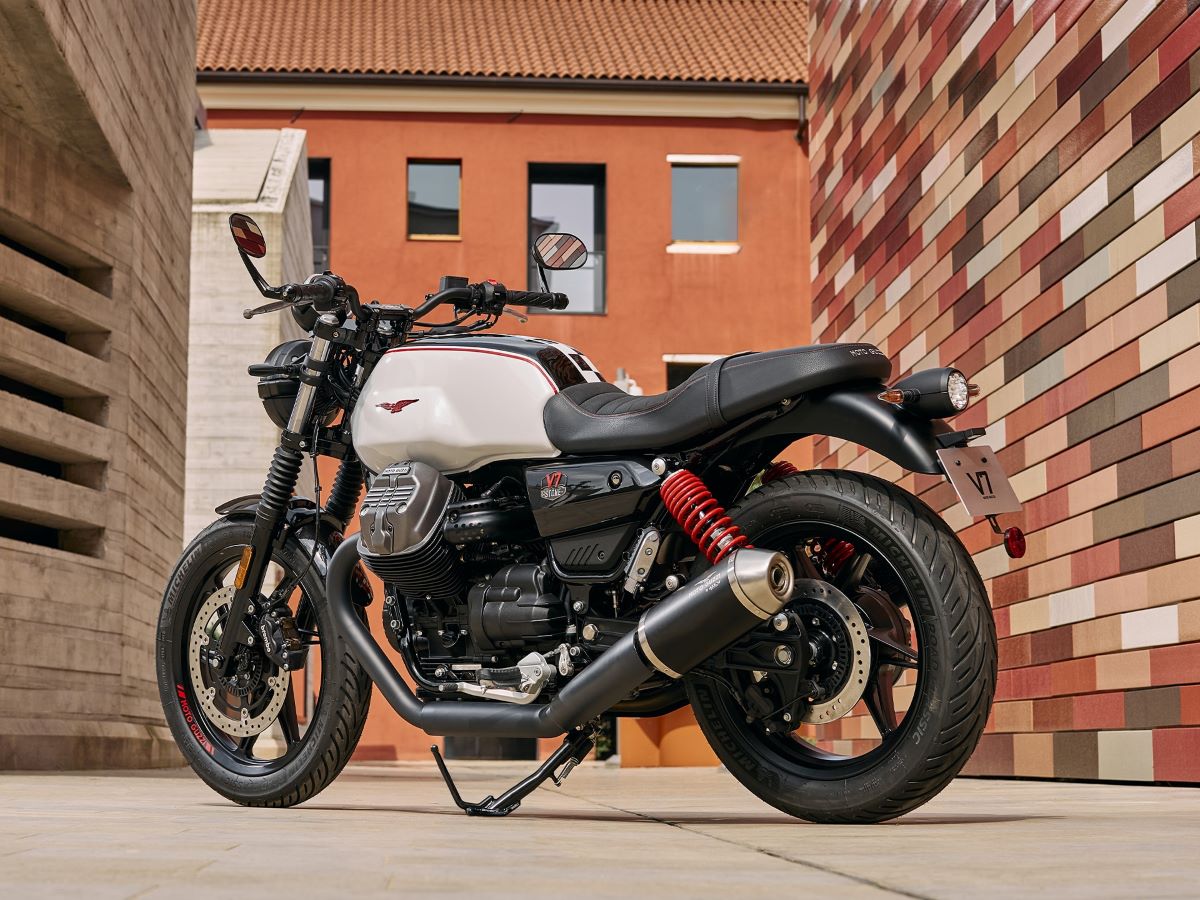
It has been the air-cooled 90-degree pushrod V-twin that has served as Moto Guzzi’s signature since 1967, when the original V7 was launched with a 700cc V-twin engine.
The company’s reputation and success were built on the pushrod V-twin and the V7 name, so when Moto Guzzi introduced a new retro-styled motorcycle in 2008, it had to be a 750 and it had to carry the celebrated badge. The softly tuned, back-to-basics naked proved popular, with a steady stream of updates and technical tweaks keeping it relevant over the years.
However, as rivals such as Triumph’s Street Twin raised the bar with more power and a more premium feel, the V7 received a significant update for 2021, growing to 850cc. Strictly speaking, that would make it a V85, but that name is already taken by the Moto Guzzi V85 TT. Earlier 744cc versions of the V7 always struck a fine balance between old and new.
Some retro bikes, such as Royal Enfield’s Bullet and the Benelli Imperiale 400, feel almost like riding genuinely old machinery, while others, including the Triumph Speed Twin and Yamaha XSR range, are thoroughly modern bikes wearing period costumes.
The Moto Guzzi has always occupied a reassuring middle ground, blending traditional feel and mechanical sensations with modern build quality, good manners, ease of use and everyday reliability. That remains true with the 853cc version.
It is still a doddle to ride, still surprisingly capable when the road turns twisty, still well made and still rich in character, only now with a little more substance beneath you. Performance is both stronger and more flexible, yet the core personality that has made the V7 such a favourite remains intact.
It is still less punchy than a Triumph Street Twin and significantly slower than a Yamaha XSR900, yet it feels more authentic and charismatic than either. As ever, its closest rival is Kawasaki’s underrated parallel-twin W800, which arguably beats the Guzzi on period detailing but, like every other retro, falls short in one crucial respect: it does not have Moto Guzzi written on the tank.
9. Suzuki Katana
The modern Suzuki Katana is a bold reinterpretation of the original 1980s icon. While it leans more toward modern performance than traditional retro styling, its sharp lines and unmistakable silhouette pay homage to its roots.
Built on a proven sportbike platform, it delivers strong performance and confident handling.
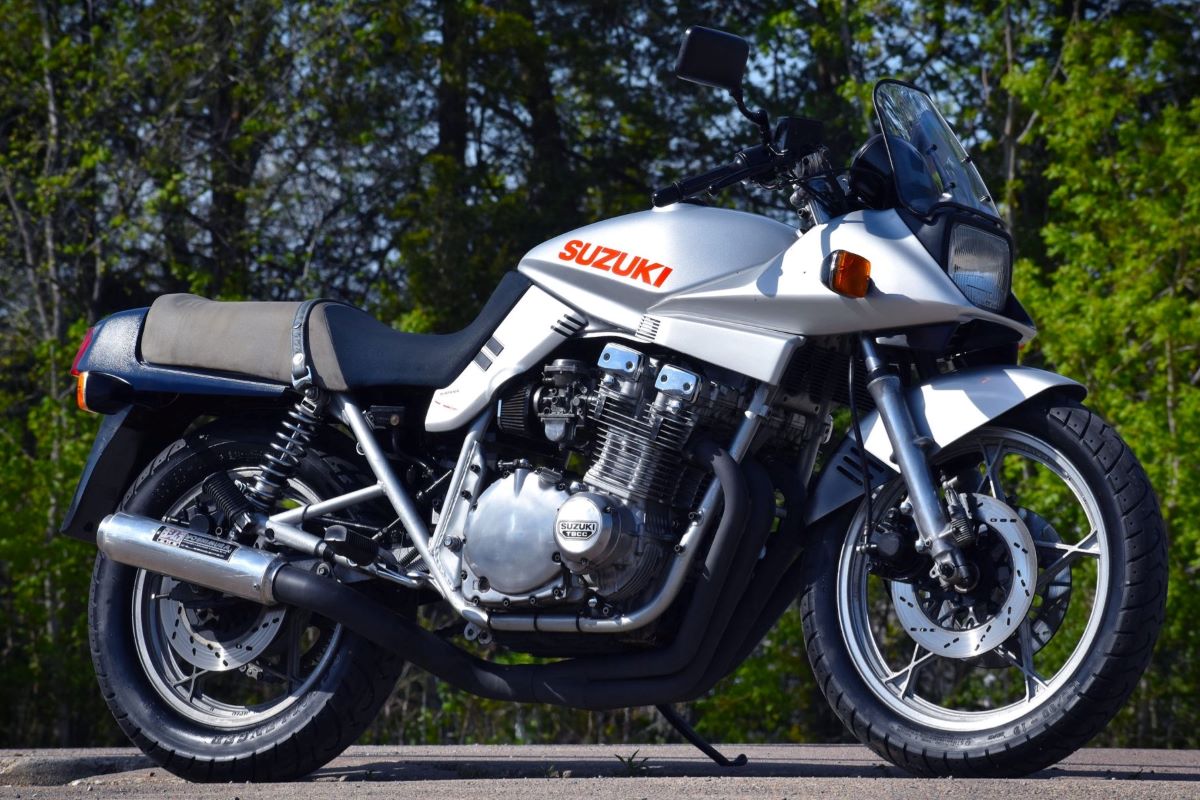
For U.S. riders who appreciate retro inspiration but want modern sportbike capability, the Katana is a compelling choice.
It’s fast, comfortable enough for daily use, and visually striking without feeling gimmicky. It bridges the gap between nostalgia and modern engineering in a way few bikes manage.
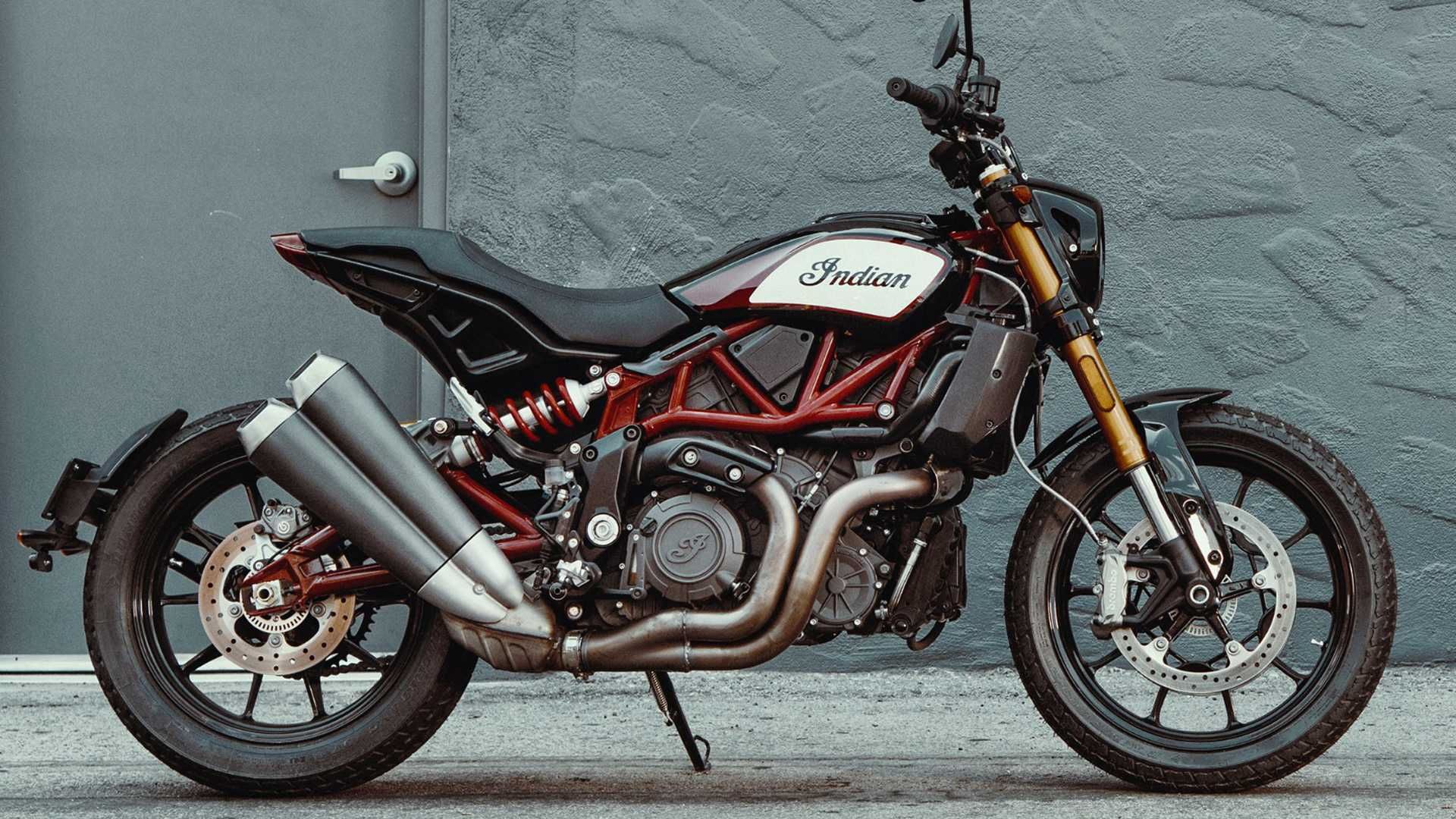
10. Indian FTR Classic
While not traditionally retro in the European sense, the Indian FTR Classic draws heavily from American flat-track racing heritage.
Its muscular stance, minimalist design, and strong V-twin engine make it a uniquely American take on modern retro styling.
For riders in the U.S., the FTR Classic feels authentic to domestic motorcycling history. It delivers strong performance, confident handling, and a commanding presence on the road.
It’s ideal for riders who want a modern bike with deep American roots rather than European nostalgia.
Modern retro motorcycles continue to thrive in the U.S. because they offer something increasingly rare in today’s market: character. These bikes prove you don’t have to choose between style and substance.
Whether you’re drawn to British heritage, Japanese reliability, Italian flair, or American muscle, there’s a modern retro motorcycle that fits your taste and riding style.
As manufacturers continue refining this segment, these ten motorcycles stand out as some of the best options available right now.
They honor the past without being trapped by it, delivering riding experiences that feel both familiar and refreshingly modern.