Few engines have earned the kind of reverence commanded by Chrysler’s HEMI V8. Even among American performance icons, the HEMI stands apart not just as an engine, but as a symbol of excess, dominance, and engineering audacity.
The hemispherical combustion chamber design, first introduced in the early 1950s, allowed for better airflow, higher compression, and more power than most competitors could dream of at the time.
When muscle cars exploded in the 1960s, the HEMI became their ultimate weapon, turning already aggressive machines into street-legal legends and dragstrip terrors.
In the United States, the HEMI name carries weight across generations.
Older enthusiasts remember the thunder of big-block Mopars prowling Detroit streets, while younger buyers associate the badge with modern Chargers, Challengers, and Hellcats that still dominate stoplight duels and horsepower headlines.
What makes the HEMI story special is its longevity few engine architectures have remained relevant for more than half a century, adapting to emissions rules, safety regulations, and modern technology without losing their soul.
This list highlights ten legendary muscle cars that were defined by HEMI power. These aren’t just vehicles that happened to have a HEMI under the hood they’re cars whose identities, reputations, and legacies were shaped by that engine.
From rare homologation specials to mass-produced street bruisers, each entry represents a moment when the HEMI V8 helped redefine what American muscle could be.
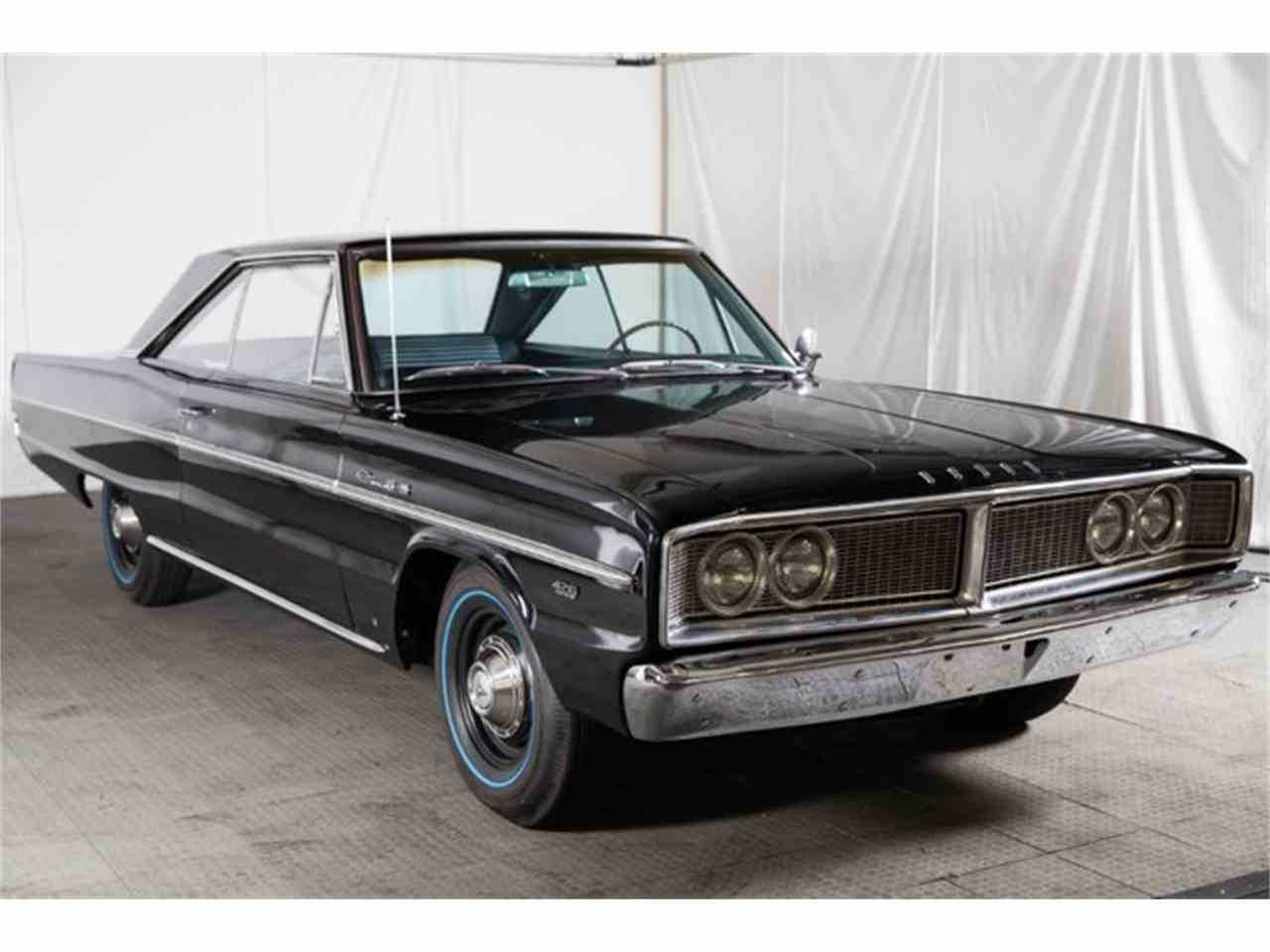
1. 1966 Dodge Coronet 426 HEMI
The 1966 Dodge Coronet was one of the earliest mainstream muscle cars to fully exploit the monstrous 426 HEMI.
While the Coronet itself was relatively understated compared to later Mopar designs, the engine transformed it into something terrifyingly fast for its era.
Rated at 425 horsepower though widely believed to be underrated the 426 HEMI turned the Coronet into a dragstrip favorite almost overnight.
What made the Coronet special wasn’t just raw speed, but accessibility. Dodge made the HEMI available to the public, not just racers, albeit at a steep price.
Buyers willing to tolerate stiff suspensions, heavy-duty drivetrains, and thirsty fuel consumption were rewarded with a car capable of humiliating nearly anything else on American roads in the mid-1960s.
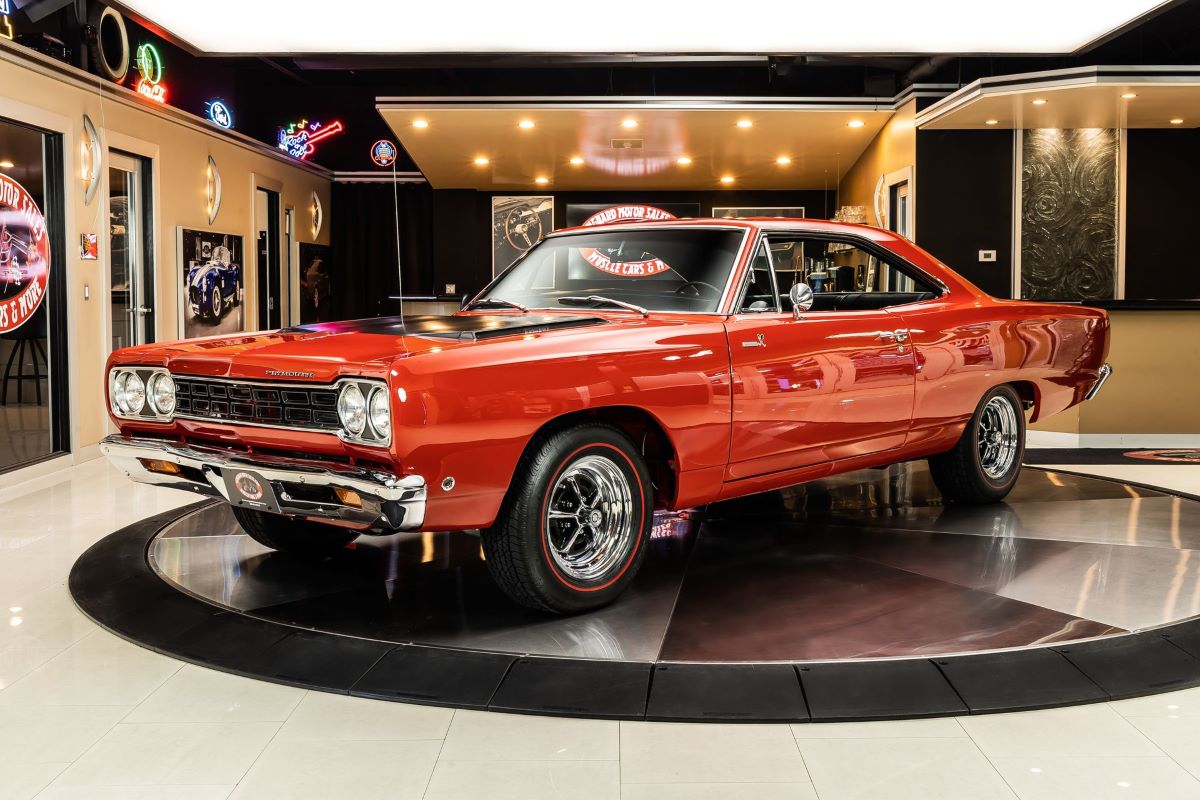
2. 1968 Plymouth Road Runner HEMI
The Plymouth Road Runner was built around a simple idea: strip away luxury, add a massive engine, and keep the price low. When Plymouth offered the 426 HEMI in the Road Runner, it elevated the car from bargain bruiser to full-blown muscle royalty.
The Road Runner’s cartoon branding and horn might have been playful, but there was nothing humorous about its performance.
With a lightweight body and minimal frills, the HEMI Road Runner delivered brutal straight-line acceleration. It appealed directly to young American buyers who wanted speed without pretension.
Today, original HEMI Road Runners are among the most valuable Mopars ever built, precisely because they embodied the purest muscle car formula.
In 2013, Porsche answered the challenge posed by Ferrari and McLaren in the hybrid hypercar arena by revealing the 918 Spyder, a model that epitomized the brand’s blend of luxury, cutting-edge technology, and blistering performance.
While Ferdinand Porsche had already created the first hybrid vehicle in 1900 with the Lohner-Porsche Semper Vivus, it would take more than a century for hybrid drivetrains to become mainstream.
Few expected a production-ready model to follow, yet in May 2013, Porsche released technical details of the production car and showcased it at the International Frankfurt Motor Show, with deliveries commencing in spring 2014. Despite its formidable price, all 918 units were sold by the time production ended in 2015.
The 2014 Porsche 918 Spyder featured a low-slung nose with scooped LED headlights, each incorporating four daytime running light dots. The lower bumper sported a narrow central grille flanked by two large side scoops, all with horizontal slats designed to improve downforce. A vent on the front hood helped extract air from the central intake, further optimizing aerodynamics.
From the side, the mid-engine layout displayed a balanced silhouette, with a short nose flowing into a raked panoramic windshield. Behind the cockpit, roll-over protection bars were integrated into dual humps that flanked the engine cover and housed the exhaust outlets. A removable carbon-fiber roof mirrored the shape of the dual humps.
At the rear, a wraparound plastic bumper incorporated a diffuser, while a deployable wing automatically raised above 75 mph (120 kph). Active front vents opened and closed to optimize downforce or reduce drag, enhancing fuel efficiency, particularly in electric-only modes. Porsche also offered a Weissach package that improved performance, including unique alloy wheels and a distinctive paint scheme.
Inside, the 918 greeted occupants with carbon-fiber sports seats providing exceptional lateral support during high-speed cornering. The seats were divided by a tall center console, part of the carbon-fiber chassis.
A sloped center stack housed infotainment and HVAC controls, while a binocular-style instrument panel presented three individual clusters: a central tachometer, a left speedometer, and a right dial displaying fuel level, engine temperature, and other onboard data. The three-spoke steering wheel included buttons for media and drive mode selection.
Powering the 918 Spyder was a 4.6-liter naturally aspirated V8 producing 616 PS (607 hp), paired with two electric motors, one on each axle, bringing total system output to approximately 877 PS (875 hp).
A 6.8 kWh battery pack allowed for roughly 19 km (12 miles) of electric-only range. The powertrain was mated to a seven-speed dual-clutch automatic transmission, sending torque to the rear wheels and delivering a seamless fusion of electric and combustion performance.
3. 1969 Dodge Charger Daytona HEMI
Few muscle cars are as instantly recognizable as the 1969 Dodge Charger Daytona. Designed primarily to dominate NASCAR, the Daytona featured radical aerodynamics, including a massive rear wing and a pointed nose cone.
When paired with the 426 HEMI, it became one of the most formidable racing homologation specials ever sold.
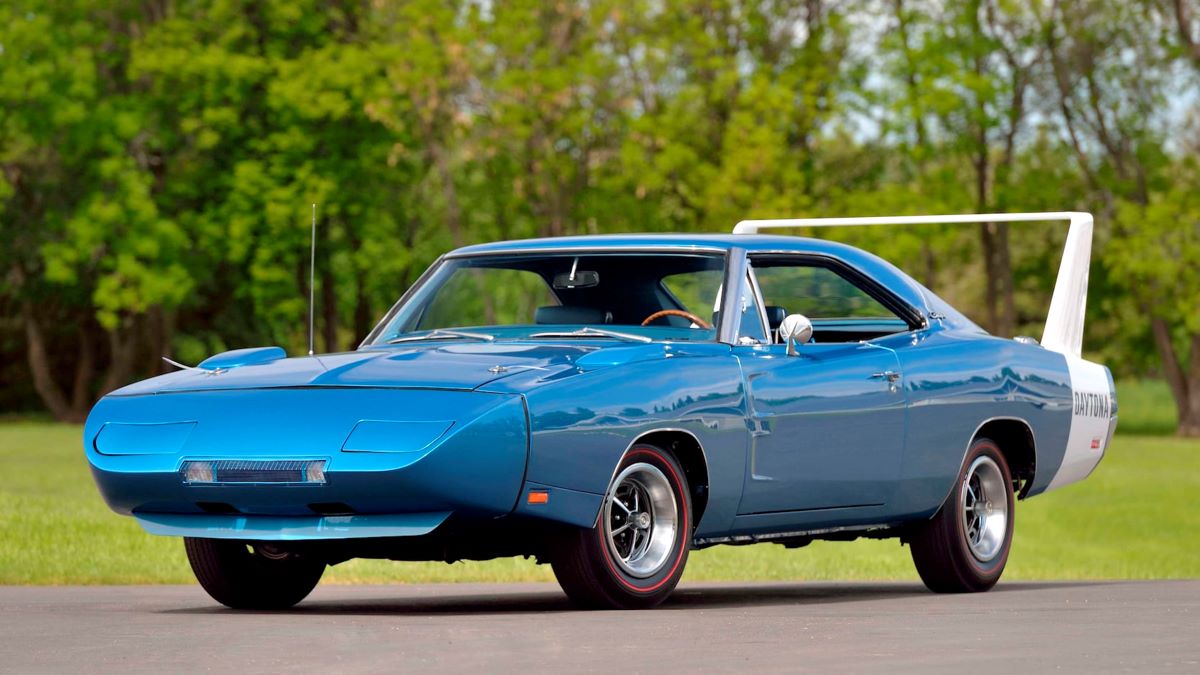
On American highways, the Daytona was overkill awkward to park, expensive to buy, and impossible to ignore. But its performance credentials were undeniable.
It was the first NASCAR stock car to exceed 200 mph, and the HEMI was central to that achievement. Today, HEMI Daytona Chargers are seven-figure collectibles, revered as symbols of Detroit’s no-limits era.
4. 1970 Plymouth HEMI ’Cuda
If there is a single car that defines Mopar muscle supremacy, it’s the 1970 Plymouth HEMI ’Cuda.
Compact, aggressive, and brutally fast, the ’Cuda represented the peak of the muscle car era just before emissions regulations and insurance crackdowns changed everything.
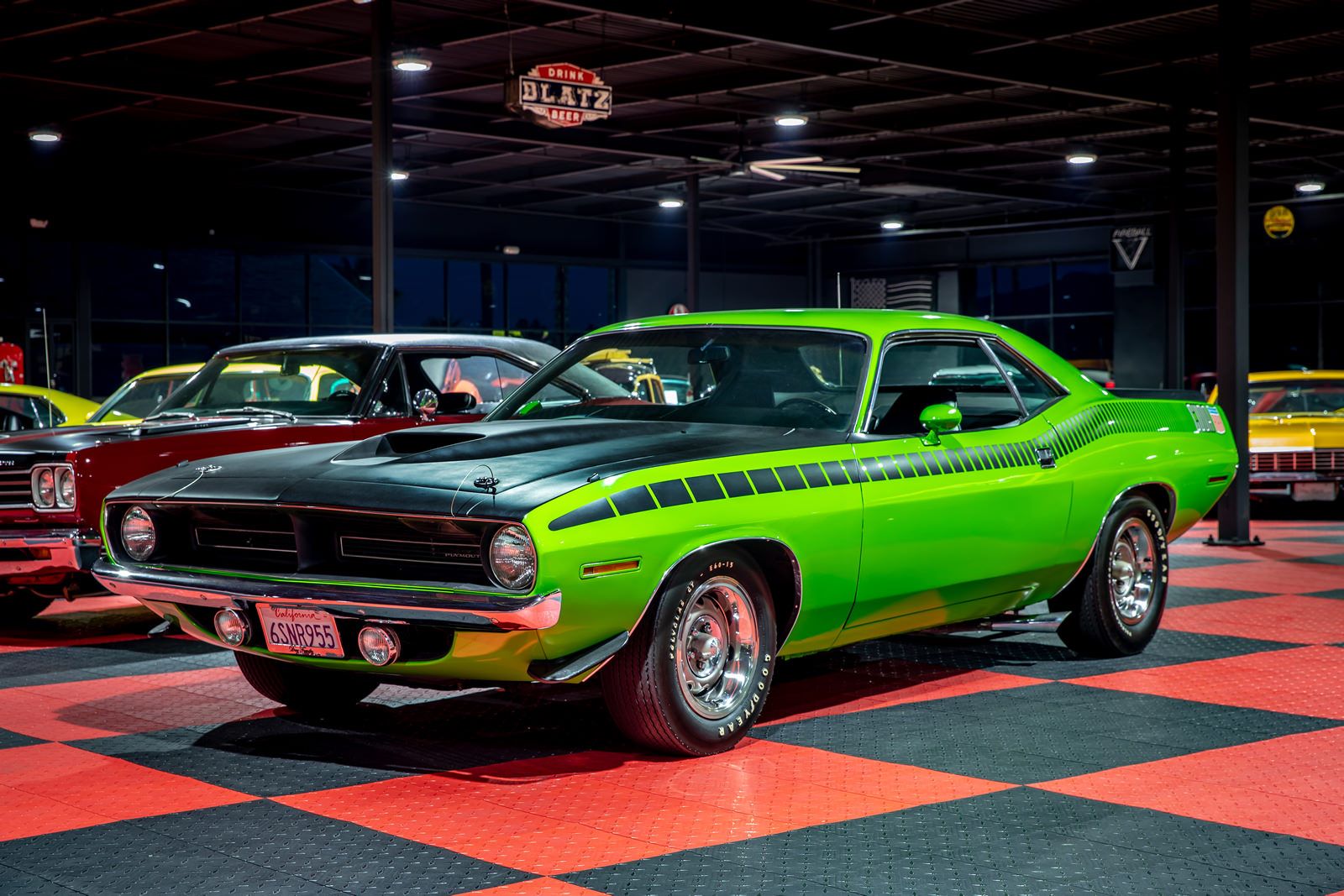
With its wide stance, shaker hood, and massive HEMI V8, the ’Cuda delivered explosive performance in a relatively small package.
Fewer than 700 HEMI ’Cuda coupes and convertibles were built for 1970, making them incredibly rare. In the U.S. collector market, the HEMI ’Cuda is often cited as the ultimate American muscle car.
Raced for roughly a year before spending most of its life in storage, this Hemi Cuda had only 86 miles (138 km) on the odometer as of 2021. Now, it returns to the spotlight as another exceptionally low-mileage example. Originally shipped to Canada, this Mopar also saw action at the drag strip.
Ordered through Pacific Chrysler of Vancouver, this orange hardtop was the very first Hemi Cuda to be ordered in that region. It rolled off the assembly line with a 426-cubic-inch (7.0-liter) V8 and a four-speed manual transmission, making it one of just 284 units configured with this body and drivetrain combination.
The car didn’t sell immediately; it was initially kept by the dealership’s sales manager, who logged about 300 miles (483 km) behind the wheel. Eventually, two racers visiting the dealership persuaded him to part with it.
Wrench and MacKay had been racing a 1966 Plymouth Hemi Satellite since 1967. The car joined the drag strip circuit for the 1970 season and continued to race through 1973, amassing numerous trophies before Wrench and MacKay retired and sold the vehicle.
In 1980, engine builder Jack Williams acquired the Cuda and stored it for an astounding 34 years. After Williams passed away, the car was restored with a period-correct Hemi racing engine, though the fate of its original Street Hemi remains unknown.
Today, under the care of current owner George Pappas, the Mopar was displayed at the 2025 Muscle Car and Corvette Nationals (MCACN) with only 387 miles (623 km) on the odometer. This mileage makes it the second-lowest-mileage 1970 Hemi Cuda known and the lowest-mileage example delivered new in Canada.
The 2025 MCACN featured an impressive array of rare Hemi cars, including the largest collection of convertibles ever shown at the event. The Hemi B-body Convertible display alone showcased 28 drop-tops built between 1966 and 1970, representing approximately 17% of total production.
5. 1967 Plymouth GTX HEMI
The Plymouth GTX was marketed as the “gentleman’s muscle car,” combining upscale features with serious performance.
When equipped with the 426 HEMI, that gentlemanly demeanor vanished the moment the throttle opened. The GTX offered buyers a more refined alternative to the Road Runner without sacrificing speed.
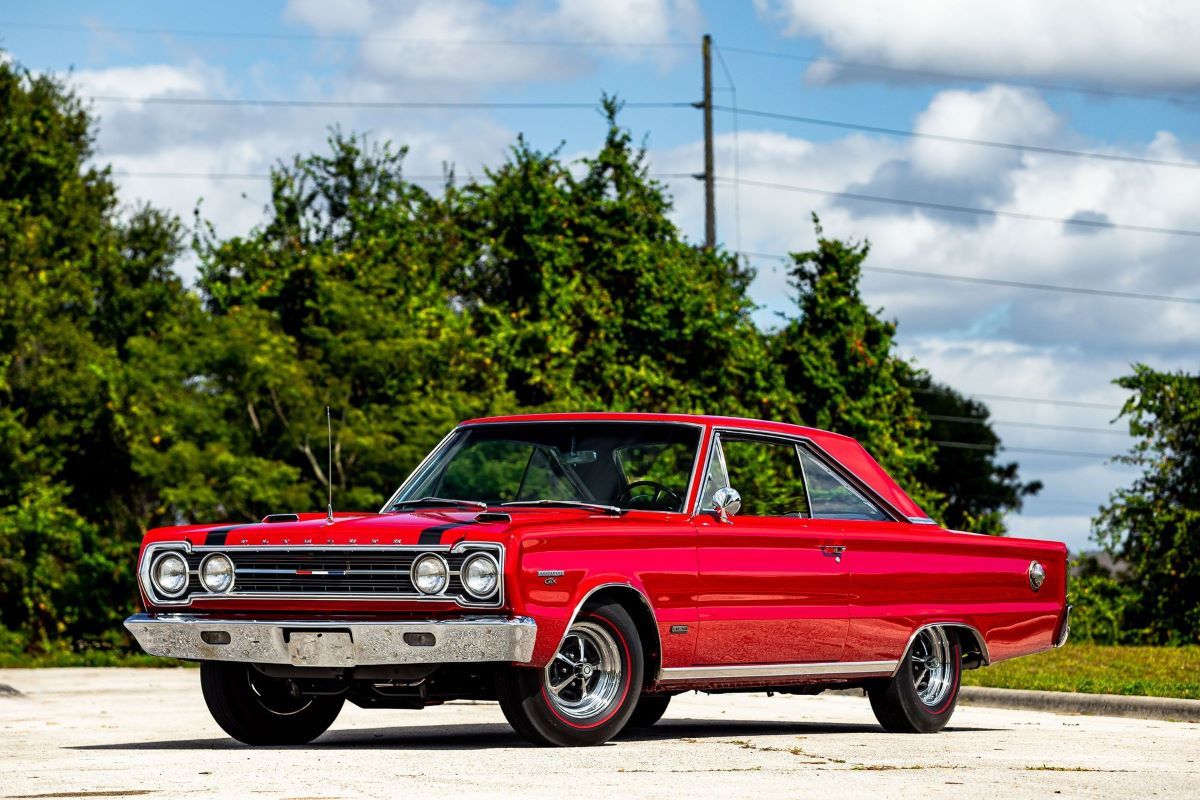
American buyers who wanted luxury and dominance found the HEMI GTX irresistible. It could cruise comfortably on the highway and still deliver quarter-mile times that embarrassed competitors.
The GTX proved that muscle cars didn’t have to be bare-bones to be brutally fast.
6. 1968 Dodge Super Bee HEMI
The Dodge Super Bee was Dodge’s answer to the Road Runner, offering similar no-nonsense performance at a lower price point. The HEMI option transformed the Super Bee into a true street weapon.
Like other HEMI-equipped Mopars, it required buyers to accept compromises stiff suspensions, heavy clutches, and high fuel consumption.
For American muscle fans, the Super Bee symbolized raw value. It wasn’t about prestige or luxury; it was about beating the competition at the stoplight and the dragstrip. HEMI Super Bees are now highly prized for their rarity and authenticity.
By 1968, Dodge and Plymouth already had no fewer than five intermediate models offering serious muscle in showrooms. Yet Chrysler didn’t hesitate to launch two all-new entries: the Super Bee and the Road Runner. Both were limited to big-block V8s and designed as the most affordable muscle cars bearing the Mopar badge.
The Road Runner was an instant success, selling nearly 45,000 units in 1968 and over 80,000 the following year. The Super Bee didn’t enjoy the same runaway popularity but still performed respectably, moving 27,800 units in 1969. In its debut year, however, only 7,842 Super Bees were sold, the silver example seen here being one of that limited production.
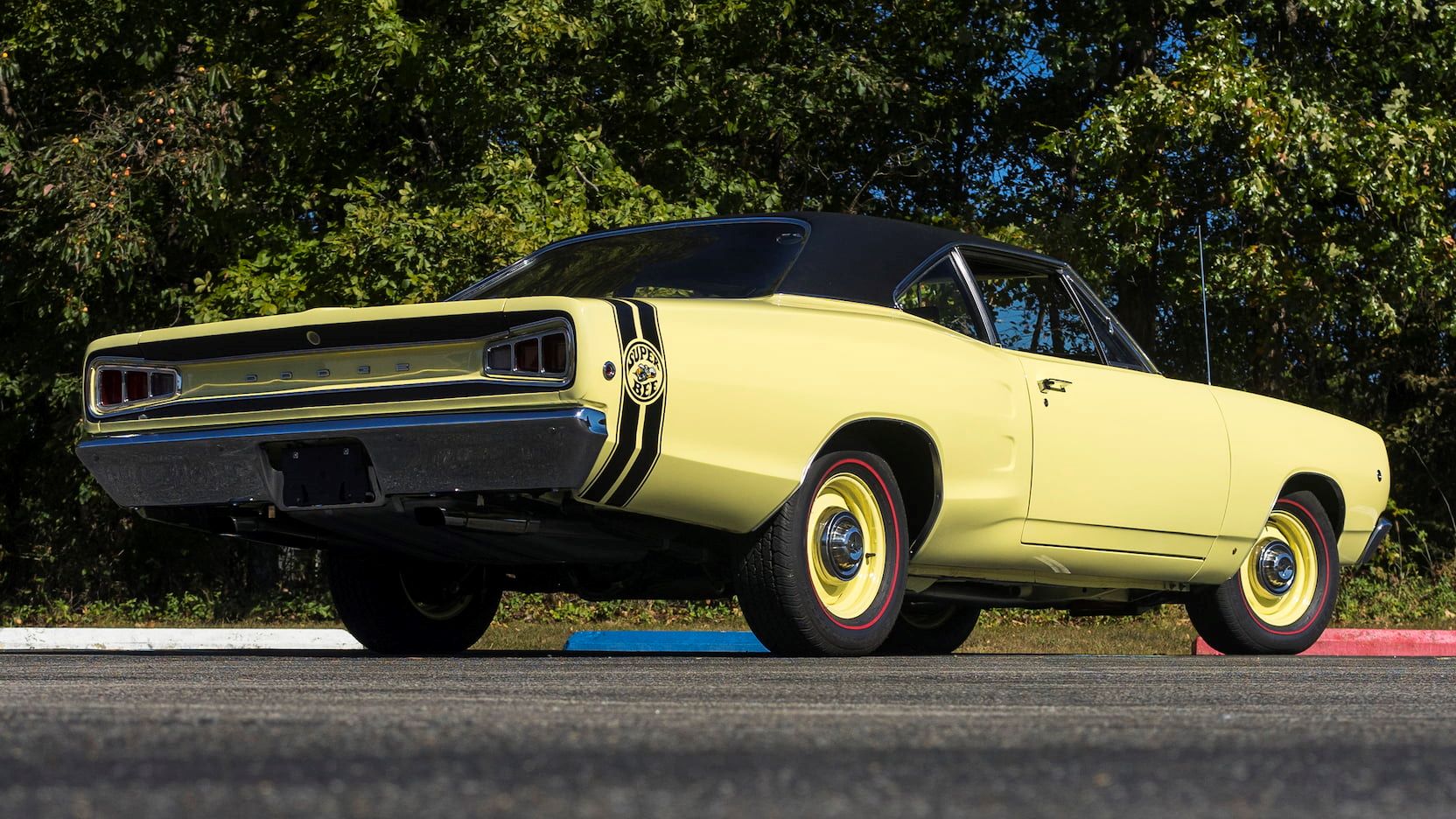
While 7,842 may seem high compared with other golden-era muscle cars, this Super Bee is far from ordinary. The original buyer opted for the top-of-the-line 426-cubic-inch (7.0-liter) Hemi V8. Not only was this the most powerful engine offered in the Super Bee, producing 425 horsepower and 490 lb-ft (664 Nm) of torque, but it was also exceedingly rare.
Of the 7,842 Super Bees produced in 1968, only 125 were equipped with the 426 Hemi, just 1.6% of total production. Narrow the focus further to the three-speed TorqueFlite automatic, and that figure drops to only 94 cars.
Adding to its rarity, this car is finished in AA-1 Silver Poly. While not as eye-popping as the high-impact colors Mopar introduced in 1969, silver Super Bees are uncommon, and the exact number produced remains uncertain.
Although the advertisement provides few details beyond a features list, it’s clear this is a comprehensive nut-and-bolt restoration. The car presents beautifully inside and out, with an engine bay so immaculate that you could eat off the air cleaner. There is no confirmation yet on whether the Hemi V8 and the transmission are number-matching, but the VIN confirms it is a genuine J-code Hemi setup.
This 1968 Super Bee is slated to cross the block at Mecum’s Indy 2025 auction on May 15. While no price estimate has been provided, it is expected to command a six-figure sum. For context, the last highly original 1968 Hemi Super Bee sold at auction in 2021 for $73,700. If this silver Mopar retains its original drivetrain, it could very well set a new record. With no reserve set, anything is possible.
7. 1971 Dodge Charger R/T HEMI
By 1971, muscle cars were already feeling the pressure of tightening regulations, but the Dodge Charger R/T HEMI remained a fearsome machine.
The Charger’s long, aggressive body combined with the HEMI’s brute force made it one of the most imposing cars of its time.
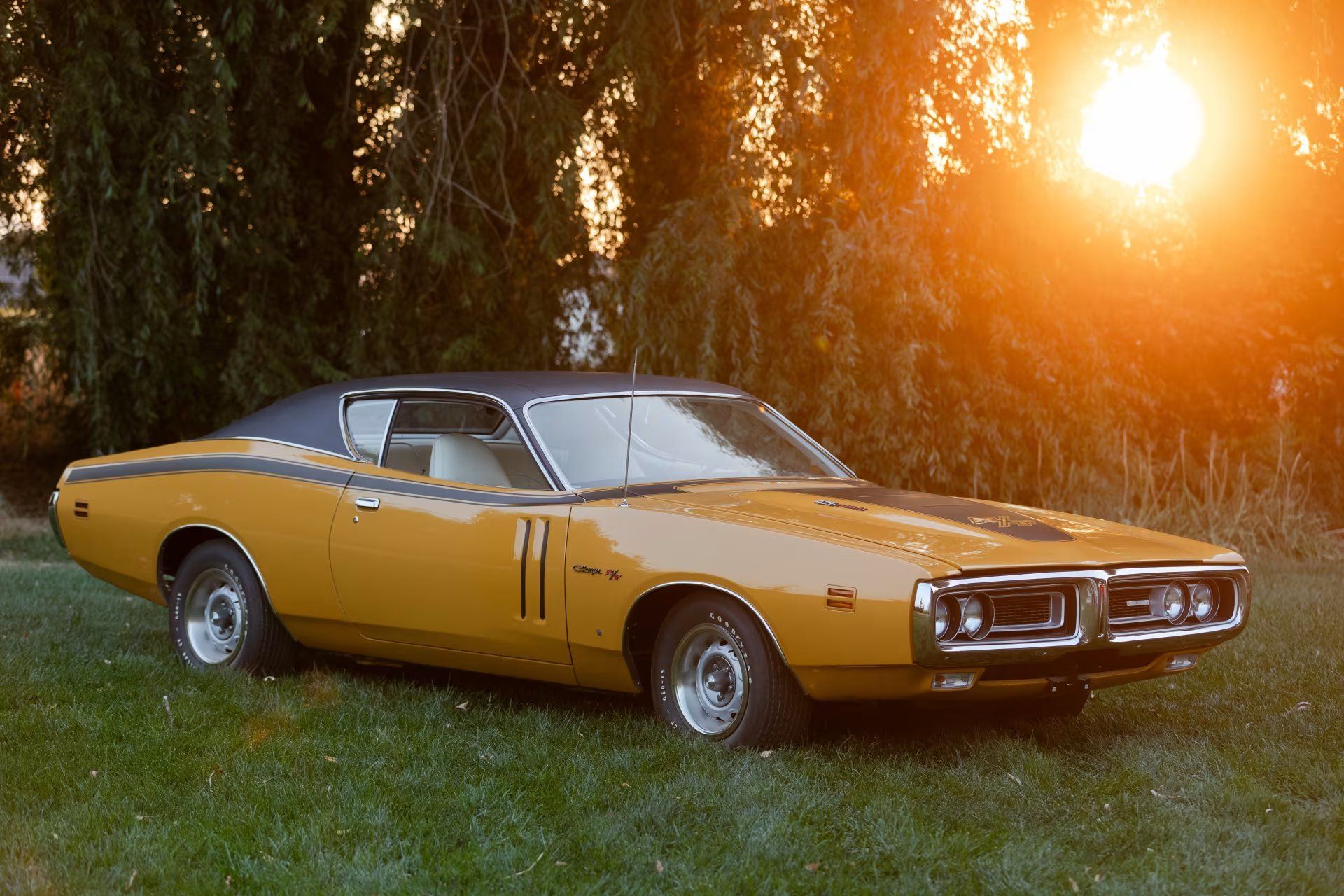
While later Chargers would become heavier and less performance-focused, the early-1970s HEMI R/T models represented the last gasp of classic big-block muscle.
For many American enthusiasts, this era marks the end of an unrepeatable chapter in automotive history.
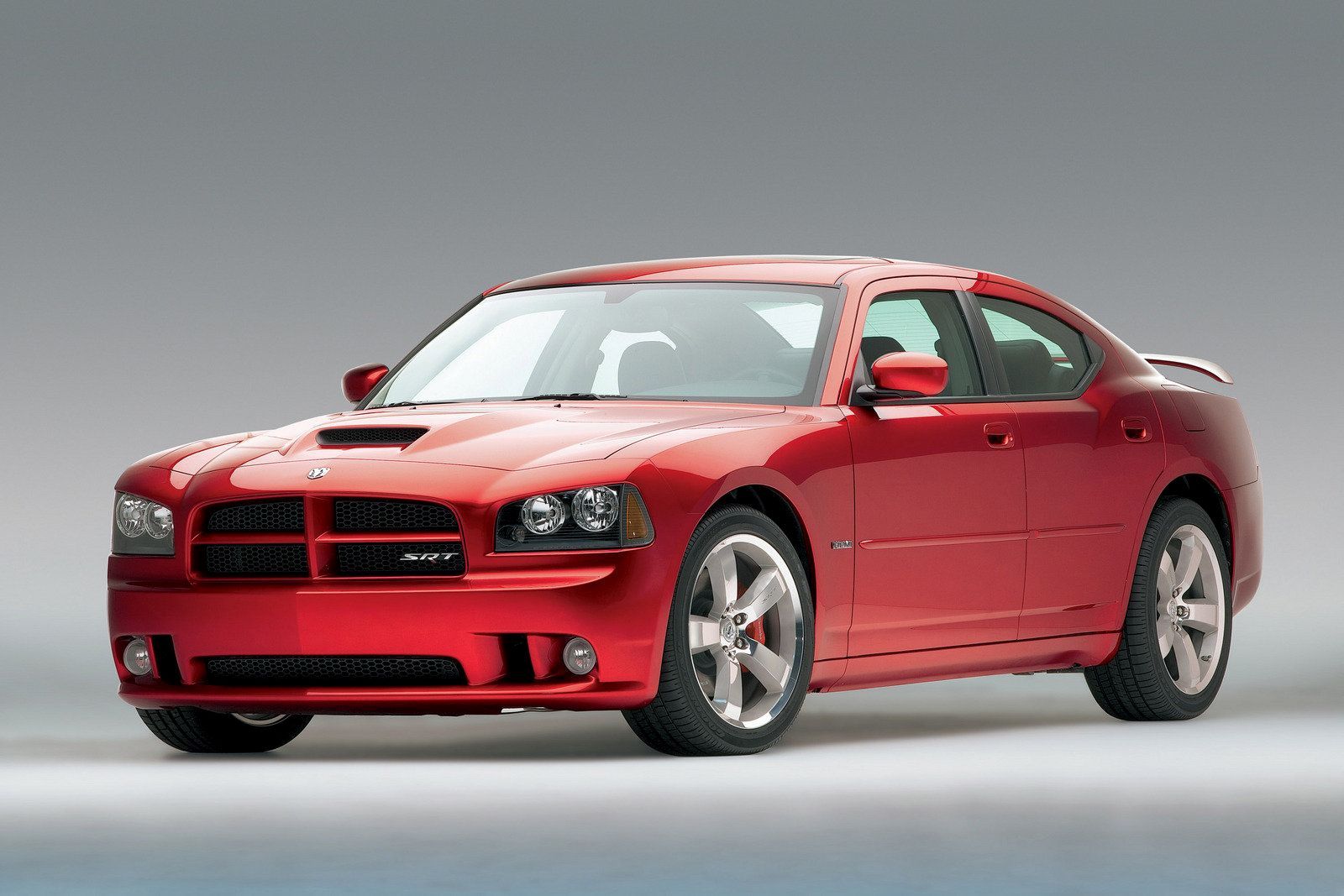
8. 2006 Dodge Charger SRT8
After decades of absence, the HEMI returned to prominence in the modern era, and the 2006 Dodge Charger SRT8 was one of its most important ambassadors.
Powered by a 6.1-liter HEMI V8 producing 425 horsepower, the Charger SRT8 reintroduced American buyers to unapologetic rear-wheel-drive performance in a full-size sedan.
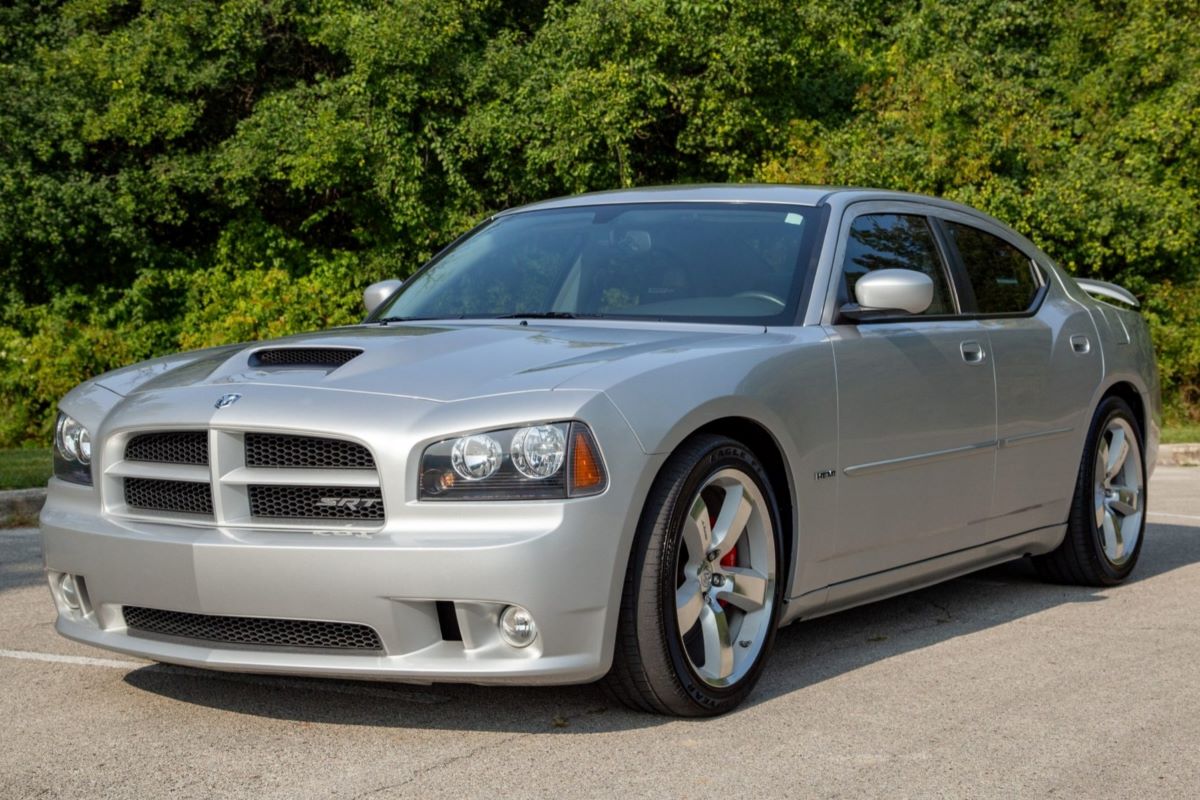
Unlike classic muscle cars, the Charger SRT8 offered modern safety features, reliability, and daily usability.
It proved that the HEMI wasn’t just a nostalgia act it could thrive in the 21st century while still delivering the aggressive character American drivers craved.
In medieval times, a charger was a horse trained and outfitted to carry men into battle. Not particularly fast, these horses were big and powerful, traits that made them ideal for hauling warriors clad in iron helmets, steel suits, chain mail, and even leather undergarments.
Fast forward a millennium to the summer of 1965. The descendants of those medieval chargers had become the Budweiser Clydesdales, while in Highland Park, Michigan, a team of Chrysler engineers and marketers was brainstorming names for a hotted-up version of the Dodge Coronet.
In fact, the word “Charger” had already appeared in the Chrysler lexicon even before the Mustang hit the scene. Naturally, Hemi hot rods quickly hit public roads, and Chrysler’s marketing team soon saw an opportunity to capitalize.
The 1966 Charger was built on the Coronet chassis, featuring a two-door fastback body with hidden headlights and full-width taillamps. While it bore a vague resemblance to the less aesthetically pleasing AMC Marlin, it was available with the 426-cubic-inch Hemi V-8 as a regular production option, alongside two other V-8 choices.
Rated at 425 horsepower and 490 lb-ft of torque (SAE gross), the Hemi could propel a 4,035-pound 1968 Charger to 60 mph in just 4.8 seconds, according to November 1967 testing.
The vast majority of the 37,344 Chargers produced in 1966 came with the smaller engines—the 230-hp, 318-cubic-inch standard engine or the 265-hp, 361-cubic-inch upgrade. Only 468 cars, less than two percent, had Hemis under the hood.
By 2004, Chrysler had merged with Daimler to become DaimlerChrysler, the Hemi V-8 had been revived in modern form, and Dodge was preparing to resurrect the Charger name with a new full-size, rear-drive sedan. What was officially confirmed by the company was just part of the story; insider hints, camouflaged spy photos, and other development tidbits filled in the rest.
Chrysler Group design VP Trevor Creed stated that the company had “planned to do the Charger all along,” though the name itself was not a guaranteed choice. Charger carries powerful symbolism and proprietary identity for Dodge, but its allure had diminished over the years due to misuse.
Emissions regulations and the 1973 Arab oil embargo ended Detroit’s big-inch V-8 heyday, and the Charger name was applied to less remarkable cars. By 1972, the Hemi was gone, and the Charger had evolved into a soft, luxury coupe before disappearing at the end of the 1978 model year.
9. 2008 Dodge Challenger SRT8
The reborn Dodge Challenger SRT8 brought retro styling and modern HEMI power together in one unmistakable package.
With its wide stance, long hood, and muscular proportions, the Challenger paid direct homage to its 1970s ancestors while delivering modern performance.
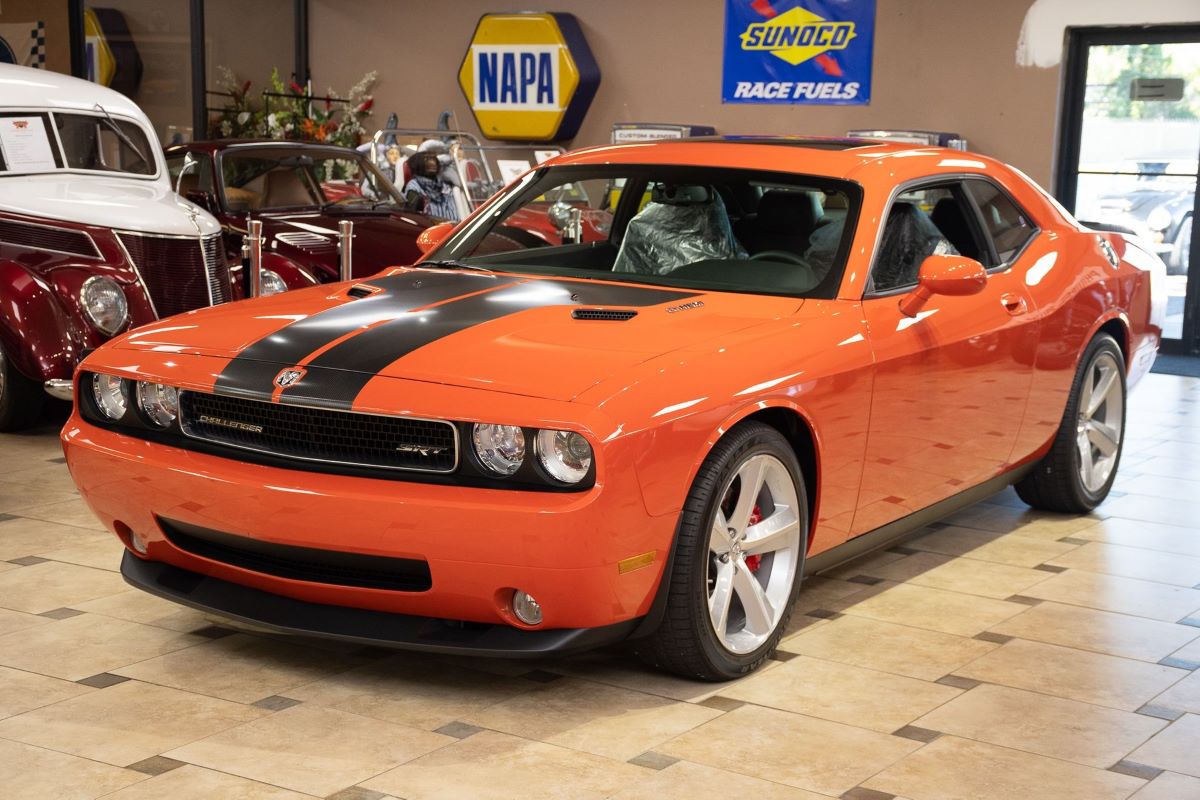
American enthusiasts embraced the Challenger SRT8 instantly. The 6.1-liter HEMI gave it serious straight-line speed, while its unmistakable design made it a rolling tribute to classic muscle.
It helped reignite interest in retro-inspired performance cars across the U.S. market.
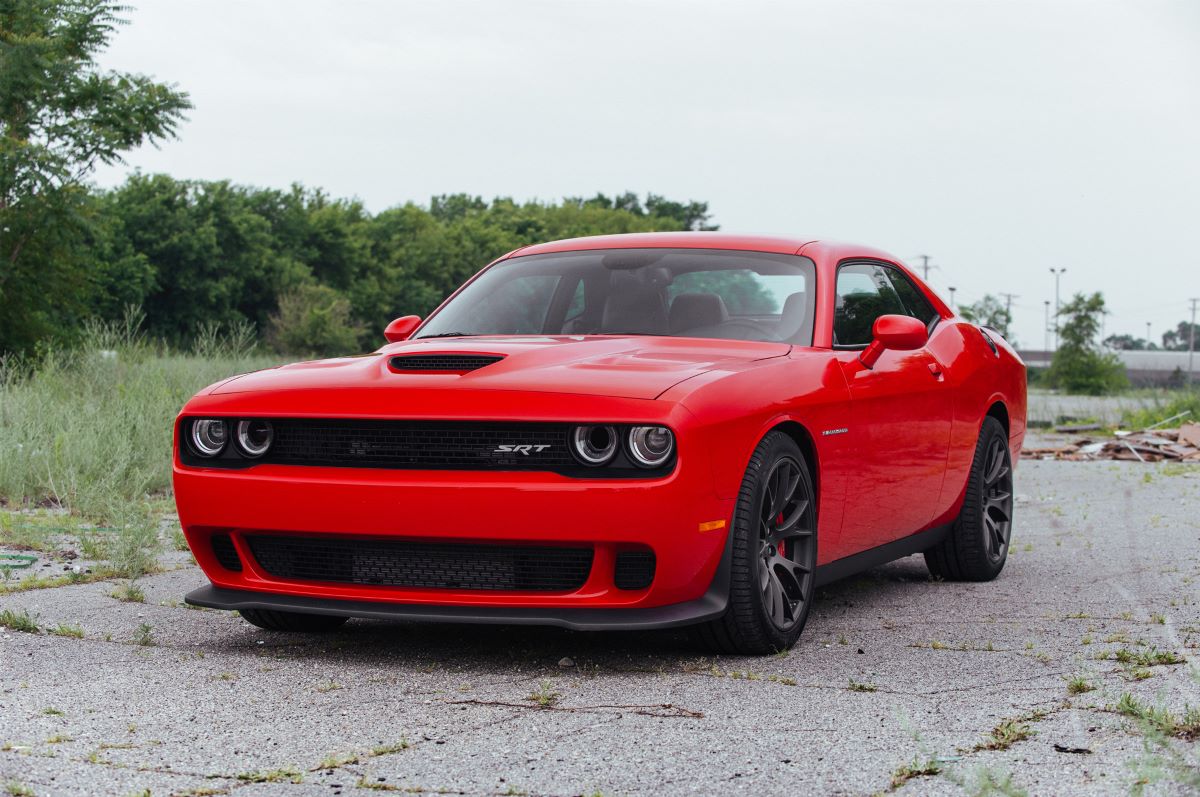
10. 2015 Dodge Challenger SRT Hellcat
No discussion of legendary HEMI muscle cars would be complete without the Challenger SRT Hellcat. Powered by a supercharged 6.2-liter HEMI producing an absurd 707 horsepower at launch, the Hellcat redefined what a factory muscle car could be.
For American buyers, the Hellcat was proof that Detroit still knew how to shock the world. It delivered supercar-level acceleration at a fraction of the price, all while retaining four seats, a trunk, and daily drivability.
The Hellcat didn’t just honor the HEMI legacy it expanded it into territory once thought impossible.
The enduring appeal of the HEMI V8 lies in more than just horsepower figures. It represents a uniquely American approach to performance: big engines, bold designs, and the belief that excess can be exhilarating.
From the drag strips of the 1960s to modern highways, the HEMI has consistently delivered an emotional driving experience that few engines can match.
The muscle car is alive, and not some watered-down, lawyer-approved, soy-milk version of the genre. The 2015 Dodge Challenger SRT Hellcat is a full-throttle, no-compromise, hide-your-daughters-and-your-livestock muscle car. This is the real deal.
At the launch in Portland, Oregon, a Dodge representative handed me the red Hellcat key fob as if it were highly illicit contraband. The black fob limits the car to a “mere” 500 horsepower, but the crimson key unlocks all 707 horsepower and 650 pound-feet of torque from the supercharged 6.2-liter Hemi Hellcat engine.
Only two Hellcats were available for street drives. “Go,” the company conspirator said. “Just go.” And we did, slipping away from the other journalists and the fleet of well-behaved, less-powerful Challenger models.
To hell with that. This is fury incarnate. This is a 1970s throwback, a time when power wasn’t tamed, and drivers bore full responsibility for it. In today’s recall-conscious world, cars like this rarely exist.
The Challenger SRT Hellcat starts at $60,990, including a $2,100 gas guzzler tax and $995 destination charge. For comparison, a Ferrari F12 Berlinetta has only 24 more horsepower, and costs roughly $258,000 more.
As the automotive industry moves toward electrification, the HEMI era may be nearing its conclusion. But its impact on American car culture is permanent.
These ten muscle cars aren’t just machines, they’re milestones in a legacy that defined generations of drivers, racers, and enthusiasts across the United States.