
Miami traffic has a rhythm of its own. Heat rises from the pavement, lanes compress without warning, and impatience often travels faster than the speed limit. City driving here rewards calm reactions, smooth control, and vehicles that remove friction from everyday movement. SUVs, often chosen for comfort and presence, can either soften the experience or quietly amplify stress.
Calm in traffic does not come from size alone. It comes from visibility that reduces second-guessing, steering that responds without drama, transmissions that glide instead of lurch, and interiors that insulate drivers from noise and sensory overload. In Miami, where sudden rainstorms, tight parking garages, and dense commuter corridors are part of daily life, the right SUV can feel like a personal buffer zone.
Some SUVs excel at this role. They keep occupants relaxed during long waits, reduce mental strain at intersections, and allow drivers to focus on flow rather than survival. Others demand constant correction, amplify road tension, or punish drivers with awkward controls and jittery responses.
This page separates the calm from the chaos. In the first section, we will focus on five SUVs that feel composed, soothing, and well-suited to Miami’s traffic patterns. Each model earns its place by reducing effort rather than adding to it.
The next section will switch gears and examine five SUVs that introduce unnecessary stress in the same environment. Together, both sections aim to help city drivers choose comfort that truly works where it matters most.
5 SUVs That Feel Calm in Miami Traffic
1. Lexus RX 350 2024
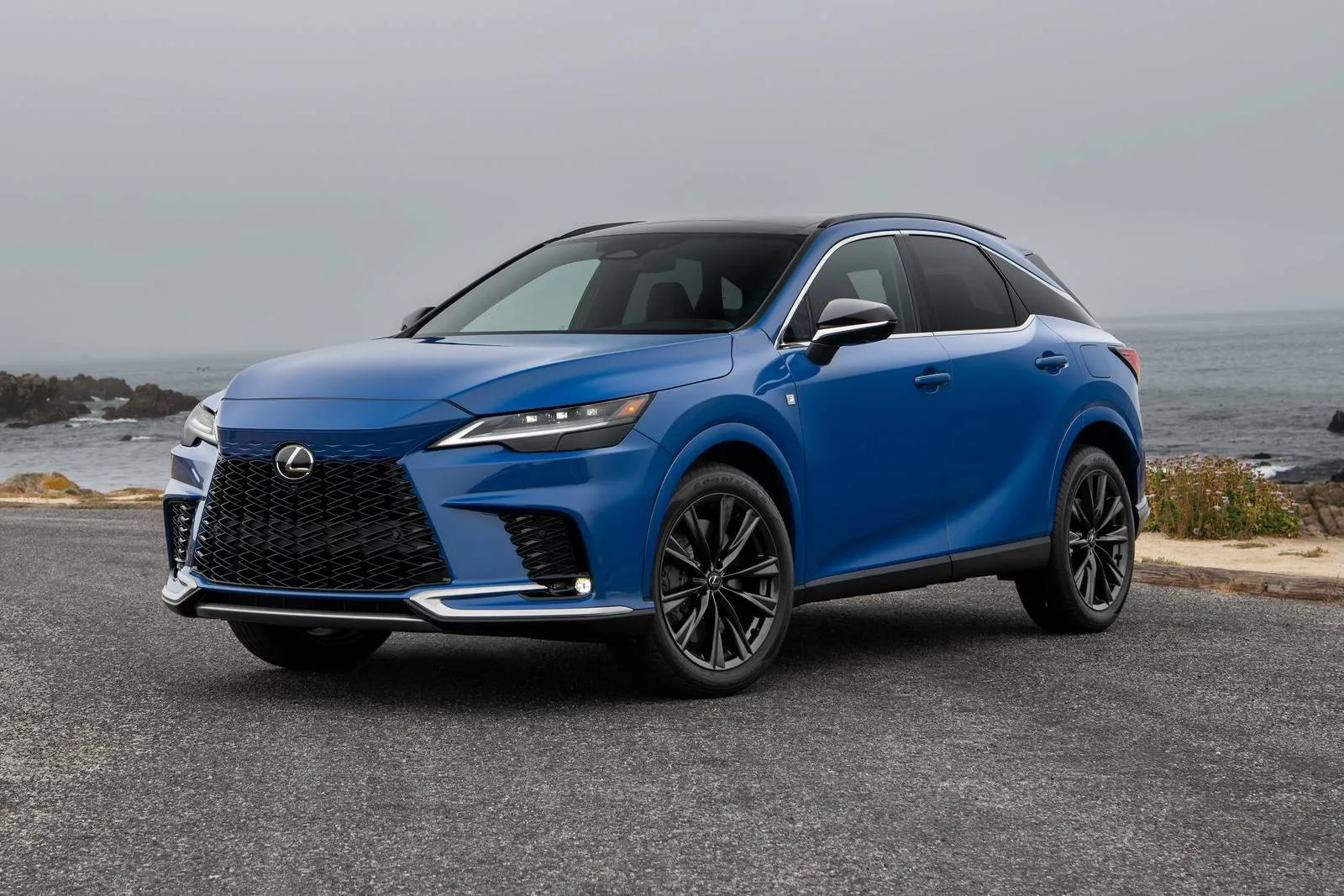
Grace defines the Lexus RX 350 2024 from the first moments behind the wheel. Urban movement feels fluid rather than forced, and Miami traffic rarely disrupts its composure. Steering inputs translate smoothly into motion, avoiding sharp reactions that raise tension in crowded lanes. Low-speed maneuvers feel controlled, which matters when traffic tightens or parking spaces shrink.
Cabin isolation plays a major role in its calming effect. Road noise fades into the background, even during highway congestion or stop-and-go crawls. Engine response remains restrained, delivering power without sudden surges. This predictability reduces mental load and allows drivers to maintain rhythm without constantly adjusting pedal pressure.
Visibility aids enhance confidence. A commanding seating position pairs with well-placed mirrors and clear camera views. Lane changes require fewer head movements, and blind spot alerts feel supportive rather than intrusive. Urban intersections become less intimidating when sightlines feel open and reliable.
Interior design supports ease. Physical controls remain intuitive, minimizing screen dependency during stressful moments. Climate controls respond quickly, which matters during humid Miami afternoons. Ventilated seating adds comfort without distraction, helping drivers remain relaxed during long delays.
Suspension tuning prioritizes composure. Uneven pavement, construction zones, and sudden road imperfections rarely unsettle the vehicle. Passengers notice fewer jolts, and drivers feel less urgency to correct minor disturbances. This stability encourages smoother driving habits.
Fuel efficiency remains steady in city conditions, reducing concern during extended idle periods. Frequent stops do not disrupt the driving experience, and the powertrain avoids abrupt transitions that often raise stress levels. Lexus RX 350 2024 succeeds by making city driving feel predictable and calm. Miami traffic becomes manageable when a vehicle absorbs chaos rather than reflecting it on the driver.
2. Volvo XC60 B5 2024
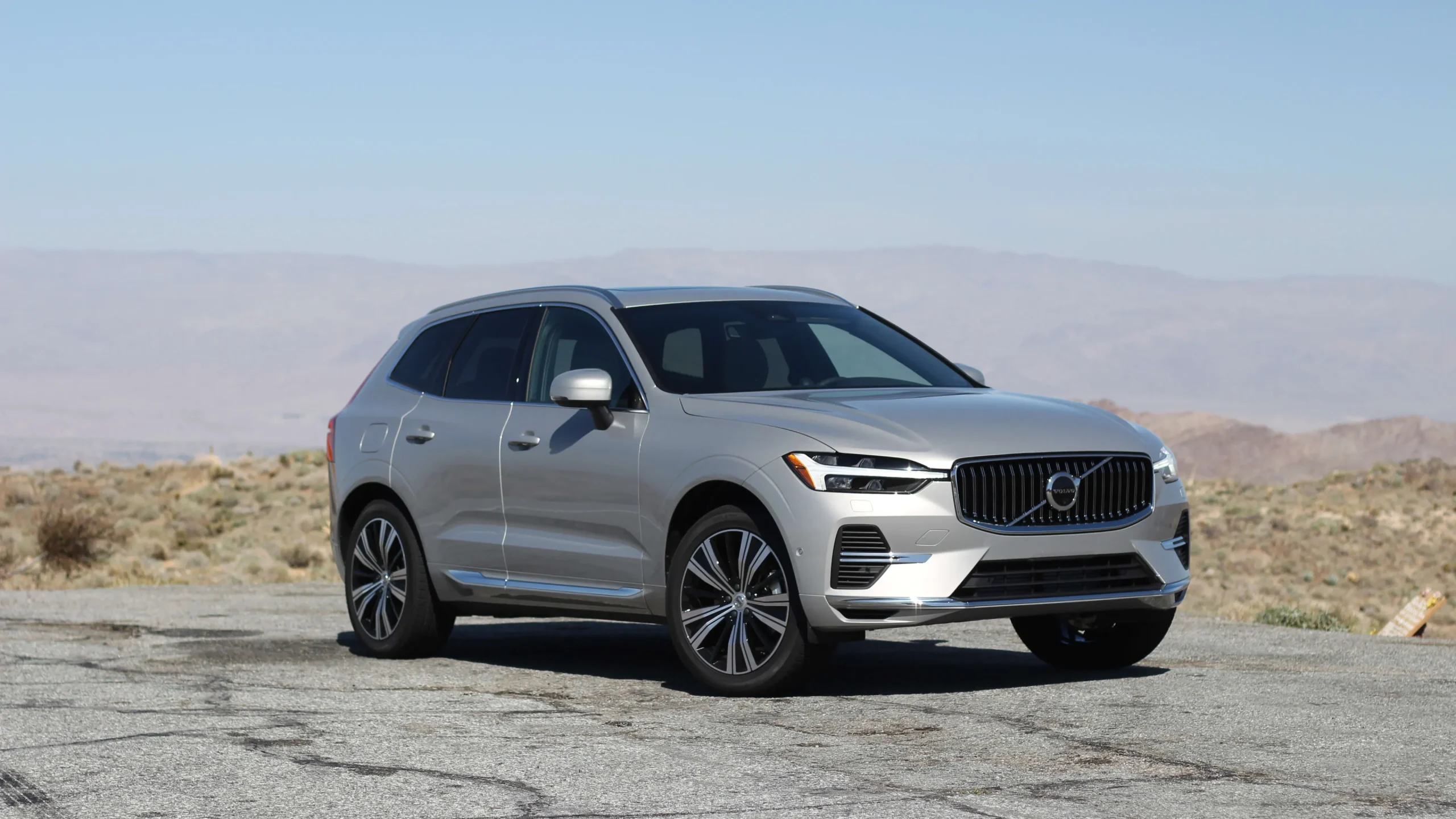
Scandinavian restraint shapes the Volvo XC60 B5 2024, and that restraint translates into calm during Miami traffic. Responses feel measured, never rushed, allowing drivers to glide through congestion with confidence. Steering communicates clearly without demanding constant correction, which helps maintain composure during lane merges and slow-moving corridors.
Cabin design reinforces serenity. Materials feel soft to the touch, and the layout encourages simplicity. Controls remain logically placed, reducing the need to search menus while navigating busy streets. Ambient lighting creates a gentle atmosphere that contrasts sharply with exterior chaos.
Power delivery remains smooth at low speeds. Mild hybrid assistance supports gentle acceleration without dramatic engine engagement. Traffic lights and stop signs become less stressful when throttle response feels predictable and quiet. This consistency supports relaxed driving habits even during peak congestion.
Driver assistance features operate subtly. Lane keeping support, adaptive cruise, and collision alerts work quietly in the background. Alerts feel informative rather than alarming, allowing drivers to stay aware without heightened anxiety. These systems enhance calm rather than disrupt it.
Ride quality absorbs road imperfections gracefully. Speed bumps, potholes, and uneven surfaces rarely translate into cabin disturbance. Passengers remain comfortable, and drivers avoid constant adjustments. Suspension behavior encourages steady pacing rather than defensive driving.
Visibility remains strong thanks to large windows and thoughtful mirror placement. Urban driving benefits from clear peripheral awareness, especially when cyclists and pedestrians appear suddenly. Confidence grows when sightlines remain unobstructed.
Volvo XC60 B5 2024 thrives in environments that demand patience. Miami traffic rewards vehicles that encourage calm responses, and this SUV delivers an experience that feels composed from start to finish.
Also Read: 5 SUVs That Handle Seattle Rain Properly vs 5 SUVs With Known Water Issues
3. Toyota Highlander Hybrid XLE 2024
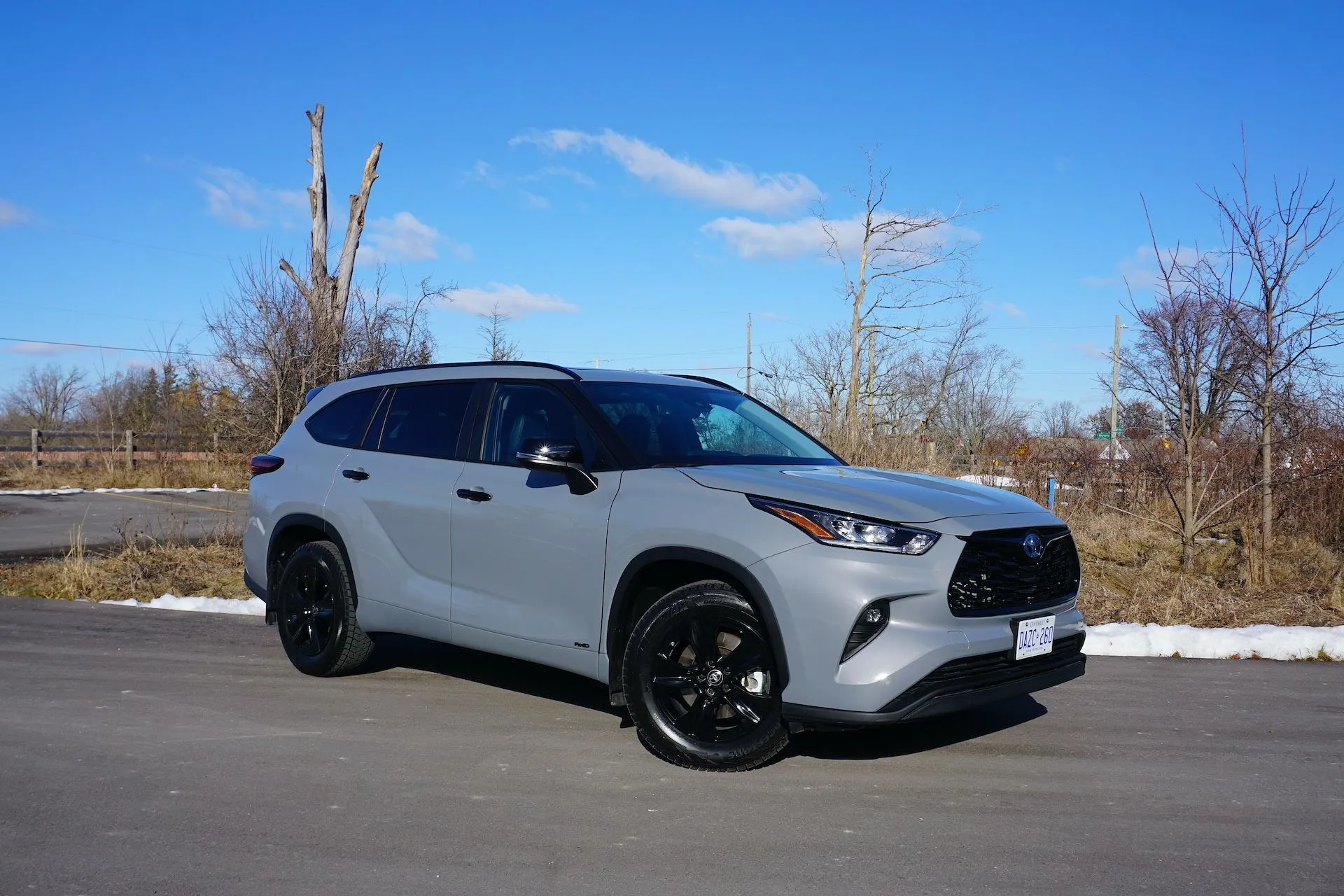
Efficiency and composure meet in the Toyota Highlander Hybrid XLE 2024, making it well-suited for Miami’s stop-heavy traffic patterns. Hybrid operation smooths acceleration, allowing starts and stops to feel less abrupt. Drivers benefit from gentle transitions that reduce fatigue during extended congestion.
Cabin quietness enhances the experience. Electric operation at low speeds reduces engine noise, creating a peaceful environment during slow crawls. Outside distractions fade, allowing focus to remain steady even during stressful moments.
Steering feels light and manageable. Parking garages and narrow streets become less demanding when the wheel responds easily without feeling disconnected. Turning into tight spaces requires minimal effort, helping drivers remain relaxed in busy areas.
Interior layout favors clarity. Controls remain accessible without overwhelming visuals. Screens provide necessary information without clutter, and physical buttons reduce the need for constant interaction. This simplicity matters when attention must stay on traffic.
Fuel efficiency supports peace of mind. Extended idle times and frequent braking do not create concern about consumption. Drivers feel free to take longer routes if needed without worrying about frequent refueling. Suspension tuning emphasizes comfort. Road imperfections rarely disrupt the cabin, and body movement remains controlled during lane changes. Passengers experience fewer jolts, which contributes to a calmer atmosphere inside.
Toyota Highlander Hybrid XLE 2024 delivers reassurance through consistency. Miami traffic becomes less draining when a vehicle supports smooth behavior and predictable responses throughout the drive.
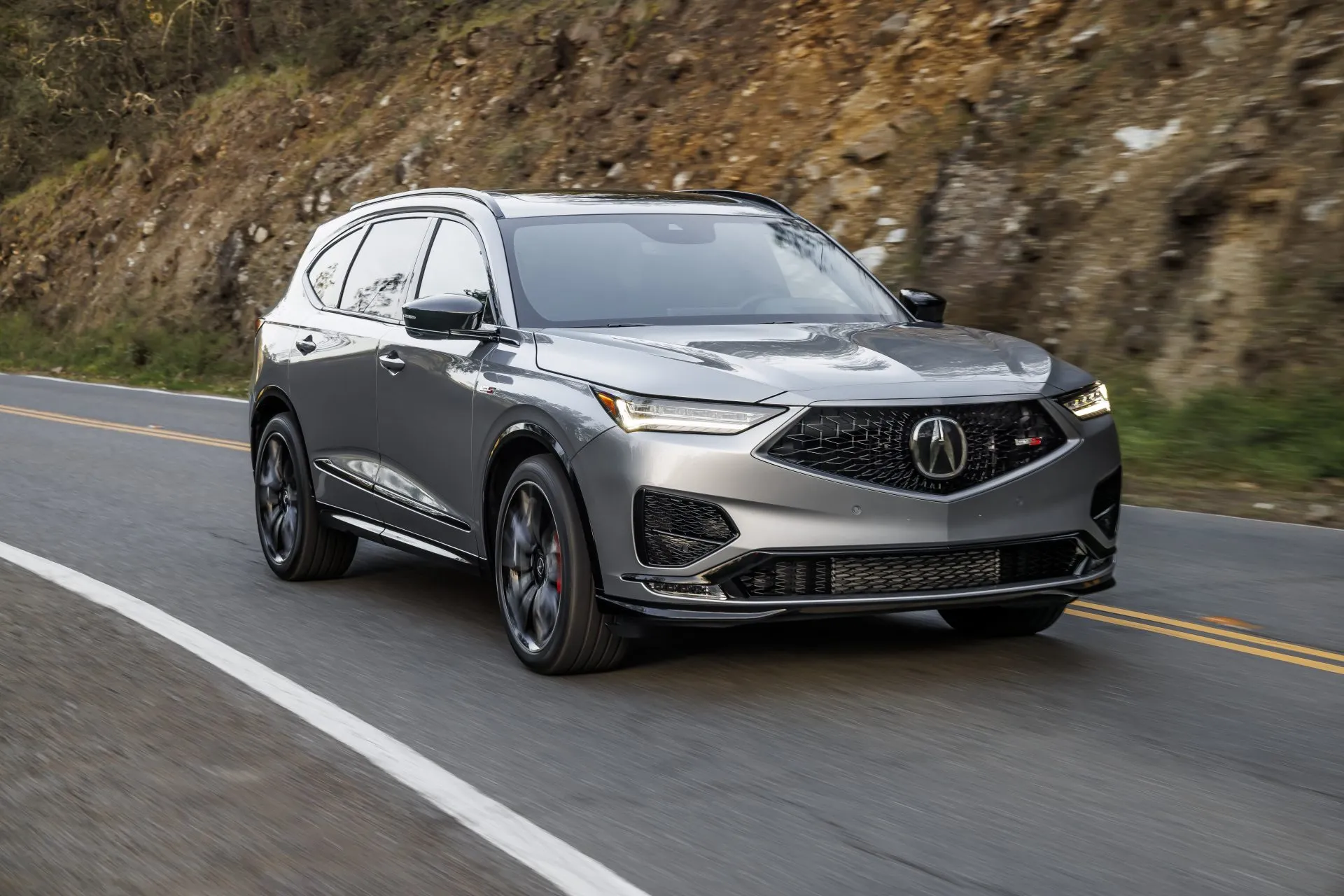
4. Acura MDX 2024
Confidence shapes the Acura MDX 2024 in a way that feels natural rather than forced, which matters in dense urban traffic. Steering effort strikes a thoughtful balance, allowing drivers to guide the vehicle precisely without constant correction. Lane positioning feels intuitive, even when traffic tightens or lanes narrow unexpectedly. This sense of control lowers mental strain during long commutes.
Acceleration behavior supports a calm driving rhythm. Power builds progressively, making it easy to match surrounding traffic without sharp surges. Merging and lane changes feel composed, helping drivers stay relaxed instead of reactive. Stop-and-go conditions become easier to manage because throttle inputs translate smoothly into forward motion.
Cabin design reinforces ease. Seating height improves outward visibility, reducing guesswork in crowded lanes. Controls remain logically arranged, allowing quick adjustments without searching through layers of menus. Displays communicate information clearly, which helps drivers stay focused on the road instead of screens.
Ride quality adds to the relaxed experience. Suspension tuning absorbs road imperfections without excessive body movement. Potholes and uneven pavement register softly, preventing the constant jostling that wears drivers down. Stability remains consistent during sudden braking or quick lane adjustments, a valuable trait in unpredictable traffic patterns.
Driver assistance systems work quietly in the background. Alerts appear when needed, but avoid aggressive sounds or flashing visuals. This measured approach supports awareness without raising anxiety. Adaptive features assist with spacing and speed while preserving driver authority.
Noise isolation enhances the sense of calm. Traffic sounds remain muted, allowing conversations and music to stay clear. This separation from external chaos reduces fatigue during long waits at signals or crawling expressways.
Acura MDX 2024 promotes steady decision-making rather than urgency. Urban driving often rewards patience and clarity, and this SUV encourages both through predictable responses and a composed cabin environment.
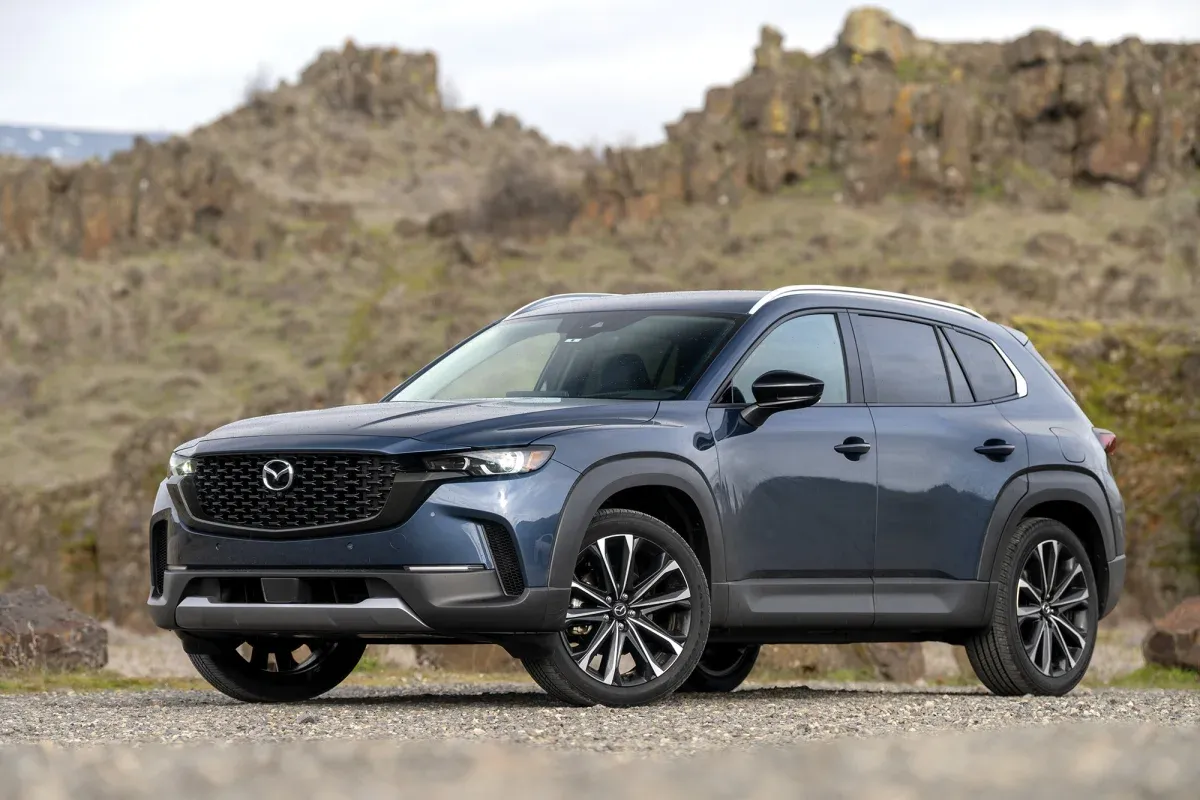
5. Mazda CX 50 2024
Precision and balance define the Mazda CX 50 2024, creating a grounded presence that eases daily driving demands. Steering feedback feels connected yet controlled, giving drivers confidence without constant vigilance. Adjustments come naturally, which helps maintain composure during crowded commutes.
Throttle calibration supports smooth progress. Power arrives gradually, making it easier to inch forward or maintain spacing without abrupt motion. Stop-and-go traffic feels less draining when acceleration behaves consistently and predictably.
Interior layout emphasizes focus. Controls remain driver-oriented, and physical buttons reduce the need to look away from traffic. Screen information stays concise, limiting distraction. This thoughtful arrangement supports mental ease during busy drives.
Suspension tuning favors stability without stiffness. Road imperfections fade into the background, while body movement remains well contained. Lane changes and quick corrections feel controlled rather than dramatic, helping drivers remain relaxed.
Visibility plays a strong role. Clear sightlines and supportive camera views reduce uncertainty when parking or merging. Knowing where the vehicle sits within its surroundings lowers stress during tight maneuvers. Fuel efficiency supports peace of mind. Frequent stops and slow movement do not drastically impact consumption, allowing drivers to focus on traffic rather than cost concerns. This efficiency suits daily urban routines.
Mazda CX 50 2024 blends engagement with restraint. It responds attentively without demanding constant input, making Miami traffic feel more manageable through steady control and thoughtful design choices.
5 SUVs That Add Stress in Miami Traffic
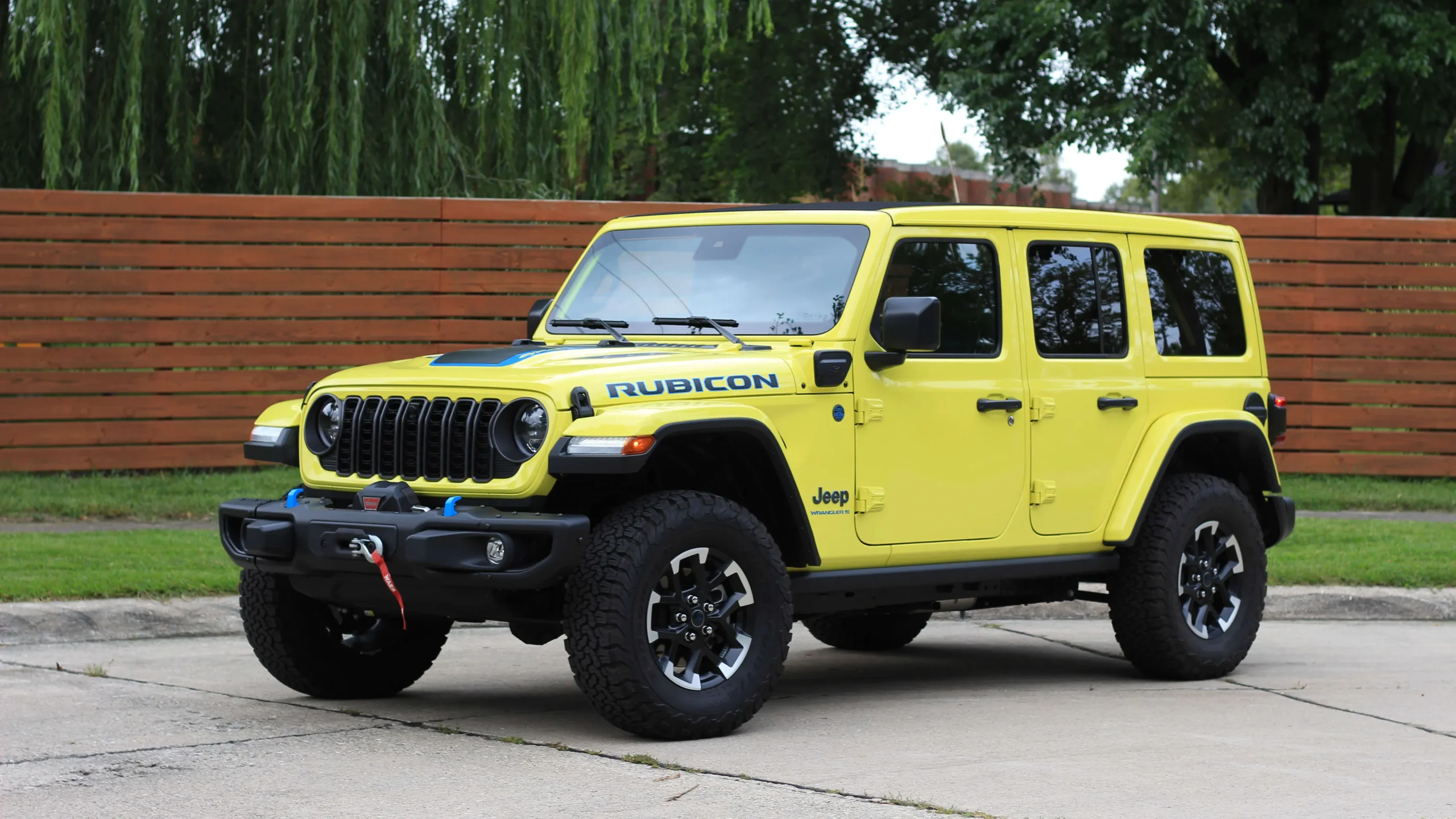
1. Jeep Wrangler Unlimited Rubicon 2024
Character defines the Jeep Wrangler Unlimited Rubicon 2024, yet that character often clashes with Miami traffic realities. Built for rugged trails and open roads, it brings traits that feel mismatched in dense urban movement. Steering requires constant correction, especially at low speeds, which becomes tiring during long stretches of congestion. Small inputs rarely translate into smooth progress, forcing drivers to stay alert at all times.
Ride quality amplifies the challenge. Short wheel travel and firm suspension tuning transmit road imperfections directly into the cabin. Potholes, uneven pavement, and construction seams feel sharper than expected. Passengers sense every bump, and drivers remain busy stabilizing the vehicle rather than relaxing into traffic flow.
Noise adds another layer of strain. Wind intrusion at city speeds remains noticeable, and tire sound increases during stop-and-go conditions. Conversations require raised voices, and audio systems work harder to compensate. This constant background noise contributes to fatigue during routine commutes.
Visibility presents mixed results. Upright seating offers a clear forward view, yet wide pillars and boxy proportions complicate lane changes. Tight parking garages feel unforgiving, and turning radius limitations require repeated adjustments. Urban precision feels compromised.
Power delivery also demands attention. Throttle response can feel abrupt at low speeds, making smooth crawling difficult. Frequent braking becomes necessary to maintain spacing, which disrupts calm driving habits. Regenerative benefits remain absent, increasing reliance on mechanical braking.
Interior layout reflects off-road priorities rather than urban comfort. Controls remain functional but lack refinement for daily traffic use. Climate adjustments feel less immediate, which matters during Miami’s heat. Jeep Wrangler Unlimited Rubicon 2024 thrives in environments that reward ruggedness. Miami traffic instead exposes traits that increase workload, making every commute feel like a task rather than a routine.

2. Ford Bronco Badlands 2024
Bold design and rugged capability define the Ford Bronco Badlands 2024, yet urban driving in Miami uncovers a series of challenges that make city commuting taxing. Its adventurous DNA manifests in a tall stance, heavy frame, and wide track, all of which translate into extra effort when maneuvering through tight streets or crowded intersections.
Steering requires deliberate input at low speeds, and sharp corners demand patience and repeated corrections to avoid curb strikes or awkward positioning. What feels confident off-road can feel cumbersome when lanes shrink or traffic patterns move suddenly.
Suspension prioritizes toughness over finesse. While perfect for uneven trails or rock-strewn paths, the system magnifies pavement imperfections in urban settings. Potholes, speed bumps, and patched asphalt send noticeable vibrations through the cabin.
Drivers must remain alert to counter body roll and maintain stability, which adds a mental load during periods of stop-and-go congestion. Passengers experience constant motion, making city trips feel longer and more fatiguing than expected.
Noise intrusion further amplifies strain. Tire and road noise remain prominent, and wind buffeting at moderate speeds becomes distracting. Frequent stops exacerbate these sounds, turning what could be a calm drive into a sensory-heavy experience. Conversations require raised voices, and music struggles to mask outside sounds.
Parking introduces another layer of difficulty. Large dimensions limit maneuvering space in tight garages and parallel spots. Rearward visibility is restricted, and although cameras assist, positioning still demands attention and care. What would be a simple errand can turn into a task requiring strategy and patience.
Throttle and braking behavior demand constant focus. Low-speed acceleration can feel abrupt or unpredictable, requiring careful modulation to avoid jerky movement. Frequent braking interrupts flow, and smooth progress in congested corridors demands active management. Urban commutes become exercises in precision rather than ease.
Inside, ergonomics favors durability over simplicity. Controls are rugged but scattered, meaning adjustments during traffic take extra effort. Infotainment screens display information clearly, yet require glance time that distracts from road awareness. Fuel consumption rises noticeably during city use, highlighting the cost of frequent idling and stop-start patterns.
Ford Bronco Badlands 2024 shines in off-road adventures, but in Miami traffic, its strengths transform into sources of stress. Urban driving demands attention, patience, and active management, turning short trips into mentally demanding exercises that test both driver and passengers.
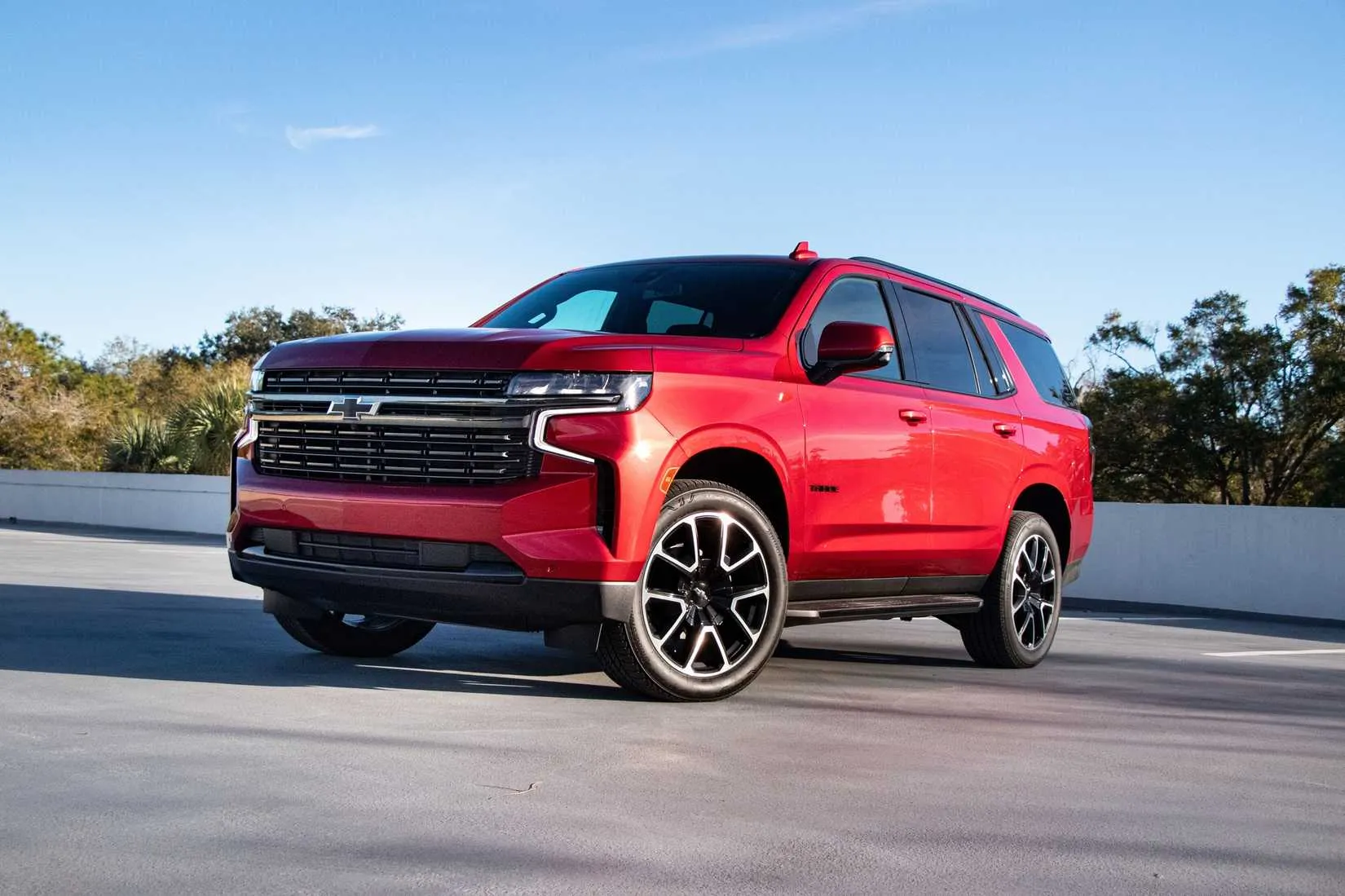
3. Chevrolet Tahoe RST 2024
Size defines the Chevrolet Tahoe RST 2024, and in city conditions, that size becomes a persistent challenge. Wide body panels and a high driving position provide presence, yet driving through Miami streets requires constant awareness.
Lane positioning demands planning, and even small lane changes call for careful judgment to avoid contact with other vehicles. Steering input feels weighty, especially at low speeds, making tight turns and parking maneuvers more laborious than those of smaller SUVs.
Ride quality leans toward firmness, which magnifies minor road irregularities. Smooth streets are a relief, but potholes, speed bumps, and uneven pavement create noticeable vibration. Stop-and-go traffic amplifies this effect, with continuous acceleration and braking highlighting every imperfection. Passengers sense motion throughout, and the cab feels restless during long urban commutes.
Visibility limitations add stress. Forward sightlines are commanding, but rear and side views suffer due to the vehicle’s wide body and tall stance. Lane changes require careful observation, and backing into garages or tight spots becomes a cautious, deliberate task. Camera systems assist, yet they cannot fully eliminate the challenges posed by sheer size.
Throttle behavior complicates smooth city travel. The engine delivers power generously, making fine control difficult at slow speeds. Drivers must modulate acceleration carefully to maintain consistent spacing, and frequent braking interrupts rhythm. This constant adjustment contributes to mental fatigue during prolonged congestion.
Interior ergonomics emphasize spaciousness over intimacy. While controls are reachable, the cavernous cabin increases cognitive load and environmental noise. Conversations, ambient music, and alerts compete for attention, which can make the drive feel overwhelming rather than relaxing.
Fuel consumption intensifies awareness of efficiency. Stop-start traffic and long idling periods raise concerns about cost and energy use, requiring drivers to stay conscious of every throttle input. Technology such as lane assist and cameras improves safety, but does not lessen the mental demand created by the vehicle’s size.
Chevrolet Tahoe RST 2024 excels on highways and open roads, where its space, power, and presence shine. In Miami traffic, those same attributes create tension and require constant attention, transforming a casual commute into a task that tests patience, focus, and situational awareness.
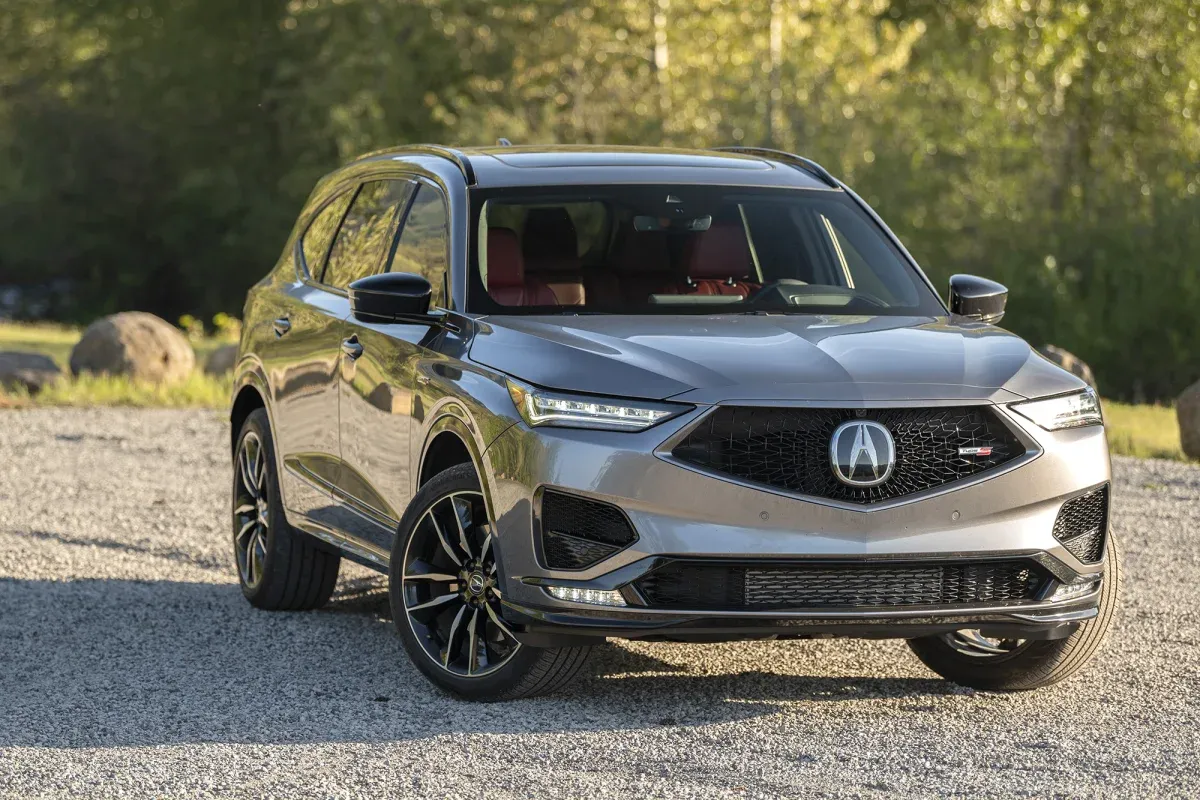
4. Acura MDX 2024
Confidence shapes the Acura MDX 2024 in a way that feels natural rather than forced, which matters deeply in dense urban traffic. Steering effort lands in a comfortable middle ground, allowing drivers to guide the vehicle accurately without gripping the wheel too tightly. Small adjustments feel easy, even when lanes shrink or traffic compresses unexpectedly. That sense of placement reduces mental fatigue, especially during long stretches of stoplight to stoplight driving.
Acceleration behavior supports a relaxed driving rhythm that suits crowded streets. Power delivery builds smoothly, avoiding sharp jumps that can create tension in close quarters. Merging into fast-moving lanes feels controlled rather than rushed, and lane changes happen without drama.
Stop-and-go conditions become less draining because throttle inputs translate cleanly into movement, helping drivers maintain patience rather than reacting impulsively. Cabin design reinforces this sense of ease. Seating height improves outward visibility, which reduces uncertainty when scanning surrounding vehicles.
Controls feel familiar and logically arranged, making adjustments quick and instinctive. Screens present information clearly without overwhelming the driver, allowing attention to remain where it belongs. This clarity proves valuable when traffic demands constant awareness.
Ride quality contributes heavily to calm. Suspension tuning absorbs pavement imperfections without letting the cabin feel floaty. Rough patches, potholes, and uneven surfaces register softly instead of sending sharp jolts through the interior. Stability remains consistent during sudden braking or quick lane movements, a reassuring trait when traffic patterns change without warning.
Driver assistance systems remain supportive without becoming intrusive. Alerts arrive when necessary, but avoid harsh tones or visual overload. Adaptive features help manage spacing and speed while leaving the driver fully engaged. This balance keeps assistance helpful rather than stressful.
Noise isolation completes the experience. External sounds fade into the background, allowing conversations and music to stay clear. Long waits at signals feel less exhausting when the cabin stays quiet and composed.
Acura MDX 2024 encourages steady decision-making instead of urgency. Urban driving often rewards patience and predictability, and this SUV aligns well with that reality through balanced responses and a composed driving environment.
Also Read: 5 SUVs That Handle Urban Mileage Well vs 5 SUVs That Rack Up Bills
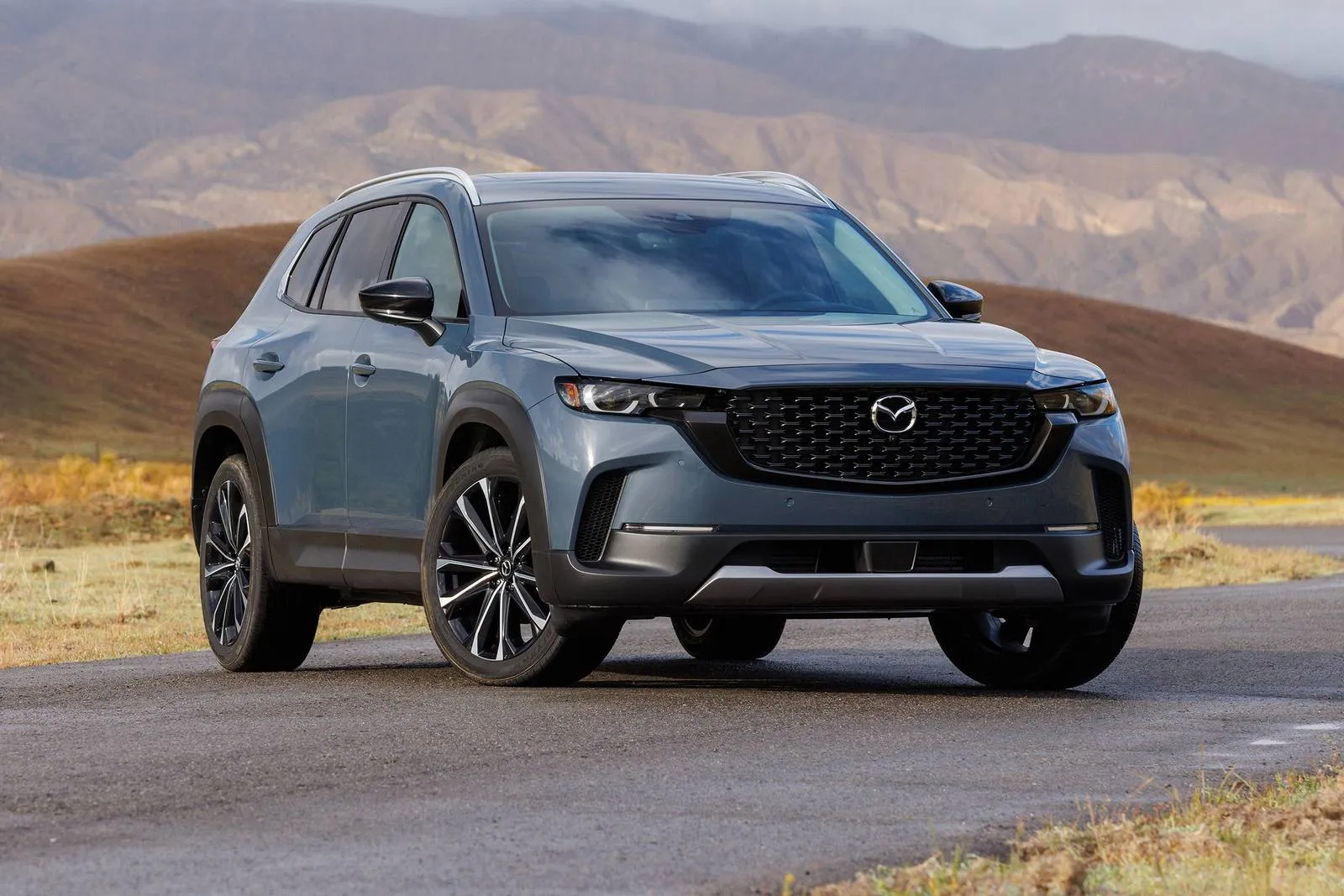
5. Mazda CX 50 2024
Precision and balance define the Mazda CX 50 2024, creating a grounded presence that eases daily driving demands. Steering feedback feels connected without being twitchy, offering a reassuring sense of control. Minor corrections happen smoothly, helping drivers stay composed during crowded commutes. This connection builds trust, which reduces stress when traffic density increases.
Throttle calibration plays a major role in that calm demeanor. Power arrives progressively, allowing the vehicle to creep forward or accelerate gently without sudden motion. Stop-and-go traffic feels more manageable because acceleration behaves consistently. Drivers can focus on spacing and flow rather than constantly correcting speed.
Interior layout emphasizes focus and simplicity. Controls remain oriented toward the driver, and physical buttons reduce the need to go into menus. Screen displays stay uncluttered, presenting only what is necessary. This approach limits distraction and supports mental clarity during busy drives when attention is already stretched.
Suspension tuning favors control without harshness. Road imperfections fade into the background, preventing constant vibration from wearing down occupants. Body movement stays predictable during lane changes and quick corrections. This stability helps drivers feel settled rather than tense, even when traffic patterns change quickly.
Visibility adds another layer of reassurance. Clear sightlines combined with supportive camera systems reduce uncertainty during parking and merging. Tight spaces feel less intimidating when awareness stays high. Confidence grows when drivers know exactly where the vehicle sits within its surroundings.
Fuel efficiency brings peace of mind during daily commuting. Frequent stops and slow movement do not heavily impact consumption, allowing drivers to focus on traffic instead of monitoring fuel use. This consistency suits urban routines where efficiency matters.
Mazda CX 50 2024 blends engagement with restraint. Responses feel attentive without demanding constant input, helping Miami traffic feel less overwhelming through steady control, thoughtful design, and a driver-focused experience.
