
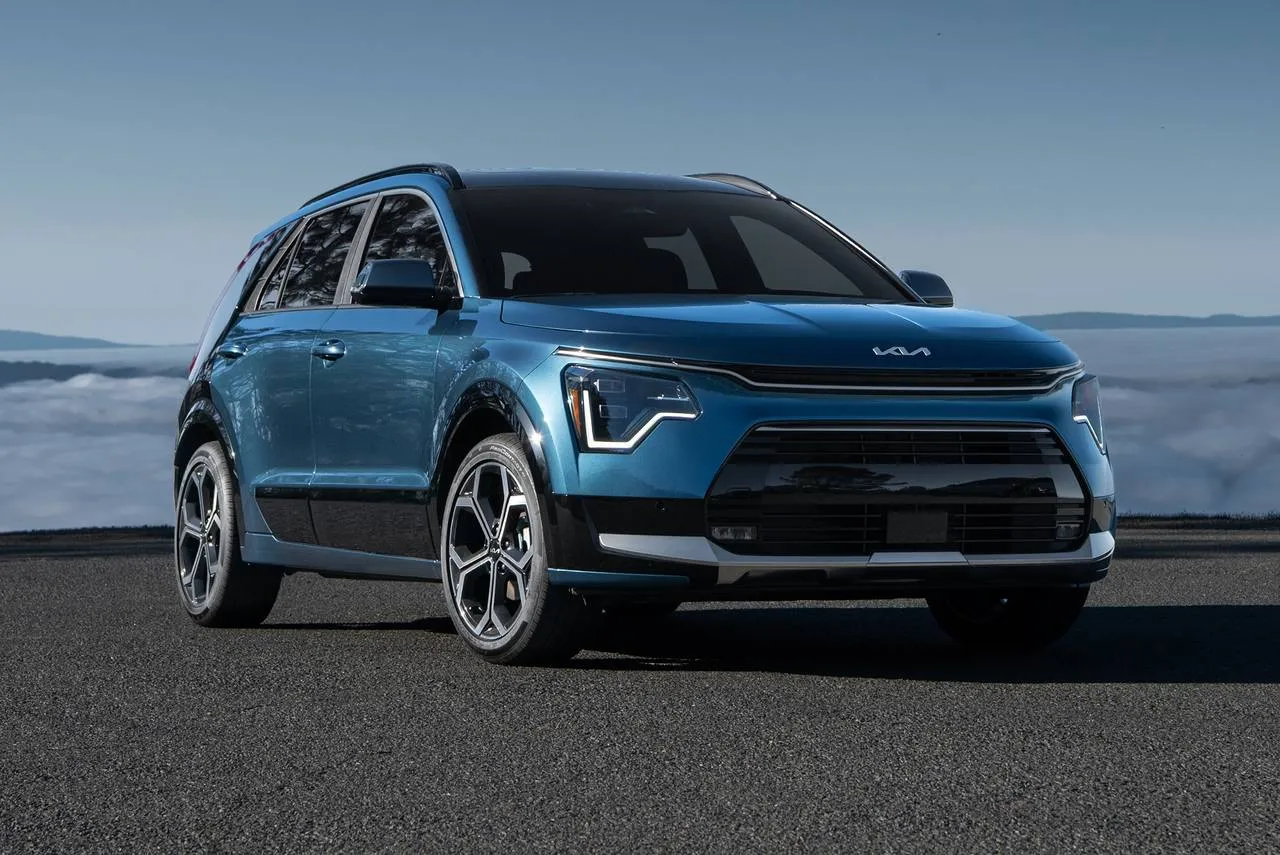
City driving has a way of exposing the real cost of car ownership. Short trips, constant stops, slow traffic, and long idling periods punish traditional fuel systems. Gasoline disappears quickly in urban routines, and refueling stops seem to arrive sooner than expected. Electrified vehicles promise relief, but not every model delivers savings where it matters most.
Some electrified cars thrive downtown. They rely heavily on electric power at low speeds, recover energy efficiently during braking, and minimize fuel use during congestion. Others carry hybrid or electric labels yet struggle to translate that technology into real cost reductions during daily city use. Weight, tuning choices, battery size, and system behavior all play a role.
Urban fuel savings are not about highway efficiency claims or laboratory figures. They come from how a vehicle behaves in traffic, how often the engine runs, and how much energy is reused rather than wasted. Small differences add up quickly when every commute includes dozens of stops.
This page breaks down ten electrified vehicles with city budgets in mind. Five models consistently reduce fuel spending in urban environments. Five others look promising on paper, yet fall short during daily downtown routines. Each entry focuses on real-world behavior rather than marketing claims. If lowering city fuel costs sits high on your priority list, these distinctions matter more than ever.
5 Electrified Vehicles That Reduce City Fuel Costs
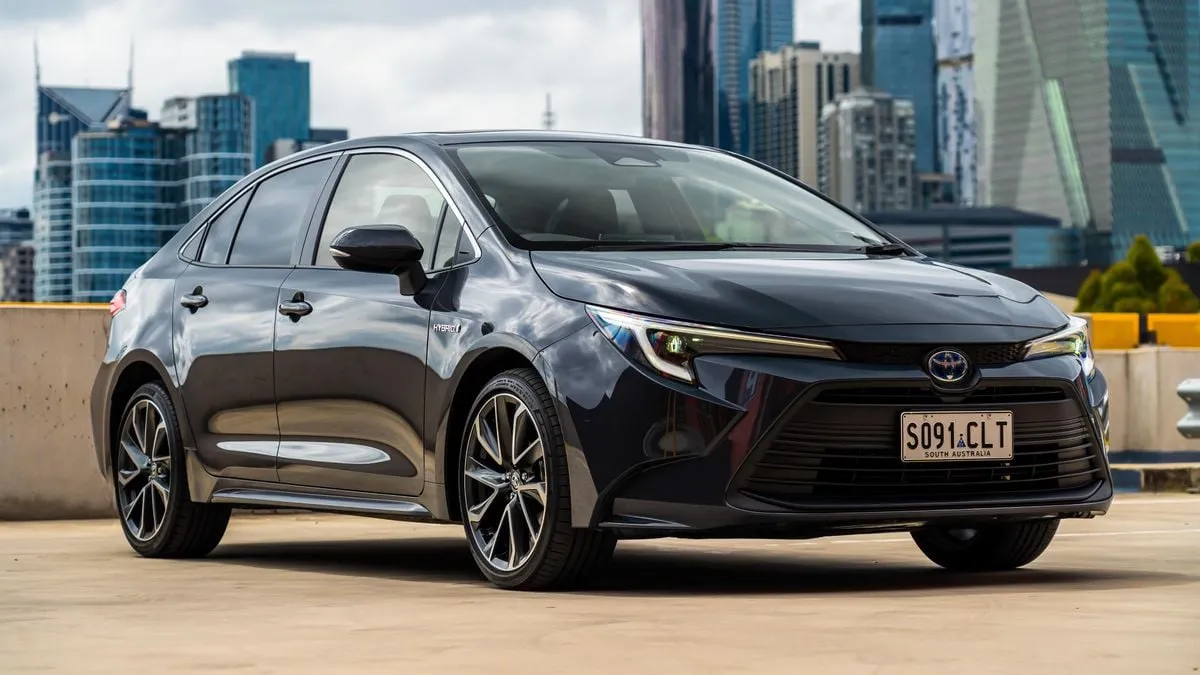
1. Toyota Corolla Hybrid 2024
Quiet efficiency defines the Toyota Corolla Hybrid 2024 when city streets become crowded and unpredictable. Rather than treating electrification as a supporting feature, this model leans into it during everyday driving.
Low-speed movement relies heavily on electric propulsion, allowing the gasoline engine to stay dormant through traffic jams, stoplights, and short neighborhood trips. That behavior alone dramatically reduces fuel use across a typical urban week.
Acceleration from a standstill feels controlled rather than eager. Electric torque moves the car smoothly without demanding fuel right away. Drivers often notice how frequently the engine remains silent while creeping forward or rolling through parking structures. This restraint pays off quickly when fuel receipts begin to shrink.
Regenerative braking plays a constant role. Every slowdown feeds energy back into the battery instead of turning momentum into heat. City driving offers endless opportunities for this system to work, and the Corolla Hybrid takes full advantage without abrupt pedal feedback. Stops feel natural while energy recovery happens quietly.
Engine engagement arrives gently when needed. Instead of sudden bursts, gasoline power blends in seamlessly. Cabin noise stays low, reinforcing the impression that the vehicle prefers efficiency over urgency. This calm approach prevents wasteful fuel spikes during short bursts of movement.
Compact proportions also contribute to savings. Lower weight means less energy is required to move the vehicle at city speeds. Tight turning ability reduces unnecessary maneuvering, and visibility helps drivers maintain smooth flow rather than constant corrections.
Interior simplicity supports cost-conscious ownership. Controls respond quickly, and information remains clear without encouraging aggressive driving habits. Drivers tend to adopt smoother techniques naturally, which reinforces efficiency gains.
Toyota Corolla Hybrid 2024 proves that city fuel savings come from consistency rather than extremes. Its electrified system works constantly in the background, quietly lowering fuel costs without asking drivers to change routines.
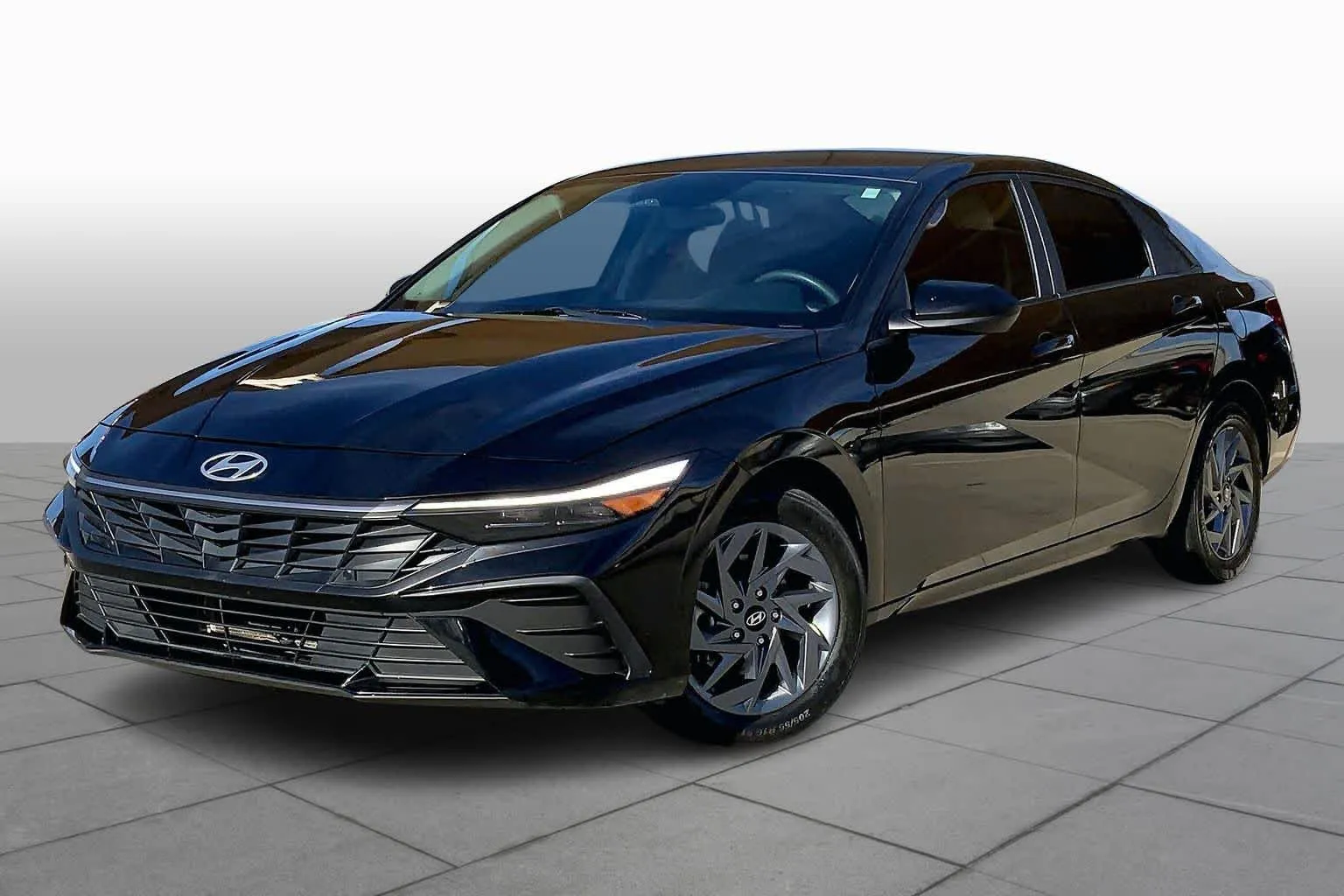
2. Hyundai Elantra Hybrid Blue 2024
Efficiency takes center stage with the Hyundai Elantra Hybrid Blue 2024, especially when city traffic refuses to move at a steady pace. Designed with urban fuel use in mind, this sedan emphasizes electric operation during precisely the conditions that drain gasoline vehicles the fastest. Low-speed driving relies heavily on stored energy, reducing how often the engine needs to wake up.
Throttle response encourages patience rather than haste. Electric assistance handles gentle acceleration smoothly, allowing drivers to glide forward without burning fuel unnecessarily. This approach fits naturally into city flow, where bursts of speed rarely pay off.
Braking events become opportunities rather than losses. Regenerative systems capture energy during every slowdown, feeding it back into the battery for reuse. Stop-and-go routines suddenly feel productive instead of wasteful. As time goes on, this recovery cycle keeps fuel consumption impressively low.
Engine transitions remain subtle. Gas power joins quietly during higher demands, avoiding spikes in consumption. Noise levels stay restrained, reinforcing relaxed driving habits that further support savings. Long waits at lights or intersections rarely involve idling fuel burn.
Vehicle weight and aerodynamics contribute quietly. A streamlined profile reduces effort during movement, while modest mass ensures electric power remains effective without strain. These factors combine to keep fuel use low even during errand-heavy days.
Interior feedback supports efficiency awareness without distraction. Displays present energy flow clearly, helping drivers understand when the electric drive is active. This transparency encourages smoother inputs that align with the car’s strengths.
The Hyundai Elantra Hybrid Blue 2024 delivers fuel savings where urban drivers feel them most. Rather than chasing performance, it focuses on reducing fuel use during the exact conditions that dominate city life.
Also Read: 7 Hybrids That Stay Efficient on Short Trips
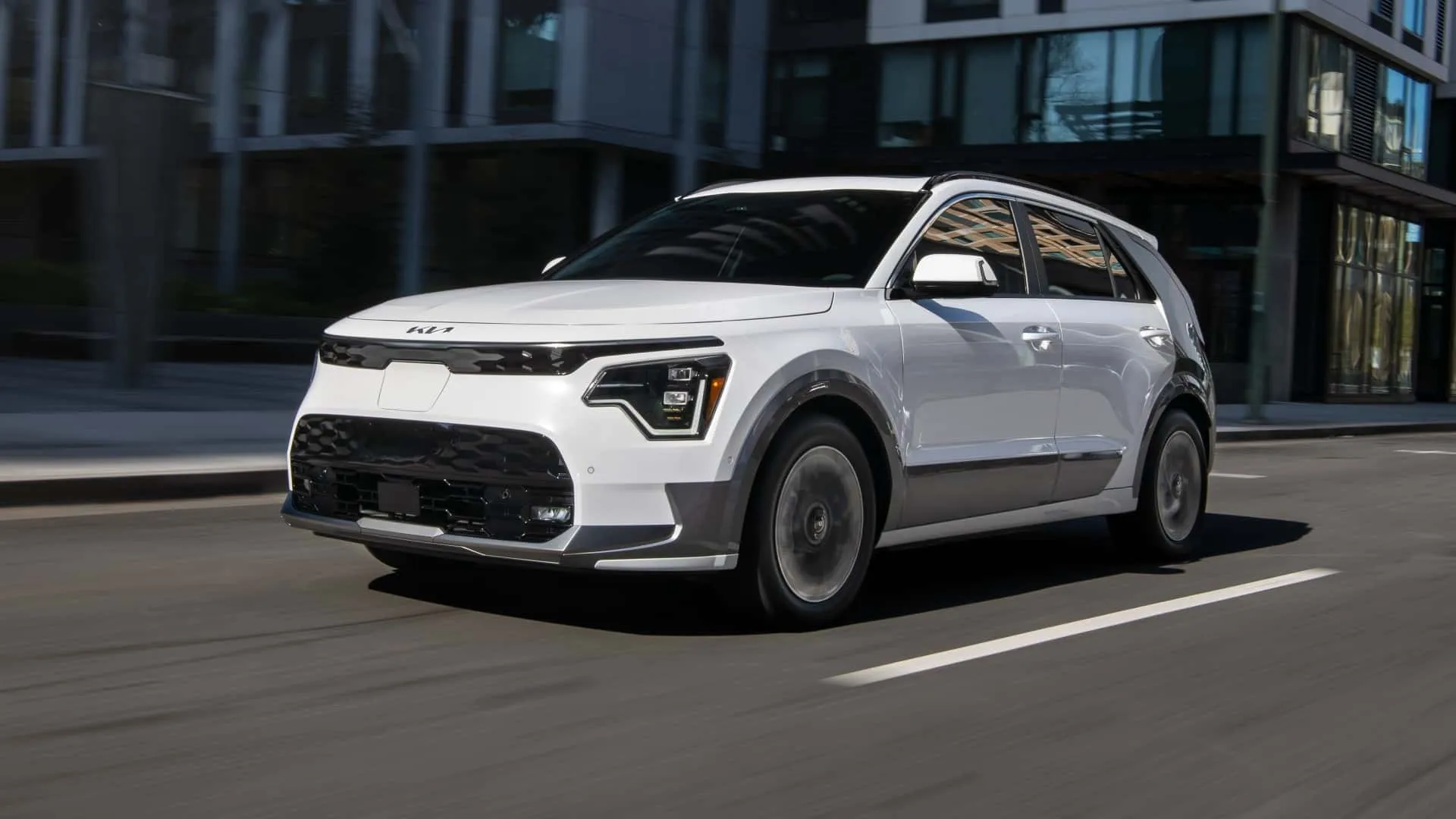
3. Kia Niro Hybrid 2024
Practical thinking shapes the Kia Niro Hybrid 2024 in a way that feels purpose-built for dense streets, crowded intersections, and daily errands stacked back to back. This compact crossover approaches efficiency as a routine habit rather than a special event, which explains why fuel savings appear consistently instead of only under ideal conditions. City driving rewards restraint, and the Niro’s hybrid system embraces that reality with confidence.
Electric torque takes the lead during initial movement. Pulling away from traffic lights or creeping forward in slow lines happens with little engine involvement. That quiet glide trims fuel use during the most frequent actions of urban driving. Instead of burning fuel to cover a few feet, the vehicle relies on stored energy that renews itself constantly through everyday braking.
Regenerative braking plays a central role without demanding attention. Deceleration feels natural, allowing drivers to slow down normally while energy flows back into the battery. City streets provide endless chances for this recovery cycle to repeat. Each stoplight, pedestrian crossing, or rolling slowdown contributes to sustained electric assistance moments later.
Gasoline participation remains measured and predictable. When the engine activates, it does so calmly, supporting motion rather than dominating it. That smooth blending avoids wasteful bursts during short accelerations. Drivers feel encouraged to maintain steady habits because the vehicle responds best to calm inputs rather than aggressive ones.
Interior design reinforces this behavior. Clear sightlines make it easier to anticipate traffic patterns, reducing sudden braking or rushed launches. Seating comfort helps drivers remain patient during delays, which indirectly supports efficiency. Calm drivers tend to make smoother decisions, and the Niro rewards that approach.
Compact dimensions add another layer of benefit. Maneuvering through tight streets or parking spaces requires fewer corrections, saving energy during low-speed movement. Lighter weight allows electric assistance to remain effective longer, especially during short trips where larger vehicles struggle.
Kia Niro Hybrid 2024 lowers city fuel costs by aligning its technology with daily realities. Instead of chasing ideal scenarios, it thrives in traffic-heavy routines, making efficiency feel dependable rather than theoretical.
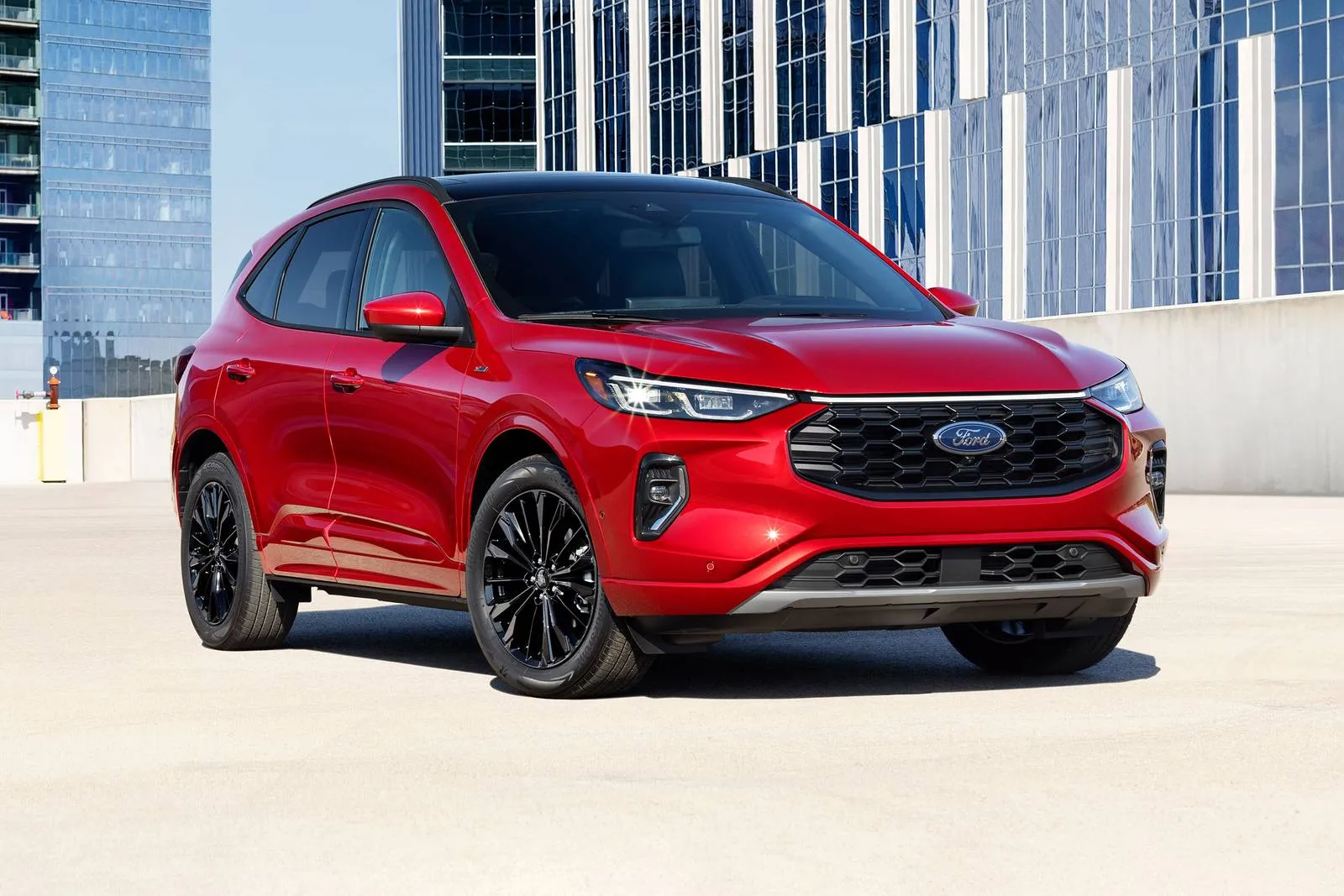
4. Ford Escape Hybrid 2024
Urban routines often punish vehicles that overreact, and the Ford Escape Hybrid 2024 responds with composure that translates into steady fuel savings. Designed to handle congestion gracefully, this compact crossover leans on electric assistance during the moments that drain fuel fastest. Slow movement becomes quieter, smoother, and far less expensive at the pump.
Electric drive plays an active role at low speeds. Crawling traffic and stoplight queues allow the Escape to move forward without constant gasoline involvement. That behavior turns congestion into an opportunity rather than a penalty, keeping consumption under control during long waits.
Throttle response favors precision instead of urgency. Small inputs produce smooth progress, helping drivers maintain spacing without unnecessary surges. That controls waste during frequent starts, which often account for the bulk of city fuel use. Movement feels intentional rather than reactive.
Regenerative braking operates quietly and consistently. Each stop sends energy back into the system without altering pedal feel. Recovered power supports the next launch, creating a loop that repeats throughout daily driving. Urban environments provide ideal conditions for this cycle to work effectively.
Engine engagement remains restrained. When gasoline power joins, the transition feels soft, preserving cabin calm and preventing sharp spikes in consumption. Drivers remain relaxed even during extended delays, which helps maintain steady habits behind the wheel.
Interior layout supports daily comfort. Visibility allows better anticipation of traffic flow, while responsive controls reduce distraction. Long waits become less tiring, and reduced fatigue often leads to smoother inputs that benefit efficiency.
Fuel economy stays dependable across short trips. Errands spread throughout the day still deliver savings without requiring special techniques or planning. Efficiency shows up during real usage, not just on paper. Ford Escape Hybrid 2024 proves that balanced tuning and calm responses can lower fuel costs where traffic rarely cooperates.
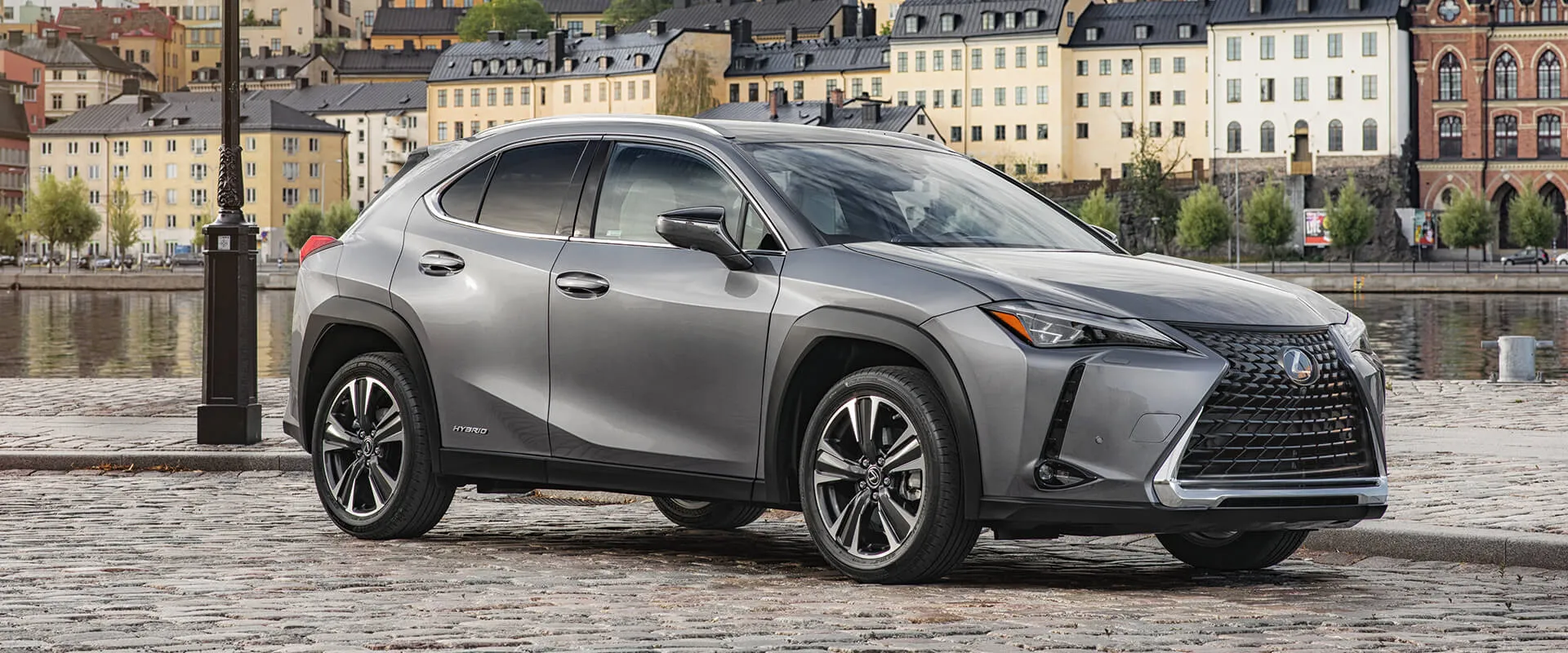
5. Lexus UX 250h Hybrid 2024
Refinement guides every interaction with the Lexus UX 250h Hybrid 2024, and that refinement pays dividends during slow-moving city routines. Designed with urban efficiency in mind, this compact hybrid leans heavily on electric propulsion at low speeds. Each silent launch trims fuel use while reinforcing a relaxed driving rhythm.
Electric torque handles most early movement. Rolling forward at lights or easing through tight streets happens smoothly without immediate engine involvement. That behavior suits downtown patterns where short bursts of motion dominate. Fuel remains untouched during moments that typically drive consumption upward.
Acceleration stays gentle and deliberate. Instead of rushing forward, movement builds smoothly, allowing precise control in confined spaces. Electric assistance carries the load during these moments, preserving efficiency while maintaining confidence in traffic.
Regenerative braking works quietly in the background. Every slowdown feeds energy back into the system, preparing the vehicle for the next launch. This continuous exchange aligns perfectly with urban stop-and-go conditions, where frequent braking becomes a source of efficiency rather than frustration.
Gasoline engagement feels discreet. When the engine activates, sound and vibration remain minimal, preserving cabin calm. That quiet environment encourages patience, which often leads to smoother driving decisions that support fuel savings. Compact proportions further reduce energy demand.
Maneuverability limits wasted motion, and tight turns require less effort than larger vehicles. Parking adjustments become simpler, avoiding unnecessary movement that drains energy. Interior comfort supports extended city use. Supportive seating, clear displays, and thoughtful controls reduce stress during delays.
Comfortable drivers tend to maintain steady habits, reinforcing the hybrid system’s strengths. Lexus UX 250h Hybrid 2024 demonstrates that a premium feel and city fuel savings can coexist when electrification focuses on everyday routines rather than performance-focused priorities.
5 Electrified Vehicles That Don’t Reduce City Fuel Costs
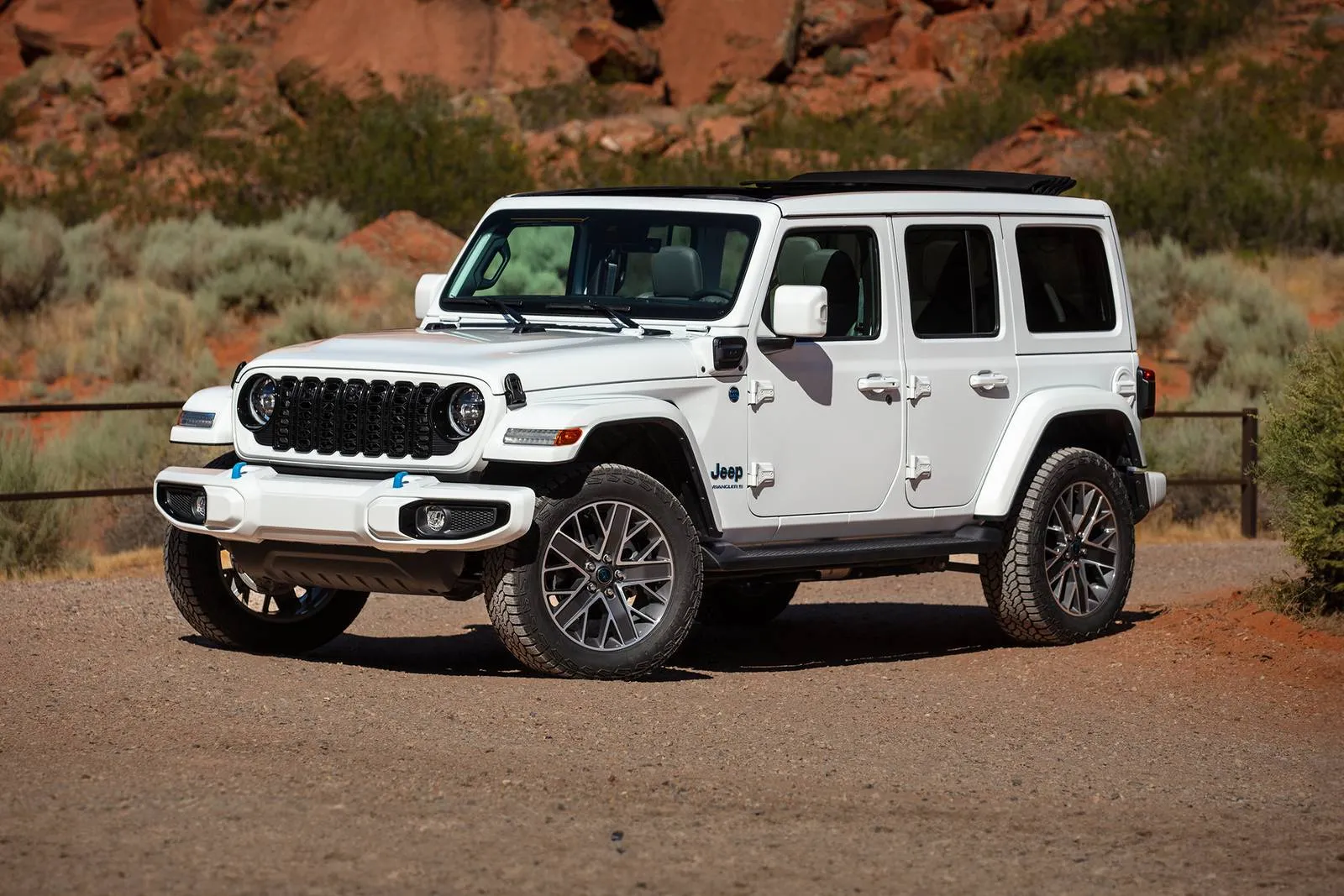
1. Jeep Wrangler 4xe 2024
City driving exposes a very different side of the Jeep Wrangler 4xe 2024. Built with adventure in mind, this plug-in hybrid brings impressive off-road credentials, yet downtown routines reveal inefficiencies that quickly add to fuel spending. Weight, shape, and drivetrain tuning work against the stop-and-go reality of urban life.
Electric-only operation exists, though it feels limited during everyday use. Short electric range means gasoline engagement arrives sooner than expected, especially when traffic demands repeated acceleration. Drivers often see the engine restart frequently during errands, which chips away at fuel savings.
Throttle response favors strength rather than restraint. Even gentle inputs can prompt the gas engine to assist, particularly when climbing parking ramps or merging into city traffic. That behavior increases fuel consumption during moments when lighter hybrids remain electric.
Regenerative braking helps recapture some energy, yet the vehicle’s mass limits how effective that recovery can be. Frequent stops still require energy to restart movement, and electric assistance works harder to compensate. Urban efficiency suffers as a result.
Aerodynamics plays a major role. Boxy proportions create drag even at low speeds, demanding more energy than sleeker designs. Wind resistance does not disappear in city traffic, especially during short bursts between lights. Interior comfort remains strong, yet refinement does not equal thrift.
Climate control, large tires, and drivetrain losses combine to raise energy demands during short trips. Fuel use climbs steadily across daily routines. Jeep Wrangler 4xe 2024 shines far from city streets. Downtown ownership tells a different story, where electrification struggles to overcome weight and design priorities that favor capability over fuel savings.
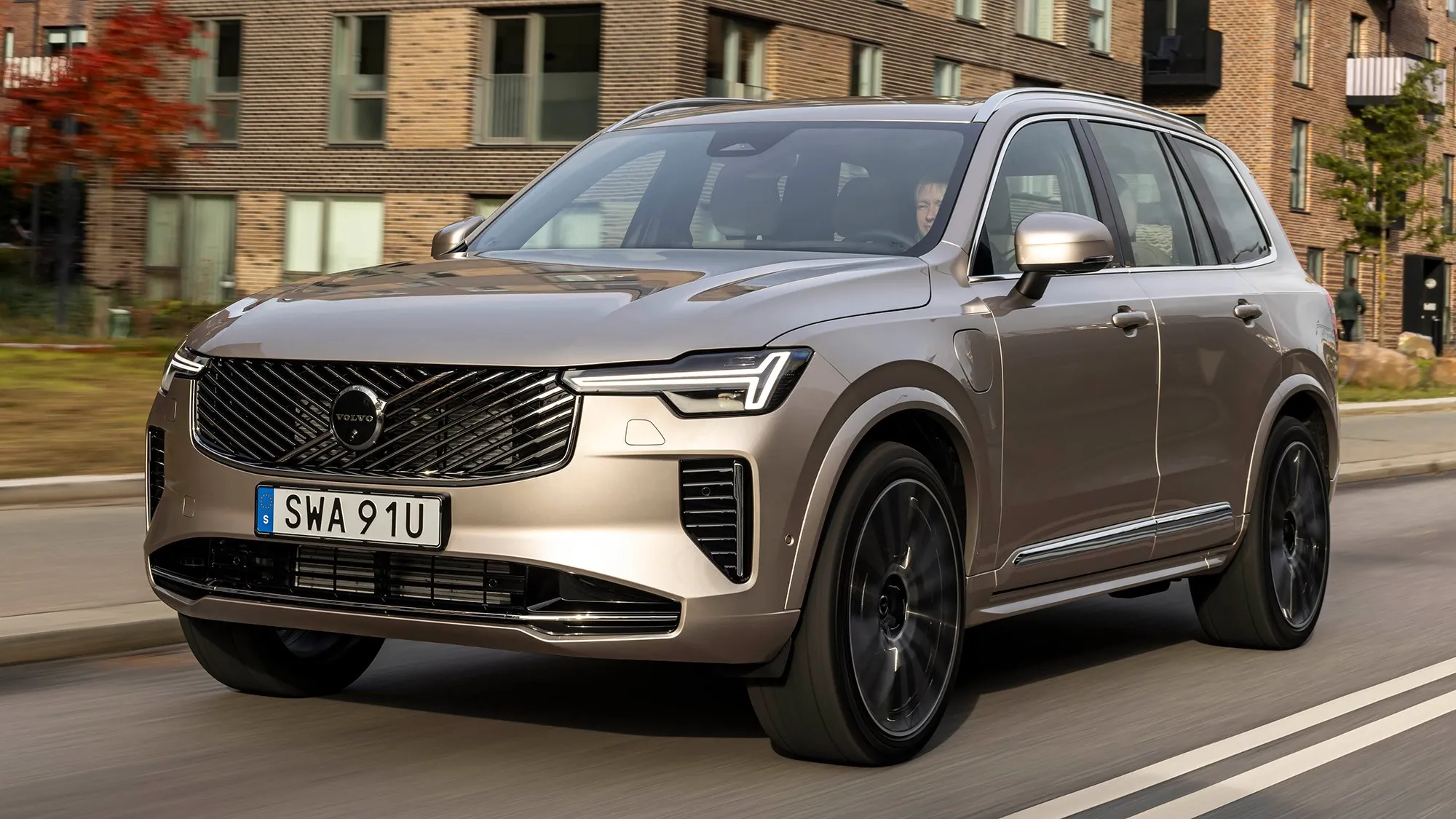
2. Volvo XC90 Recharge 2024
Luxury and size shape every expectation around the Volvo XC90 Recharge 2024, and city fuel costs reflect those qualities almost immediately. Built to prioritize comfort, safety, and family usability, this plug-in hybrid SUV carries substantial mass that works against efficiency during short, stop-heavy urban routines. Electrification adds flexibility, yet daily driving reveals how quickly those benefits can fade.
The electric range looks reassuring on paper, though everyday conditions tell a different story. Frequent restarts, climate control demands, and the energy required to move a large vehicle drain stored charge faster than expected. Once that reserve disappears, gasoline power steps in for a vehicle that requires plenty of fuel simply to maintain momentum.
Acceleration feels smooth and refined, but weight remains noticeable. Electric assistance provides a gentle push at launch, yet sustained movement through traffic depends heavily on the engine. Short errands often consume fuel disproportionate to the distance, especially when multiple stops interrupt progress.
Regenerative braking plays its role, though recovery struggles to counteract the effort needed to restart such a sizable SUV. Each stoplight creates a familiar pattern of energy capture followed by immediate depletion. Downtown driving repeats this cycle constantly, limiting the impact of regeneration.
Cabin comfort adds another layer of consumption. Heating, cooling, seat functions, and digital systems support a premium experience, yet each feature draws power steadily. During brief city trips, there is little opportunity to rebuild electric reserves, pushing the vehicle toward gasoline reliance sooner.
Parking and maneuvering introduce subtle inefficiencies. Tight urban spaces require careful adjustments, and added weight increases energy demand during low-speed corrections. These moments feel minor individually, though repetition across daily routines adds measurable cost.
Driving behavior also influences outcomes. Smooth inputs help, yet traffic unpredictability often forces repeated acceleration and braking. Larger proportions amplify the energy required for each response, making restraint difficult to sustain consistently.
Volvo XC90 Recharge 2024 excels as a refined family vehicle with long-distance appeal. City fuel savings remain difficult to achieve, as electrification cannot fully offset the size, comfort-focused systems, and frequent stops during urban use.
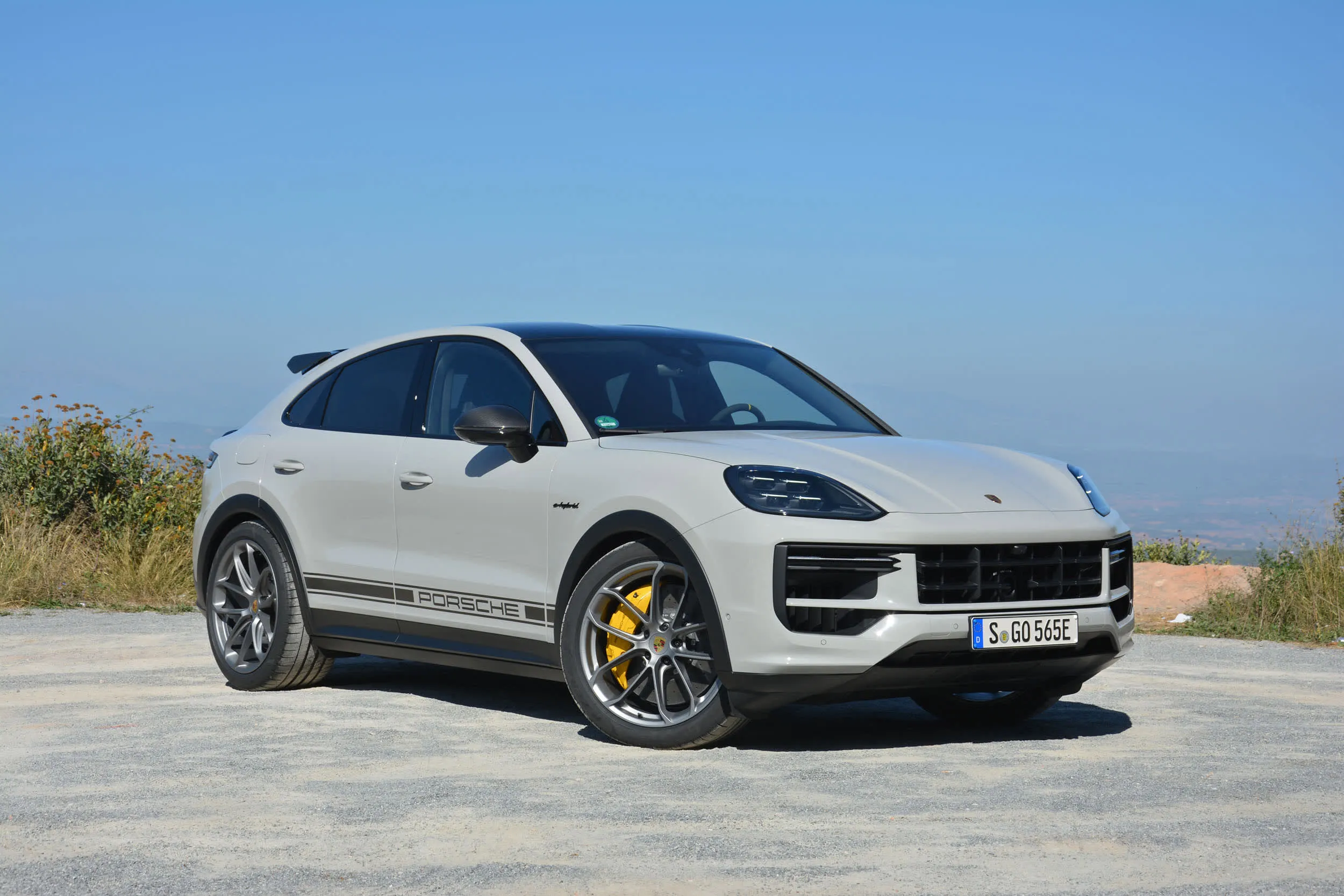
3. Porsche Cayenne E-Hybrid 2024
Performance philosophy defines the Porsche Cayenne E-Hybrid 2024, and that mindset extends into how it behaves on city streets. Electrification supports responsiveness rather than thrift, a choice that becomes clear when traffic slows, and efficiency takes priority. Power delivery feels impressive, yet fuel costs rise quickly during everyday urban routines.
Electric operation exists, though throttle calibration favors immediacy. Even modest inputs often invite gasoline assistance sooner than expected, especially during repeated starts. City driving demands restraint, yet the Cayenne’s tuning encourages movement that leans toward fuel use.
Vehicle mass intensifies this behavior. Restarting motion in traffic requires energy that electric assistance alone cannot consistently provide. Gasoline fills the gap with ease, though efficiency pays the price during short trips filled with interruptions.
Regenerative braking performs well within a performance framework, though city conditions expose its limits. Energy recovery cannot fully balance the cost of repeated acceleration in a powerful, heavy SUV. Each stop recovers some charge, only for it to disappear moments later during the next launch.
Driver engagement remains high, even at low speeds. Steering precision and throttle response invite confident inputs that feel satisfying but increase consumption. Urban conditions rarely reward that capability, turning performance strengths into efficiency challenges.
Interior systems maintain comfort and control, though constant operation adds to energy demand. Climate management, displays, and electronic features run continuously during slow movement, draining stored charge faster than many expect. Short trips reveal the gap between intent and result.
Electrification assists briefly, then gasoline takes center stage as traffic interrupts progress. Repetition across errands magnifies fuel use, especially during busy schedules. Porsche Cayenne E-Hybrid 2024 delivers excitement and refinement without compromise.
City fuel costs remain stubbornly high, as electrification supports performance priorities more than the realities of stop-heavy urban driving.
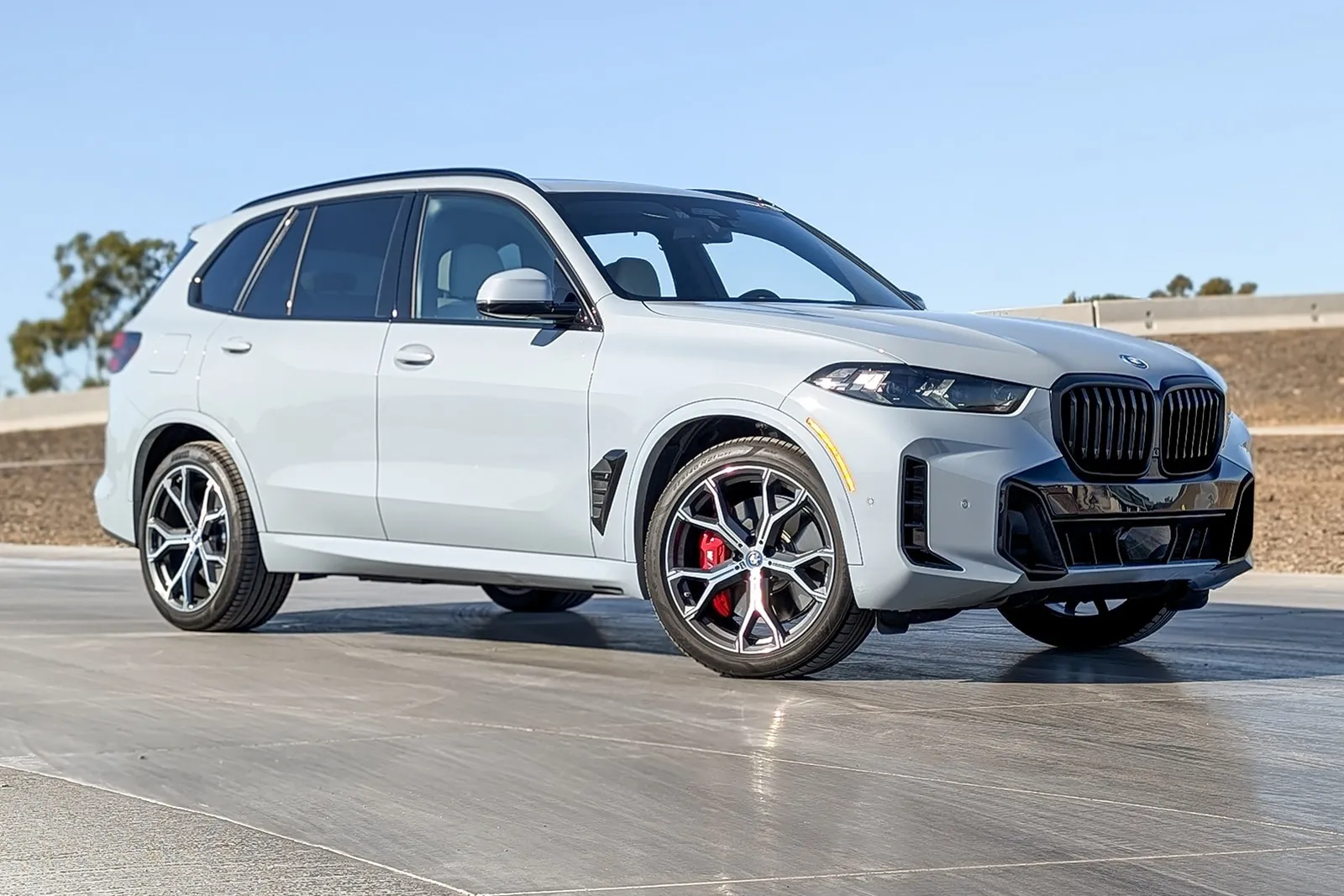
4. BMW X5 xDrive50e 2024
Refinement sits at the center of the BMW X5 xDrive50e 2024 experience, and that refinement carries a cost once daily driving settles into urban routines. This plug-in hybrid SUV feels composed, powerful, and well insulated from the outside world, yet city fuel expenses reveal how luxury and efficiency often pull in different directions. Smooth performance takes priority, even when conditions reward restraint.
The electric range appears reassuring on paper, but everyday use shortens that promise quickly. Stop-heavy traffic, frequent red lights, and short errands drain the battery sooner than expected. Cold mornings or hot afternoons amplify the issue as heating and cooling systems pull energy continuously.
Once electric power fades, the gasoline engine steps in without hesitation, increasing fuel use during trips that feel far too short to justify it. Acceleration feels polished rather than aggressive, though that polish hides steady fuel demand.
Moderate throttle pressure often activates the engine, especially on inclines or during merges. Electric assistance softens the transition, but fuel consumption rises quietly in the background. City driving rarely rewards this balance, since repeated restarts favor lighter vehicles with simpler drivetrains.
Regenerative braking works consistently, yet recovery struggles to offset the energy required to move a large, well-appointed SUV. Each stop requires substantial power to restart motion, limiting how much energy can be reclaimed. Urban efficiency becomes less about technology and more about physics.
Interior amenities contribute to the equation. Heated seats, advanced climate controls, and expansive displays enhance comfort but draw energy steadily. Battery reserves shrink faster, leading to earlier reliance on gasoline even during short trips.
Parking adds another layer of inefficiency. Tight spaces demand careful repositioning, and low-speed maneuvering consumes energy disproportionate to the distance traveled. BMW X5 xDrive50e 2024 delivers confidence and comfort in abundance, though city fuel costs remain elevated as electrification works hard to support size and luxury.
Also Read: 10 Amazing Hybrids That Excel in City Traffic
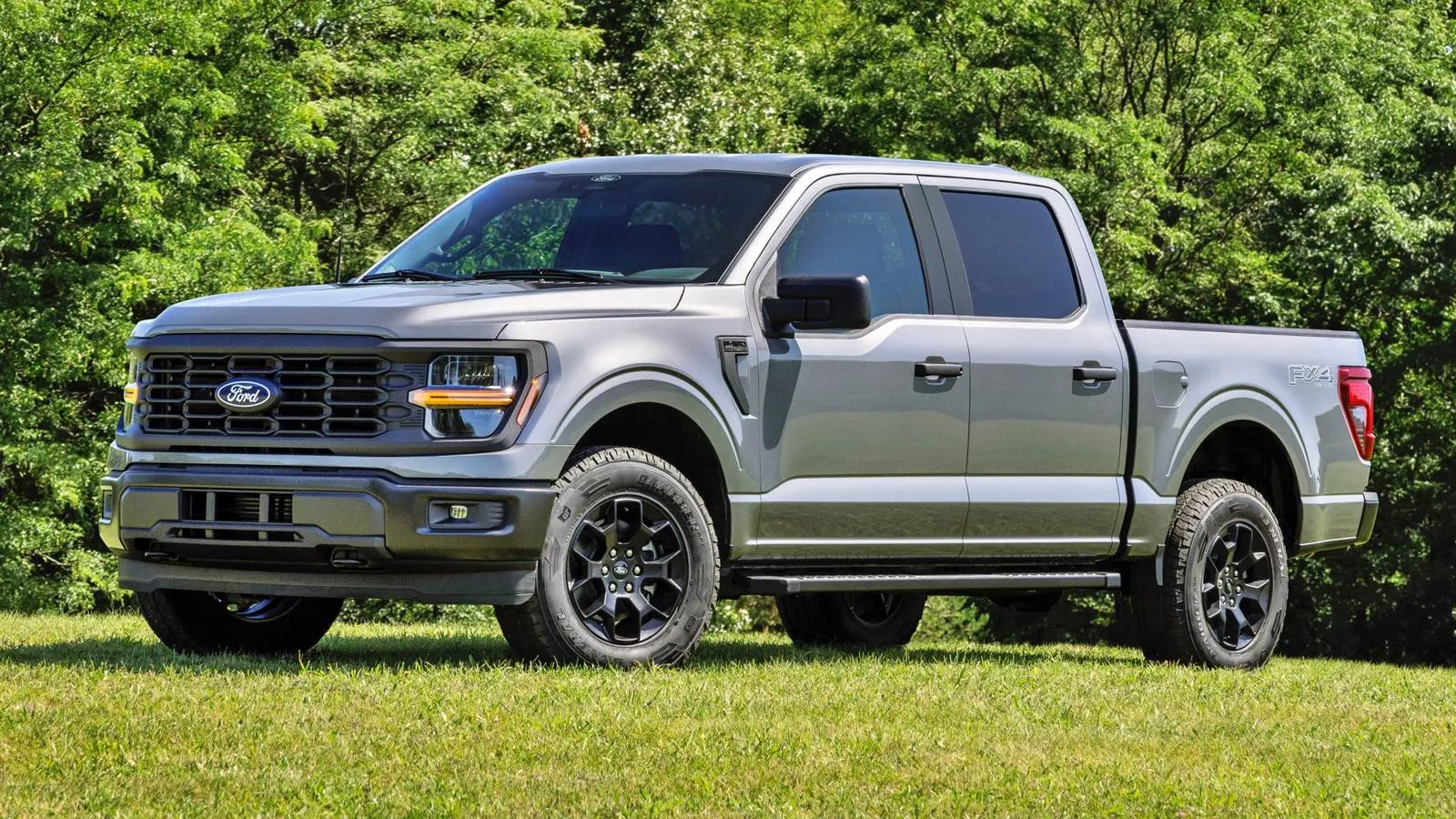
5. Ford F-150 PowerBoost Hybrid 2024
Purpose drives every decision behind the Ford F-150 PowerBoost Hybrid 2024, and that purpose shows clearly in urban fuel spending. Built to haul, tow, and support demanding workdays, this hybrid truck treats electrification as a strength enhancer rather than a fuel-saving tool. City streets expose that philosophy quickly.
Electric assistance supports initial movement, though gasoline engagement arrives almost immediately. The truck’s weight and drivetrain tuning favor torque delivery, especially during frequent starts at intersections. Each launch demands energy that electric support alone cannot sustain, leading to consistent fuel use even during short trips.
Regenerative braking offers limited relief. Energy recovery helps slightly, yet mass works against meaningful gains. Restarting movement in traffic requires substantial power, and gasoline fills that need to be filled without delay. Short drives often feel inefficient, regardless of driving style.
Urban maneuvering highlights additional challenges. Large dimensions make tight streets and compact parking areas more demanding. Extra corrections, slow-speed turns, and cautious positioning increase energy demand in ways smaller vehicles avoid. These moments stack up throughout daily routines.
Aerodynamics contribute quietly but persistently. A tall front profile pushes air aside even at modest speeds, requiring extra energy between traffic lights. Wind resistance does not disappear in city settings, and the truck pays for it with fuel.
Interior technology supports comfort and productivity, though it also draws power steadily. Climate control, infotainment, and onboard systems drain the battery, prompting the engine to engage sooner. City errands rarely allow enough recovery time to balance that demand.
Ford F-150 PowerBoost Hybrid 2024 thrives in work-focused roles and open roads. Downtown driving tells a different story, where electrification supports capability rather than easing everyday fuel expenses.
