The word supercar usually brings to mind six-figure price tags, exotic badges, and insurance premiums that make your stomach drop.
But here’s the reality most enthusiasts eventually discover: raw performance isn’t exclusive to Ferrari showrooms or Lamborghini dealers.
Over the past two decades, a surprising number of cars have delivered supercar-level speed, acceleration, and driving drama at prices that while not cheap are shockingly attainable compared to the exotics they embarrass on paper.
For American buyers, the used market has quietly become a goldmine of “budget supercars.” These are cars that can hit 60 mph in under four seconds, pull massive lateral grip, or crack quarter-mile times that once belonged only to Italian royalty.
Some wear mainstream badges, others are forgotten legends, and a few were engineered so aggressively that they accidentally rewrote performance benchmarks.
Of course, “budget” is relative. These aren’t disposable beaters, and maintenance still matters.
But compared to modern supercars pushing $300,000, these machines represent outrageous value especially for drivers who care more about performance than prestige.
Here are ten budget supercars that prove big performance doesn’t always require a big bank account.
1. Chevrolet Corvette C6 Z06
Few cars have ever disrupted the supercar hierarchy quite like the C6 Z06. When Chevrolet dropped a naturally aspirated 7.0-liter LS7 V8 into a lightweight aluminum chassis, the result was borderline absurd.
With 505 horsepower, a sub-3.7-second 0–60 time, and a top speed north of 190 mph, the Z06 didn’t just compete with European exotics it outperformed many of them.
What makes the C6 Z06 special today is how accessible it has become. Clean examples can now be found for a fraction of their original MSRP, yet the car still feels brutally fast by modern standards.
The steering is raw, the power delivery is immediate, and the noise alone feels illegal in some states.
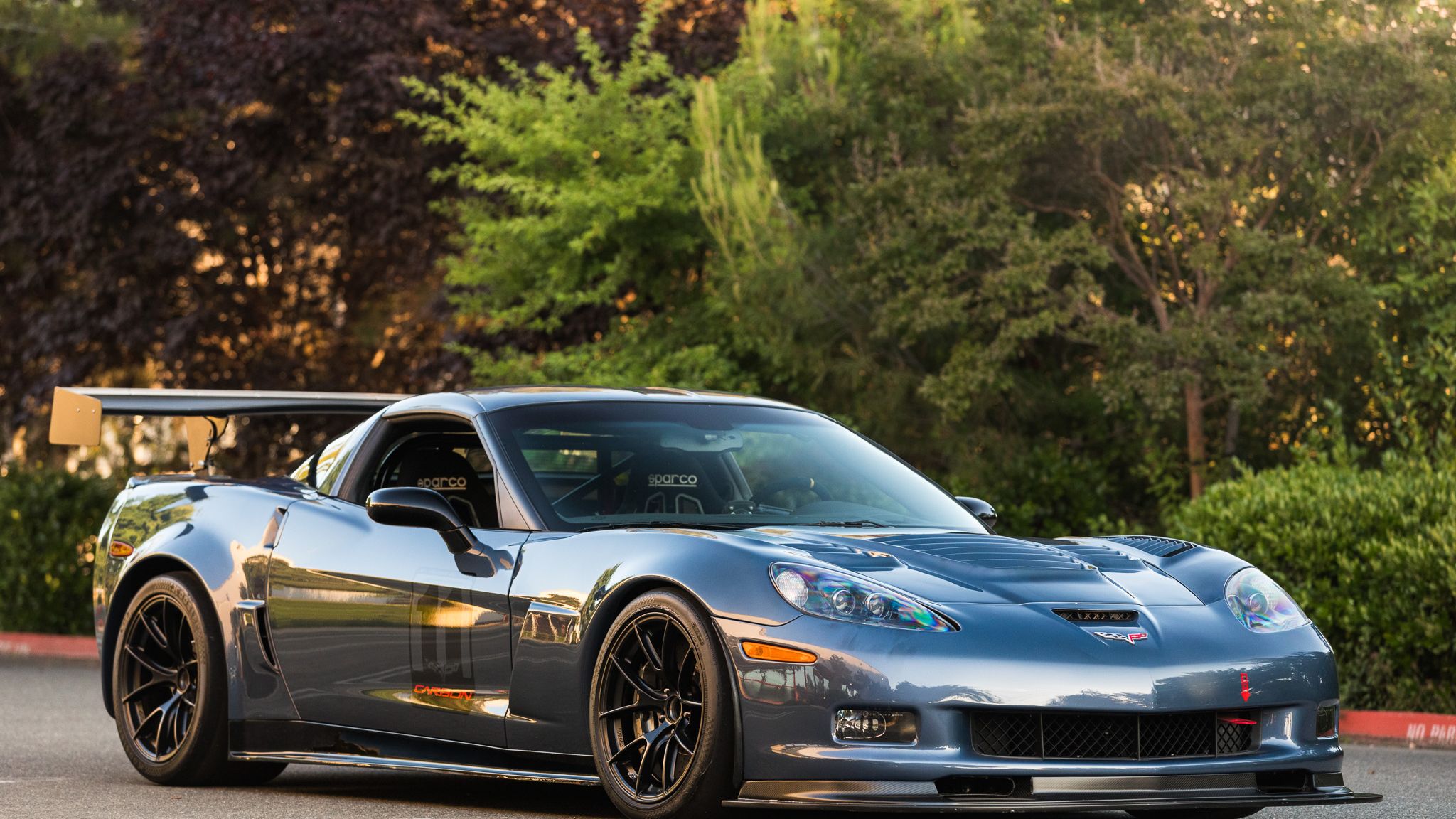
For buyers willing to respect its reputation and properly inspect valve guide issues the Z06 remains one of the most authentic supercar experiences money can buy.
As either a targa or a convertible, the ZR1’s dramatic bodywork immediately signals its status as the pinnacle of the Corvette lineup. Until the long-anticipated mid-engined C8 Corvette arrives, the ZR1 holds the role of Chevrolet’s halo car, representing the brand’s ultimate performance offering.
Under the hood, its supercharged 6.2-liter V-8 unleashes a brutal 755 horsepower to the rear wheels. In testing, the ZR1 rocketed from zero to 60 mph in just 3.0 seconds. Braking performance is immense, and the car sticks to the road with near race-car precision. That optional rear wing isn’t just for show, it can generate up to 950 pounds of downforce.
The automatic transmission feels sluggish in comparison, so a manual gearbox is the way to fully tame and exploit this monster. Yet, despite its ferocious potential, setting the drive-mode selector to Tour transforms the ride, offering a surprisingly compliant experience that absorbs road imperfections admirably.
Also Read: 5 Cars That Handle Constant Stoplights vs 5 Cars That Burn Through Brakes
2. Nissan GT-R (R35)
When the R35 GT-R arrived in the U.S. market, it humiliated far more expensive cars with ruthless efficiency.
Nicknamed “Godzilla” for a reason, the twin-turbo V6, all-wheel-drive system, and lightning-fast dual-clutch transmission created acceleration figures that seemed impossible for a Nissan.
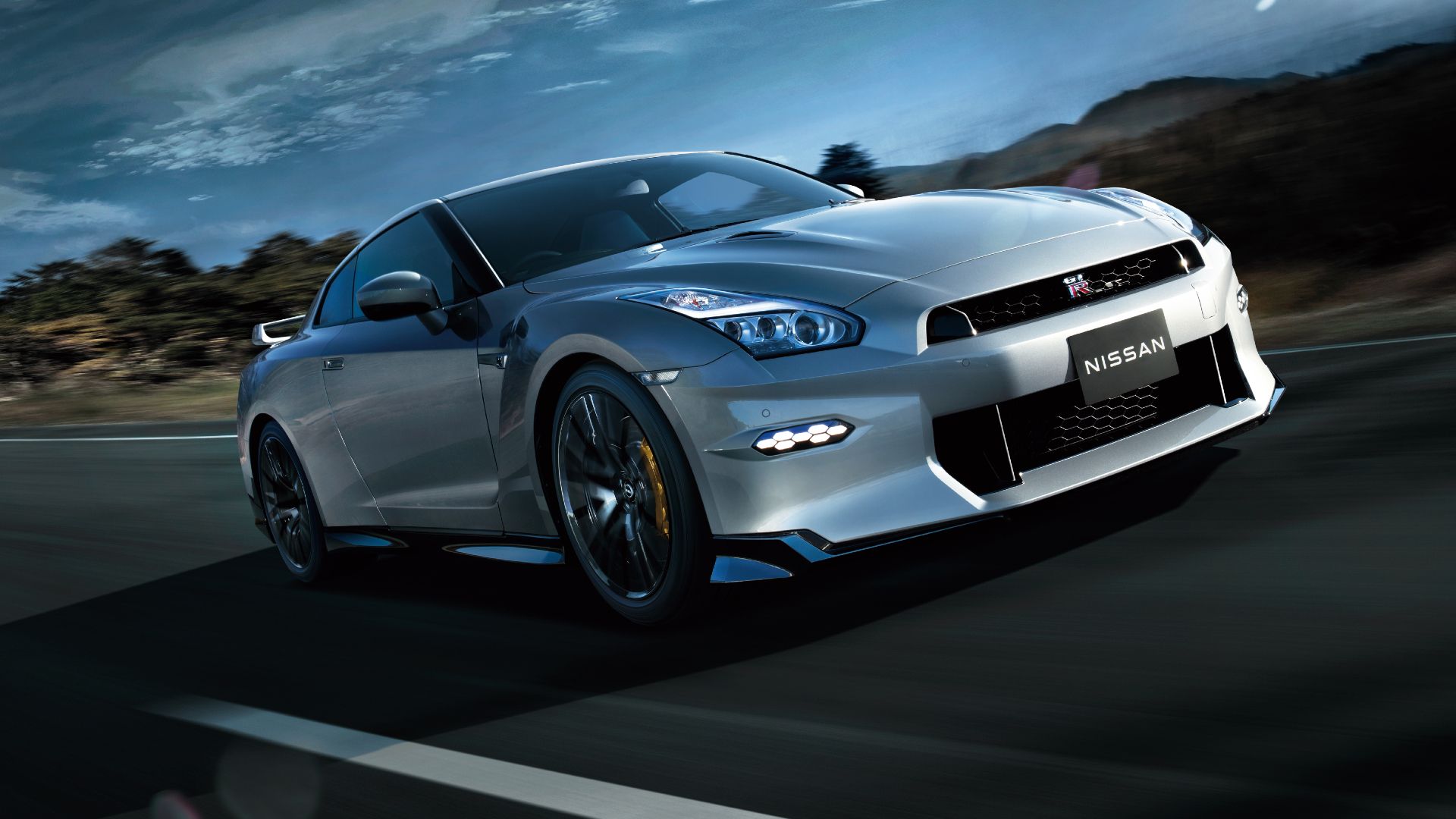
Early GT-Rs can now be found at prices that feel surreal considering their capabilities. Sub-3-second launches, immense traction, and tuning potential that borders on outrageous make the GT-R a performance cheat code.
It may lack the romance of a mid-engine Italian car, but few budget supercars deliver speed with such clinical consistency especially in real-world conditions where grip matters.
3. Porsche 911 Turbo (996)
The 996-generation 911 Turbo might be the most misunderstood Porsche ever built. Overshadowed by styling debates and later models, it quietly delivered performance that still holds up decades later.
With a twin-turbo flat-six producing over 400 horsepower and all-wheel drive, the 996 Turbo was devastatingly quick in any weather.
What truly elevates this car into budget supercar territory is its build quality and durability. Unlike many exotics, it can be driven hard, daily driven, and even road-tripped without constant fear.
Prices have risen, but compared to modern 911 Turbos, the 996 remains a bargain for buyers who value performance over hype.
The 996 Turbo marked Porsche’s first foray into water-cooled Turbo models, and it was an immediate success for the German manufacturer. Its aggressive styling demanded attention, while the engine was tested and proven on the racetrack.
Upon its release, the 996 Turbo instantly made competitors seem outdated. Its all-wheel-drive system, combined with a blend of performance and comfort, positioned it as one of the most compelling choices in its segment. Buyers didn’t mind that it lacked an air-cooled engine, the car was faster than most rivals and nearly as comfortable as a British GT.
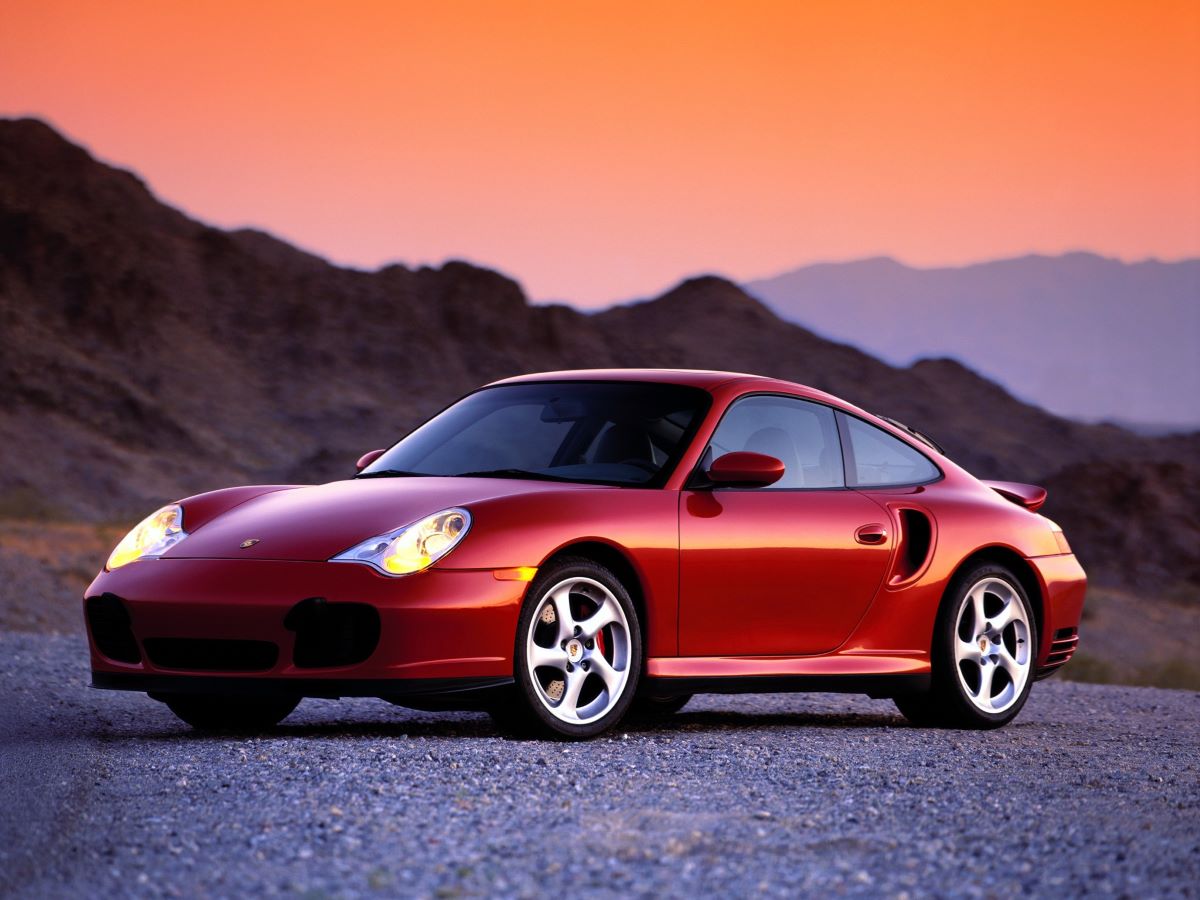
Externally, the 996 Turbo drew eyes with its front bumper, featuring three large air intakes to cool the radiators. Additional intakes were positioned ahead of the rear wheels to feed the twin turbochargers, while wide rear fenders gave the car a muscular stance. A fixed wing on the engine lid completed the aggressive look.
Inside, the cabin mirrored that of the Carrera 4 S, with supportive sports seats up front and two tiny rear seats suitable for small passengers, or small dogs. Certain features standard on the Turbo were optional on other 911 models, such as the Alcantara roof trim, and the navigation system was an extra-cost option.
Under the hood, the 996 Turbo housed a race-bred engine carried over from the Porsche GT3 but detuned for street use. Standard all-wheel drive came at the cost of a smaller luggage compartment and fuel tank. A 5-speed Tiptronic automatic transmission with manual override was available, complete with paddle shifters for models fitted with that gearbox.
4. Dodge Viper (Gen III & IV)
The Dodge Viper never pretended to be civilized and that’s exactly why it belongs here. With an 8.3- or 8.4-liter V10, massive tires, and minimal electronic interference, the Viper delivers one of the most visceral driving experiences ever offered in America.
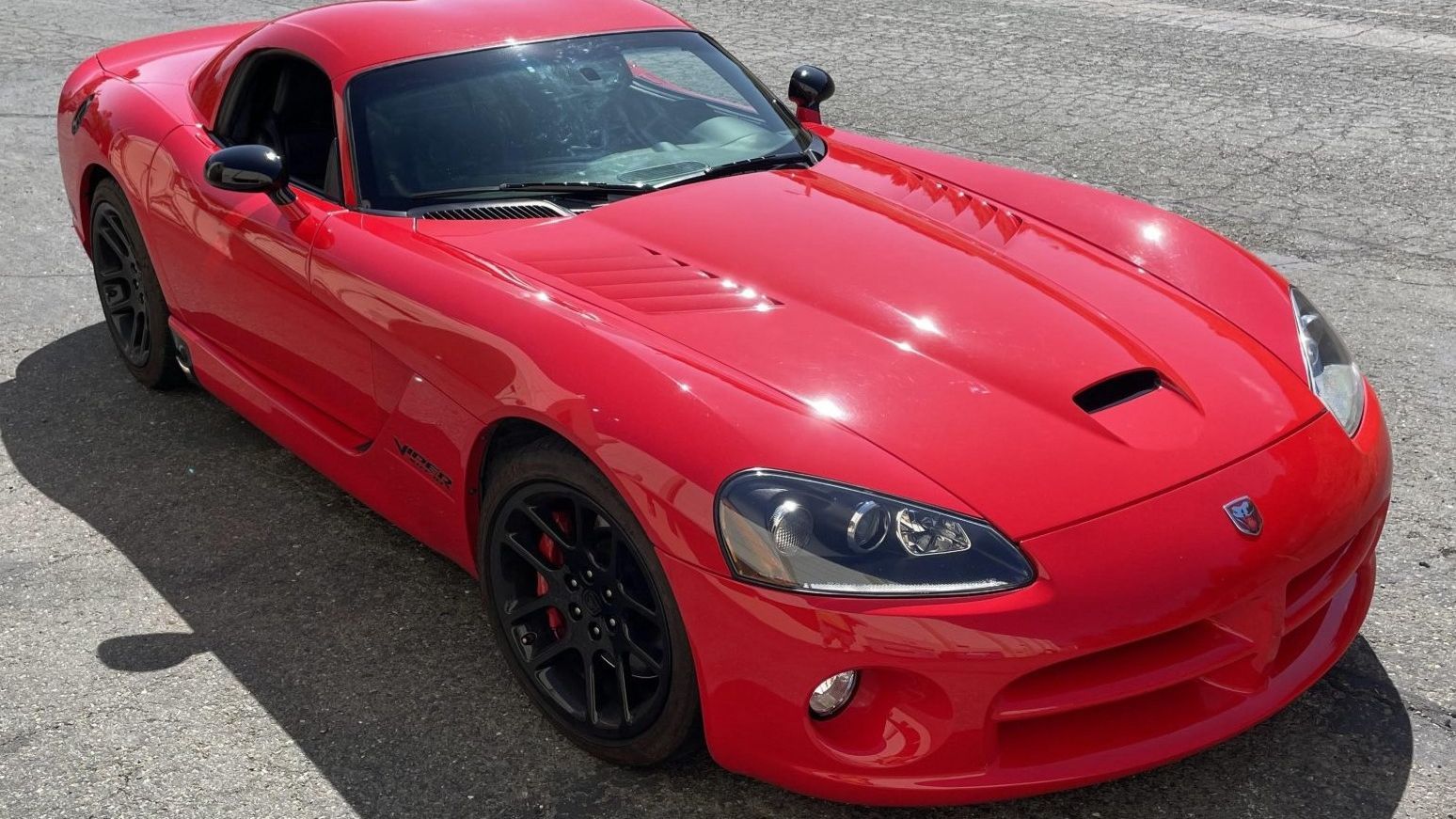
Acceleration is violent, torque is endless, and the car demands respect. Unlike modern supercars that isolate the driver, the Viper makes every input feel consequential.
Prices have softened compared to the Viper’s reputation, making it a tempting option for enthusiasts who want raw power without filters. It’s not subtle, but neither are true supercars.
Also Read: Top 13 Porsches With a Reputation for Not Falling Apart
5. Audi R8 V8 (First Generation)
The first-generation Audi R8 rewrote expectations for what a “daily-drivable supercar” could be.
With a mid-engine layout, Quattro all-wheel drive, and a screaming naturally aspirated V8, the R8 blended exotic performance with German usability.
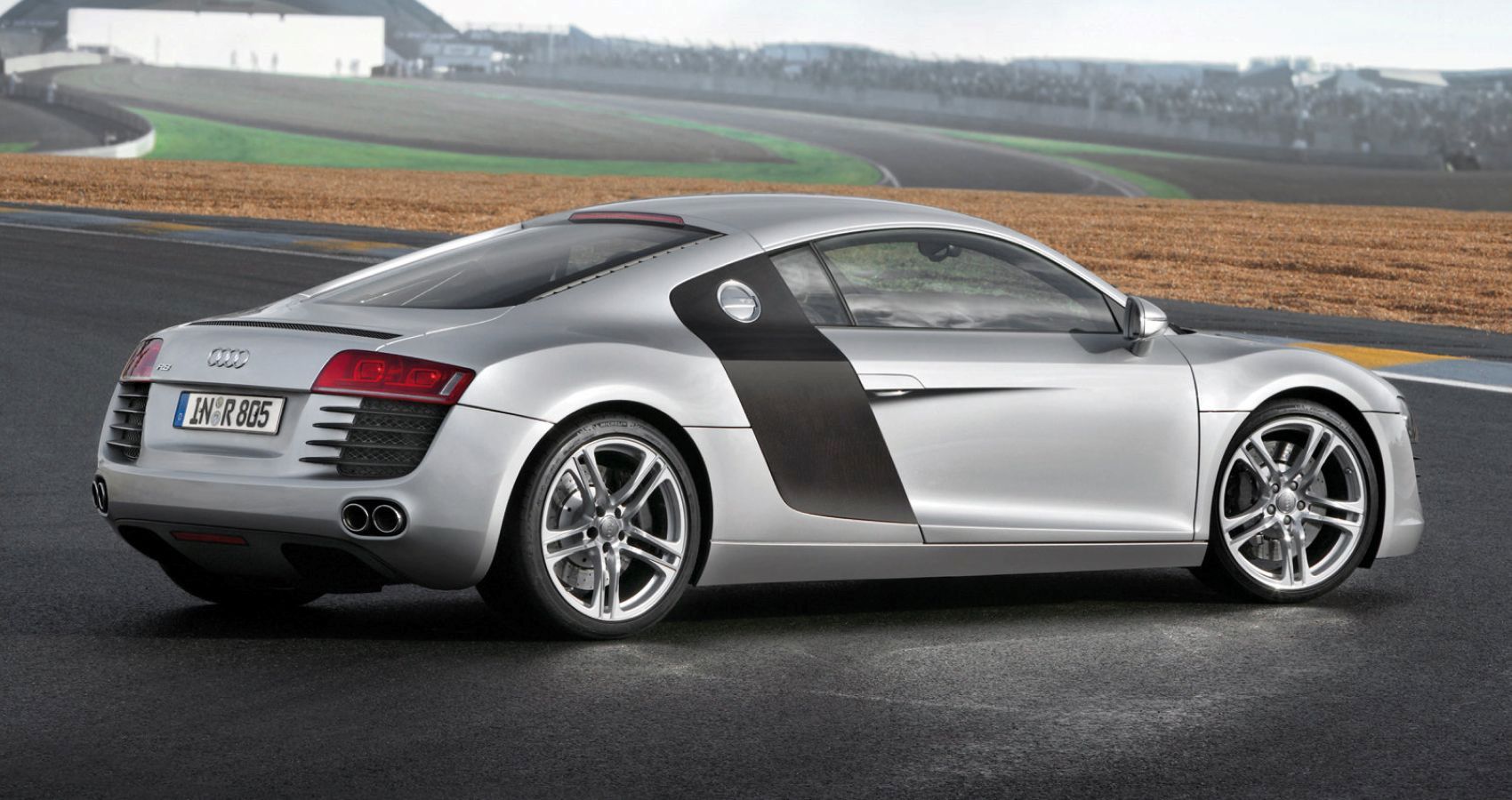
Today, early R8 V8 models sit in an intriguing price bracket still expensive, but dramatically cheaper than modern exotics. The steering feel, engine sound, and planted handling make it feel special every time you drive it.
Unlike many budget supercars, the R8 doesn’t feel compromised; it feels like a properly engineered exotic that just happens to be within reach.
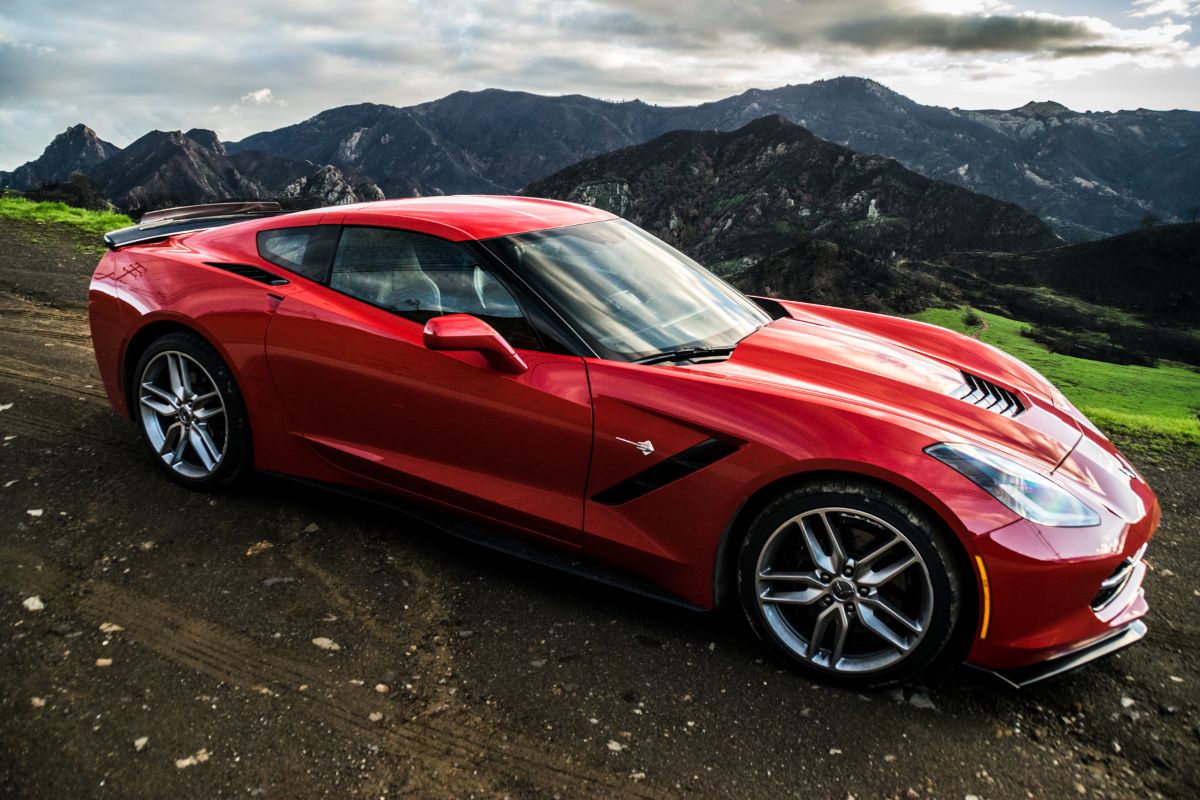
6. Chevrolet Corvette C7 Z51
While not as extreme as the Z06, the C7 Z51 deserves recognition for how close it comes to supercar performance at a far more accessible price.
With over 450 horsepower, excellent weight balance, and modern interior tech, the C7 bridges the gap between old-school muscle and contemporary performance.
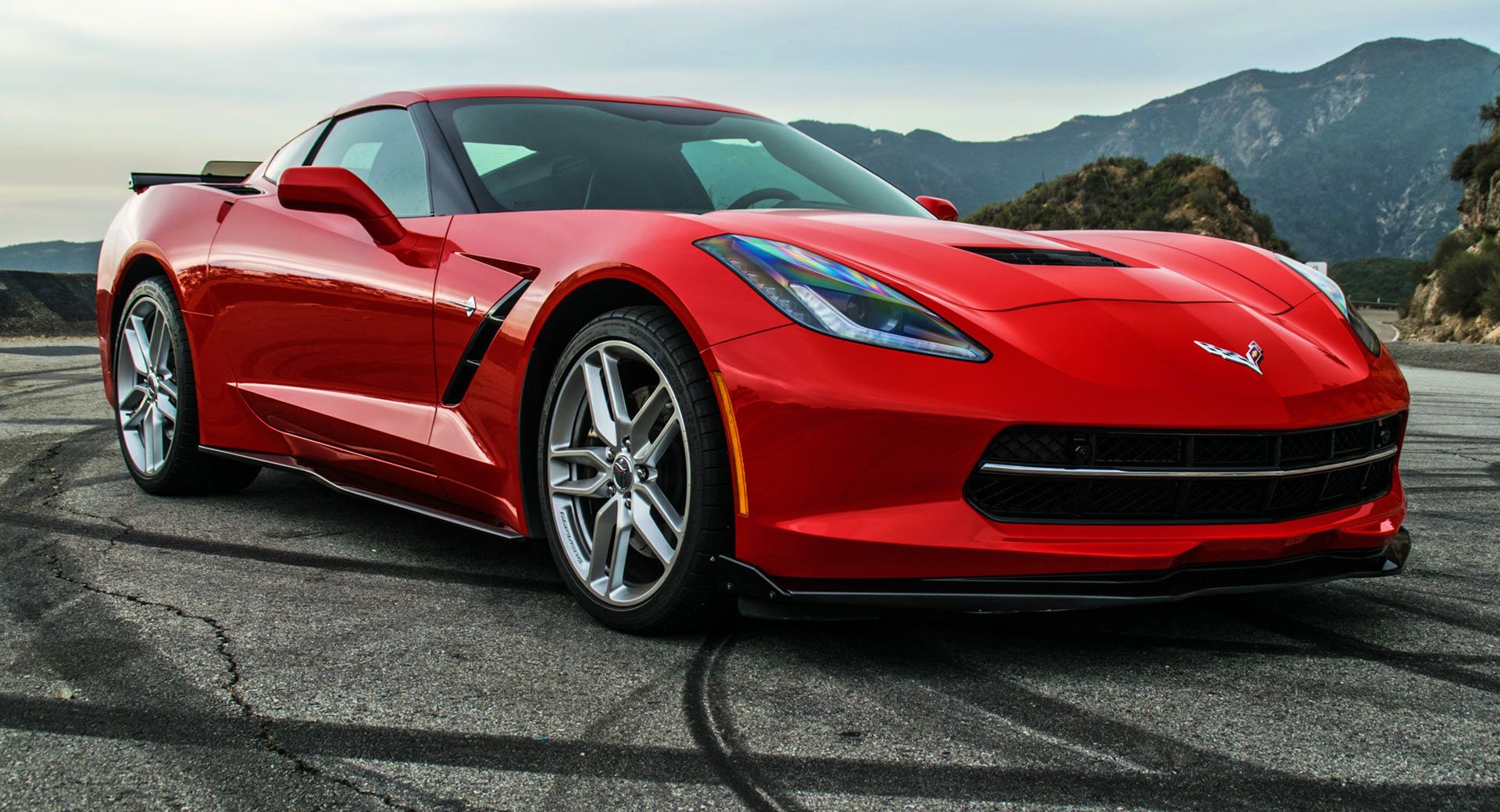
On track, the Z51 package transforms the Corvette into a genuine weapon, capable of embarrassing much more expensive machinery.
For U.S. buyers who want performance without the maintenance anxiety of European exotics, the C7 Z51 hits a sweet spot that few cars can match.
The Chevrolet Corvette, a performance-car icon with roots stretching back to the 1950s, takes a bold step forward with the current C8 model. This generation moves the V-8 engine behind the passenger compartment while retaining a relatively attainable price, delivering supercar-level performance and razor-sharp handling.
When equipped with the Z51 package, the Corvette is a track-day dream, yet it also offers a surprisingly smooth ride over rougher surfaces and a cabin comfortable enough for daily use. Buyers can choose between a coupe and a convertible, with the coupe featuring a lift-off roof panel for open-air motoring.
Storage space both in front of the cabin and behind the mid-mounted engine is sufficient for weekend trips, making the Corvette a rare blend of practicality, performance, and affordability. These qualities have earned it a spot on Car and Driver’s 10Best list and Editors’ Choice awards.
For 2022, Chevrolet introduced a limited-edition package to celebrate the inaugural season of the C8.R race car. Inspired by the IMSA GTLM championship-winning race version, only 1,000 examples will be produced, adding $6,595 to the base price of the 3LT trim.
Pricing for the 2022 Corvette starts at $62,295 for the 1LT coupe and rises to $74,245 for the fully loaded 3LT. Both coupe and convertible body styles are available, though the coupe’s removable roof makes it the more versatile choice.
Upgrading to the 2LT trim adds a host of features including a head-up display, wireless smartphone charging, heated and ventilated seats, heated steering wheel, a 14-speaker Bose stereo system, and blind-spot monitoring. The Z51 performance package is highly recommended, as it equips the Corvette with its full complement of track-focused components.
Under the hood, the mid-engine C8 houses a 6.2-liter V-8 producing 490 horsepower and 470 lb-ft of torque. With the dual-mode performance exhaust included in the Z51 package, output rises slightly to 495 horsepower.
The Z51 option also includes an electronic limited-slip rear differential, more aggressive brakes, and summer tires. An eight-speed dual-clutch automatic is the sole transmission, operated either via a push-button gear selector or steering-wheel-mounted paddles, with no manual available.
In testing, a Z51-equipped Corvette with optional FE4 magnetorheological dampers achieved 0-60 mph in 2.8 seconds, the quarter-mile in 11.2 seconds at 122 mph, a 149-foot braking distance from 70 mph, and 1.03 g on the skid pad. Even without the Z51 package, the new Corvette demonstrates exceptional handling and delivers thrilling performance on both road and track.
7. BMW M5 (E60)
A four-door sedan might not sound like a supercar, but the E60 M5 breaks every rule. Under the hood sits a naturally aspirated 5.0-liter V10 derived from Formula One inspiration, revving to an ear-splitting 8,250 rpm.
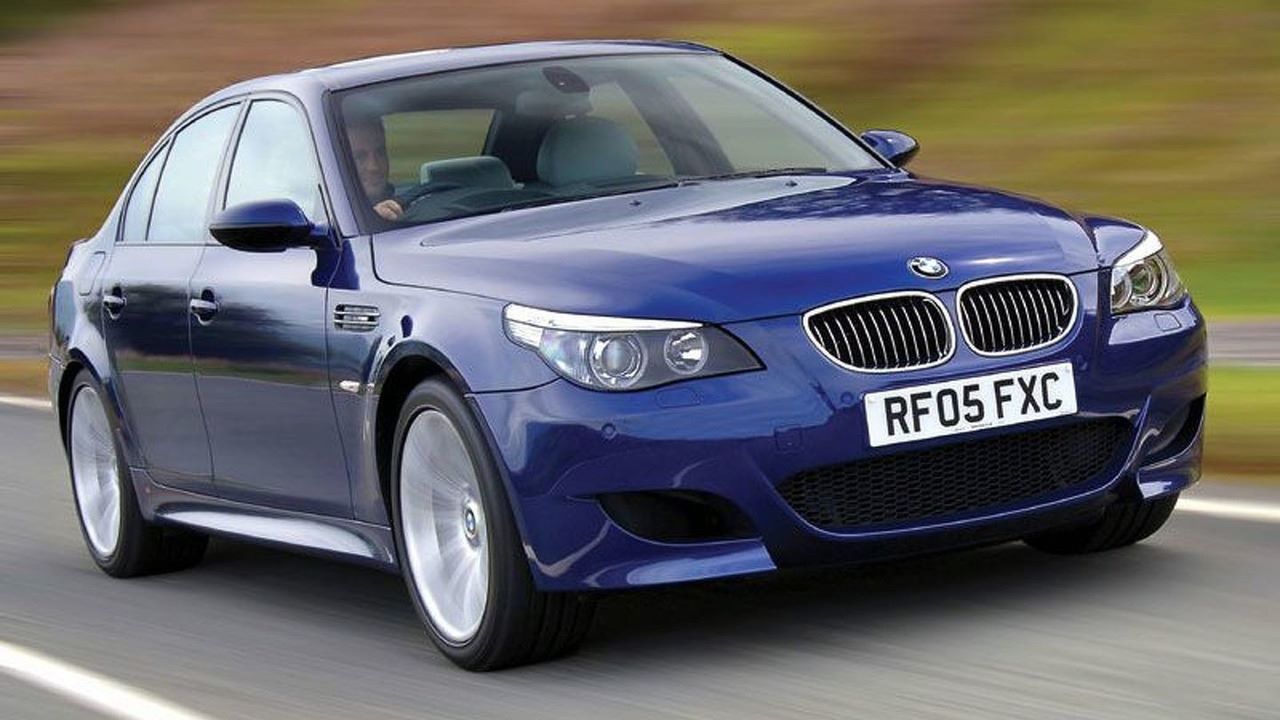
Performance figures still impress today, and the soundtrack is unforgettable. While maintenance costs require caution, the E60 M5 offers a unique value proposition: supercar speed with room for five.
Few cars blend insanity and practicality so unapologetically, making it a cult favorite among enthusiasts who understand its brilliance.
The E60-generation BMW M5 (2005–2010) was a groundbreaking four-door sports sedan that pushed the limits of luxury, technology, and performance.
It was powered by a 5.0-liter naturally aspirated V10 producing 500 horsepower at 7,750 rpm and 384 lb-ft of torque at 6,100 rpm. The engine featured individual throttle bodies, a 12:1 compression ratio, and an advanced ion-sensing system for spark plug management, revving to a redline of 8,250 rpm.
Performance-wise, the M5 sprinted from 0–60 mph in 4.1–4.6 seconds, with a top speed electronically limited to 155 mph (or 190 mph with the M Driver Package). Handling was exceptional for a large sedan, thanks to a well-tuned chassis and suspension.
Transmission options included BMW’s automated single-clutch SMG system, which offered lightning-fast shifts under hard driving but could feel jerky at low speeds. In the U.S., a six-speed manual was available, though few buyers opted for it.
The interior combined spaciousness and luxury with relatively simple iDrive infotainment controls. While not universally loved at the time, the cabin and driving ergonomics made it a competent daily driver, provided city traffic wasn’t a constant factor.
With a global production of 20,548 units, the E60 M5 is now considered a modern classic. Its combination of V10 performance, advanced technology, and usability has helped it maintain value while remaining comparatively attainable for enthusiasts.
8. Ford GT (2005–2006)
Calling the first-generation modern Ford GT a “budget” supercar feels almost disrespectful but compared to today’s hypercar market, it qualifies.
Originally priced far below European rivals, the GT delivered Le Mans-inspired design and brutal supercharged V8 power.
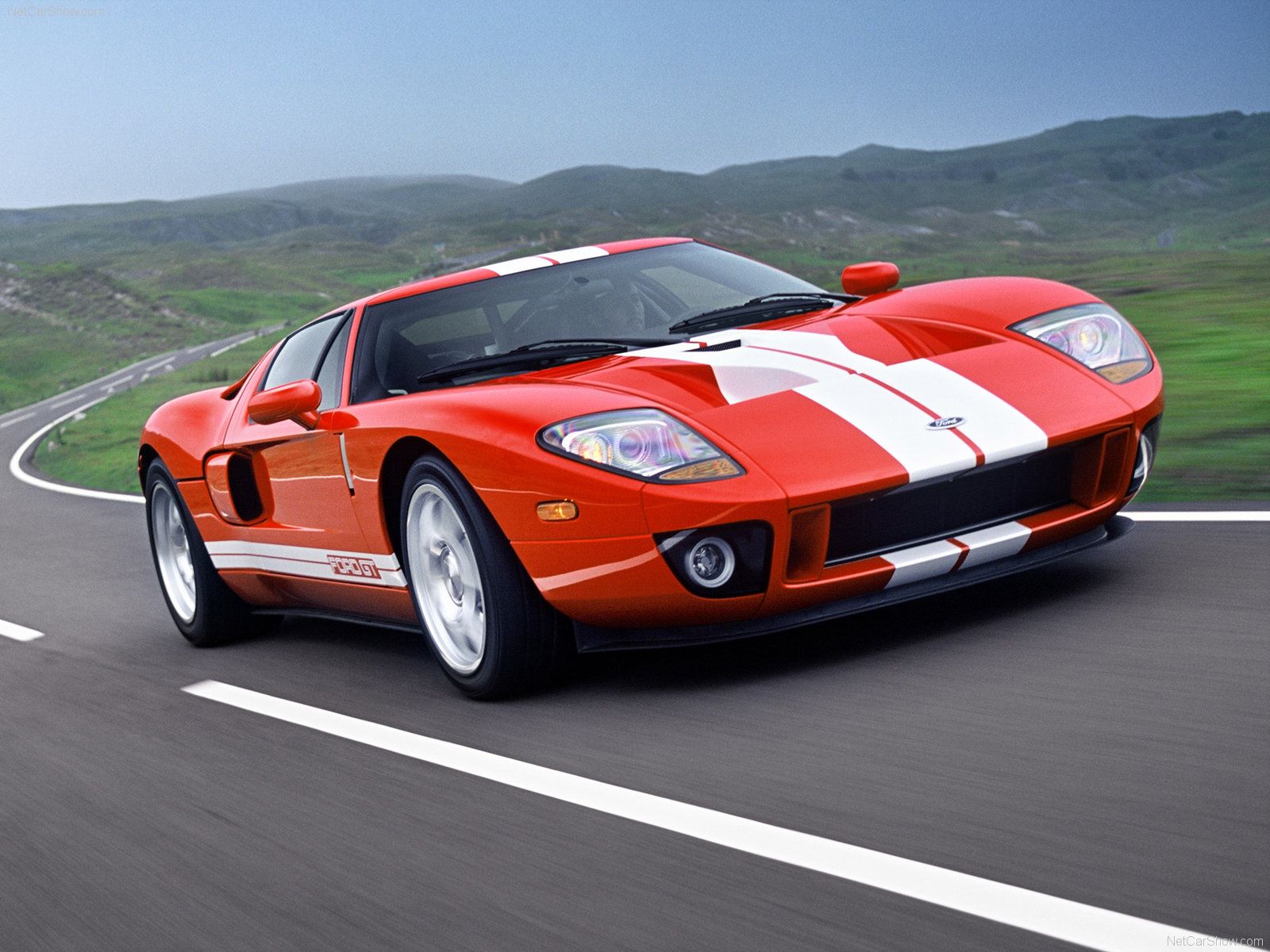
While prices have climbed, the Ford GT still represents an American supercar that punches far above its original weight class.
Its performance, presence, and historical significance make it one of the most emotionally charged entries on this list.
In 2002, Ford announced plans to produce the Ford GT, a limited-run, 500-hp exotic sports car inspired by the legendary GT40, despite the company being in its worst economic slump in two decades.
By mid-2002, three development prototypes were built, showcasing correct exterior shapes but with crude mock-up interiors using SVT Mustang instrument clusters. Production deliveries were scheduled for spring 2004.
The GT’s chassis design used a structure conceptually similar to the Ferrari 360 Modena: large castings at all four suspension points connected by a network of extruded aluminum tubes, optimized for stiffness and minimal weight.
The suspension featured unequal-length aluminum control arms with front and rear anti-roll bars, and coil-over pressurized monotube shocks supplied by Dynamic Suspensions. Stopping power came from one-piece calipers acting on massive vented and cross-drilled rotors: 14.0 inches at the front and 13.2 inches at the rear.
The production interior would follow the GT40 concept layout, with toggle switches and instrument placement carried over, but with a fully integrated console and dashboard.
9. Jaguar F-Type R
The Jaguar F-Type R doesn’t always get the respect it deserves, but its supercharged V8 performance is impossible to ignore.
With thunderous exhaust notes and aggressive styling, the F-Type R delivers a sensory experience that rivals far more expensive machines.
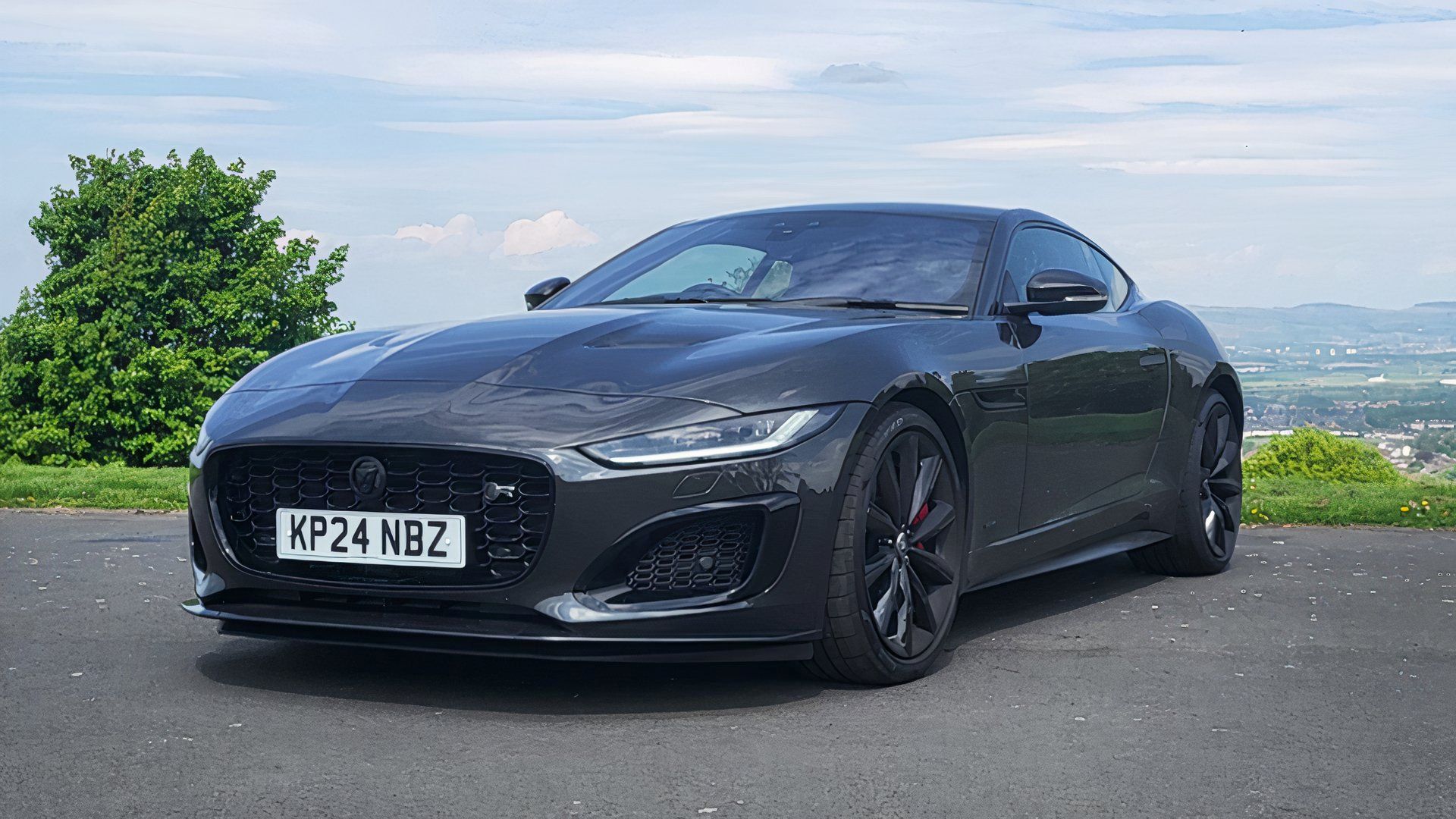
Depreciation has made it an appealing option for buyers seeking speed with character. It may not be the sharpest track tool, but as a grand touring supercar alternative, it offers speed, drama, and luxury in equal measure.
The Jaguar F-Type R and SVR are high-performance sports cars powered by supercharged 5.0-liter V8 engines. The F-Type R produces 550 horsepower and 502 lb-ft of torque, while the SVR steps up to 575 horsepower and 516 lb-ft of torque.
Both models use an eight-speed automatic transmission and feature all-wheel drive. In terms of acceleration, the F-Type R coupe reaches 0-60 mph in 3.4 seconds, making it impressively quick, though slightly slower than rivals such as the Mercedes-AMG GTS and the 2020 Porsche 911 Carrera S, which achieve the sprint in approximately 3.0 seconds.
On the road, both the F-Type R and SVR offer communicative steering and a highly engaging driving experience, particularly on winding roads. However, their handling is less polished than that of the top German competitors, and gear changes are not as responsive.
Ride quality can also be firm and punishing over uneven surfaces, reflecting a focus on performance over comfort. Overall, the F-Type R and SVR deliver thrilling V8 power and driver engagement, though they fall just short of the precision, refinement, and smoothness offered by comparable German sports cars.
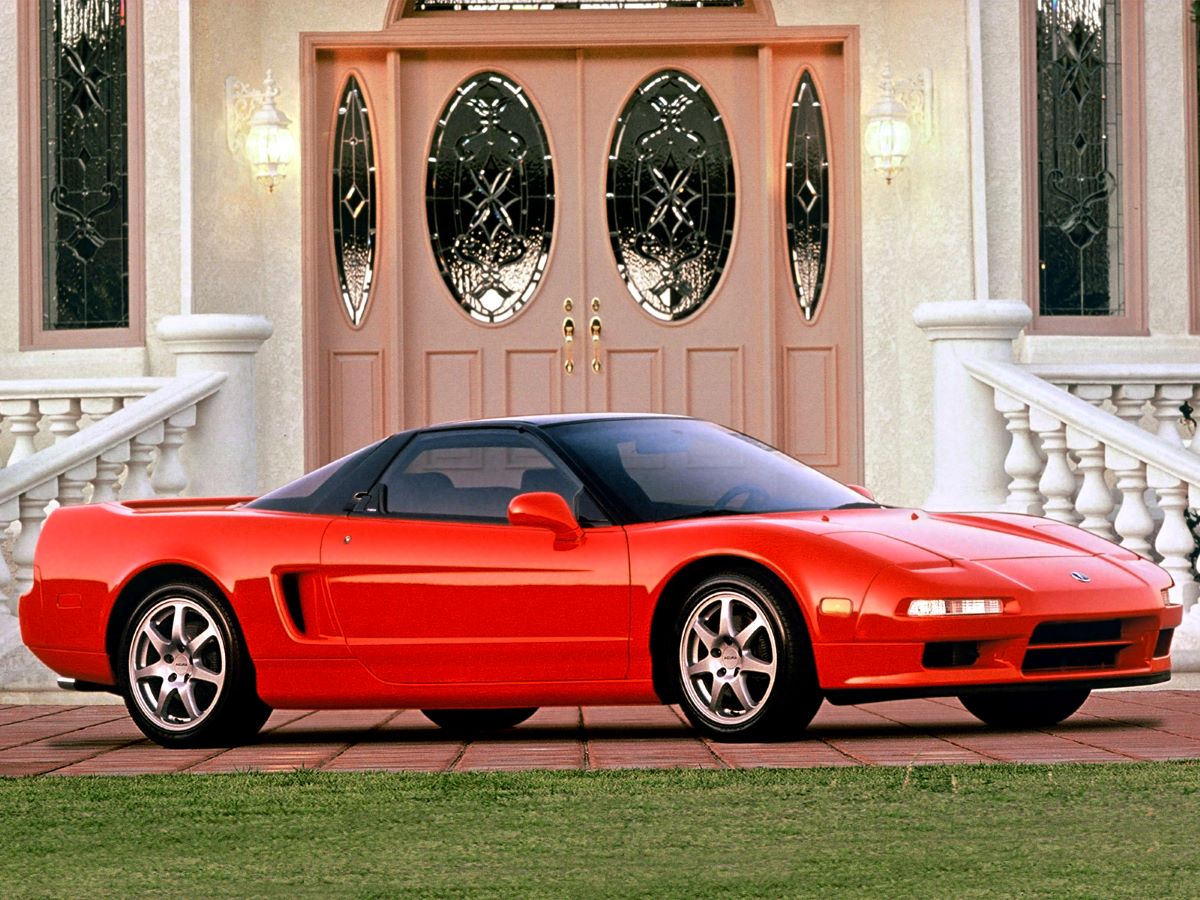
10. Acura NSX (First Generation)
The original Acura NSX changed the supercar world by proving reliability didn’t have to be sacrificed for performance. Developed with input from Ayrton Senna, the NSX delivered balanced handling, mid-engine dynamics, and everyday usability.
While values have risen, the NSX still undercuts many European exotics with similar performance.
Its lightweight design and precision engineering make it feel timeless, and for enthusiasts who value driving purity over brute force, the NSX remains a benchmark.
The idea that supercar performance is reserved for the ultra-wealthy simply isn’t true anymore.
Thanks to depreciation, overlooked models, and bold engineering decisions, today’s used market is filled with machines capable of delivering breathtaking speed without completely destroying your finances.
The all-new 2021 Acura TLX represents the latest evolution of Acura’s sedan lineup, which stretches back to the Vigor of the early 1990s and continues through several generations of the TL and the first-gen TLX introduced in 2014.
The 2021 model features a bold exterior with dramatic proportions, a tech-forward interior, updated infotainment, and a choice of turbocharged engines.
For the first time in over a decade, Acura has revived its performance-oriented Type S subbrand in the U.S., offering a 3.0-liter turbocharged V-6 exclusive to the TLX Type S. The base TLX with the standard 2.0-liter turbo-four is expected to arrive in fall 2020, while the Type S launches in early 2021.
The new TLX is longer, lower, and wider than its predecessor, and its angular, creased sheetmetal takes cues from the 2019 Acura Type S concept. Inside, Acura embraces a cockpit-inspired design, though the infotainment touchpad remains a frustration carried over from the RDX. Still, the interior is roomy, with a well-equipped back seat and a large trunk.
On the performance side, the TLX’s turbocharged engines are paired with a stiffer chassis, control-arm front suspension, adaptive electric steering, adjustable suspension, and the electro-servo brake-by-wire system derived from the NSX.
The A-Spec trim with the 2.0-liter turbo-four drives well, producing 272 hp and 280 lb-ft of torque, with front-wheel drive standard and SH-AWD optional. AWD models reach 60 mph in 7.0 seconds, and fuel economy ranges from 21-22 mpg city and 29-31 mpg highway.
The flagship TLX Type S pairs the 3.0-liter turbo V-6 with standard SH-AWD, marking the first AWD Type S. It produces 355 hp and 354 lb-ft of torque, reaching 60 mph in 5.1 seconds. The Type S delivers sharper handling and more engaging performance than the base TLX, although in a direct comparison with rivals such as the Cadillac CT5-V and Genesis G70 V-6, it placed third.
The 2021 TLX represents a significant step forward for Acura, offering a sportier, more capable sedan with advanced technology, enhanced driving dynamics, and a reintroduced Type S performance model.
Whether you prefer American V8 brutality, Japanese precision, or European refinement, these budget supercars prove that performance isn’t just about price it’s about intent.
And for drivers willing to do their homework, the thrill of supercar ownership has never been more attainable.