
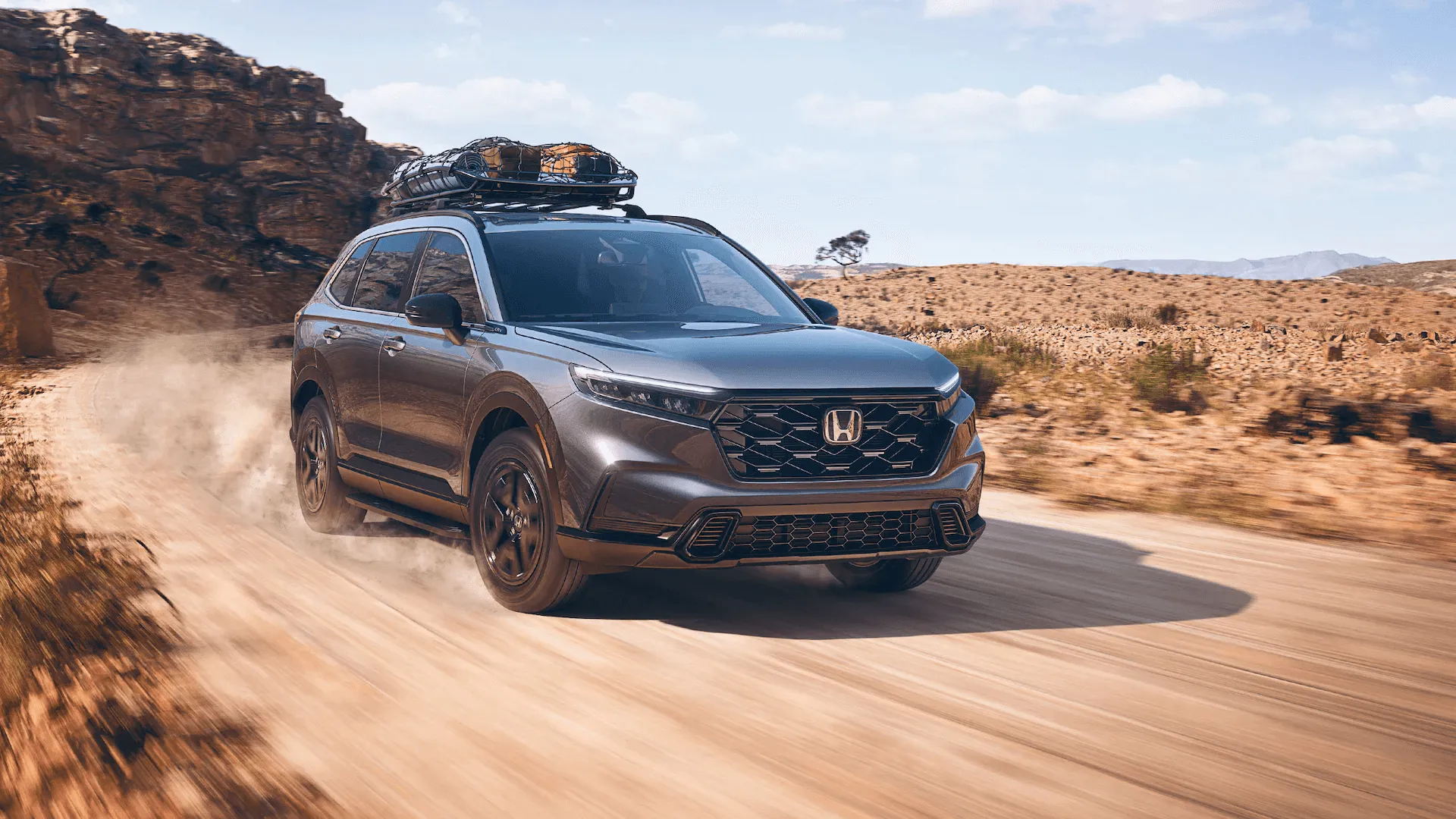
City streets can be unpredictable. Potholes, uneven asphalt, speed bumps, and cracked pavement turn routine commutes into tests of patience and vehicle capability. Choosing the right vehicle matters not only for comfort but also for safety and stress reduction.
Some cars take rough urban roads in stride, cushioning occupants while maintaining control, whereas others make every bump feel magnified. Urban infrastructure varies widely. One block may be smooth, while the next demands constant adjustment.
Vehicles that excel in such conditions offer more than shock absorption; they combine responsive handling, adaptive suspension, and thoughtful ergonomics to keep driving predictable. In addition, cabin noise control and driver-assistance features can turn a potentially stressful ride into a calm experience.
This guide separates vehicles into two camps: those that take rough city streets in stride, and those that feel every imperfection underfoot. You will discover SUVs, sedans, and crossovers engineered for urban resilience, alongside others where urban potholes, bumps, and irregular pavement reveal weaknesses. Each vehicle profile includes observations about handling, ride quality, interior comfort, and visibility.
Whether you’re commuting daily, running errands, or picking up groceries in unpredictable conditions, knowing which vehicles soften the road’s challenges is critical. Street-level details matter; tire choice, suspension type, chassis tuning, and even weight distribution influence how a vehicle absorbs shocks. For city dwellers, this isn’t just about luxury; it’s about reducing physical strain, mental fatigue, and stress during traffic jams.
Reading this page helps pinpoint options for comfortable urban living. Vehicles highlighted in the first section will inspire confidence and calm behind the wheel, while the second section serves as a cautionary list of models that struggle on rough roads. By the end, you will have insight into how specific designs cope with urban imperfections and which models demand extra attention during everyday drives.
5 Vehicles That Handle Rough Urban Roads
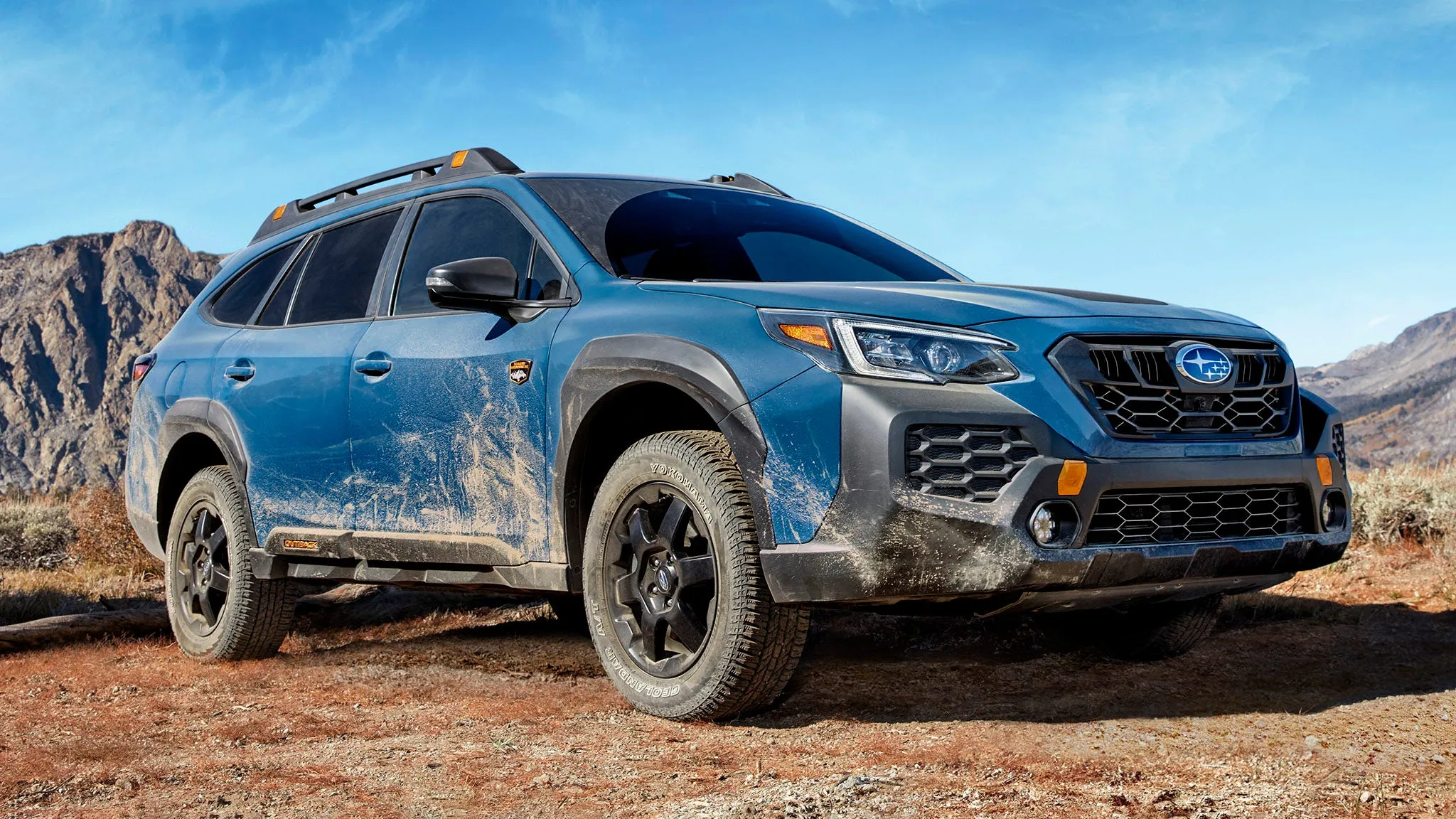
1. Subaru Outback Wilderness 2024
Subaru’s Outback Wilderness 2024 takes urban bumps and ruts in stride, turning potentially stressful streets into manageable passages. Its lifted suspension and reinforced chassis absorb uneven pavement effortlessly. Even on patched or irregular asphalt, the cabin feels stable and composed.
Steering is responsive yet forgiving, giving drivers confidence to drive through pothole-ridden intersections without sudden jolts. The all-wheel-drive system provides consistent traction, particularly valuable when sudden braking coincides with slippery surfaces or loose debris.
Urban stop-and-go traffic benefits from the powertrain’s smooth torque delivery, which prevents abrupt forward motion that can unsettle passengers. Even when tire contact is imperfect, the AWD system maintains grip and reduces the sense of skidding or sliding.
Ride comfort extends to the interior design. Seats are supportive yet cushion impacts from irregular roads. Center console placement and driver controls are within easy reach, minimizing the need for distraction when maneuvering over bumps or around obstacles. Noise insulation works in tandem with the suspension to dampen road vibration and tire noise, helping occupants remain relaxed.
Suspension tuning encourages composure without feeling artificial. Longitudinal and lateral movement are well managed, absorbing sudden dips or rises in pavement while keeping the cabin level. This makes traffic circles, uneven intersections, and poorly maintained urban streets far less taxing. Passengers feel the difference immediately, and drivers report less fatigue during extended commutes.
Technology complements mechanical advantages. EyeSight driver assistance includes adaptive cruise control and lane-keeping support, providing confidence during congested stretches. Cameras and sensors help maintain spatial awareness without demanding constant attention.
Subaru Outback Wilderness 2024 demonstrates that an SUV can combine off-road readiness with urban resilience. It cushions occupants against surface irregularities while maintaining predictable control, making it a standout option for city streets that are anything but perfect.
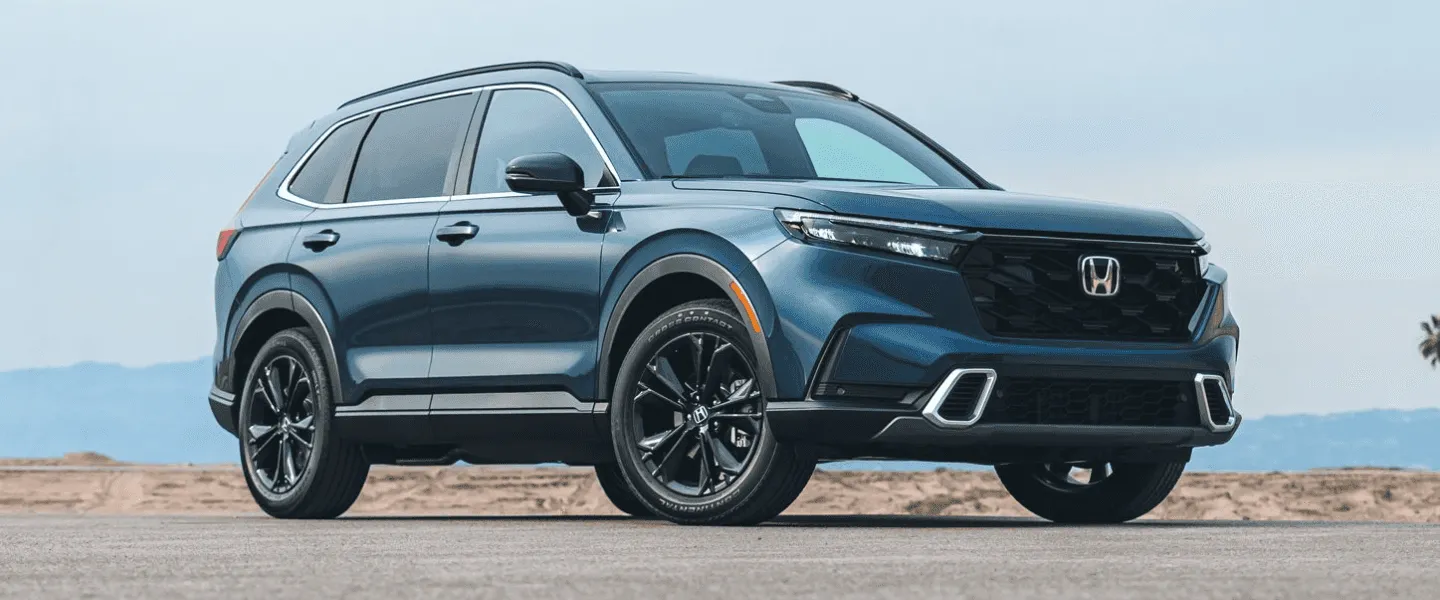
2. Honda CR-V Hybrid 2024
Urban potholes and cracked roads can feel relentless, but the Honda CR-V Hybrid 2024 softens these challenges with intelligent engineering. Its suspension offers a balance between comfort and stability, letting the vehicle glide over bumps without transmitting harsh jolts to passengers. Steering feedback remains communicative, helping drivers adjust trajectory when the pavement moves unexpectedly.
Hybrid efficiency does not compromise ride quality. Electric assist during low-speed maneuvers smooths throttle inputs, reducing sudden jerks over uneven asphalt. Regenerative braking integrates seamlessly, providing gentle deceleration even on inconsistent surfaces. Stop-and-go traffic feels smoother than in traditional gasoline-only crossovers.
Cabin design reinforces calm handling. Seats provide lateral support without being stiff, while cabin materials absorb vibrations and minimize rattle. Dashboard layout ensures essential controls are reachable without distraction, even when drivers are actively dodging potholes or adjusting to sudden dips. Visibility remains generous, allowing drivers to anticipate road hazards in advance.
The CR-V’s ground clearance strikes a sweet spot for urban resilience. Low enough to maintain efficiency, yet high enough to pass over curb edges, mild speed bumps, and uneven crosswalks without scraping. Tires contribute to a cushioned ride, maintaining grip on slippery patches while avoiding excessive harshness on dry pavement.
Hybrid powertrains reduce the impact of traffic idling. Electric-only torque in low-speed urban settings allows smooth crawling through city congestion without jerky starts. The combination of hybrid efficiency and suspension refinement makes daily commutes feel less taxing physically and mentally.
Technology assists subtly. Lane departure warnings, adaptive cruise, and collision mitigation sensors maintain awareness without overwhelming the driver. Information is displayed clearly, supporting calm decision-making in unpredictable city conditions.
Honda CR-V Hybrid 2024 proves that an urban-focused hybrid can soften harsh roads without sacrificing agility. Its blend of suspension tuning, hybrid smoothness, and intuitive interior design transforms challenging streets into predictable routes, enhancing comfort and reducing driver strain.
Also Read: 5 Cars That Feel Balanced Downtown vs 5 That Feel Awkward
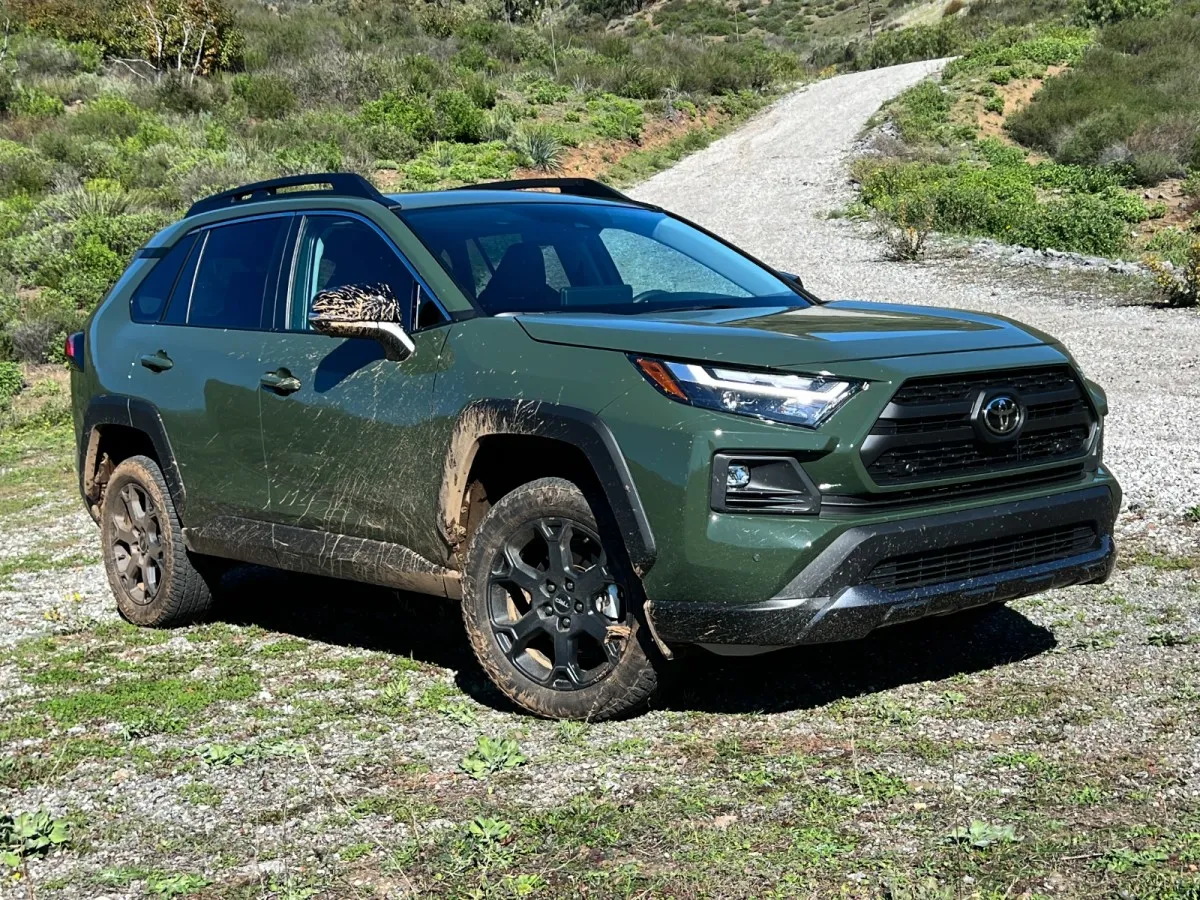
3. Toyota RAV4 TRD Off-Road 2024
Toyota RAV4 TRD Off-Road 2024 thrives when city streets feel broken or irregular. Its suspension is purpose-built to absorb shocks, and rugged chassis engineering reduces cabin vibrations even on severe pavement cracks. Urban commutes retain composure, allowing drivers to remain focused on traffic rather than road imperfections.
The TRD Off-Road’s all-wheel-drive system enhances grip and stability. Cornering through pothole-dense intersections or uneven traffic circles feels controlled, and torque delivery prevents sudden jerks. Passengers notice smoother acceleration and deceleration in stop-and-go conditions, with body movement restrained.
Interior ergonomics support urban adaptability. Controls are logically arranged, touchscreens display essential information without clutter, and seats remain supportive over long drives. Noise from tire and road contact is muted by both mechanical and acoustic tuning, preventing fatigue in dense traffic conditions.
Suspension geometry provides a firm yet forgiving feel. Vertical motion is absorbed effectively, while lateral sway is minimized. Sudden bumps or dips do not unsettle the vehicle, which is particularly useful when driving through intersections or uneven parking lots.
Visibility aids help anticipate hazards. Cameras and mirrors ensure drivers can position the SUV confidently, minimizing stress during tight turns or lane changes. Driver-assistance features like adaptive cruise and blind-spot monitoring reinforce awareness without overloading the senses.
Powertrain behavior complements mechanical stability. Throttle inputs are smooth, and the hybrid option provides electric assist for low-speed crawling, further refining motion over uneven surfaces. Fuel-efficient performance reduces attention to consumption during frequent stops.
Toyota RAV4 TRD Off-Road 2024 proves that a compact SUV can handle urban challenges with sophistication. Its combination of suspension resilience, AWD control, interior comfort, and intuitive technology transforms rough roads into manageable roads, making city commutes feel safer and calmer.
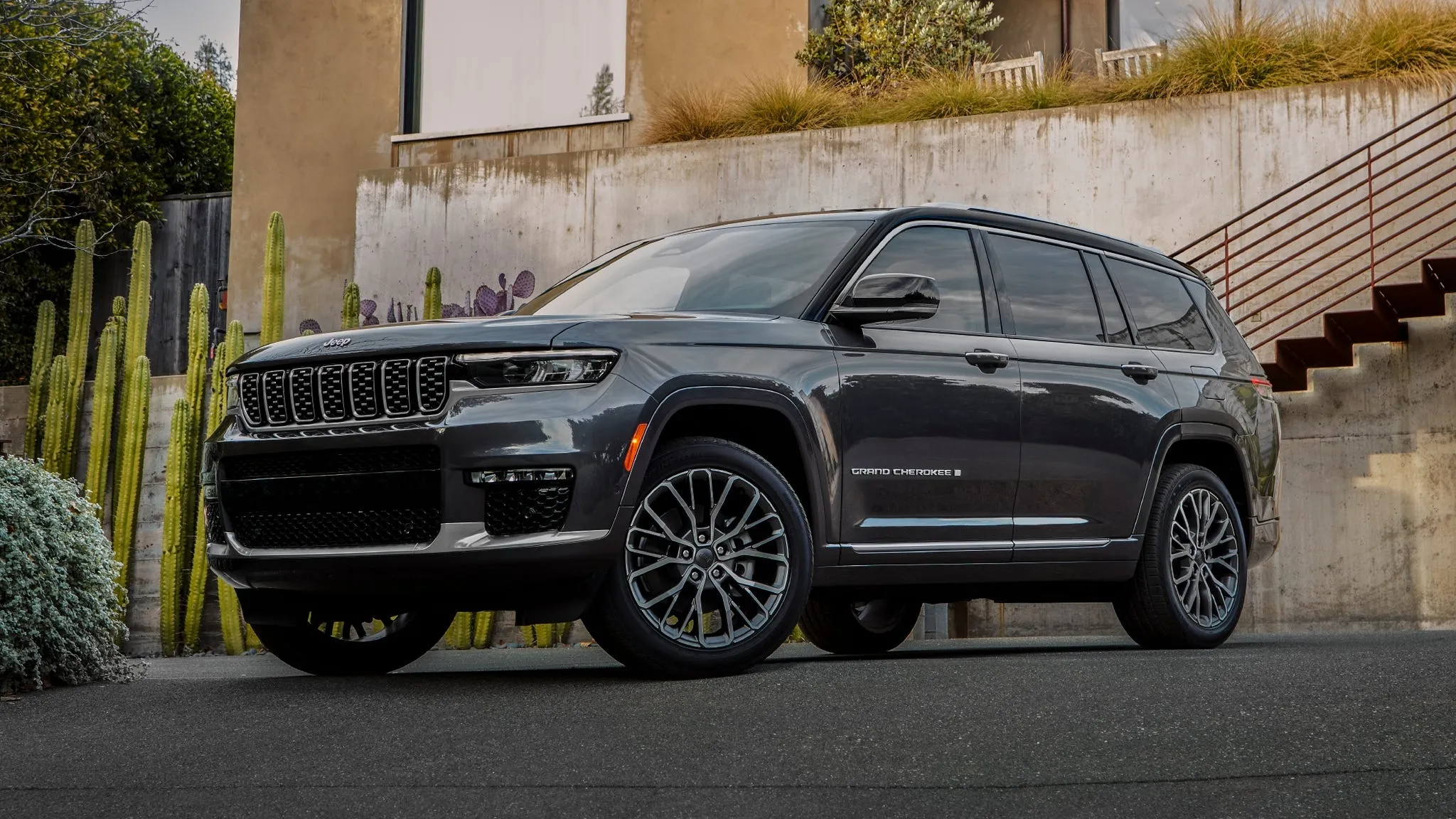
4. Jeep Grand Cherokee L 2024
The Jeep Grand Cherokee L 2024 brings a commanding presence to broken urban roads, combining a high ride height with advanced suspension to mitigate uneven surfaces. Tires are designed for grip and cushioning, turning potholes and patched streets into minor disturbances rather than jolts. Steering remains confident, giving drivers precise control without harsh feedback.
Adaptive air suspension adjusts ride height dynamically. When encountering dips or sudden pavement movements, the system compensates to maintain stability. Vertical motion is absorbed, and lateral sway is reduced, creating a cabin environment that feels planted even when the outside street is rough.
Interior design emphasizes comfort. Seats are plush, supportive, and equipped with adjustable lumbar support. Cabin insulation reduces road noise, preventing fatigue over prolonged commutes. Controls are ergonomically placed, allowing adjustments without diverting attention from traffic.
Drive modes complement urban resilience. Normal mode softens impacts, while sport and off-road settings tune suspension response for either crisp handling or maximal comfort. Electric power steering adapts to speed, offering light feedback at low speeds for parking while retaining stability on uneven streets.
Visibility and driver assistance amplify confidence. Forward cameras and parking sensors guide maneuvers, while blind-spot monitoring and lane keeping help drive through congested, damaged roads. Drivers can focus on flow rather than surface imperfections.
Powertrain integration ensures smooth motion. V6 or hybrid options deliver predictable torque, avoiding abrupt responses that could disturb passengers. Stop-and-go traffic is managed with gradual acceleration and regenerative braking, where equipped, minimizing stress.
Jeep Grand Cherokee L 2024 transforms chaotic city streets into manageable drives. Suspension sophistication, interior comfort, and driver-assistance technology work together to cushion the ride, providing confidence and reducing fatigue for urban commuters.
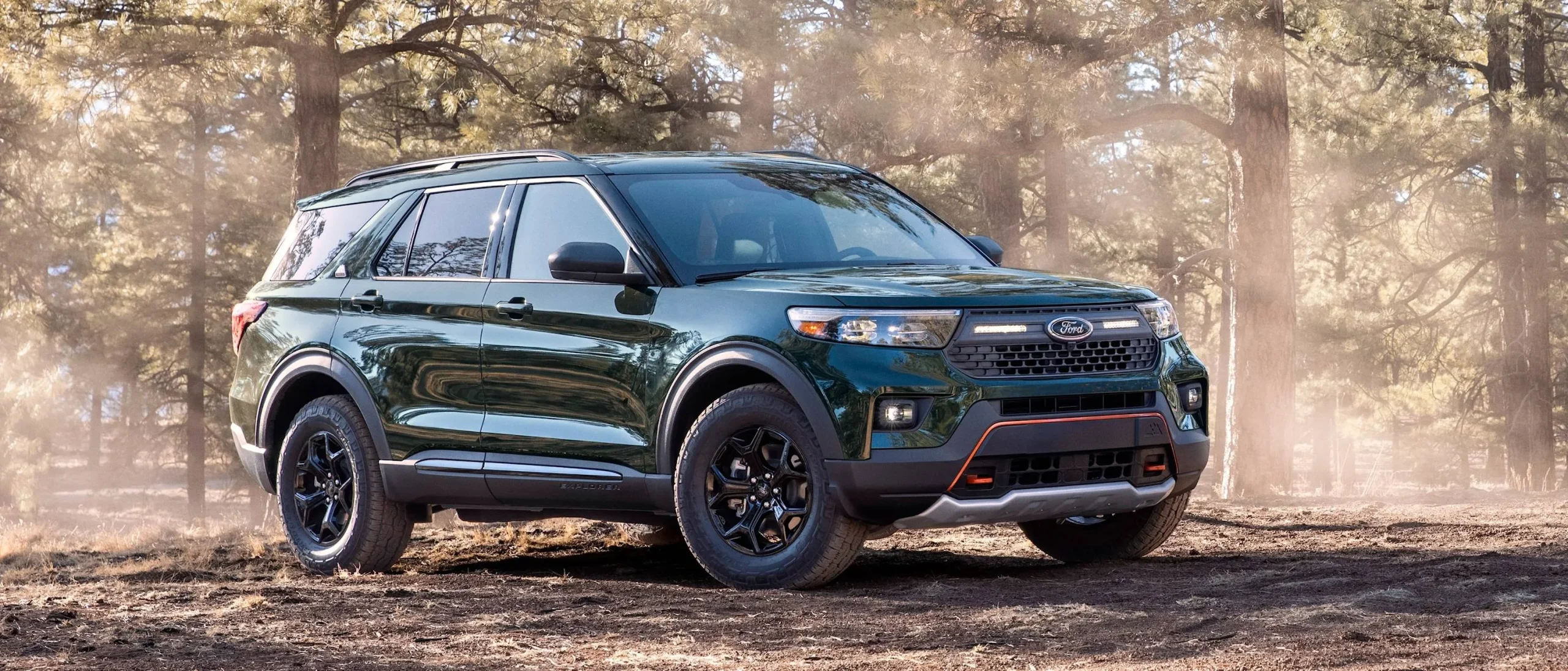
5. Ford Explorer Timberline 2024
Ford Explorer Timberline 2024 demonstrates that an SUV can combine rugged capability with urban refinement. Its lifted suspension and reinforced chassis absorb uneven pavement efficiently. Vertical motion is minimized, and lateral sway is controlled during sharp lane changes. Steering remains predictable, allowing precise placement in traffic.
Tire selection complements ride comfort. All-terrain designs balance grip and softness, mitigating the harshness of potholes or rough patches. Cabin vibration is dampened, and engine noise is insulated to maintain a relaxed interior. Passengers can converse without raising voices, even on damaged asphalt.
Throttle inputs remain smooth. Acceleration builds gradually, allowing drivers to maintain consistent gaps in stop-and-go conditions. Regenerative braking or gentle deceleration contributes to calm control, avoiding sudden moves that could unsettle occupants.
Interior ergonomics focuses on user comfort. Controls are intuitive and reachable, minimizing distraction while adjusting climate or infotainment. Seats provide both lateral support and cushioning, maintaining comfort during long urban commutes. Visibility is generous, reducing guesswork in tight intersections or parking lots.
Driver-assistance systems enhance confidence. Adaptive cruise control, lane keep, and obstacle detection work quietly, allowing drivers to focus on flow rather than constant hazard monitoring. Ride modes allow quick adaptation to street conditions, further reducing the impact of rough pavement.
Ford Explorer Timberline 2024 balances urban practicality with rugged engineering. Rough roads feel less threatening, and the combination of suspension, comfort, and technology ensures that both driver and passengers arrive calm, even when streets are far from smooth.
5 Vehicles That Don’t Handle Rough Urban Roads
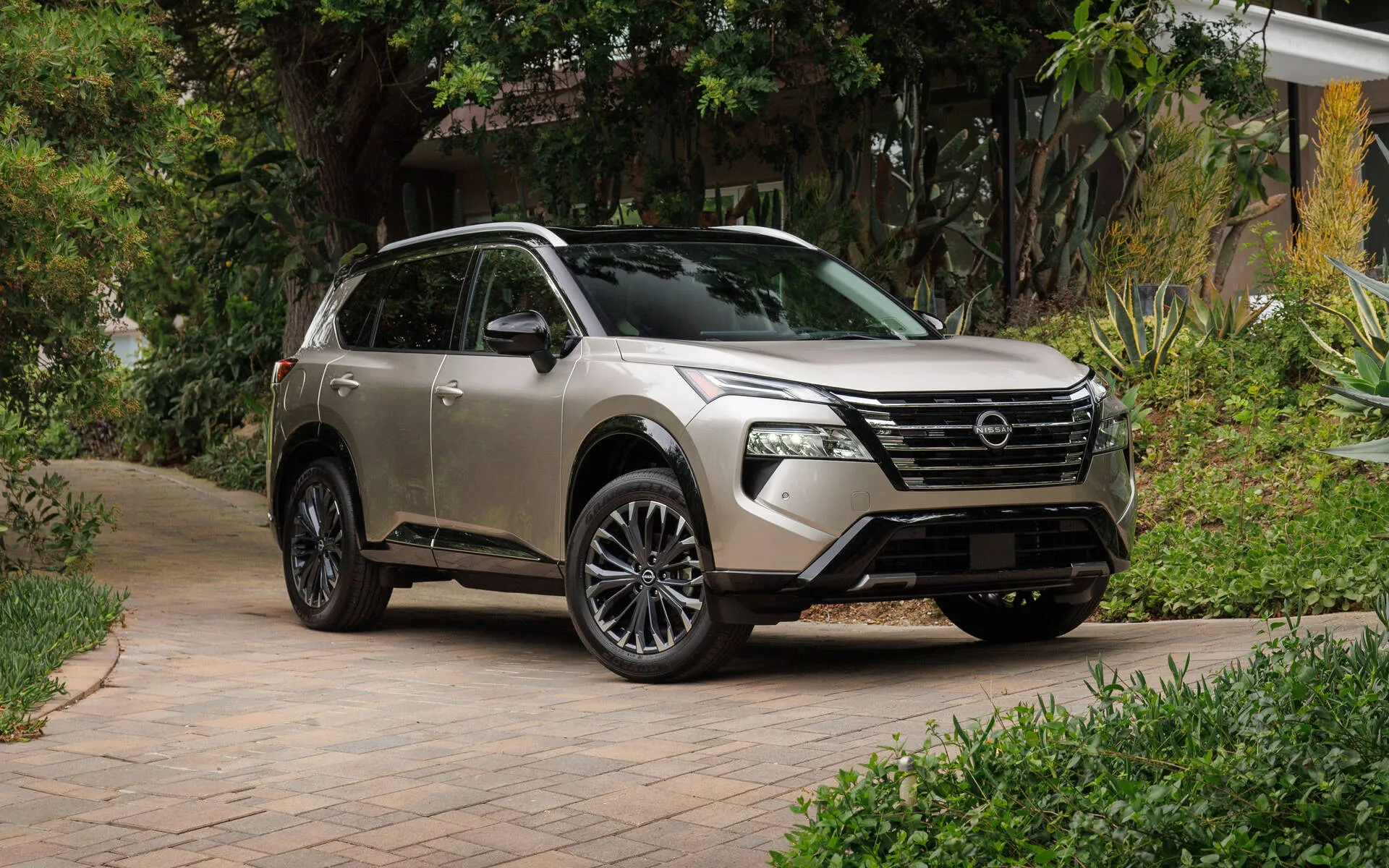
1. Nissan Rogue S 2024
Urban streets expose the limits of the Nissan Rogue S 2024. Its suspension leans toward cost efficiency rather than comfort, so potholes, uneven asphalt, and patched intersections transmit shocks directly into the cabin. Steering feedback feels light but imprecise over irregular surfaces, requiring constant adjustment to maintain lane alignment.
Every small bump reminds drivers that the chassis is tuned for smooth highways more than rough city roads. Acceleration can feel abrupt in stop-and-go traffic. The engine responds quickly to throttle inputs, which amplifies jolts over dips or small bumps.
This requires careful modulation during tight traffic, especially when frequent braking is necessary. In practice, drivers must stay vigilant, anticipating road imperfections instead of simply cruising through them. Cabin materials contribute to an amplified sense of unevenness.
While interior design is clean and modern, soft-touch materials cannot fully absorb vibrations, leaving passengers feeling every imperfection. Tire and road noise remain prominent even at moderate speeds, and the combination of cabin rattles and pavement shocks increases fatigue during urban commutes.
Visibility supports basic awareness but does not compensate for road unpredictability. Blind spots and small mirrors make lane changes challenging when streets are narrow, and potholes demand precise positioning. Drivers often find themselves making small corrective steering inputs, adding stress rather than relaxation.
Driver-assistance features offer some relief but do not fully mitigate the impact of rough streets. Forward collision warnings and lane-keep assist alert for obstacles, but cannot soften the physical experience of harsh pavement. The mismatch between technology support and mechanical comfort is apparent when driving through busy city intersections.
Fuel efficiency remains reasonable, but frequent stops and start-and-go traffic amplify the perception of sluggishness. Acceleration delays at lights or during merges feel more pronounced when paired with the suspension’s inability to absorb irregularities effectively.
Nissan Rogue S 2024 works well for predictable highways, yet rough urban roads reveal its limitations. The combination of stiff suspension, jumpy throttle, and cabin noise makes daily city driving feel more physically and mentally demanding, turning commutes into a constant exercise in vigilance.
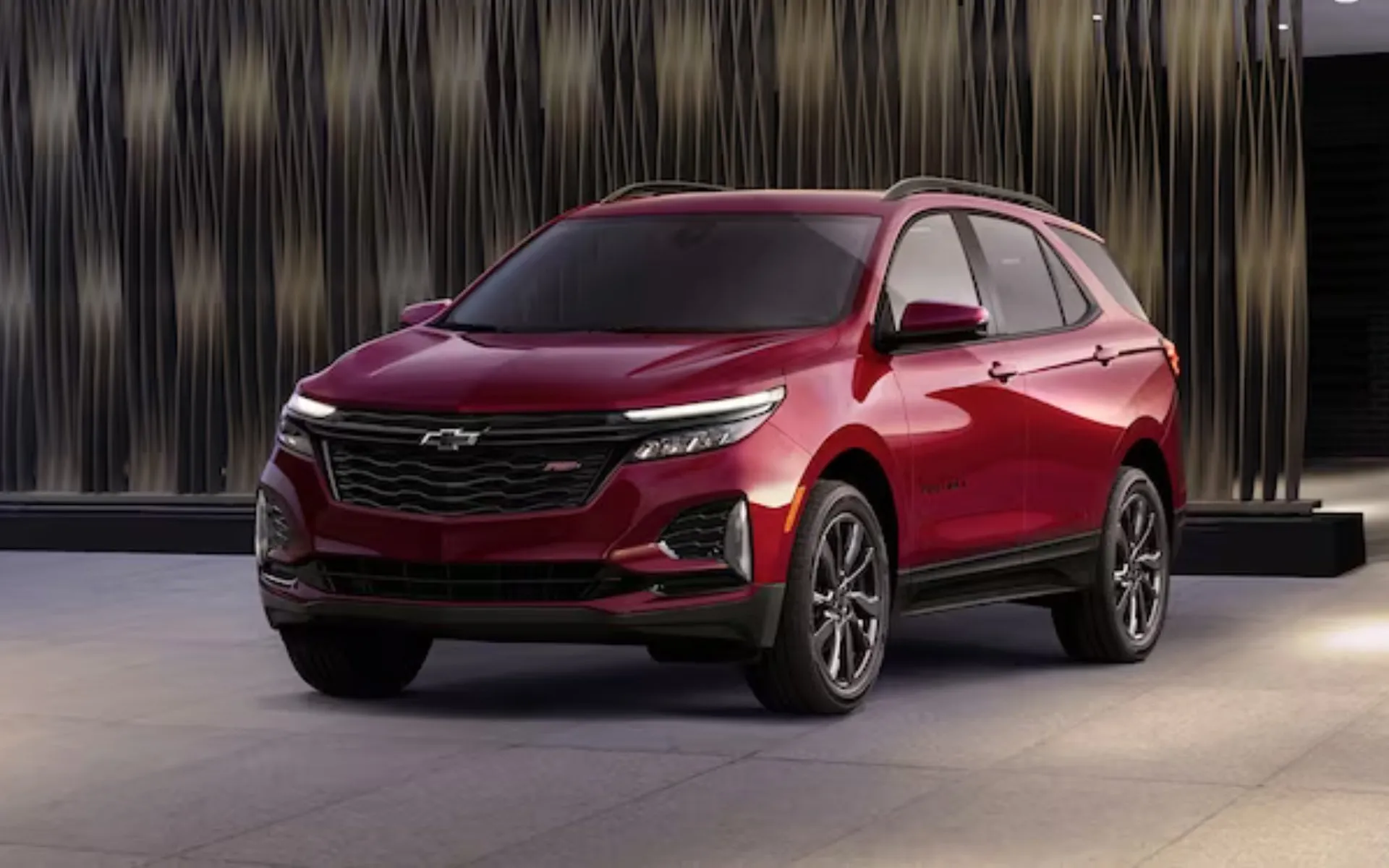
2. Chevrolet Equinox LS 2024
City streets challenge the Chevrolet Equinox LS 2024 in ways that reveal its design compromises. Suspension prioritizes budget-friendly tuning over refinement, so potholes and uneven pavement translate directly into cabin shocks. Passengers experience noticeable jostling during stop-and-go driving, while steering feels less responsive on cracked or uneven surfaces.
Acceleration requires active modulation. Sudden pedal input can trigger a lurch over dips, making traffic flow less predictable. Drivers cannot simply relax and let the car move forward; instead, they must anticipate surface changes and adjust the throttle gently to avoid unsettling motion.
Cabin acoustics compound discomfort. Tire and road noise remain intrusive, and vibrations amplify small impacts from broken asphalt. Soft surfaces in the cabin offer minimal damping, leaving passengers aware of every imperfection. Overextended urban commutes, this can contribute to fatigue and frustration.
Visibility assists are present but limited in their impact. Rear and side sightlines are adequate, yet going through tight lanes or poorly maintained intersections demands frequent correction. Lane changes require concentration, and parking in city lots often feels cumbersome due to a combination of size and limited low-speed maneuverability.
Interior ergonomics emphasizes cost efficiency rather than comfort. Controls are functional but basic, with screen interfaces requiring careful attention to operate during traffic movement. Distraction potential increases when adjustments must be made while managing uneven pavement.
Fuel efficiency offers moderate reassurance, yet the combination of stop-and-go traffic and frequent throttle corrections reduces any sense of ease. Drivers must remain attentive to maintain smooth progress through congested streets, increasing cognitive load during commutes.
Chevrolet Equinox LS 2024 performs reliably on smoother roads, yet urban imperfections expose its shortcomings. Stiff suspension, cabin vibration, and reactive throttle make city streets feel less forgiving, highlighting the difference between basic SUV functionality and true urban resilience.
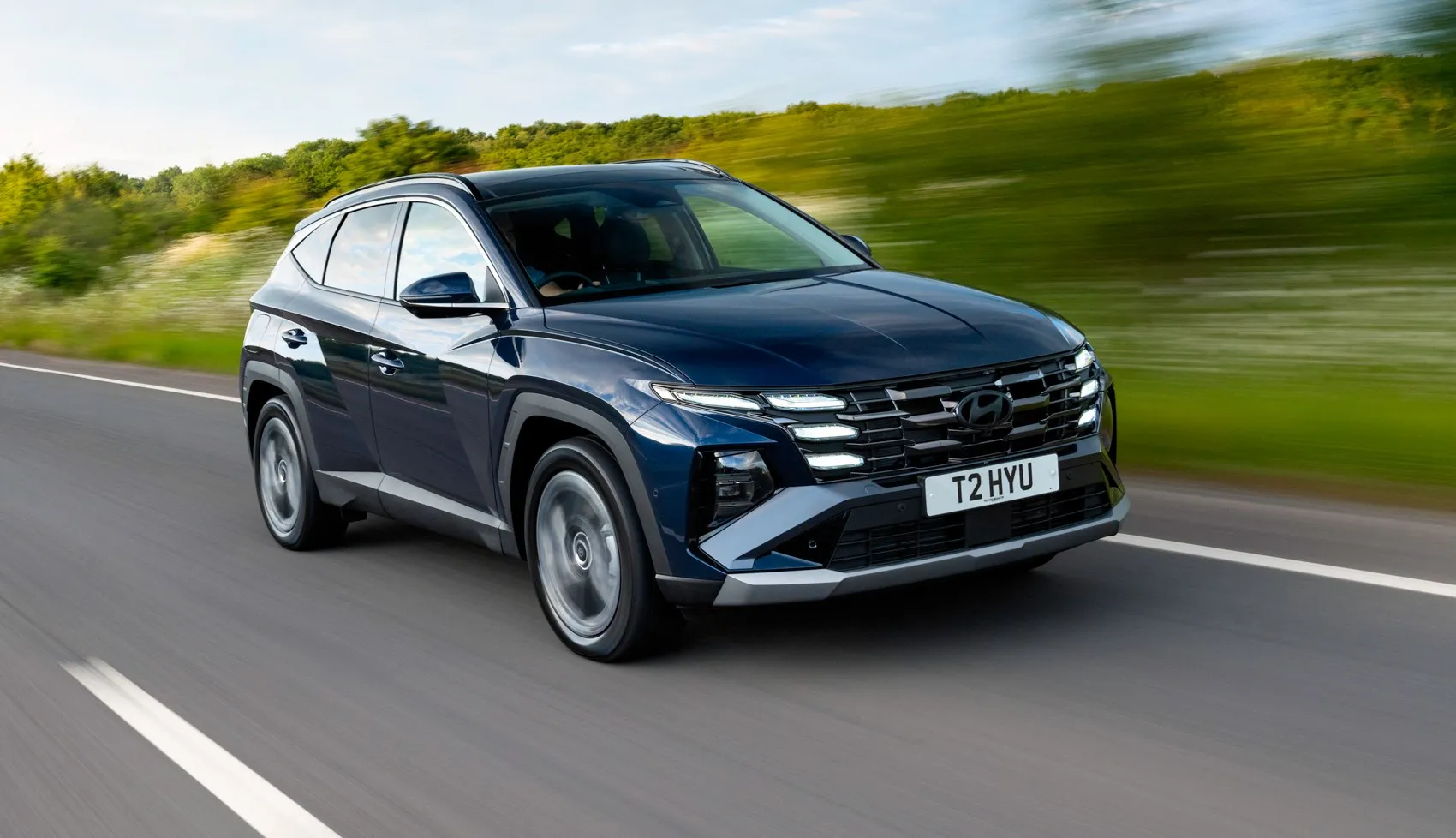
3. Hyundai Tucson SE 2024
Hyundai Tucson SE 2024 struggles to keep urban bumps from turning into disruptive experiences. Suspension tuning prioritizes cost-effectiveness and highway stability, leaving the vehicle prone to transmitting jolts over potholes and uneven asphalt.
Steering remains light but lacks feedback when responding to subtle movement in pavement, which requires drivers to make small, constant corrections. Acceleration dynamics exacerbate the issue. The turbocharged powertrain responds quickly to inputs, which can feel jumpy when moving through irregular city streets.
Stop-and-go conditions require careful modulation of the throttle, or else the cabin experiences sudden forward movement. Braking and accelerating frequently amplify discomfort. Cabin comfort is hindered by vibration transmission.
Seats are moderately supportive but fail to absorb repeated shocks, and road noise filters directly into the interior. Conversations may require raising voices during rough stretches, reducing the sense of calm during city commutes.
Visibility provides adequate awareness, but limited camera angles and smaller mirrors demand more active head movement to confirm positioning. Narrow streets or cracked intersections increase cognitive load as drivers must anticipate obstacles while compensating for vehicle motion.
Technology helps minimally. Forward collision alerts, lane-keeping, and blind-spot detection assist in preventing incidents but cannot reduce the physical discomfort caused by uneven road surfaces. Drivers feel the mechanical impact of city streets, despite digital assistance.
Fuel economy is acceptable, but repeated stops and uneven surfaces amplify perceived sluggishness. The combination of unrefined suspension and reactive acceleration creates a demanding driving experience, especially during longer urban commutes.
Hyundai Tucson SE 2024 remains efficient and competent for smooth routes, yet rough city streets expose limitations in suspension, throttle response, and cabin isolation. Urban driving feels more physically taxing than with vehicles designed for resilience, highlighting the importance of choosing SUVs with tuned urban comfort.
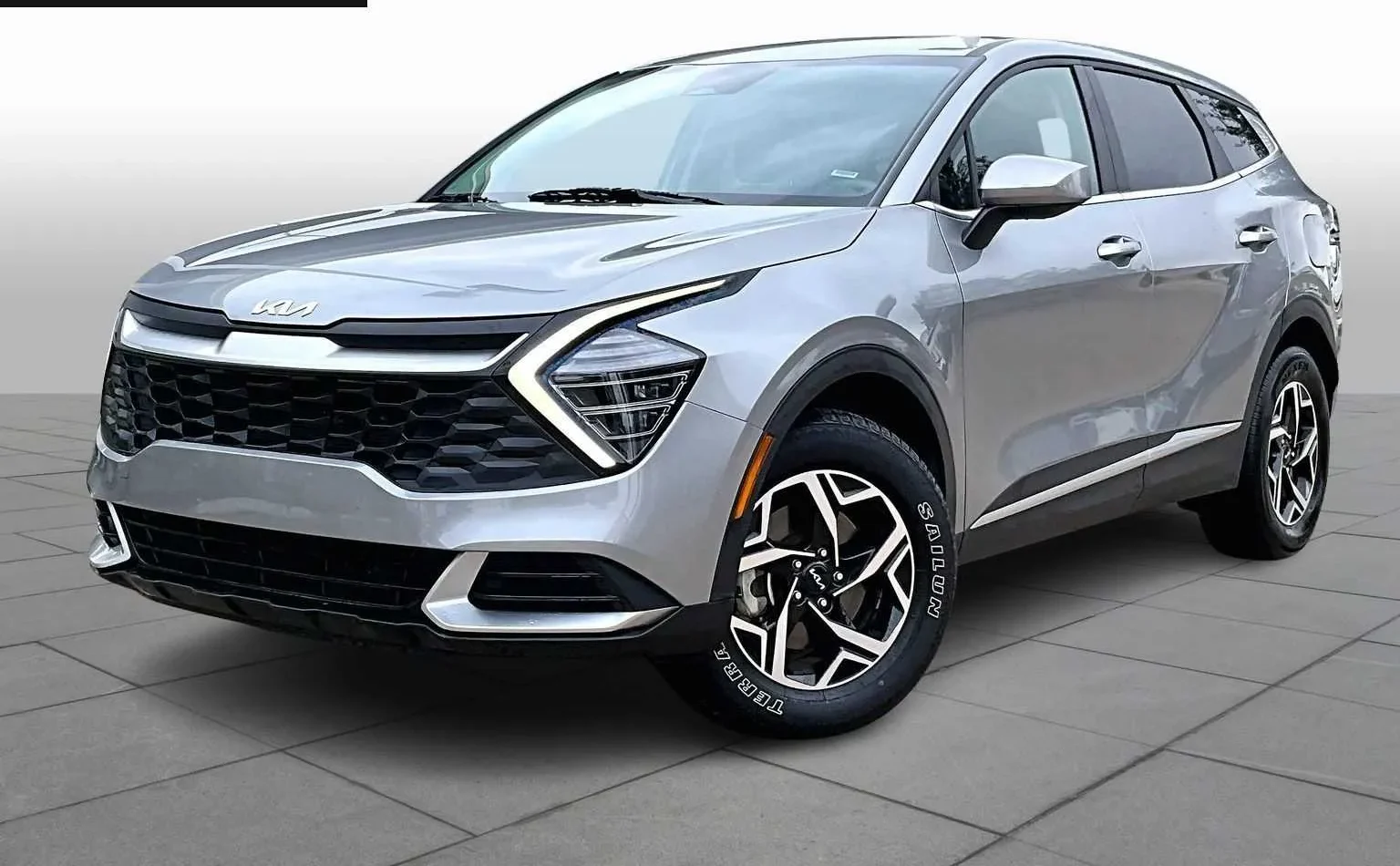
4. Kia Sportage LX 2024
Kia Sportage LX 2024 demonstrates that compact SUVs can struggle in urban pothole zones. Suspension tuning is geared toward smooth highways, leaving city streets full of cracks and uneven patches to transmit direct impact into the cabin. Steering is light but vague over bumpy asphalt, forcing drivers to make continuous corrections.
Acceleration over rough surfaces adds stress. The engine responds to pedal input with minimal damping, causing jerky starts during slow-moving traffic. Drivers must focus on gentle modulation to avoid abrupt forward lurches, increasing mental demand during commutes.
Interior dynamics amplify the sensation of street imperfections. Cabin materials offer moderate vibration absorption, yet road and tire noise are prominent, particularly over patched intersections or uneven parking areas. Passengers feel every elevation change, which contributes to fatigue during longer drives.
Visibility is adequate but unremarkable. Small mirrors and moderate rearward sightlines make tight lane changes or parallel parking more challenging when roads are uneven. Drivers must compensate with extra caution, which reduces the total comfort.
Controls are functional but scattered, requiring attention during adjustments. Touchscreens and physical buttons can distract when the driver is simultaneously responding to surface irregularities. The combination of light steering, stiff ride, and distraction risk increases cognitive load.
Fuel efficiency remains stable, but does not offset the stress of driving over poorly maintained streets. Stop-and-go conditions amplify the effect of reactive acceleration and suspension limitations, making urban commutes feel more demanding than expected for a compact SUV.
Kia Sportage LX 2024 is capable on smoother highways, but city streets reveal its mechanical and ergonomic weaknesses. Stiff responses, minimal damping, and cabin noise make everyday urban driving a test of patience and focus.
Also Read: 5 Cars for Fort Collins Commuters and 5 Altitude-Ready Vehicles
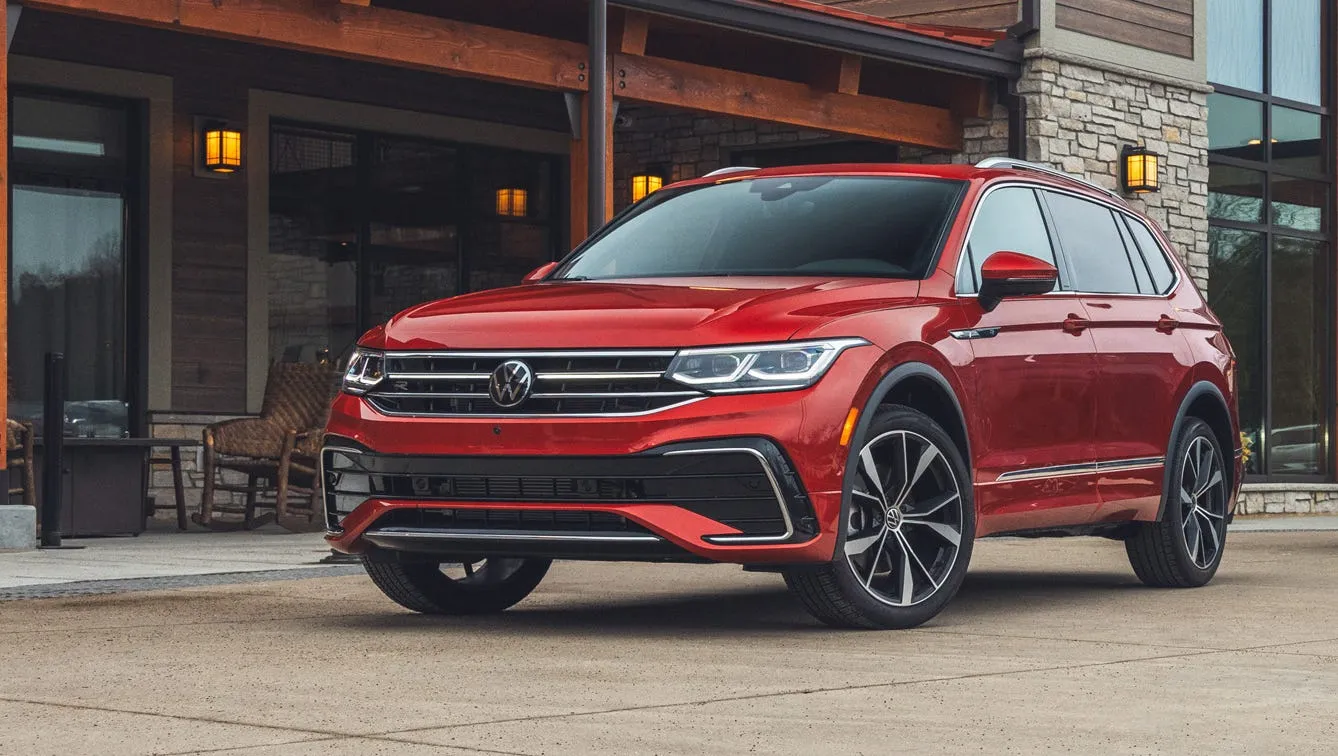
5. Volkswagen Tiguan S 2024
Volkswagen Tiguan S 2024 illustrates how urban imperfections can reveal suspension and chassis compromises. Its base suspension does not absorb potholes or uneven asphalt gracefully, transmitting bumps to both driver and passengers. Steering is moderately precise, but fine adjustments feel disconnected when road surfaces fluctuate rapidly.
Acceleration and braking lack finesse over rough patches. Throttle inputs can produce sudden lurches, while braking can feel abrupt when combined with vertical motion. This combination makes stop-and-go urban traffic more mentally taxing, as drivers must anticipate reactions instead of enjoying smooth control.
Interior features partially mitigate discomfort but cannot compensate fully. Seats are comfortable for short periods, yet they fail to dampen repeated jolts over rough streets. Cabin insulation is moderate, allowing tire and pavement noise to intrude into the driving experience, which raises fatigue.
Visibility is reasonable, but narrow lanes and intersections with uneven surfaces require constant vigilance. Mirrors and camera systems provide additional perspective, yet they cannot reduce the mechanical impact of poor road surfaces. Drivers are frequently making minor corrections to maintain lane positioning.
Driver-assistance systems offer alerts and collision warnings, which enhance safety but do not soften the physical experience. Lane assist, blind-spot detection, and forward collision systems help with awareness but cannot absorb road harshness.
Fuel efficiency is adequate, but repeated stop-and-go conditions and reactive acceleration reduce perceived smoothness. The Tiguan S 2024 is competent on well-maintained roads, yet rough urban streets expose mechanical and ergonomic limitations that increase driver strain.
Volkswagen Tiguan S 2024 is suitable for suburban or highway use, but dense, pothole-filled city streets reveal that its suspension, acceleration calibration, and cabin noise handling are less capable than those of vehicles designed for urban resilience.
